
A Visit to Lalique: Inside the Iconic Crystal Workshop in Wingen-sur-Moder
The Enduring Legacy of Lalique
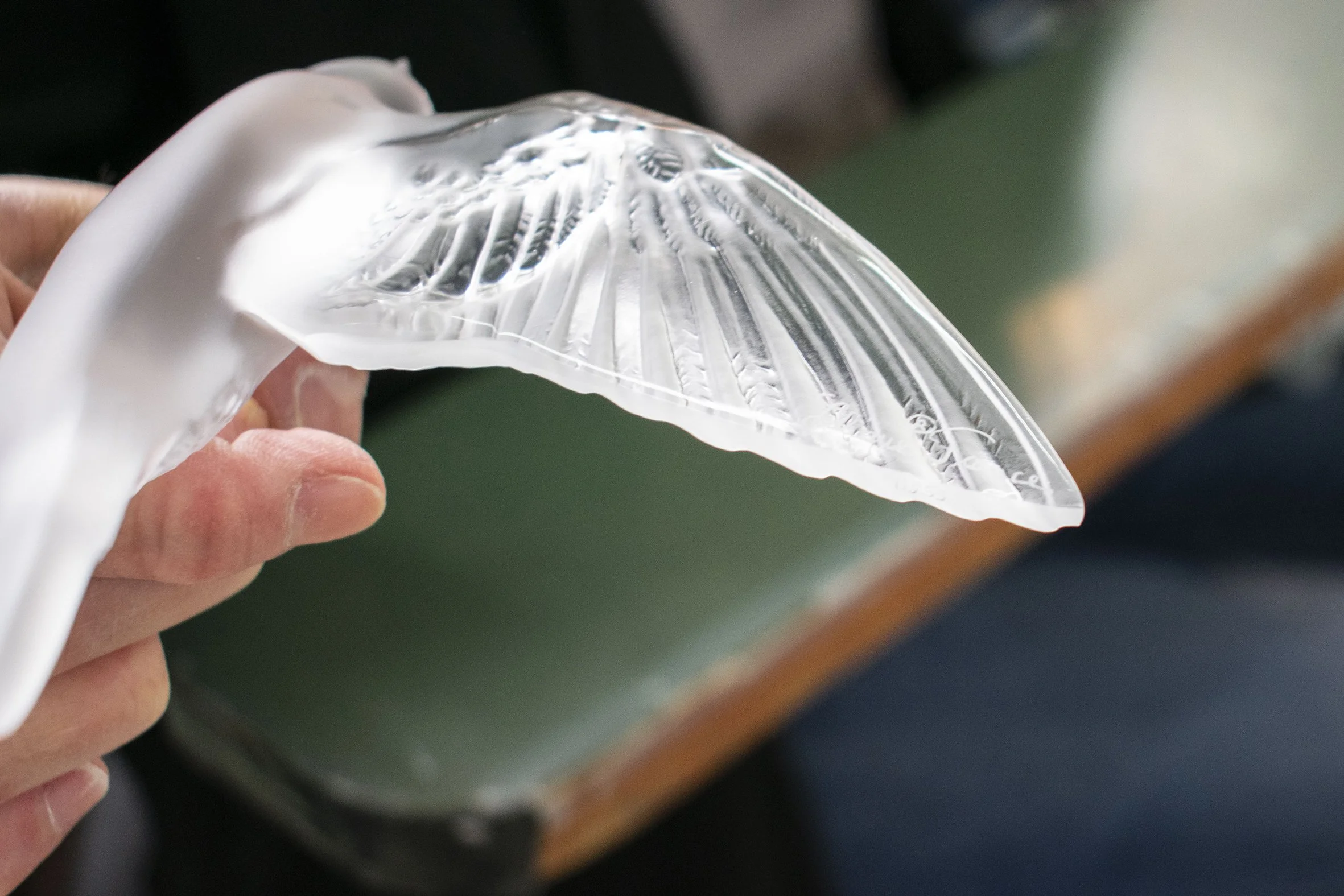
Lalique is a name that resonates with elegance, craftsmanship, and timeless beauty. Founded by René Lalique in the late 19th century, the French luxury brand has long been synonymous with refined glass and crystal artistry. Whether through perfume bottles, intricate vases, decorative objects, or dazzling lighting fixtures, Lalique continues to set the global standard for artisanal excellence in glassmaking and design.
My recent visit to Lalique's sole production workshop in Wingen-sur-Moder, Alsace, France, offered a rare glimpse into the level of artistry and detail that defines the brand. Nestled in the heart of Alsace, the workshop is the beating heart of Lalique's operations, where every piece is lovingly handcrafted by skilled artisans who preserve the legacy and innovative spirit of René Lalique.
A Brief History of Lalique
René Lalique (1860–1945), a visionary artist and designer, began his career as a jeweller, collaborating with major names like Cartier and Boucheron before launching his own label. His groundbreaking designs for Art Nouveau jewellery gained him recognition across Europe. In the early 20th century, Lalique shifted his focus to glass, founding a glassworks in Combs-la-Ville and later establishing the Wingen-sur-Moder factory in 1921.
His work during the Art Deco period set new standards in decorative arts, with pieces that captured light, movement, and nature in bold, innovative forms. Lalique creations have adorned the interiors of grand residences, luxury ocean liners, and opulent hotels, and have been collected by connoisseurs around the world.
Today, Lalique remains one of the few historic glassmakers to still manufacture in France. With a strong commitment to heritage and artisanal values, the brand continues to evolve under contemporary creative direction while staying true to its roots.


Wingen-sur-Moder: The Heart of Lalique Crystal
Located in the Northern Vosges Regional Nature Park, Wingen-sur-Moder is a picturesque village that has been home to Lalique's crystal workshop for over a century. It is here that the magic happens: the brand's iconic pieces, whether small-scale objects or monumental installations, are cast, cooled, carved, etched, and polished by hand.
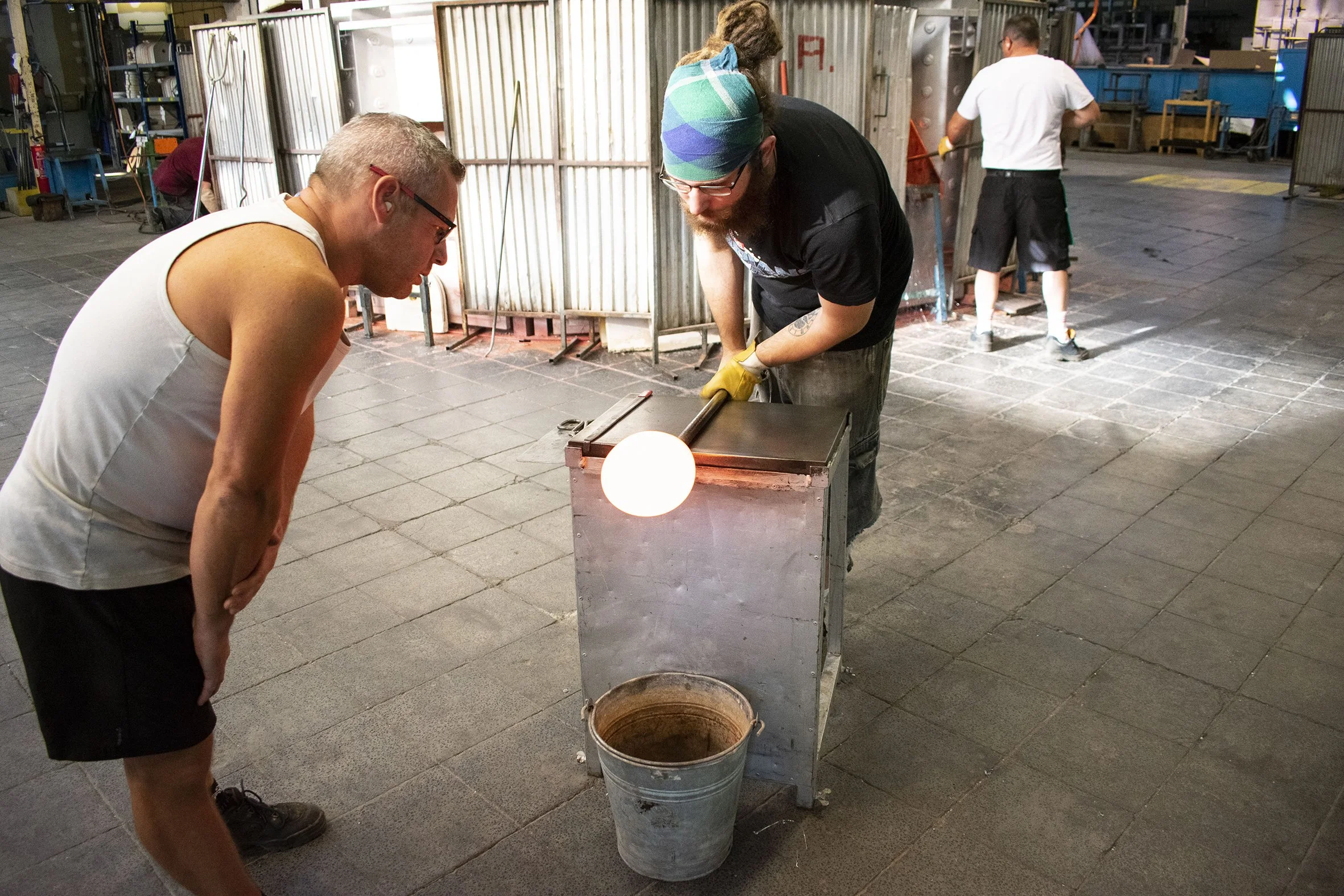
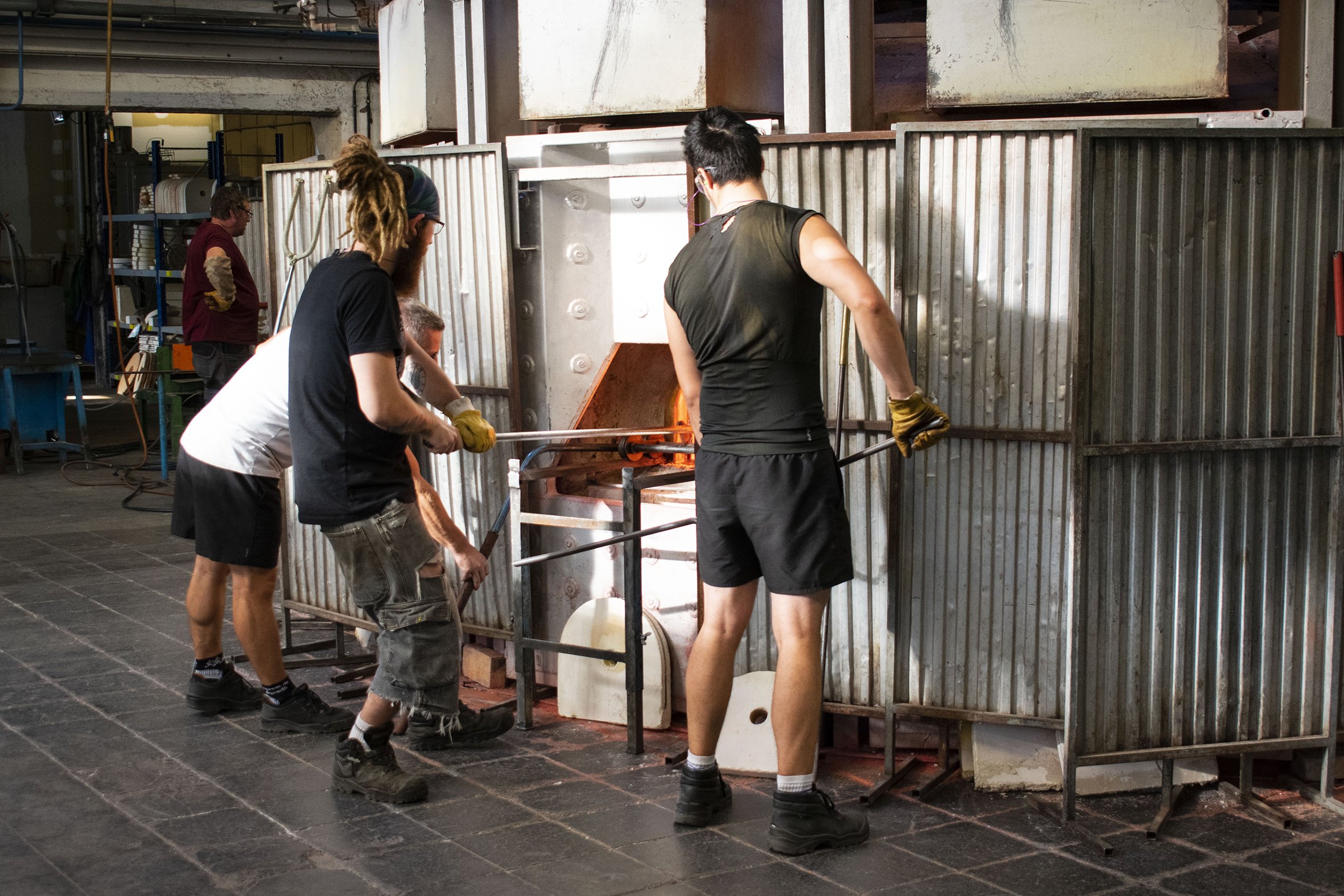
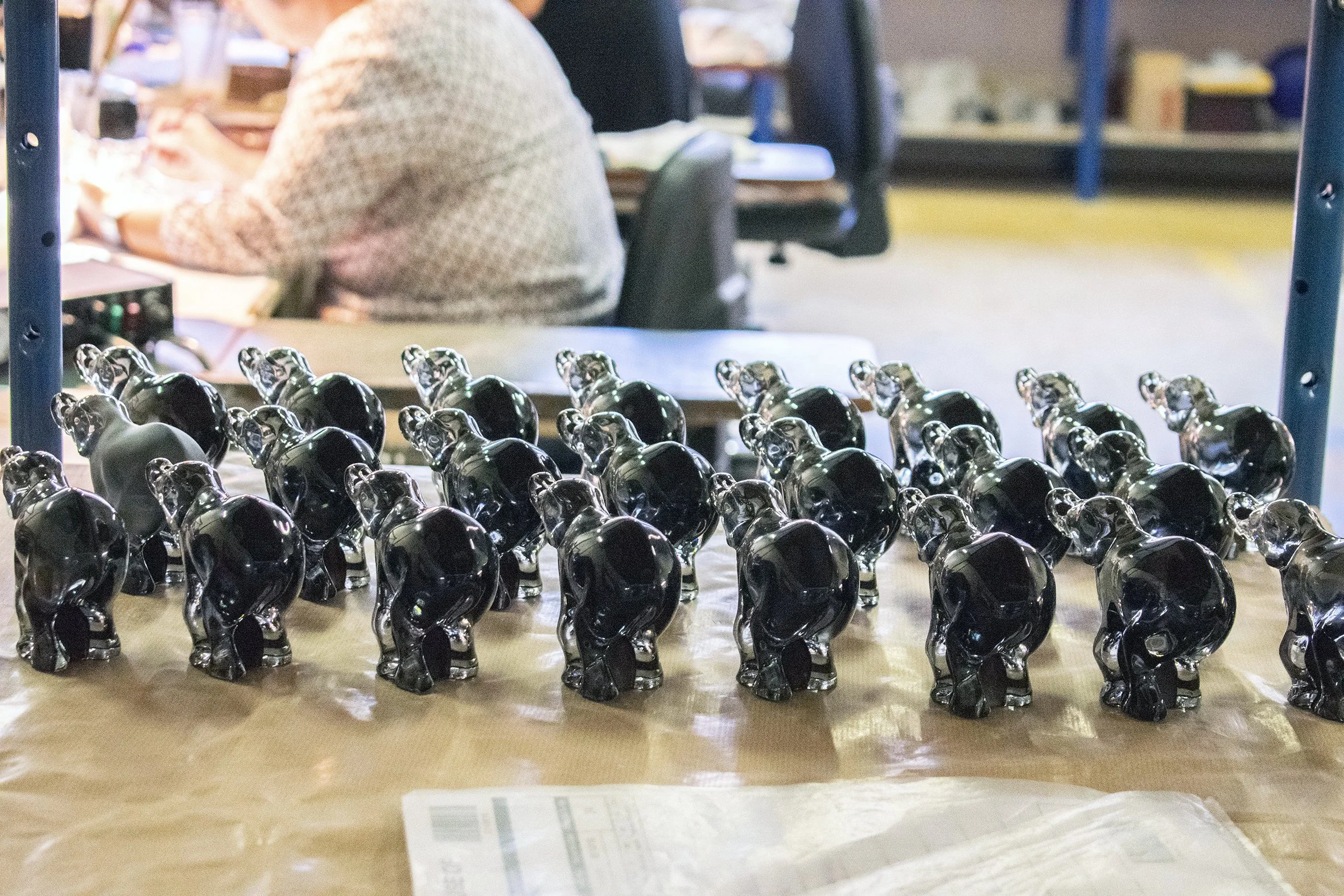
Entering the workshop is like stepping into a world where time slows and craftsmanship reigns supreme. The intense heat of the furnaces, the rhythmic motion of artisans shaping molten crystal, and the sheer precision required at every stage are awe-inspiring. What becomes immediately apparent is the level of coordination, expertise, and patience involved in every single item.


The Art of Crystal Making
Lalique's production process is as meticulous as it is mesmerising. The journey of a single crystal piece can take several weeks and includes over 40 individual steps. The process begins with a proprietary formula of silica, lead oxide, and other minerals, which are melted at temperatures exceeding 1,400 degrees Celsius.
Once molten, the crystal is shaped through mould-blowing, hand-pressing, or free-form techniques. A team of artisans handles each object with care, ensuring the right balance of temperature and timing. Once cooled, the pieces undergo extensive finishing, including chiselling, sandblasting, polishing, and occasionally enamelling or gilding. Each piece is scrutinised multiple times before receiving the Lalique signature.
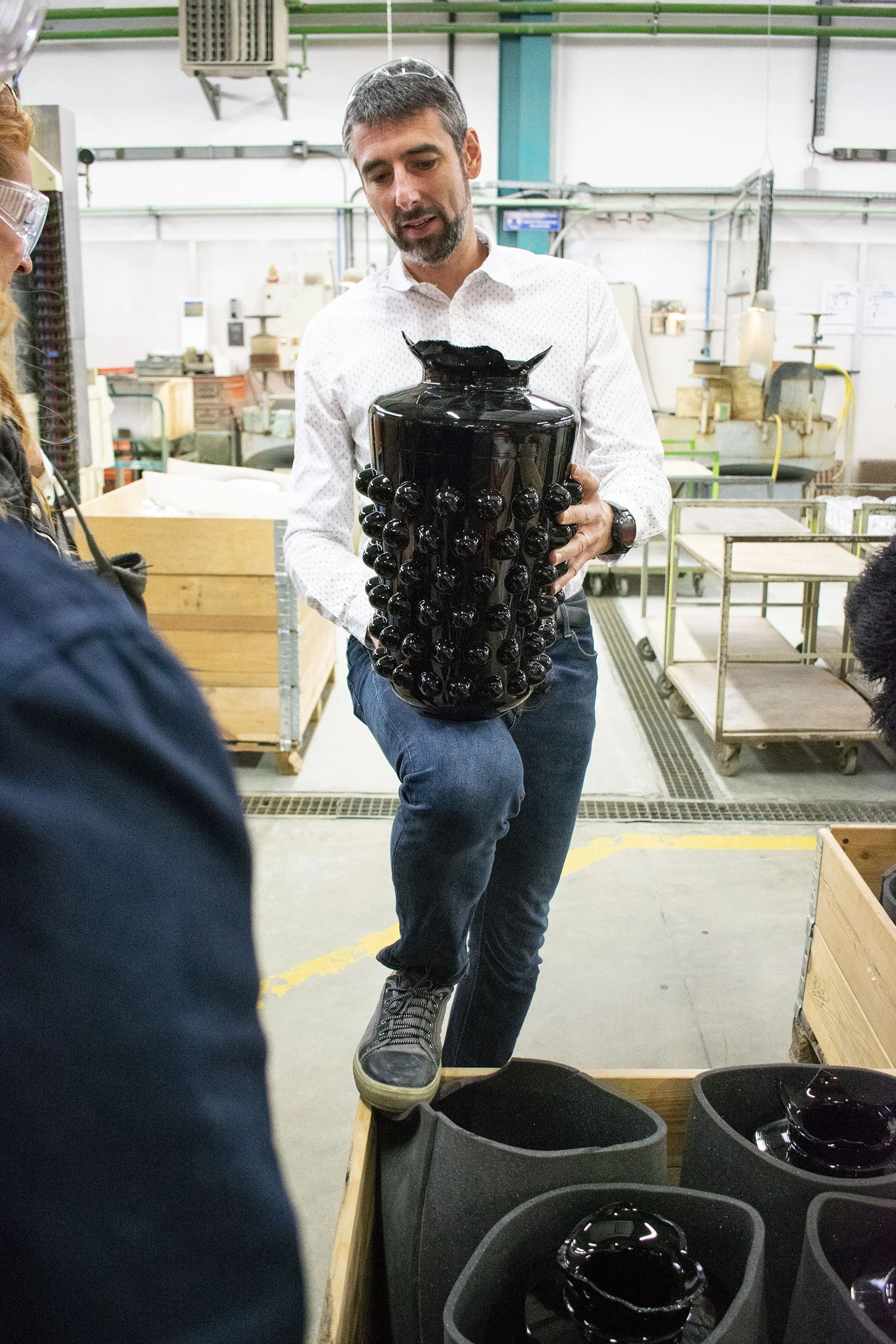
During my visit, I witnessed the crafting of a classic Lalique vase — the way the artisans worked in harmony, the strength and finesse of their movements, and the attention to even the subtlest detail was a masterclass in design-driven production. No wonder these objects are not only functional or decorative items but genuine works of art.


Design Language and Innovation
One of the most striking aspects of Lalique is its enduring design language. The motifs of flora, fauna, and the female form are deeply rooted in the brand’s Art Nouveau and Art Deco heritage. These themes are reinterpreted continually through a contemporary lens, resulting in a body of work that bridges classicism and modernity.
Under the creative direction of figures like Marc Lalique, Marie-Claude Lalique, and more recently, artists such as Damien Hirst and Zaha Hadid in special collaborations, the brand has ventured into new realms — from limited-edition sculpture to architectural panels and interior design elements. Lalique has also expanded into lifestyle collections, including fragrance, jewellery, and furniture, all infused with the same design integrity and craftsmanship.


The Lalique Museum and Cultural Legacy
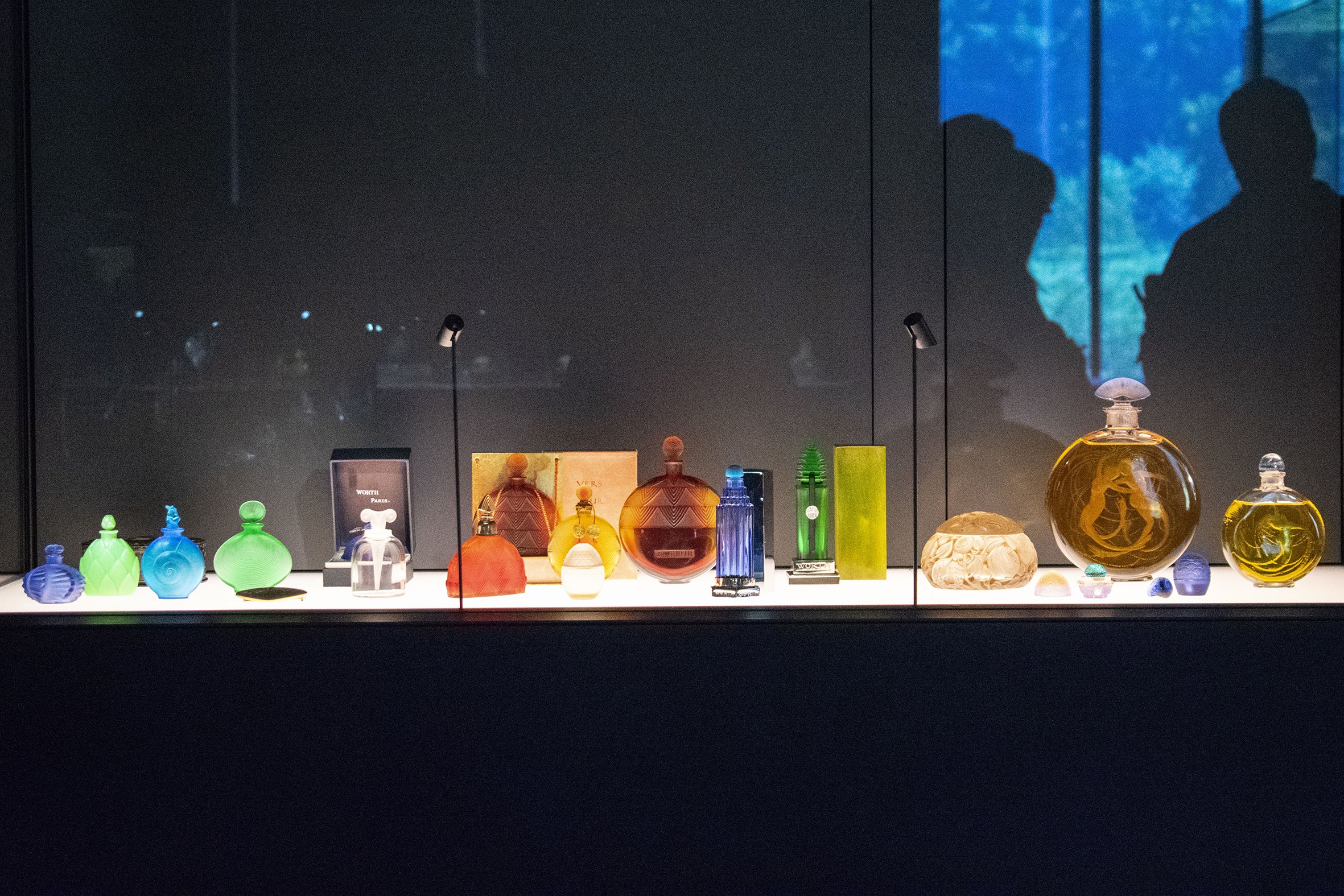
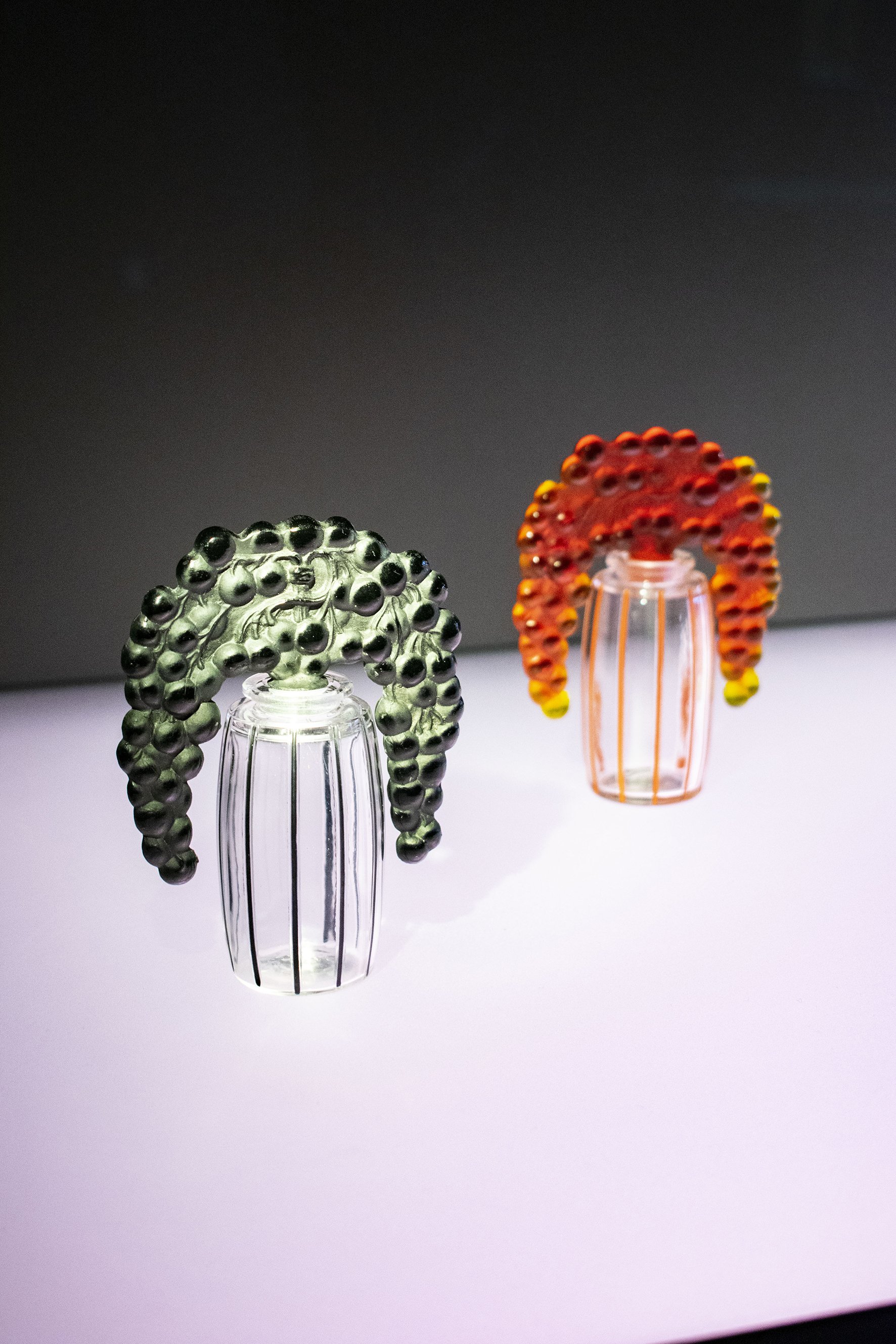
Adjacent to the workshop lies the Musée Lalique, a contemporary museum dedicated to the life and work of René Lalique and his successors. Opened in 2011, the museum offers a rich narrative of the brand's history and showcases over 650 exceptional pieces. From perfume bottles for Coty to the glass panels for the Orient Express, the museum underscores Lalique’s role in shaping decorative arts in the 20th century.
My visit to the museum further deepened my appreciation for the brand. It revealed how Lalique not only responded to the artistic currents of his time but often anticipated them, setting trends that would ripple through the world of design.



Why Lalique Still Sets the Standard
In an era of mass production and fast design, Lalique stands apart. Its dedication to handcraft, local production, and artistic integrity ensures that every piece reflects the brand’s core values. What makes Lalique remarkable is not just its past but its ability to adapt and innovate while remaining true to its identity.
For design professionals and enthusiasts alike, Lalique represents the pinnacle of artisanal excellence. From hospitality interiors and luxury residences to gallery exhibitions and private collections, Lalique’s creations continue to inspire and enchant.


An Experience Beyond the Glass
Visiting Lalique’s workshop in Wingen-sur-Moder was more than a design pilgrimage — it was an invitation to see firsthand how tradition and innovation coexist in perfect harmony. To walk through the same halls where molten crystal becomes timeless form is to understand the soul of Lalique.
For anyone with a passion for interior design, craftsmanship, and heritage, a visit to Wingen-sur-Moder offers a profound insight into what makes Lalique a living legend. In each piece, one can see not only the hand of the maker but also the enduring vision of René Lalique — an artist whose legacy is as luminous as the crystal that bears his name.
