
Aman, Venice
A Venetian Palace Reimagined Through the Lens of Aman
There are certain hotel names that carry meaning long before arrival, and Aman is unquestionably one of them. Few hospitality brands are as instantly recognised or as consistently admired for creating design-led properties that feel entirely shaped by place. Across the world, Aman has built its reputation not through scale, but through restraint, restoring extraordinary buildings, selecting remarkable landscapes, and crafting experiences that feel deeply connected to their surroundings. No two properties feel the same, yet each carries the same sense of calm precision.
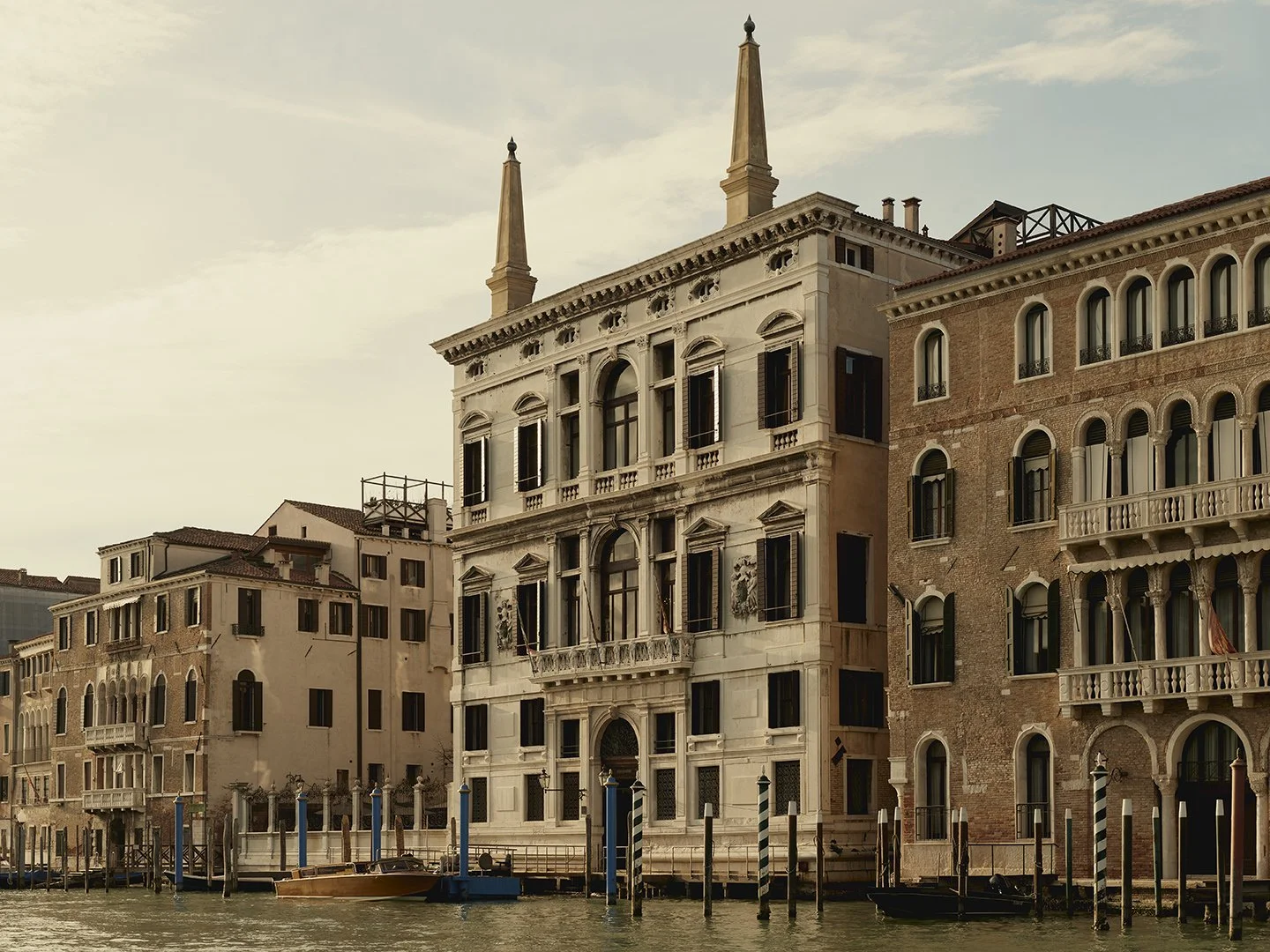
In Venice, a city where history is never background scenery but part of everyday life, that philosophy finds one of its most compelling expressions.
Aman Venice is not a hotel that competes for attention in the conventional sense. It does not need to. There are no oversized gestures, no exaggerated theatrics, no attempt to outshine the city around it. Instead, it offers something far more difficult to achieve: quiet confidence. Hidden within the grand Palazzo Papadopoli on the Grand Canal, Aman Venice feels less like checking into a hotel and more like being invited into one of the city’s great private residences.
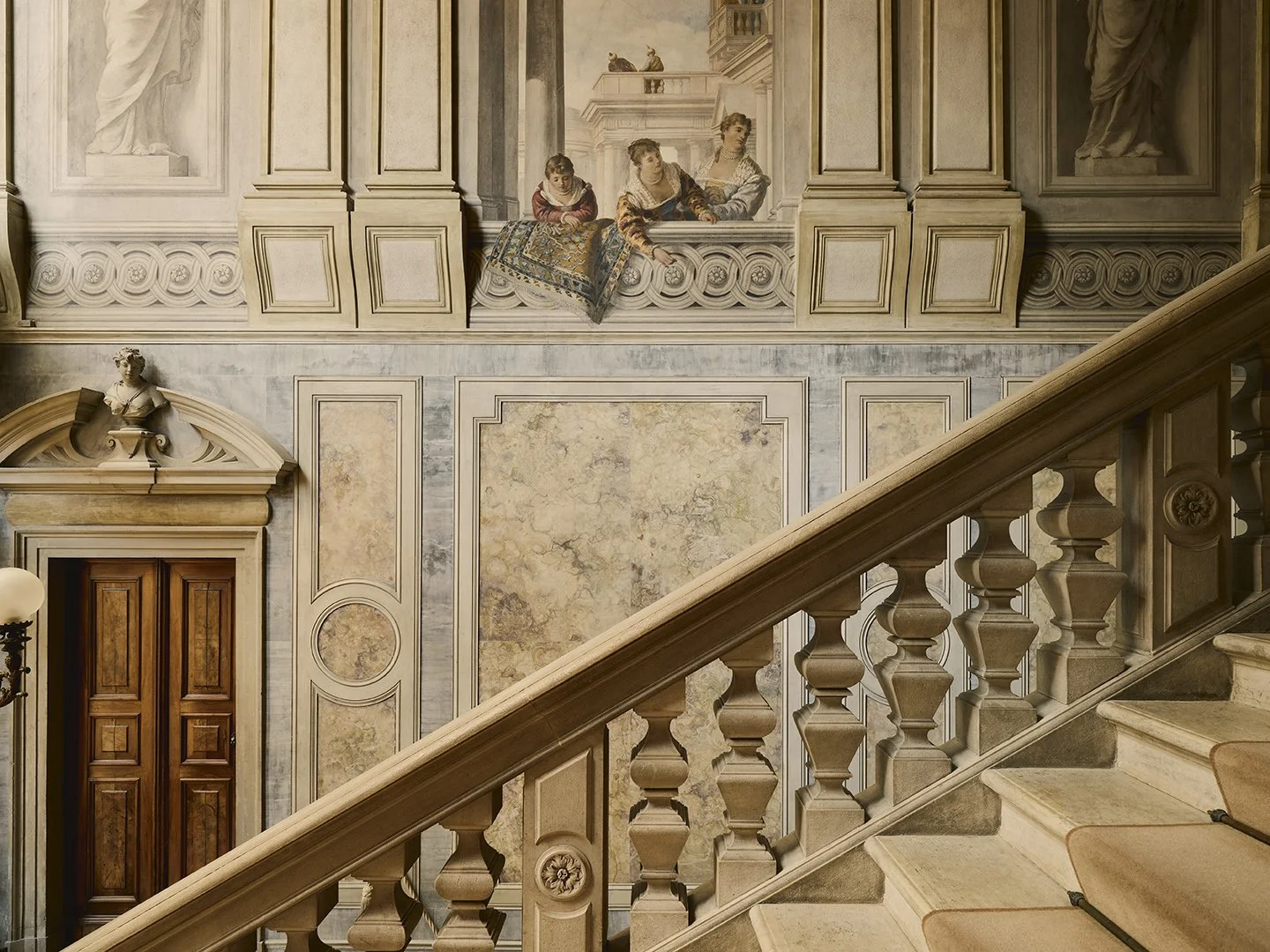
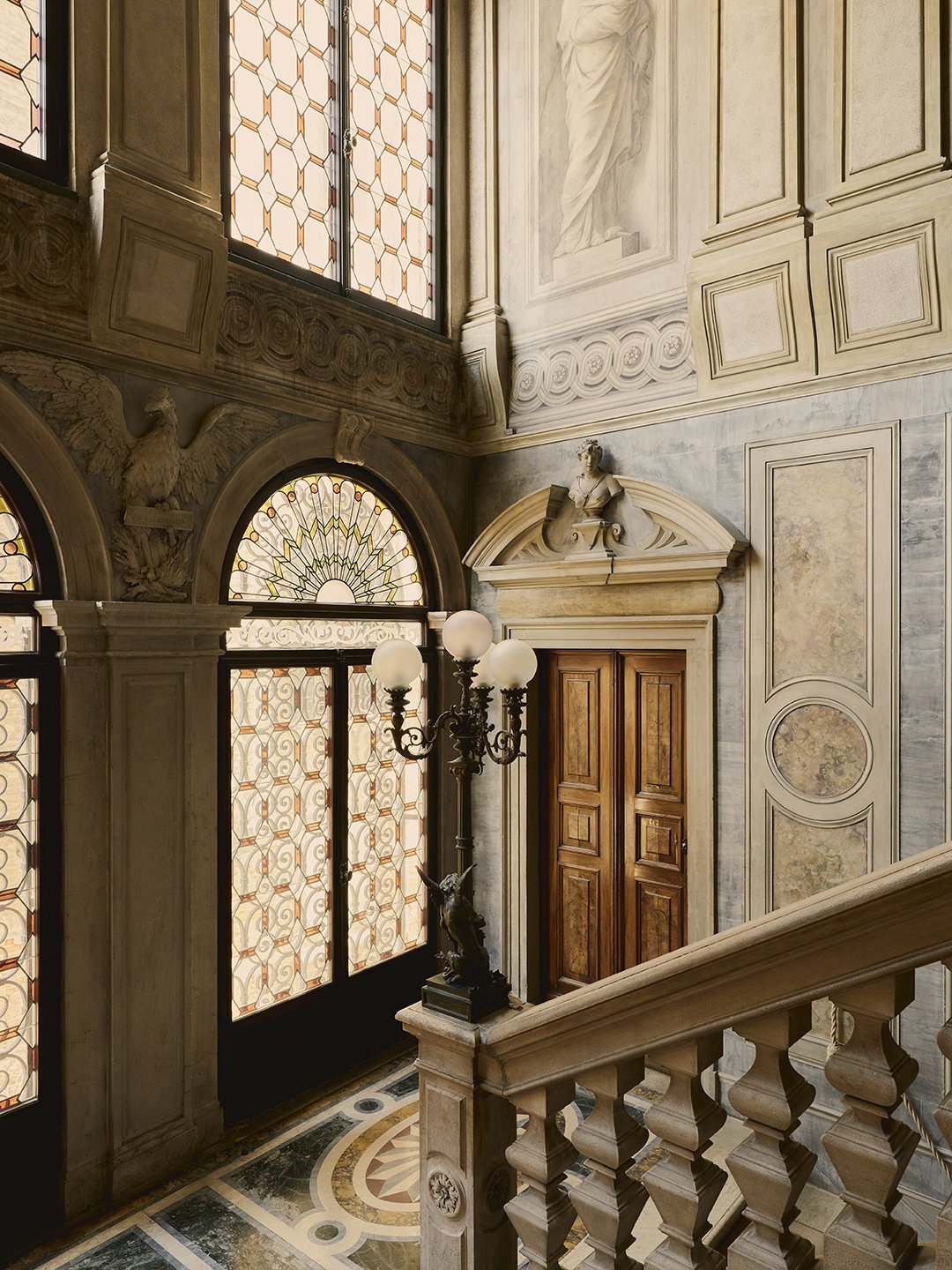
The experience begins, as it should in Venice, by water. As you approach by boat, the façade gradually reveals itself among the procession of historic buildings lining the canal. Venice has no shortage of beauty, but Aman Venice possesses a different kind of presence. It is elegant rather than ornamental, stately rather than showy. There is a sense that the building knows exactly what it is.
Stepping inside, the city seems to soften. The movement of the canal fades, voices lower, and the pace shifts almost immediately. This is where Aman’s identity becomes clear. Around the world, the brand is known for creating environments that slow the senses, and here that signature calm is translated into Venetian language through frescoed salons, muted light, polished stone and rooms that encourage pause rather than spectacle.
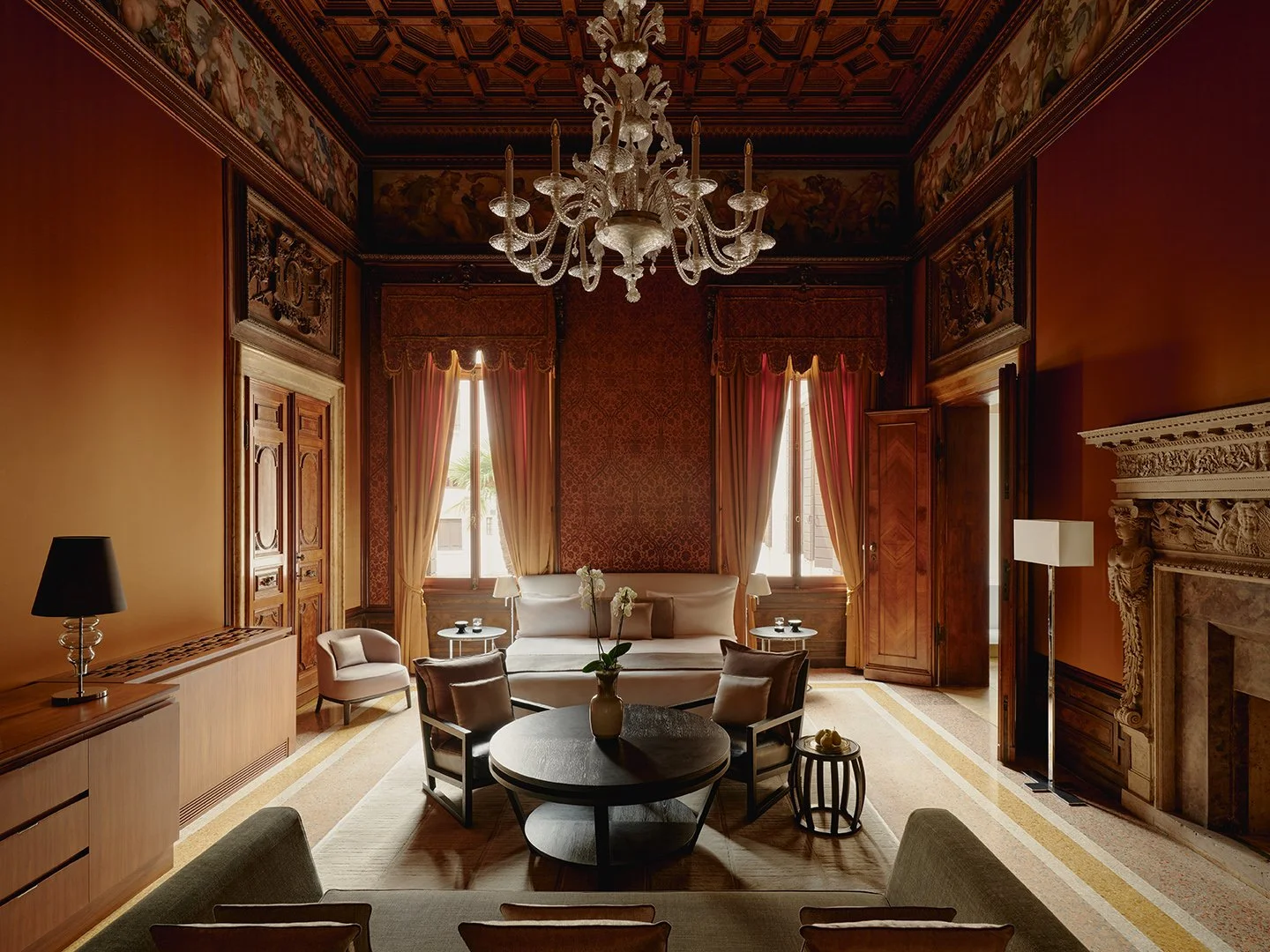
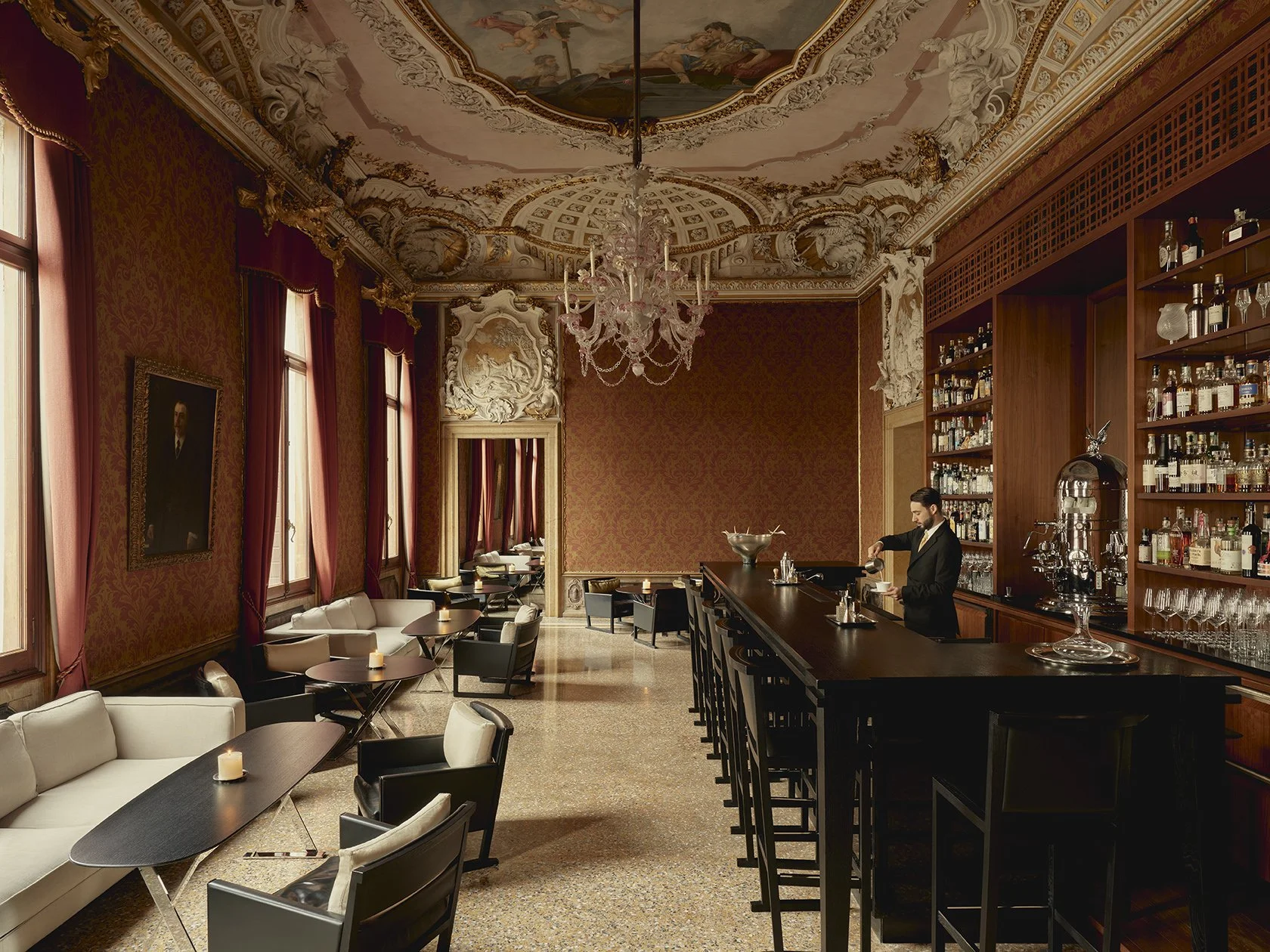
The hotel occupies the 16th-century Palazzo Papadopoli, one of Venice’s most distinguished noble residences. Over the centuries, it passed through prominent families, each leaving its own mark on the interiors, architecture, and atmosphere. What makes Aman Venice especially remarkable is that these layers of history remain visible. This is not a property where heritage has been polished into something generic or over-restored into lifeless perfection. It still feels like a palazzo with memory.
Ceilings bloom with hand-painted frescoes. Ornamental plasterwork curves across reception rooms. Monumental doors open into salons where proportions belong to another era. Yet none of it feels frozen behind glass. The spaces remain warm, inhabited and entirely usable, which is perhaps the greatest success of the restoration.
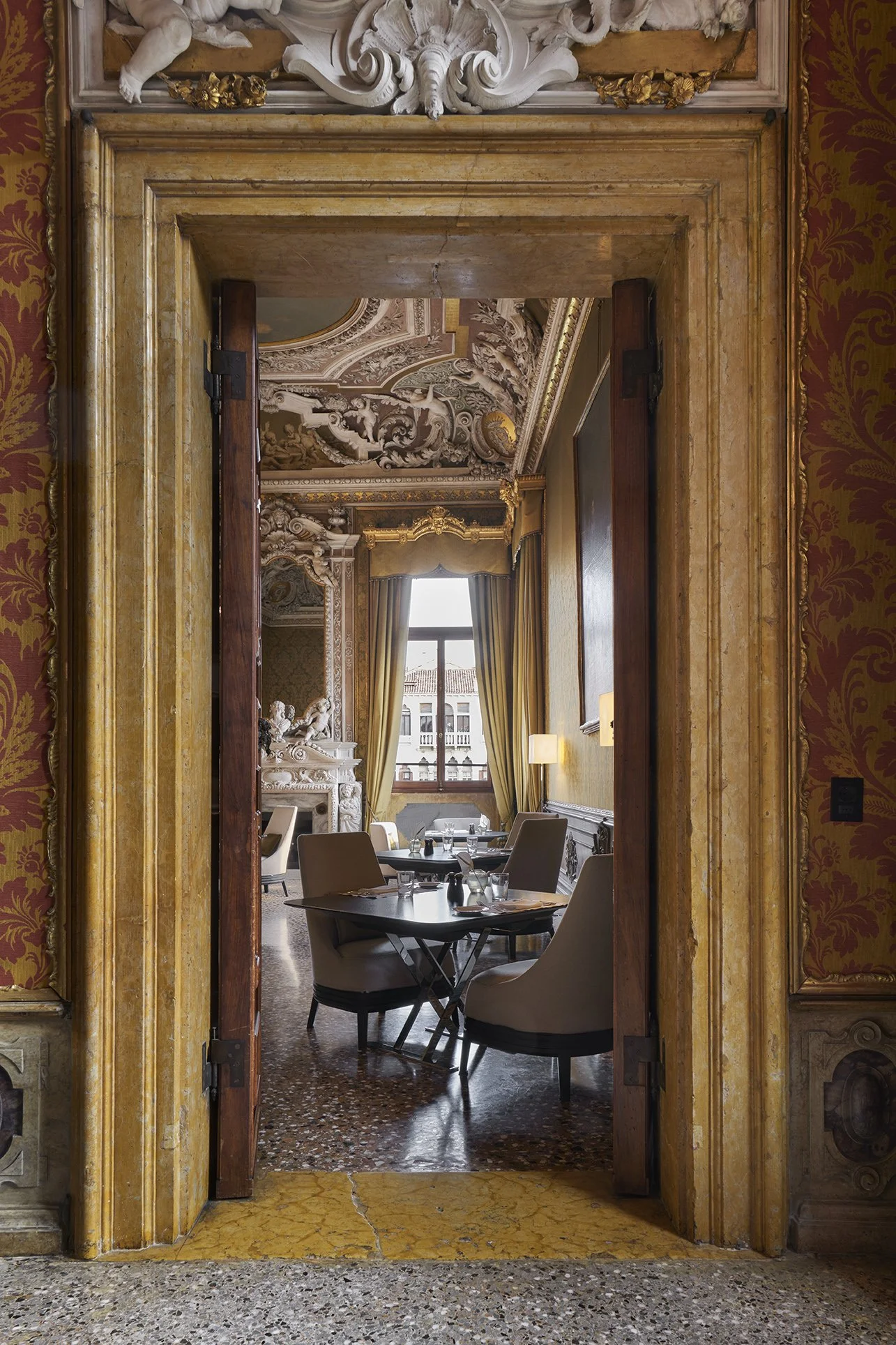
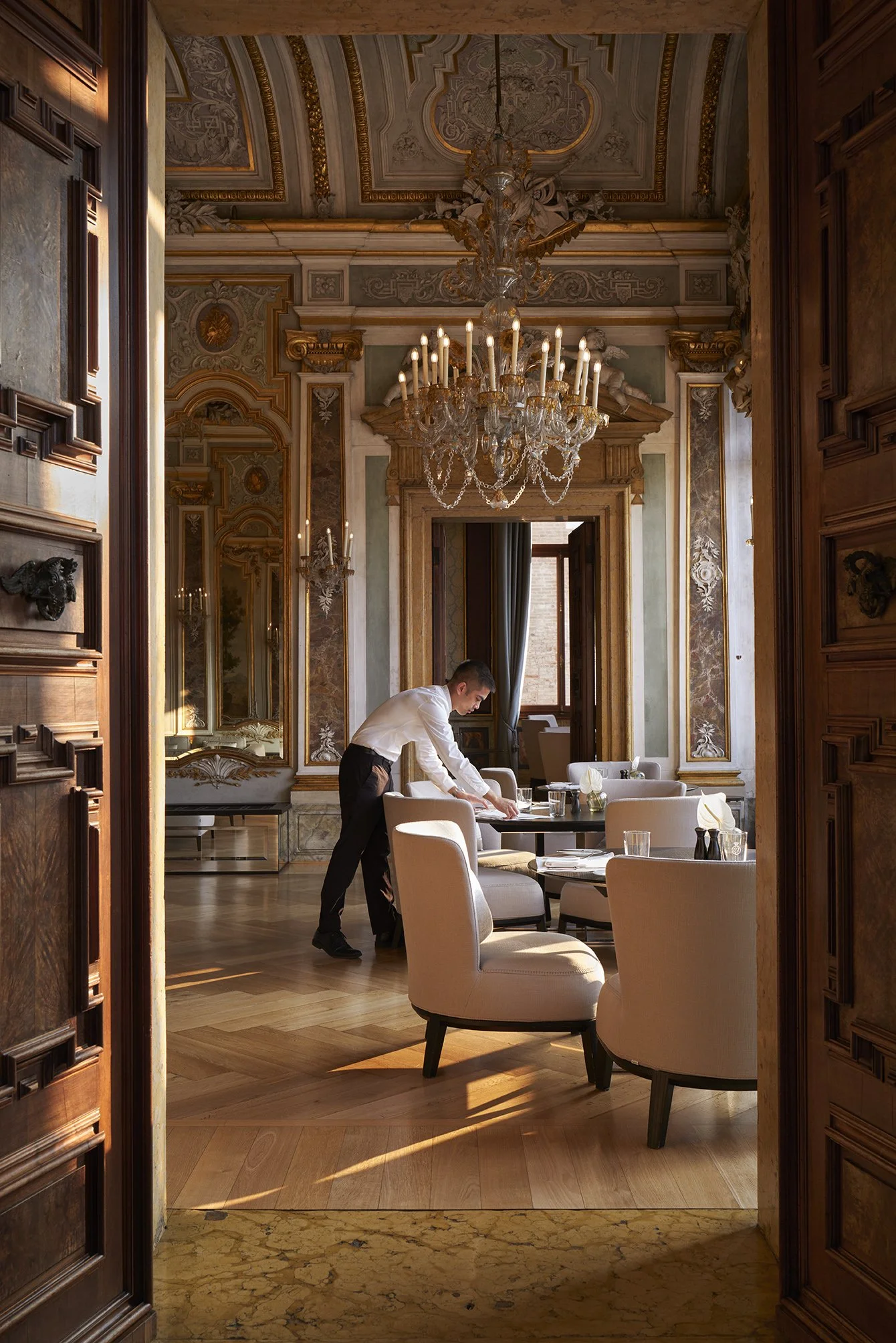
Many luxury hotels in Venice lean heavily into period romance, often overwhelming guests with brocade, gold leaf and predictable notions of old-world grandeur. Aman Venice takes a more intelligent route. The restoration, led by designer Jean-Michel Gathy, introduces contemporary furniture and carefully judged interventions that allow the historic architecture to breathe. Clean lines sit beneath painted ceilings. Soft neutral tones temper decorative excess. Modern lighting adds intimacy rather than drama.
It is a balance that could easily have gone wrong, yet here it feels deeply considered.
Rather than recreating the past, Aman Venice frames it. The frescos appear more vivid because the surrounding palette is restrained. Marble feels richer beside understated textures. Historic grandeur is not diluted by modernity, but sharpened by it.
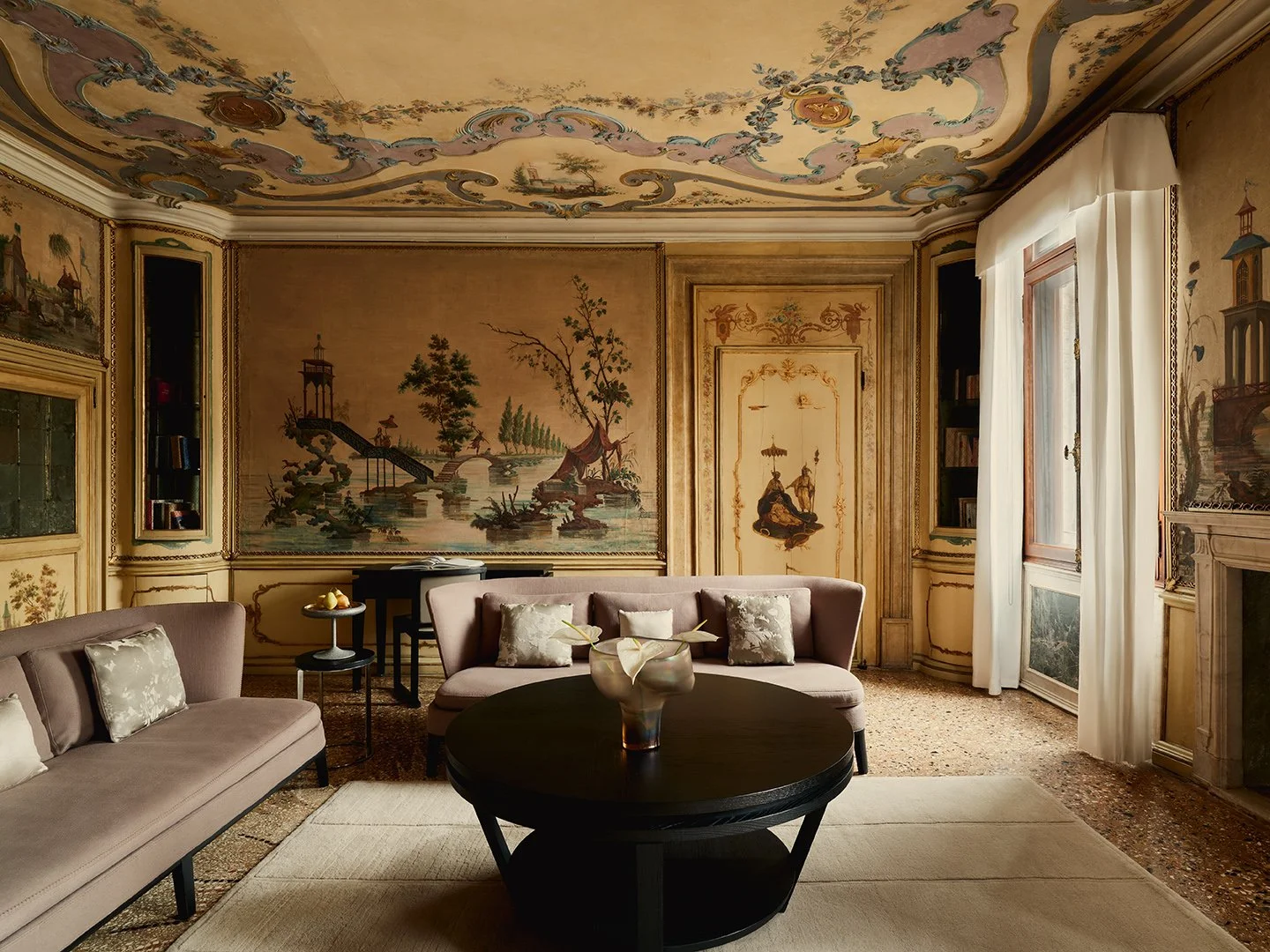
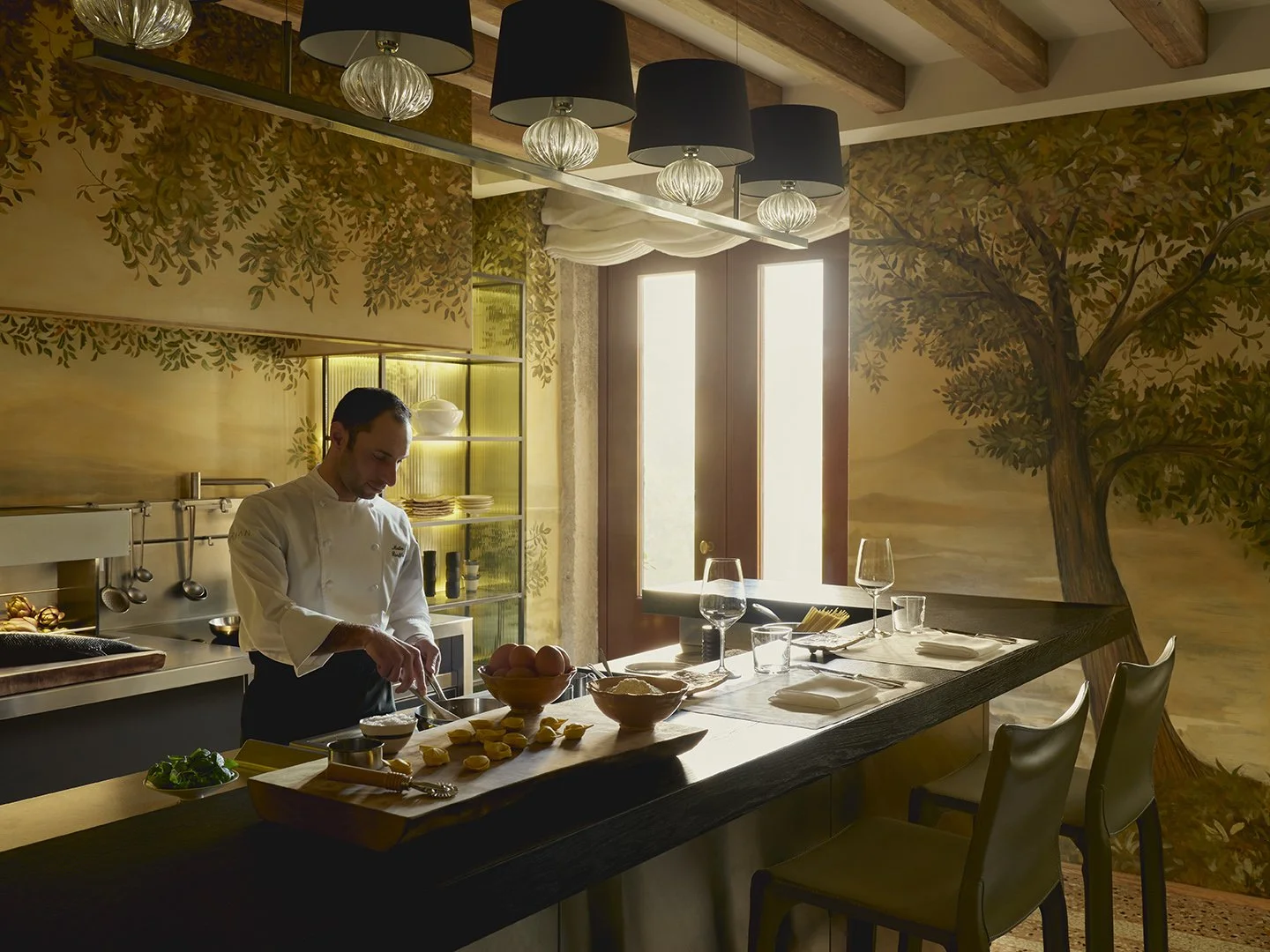
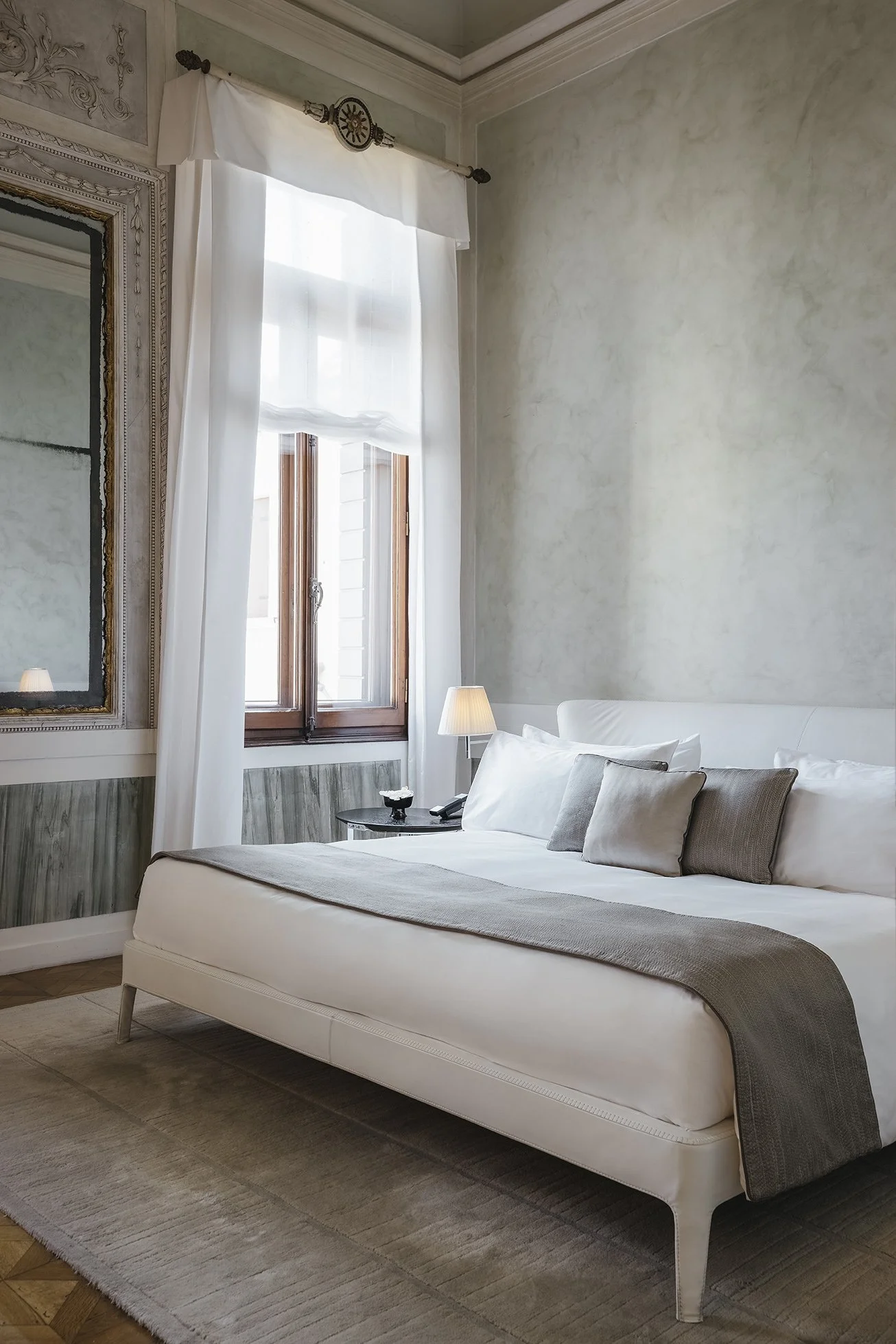
The rooms and suites continue this dialogue between eras. Because the hotel follows the palazzo's original architecture, no two accommodations feel alike. Some are serene and almost monastic in mood, allowing canal views and light to take centre stage. Others are more decorative, layered with period detailing and ceilings that remind guests they are sleeping inside a building shaped by centuries of Venetian life.
This sense of individuality is increasingly rare in luxury hospitality, where sameness often masquerades as consistency. Aman Venice resists that entirely. Here, luxury is found in character, proportion and atmosphere rather than formula.
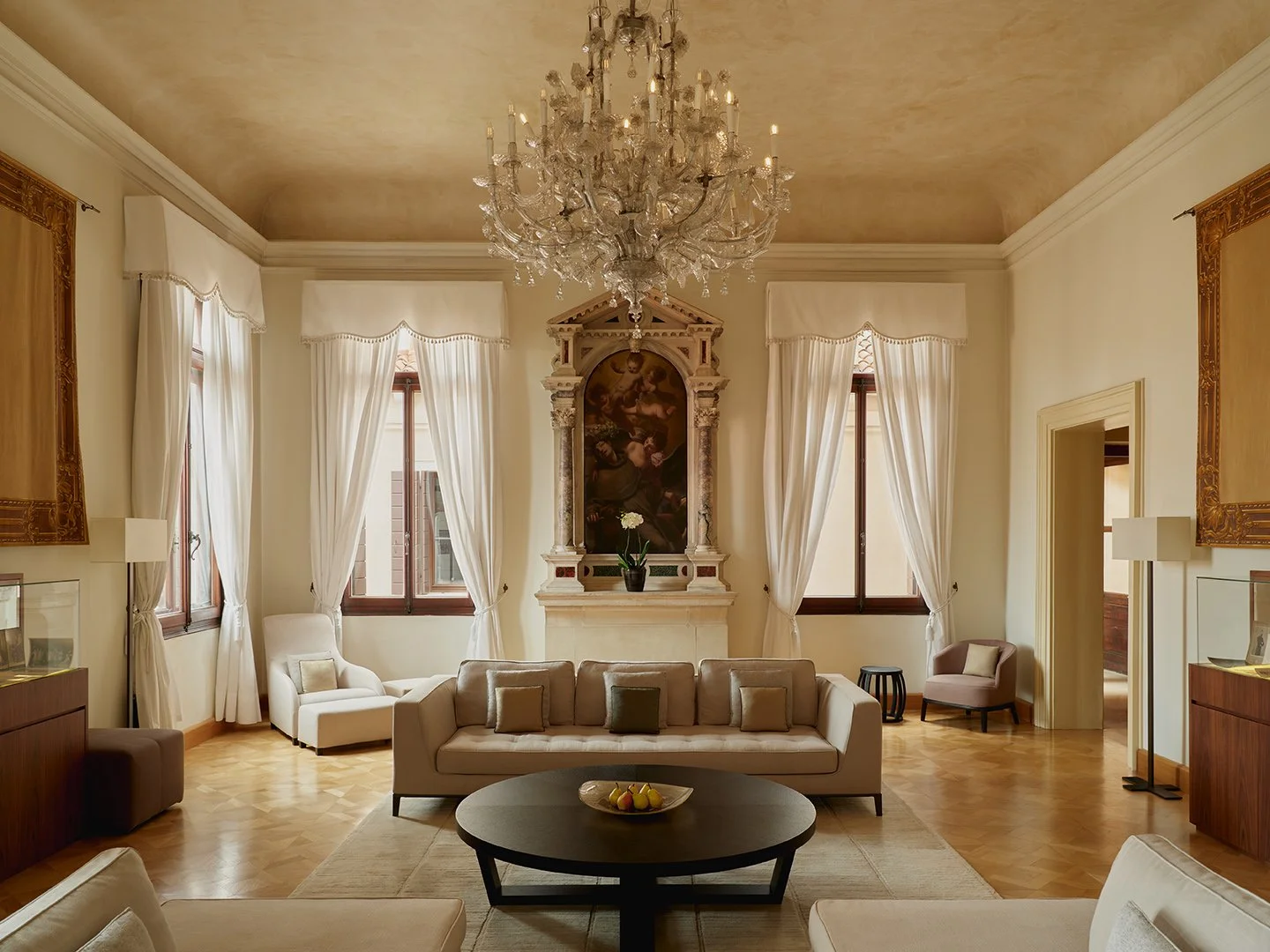
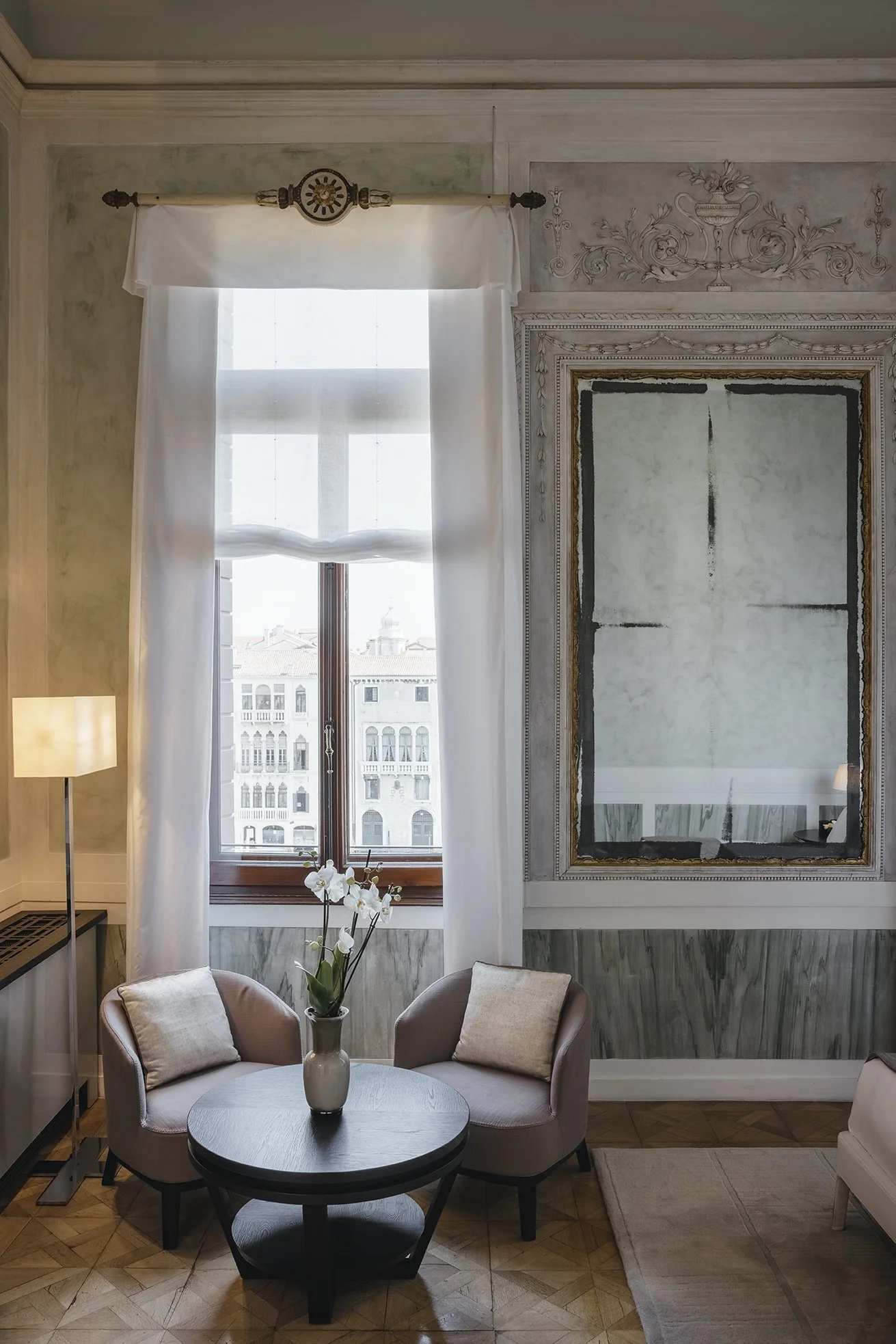
What lingers most, however, may be the public spaces. Few hotels in Europe possess rooms of such beauty that remain genuinely comfortable to spend time in. The salons feel residential rather than ceremonial. A library invites lingering. Dining rooms shimmer with historic detail yet never feel intimidating. Throughout the property, windows frame the Grand Canal like moving paintings, gondolas and water taxis gliding past in slow procession.
Then there is the garden, one of Venice’s quiet miracles. In a city defined by stone, water and dense urban fabric, meaningful green space is rare. Aman Venice offers a private garden that feels almost improbable in its serenity. To have breakfast beneath trees or pause there after walking the city is to encounter a side of Venice many visitors never see.
Service, as expected from Aman, is polished but discreet. The brand has long understood that true luxury rarely needs performance. Staff anticipate needs without intrusion, maintaining an atmosphere of ease rather than ceremony. In a city that can often feel crowded, noisy and demanding, that sense of composure becomes invaluable.
What makes Aman Venice so successful is not simply that it occupies an extraordinary building, but that it understands how to live within it. Many hotels inherit beautiful architecture. Far fewer know how to honour it while making it relevant to contemporary travellers. Aman does this instinctively.
There is also something fitting about the meeting of brand and city. Venice has always been a place of layers: East and West, past and present, commerce and artistry, grandeur and decay. Aman Venice mirrors that complexity through a design that feels both historic and current, lavish yet calm, deeply local yet globally admired.
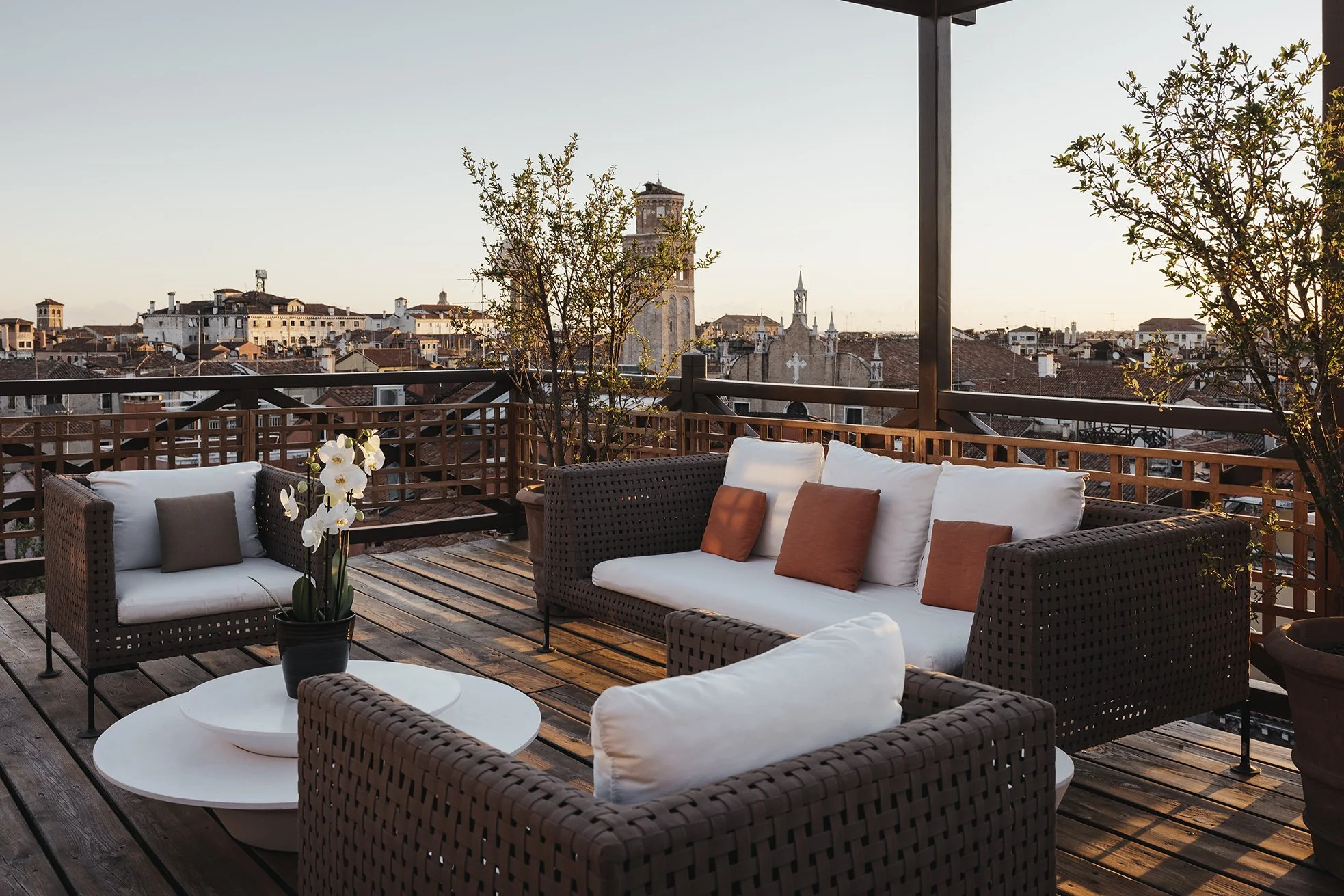
For travellers seeking endless entertainment or resort-style distraction, other hotels may offer more obvious appeal. But for those who value atmosphere, architecture and the emotional impact of thoughtful design, Aman Venice stands apart.
It is not simply one of the finest hotels in Venice. It is one of the most convincing examples of how a global hotel brand can honour place without compromising identity.
And in a city as singular as Venice, that is no small achievement.
