
Hampton Court Palace Gardens, London, UK
A historic royal landscape where centuries of design, horticulture, and heritage architecture converge to create one of Britain’s most significant garden experiences.
Tucked along the banks of the River Thames in southwest London lies one of Britain’s most storied royal residences—Hampton Court Palace. While the palace itself is steeped in Tudor and Baroque splendour, it’s the gardens that offer visitors an unexpected and breathtaking experience: a masterclass in historical landscaping, seasonal planting, and serene escapism just a stone’s throw from the city. Each summer, the palace gardens also play host to the RHS Hampton Court Palace Garden Festival—a vibrant celebration of garden design and horticultural excellence—making this historic site not just a destination for heritage lovers, but a recurring highlight on the UK’s design calendar.
A Royal Residence Steeped in History
Originally built in the early 16th century by Cardinal Thomas Wolsey and later claimed by King Henry VIII, Hampton Court Palace is a rich tapestry of architectural evolution. From Tudor kitchens to William III’s grand Baroque apartments, every stone of the palace tells a tale of power, prestige, and pageantry.
Yet beyond the walls lies an equally fascinating legacy—the palace’s vast gardens, which have been shaped and reimagined over centuries by some of the most renowned landscape designers in British history.

The Gardens: Where Art Meets Nature
Spanning over 60 acres of formal gardens and 750 acres of parkland, Hampton Court’s grounds offer an incredible diversity of horticultural styles. Key highlights include:
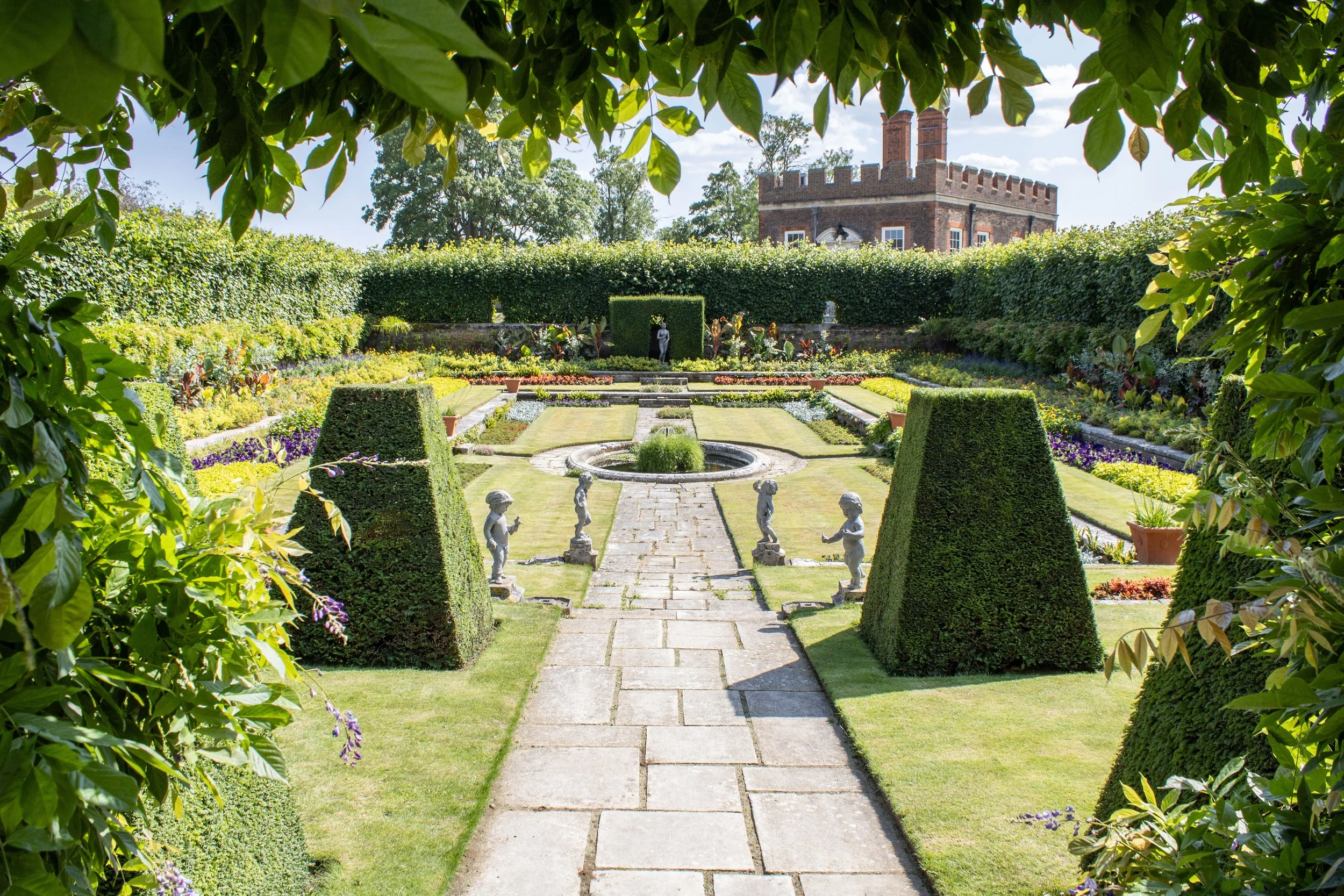
The Privy Garden: A meticulous restoration of King William III’s formal garden from 1702, this symmetrical space is defined by clipped hedges, intricate gravel paths, and geometric flower beds. It’s a living painting—refined, elegant, and historically accurate down to the choice of plant species.
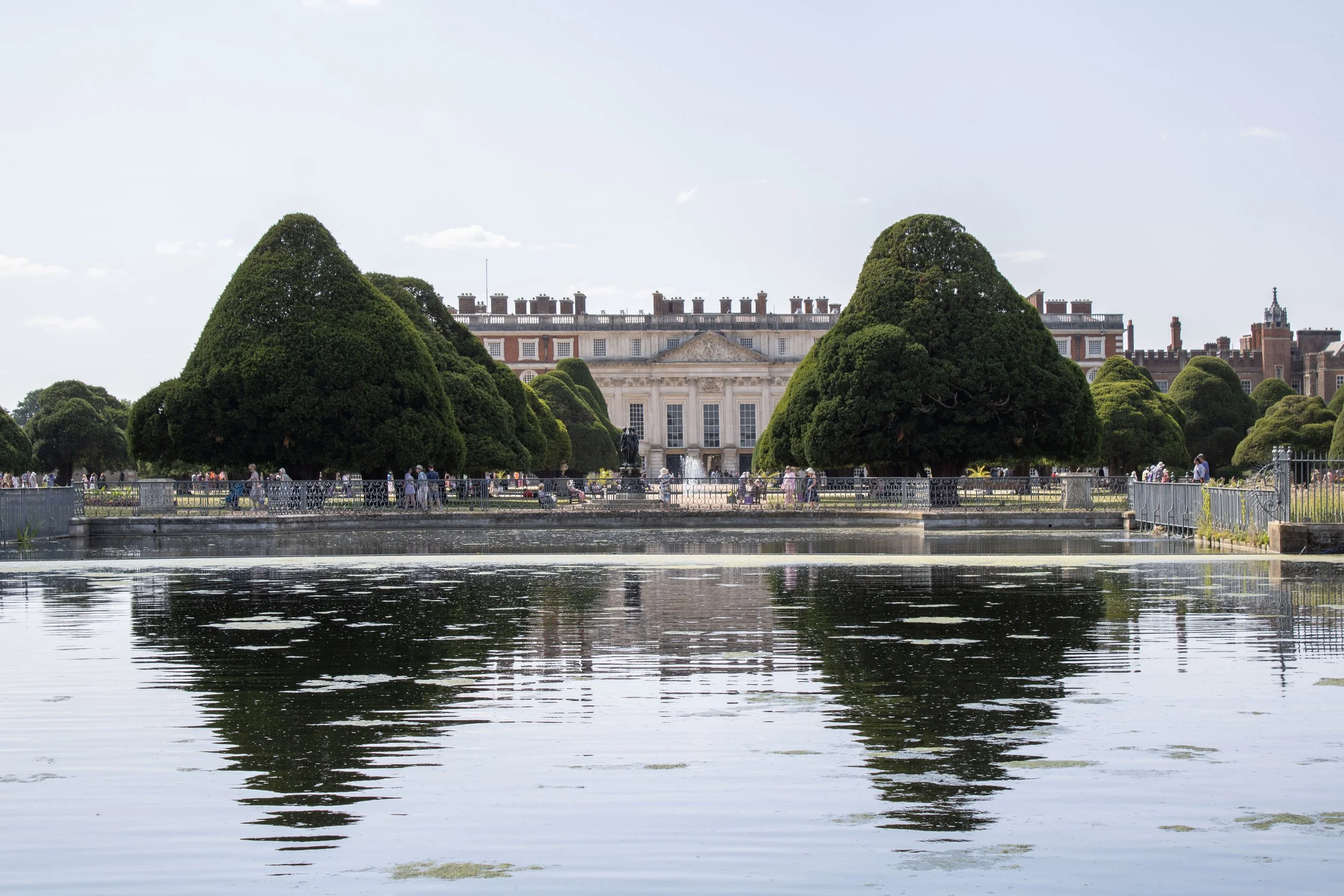
The Great Fountain Garden: Framed by yew trees and boasting spectacular seasonal displays, this space offers sweeping views of the palace façade, with 13 fountains dancing at its centre.
The Wilderness and Maze: For those seeking a touch of whimsy, the famous Hampton Court Maze—planted in the late 1600s—is a family favourite and the oldest surviving hedge maze in the UK. The surrounding Wilderness area bursts into a sea of daffodils in spring, making it one of the most photographed spots on the grounds.
The Rose Garden: A sensory highlight during the summer months, this romantic garden near the palace’s east front features classic English rose varieties, blending colour and scent with old-world charm.
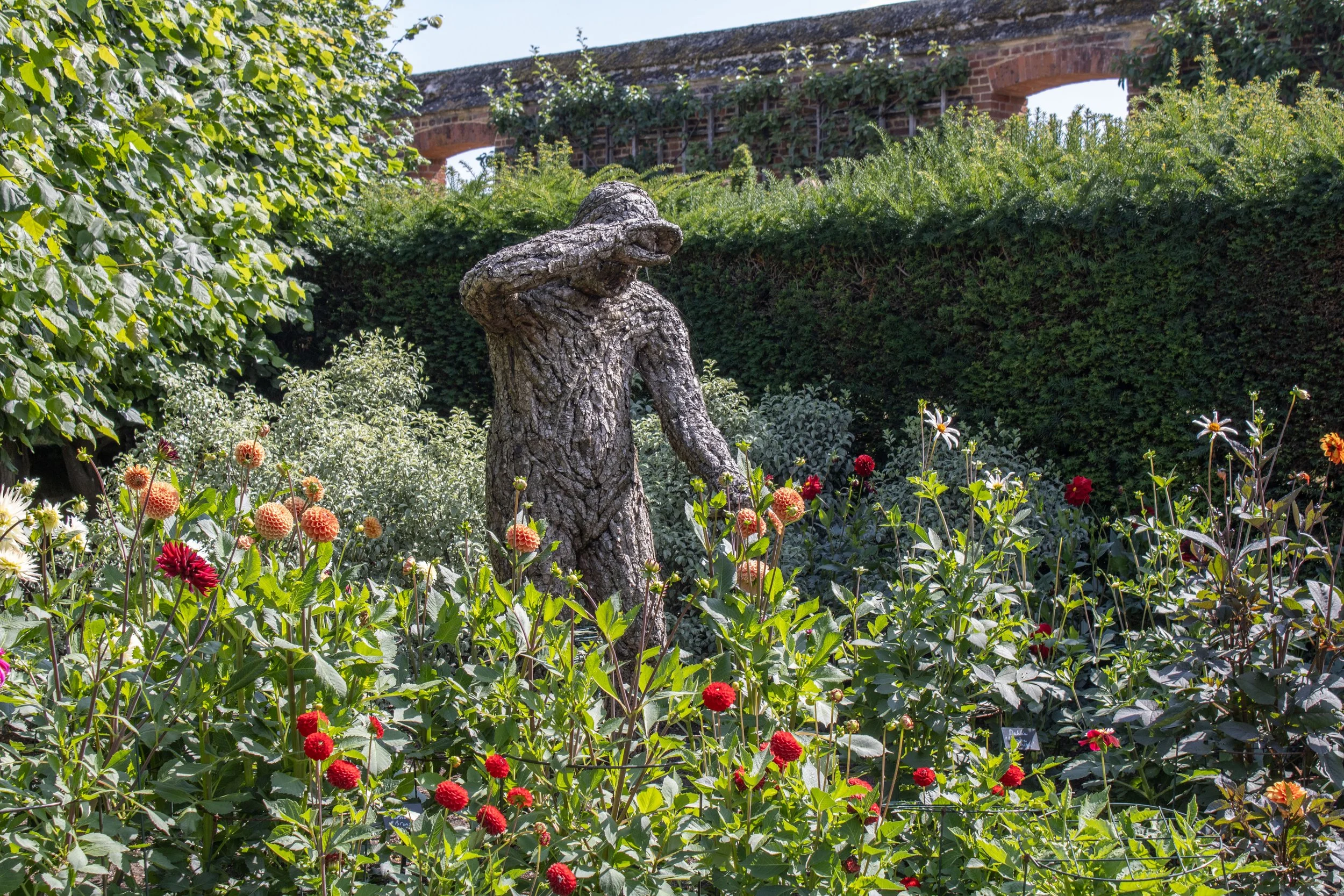
Kitchen Garden: A functional and fascinating space that recreates the working gardens of the Georgian era, once used to supply fresh produce to the royal table.
A Day Out for Every Season
No matter the time of year, Hampton Court’s gardens deliver a unique and enriching experience. Spring sees the grounds awash with bulbs and blossom; summer brings structure, fragrance, and formal floral displays; autumn showcases changing foliage among ancient trees; and winter reveals the geometry of the palace’s design in its bare-boned elegance.
Whether you’re a keen gardener, a design enthusiast, or simply looking for a peaceful escape, the gardens offer something for everyone. With cafés on-site, river walks nearby, and even boat services from central London, it’s an ideal day trip that blends cultural heritage with natural beauty.
A Living Legacy of Garden Design
What sets Hampton Court Palace Gardens apart is their layered history. From Tudor orchards and 17th-century parterres to Victorian bedding schemes and contemporary restoration projects, these gardens tell the evolving story of British landscape design.
Visiting today is not only a chance to stroll through centuries of horticultural heritage but also to draw inspiration—whether from a sculpted yew, an unexpectedly perfect plant pairing, or the rhythm of a grand allée. For design lovers, Hampton Court’s gardens aren’t just beautiful; they’re profoundly educational.
