
A Timeless Analogue Haven: Inside the Design of Hôtel Borsari, Martigny
When first-time hotelier John Cretton discovered a forgotten agro-industrial site in the heart of Martigny, Switzerland, he envisioned more than just a hotel. In his words, he saw the opportunity to create “a miraculous piece of architecture”—a place that would reconnect people with place, history, and authenticity. Opening its doors in April 2025, Hôtel Borsari offers an analogue retreat at the foot of the Swiss Alps, just south of Montreux, and sets a new standard for design-led hospitality rooted in local culture.
Once a thriving Roman settlement, Martigny is a town shaped by crossroads—between France, Italy, and Switzerland—and history. Long overlooked after modern infrastructure bypassed its ancient routes, today it is quietly reviving, offering sunshine, world-class art, great food and wine, and the breathtaking landscapes of Valais. It’s a town rich with energy and possibility, and Hôtel Borsari is poised to be its new beacon.



Building on History
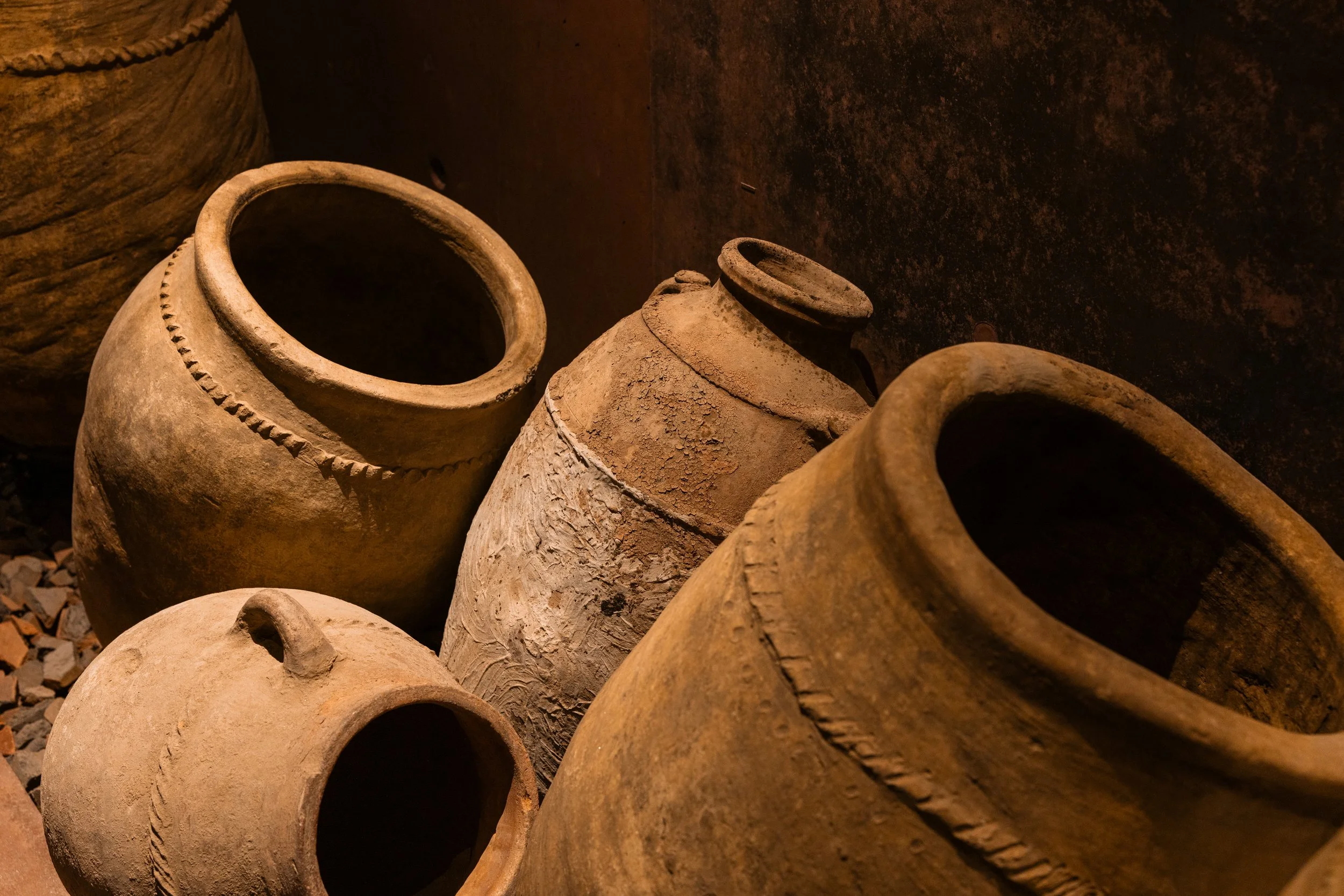
The hotel’s design is deeply intertwined with Martigny’s past. Nestled within LôDzè, a newly imagined ‘quartier’ surrounding the town’s central plaza, Hôtel Borsari masterfully blends Roman architectural influences with 19th-century agro-industrial heritage. The site itself—once the Les Caves Orsat winery—was characterised by vast underground concrete tanks known as borsaris, pioneering structures for wine storage.
Rather than erase the past, Cretton and his collaborator Shaun Evans (who work together as Drip and Drip) embraced it. The hotel’s 42 rooms and 8 suites reinterpret these original tanks, built above ground in raw and stained concrete. Each room offers the solidity and serenity of its inspiration but with a layer of understated luxury. Room categories are even measured in hectoliters—a playful nod to the site’s viticultural history.
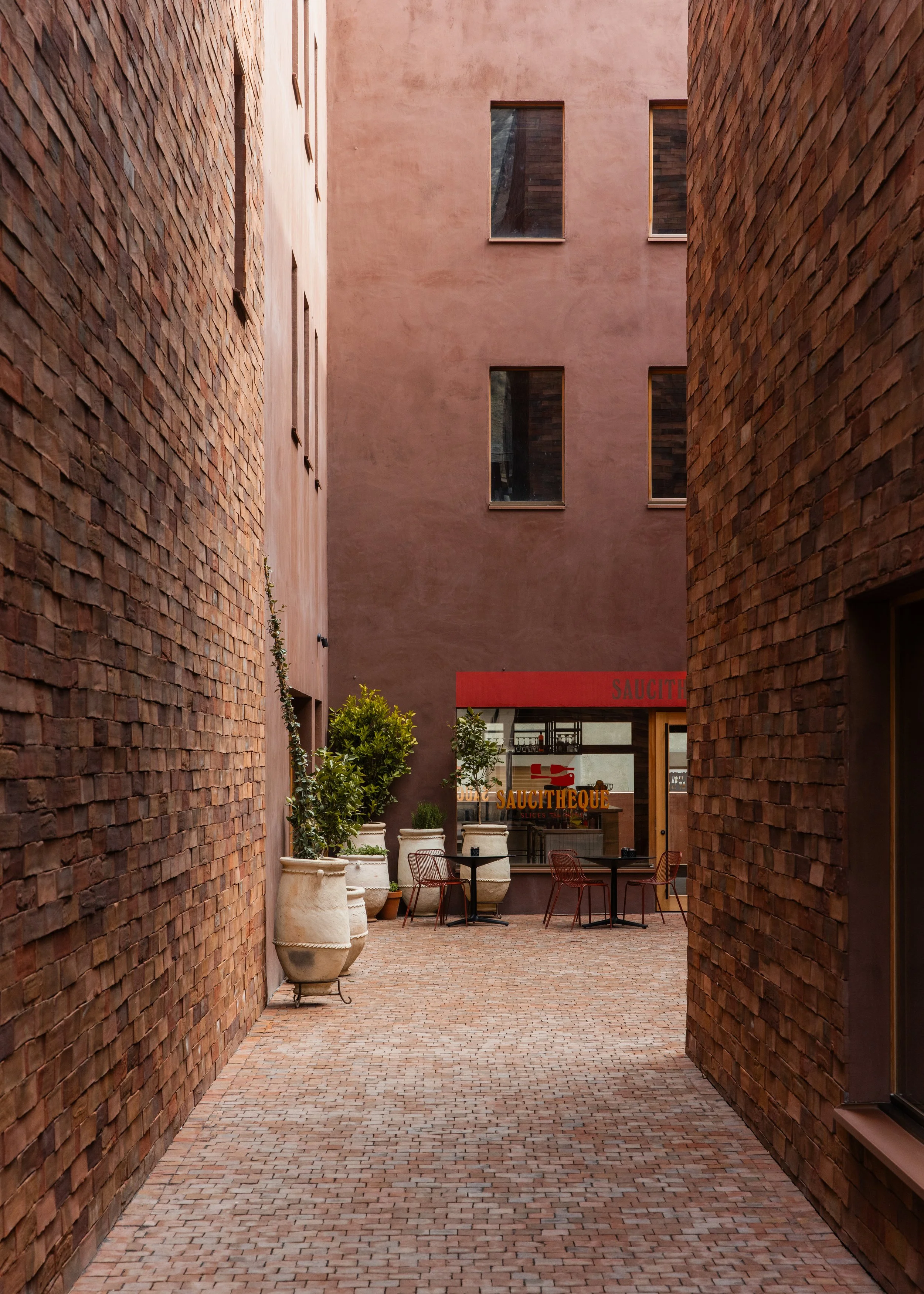
Externally, the hotel’s two structures, faced in handmade brick and lime render, encircle a cobbled courtyard, inviting communal dining and spontaneous gathering, much like a Roman domus brought into the 21st century.


A Celebration of Raw Materials and Rich Colour
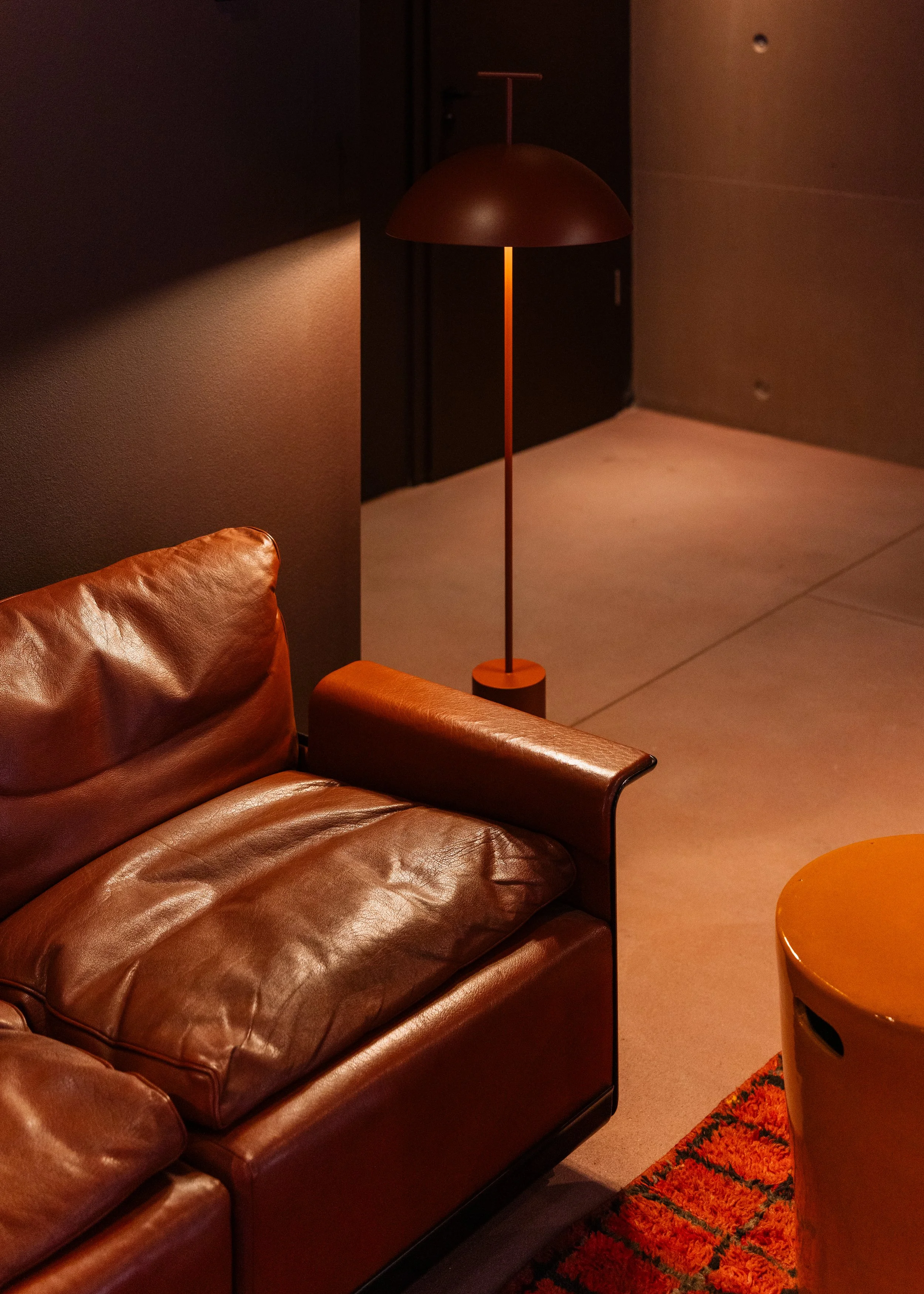
Inside, Hôtel Borsari stands apart from the ubiquitous neutral palettes of contemporary hospitality. Cretton and Evans have created interiors brimming with deep, evocative colour: crushed grape reds, dense forest greens, basalt blacks, rusty browns, and alpine blues—all inspired by the landscapes and traditions of Valais. Concrete walls and ceilings, oak parquet floors, larch-wood windows, and coir matting fuse into a layered, textural environment that feels tactile and alive.
Industrial echoes remain visible in exposed pipework and the confident rawness of the construction, ensuring that nothing feels overly polished or “over-designed.” This is a deliberate departure from sterile minimalism, creating an environment that respects materiality and memory.


Vintage Finds and Analogue Ideals
The hotel’s furnishings reinforce its analogue soul. Much of the furniture is vintage, sourced from across Europe, carefully selected for quality and enduring appeal rather than trend. Pieces from legendary designer Dieter Rams feature prominently, from Vitsoe shelving and 620 series seating to original 1962 Braun Audio units, complete with their hard-to-find German mounting brackets.
Lighting, too, is thoughtfully chosen: Artemide’s Tolomeo lamps, Davide Groppi’s minimalist designs, and Swiss NDW fixtures all serve a functional beauty. Even the details—Bakelite switches from Swiss manufacturer Feller, smart but traditional physical keys—resist digital intrusion, offering guests a tactile, grounding experience.
In the bathrooms, Drip and Drip have designed open-plan spaces screened by wool flannel curtains, recalling a softer, more sensorial era. Deep hues, black ironmongery, and black and cream terrazzo tiles replace the clinical white ceramics typical elsewhere, enhanced by Martigny’s exceptionally pure spring water from the Mont Blanc massif.


A Place to Disconnect, Not Just Stay
At Hôtel Borsari, technology is secondary. There are no screens in the rooms, and there is no Wi-Fi in the baths. Instead, the focus is on genuine human experience: good wines, good coffee, analogue pleasures, and tactile, memorable design.
Music drifts through the spaces—think Serge Gainsbourg, Leonard Cohen, smoky late-’50s jazz, and a touch of ’70s and ’80s electronic, perfectly encapsulating the hotel’s mood.
The underground thermal baths, Les Bains Publics, transform the original wine tanks into a sanctuary of red concrete and serenity. To preserve peace and privacy, visitors are limited to just 30 at a time. No phones are allowed—just immersion in water, architecture, and quiet.


A New Standard for Authentic Hospitality
Dining and drinking at Hôtel Borsari are equally attuned to the region. Alphonse Coffee Bar celebrates speciality coffee and juices in a welcoming space that opens onto the plaza, while La Saucithèque wine bar offers Valais wines and local charcuterie. The culinary centrepiece, Le Cercle, led by chef Matteo Salas, draws inspiration from Martigny’s neighbouring gastronomic cities—Lyon, Milan, and Zürich—each precisely 180 kilometres away, a beautiful symmetry woven into the menu.
In Cretton’s words, Hôtel Borsari is built on a simple philosophy: “Analogue, not digital. Everything you need and nothing more.” The result is a hotel that feels wholly itself—deeply rooted in place and history, yet effortlessly relevant today. It offers travellers something rare: a chance not just to escape the modern world, but to rediscover something richer and more human within it.
