
Sculpting Space: Ricardo Bofill’s Visionary Transformation of The Cement Factory
On the outskirts of Barcelona, a former industrial relic rises from a landscape of concrete and overgrowth—at once haunting, monumental, and serene. This is La Fábrica, the Cement Factory turned architectural sanctuary, reimagined by the late Spanish architect Ricardo Bofill. What was once a decaying symbol of early industrialisation has, over decades, become a poetic dialogue between brutalist ruins and cultivated modernism—Bofill’s personal and professional utopia.
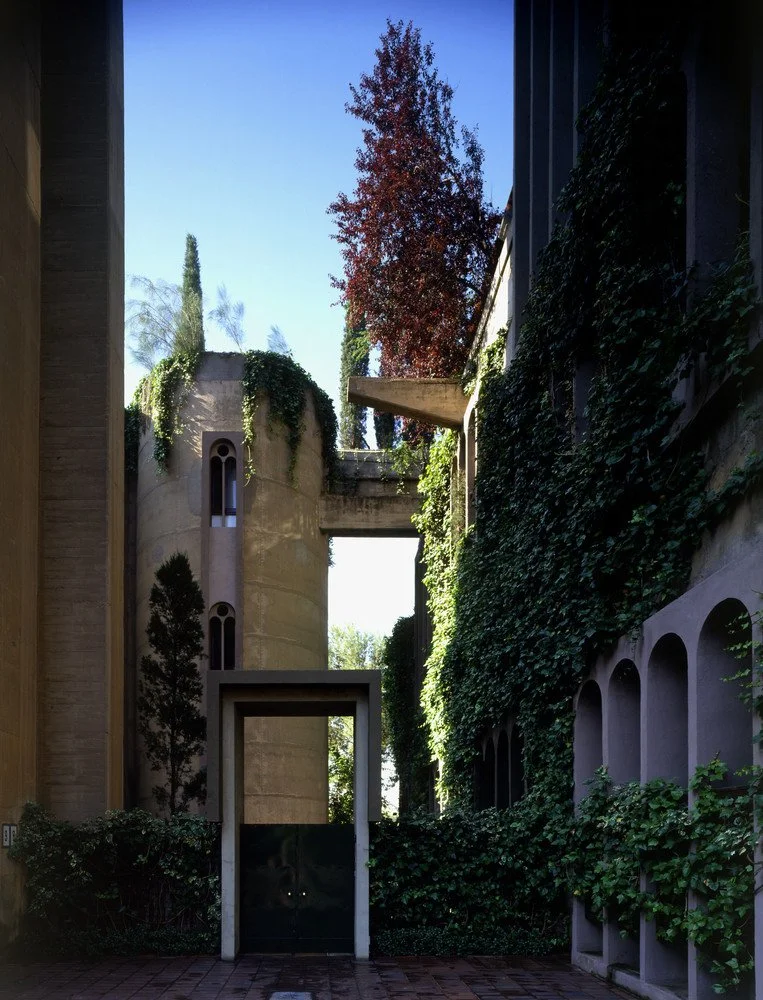

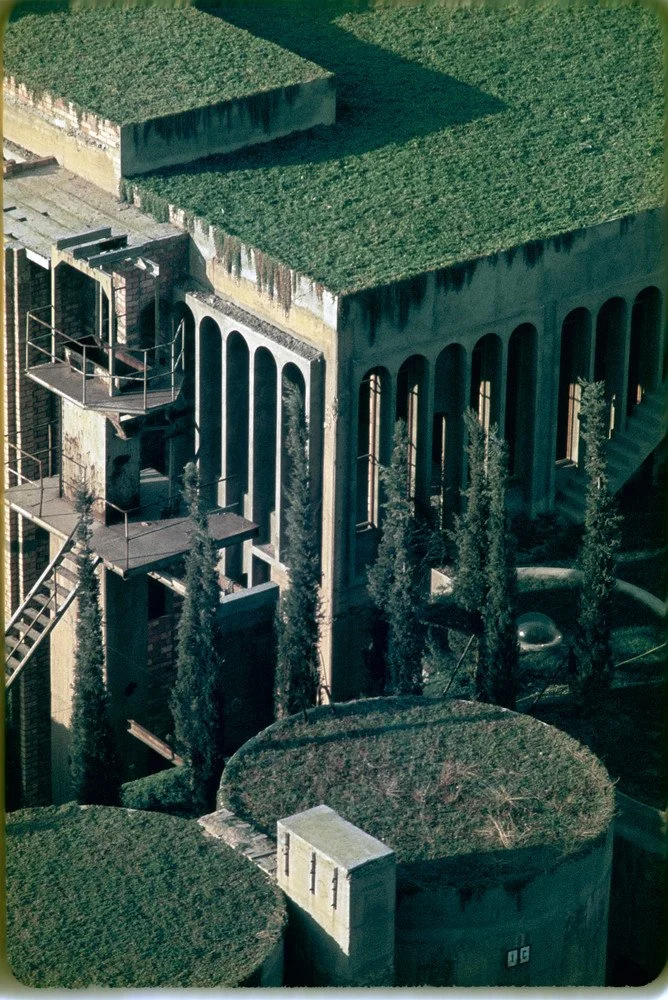

Discovered over 25 years ago, the Cement Factory was, in Bofill’s own words, “a series of stratified elements,” remnants of a structure that had grown not from a master plan but from necessity—a tangle of silos, smokestacks, tunnels, and machine rooms. Where others may have seen a concrete graveyard, Bofill saw a canvas.
“I already imagined future spaces,” he recalled, inspired by the overlapping layers of 20th-century aesthetics embedded within the factory’s walls: the surrealism of stairs that lead nowhere, abstraction in fractured volumes, and the brutalism of raw materials shaped by time and industry. What followed was not a traditional renovation, but an architectural excavation—an act of sculpting space.
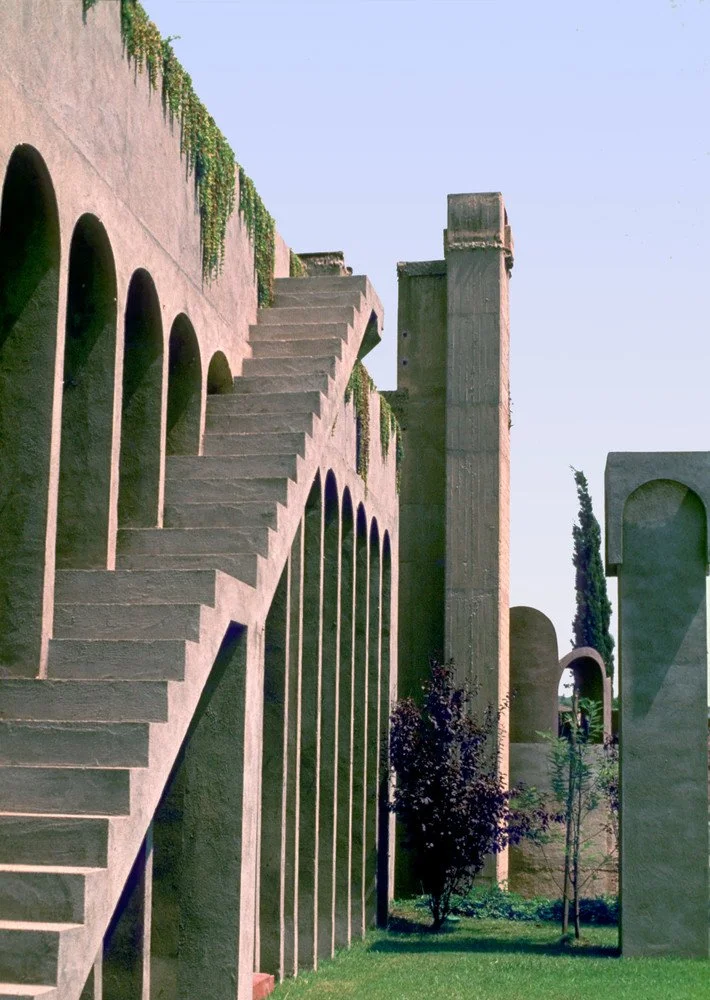
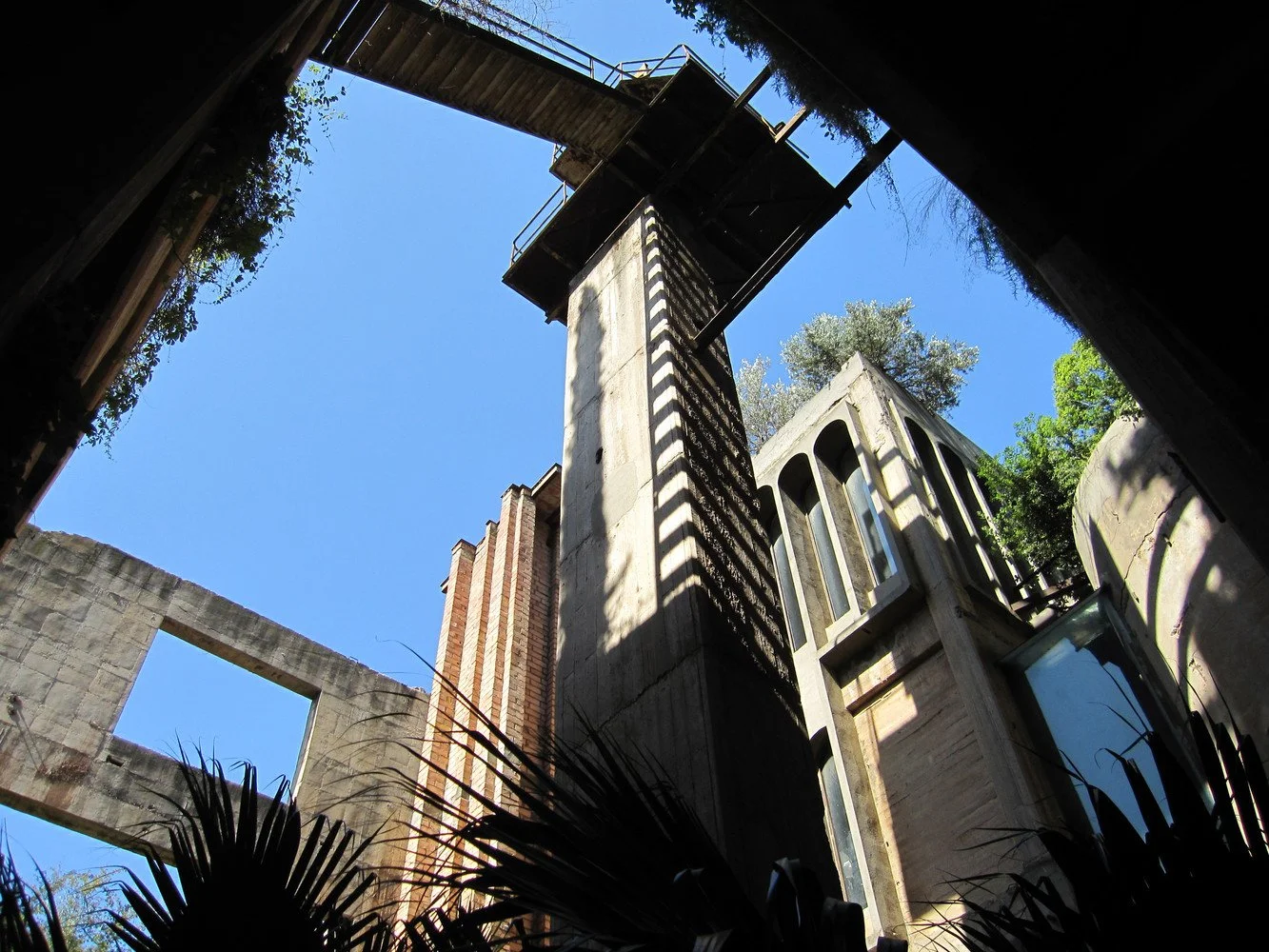
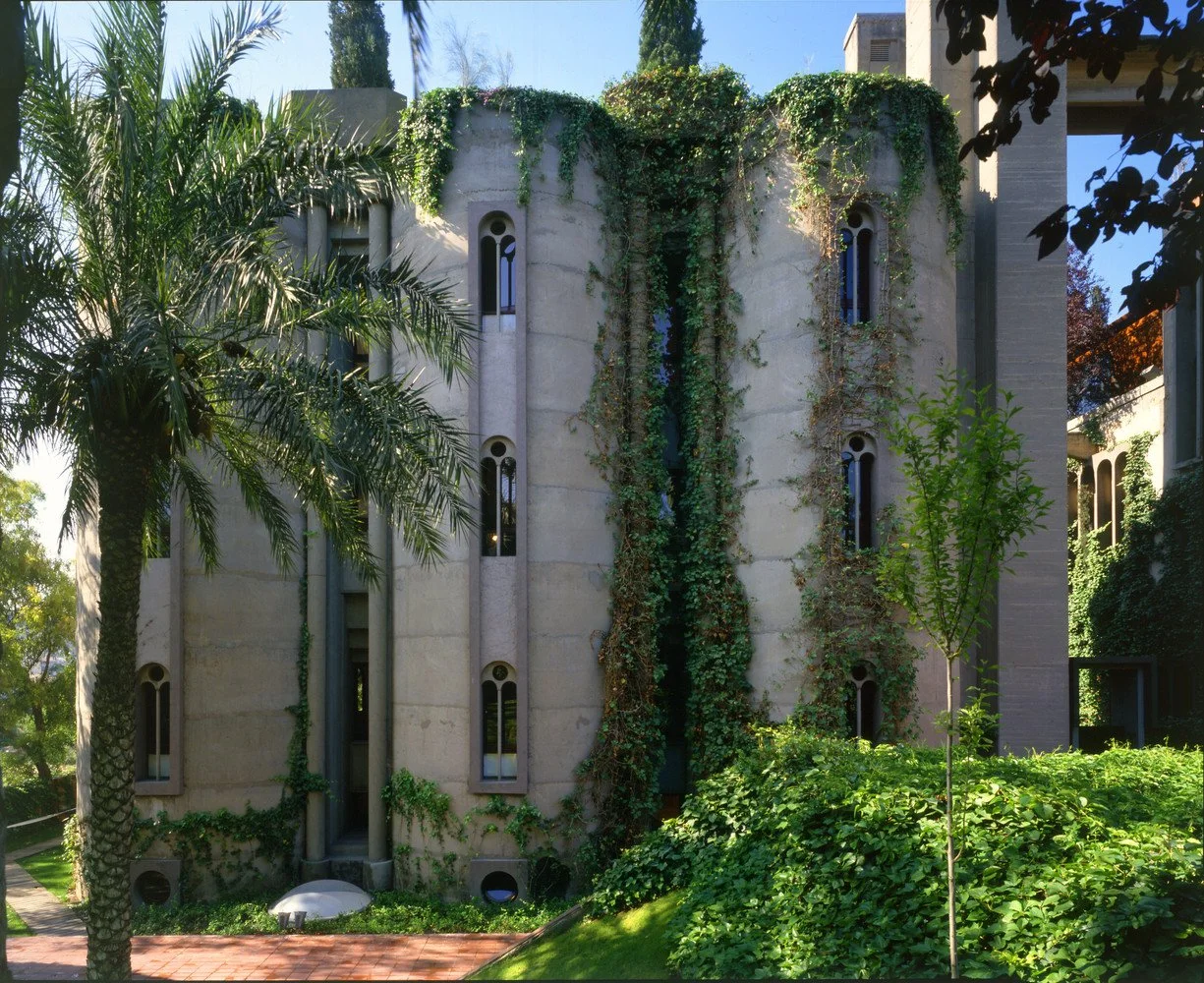
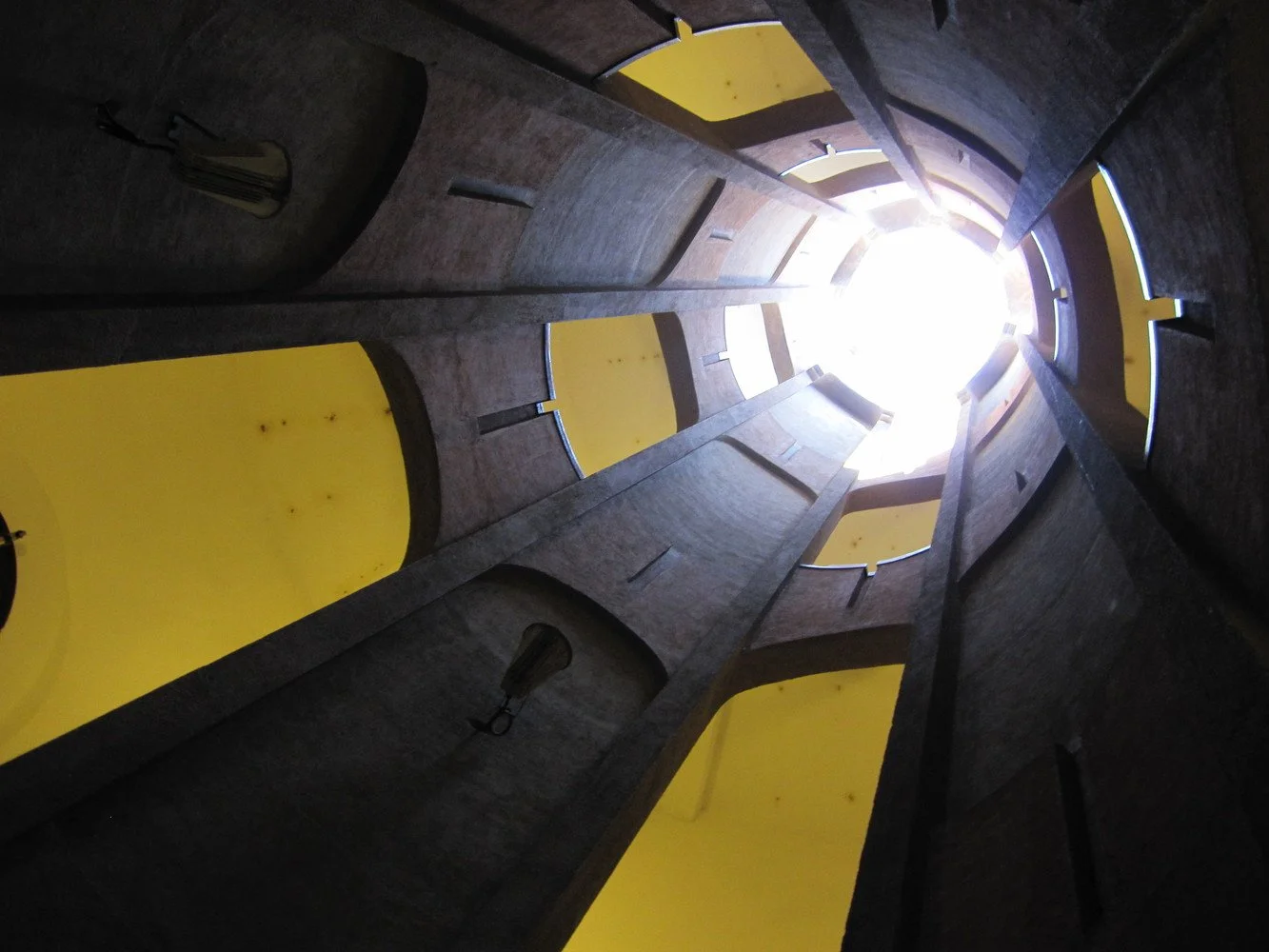
The process began with partial demolition using dynamite and jackhammers, peeling back the dust and detritus of industrial decay to reveal hidden geometries. Like a sculptor confronting stone, Bofill sought to expose the latent beauty within the mass. The factory’s brutal surfaces were softened by a second phase: greening. Climbing ivy and lush gardens transformed the volumes into living monuments, creating tension between the raw and the organic. The final transformation came through reinvention: giving the factory new life through new functions, while preserving its paradoxical essence.

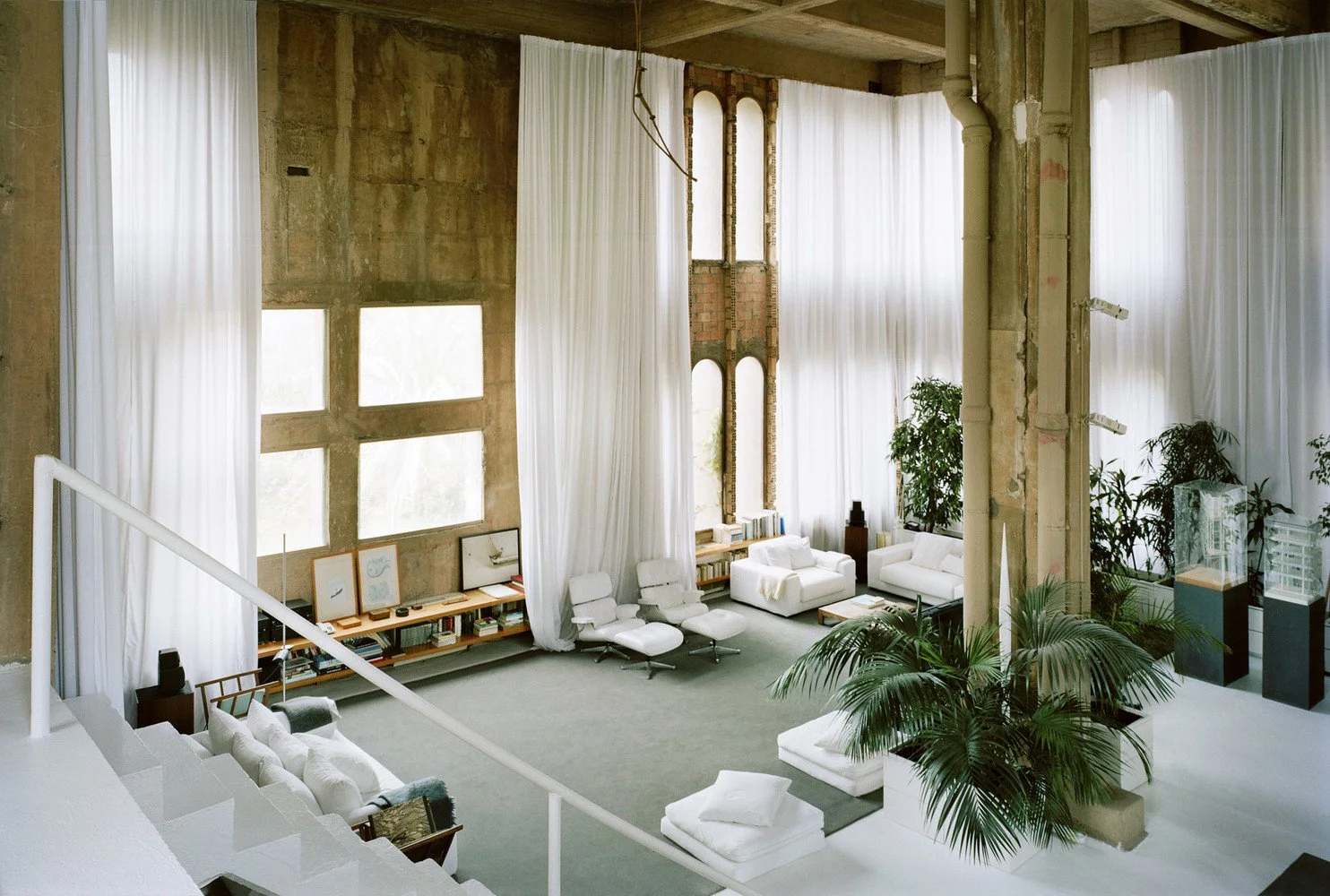

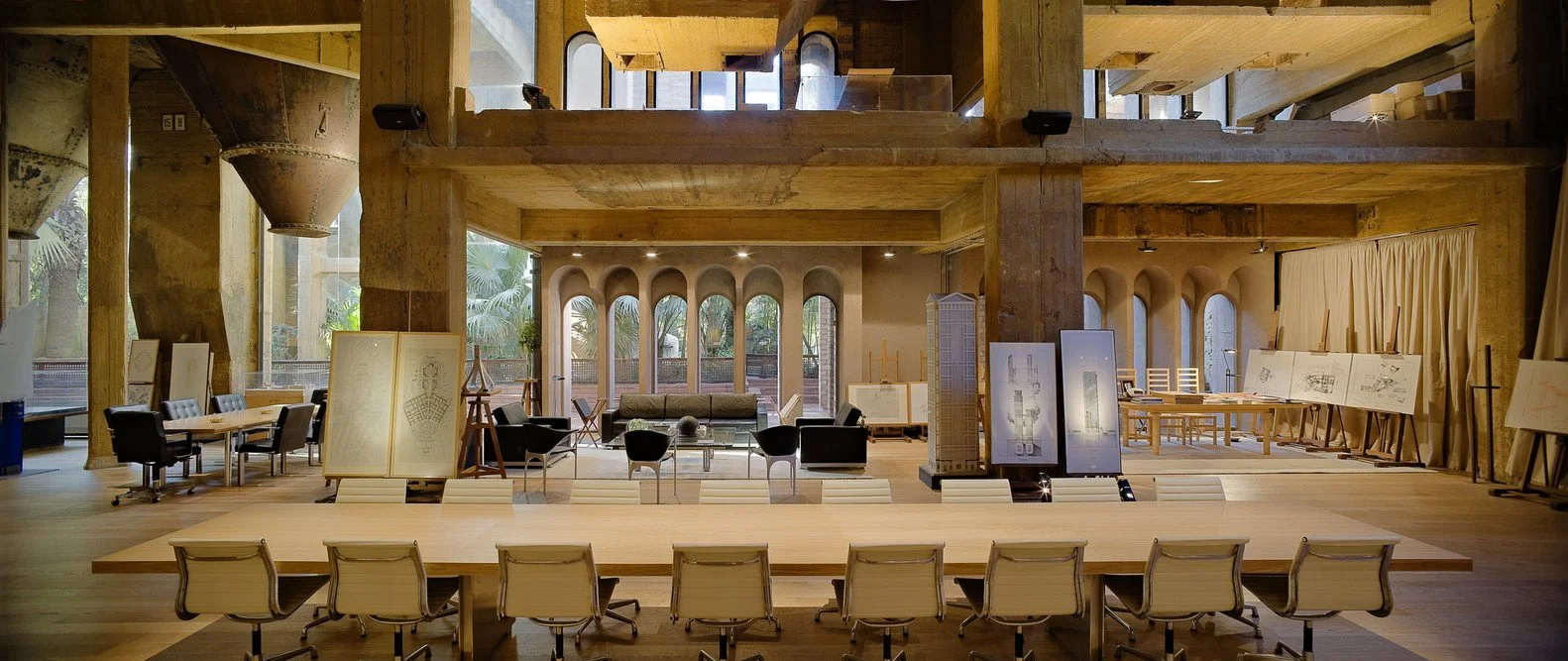
“I decided to retain the factory and, modifying its original brutality, sculpt it like a work of art.”
Today, La Fábrica is both home and studio to the Taller de Arquitectura, Bofill’s architectural workshop and creative nucleus. The space comprises a variety of zones—The Cathedral, The Garden, and The Silos—each with its own spatial character and metaphoric identity. These are not merely rooms; they are meditations on light, proportion, and purpose.
In his transformation of the Cement Factory, Bofill proposed a radical idea: that form and function can be dissociated. A space, if beautiful and well-conceived, can become anything. The old silos are now libraries and lounges. Former machine rooms are meeting spaces and ateliers. The boundaries between life and work, inside and out, past and future, are deliberately blurred.


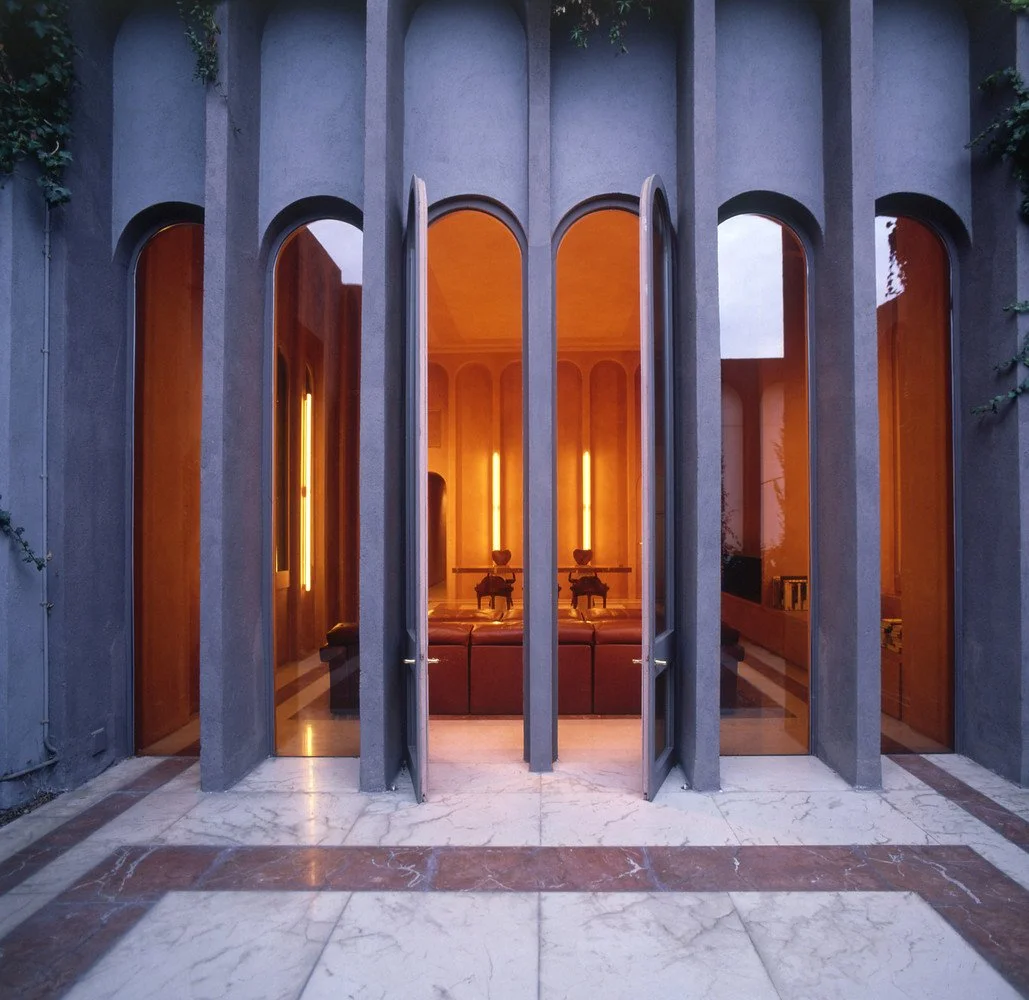
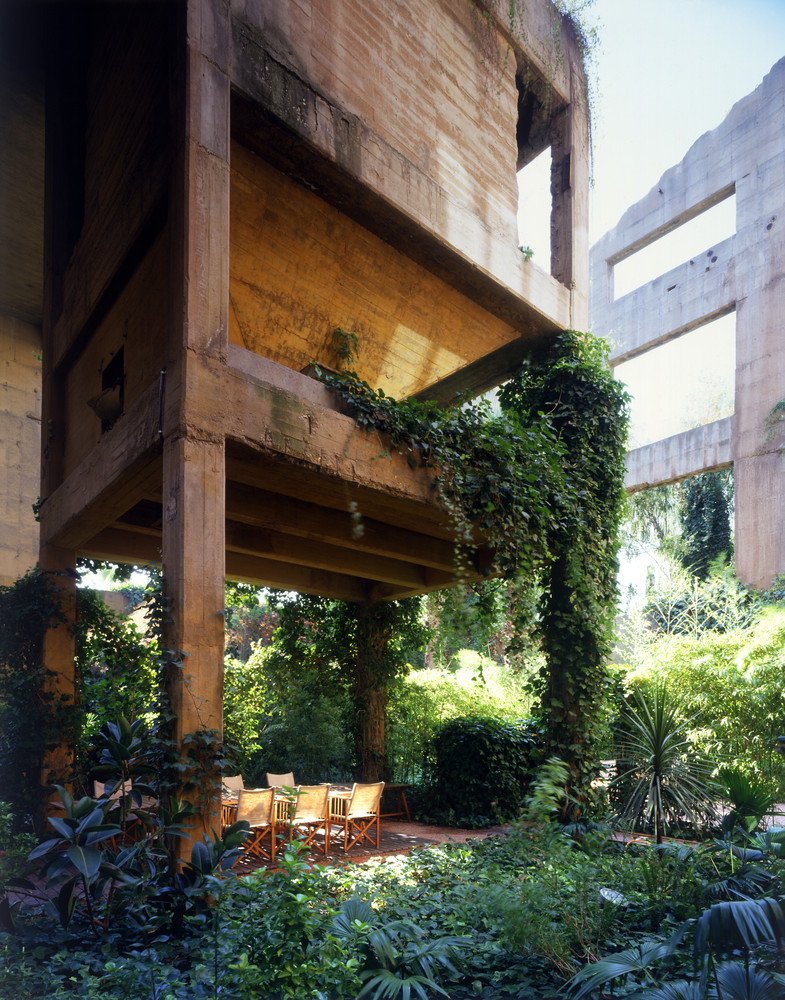
All photography: © Courtesy of Ricardo Bofill
To walk through La Fábrica is to move through a dreamscape shaped by concrete and imagination. It is a place that resists completion—an ever-evolving experiment in living architecture. It is as much about the physical transformation of a building as it is about an architect’s search for an environment in which to think, create, and ultimately, live.
“I have the impression of living in a factory world,” Bofill once said, “the same world that characterised and propelled the beginnings of industrial development in Catalonia.” But in his hands, this world has transcended its origins, becoming a space not of production—but of poetry.
