
Frieze London 2025
A Celebration of Contemporary Art and Cultural Dialogue
Every October, London’s Regent’s Park transforms into a vibrant epicentre of creativity as Frieze London returns, bringing together the world’s leading galleries, artists, and collectors for one of the most anticipated events in the global art calendar. Since its founding in 2003, the fair has become a cultural landmark, bridging the worlds of art, design, and ideas, and positioning London as a vital meeting point for creative exchange.
More than just an art fair, Frieze London is a reflection of the moment, capturing shifts in global culture and showcasing how contemporary artists respond to the world around them. Alongside its sister fairs, Frieze Masters and Frieze Sculpture, it provides an unparalleled platform that celebrates both established names and emerging talent, inviting visitors to explore, question, and be inspired.
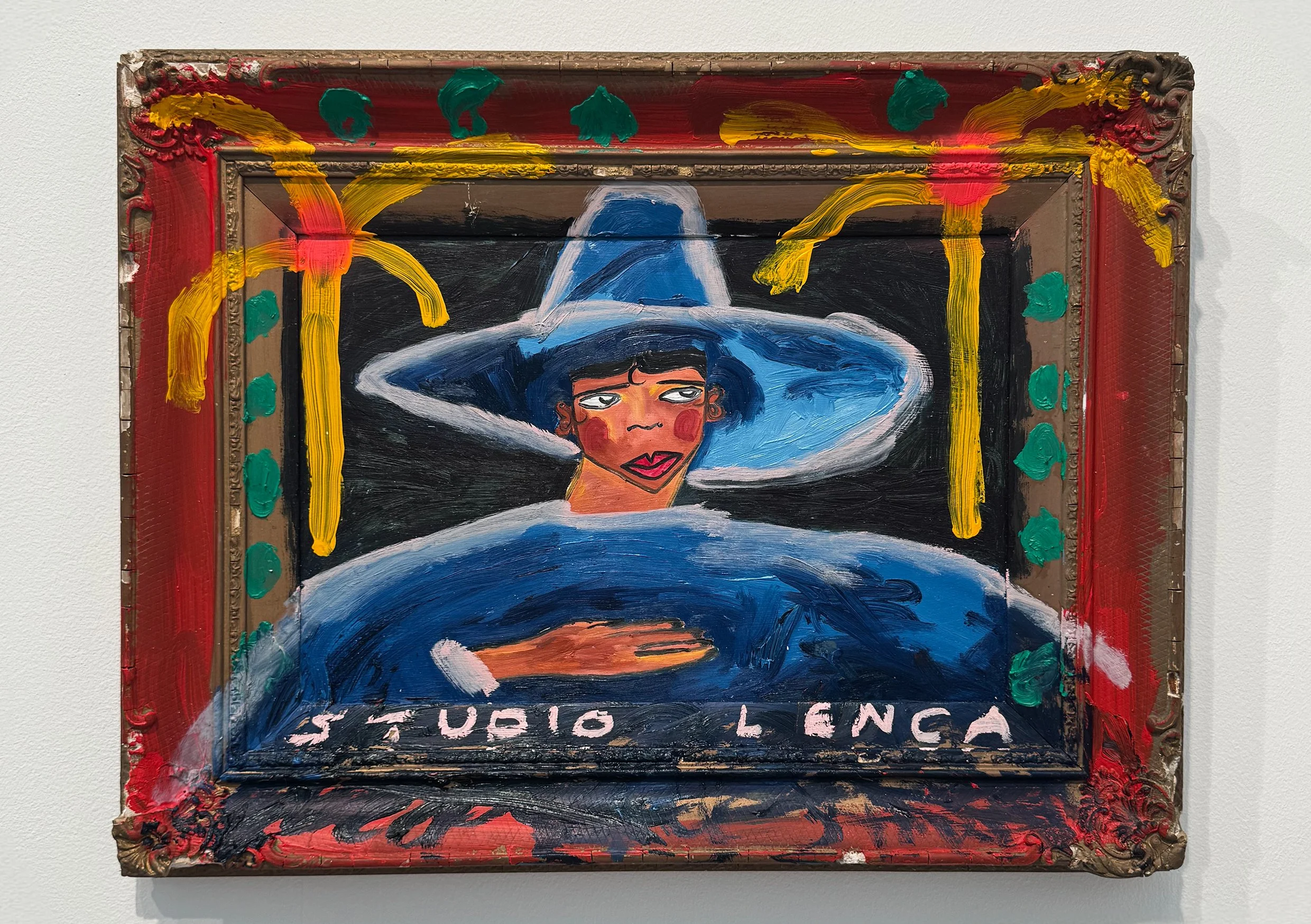
Work by Studio Lenca represented by Carl Freedman Gallery
This year’s edition once again reaffirmed Frieze’s status as a cornerstone of the international art scene, offering a dynamic mix of thought-provoking installations, daring new voices, and immersive presentations that challenge convention and expand the boundaries of what art can be.
From bold political statements to quiet reflections on material and form, the fair offered countless moments of discovery. Below, I highlight some of the most compelling works and presentations that defined my visit to the fair.
Esther Schipper
Berlin-based gallery Esther Schipper returned to Frieze London this year with a captivating presentation of works by Sarah Buckner, reaffirming the gallery’s reputation for championing artists who explore the boundaries of form and narrative. Founded in Cologne in 1989, Esther Schipper has grown into one of Europe’s most respected contemporary art galleries, expanding its presence to Berlin, Seoul, Paris, and, most recently, New York. Across nearly four decades, the gallery has become known for supporting artists who challenge conventional exhibition formats and engage in meaningful cultural dialogue across continents.
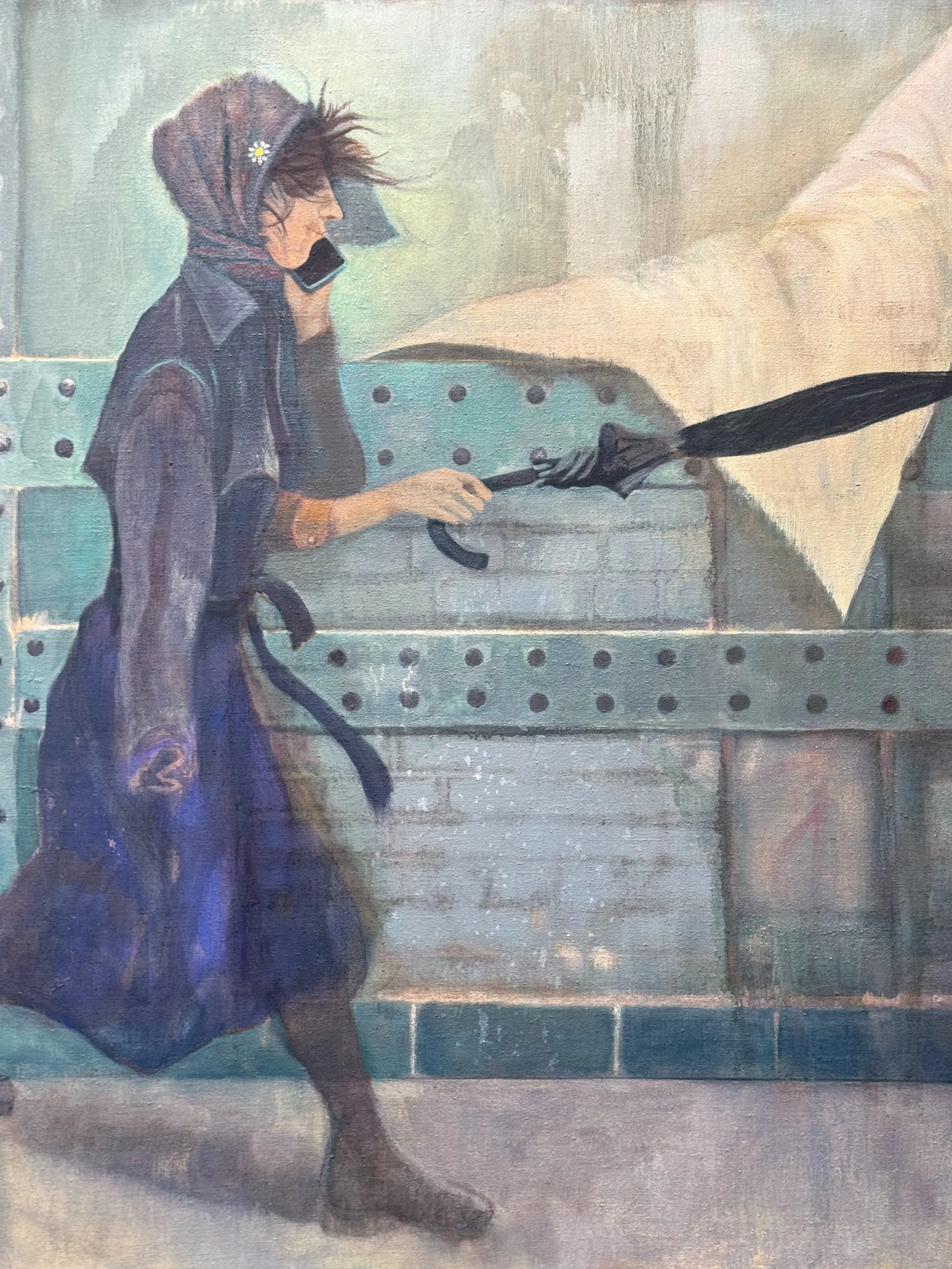
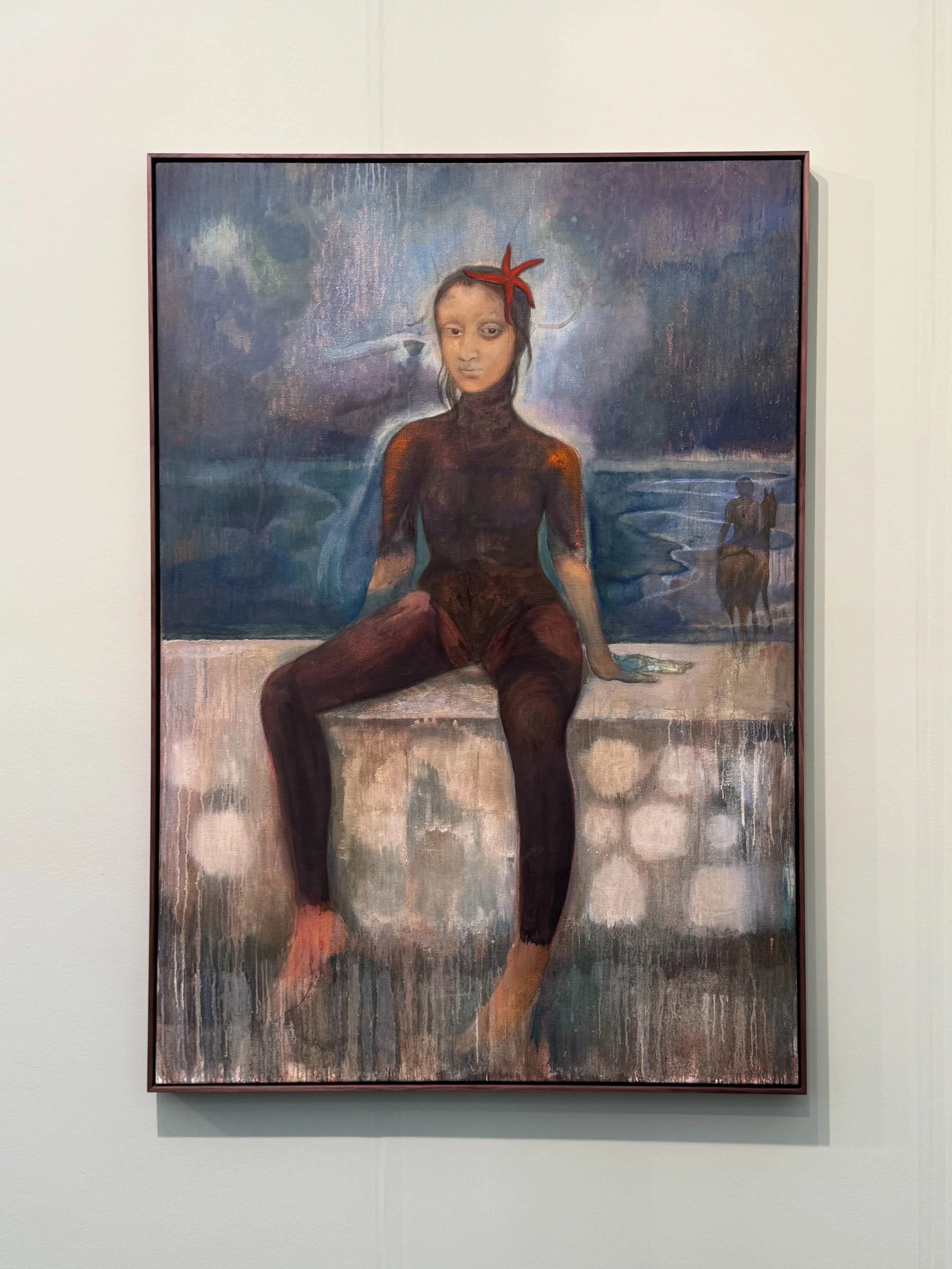
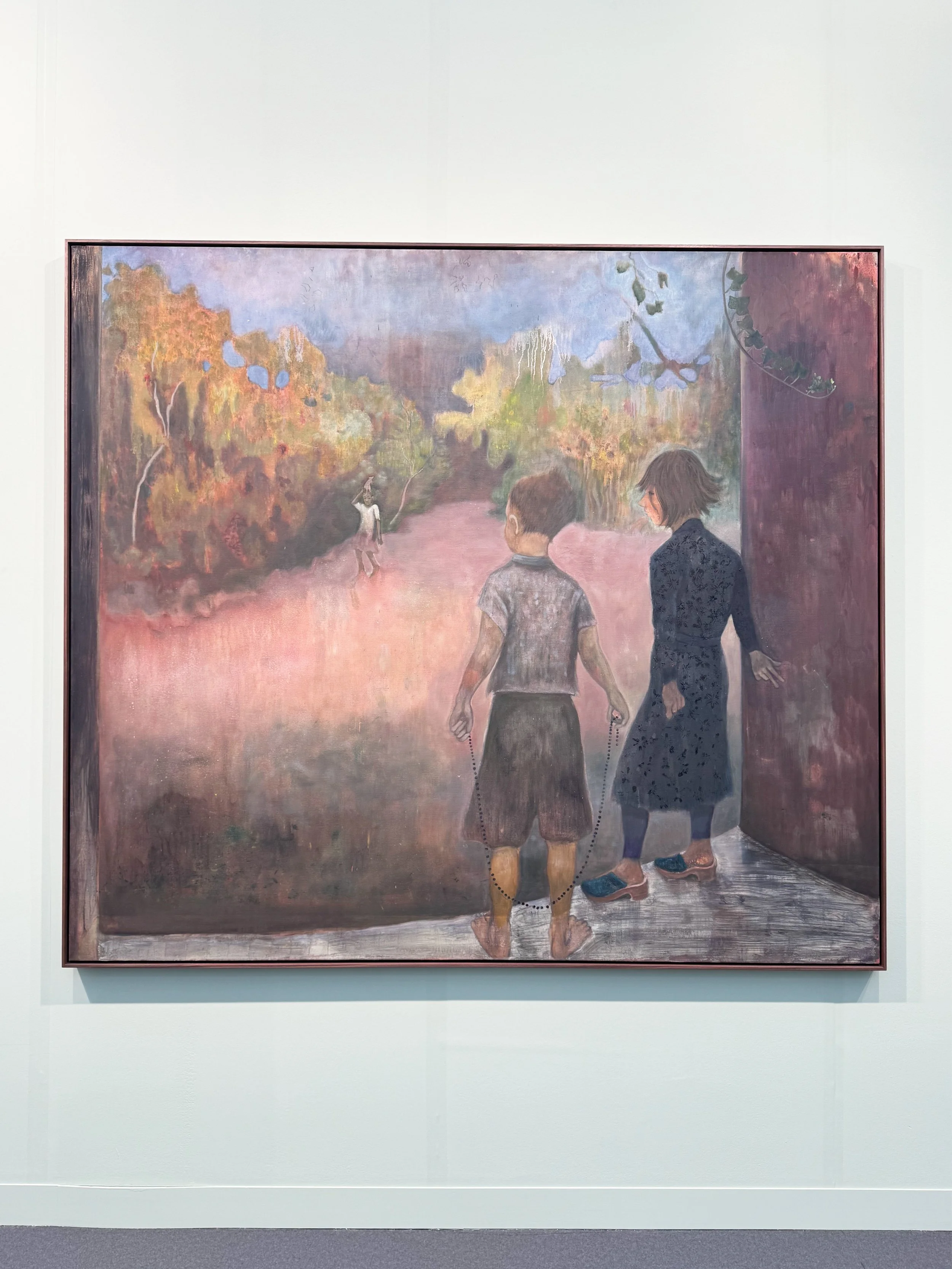
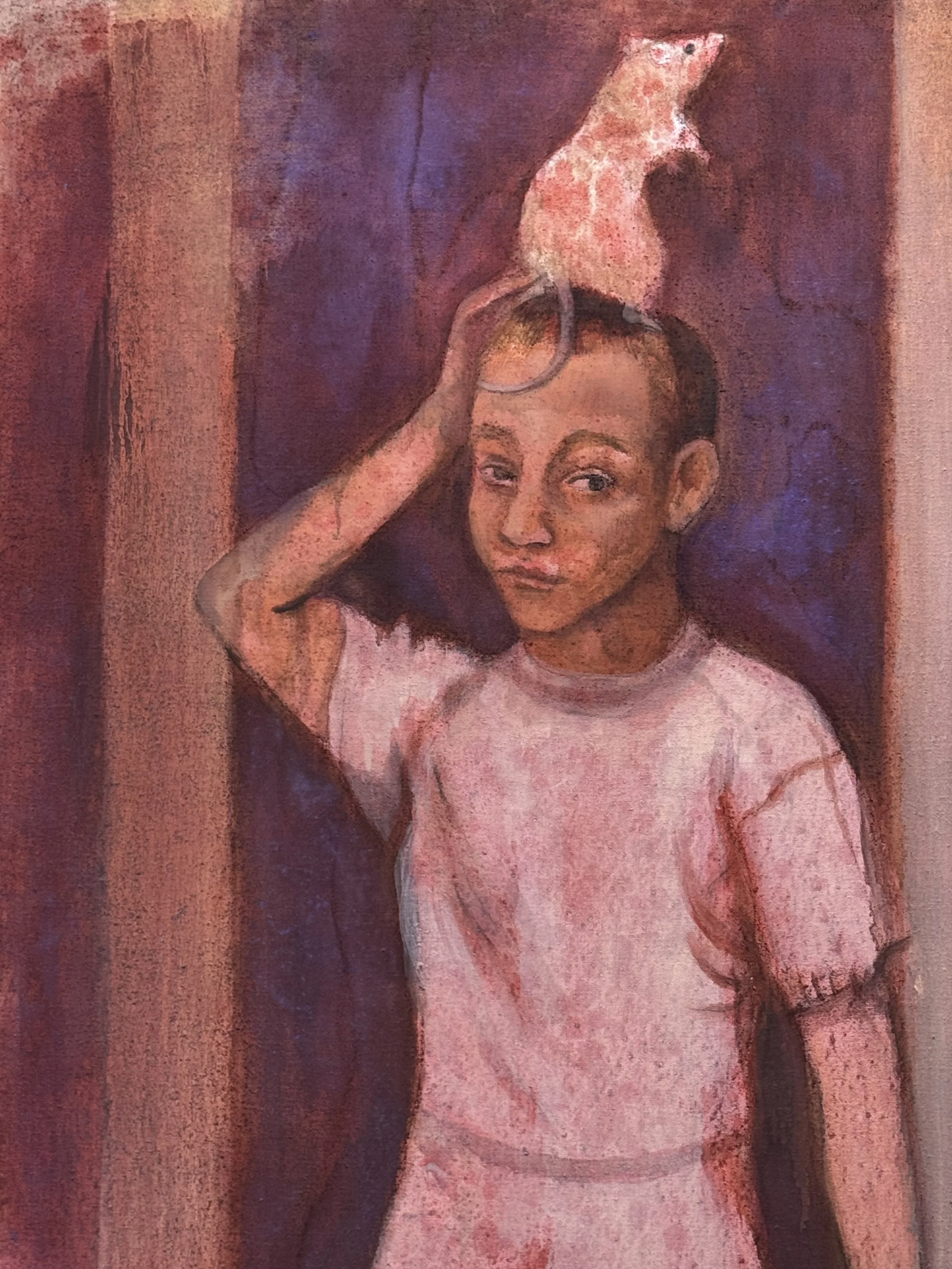
At Frieze London, Buckner’s paintings stood out for their lyrical ambiguity and emotional immediacy. Her figures and settings feel at once familiar and elusive; scenes caught mid-thought, inviting the viewer to imagine the unseen moments before and after. Each composition captures a fleeting psychological state, blending the intimacy of personal memory with the universality of shared experience.
Through Buckner’s work, Esther Schipper once again demonstrated its curatorial strength in presenting artists who navigate the space between observation and imagination, works that speak quietly yet powerfully, offering both narrative depth and painterly precision.
Carl Freedman Gallery
Few galleries capture the energy and immediacy of contemporary art quite like Carl Freedman Gallery. Having followed the gallery’s presentations across a range of international shows, I remain impressed by its unwavering commitment to curatorial excellence, a balance of passion, expression, and bold creative vision. Founded by Carl Freedman, the gallery has become a force within the global art world, setting a standard for contemporary practice through its fearless programming and exceptional roster of artists.
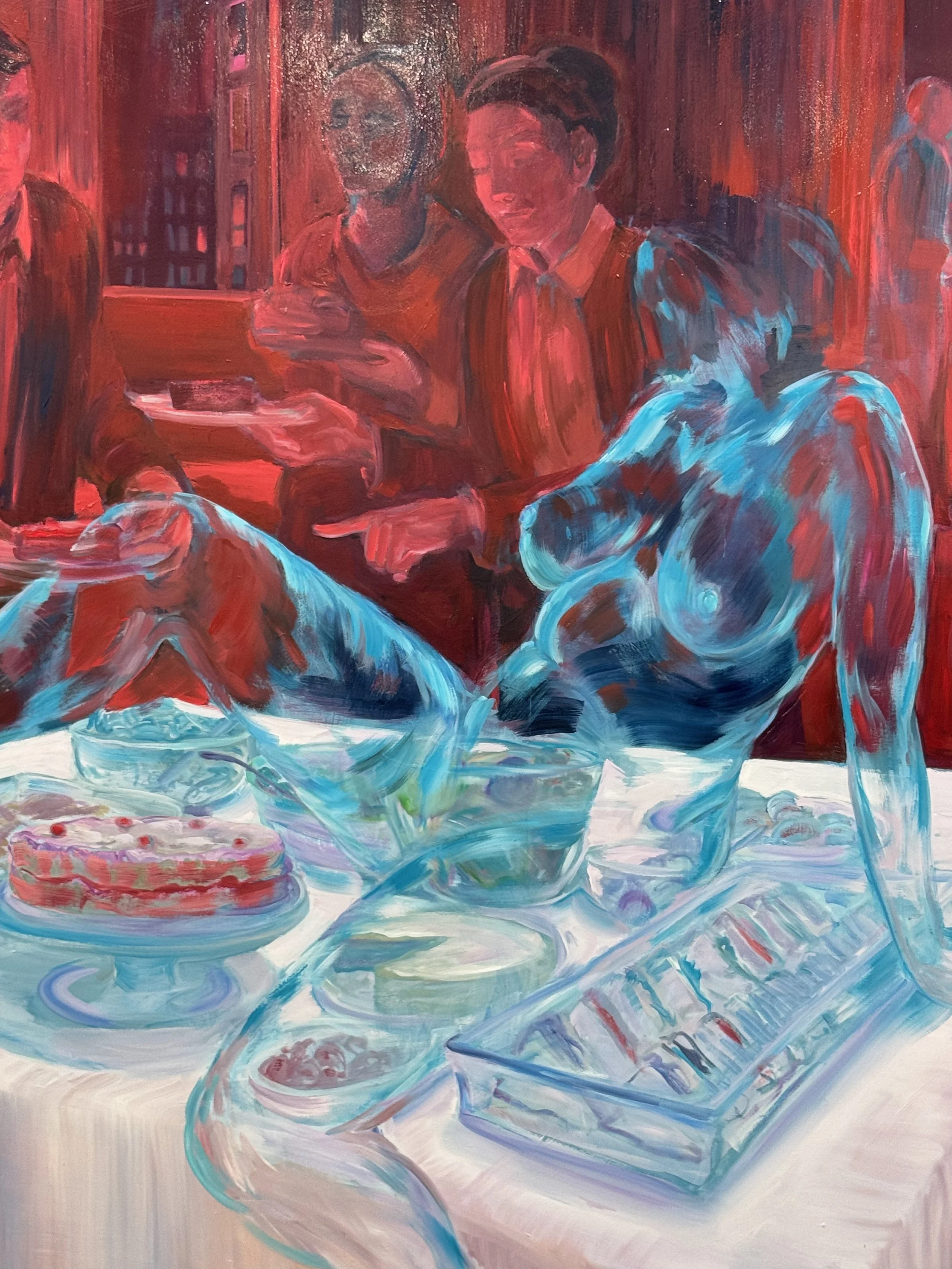
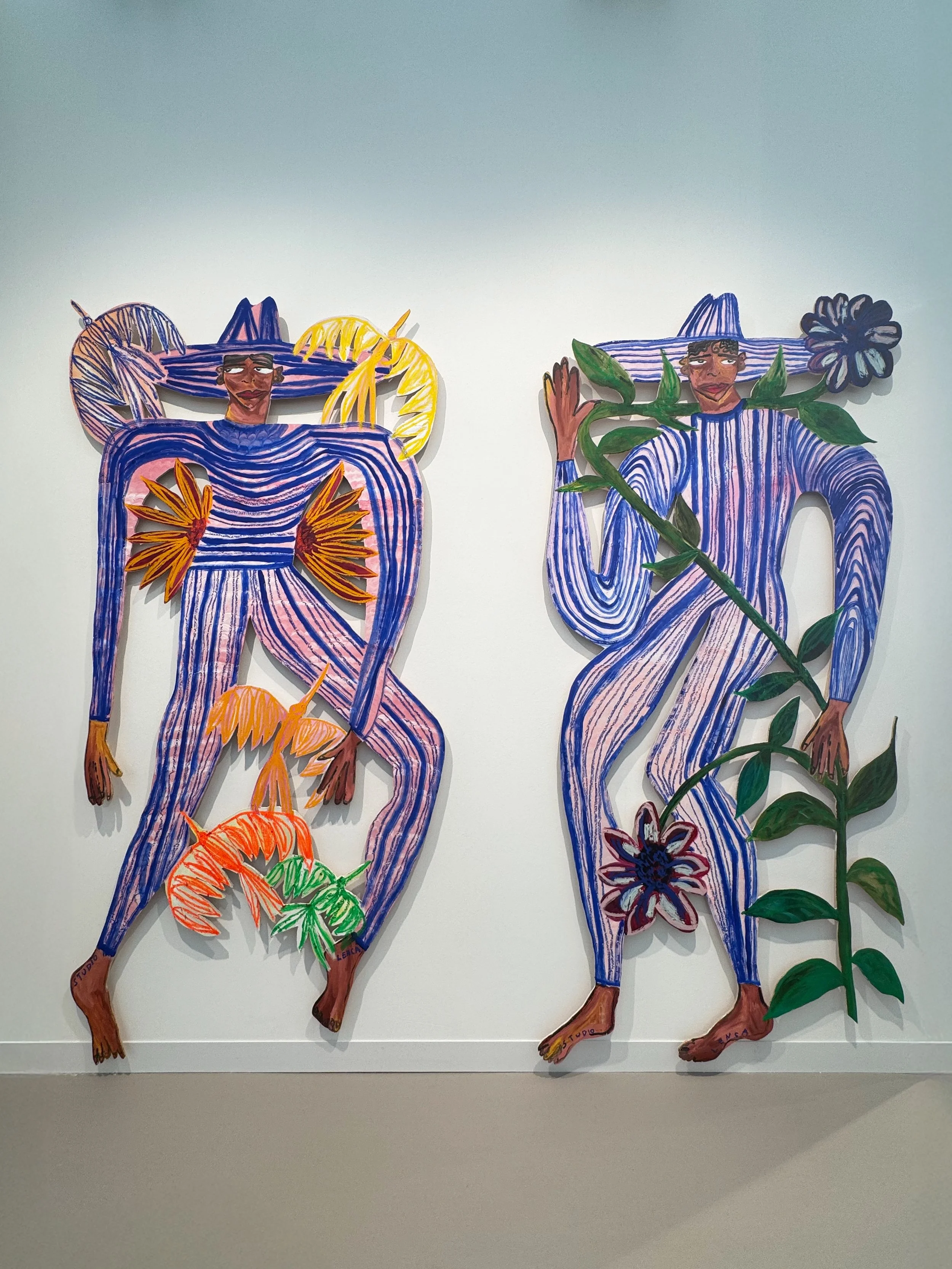

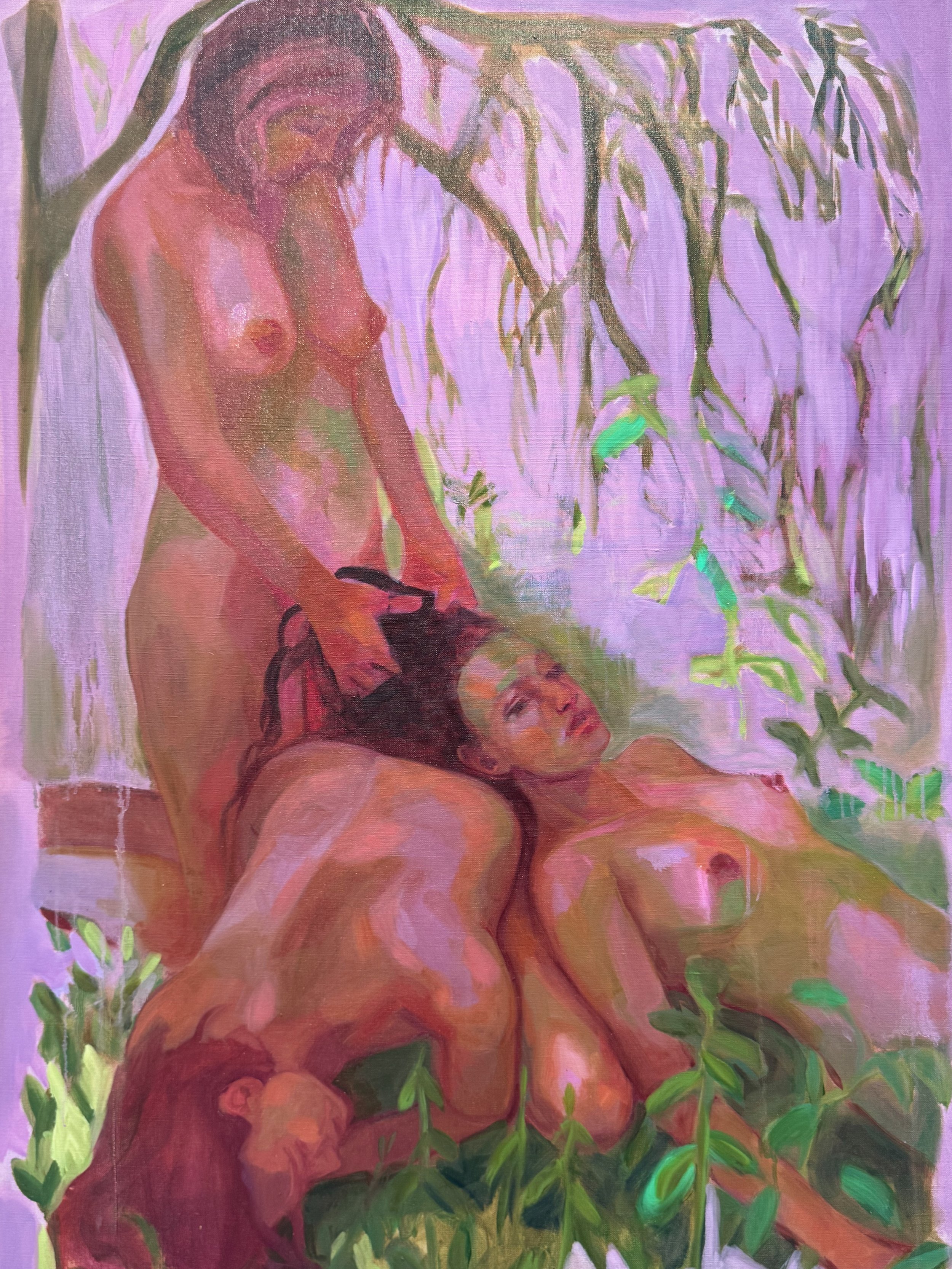
At this year’s Frieze London, the presentation was a testament to that reputation. Works by Benjamin Senior, Studio Lenca, Vanessa Raw, and Laura Footes radiated individuality yet shared an underlying sense of emotional honesty and vibrancy that has become synonymous with the gallery’s identity. From Strong-Brett’s intuitive explorations of form to Studio Lenca’s layered social narratives, Raw’s meditative use of colour, and Footes’ striking compositions, each artist brought a distinct perspective that together formed a cohesive and dynamic statement.
What sets Carl Freedman Gallery apart is not just its ability to spot emerging talent but also its talent for creating dialogues between artists —works that challenge, provoke, and inspire in equal measure. The result is a curatorial voice that feels both deeply human and intellectually charged, reminding us why the gallery continues to take the art world by storm.
El Apartamento
Havana-based El Apartamento brought an exceptional presentation to this year’s fair, showcasing the collaborative works of Ariamna Contino and Alex Hernández. Founded with a mission to amplify the voices of contemporary Cuban artists, the gallery continues to impress with its thoughtful curation and its ability to balance aesthetic beauty with powerful conceptual narratives.
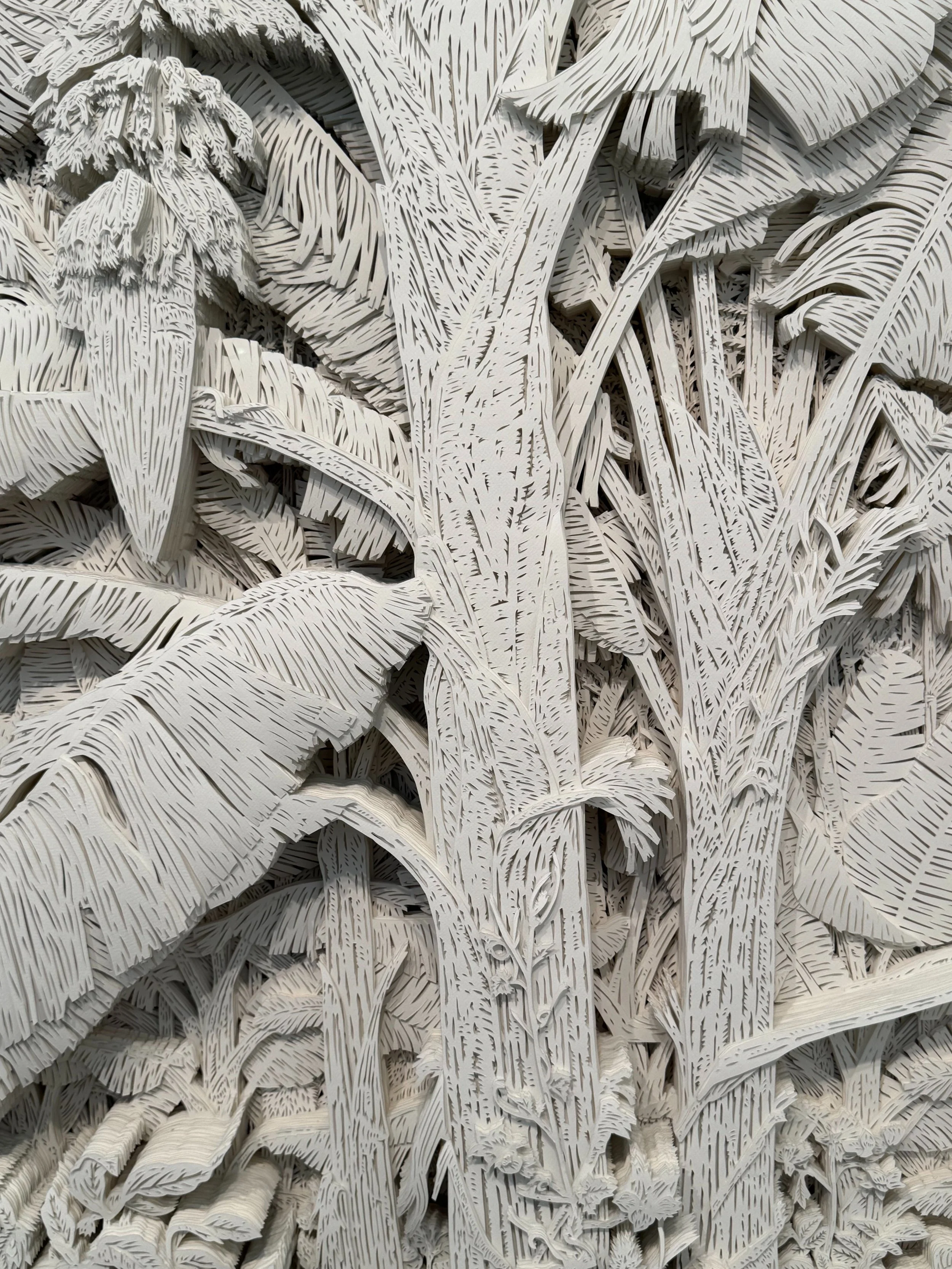
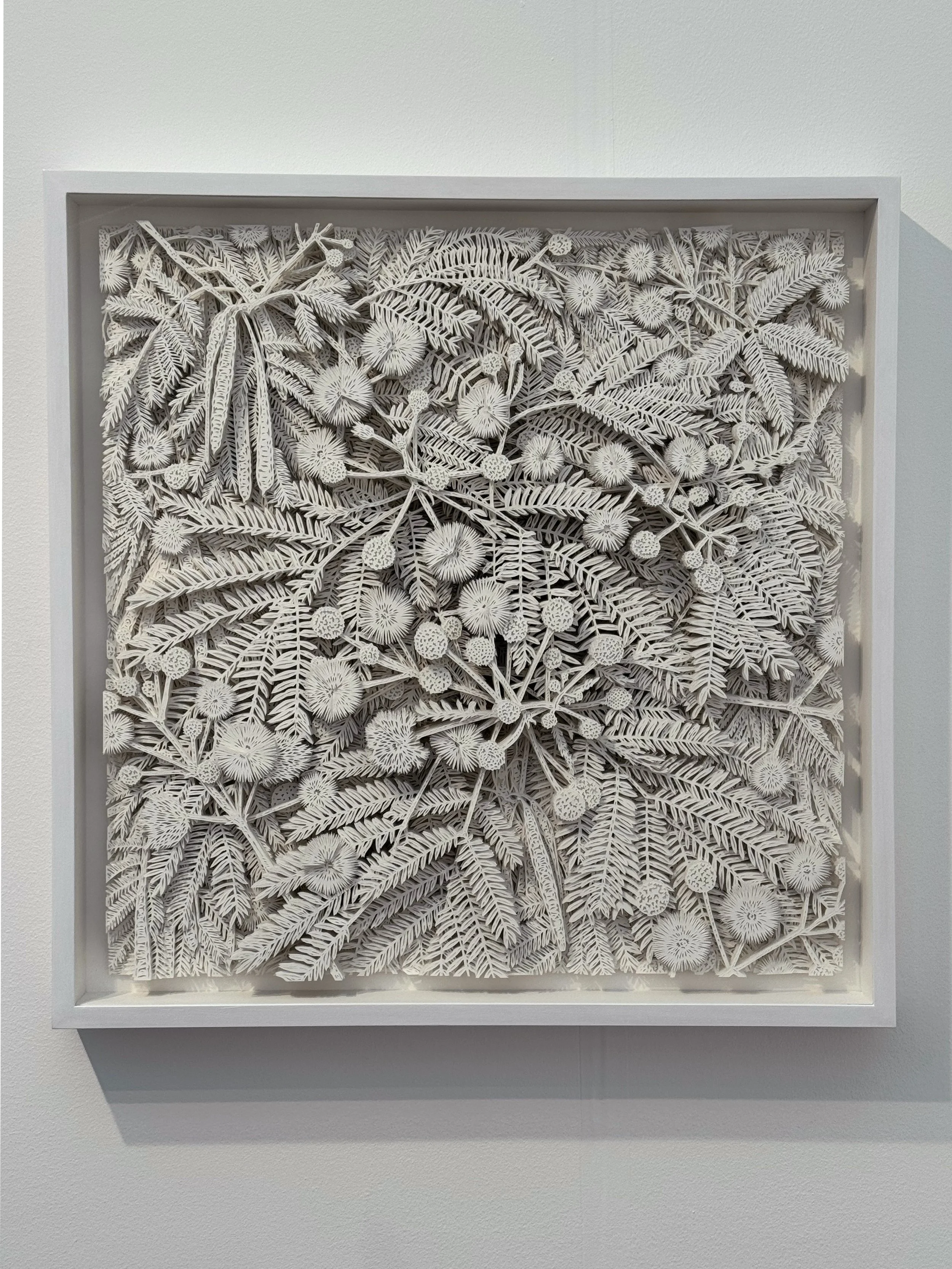

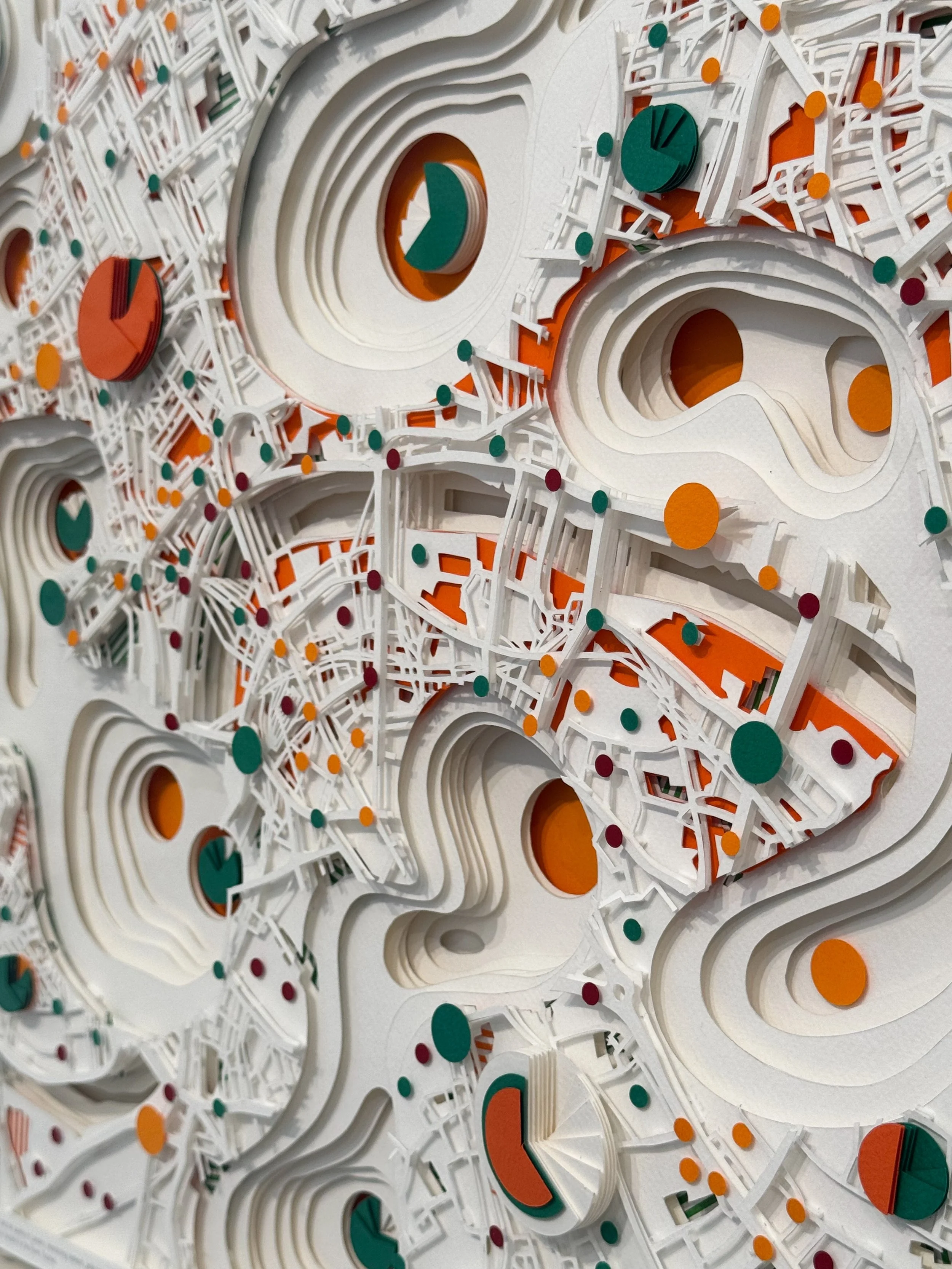
The works of Contino and Hernández stood out for their meticulous craftsmanship and layered meaning. Combining intricate detail with a restrained visual language, the duo explore themes of identity, history, and collective memory, translating complex sociopolitical ideas into works of quiet intensity and poetic precision. Each piece invites contemplation, not only of the material itself but of the broader human experience it reflects.
El Apartamento’s presentation felt both intimate and globally resonant, offering a compelling window into the evolving dialogue of contemporary Cuban art. It was a reminder of how art can transcend borders while remaining deeply rooted in place, reflecting the gallery’s ongoing commitment to fostering meaningful cultural exchange.
Union Pacific
Among this year’s standout presentations, Union Pacific was without doubt one of my personal favourites. The London-based gallery delivered a hauntingly beautiful and conceptually rich display that lingered long after leaving the booth. Presenting works by Koak, Velma Rosai-Makhandia, Oliver Osborne, Martin Aagaard Hansen, Caroline Mesquita, Aya Higuchi, Niklas Asker, Chason Matthams, Lulù Nuti, Emiliano Maggi, and Nova Jiang, the curation was both visually cohesive and emotionally charged; a testament to Union Pacific’s ability to balance daring experimentation with quiet sophistication.
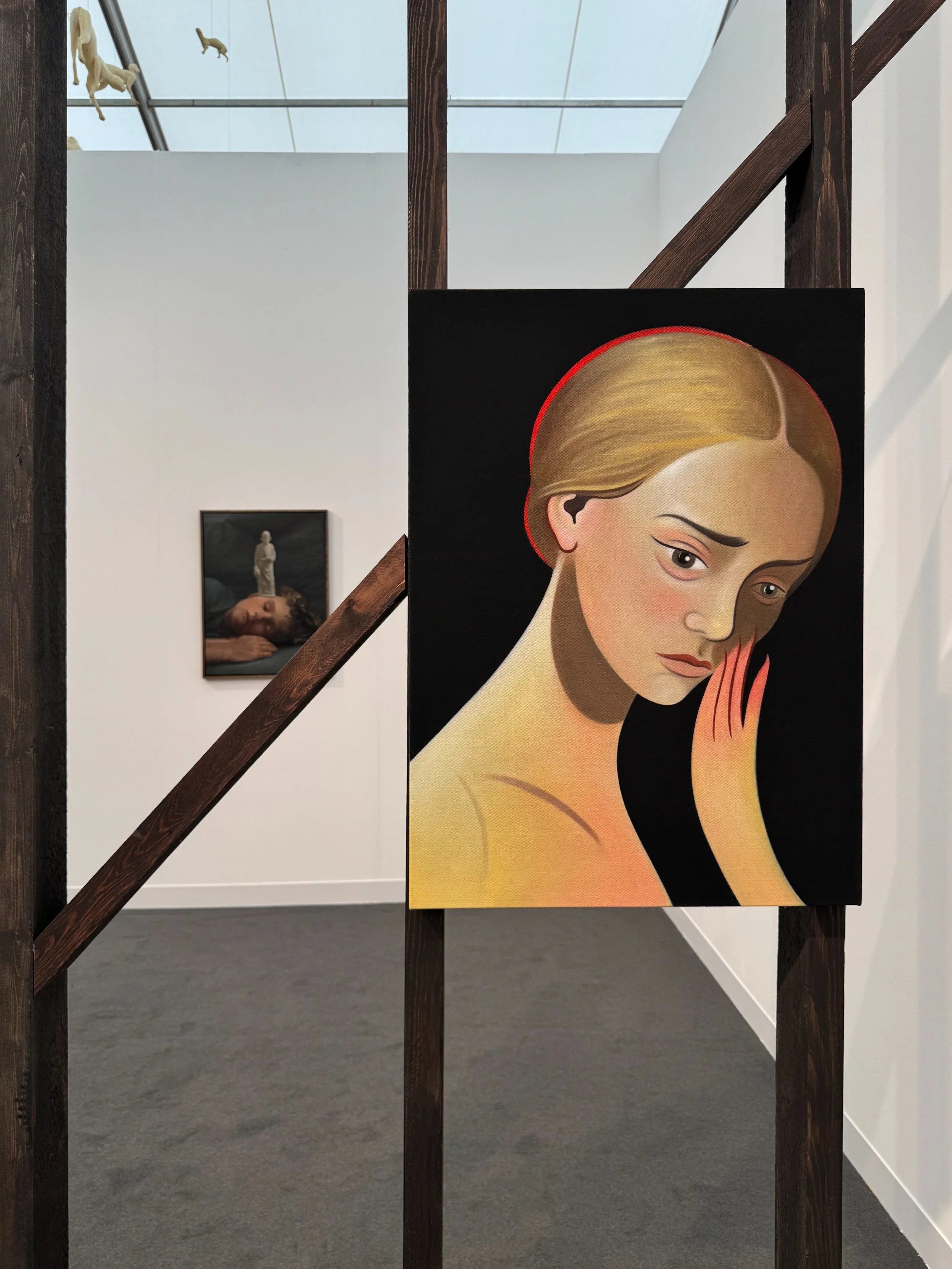
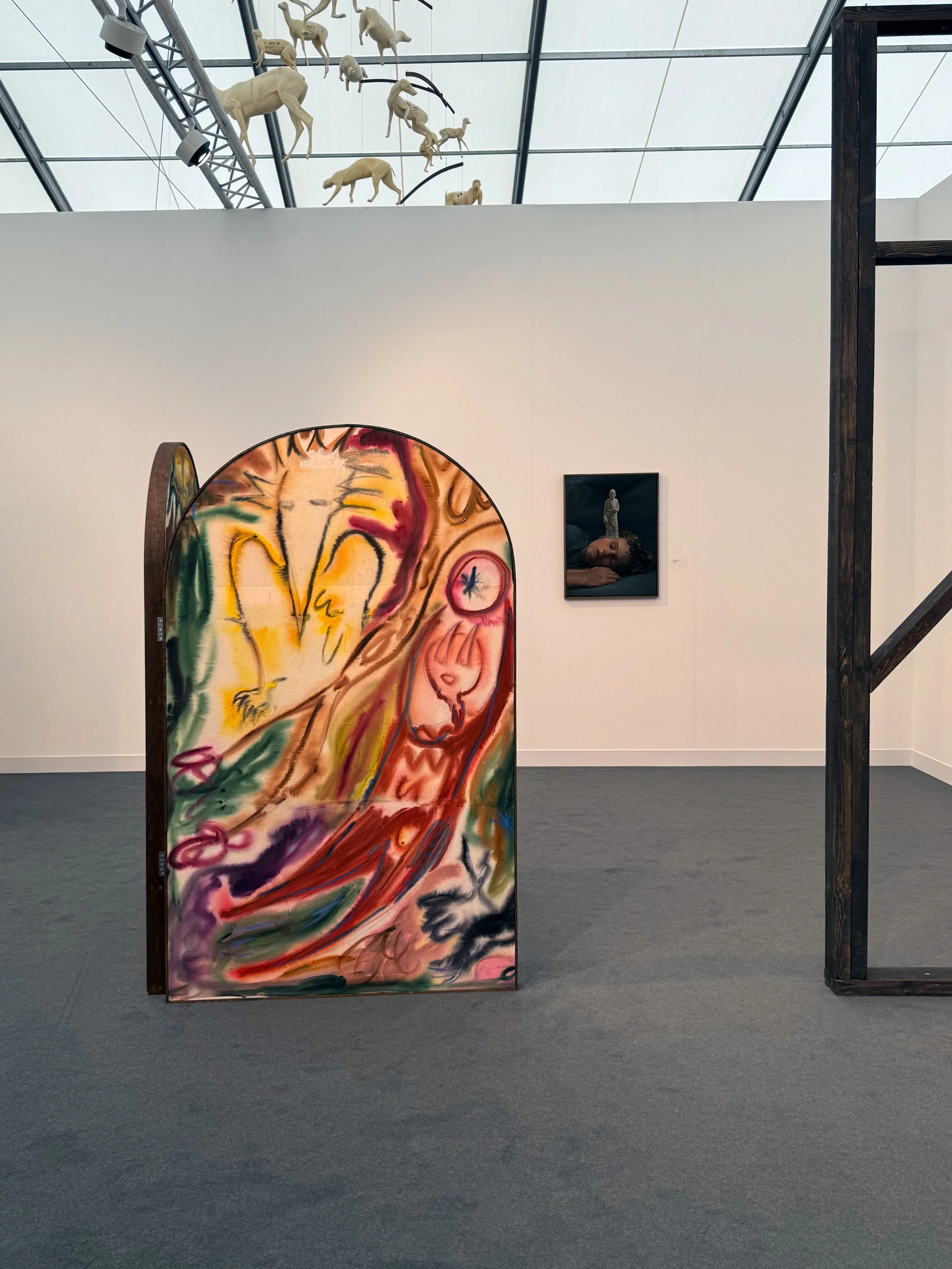
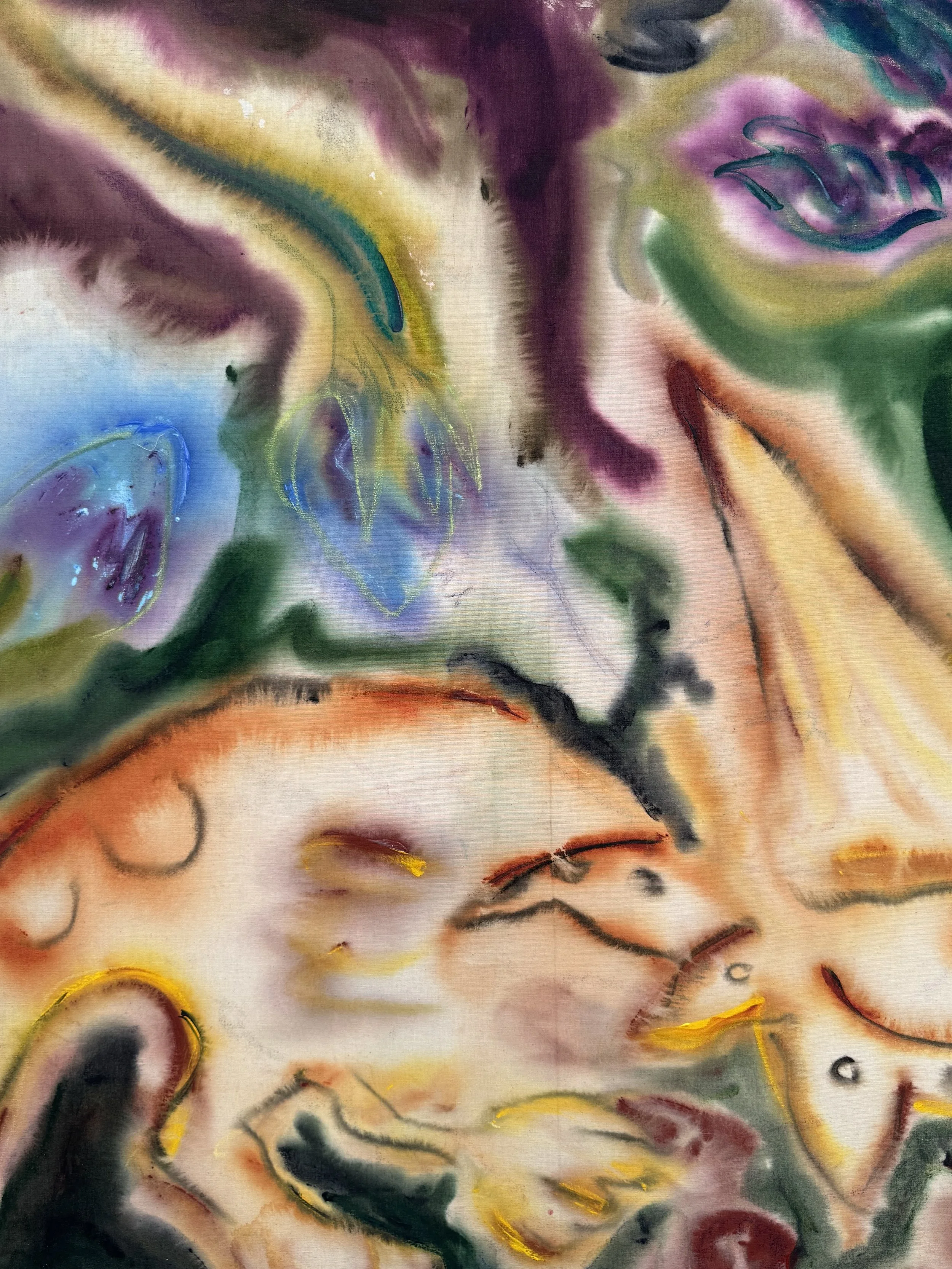
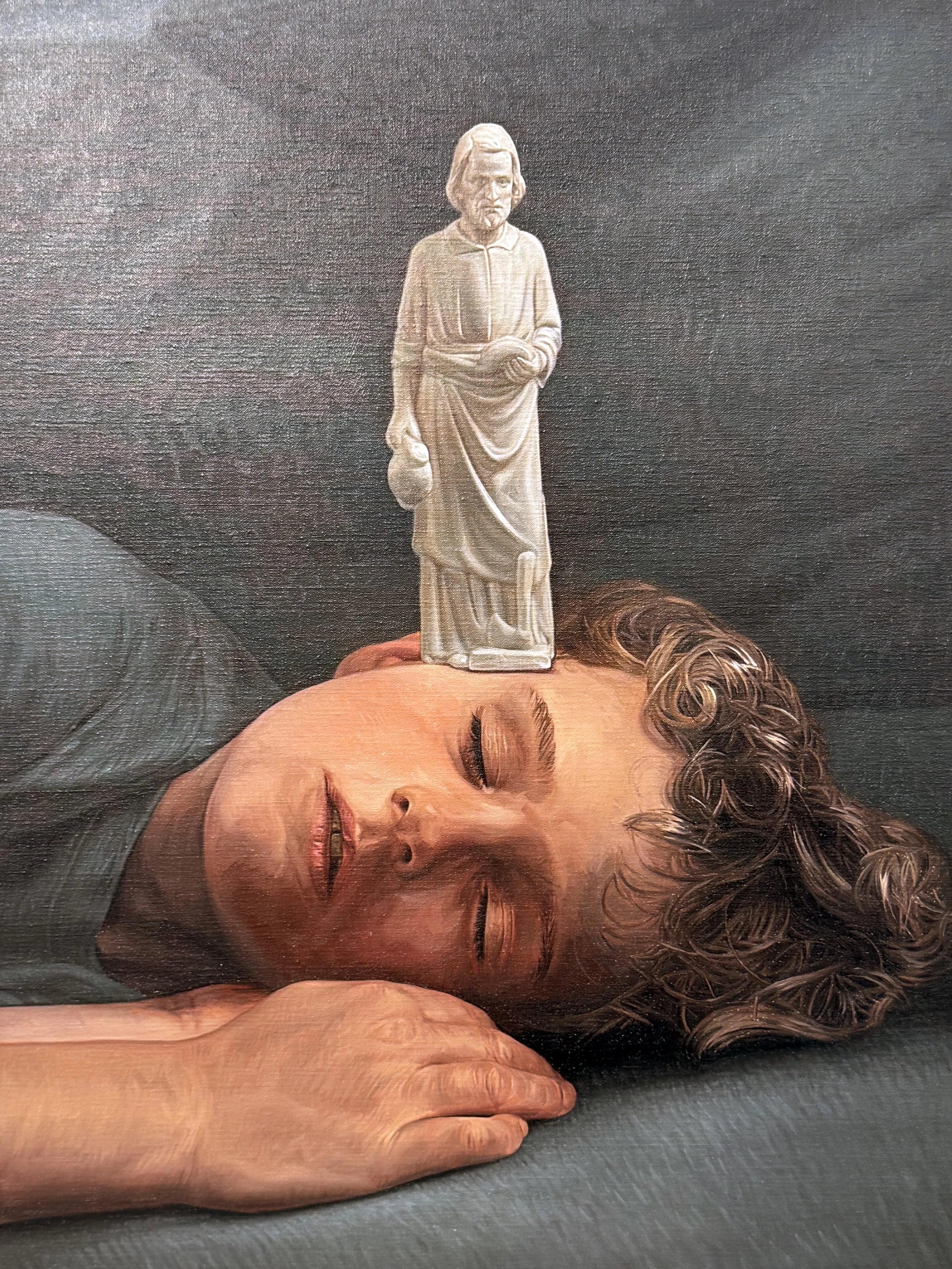
There was a sense of unease and allure that ran through the presentation, with each work seemingly caught between states: the familiar and the uncanny, the figurative and the abstract, the tangible and the dreamlike. It was this tension that made the display so captivating; works that appeared to whisper their stories rather than declare them, drawing viewers into their world with subtle, mesmerising power.
Union Pacific continues to distinguish itself as a gallery unafraid to provoke and enchant in equal measure. Its Frieze London presentation was a masterclass in atmosphere and intention; a hauntingly elegant reminder of how art can both unsettle and seduce.
The Sunday Painter
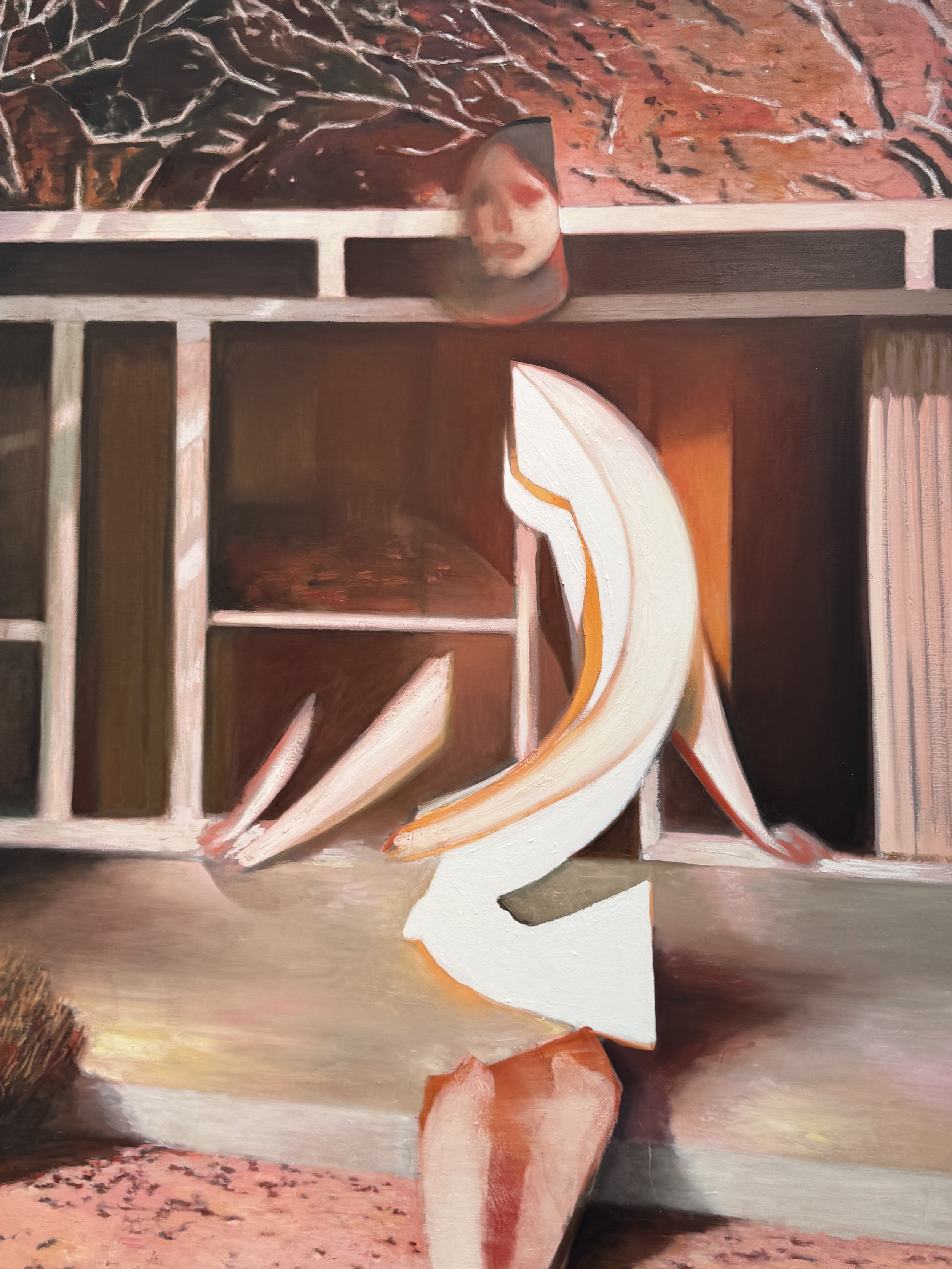
The Sunday Painter captivated audiences at this year’s Frieze London with a commanding solo presentation of new works by Ernesto Burgos. The American–Chilean artist continues to push the boundaries between painting and sculpture, manipulating industrial materials such as cardboard, fibreglass, and resin to create dynamic, gravity-defying forms that seem to hover between collapse and suspension.
Through a process of bending, tearing, cutting, and layering, Burgos transforms the raw and the industrial into something almost weightless; gestural compositions that appear caught in perpetual motion. The tactile surface of each work bears the evidence of its making: seams, creases, and textures that reveal the physicality of the artist’s process while suggesting an underlying emotional or psychological landscape.
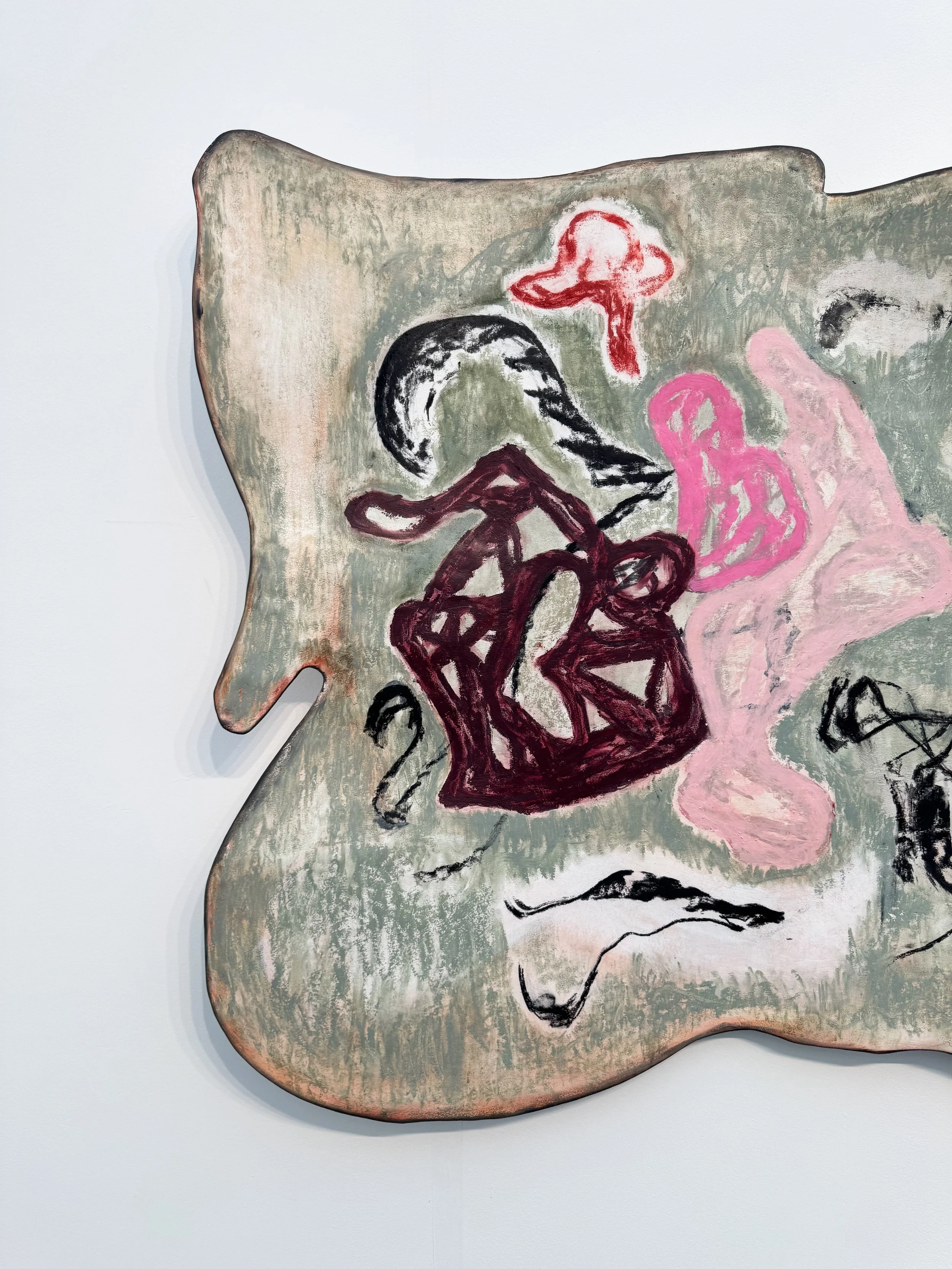
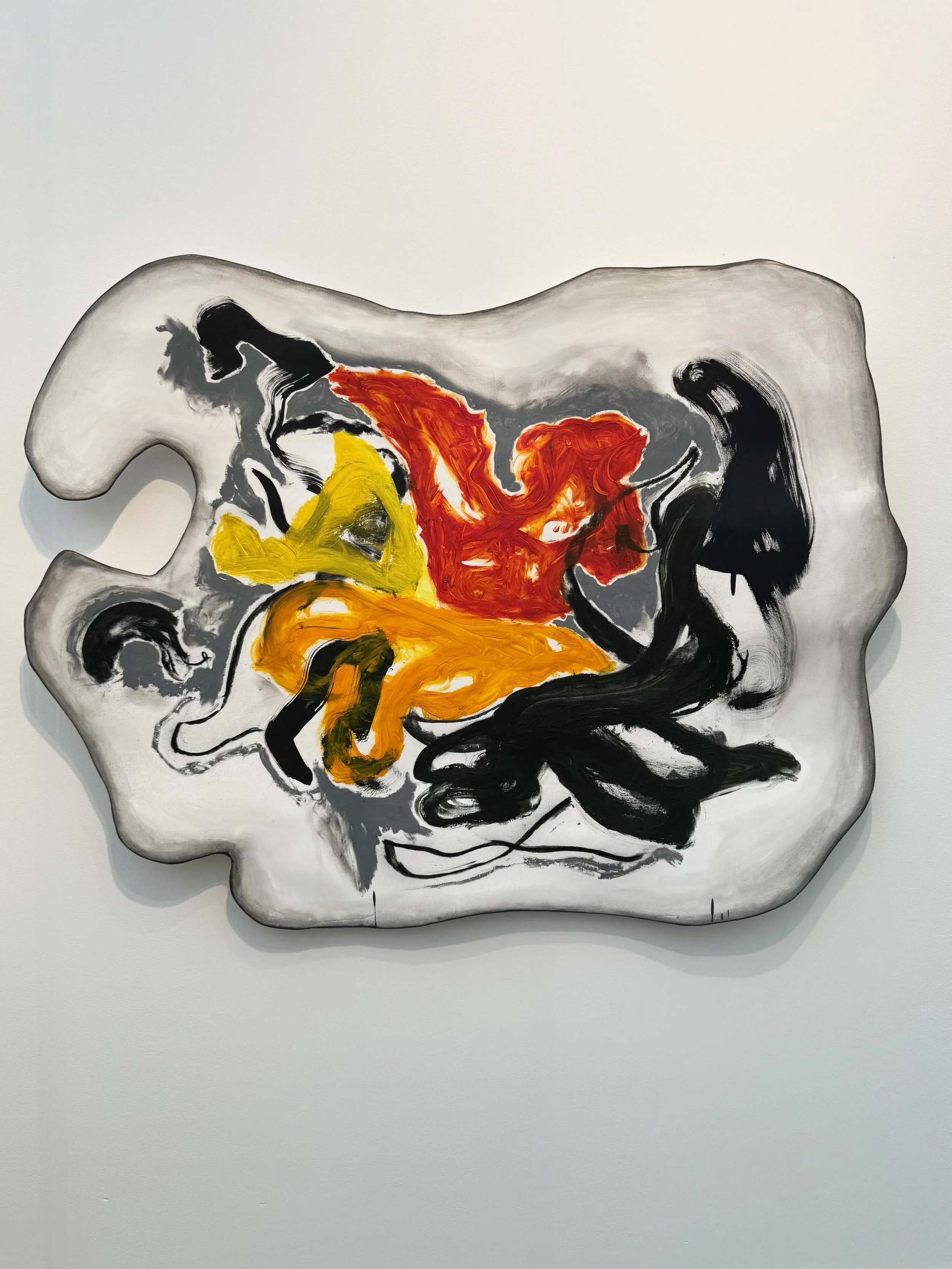
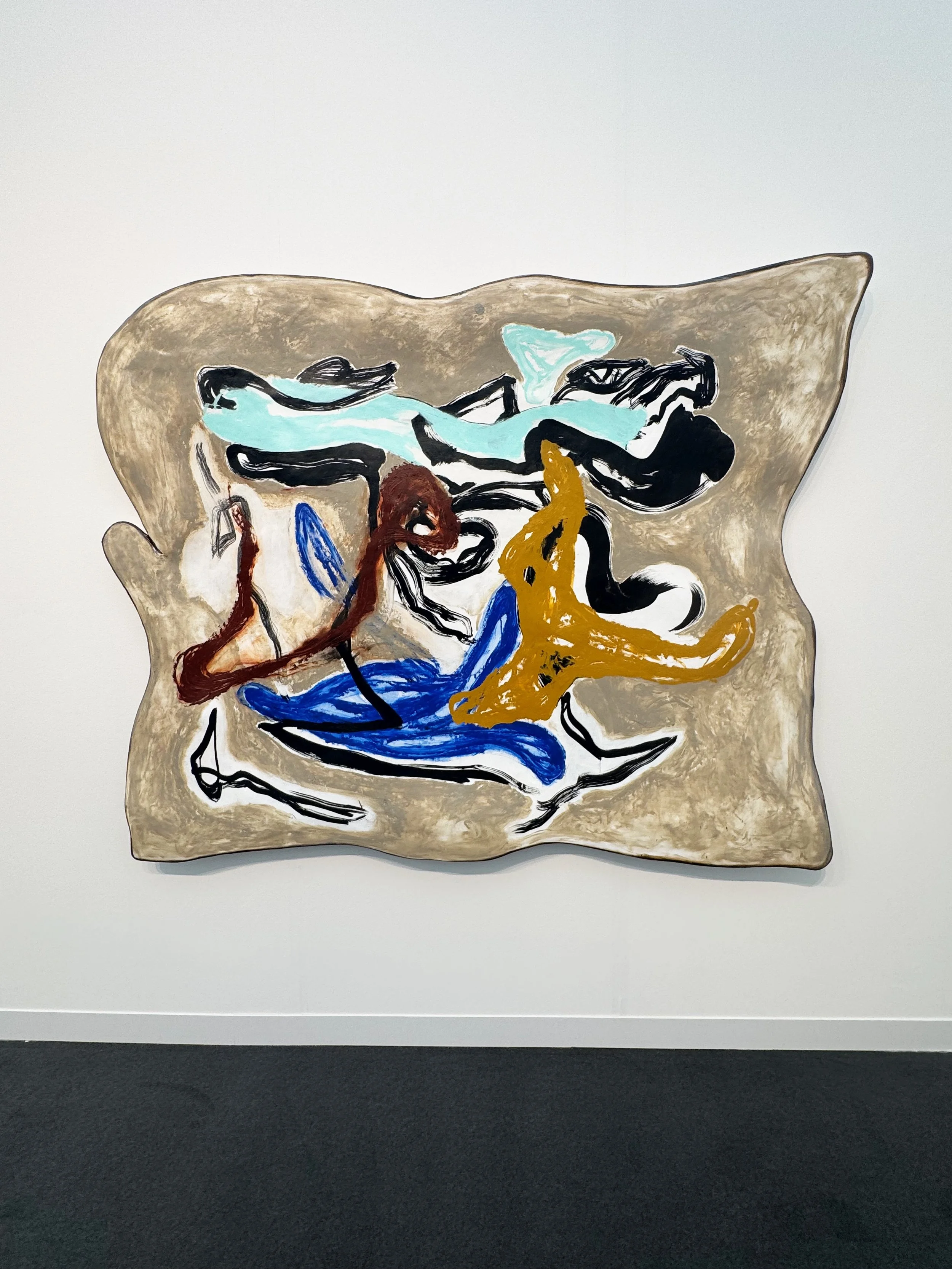
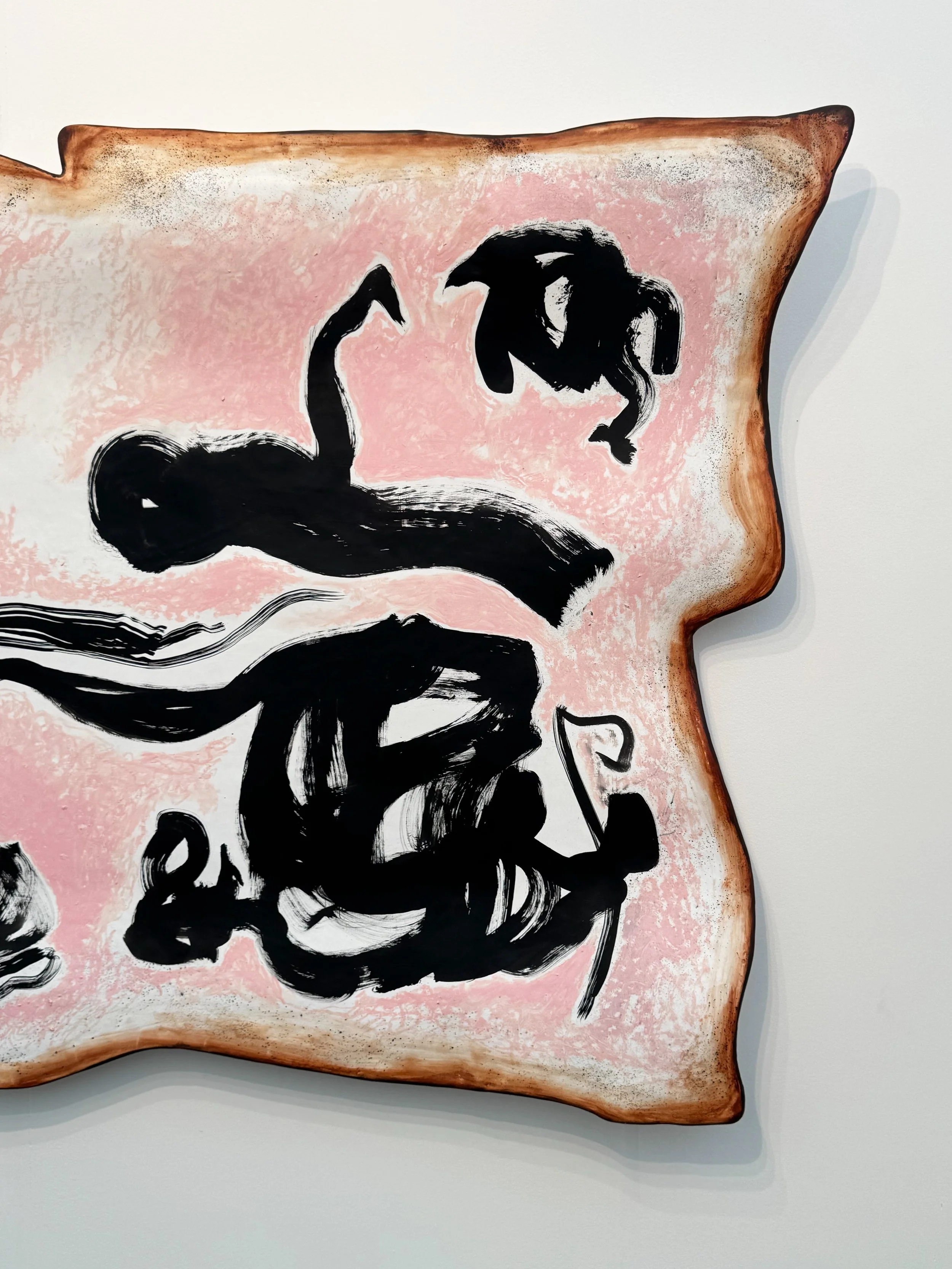
Burgos’ practice could be described as sculptural painting, a dialogue between material and movement, between destruction and creation. As viewers shift their position, the works seem to morph and reconfigure, their contours catching light in unexpected ways. This constant transformation amplifies the sense of tension and energy within each piece, making the experience both immersive and contemplative.
With this presentation, The Sunday Painter once again demonstrated its talent for platforming artists whose work exists in the space between disciplines, where material innovation meets conceptual depth, and where form is never static, only ever becoming.
Xavier Hufkens
Renowned for its curatorial precision and commitment to artistic excellence, Xavier Hufkens once again delivered one of the most accomplished presentations at this year’s Frieze London. The Brussels-based gallery, long celebrated for balancing established masters with groundbreaking contemporary voices, brought together a selection of works that exemplified both intellectual depth and visual restraint.
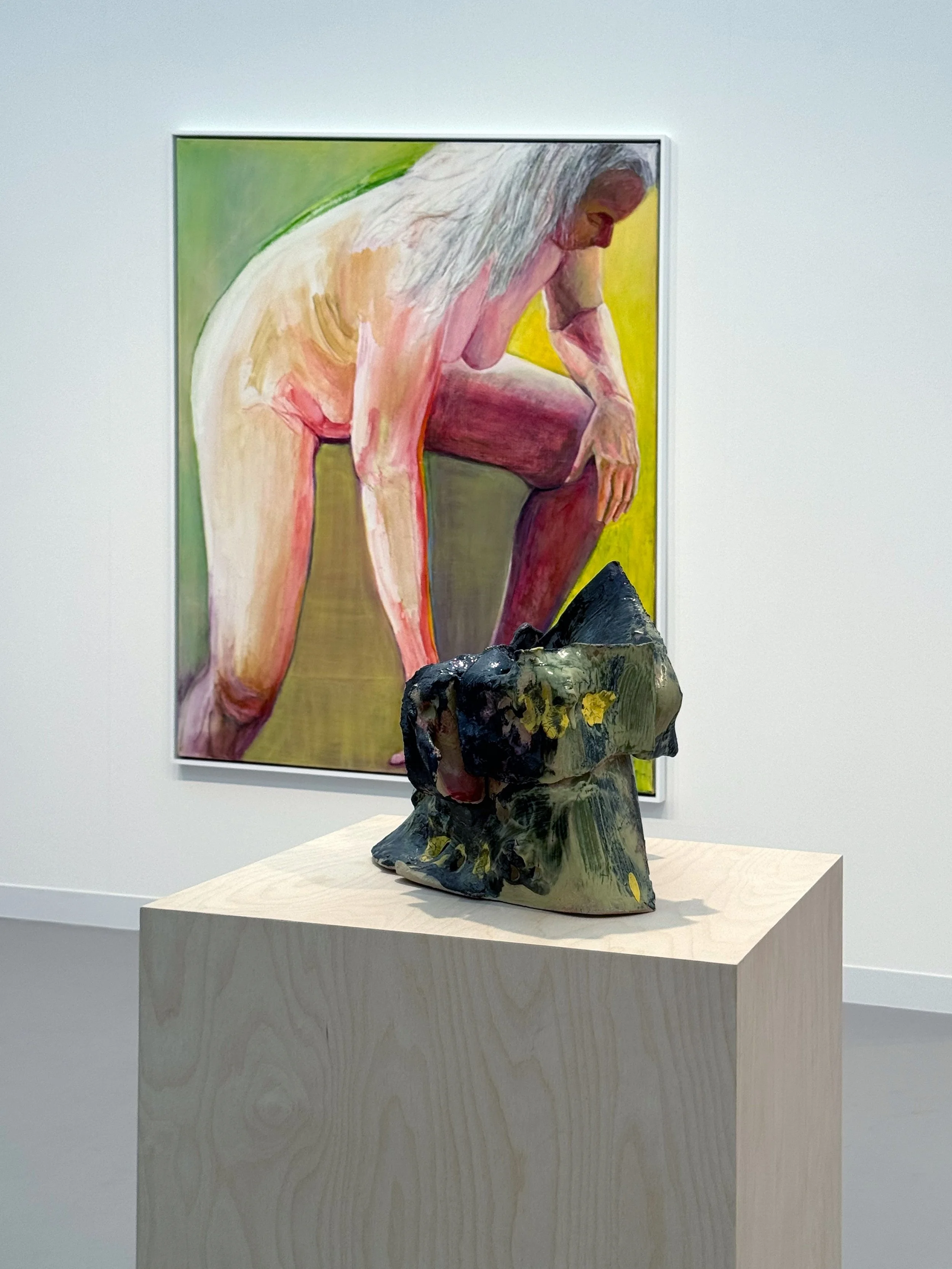
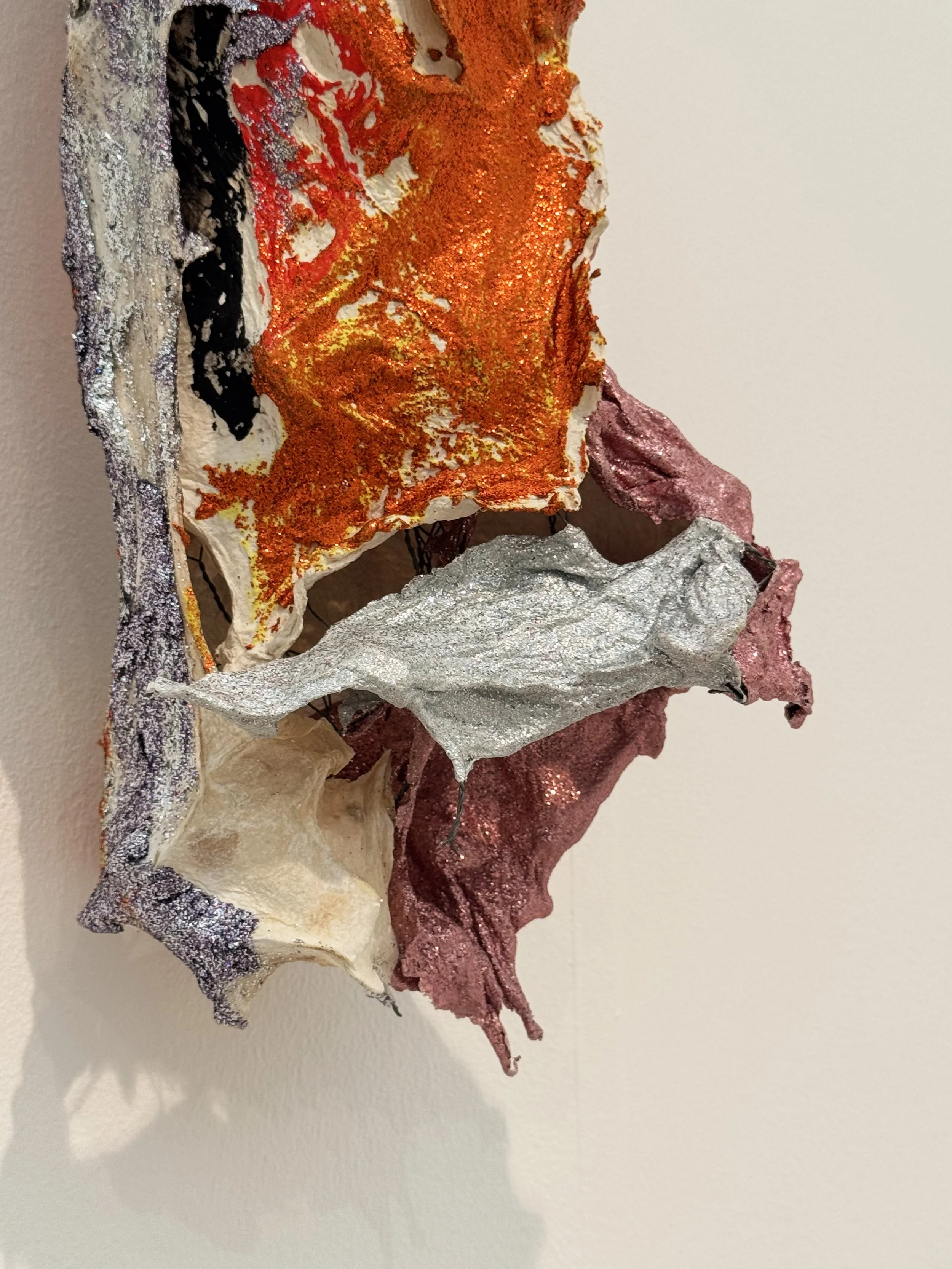
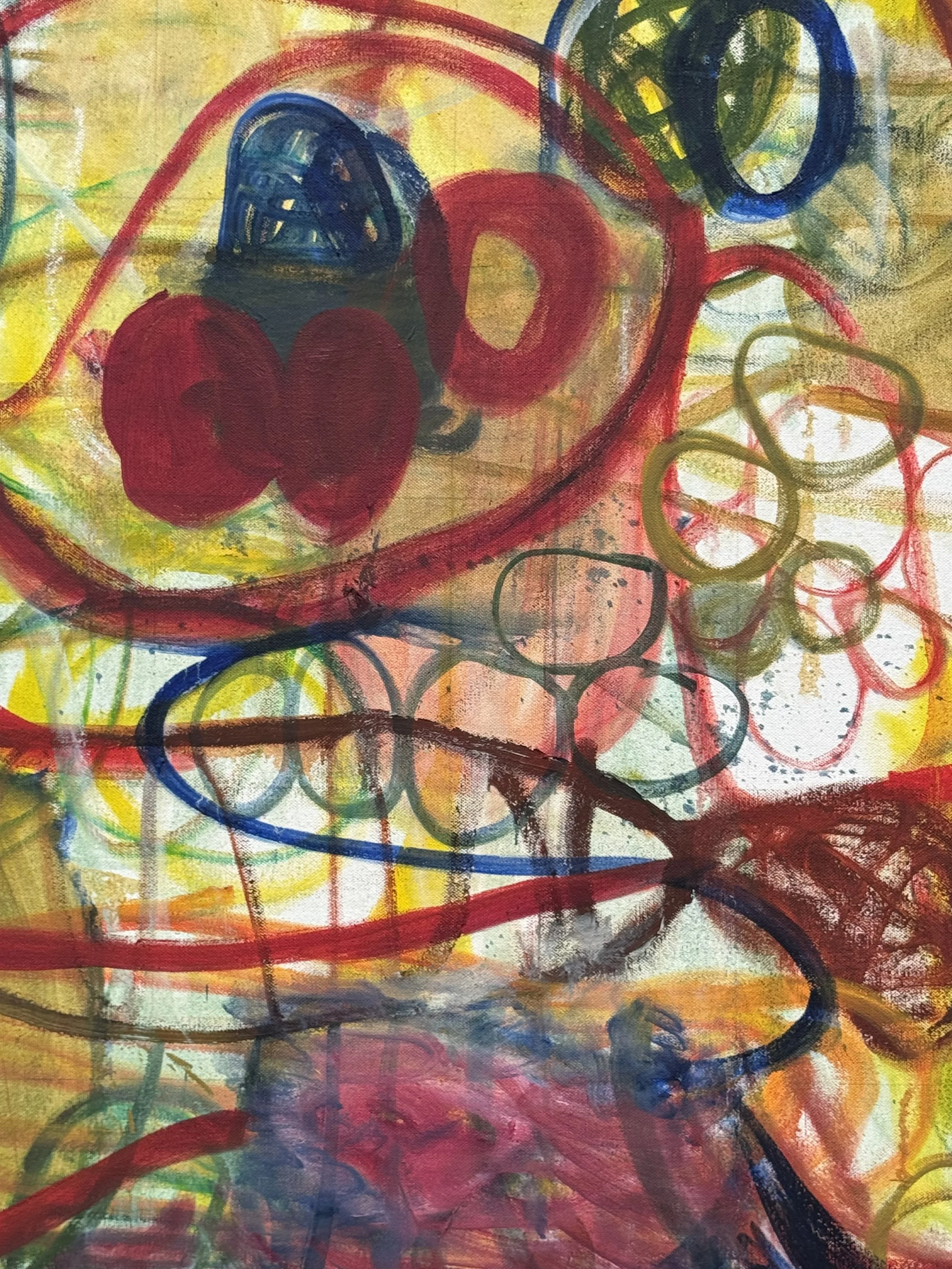
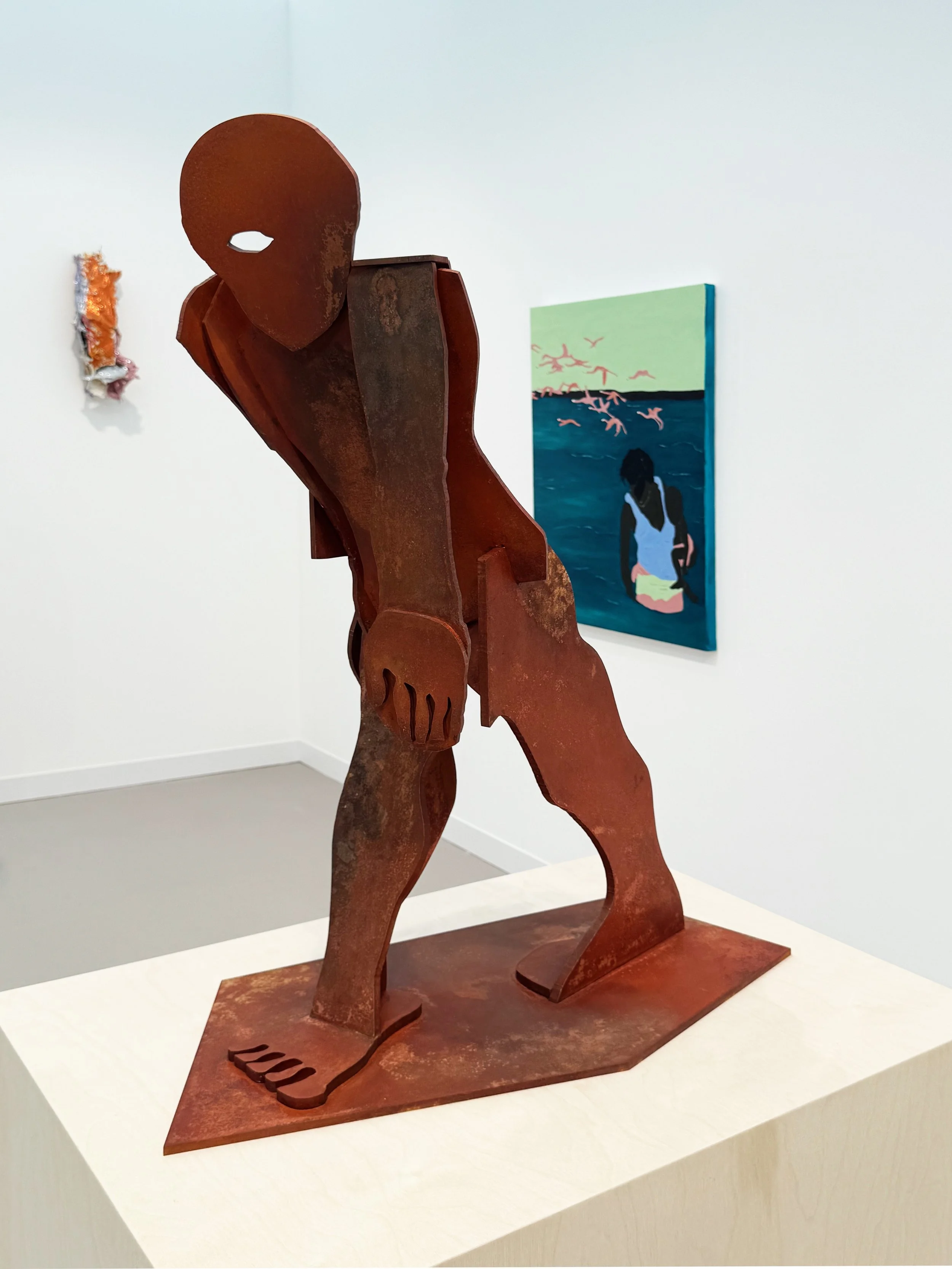
What made the presentation so compelling was its quiet confidence. This curatorial rhythm allowed each piece the space to breathe while collectively forming a dialogue rooted in material exploration and emotional resonance. The gallery’s signature attention to composition and presentation was evident throughout; every work felt considered, every placement purposeful.
Xavier Hufkens’ presence at Frieze London was a reminder of the gallery’s continued influence in shaping contemporary art discourse. Its booth was a study in balance, between intensity and subtlety, form and feeling, reaffirming why the gallery remains a benchmark for quality and vision on the international stage.
GRIMM
GRIMM has become synonymous with intelligent, finely tuned curation, and its presentation at this year’s Frieze London reaffirmed that reputation with clarity and confidence. Founded in Amsterdam and now established in London, New York, and, most recently, Los Angeles, GRIMM continues to bridge artistic communities across continents, showcasing a dynamic roster of international artists whose practices explore material, narrative, and form with striking originality.

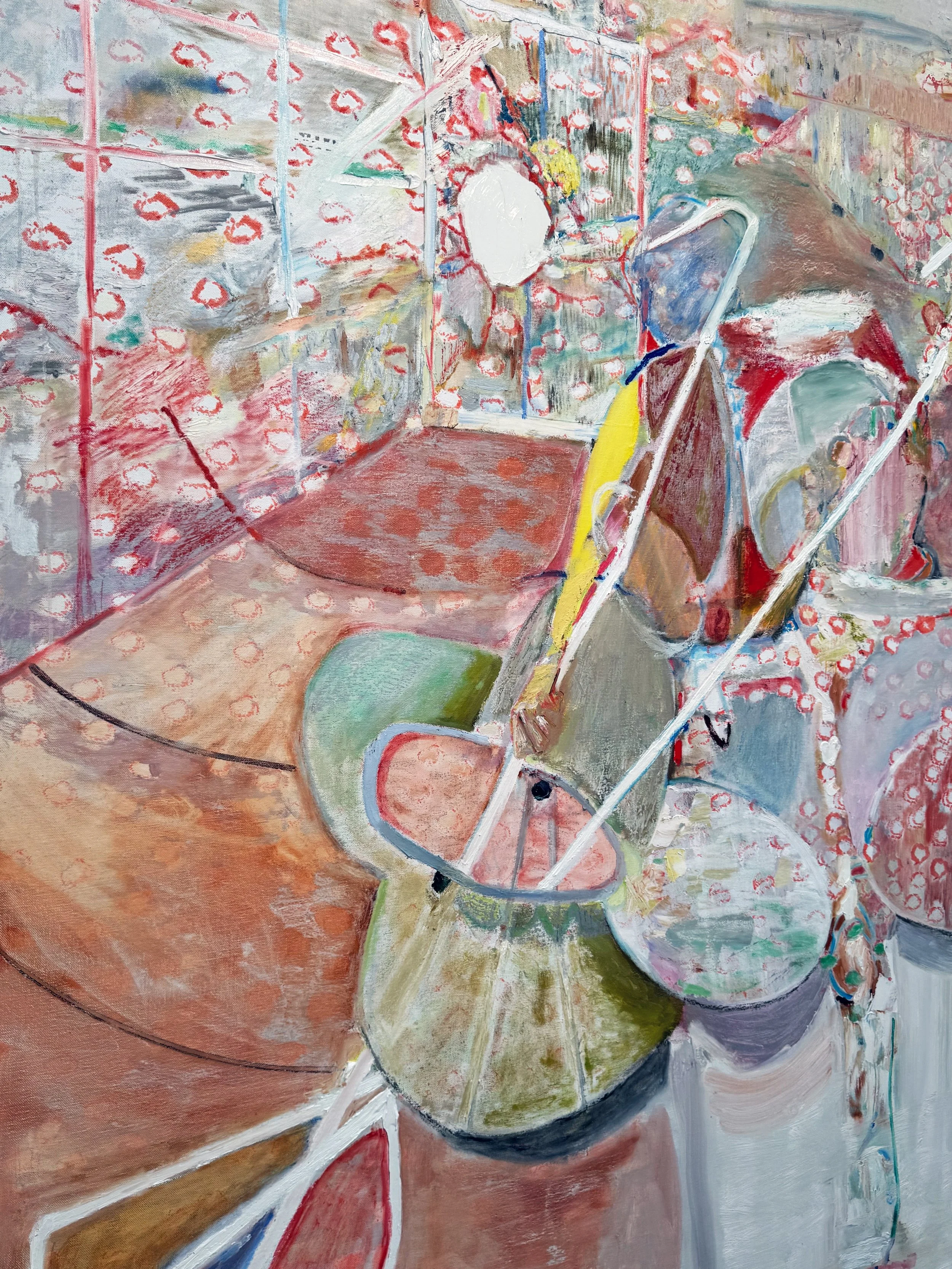
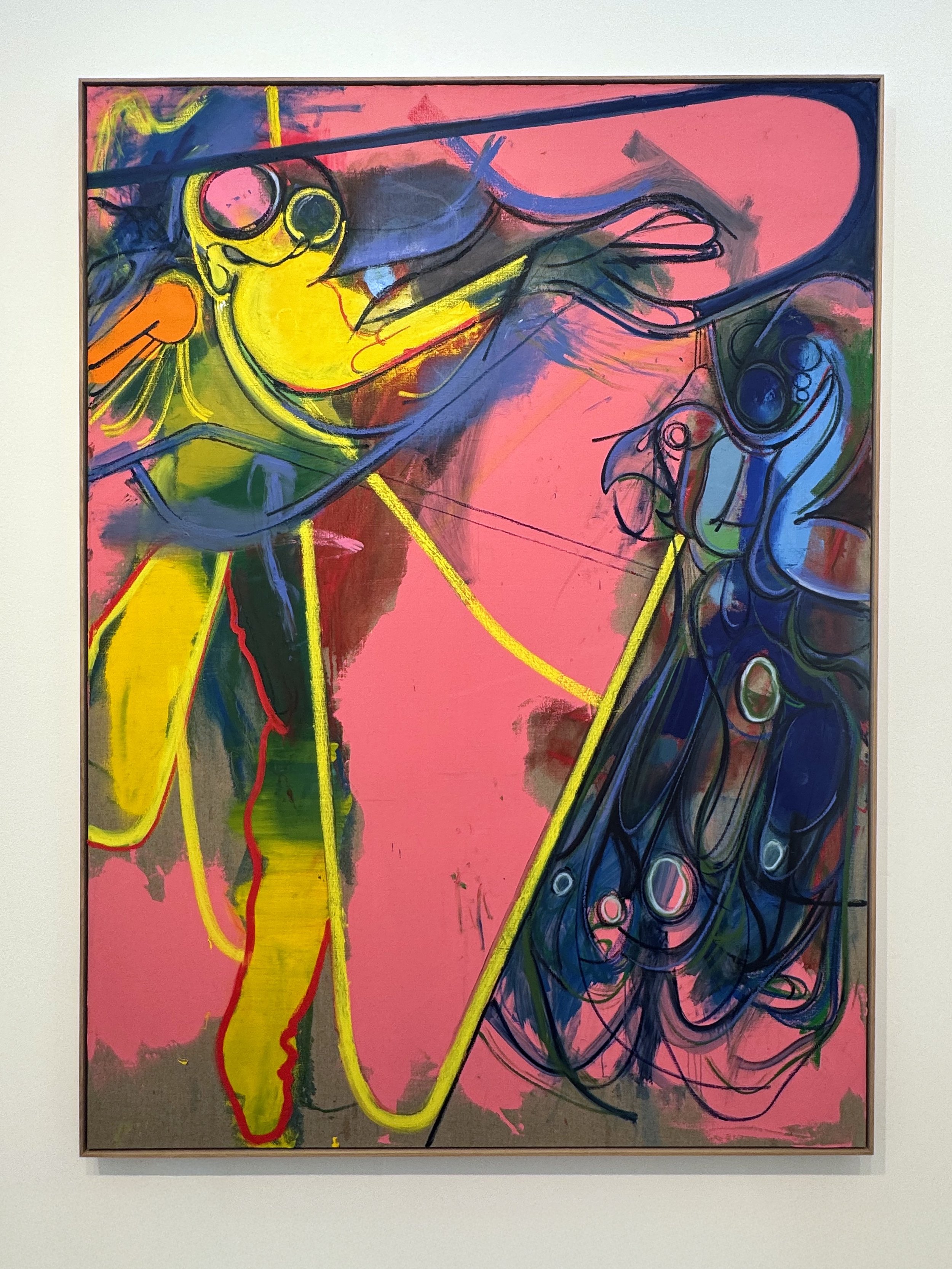
At Frieze London, the gallery’s booth stood out for its balance of restraint and vibrancy. The selection of works was cohesive yet varied, unified by a sense of introspection and textural curiosity. Each piece seemed to invite a slower gaze, works that reward patience and close looking, revealing the nuances of surface, gesture, and process.
GRIMM’s presentation exemplified the gallery’s curatorial ethos: contemporary art grounded in substance, sensitivity, and a respect for material craft. It was a display that felt both grounded and experimental; a seamless blend of intellectual precision and poetic sensibility that continues to make GRIMM one of the most consistently compelling presences on the international fair circuit.
James Cohan
James Cohan delivered one of the most thoughtfully composed presentations at this year’s Frieze London, distinguished by its striking use of spatial design and contrasting artistic dialogue. Divided into two distinct rooms, each with its own atmosphere and aesthetic rhythm, the stand showcased two very different bodies of work that nonetheless spoke beautifully to one another through tone, form, and emotion.

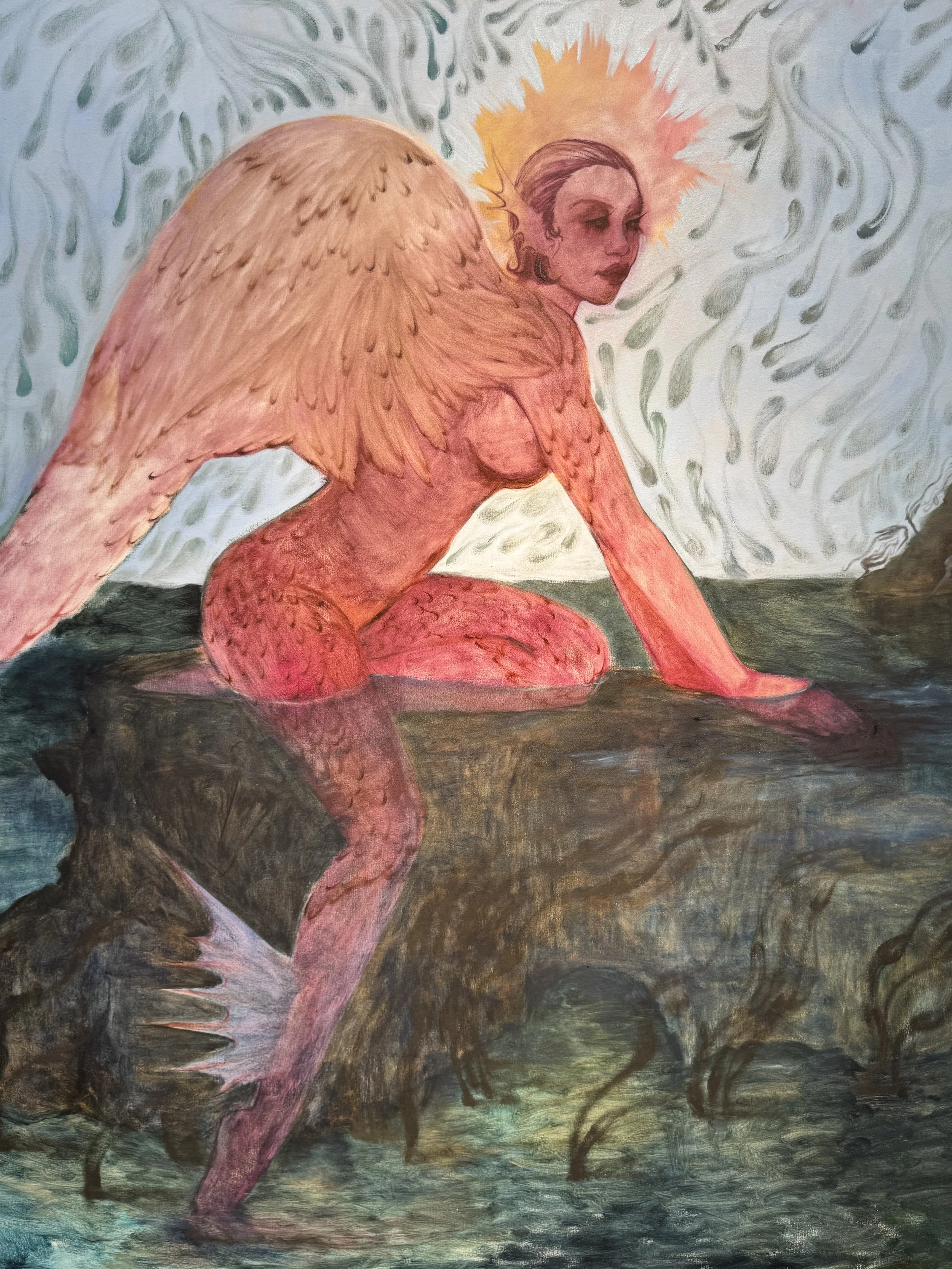
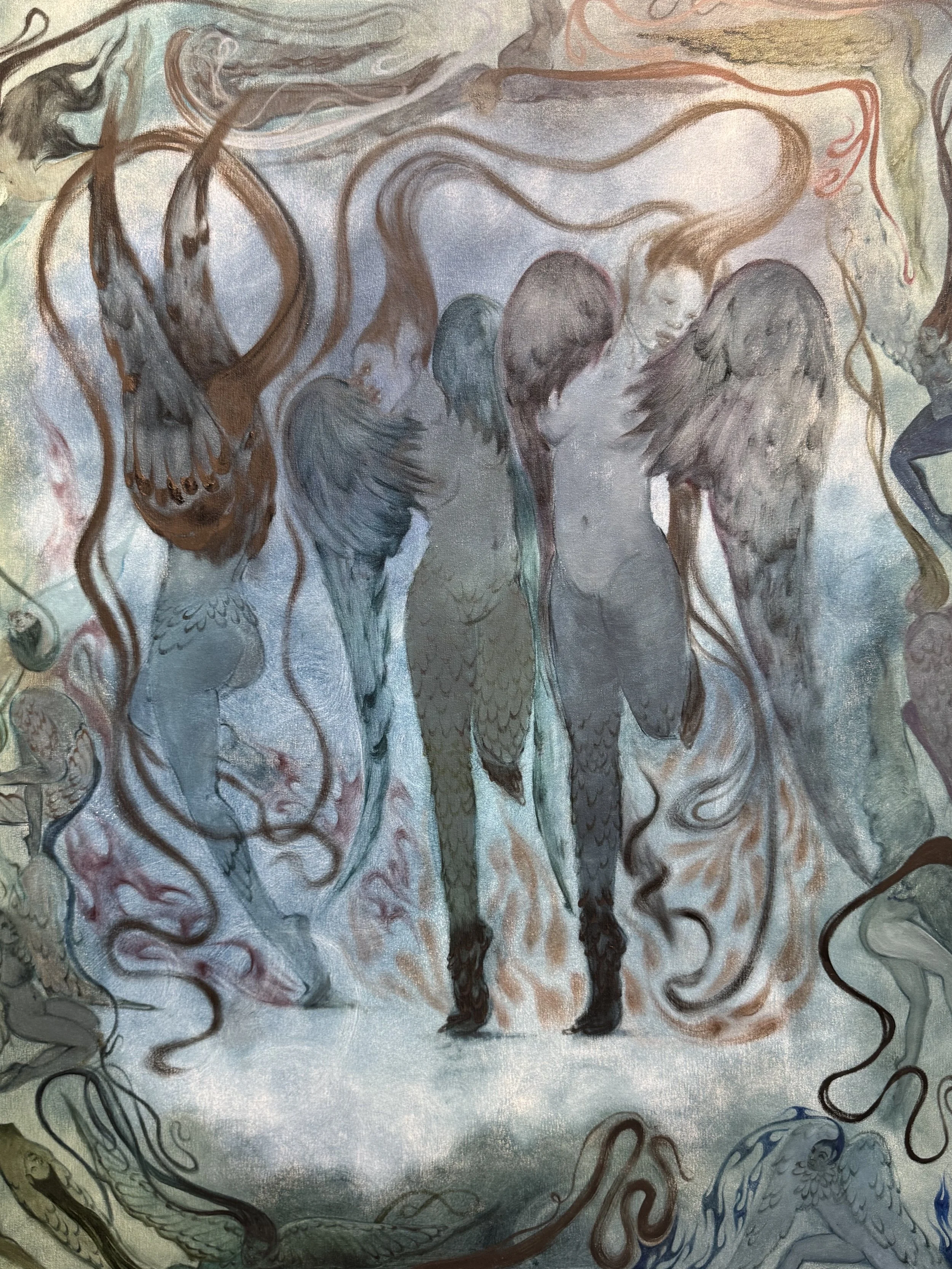
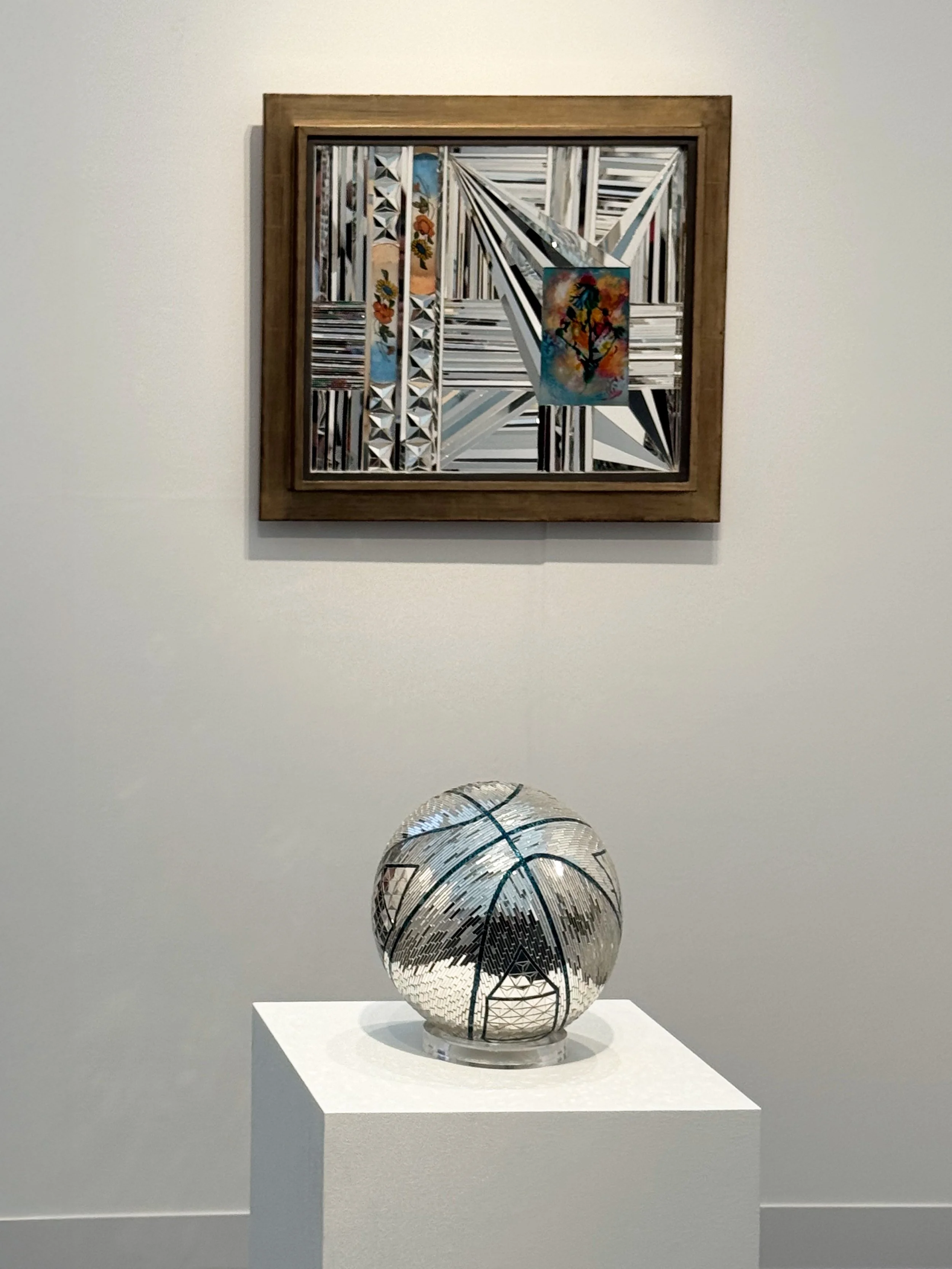
The layout itself became part of the experience; an architectural gesture that guided visitors through shifting moods and perspectives. One space radiated quiet contemplation and material subtlety, while the other pulsed with expressive energy and vibrant gesture. This careful curatorial choreography allowed each artist’s work to breathe independently while contributing to a broader narrative of duality and contrast.
What stood out most was the gallery’s mastery of presentation: how spatial separation could heighten dialogue rather than distance it, and how the booth's rhythm encouraged a deeper, more reflective engagement with each work. James Cohan demonstrated not just curatorial excellence but also an understanding of how design, space, and emotion intersect, creating an experience that felt immersive, balanced, and profoundly memorable.
Pace Gallery
Pace Gallery presented a captivating solo exhibition of new works by William Monk, marking a celebrated return for the British artist, who has lived and worked in New York for the past decade. Following his acclaimed touring museum exhibition Psychopomp, which travelled from the Long Museum in Shanghai to the Sifang Art Museum in Nanjing and the He Art Museum in Shunde, Monk’s Frieze presentation felt like an artistic homecoming, re-establishing his dialogue with the London art scene.
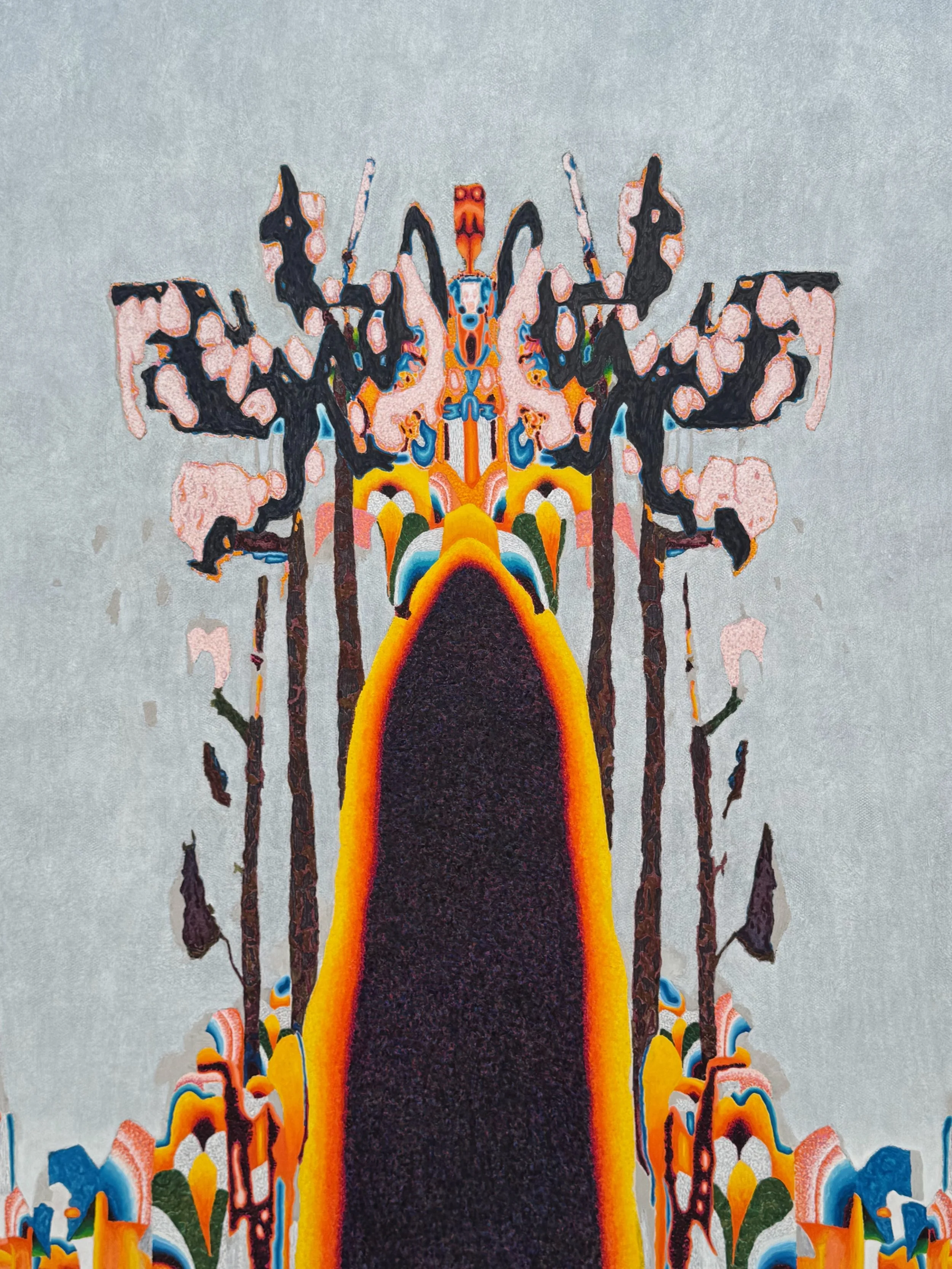
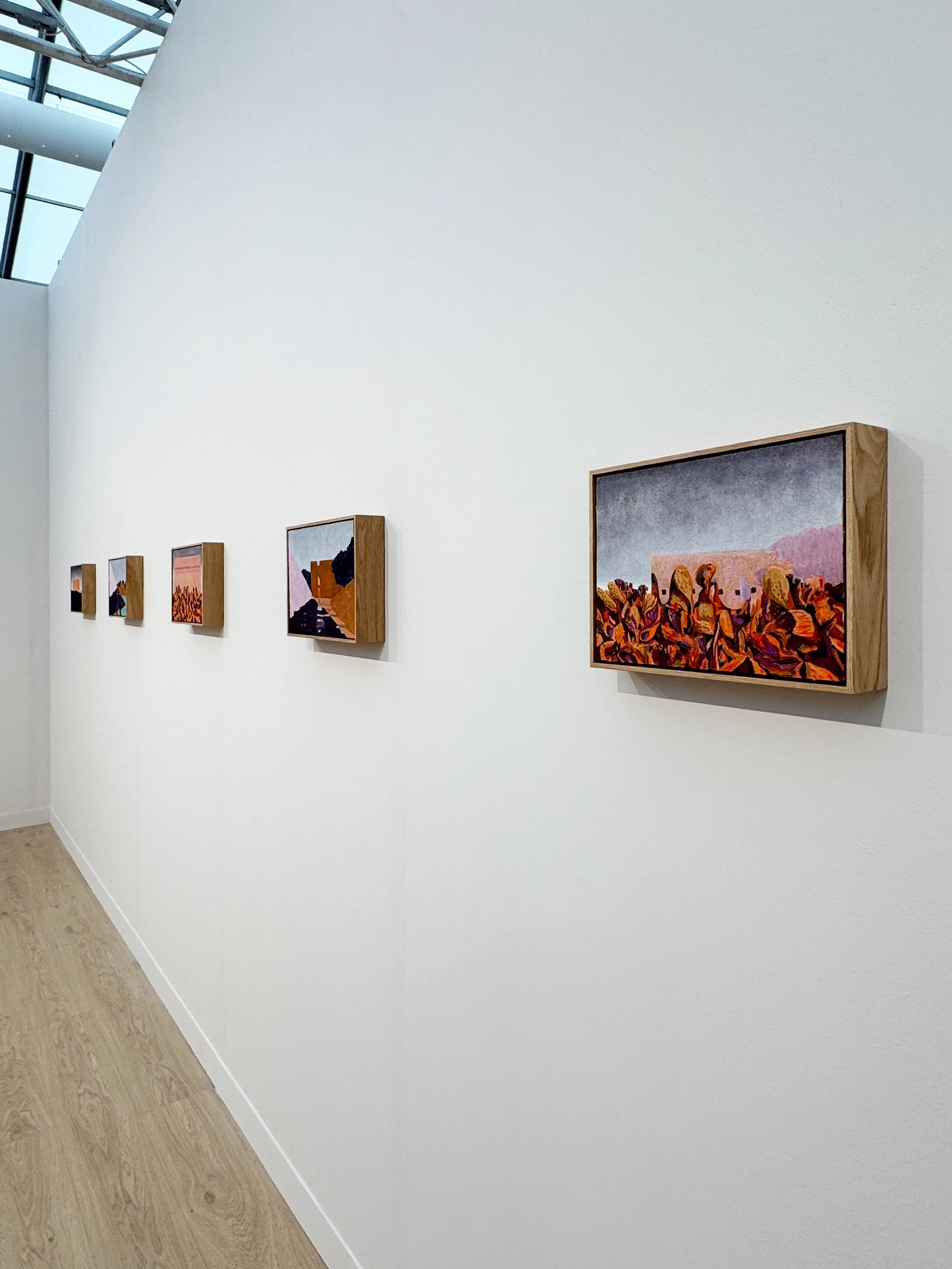
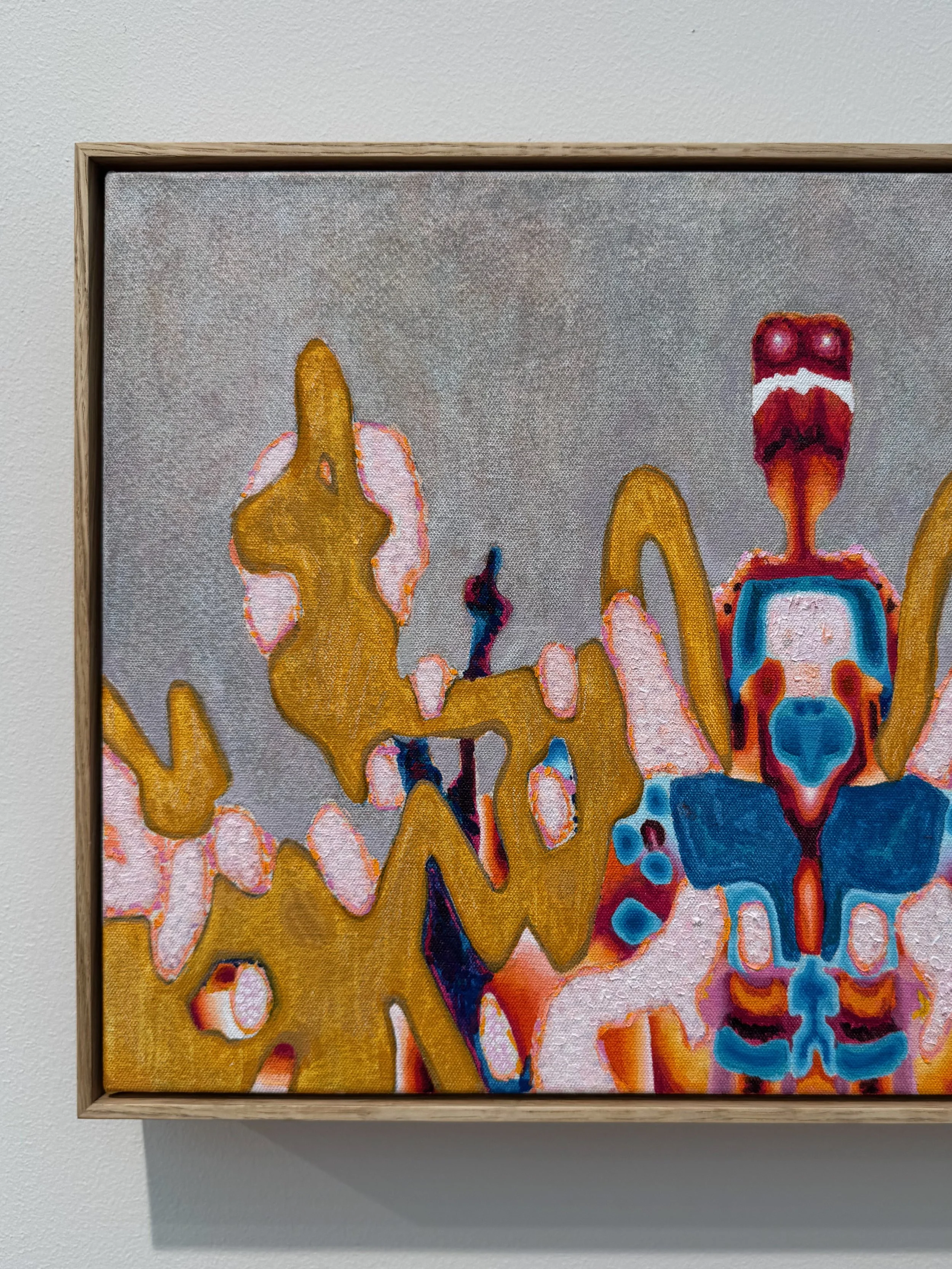

“My surfaces are always active. It’s about rhythm—changing steps,” Monk reflects, a statement that perfectly encapsulates the energy and tension within his work. His canvases appear alive with movement: shifting hues, oscillating forms, and layered brushwork that capture a sense of perpetual transformation. The rhythm he speaks of is almost musical; a visual cadence that pulses across the surface, drawing viewers into a meditative yet dynamic state.
Pace’s presentation captured this momentum with quiet confidence. Each work seemed to breathe within its own space, yet together they formed a collective rhythm that echoed through the booth; a meditation on motion, stillness, and perception. It was an exhibition that not only reaffirmed Monk’s mastery of surface and tone but also reflected Pace Gallery’s reputation for creating presentations that feel both deeply considered and emotionally resonant.
Johyun Gallery
Johyun Gallery returned to Frieze London 2025 with a striking presentation that juxtaposed the elemental forces of fire and water through the works of Lee Bae and Kim Taek Sang. The gallery’s carefully curated display highlighted the distinct yet complementary aesthetics of both artists, creating a dialogue between contrasting materials, gestures, and sensibilities.
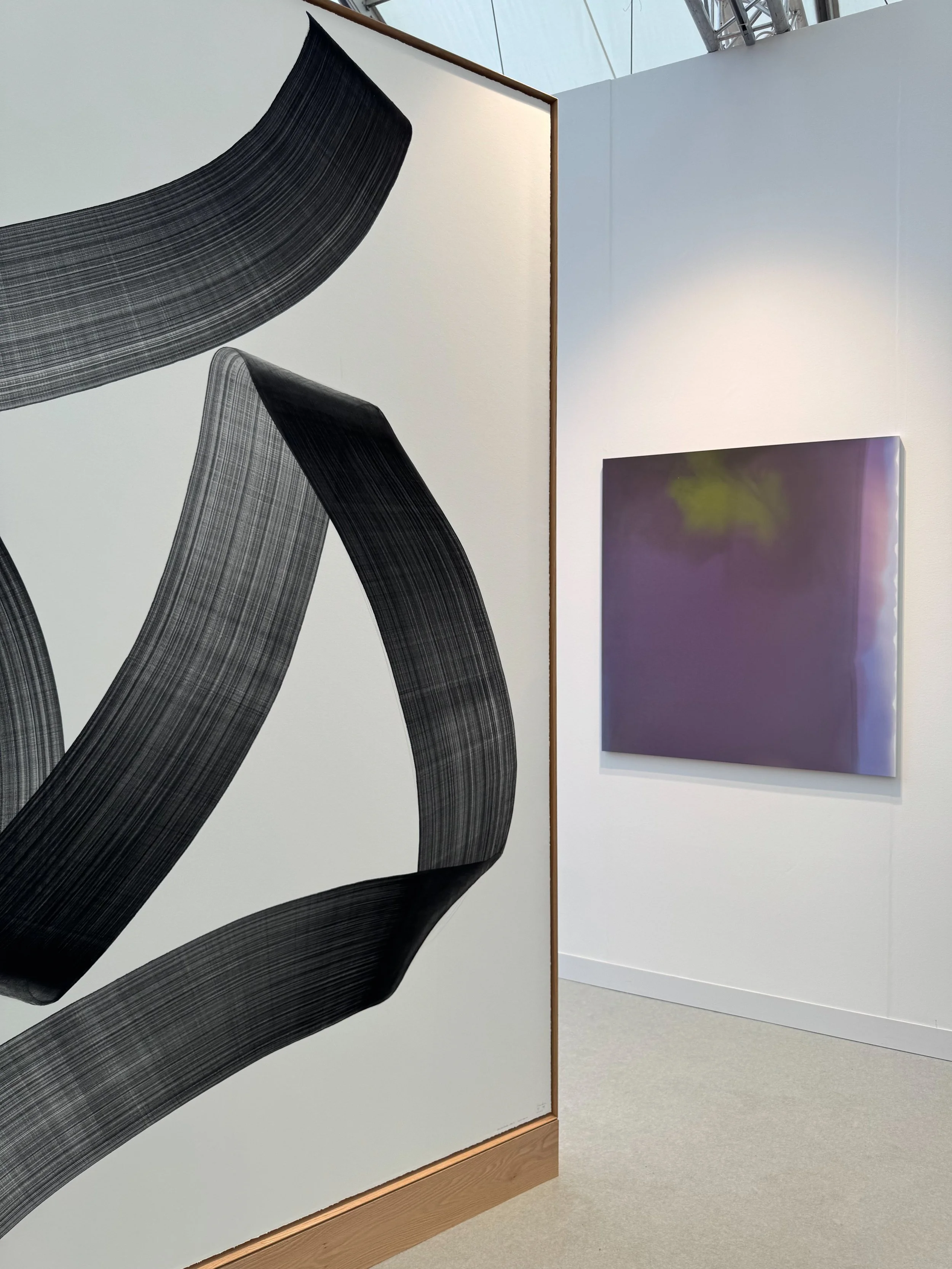
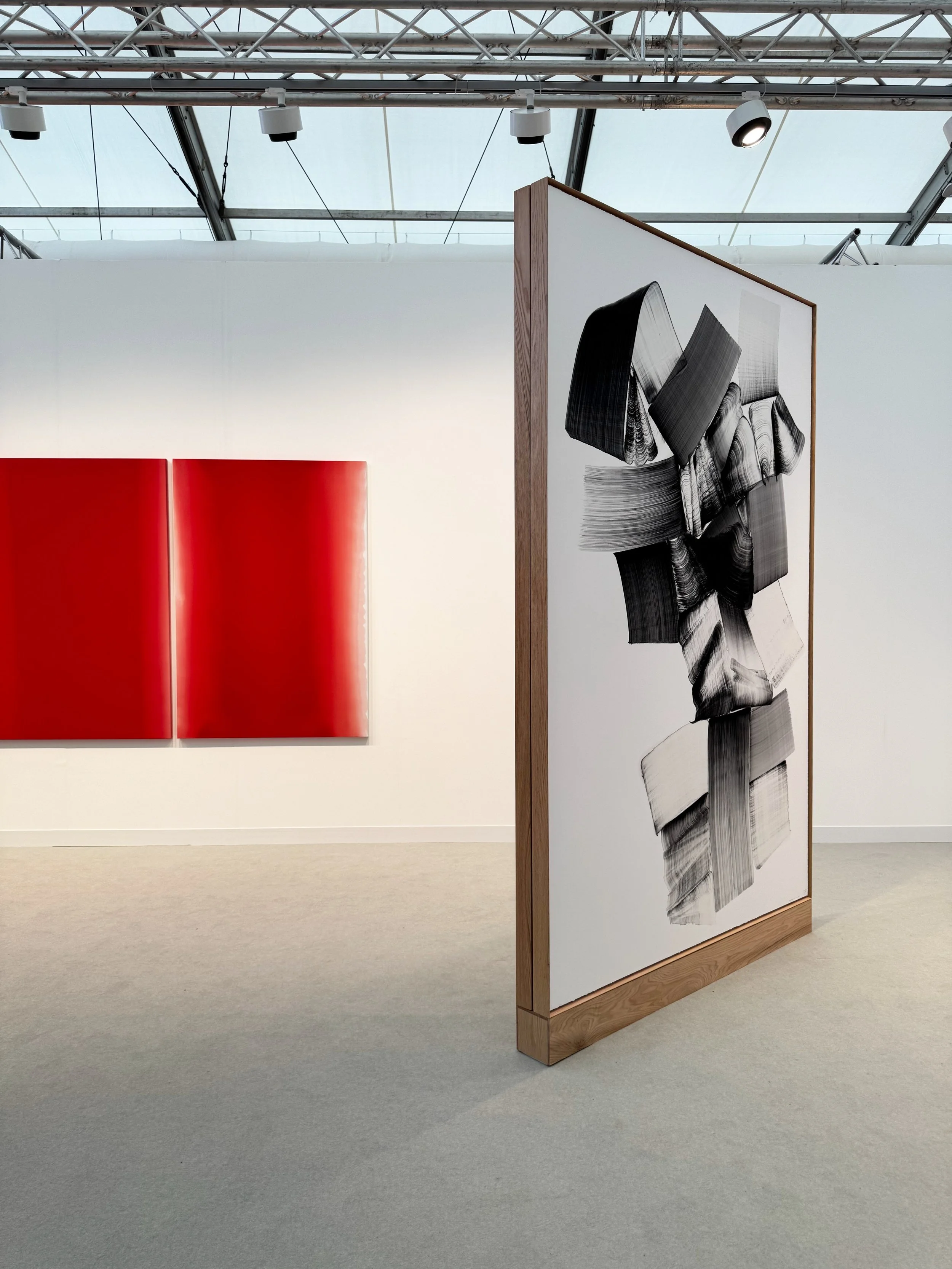
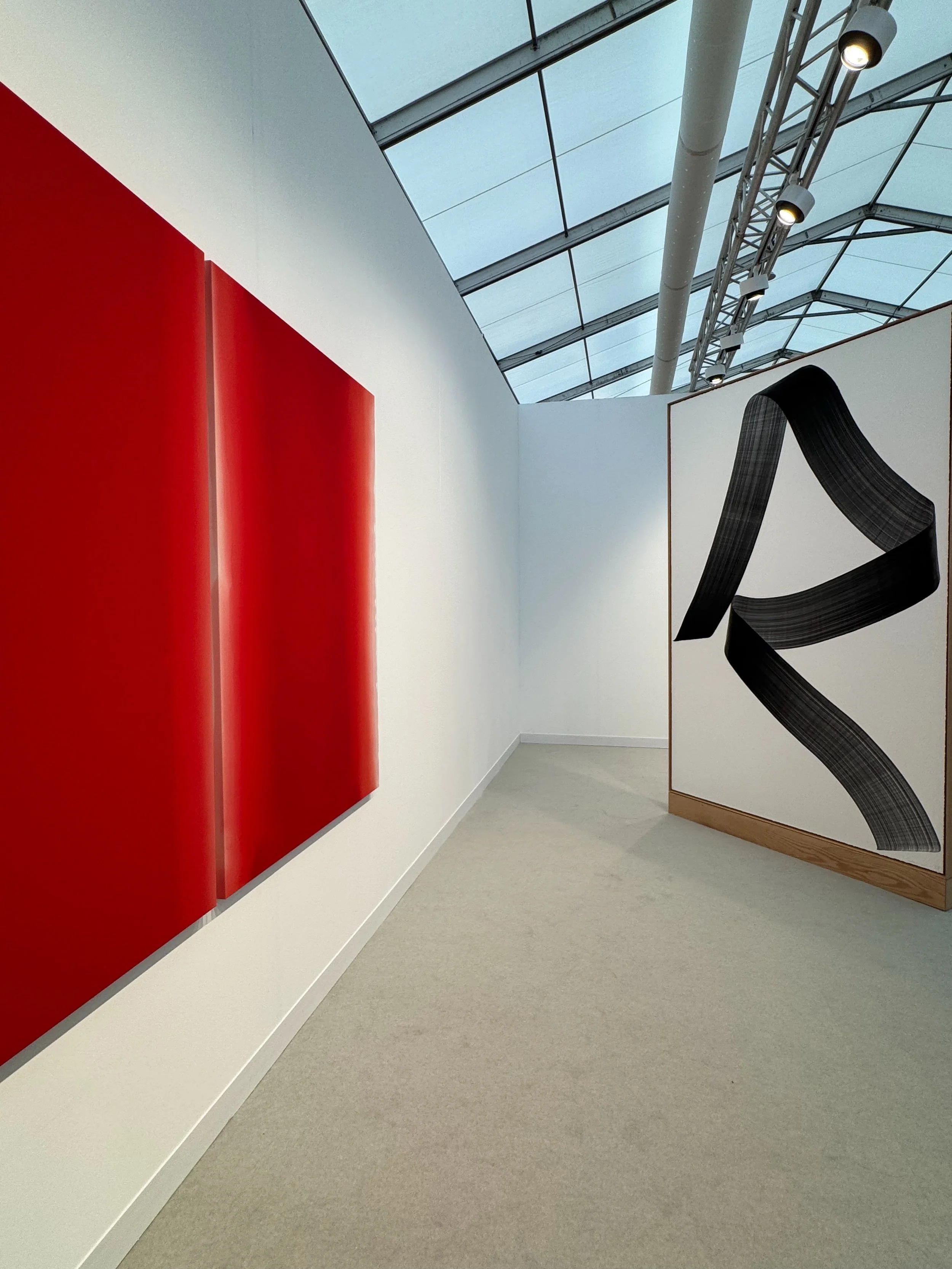
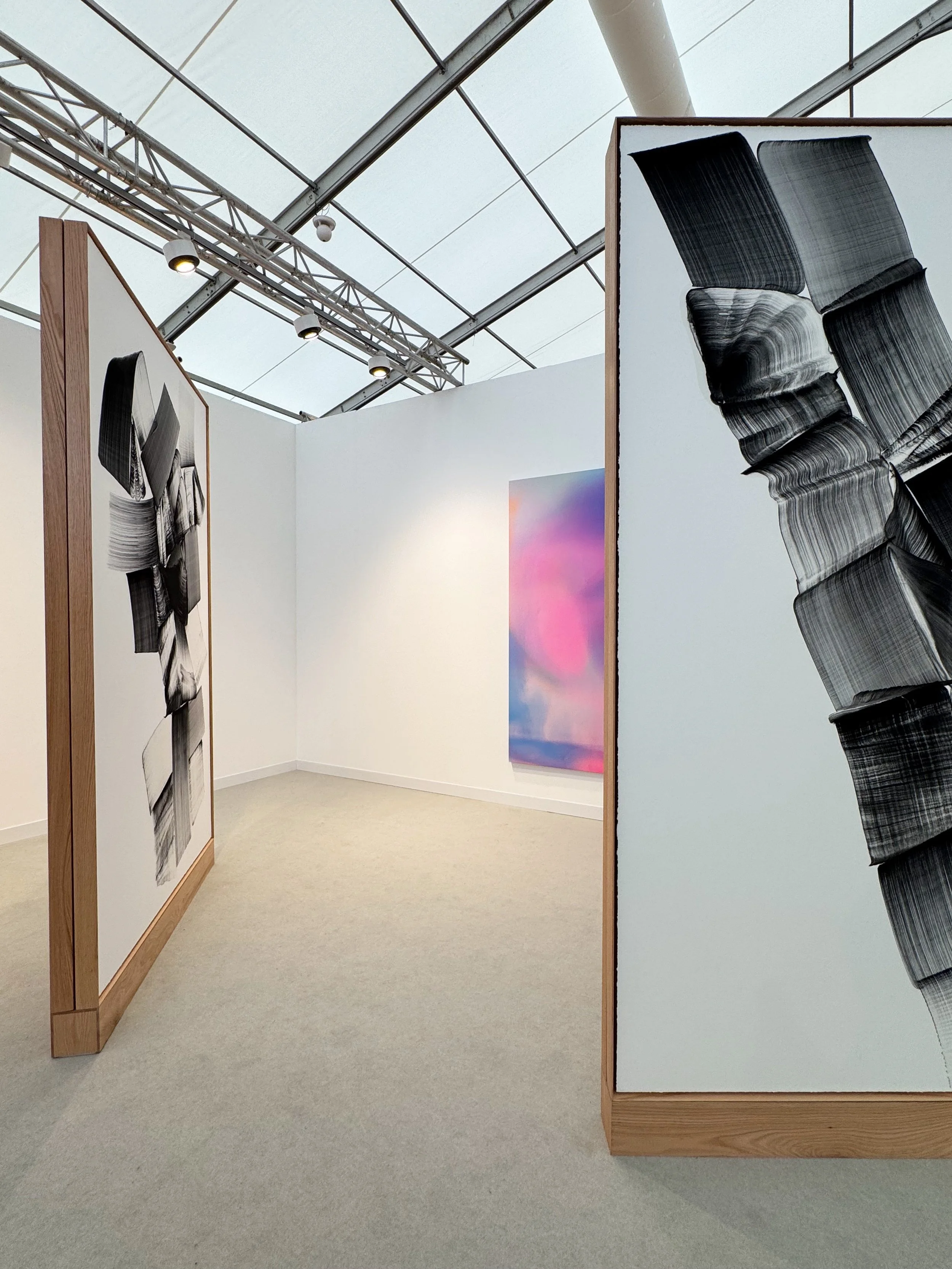
Lee Bae’s dynamic charcoal works radiate energy and movement, their deep, textured surfaces evoking the intensity and unpredictability of fire. In contrast, Kim Taek Sang’s contemplative, water-based paintings offer a sense of calm and fluidity, their serene compositions capturing the quiet, meditative qualities of water. Together, the two practices form a compelling equilibrium; a visual conversation that balances force and reflection, motion and stillness.
Johyun Gallery’s presentation exemplified the gallery’s ability to foster thoughtful artistic dialogues and to create spaces that allow viewers to engage with both the physicality and conceptual depth of each work. The combination of elemental contrasts and refined curation made this booth a memorable highlight of Frieze London 2025.
As Frieze London 2025 drew to a close, it was inspiring to witness the enthusiasm and dedication of the galleries, artists, and visitors alike. The fair once again confirmed its position as a cornerstone of the international art calendar, with London truly buzzing as the city embraced the start of the autumn art season. From established institutions to emerging spaces, the diversity, energy, and ambition on display reminded us why Frieze remains such a vital platform. In this place, ideas, materials, and moments of beauty converge, leaving a lasting impression on all who attend.
More Stories




Experience Chiharu Shiota’s immersive Threads of Life exhibition at the Hayward Gallery, London. Discover intricate thread installations exploring memory and human connection.