
Sarah Myerscough Gallery UnveilsThe Schoolhouse
A Victorian Gothic Landmark Reimagined Through Architecture, Craft and Contemporary Design
In the heart of Mayfair, a once-derelict Victorian Gothic parish house has been sensitively restored and reimagined as a dynamic new cultural destination. The Schoolhouse, the latest home of Sarah Myerscough Gallery, represents a powerful convergence of architecture, design, craft and material-led thinking; a space where historic civic architecture meets contemporary creative practice.
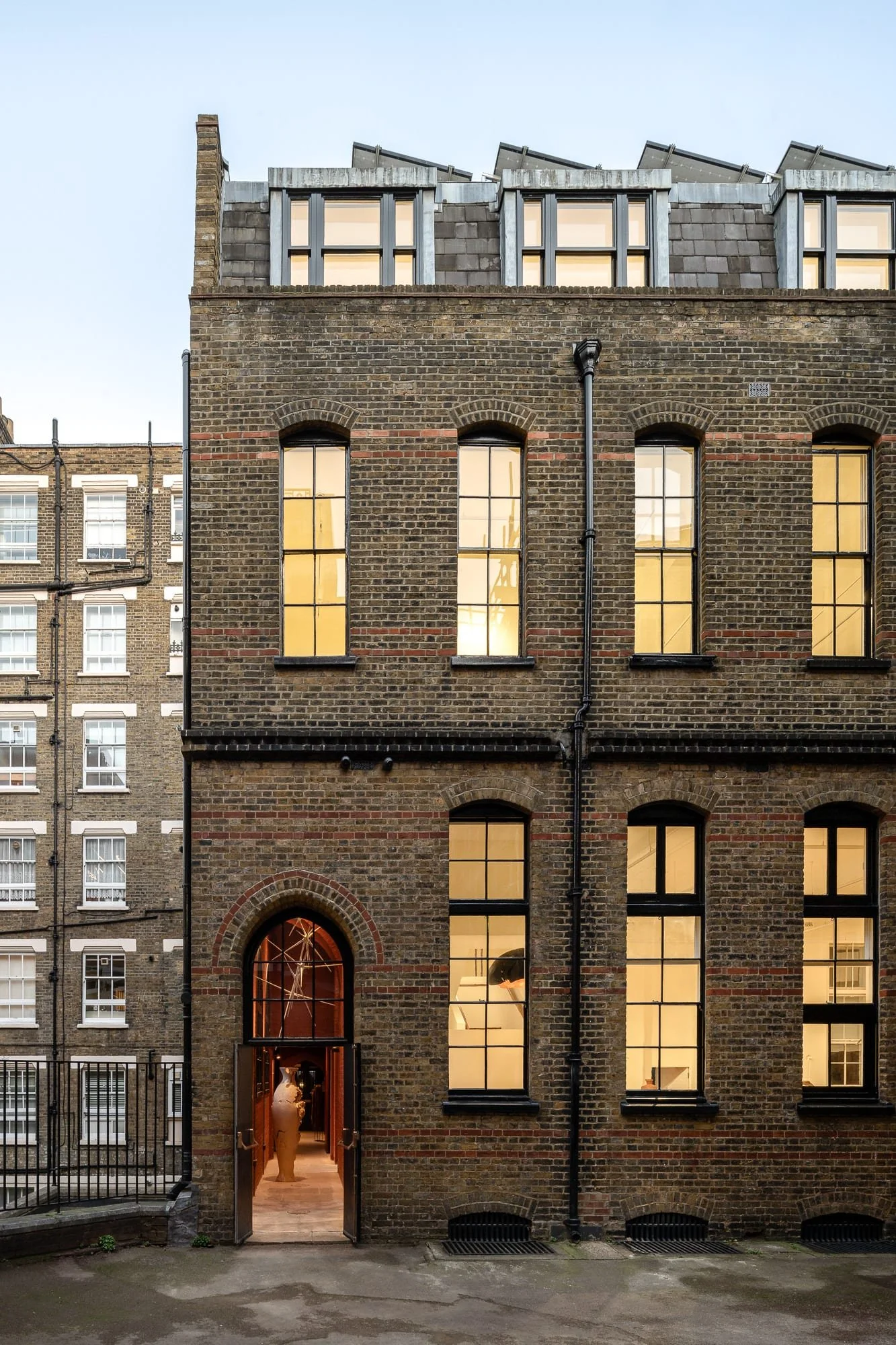
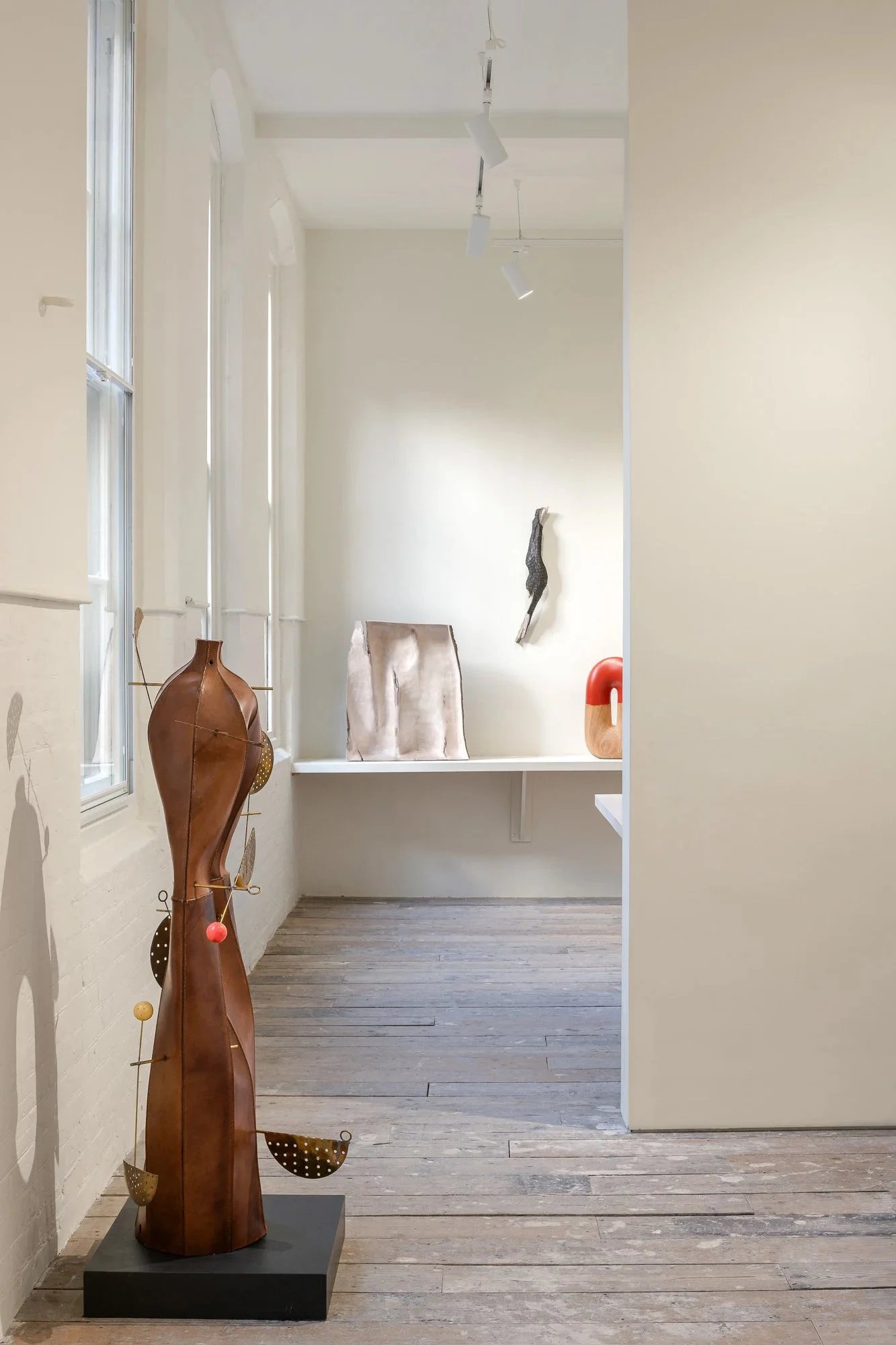
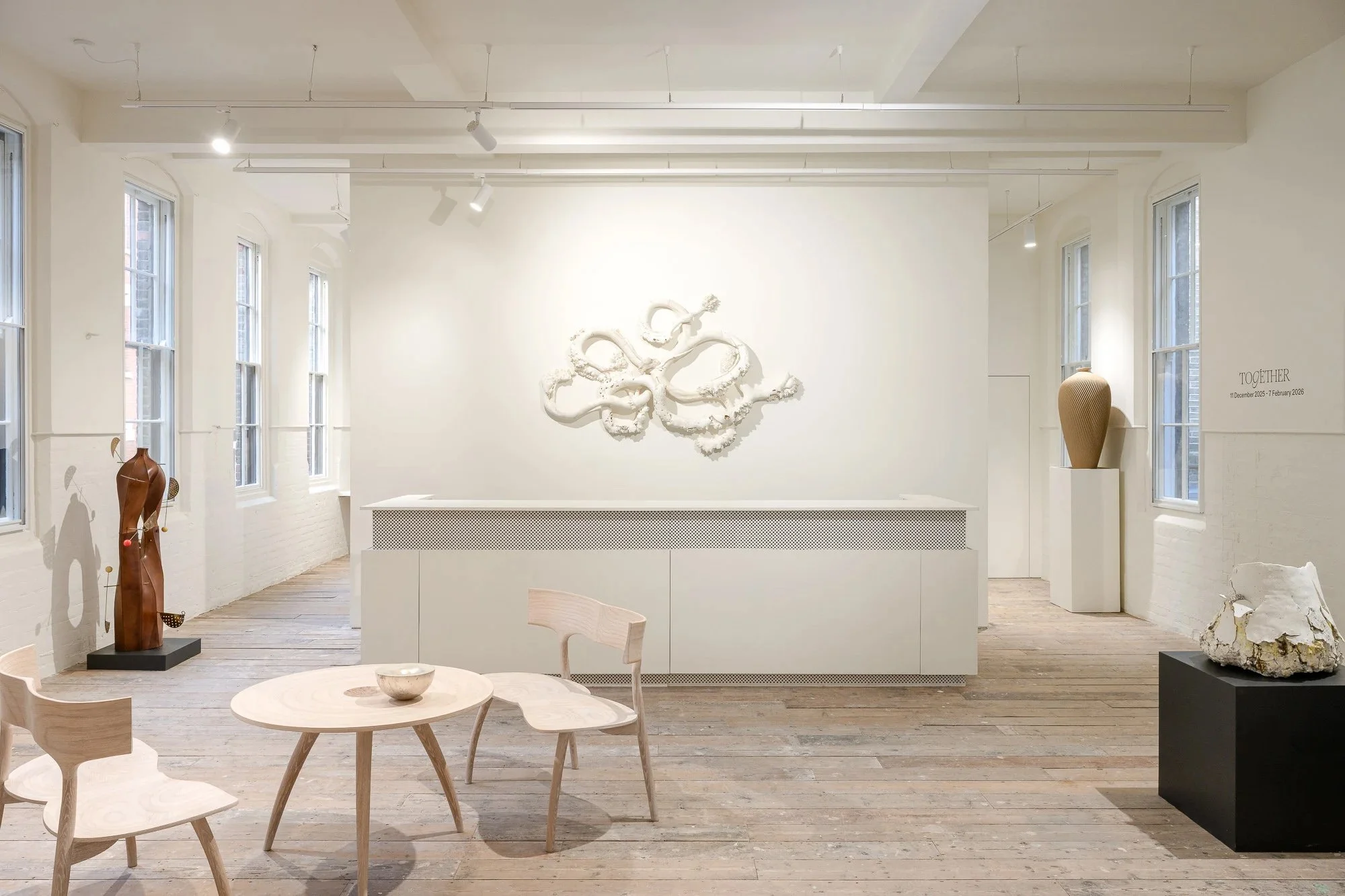
Derelict for over a decade, the red-brick Victorian building has been brought back to life through a thoughtful and design-led refurbishment by architects CarverHaggard. Now spanning four floors, The Schoolhouse is conceived as a multifunctional environment combining gallery spaces, meeting rooms, and learning workshops, all rooted in the ethos of making, material integrity, and education.
A Building Reclaimed Through Design
Situated on the Grosvenor Estate, The Schoolhouse occupies a culturally rich position within London’s architectural landscape. It sits between two major works of public sculpture: Gilbert Bayes’ Queen of Time, perched above Selfridges, and Antony Gormley’s Room at The Beaumont Hotel. This proximity to landmark public artworks reinforces the building’s new role as a site of artistic and material enquiry.
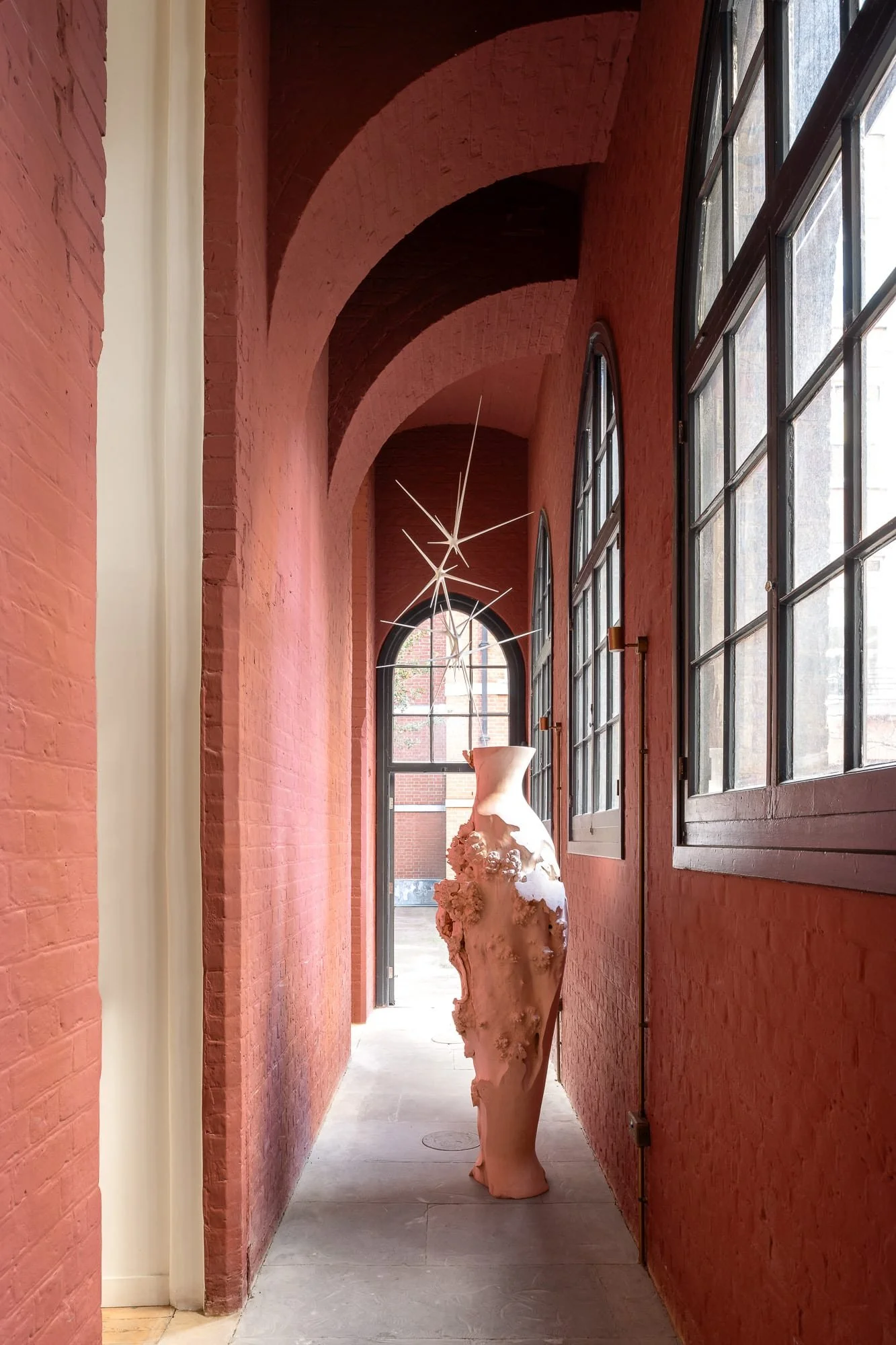
The building’s transformation has been led by CarverHaggard, working closely with the specialist building team EC1 and Sarah Myerscough Gallery itself. The approach prioritised the restoration of original proportions, the reuse of historic fabric and the careful integration of new architectural elements. Rather than erasing the past, the refurbishment allows the building’s layered history to remain legible; an approach that mirrors the gallery’s commitment to material honesty and craftsmanship.
Key historic features have been rediscovered and preserved throughout the building, including Victorian encaustic tiles, original coal drops and gas fittings. These elements sit comfortably alongside contemporary insertions, creating a dialogue between old and new that feels deliberate and considered rather than nostalgic.
The Floating Staircase: Architecture as Sculpture
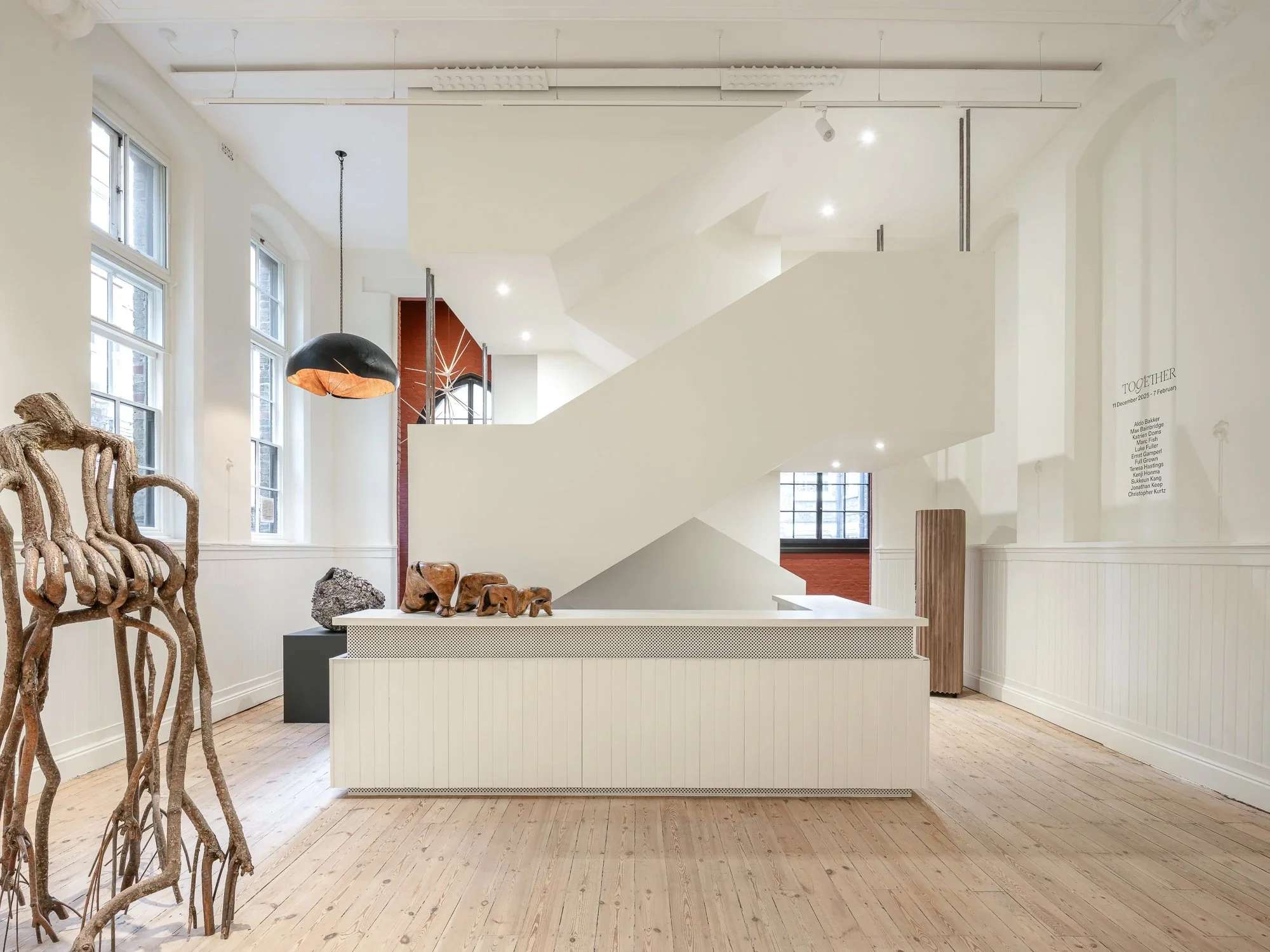
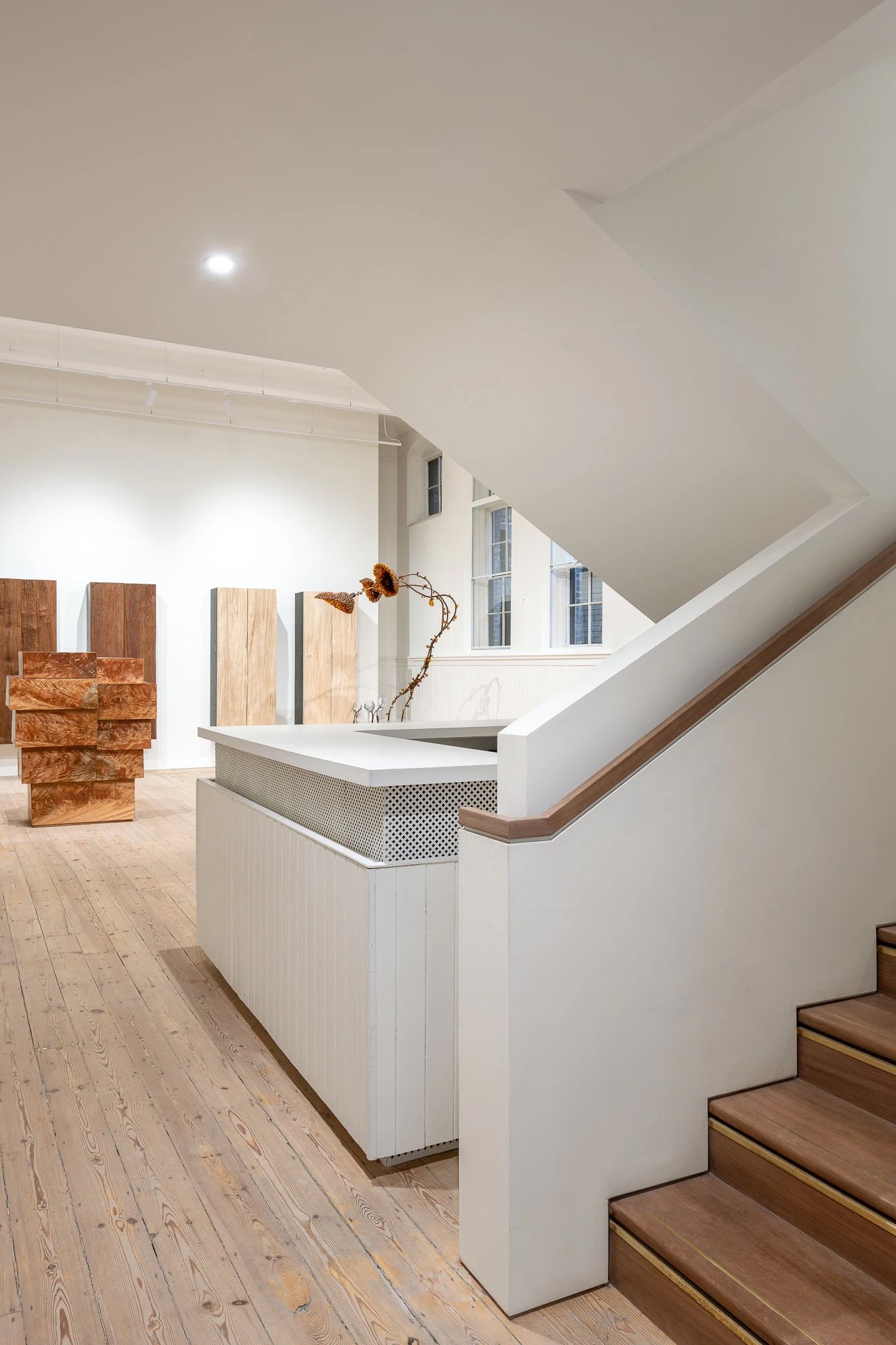
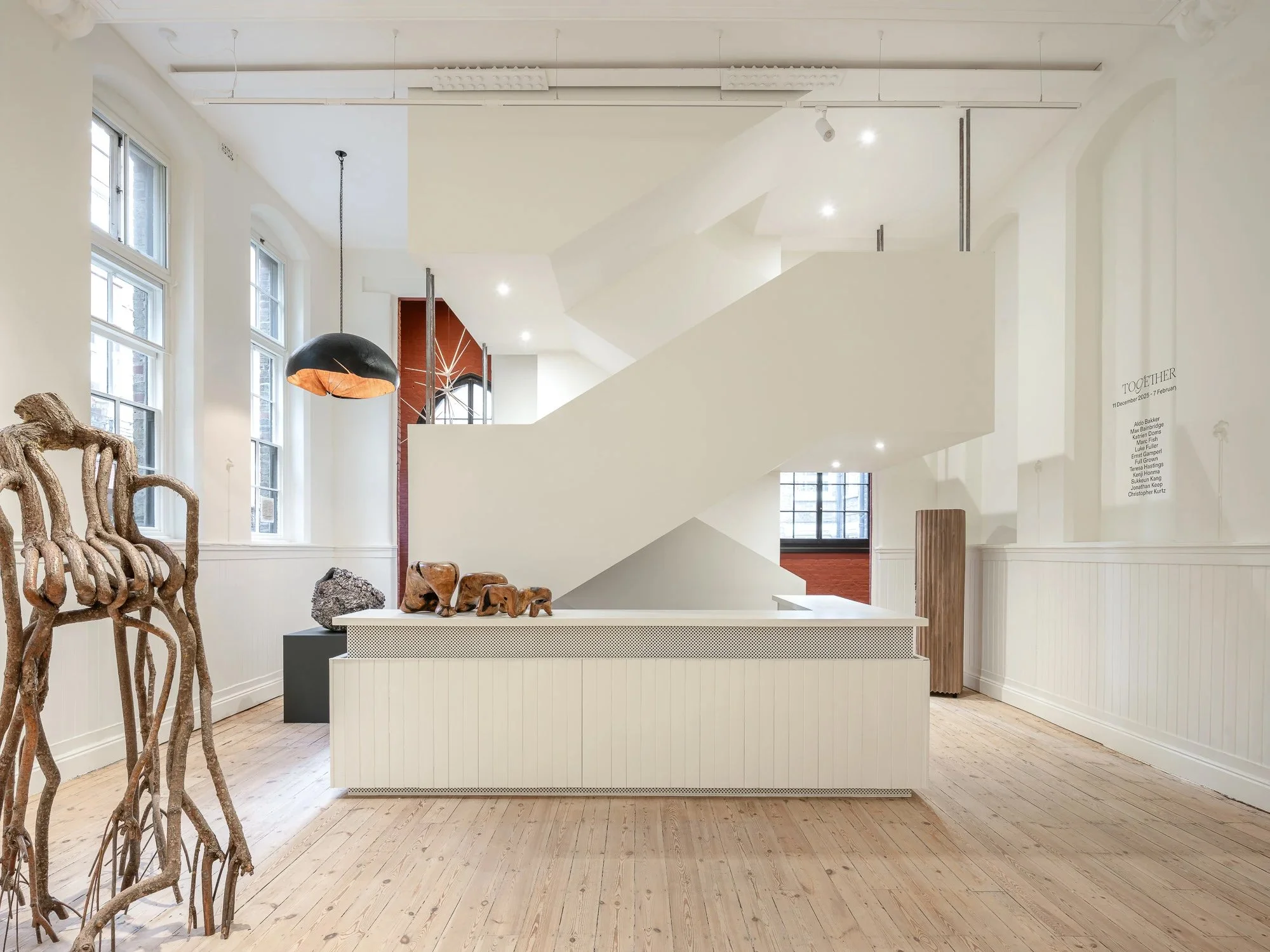
At the heart of The Schoolhouse is a striking sculptural staircase that connects two of the gallery spaces. Crafted from mahogany salvaged from a 1960s addition to the building, the staircase has been reimagined as a floating architectural centrepiece. It serves not only as a functional circulation route but as an expression of adaptive reuse and material transformation.
This gesture encapsulates the design philosophy behind the project: materials are not discarded but reinterpreted, their histories embedded into new forms. The staircase anchors the ground floor spatially and visually, reinforcing the gallery’s emphasis on craft, process and the narrative power of materials.
Arts and Crafts Influences in a Contemporary Context
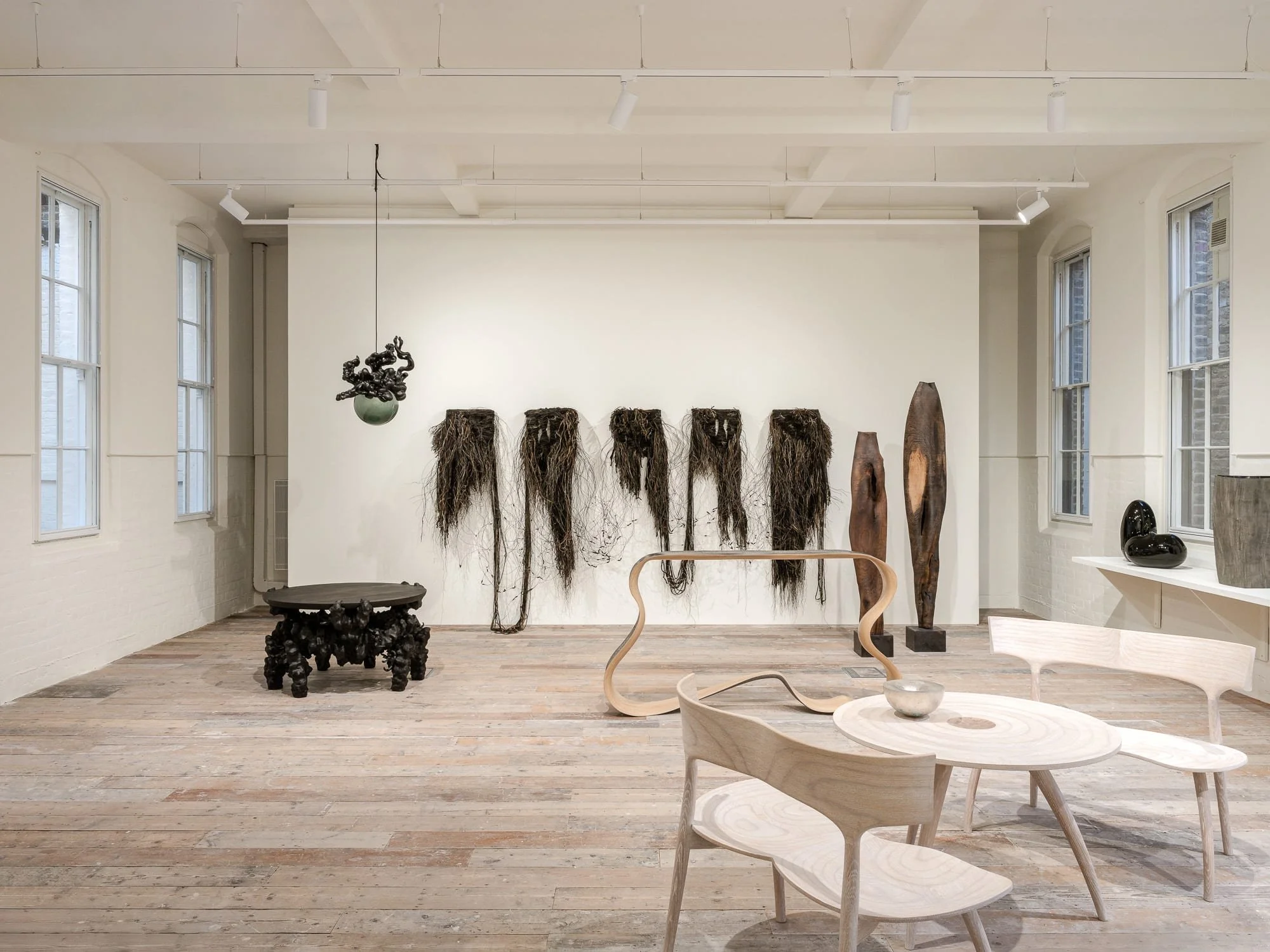
Throughout the interiors, original floors, reclaimed bathrooms and bespoke commissions by artists and designers have been carefully integrated to reflect the enduring influence of the Arts and Crafts movement. This historic philosophy, championing material integrity, social purpose and the dignity of making, remains a central inspiration for the gallery’s Founder and Creative Director, Sarah Myerscough.
Rather than a pastiche of period detailing, the interiors strike a thoughtful balance between restraint and richness. The patina of age is celebrated, while contemporary interventions are confident yet respectful. This approach ensures that the architecture enhances, rather than competes with, the works on display.
A Rich Architectural History
Originally designed in the 1870s as a parochial institute, The Schoolhouse was created to serve the spiritual and educational needs of Mayfair’s growing 19th-century population. The building provided homes and public rooms for the congregation of Saint Mark’s Church on North Audley Street, embodying Victorian ideals of civic responsibility and community provision.
The Balderton Street façade is richly detailed in red brick, punctuated by gothic arches and oversized oriel windows. Behind this expressive exterior, the building once housed ‘model dwellings’ for parish workers and teachers; an early example of socially minded architecture.
The rear block, set deep within the urban fabric and facing the church across a small courtyard, contained a soup kitchen, church hall, reading room, library and classrooms. This original programme of applied education and social engagement resonates strongly with the gallery’s contemporary mission.
Archival research has revealed that the building was designed by architect R. J. Withers, known for his work on parish churches and schools across the country, as well as for the premises of the Lavers and Barraud stained-glass studio on Endell Street. Withers’ contribution to Victorian Gothic architecture has been rediscovered and championed in recent years by architectural historians Julian Orbach and Edmund Harris, author of Rogue Goths. All historical research for the project has been credited to CarverHaggard.
Sarah Myerscough Gallery: Craft, Material and Meaning
Founded in 1998, Sarah Myerscough Gallery has established itself as a leading voice in contemporary craft and material-led practice. Representing an international roster of artists working at the intersection of craft, design and sculpture, the gallery has long championed practices that foreground material intelligence, environmental awareness and cultural context.
Wood, in particular, plays a central role across many of the gallery’s artists, explored through both traditional craftsmanship and experimental approaches that challenge disciplinary boundaries. Through skills honed in deep dialogue with material, these practices articulate complex philosophical and ecological questions, reflecting on our evolving relationship with making and the natural world.
The gallery’s programme encompasses bespoke furniture, architectural commissions, sculpture, and large-scale installations, fostering long-term collaborations with artists, curators, and institutions. Its commitment to expanding the role of craft within contemporary culture is reflected not only in its exhibitions but in its engagement with education, public programming and international fairs.
In 2024, Sarah Myerscough Gallery presented its first international exhibition at Galerie56 in New York, marking an important milestone in its global reach. The gallery regularly participates in major fairs, including TEFAF Maastricht, PAD London, FOG Design + Art San Francisco and Design Miami, with works held in significant public and private collections worldwide.
All photography: © Francesco Russo / www.francescorussophoto.com / @Francesco Russo Photography Courtesy of Sarah Myerscough Gallery
A New Chapter for Design-Led Exhibition Spaces in London
With The Schoolhouse, Sarah Myerscough Gallery has created more than a new exhibition venue. It is a carefully considered architectural environment that reflects the gallery’s values, where design, craft and material exploration are embedded into the very fabric of the building.
The restoration stands as a compelling example of how historic civic architecture can be reactivated for contemporary cultural use, without compromising its integrity. Through sensitive design, adaptive reuse and a deep respect for material history, The Schoolhouse offers a space that feels both grounded and forward-looking.
In London’s design and architecture landscape, it represents a powerful model: one in which heritage, making, and contemporary creativity coexist, and architecture itself becomes part of the exhibition.
More Stories



Experience Chiharu Shiota’s immersive Threads of Life exhibition at the Hayward Gallery, London. Discover intricate thread installations exploring memory and human connection.