
An Interview With… Xavier Lust
I first had the great pleasure of discovering the work of Xavier Lust through Ralph Pucci and several exhibitions hosted by the gallery, where his pieces immediately stood out for their remarkable balance of simplicity, movement and material expression. There is an almost effortless fluidity to Lust’s work; furniture and sculptural forms that appear shaped by natural forces rather than rigid design intention. Through curved metal, tension, and deformation, his creations possess a quiet dynamism that feels both industrial and deeply organic.
Renowned internationally for pushing the boundaries of material experimentation, Lust has developed a distinctive visual language rooted in intuition, structural logic and the transformative qualities of metal. In this conversation, he reflects on the relationship between form and force, the role of intuition within his creative process, and why permanence, movement and material dialogue remain central to his work today.
Your work often feels as though it’s been discovered rather than designed. How do you approach form-making so that a piece appears shaped by natural forces rather than human intervention?
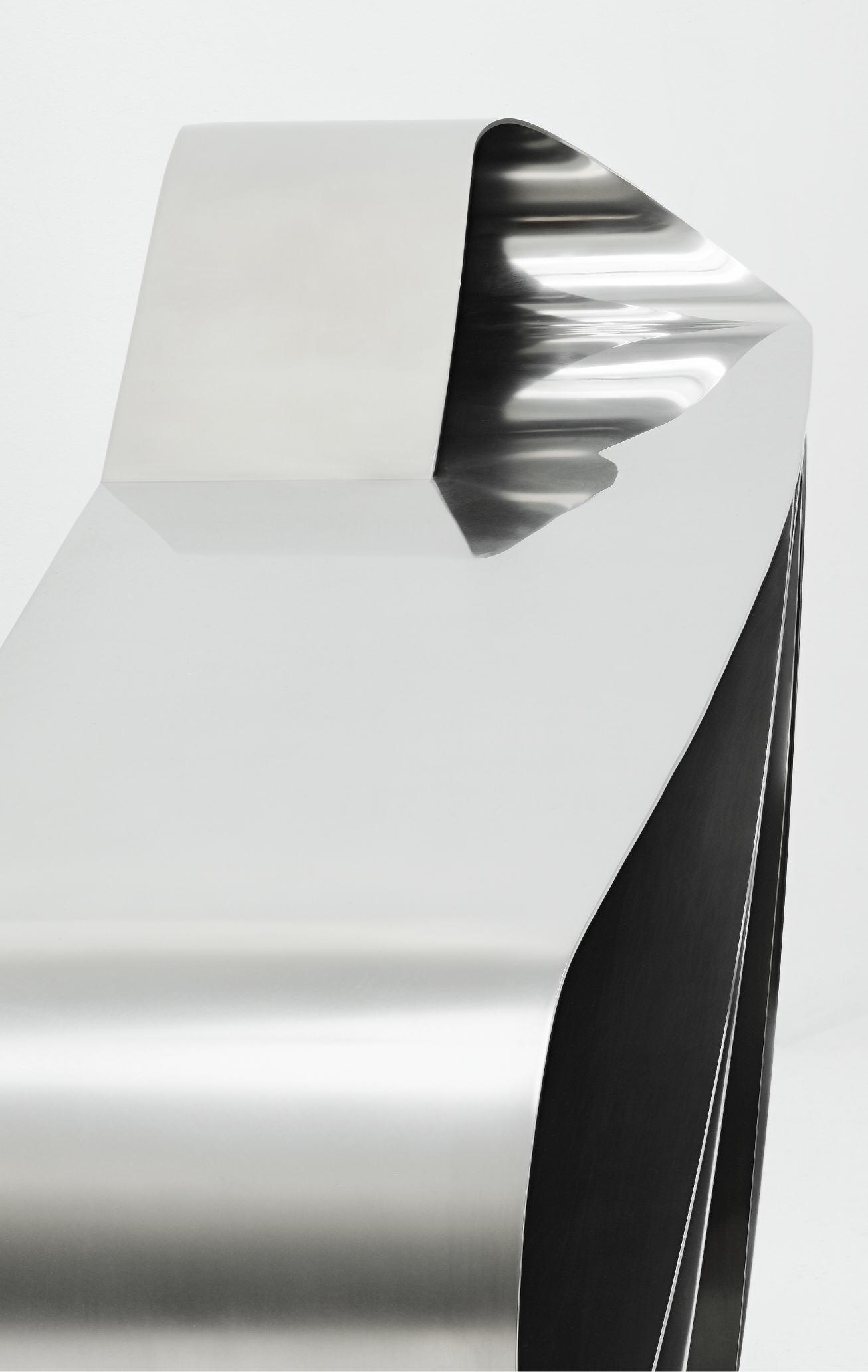
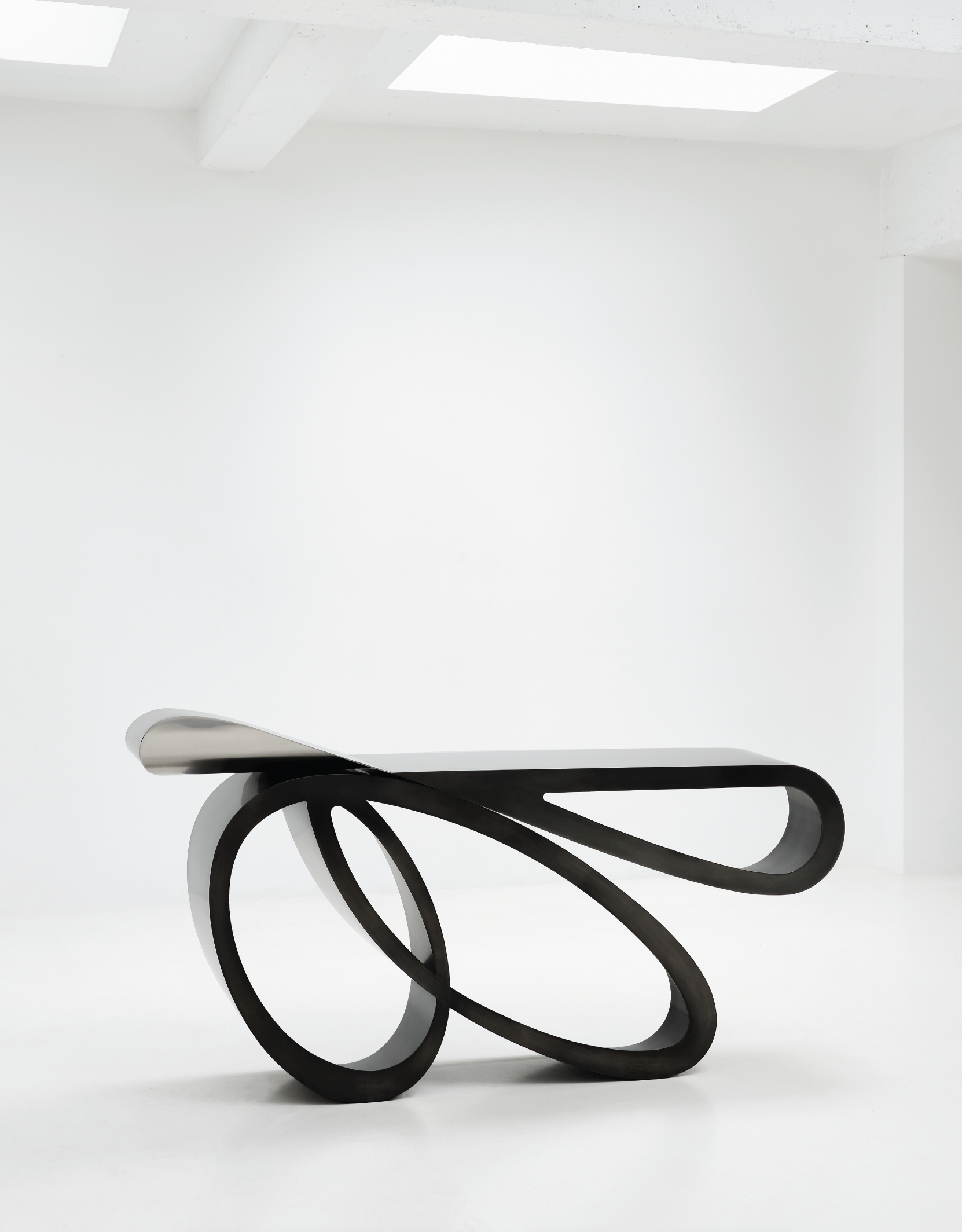
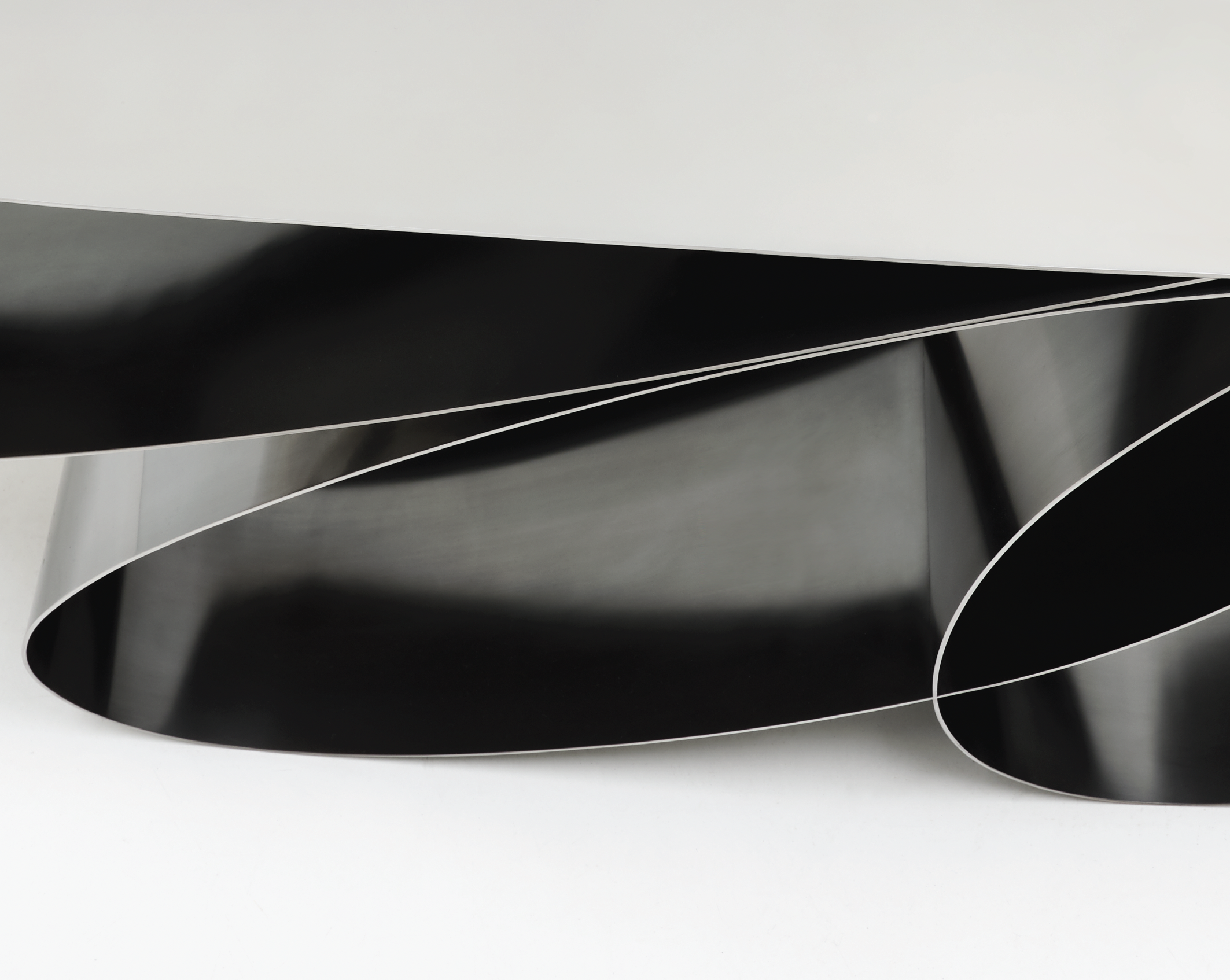
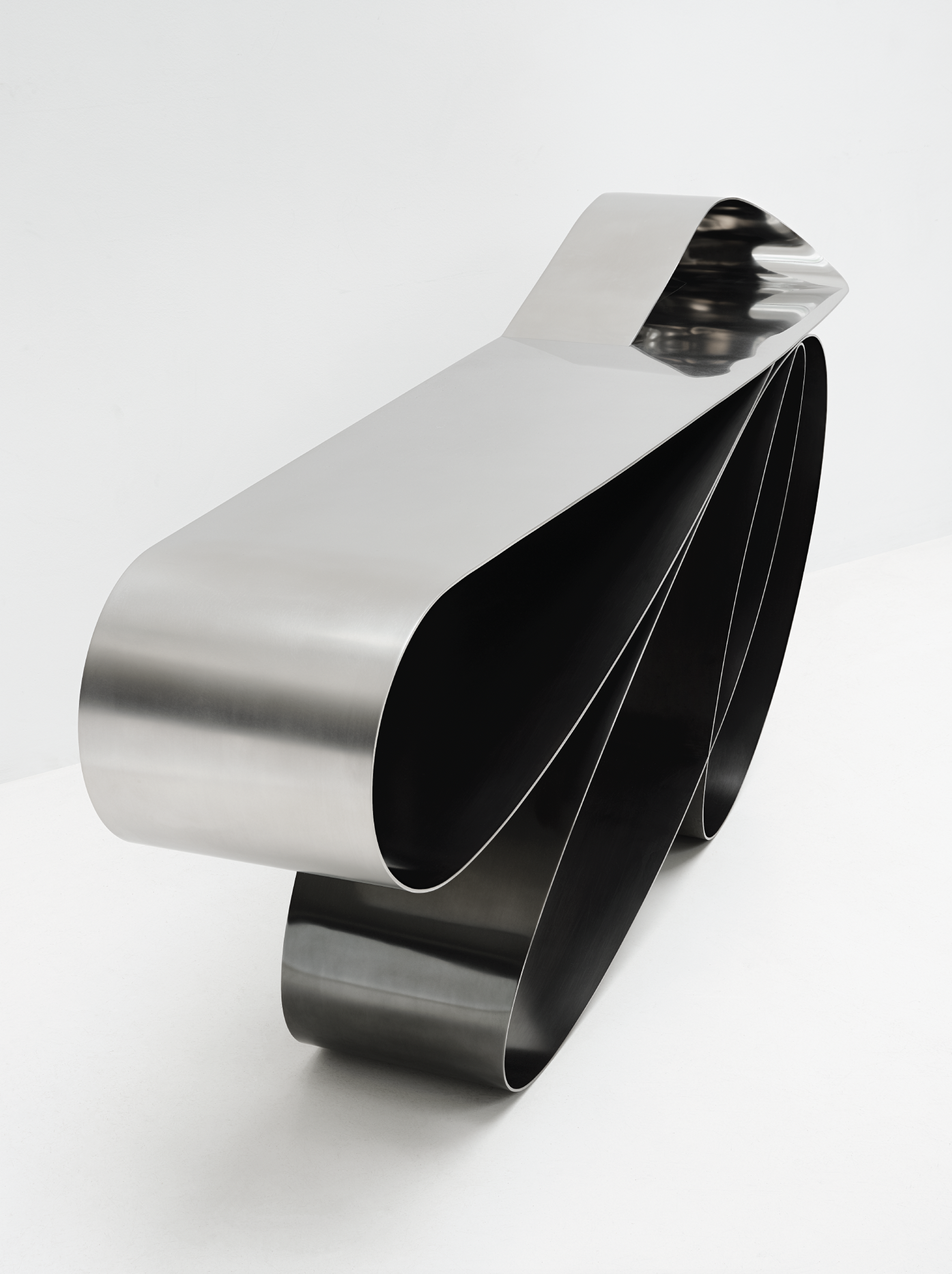
Photography: Frederik Vercruysse
You famously allow materials to dictate the final outcome of a piece. At what point do you relinquish control in the design process, and how comfortable are you with unpredictability?
Many of your furniture pieces sit comfortably between functional objects and sculptural artworks. Do you still see a clear distinction between design and sculpture, or has that boundary dissolved for you entirely?
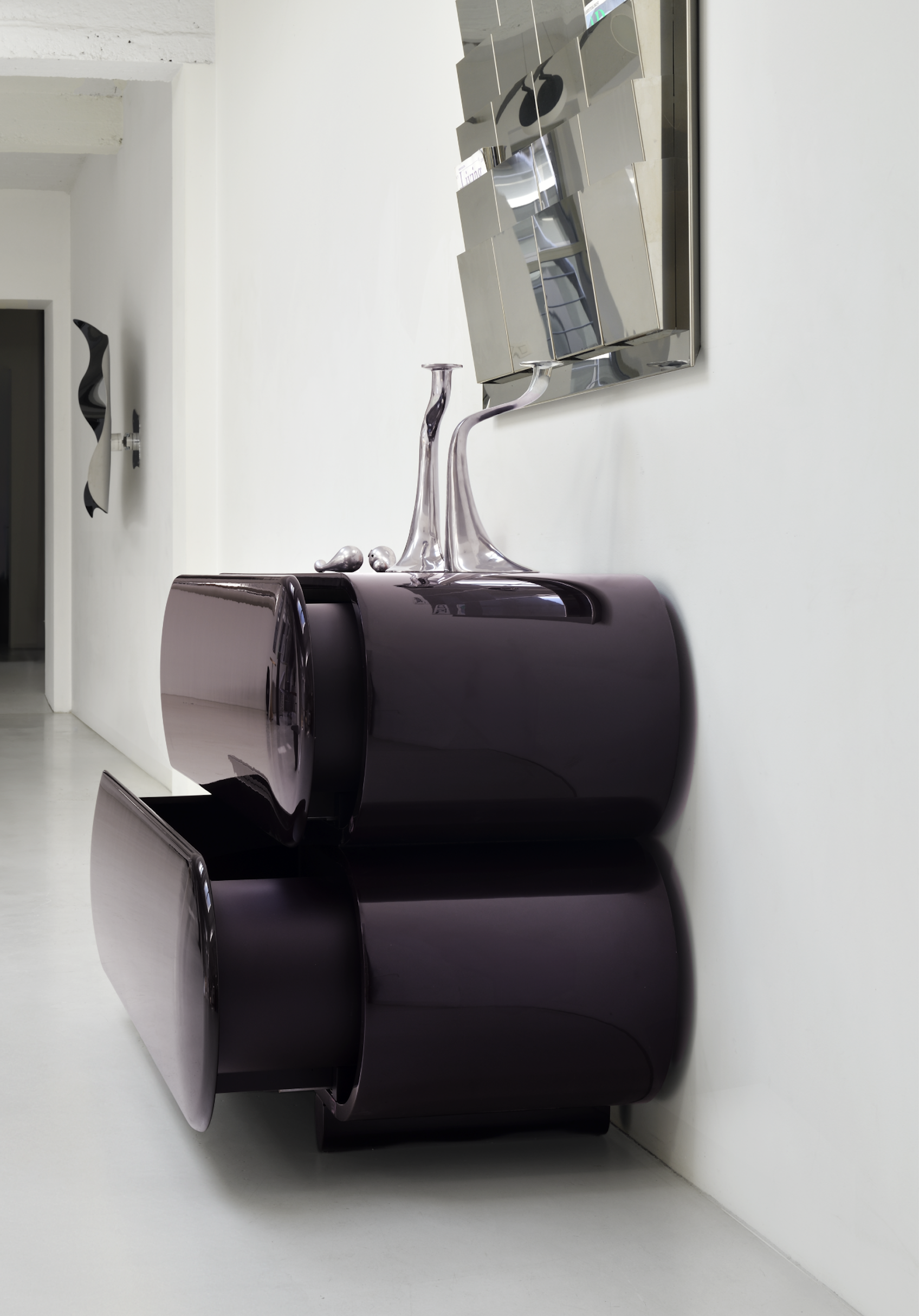
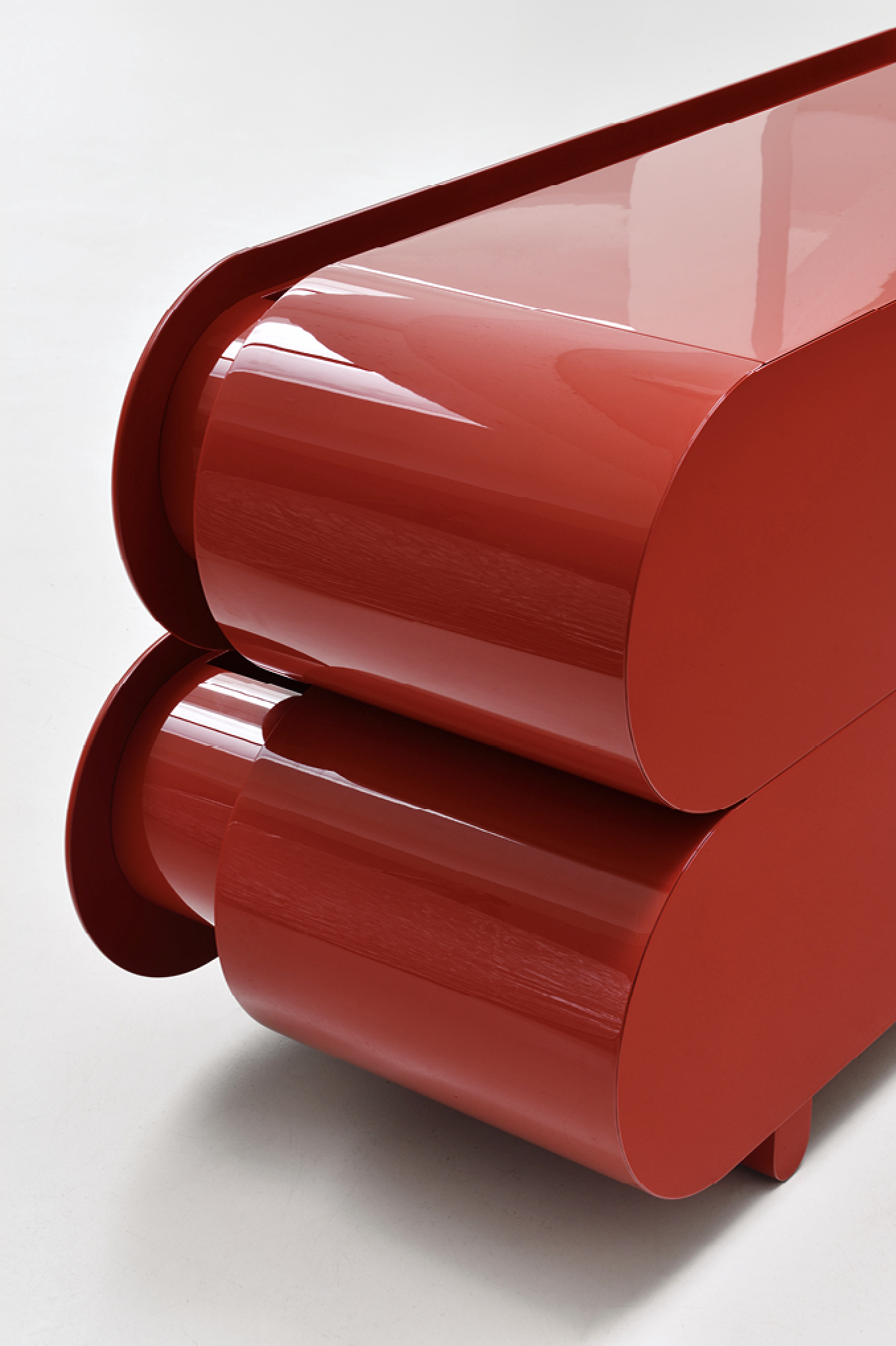
I approach each project as a manifesto. A work must carry meaning and justify its existence. Within this framework, furniture can be elevated to the status of art: it transcends function to become a territory for formal, structural, and symbolic research. Constraint, technical, material, or conceptual, is not a limitation but a driver, shaping thought and intensifying the precision of gesture.
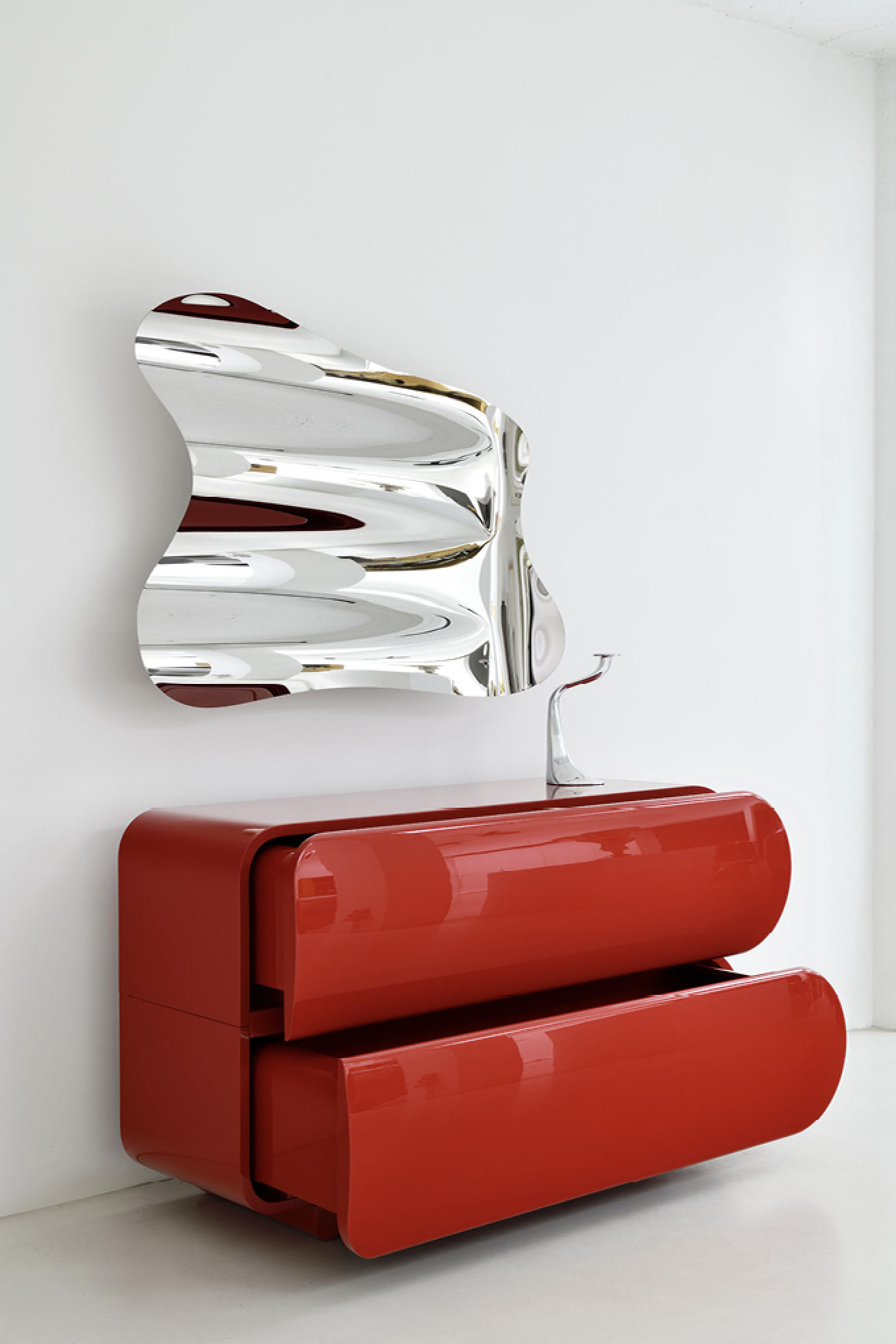
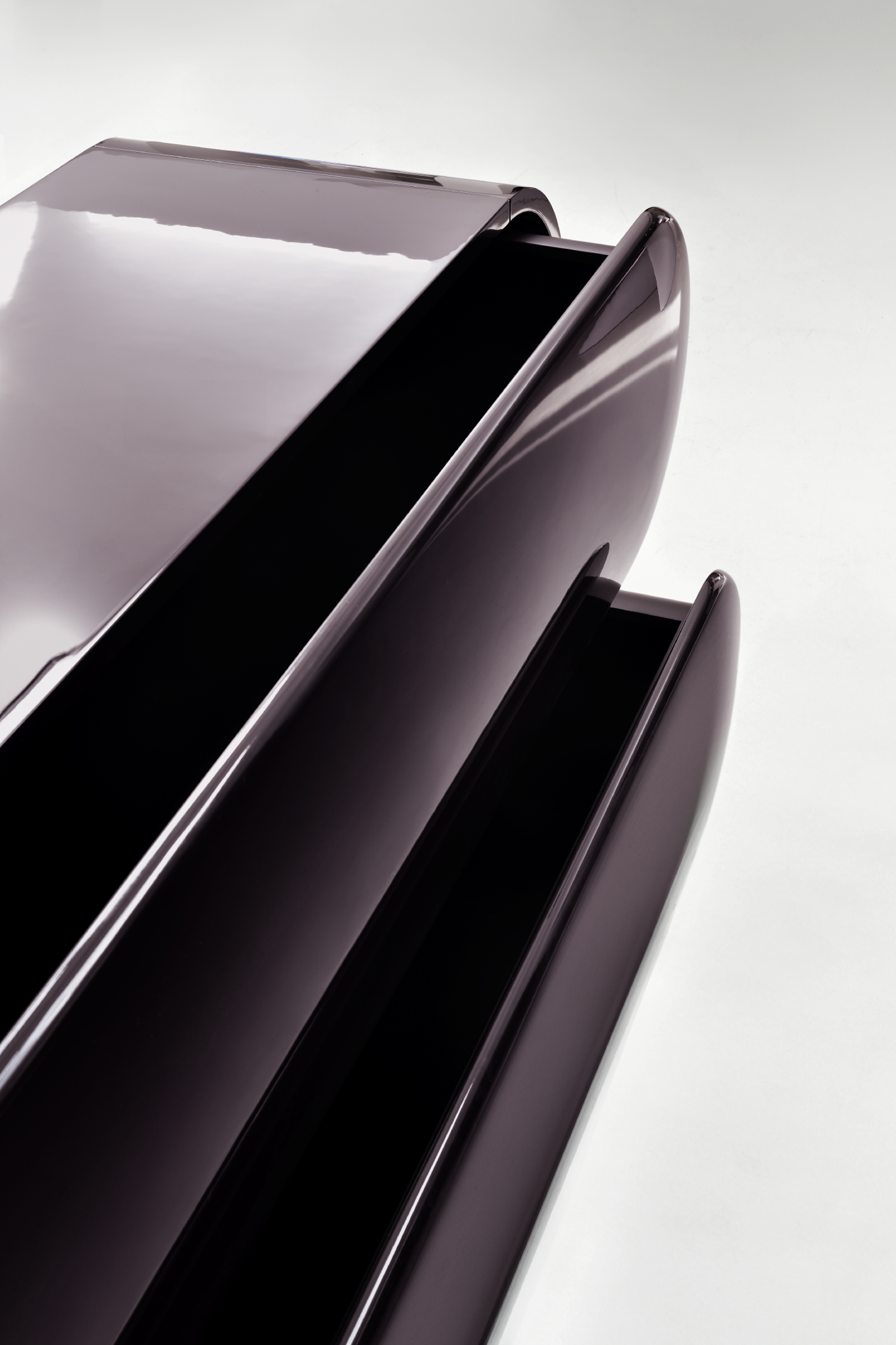
Photography: Nicolas Schimp
Gravity, tension and balance play a visible role in your work. What draws you to these physical forces, and how do they influence the emotional response you hope to create?
My creative practice is a quest for the absolute. The objects I design explore new pathways, particularly through material deformation. These transformations, guided by physical forces rather than imposed drawings, produce natural, unexpected forms, distinct from conventional solutions. They inspire subsequent, more drawn-out creations, sometimes in other materials, but always grounded in the same fundamental principles.
Your use of industrial processes, such as bending, stretching or compressing materials, feels both raw and poetic. How do you balance technical rigour with intuition?
The curve holds a central place. More efficient than the straight line, it follows a structural logic instinctively favoured by nature. It embodies resistance, fluidity, and continuity, but also sensuality: a curved line captures light, engages the eye, and suggests movement. Tension runs through every worthy work, marking the fragile balance between opposing forces, mastery and surrender. In my pieces, latent motion often seems to rival gravity, creating compositions that are dynamic, alive, and charged with energy.
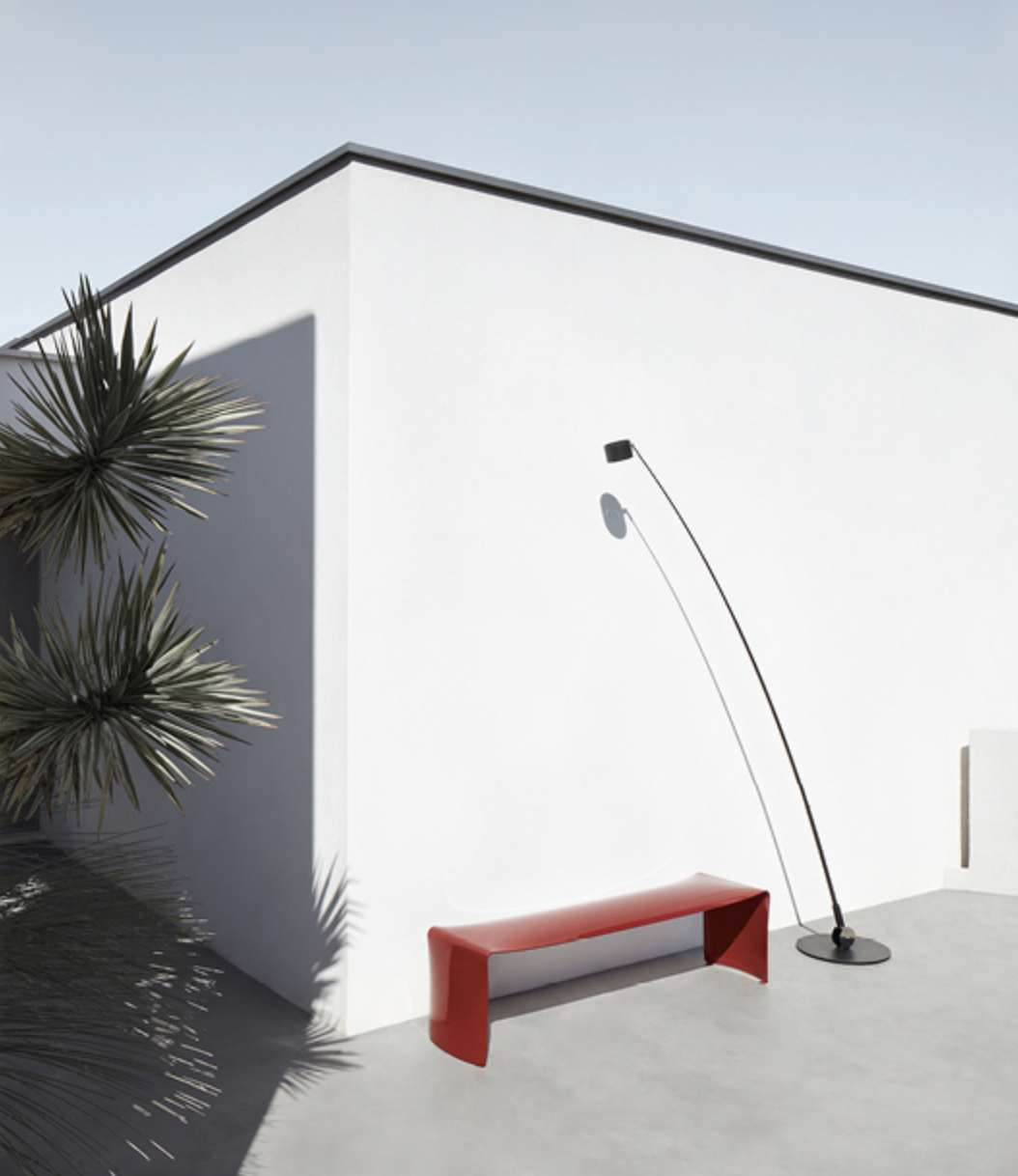
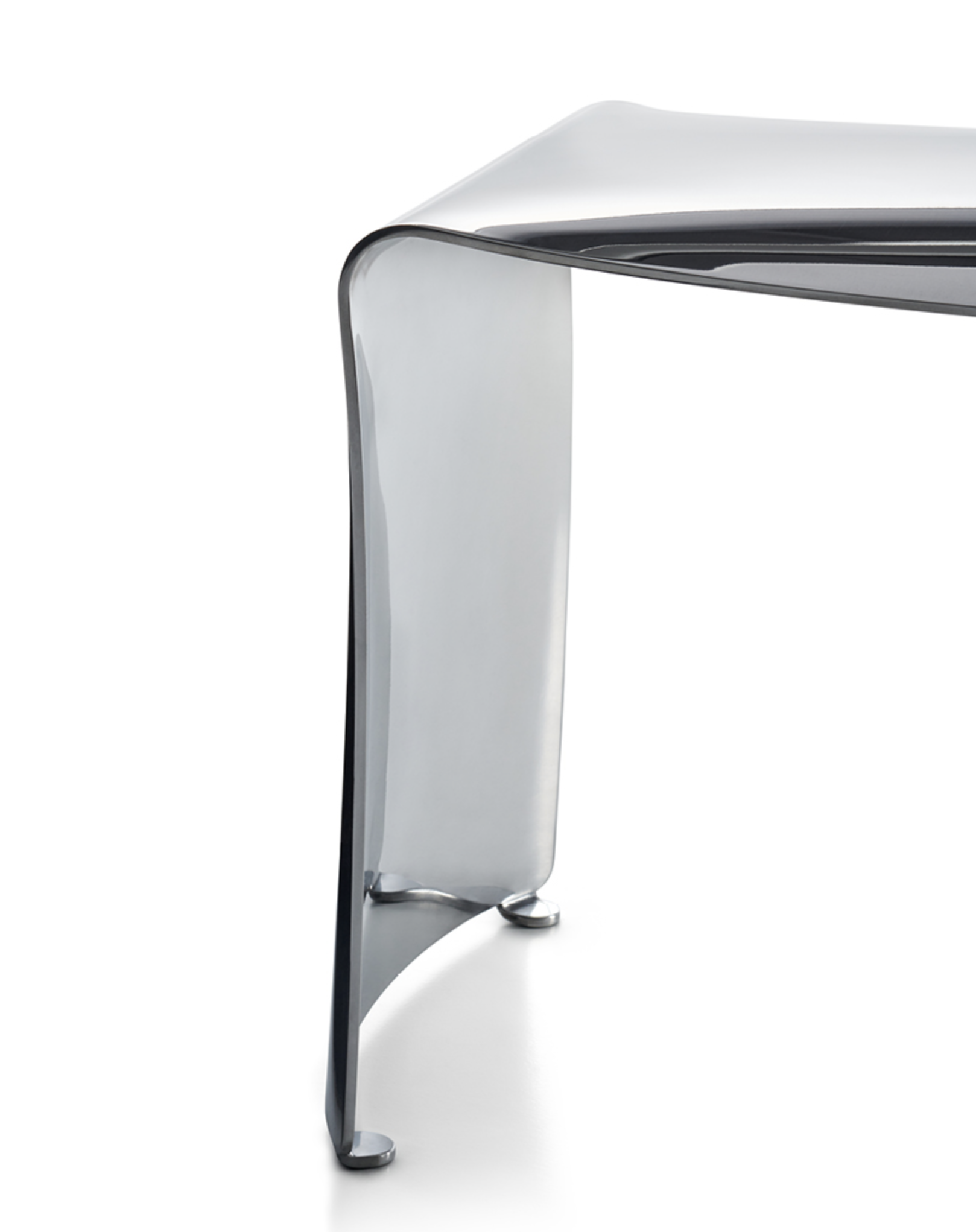
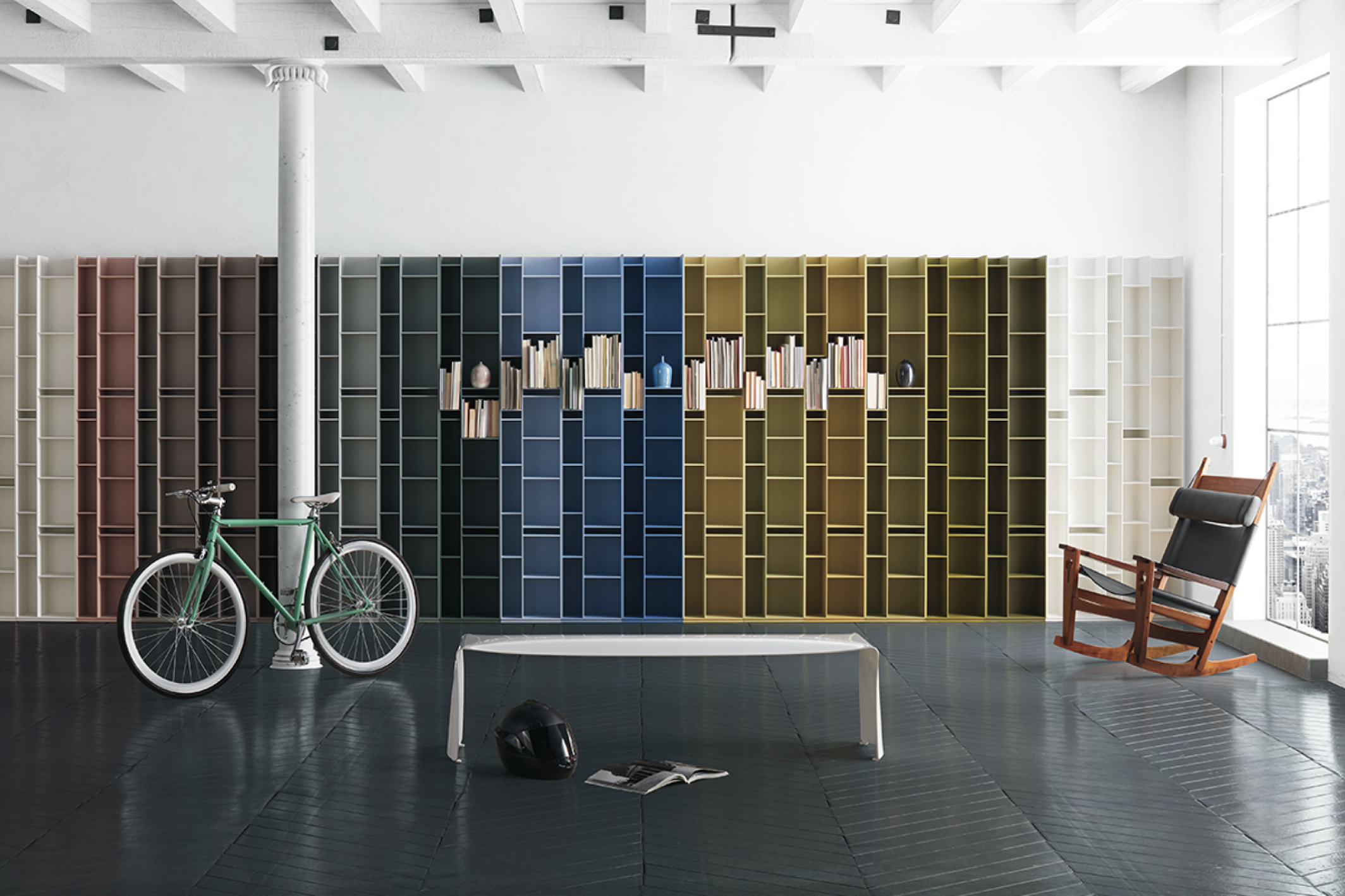
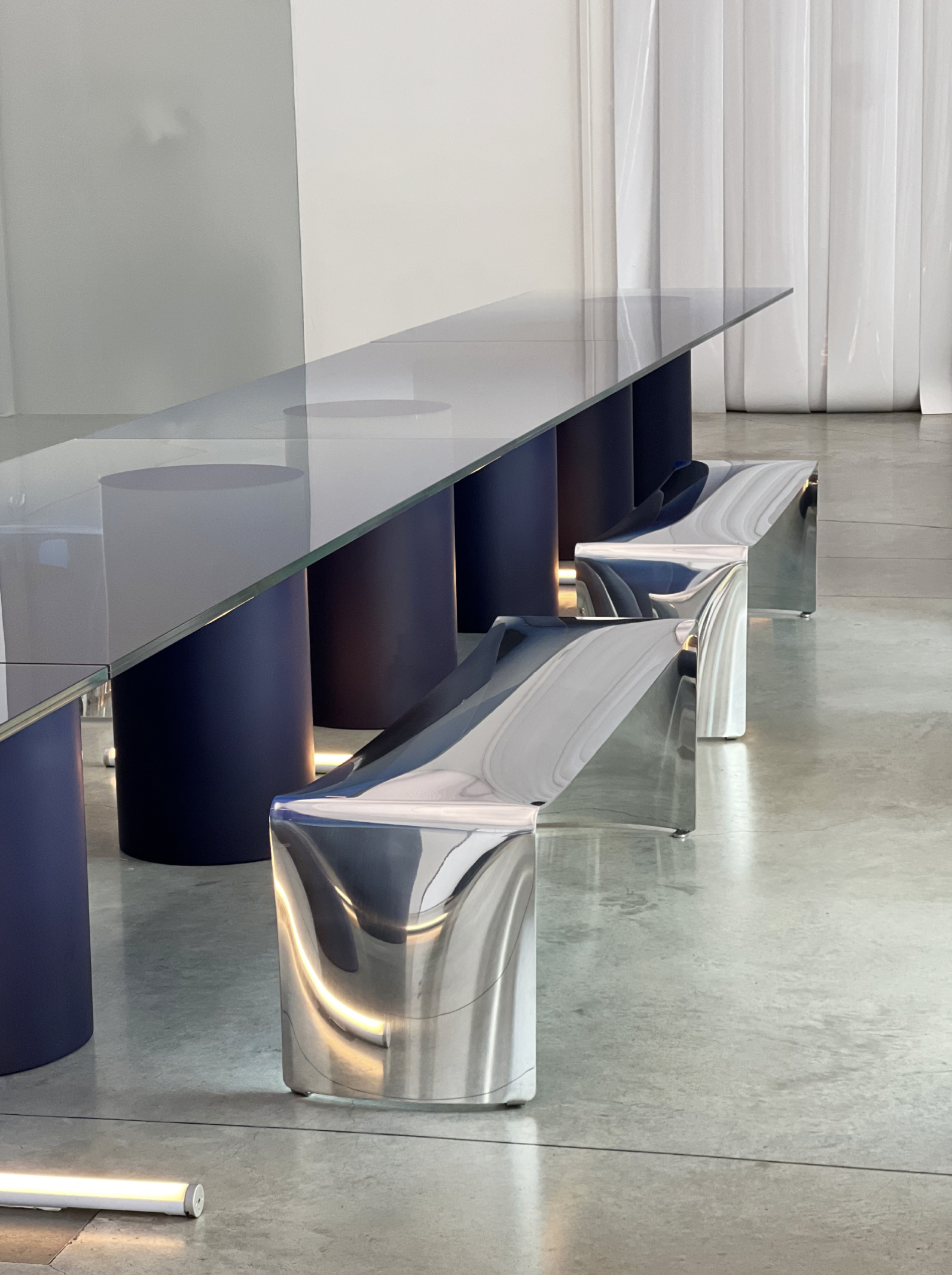
Photography clockwise from top left: Thomas Pagani / Lorenzo Cappellini / MDF ITalia / Xavier Lust
In an era increasingly dominated by digital design and AI-led tools, how important is physical experimentation and hands-on making in your studio today?
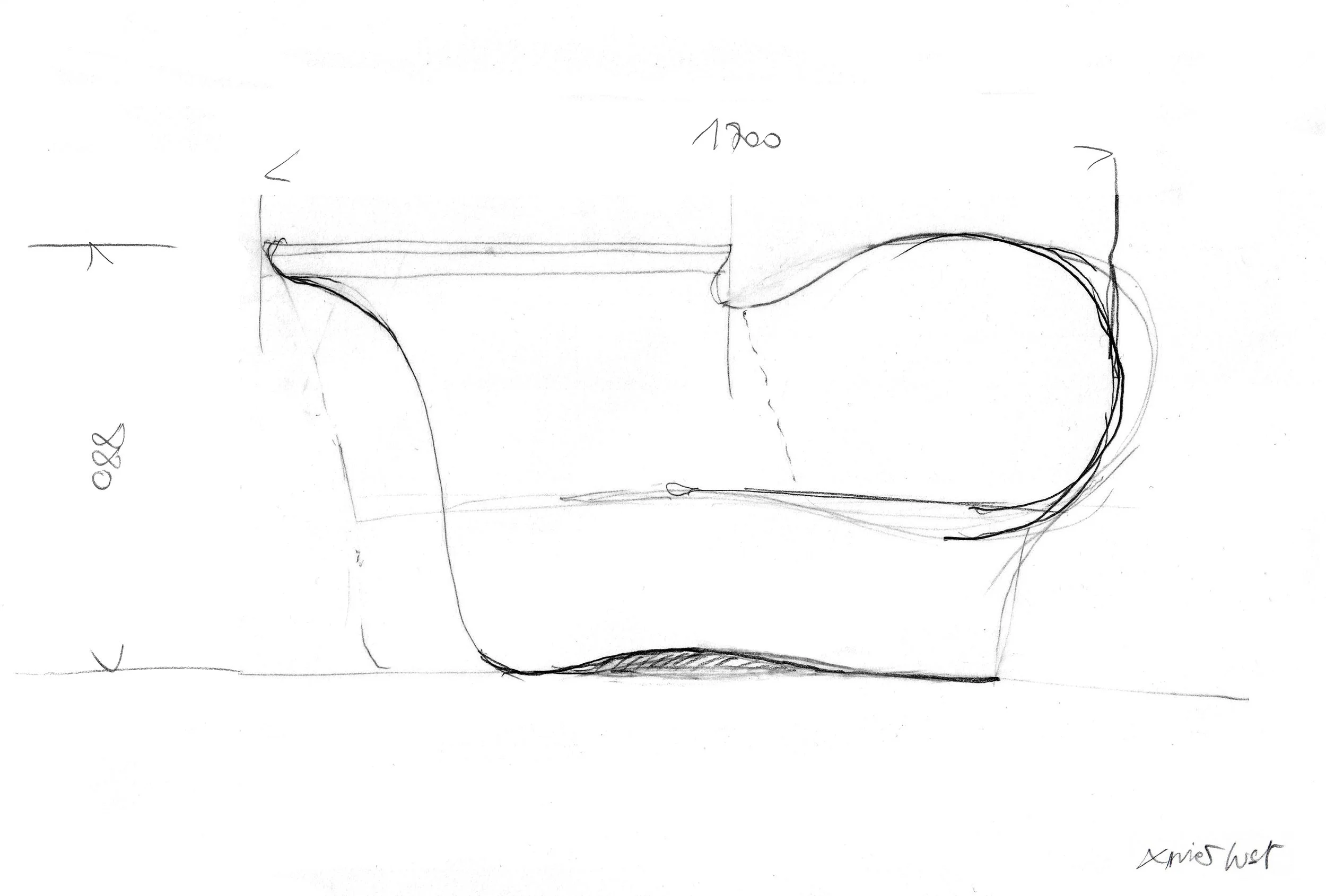
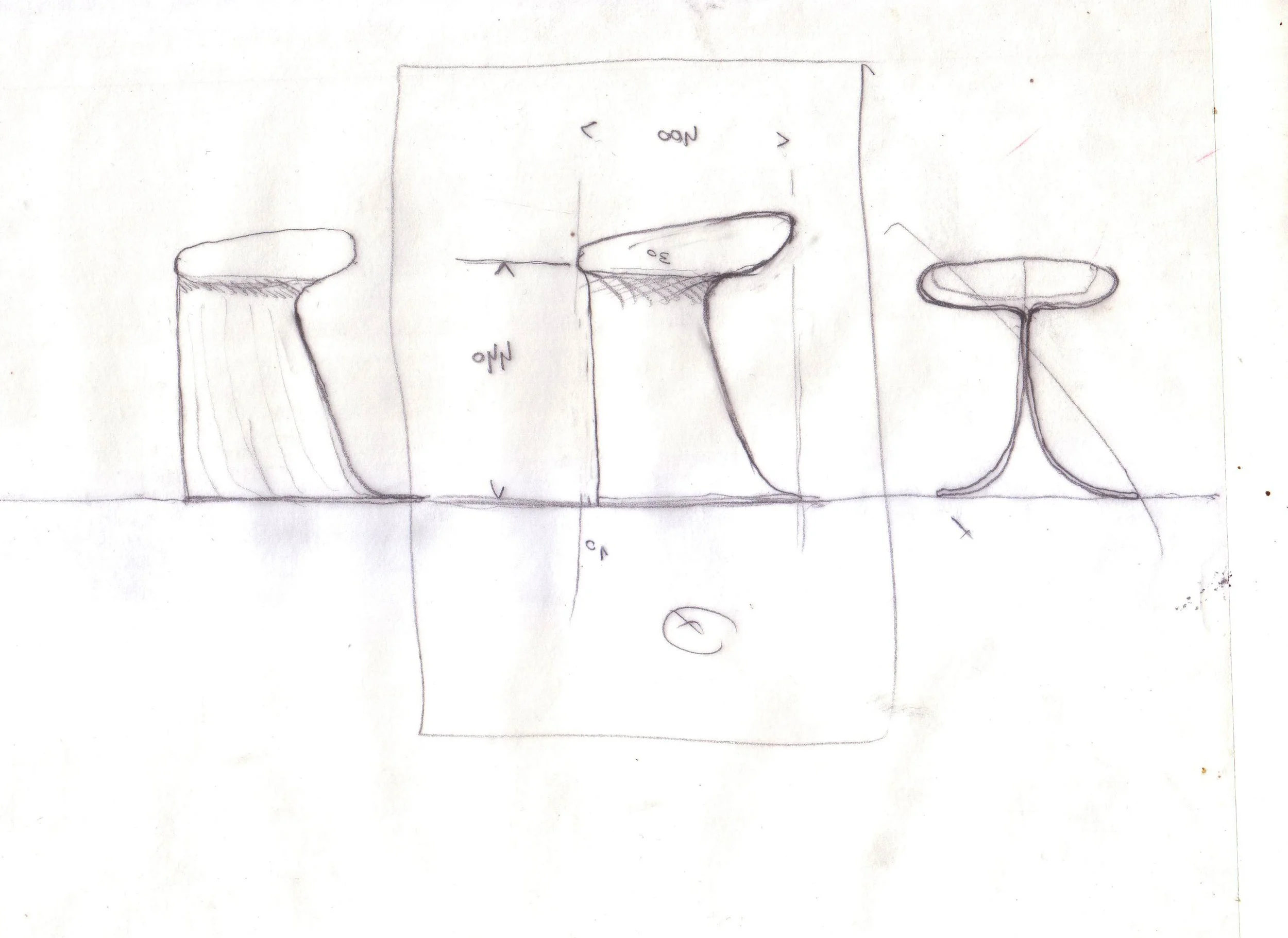
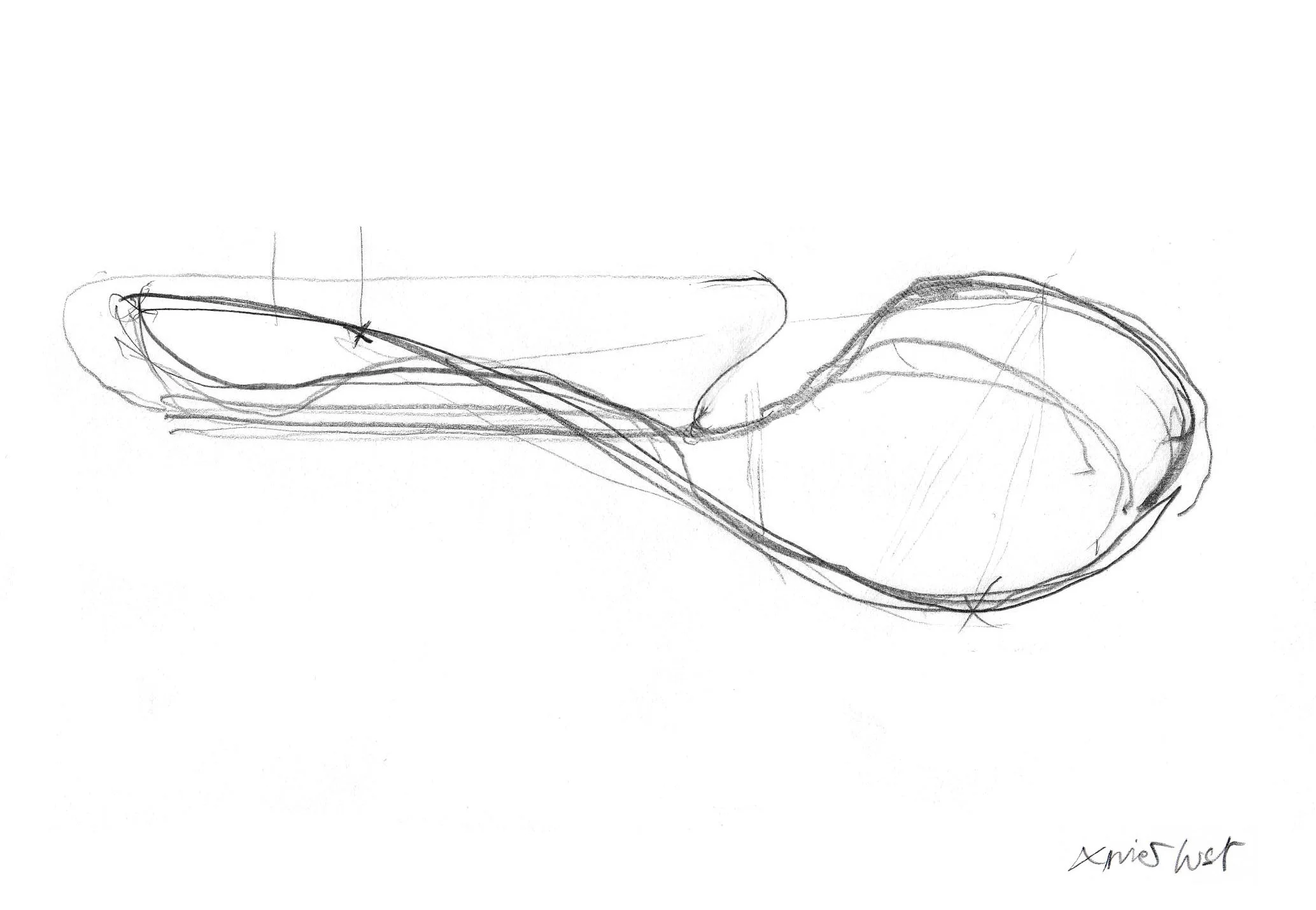
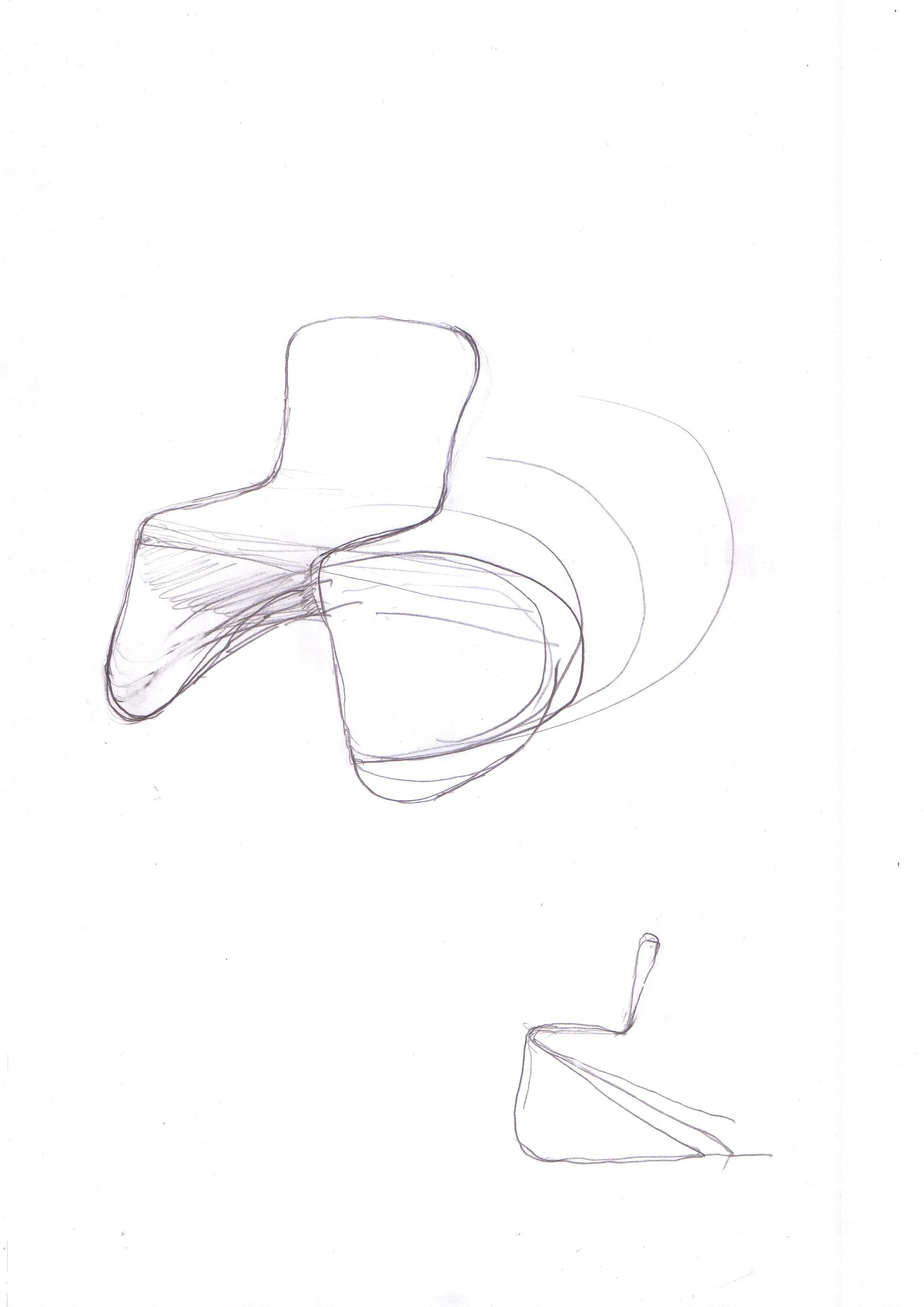
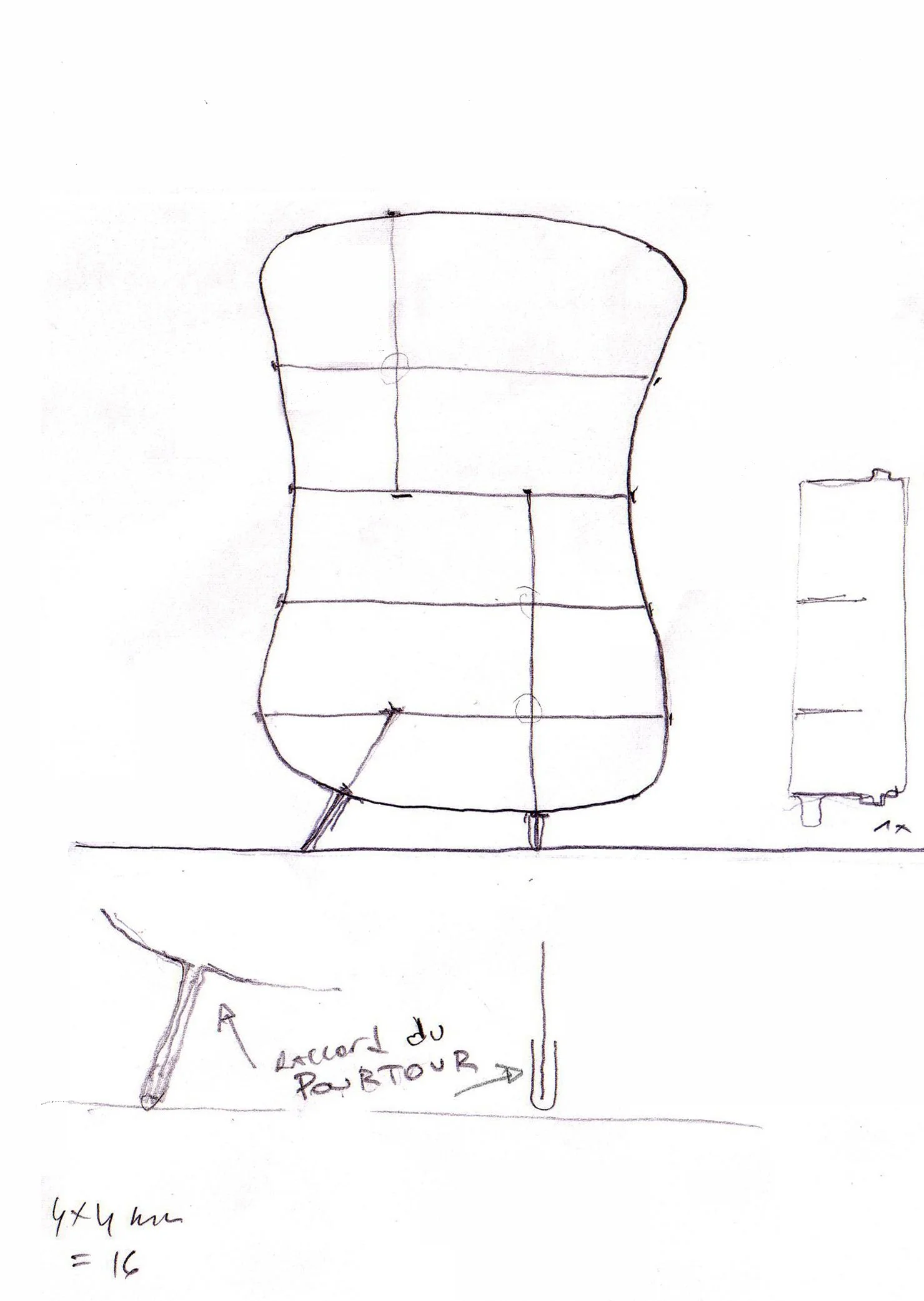
Ideas often appear suddenly and must be immediately captured, usually through a sketch; once questioned, they vanish. These fleeting moments of the absolute are precious. I conceive object creation as an equation of four parameters: beauty, technology, functionality, and culture. All models begin as sketches but are then developed and checked in 3D with my team, ensuring every detail is refined before a prototype is handed to a manufacturer. Artificial intelligence, combined with 3D printing, expands this process and opens an almost limitless realm of possibilities, enriching the creative practice without replacing intuition or dialogue with the material.
Several of your pieces feel monumental, even when scaled for domestic interiors. How do you think about presence and space when designing furniture intended to live in a home?
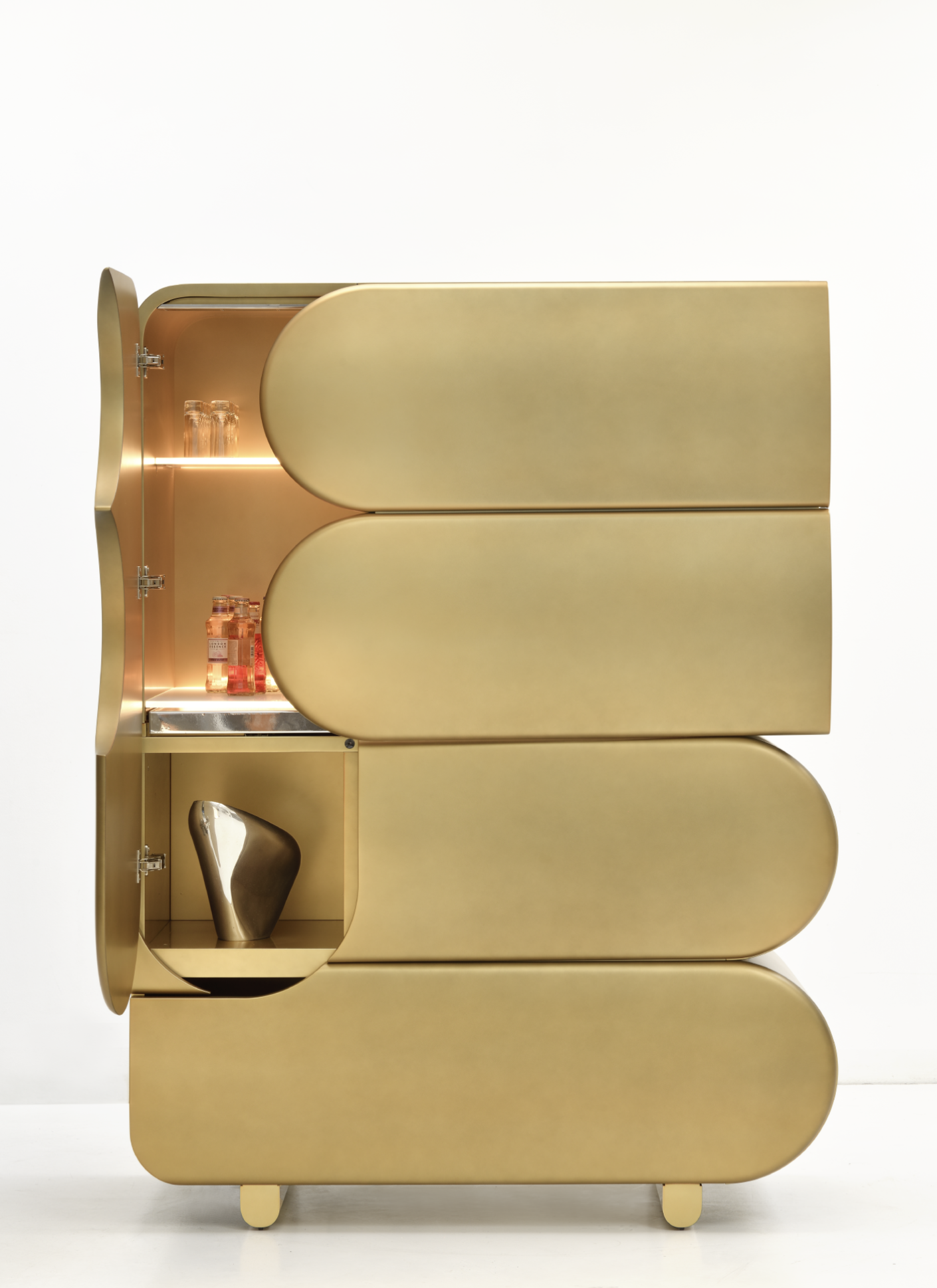
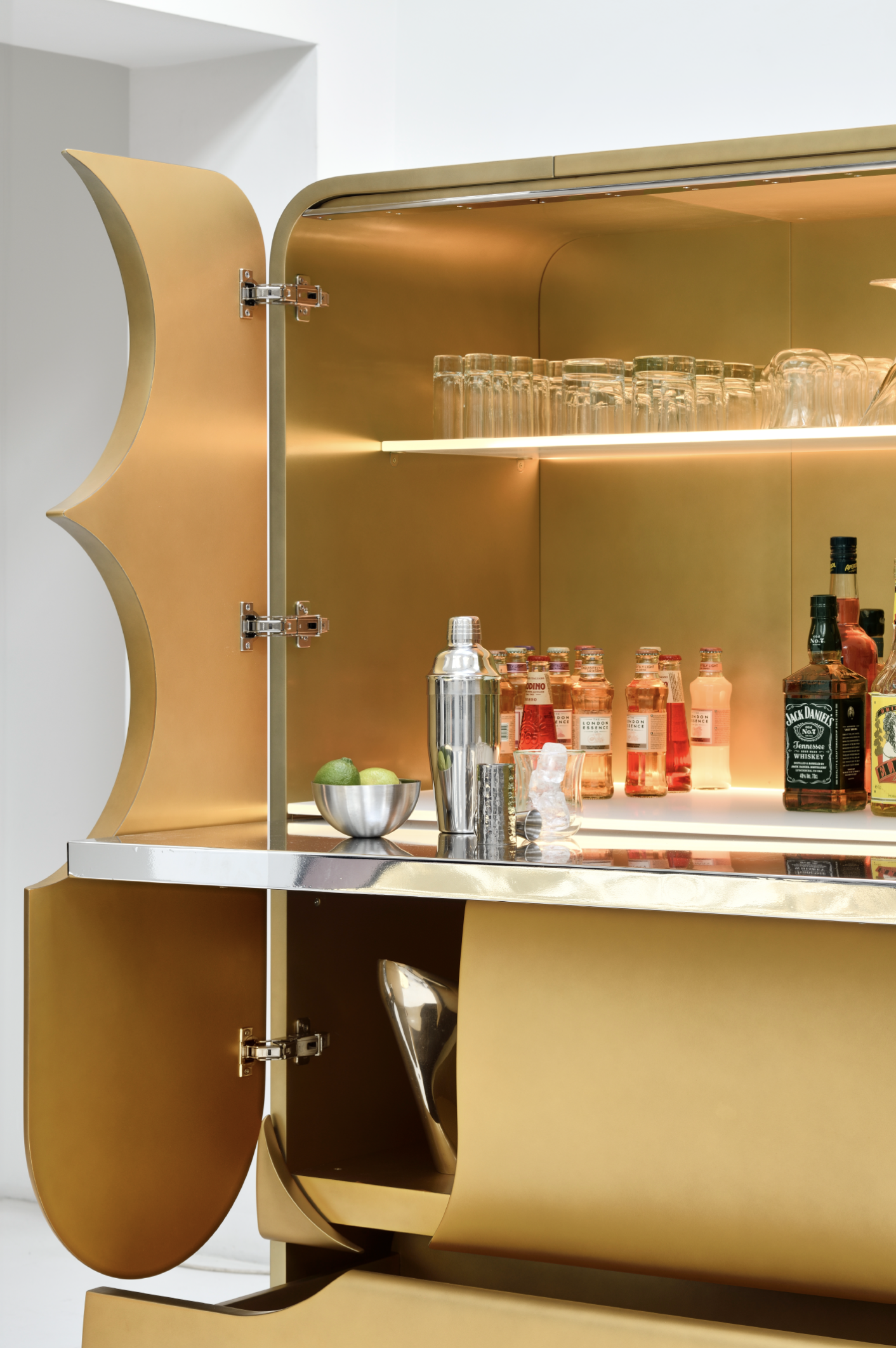
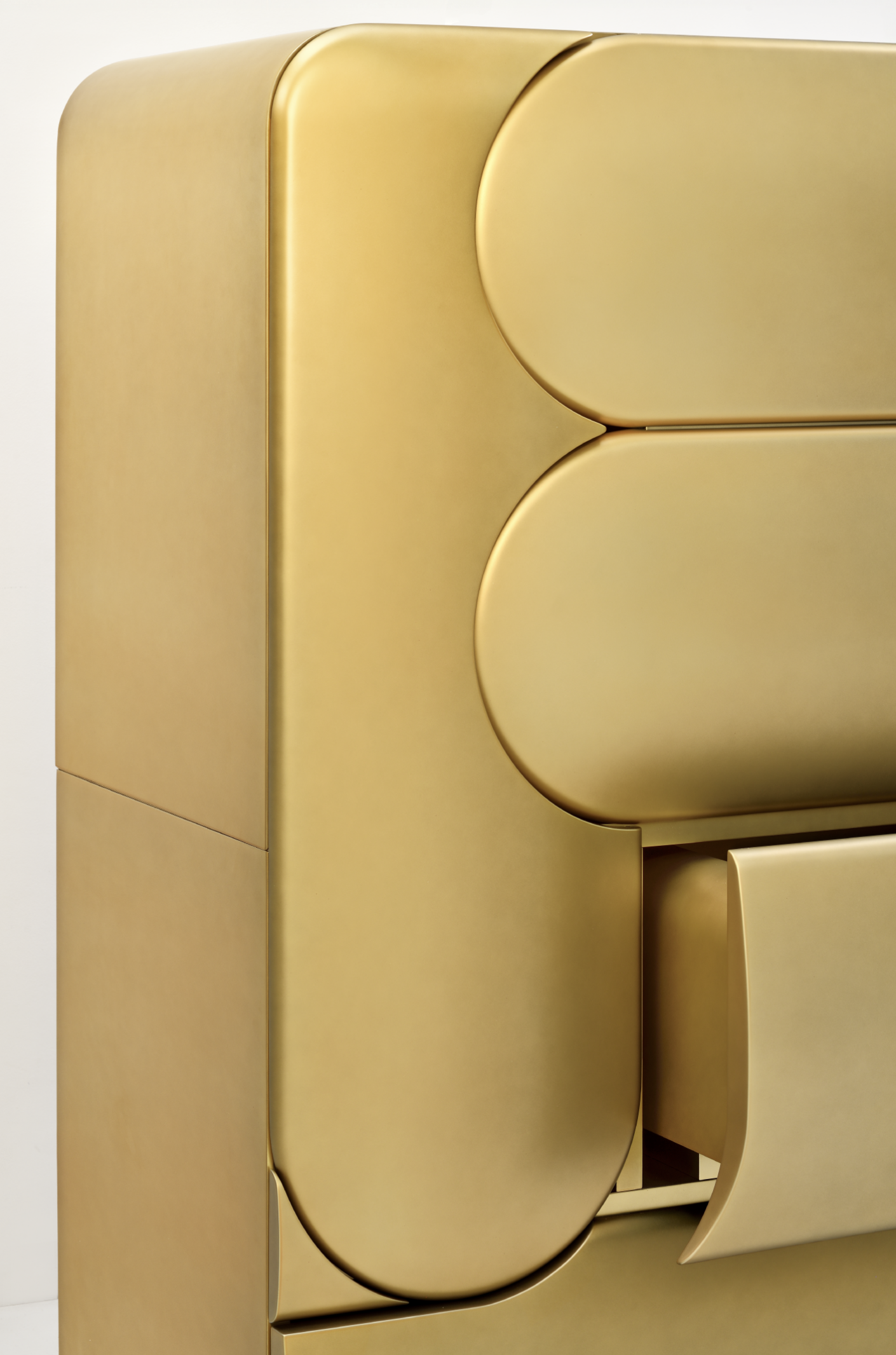
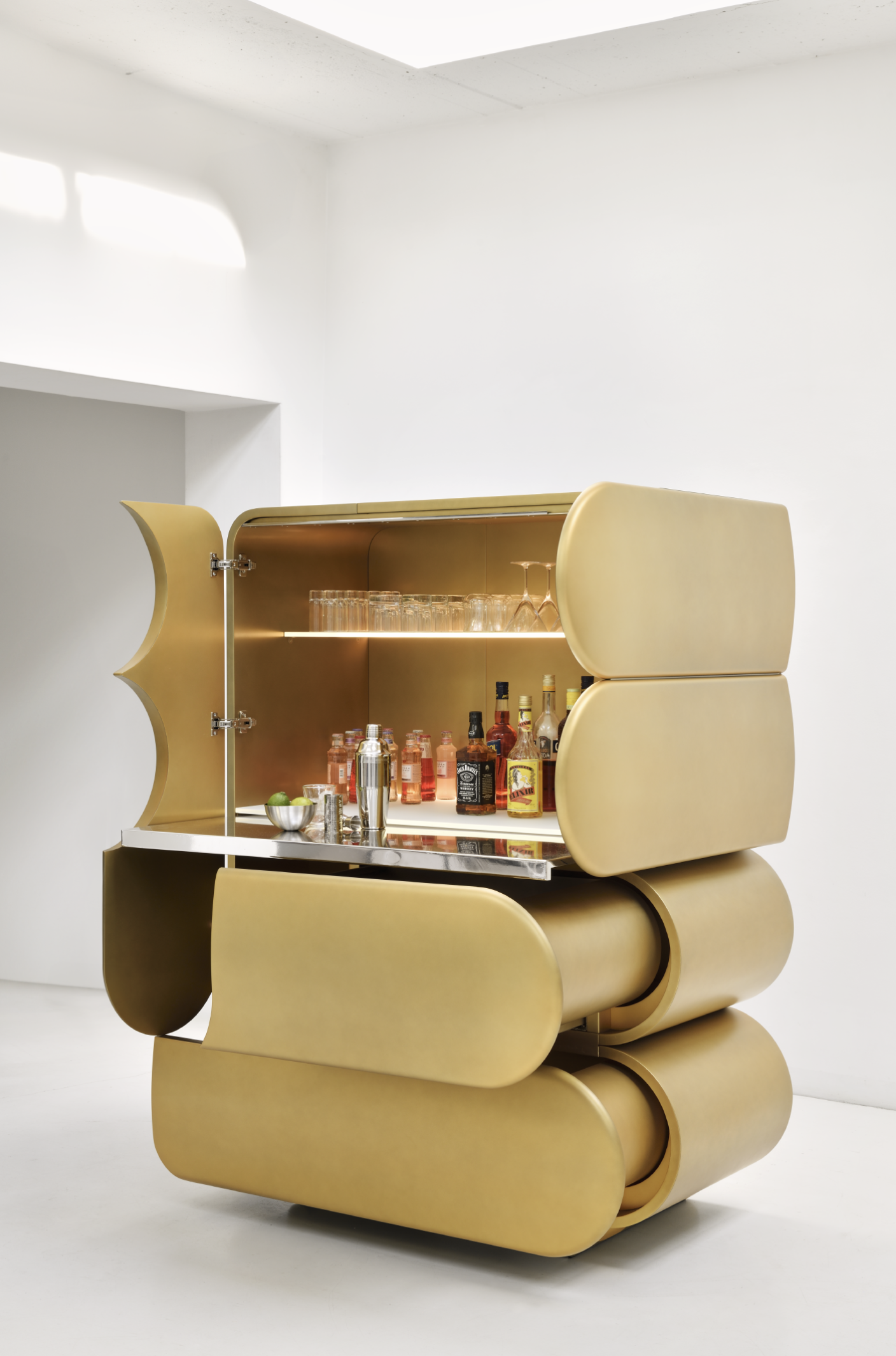
Permanence is a central theme in my work. In the Anthropocene, awareness of duration has multiplied, though it is not a new concept in design. From the start, I have aimed for a dual permanence: that of the materials and that of the user’s experience. My creations are essential and timeless through their initial concept. Their almost natural forms resonate with our bodies and minds, fostering a benevolent exchange that invites connection rather than detachment.
Photography: Nicolas Schimp
You often work with enduring materials like metal, marble and stone. Is permanence an important concept in your practice, particularly in contrast to fast design and short product cycles?
When someone lives with one of your pieces, what do you hope unfolds over time, both visually and emotionally
These objects resonate with the body and the gaze. Their mineral origin transforms into an organic geometry, revealing an order in which all elements are interconnected. A creation reaches its full potential when the energy it contains completes a circular loop, forming a continuous and harmonious flow.
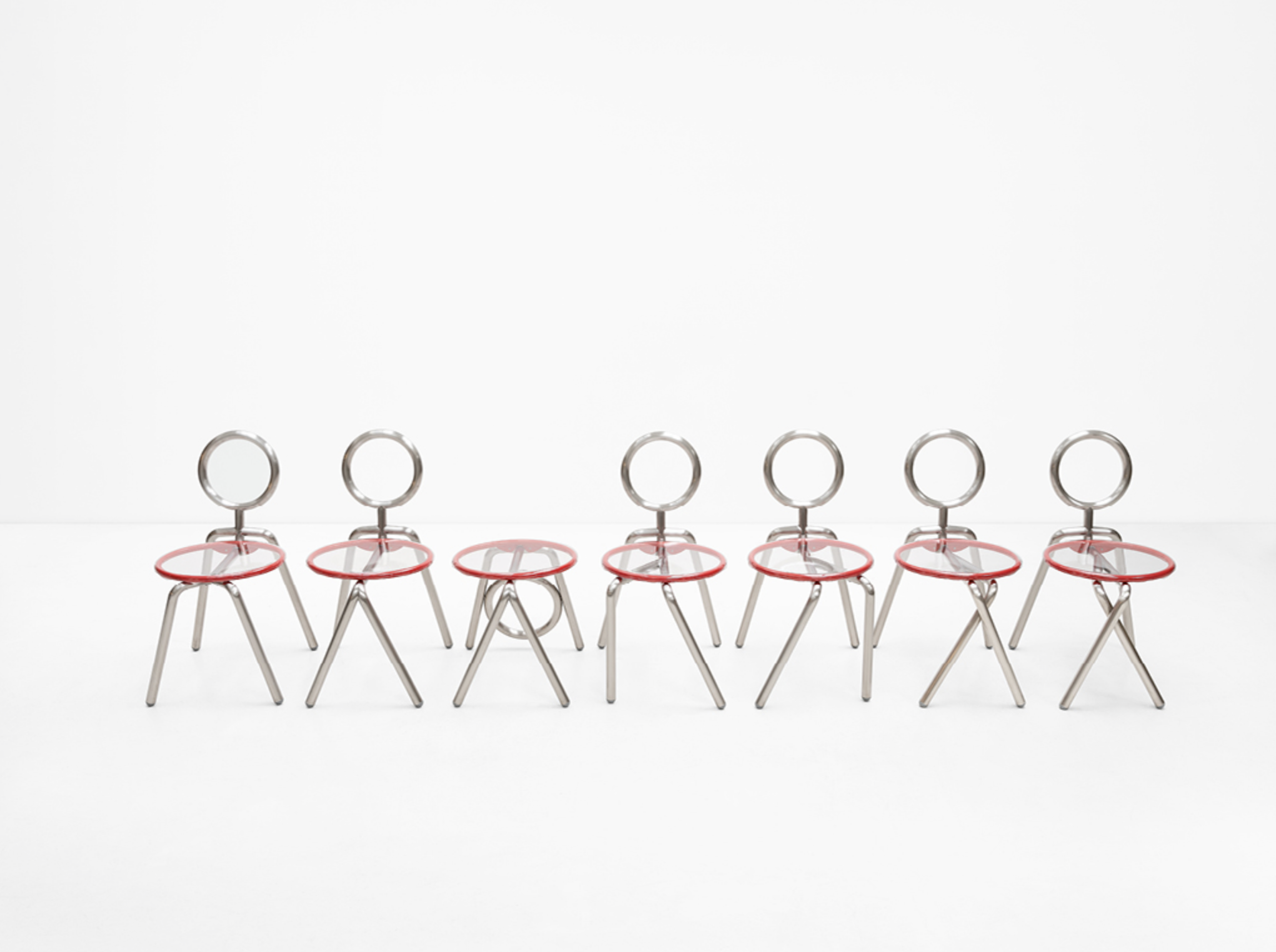
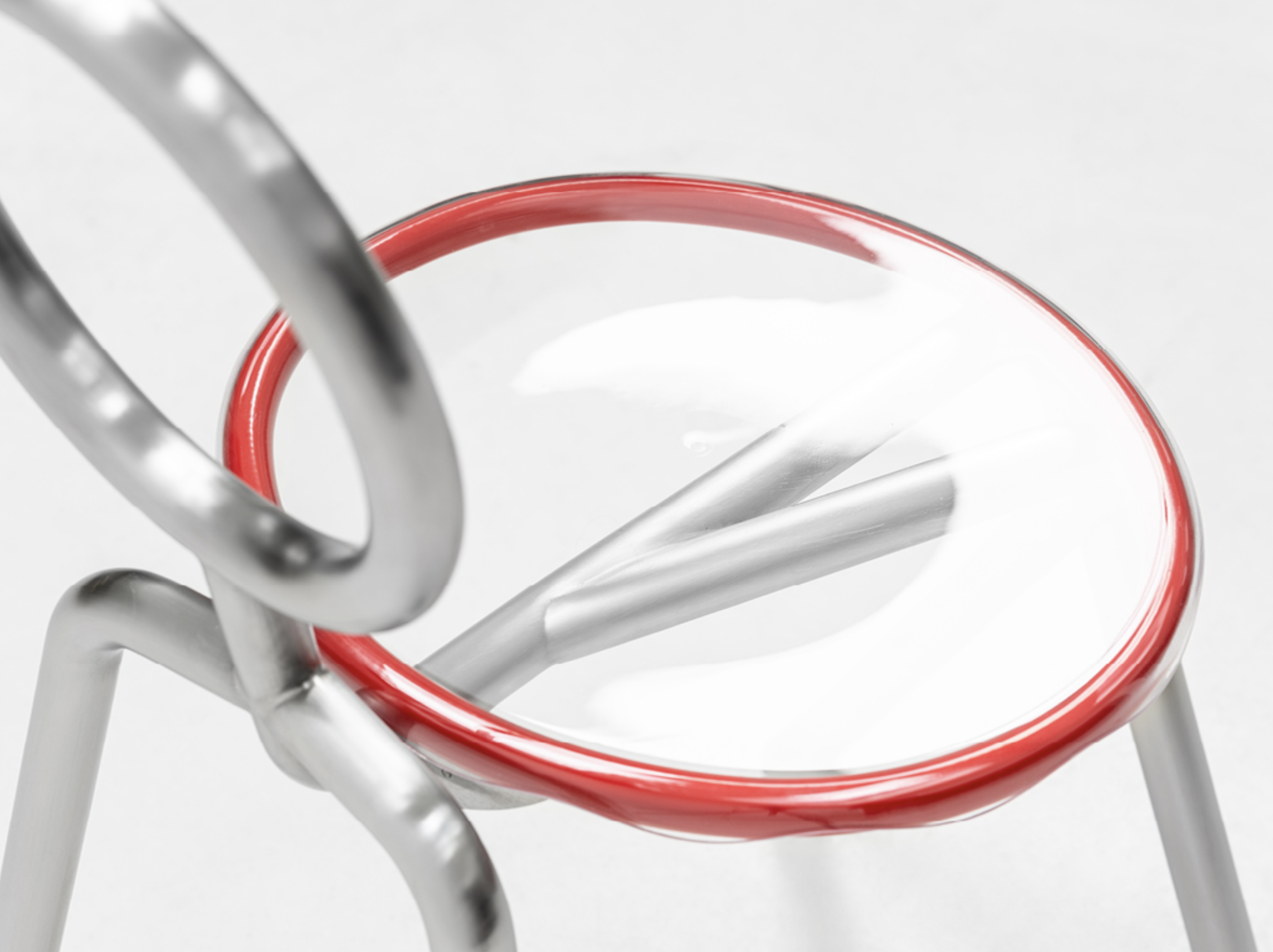
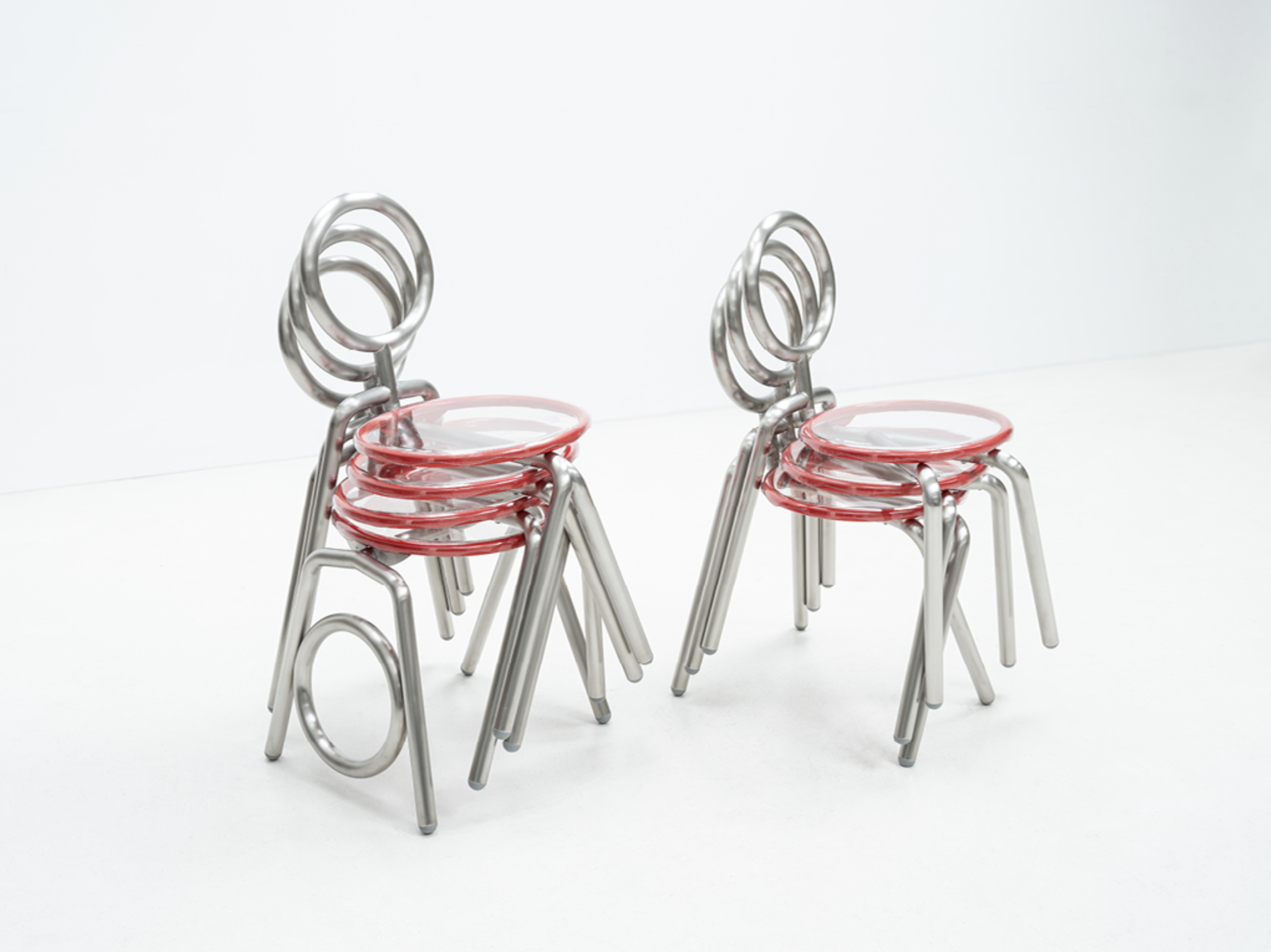
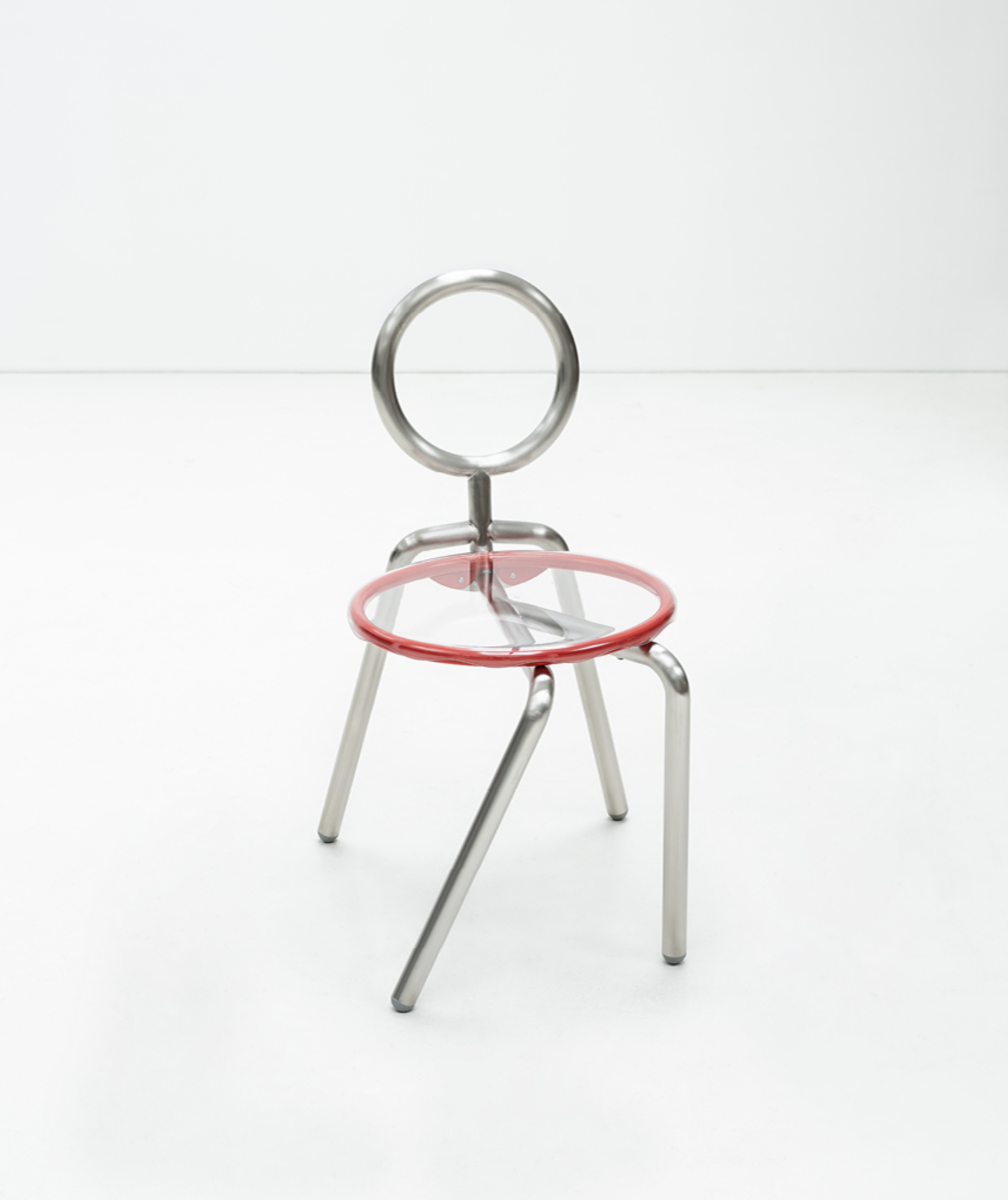
Photography: Frederik Vercruysse
Looking ahead, are there materials, processes or ideas you feel compelled to explore next, or do you prefer to let curiosity lead without a fixed destination
Today, three main pathways exist for object creation: working directly with materials or models without digital tools; developing projects using 3D modelling to refine every detail; and combining artificial intelligence with 3D printing, which expands the creative horizon and pushes the boundaries of what is possible. Each of these methods coexists with intuition and material experimentation, which remain at the heart of my practice.
More Interviews
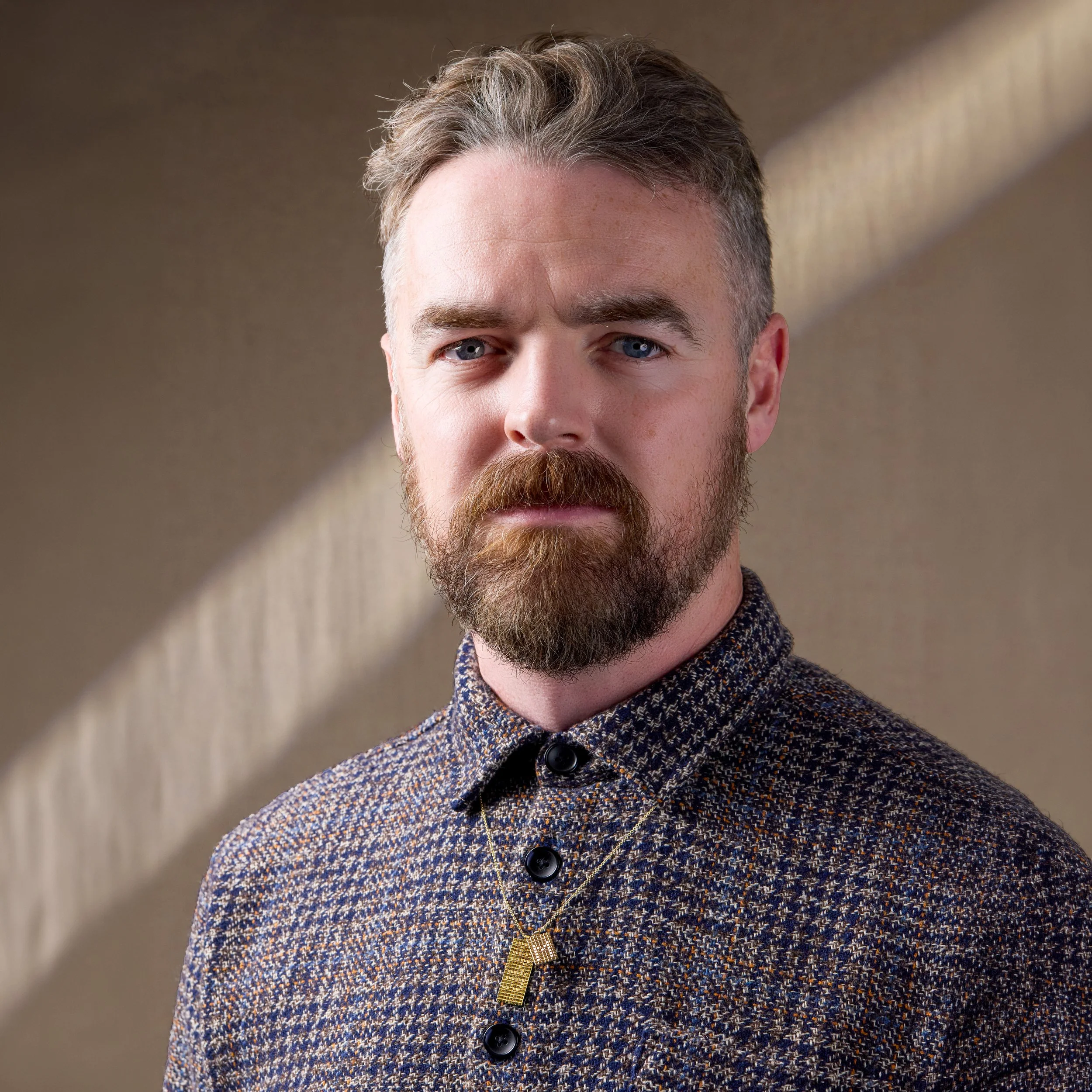
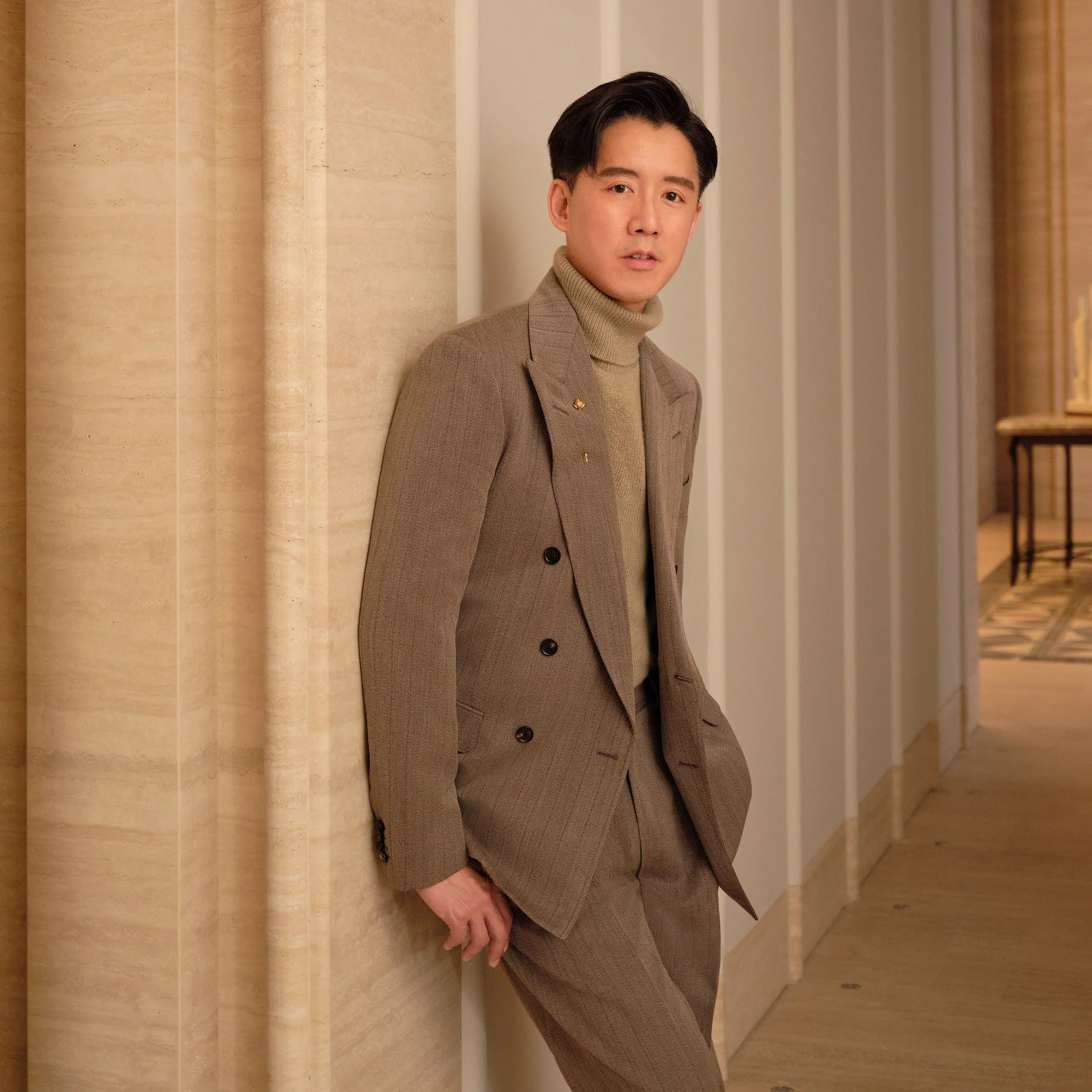


In conversation with Xavier Lust, the renowned designer discusses material experimentation, movement, intuition and the sculptural language behind his internationally celebrated furniture and collectable design pieces.