
Inside GUBI House Paris
Inside a Parisian Apartment Reimagined as a Living Study in Contemporary Design, Where Historic Architecture, Light and Modern Furniture Intertwine
Paris has always understood the theatre of interiors. In this city, apartments are rarely just places to live. They are stages for conversation, backdrops for art, repositories of memory and expressions of personal taste shaped over decades. Mouldings hold history, parquet floors carry footsteps, and tall windows frame the changing light of the seasons. It is fitting, then, that GUBI has chosen Paris not for a conventional showroom, but for something far more intimate: a home.
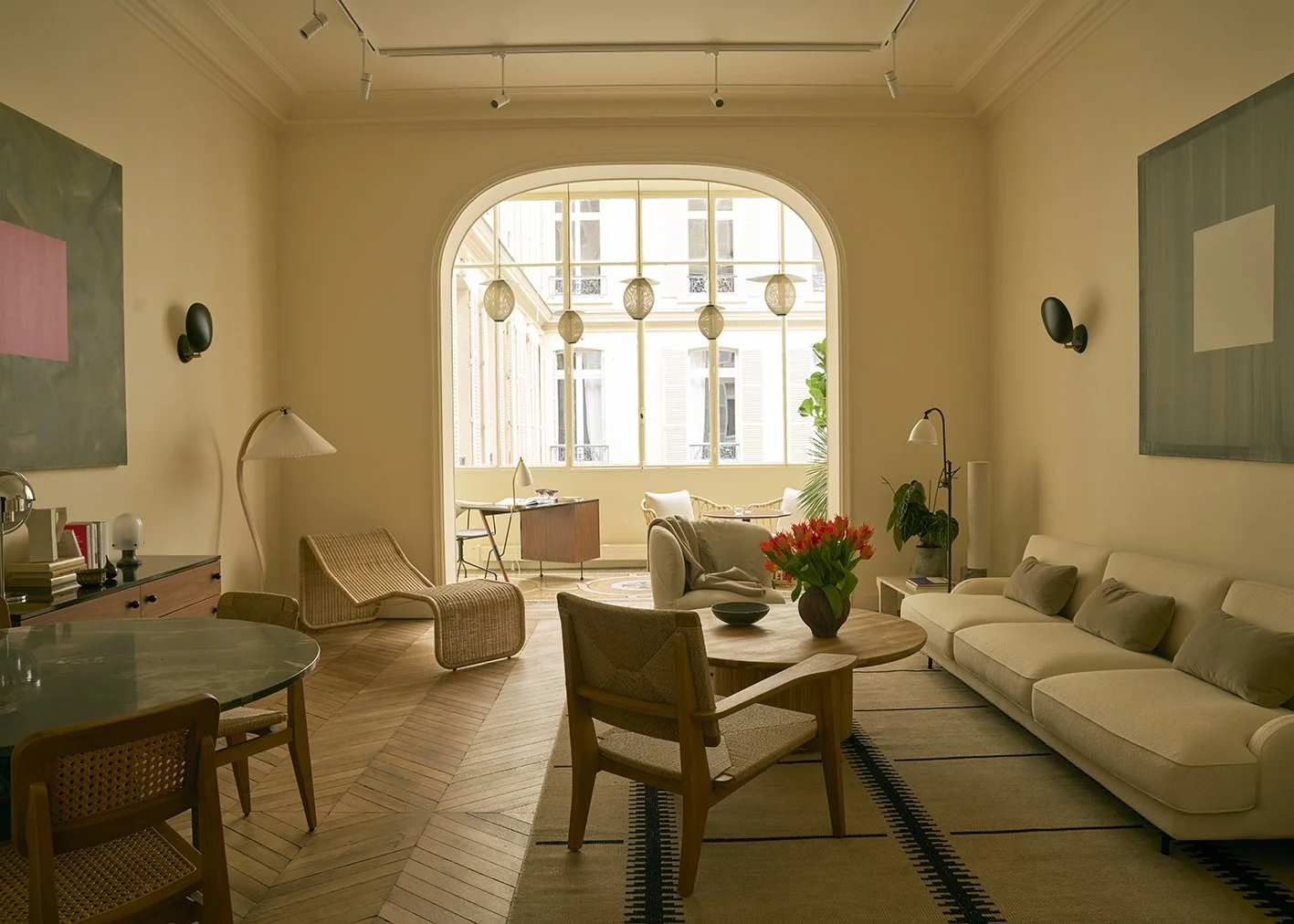
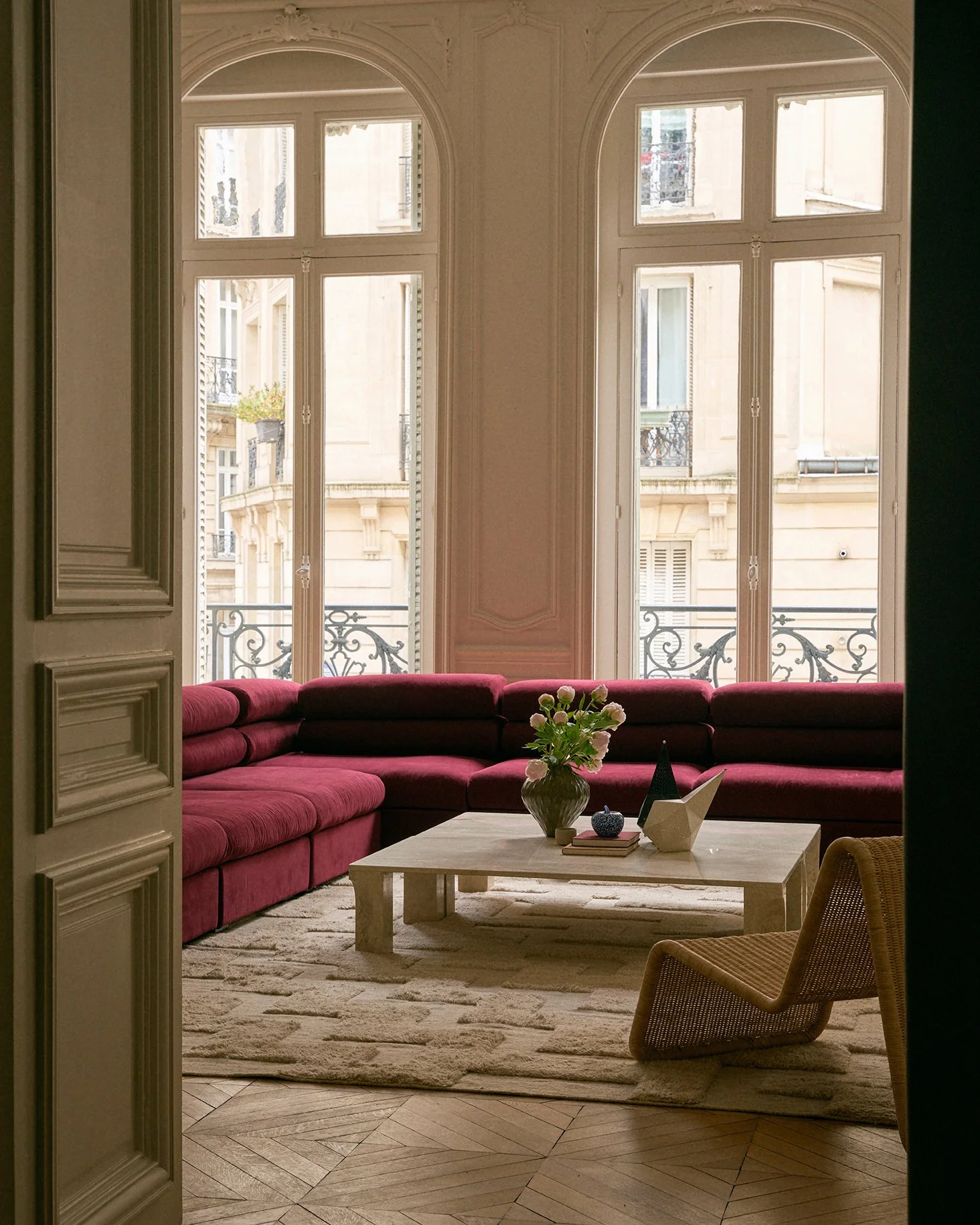
Set within a historic apartment at 81 Rue de Monceau in the city’s elegant 8th arrondissement, GUBI House Paris is less a retail destination and more a study in how design can inhabit architecture with sensitivity, confidence and warmth. Open by appointment only. The space is a lived environment where contemporary furniture sits naturally within a grand Parisian setting. It is a place where the lines between showroom, residence and gallery begin to dissolve.
This is not simply about displaying chairs, tables or lighting. It is about creating atmosphere. It is about understanding how furniture behaves when placed in relation to natural daylight, historic proportions, tactile surfaces and the rhythm of domestic life. GUBI House Paris tells a richer story than product alone: it explores how design feels when truly lived with.
A Home, Not a Showroom
The strongest design statement at GUBI House Paris may be its refusal to feel commercial. Rather than presenting objects in isolation, the apartment invites visitors to experience interiors as complete compositions. Rooms unfold as they would in a private residence, each one layered with materials, artwork, lighting and moments of pause.
This approach reflects a growing desire within luxury and contemporary design: authenticity over display. Increasingly, brands understand that people want to imagine how they might live, entertain, relax and gather. GUBI answers that desire by offering rooms that feel complete yet never over-styled.
The architecture itself plays an essential role. Parisian apartments possess an innate generosity, soaring ceilings, classical detailing, elegant proportions, and GUBI has wisely allowed these qualities to lead. Rather than compete with the building's shell, the interiors respond to it, allowing old and new to exist in thoughtful conversation.
Colour, Surface and the Quiet Power of Atmosphere
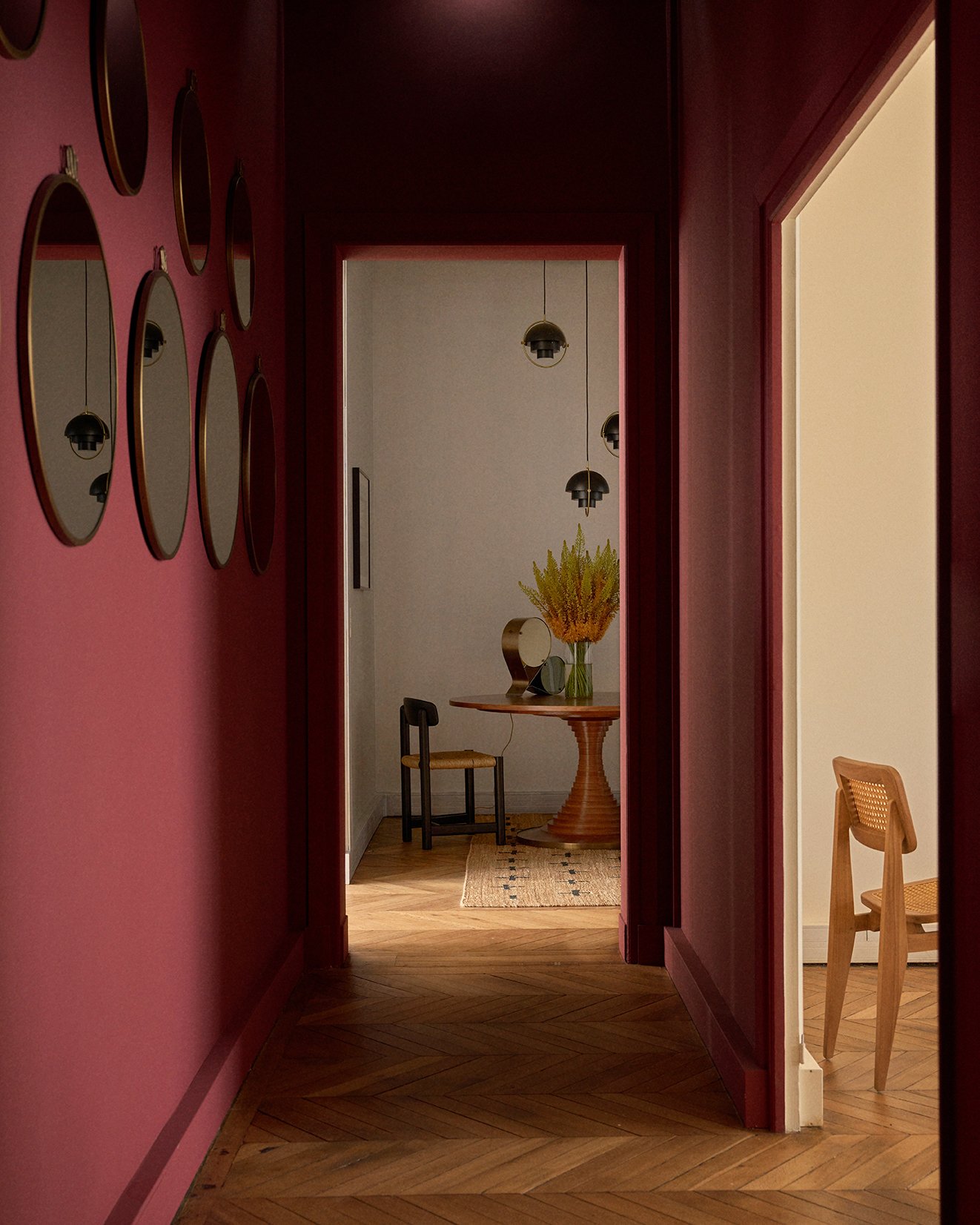
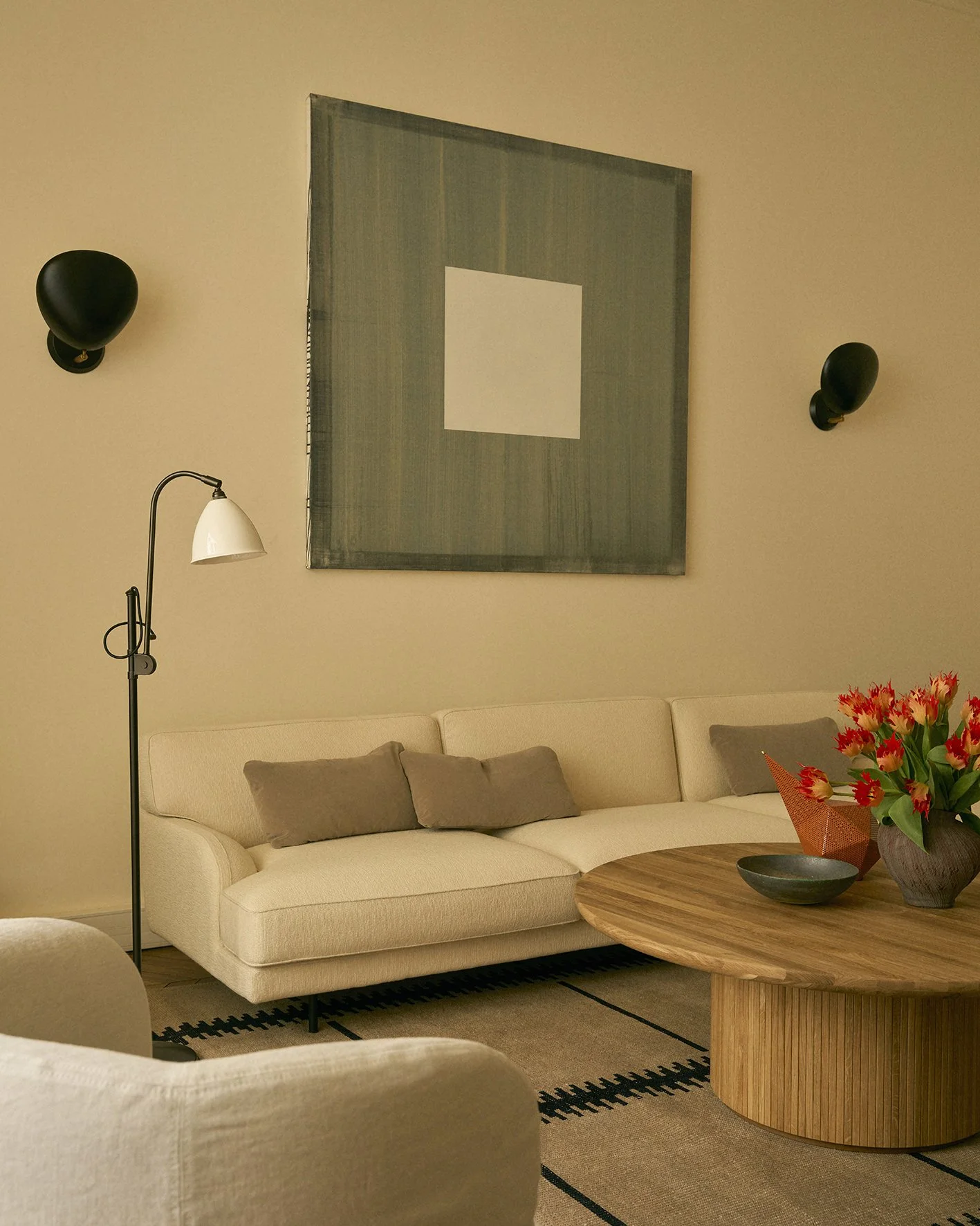
Much of the apartment’s emotional tone comes through the work of Copenhagen-based File Under Pop, whose considered use of paint, clay and lava-stone tiles shapes the home’s palette. Their contribution is not loud or theatrical. Instead, colour moves subtly through the apartment, shifting between soft neutrals and deeper, richer tones that respond to daylight and architectural detail.
This restraint matters. In heritage interiors, colour can either flatten a room or reveal it. Here, it does the latter. Walls become softer, cornices sharper, textures more visible. Surfaces feel grounded yet contemporary, giving the furniture space to breathe.
The result is an atmosphere that feels deeply Parisian in spirit: elegant, layered and never trying too hard.
Art as Part of Daily Life
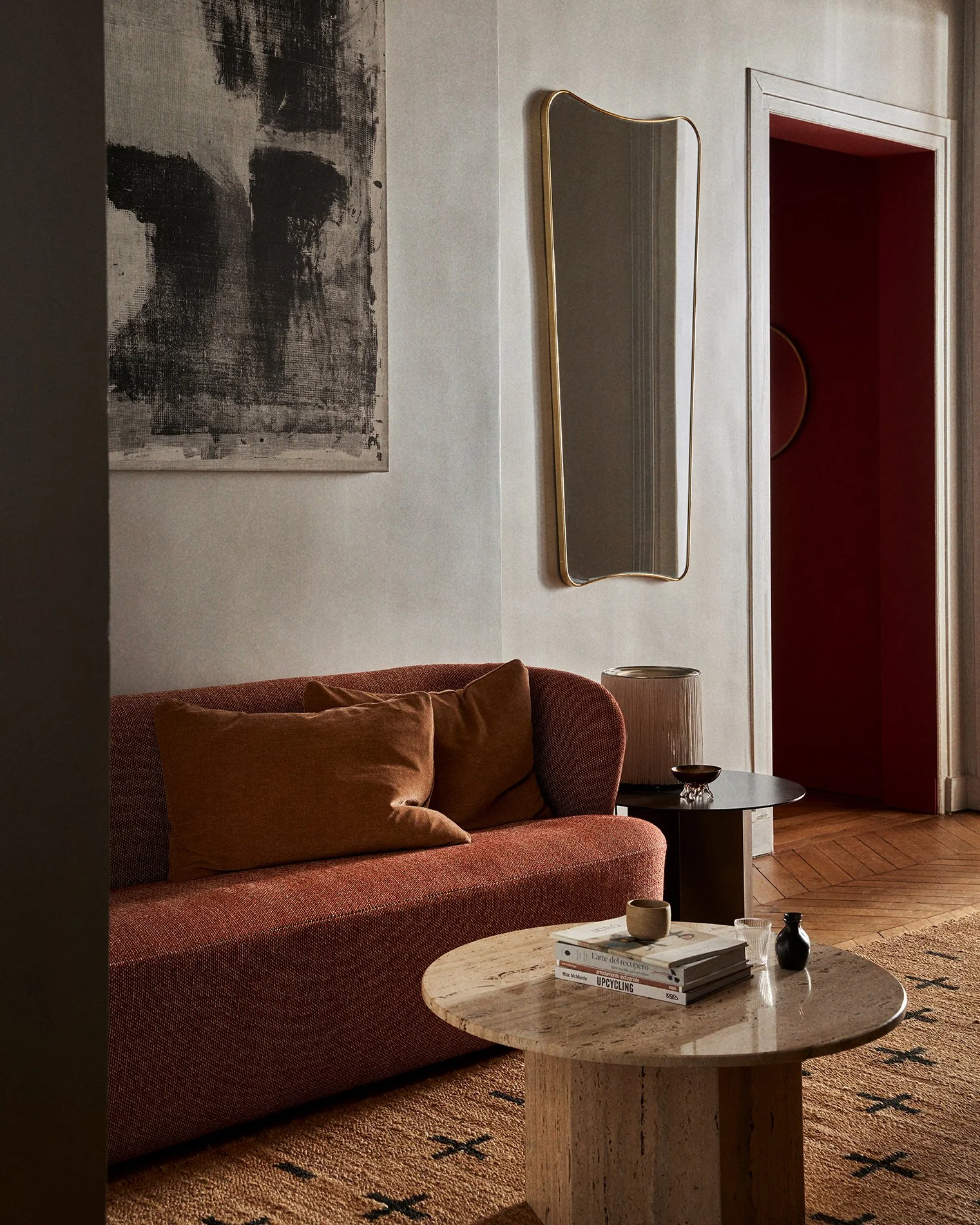
No great Paris apartment would feel complete without art, and GUBI House Paris embraces this truth through a collaboration with Galerie Allen. Contemporary works are placed throughout the rooms, introducing contrast, reflection and moments of surprise. Photography, painting, print, and glass coexist with furniture and architecture, creating visual punctuation throughout the home.
What is compelling here is the absence of hierarchy. The artworks are not treated as museum pieces placed above everyday life. Instead, they are integrated into the domestic setting, reinforcing the idea that contemporary culture belongs within the home. A sideboard becomes more expressive beside a painting. A corridor gains drama through a framed photograph. A room acquires narrative through juxtaposition.
This is where GUBI House Paris succeeds most strongly: it understands that interiors are never made by furniture alone.
Light as an Invisible Luxury
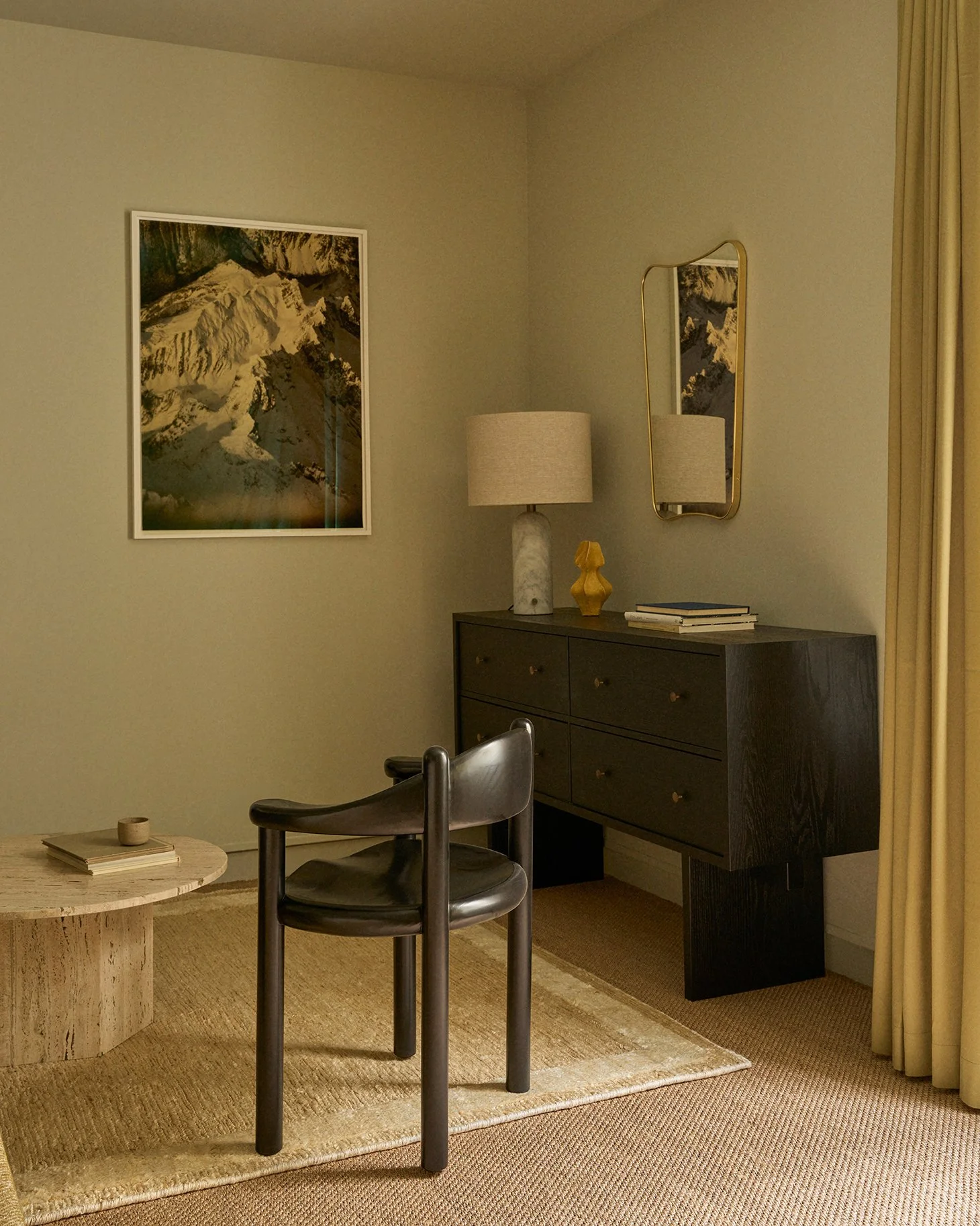
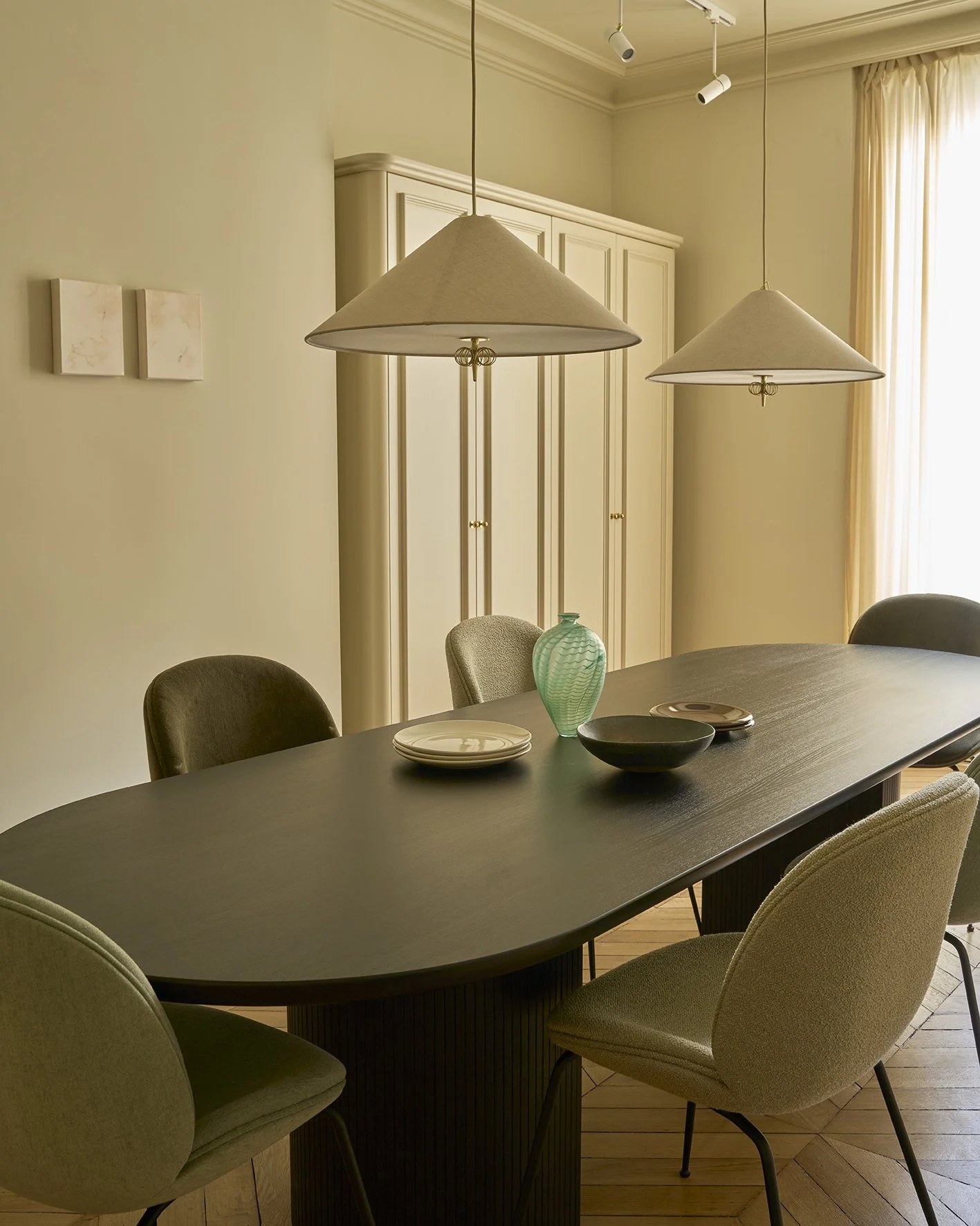
Good lighting is often the least noticed element of a successful interior because it works quietly in the background. At GUBI House Paris, Danish brand ONE A provides the technical framework behind the apartment’s lighting concept, using discreet architectural solutions that enhance rather than dominate the rooms.
The effect is subtle but transformative. Daylight is honoured rather than overwhelmed, while evening illumination adds calmness and intimacy. Furniture silhouettes sharpen, textures deepen, and circulation feels intuitive. In a city where light has inspired generations of painters, this sensitivity feels particularly appropriate.
Luxury today is rarely about excess. More often, it is about invisible precision; the perfect level of light, the right tone on a wall, the correct proportion of a handle. GUBI House Paris understands this language fluently.
The Kitchen as a Social Centre
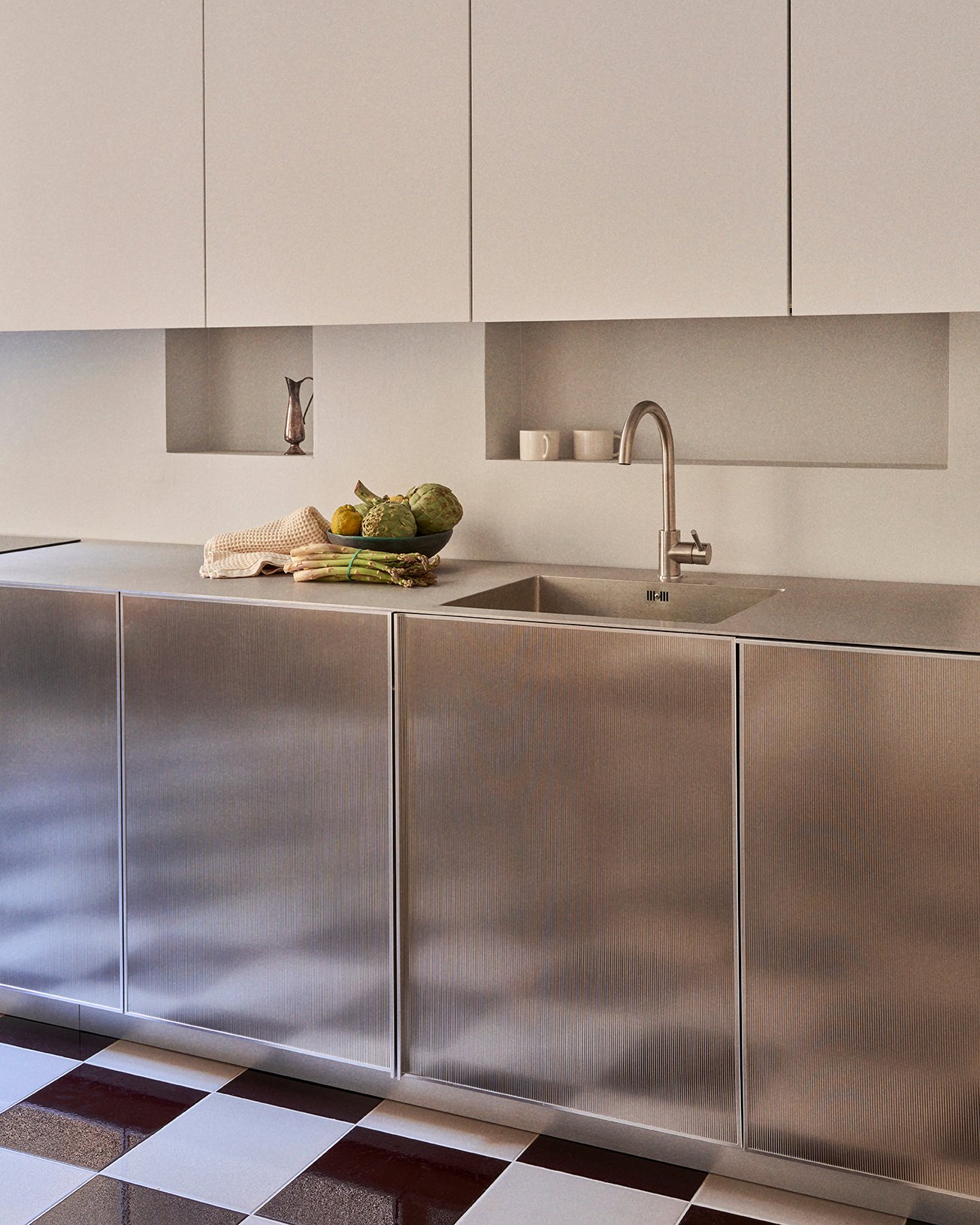
Among the apartment’s most contemporary moments is the REFLECT kitchen by Reform, designed in collaboration with Jean Nouvel. Crafted in stainless steel, it introduces a sharper, more architectural energy to the historic setting. Reflective surfaces catch movement and light, while crisp detailing creates a sculptural presence.
Yet it is not cold. Instead, the kitchen feels purposeful and social; a room designed not only for cooking, but for gathering. This balance between functionality and atmosphere is central to modern living, where kitchens have become the emotional centre of the home.
Placed within a classical Parisian apartment, the contrast feels intelligent rather than forced. Heritage and modernity sharpen one another.
Tactility in the Final Layer
No interior is complete without softness, and GUBI House Paris introduces warmth through the rugs and curtains of Nordic Knots. Their textiles help define zones, anchor furniture groupings, and soften the acoustics of the larger rooms.
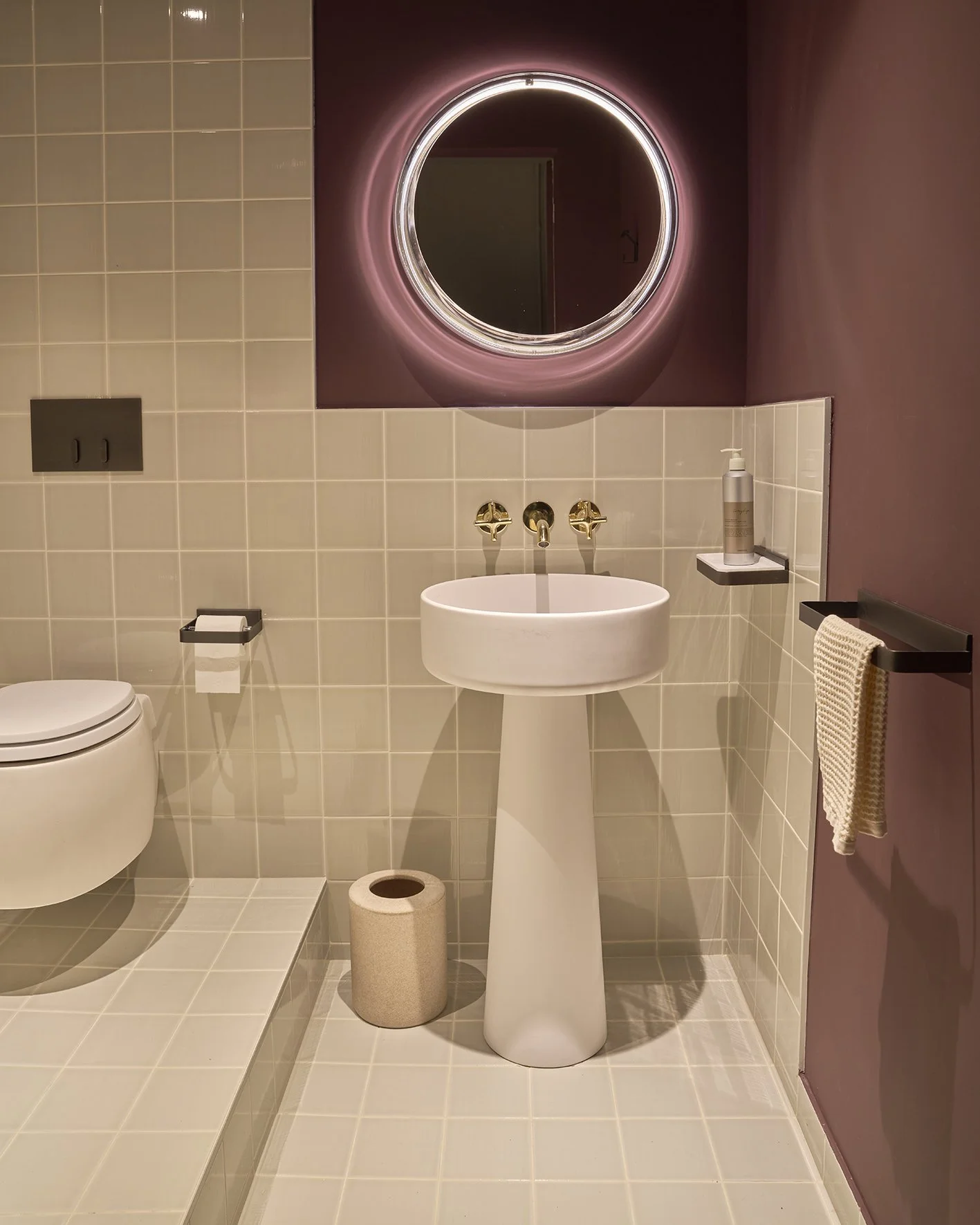
Likewise, in the apartment’s more private spaces, Agape contributes bathroom fixtures and sinks that bring material integrity and calm refinement. These are the details visitors may notice last, yet they are often what remains in memory.
Because true luxury is cumulative. It lives in the handle you touch, the curtain that falls perfectly, the silence of a softly lit bathroom.
A New Model for Design Experience
GUBI House Paris reflects a wider shift in how design brands present themselves. Increasingly, the most successful spaces do not feel transactional. They feel residential, immersive and emotionally intelligent. They allow visitors to imagine themselves within them.
For Paris, this approach feels especially resonant. This is a city that has always celebrated the art of living well, not extravagantly, but beautifully. GUBI House Paris enters that tradition with confidence.
More than a showroom, it is a portrait of contemporary domestic life set within one of Europe’s most enduring architectural languages. A place where furniture is only the beginning, and where design becomes something richer: atmosphere, memory and possibility.
