
Top 10 Installations to See at Milan Design Week 2026
A curated guide to the most immersive spatial works defining this year’s Salone del Mobile and Fuorisalone
Milan Design Week 2026 continues to move away from traditional exhibition formats, evolving into a city-wide sequence of immersive spatial experiences. Across Salone del Mobile and Fuorisalone, the focus is no longer only on objects or collections, but on environments that are constructed, staged, and often temporary.
This year is defined by a clear shift towards installation-led design, where hospitality, scenography, and material storytelling converge. Hotels become narrative spaces, courtyards become architectural interventions, and historic palazzi become immersive worlds that blur the line between exhibition and experience.
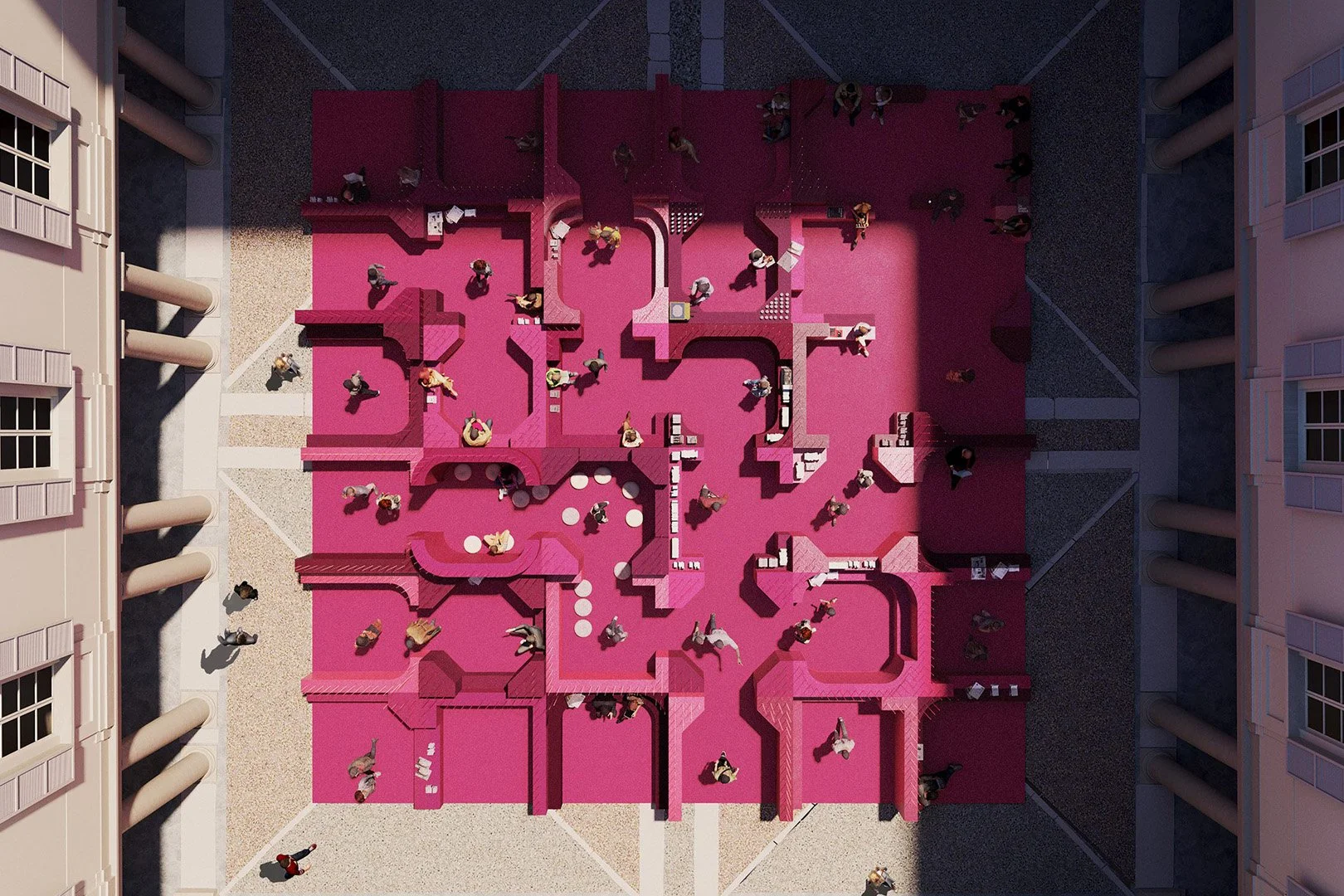
Lina Ghotmeh – “Metamorphosis in Motion” (Palazzo Litta)
Rather than presenting design as a static display, Milan increasingly frames it as something to be entered and inhabited. Light, texture, sound, and material are used not as decoration, but as structural elements of atmosphere and meaning.
This guide brings together ten of the most visually compelling installations across the city; works that define the language of this year’s Design Week and reflect a broader shift in how design is experienced, communicated, and understood.
Nilufar Depot – “Grand Hotel”
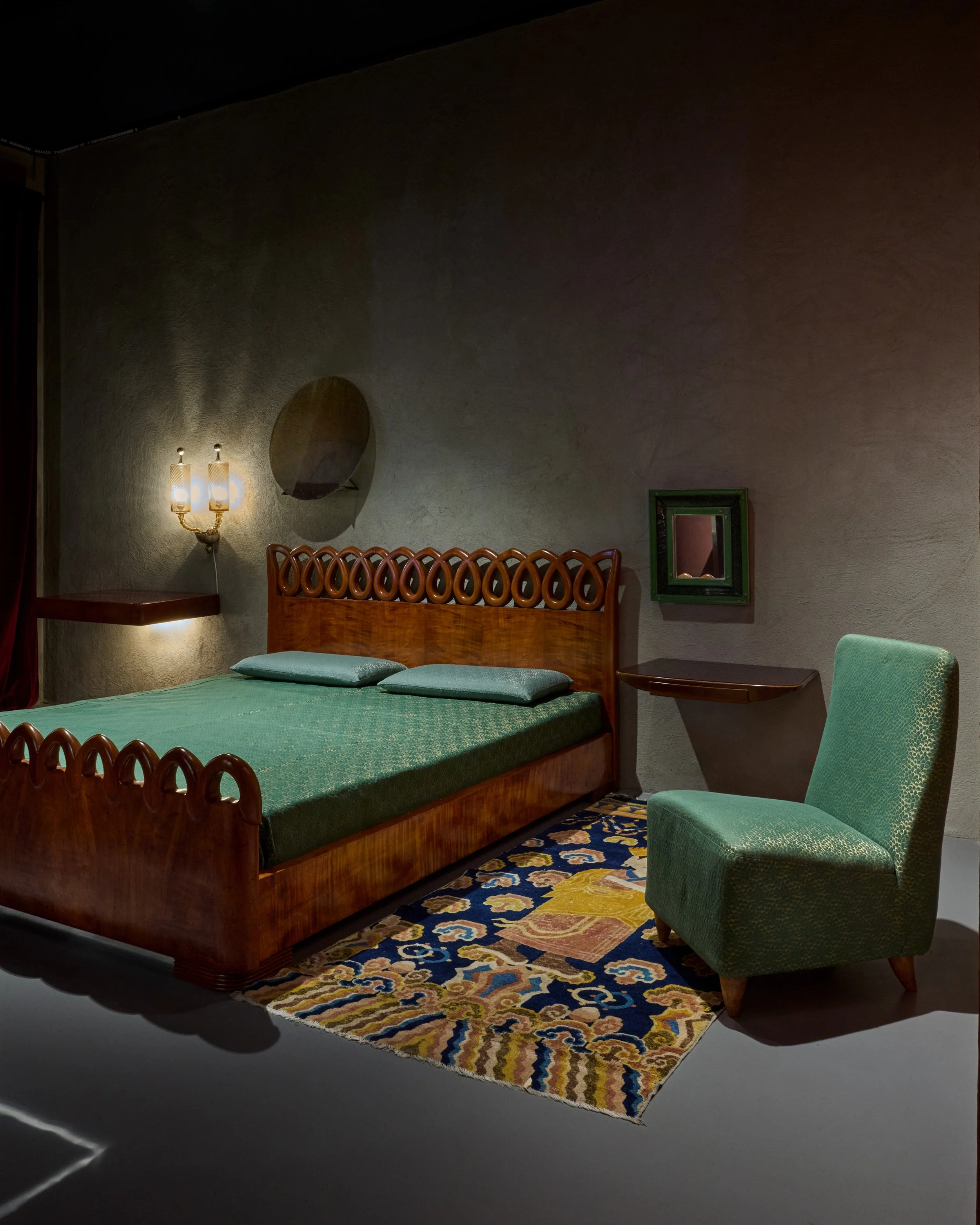
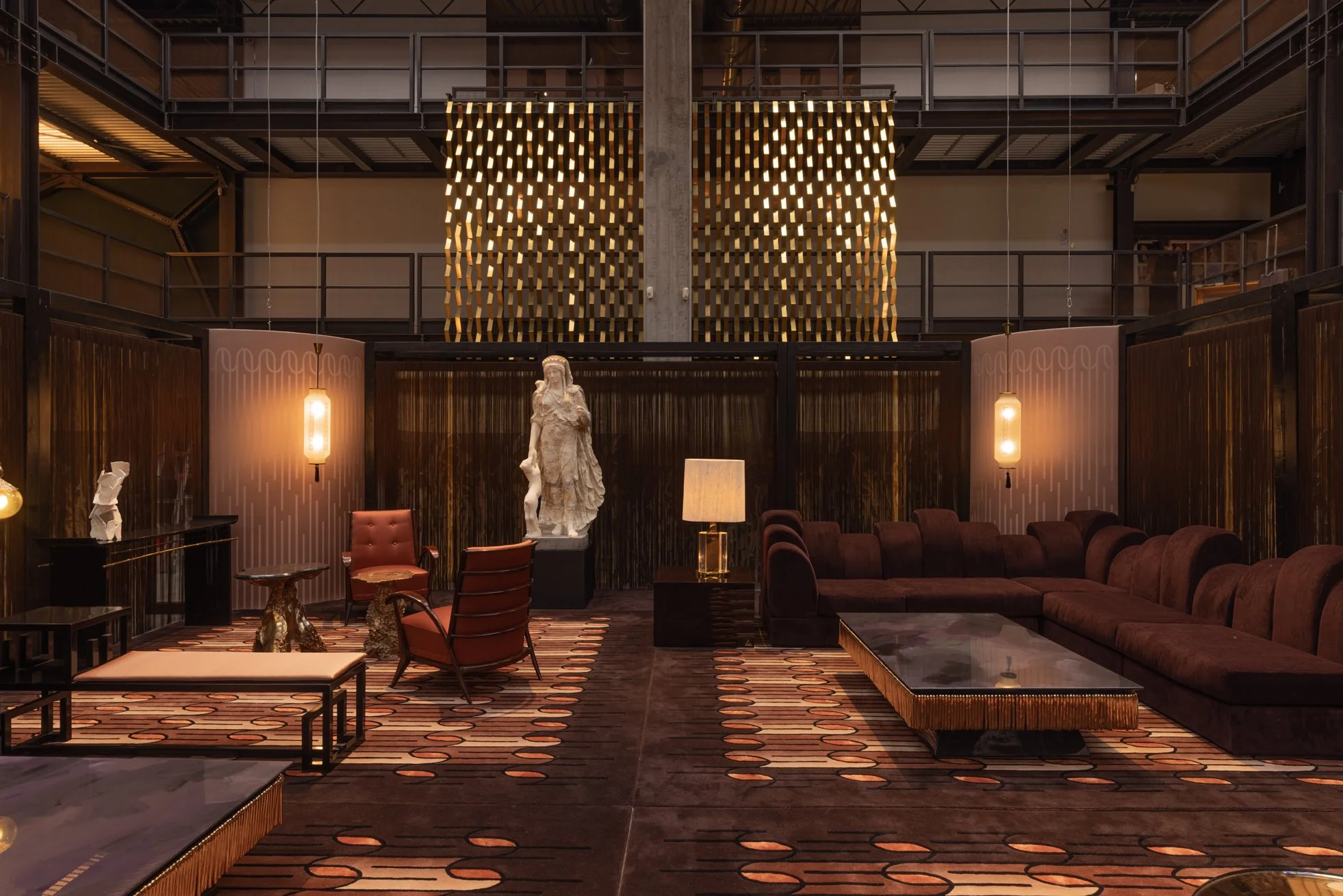
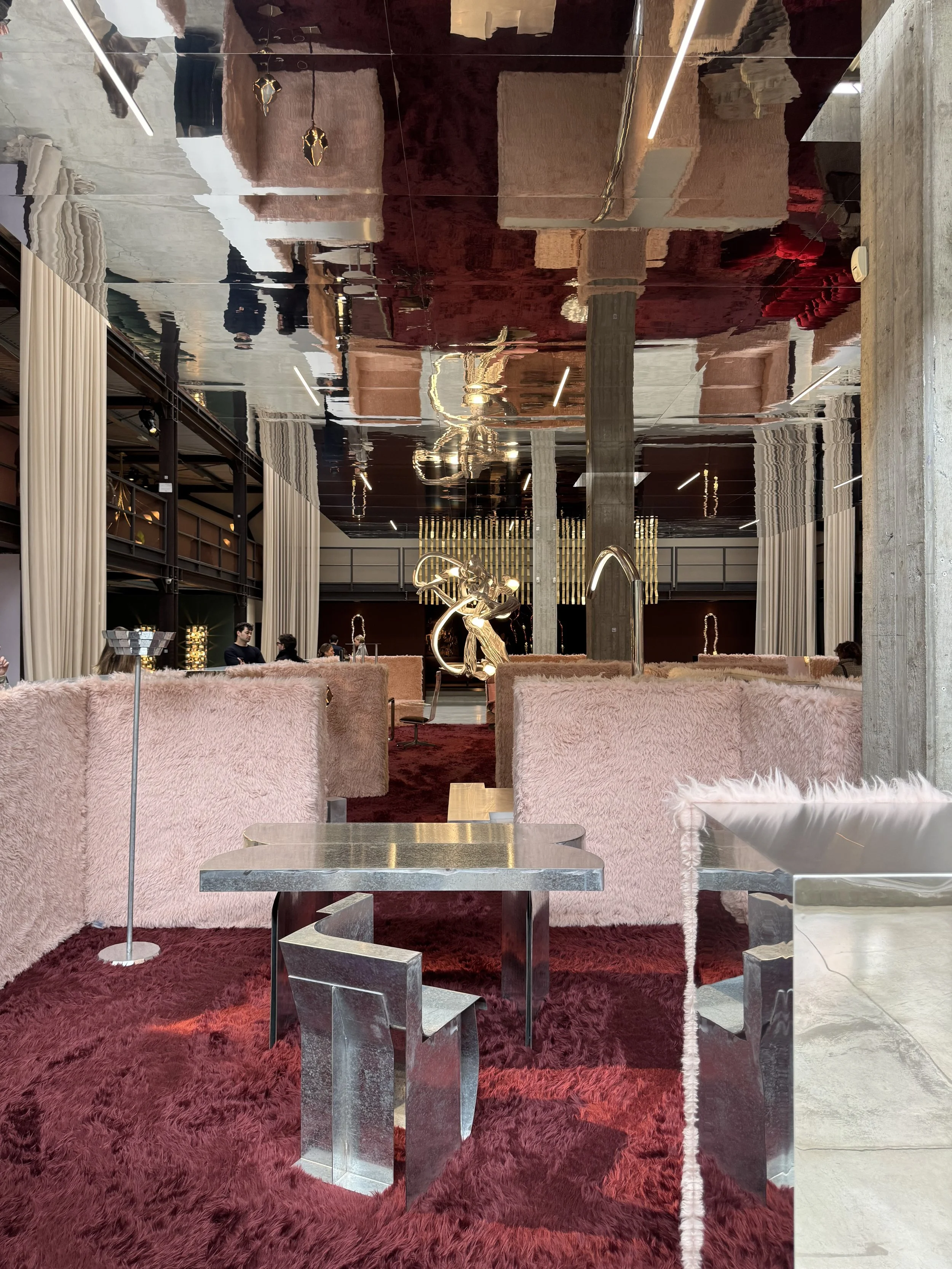
Nilufar Depot’s Grand Hotel transforms the gallery’s industrial-scale space into a fully immersive fictional environment, continuing its exploration of collectable design as scenographic experience. Rather than presenting objects in conventional display formats, the installation reimagines the entire depot as a sequence of hotel interiors, where each space is conceived as a distinct narrative chapter. The architecture of the venue becomes a framework for storytelling, with design pieces positioned not as isolated works, but as integral components of constructed atmospheres.
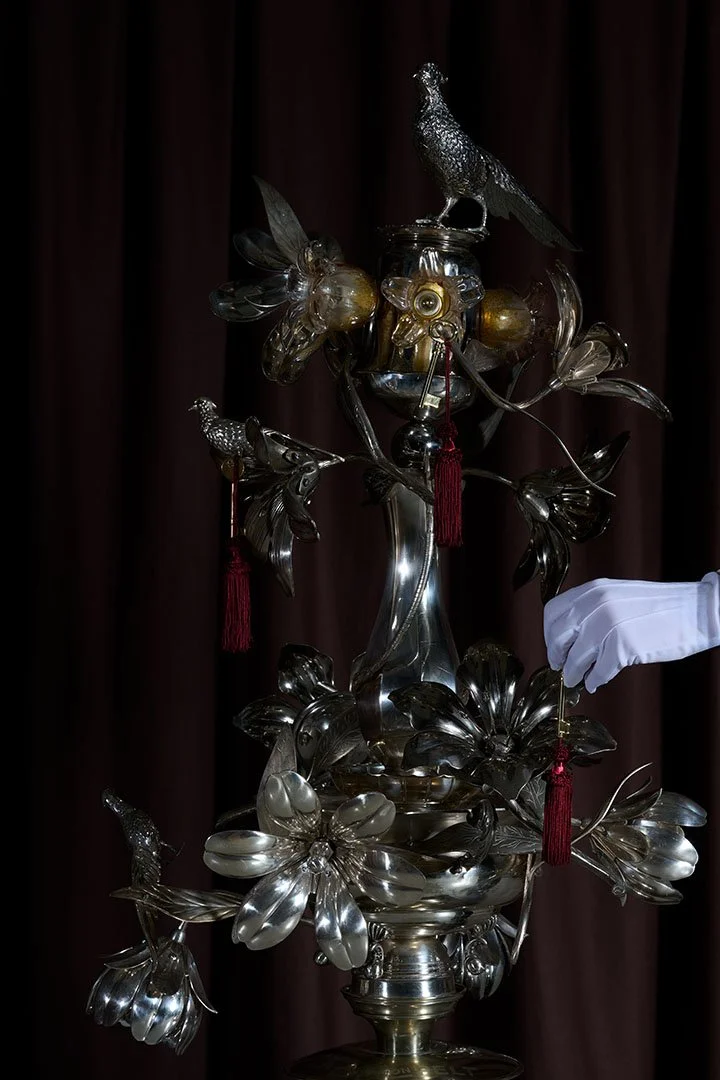
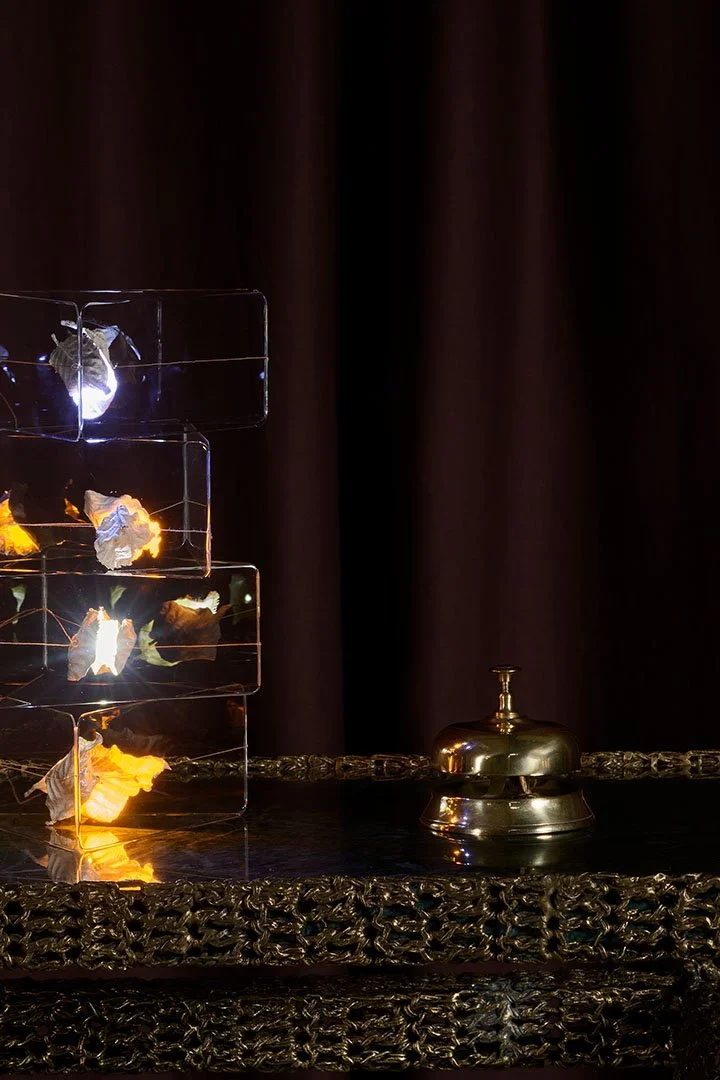
The concept unfolds through a progression of rooms, each defined by its own material palette, lighting language, and emotional register. Some spaces are intimate and restrained, evoking the quiet geometry of private suites, while others are more theatrical, layered with colour, texture, and reflective surfaces. Movement through the installation feels deliberately paced, echoing the experience of transitioning between different areas of a grand hotel, where each threshold introduces a shift in mood and spatial perception. In this way, the visitor is not simply observing design, but moving through a curated sequence of inhabited scenes.
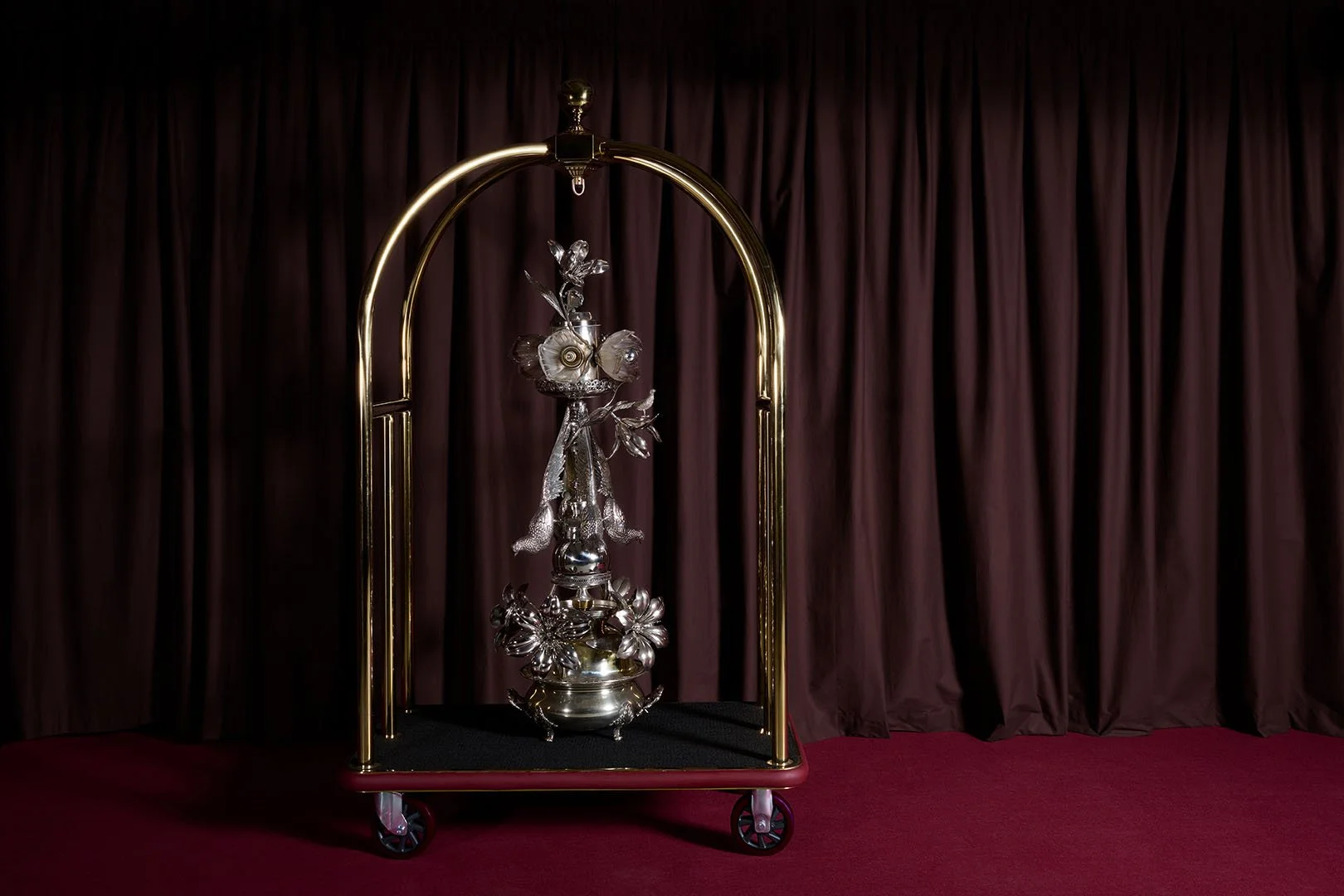
Photography: Filippo Pincolini courtesy of Nilufar Depot
At its core, Grand Hotel reinforces Nilufar’s ongoing interest in design as narrative construction. The installation dissolves the boundary between exhibition and environment, positioning collectable pieces within a broader architectural fiction that prioritises atmosphere over object autonomy. It reflects a wider shift across Milan Design Week towards immersive hospitality-led storytelling, where interiors are no longer static compositions, but evolving spatial narratives designed to be entered, experienced, and remembered.
Lina Ghotmeh – “Metamorphosis in Motion” (Palazzo Litta)
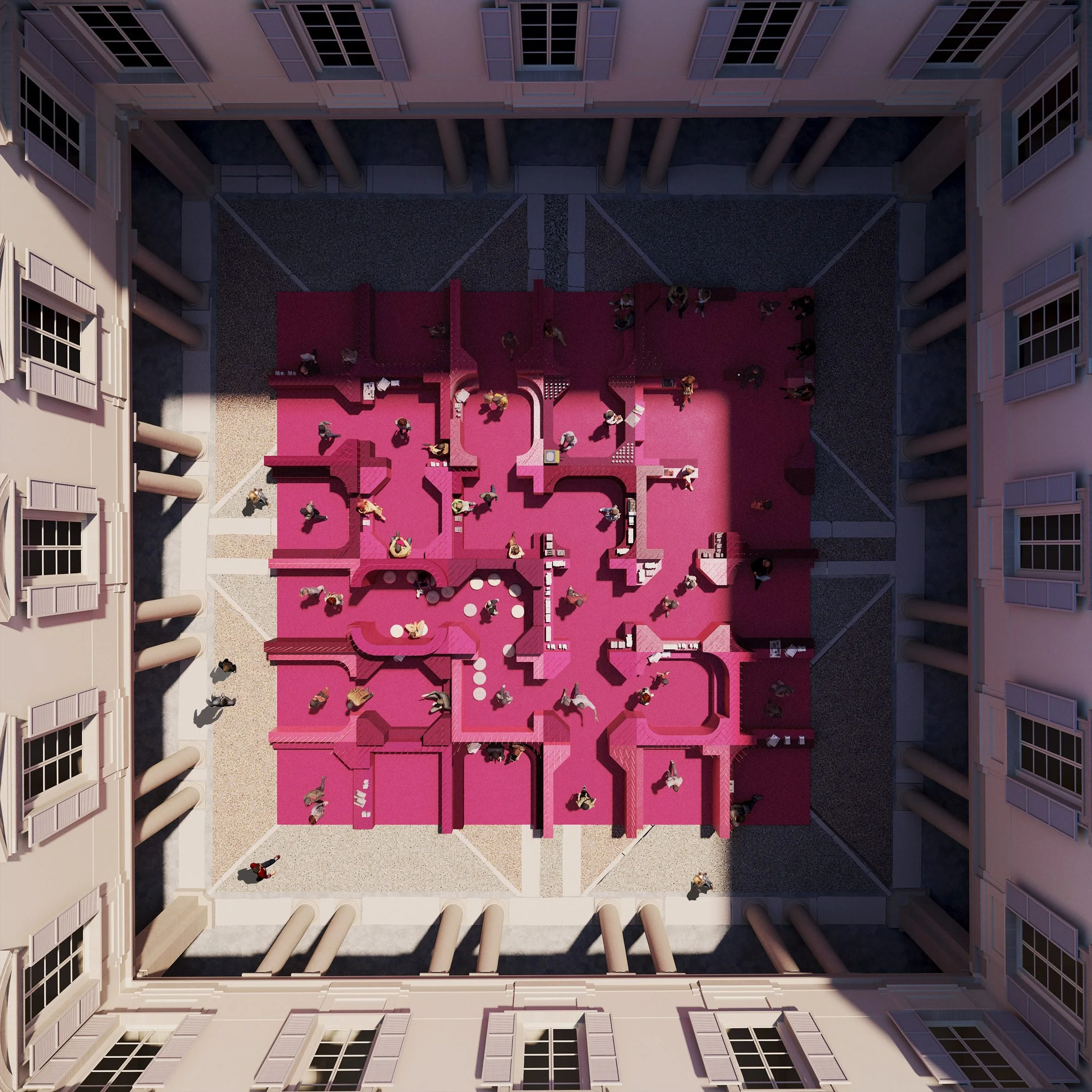
Lina Ghotmeh’s Metamorphosis in Motion is installed within the courtyard of Palazzo Litta, one of Milan’s most architecturally resonant historic buildings. Rather than imposing itself onto the site, the installation operates as a carefully calibrated intervention within the existing Baroque framework, creating a dialogue between contemporary spatial thinking and layered historical context. The courtyard becomes both container and catalyst, where movement, perception, and architectural memory are brought into subtle tension.
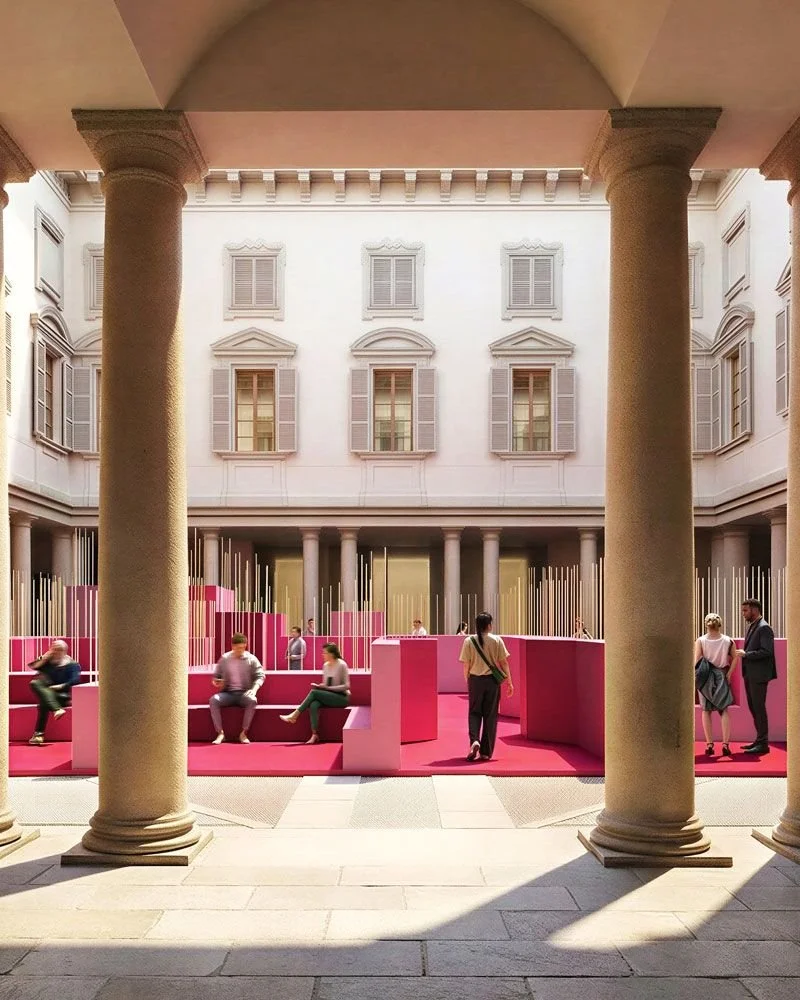
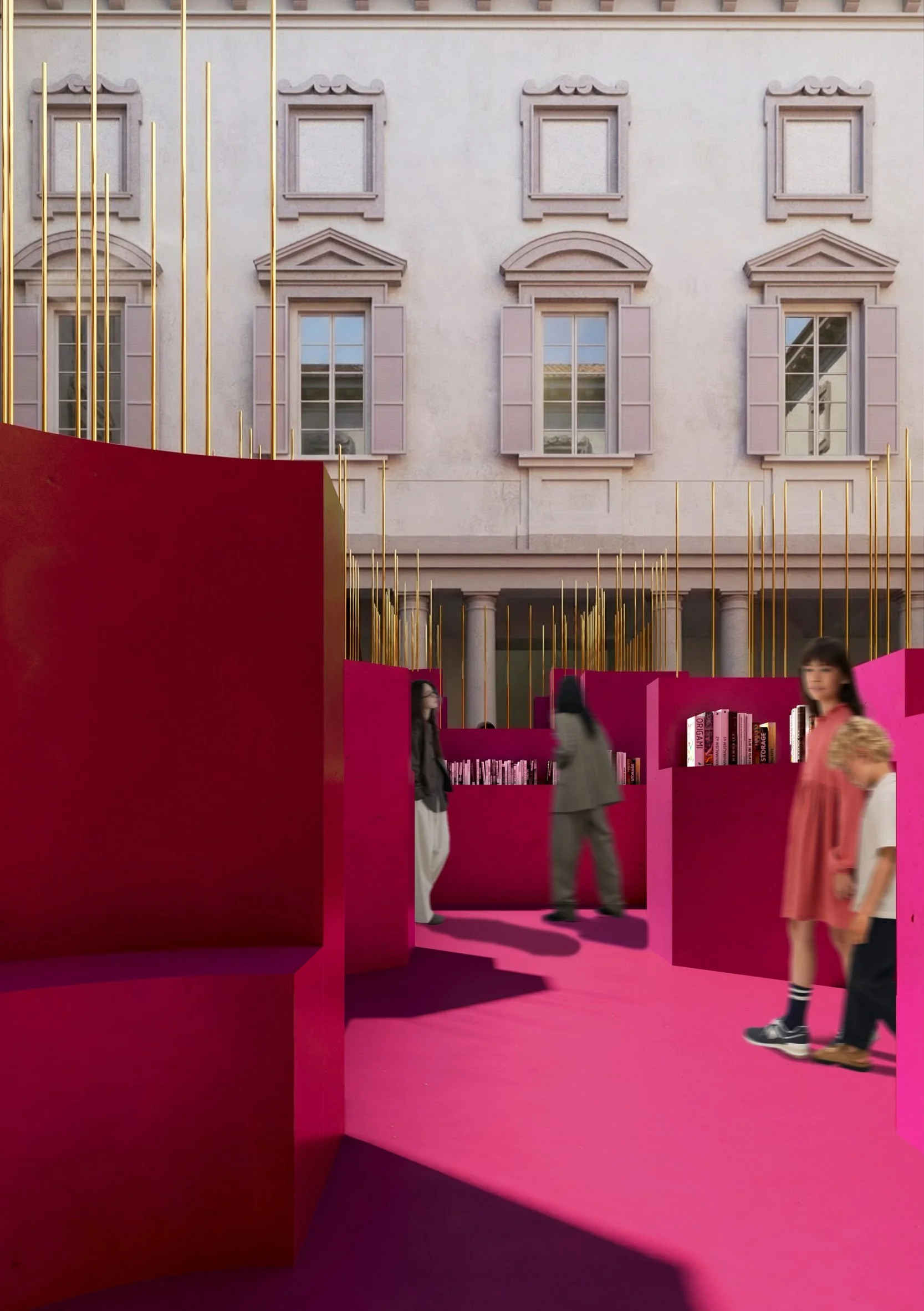
At the centre of the installation is a continuous spatial structure that reinterprets the idea of the labyrinth not as enclosure, but as progression. Visitors are guided through a sequence of shifting thresholds and framed perspectives, where circulation becomes a way of reading space rather than simply moving through it. Light is filtered and redirected through the structure, altering the perception of scale and materiality as one moves deeper into the installation. Rather than presenting a fixed composition, the work unfolds as a series of gradual transformations; each moment recalibrating the relationship between body and architecture.
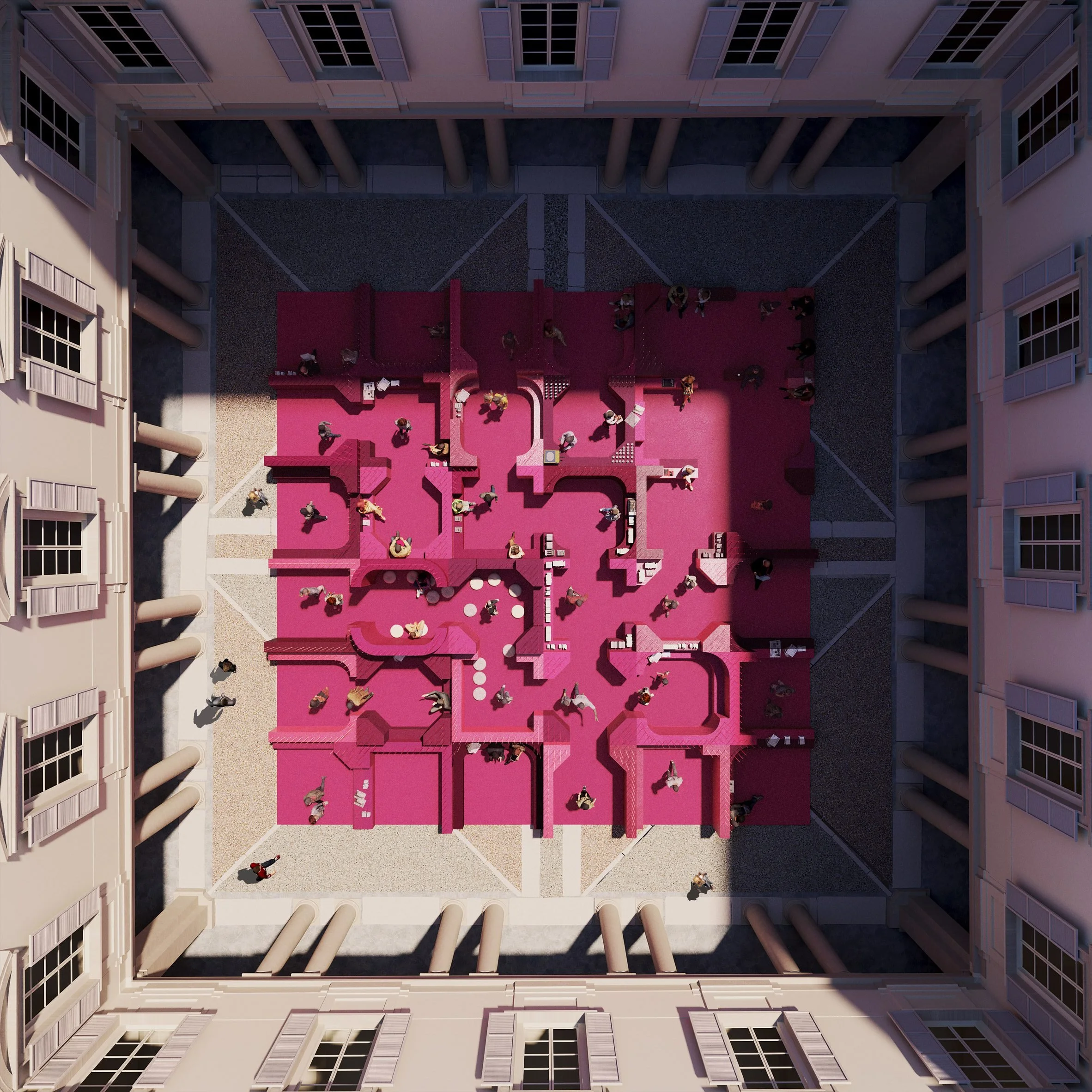
Images: Lina Ghotmeh
What emerges is an environment defined by transition rather than resolution. Metamorphosis in Motion resists the idea of a singular viewpoint, instead privileging ambiguity, pause, and reinterpretation. In the context of Milan Design Week, where spectacle often dominates, Ghotmeh’s intervention feels deliberately restrained, almost contemplative. It is an installation that slows the tempo of the city, offering a spatial experience shaped not by accumulation, but by refinement, restraint, and continuous re-reading of place.
6:AM – “Over and over and over and over” (Piscina Romano)
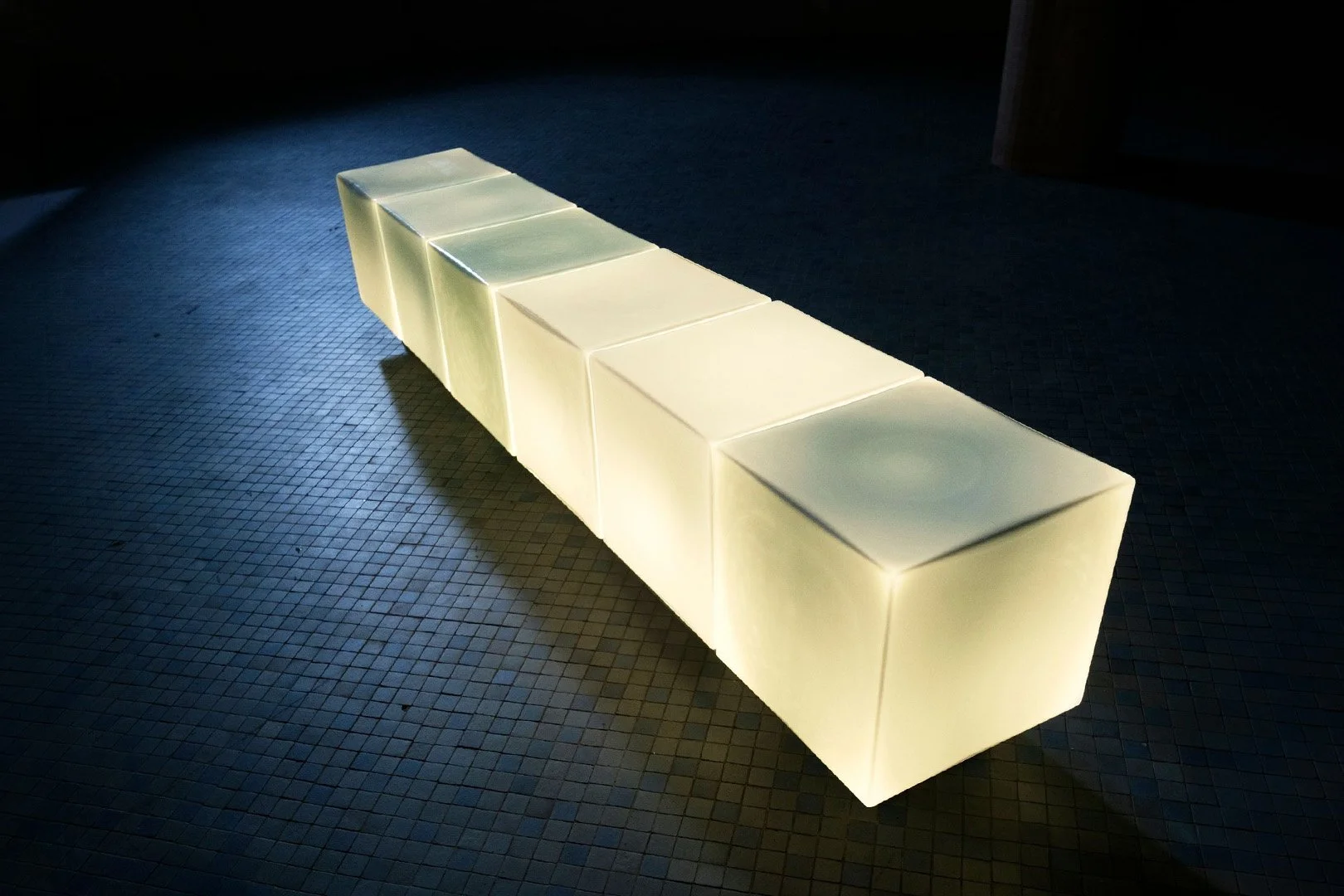
6:AM presents OVER AND OVER AND OVER AND OVER within the historic Piscina Romano, a public swimming complex inaugurated in 1929 and designed by engineer-architect Luigi Lorenzo Secchi. Set within a wider architectural context that includes works by Gio Ponti and Vittoriano Viganò, the site was originally conceived as part of a progressive vision for accessible, neighbourhood-scale civic infrastructure. Today, this once-functional public space becomes the backdrop for an immersive installation where glass, architecture, and exhibition design are placed in continuous dialogue. Elements drawn from both new and existing 6:AM collections are distributed throughout the venue, dissolving the boundary between display and environment.
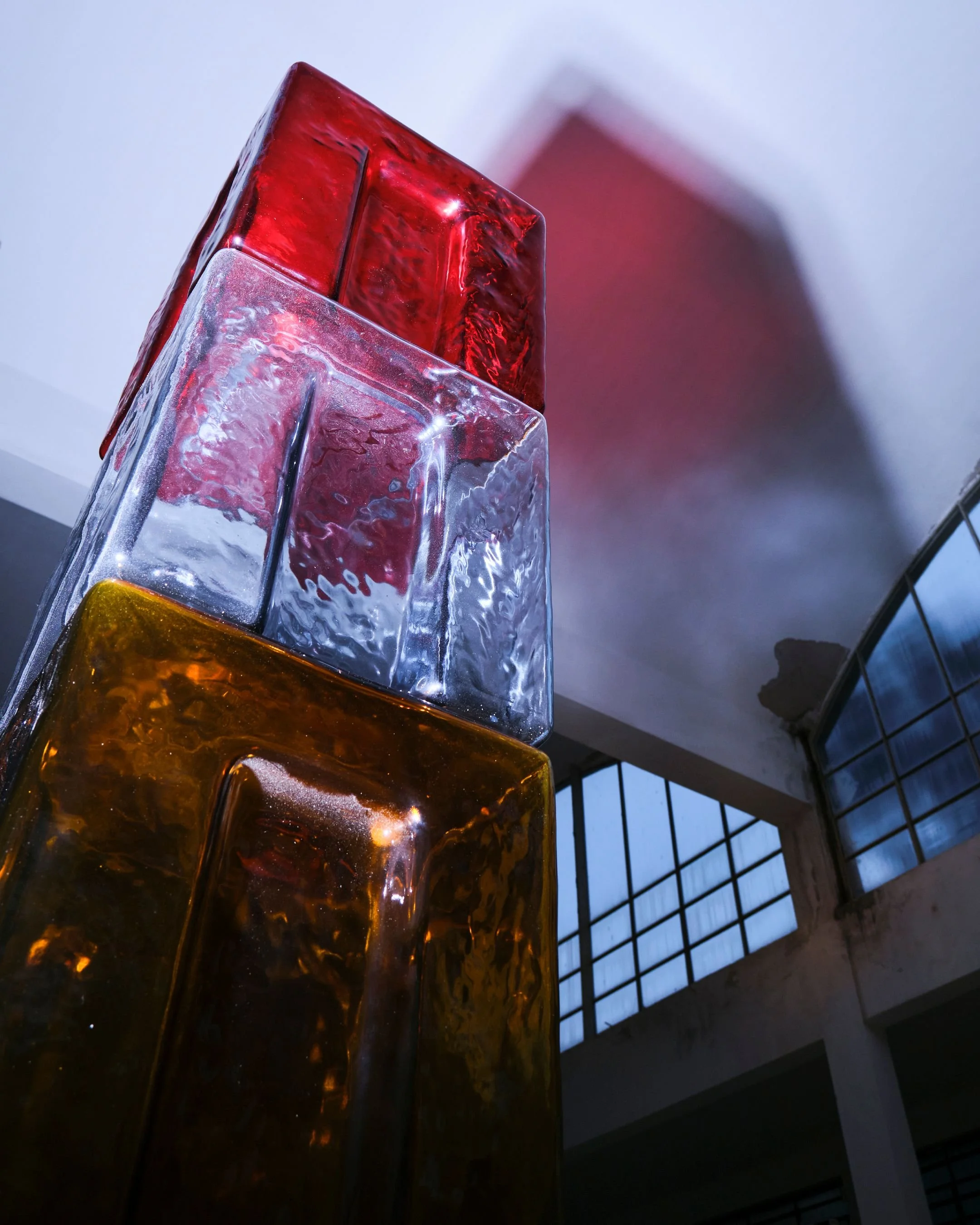
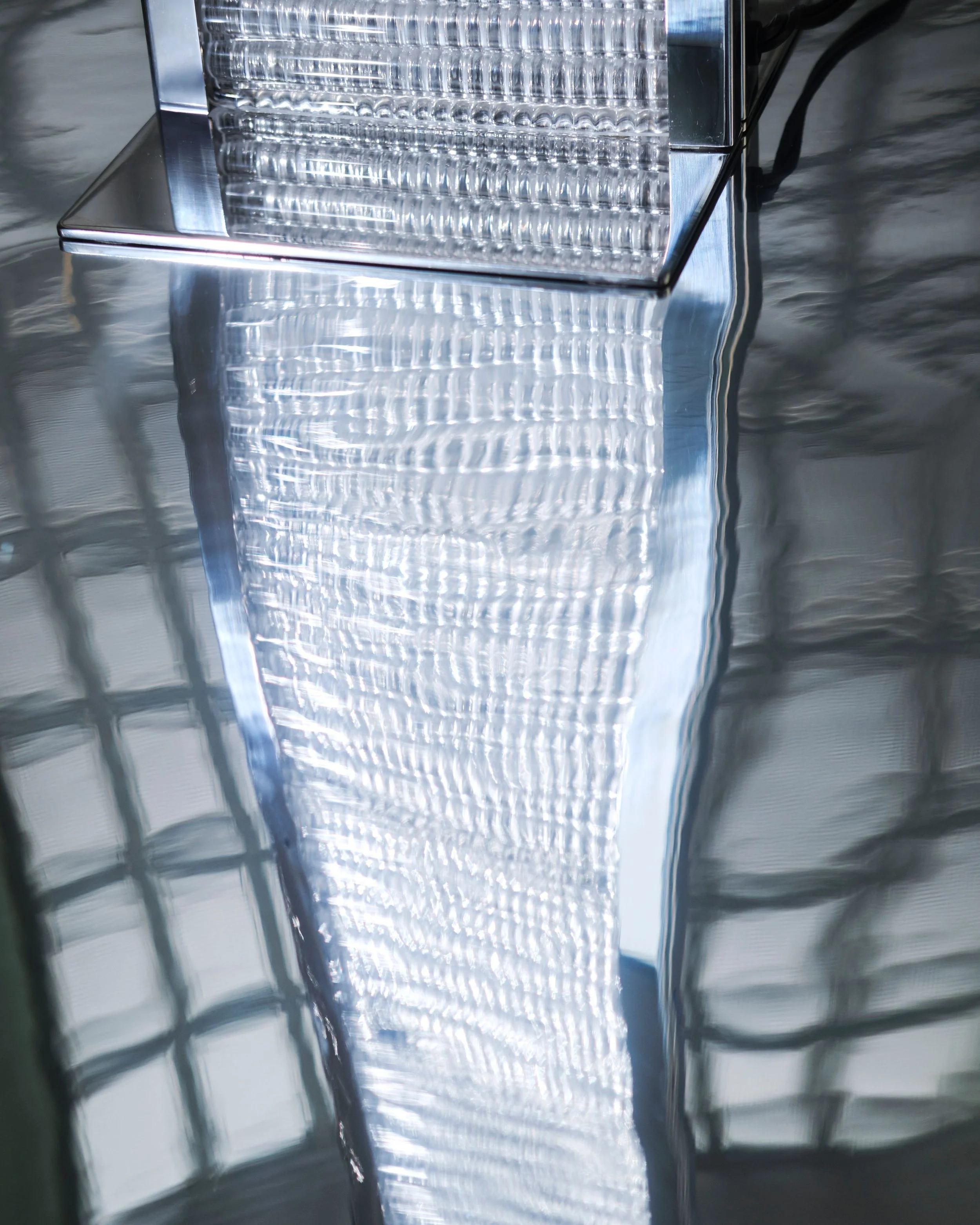
At the core of the installation is a reflection on repetition as a generative force. Across craft, design, and everyday making, repetition is rarely identical; it is a process of gradual variation, refinement, and accumulation. Within Piscina Romano, this idea is translated into spatial form: individual components and modules are multiplied and extended until they begin to read less as discrete objects and more as architectural systems. Lamps become sequences of light, glass elements form layered partitions, and familiar objects shift scale and rhythm, evolving from singular pieces into constructed environments. The result is a space where making is visible not as a final gesture, but as a process unfolding across the architecture itself.
Photography: 6am.glass
Alongside the main installation, the exhibition introduces a series of new works, including Batch, blown glass cubes originally developed for the Bottega Veneta Summer 2026 runway set, as well as new limited-edition iterations of the Paysage and Lina collections created in collaboration with Hannes Peer. These are complemented by a looping video work developed with Genera, in which 6:AM objects appear as surreal presences within Piscina Romano, staged inside a small room conceived as a temporary surveillance station. The spatial narrative extends further through Triton, a site-specific sound installation by Invernomuto (Simone Bertuzzi and Simone Trabucchi), which translates ecological data from amphibians in Northern Italy into an evolving sonic composition. Within the exhibition, it creates an immersive acoustic layer that connects Piscina Romano to distant natural systems, suggesting an expanded, non-human way of listening to space.
Sara Ricciardi x American Express – “Serotonin” (Pinacoteca di Brera)
Sara Ricciardi’s Serotonin, developed in collaboration with American Express, is installed in the historic setting of the Pinacoteca di Brera, creating a deliberate tension between an emotionally contemporary design language and one of Milan’s most culturally significant institutions. The installation explores happiness not as an abstract or purely psychological condition, but as something that can be constructed through spatial experience. Within this context, colour, form, and material are treated as instruments for shaping mood, turning the gallery into a carefully orchestrated environment of emotional calibration.
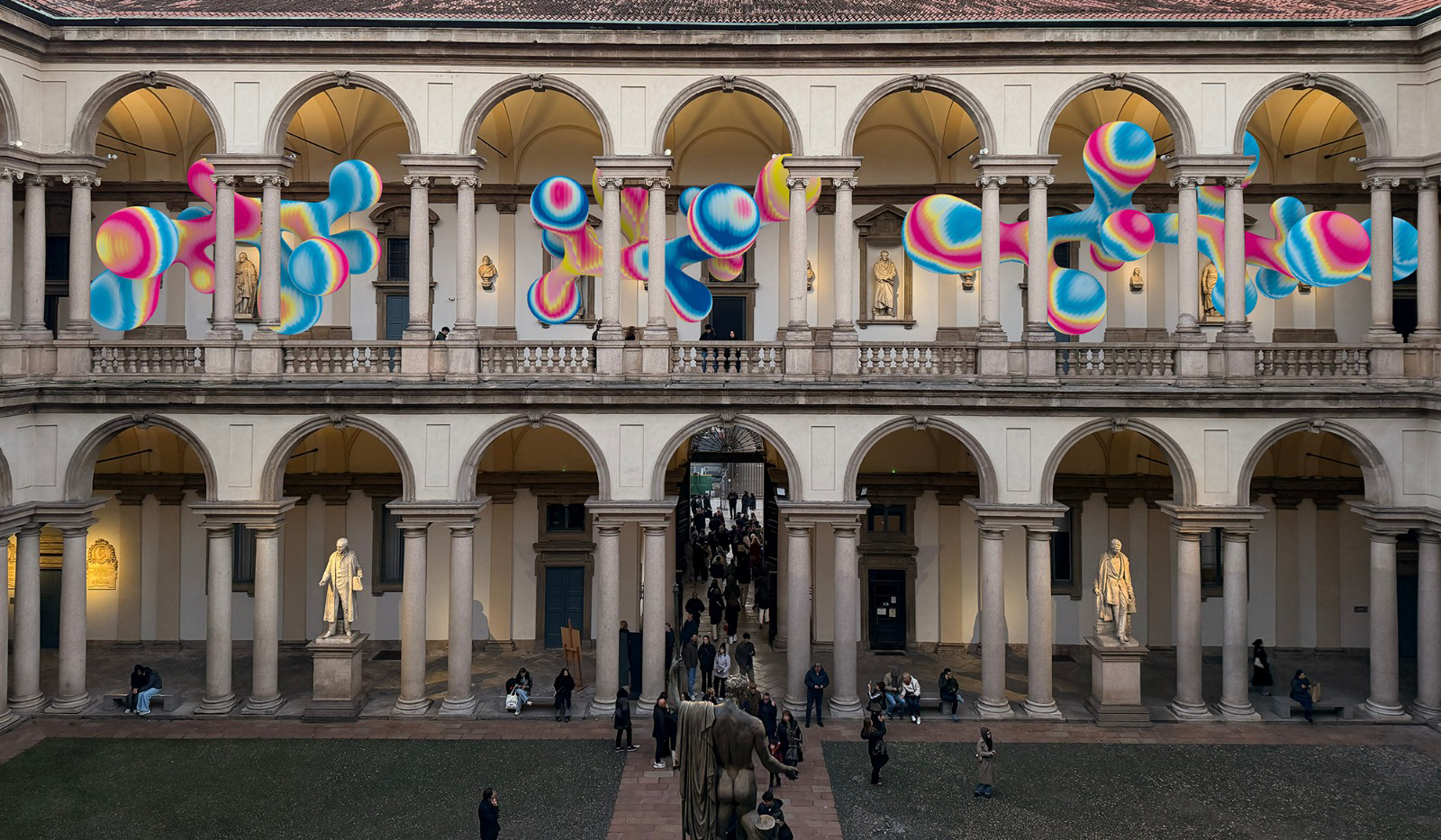
Image: Sara Ricciardi
The installation unfolds as a series of immersive spatial sequences, where sculptural elements and atmospheric interventions guide the visitor through shifting emotional states. Light is used as a compositional tool, altering perception and intensity as one moves through the space, while colour becomes a structural presence rather than a decorative layer. Rather than presenting a single narrative, Serotonin unfolds as a fluid progression of sensations, with each moment contributing to an evolving emotional landscape. Positioned within the Pinacoteca’s historic architecture, the work creates a dialogue between permanence and transience; between the enduring cultural weight of the building and the installation's ephemeral, experiential nature.
L'Appartamento by Artemest (Via Gaetano Donizetti)
For Milan Design Week 2026, Artemest presents the fourth edition of L’Appartamento by Artemest, returning once again to the richly detailed interiors of Palazzo Donizetti on Via Gaetano Donizetti. This year’s edition is centred around the theme of Italian Grandeur, a curatorial framework that reflects on Italy’s enduring influence on global design culture. Rather than approaching grandeur as ornamentation or excess, the exhibition considers it through the lens of proportion, craft, and architectural memory, where historical palazzi and artisanal traditions form an ongoing dialogue between past and present.
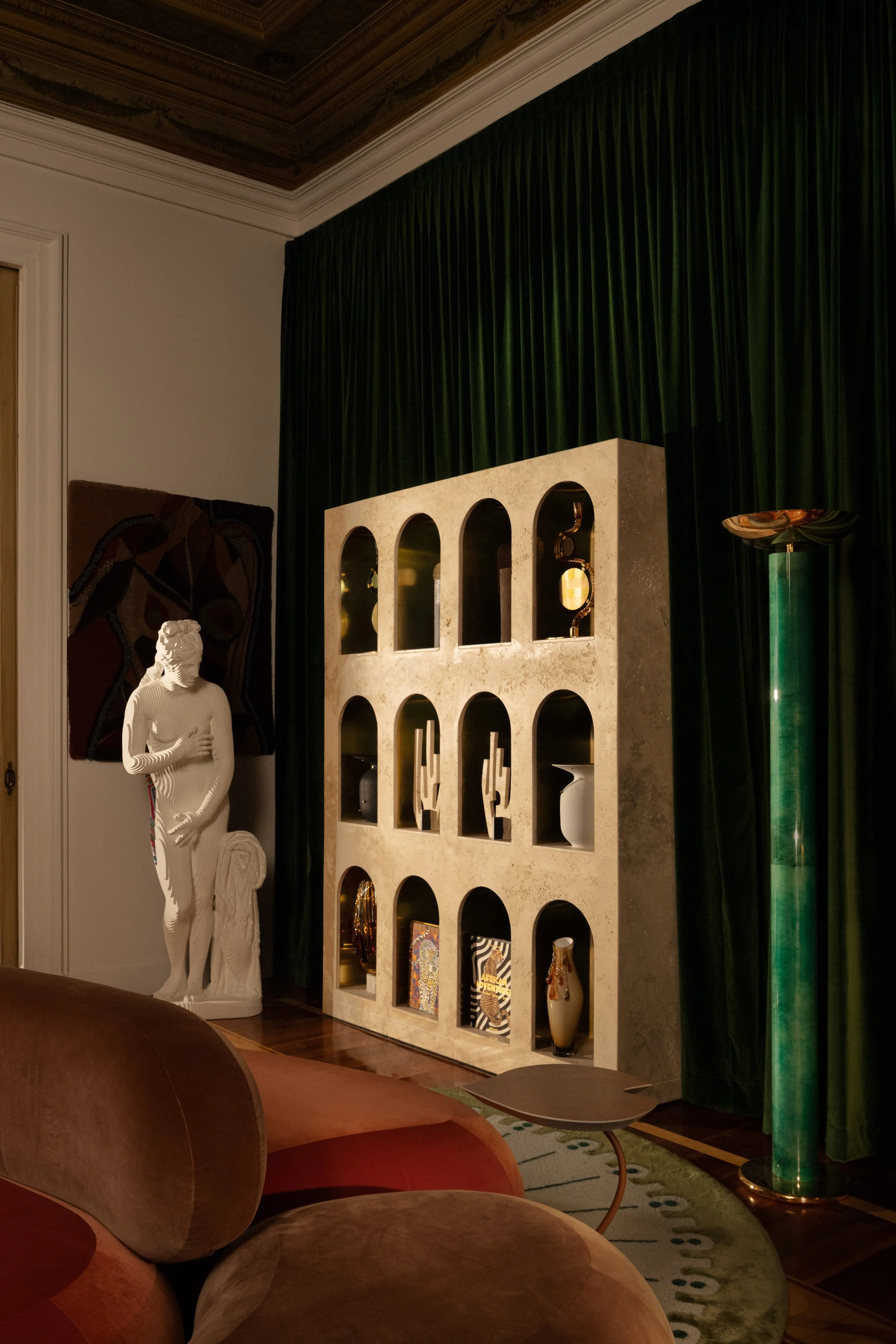
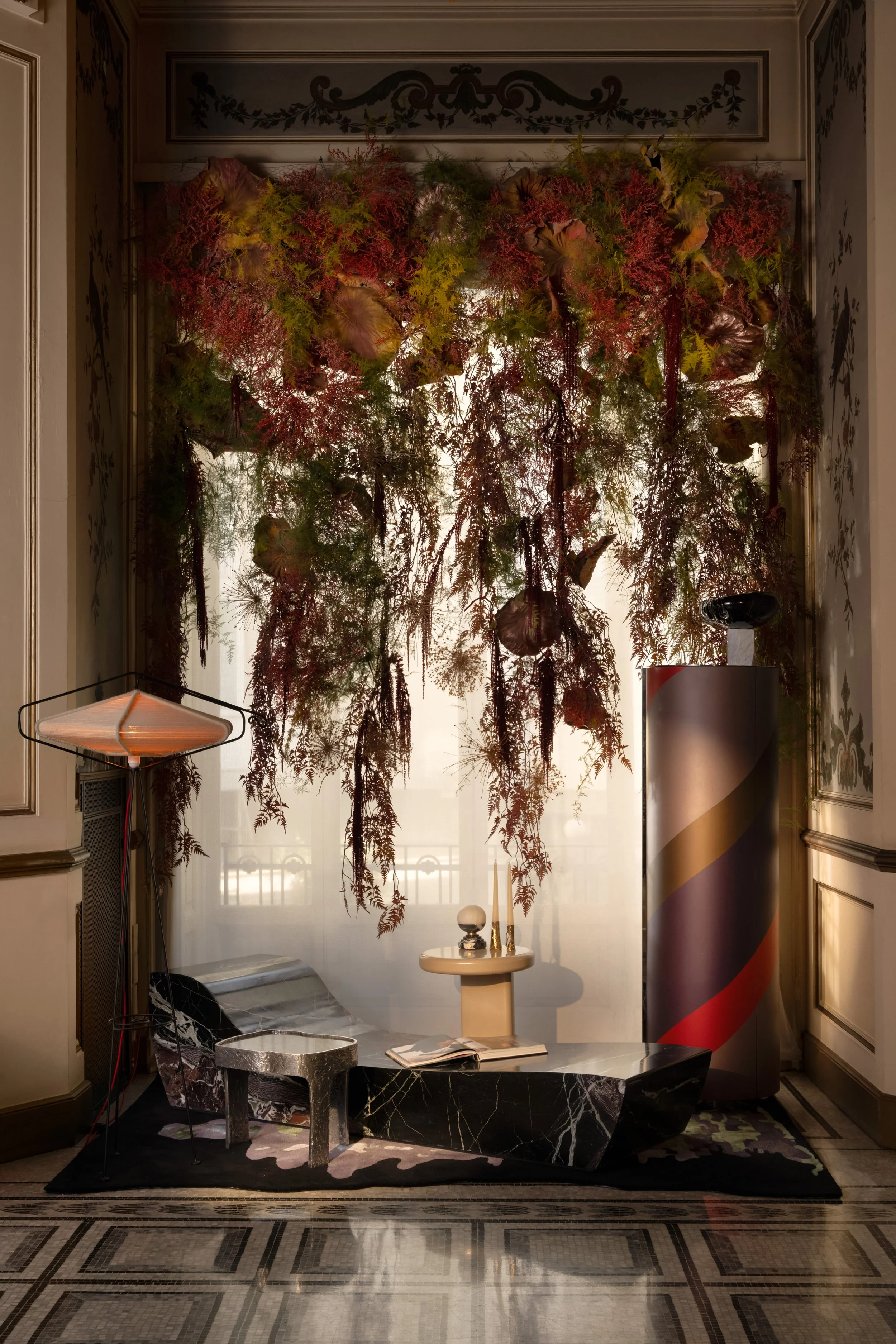
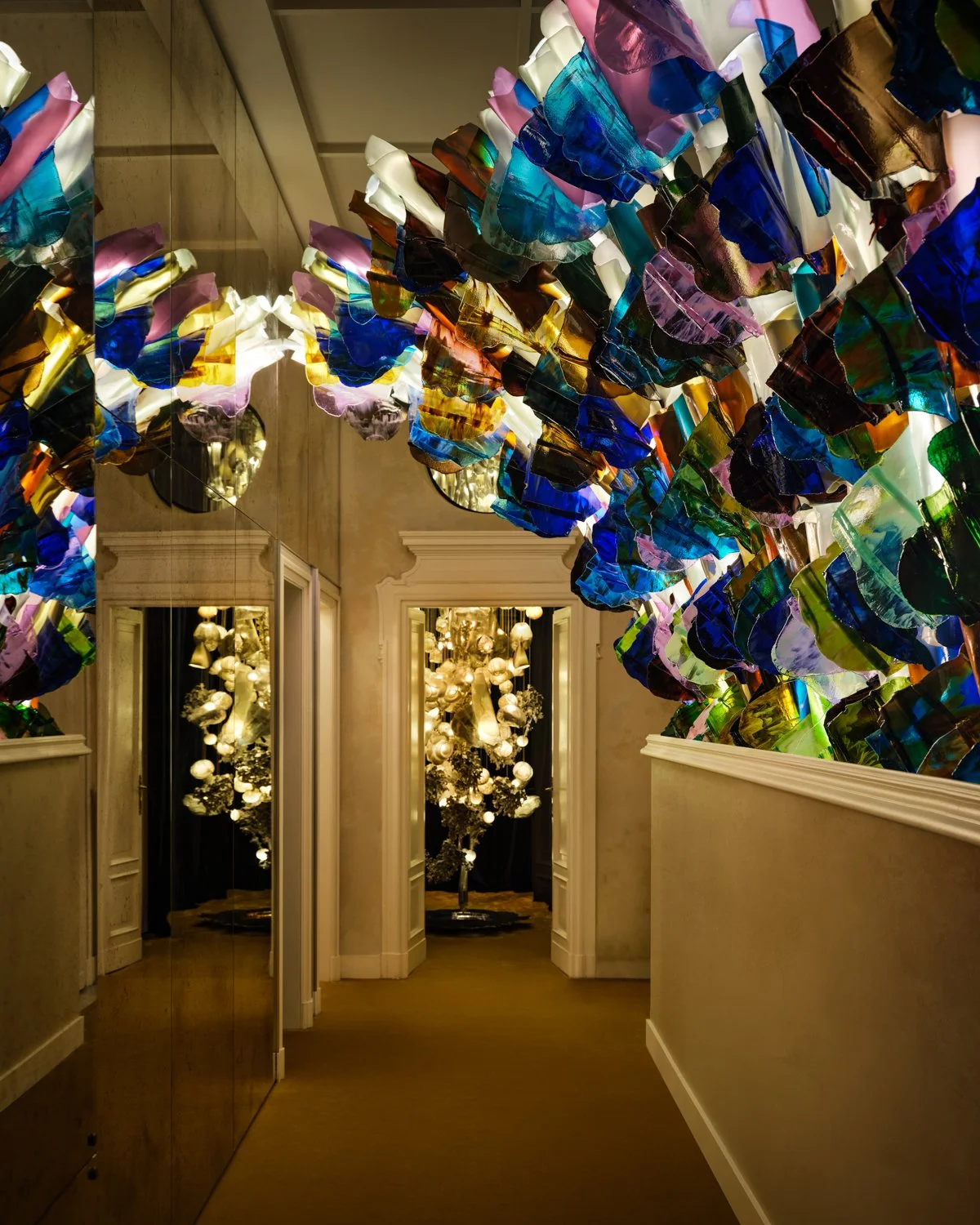
Within this setting, the project becomes an exploration of interior space as narrative structure. The palazzo is not treated as a static backdrop, but as a sequence of rooms that carry their own spatial identity and rhythm. Each intervention responds to the building’s existing architecture, allowing cornices, frescoed ceilings, and historic detailing to coexist with contemporary furnishings and objects. The result is an environment where design is experienced through progression, with each threshold revealing a different interpretation of Italian material culture.
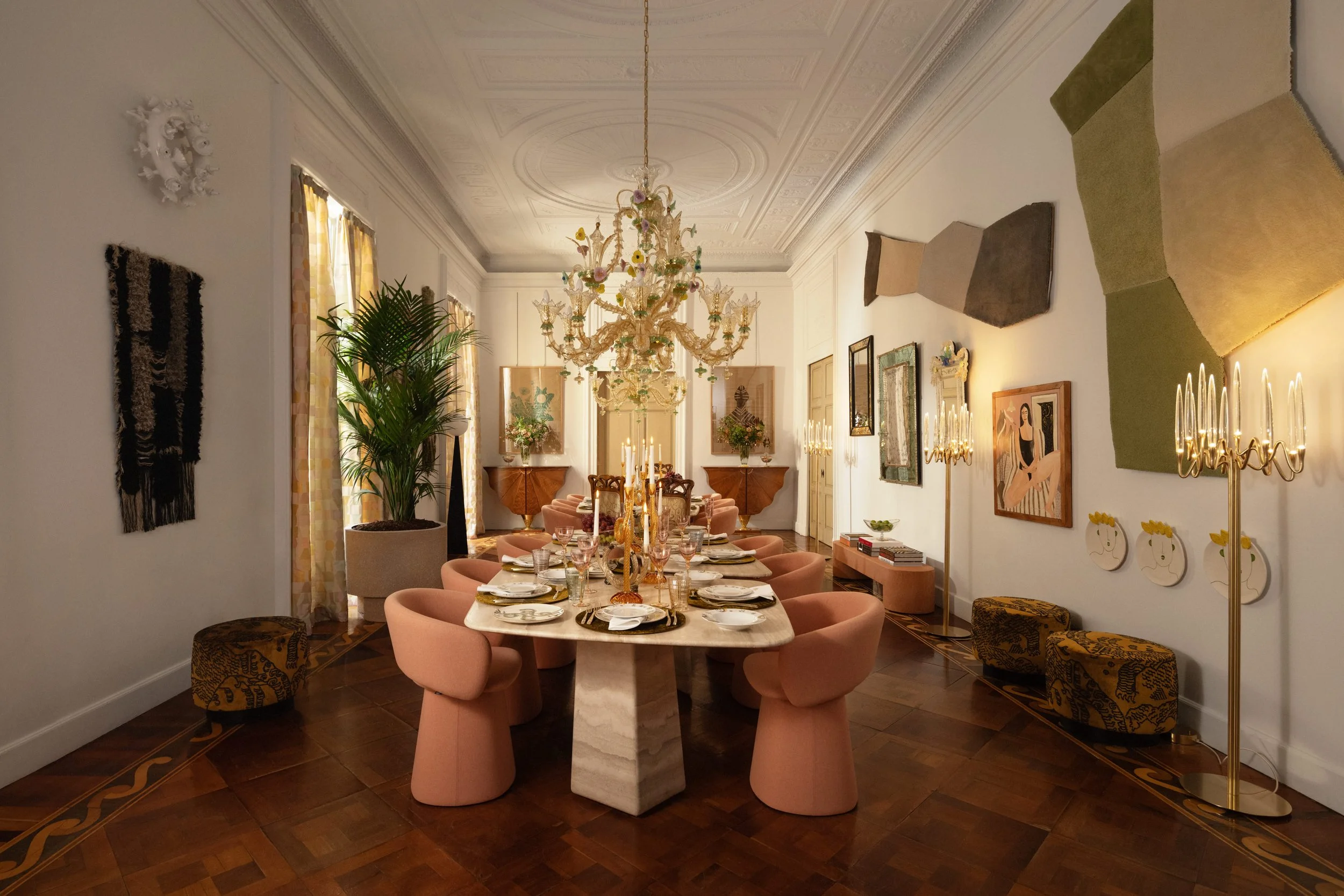
Five design studios: Charlap Hyman & Herrero, MAWD (March & White Design), Rockwell Group, Sasha Adler Design, and Urjowan Alsharif Interiors, each take responsibility for a distinct room, transforming the historic interiors into individually composed environments. Across these spaces, curated selections of Italian furniture, lighting, and decorative pieces by Artemest’s artisans are integrated into carefully considered interiors that balance restraint and richness. While each room carries its own perspective, together they form a cohesive narrative of contemporary Italian design; one that is shaped as much by craftsmanship and material depth as it is by international interpretation and spatial storytelling.
When Apricots Blossom by Uzbekistan Art and Culture Development Foundation (Palazzo Citterio)
When Apricots Blossom, presented by the Uzbekistan Art and Culture Development Foundation, marks a significant debut at Milan Design Week, unfolding within Palazzo Citterio as a richly layered exploration of Uzbek craft, material heritage, and contemporary interpretation. The exhibition positions traditional making practices from the Aral Sea region and Karakalpakstan within a contemporary design context, reframing them not as static cultural artefacts, but as living, evolving systems of knowledge. Across the palazzo, works by twelve designers, including Bethan Laura Wood, Marcin Rusak, Fernando Laposse, and Nifemi Marcus-Bello, are presented in collaboration with Uzbek artisans, creating a dialogue between international design perspectives and deeply rooted local craft traditions.
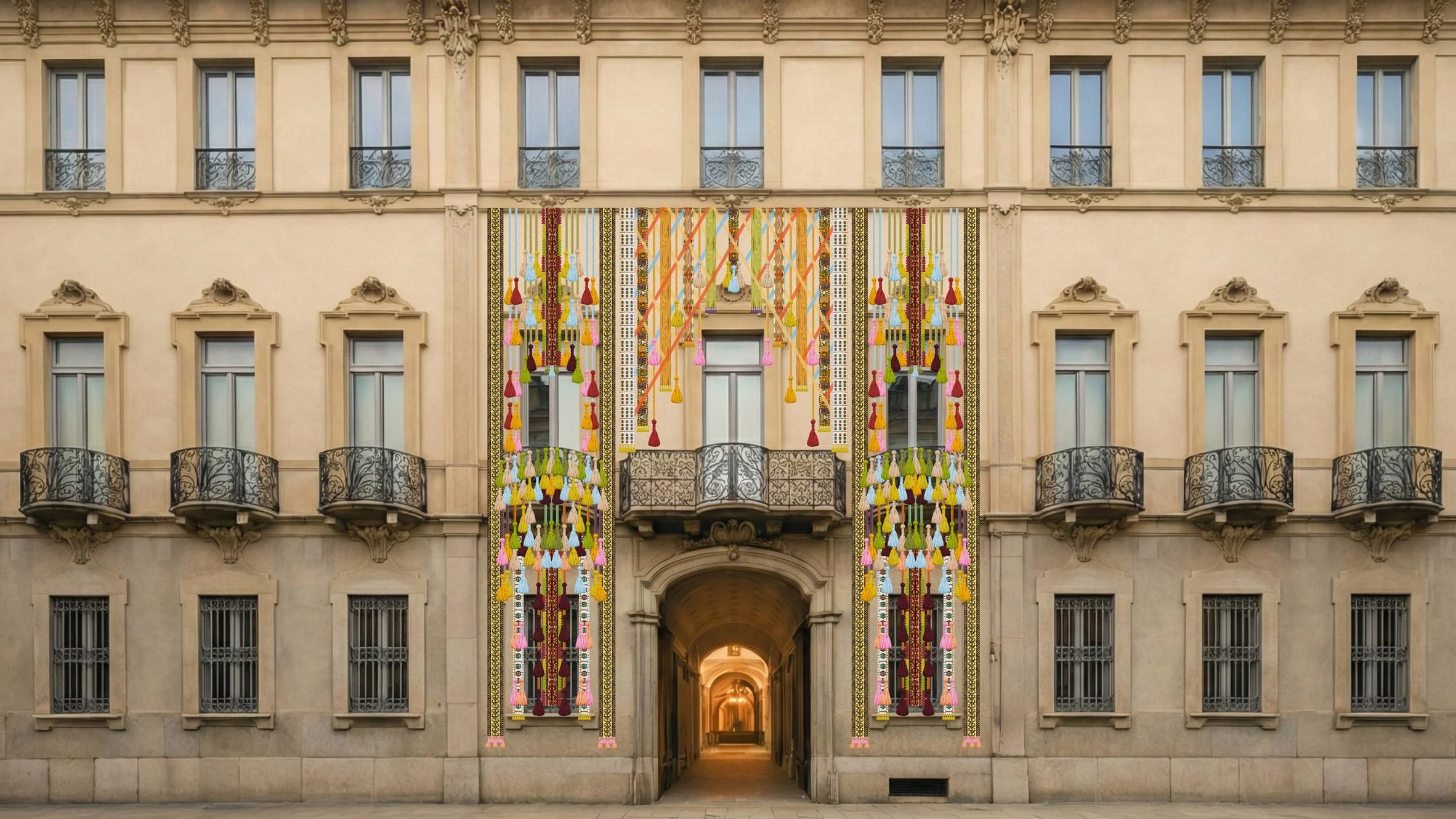
Image: ACDF
The installation spans multiple spatial and visual registers, beginning with a large-scale textile intervention that cascades across the palazzo's façade, introducing colour and pattern into the historic architecture. Inside, the exhibition unfolds through a series of orchard-inspired installations and material studies that reference Uzbekistan's agricultural landscapes, particularly the symbolic presence of apricots as both cultural and ecological markers. Alongside these, reinterpretations of bread trays and stamps pay tribute to the central role of bread within Uzbek daily life and ritual culture, where it functions not only as sustenance but as a sacred object. The result is an installation that operates between exhibition and cultural narrative; a spatial mapping of heritage expressed through contemporary design language, where craft becomes a bridge between past and present.
Zaha Hadid Architects x Audi (Portrait Hotel Milano)
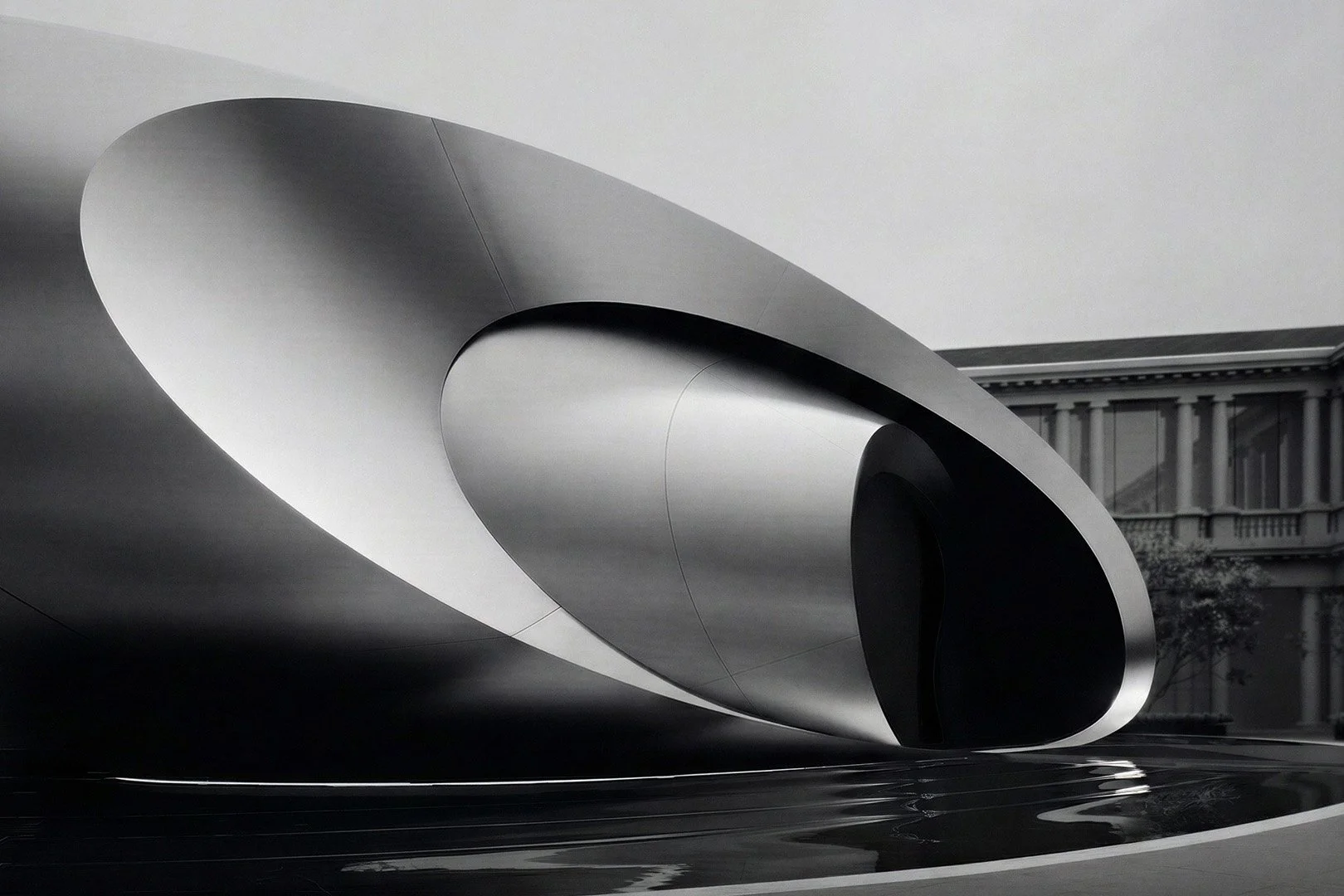
Zaha Hadid Architects presents The Origin for Audi, an installation that explores spatial compression and expansion as a means of recalibrating perception within the intensity of Milan Design Week. Conceived as a moment of pause within the city’s dense cultural programme, the work is positioned as an environment for slowing down rather than acceleration. It reflects a broader interest in how architecture can shape behavioural rhythm, using spatial sequencing to encourage visitors to disengage from the pace of the week and reorient their attention toward stillness, reflection, and presence.
Photography courtesy of Audi
Set within the courtyard of Portrait Hotel Milano, the installation is composed around a titanium-coloured fibreglass portal positioned above a shallow reflecting pool. The structure appears both material and immaterial depending on perspective, with shifting reflections dissolving its physical edges into the surrounding architecture and water. The courtyard becomes an abstracted landscape of surface and depth, where light, reflection, and form continuously reconfigure one another. In this context, The Origin operates less as a static object and more as an atmospheric threshold; a spatial interruption that reframes movement through pause, framing design not as acceleration, but as a deliberate act of slowing down.
Eames Houses – Kettal x Eames Office (Triennale Milano)
Eames Houses – Kettal x Eames Office brings together Spanish design brand Kettal and the Eames Office in a considered architectural installation that reflects on the residential legacy of Charles and Ray Eames. Presented within the context of Milan Design Week 2026, the project focuses on the couple’s seminal domestic works from the 1940s and 1950s, positioning them not only as historical references but as continuing frameworks for contemporary spatial thinking. Installed at Triennale Milano, the exhibition forms part of a wider curatorial programme that situates design history within an active, experiential environment.
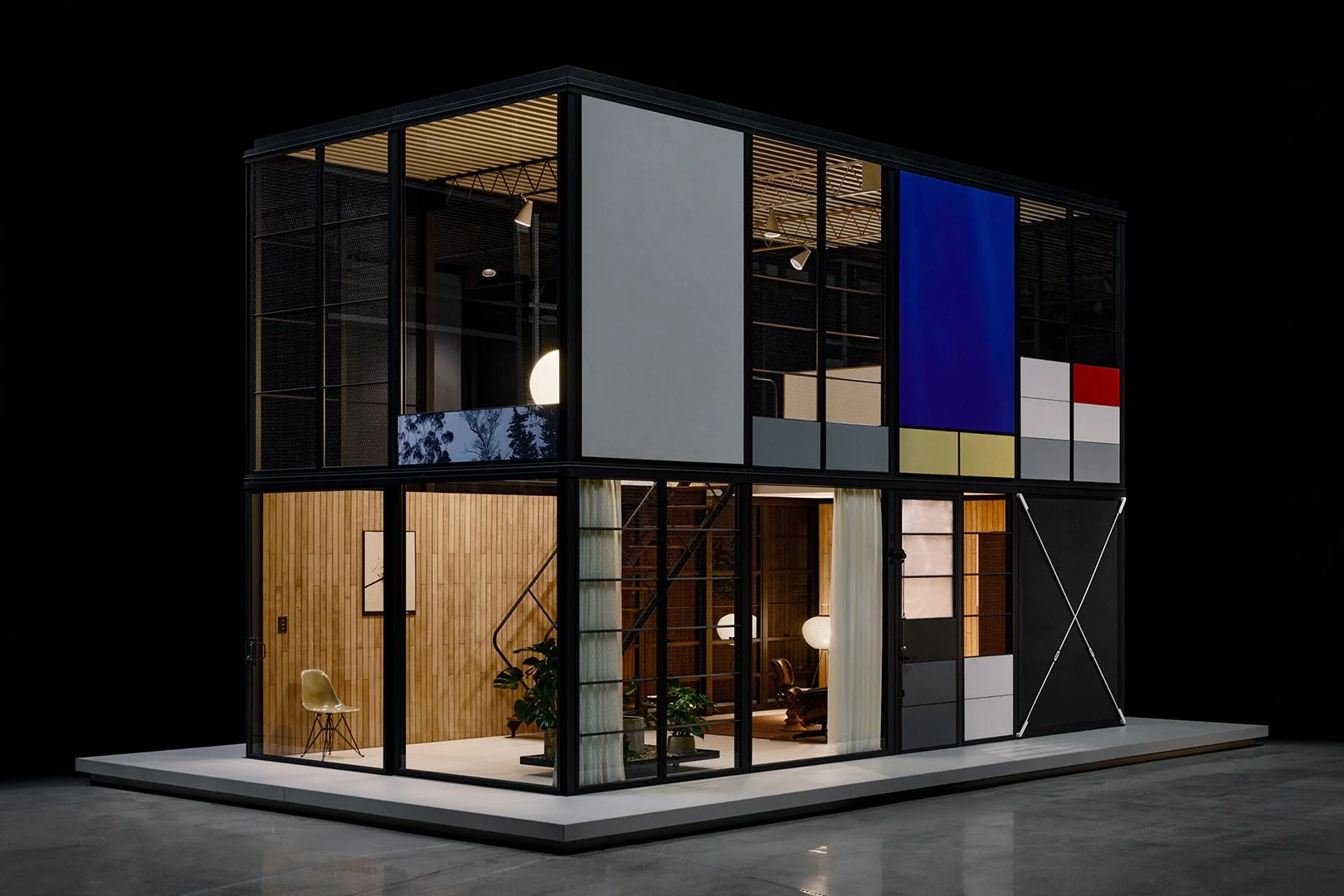
At the centre of the installation is the introduction of the Eames Pavilion System, a new modular architectural framework developed through the collaboration between Kettal and the Eames Office. This system reinterprets the Eames’ approach to flexible living environments, translating their principles of adaptability, structure, and human-centred design into a contemporary spatial language. The installation is further enriched by scaled architectural models, archival drawings, photographs, and film material, which collectively offer a layered reading of the Eames’ practice; one that moves between domestic intimacy, experimental design, and architectural innovation.
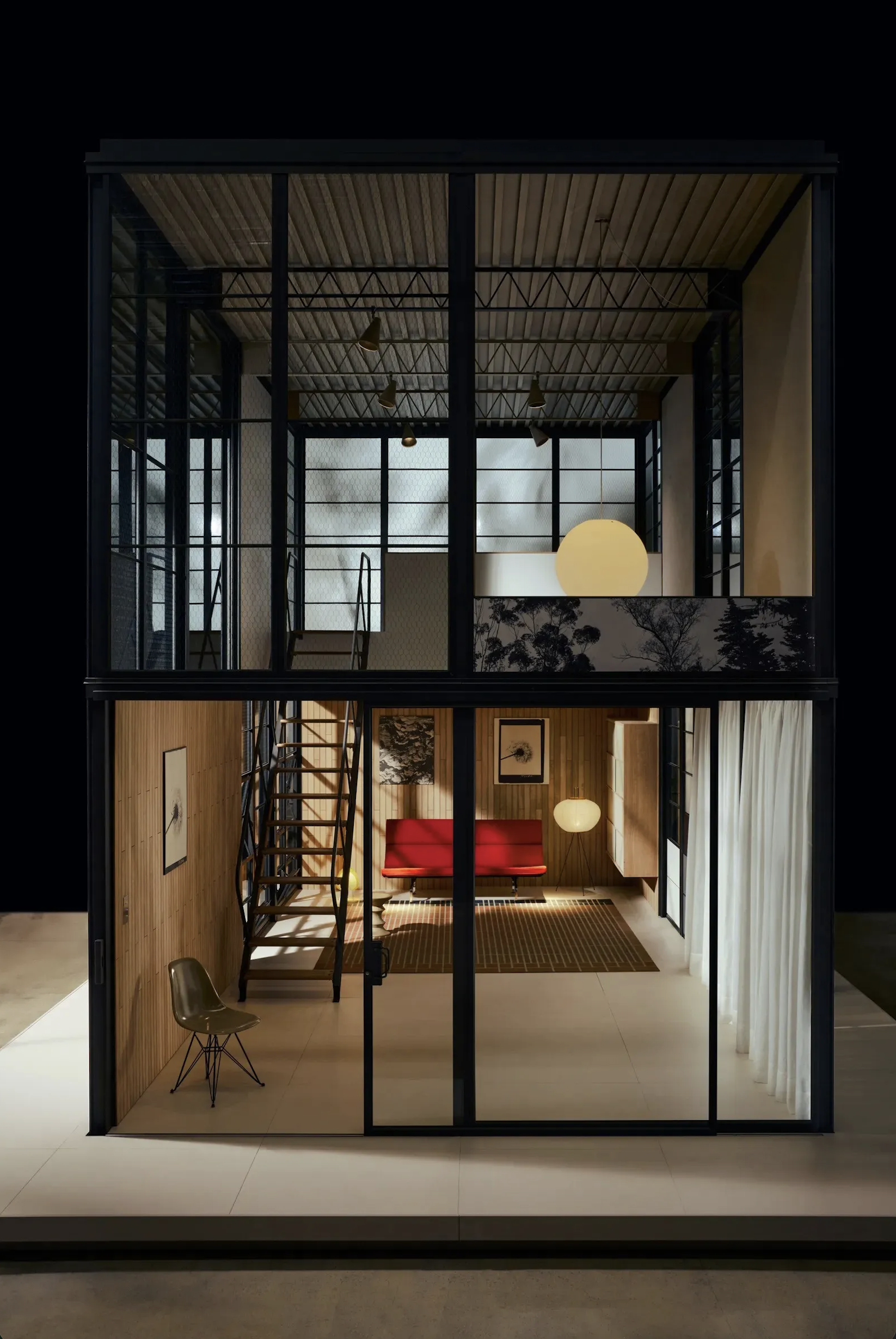
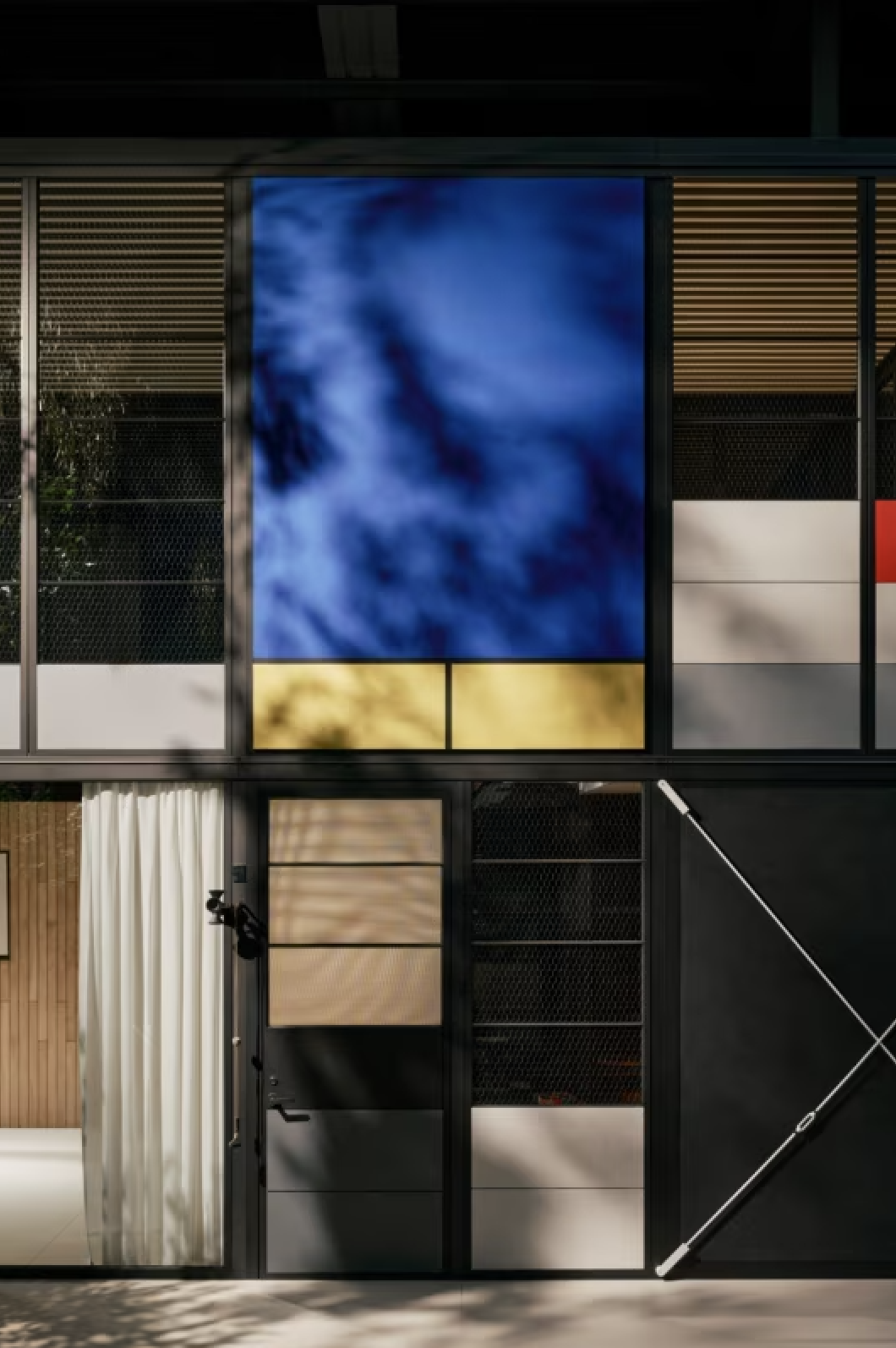
Rather than functioning as a retrospective in the traditional sense, the exhibition positions the Eames’ work as an ongoing point of reference within contemporary design discourse. Set within Triennale Milano’s broader programme, which also includes exhibitions by Fredericia, Barber Osgerby, and Toyo Ito, Eames Houses becomes part of a wider conversation about legacy, interpretation, and continuity in design history. In this context, the installation operates as both archive and proposition, reinforcing the Eames’ enduring relevance within a contemporary architectural and cultural framework.
Y.O.U. Your Own Universe - glo and Numero Cromatico (Palazzo Moscova)
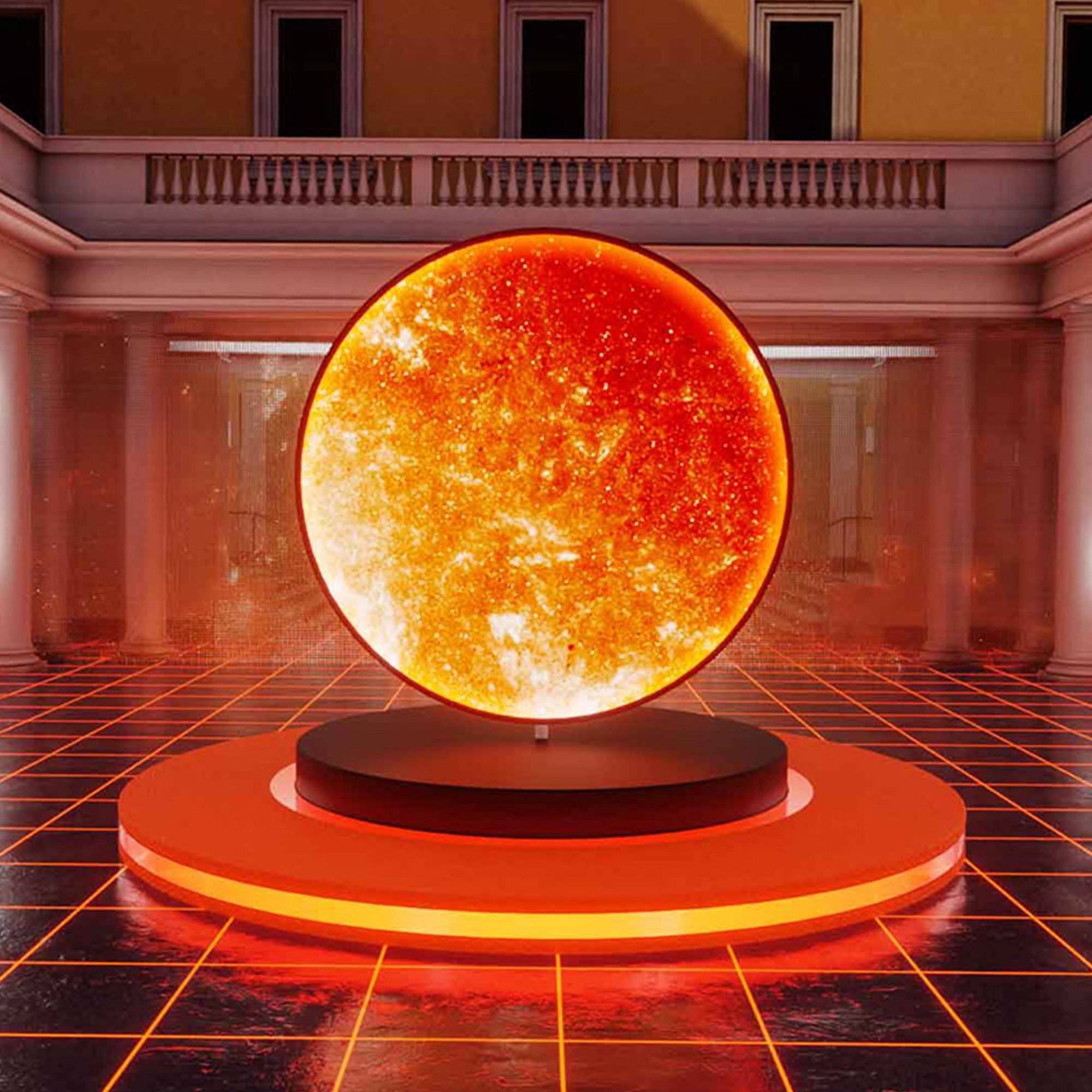
Within the context of Fuorisalone 2026, the courtyard of Palazzo Moscova becomes the setting for Y.O.U. Your Own Universe, an installation by Numero Cromatico in collaboration with glo. Now in its sixth consecutive year participating in Milan Design Week and its fourth as Main Sponsor of the Brera Design District, glo continues to develop its presence through projects that sit at the intersection of art, design, and emerging technologies. Here, the installation is conceived not as a static work, but as an open system structured around interaction, positioning the visitor as an active participant within the experience rather than a passive observer.
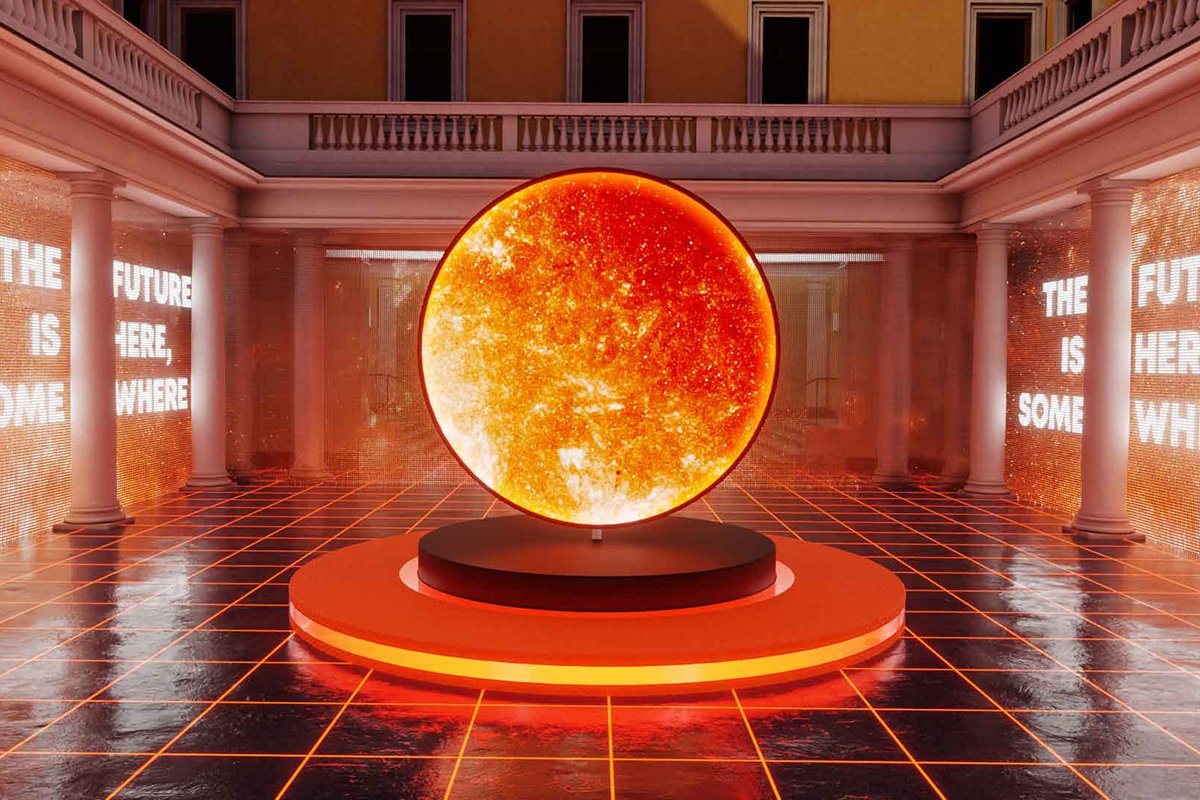
At the centre of the courtyard is a circular portal, forming the spatial and conceptual core of the installation. This threshold-like structure acts as both entry point and interface, activating the wider environment through engagement and movement. In alignment with the 2026 theme Be the Project, the work invites each visitor to shape their own experience through interaction, with the installation responding in real time through technological input. The result is a constantly shifting environment where no two experiences are the same, reinforcing ideas of personalisation and responsiveness that also underpin glo’s Hilo and Hilo Plus devices. Within the historic context of Palazzo Moscova, the installation creates a dialogue between architectural permanence and digital fluidity, positioning design as something that is continuously formed through participation.
Alcova (Baggio Military Hospital / Villa Pestarini)
Alcova is, without question, one of the most anticipated and consistently inspiring platforms of Milan Design Week, and it simply cannot be omitted from any considered overview of the city’s creative landscape. Year after year, it sets a benchmark for how exhibitions can be conceived, not as neutral containers for design, but as immersive experiences shaped as much by architecture, atmosphere, and narrative as by the objects themselves. Personally, it remains a highlight of the week, one of those rare presentations that captures the full emotional and spatial potential of design, and it is difficult to imagine this feature without acknowledging its presence.
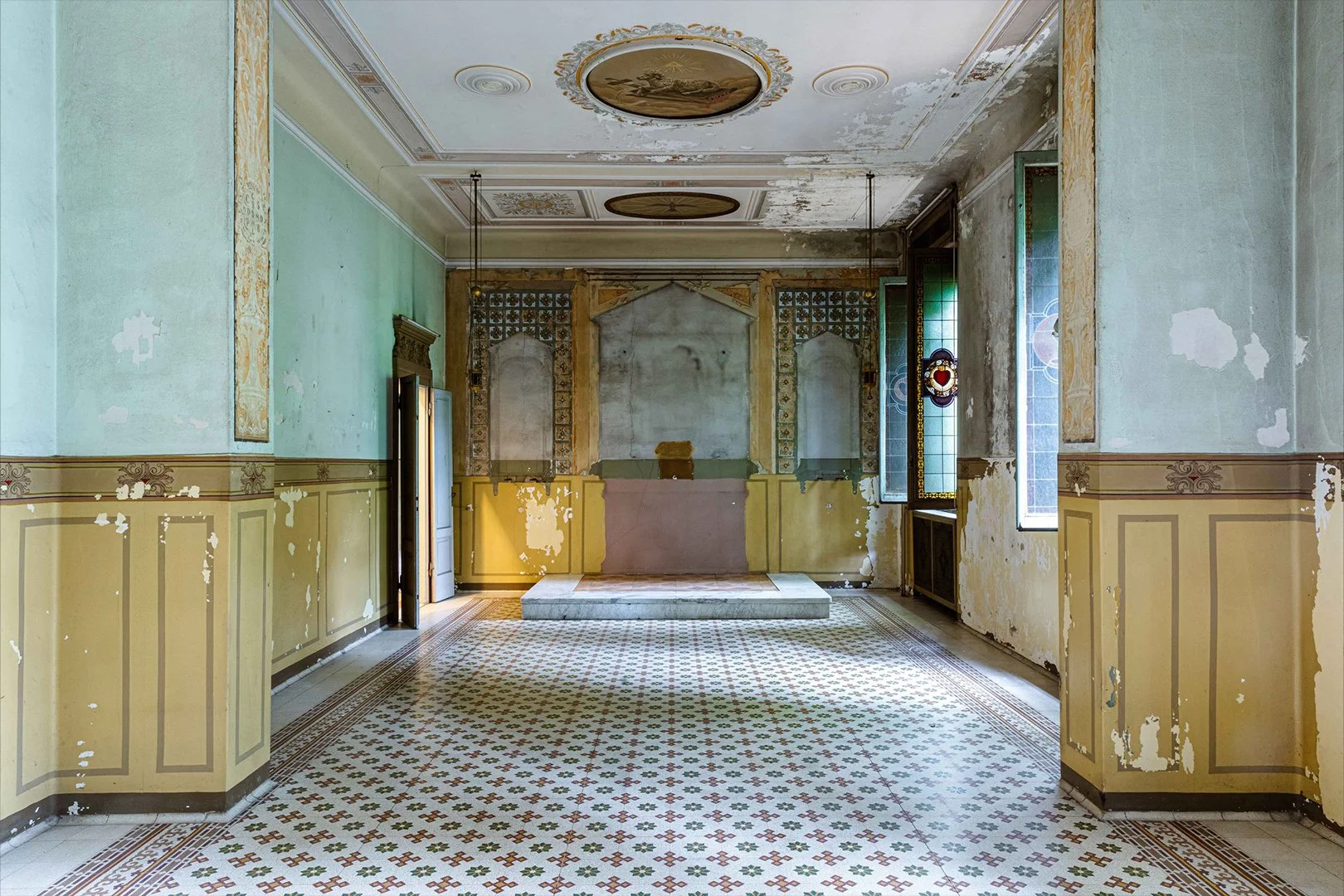
Photography: Alcova Inganni
Rather than operating as a conventional installation, Alcova functions as a curatorial journey through some of Milan’s most hauntingly beautiful and often forgotten architectural spaces. This year’s edition continues that approach, activating extraordinary sites such as the rationalist Villa Pestarini and the expansive Baggio Military Hospital complex. These locations are not simply backdrops, but active participants in the experience; their layered histories, traces of decay, and architectural contrasts form a powerful dialogue with the experimental works they contain. The result is a presentation that feels less like a curated exhibition and more like urban archaeology, where design is revealed through atmosphere, memory, and the quiet intensity of place.
Milan Design Week 2026 ultimately reinforces the city’s position as the most influential stage for contemporary design thinking, not through objects alone, but through the increasingly immersive environments in which they are presented. Across palazzi, courtyards, industrial sites, and cultural institutions, design is no longer framed as something to be simply viewed, but as something to be entered, navigated, and experienced over time. What emerges is a clear shift towards atmosphere, narrative, and spatial intelligence, where installation design becomes the primary language through which ideas about material, craft, technology, and culture are expressed.

Pinacoteca di Brera – Cortile d’Onore - Salone del Mobile.Milano 2025 - ©Monica Spezia
Taken together, these ten installations reflect a broader recalibration of how design is communicated and consumed in Milan today. From emotionally charged environments and speculative hospitality concepts to materially driven studies and archival reinterpretations, the week continues to expand the boundaries between exhibition, architecture, and performance. It is this constant layering of old and new, historic and experimental, that ensures Milan remains not only a reference point for global design culture, but also a living laboratory for how it continues to evolve.
Further coverage from Milan Design Week, including events, installations, and showcases from previous years, can be explored below.
Milan Stories
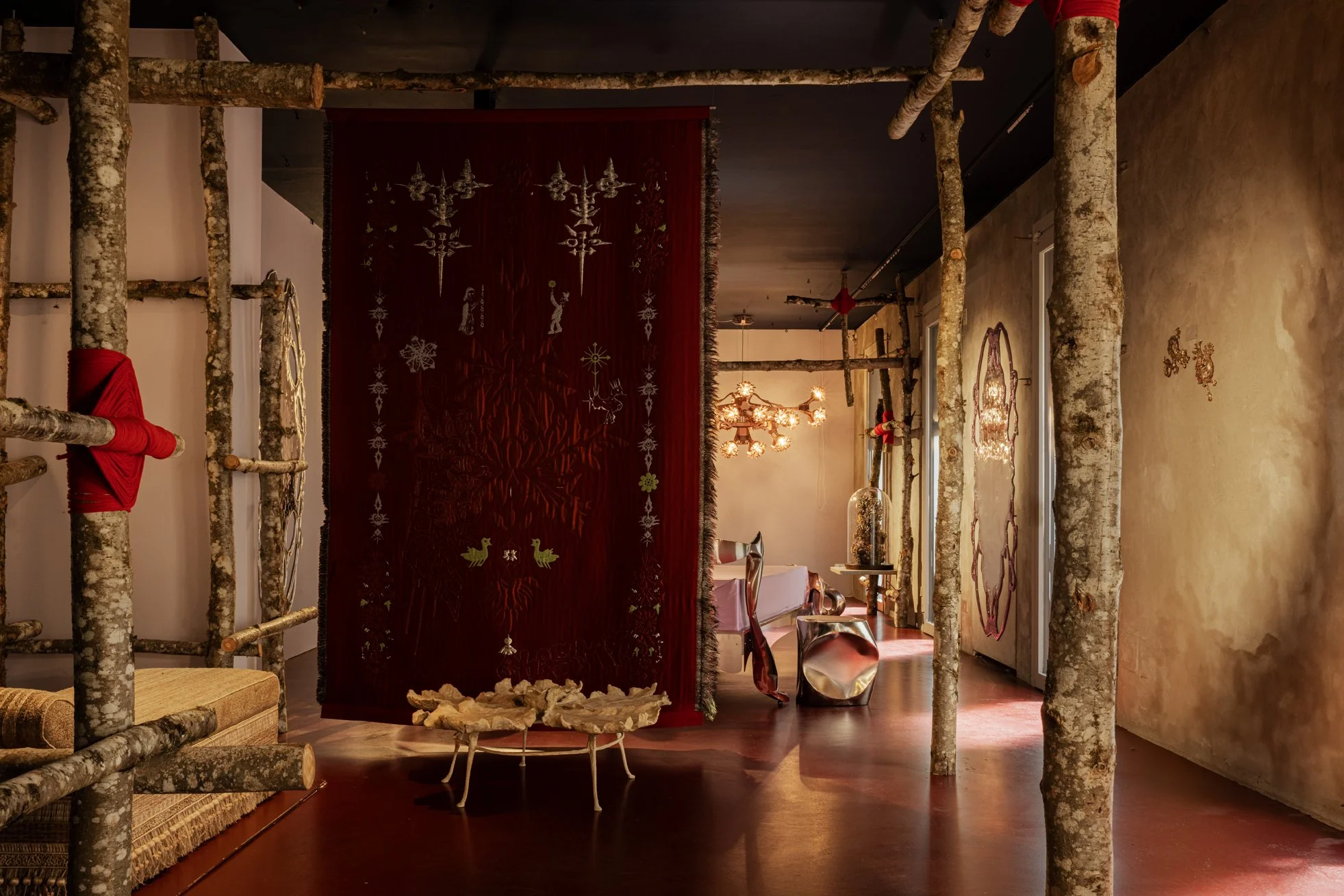
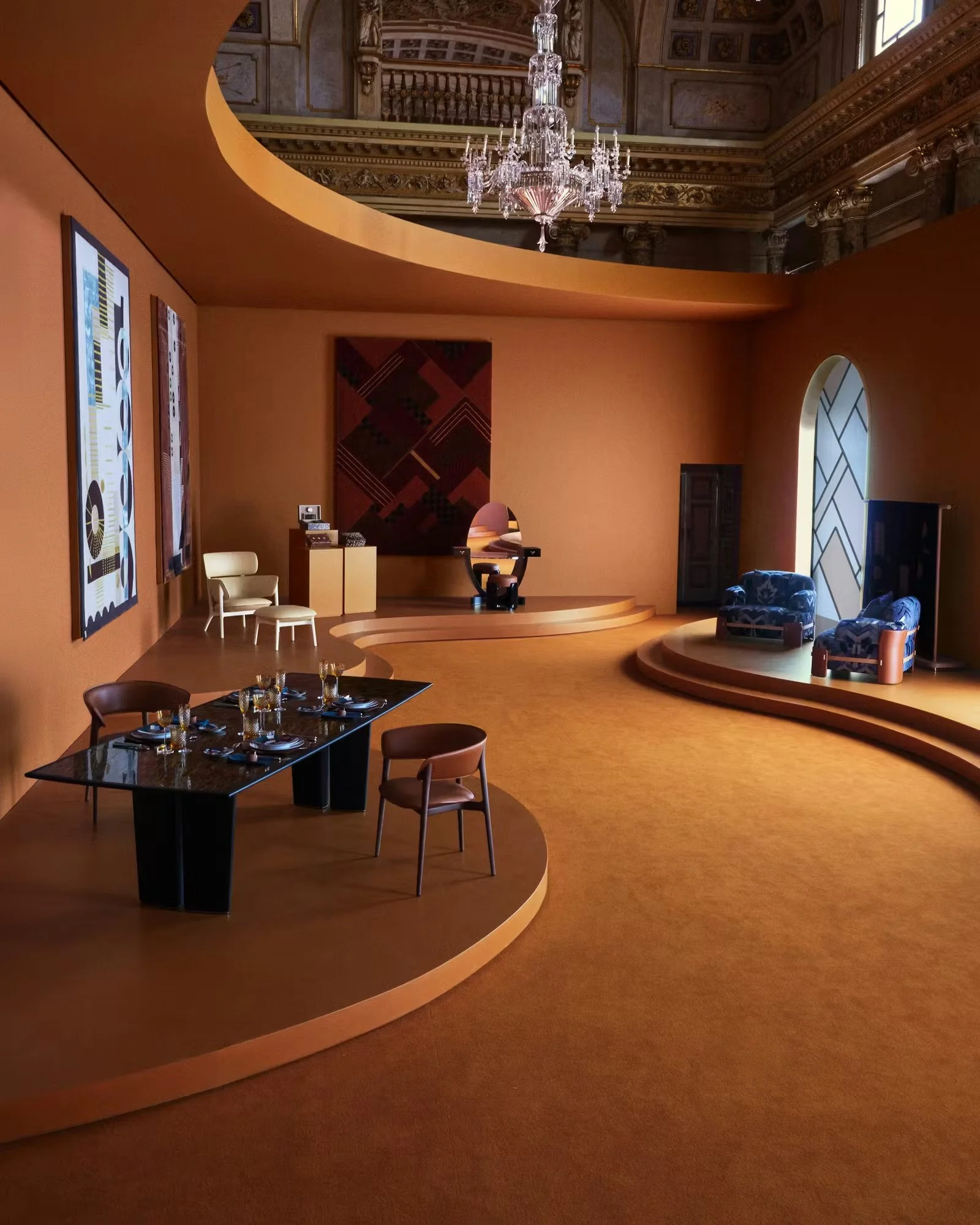

During Milan Design Week 2026, MENU transformed Chiesa Anglicana Tutti i Santi into a unified architectural narrative. Curated by Bodo Sperlein, the exhibition brought material, light, and collaboration into quiet alignment.