
Movement Held in Bronze: The Quiet Power of Ozanne Princen
There is a particular stillness that exists in spaces devoted to design; an atmosphere where objects are not only seen but felt, where material and memory meet in a silent exchange. It is within this quiet tension between presence and pause that Ozanne Princen’s sculptures seem most at home. Encountered not as static forms but as distilled fragments of movement, her works carry a rare duality: at once poised and dynamic, restrained yet deeply expressive.
Princen’s journey into sculpture does not begin with bronze, but with the discipline of the body. Ballet, introduced in early childhood, became her first language; a vocabulary of rhythm, structure and emotion communicated through gesture rather than words. Years later, that physical understanding of movement has not disappeared; it has simply changed medium. In bronze, she continues to choreograph, though now the stage is stillness and the dancer is form.
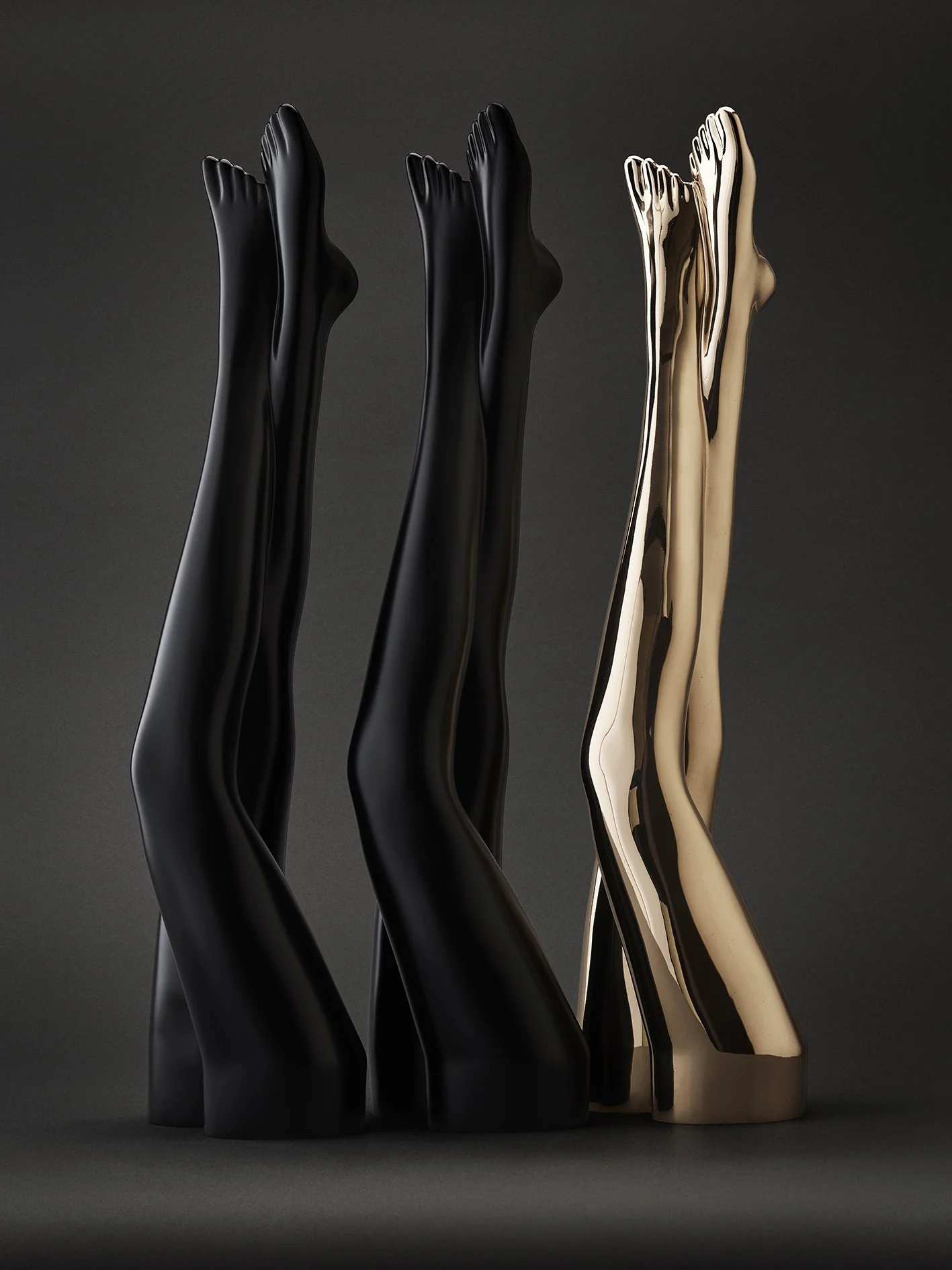
‘Silhouette’ photographed in studio CHLOKI by Wim Knapen
Her debut collection, Silhouettes Éternelles, reads as a meditation on this transformation. The focus is precise, almost obsessive: the leg, reduced to its essential components; the calf, knee and thigh. Yet what could easily become a clinical study instead feels deeply human. In ballet, the leg is more than anatomy; it is narrative. It carries weight, maintains balance, initiates a lift, and resolves in release. Princen translates this language into sculpture with remarkable clarity, distilling decades of embodied knowledge into forms that feel both intimate and universal.
There is an elegance in this reduction. The works do not attempt to depict the body in full, nor do they rely on elaborate gesture. Instead, they suggest. A curve implies tension. A bend of the knee becomes a moment suspended between action and stillness. Through bronze, a material traditionally associated with permanence and monumentality, Princen introduces fragility. The sculptures feel as though they might move, as though the energy that once animated them has not yet settled.
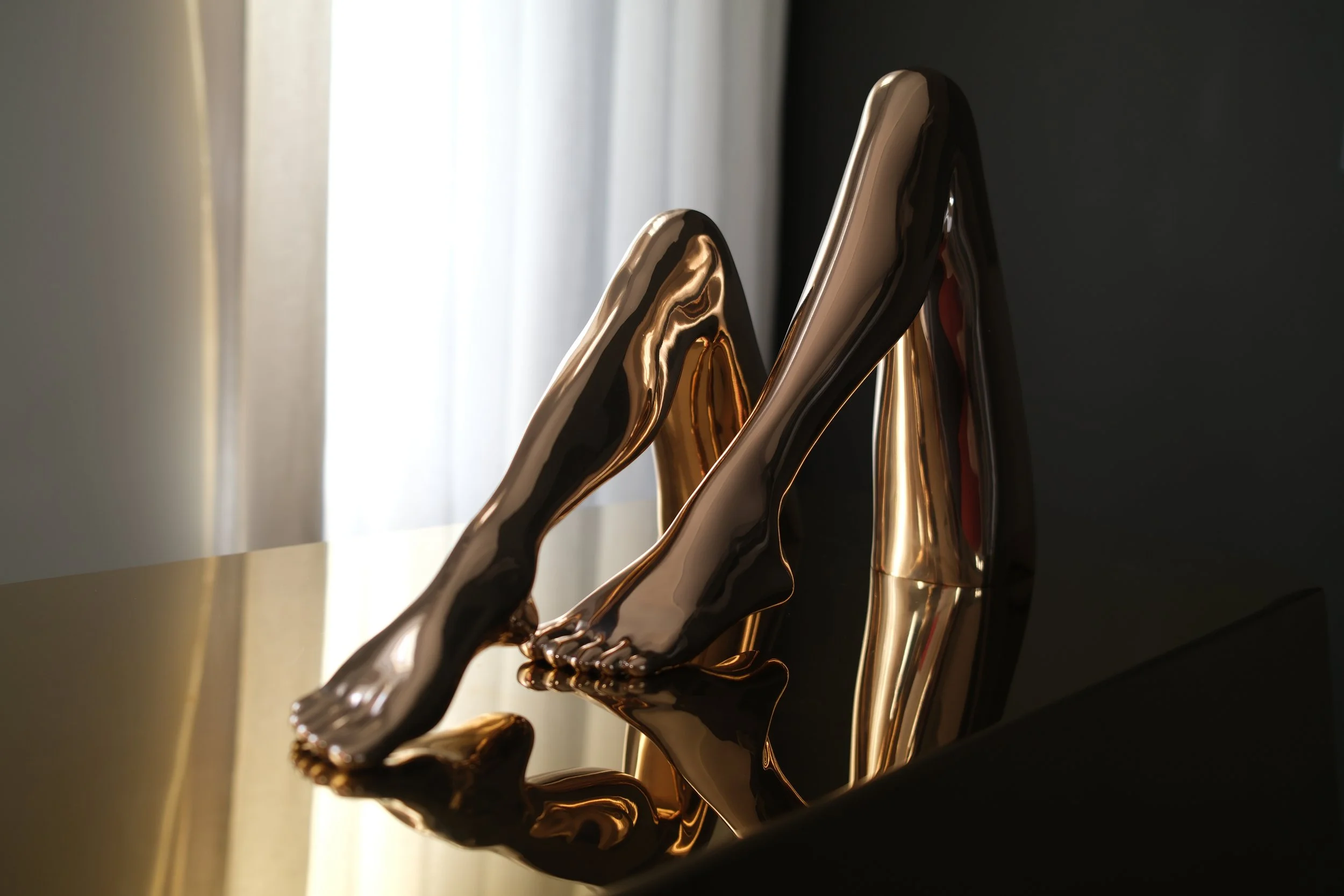
‘Counterpoise’ by Ozanne Princen
This tension is further developed in her second collection, Counterpoise. Where Silhouettes Éternelles explores the language of movement, Counterpoise begins to challenge it. The body is no longer reaching or extending; it is reclining, crossing, holding itself in a composed stillness. There is a shift here, from performance to presence. The leg, once an instrument of elevation, becomes a structure of quiet power.
The surfaces deepen this narrative. Rendered in matte black, the sculptures resist the reflective qualities often associated with bronze, instead absorbing light and emphasising contour. The result is a study in line and proportion, where form is not embellished but clarified. The knee becomes a pivot point, the shin a linear beam, the foot a delicate counterweight. These are not passive forms; they are grounded, self-assured, and deliberately composed.
What emerges, subtly yet unmistakably, is a conversation around femininity. Princen does not approach the subject through overt symbolism or imposed narratives. Instead, she allows the body, fragmented, abstracted, and reassembled, to speak for itself. There is strength here, but it is not forceful. It is contained, deliberate, and deeply assured. Grace is not decorative; it is structural.
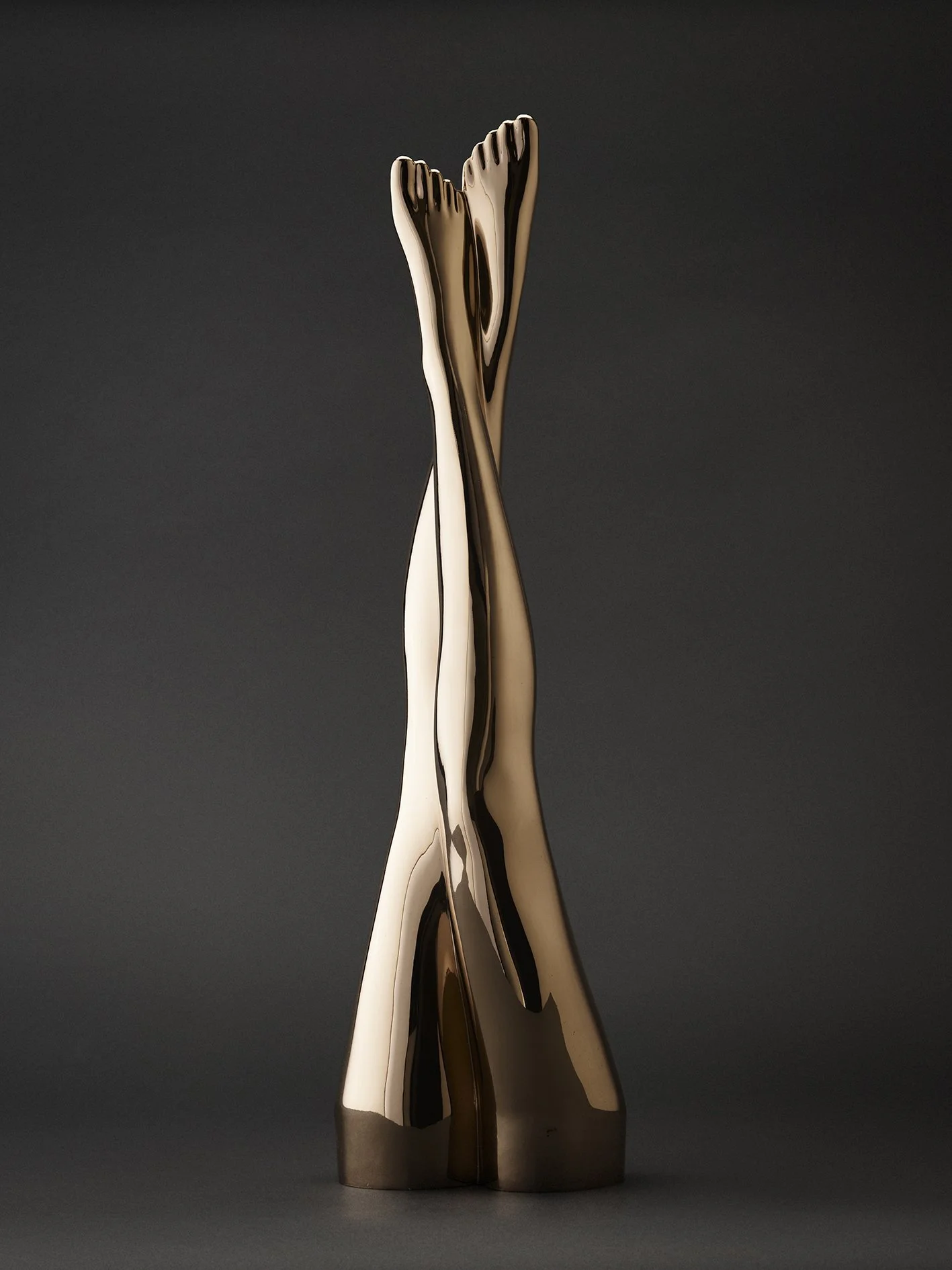
‘Silhouette’ photographed in studio CHLOKI by Wim Knapen
From a personal perspective, these works are fascinating not only for their simplicity but for their familiarity. The leg is perhaps one of the most recognised forms within both movement and culture. It carries connotations of elegance, fashion, sensuality, and power, particularly within visual disciplines where the body is often stylised and idealised. Princen taps into this collective understanding, yet reframes it. By isolating the form and removing context, she invites a different kind of looking; one that is slower, more considered, and less defined by expectation.
There is also a subtle dialogue with fashion itself. The leg, so often presented as an object of display, is here reclaimed as a structure of balance and autonomy. It is not posed for observation; it exists for itself. In this sense, Princen’s work feels quietly radical. It resists spectacle, choosing instead to focus on presence. The sculptures do not demand attention; they hold it.
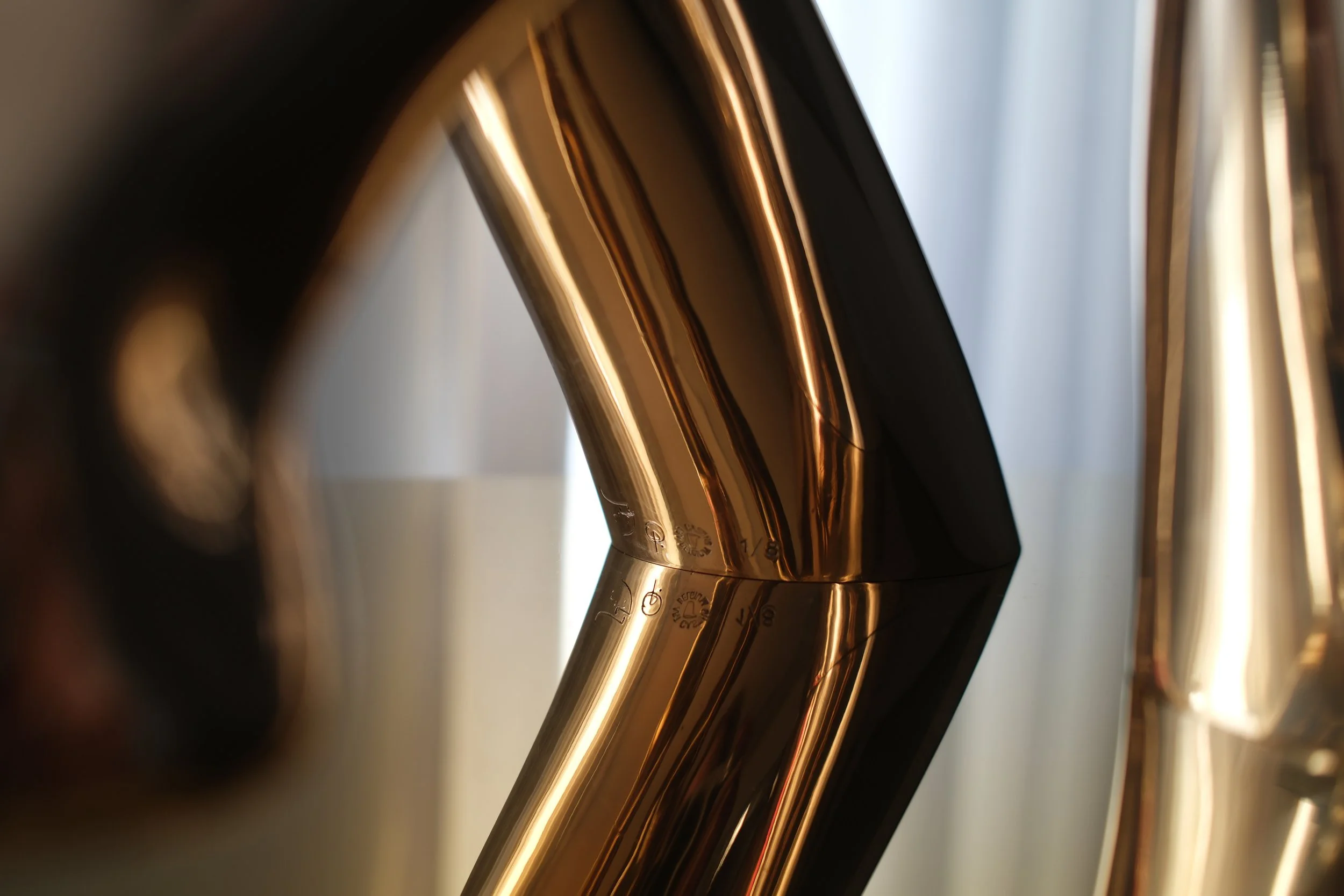
‘Counterpoise’ by Ozanne Princen
Her background further enriches this perspective. Having studied Modern History and Cultural Studies before teaching history and philosophy, Princen brings an intellectual framework to her practice. This is not sculpture as decoration, but as inquiry. Questions of identity, memory and form are embedded within each piece, even if they are not immediately visible. Her later ventures into entrepreneurship and design only add to this layered understanding, positioning her work at the intersection of fine art, aesthetics and spatial awareness.
It is perhaps this multidisciplinary approach that allows her sculptures to exist so comfortably within design-led environments. They do not feel isolated; they belong. Like architecture, they shape space. Like objects, they invite interaction. Yet they remain distinct, carrying with them a sense of narrative that unfolds slowly over time.
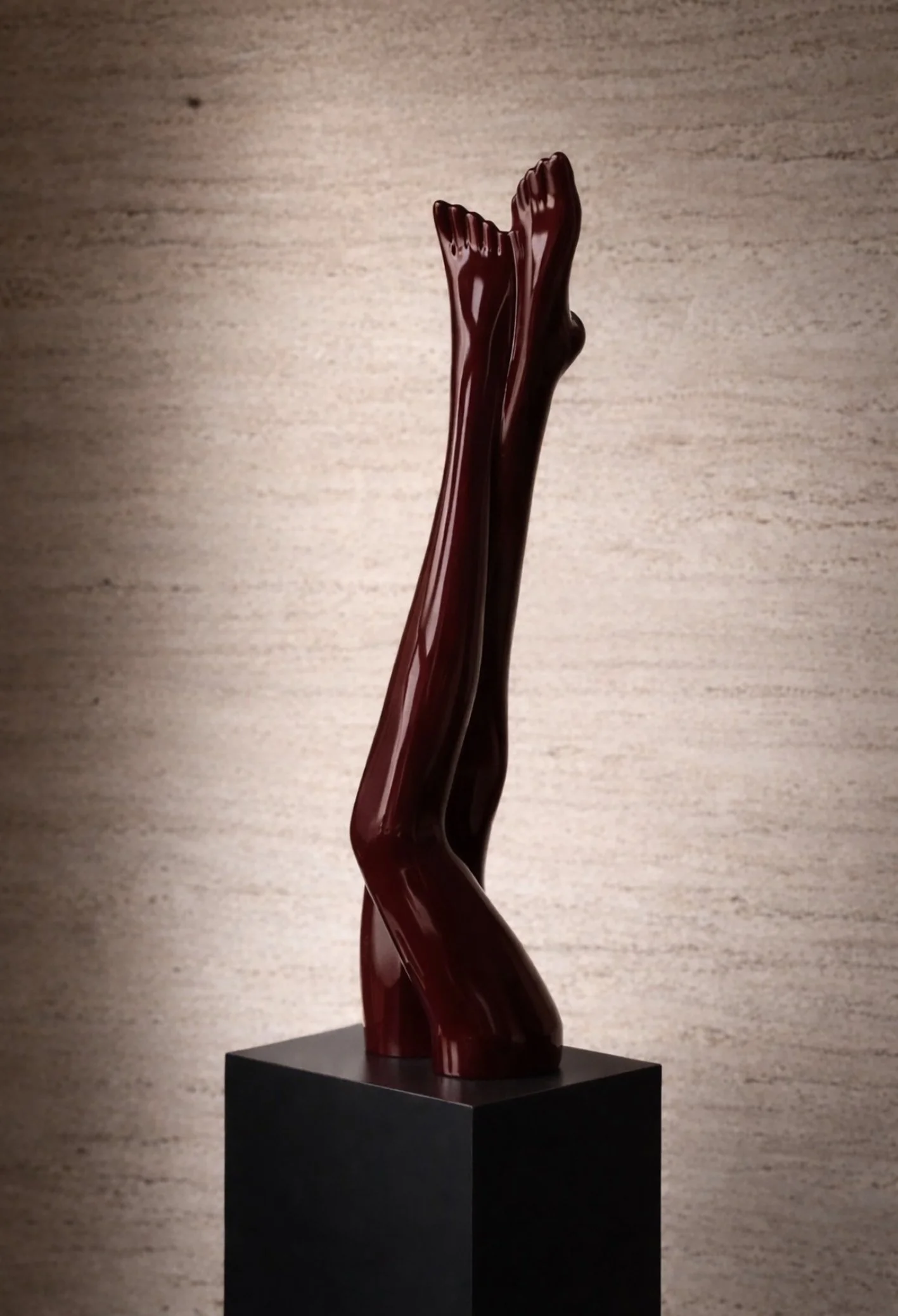
‘Silhouette’ photographed in studio CHLOKI by Wim Knapen
To encounter Princen’s work is to engage in a kind of visual stillness. There is no urgency in the viewing; no immediate resolution. Instead, the sculptures reveal themselves gradually, their meanings shifting depending on perspective, light and time spent in their presence. This is where their true strength lies, not in what they show, but in what they suggest.
In a contemporary landscape often driven by excess and immediacy, Movement Held in Bronze offers something altogether different. It is an exploration of restraint, of clarity, and of the quiet power that exists within both the body and material. Princen does not seek to capture movement as spectacle, but as memory; something that lingers, even when everything appears still.
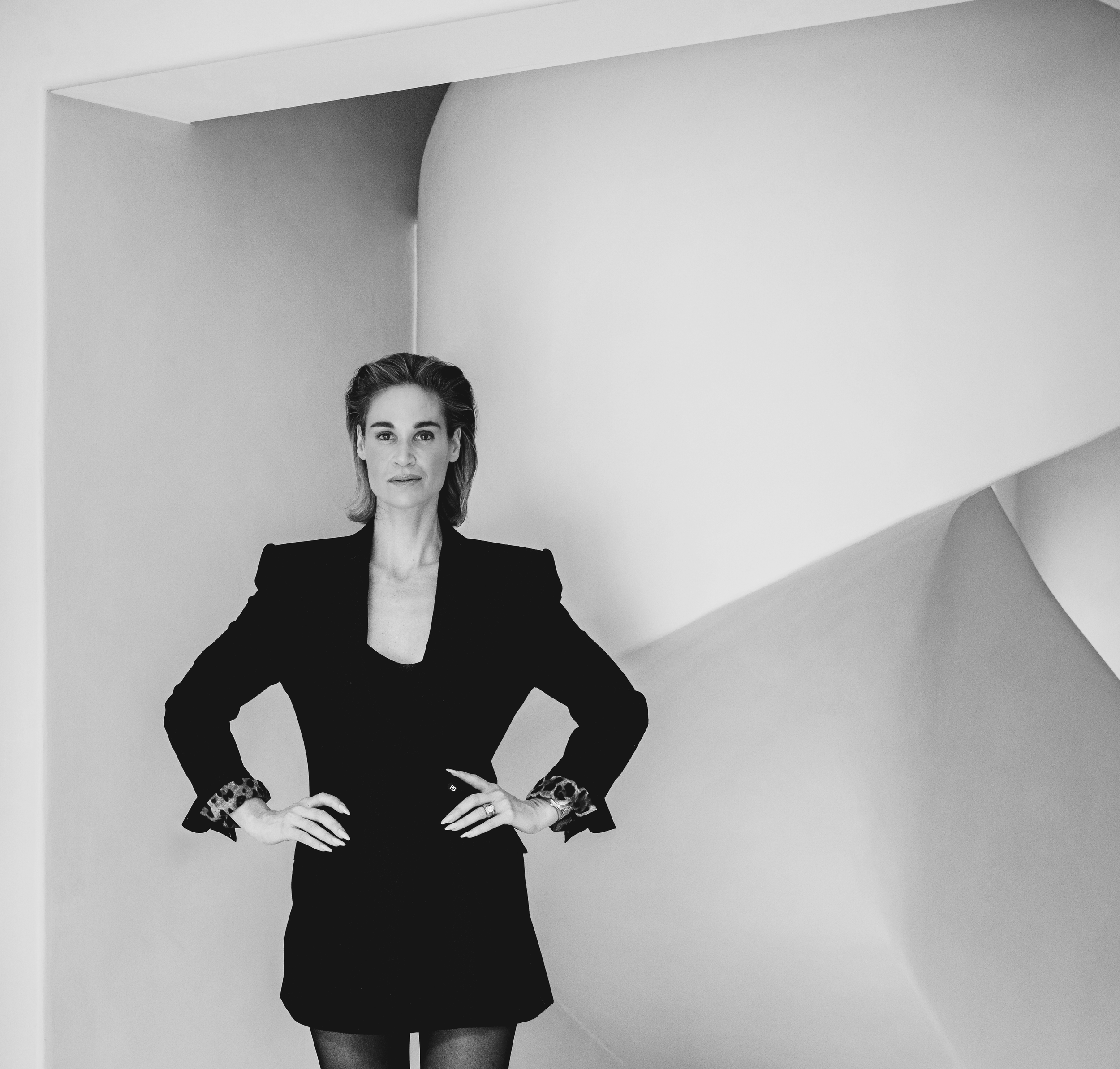
Ozanne Princen, photography by Veerle Verheijen
And perhaps that is the most compelling aspect of her work. These sculptures are not reflections of a moment, but of an understanding. They hold within them the discipline of dance, the permanence of bronze, and the complexity of human form, resolved into something that feels, quite simply, timeless.
