
London Design Biennale 2025: A Global Stage for Ideas That Shape Our Future
Design has always been a reflection of society’s values, its challenges, and its ambitions. Nowhere is that more evident than at the 2025 London Design Biennale, which returned to the iconic Somerset House for its fifth edition. From June 5th to 29th, this world-renowned exhibition brought together pioneering designers, creatives, and thinkers from across the globe to present work that not only captures the spirit of our times but also dares to imagine what comes next.
Curated around the thought-provoking theme ‘Surface Reflections’, conceived by Artistic Director Dr Samuel Ross MBE, this year’s Biennale delved into the complex relationship between internal experience and external influence. Through immersive installations, radical concepts, and bold creative statements, visitors were invited to explore ideas of identity, tradition, environment, and legacy, all viewed through the lens of contemporary design.
All images © Abu Dhabi, London Design Biennale 2025
Abu Dhabi
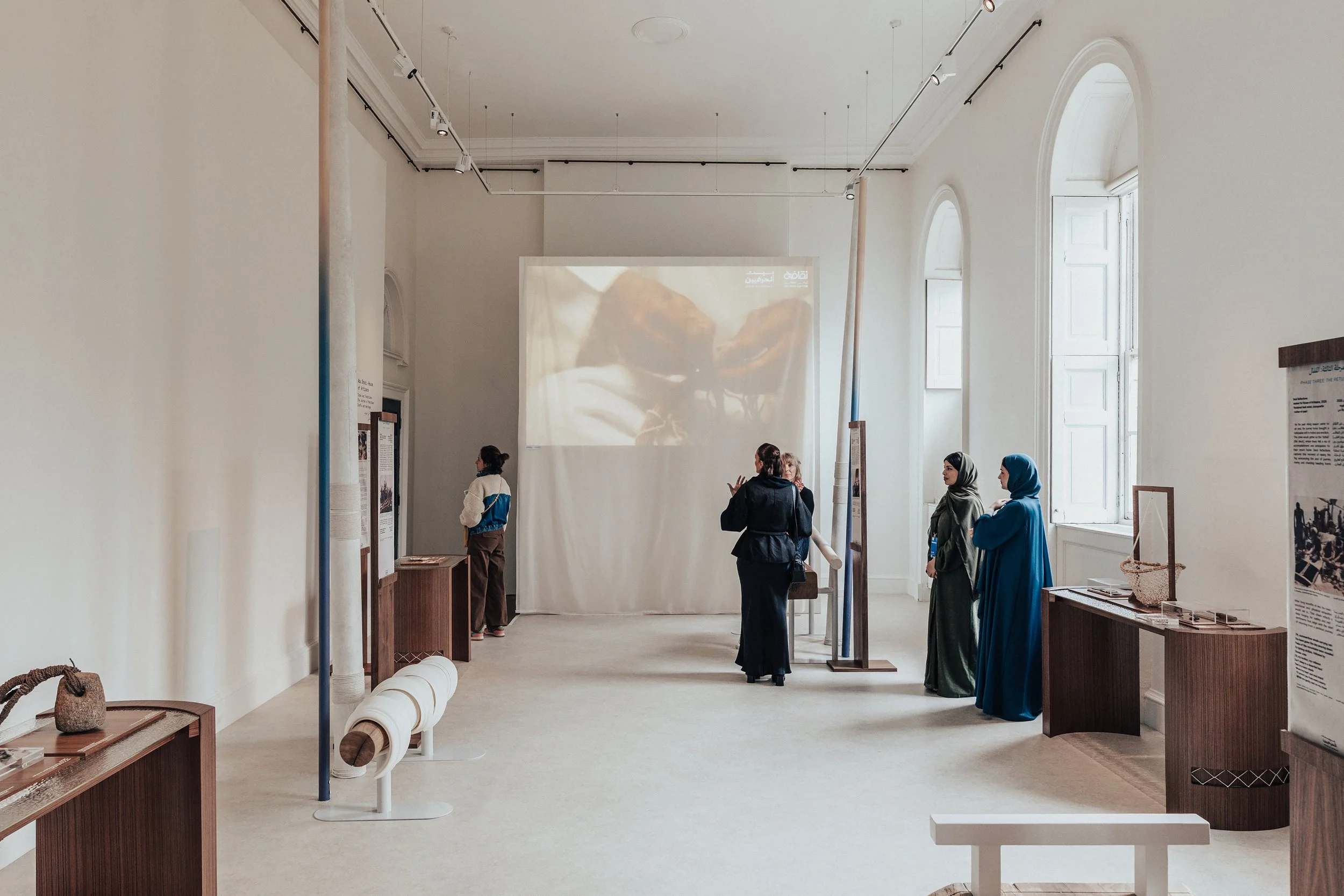
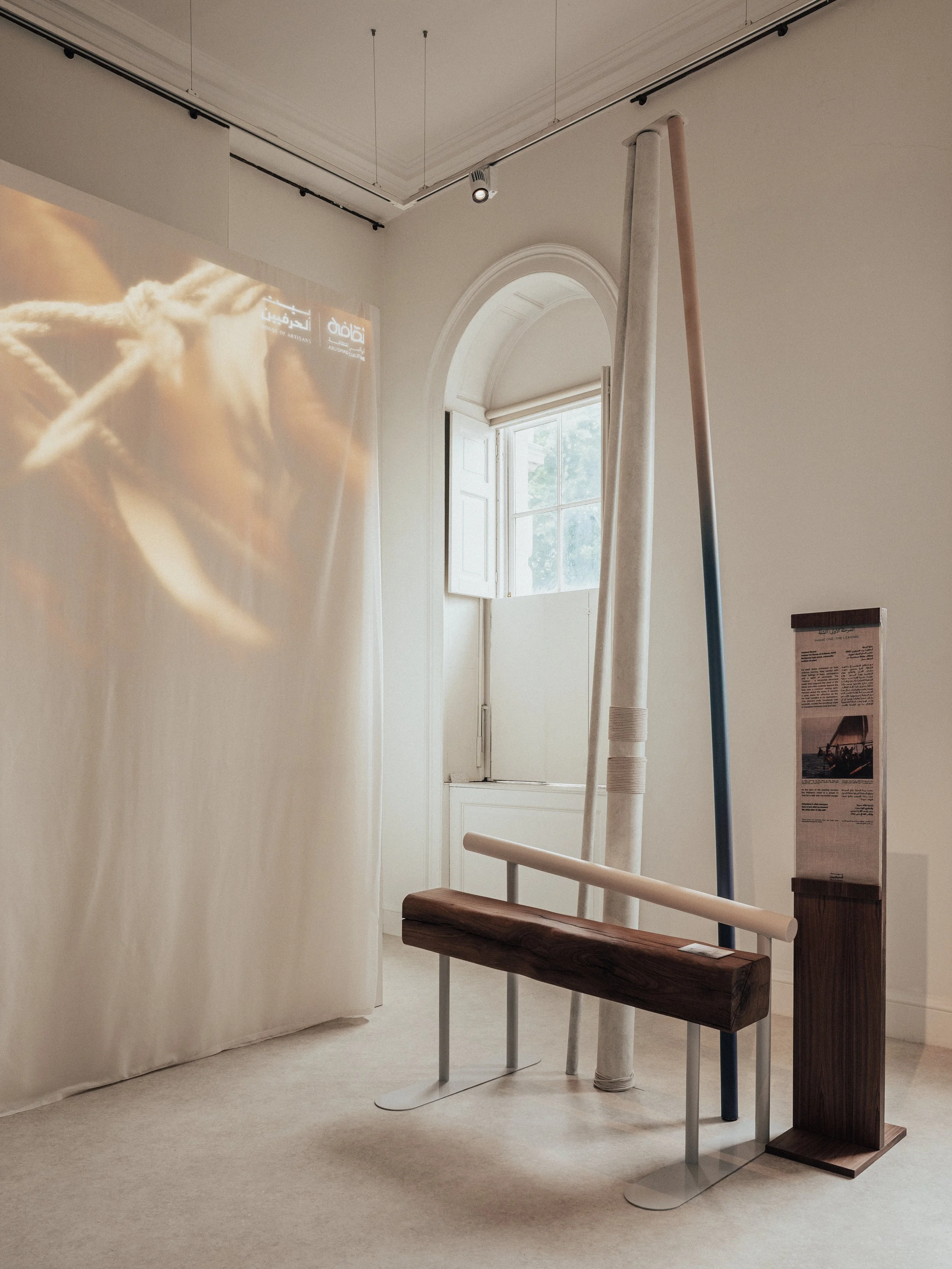
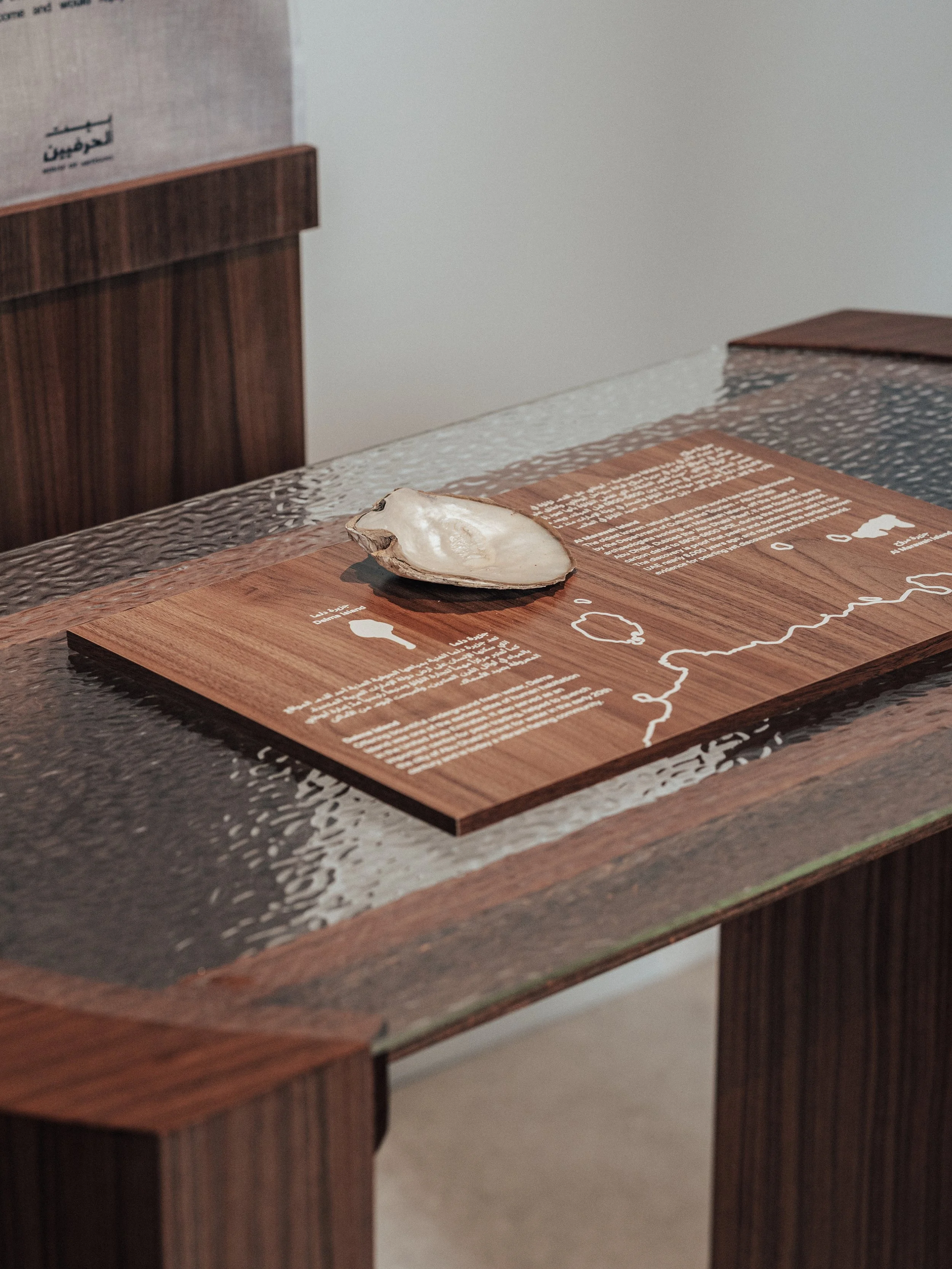
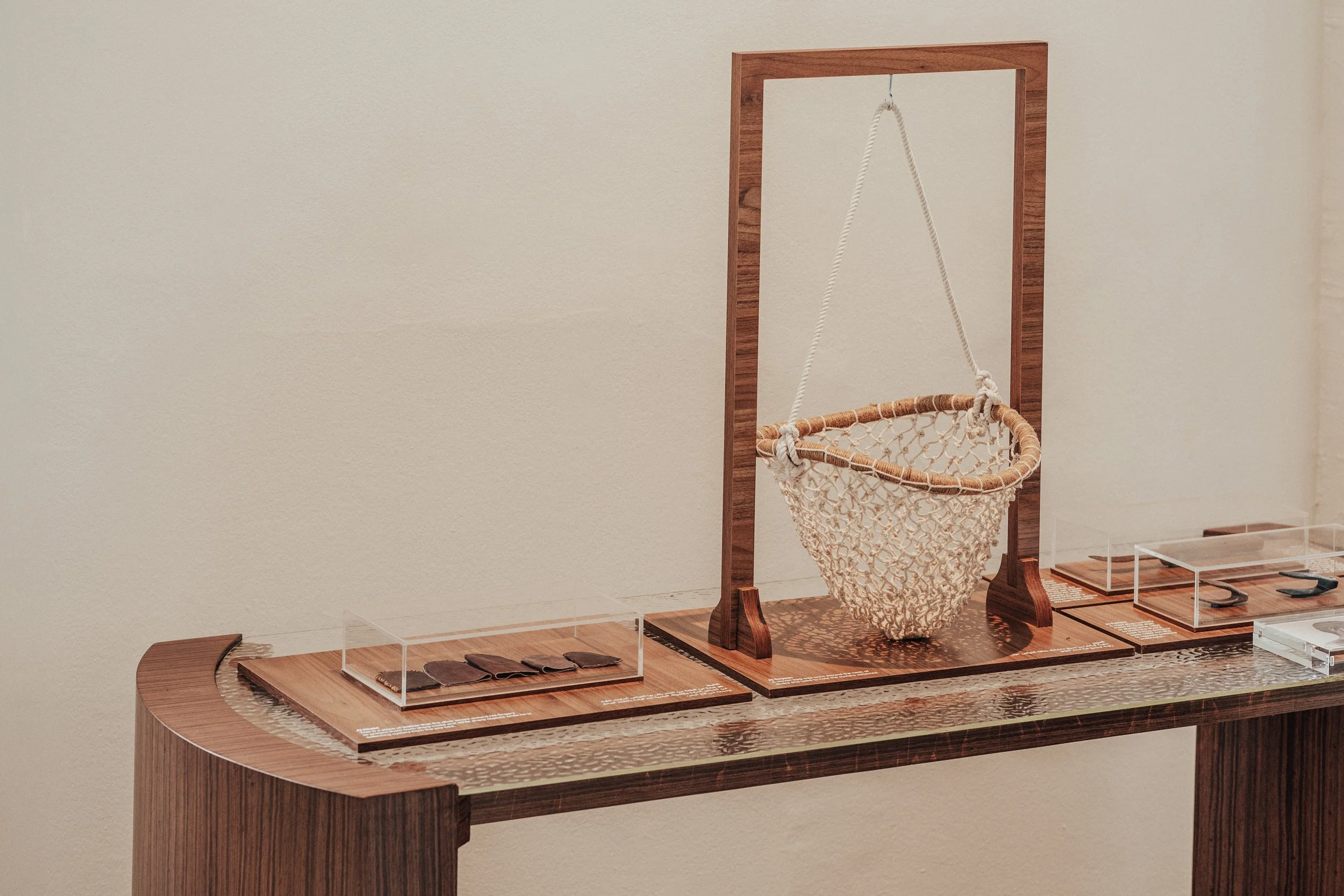
Presented by the House of Artisans, Tides and Traditions: The Journey of Maritime Crafts and Heritage offers a thoughtful exploration of the marine crafts that have long shaped Emirati life. Through immersive displays and storytelling, the pavilion delves into the skills, tools, and cultural significance of dhow building, net weaving, and pearl diving — crafts once essential for survival and economic growth. More than a historical showcase, this exhibition reflects the enduring spirit of craftsmanship and the deep connection between coastal communities and the sea, preserving these time-honoured traditions for future generations.



All images © Argentina, London Design Biennale 2025
Argentina
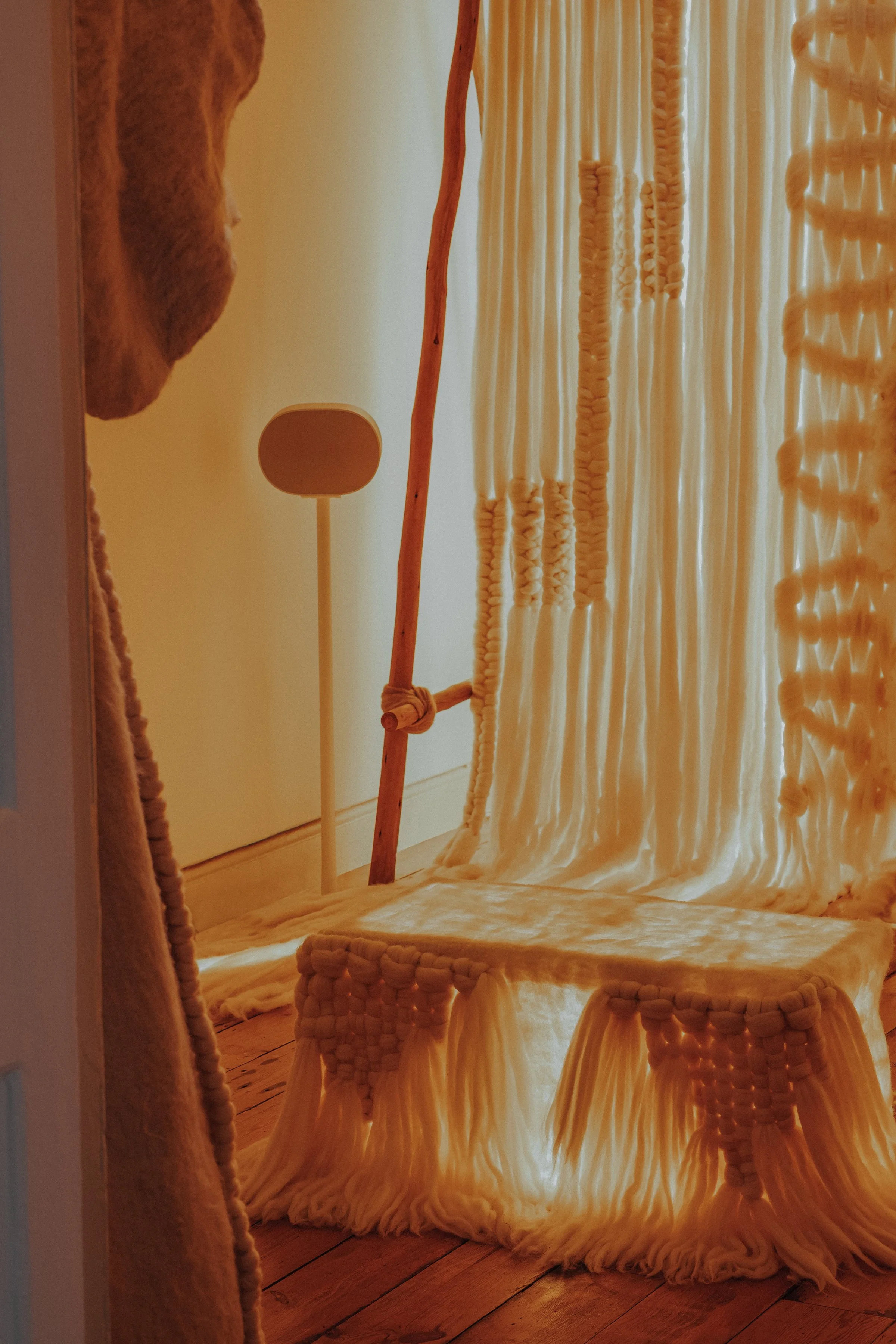
Argentina’s SUR ANDINA pavilion offers a multisensory journey into the spirit of the Andean world, where sound, light, and materiality converge to evoke ancestral knowledge and cultural memory. Created by Madre Tierra Designers, the installation weaves together traditional craftsmanship, natural materials, and immersive technology to celebrate identity, sustainability, and legacy. Through textured fibres, sculpted light, and an evocative soundscape inspired by Andean mythology, the space invites visitors to connect with the landscape, traditions, and enduring presence of the Andes in an entirely contemporary way.
All images © Azerbaijan, London Design Biennale 2025
Azerbaijan
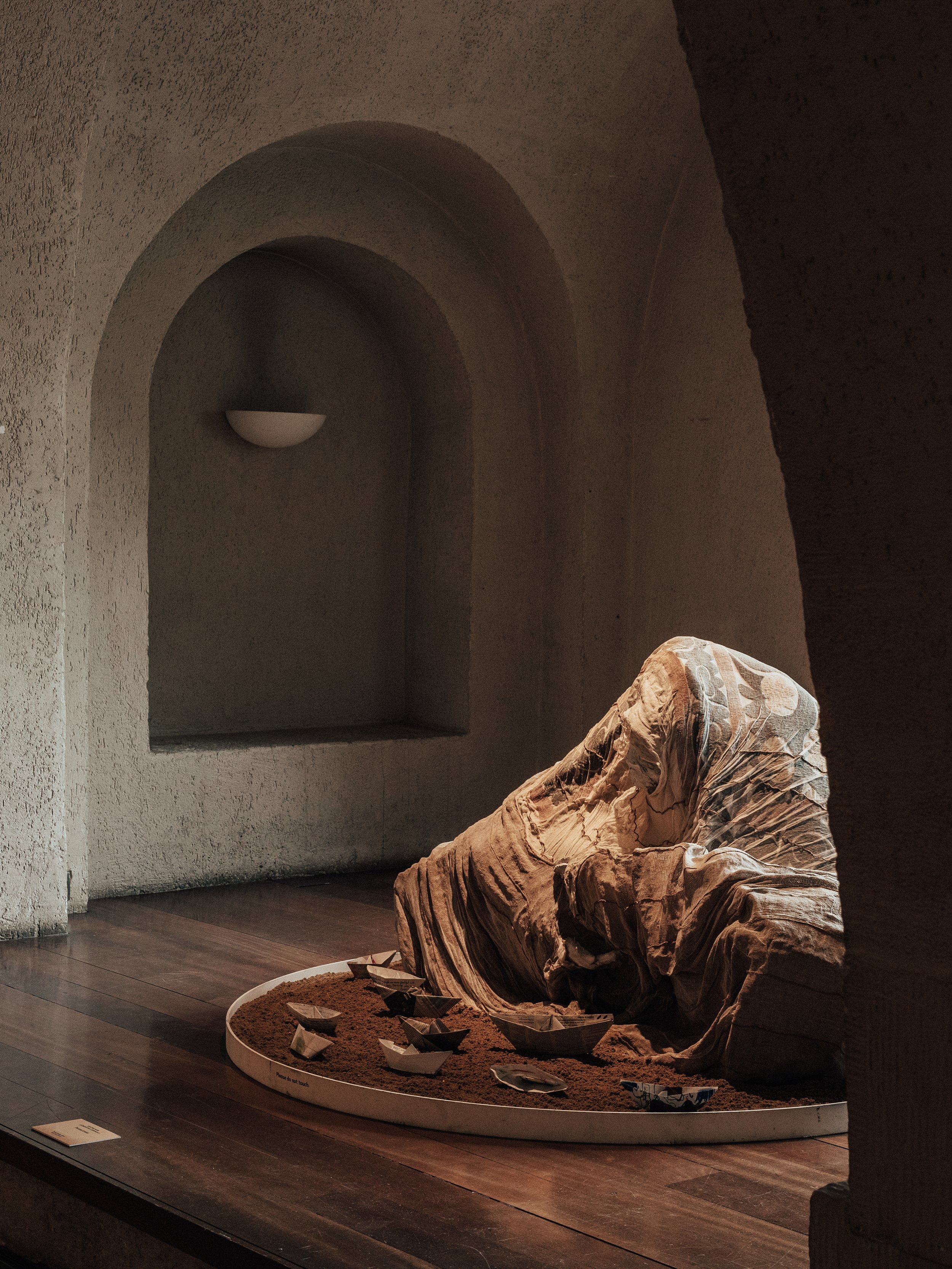
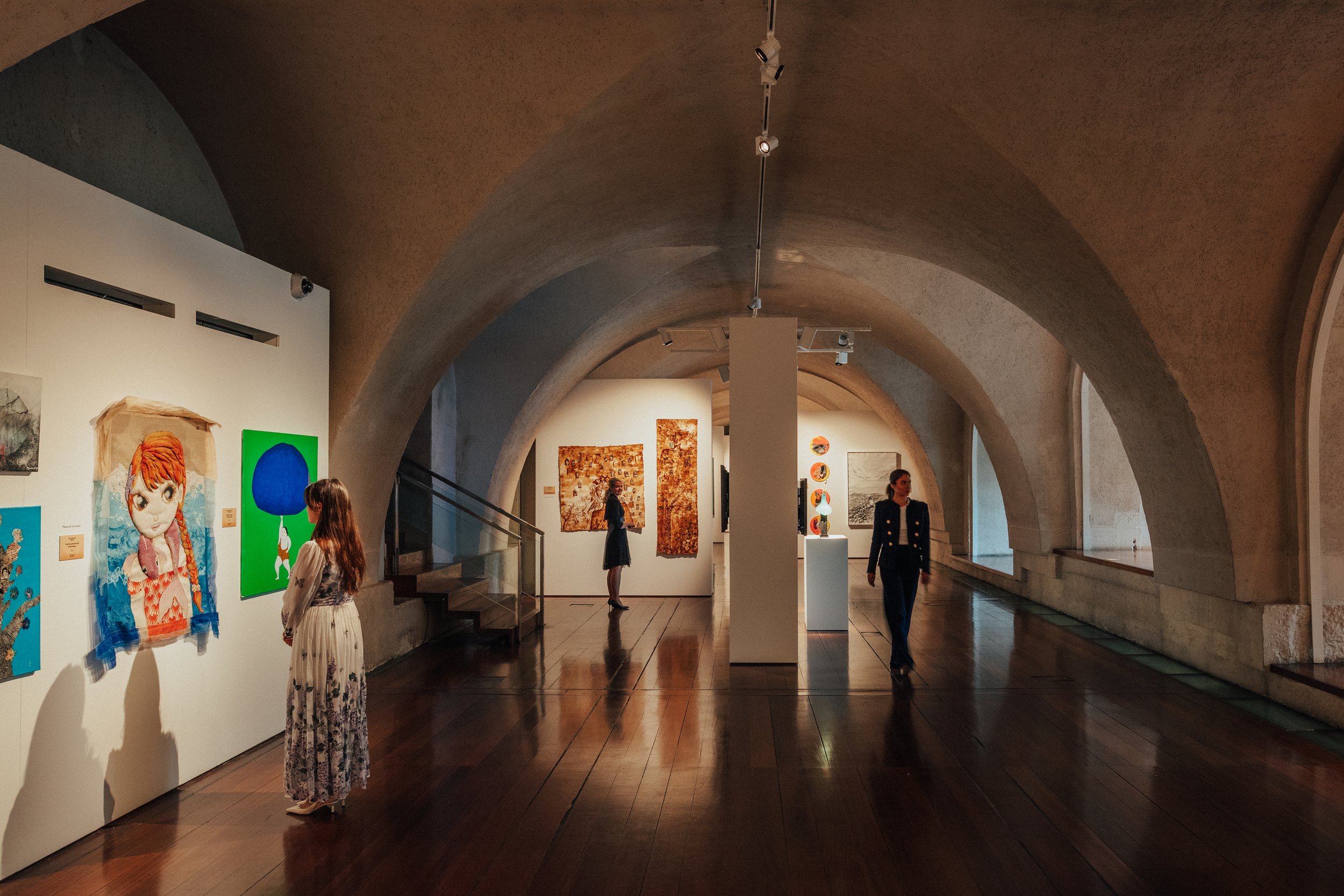
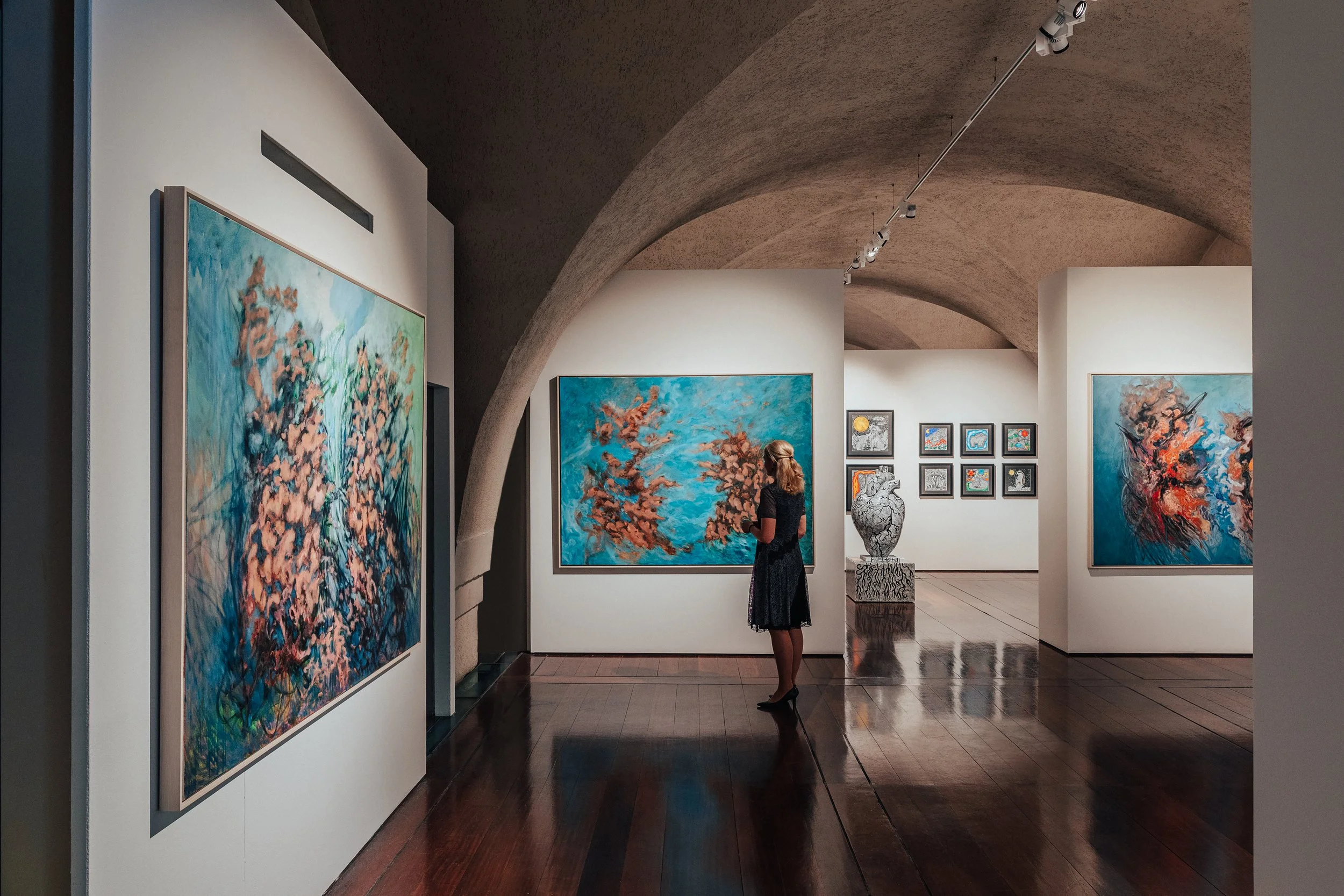
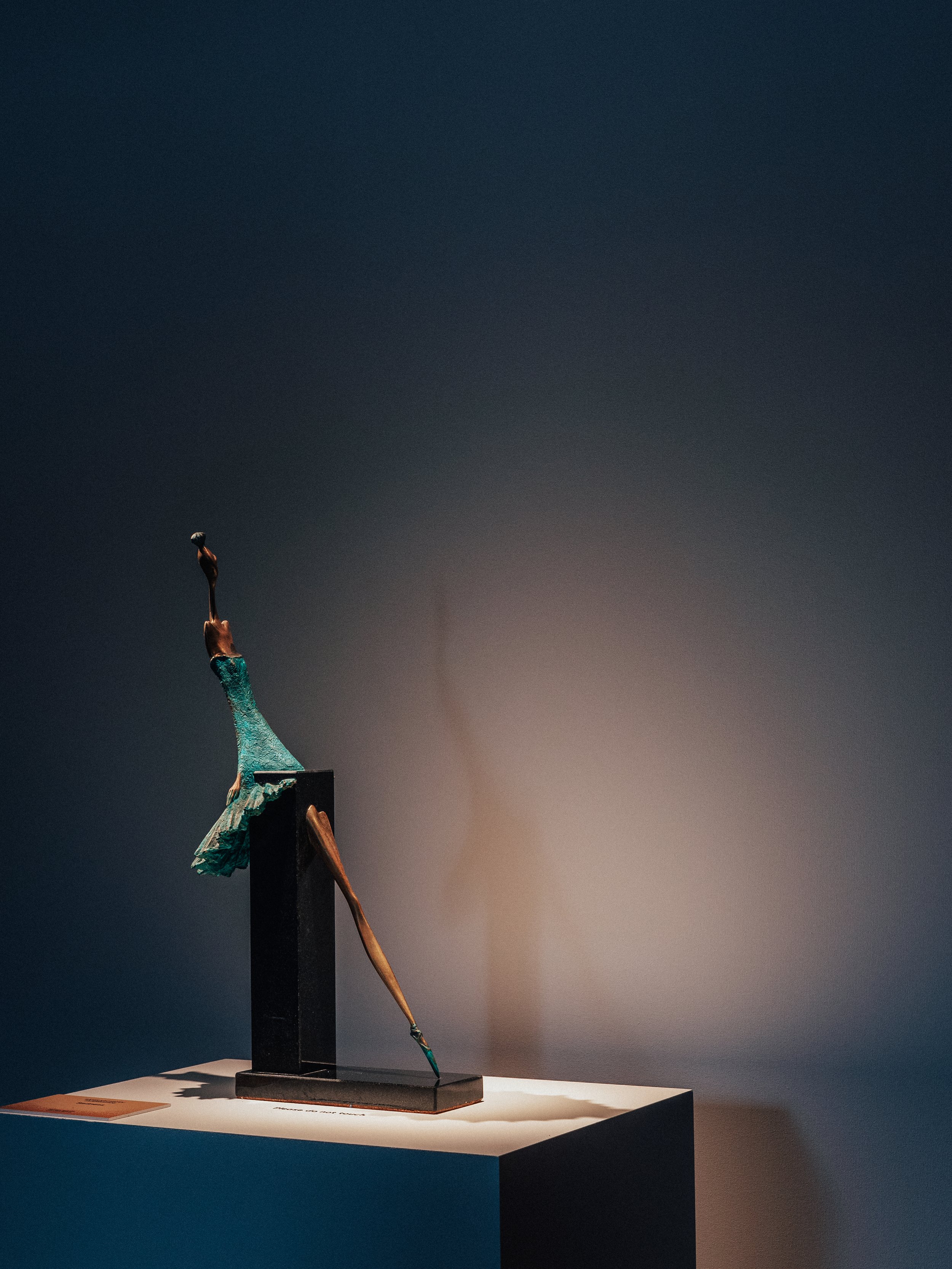
Azerbaijan’s MAMA Mother Nature pavilion presents a powerful artistic response to the urgent dialogue between humanity and the environment. Curated by Emin Mammadov and inspired by Leyla Aliyeva’s environmental advocacy, the exhibition brings together global artists to explore nature as both muse and fragile resource. Through painting, sculpture, digital media, and immersive experiences, MAMA Mother Nature merges tradition with innovation, mythology with ecological reflection. As part of its international journey, the pavilion invites audiences to reconsider their relationship with the Earth and contributes to the Biennale’s vision of creativity, cultural dialogue, and sustainability.
All images © Chile, London Design Biennale 2025
Chile
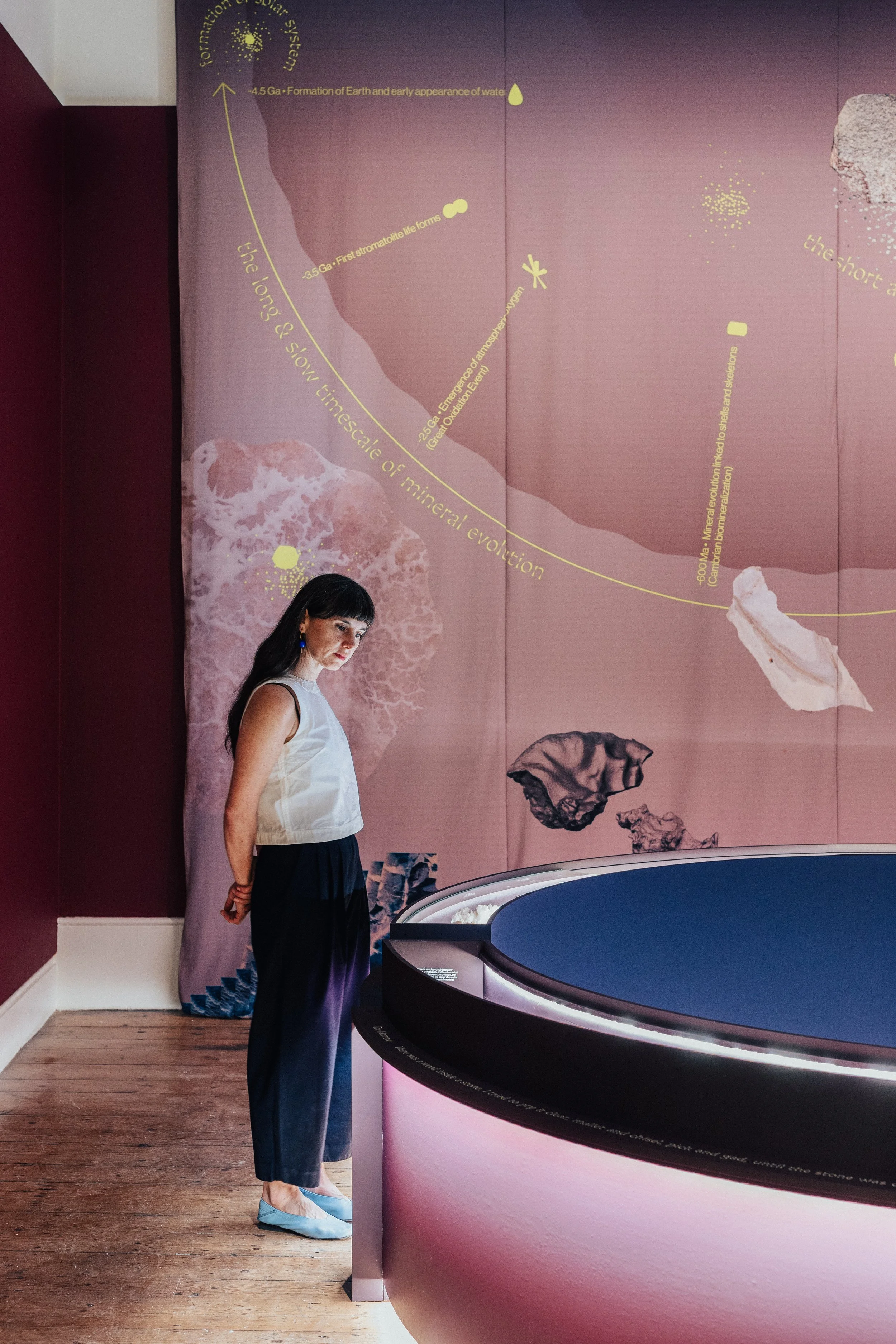
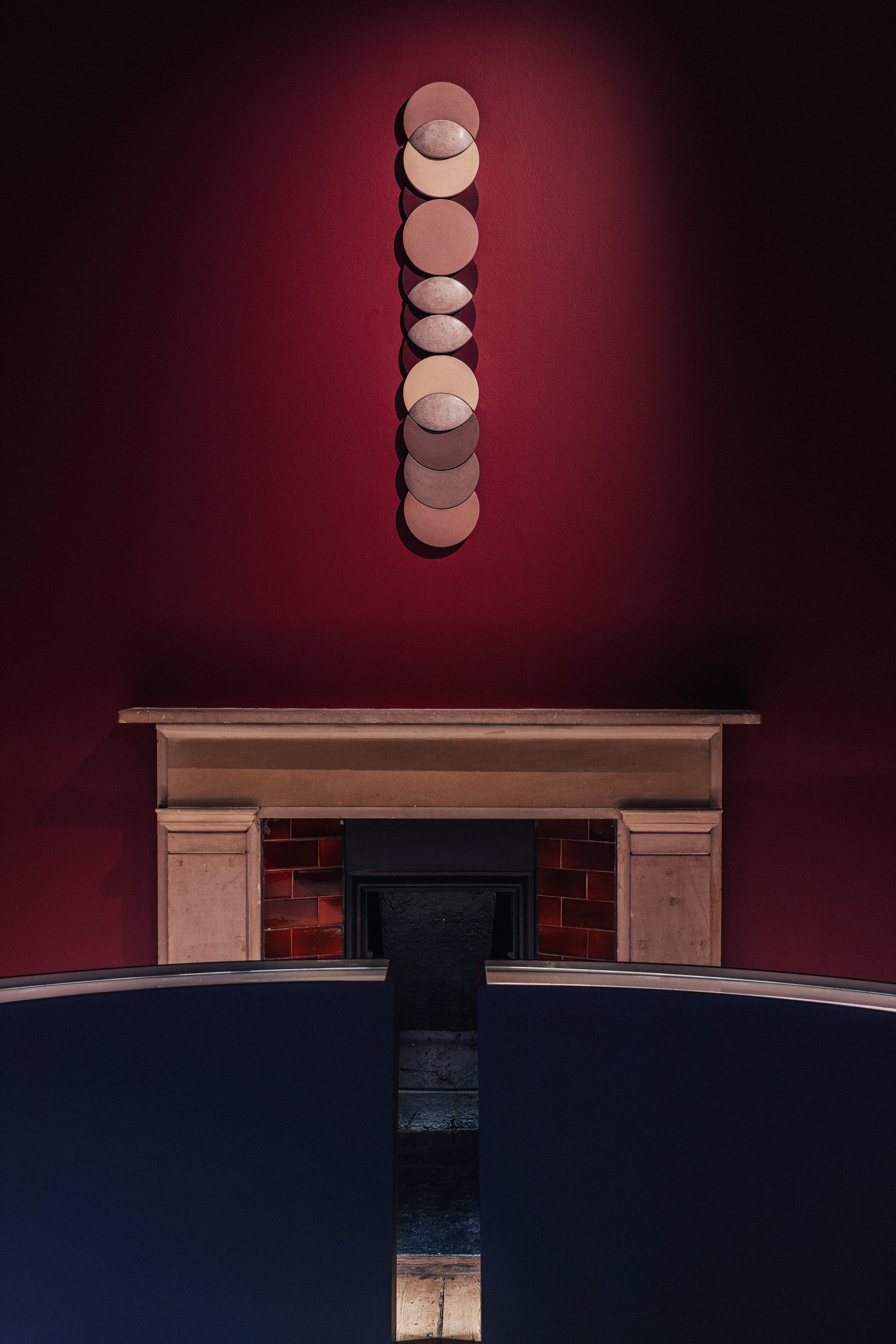
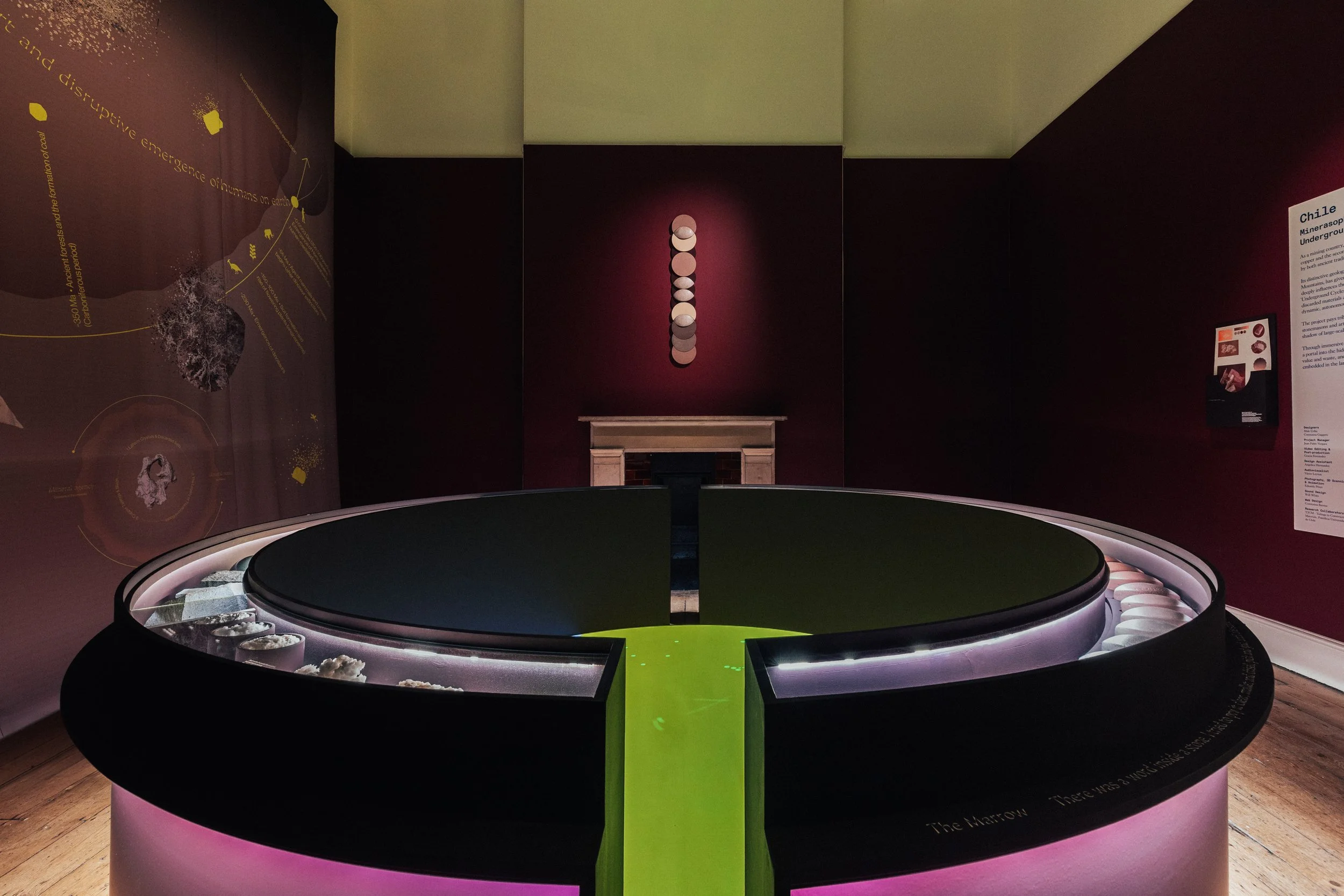
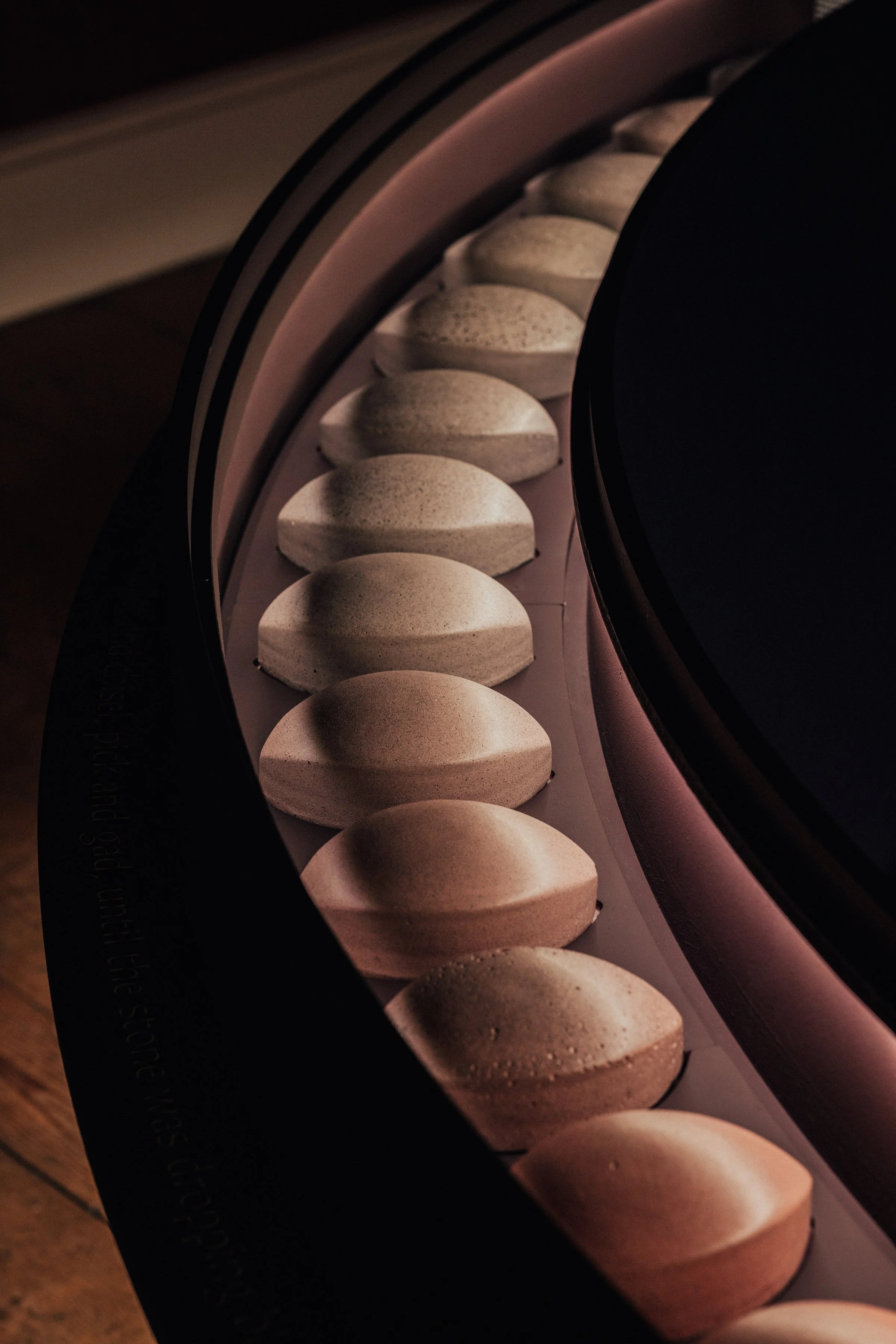
Chile’s Minerasophia: Underground Cycles pavilion offers a thought-provoking exploration of the cultural, material, and environmental legacy of minerals. Through a multimedia installation, the project reflects on Chile’s extractive history and the profound impact of its mineral-rich landscape. From copper and lithium to ancestral stone crafts, the pavilion reimagines minerals not as mere resources but as carriers of heritage and wisdom. By highlighting both the environmental challenges and the artisanal traditions often lost to industrial mining, Underground Cycles invites a deeper reflection on value, waste, and our relationship with the Earth.
All images © China, London Design Biennale 2025
China
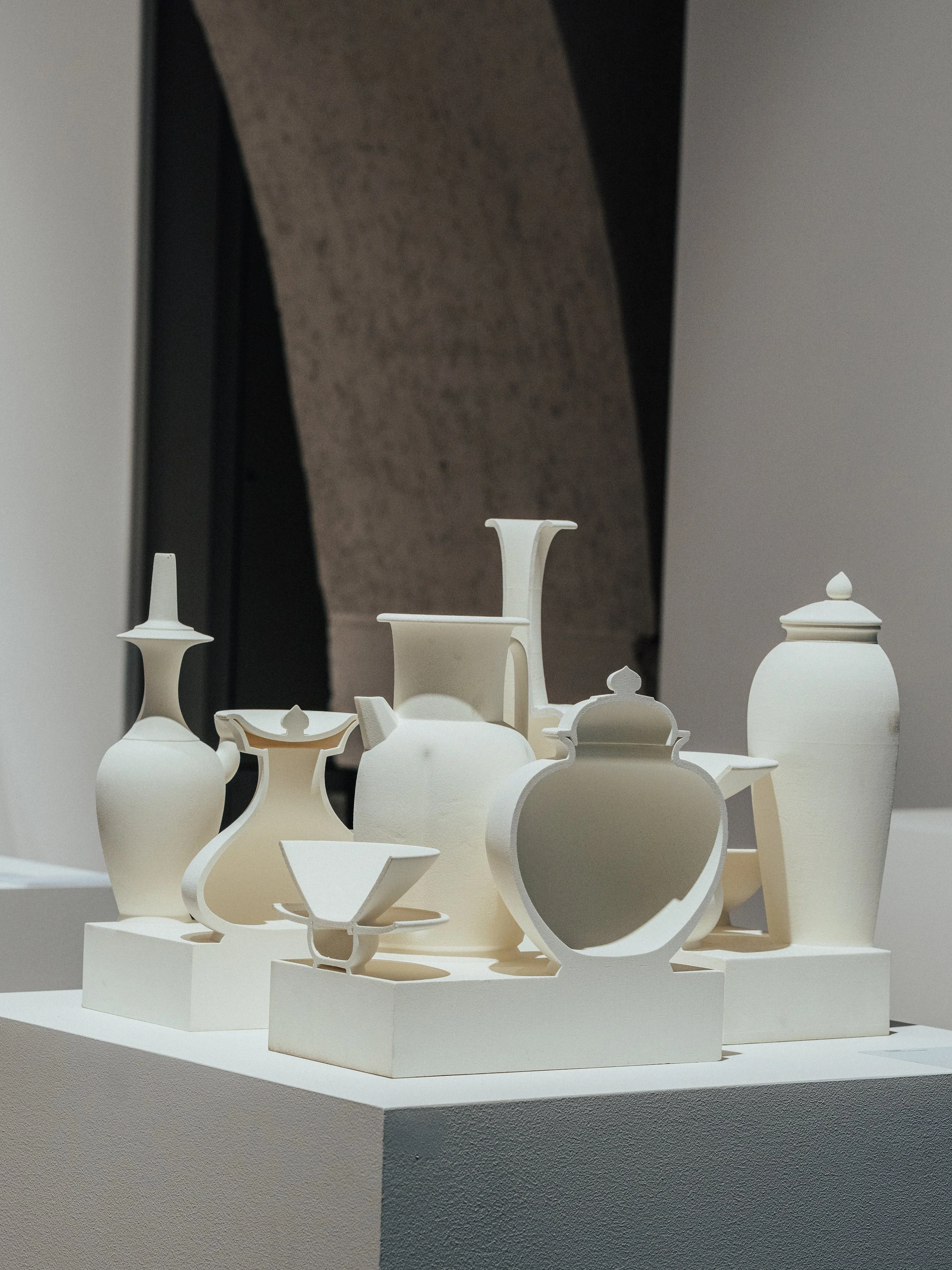
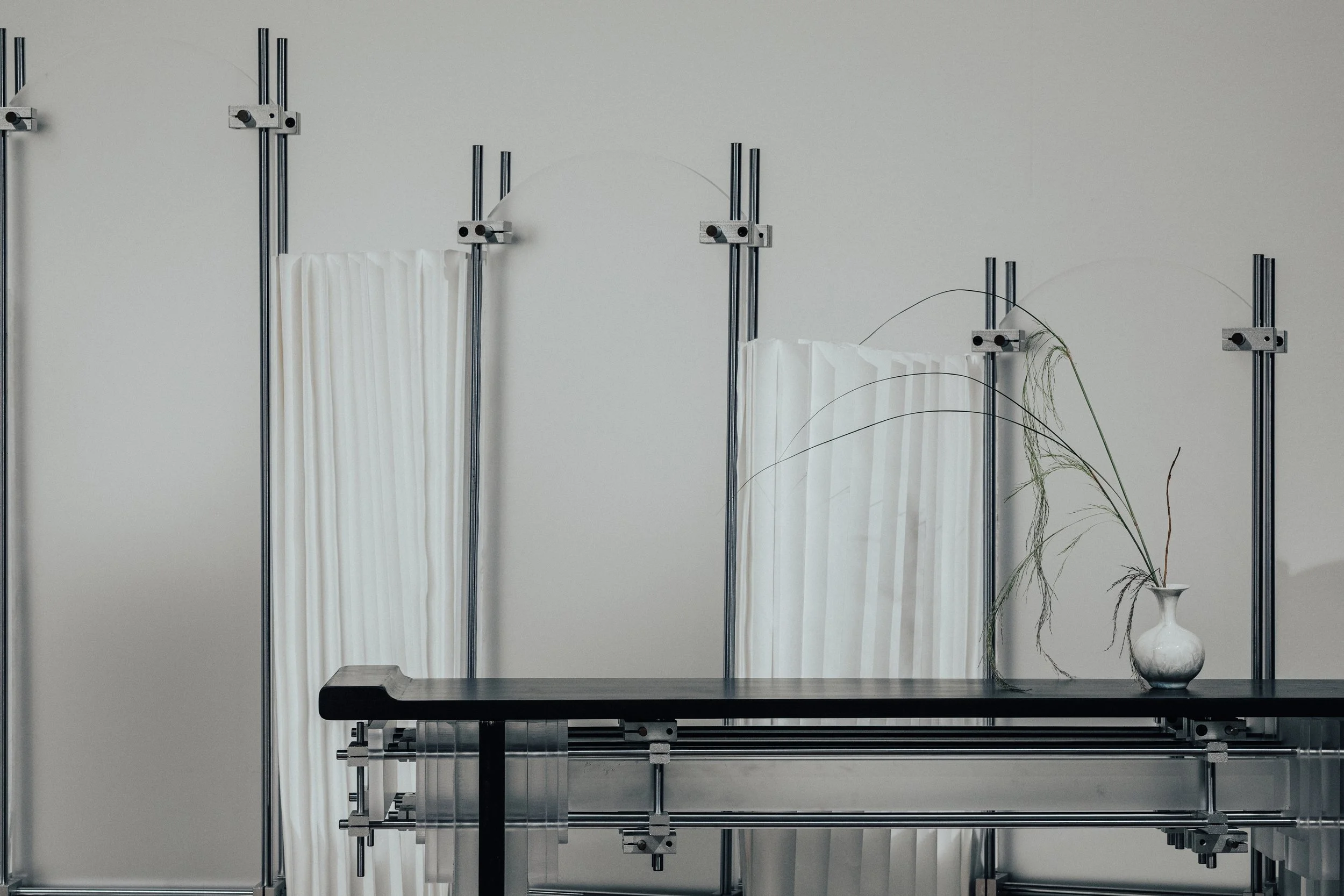
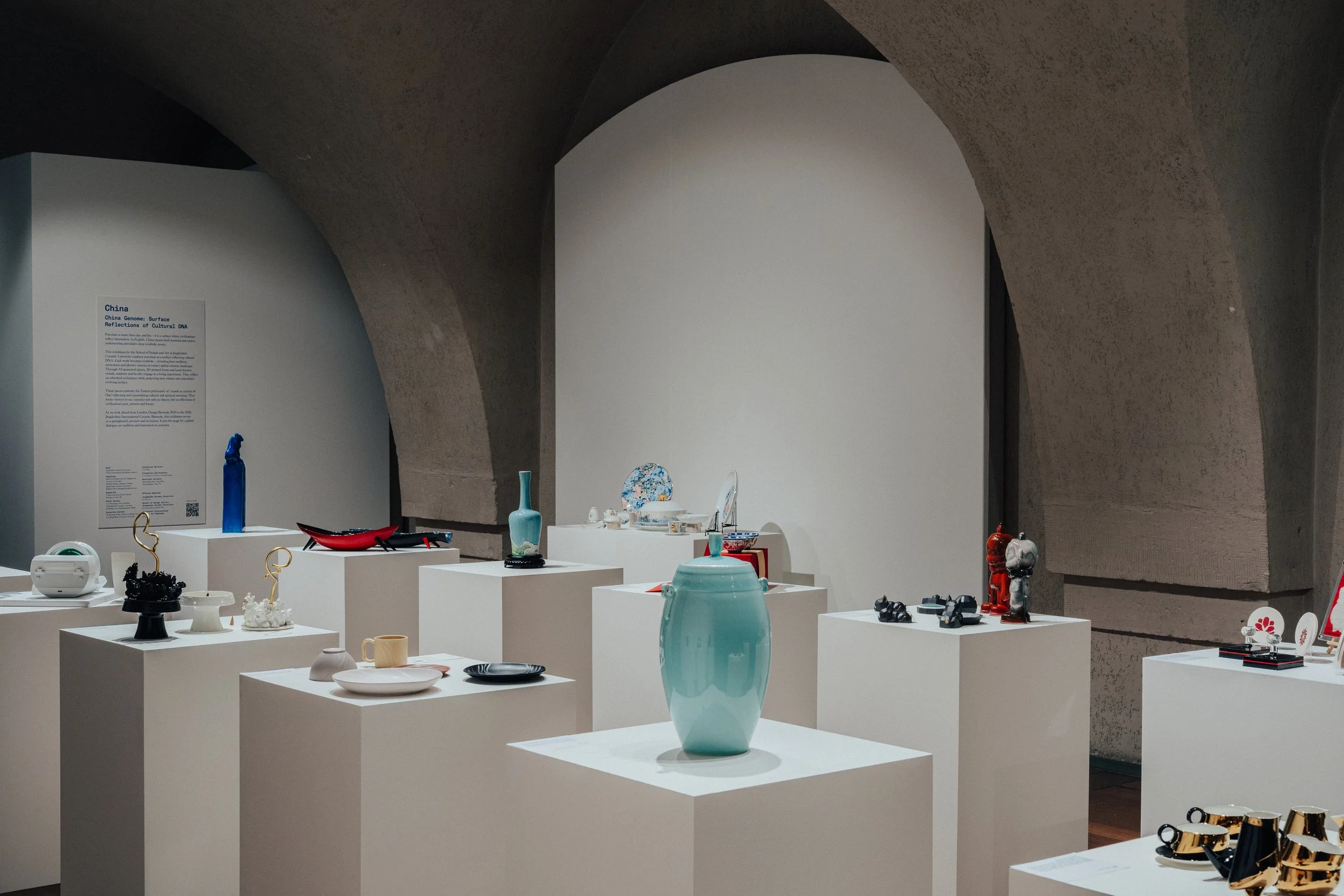
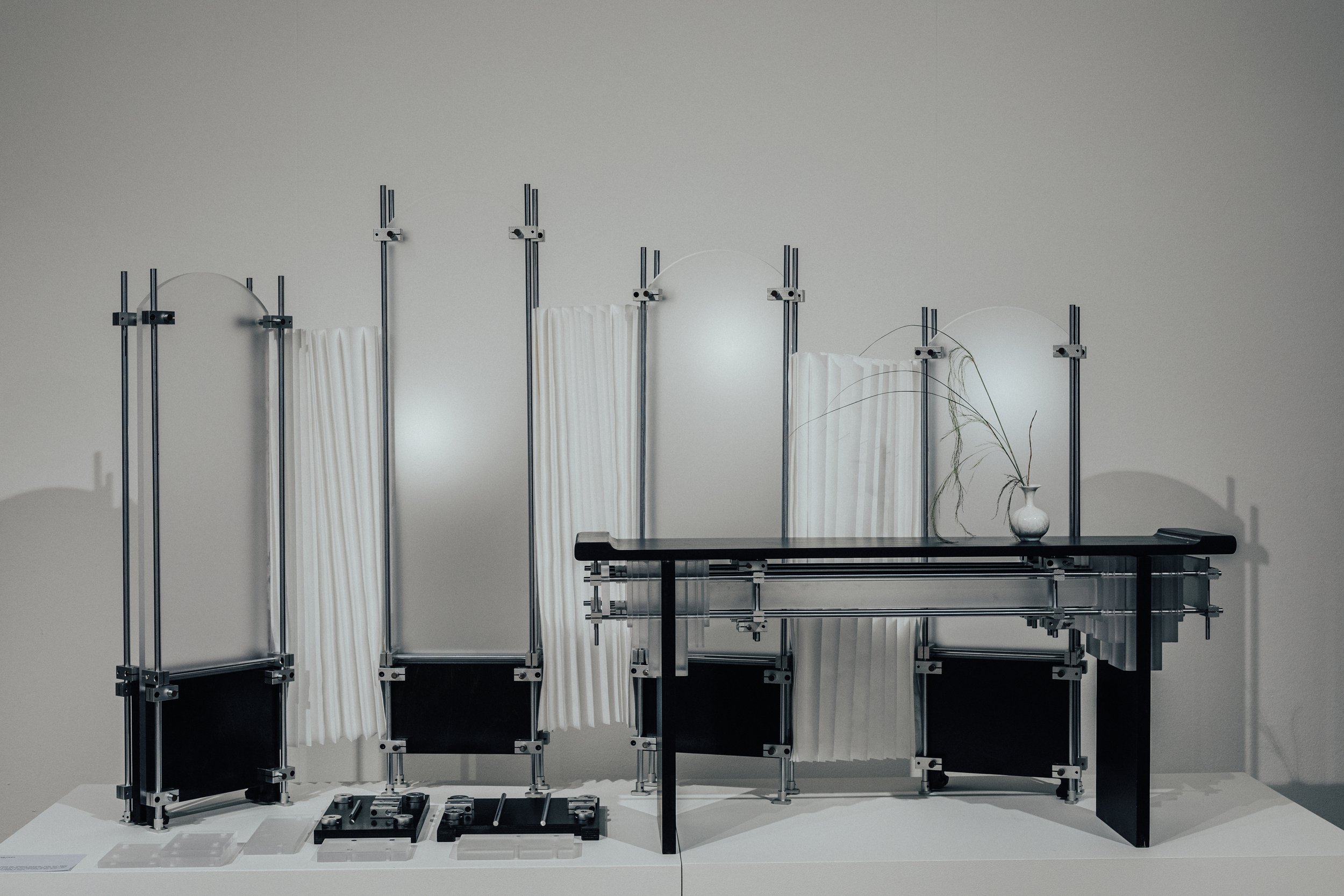
The China Pavilion explores porcelain as more than a material — it becomes a surface upon which culture, tradition, and innovation collide. Presented by Jingdezhen Ceramic University, the exhibition showcases AI-generated glazes, 3D-printed forms, and hand-thrown vessels that reflect both ancient craftsmanship and contemporary design thinking. Rooted in the belief that “vessels are carriers of Dao,” these works reveal ceramics as cultural expressions that transcend time. As a preview of the 2026 Jingdezhen International Ceramic Biennale, the pavilion invites a global dialogue on identity, heritage, and the future of ceramic art.
All images © Hong Kong, London Design Biennale 2025
Hong Kong
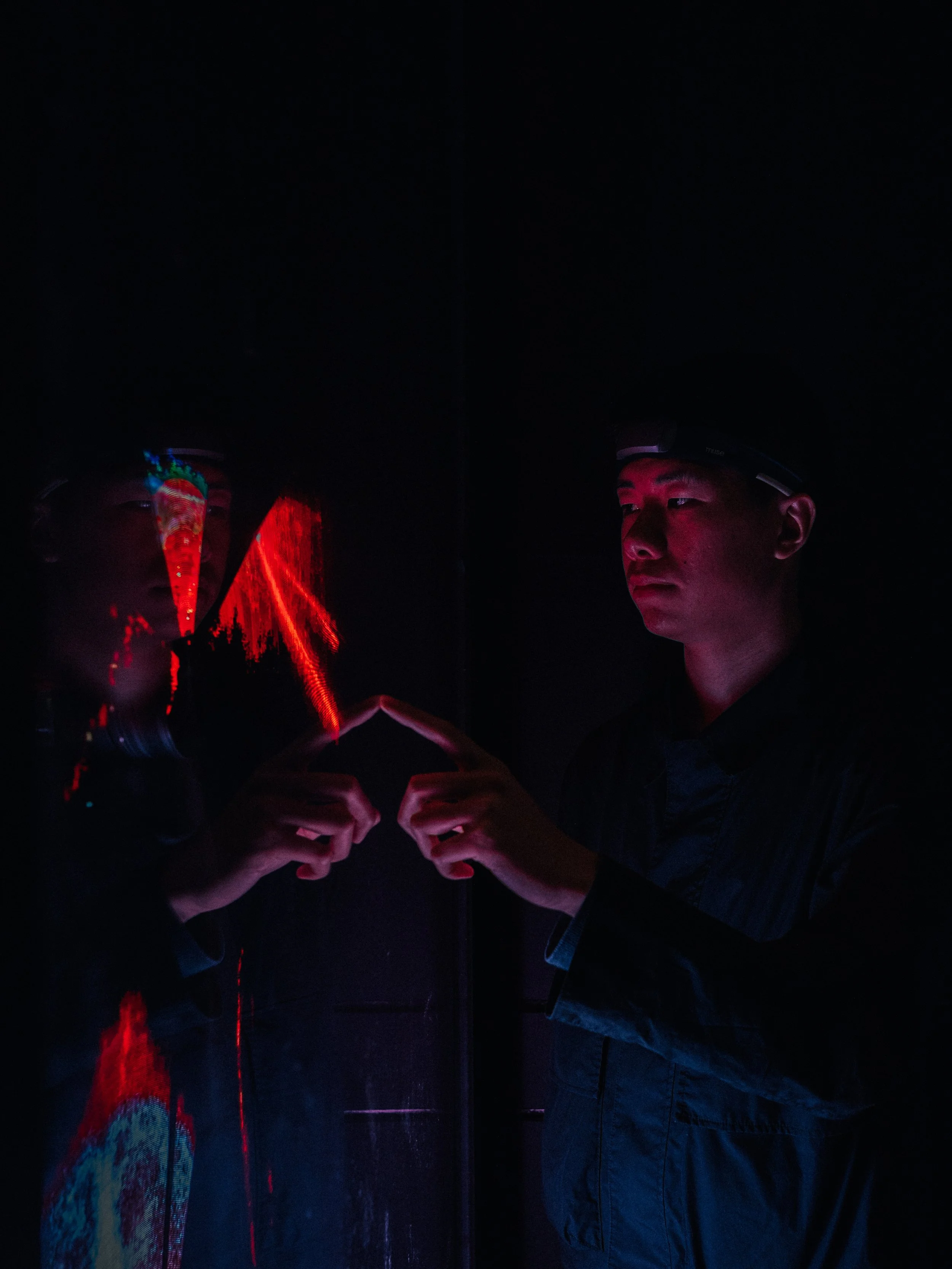
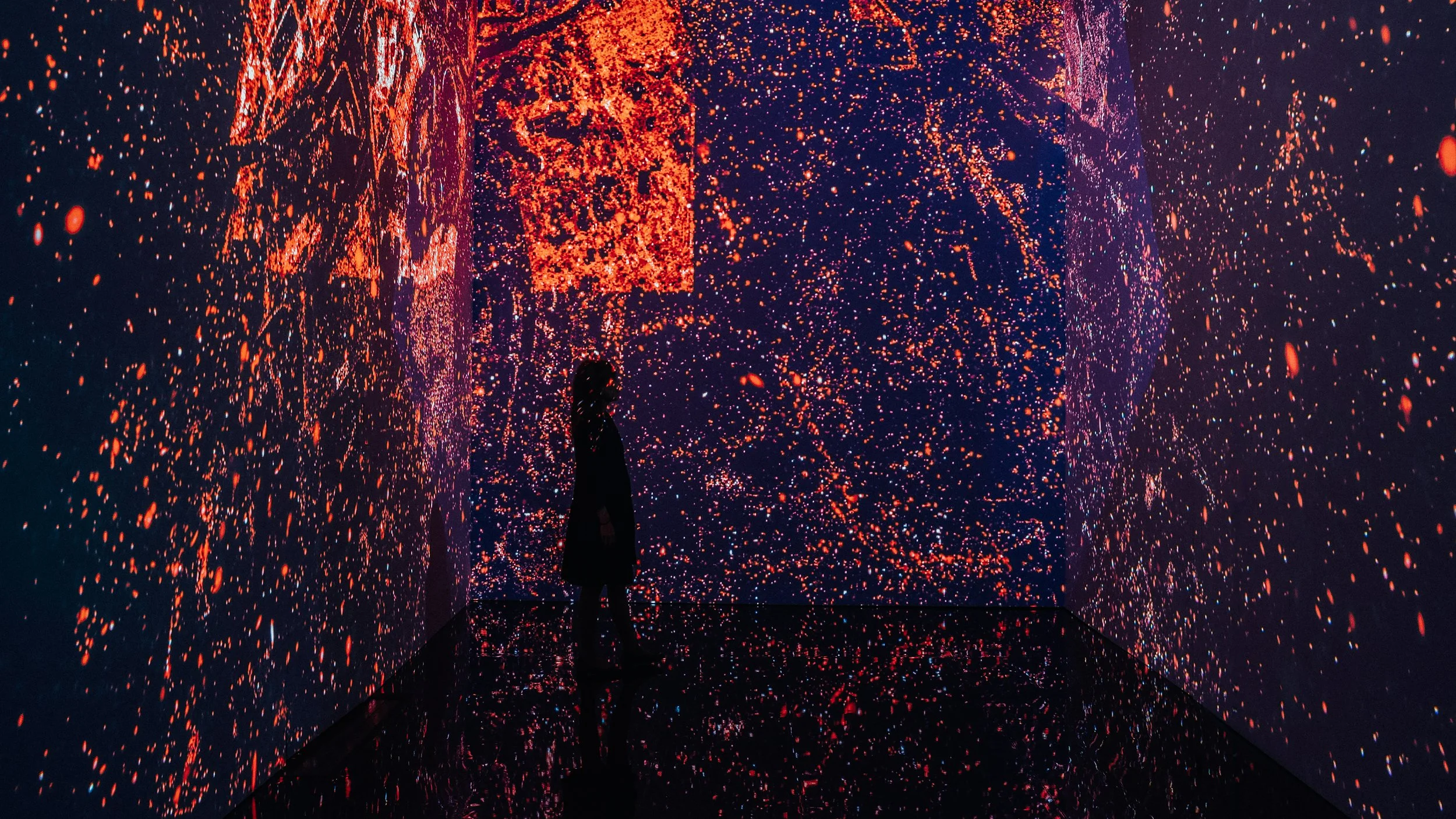
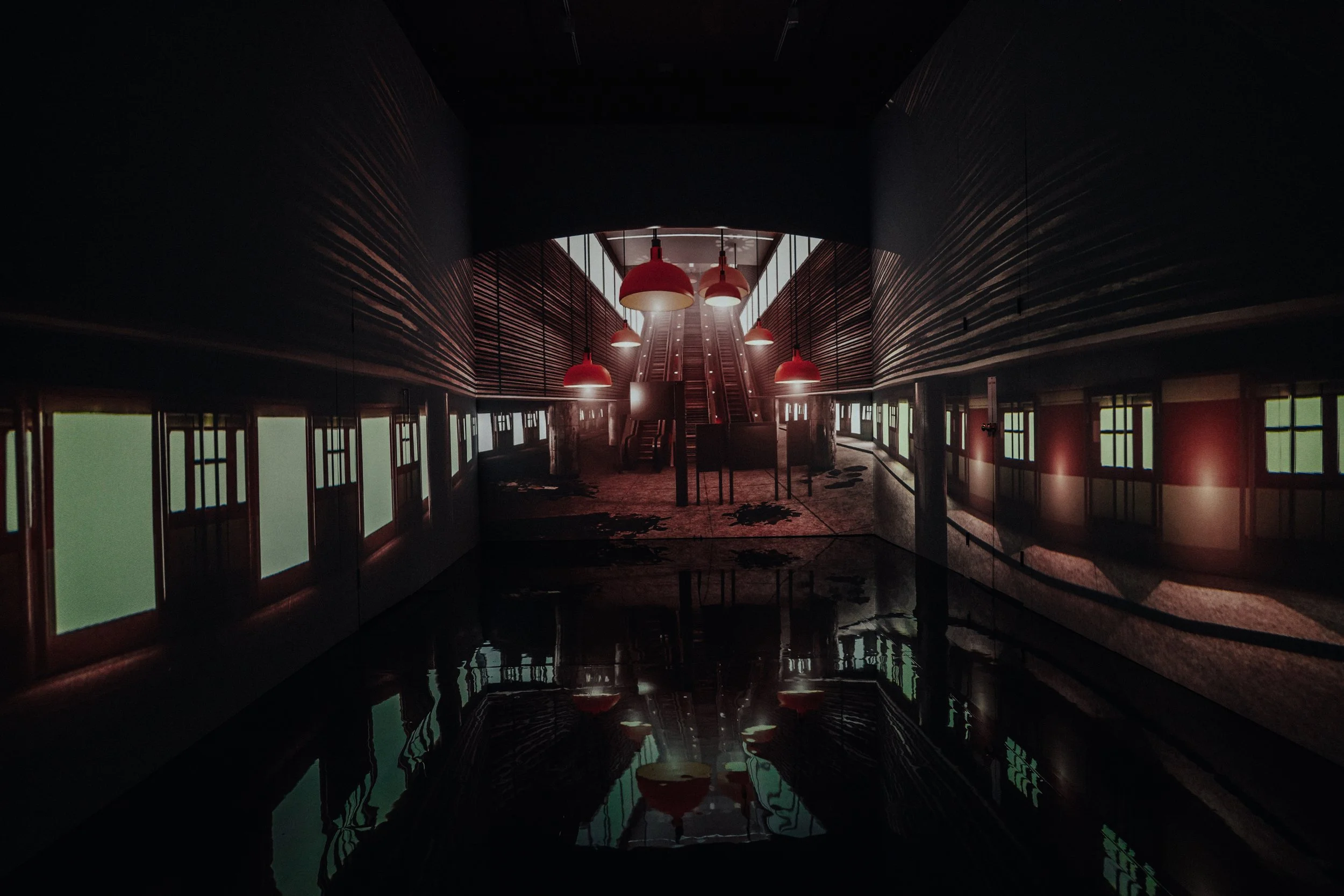
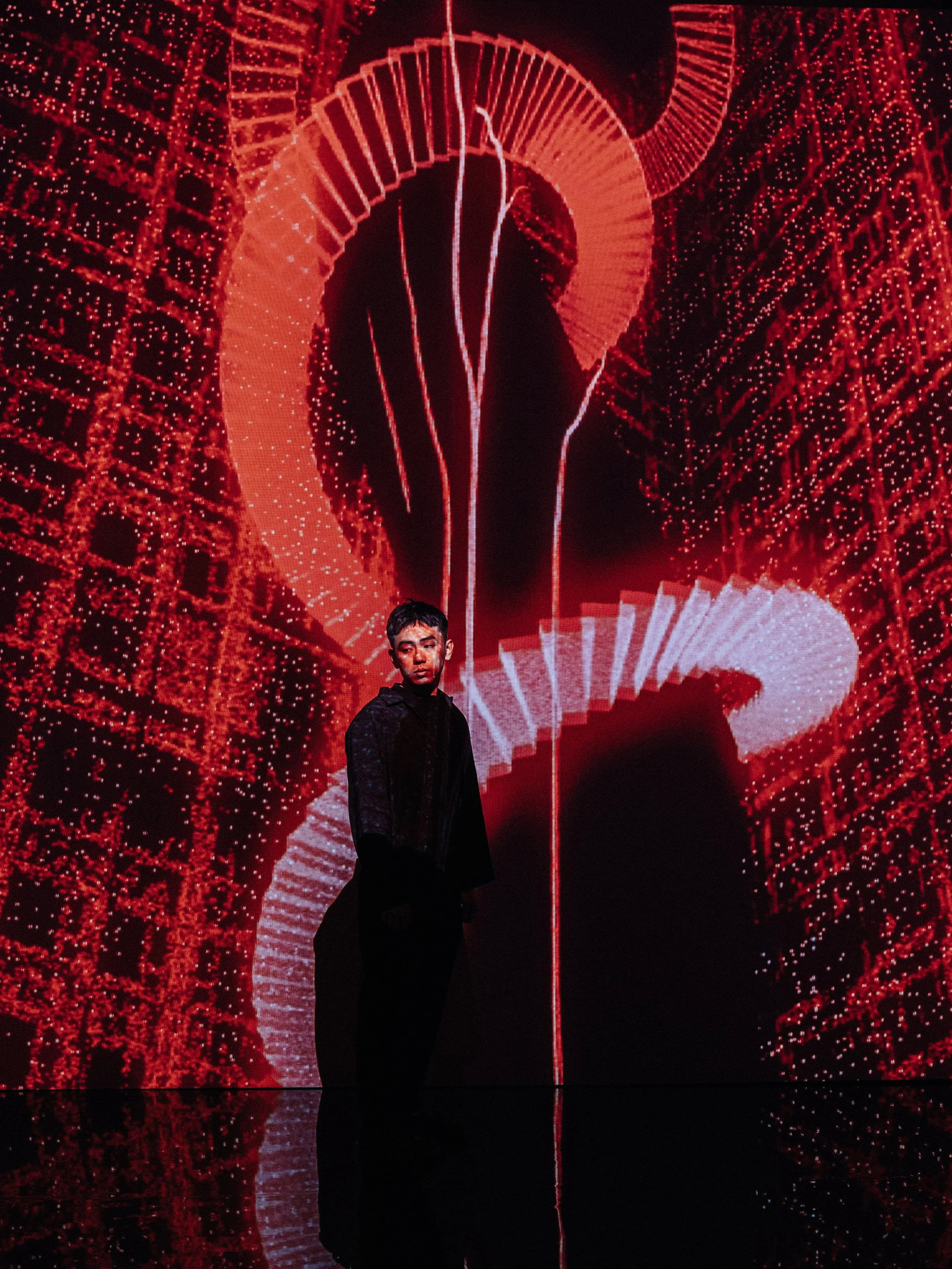
The Hong Kong Pavilion’s Human-Centred Design: Visuospace explores the intricate relationship between spatial design, psychology, and emotional wellbeing. Taking a neuroscientific approach, the project investigates how we perceive and interact with our built environments — from movement and depth to emotional responses. Through this research-driven installation, Visuospace offers new insights into how design can shape healthier, more human-focused living and working spaces, placing wellbeing at the heart of urban development.
All images © India, London Design Biennale 2025
India
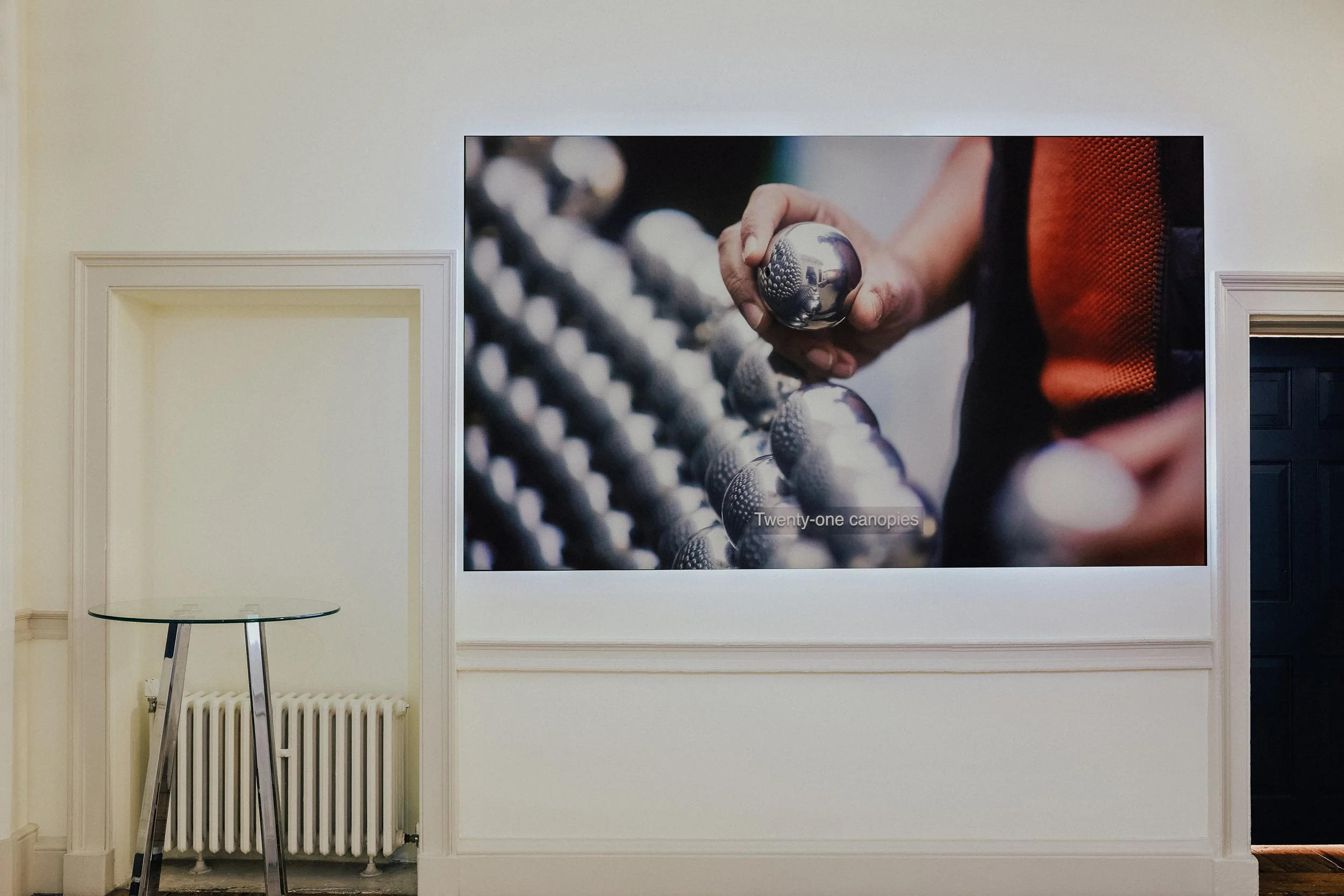
India’s Silent Subtext, presented as part of the Biennale’s Film Studio, offers a quiet yet powerful reflection on the work of artist and designer Vibhor Sogani. Through this poetic short film, viewers are invited into Sogani’s world, where silence, light, and form speak louder than words. Blurring the line between reality and abstraction, Silent Subtext examines how unspoken connections and subtle design elements can evoke reflection and unveil the deeper layers of the human experience.
All images © Japan, London Design Biennale 2025
Japan
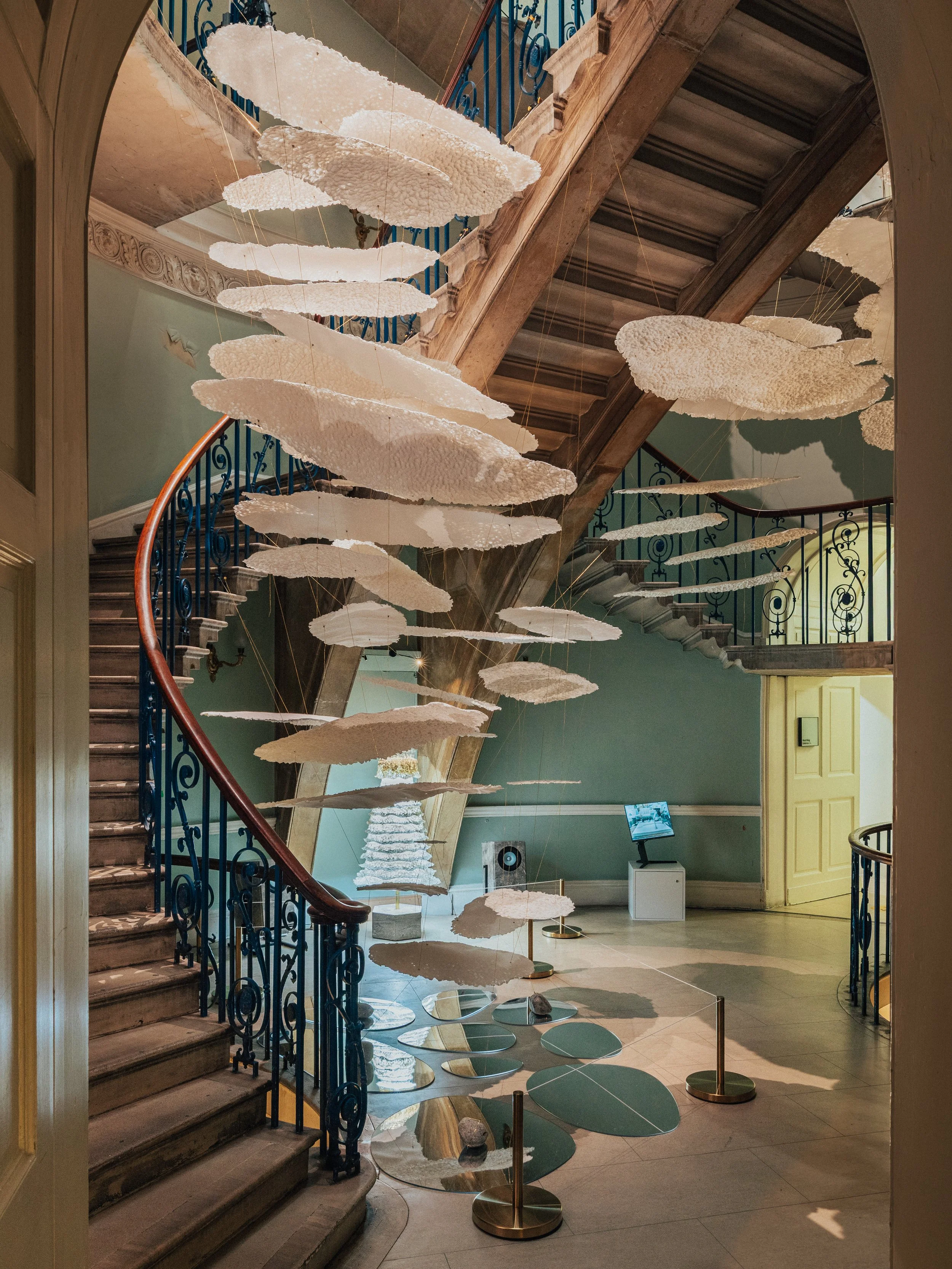
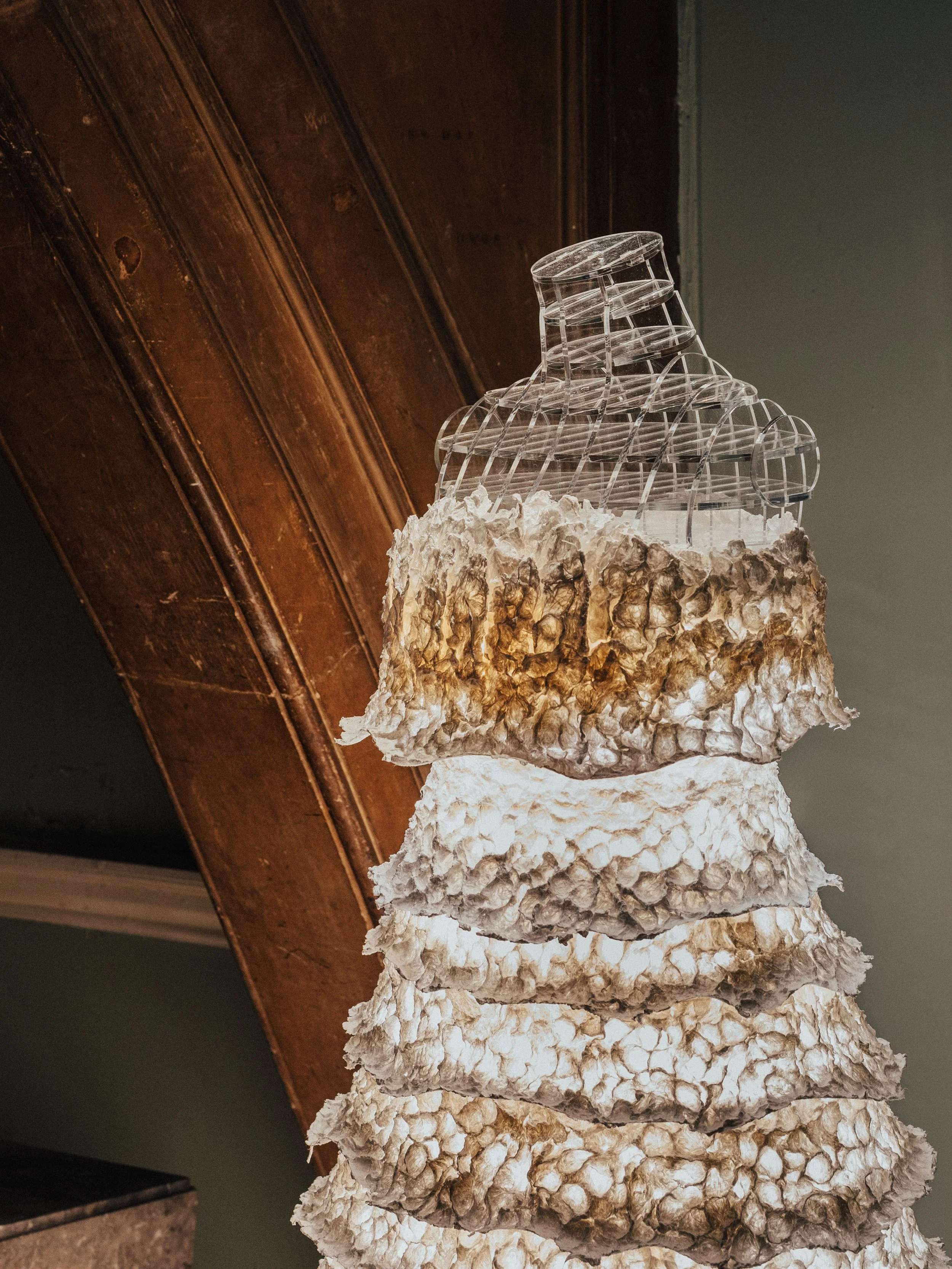
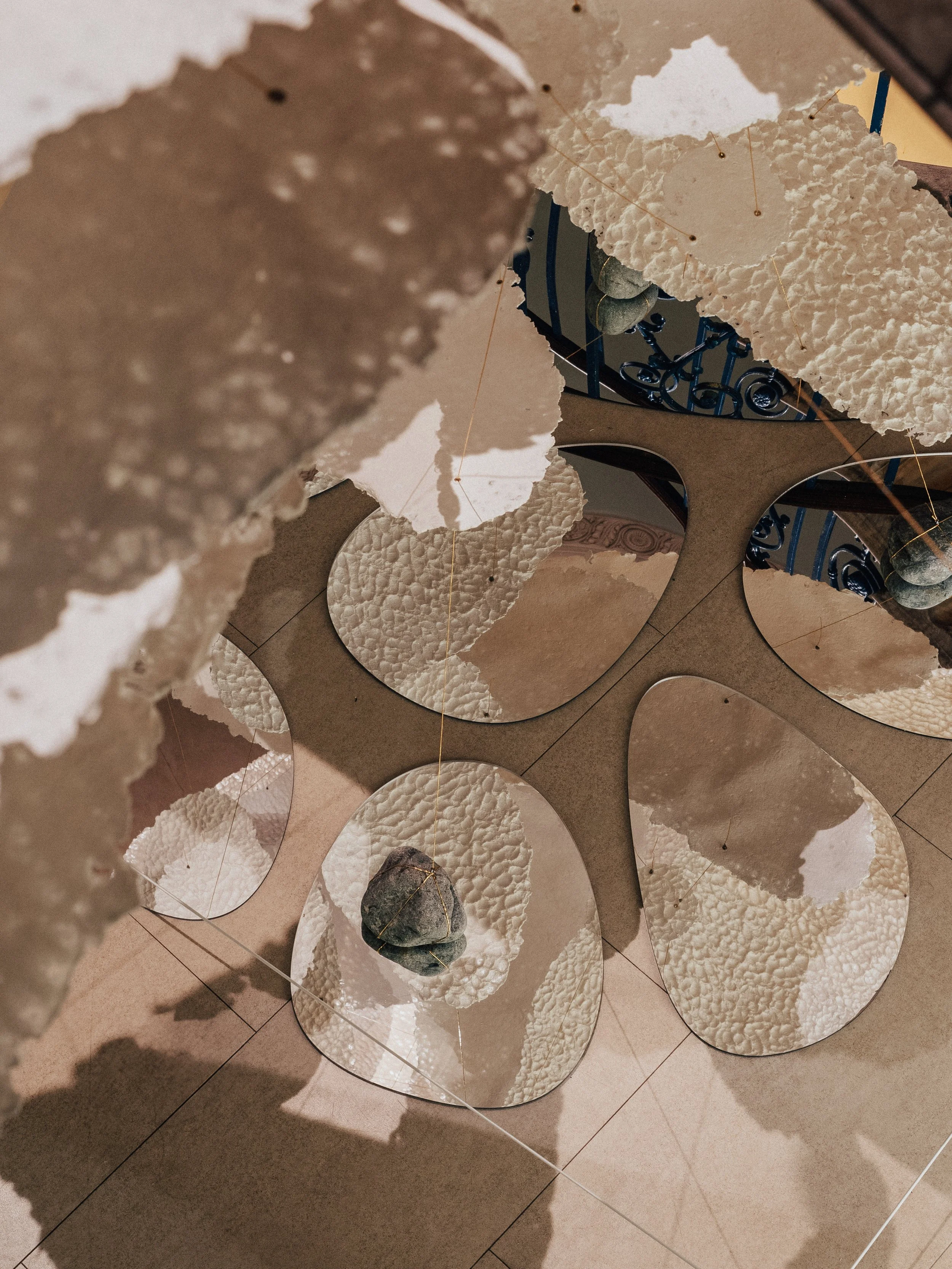
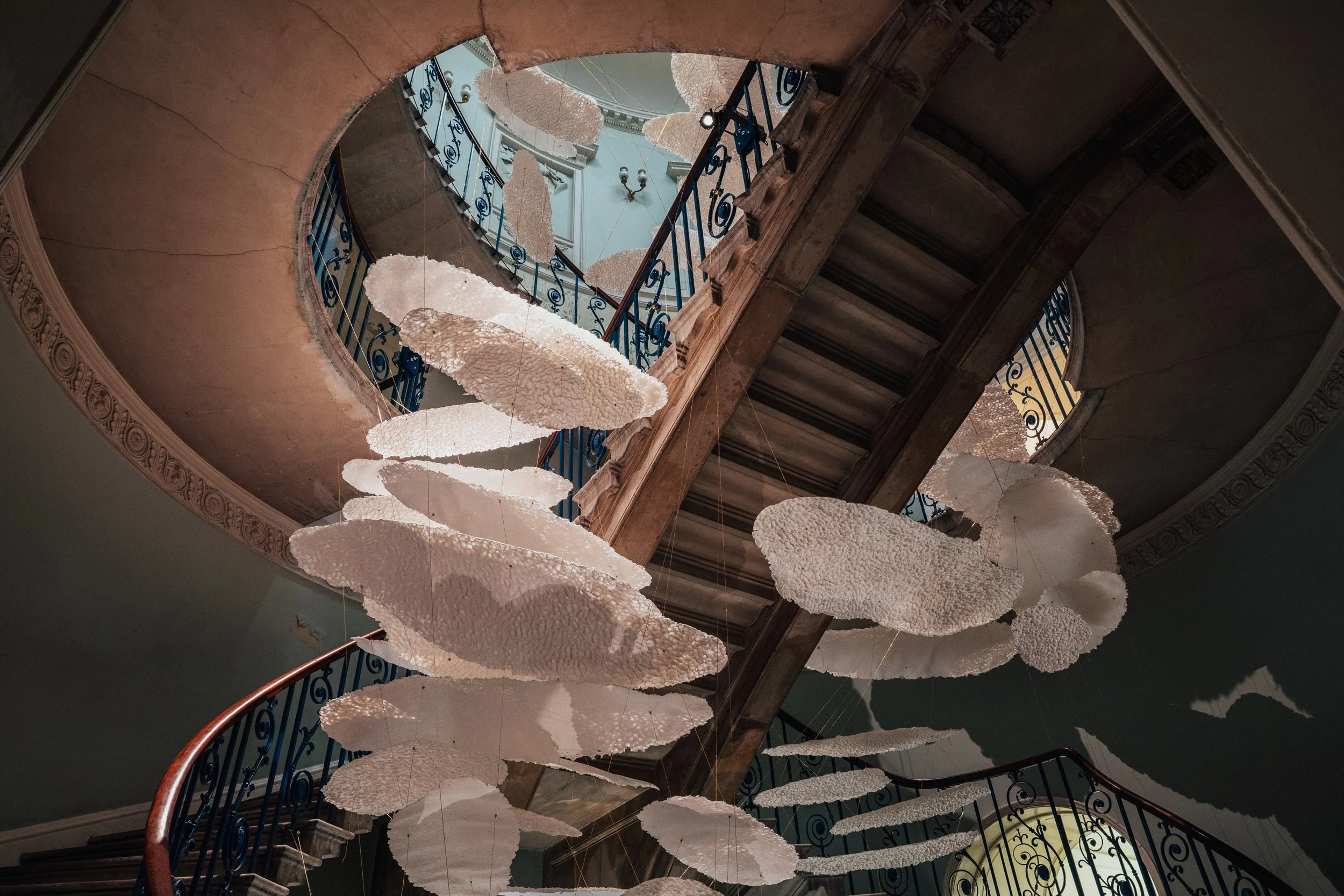
Japan’s Paper Clouds: Materiality in Empty Space transforms The Nelson Stair into a poetic study of texture, lightness, and materiality, inspired by the translucency and strength of Washi paper. Designed by SEKISUI HOUSE – KUMA LAB and curated by Clare Farrow, the project blends architecture, music, and fashion, exploring the structural potential of paper through a recyclable Washi dress and cloud-like installations. Rooted in Japanese tradition and craftsmanship, the pavilion reflects on our relationship with nature and space, while offering London’s young designers and musicians a unique platform for collaboration and experimentation.
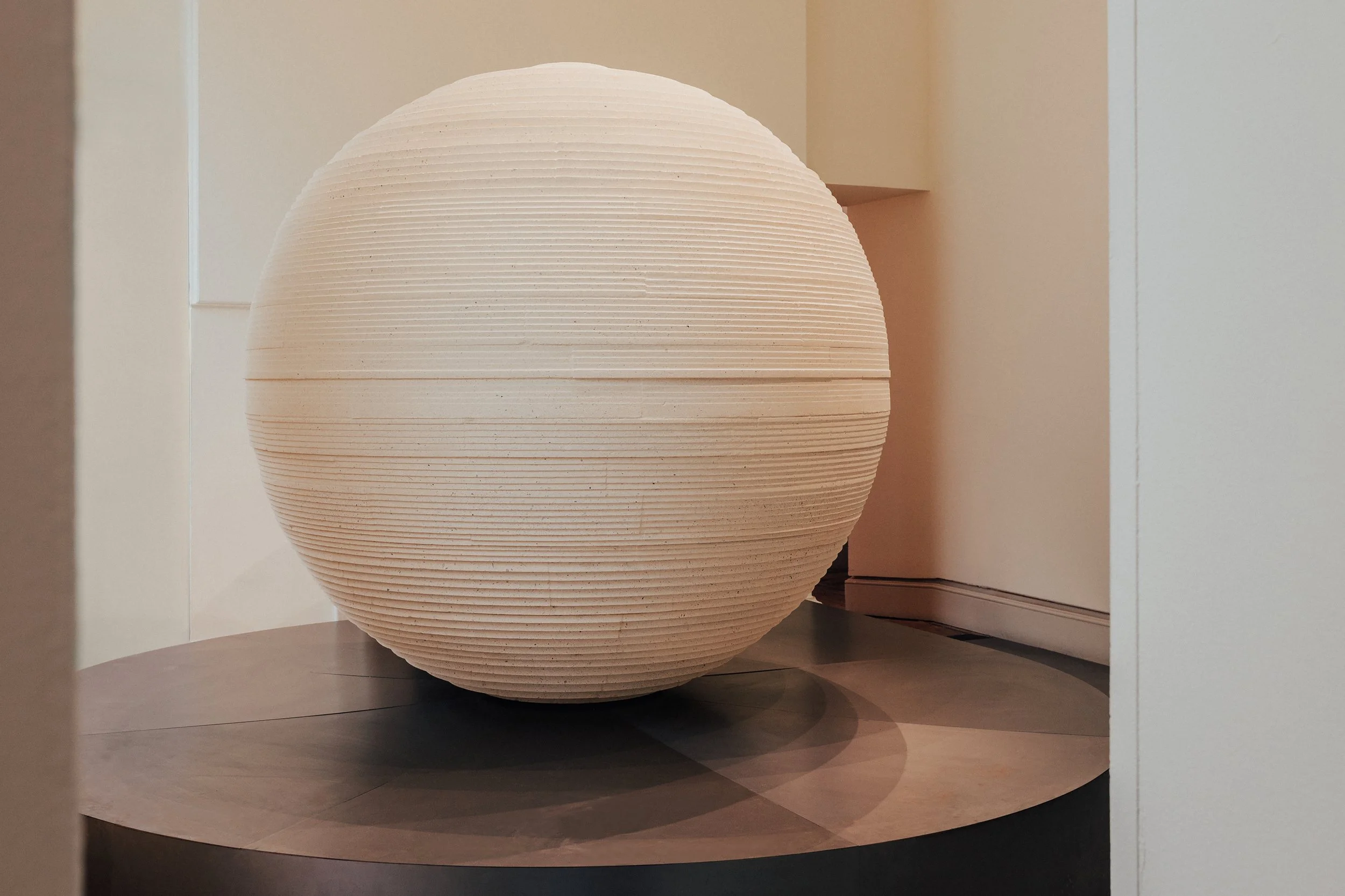
Image © Malta, London Design Biennale 2025
Malta
Malta’s URNA pavilion presents a striking reimagining of rituals surrounding death and remembrance in response to the island’s recent legalisation of cremation. Through a sculptural landscape of spherical limestone forms, cremated remains are embedded within evolving, tactile monuments that connect personal memory to a universal, cosmic language. Blending heritage, sustainability, and cultural innovation, URNA invites reflection on life, loss, and ritual, offering a bold, future-facing vision for how societies commemorate and remember.

Image © Netherlands, London Design Biennale 2025
Netherlands
The Netherlands’ Remapping Collaborations project, presented as part of the Film Studio, offers a critical reflection on how collaboration unfolds within global cultural events like biennales. Initiated by Nieuwe Instituut, the project challenges the rigid structures of national pavilions and territorial representation, questioning whether these frameworks still serve today’s complex, fractured realities. Through personal essays, dialogues, and collective inquiry, Remapping Collaborations calls for more equitable, unpredictable, and genuinely generative partnerships — embracing disorientation and discomfort as catalysts for meaningful change.
All images © Nigeria, London Design Biennale 2025
Nigeria
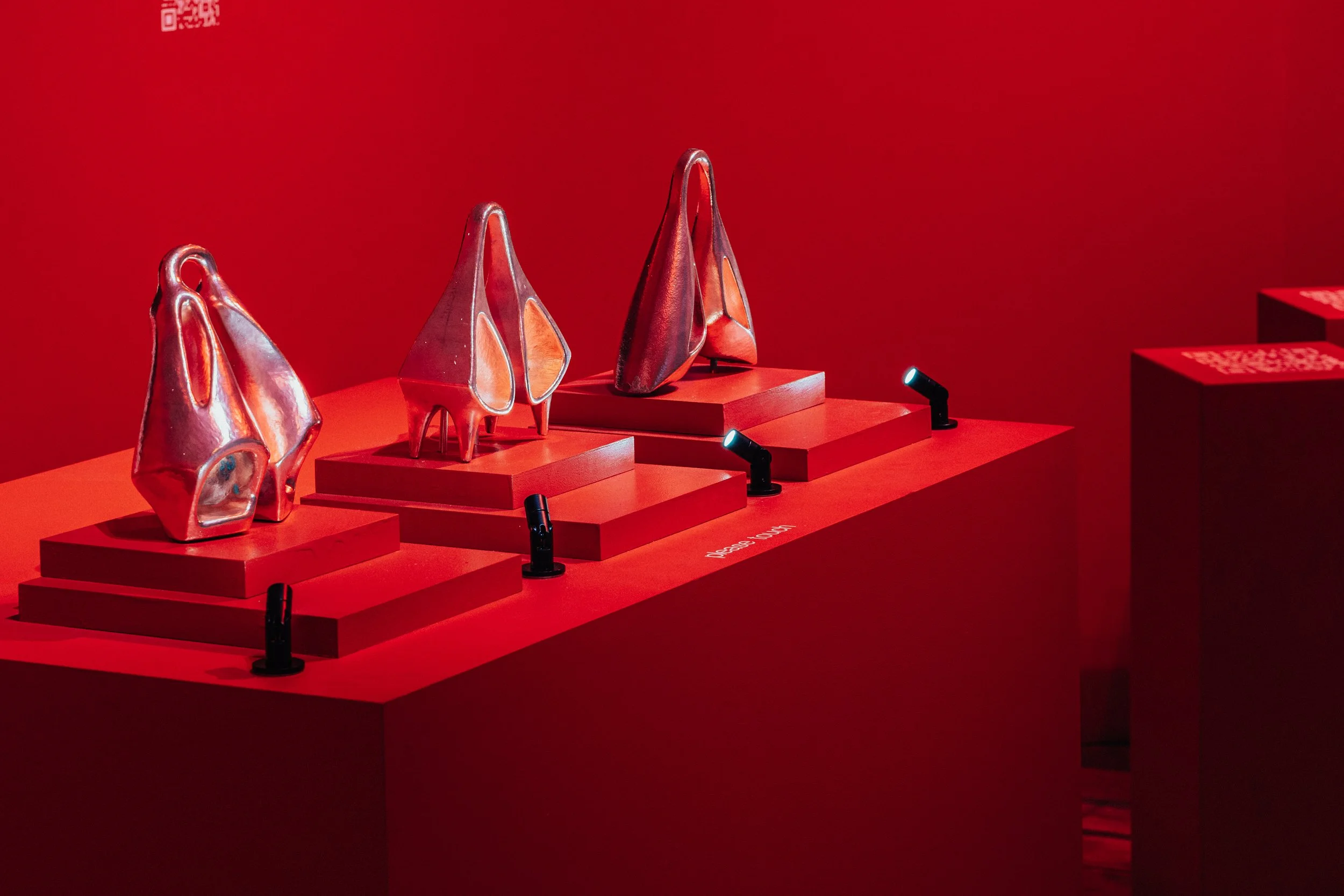
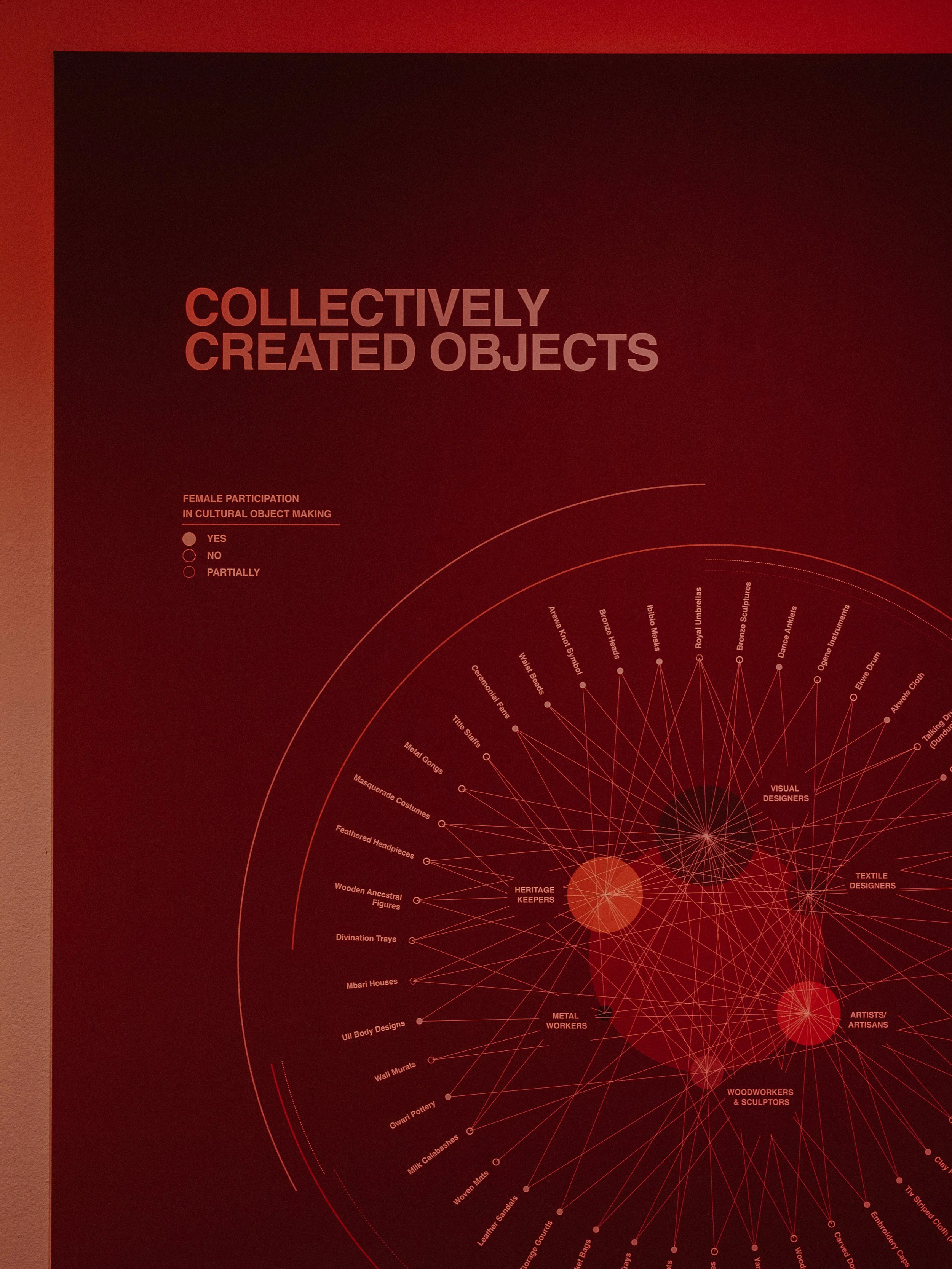
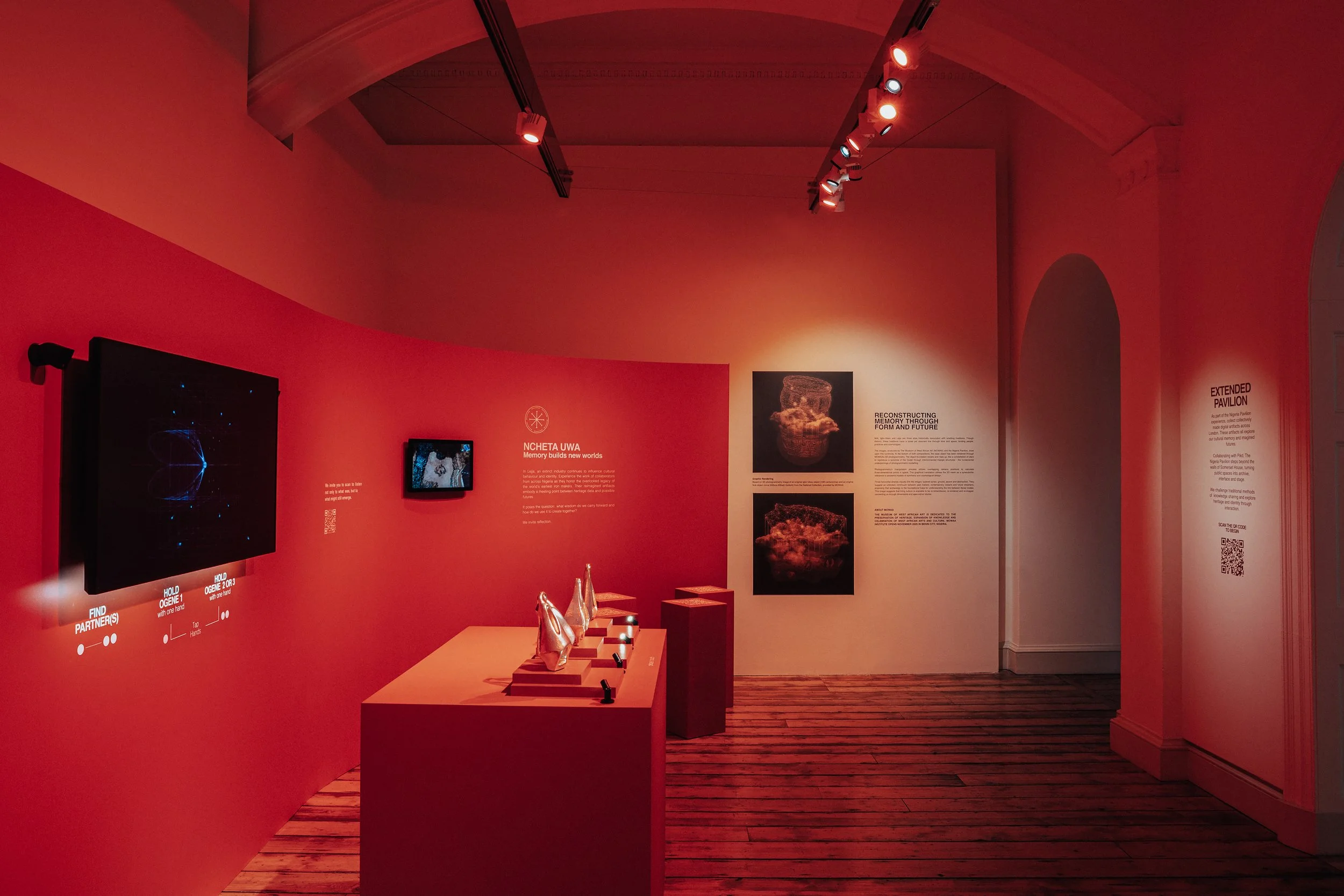
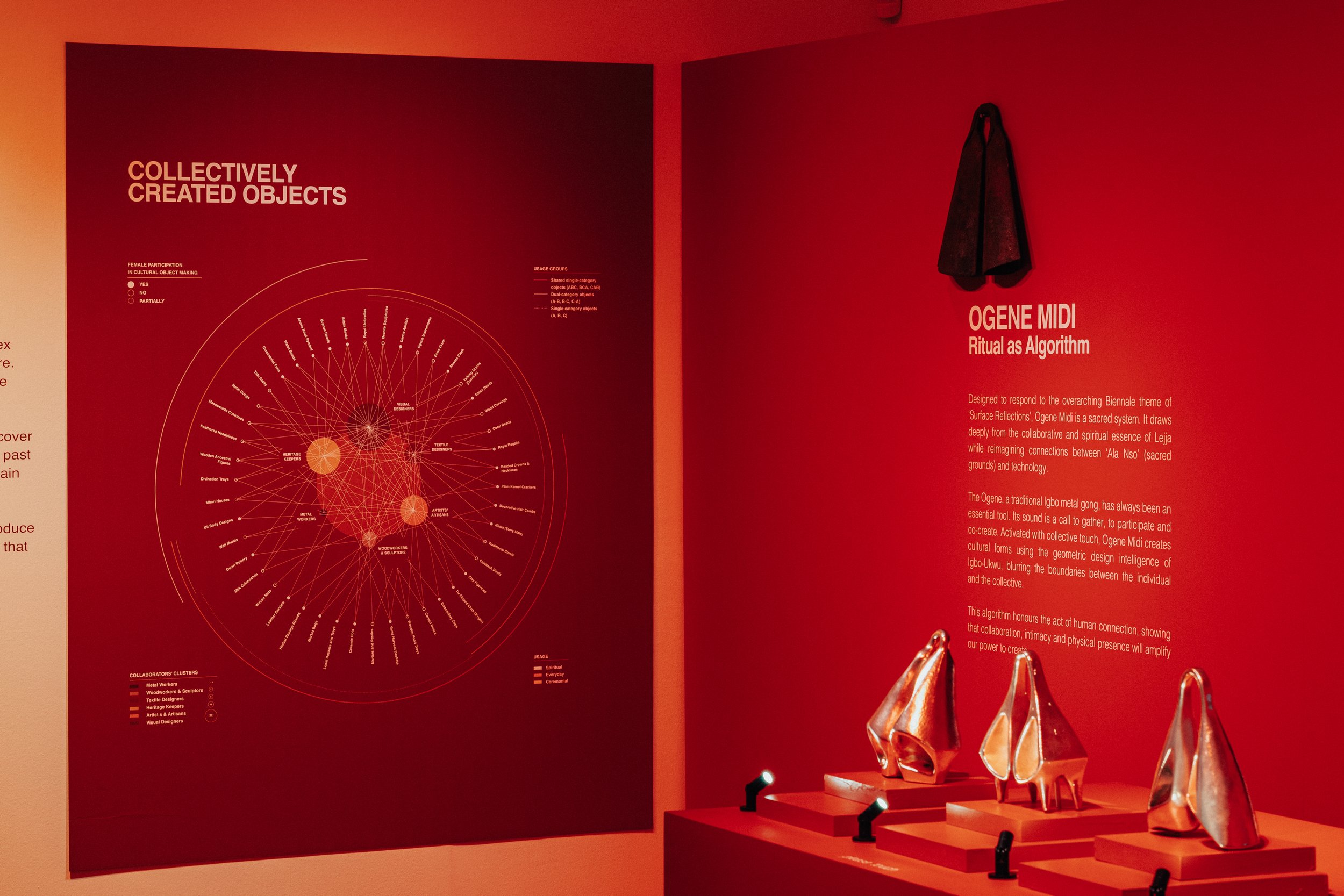
Nigeria’s Hopes and Impediments pavilion draws inspiration from Chinua Achebe’s essays to explore identity as a fluid, collective process shaped by memory, history, and community. Centred on Lejja, an ancient iron-smelting site, the exhibition examines how indigenous knowledge and social structures inform resilience and transformation. Moving beyond preservation, it reimagines heritage as a dynamic force for speculative futures, where design becomes a living archive of evolving identities. This pavilion challenges conventional narratives, urging a fresh perspective on the intersection of history, culture, and innovation in African design.

All images © Oman, London Design Biennale 2025
Oman
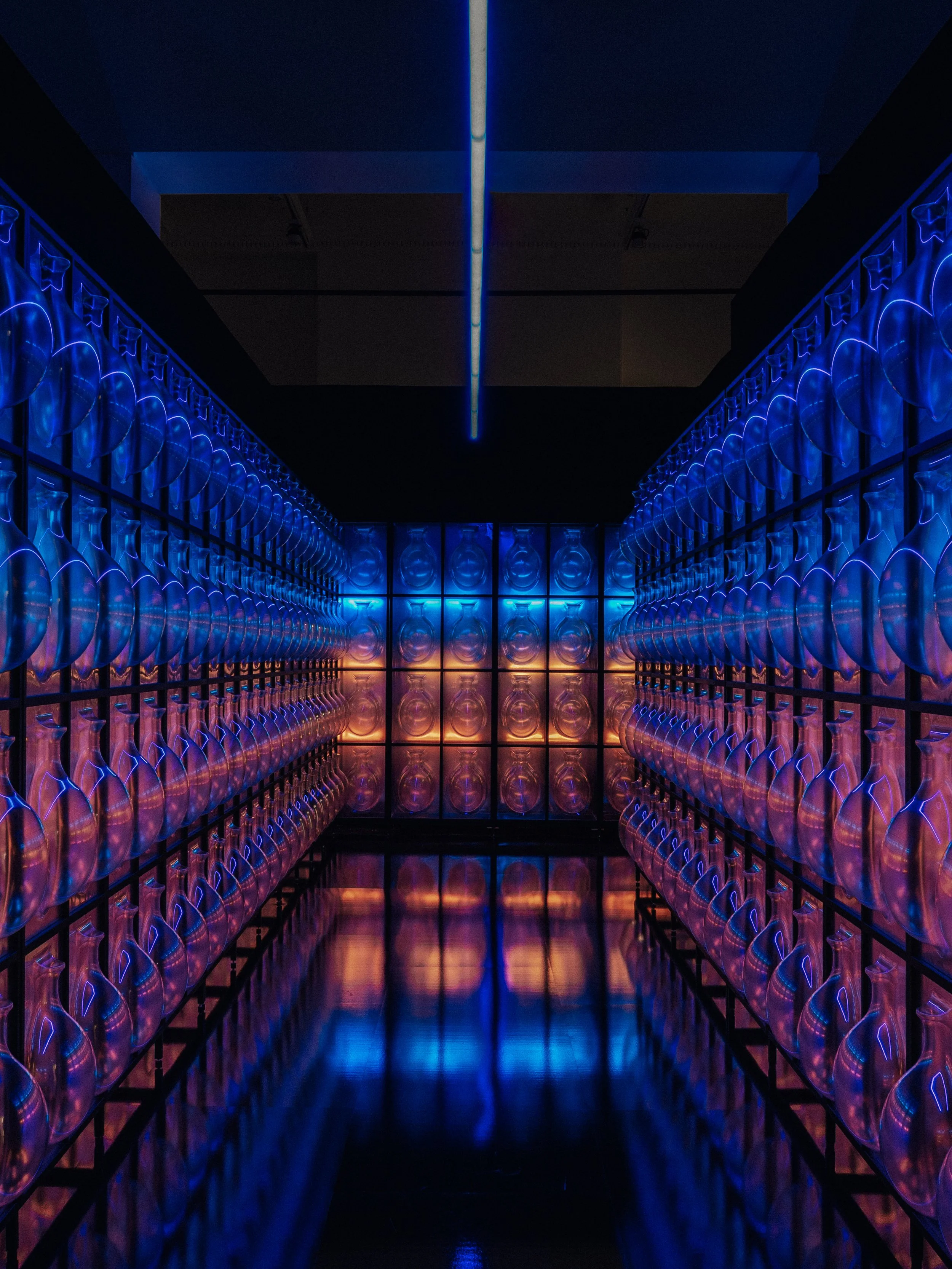
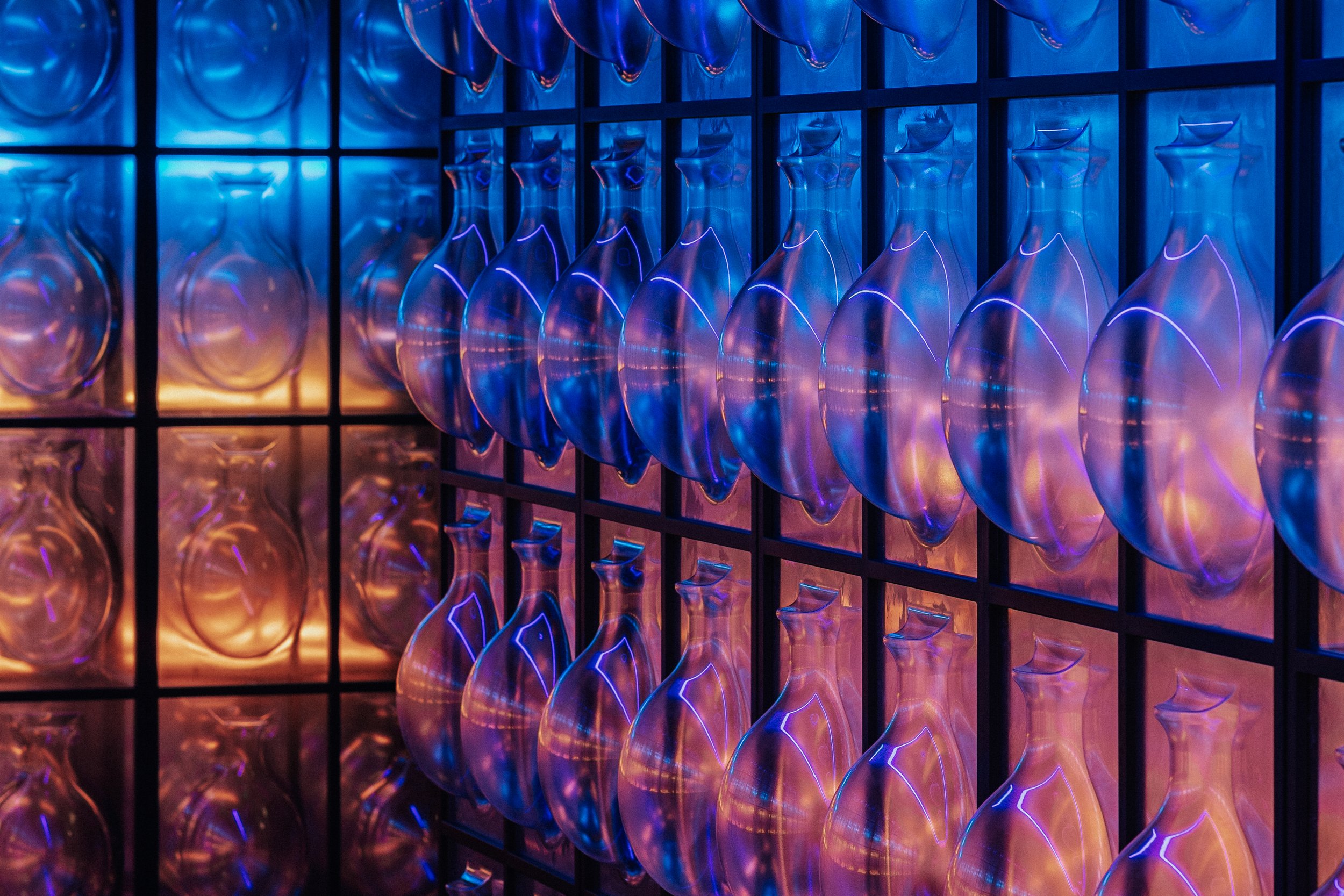
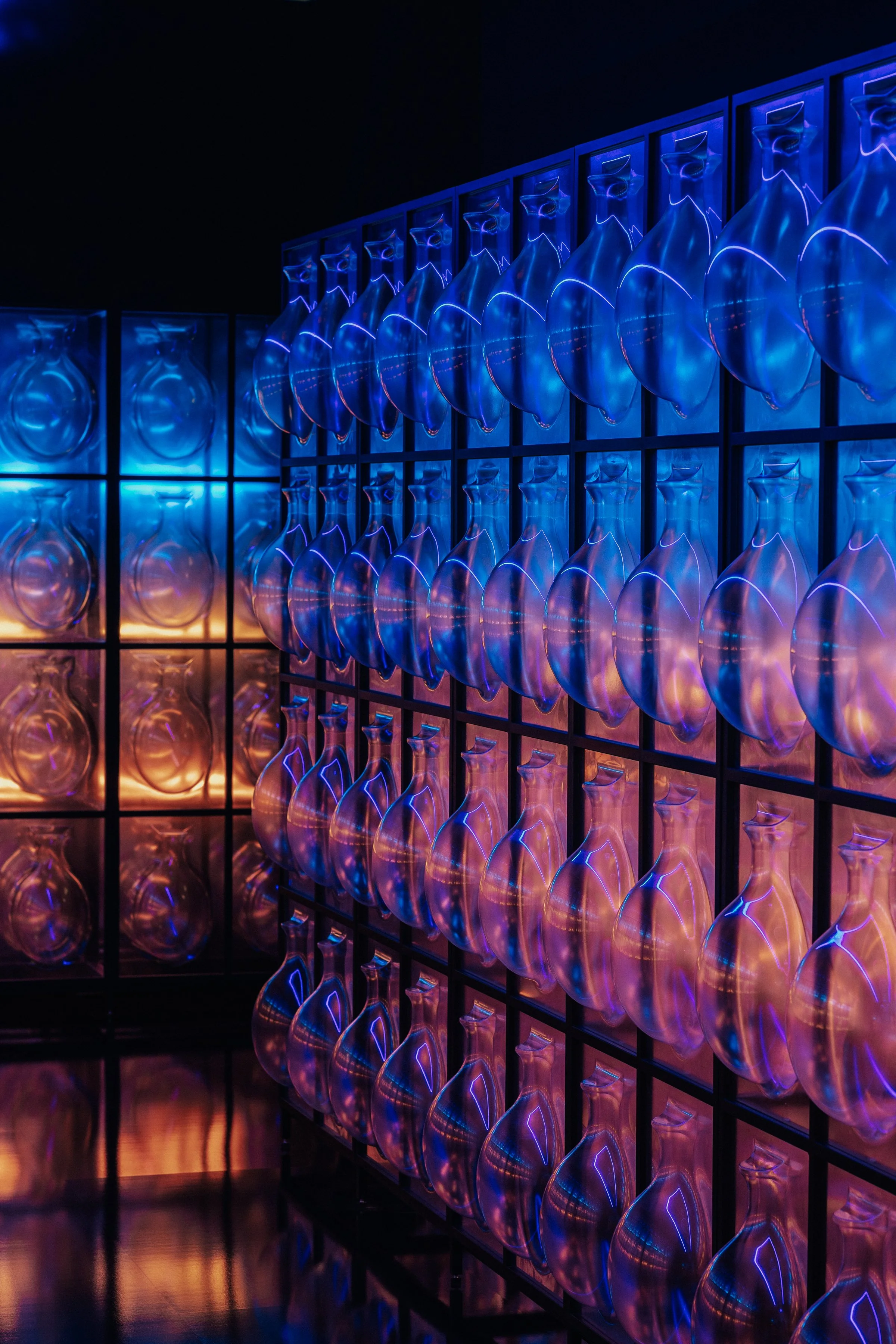
Oman’s Memory Grid pavilion reimagines the ancient vessel as a powerful metaphor for preservation of water, heritage, and now, data. Rooted in the country’s long tradition of pottery, the installation explores how objects become guardians of what we hold most precious. Through a dialogue between past and present, Memory Grid reflects on shifting values and the evolving ways we protect knowledge, resources, and legacy. It invites visitors to consider how material culture connects us to the land, to history, and to the stories we choose to carry forward.

All images © Peru, London Design Biennale 2025
Peru
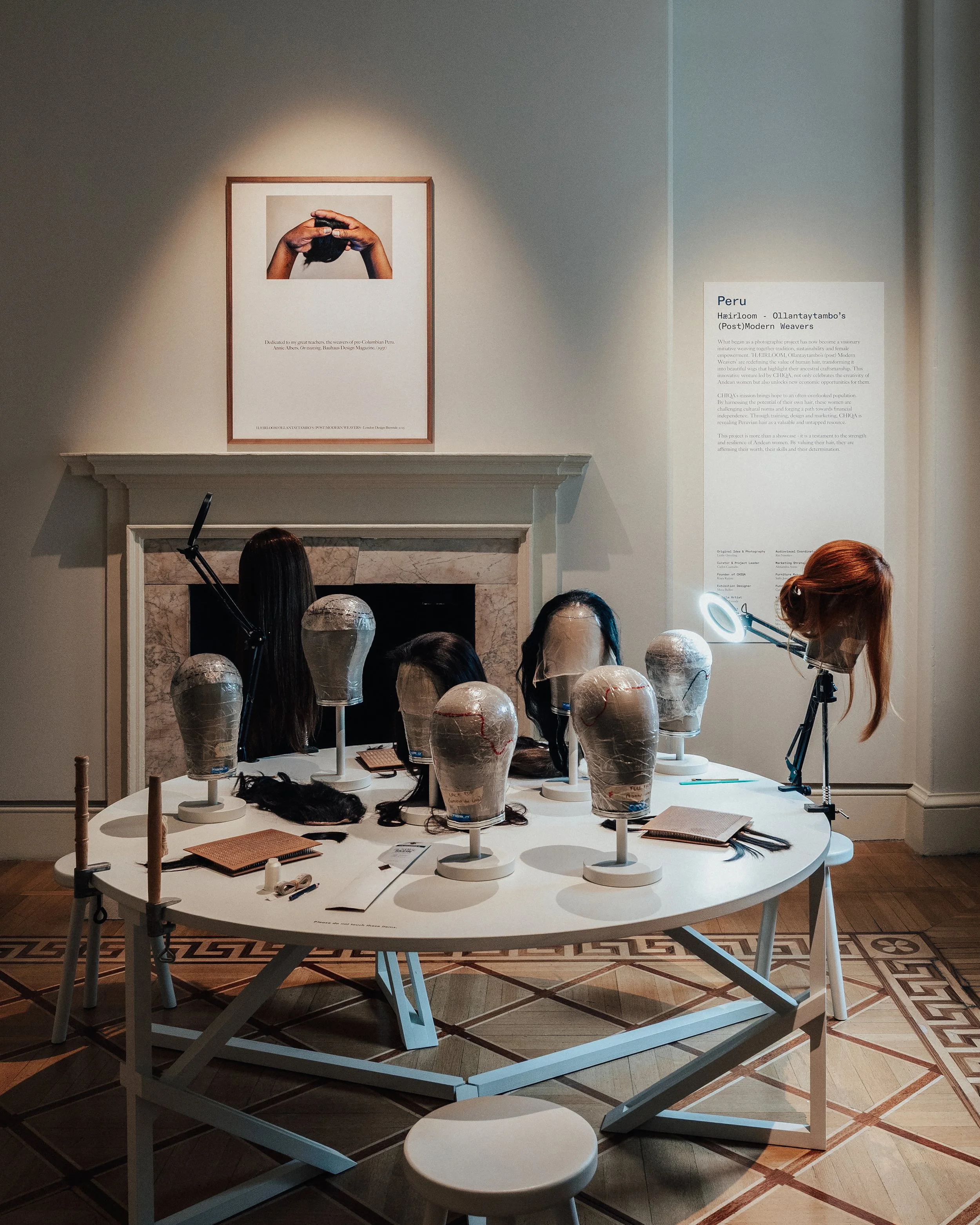
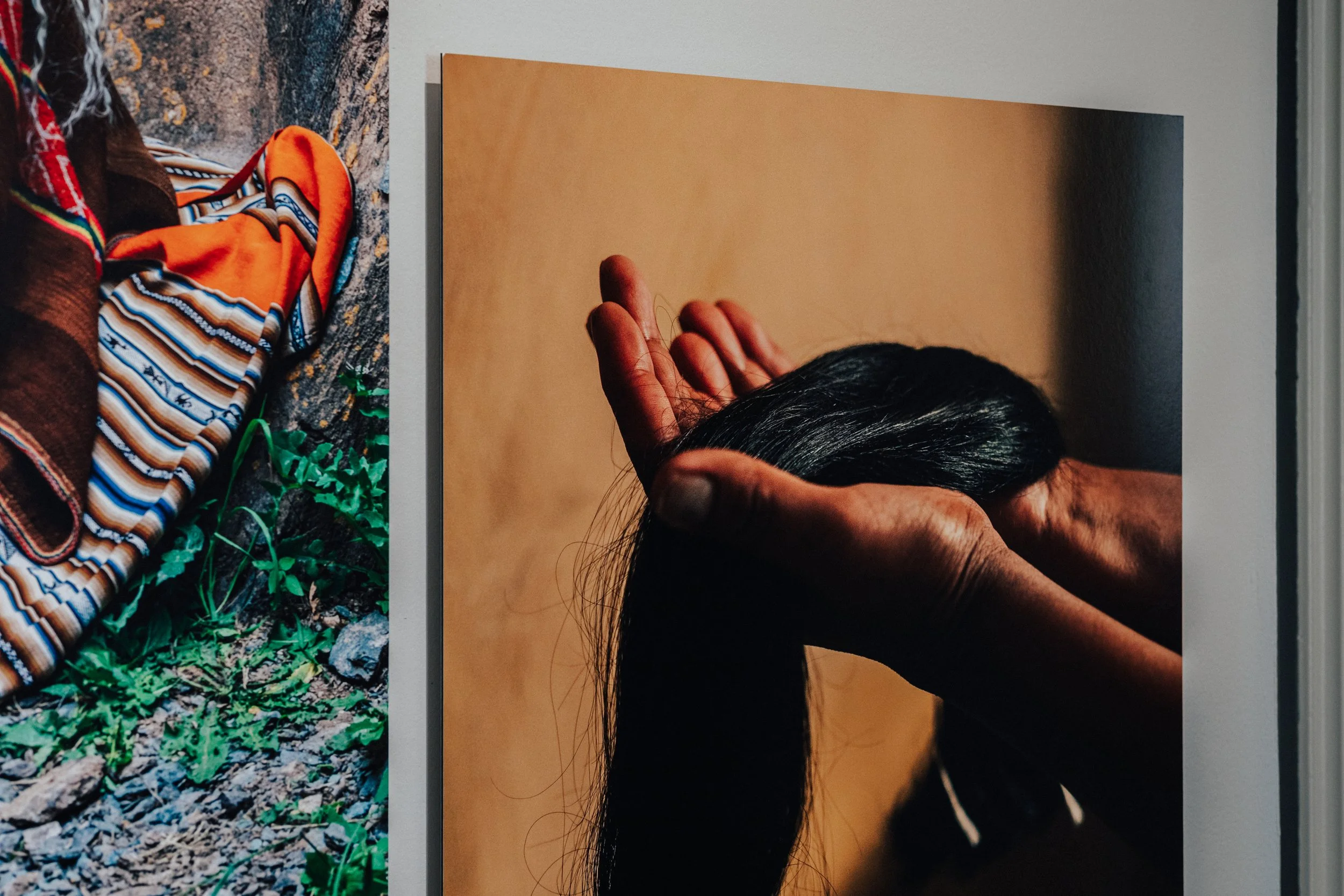
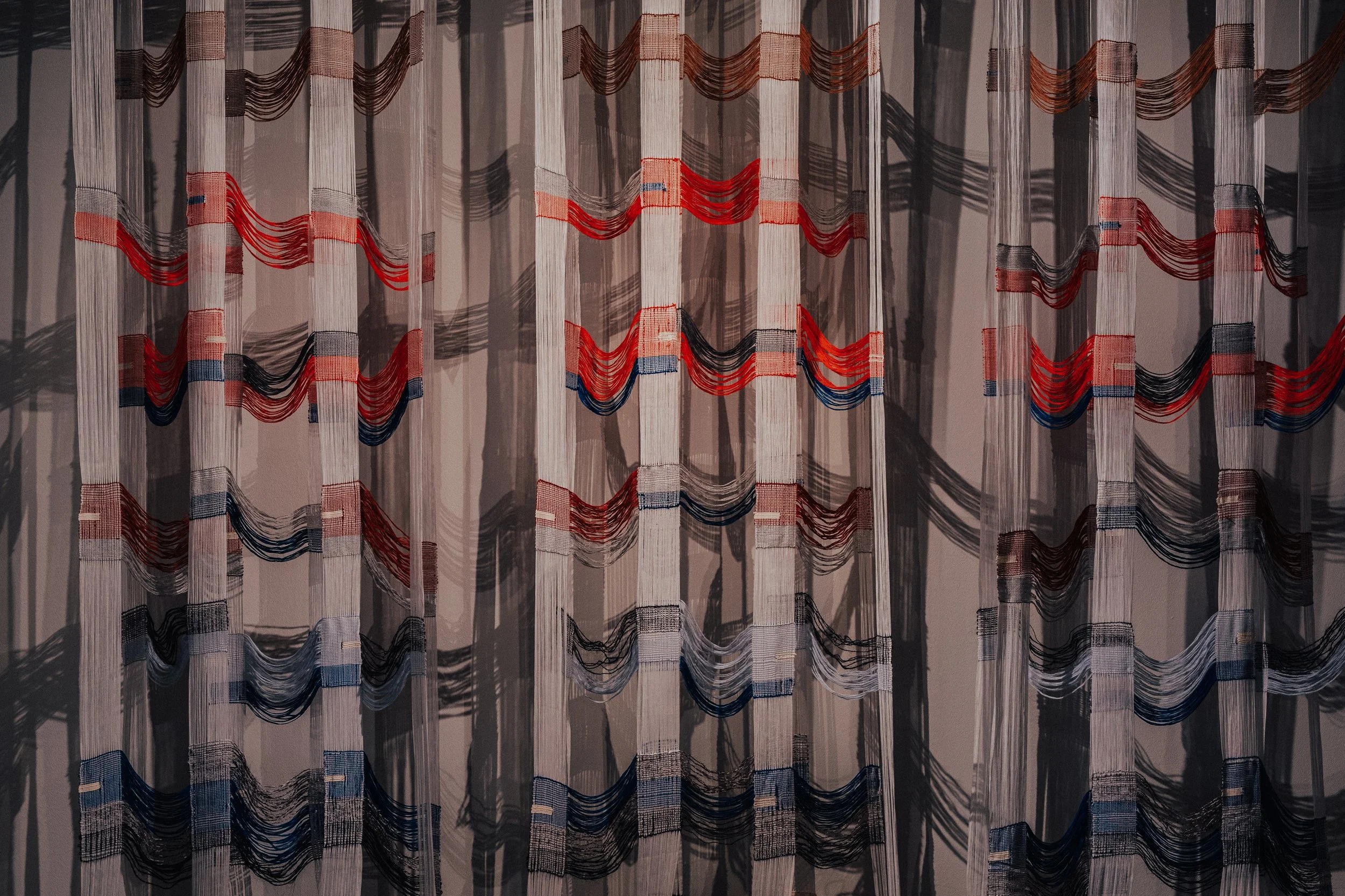
Peru’s HÆIRLOOM pavilion spotlights an inspiring project from the Sacred Valley of Cusco, where Andean women are transforming human hair into handcrafted wigs that celebrate tradition, creativity, and empowerment. Led by CHIQA, the initiative redefines the cultural and economic value of hair, providing new opportunities for women while preserving ancestral craftsmanship. More than a design project, HÆIRLOOM is a powerful statement of resilience and independence—honouring heritage while forging new paths for Peru’s female artisans.
All images © Poland, London Design Biennale 2025
Poland
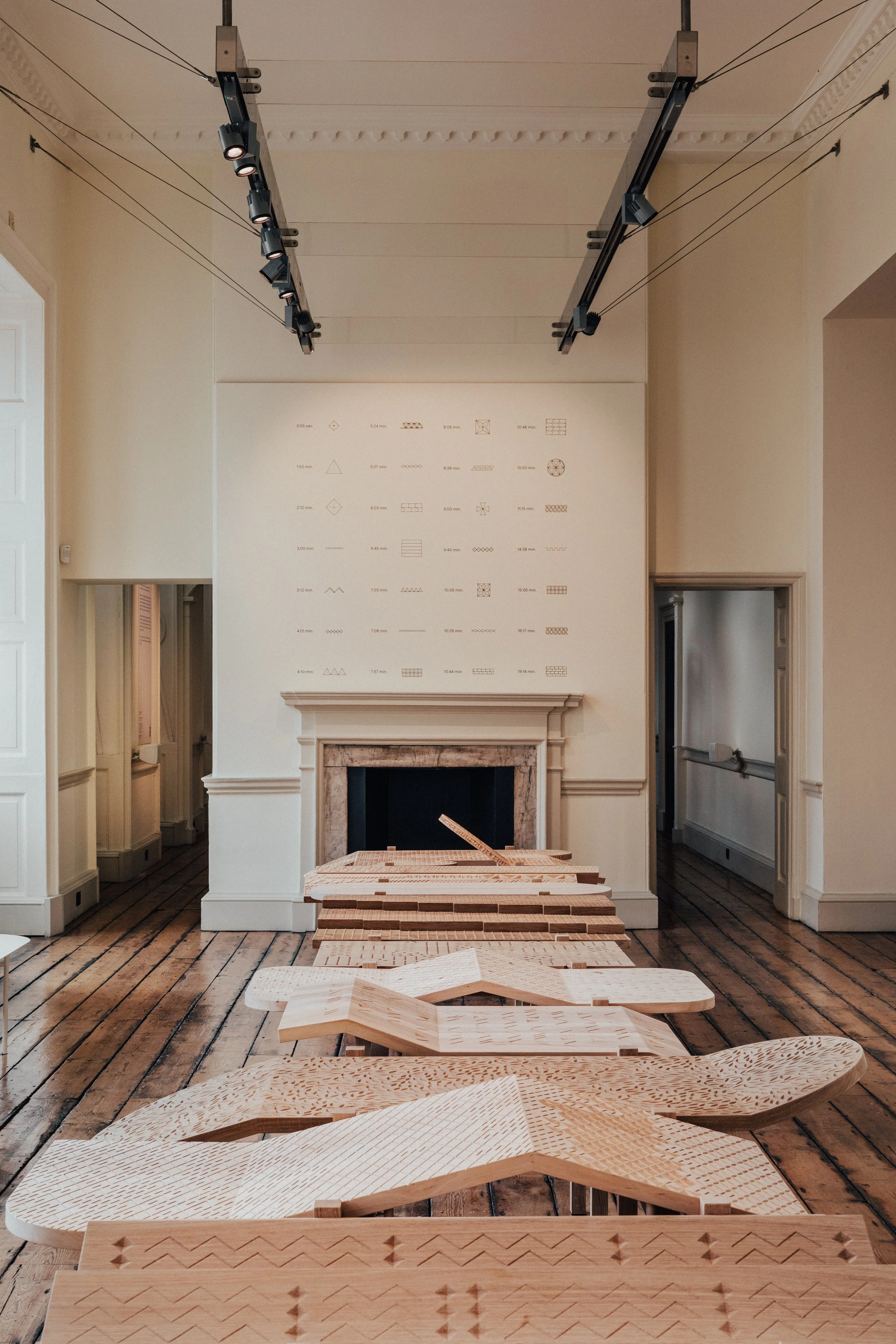
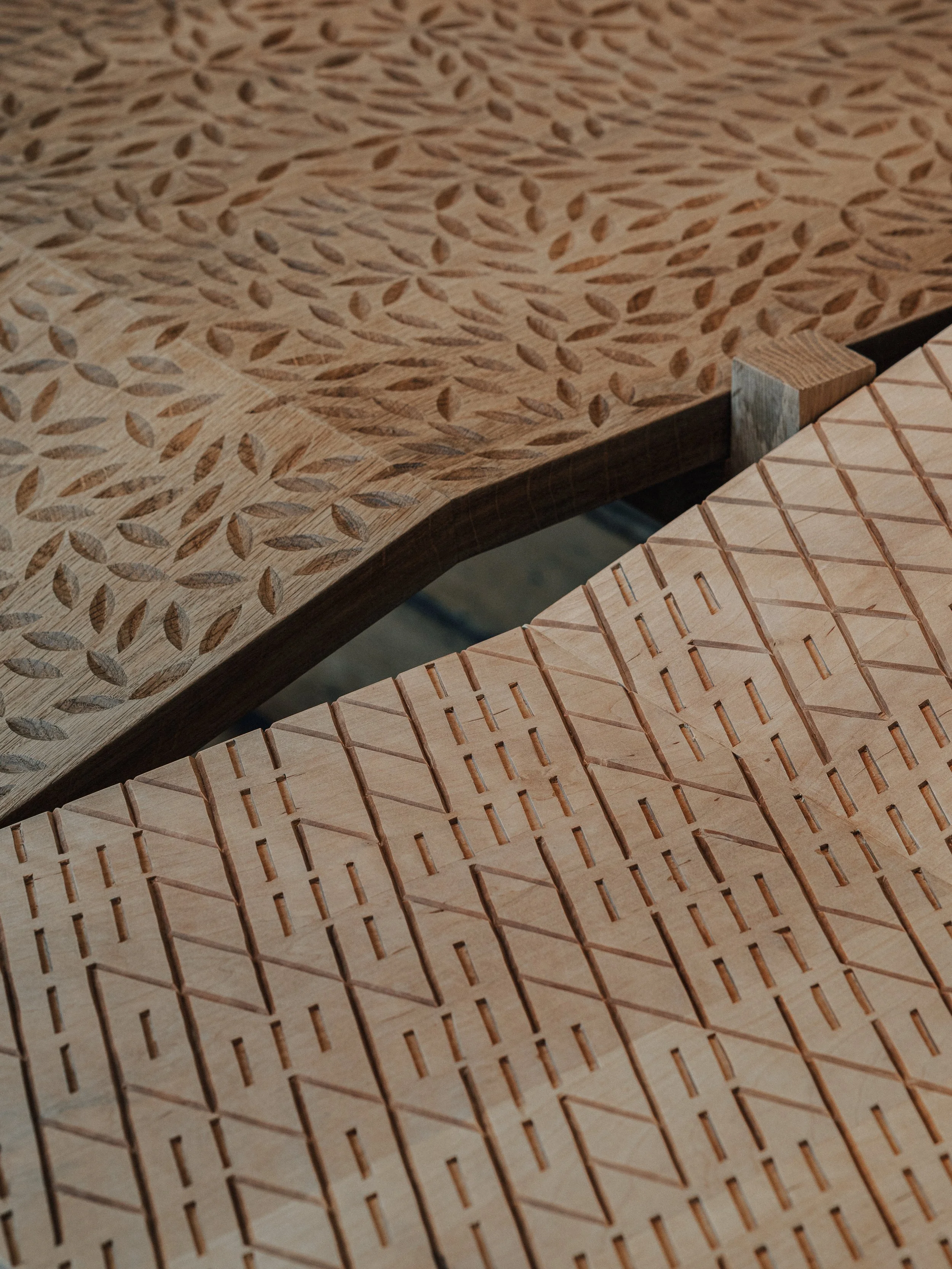
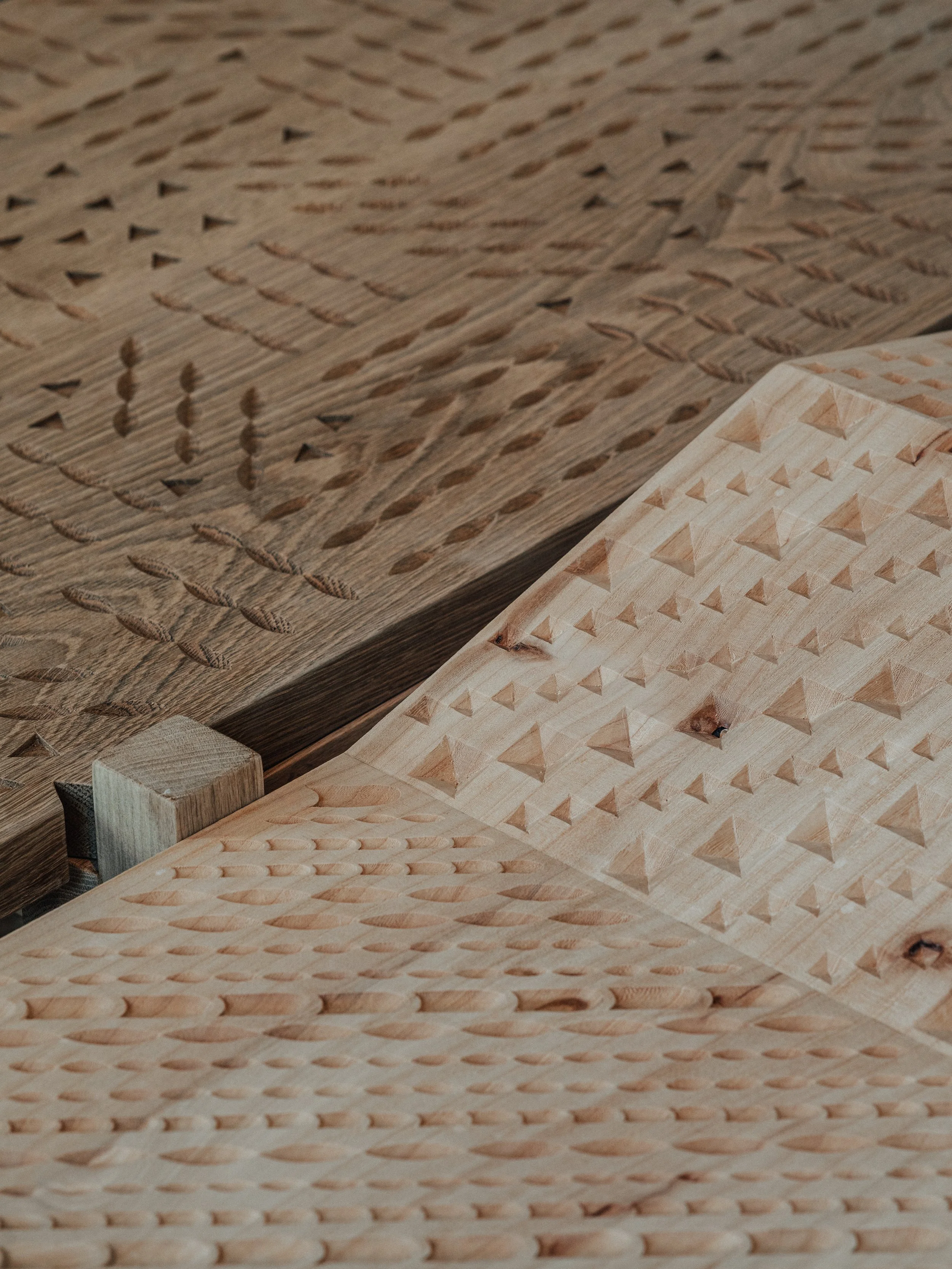
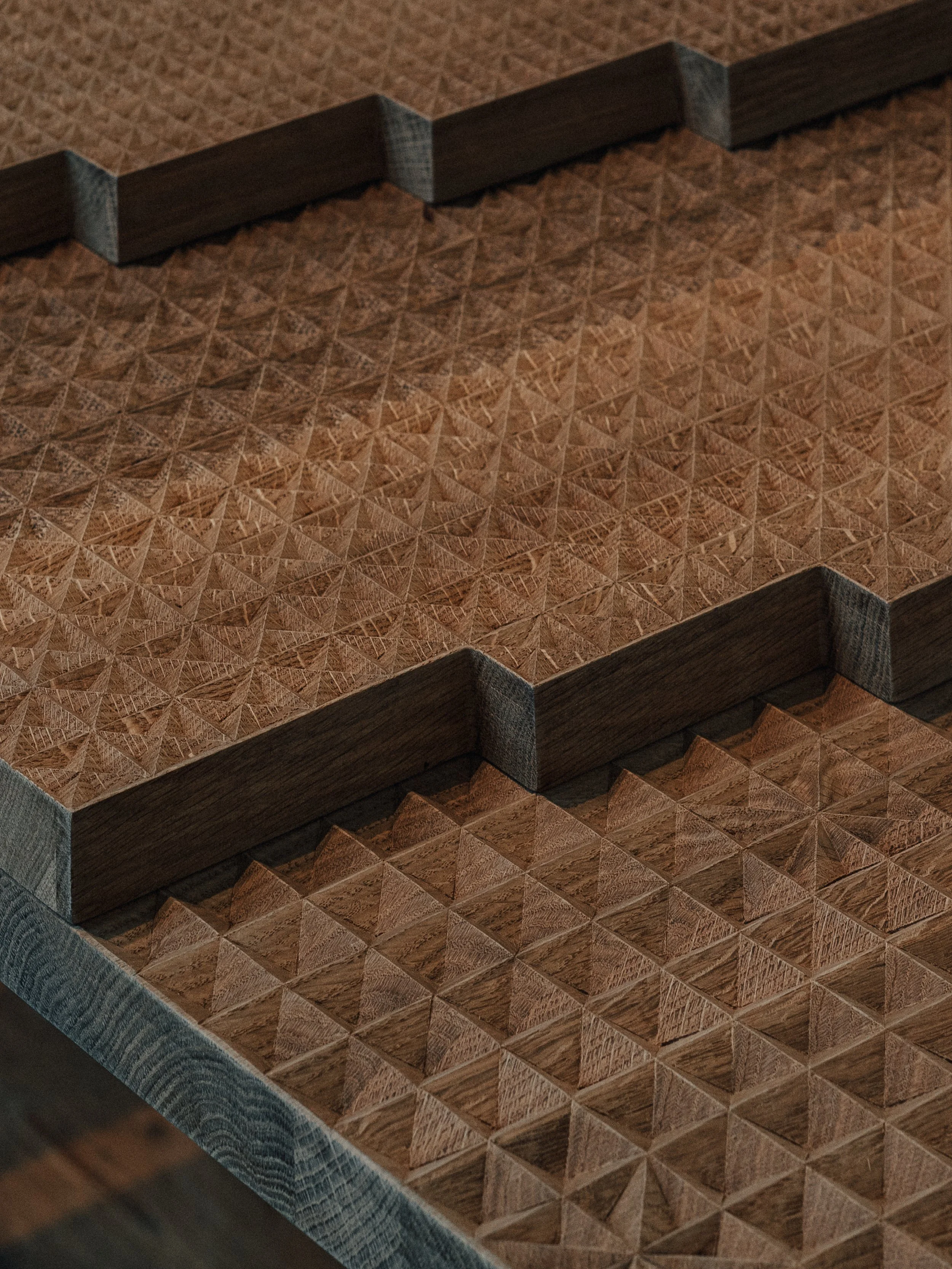
Poland’s Records of Waiting: On Time and Ornament transforms the often-overlooked experience of waiting into a powerful visual language through the craft of woodcarving. Drawing on Polish Highland traditions, the pavilion reimagines intricate ornamentation as a record of suspended time, from quiet endurance to everyday delays. A monumental, collaboratively carved wooden structure captures the emotional and social dimensions of waiting, turning stillness into expression. In doing so, the pavilion reflects on how time, surface, and craftsmanship reveal deeper truths about society and the rhythms that shape our lives.
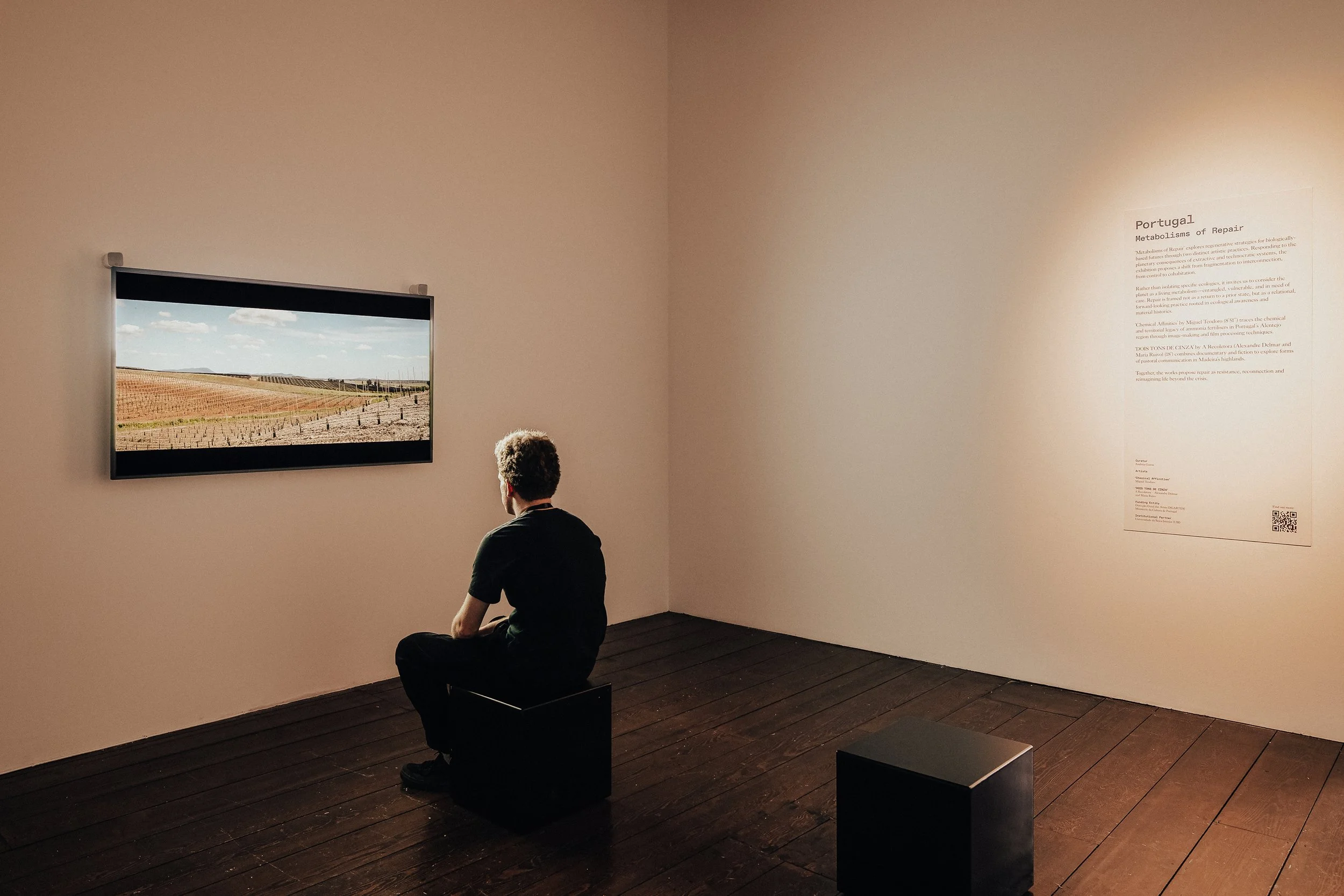
Image © Portugal, London Design Biennale 2025
Portugal
Portugal’s Metabolisms of Repair pavilion offers a hopeful, critical response to the planetary consequences of extractive systems, shifting the focus from human-centred narratives to the interconnected ecosystems that sustain life. Through film and material exploration, the exhibition frames repair as a forward-looking, relational act rooted in care, interdependence, and ecological memory. From the chemical legacies of agriculture in Alentejo to the sounds and landscapes of Madeira, Metabolisms of Repair reimagines repair as both resistance and transformation—an invitation to rethink how we live with, and within, the planet.

All images © Romania, London Design Biennale 2025
Romania
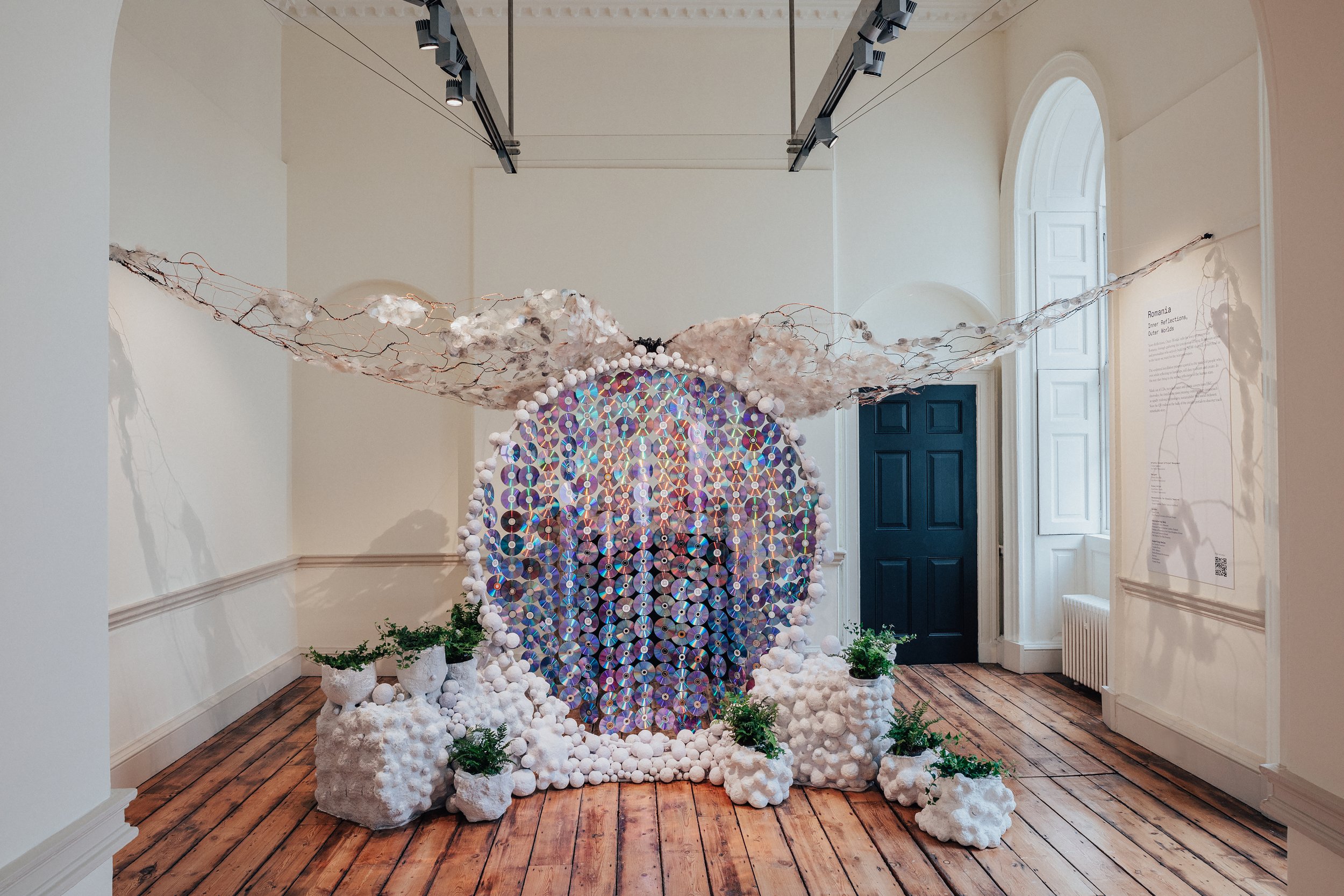
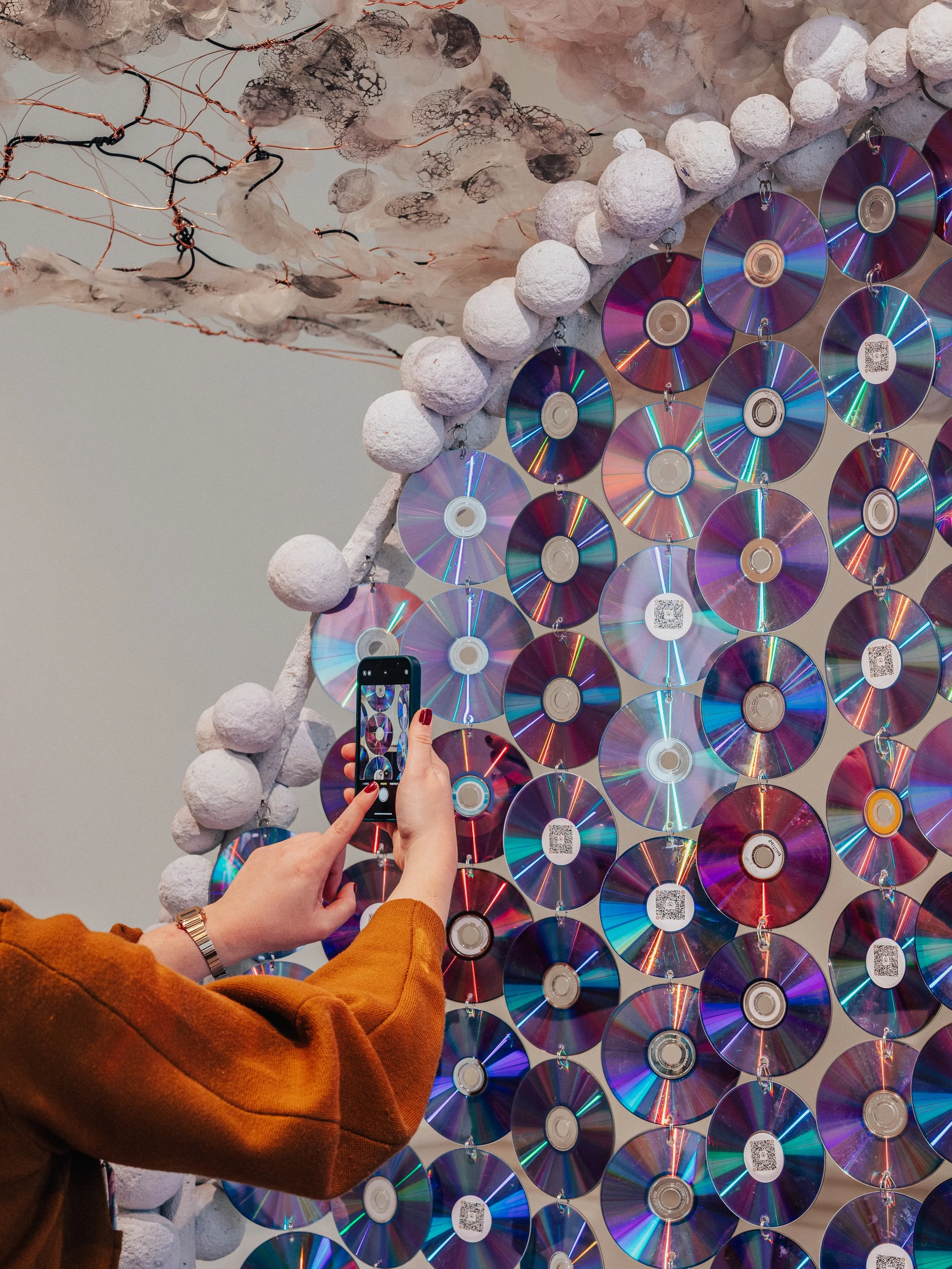
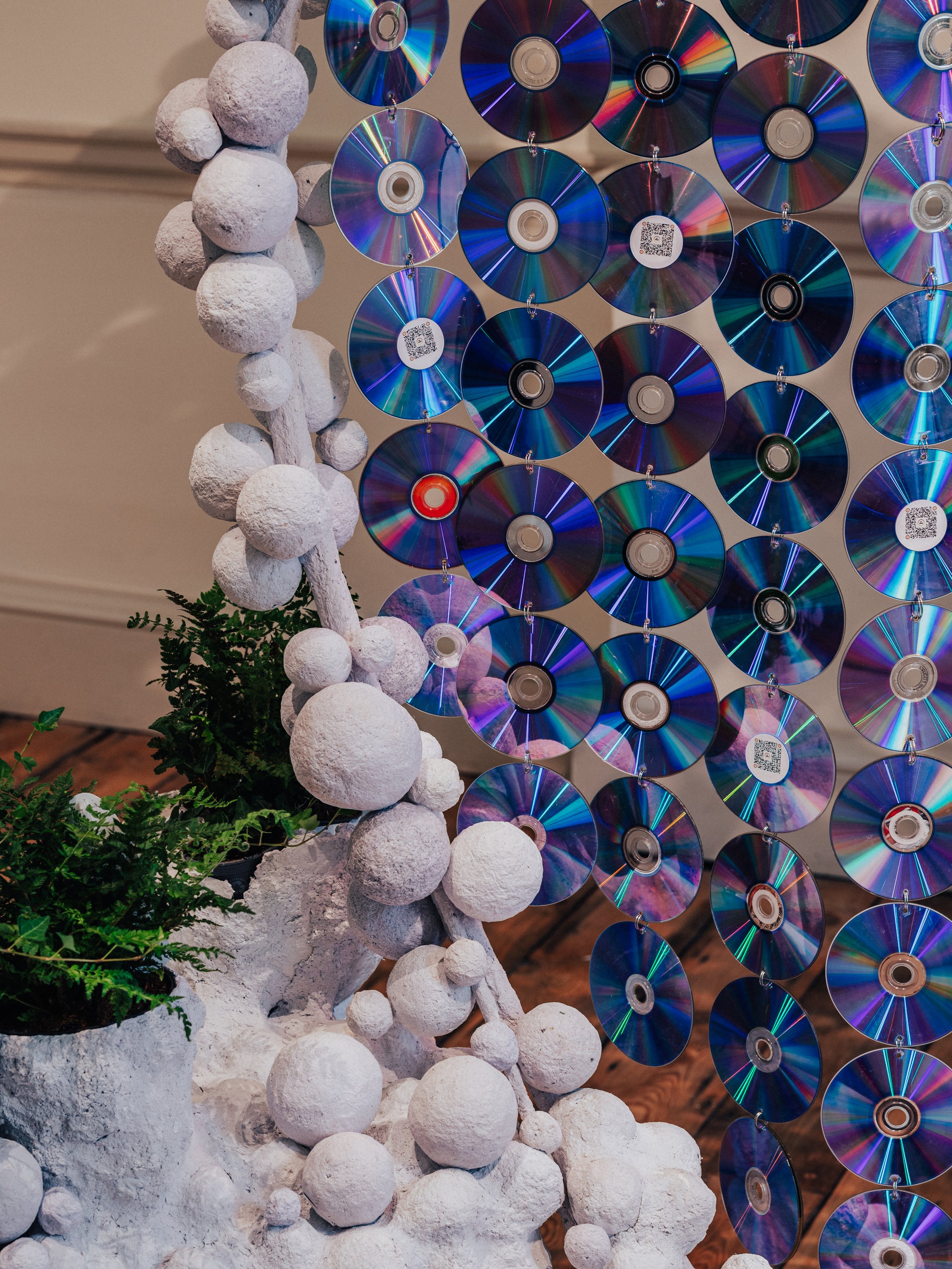
Romania’s Inner Reflections, Outer Worlds pavilion invites visitors to step through a sculptural portal and explore the stories shaping the nation’s cultural identity today. Showcasing the work of 100 visual artists, the installation combines recycled materials, living plants, and AI technology to create an immersive, accessible experience. Through animated artworks and personal narratives, the pavilion reflects on Romania’s creative legacy while addressing global challenges—from technological ethics to social inclusion—highlighting the power of storytelling to shape our shared future.
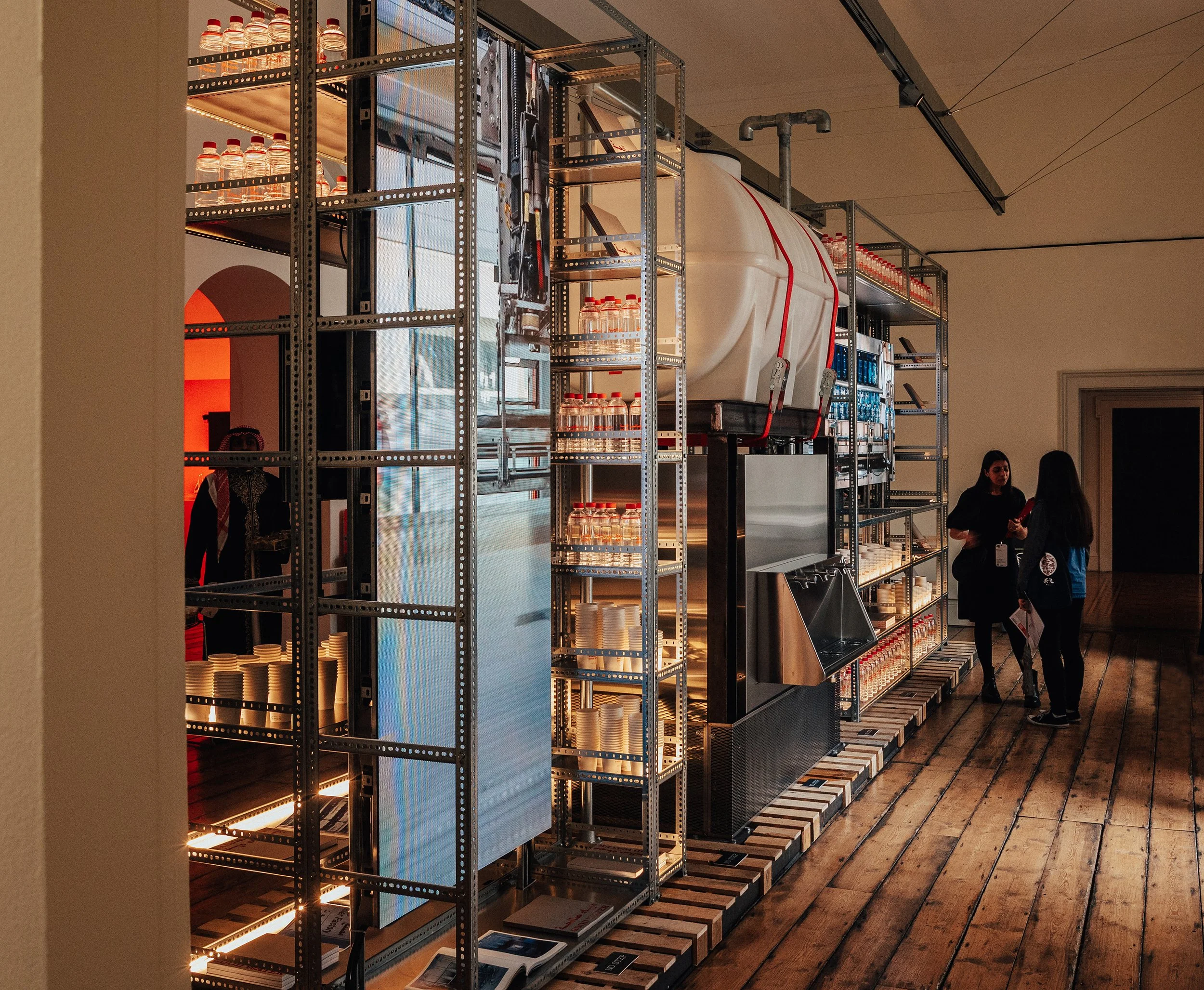
Image © Saudi Arabia, London Design Biennale 2025
Saudi Arabia
Saudi Arabia’s Good Water pavilion marks a bold return to the London Design Biennale, spotlighting design as a catalyst for cultural dialogue and innovation. Led by a multidisciplinary team, the exhibition explores the complex systems around water access and distribution, balancing technology, ethics, policy, and resilience. Through this thoughtful intervention, Good Water reimagines our relationship with this vital resource, reflecting Saudi Arabia’s dynamic design landscape and its commitment to addressing global challenges through creativity and systems thinking.
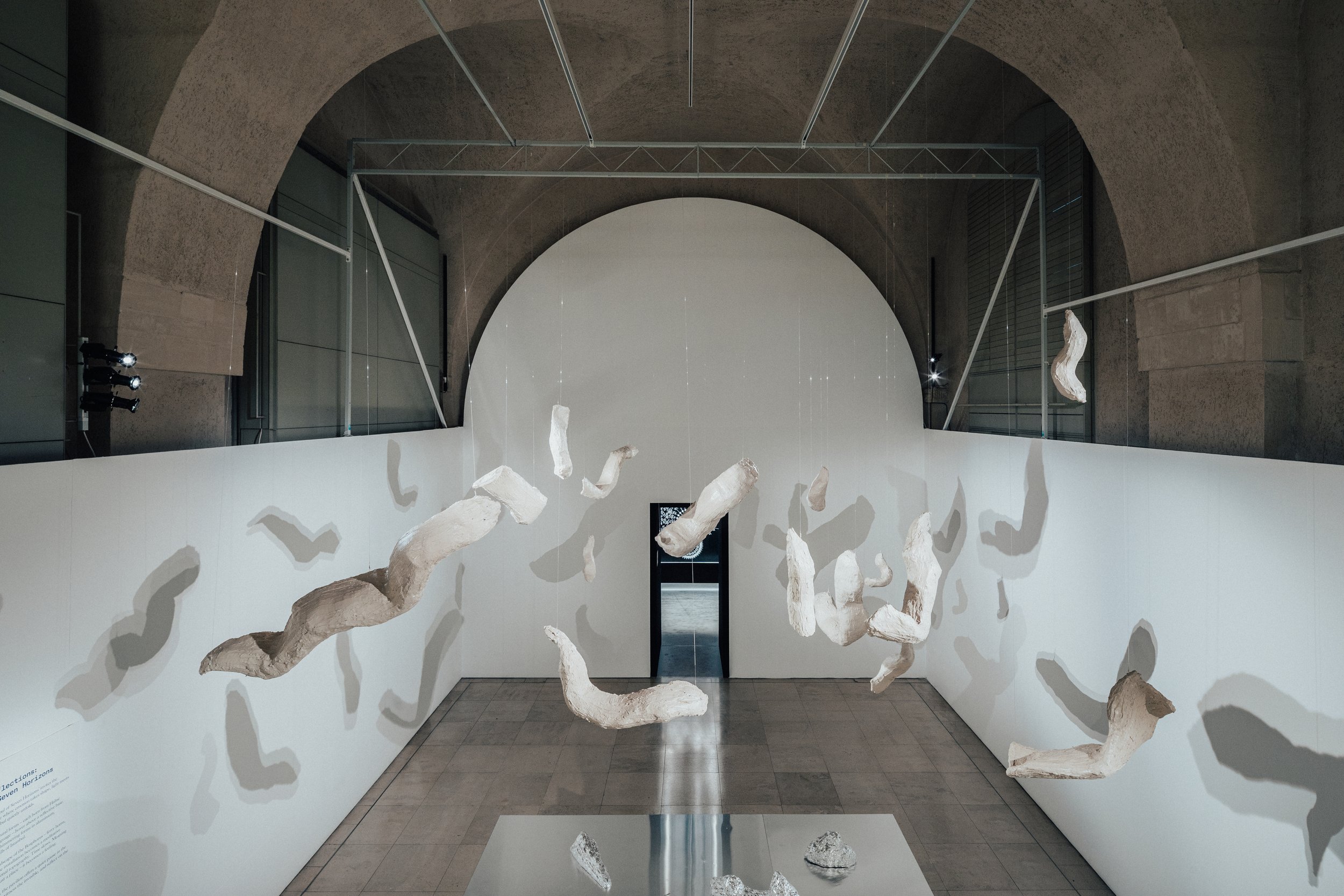
Image © Turkey, London Design Biennale 2025
Turkey
Turkey’s Emotional Reflections: The Soul of Seven Horizons pavilion offers an immersive sensory journey through Istanbul’s spirit, inspired by its seven historic hills. Combining layered aluminium sculptures, the rich aroma of traditional Turkish coffee grounds, and a responsive soundscape of the Bosphorus, the installation choreographs light, sound, and scent to evoke memory and emotion. This multi-sensory experience invites visitors to connect deeply with the city’s timeless cultural essence, blending tradition and innovation in a poetic reflection of place.
Other, pavilions of note
All images © Melek Zeynep Bulut, London Design Biennale 2025
Melek Zeynep Bulut
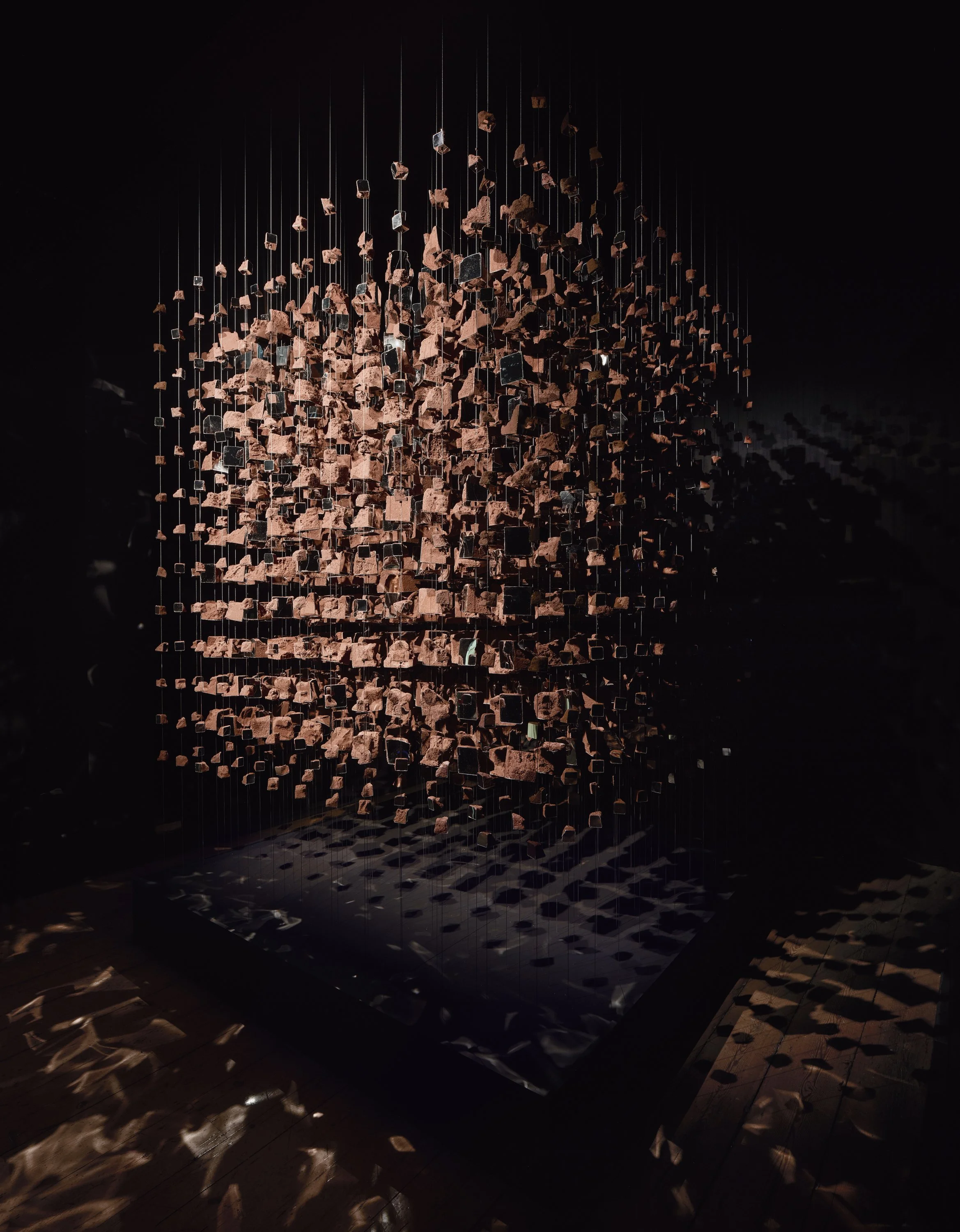
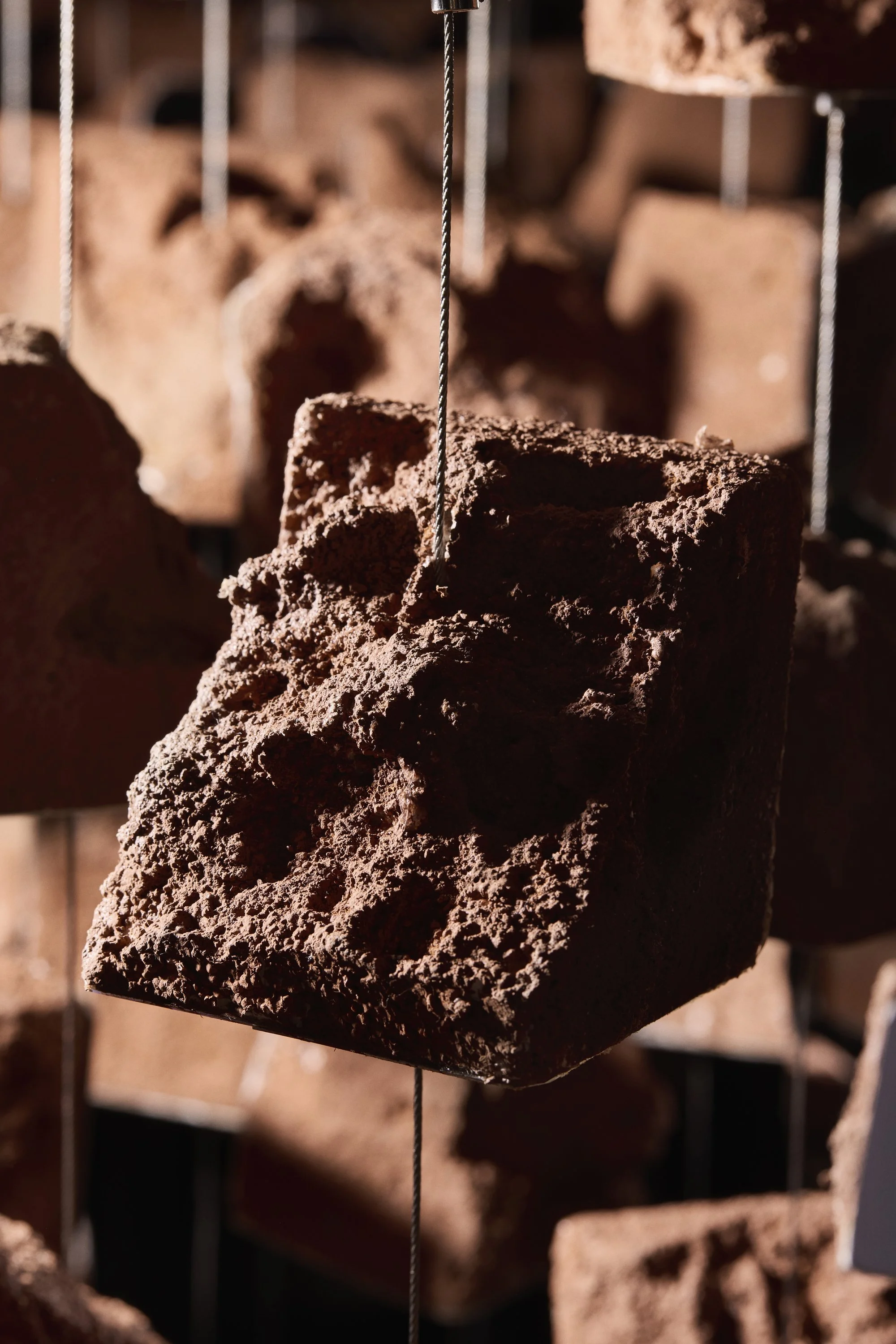
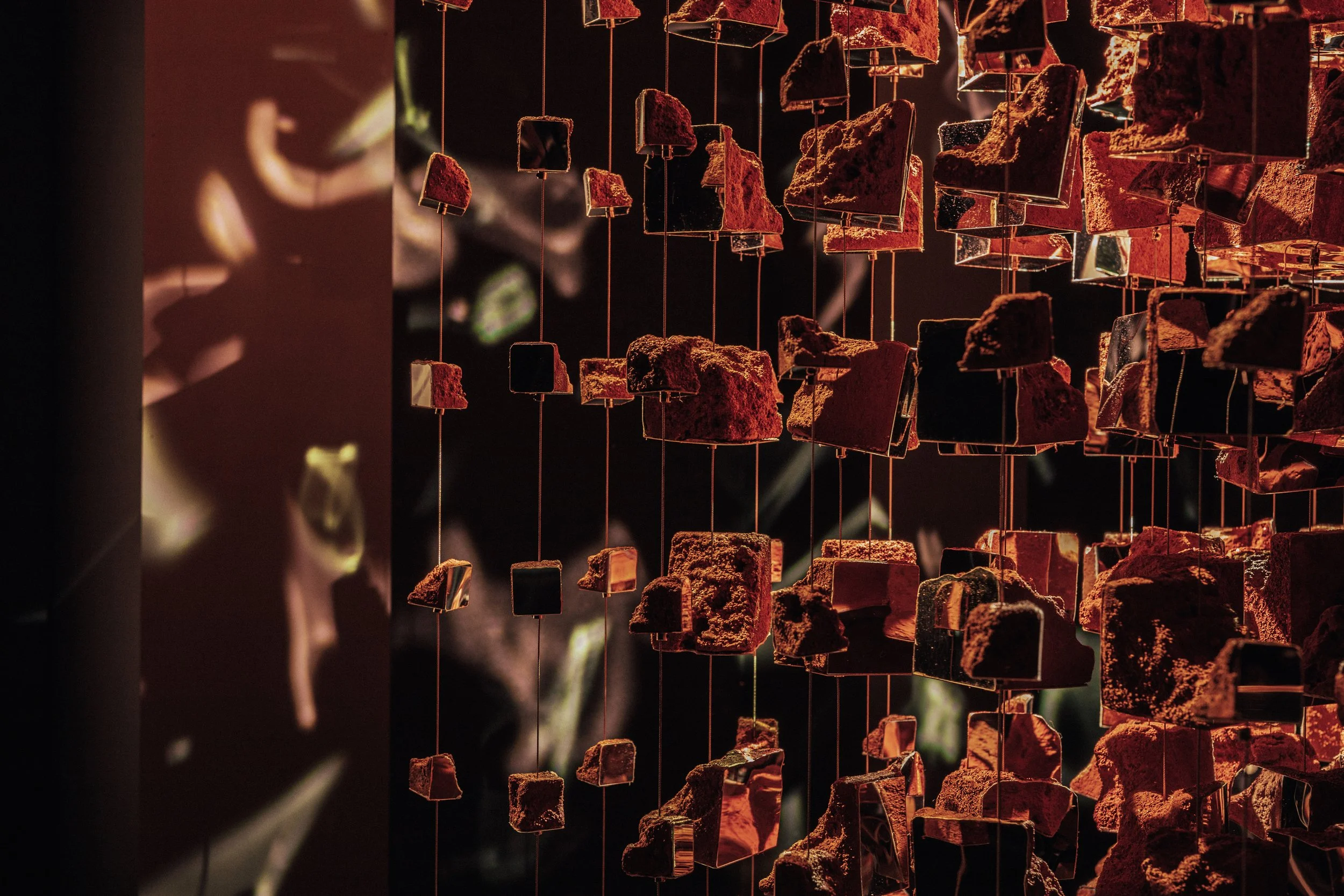
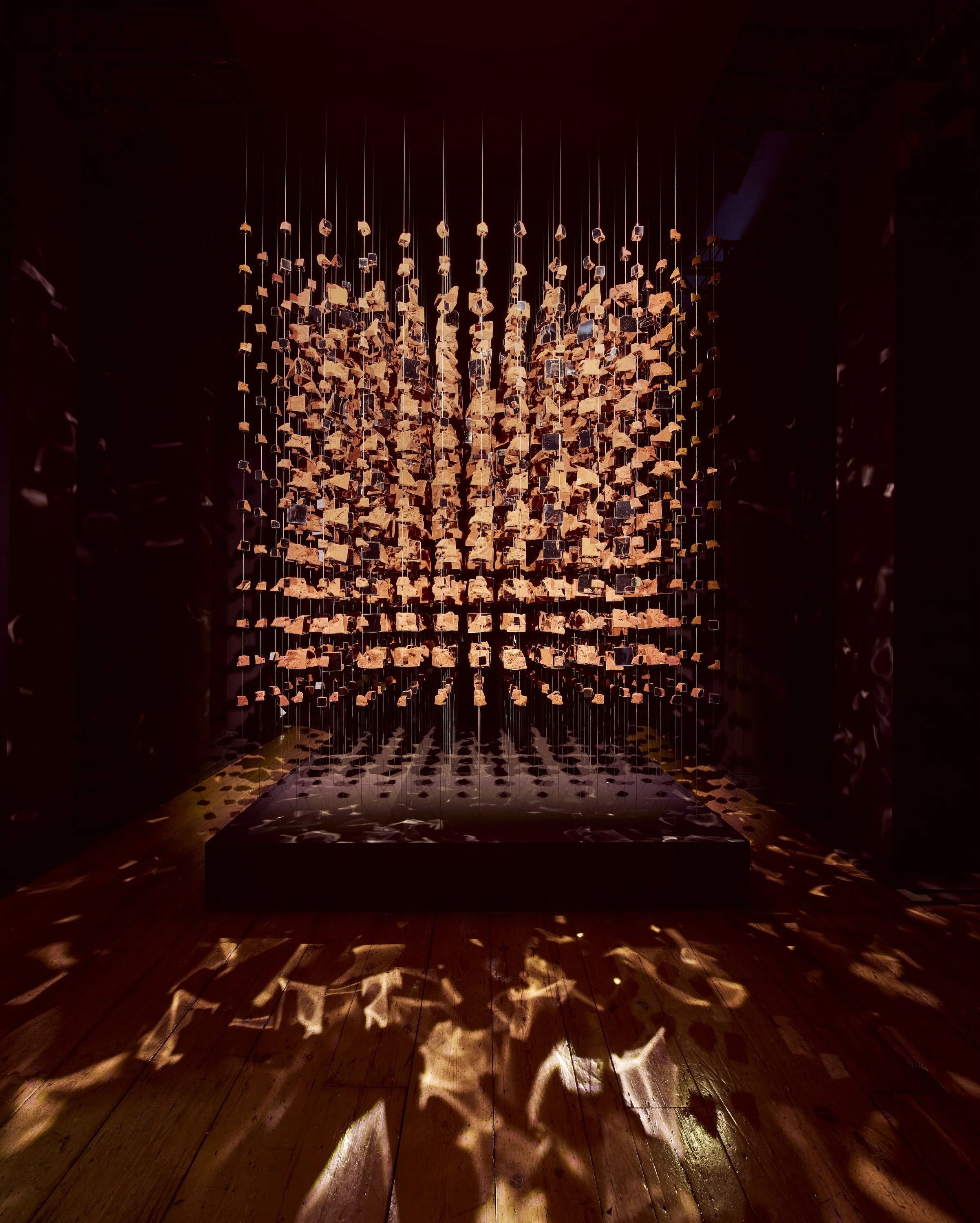
Melek Zeynep Bulut’s The Recursion Project: Levh-i Mahfûz explores repetition as a transformative force between matter and perception. Inspired by the Tesseract Cube and Kafka’s metamorphosis, the installation features handcrafted Turkish terracotta cubes with reflective surfaces, suspended to form a larger cube that shifts visitors into a metaphysical space. Rooted in primal materials and collective memory, this poetic, ritualistic experience invites introspection, blurring boundaries of form and reality to evoke a profound connection with inner and universal dimensions.
All images © Northumbria University & UCL, London Design Biennale 2025
Northumbria University & UCL
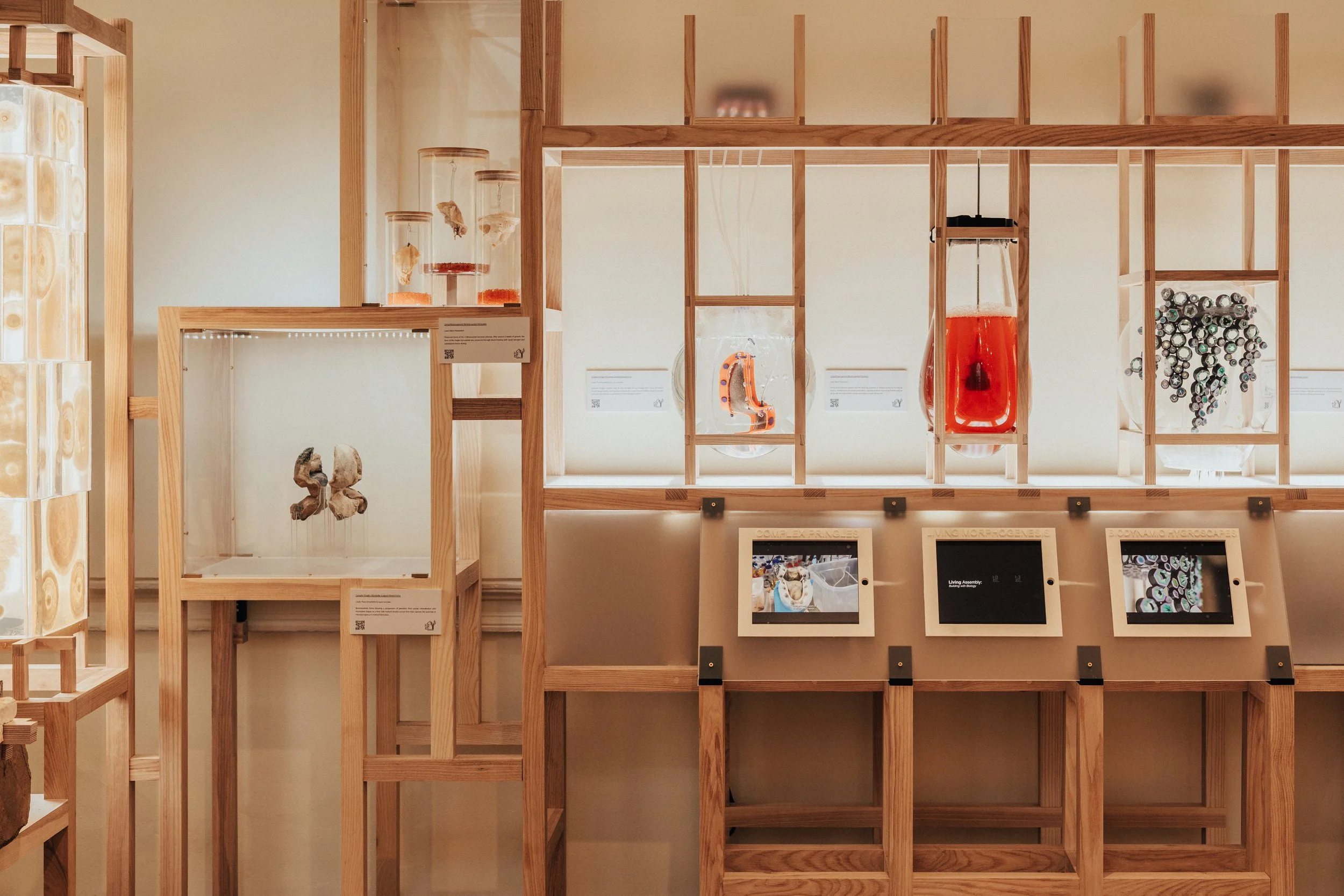
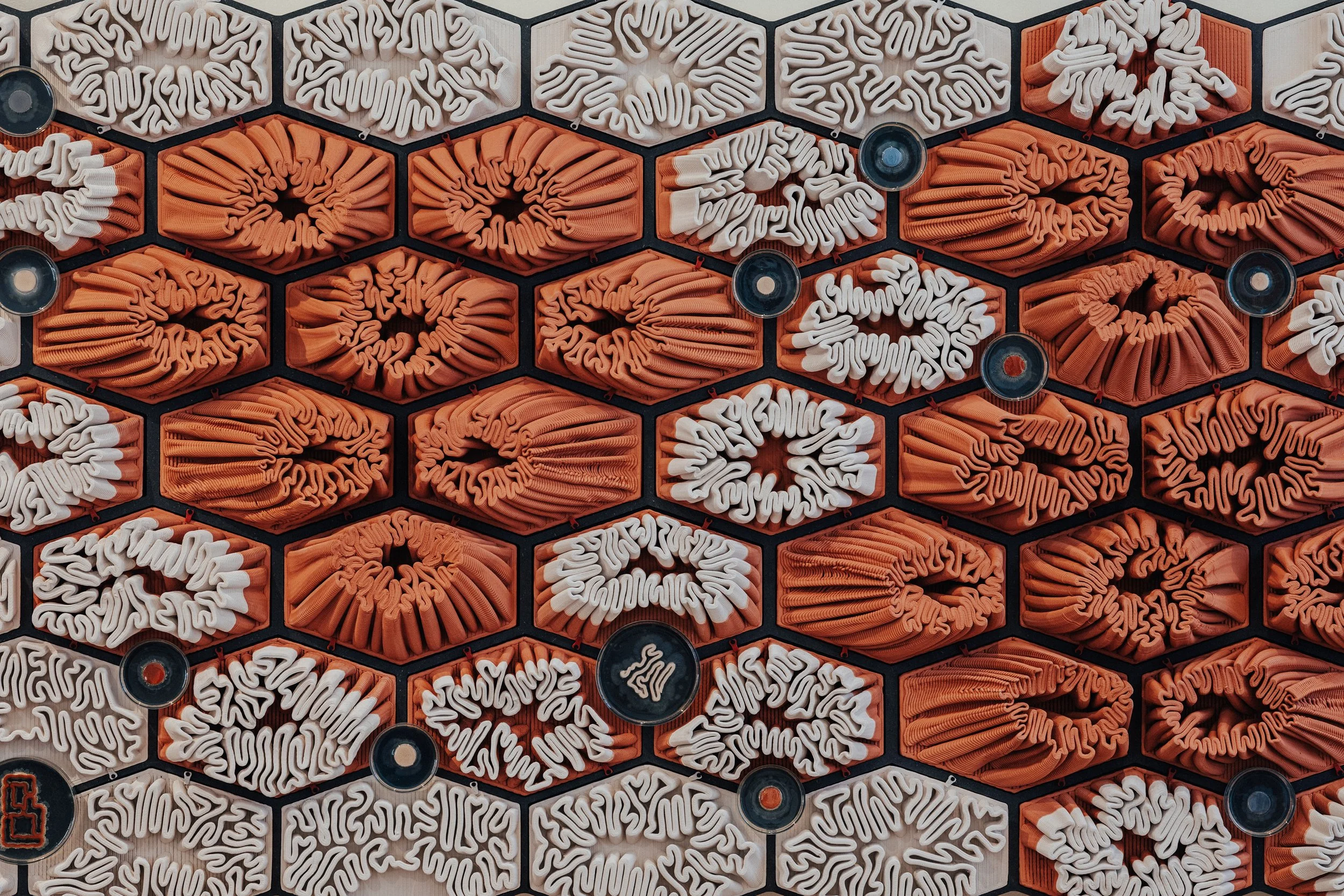
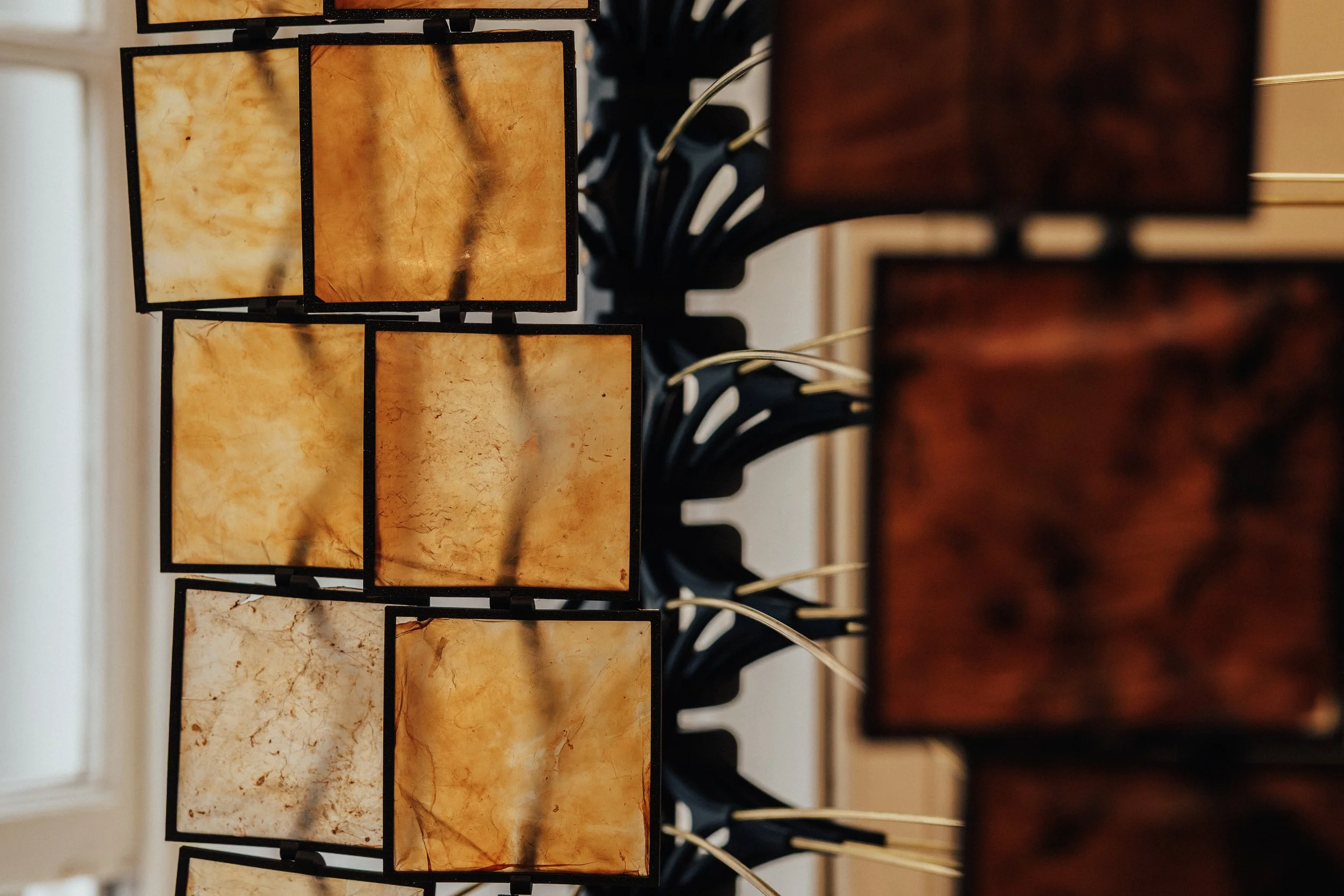
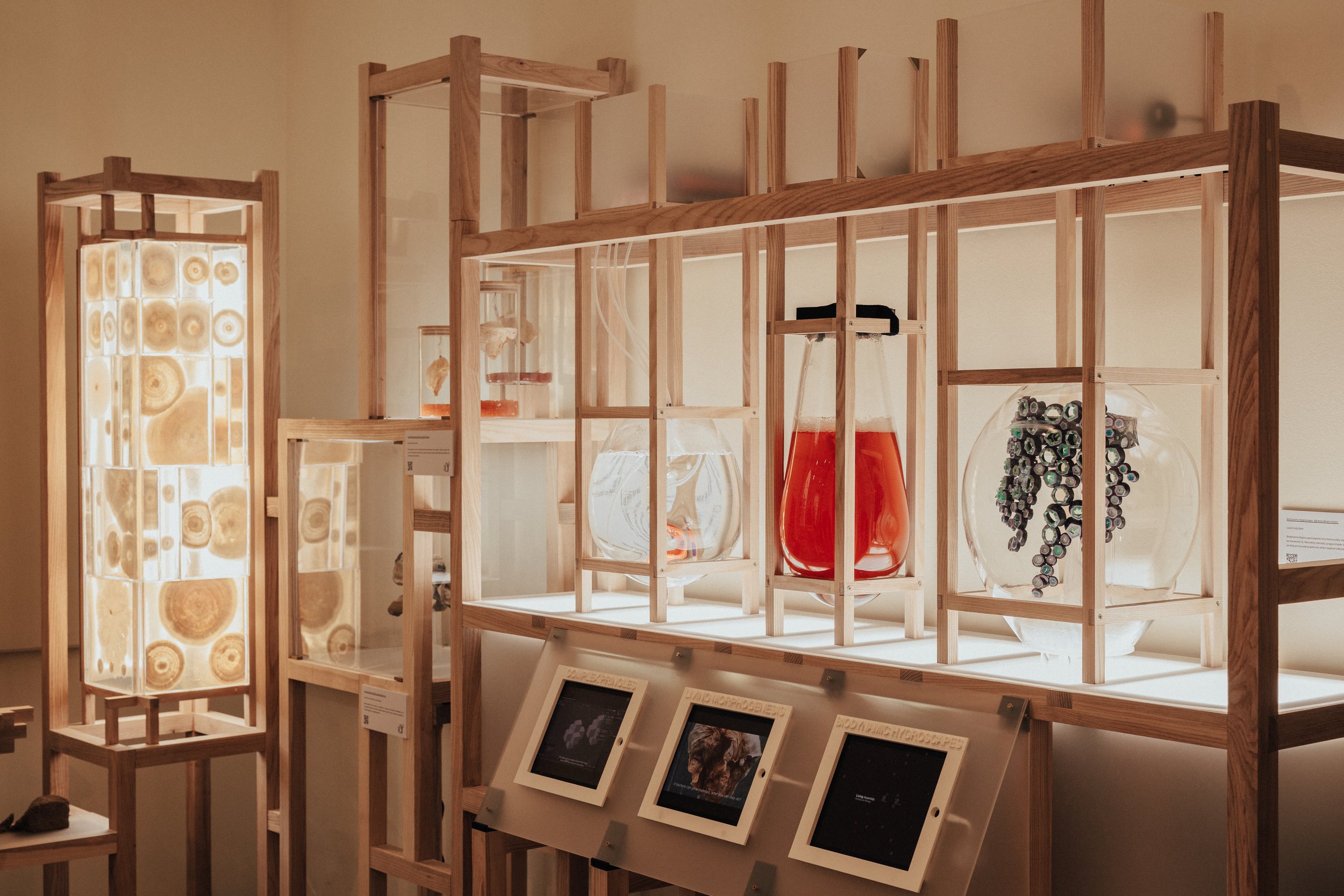
Living Assembly: Building with Biology is a groundbreaking collaboration between Northumbria University and UCL, envisioning a future where buildings are grown, not built. Showcasing cutting-edge bio-materials like mycelium composites, microbially produced leather, and bacteria-based cement, the installation merges biology with computational design to prototype a new architectural language. These living materials respond dynamically to their environment, signalling a shift toward structures that self-construct and sustain. This pioneering work bridges molecular science and design innovation, revealing an ecological vision for the built environment of tomorrow.

All images © Rachel Botsman, London Design Biennale 2025
Rachel Botsman
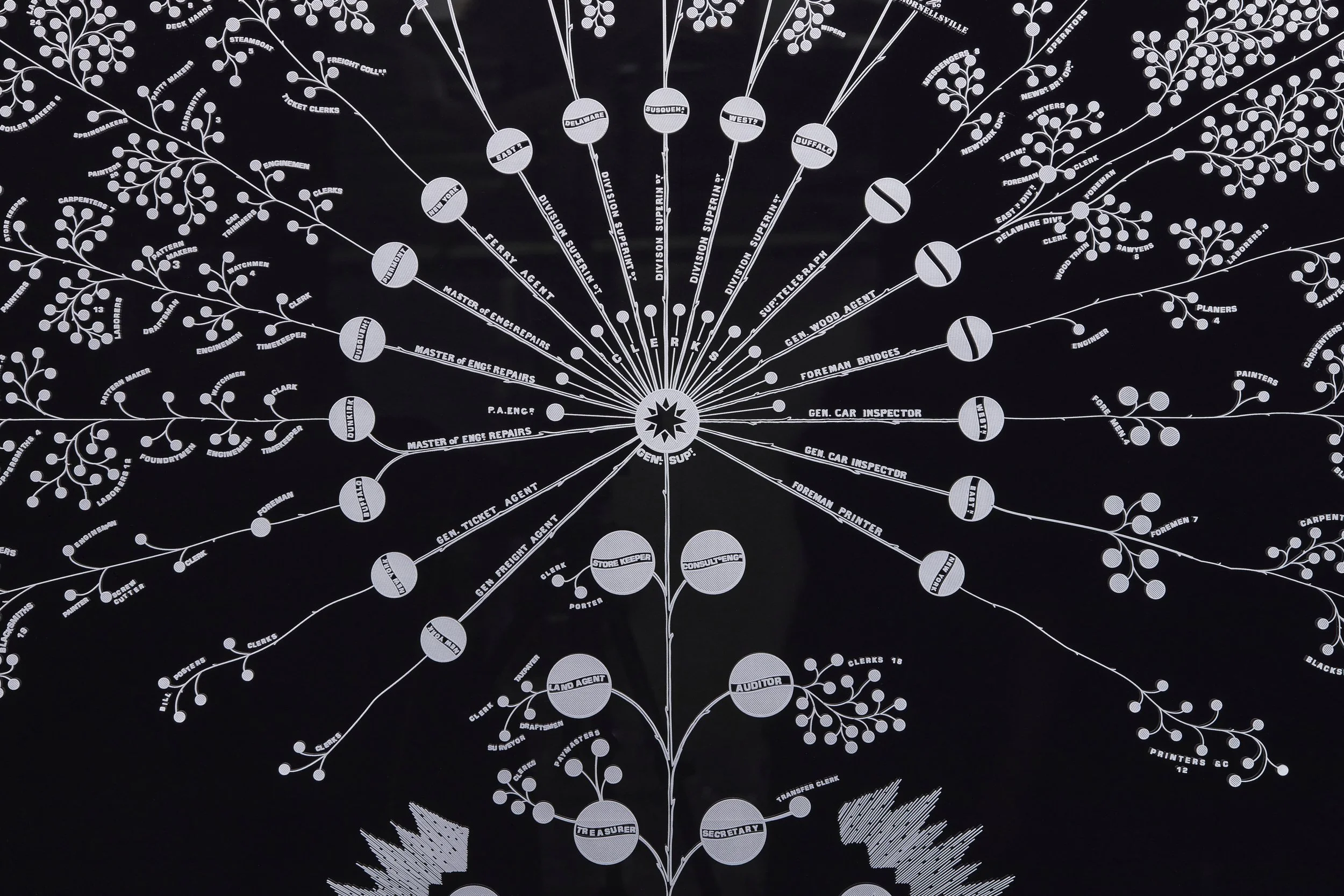
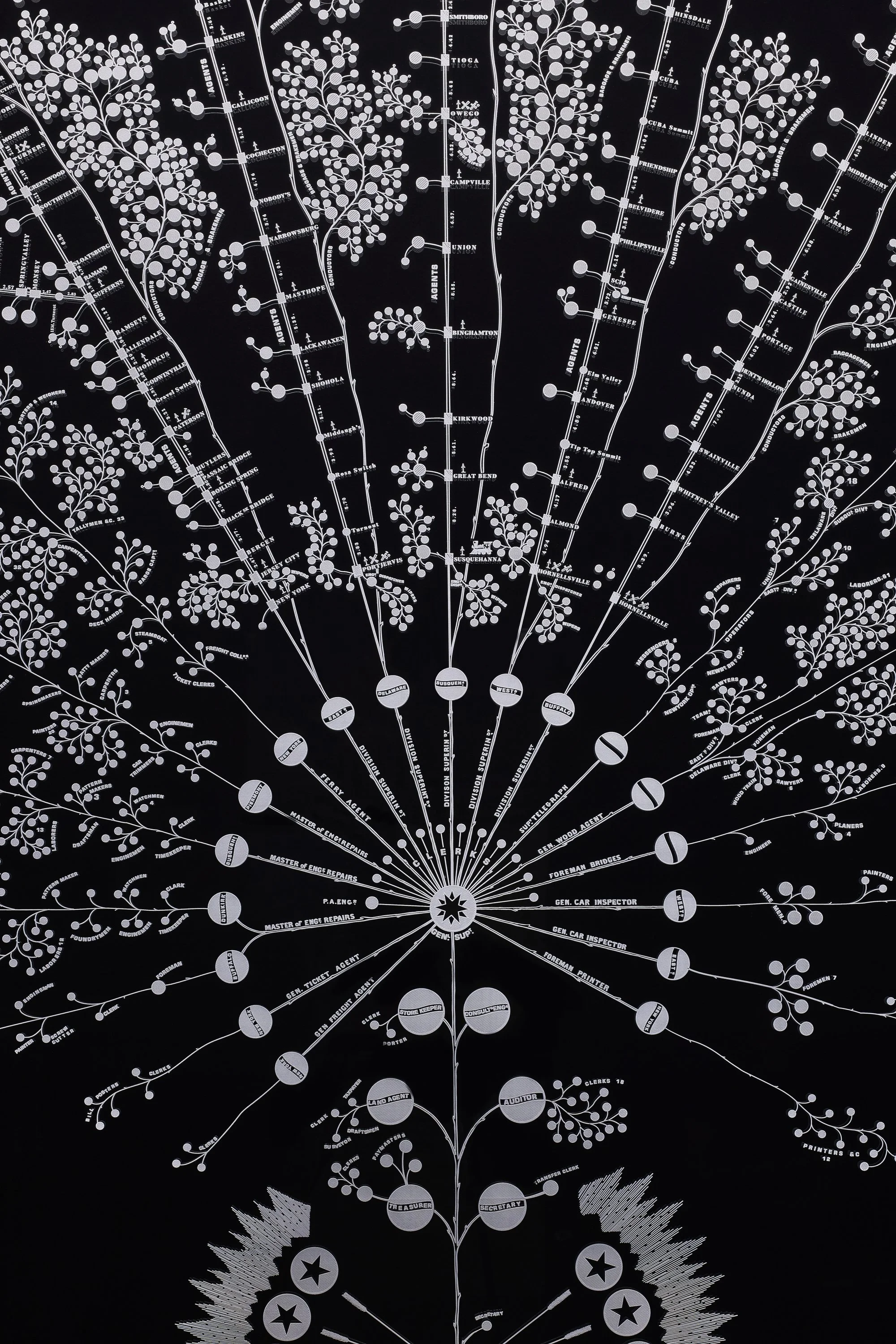
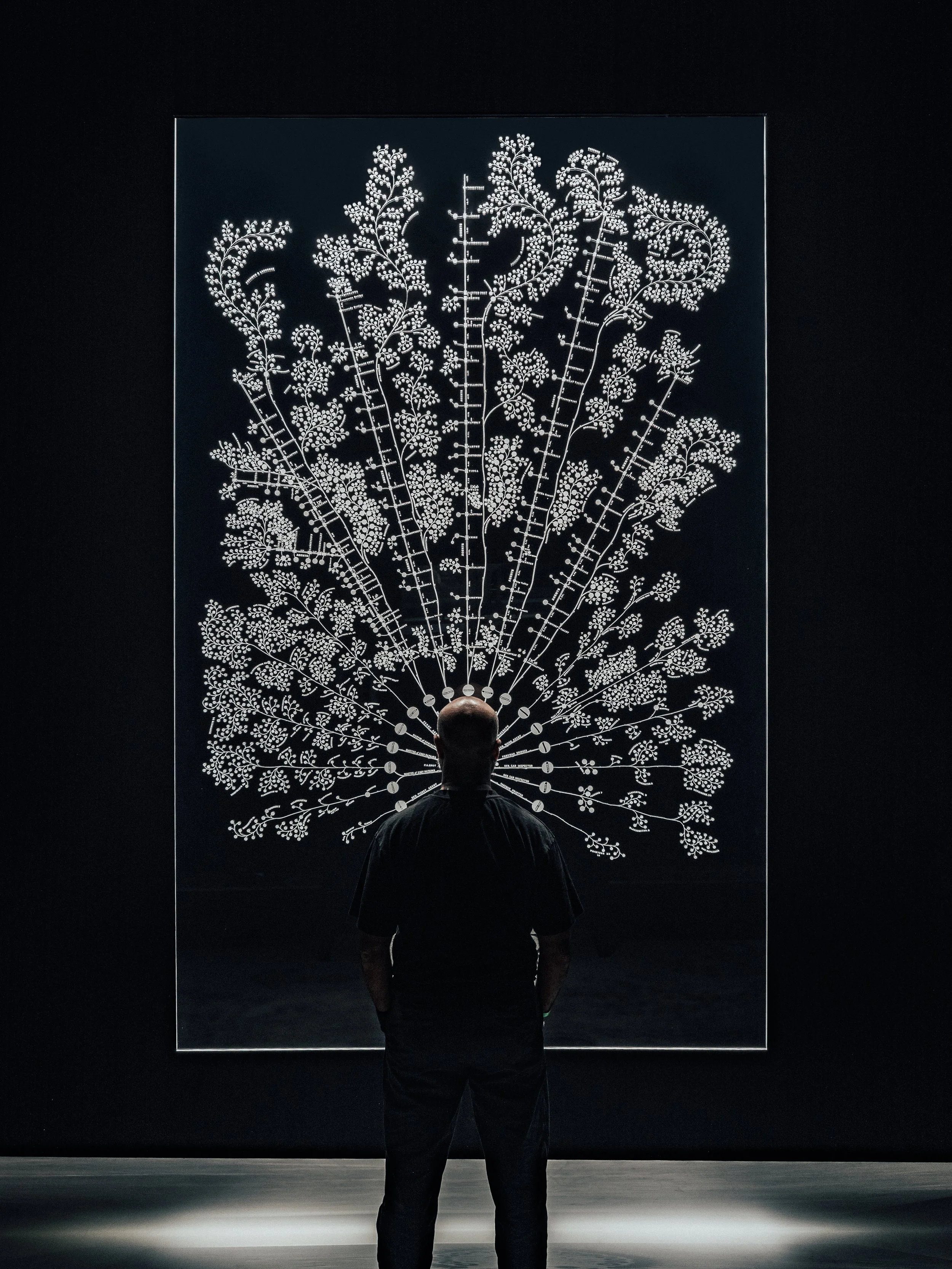
Rachel Botsman’s Roots of Trust reinterprets the world’s first organisational chart—created in 1855—as a lens to rethink modern systems of work and trust. Displayed on a softly illuminated transparent panel, the installation contrasts the chart’s structured design with its fluid, shifting shadows, symbolising the complex human dynamics behind rigid hierarchies. By revisiting this historic artefact, Roots of Trust challenges conventional power structures and invites a new, design-led conversation on how organisations can evolve with greater empathy and adaptability in today’s changing world.

All images © The Global South, London Design Biennale 2025
The Global South
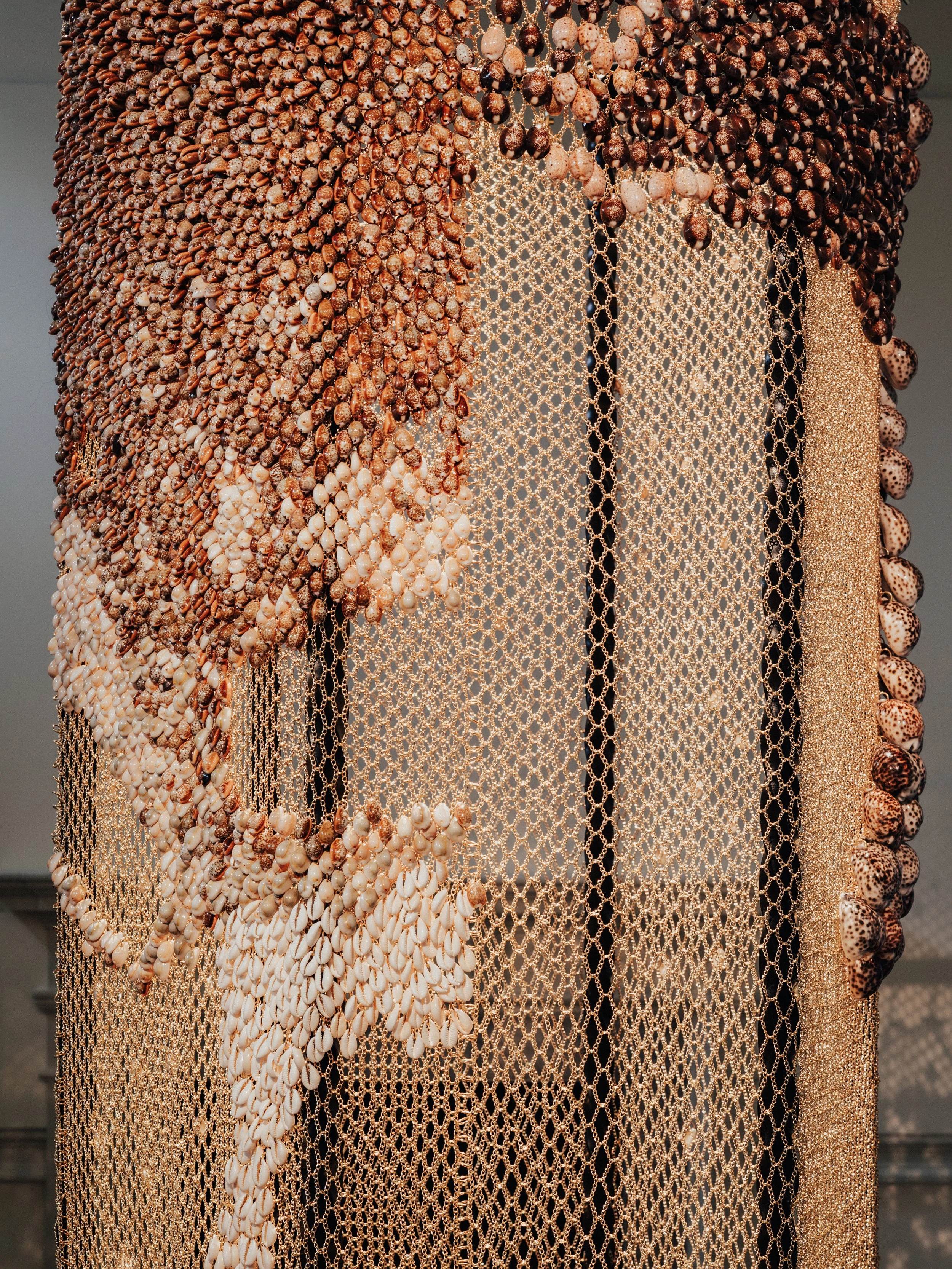
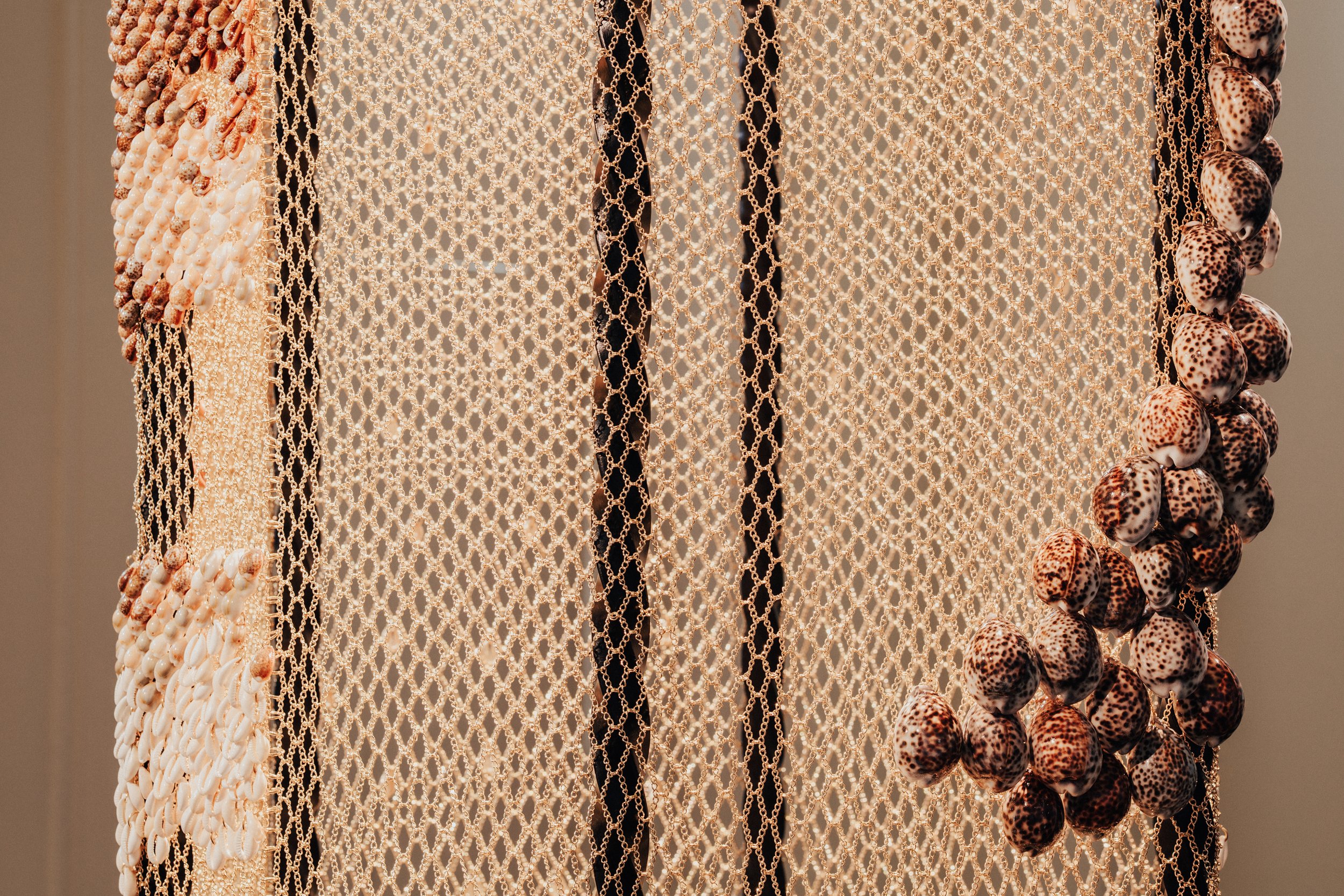
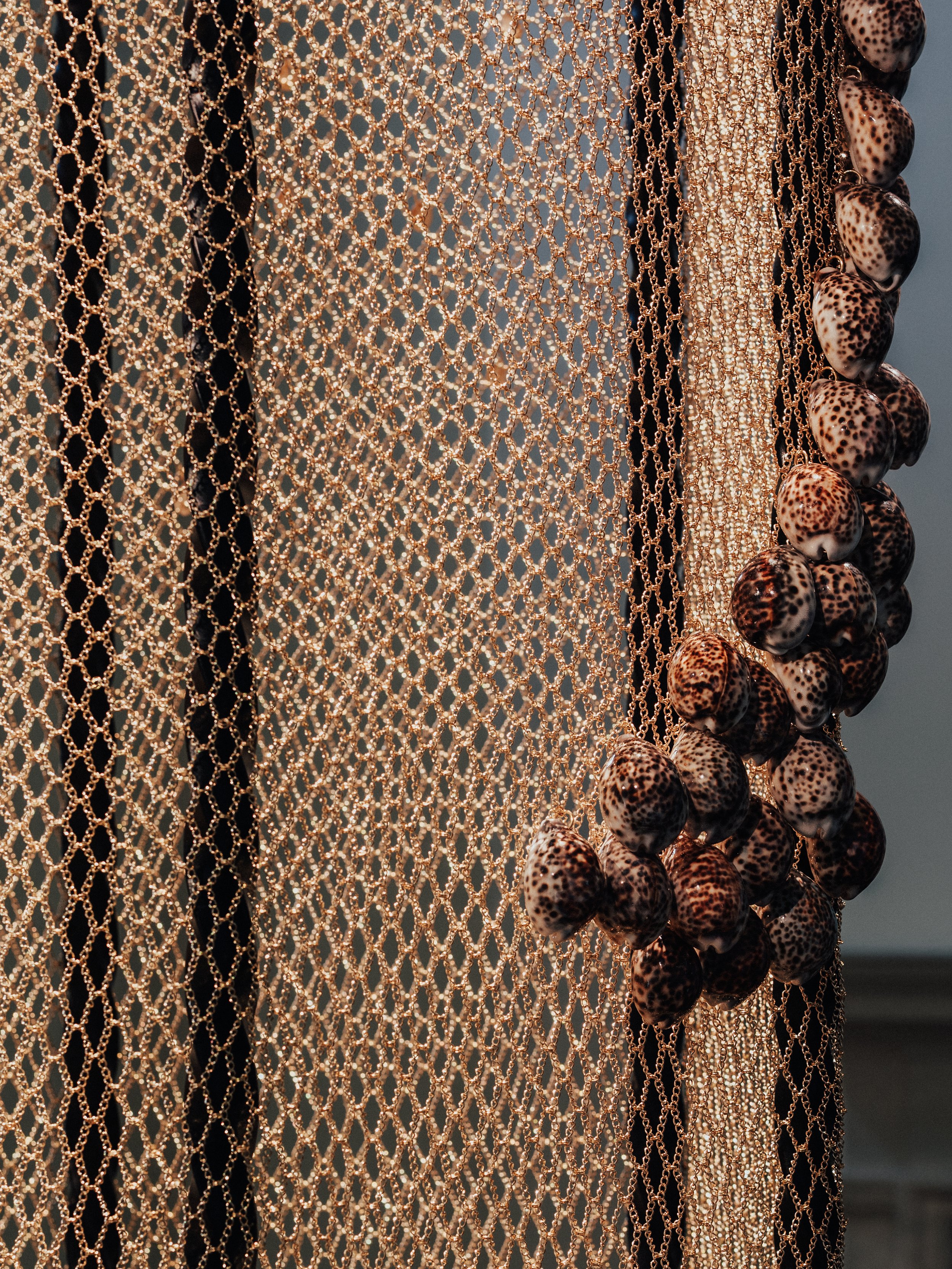
The Global South Pavilion’s Wura is a powerful act of reclamation, weaving gold chains and cowrie shells into a sculptural tribute to resilience, heritage, and transformation. Meaning “precious” in Yoruba, the installation evokes histories of trade and colonisation while celebrating indigenous economies and cultural rebirth. Through immersive sound and design, Wura invites reflection on value, identity, and shared futures—amplifying often-overlooked voices as central to global conversations on equity, climate, and decolonisation. It stands as a vital platform for reimagining how design can inspire justice and collective renewal.
All images © Uzbek Design, London Design Biennale 2025
Uzbek Design
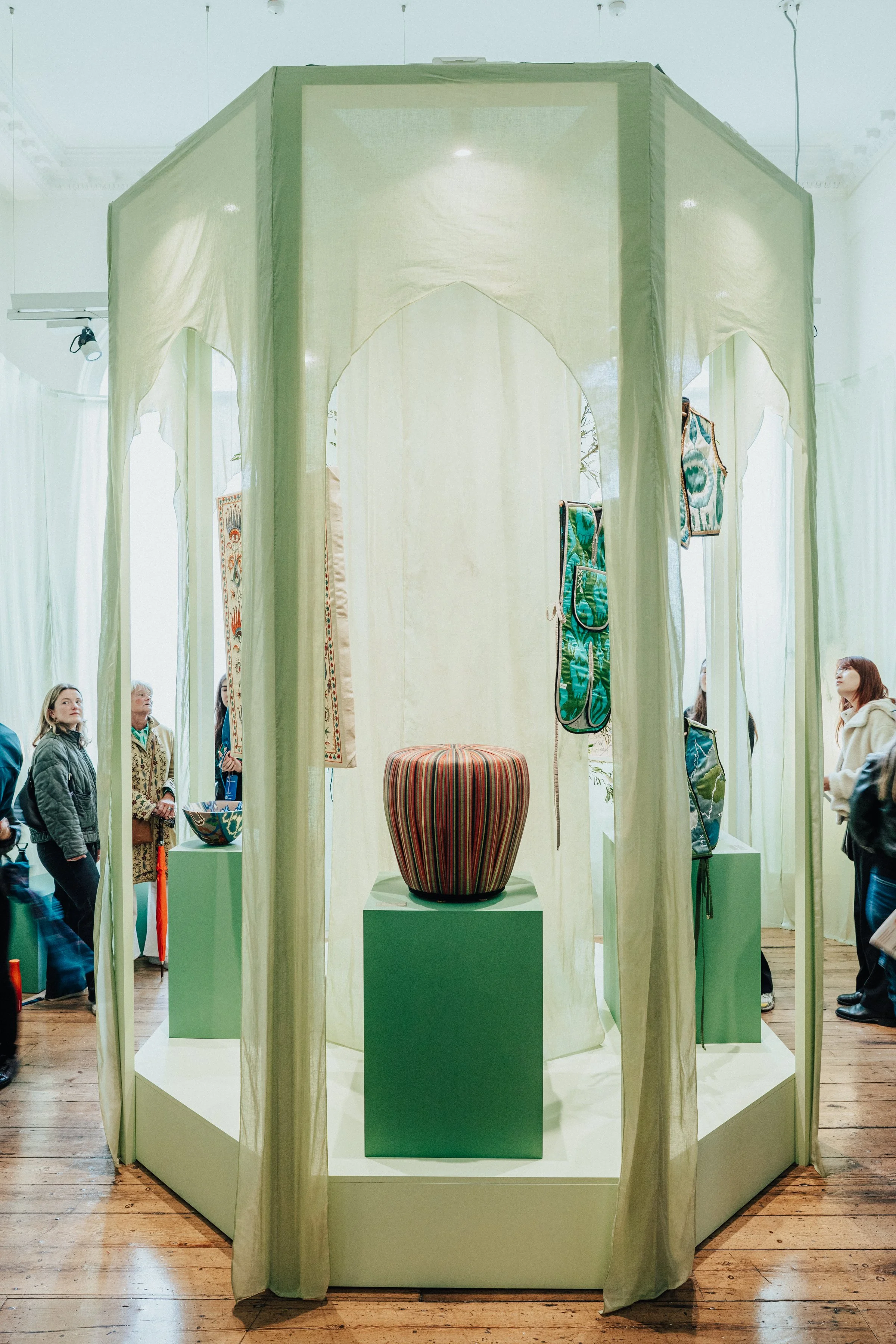
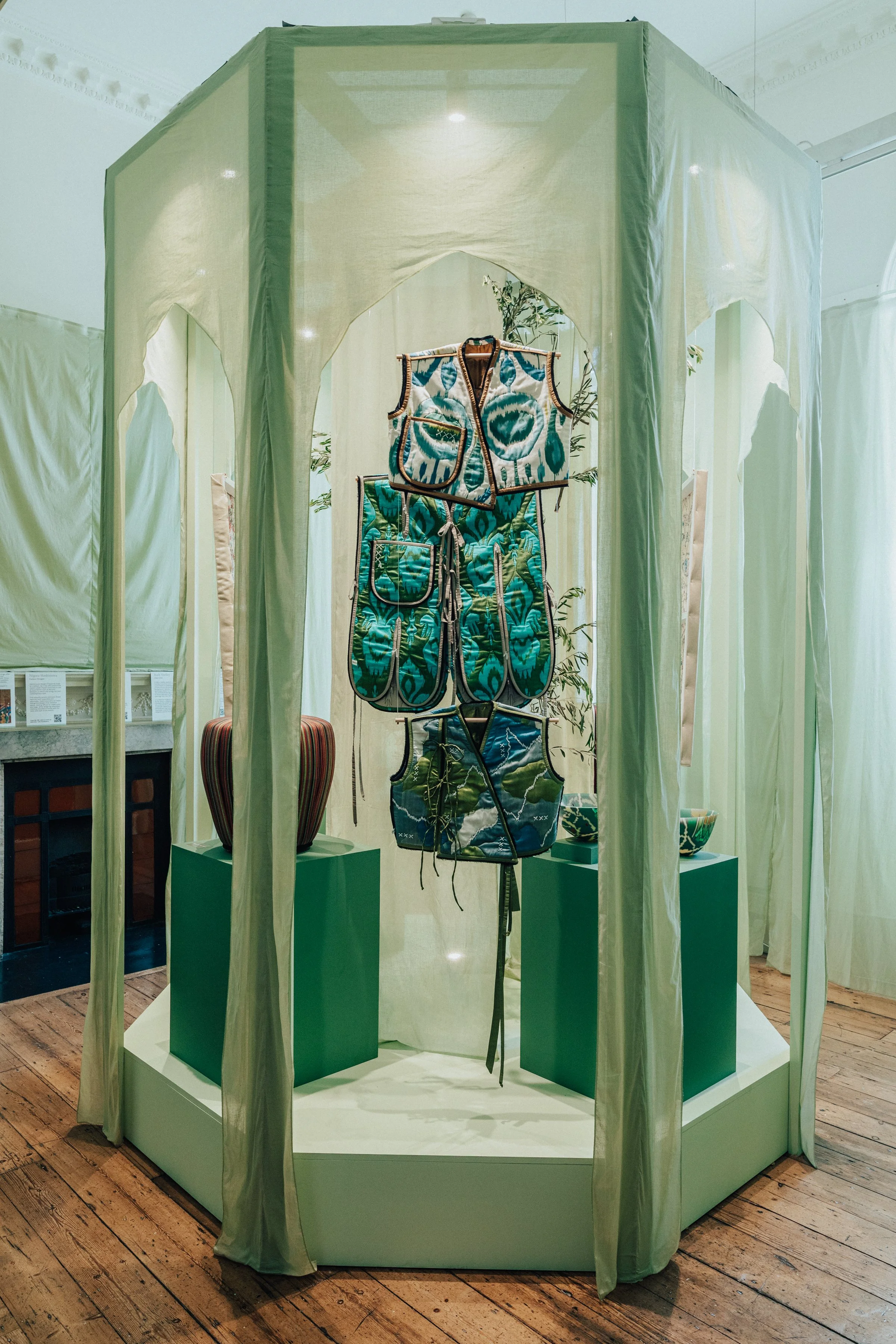
The Uzbek Design pavilion, The Once and Future Garden, draws on the rich heritage of Samarkand’s lost Timurid gardens, blending centuries-old traditions with contemporary innovation. Featuring ceramics, textiles, furniture, and fashion by four studios, the exhibition evokes the chahar-bagh paradise gardens—spaces of beauty, ritual, and craftsmanship. This thoughtful reinterpretation reflects Uzbekistan’s deep artistic legacy while envisioning a sustainable future for urban green spaces, rooted in history yet open to climate-conscious reinvention.
All images © VCUarts Qatar, London Design Biennale 2025
VCUarts Qatar
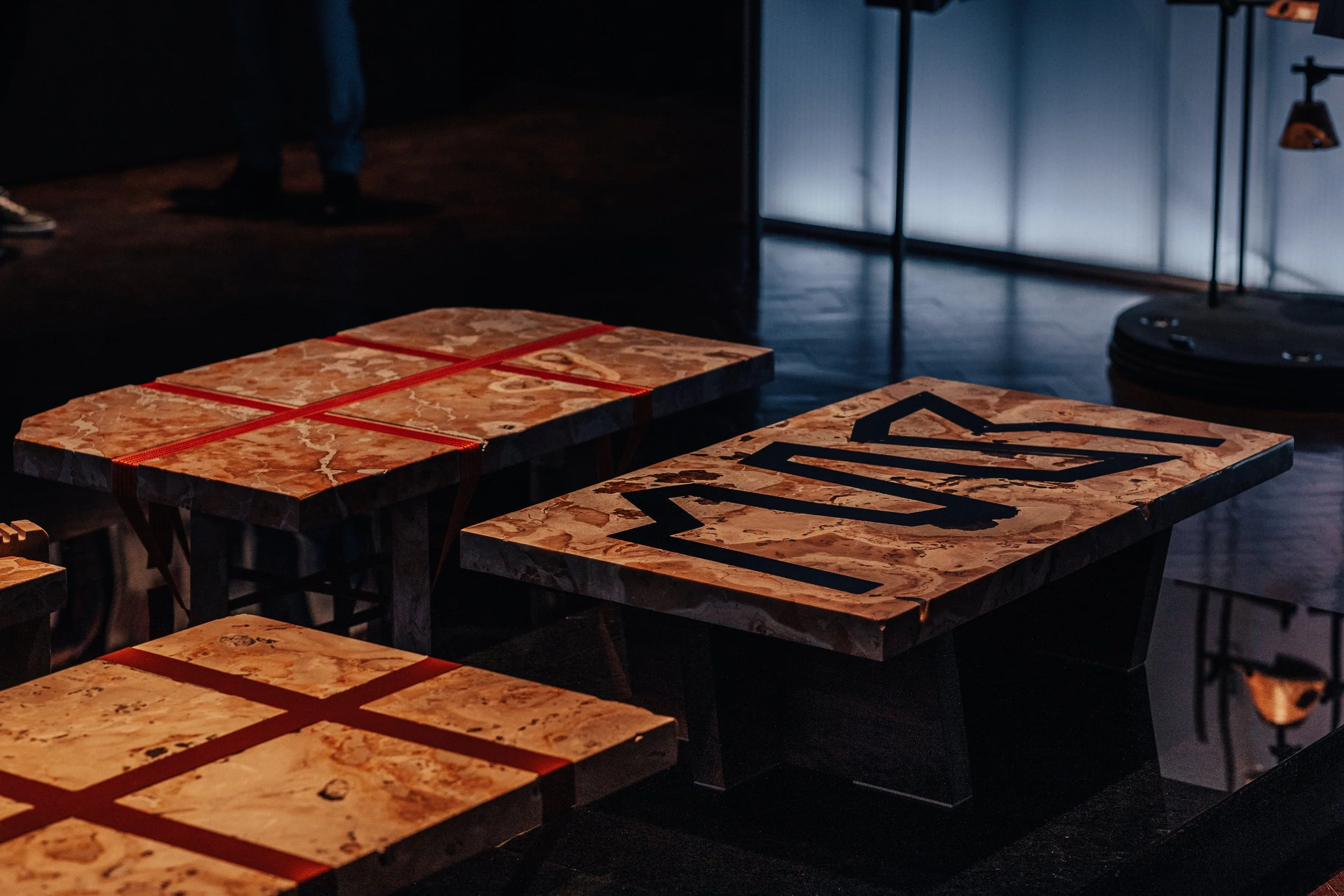
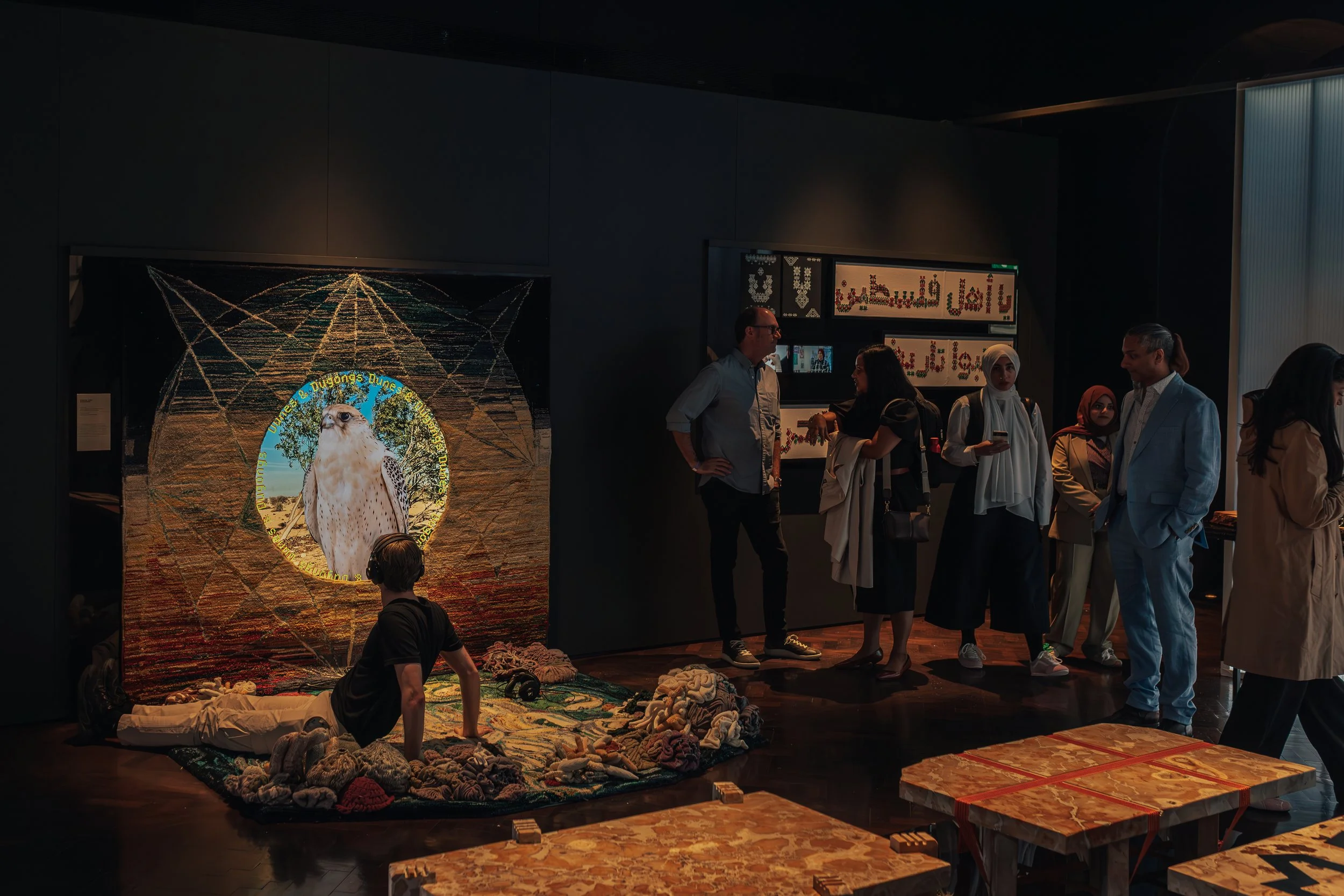
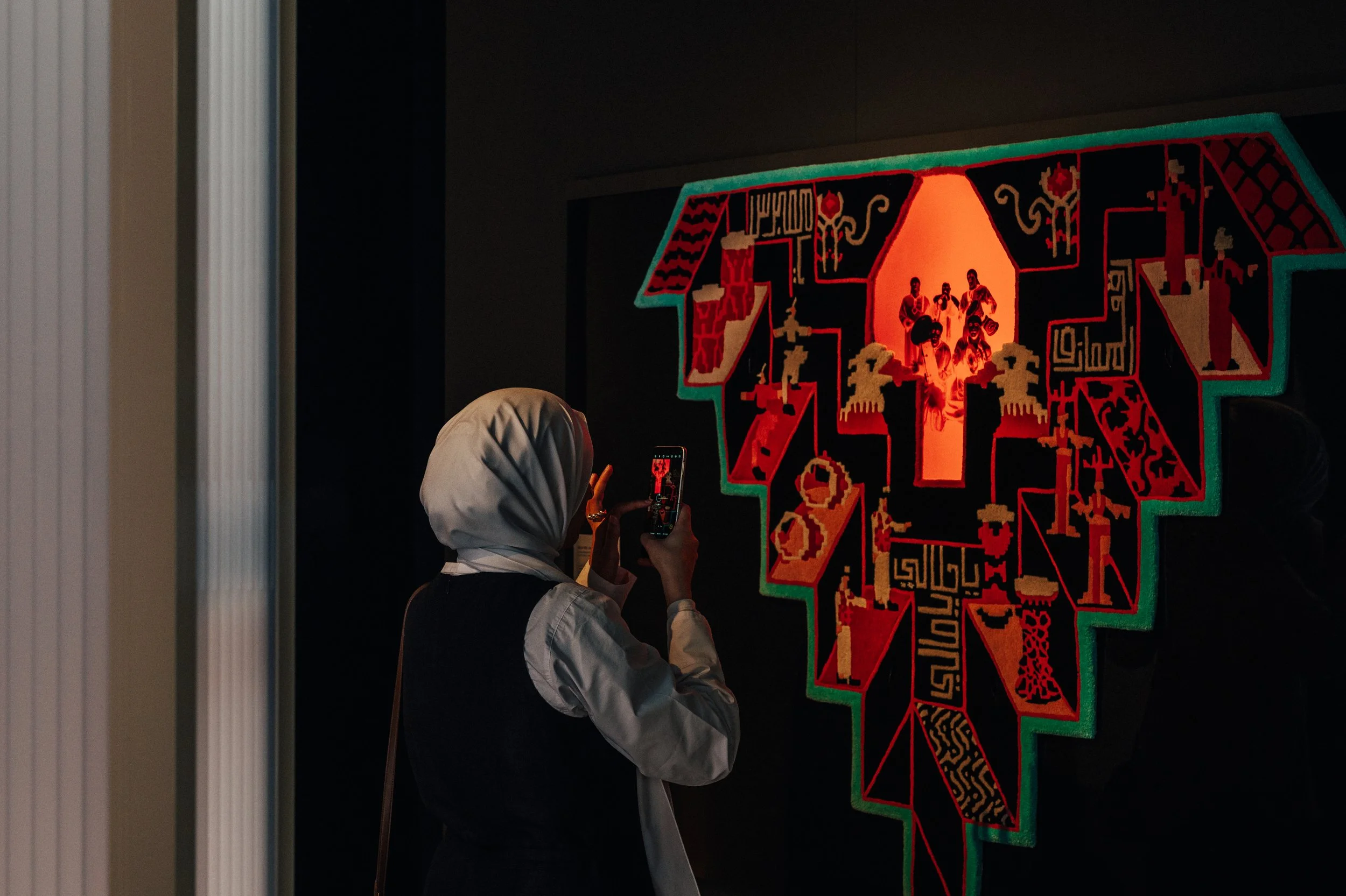
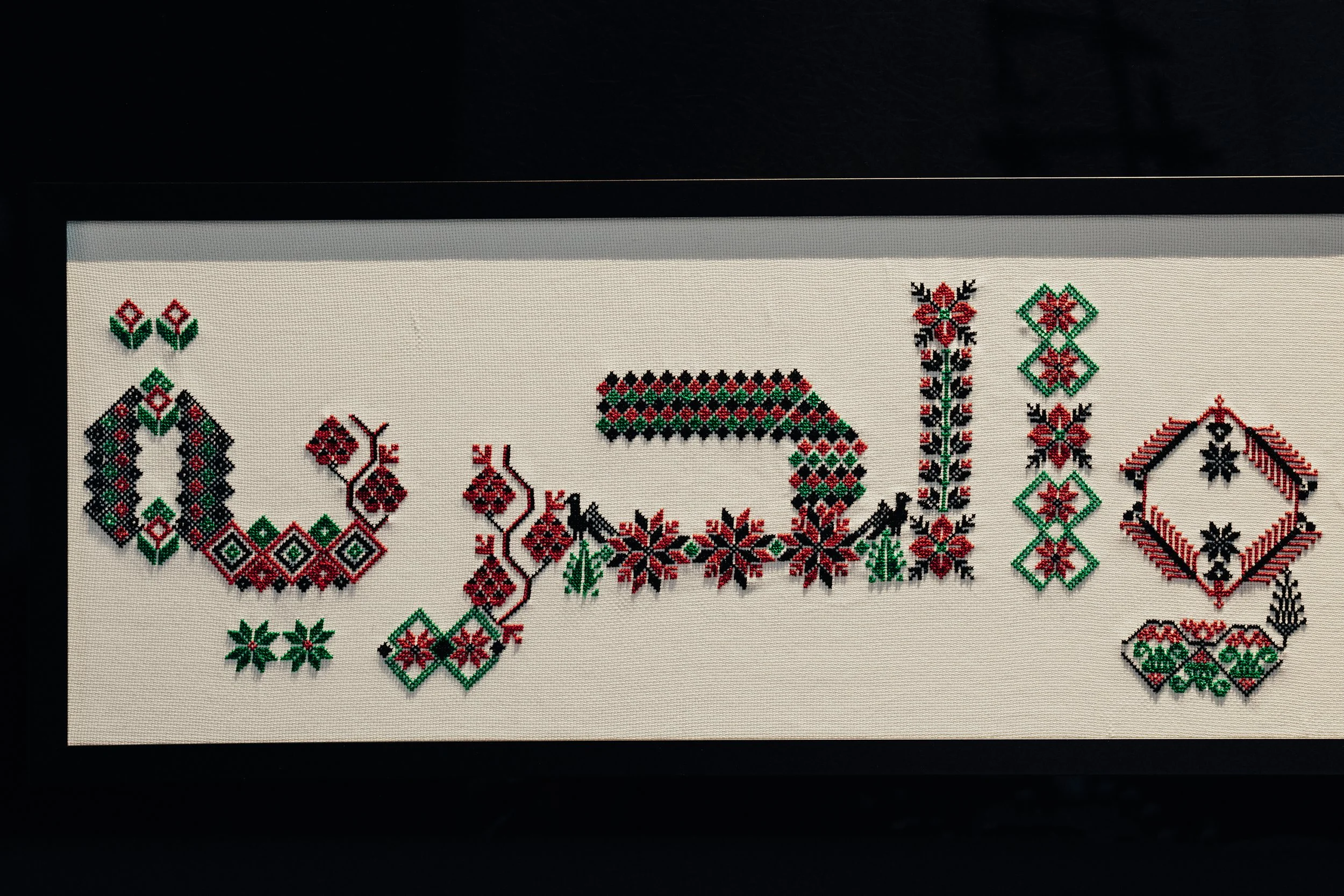
Presented by VCUarts Qatar, Matter Diplopia – ازدواجية المواد delves into the complex interplay between materiality and culture amid Qatar’s rapid development. This pavilion examines how local heritage and global influences intersect to shape identity, continuity, and transformation through nine collaborative projects by faculty, students, and alumni. Blending traditional craftsmanship with emerging technologies, the works explore themes of fluidity, material agency, and cultural narrative, inviting visitors to reflect on the dynamic relationships between environment, society, and design in a changing world.
The 2025 London Design Biennale once again affirms the vital role of design as a global language—one that transcends borders and invites dialogue between cultures, histories, and futures. By showcasing diverse perspectives from around the world, the Biennale not only celebrates creativity but also challenges us to rethink how design can address complex social, environmental, and cultural issues. In a rapidly changing world, these cross-cultural exchanges are more important than ever: they foster empathy, inspire innovation, and remind us that design is not just about objects or aesthetics—it is a powerful tool for connection, understanding, and transformation. As we look ahead, the Biennale encourages us all to listen, learn, and collaborate across differences, shaping a more inclusive and thoughtful future through design.
