
Dimorestudio’s Paris Saint-Germain Residence
In the heart of Saint-Germain, Dimorestudio transforms a characterful 1940s apartment into a layered interior rich with colour, contrast and Parisian elegance.
There are some interiors that feel immediately resolved, and others that continue to reveal themselves slowly, room by room, detail by detail. Dimorestudio’s Paris Saint-Germain residential project belongs firmly in the latter category. Located within a distinguished 1940s building in one of Paris’s most culturally rich neighbourhoods, the apartment is an extraordinary study in contrast: historic architecture paired with daring contemporary decoration, classical proportions animated by vivid colour, and carefully curated objects arranged with the confidence of a gallery installation.
For me, what makes this project so compelling is the interplay between the building's preserved character and the unapologetically modern, vibrant palette introduced throughout. It is a reminder that heritage interiors do not need to be treated with restraint or nostalgia. Instead, they can become dynamic backdrops for new ideas, new energy and deeply personal design statements.
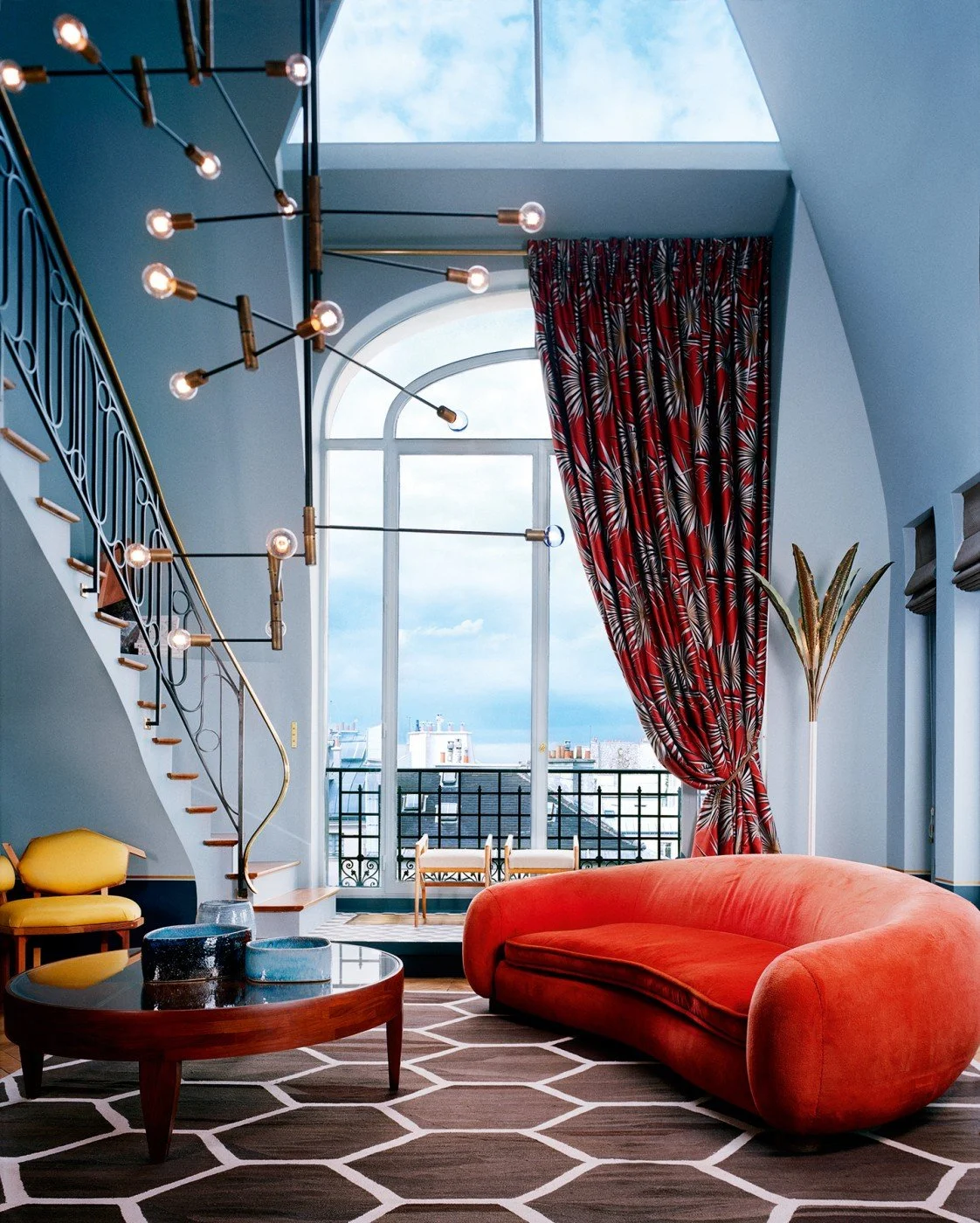
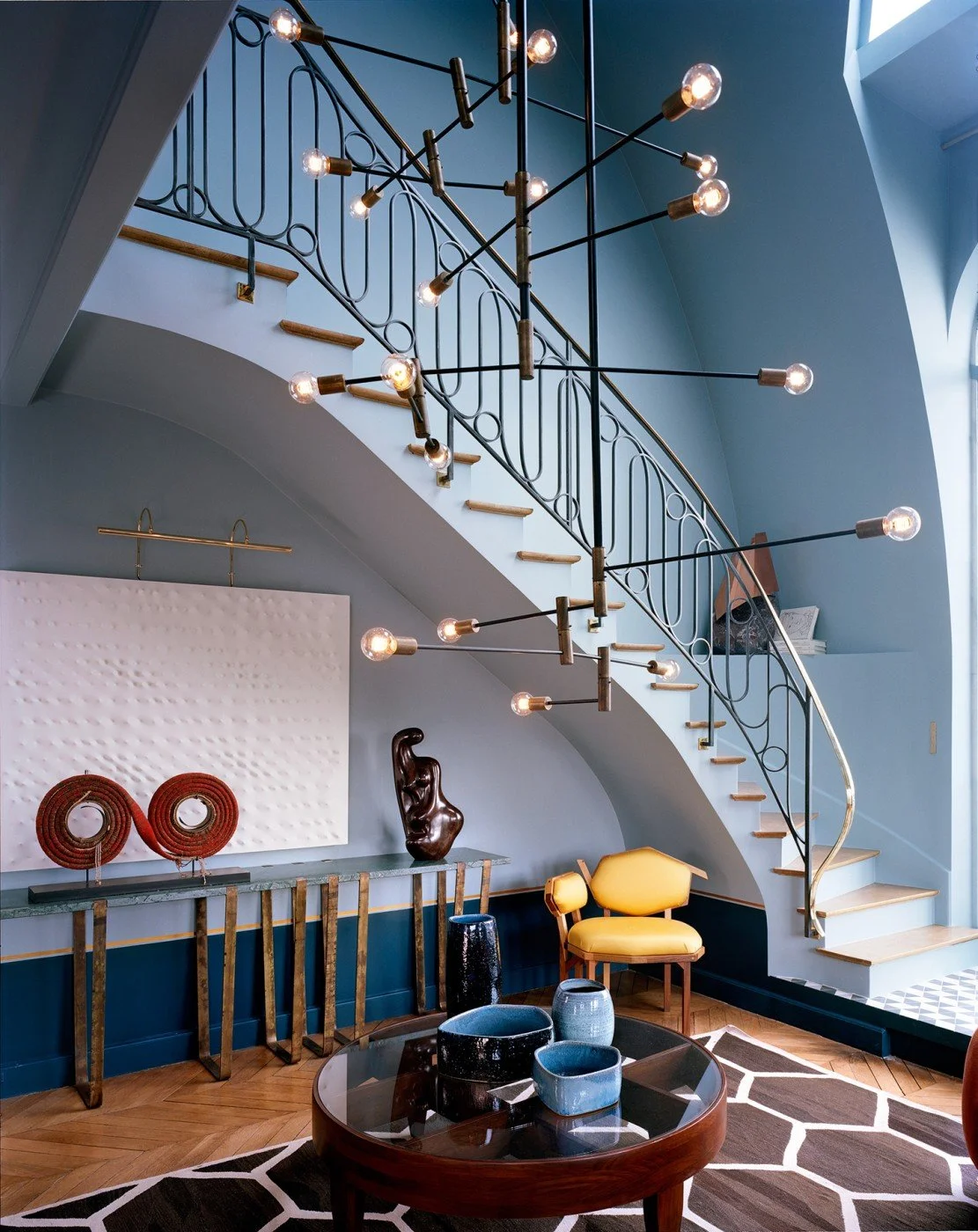
Dimorestudio, founded by Britt Moran and Emiliano Salci, has become one of Europe’s most admired design studios for exactly this reason. Their work consistently rejects formula. Rather than subscribing to a single period or visual language, they compose interiors as layered narratives, where antique references, modern silhouettes, rich textures, and unexpected colours coexist in deliberate tension. Their spaces feel intellectual, cinematic and emotionally charged.
This Saint-Germain residence spans approximately 300 square metres across two floors, offering the kind of generous scale that is increasingly rare in central Paris. Yet despite its size, the project never feels grand in a distant or formal sense. Instead, there is intimacy in the way rooms are connected, in the tactile quality of materials, and in the thoughtful placement of furniture and art.
The original architecture provides a remarkable framework. Period detailing remains intact, giving the apartment a sense of permanence and authenticity. Cornicing, tall openings, elegant transitions between rooms and the measured rhythm of a classic Parisian plan all speak to another era. Many designers would have softened these features beneath a neutral decorative scheme. Dimorestudio chooses the opposite route.
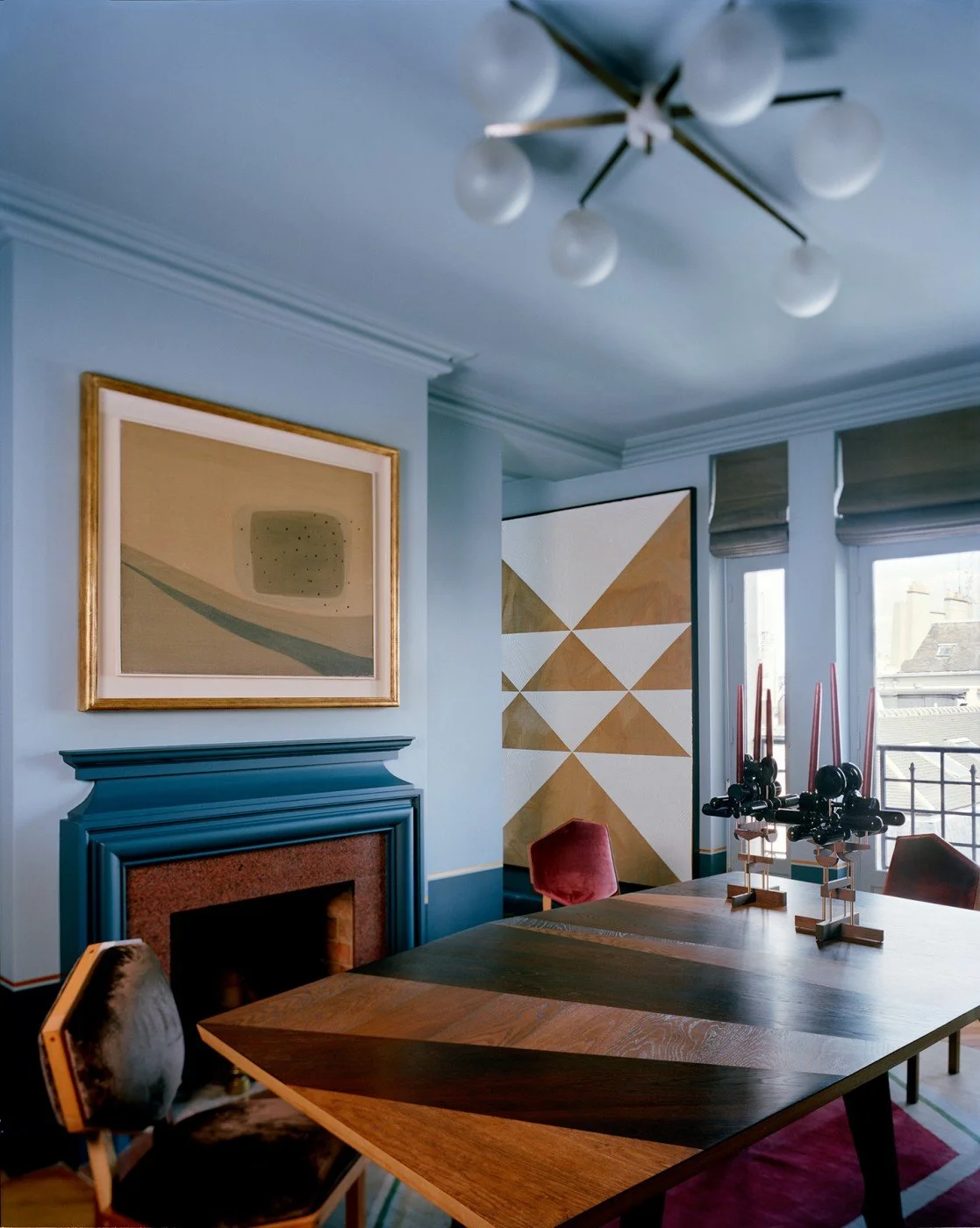
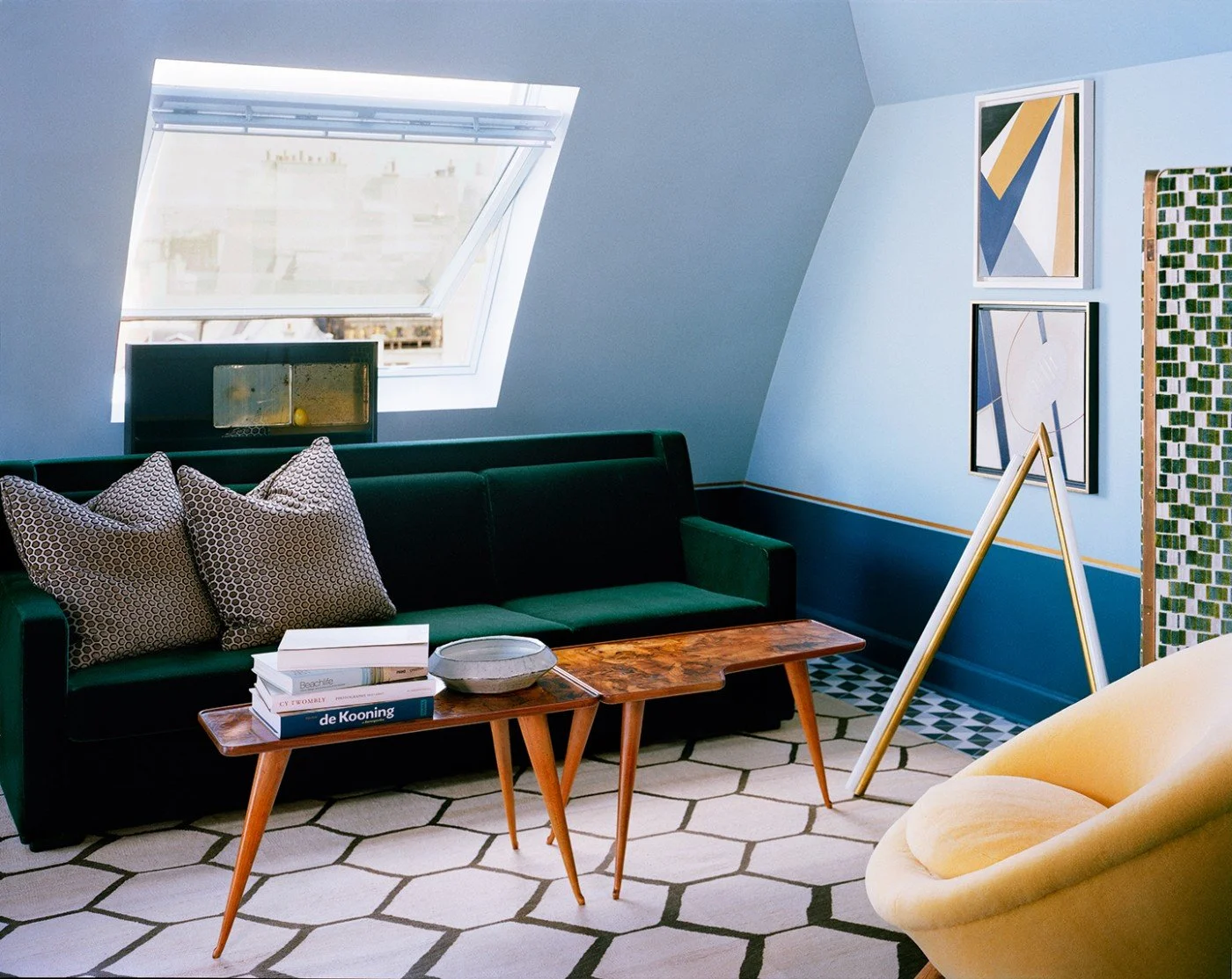
Walls become saturated in expressive tones. Upholstery introduces warmth and movement. Patterned textiles and wallpapers create moments of visual drama. Surfaces are glossy, matte, reflective or softly worn, allowing light to behave differently across each room. This layering of finishes gives the apartment an ever-changing atmosphere depending on the hour of day.
One of the most striking achievements of the project is its fearless use of colour. Deep jewel tones sit beside powdery pastels. Rich ochres, greens and reds appear with confidence, balanced by moments of calm through timber, stone and plaster. The palette feels collected rather than decorated, as though each hue has been introduced over time through instinct rather than instruction.
That sense of instinct is important. Great interiors rarely feel over-explained, and this apartment has an ease that disguises the precision behind it. Nothing appears accidental, yet nothing feels forced. Furniture selections bridge decades, combining historical references with bespoke contemporary pieces. Lighting is sculptural and atmospheric rather than purely functional. Decorative objects hold presence, each contributing to the room's identity without overwhelming it.
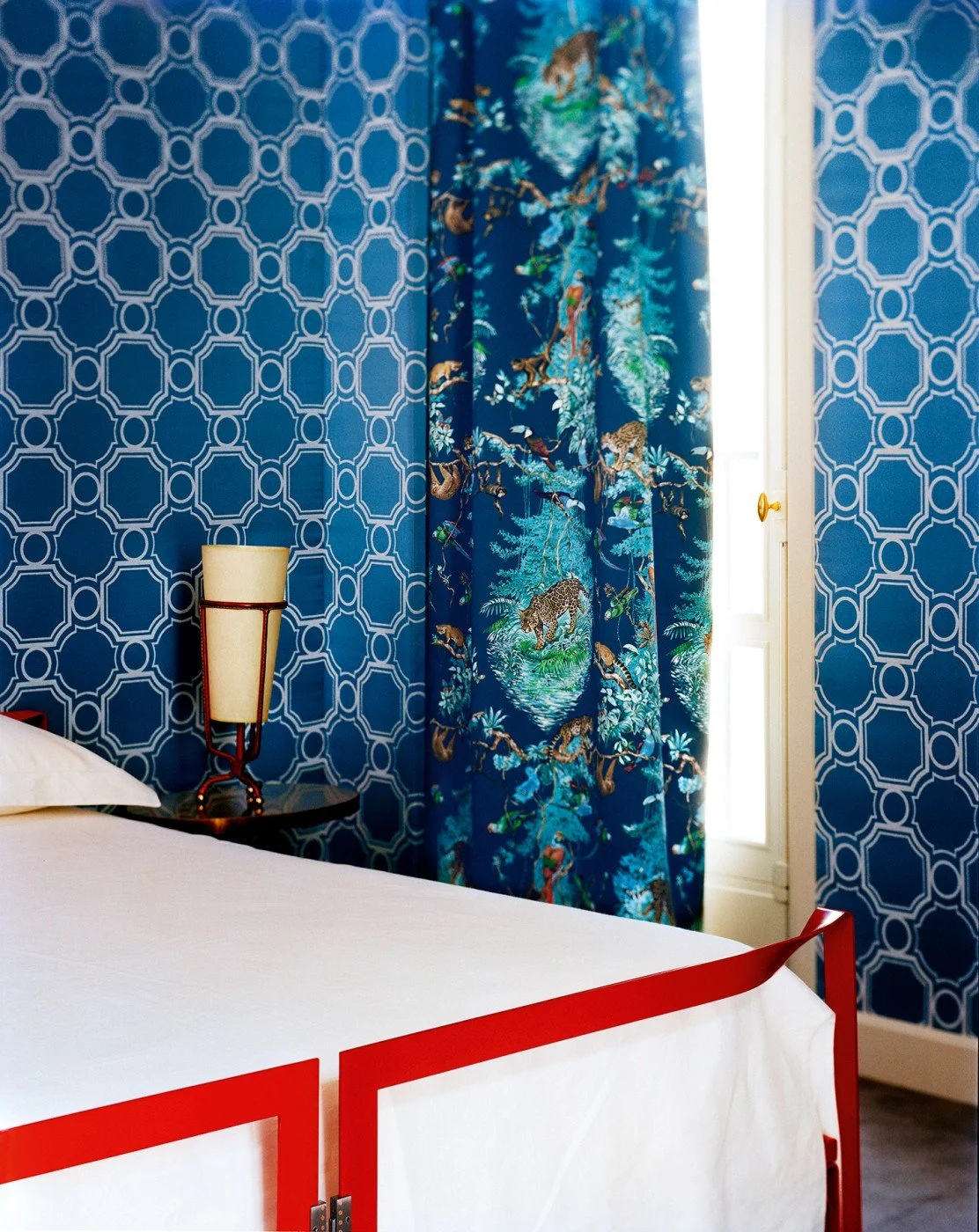
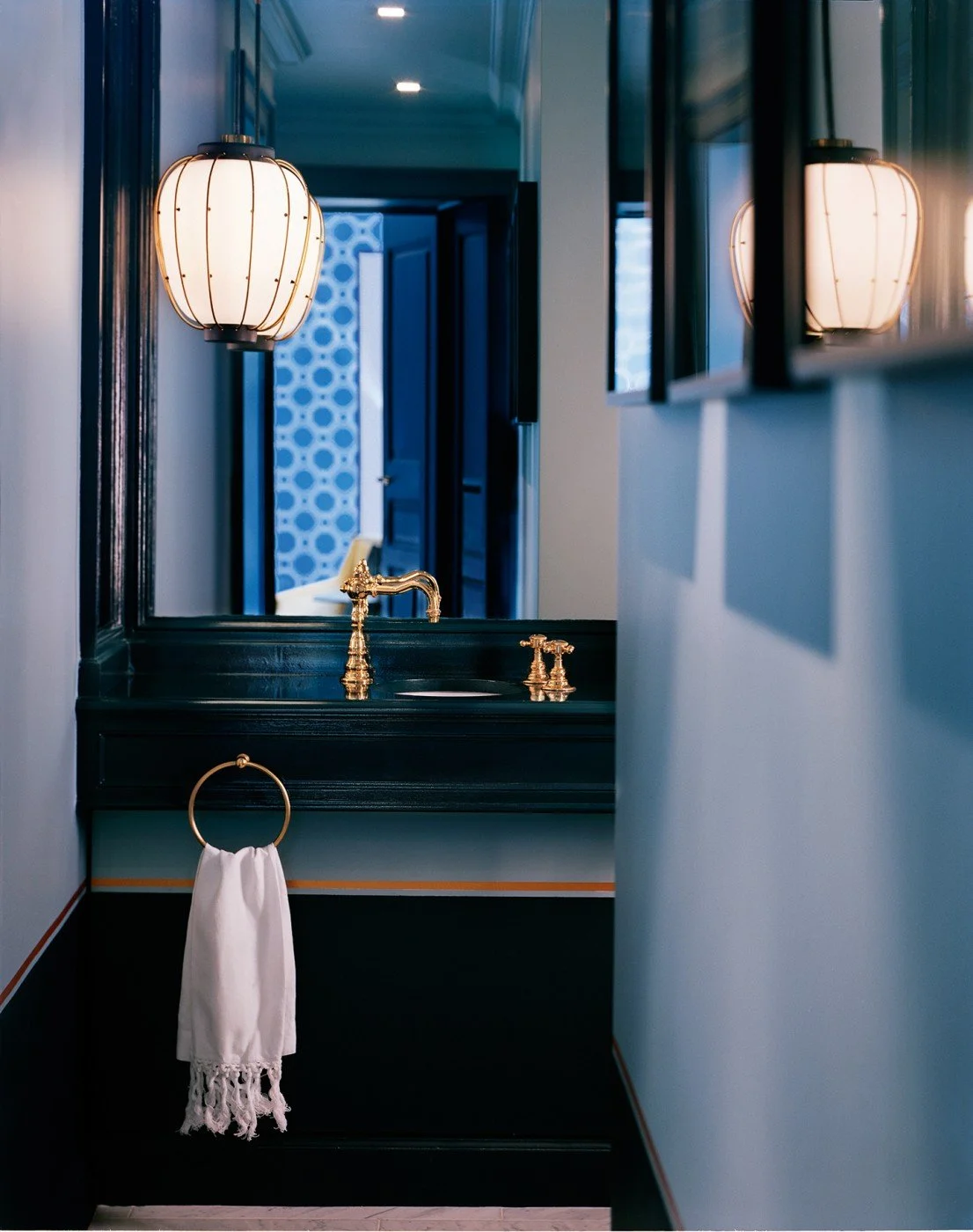
Because the owners are art collectors, the home also carries the sensibility of a private gallery. Art is not treated as an afterthought or accessory. Instead, it becomes integral to the interiors’ composition. Walls, colours and furnishings are chosen in conversation with the collection, allowing artworks to resonate more powerfully. This relationship between interior design and art collecting often defines the most memorable homes, where personal taste becomes visible in every corner.
The staircase, often neglected in residential projects, appears here as an important connective feature. It is not simply circulation between floors but part of the visual journey through the home. Transitions matter in projects like this. The movement from one room to another, from one colour atmosphere to the next, creates rhythm and surprise.
What I particularly admire is how Dimorestudio avoids the common trap of making historical interiors feel museum-like. There is respect for the building, certainly, but there is also confidence to challenge it. Contemporary colours enliven traditional mouldings. Pattern disrupts symmetry. Modern furniture introduces new geometry against classical envelopes. The result is not conflict but vitality.
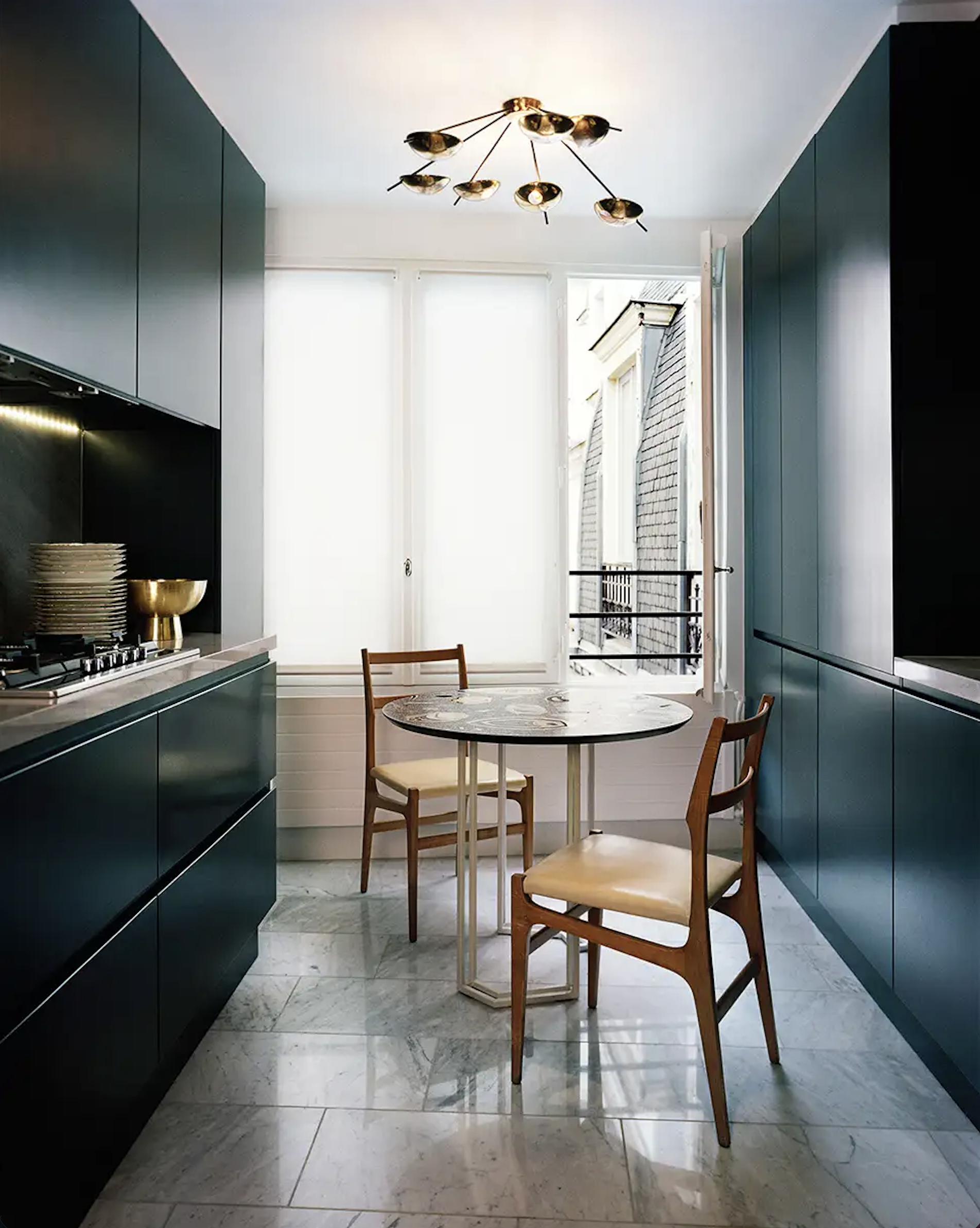
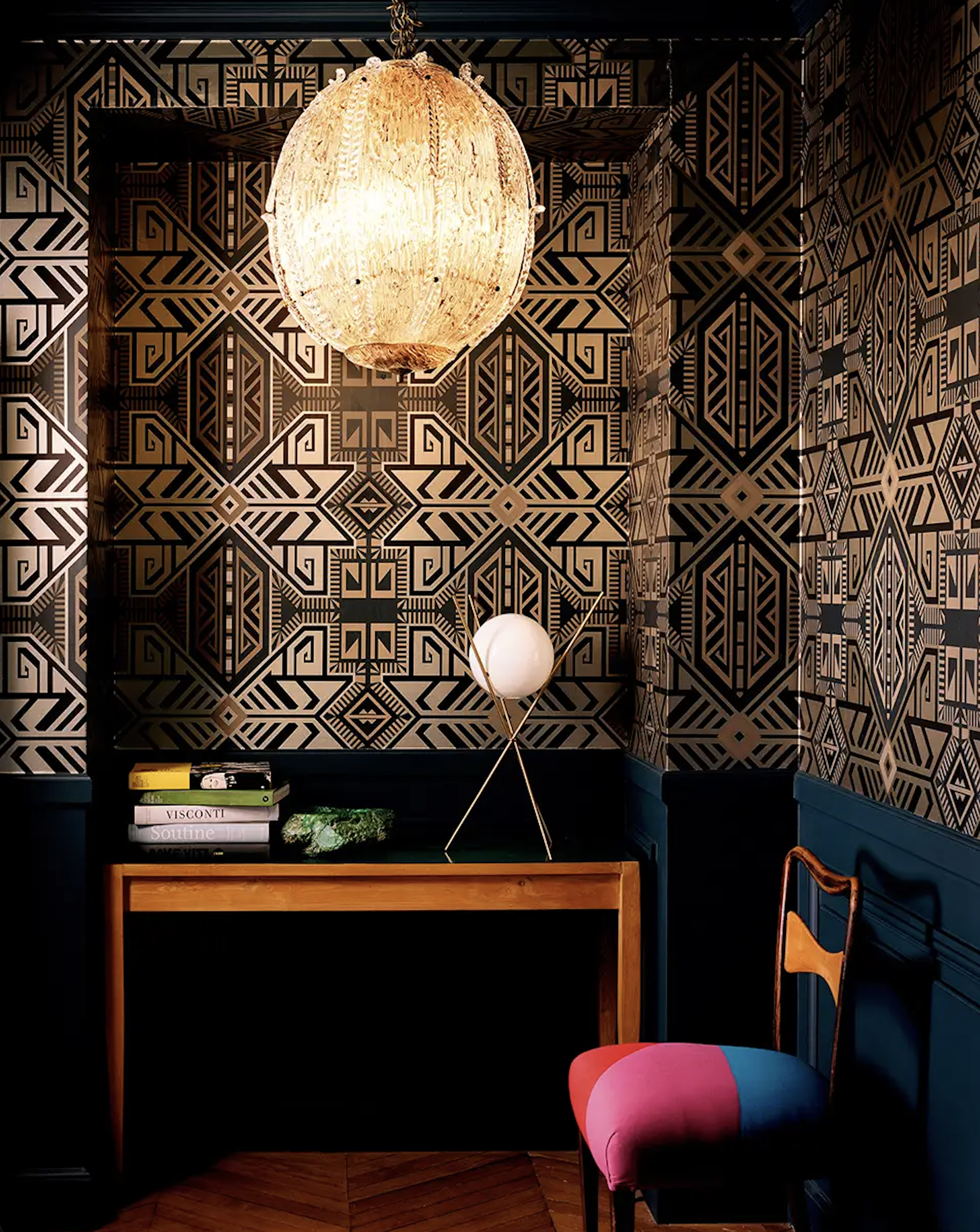
This approach feels especially relevant now, as many homeowners seek ways to inhabit period properties without being constrained by them. Too often, heritage homes are reduced to beige minimalism or over-restored imitation. This Saint-Germain residence suggests another possibility: preserving architectural soul while embracing contemporary life with boldness and imagination.
There is also something deeply European about the project in the best sense. It understands that interiors can be intellectual without losing comfort, expressive without becoming theatrical, luxurious without obvious excess. Quality here comes through composition, craftsmanship and confidence rather than overt display.
Ultimately, Dimorestudio’s Paris Saint-Germain project is a lesson in how interiors can carry memory while still feeling alive. It honours the past through preservation, yet it refuses to remain there. Instead, it looks forward through colour, texture and fearless juxtaposition.
For anyone interested in design, it is an inspiring example of how personality transforms space. For anyone renovating a period home, it is proof that character and creativity are not opposing forces. And for those of us who simply love interiors, it is a home that lingers in the imagination long after the final room has been seen.
More Stories

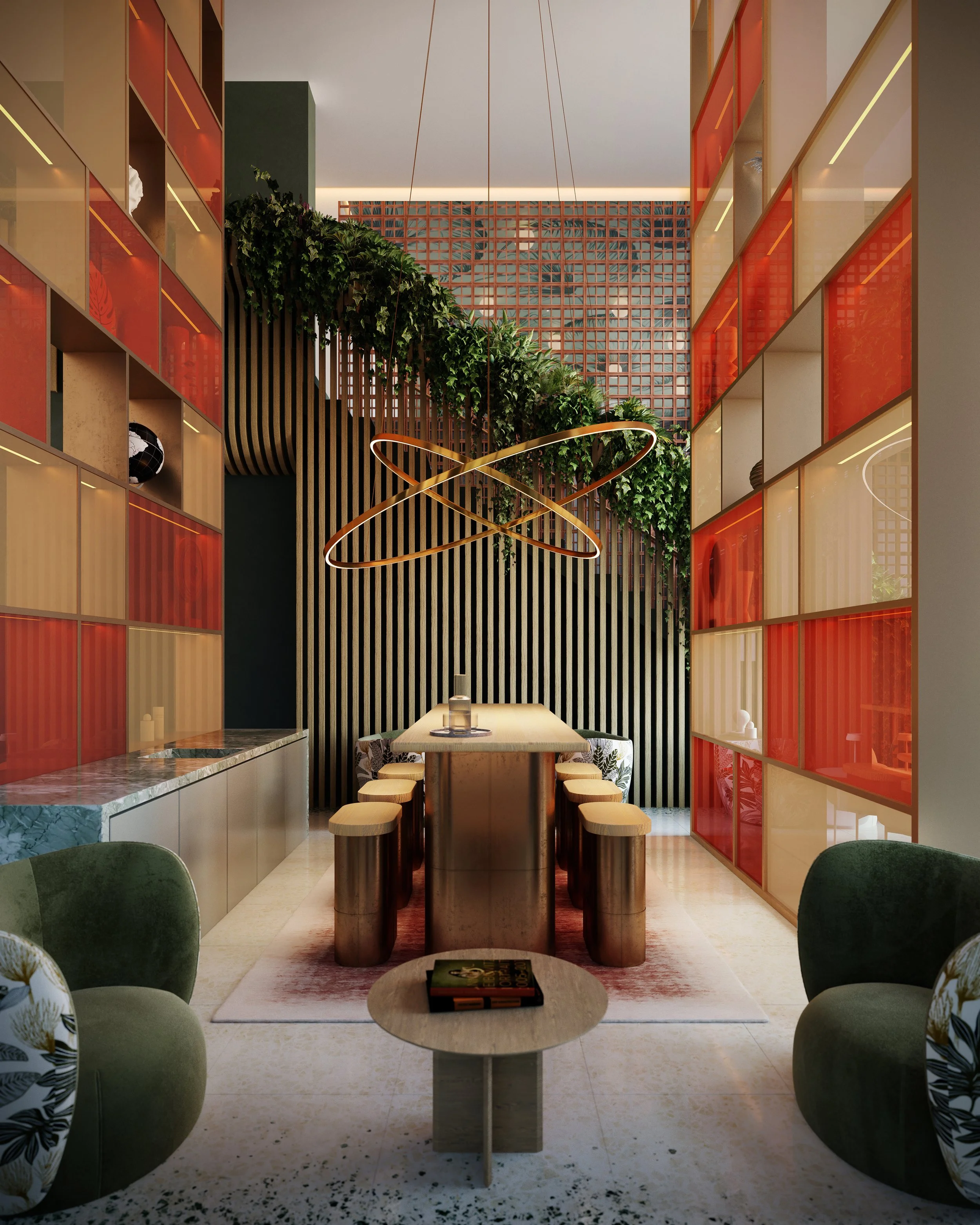

A considered, design-led residence at Centre Point, where bold colour, layered materials and architectural clarity come together to create an interior that is expressive, refined and quietly powerful.