
ELIE SAAB MAISON x Memorial Houston Medical
A pioneering collaboration between ELIE SAAB MAISON and Memorial Houston Medical London sets a new benchmark in wellness-led interiors.
There are certain places where design feels expected. Private homes, boutique hotels, curated retail environments. Spaces where beauty, materiality and atmosphere are not only considered, but essential. And then there are the spaces where design is too often overlooked, relegated to functionality, stripped of warmth, and absent from the emotional resonance that good design can so effortlessly deliver.
Healthcare has long sat in that latter category.
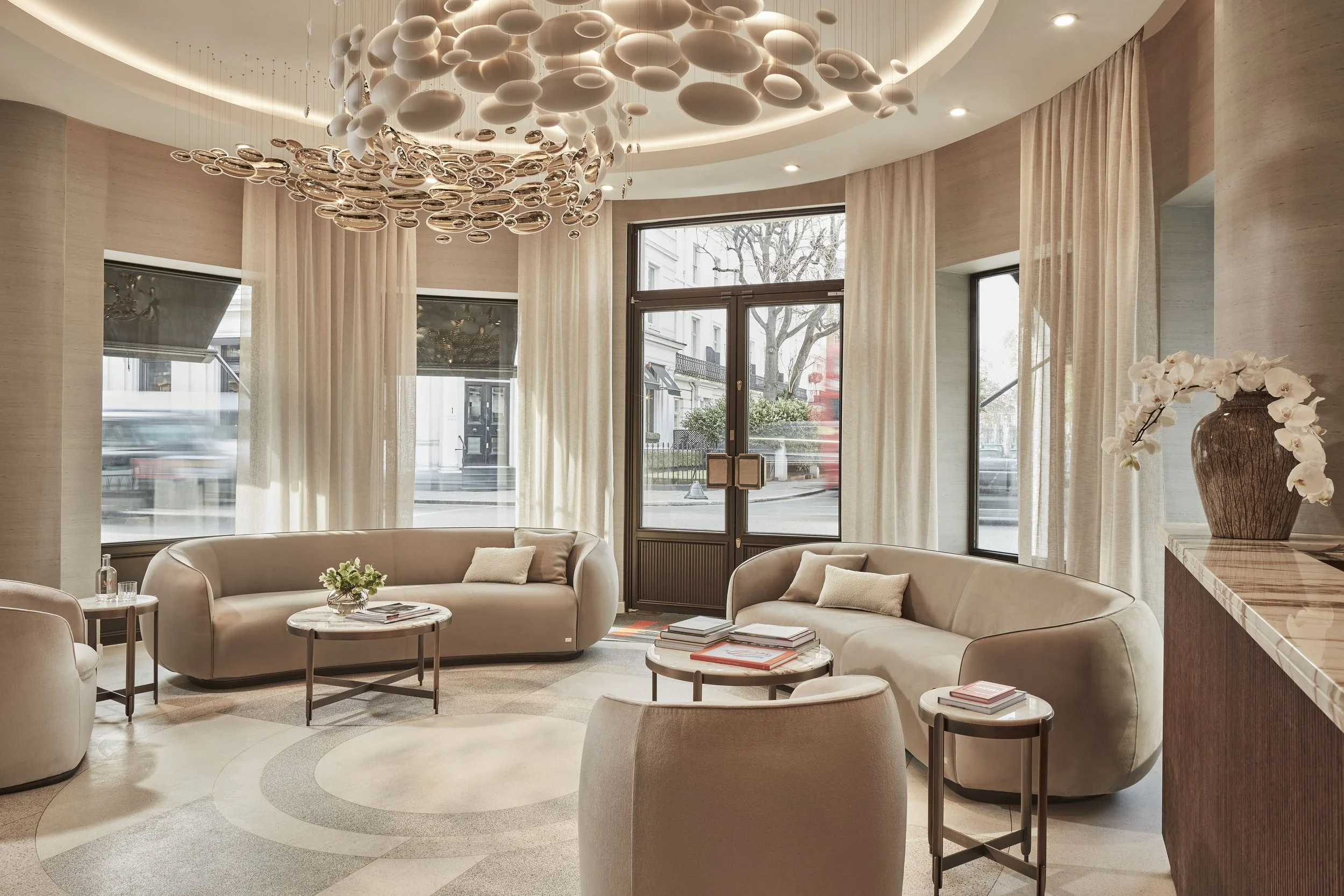
It is something I have always found quietly frustrating. The idea that the very environments where we are at our most vulnerable, where comfort, calm, and reassurance are not luxuries but necessities, are so often devoid of considered design. Hospitals are, by nature, places of clinical precision. But that does not mean they should feel cold, impersonal or removed from the human experience.
So when a space emerges that shifts this narrative entirely, it feels not only refreshing but essential.
Memorial Houston Medical (MhM) in South Kensington is one such space.
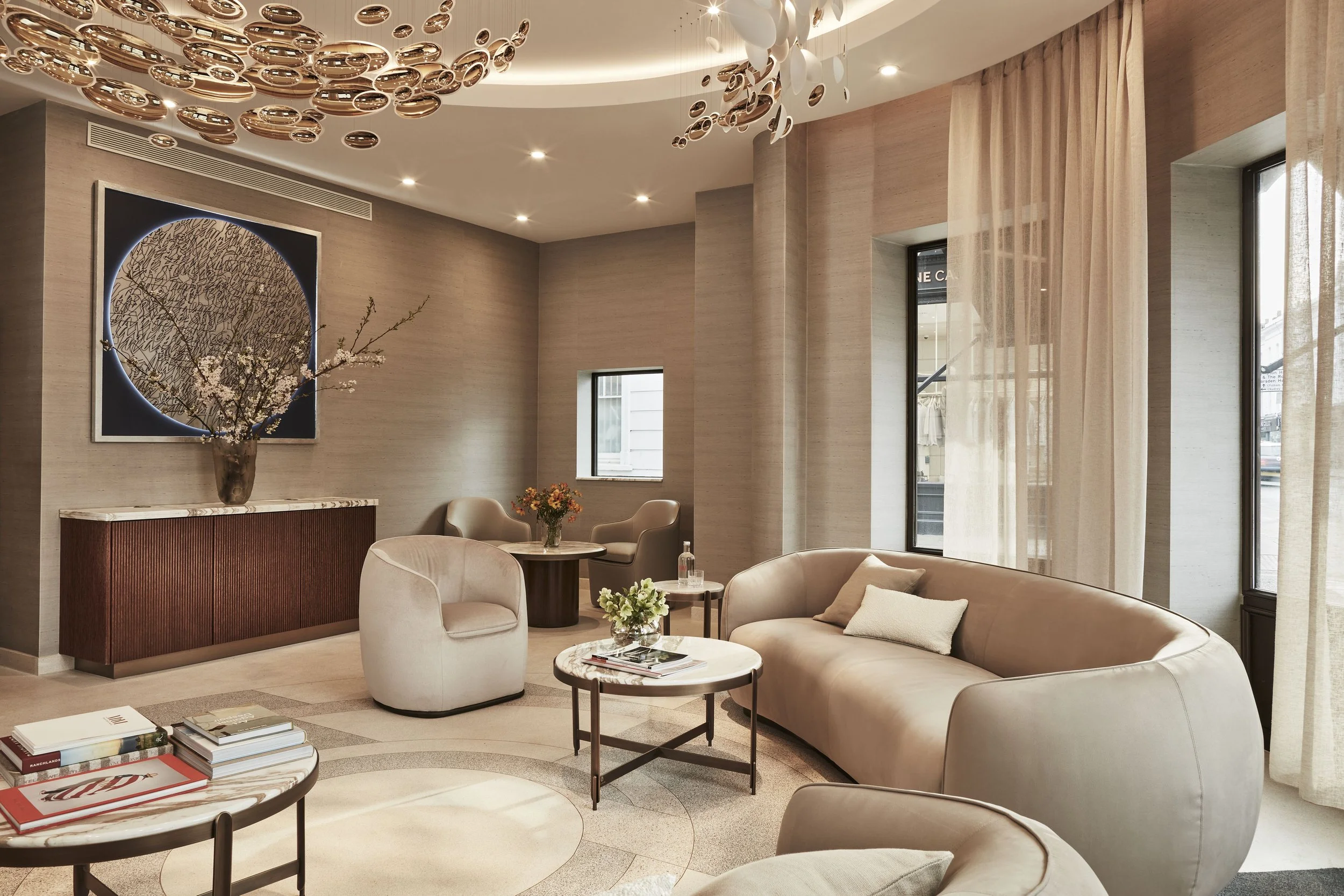
From the moment you step inside, it becomes clear that this is not healthcare as we have come to know it. It is healthcare reimagined through the lens of design, where aesthetics and wellbeing are no longer separate conversations but intrinsically linked. A collaboration with ELIE SAAB MAISON has brought a refined, deeply considered approach to interiors, creating an environment that feels closer to a boutique hotel than a medical facility.
And that is precisely the point.
At the core of MhM’s design philosophy is neuroaesthetics, a concept that explores how the built environment directly influences our mental and emotional state. It is a fascinating field, and one that feels particularly relevant in this context. The idea that light, texture, proportion, and material can actively contribute to healing elevates design from something purely visual to something profoundly experiential.
It is design that is felt, not just seen.
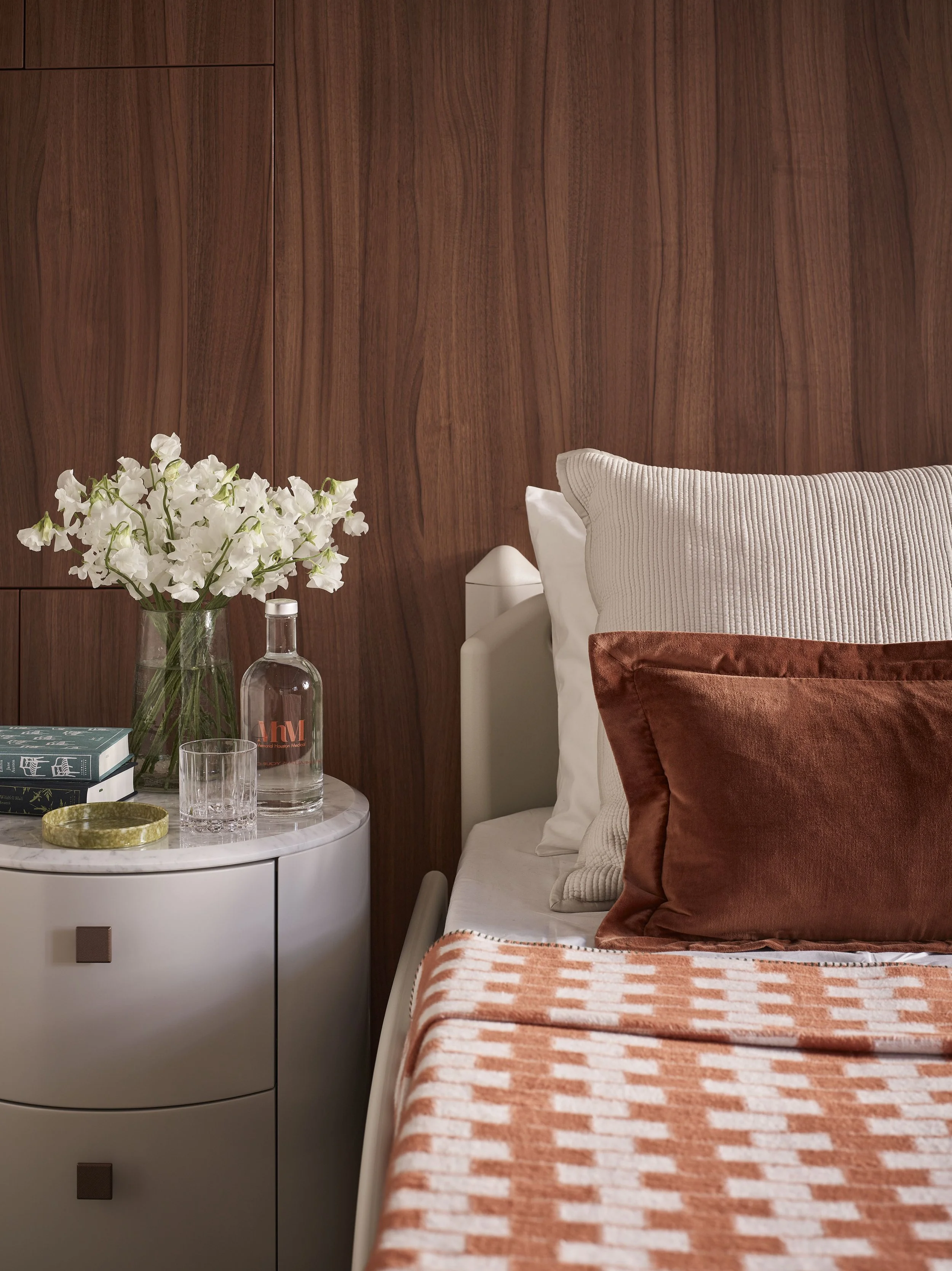
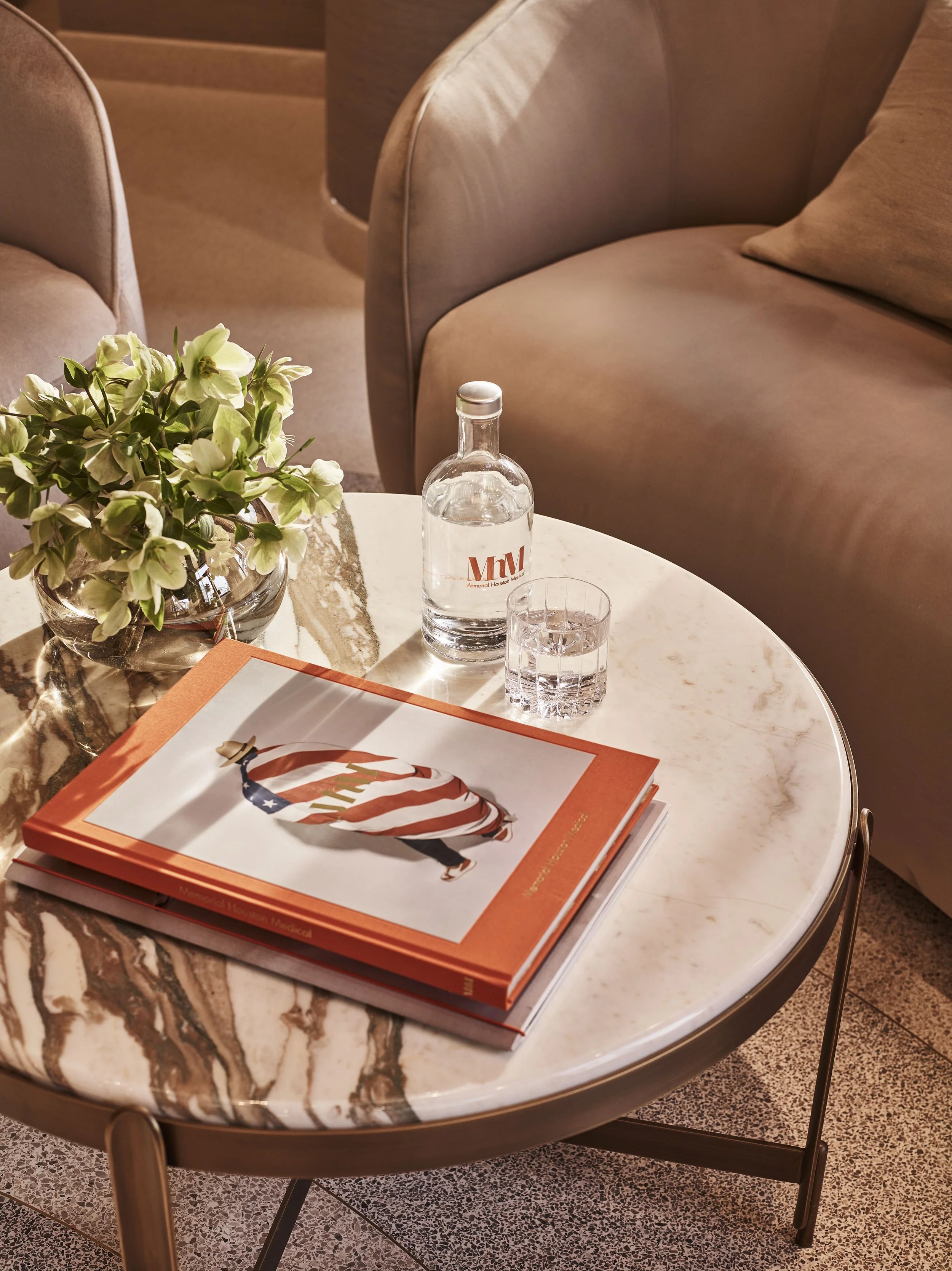
The building itself provides an evocative starting point. Once home to the Theo Fennell jewellery boutique, its Art Deco heritage subtly informs the interiors, creating a dialogue between past and present. Rather than impose a wholly contemporary scheme, ELIE SAAB MAISON has woven these historical cues into the fabric of the space, layering metallic accents and refined finishes that echo the building’s previous life.
This is where the project becomes particularly compelling. It resists the temptation to over-design or overwhelm. Instead, it leans into a quiet, balanced luxury.
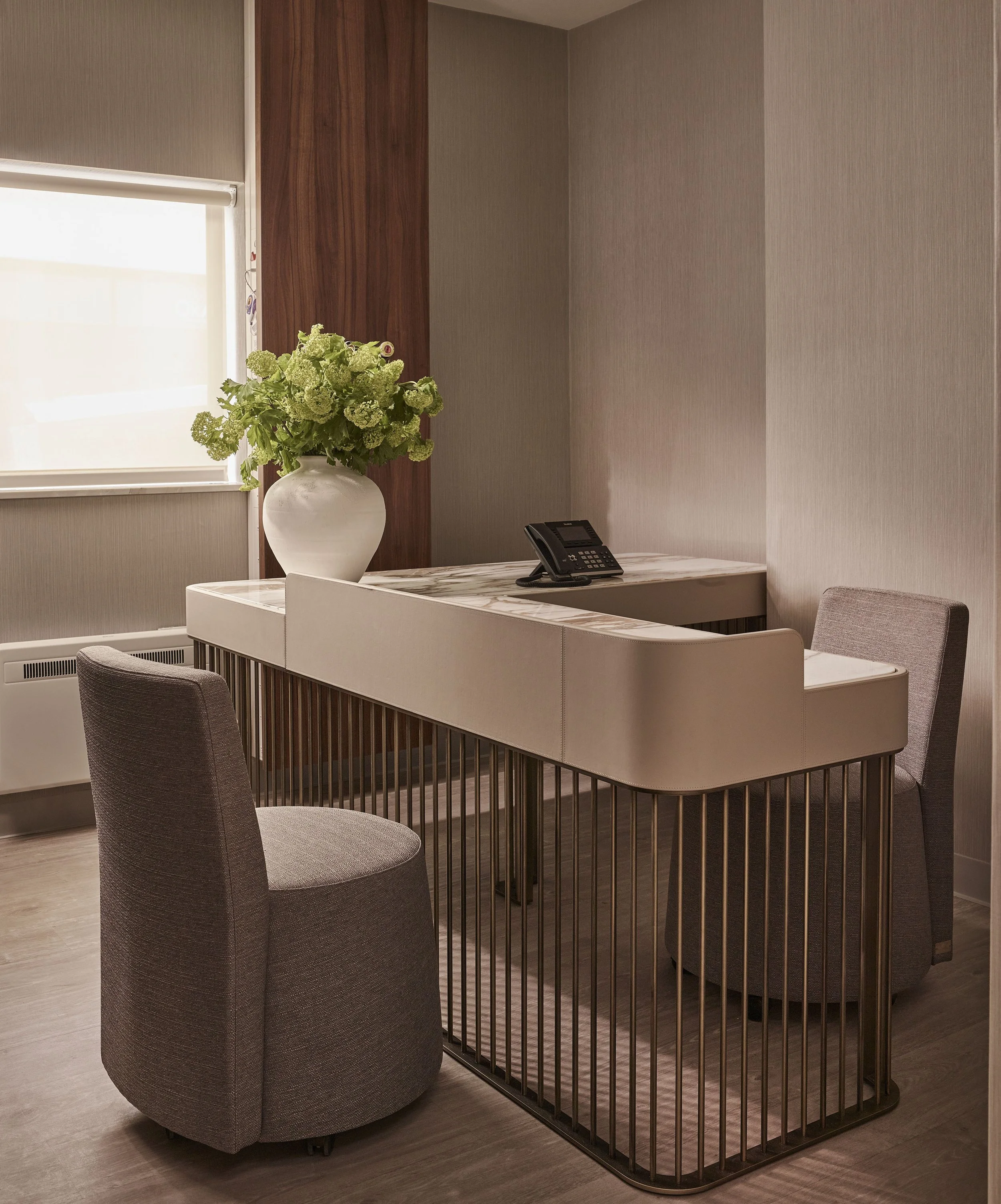
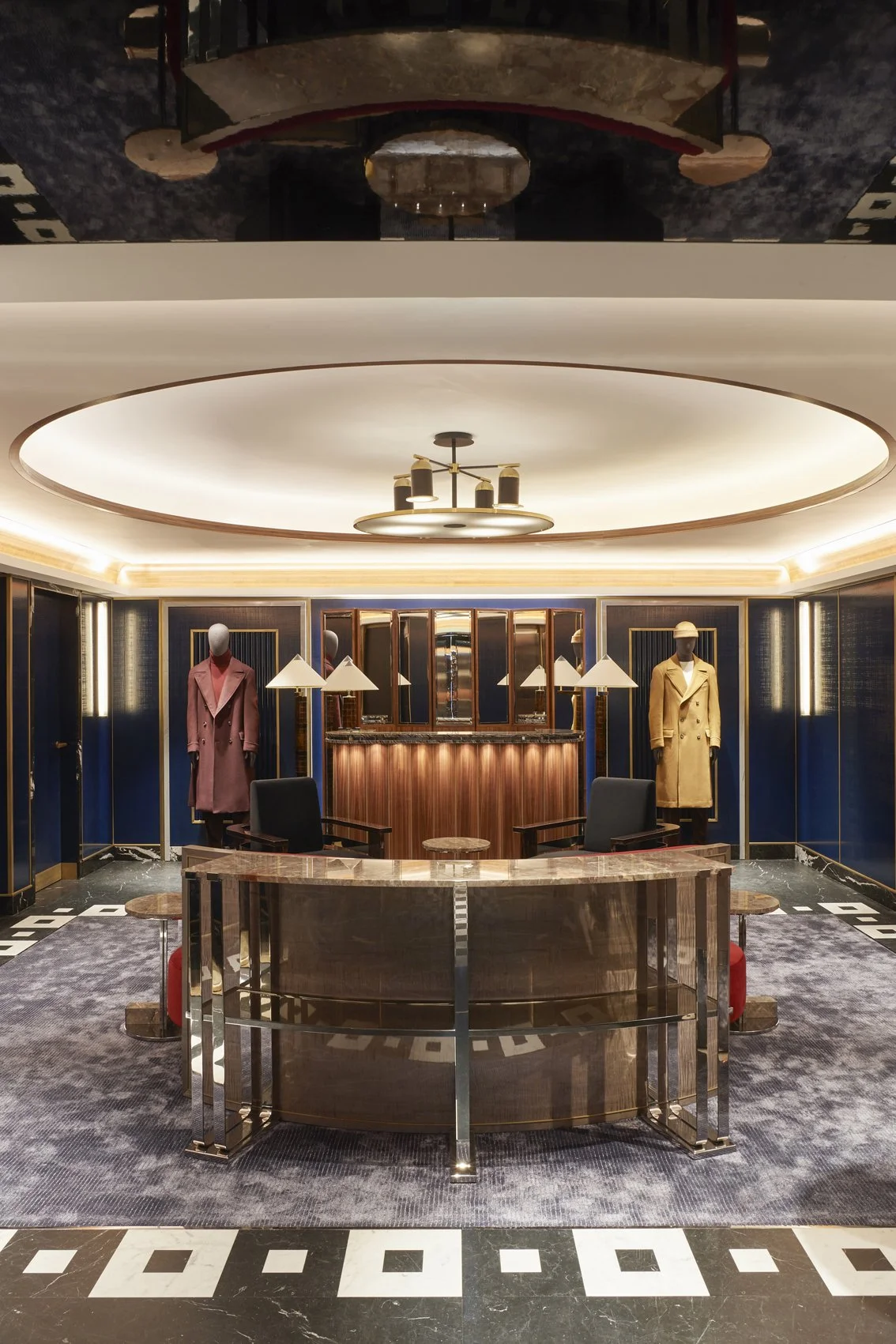
The reception area sets the tone. There is an immediate sense of calm, shaped through soft palettes, polished materials, and an intuitive layout that avoids the rigidity we typically associate with medical environments. The furniture, entirely bespoke, has been designed not only for visual impact but for comfort and usability, blurring the line between hospitality and healthcare.
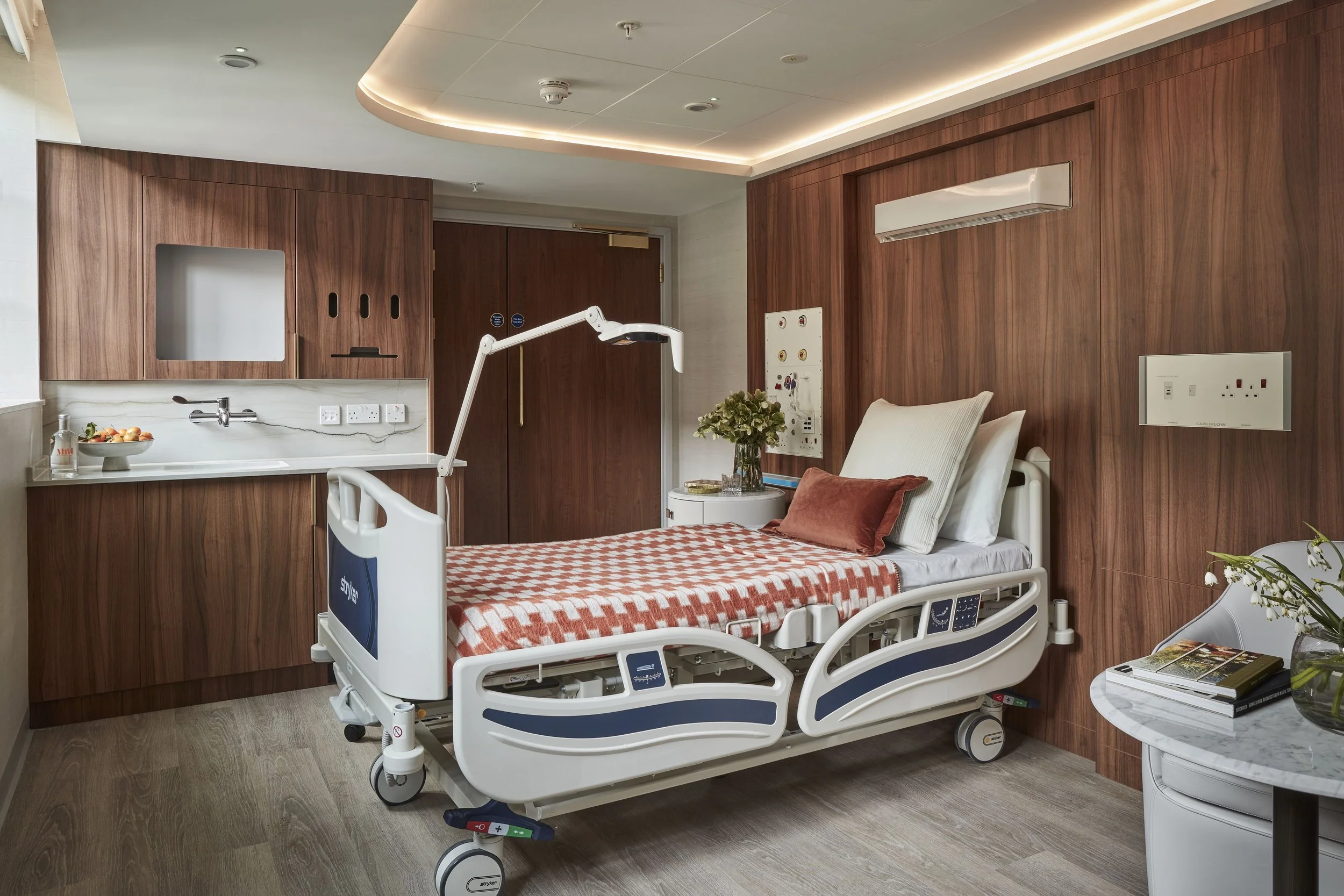
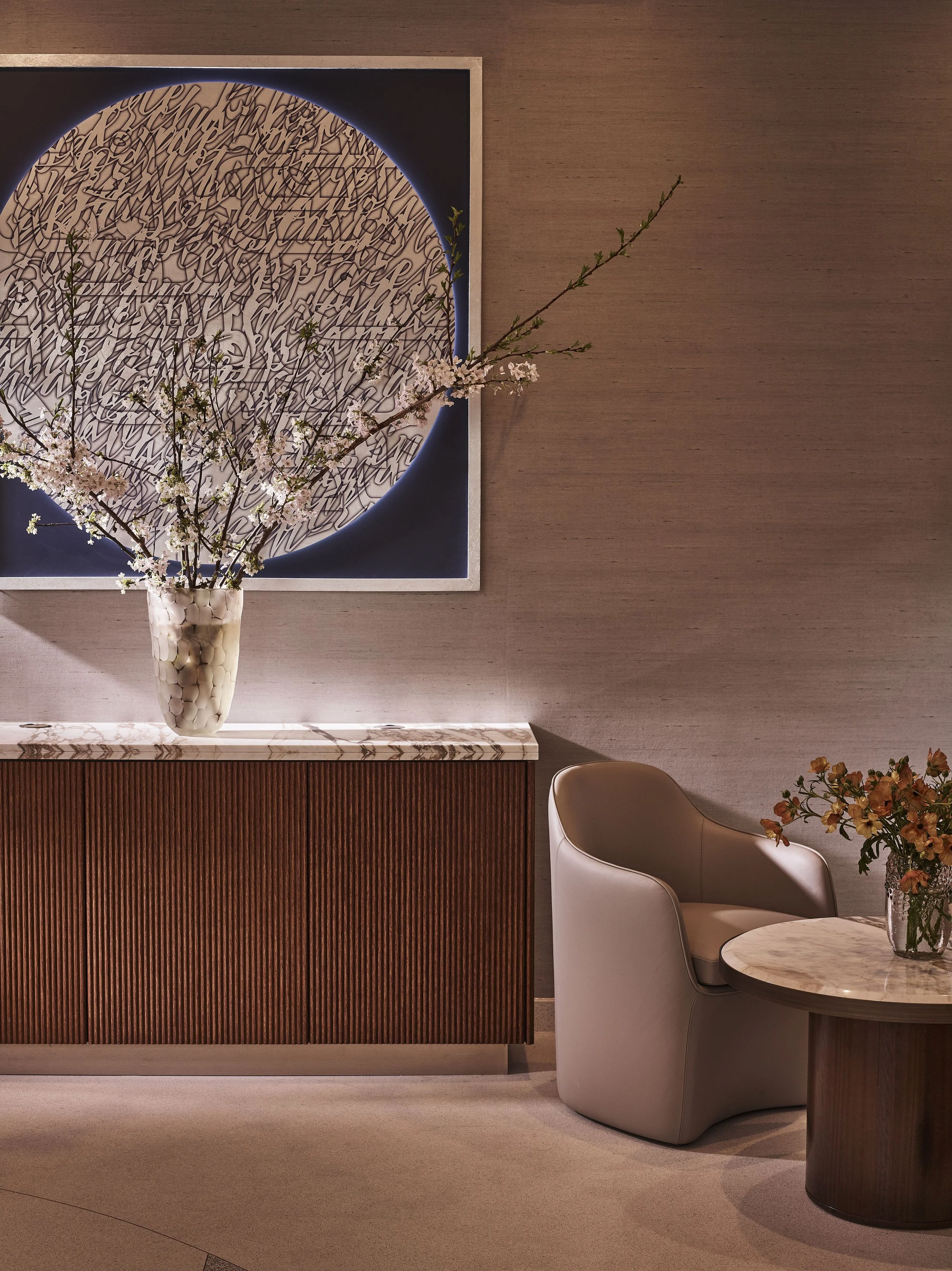
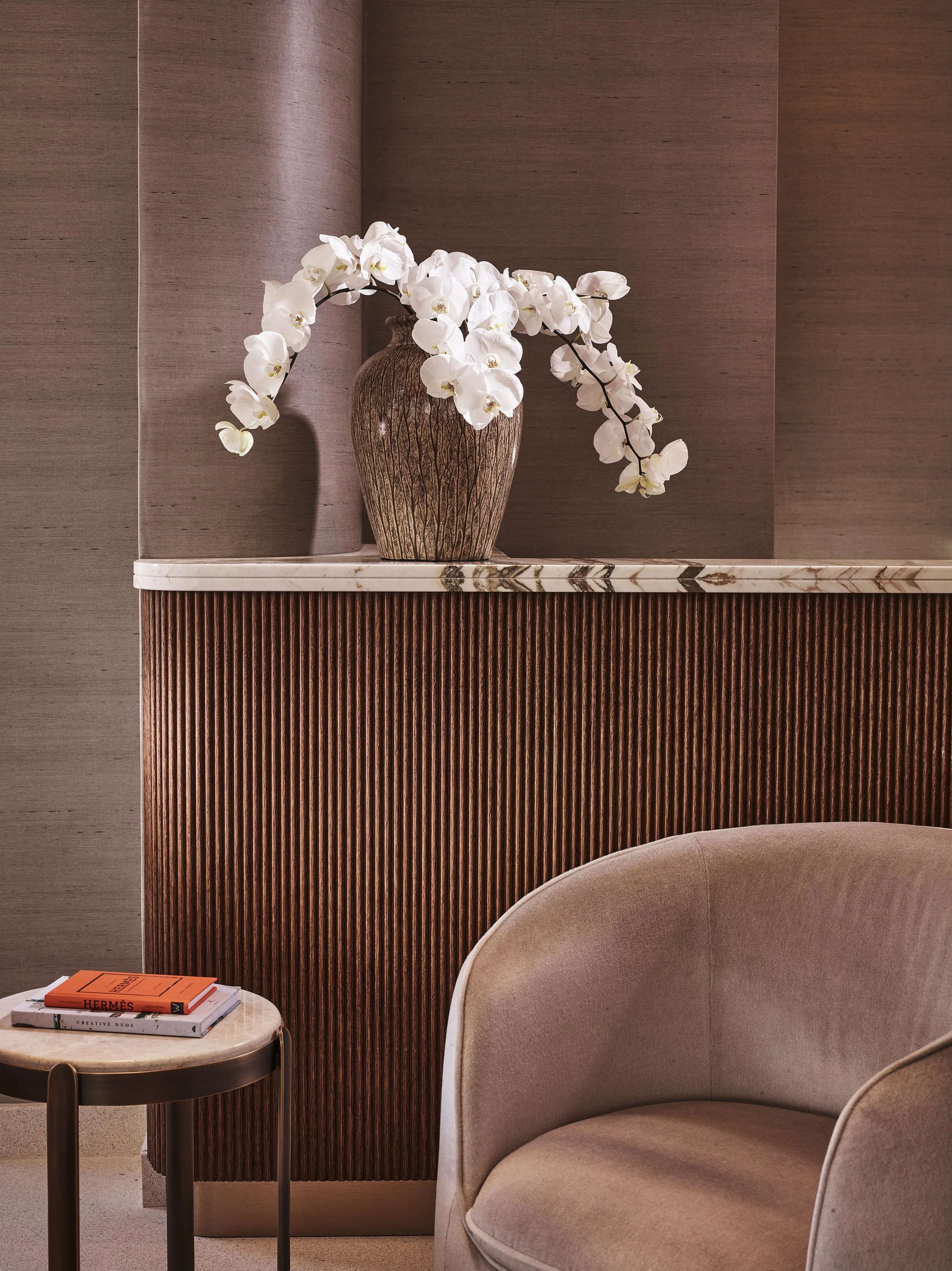
Throughout the space, materiality plays a central role. Rich marbles such as Patagonia, Calacatta, and Taj Mahal introduce depth and subtle drama, while bronzed brass detailing adds warmth and softness. These are materials we instinctively associate with luxury residential or hospitality design, yet here they are repurposed to support a completely different experience.
It is a reminder that good design is not confined by typology.
One of the most striking aspects of the project is how deeply personal the design process has been. This is not a surface-level aesthetic exercise. Every detail has been informed by real patient experiences. Furniture has been adjusted to ensure proper height and firmness, responding to the needs of those recovering from surgery, for whom even the simple act of sitting or standing becomes part of the healing journey.
It is a level of consideration that feels both thoughtful and necessary.
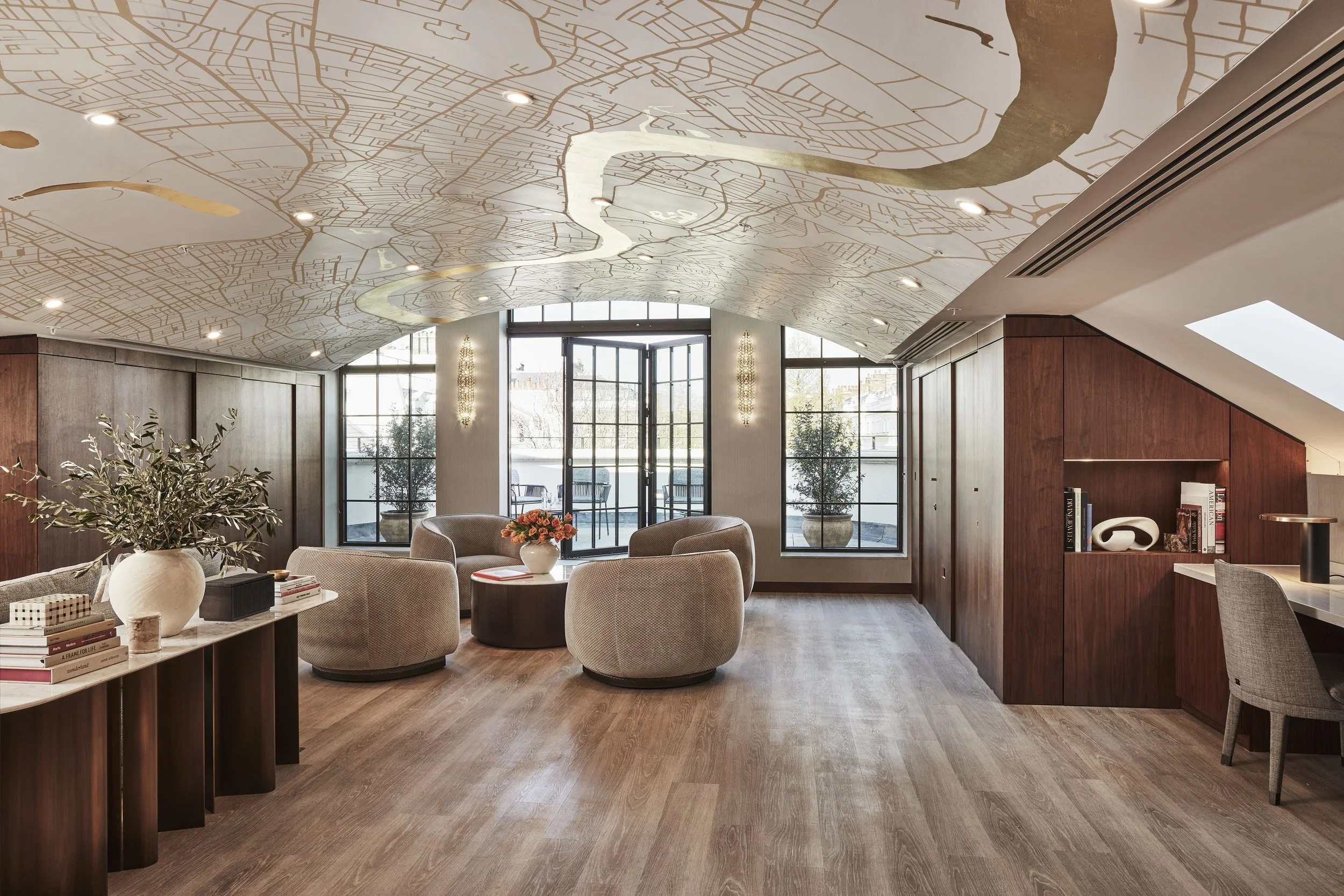
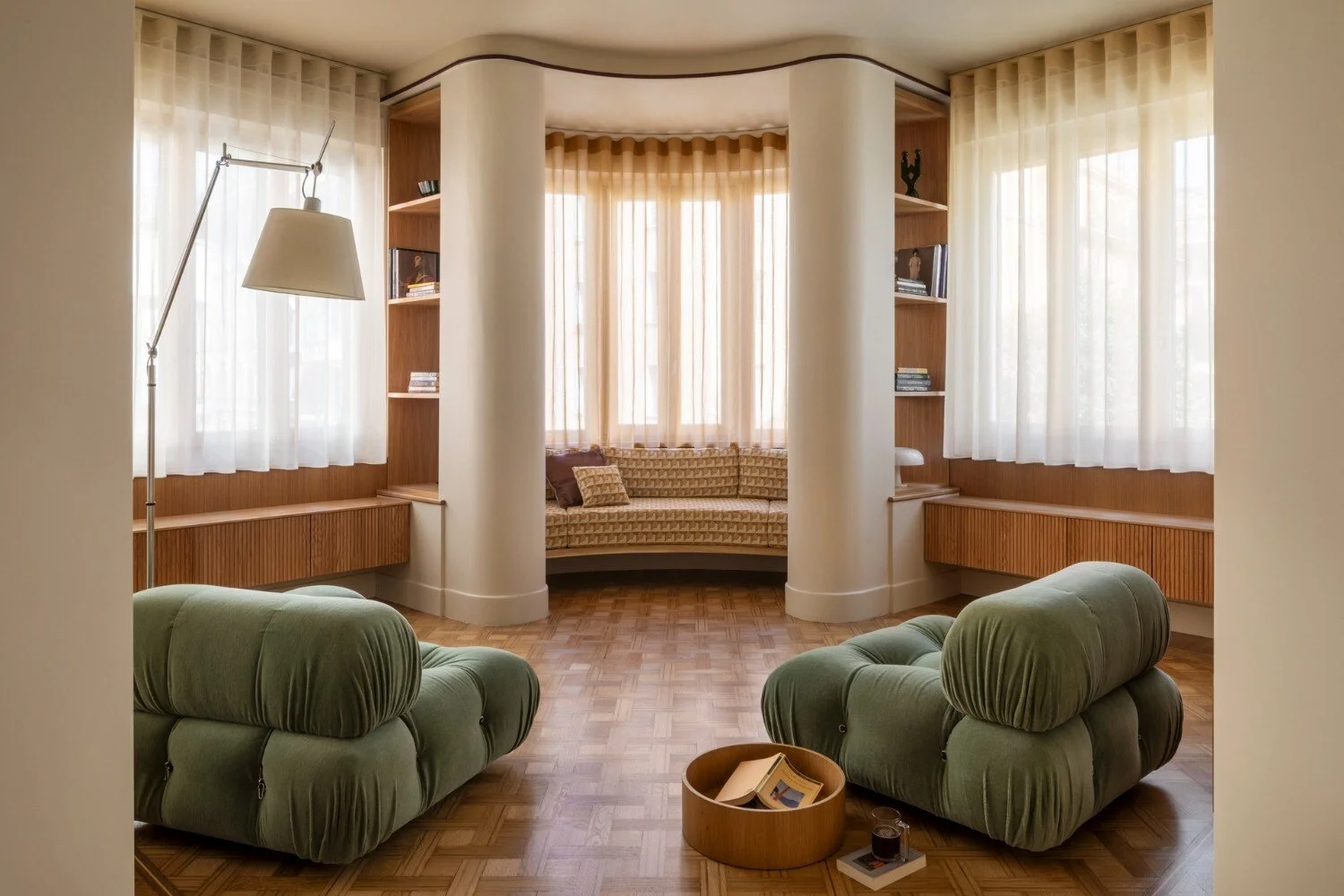
The wellness room, located upstairs, perfectly encapsulates this balance between design and function. Sofas upholstered in soft, tactile fabrics face one another, encouraging a sense of ease and conversation, while marble tables and carefully chosen lighting create an atmosphere that feels residential rather than institutional. There is a gentle symmetry to the space, a calmness that is difficult to quantify but immediately understood the moment you enter.
And this is where the project resonates most deeply.
Because it challenges a long-standing assumption. That functionality and beauty cannot coexist in high-clinical-demand spaces. That efficiency must come at the expense of atmosphere. That healthcare environments cannot be places we genuinely want to spend time in.
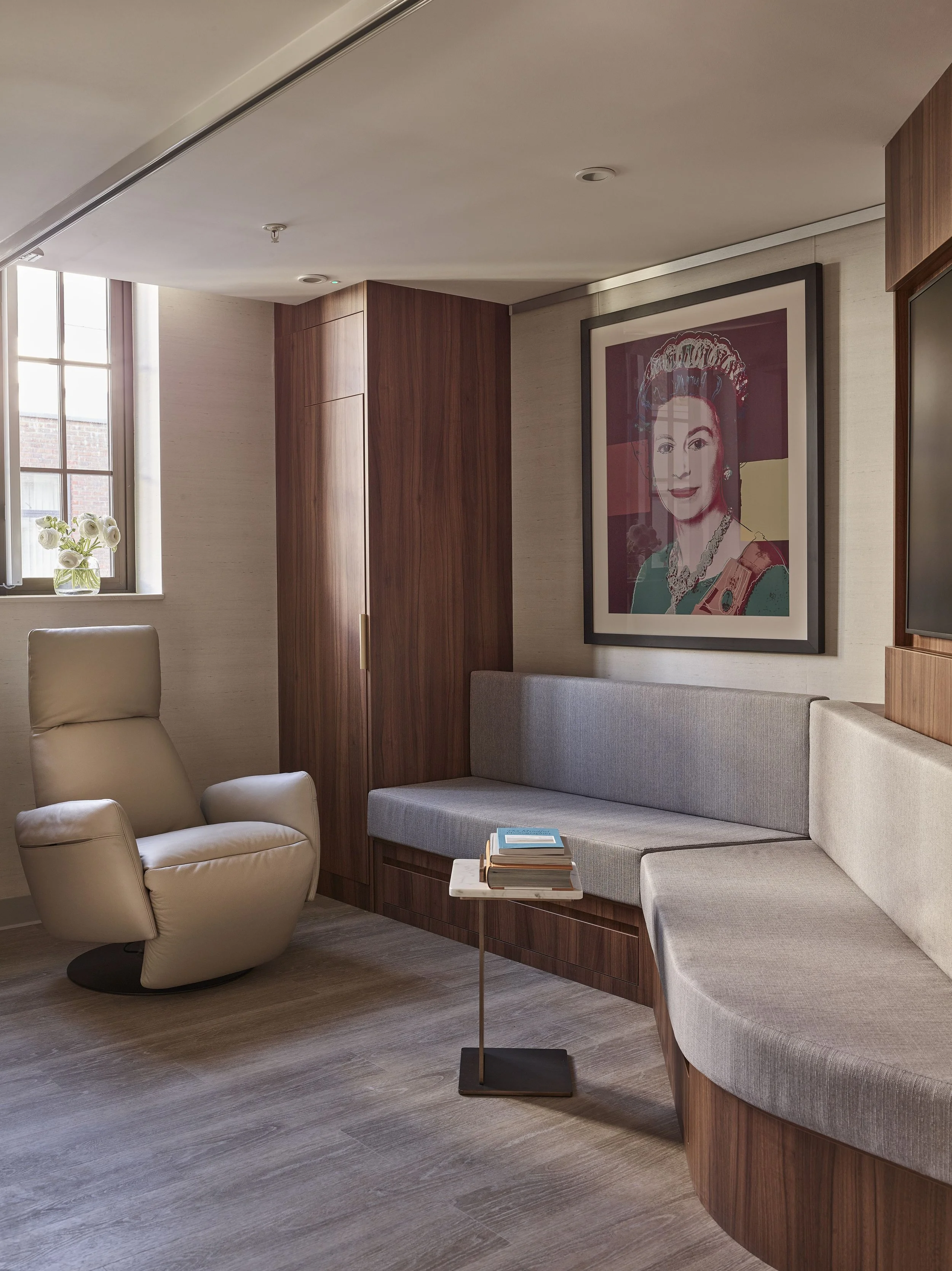
MhM quietly disproves all of this.
What makes this project particularly important is what it represents beyond its own walls. It sets a precedent. A new benchmark for what healthcare design can and should be. A reminder that people do not stop needing comfort, beauty, and emotional connection simply because they are in a medical setting.
In fact, that is when they need it most.
There is something incredibly powerful about walking into a space that immediately puts you at ease. Where the lighting is soft, the materials are inviting, and the layout feels intuitive rather than intimidating. It reduces anxiety before a single word is spoken. It supports recovery in ways that go beyond medicine.
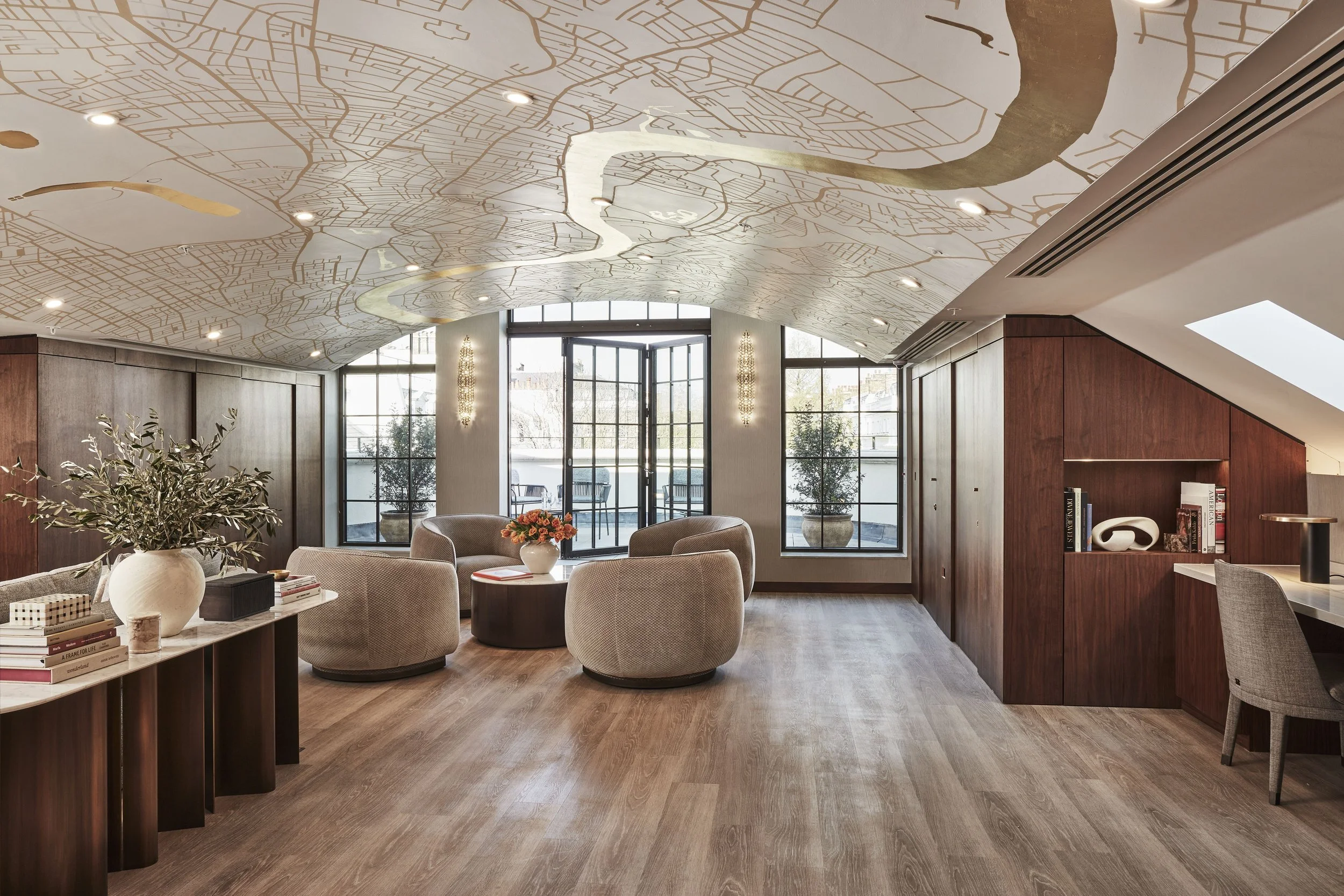
And yet, it remains surprisingly rare.
Design, when done well, can transform not just how a space looks but also how it feels and functions. It can influence mood, behaviour, and even physical well-being. And while we have embraced this in our homes, hotels, and workplaces, healthcare has been slower to evolve.
Projects like MhM signal a shift.
They remind us that design should not be reserved for the places where we entertain or impress. It should be embedded in the places where we live, recover, and restore. Into the environments that shape our most human experiences.
Because ultimately, great design is not about decoration. It is about empathy.
And perhaps that is what makes this space so compelling.
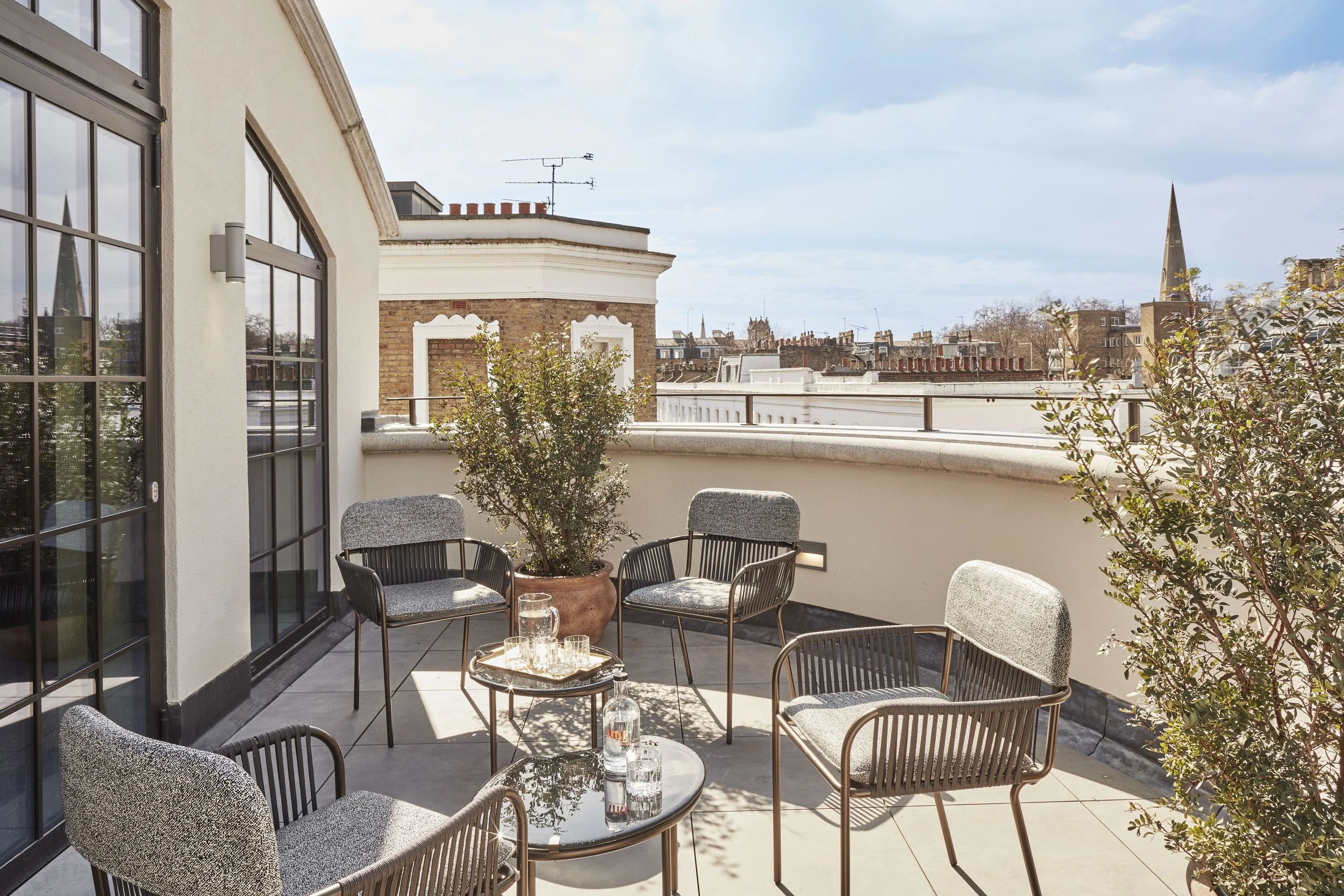
Photography: Chris Everard
It understands that healing is not just clinical. It is emotional, psychological, and deeply personal. And through design, it creates an environment that supports all of this with quiet confidence and understated elegance.
It is, in every sense, a glimpse into the future of healthcare.
A future where beauty and function are no longer in opposition, but in perfect balance.
More Stories
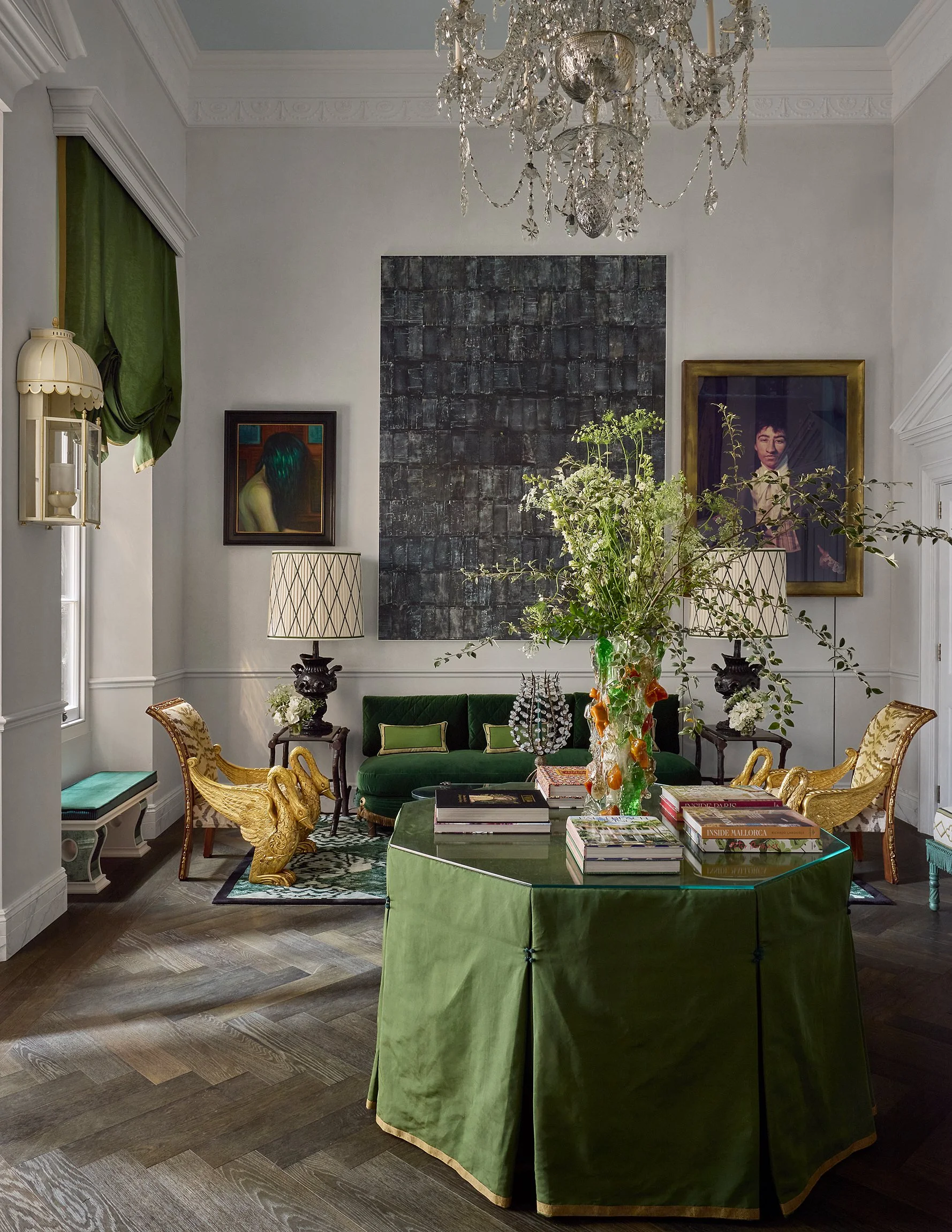


Belmond’s new Celia carriage transforms luxury rail travel into an immersive design experience. Created by Baz Luhrmann and Catherine Martin, the opulent private dining carriage celebrates craftsmanship, storytelling and the glamour of slow travel.