
Stradom House, Kraków
Where a 14th-Century Monastery Becomes a Contemporary Design Sanctuary
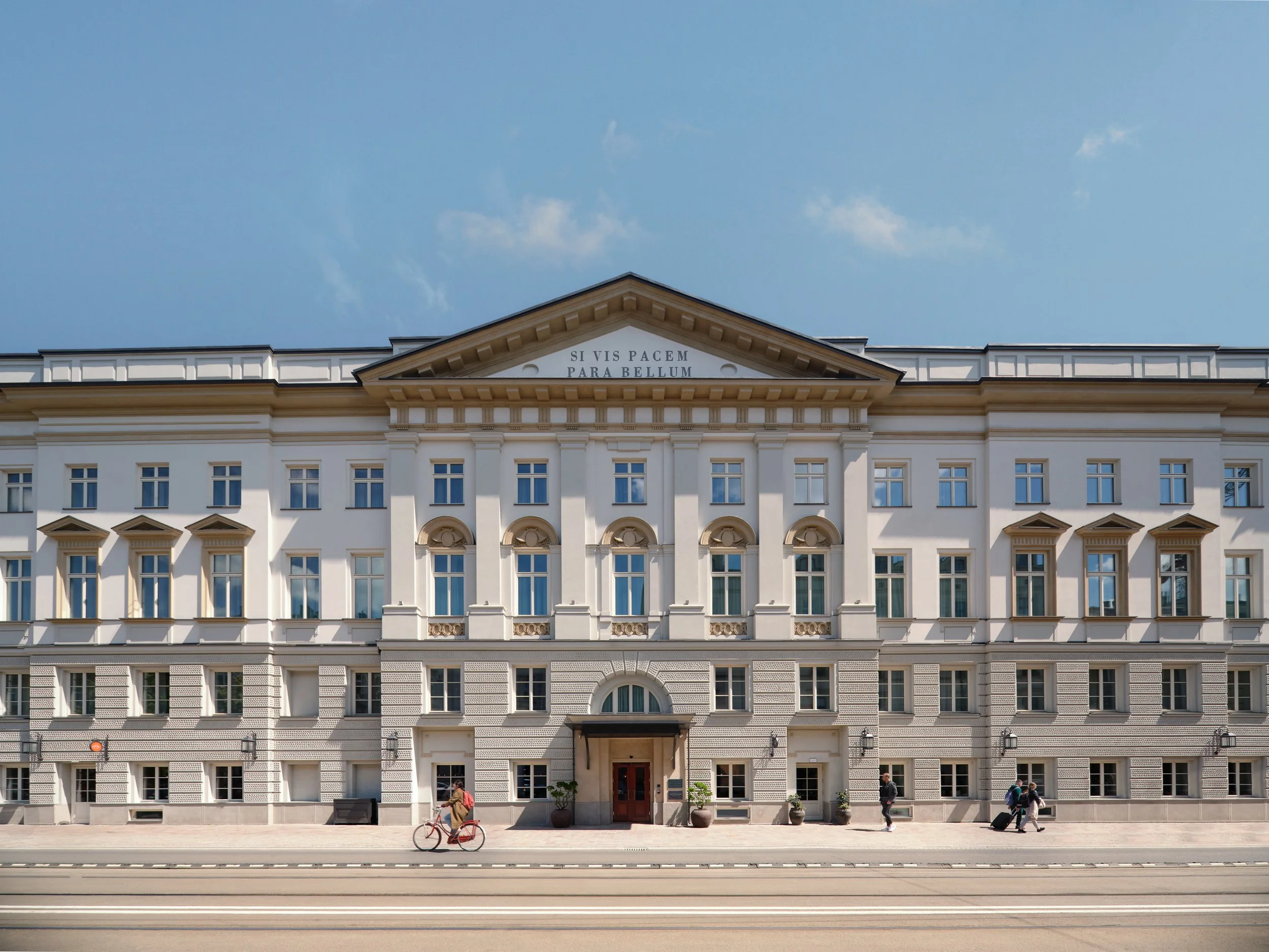
Set between Wawel Royal Castle and the quietly evolving neighbourhood of Kazimierz, Stradom House occupies one of the most layered addresses in Kraków, Poland. It is the kind of building that does not simply hold history; it absorbs it. And today, reimagined as part of Marriott International’s Autograph Collection, it offers something more nuanced than a typical luxury stay: a spatial narrative that moves seamlessly between centuries.
Approaching the property, there is little sense of what lies within. The façade remains deliberately restrained, almost monastic in its presence. But stepping inside reveals a different rhythm entirely, one that unfolds slowly, deliberately, through a series of spaces that feel both grounded in history and distinctly contemporary.
Arrival: The Lobby as a Threshold Between Eras
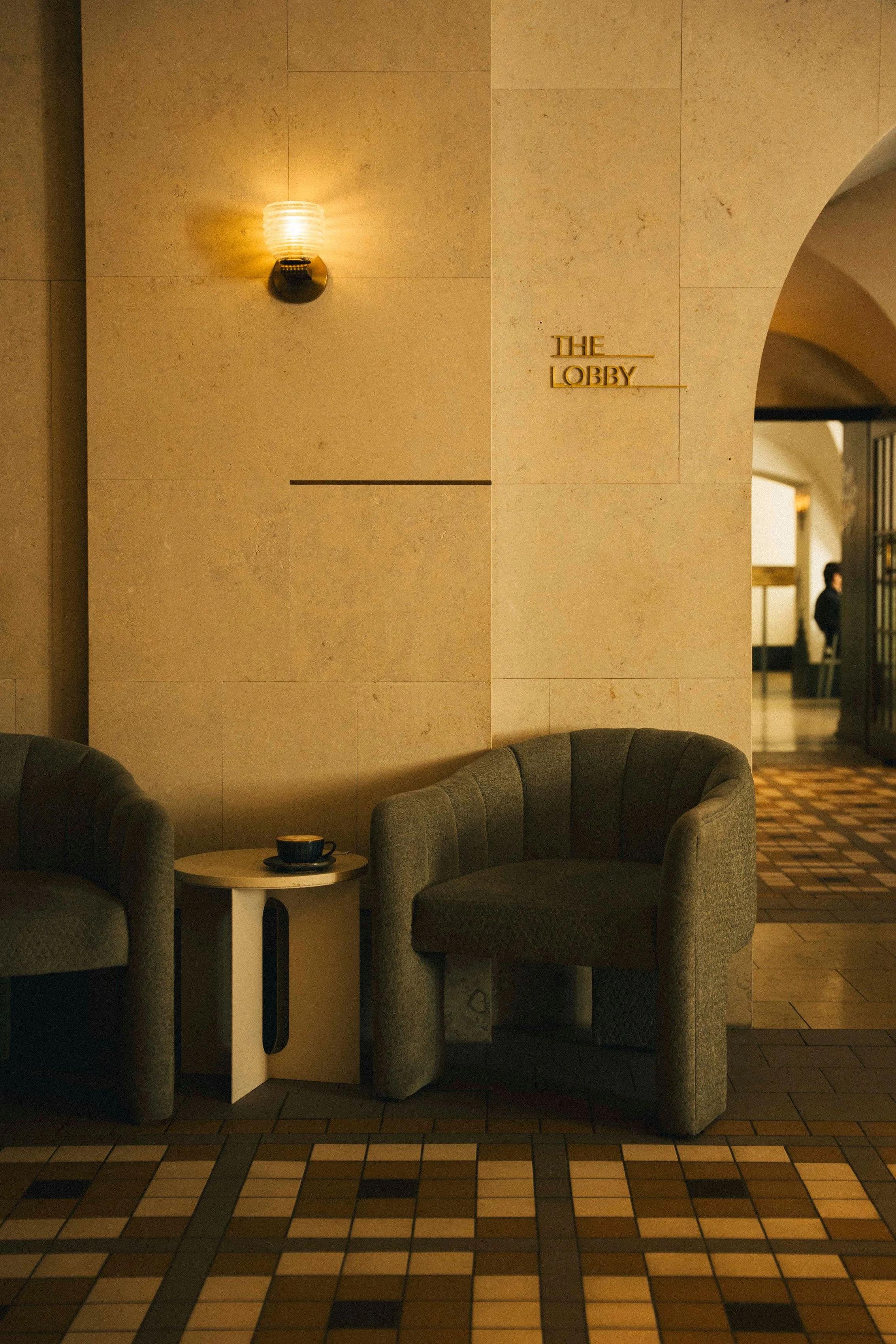
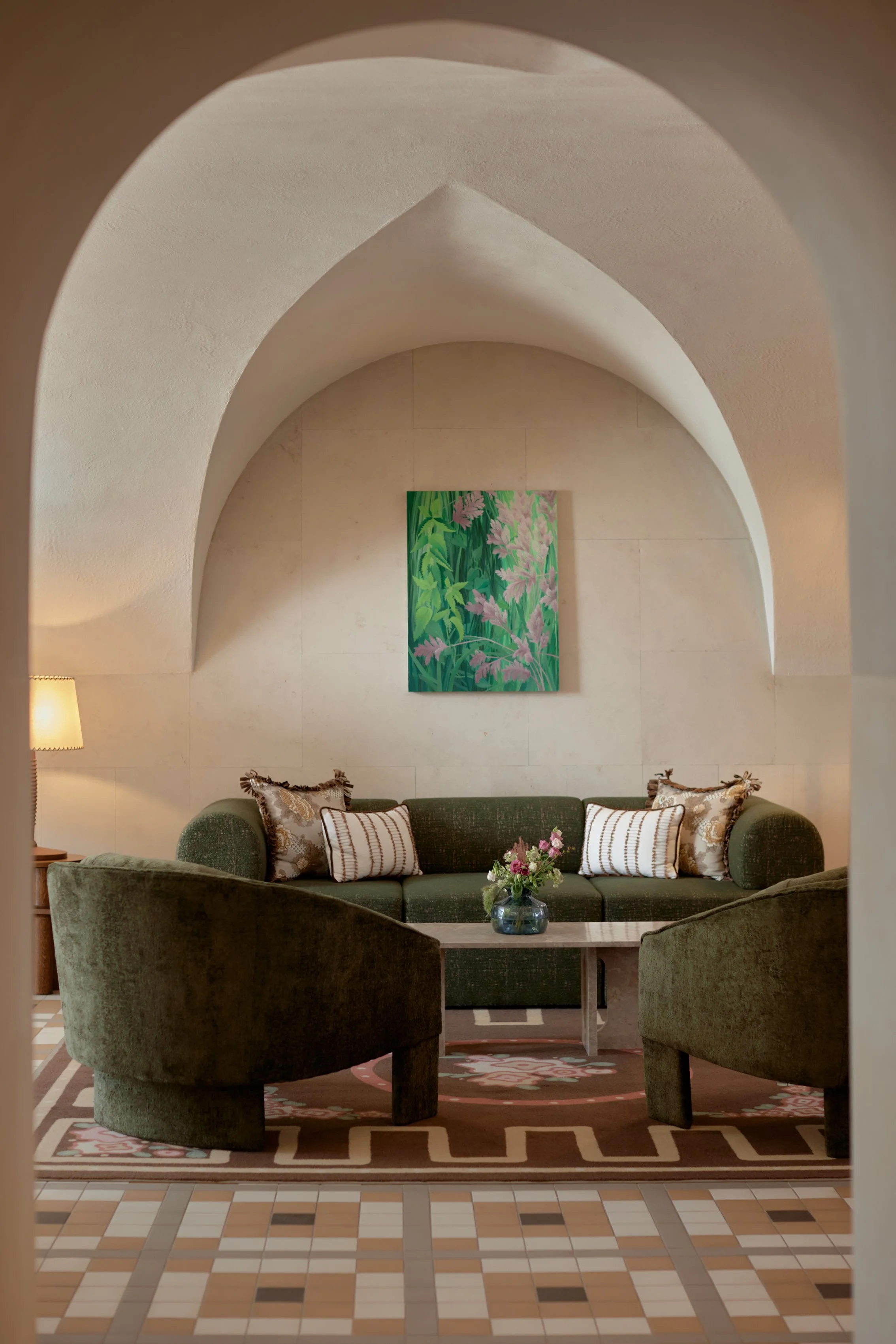
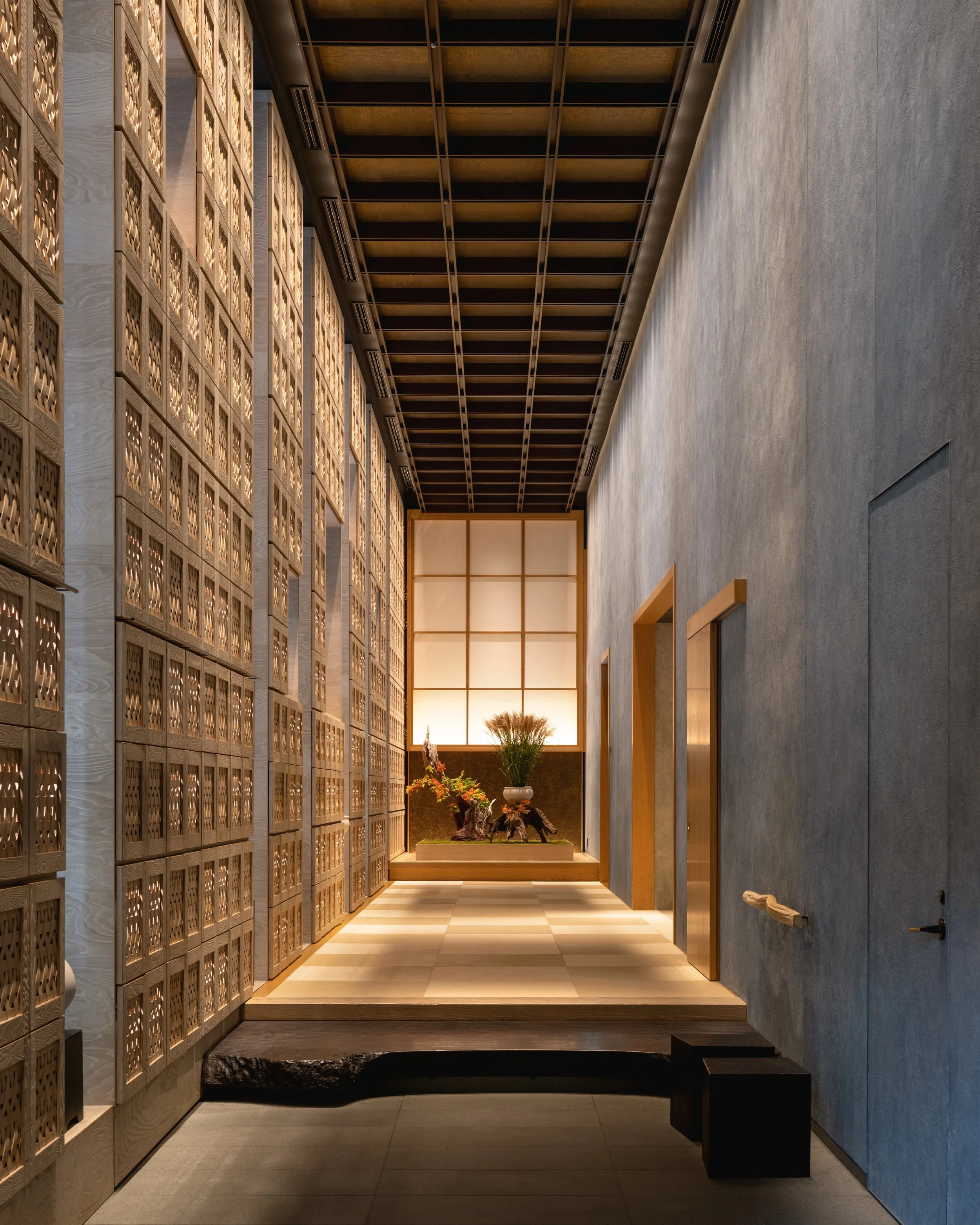
The lobby at Stradom House does not announce itself in a conventional way. There is no singular, dramatic gesture; instead, it reveals itself through layers. Vaulted ceilings, original and weighty, anchor the space, while contemporary interventions sit quietly within them.
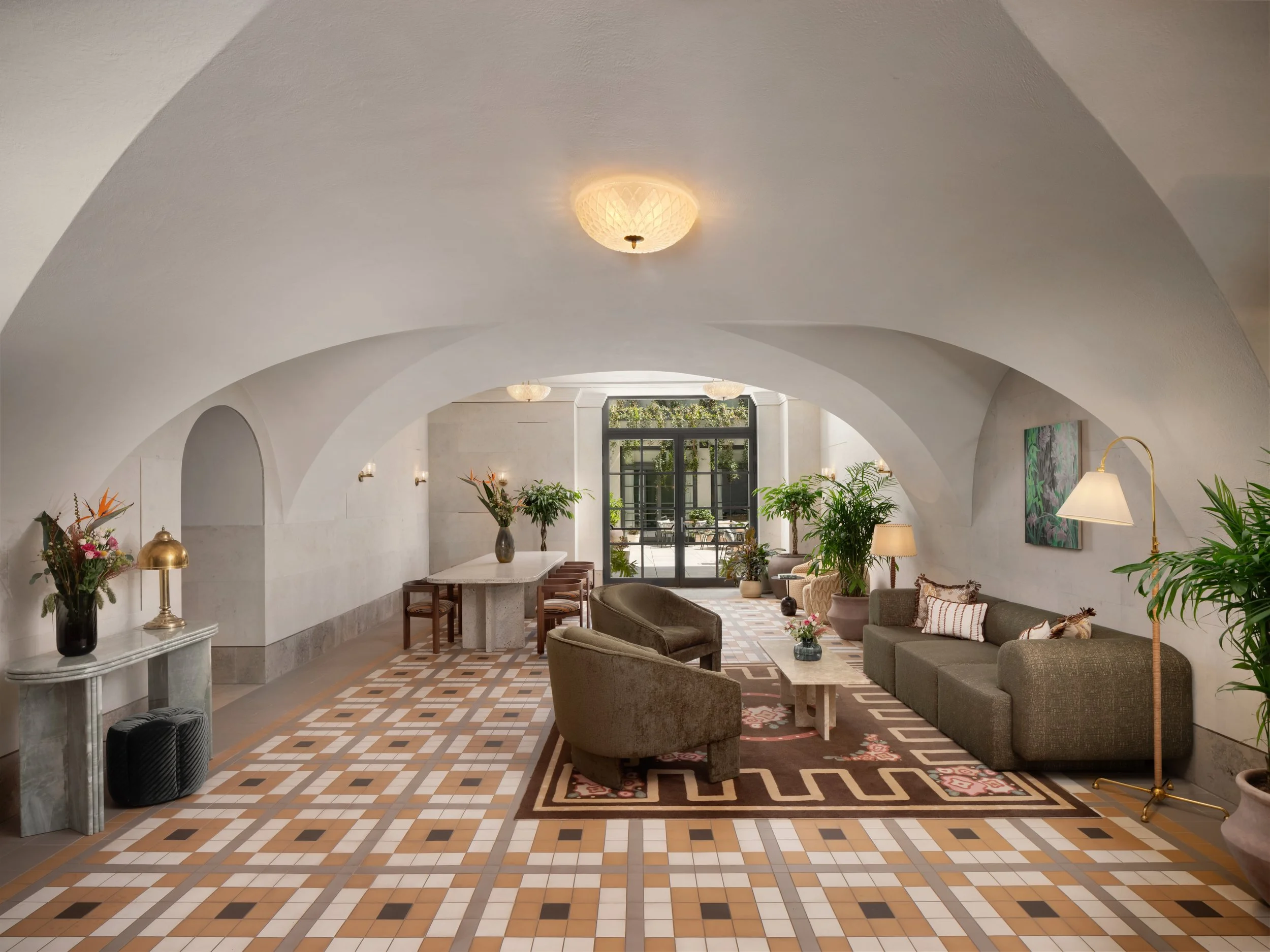
The design, led by London-based ADC Atelier, leans into contrast without ever feeling forced. Raw stone walls meet soft, tactile upholstery; aged surfaces sit alongside refined, almost residential furnishings. Lighting is deliberately low and atmospheric, drawing attention to texture rather than spectacle. It feels less like a hotel reception and more like an antechamber; an introduction to the building’s past, reframed for modern living.
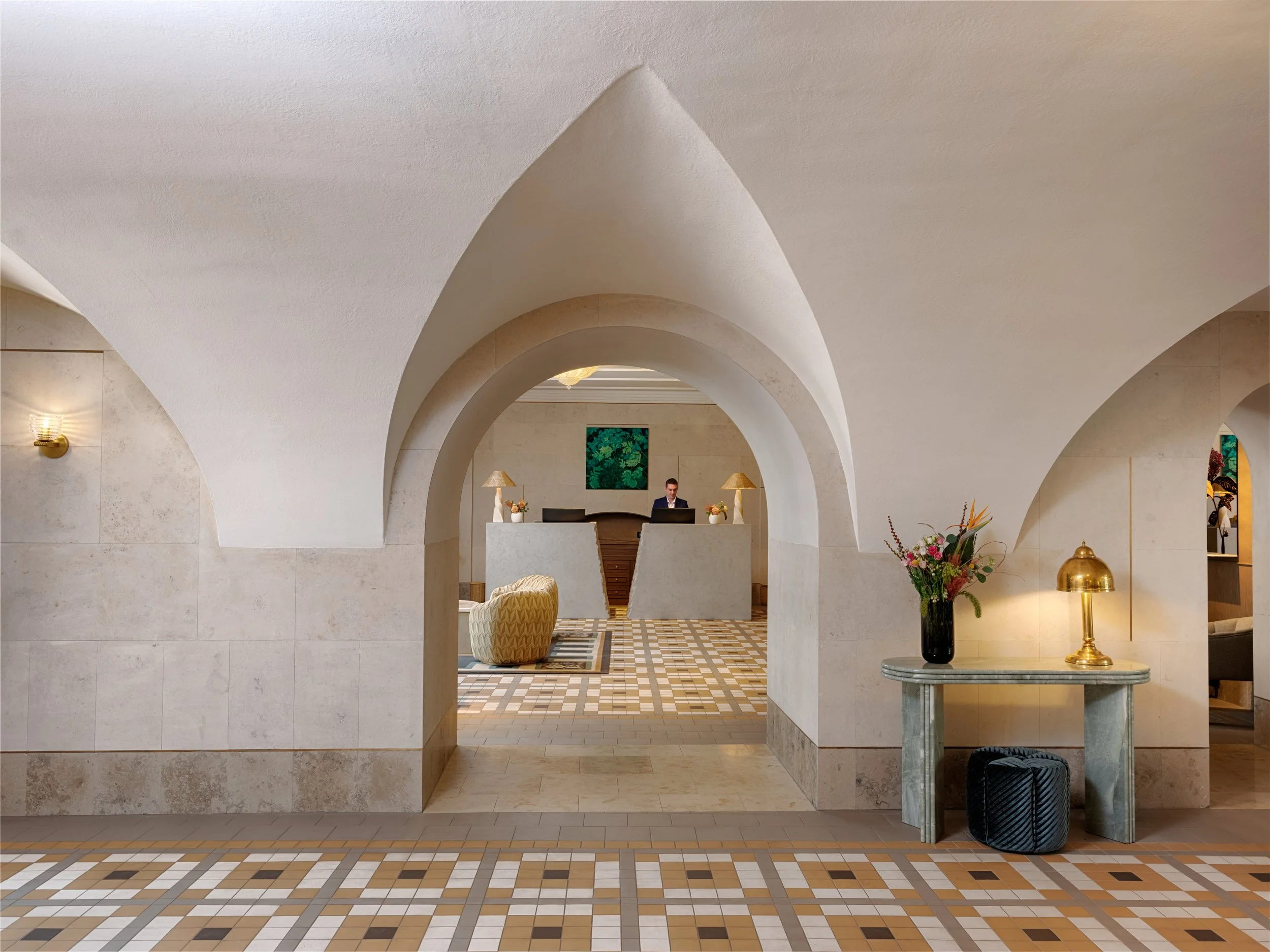
Circulation is fluid. Rather than directing guests through a singular axis, the space encourages exploration. You move through it intuitively, discovering smaller seating areas, moments of art, and glimpses into the spaces beyond. This sense of quiet discovery becomes a recurring theme throughout the property.
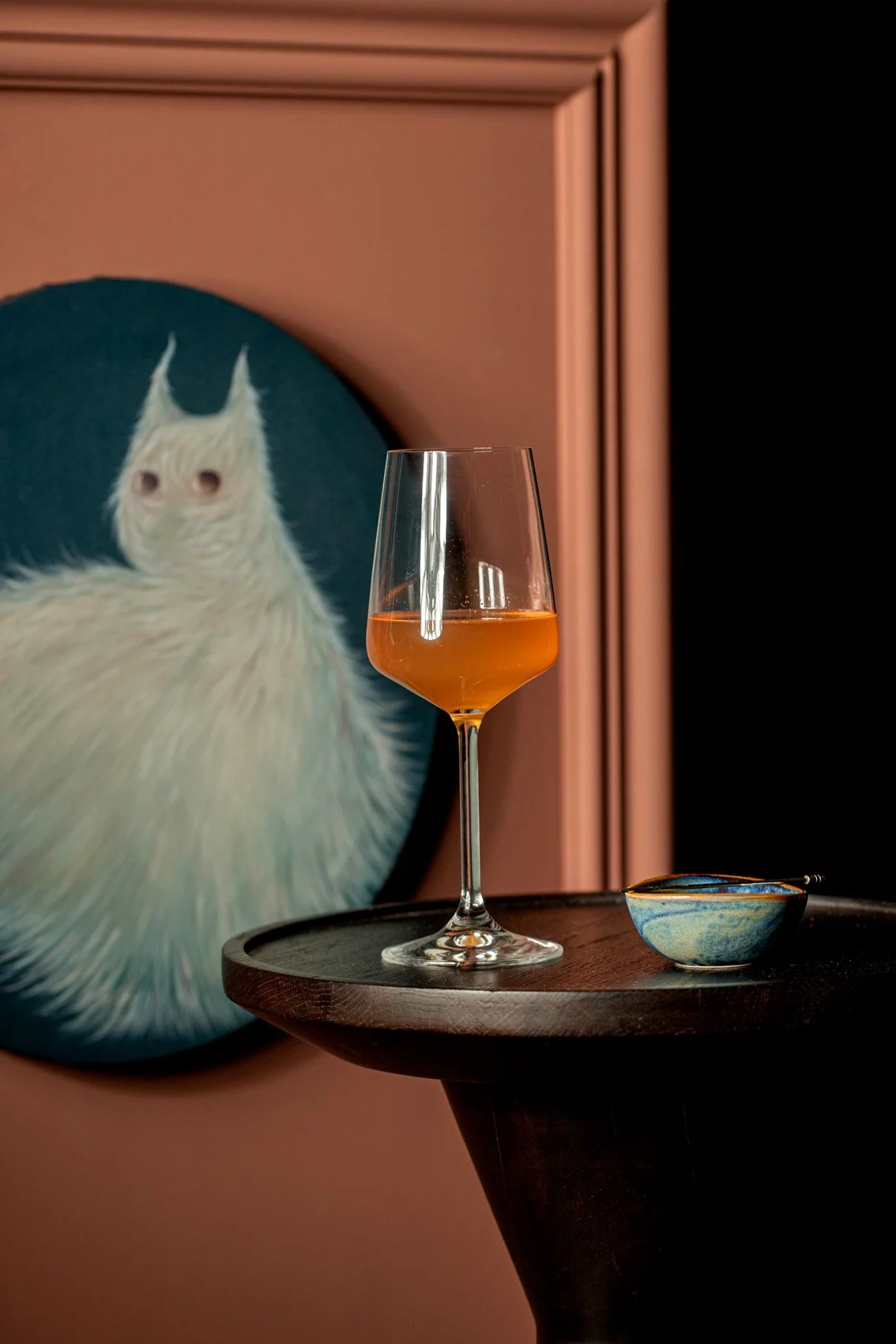
Hedwig’s Club: A Chapel Reimagined
Perhaps the most striking transformation at Stradom House is Hedwig’s Club, housed in a restored Baroque chapel. It is here that the dialogue between old and new becomes most pronounced.
The volume of the space remains intact, soaring ceilings, original architectural detailing, and the unmistakable proportions of a sacred interior. Yet the programme has shifted entirely. What was once a place of worship is now a social space, transitioning from a refined cocktail bar into a late-night destination.
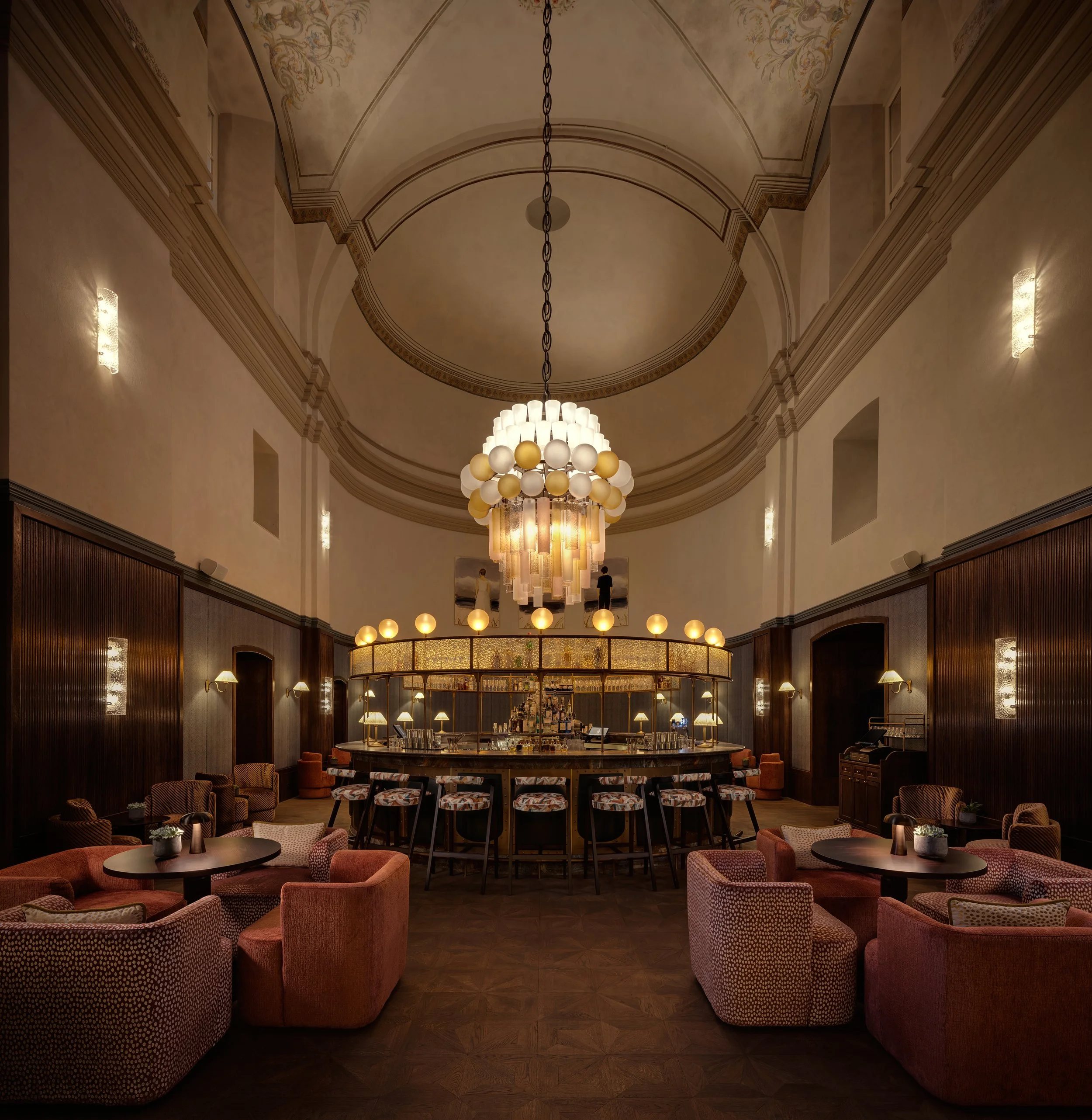
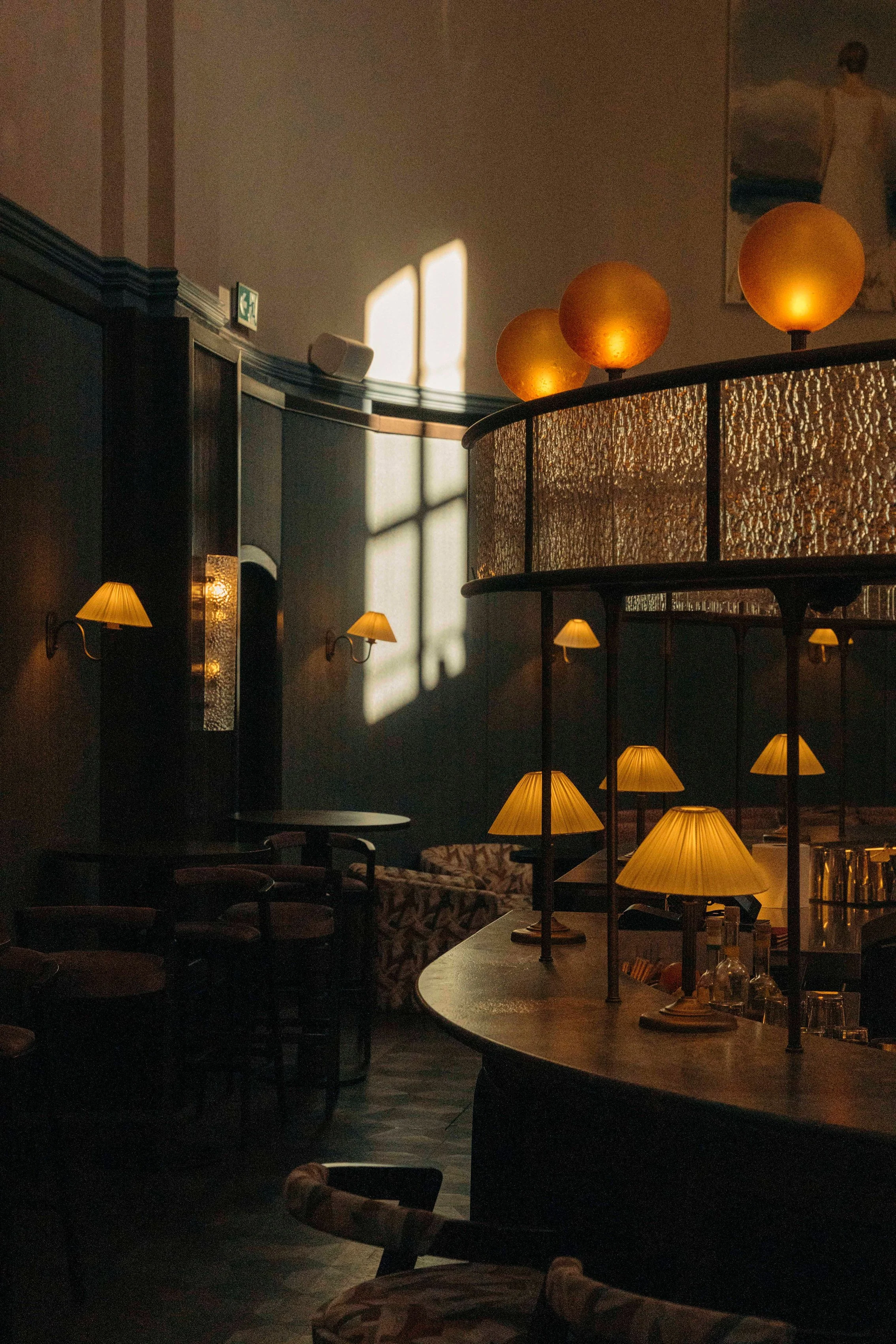
The design handles this shift with restraint. Rather than competing with the architecture, the interventions are minimal but intentional. Seating is low and sculptural, allowing the chapel's verticality to remain the focal point. Lighting is layered, subtly shifting as the evening progresses, altering the mood without compromising the integrity of the space.
There is a sense that nothing here has been over-designed. The power lies in what has been left untouched.
The Social Spine: Restaurants as Spatial Experiences
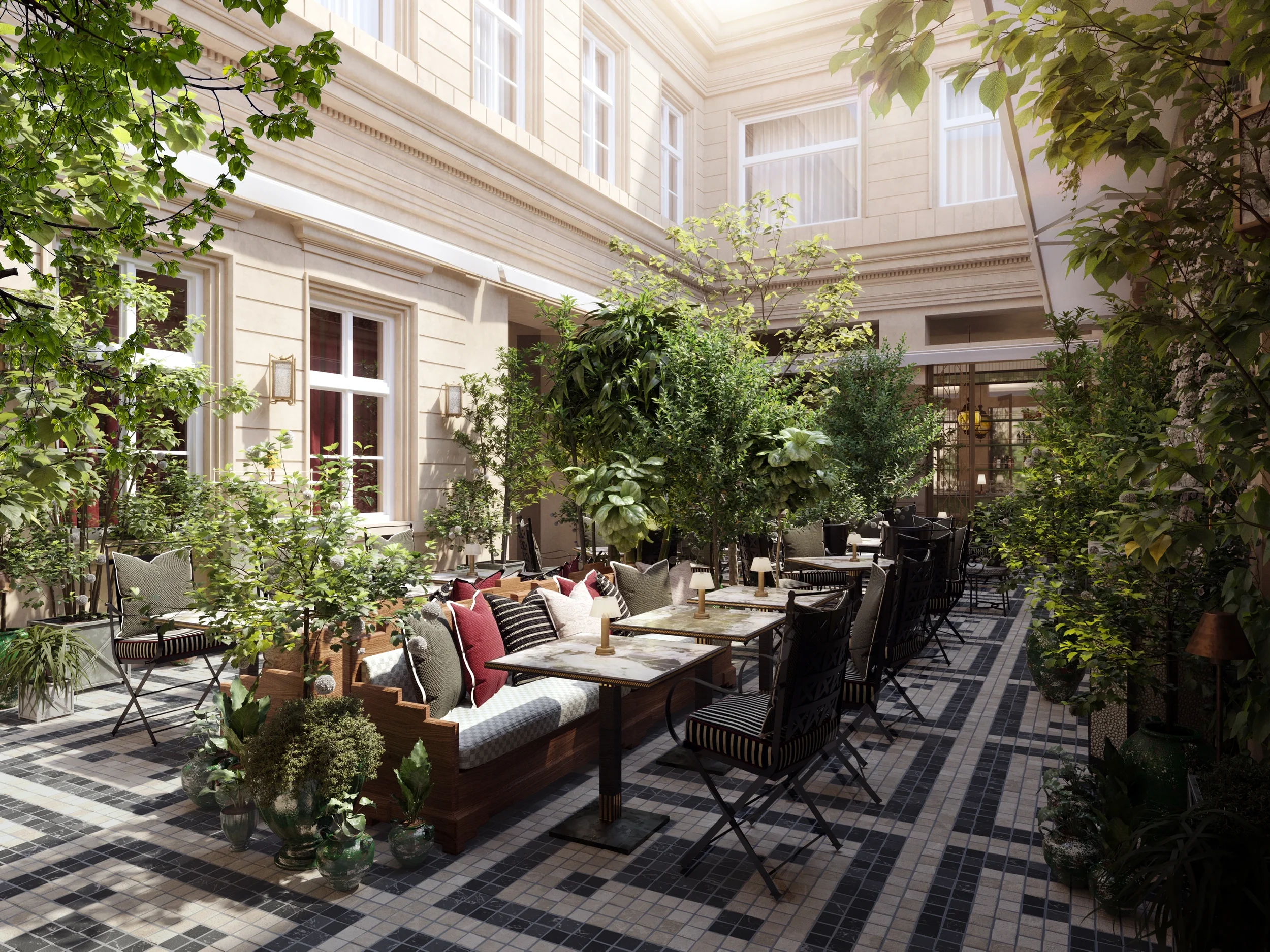
The hotel’s dining spaces, Stradomska 12, Gaia, and Bakehouse 14, are conceived not simply as restaurants, but as extensions of the building’s narrative.
Stradomska 12, centred on modern Polish cuisine, feels grounded and composed. The palette is deeper, more tactile, with timbers, stone, and muted tones that echo the building’s historic fabric. The design supports the experience without overwhelming it, allowing the focus to remain on atmosphere and materiality rather than overt decoration.
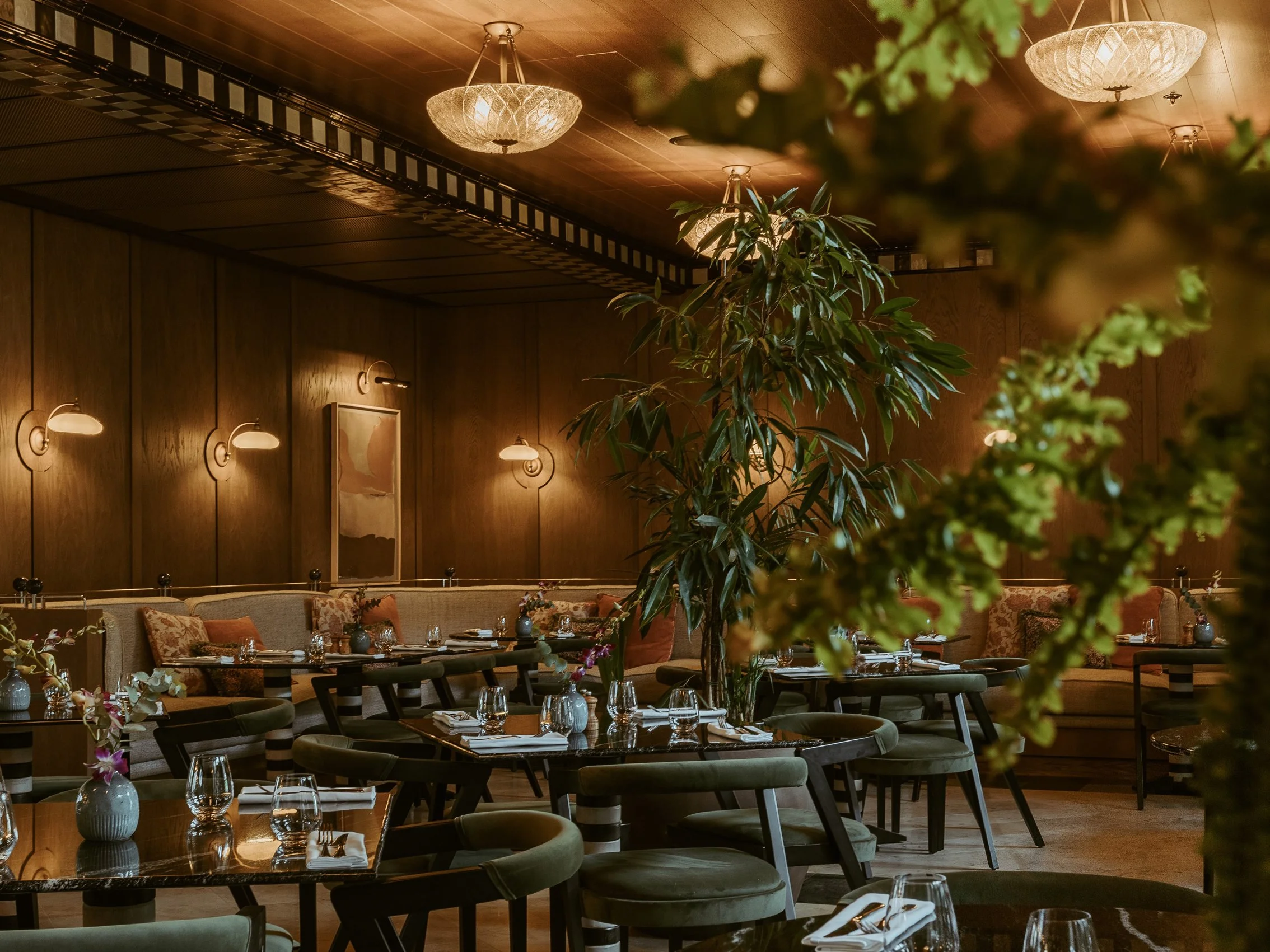
In contrast, Gaia introduces a lighter, more Mediterranean sensibility. Here, the energy shifts. The space feels more open, more social; designed to encourage movement and interaction. The layering remains, but the tone is brighter, offering a subtle counterpoint to the weight of the building’s history.
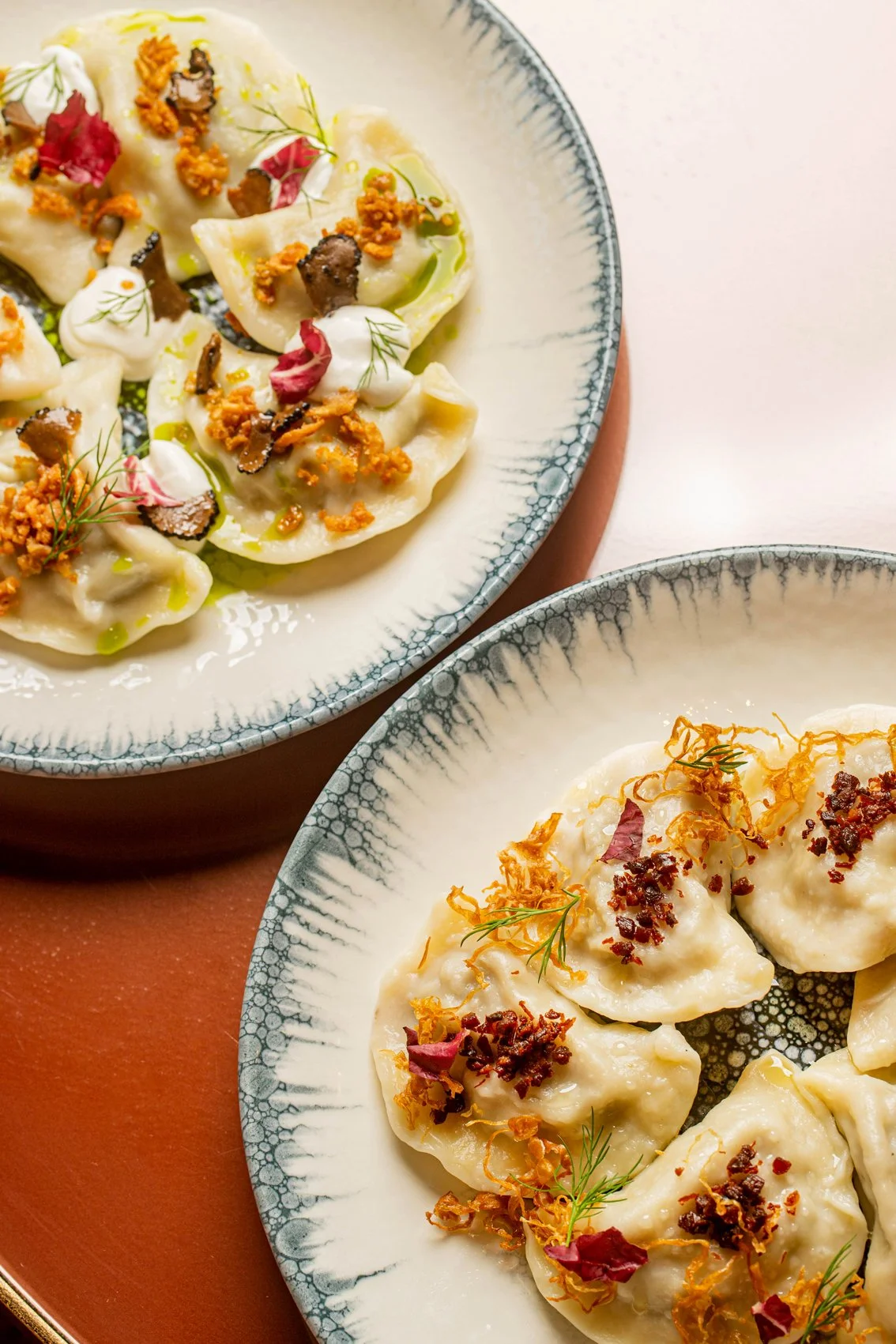

Bakehouse 14 sits somewhere in between. It is intentionally informal; a neighbourhood café embedded within a grand structure. The design softens here, creating a space that feels accessible and everyday, yet remains connected to the hotel's broader architectural language.
While the food offering is considered and refined, it is the spatial choreography that stands out. Each venue feels distinct, yet part of a cohesive whole.

SÓL Spa: Designing for Stillness
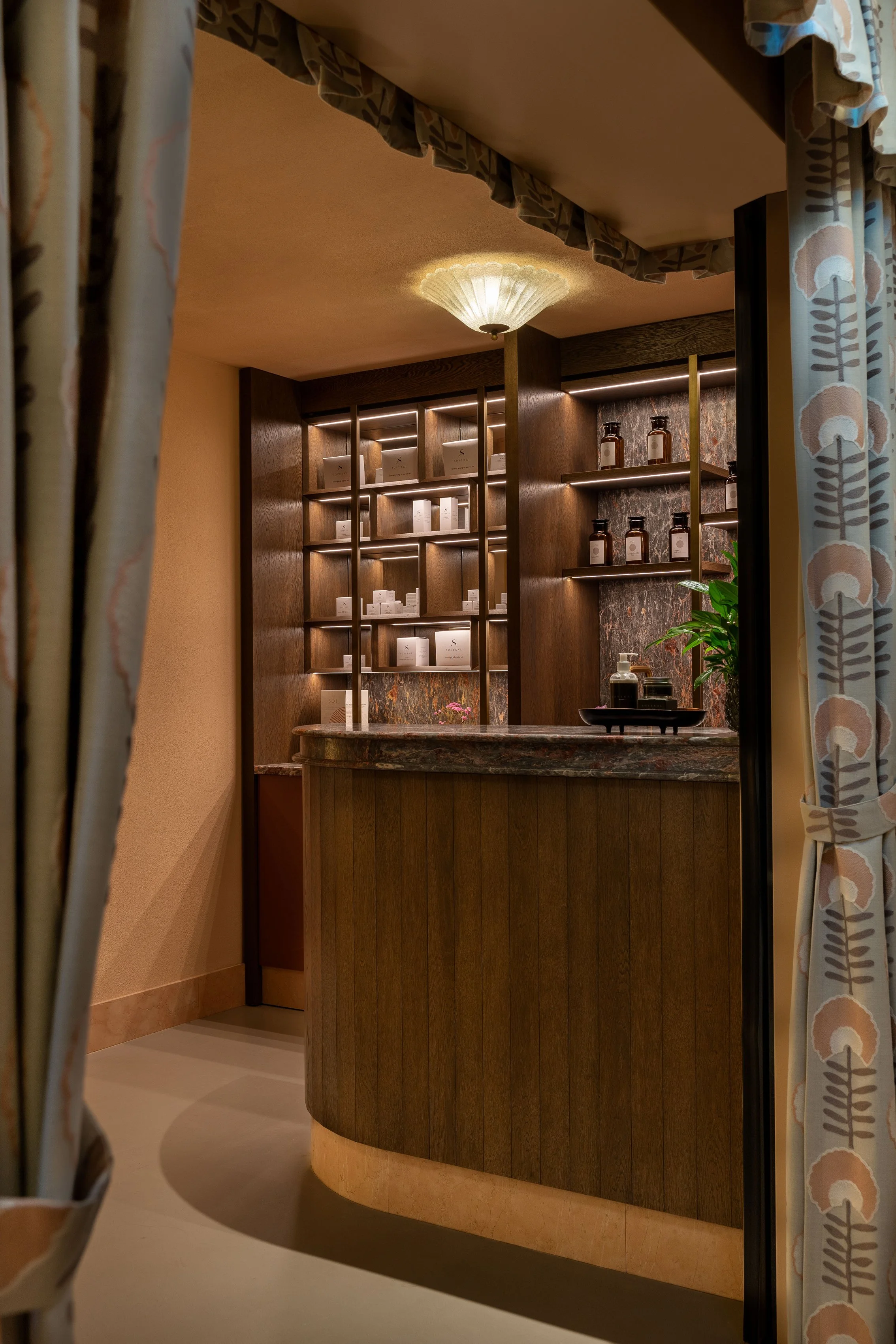
Descending into SÓL Spa, the atmosphere shifts again. The transition is almost cinematic, moving from the layered energy of the public spaces into something quieter, more introspective.
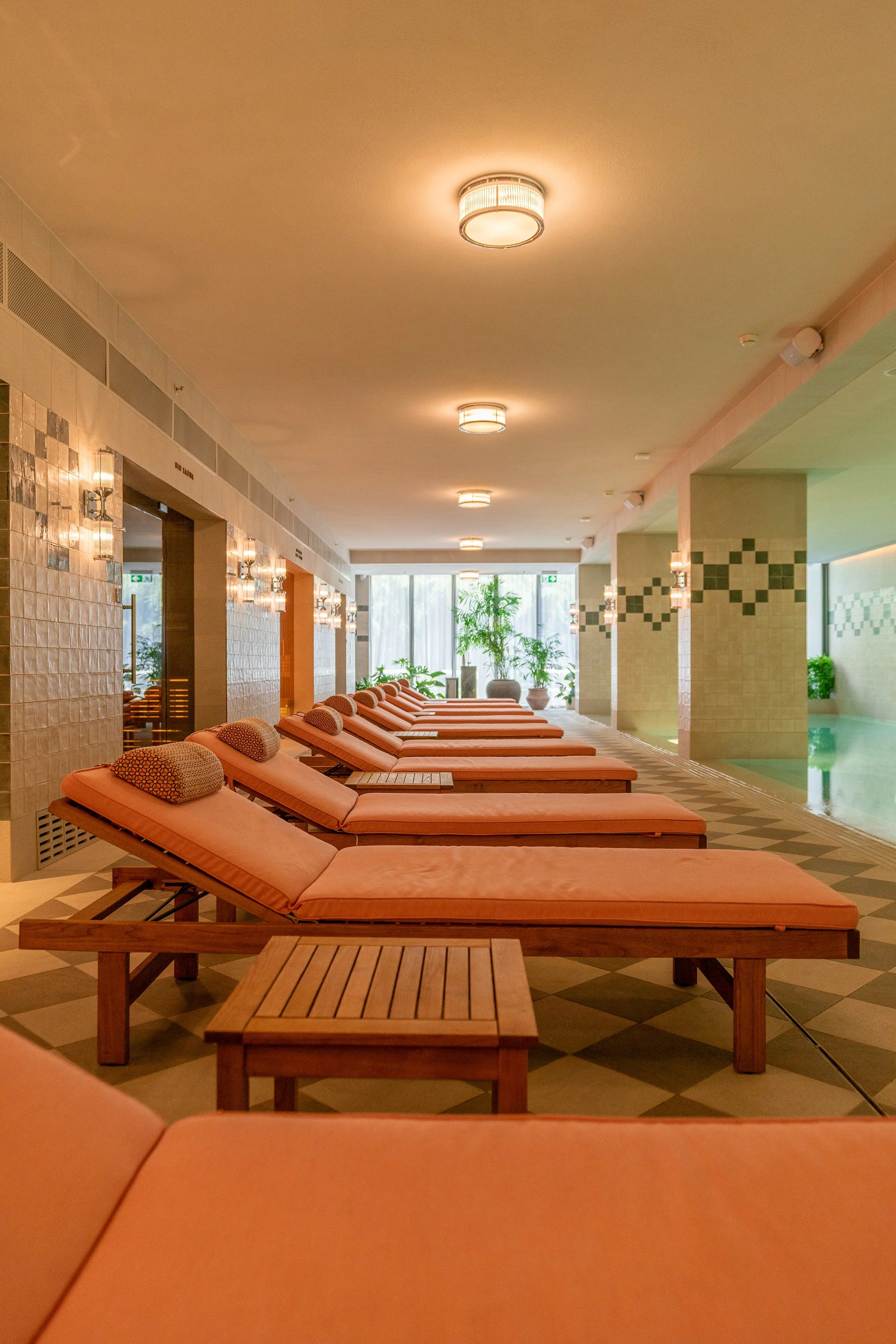
The design draws on Poland’s salt-mining heritage, but interprets it in a contemporary way. Surfaces are softened, acoustics are dampened, and light is carefully controlled. The 20-metre pool becomes the centrepiece, its length emphasised by clean lines and a restrained material palette.
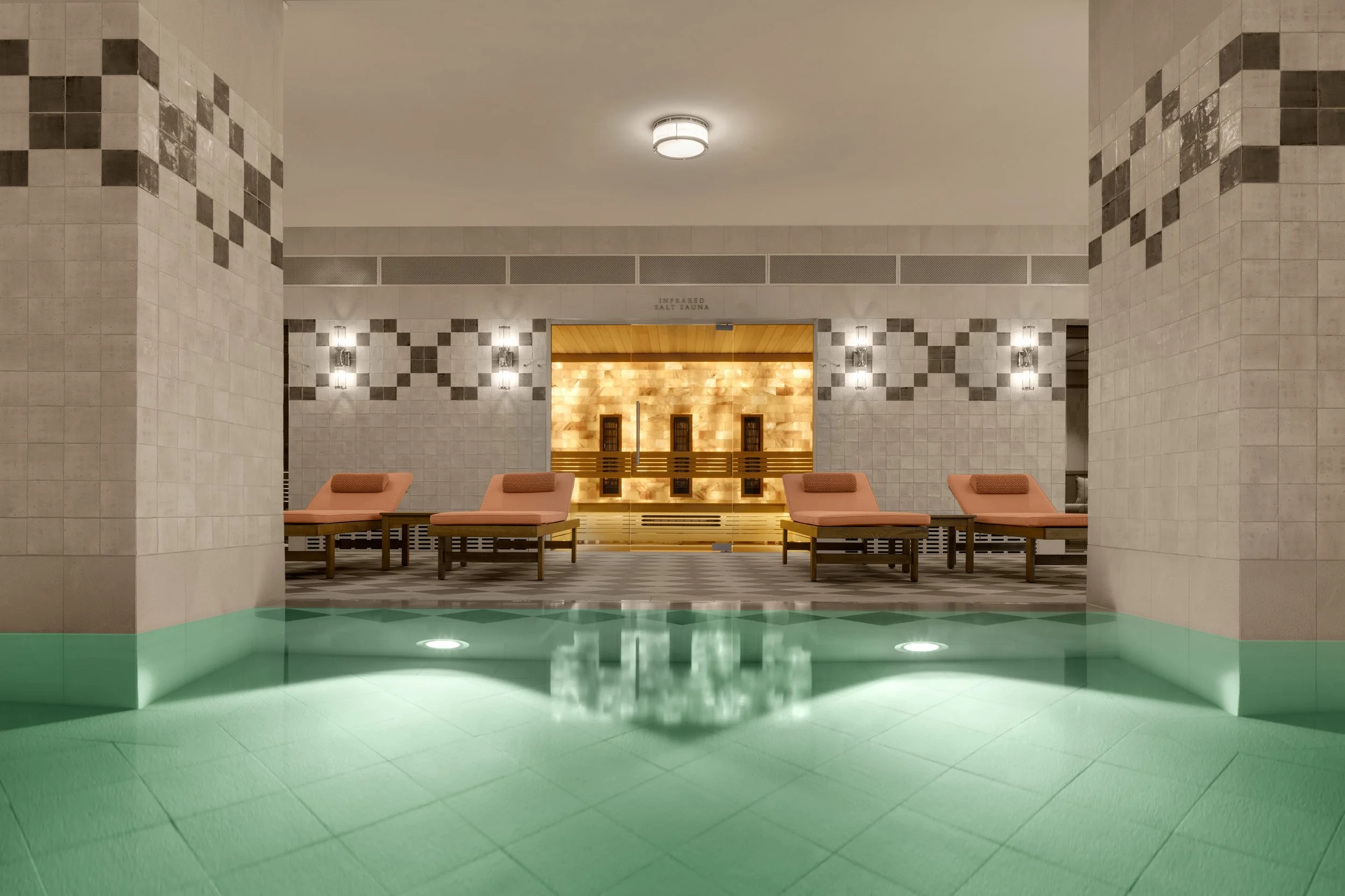
What defines the space is not its features, though these are extensive, but its sense of calm. There is a clarity to the design, a removal of excess, that allows the architecture to recede and the experience to take precedence.
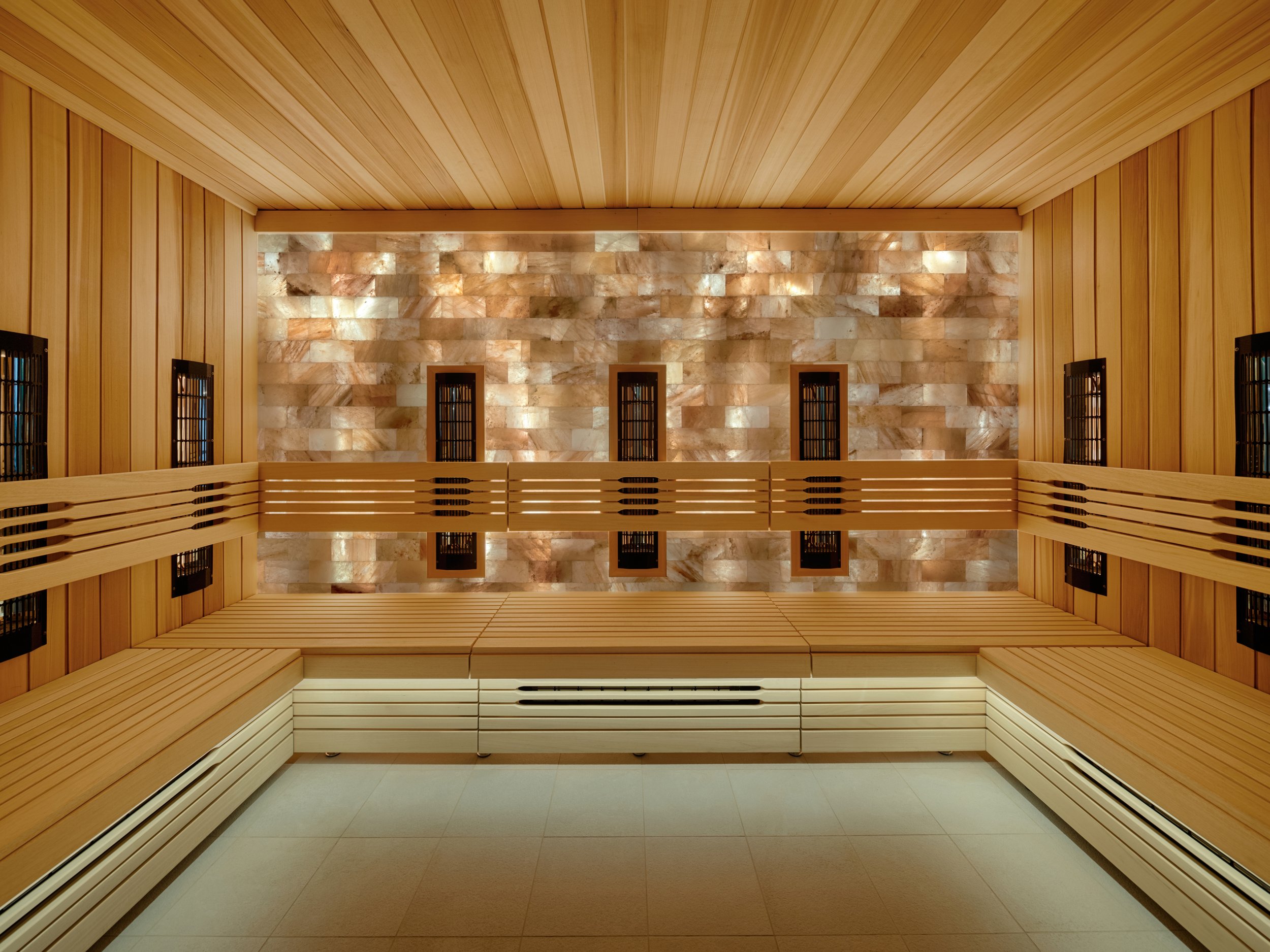
Saunas, treatment rooms, and relaxation areas are arranged to create a natural flow, encouraging guests to move through the space at their own pace. It is less about spectacle and more about atmosphere; a rare quality in contemporary wellness design.
Art as a Living Layer
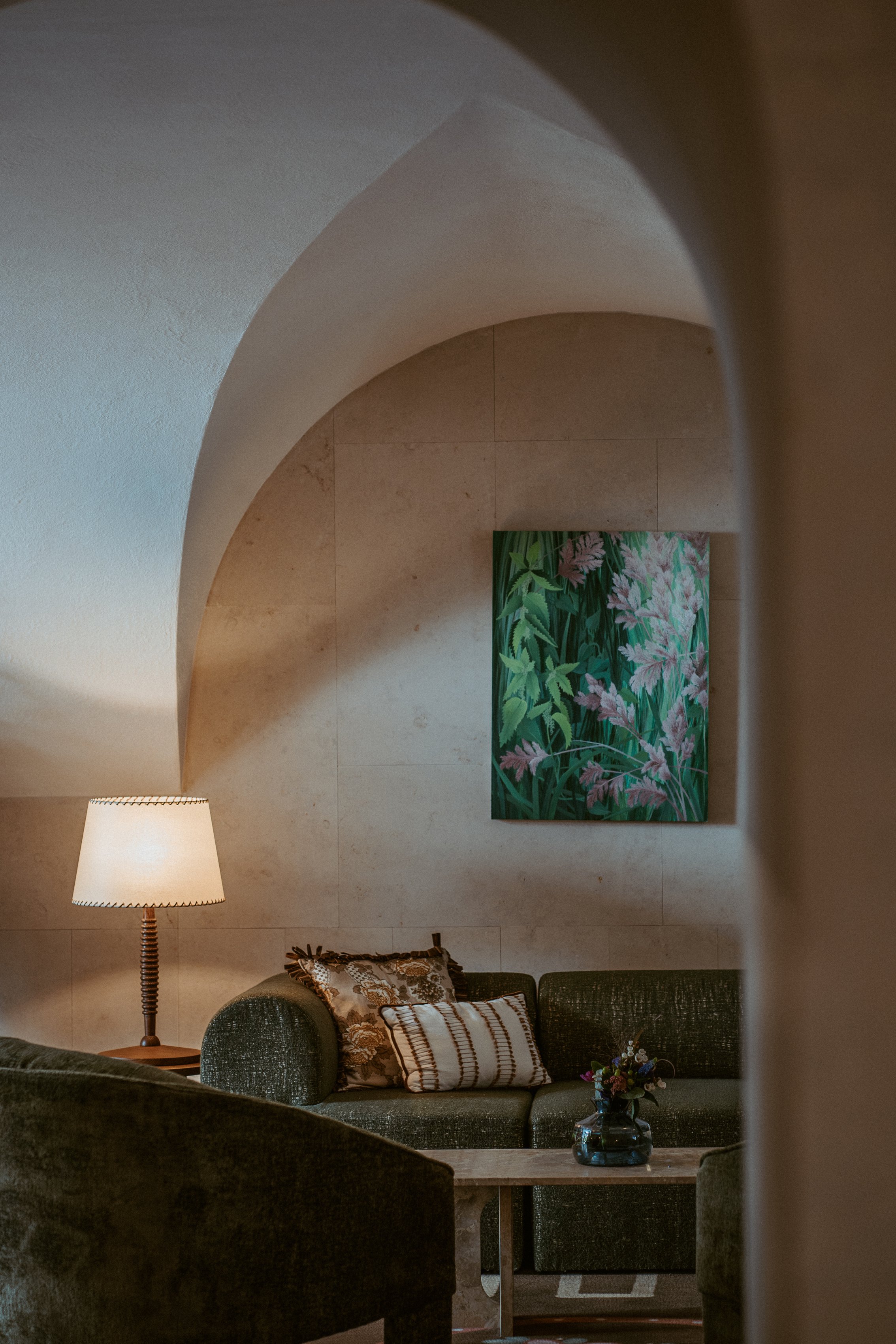
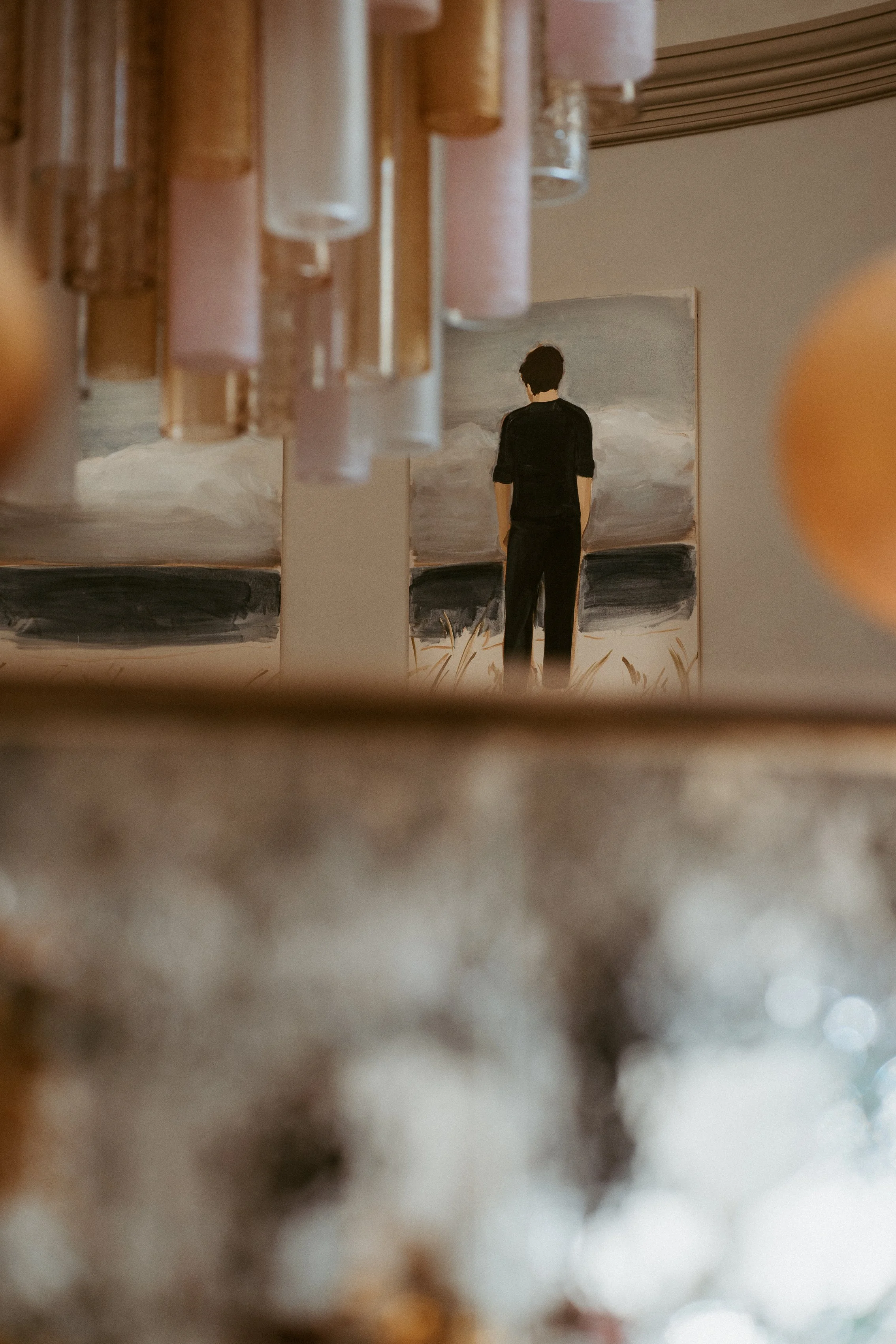
Throughout the hotel, a curated collection of contemporary art is integrated into the architecture. Rather than being treated as decoration, it becomes part of the spatial experience.
Works by Polish and international artists appear in unexpected moments: corridors, transitional spaces, quiet corners, creating a dialogue between the building’s past and present. It reinforces the idea of Stradom House not just as a hotel, but as a cultural space, embedded within Kraków’s evolving creative landscape.
The Private Realm: Rooms as a Continuation
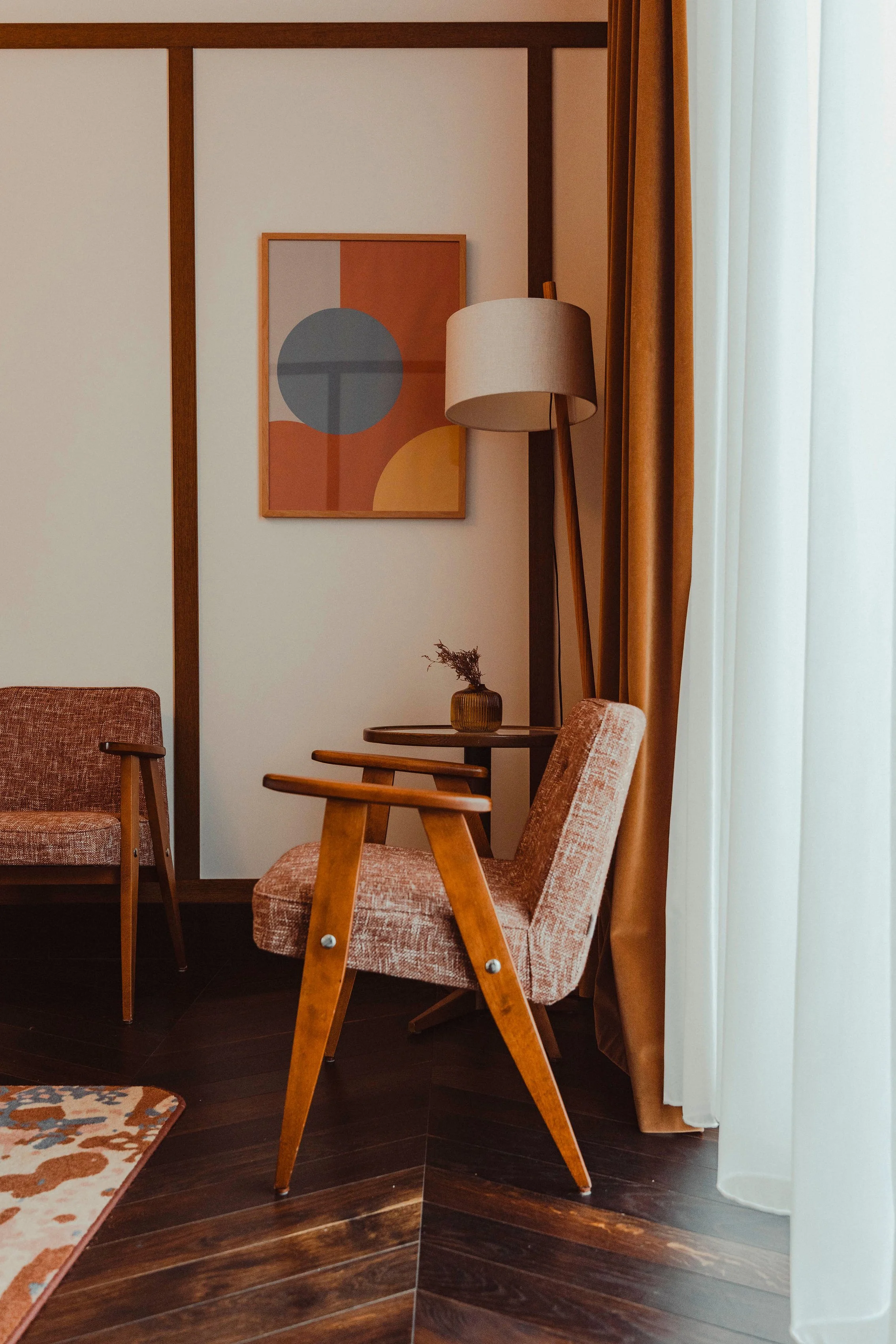
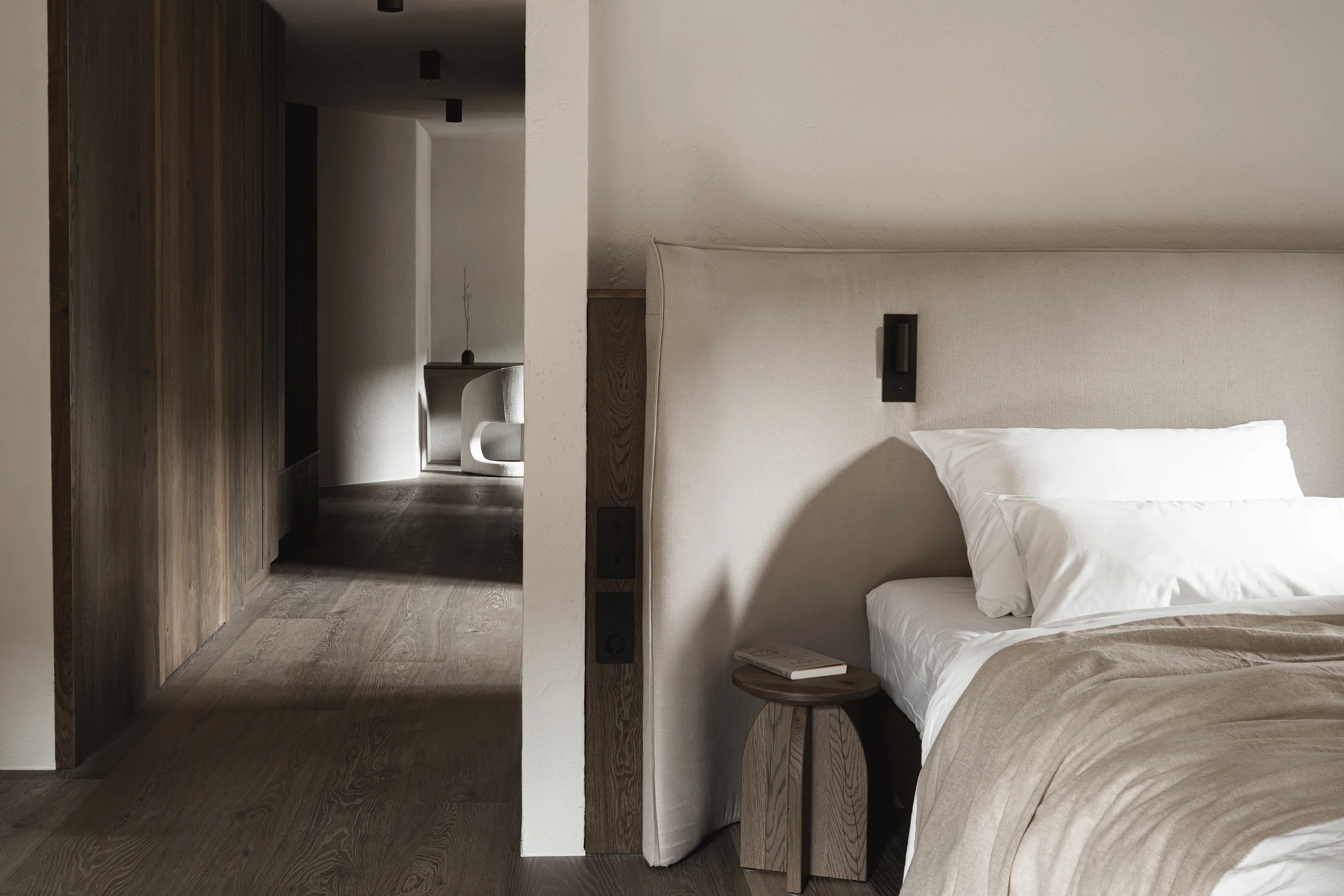
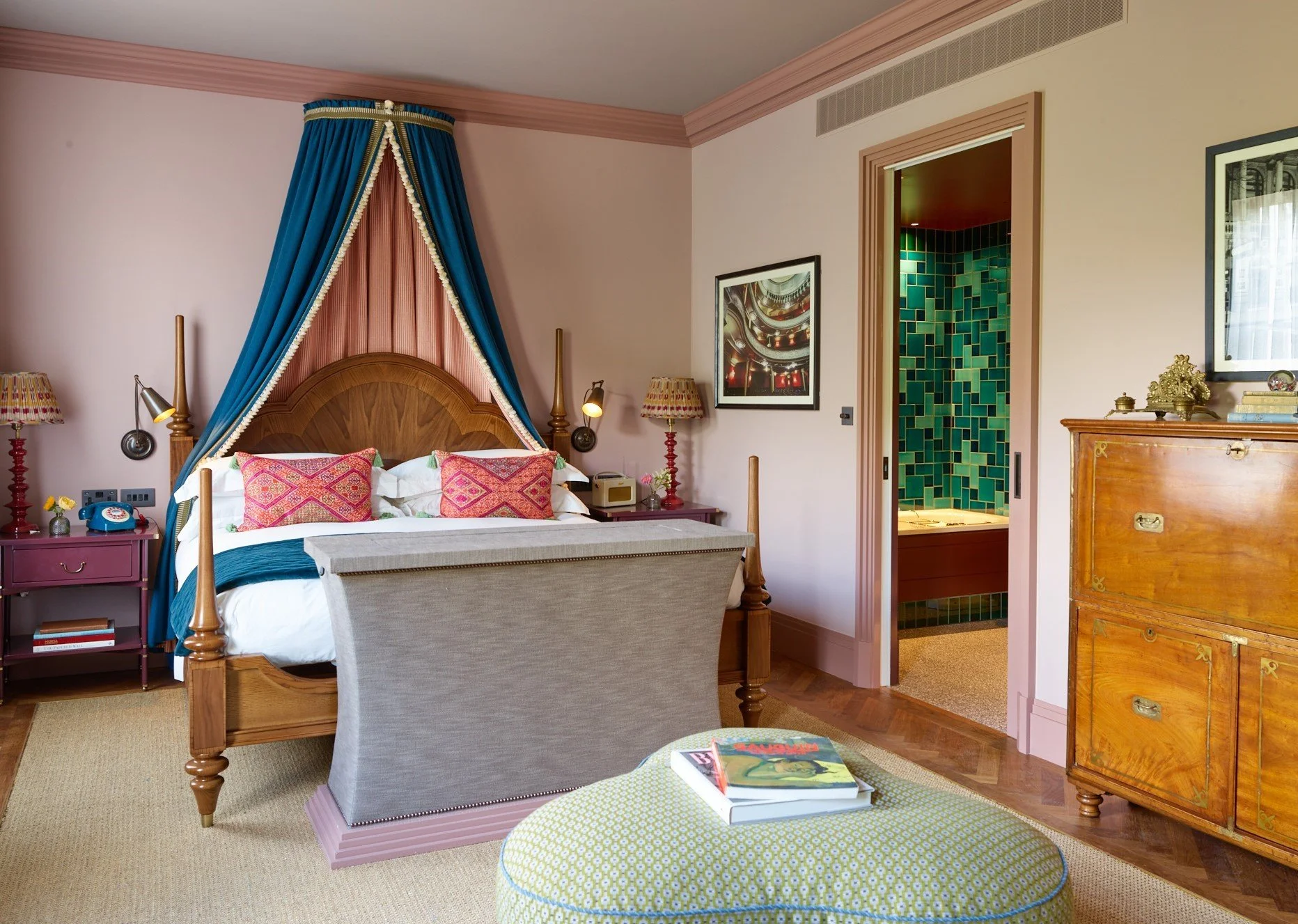
While the public spaces establish the tone, the guest rooms continue the narrative in a more intimate way. Divided between heritage and contemporary wings, they reflect different aspects of the building’s identity.
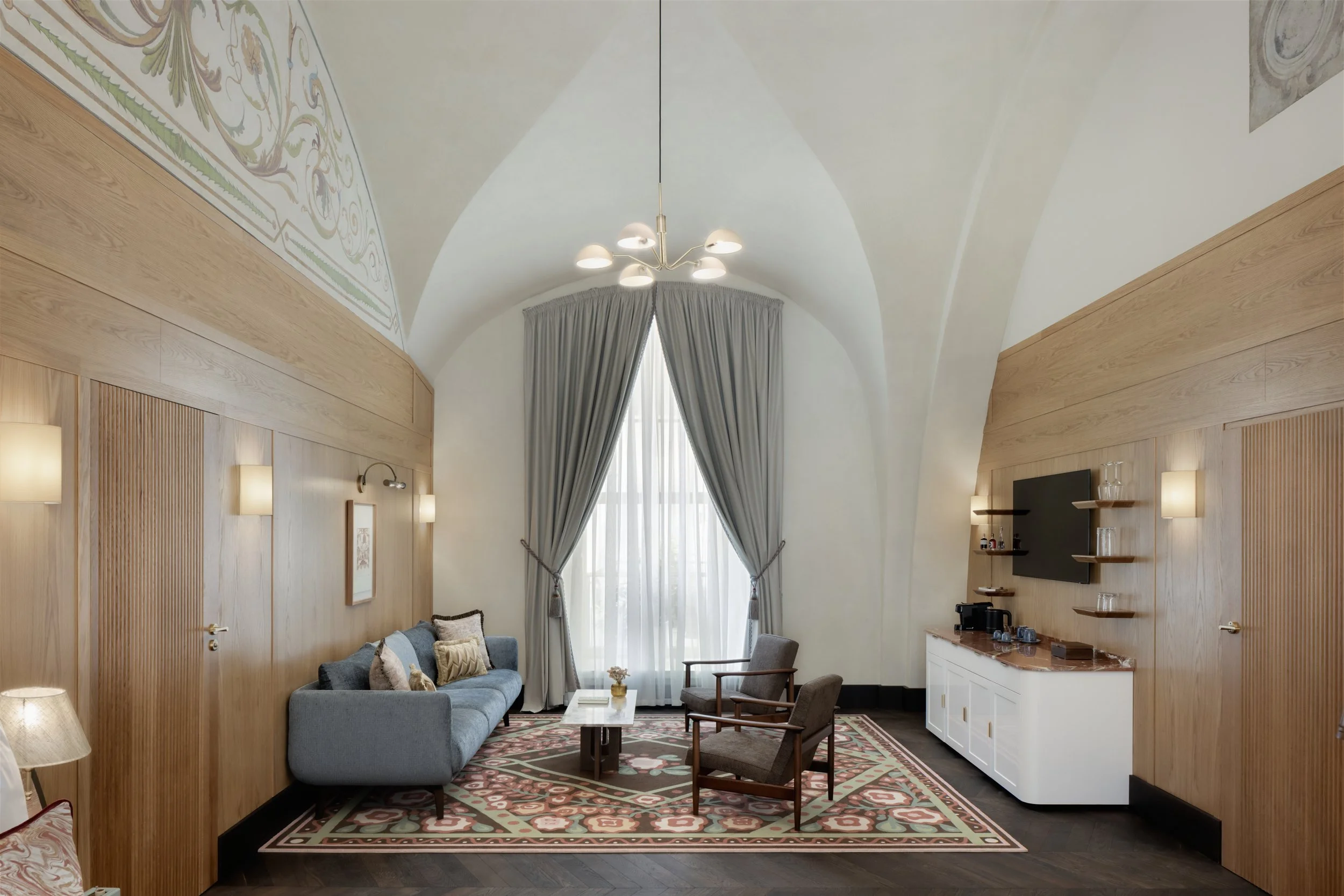
In the heritage rooms and suites, original architectural elements are allowed to remain visible, subtle irregularities, traces of age, moments that remind you of the building’s former life. These are balanced with contemporary furnishings and a restrained palette, ensuring comfort without erasing character.
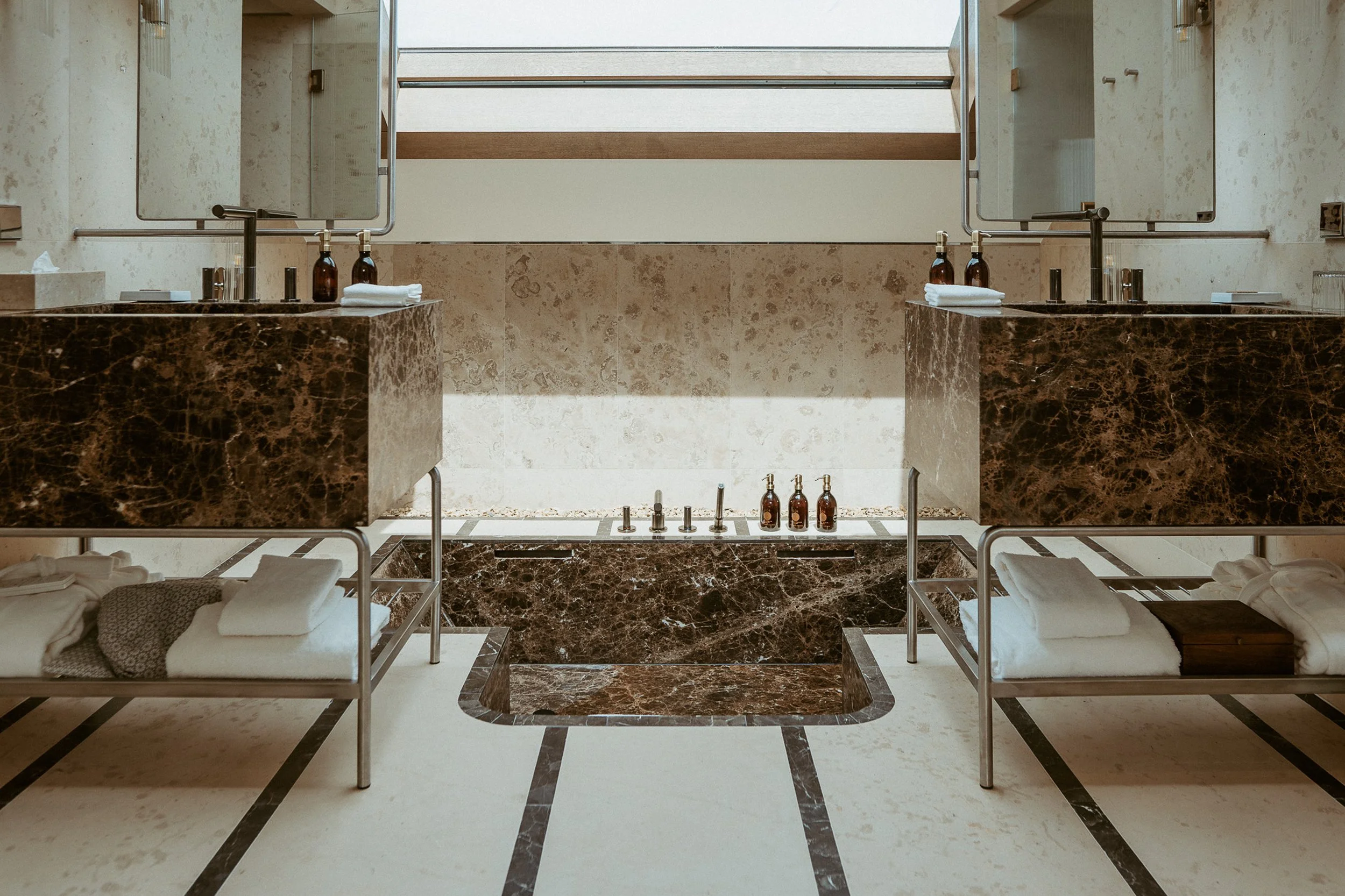
The more modern rooms offer a cleaner expression while still maintaining the same design language: layered materials, considered lighting, and a sense of quiet refinement.
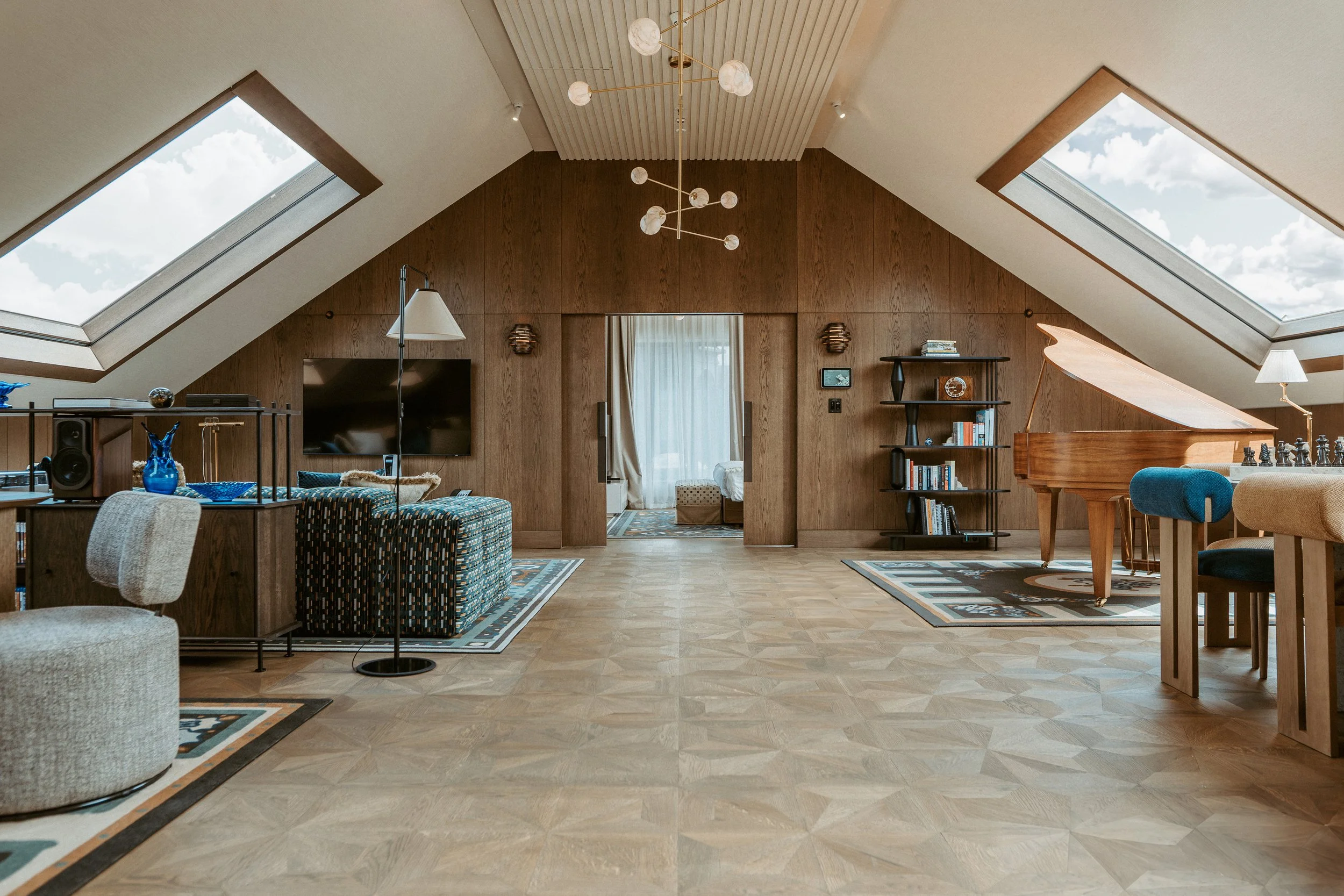
At the upper end, the Chapel Loft stands apart. Vast in scale, it occupies a space that once served a very different purpose. Here, the design leans into the architecture's drama, allowing volume and light to define the experience.
A New Model of Heritage Hospitality
What makes Stradom House compelling is not simply its history, but how that history has been interpreted. The restoration, spanning over a decade, has avoided the temptation to over-polish or over-preserve. Instead, it embraces contrast, allowing different periods to coexist.
There is confidence in the design. It does not try to replicate the past, nor does it reject it. It sits somewhere in between, creating a space that feels both timeless and distinctly of the present.
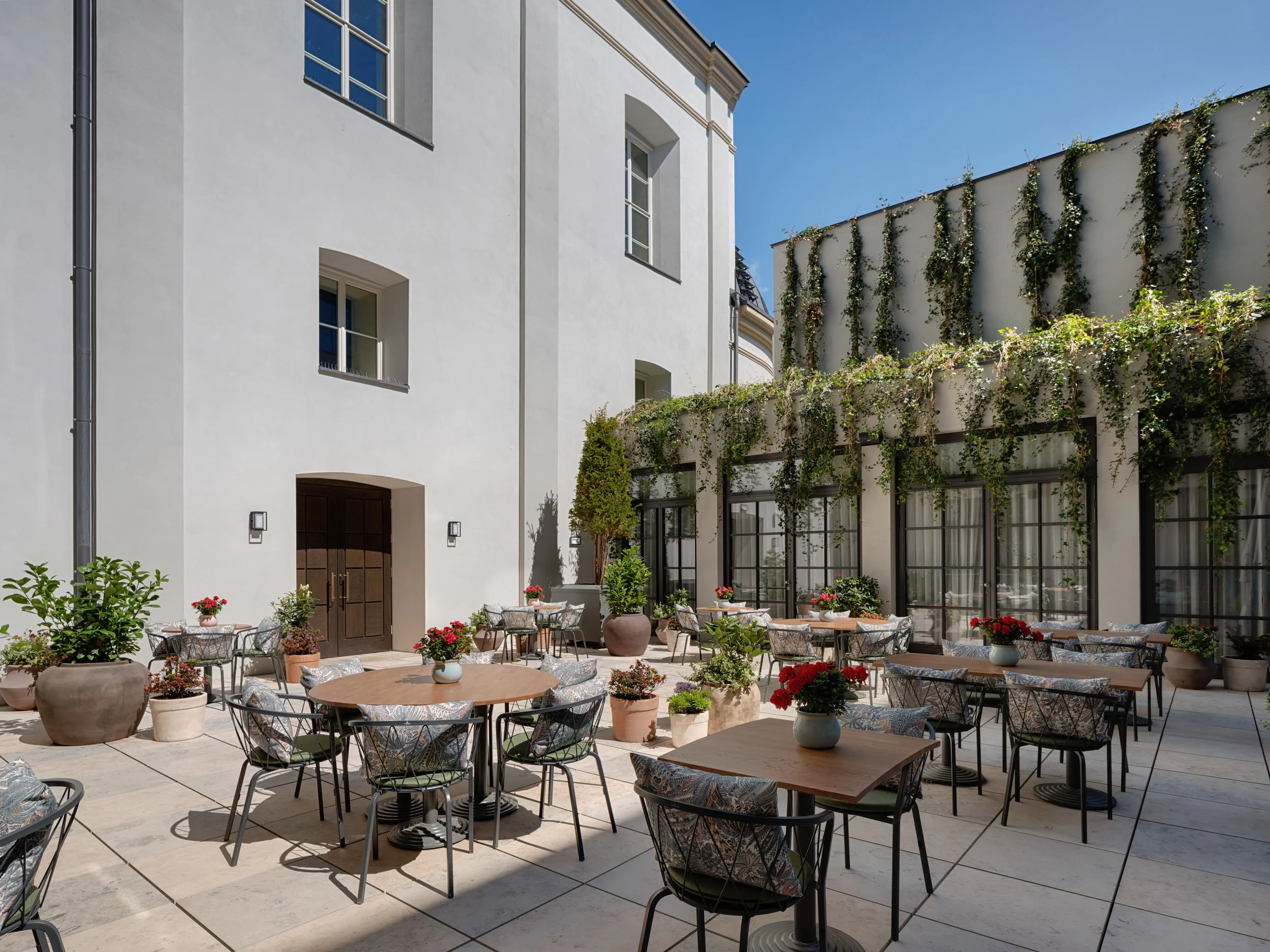
In a city like Kraków, where history is ever-present, this approach feels particularly relevant. Stradom House does not compete with the city; it reflects it. Layered, complex, and constantly evolving.
And in doing so, it offers something more than a place to stay. It becomes a way of experiencing the city itself, through architecture, through design, and through the quiet interplay of old and new.
More Stories


Set between Wawel Castle and Kazimierz, Stradom House reimagines a 14th-century monastery as a contemporary design destination. This article explores the hotel’s layered interiors, from its atmospheric lobby and chapel-turned cocktail bar to its refined spa and quietly considered guest rooms, where heritage architecture meets modern design in one of Kraków’s most compelling stays.