
NYCxDESIGN 2026: New York’s Position in the Global Design Calendar
Every May, New York City becomes a living framework for contemporary design, but NYCxDESIGN has evolved far beyond the structure of a traditional design week. It now operates less as a fixed calendar of events and more as a distributed cultural system, one that reflects how design is increasingly experienced: across disciplines, across neighbourhoods, and across multiple overlapping audiences.
For 2026, the city once again transforms into a network of exhibitions, installations, talks and interventions that extend from galleries and institutions through to showrooms, public spaces and temporary environments. But what makes NYCxDESIGN particularly significant is not simply its scale; it is the way it captures a shift in how design is presented globally: less as a series of isolated fairs and more as a continuous conversation among material, technology, architecture, and culture.
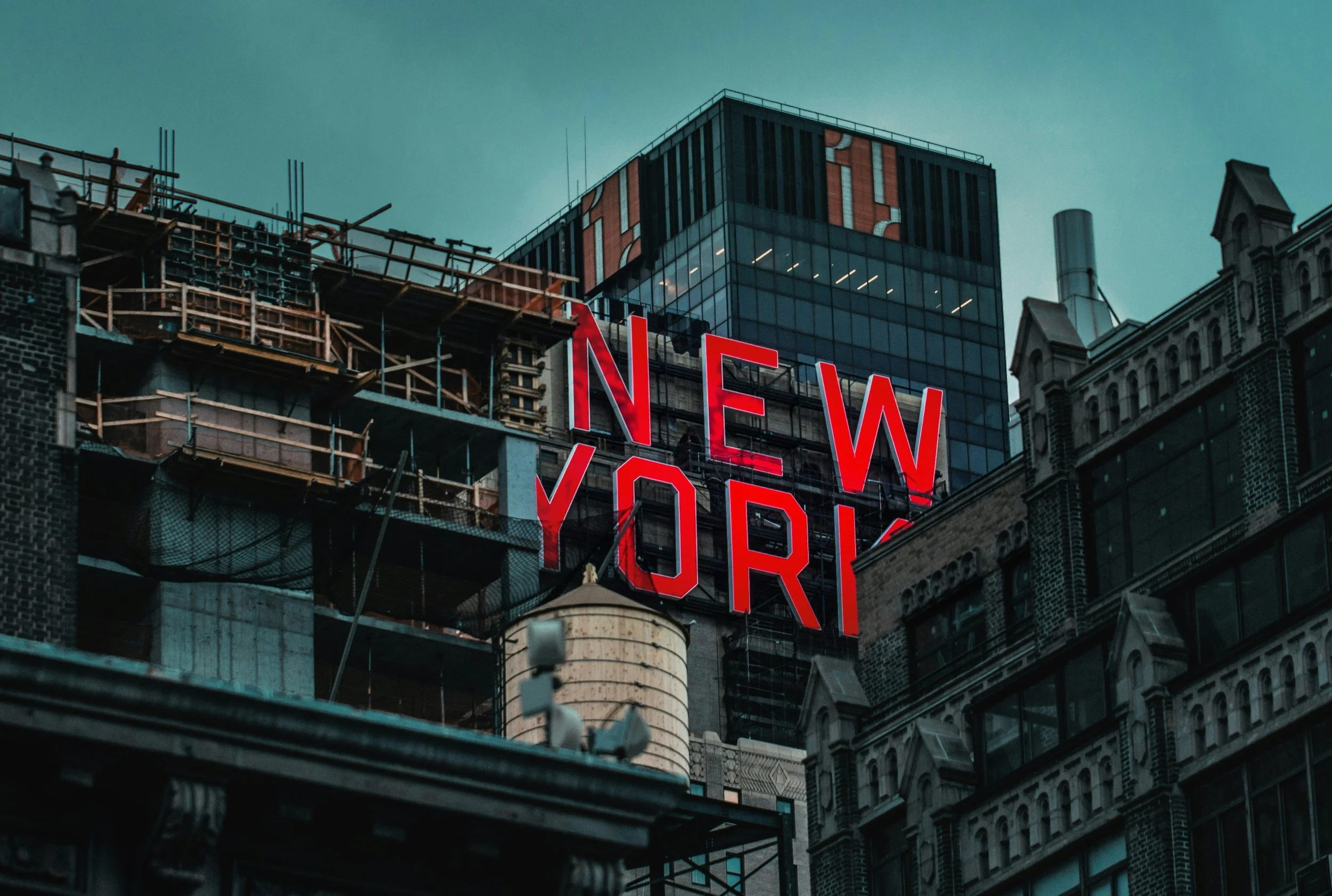
Unlike Milan, where spectacle and industry often define the rhythm of the week, or Copenhagen, where restraint and material honesty shape the narrative, New York sits somewhere more fluid; a city where commercial, experimental and institutional design operate side by side. It is this tension that gives NYCxDESIGN its character, and increasingly, its influence.
Across the 2026 programme, themes of collectable design, immersive installation, fashion crossover, and material experimentation continue to define the conversation. But equally present is a broader shift: towards experience-led design, where spatial storytelling, digital integration and participatory formats are reshaping how audiences engage with objects and environments.
Seen from a UK perspective, NYCxDESIGN offers not just a snapshot of New York’s creative ecosystem but also a broader view of where international design culture is heading next.
Materials of Joy: FUMI in New York
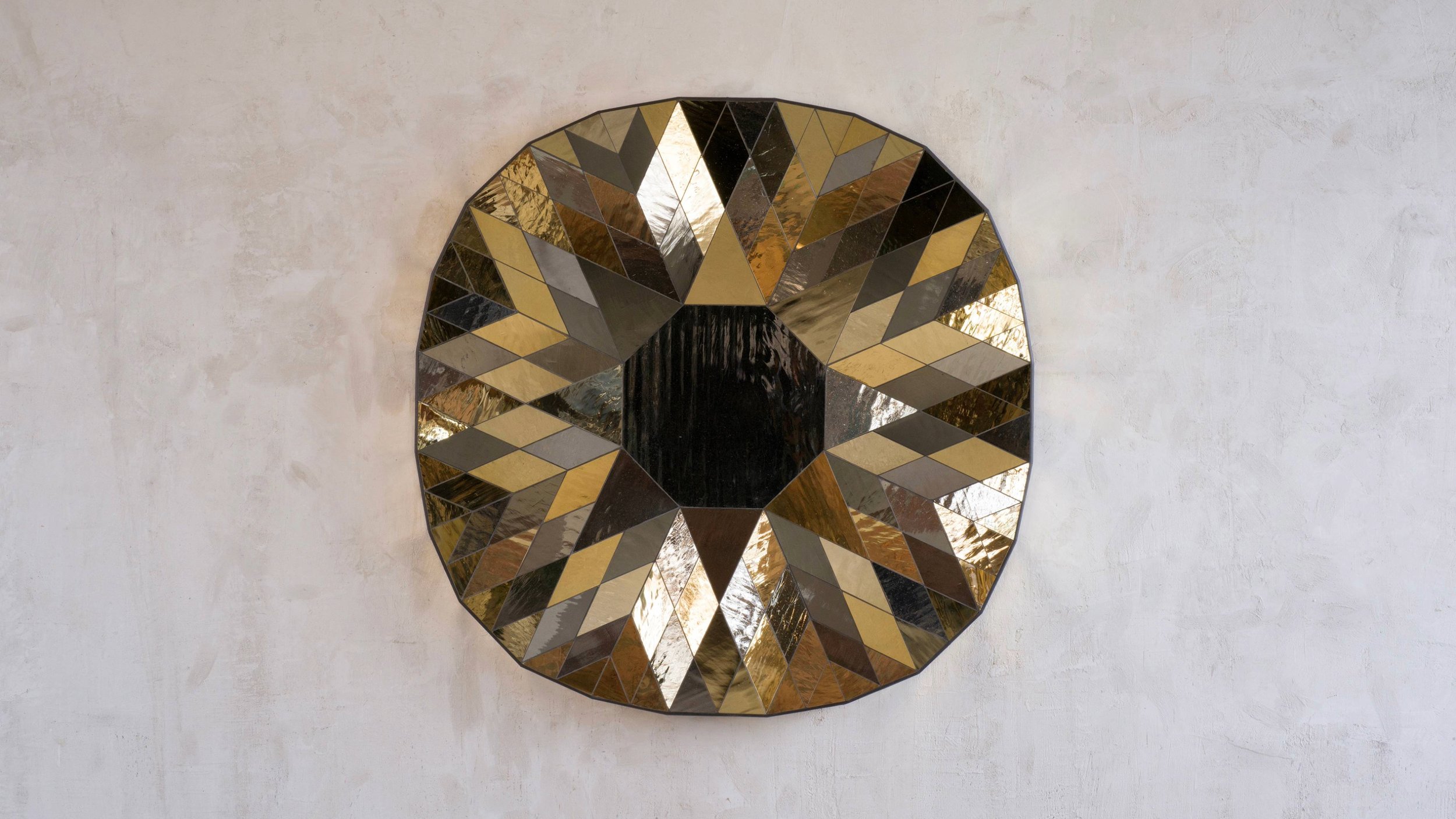
Rather than presenting a single curatorial statement, Materials of Joy feels intentionally open-ended; a reflection of how Gallery FUMI continues to resist fixed narrative in favour of material-led exploration. The exhibition brings together a diverse group of artists whose work sits between sculpture, object and artefact, unified less by theme than by a shared sensitivity to process.
What emerges is a conversation around making itself: the hand, the surface, the residue of labour. In the context of New York, the presentation feels particularly resonant; a reminder that contemporary collectable design is increasingly defined not by uniformity, but by difference, experimentation and the persistence of craft as a conceptual tool.
The Dumbo Projection Project: V7
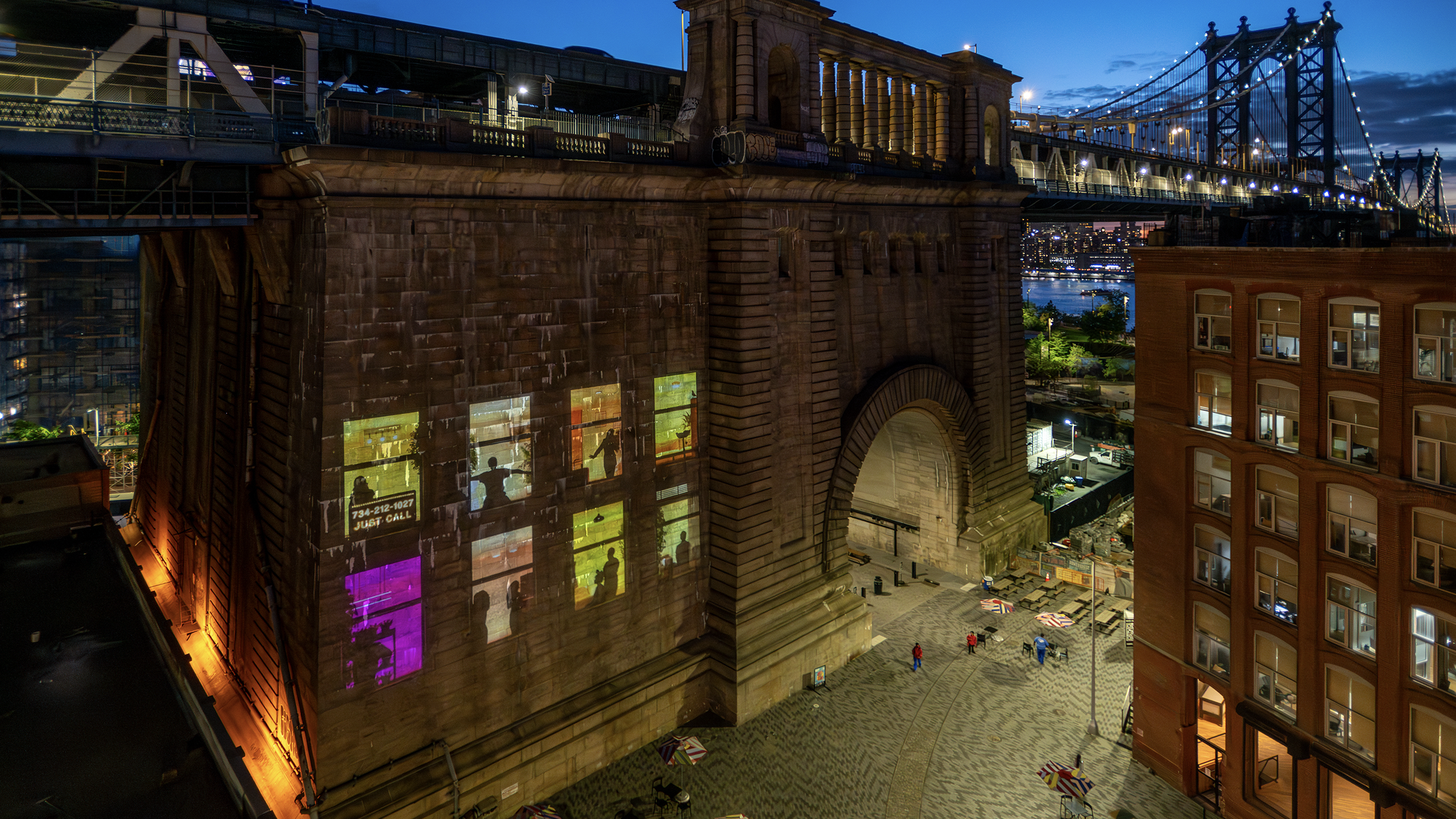
In a city saturated with image and movement, The Dumbo Projection Project offers a different kind of urban encounter; one where architecture becomes both surface and participant. Set against the infrastructure of bridges and highways, the works transform DUMBO into a shifting field of digital reflection, collapsing the distance between public space and artistic intervention.
The inclusion of interactive elements adds a further layer of openness, suggesting a future in which public art is no longer simply viewed, but entered and shaped. It is less about spectacle in the conventional sense and more about reimagining how digital culture can inhabit the physical city.
Haas Brothers: Uncanny Valley
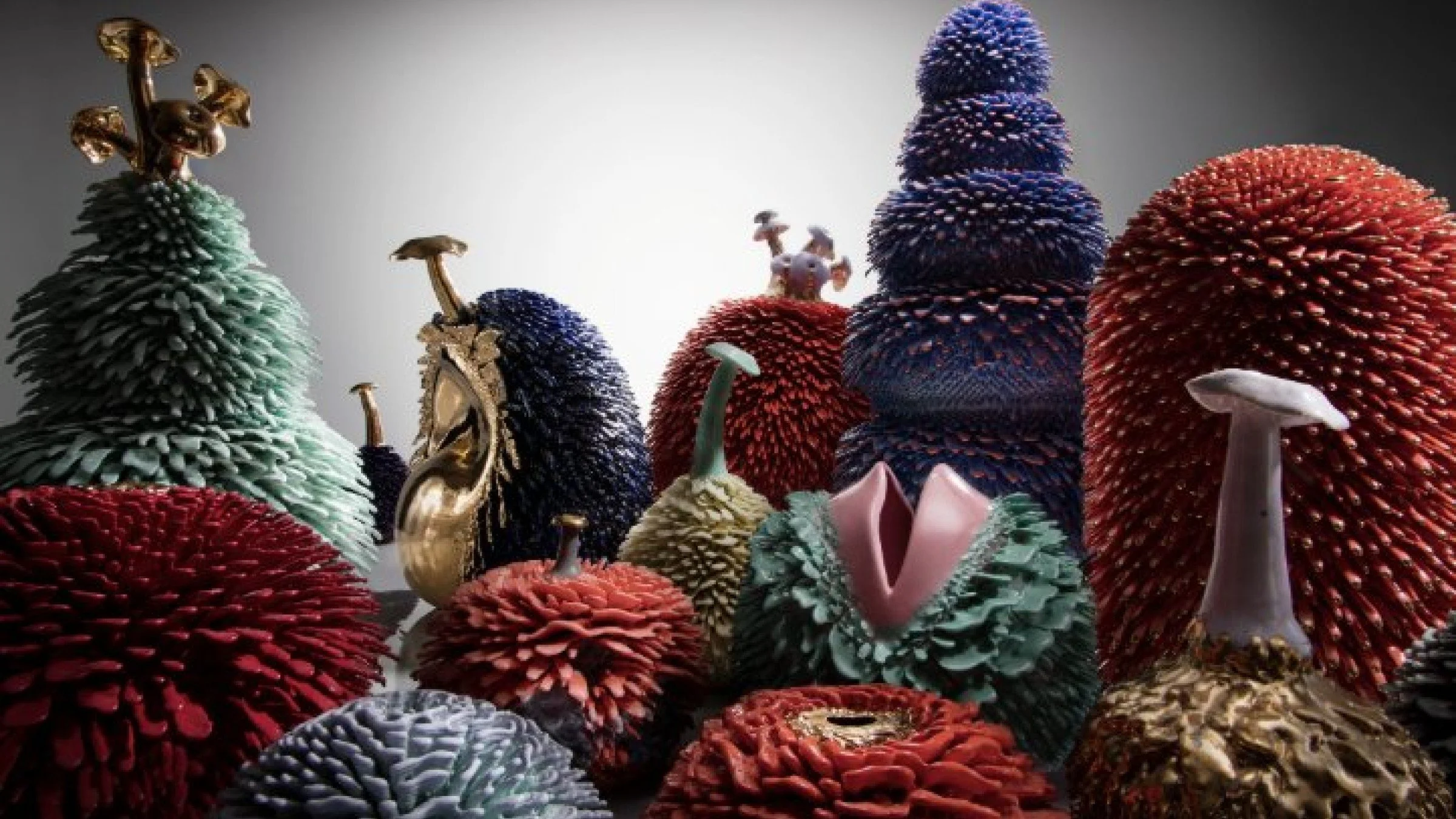
The Haas Brothers’ work sits in a deliberately unresolved space between design, sculpture and speculative storytelling. Uncanny Valley brings this ambiguity into focus, presenting a body of work that feels as much a constructed world as it does an exhibition.
What is most striking is the refusal to settle into a single discipline or visual language. Instead, the show moves between humour and intensity, craft and computation, familiarity and distortion. In doing so, it reflects a broader shift within contemporary design practice, towards hybridity, where objects are increasingly expected to carry narrative, emotion and digital logic simultaneously.
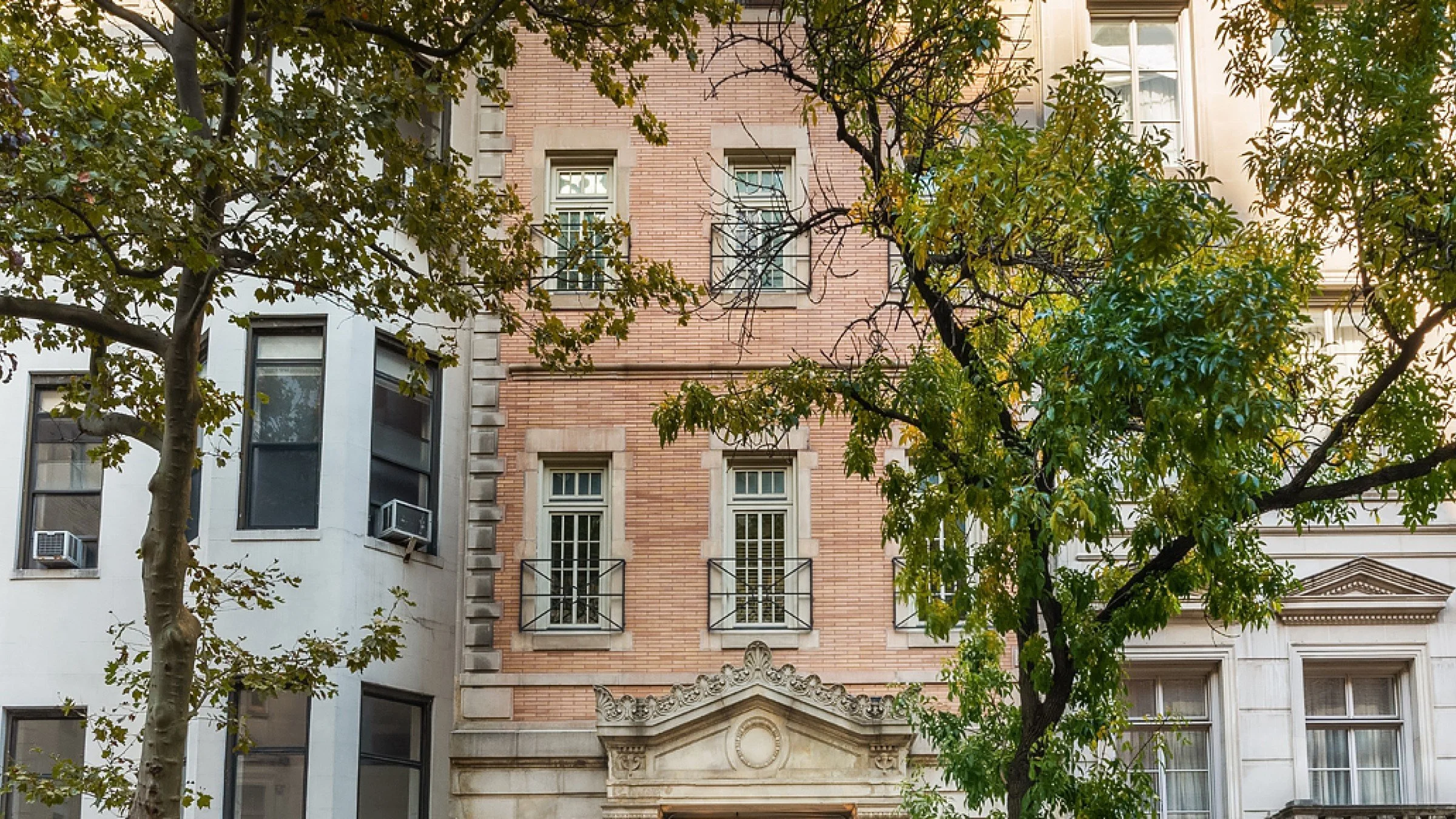
TOWNHOUSE x Costantini & SERHANT.
This townhouse installation speaks less to exhibition-making in the traditional sense and more to the evolving relationship between design, real estate and cultural staging. The residential setting is not treated as a backdrop, but as active material; a structure through which design is experienced in proximity rather than distance.
What is particularly notable is the emphasis on circulation: moving through the space becomes part of the curatorial rhythm, with each level offering a different register of intimacy and display. It reflects a growing trend in New York’s design ecosystem, where private domestic environments are increasingly being reframed as cultural platforms.
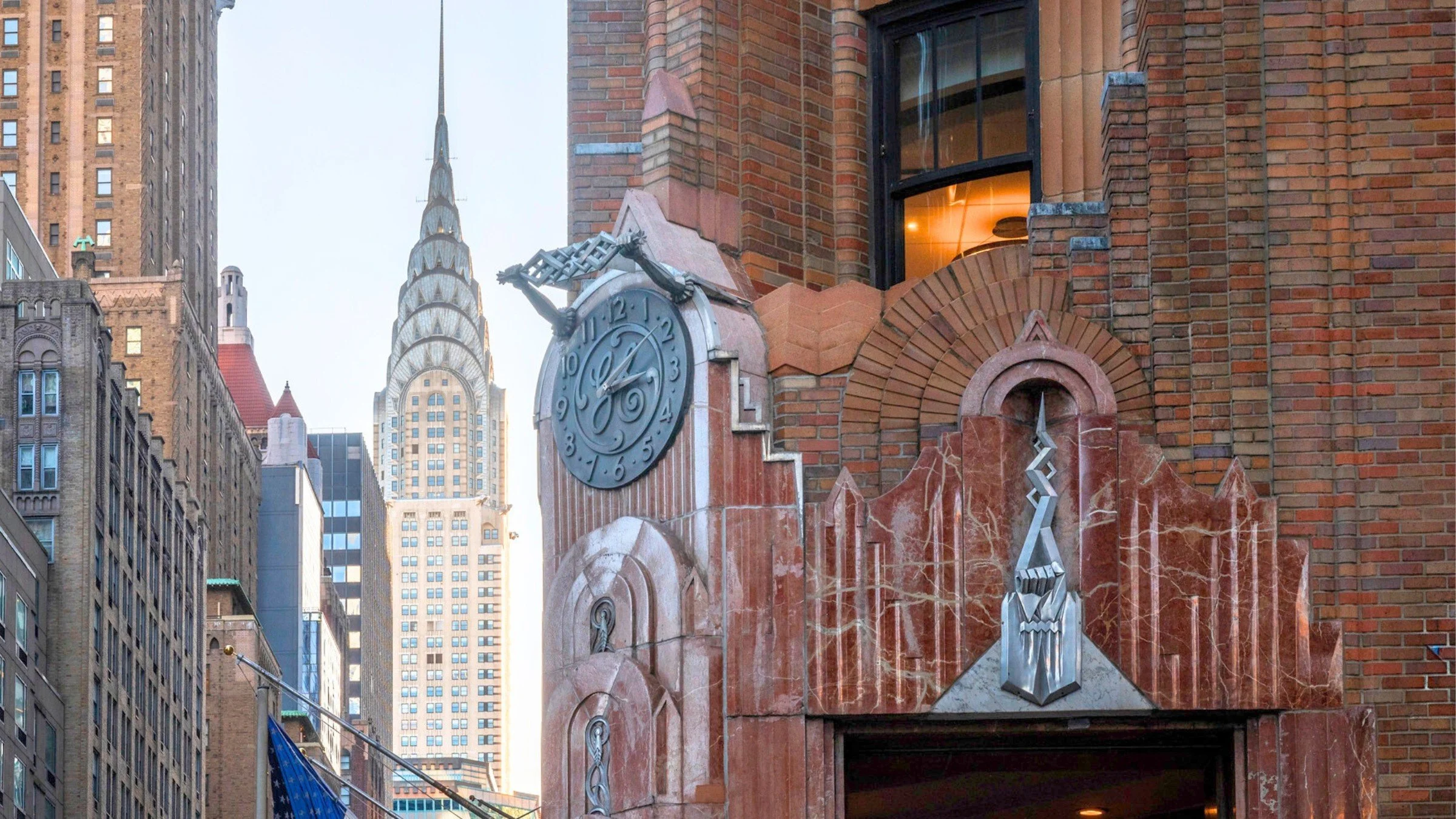
Art Deco Icons of NYC Tour
Rather than presenting Art Deco as a fixed historical moment, this route reframes it as still embedded in the city's operational fabric. These buildings are not treated as monuments alone, but as living components of a continually evolving urban language.
What becomes clear is how much of New York’s visual identity still rests on this period of architectural ambition, not only in its most famous landmarks, but in the quieter, often overlooked details that continue to shape the city’s rhythm, symbolism and spatial experience.
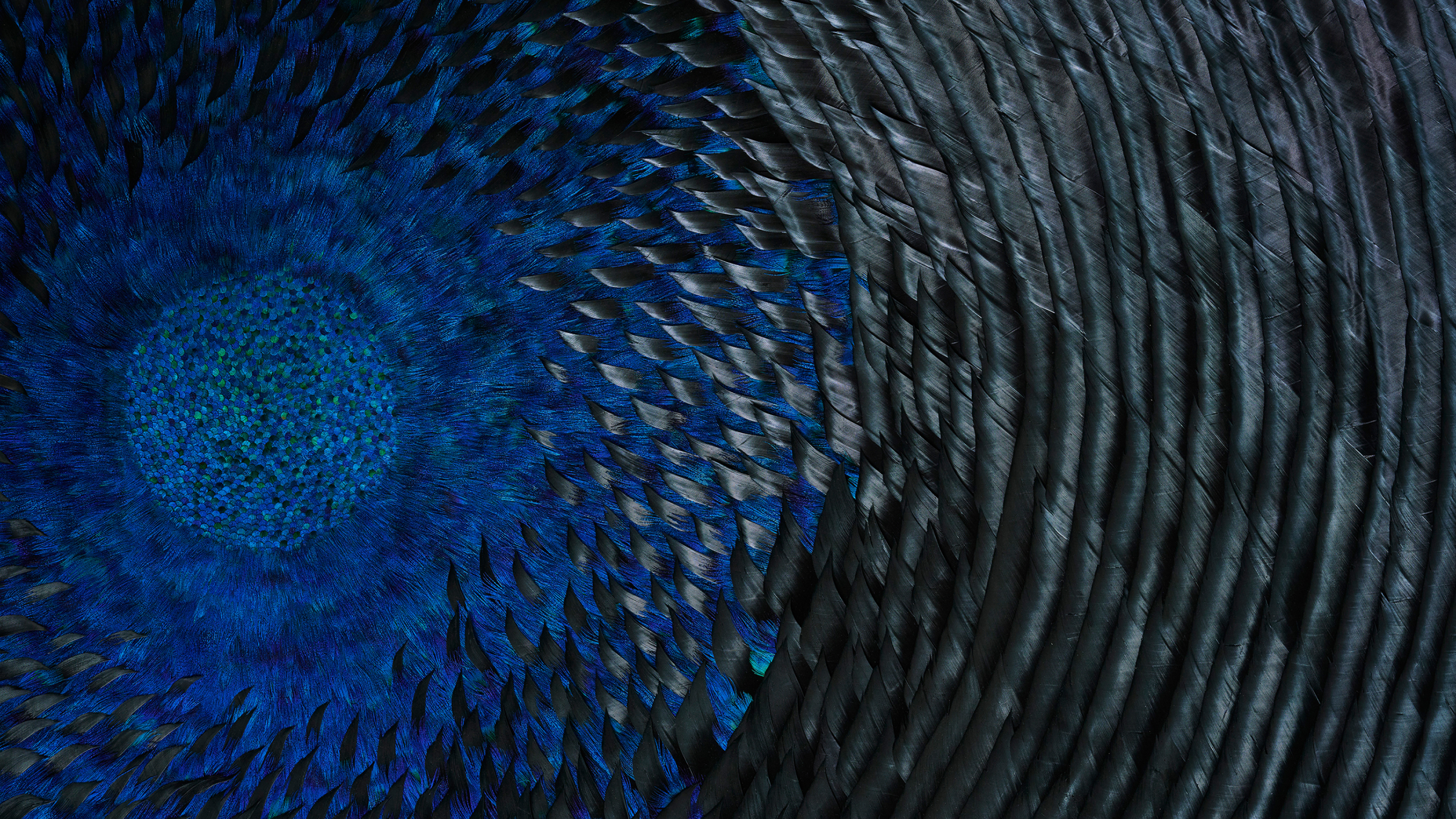
The Art of Feathers by Julien Vermeulen
There is a quiet intensity to Julien Vermeulen’s work that resists easy categorisation. Rather than positioning feathers as decorative material, the exhibition treats them as a medium for abstraction, something capable of depth, structure and emotional weight.
Seen in a New York context, the work takes on a particular clarity: it sits between craft tradition and contemporary art practice, yet never fully commits to either. Instead, it occupies a more ambiguous space, where material transformation becomes the central language of the work.
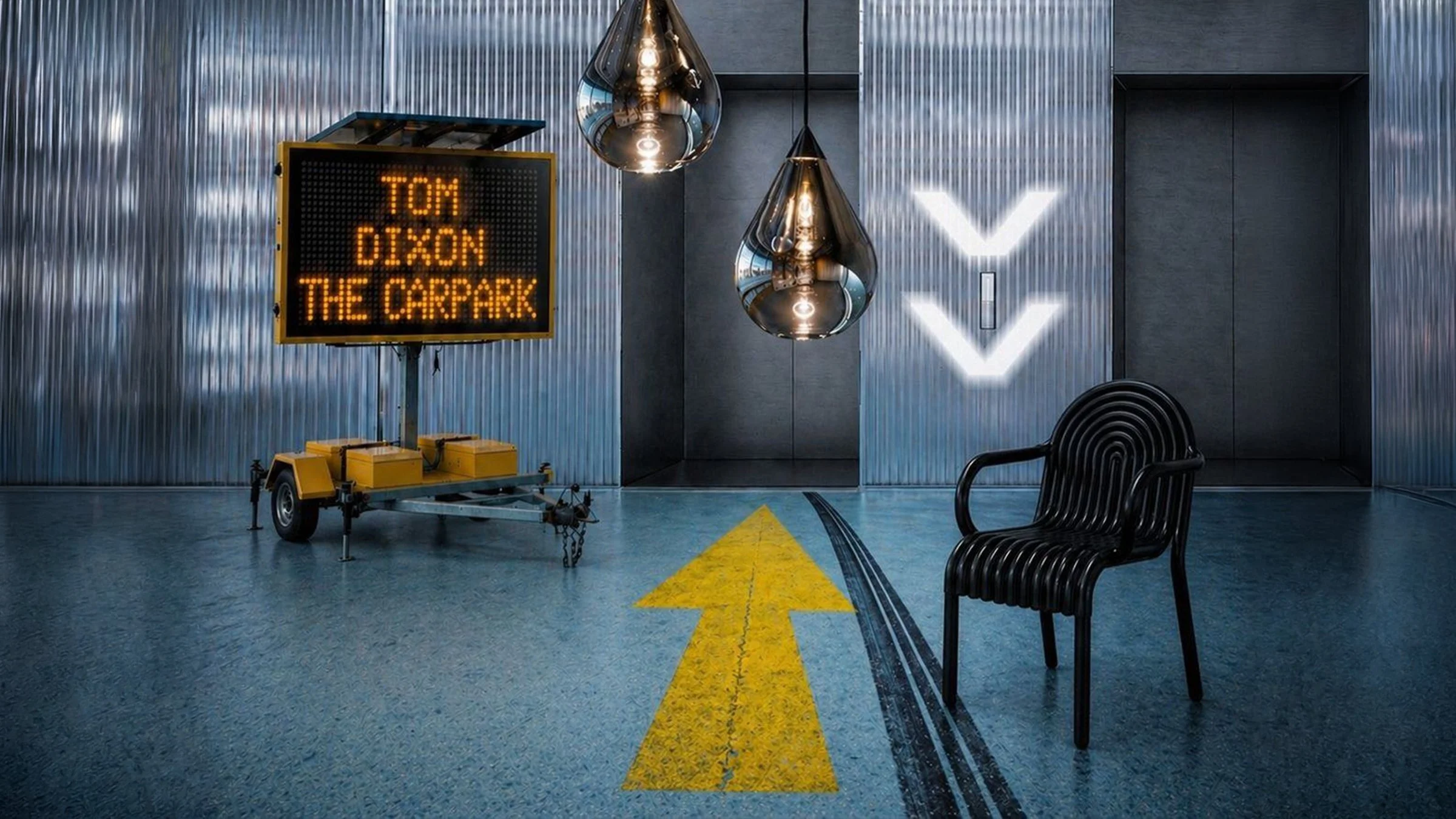
Tom Dixon: The Carpark
The decision to stage a presentation in a carpark feels entirely consistent with Tom Dixon’s long-standing interest in industrial space and material honesty. Here, context is not neutral — it actively shapes how the work is read.
Rather than a conventional showroom environment, the installation becomes a study in contrast: raw infrastructure against refined object, functional architecture against designed form. It reinforces a broader trajectory within Dixon’s practice — one that continues to explore how design behaves when removed from its expected domestic setting.
New Artists & Works (Twenty First)
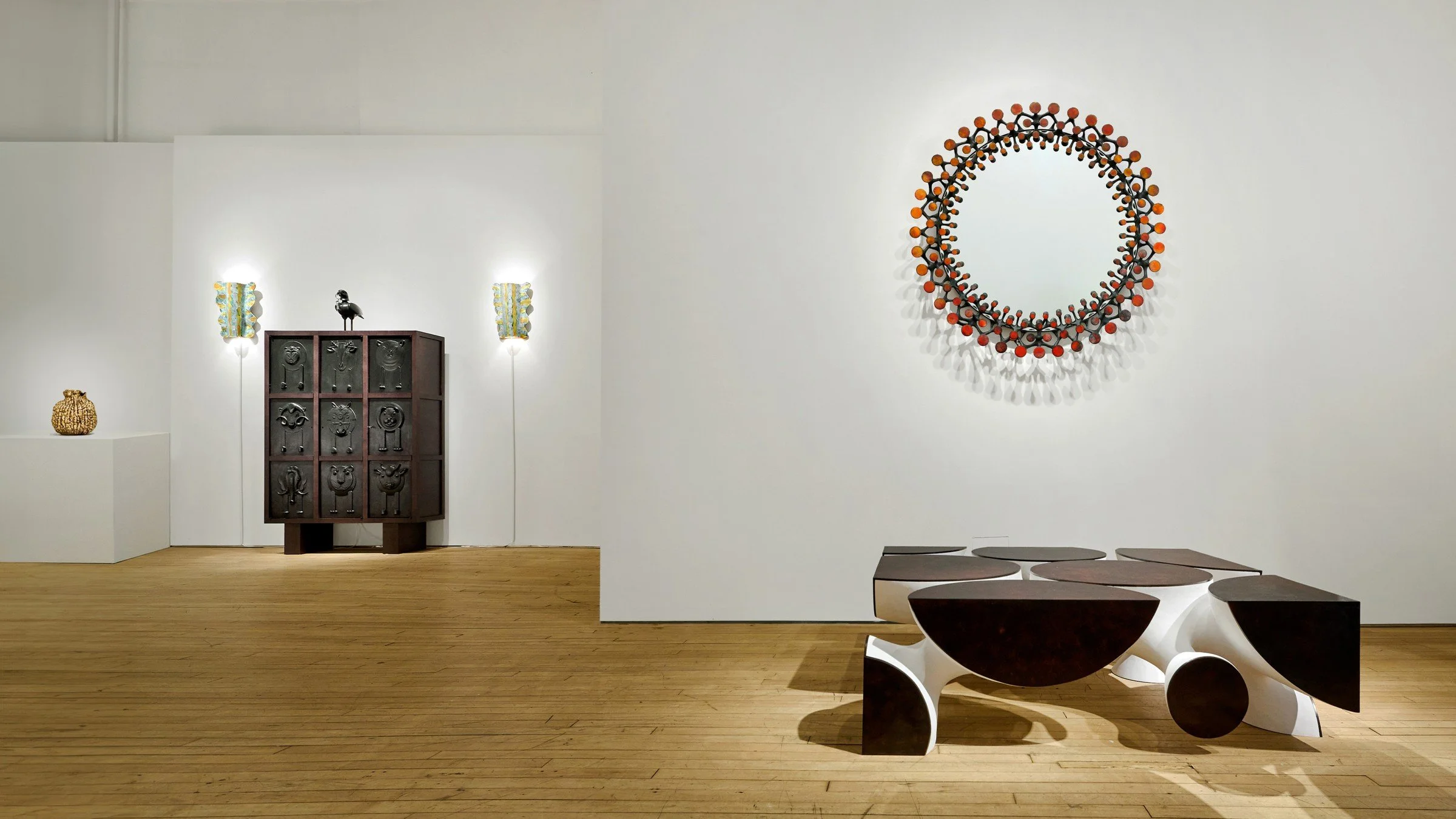
This presentation reflects a quieter but increasingly important strand within contemporary collectible design — one rooted in material investigation rather than spectacle. Across the works, there is a clear emphasis on process: surfaces that record labour, forms that reveal construction, and materials that resist over-definition.
What connects the selection is not style, but sensibility — a shared interest in how objects are made, and what those processes leave behind. In this sense, the exhibition feels less like a statement and more like a survey of contemporary making at its most attentive and considered.
Look Book Offsite (ICFF x AvroKO)
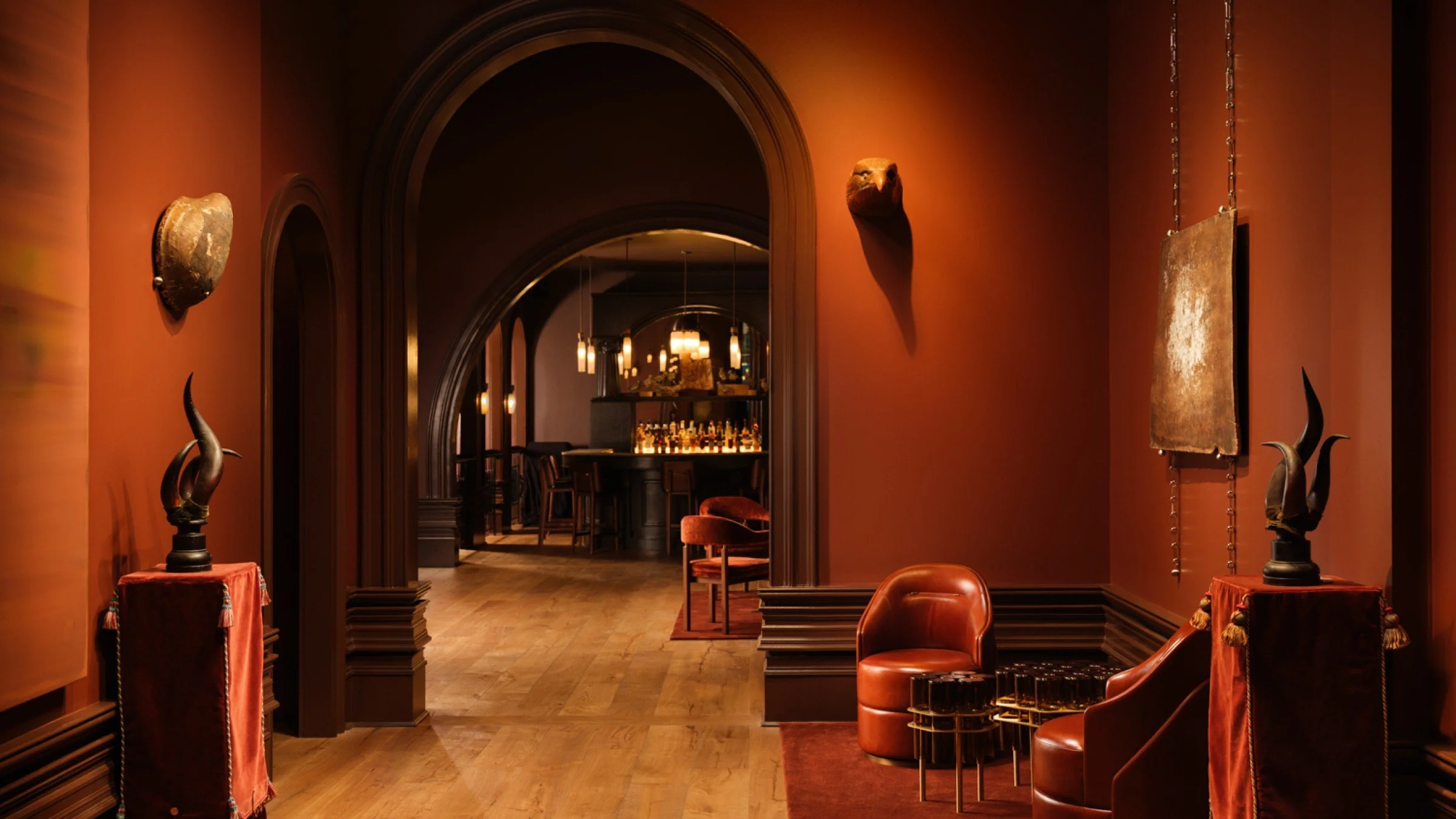
What distinguishes this presentation is its scale of intimacy. Removed from the fair environment, the exhibition allows the work to breathe differently — less as product and more as proposition.
There is a clear emphasis on material exploration and form, but equally on context: how design behaves when placed in a setting designed for conversation rather than commerce. It reflects a growing interest within the North American design scene in softer, more experiential modes of presentation.
Taken together, these projects reflect a broader shift in how design is experienced in New York; less as a series of isolated exhibitions and more as a continuous exchange among disciplines, materials and ideas. NYCxDESIGN continues to serve as a barometer of where contemporary design is heading, revealing a city where experimentation and industry sit side by side comfortably. For further coverage, highlights and in-depth editorial features from NYCxDESIGN 2026, visit the Martyn White USA website.
More Stories
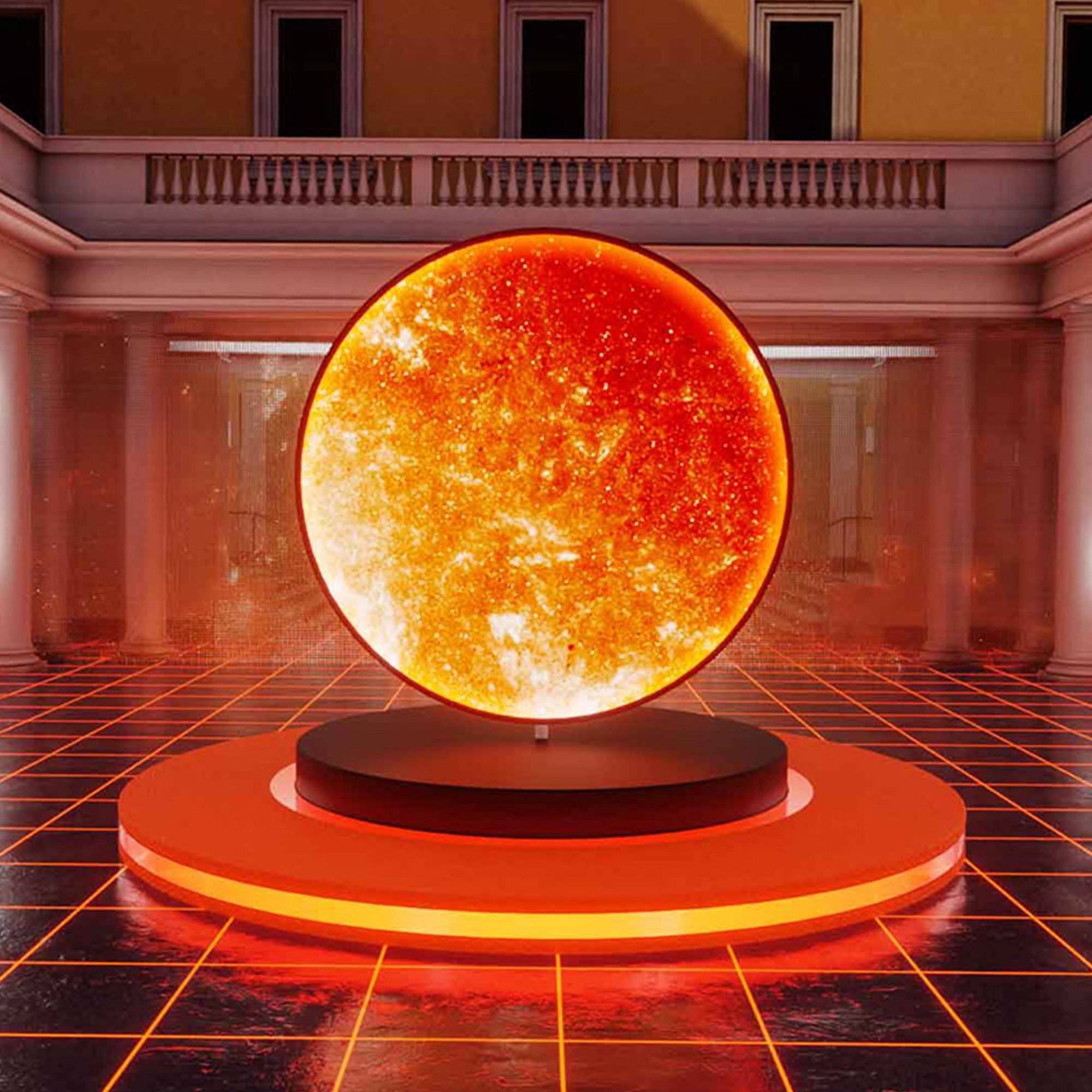
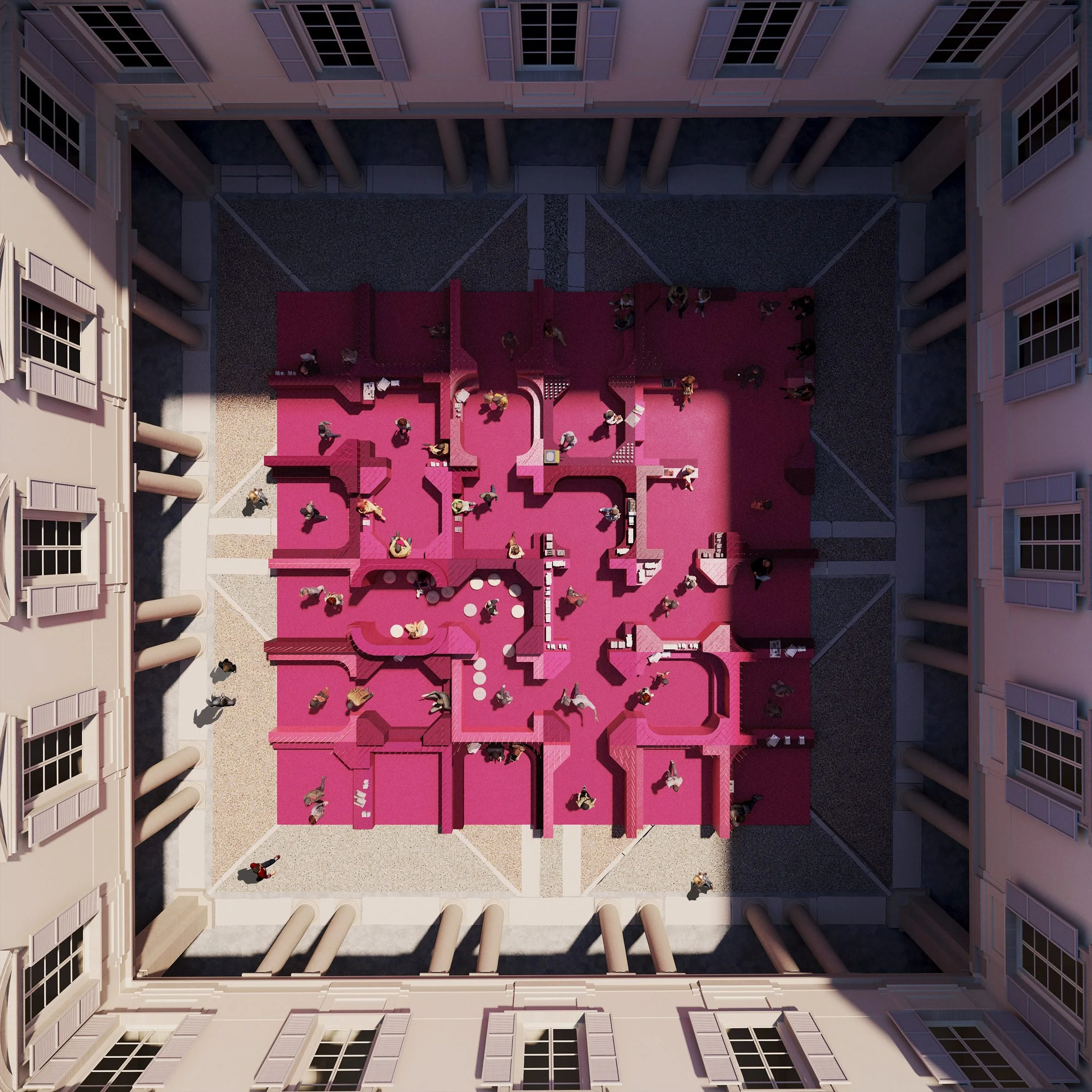

NYCxDesign 2026 transforms New York into a citywide design platform, spanning exhibitions, installations and collaborations that explore material, craft and spatial innovation, offering insight into where contemporary design is heading globally.