
Ransome’s Wharf: Rewriting Battersea’s Riverside Narrative
Where heritage, craftsmanship and contemporary design converge to create a new cultural and residential landmark in Battersea’s Creative Quarter.
There are moments in London’s evolution when past and present align with quiet precision. Not loudly, not theatrically, but with a sense of inevitability. Ransome’s Wharf is one of those moments.
Positioned along a stretch of the Thames once defined by industry and engineering, this new riverside development in Battersea does not attempt to erase what came before. Instead, it builds upon it; thoughtfully, deliberately, drawing from the site’s industrial legacy to shape a contemporary story of design, craft and place.
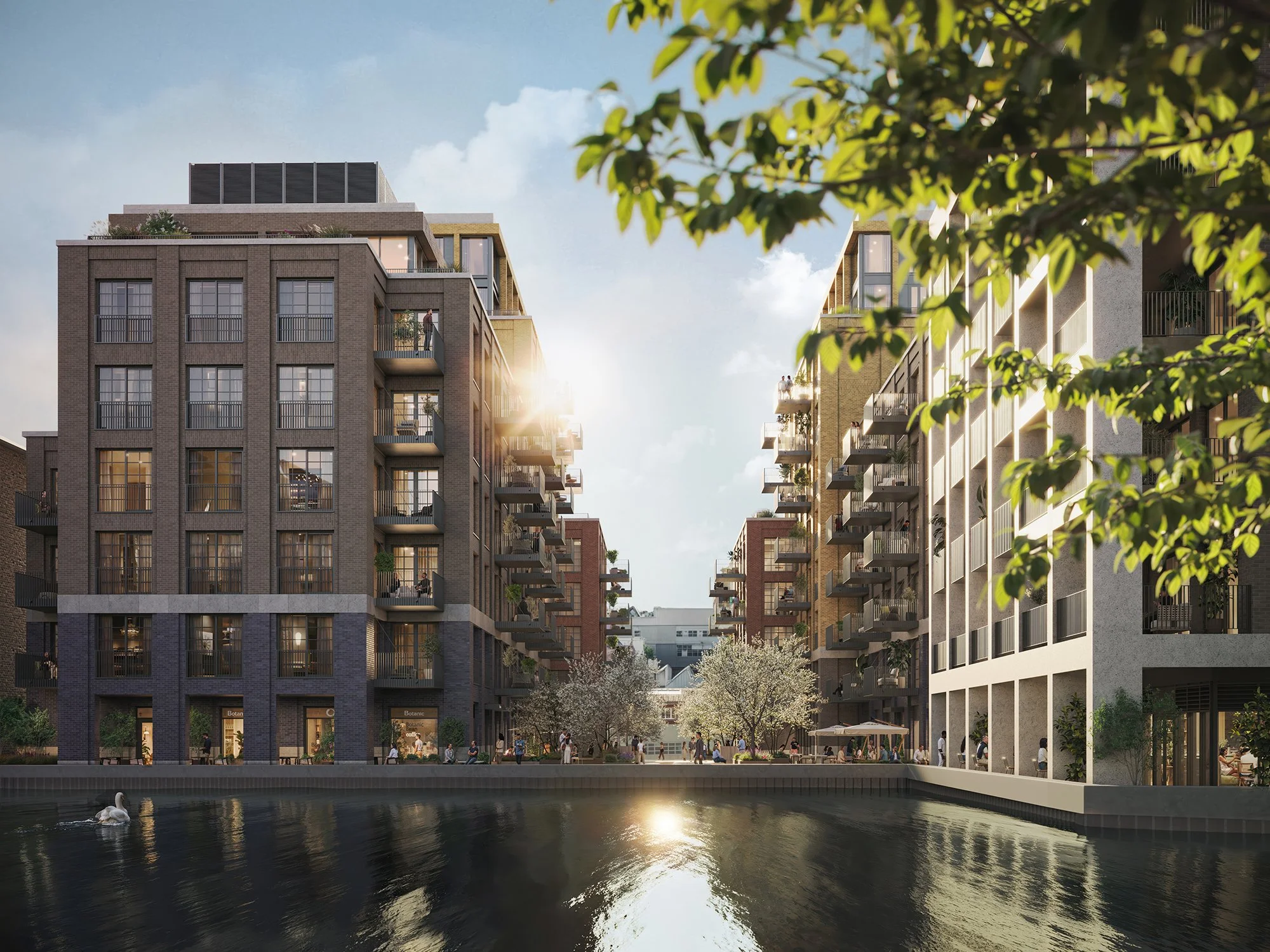
The 1.6-acre site, formerly home to Ransome & Co., sits just south of Chelsea, framed by the elegance of Albert Bridge and the understated rhythm of Battersea Bridge. It is a part of London where creative energy has long been embedded in the fabric of its streets, from nearby design studios to celebrated ateliers, yet until now, its riverside potential has remained partially concealed.
Ransome’s Wharf changes that.
At its core, the development is a careful act of reconnection. Not only reconnecting the neighbourhood with the Thames through the completion of a previously fragmented riverside path, but also restoring the natural movement of water into Ransome’s Dock for the first time in decades. This gesture, both functional and poetic, speaks to a broader ambition, to reinstate the dialogue between land, water and architecture.
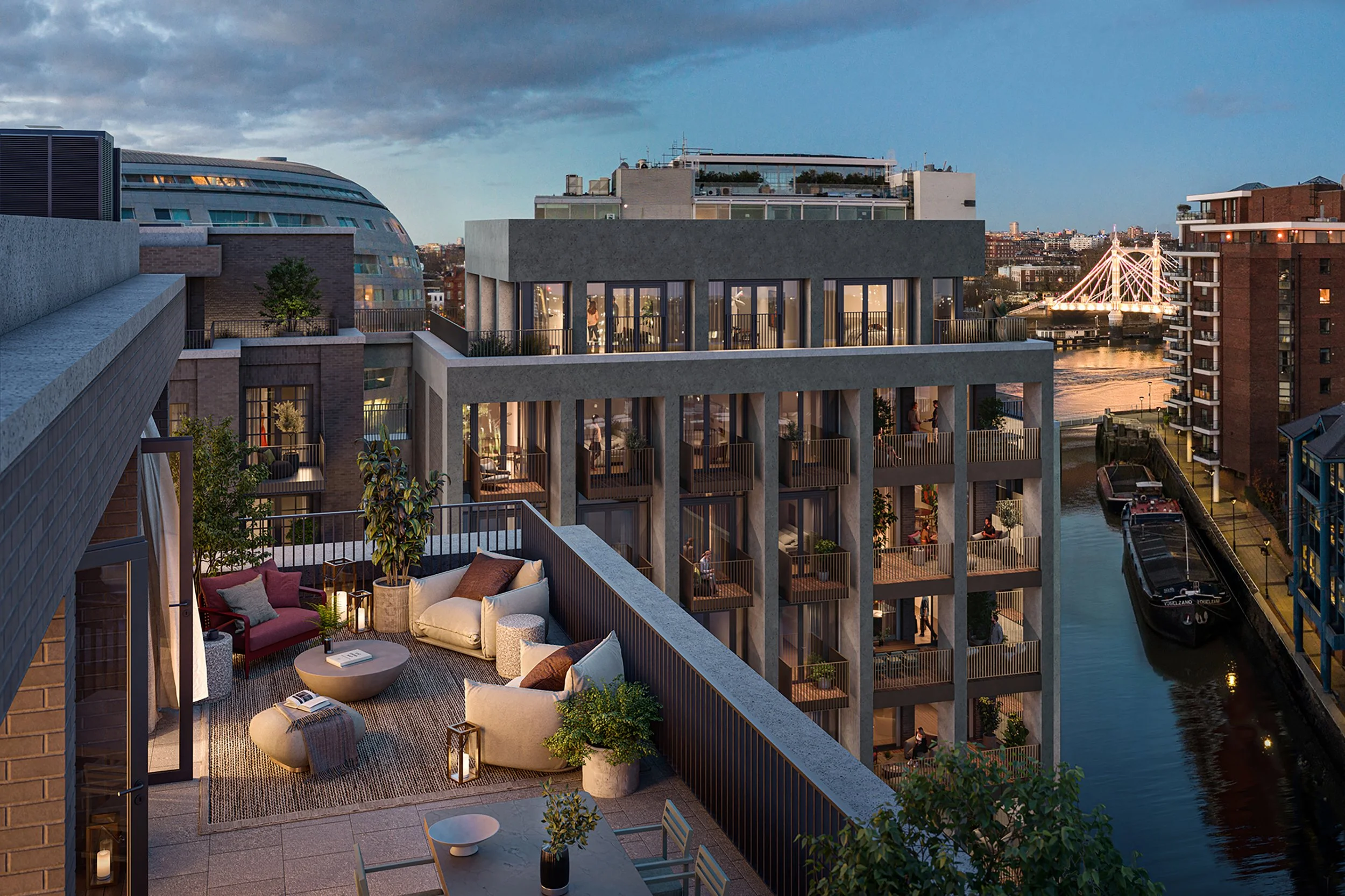
Composed of 118 homes across five buildings, the scheme adopts a language that feels both rooted and refined. The architectural approach, initially conceived by Fourfoursixsix and guided forward by a commitment to detail and buildability, draws on the enduring appeal of warehouse typology. There is a clarity in its expression: robust brickwork, disciplined proportions, metal detailing, yet these elements are softened through careful modulation of light, material and form.
It is this balance that defines the project. Not nostalgia, but interpretation.
The homes themselves reflect a deeply considered approach to contemporary living. Each residence is designed to maintain a meaningful relationship with the outdoors, through balconies, terraces or access to landscaped gardens. The river becomes more than a view; it becomes part of daily experience. Light enters generously, spaces unfold intuitively, and the architecture recedes just enough to allow life to take focus.
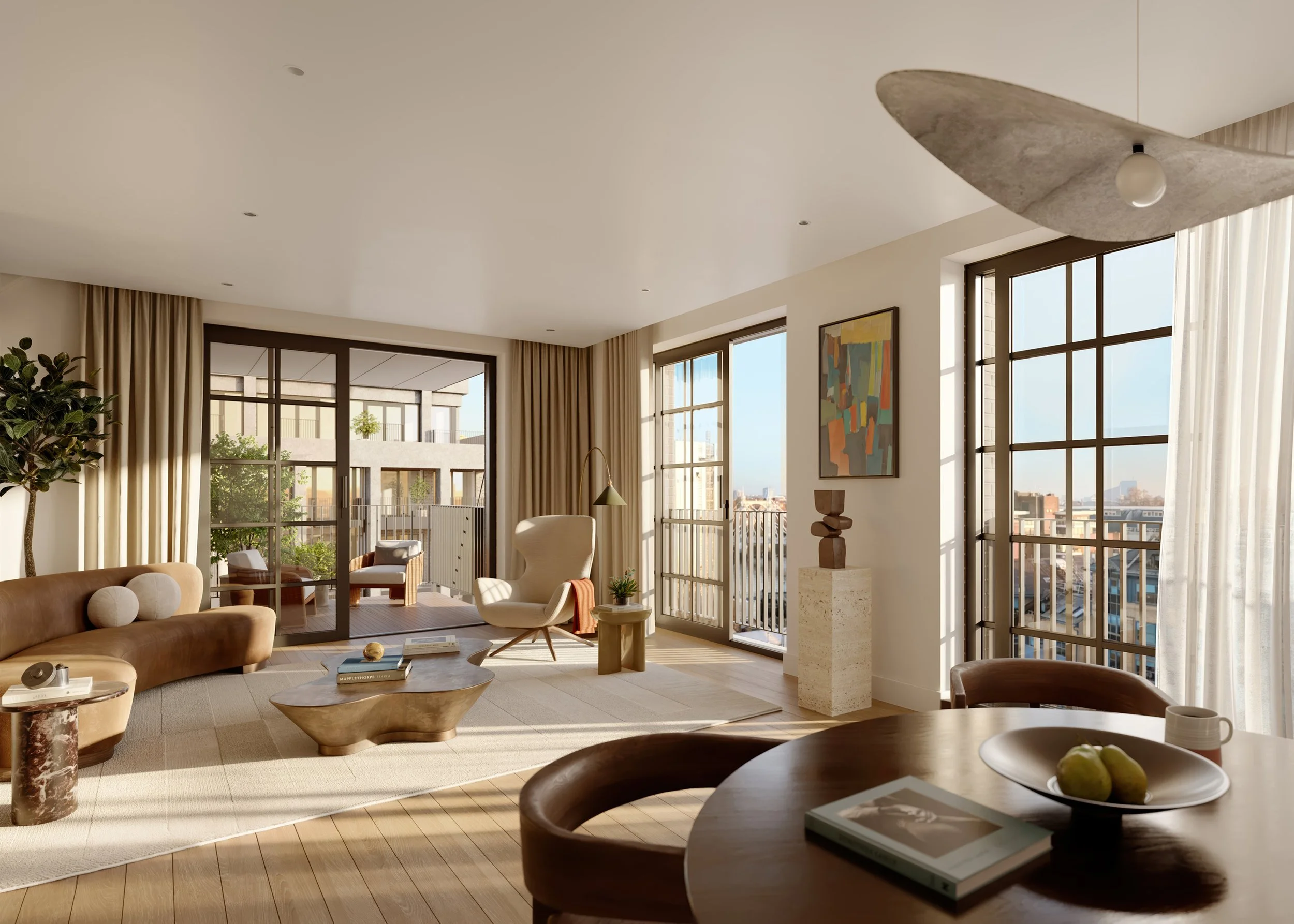
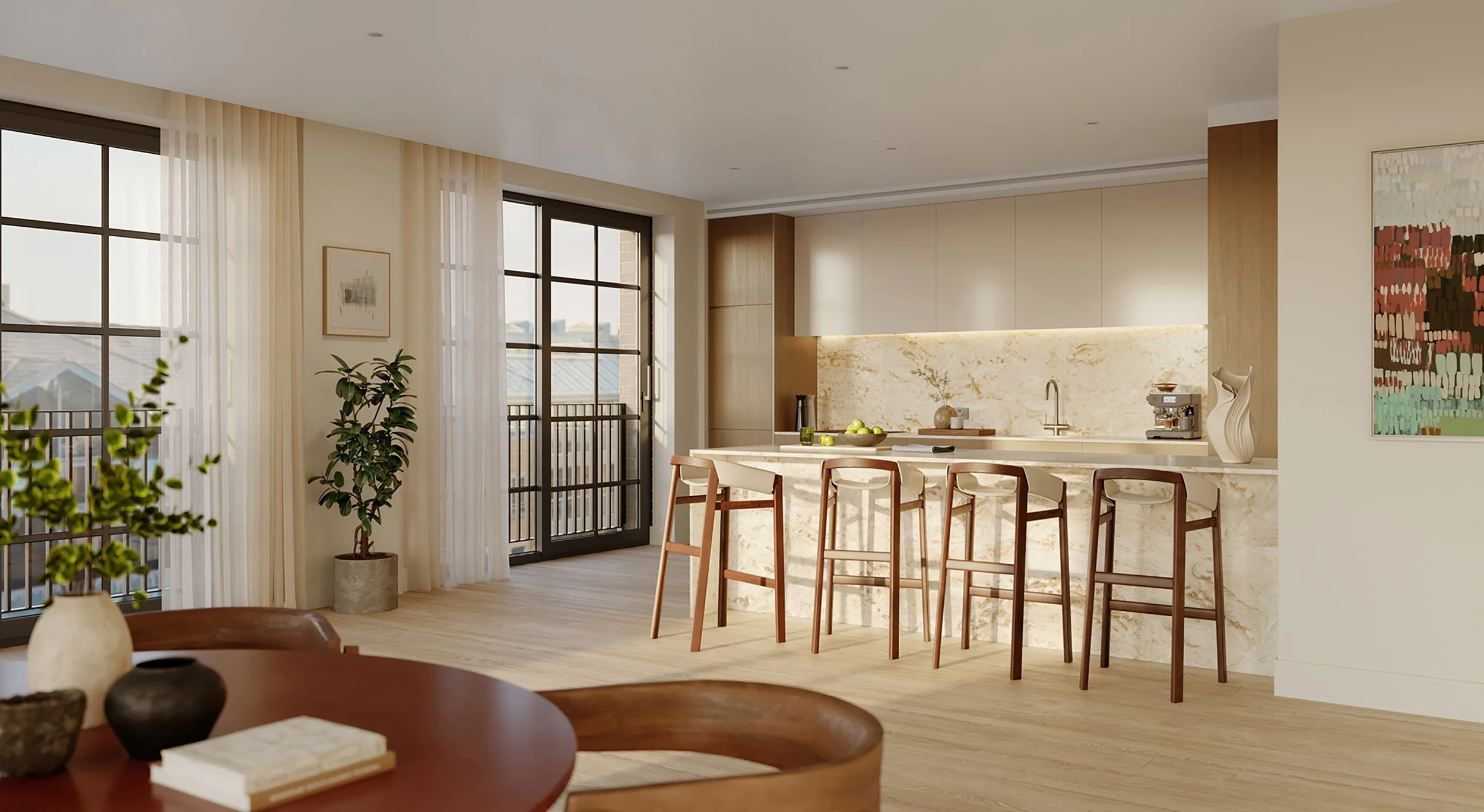
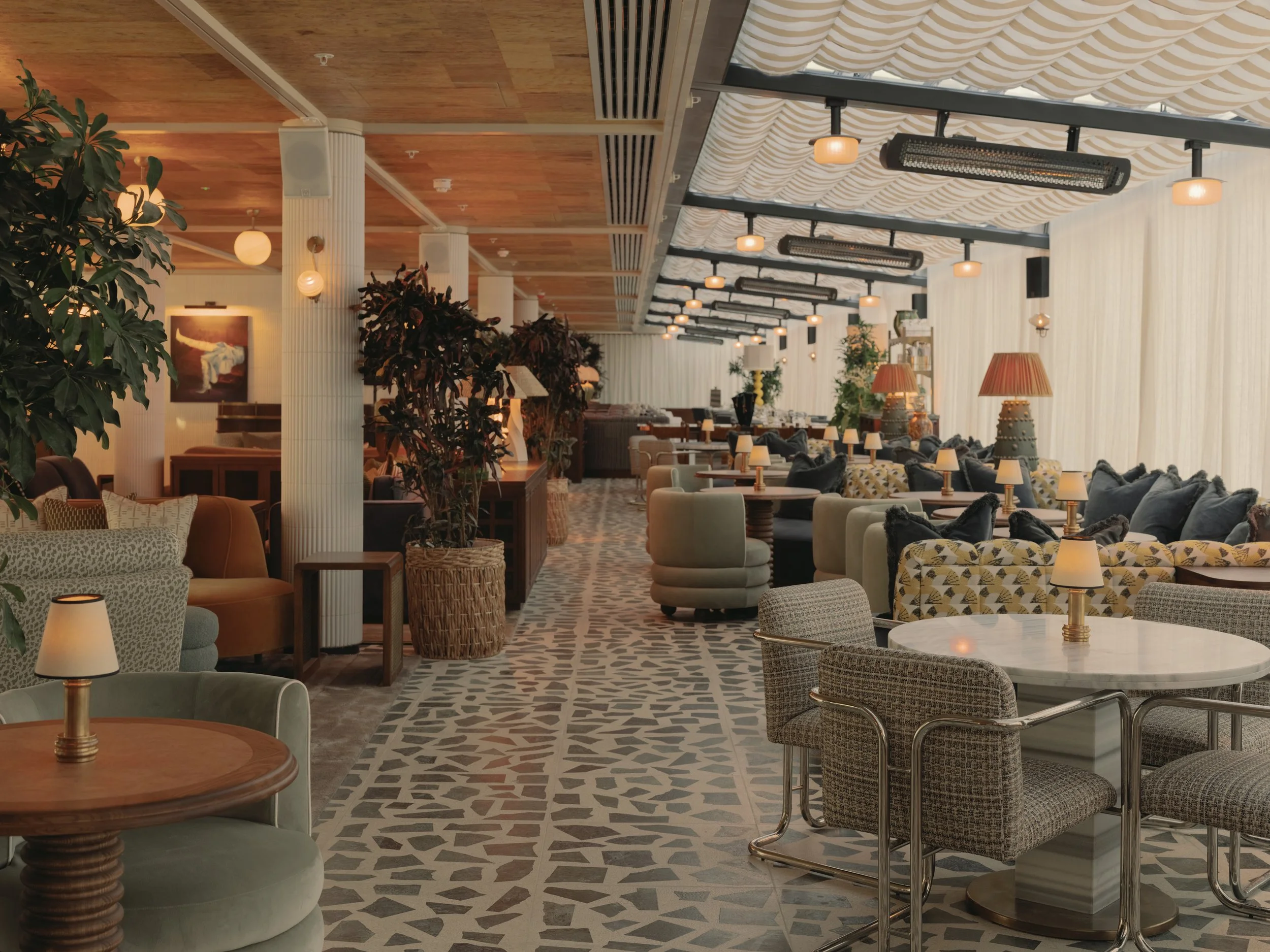
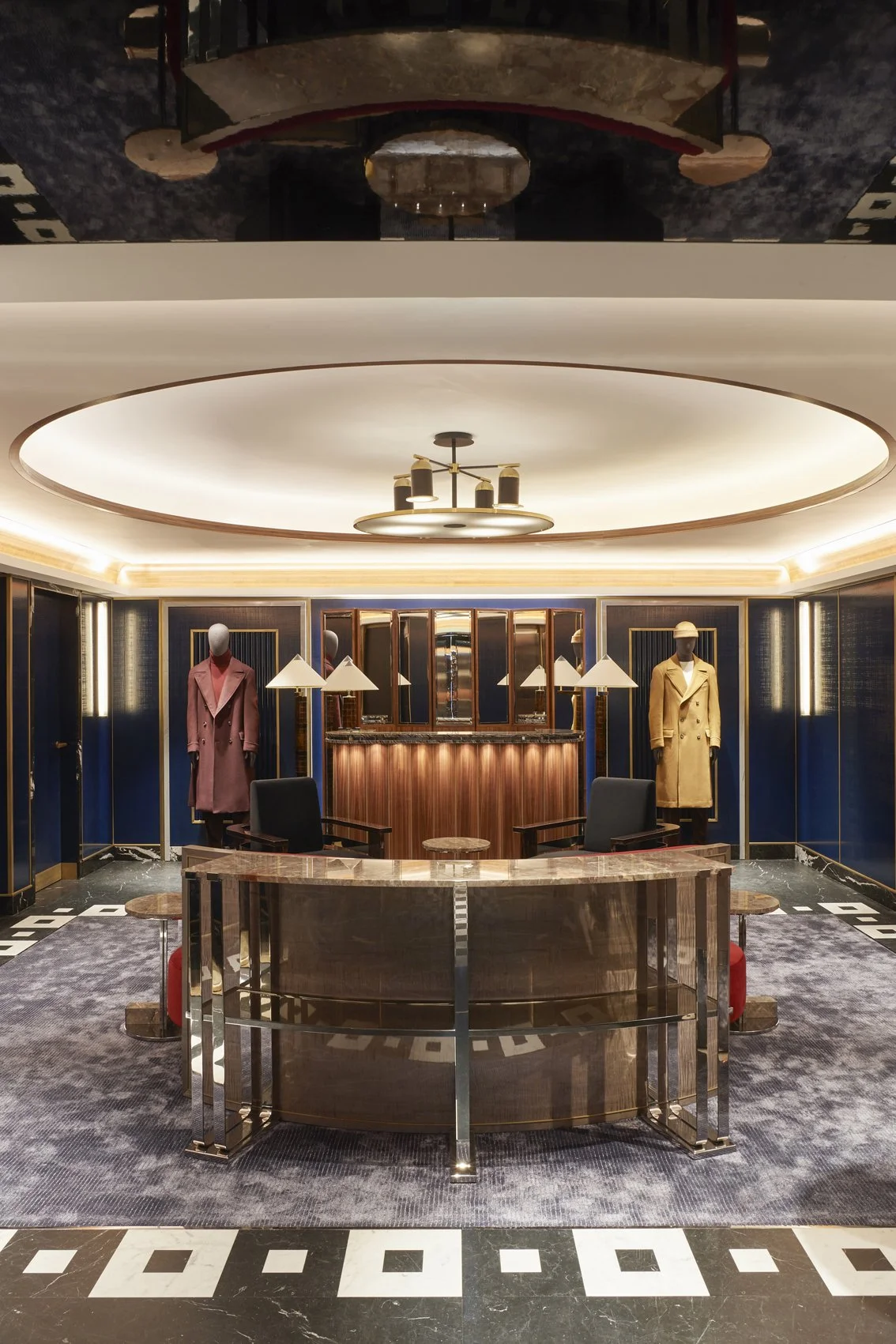
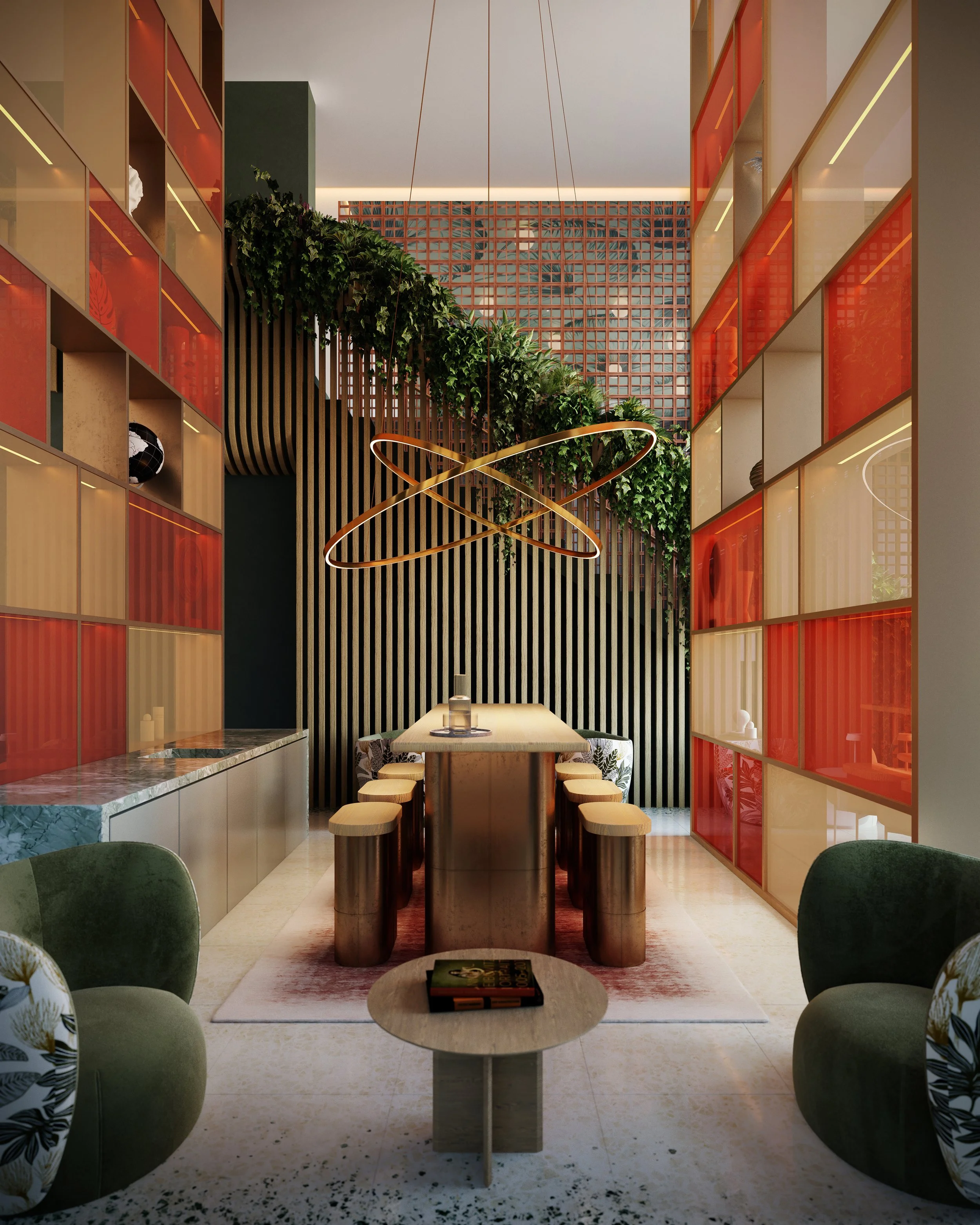
Internally, the narrative continues through the work of British design studio Echlin. Their approach is not one of overt statement but of quiet layering. Drawing from Battersea’s dockside context and creative heritage, the interiors are defined by natural materials, restrained palettes and an emphasis on proportion.
There is a calmness here; a sense of permanence that resists fleeting trends. Texture replaces ornament, craftsmanship replaces excess. It is a design that prioritises longevity, creating homes that feel enduring rather than momentary.
This design philosophy extends beyond the private realm. At ground level, Ransome’s Wharf introduces a curated mix of restaurants, cafés and leisure spaces arranged around a new public plaza. More than 19,000 square feet of commercial space will bring a rhythm of activity to the development, establishing it as both a destination and a neighbourhood anchor.
The atmosphere is envisioned as distinctly refined; a subtle merging of Chelsea’s elegance with Battersea’s creative edge. It is not about spectacle, but about creating an environment that feels instinctively right, where design supports experience rather than dominating it.
Residents are offered a suite of considered amenities, including concierge services, secure underground parking and access to communal courtyards. Yet these features are integrated with discretion, ensuring that the focus remains on spatial quality and the wider architectural narrative.
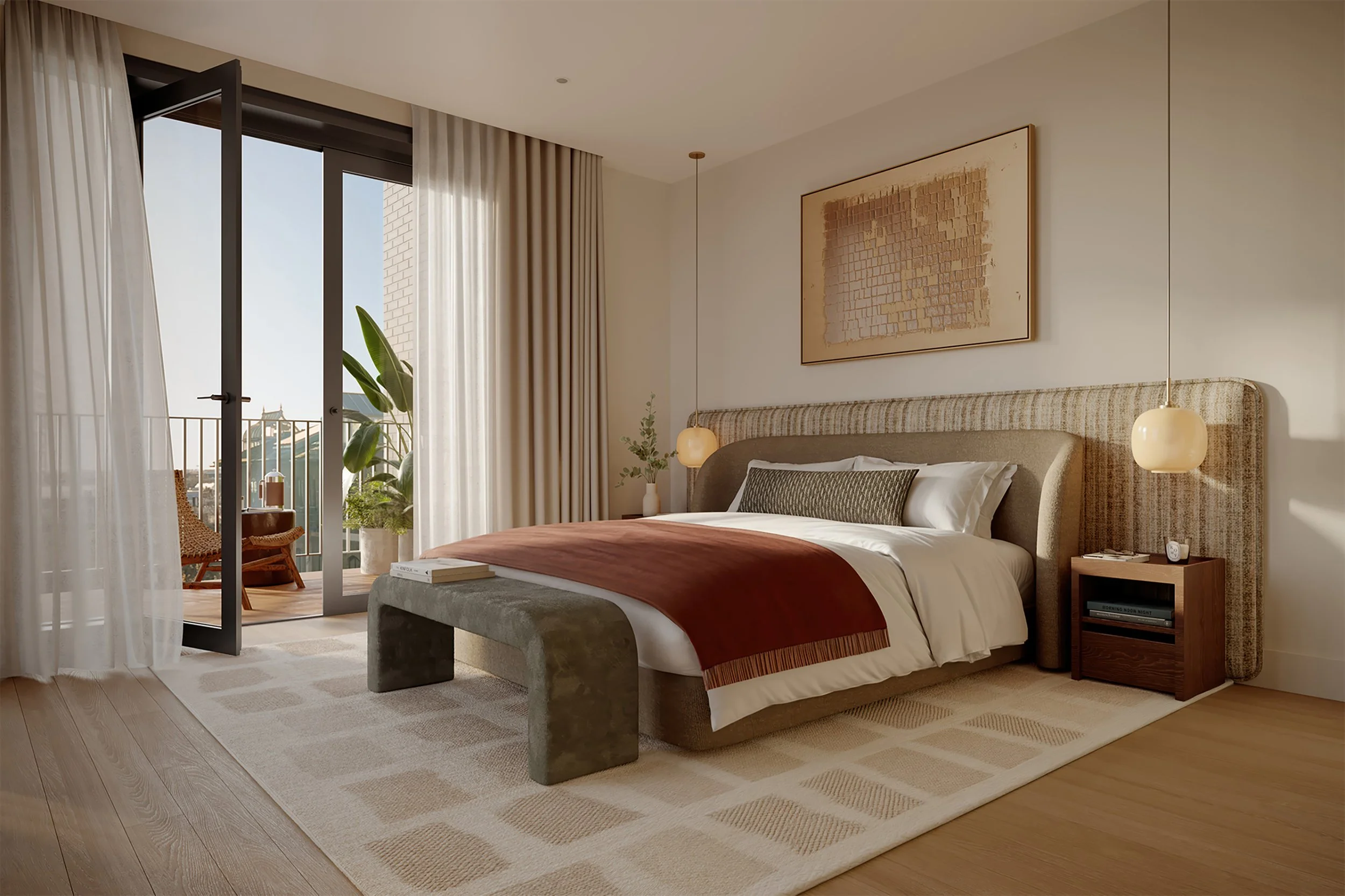
Beyond its physical presence, Ransome’s Wharf occupies a meaningful cultural position within Battersea’s Creative Quarter. Surrounded by institutions such as Foster + Partners and the Royal College of Art, the area has long been synonymous with innovation and design thinking. This development does not attempt to define that identity; it contributes to it.
There is a confidence in that restraint.
What ultimately distinguishes Ransome’s Wharf is its commitment to craft, not only in material terms, but in the way the entire scheme has been conceived. From the careful restoration of the dock to the layering of spaces and experiences, every element feels considered. Every decision aligns with a broader vision of what contemporary riverside living can be.

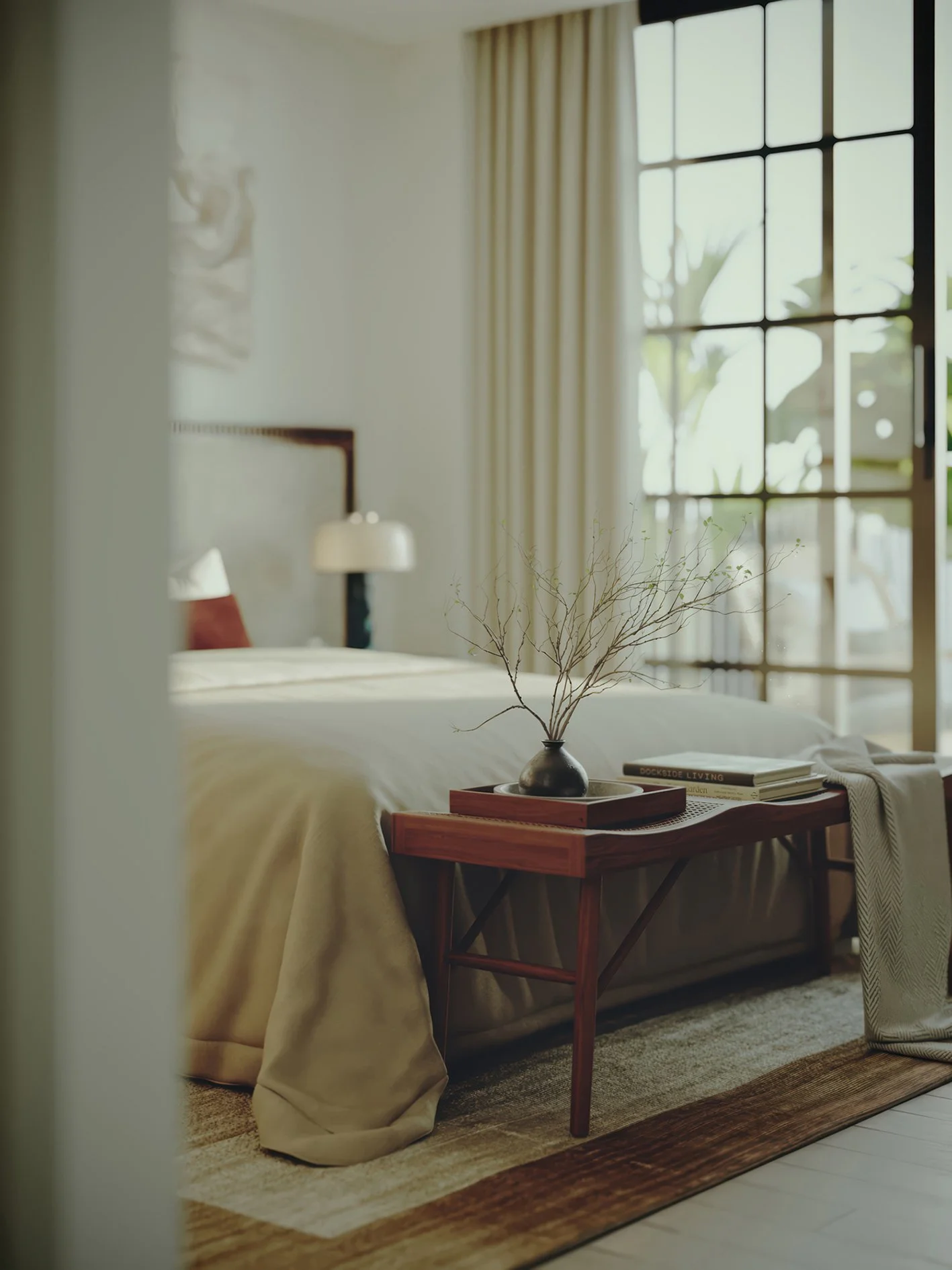
It is not about creating an icon. It is about creating a place.
A place where history is acknowledged but not constrained by it. Where architecture responds to context rather than competing with it. Where interiors speak quietly but with clarity. And where the everyday experience of living, light, air, water, movement, becomes the defining design feature.
In a city that is constantly reshaping itself, Ransome’s Wharf feels measured. Intentional. Grounded.
And in that, it offers something increasingly rare in London’s residential landscape: a sense of continuity.
More Stories
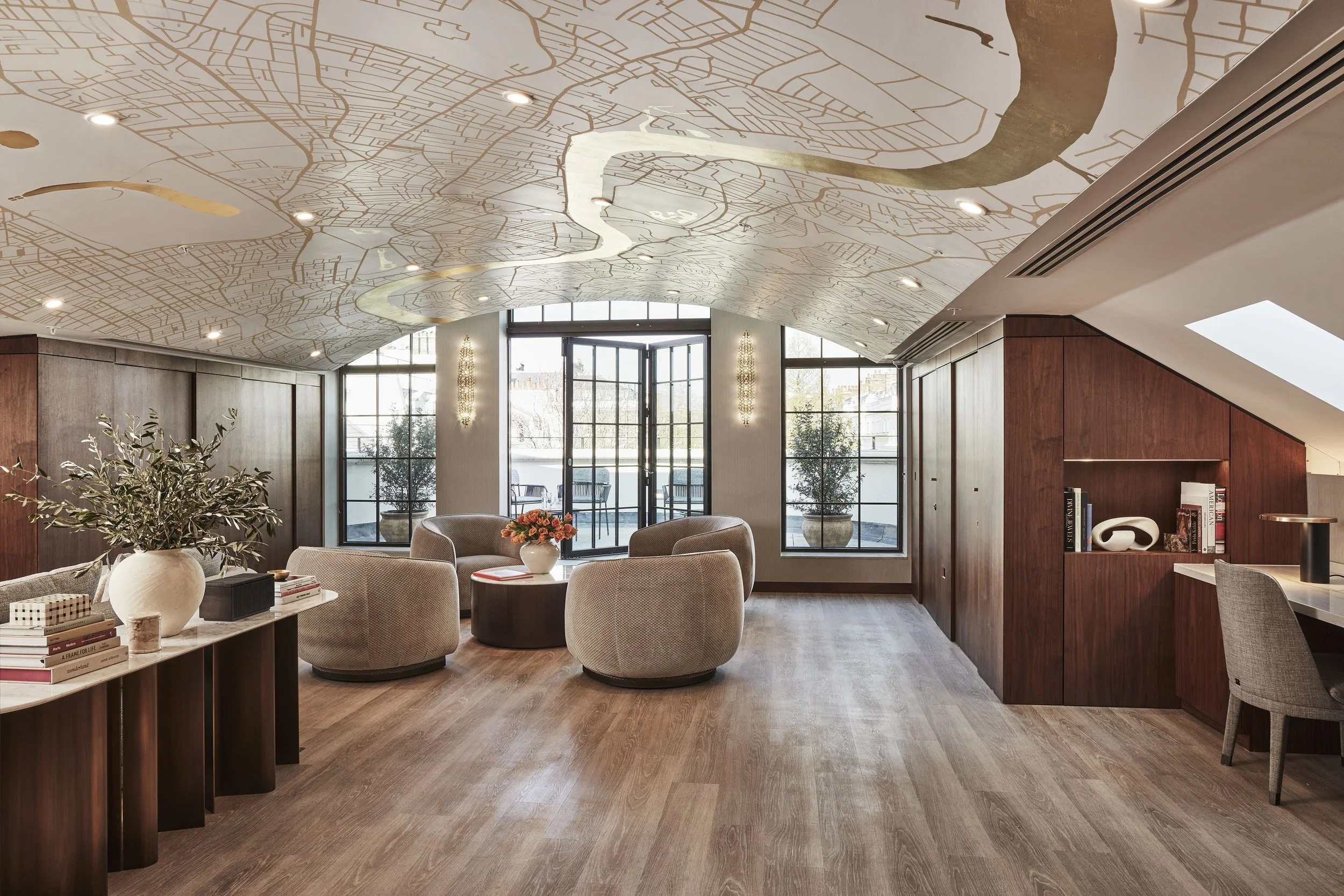
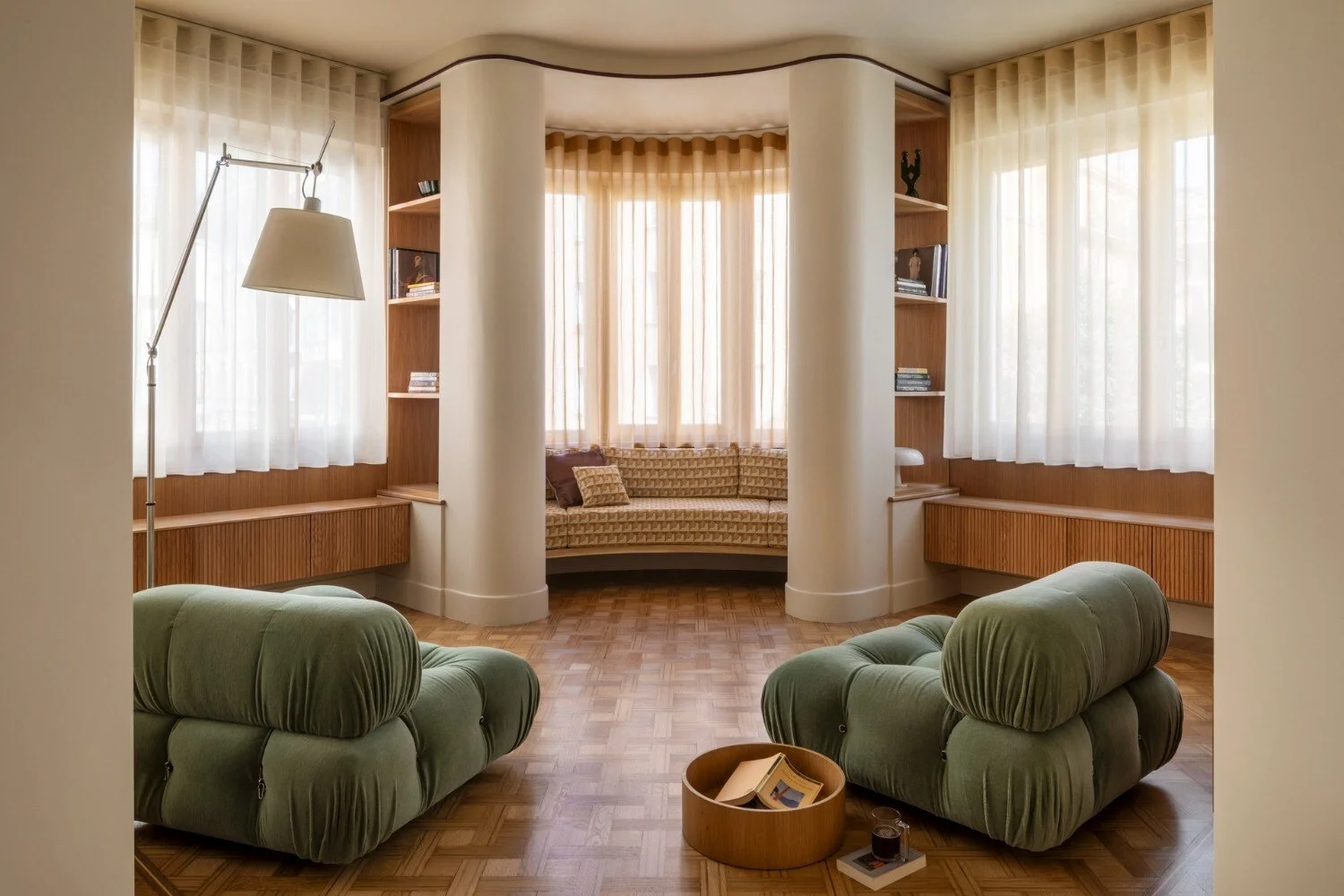



Ransome’s Wharf reshapes Battersea’s riverside through design, heritage and craft, reconnecting the Thames with contemporary living in a refined, quietly confident development rooted in London’s creative culture.