
WOW!house 2026: A Room by Room Guide
Each year, WOW!house at Design Centre, Chelsea Harbour further establishes itself as one of the most anticipated moments in the global design calendar. More than an exhibition, it is a fully realised showhouse built from the ground up, offering an immersive journey through contemporary interior design at its most ambitious. What continues to strike me most, however, is its constant evolution. Year on year, it refines, experiments and surprises, consistently raising the bar through a roster of exceptionally talented designers, each bringing their own narrative to life. It is this collective energy, the meeting of craft, creativity and collaboration, that keeps drawing me back. I say this every year, but it genuinely does get better and better.
Now in its fifth edition, WOW!house 2026 feels particularly assured, with a quiet confidence running throughout. The balance between heritage and innovation is especially compelling, with a clear reverence for craftsmanship and history matched by a willingness to embrace technology, atmosphere and experience. Advanced lighting, audio and smart-home systems are seamlessly integrated rather than treated as afterthoughts. Above all, this is a showhouse defined by feeling. Rooms are not simply seen; they are experienced, unfolding slowly, revealing hidden layers and intimate moments, and it is this emotional resonance that elevates WOW!house far beyond a traditional showcase.
Arrival: Setting the Tone
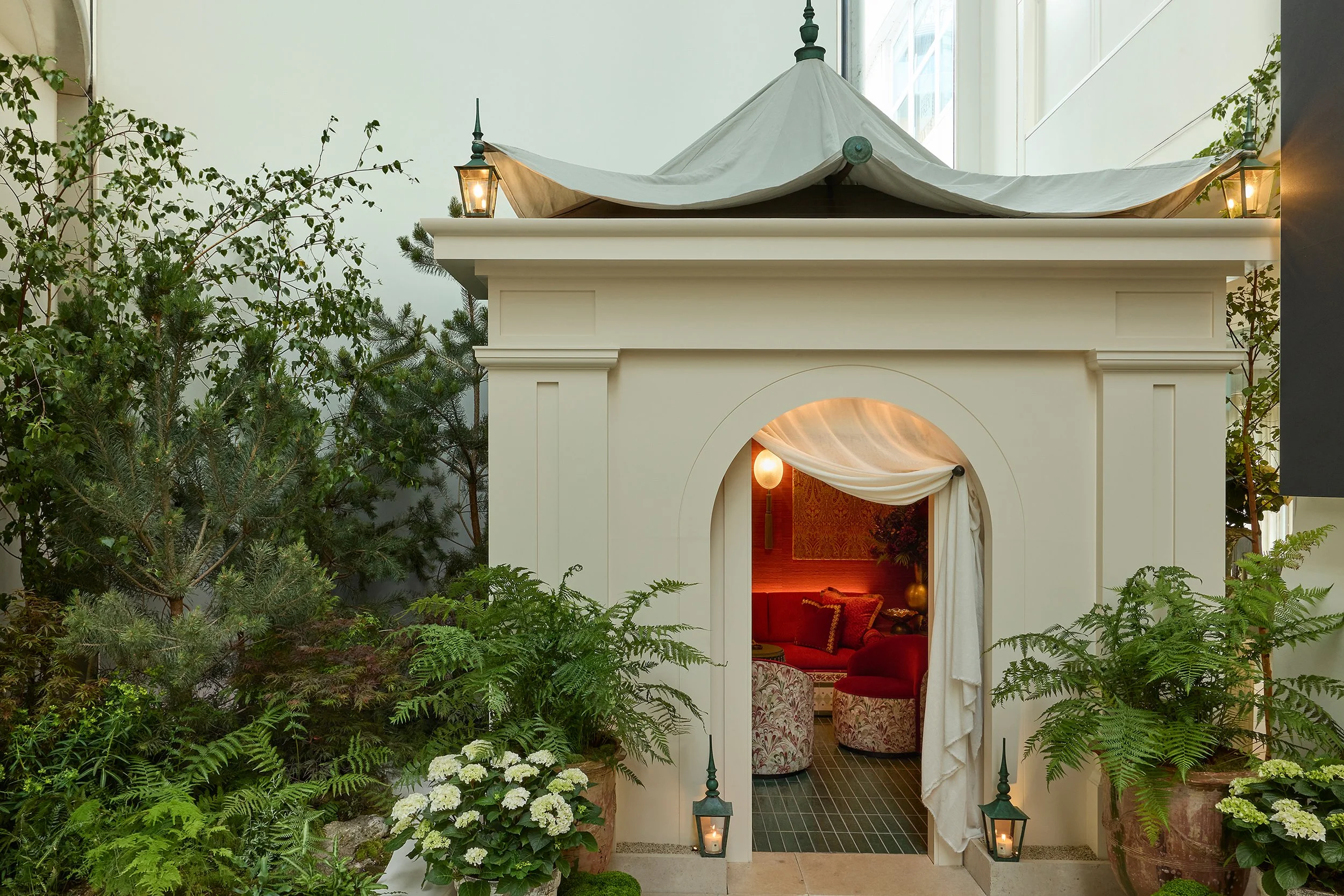
Garden Folly Facade & Garden Folly Room – Darren Price of Adam Architecture & Studio Enass
The Garden Folly begins as a moment of quiet theatre. You approach it almost instinctively, drawn first by the softness of filtered light and then by its gentle sense of narrative. There is something undeniably classical in its proportions, yet it resists formality through atmosphere alone. Fabric shifts lightly against the structure, and the patina of the lanterns introduces a lived-in depth that softens the architecture. It feels less like a façade and more like an invitation; a threshold where craftsmanship, light, and movement converge to slow you down and heighten your awareness.
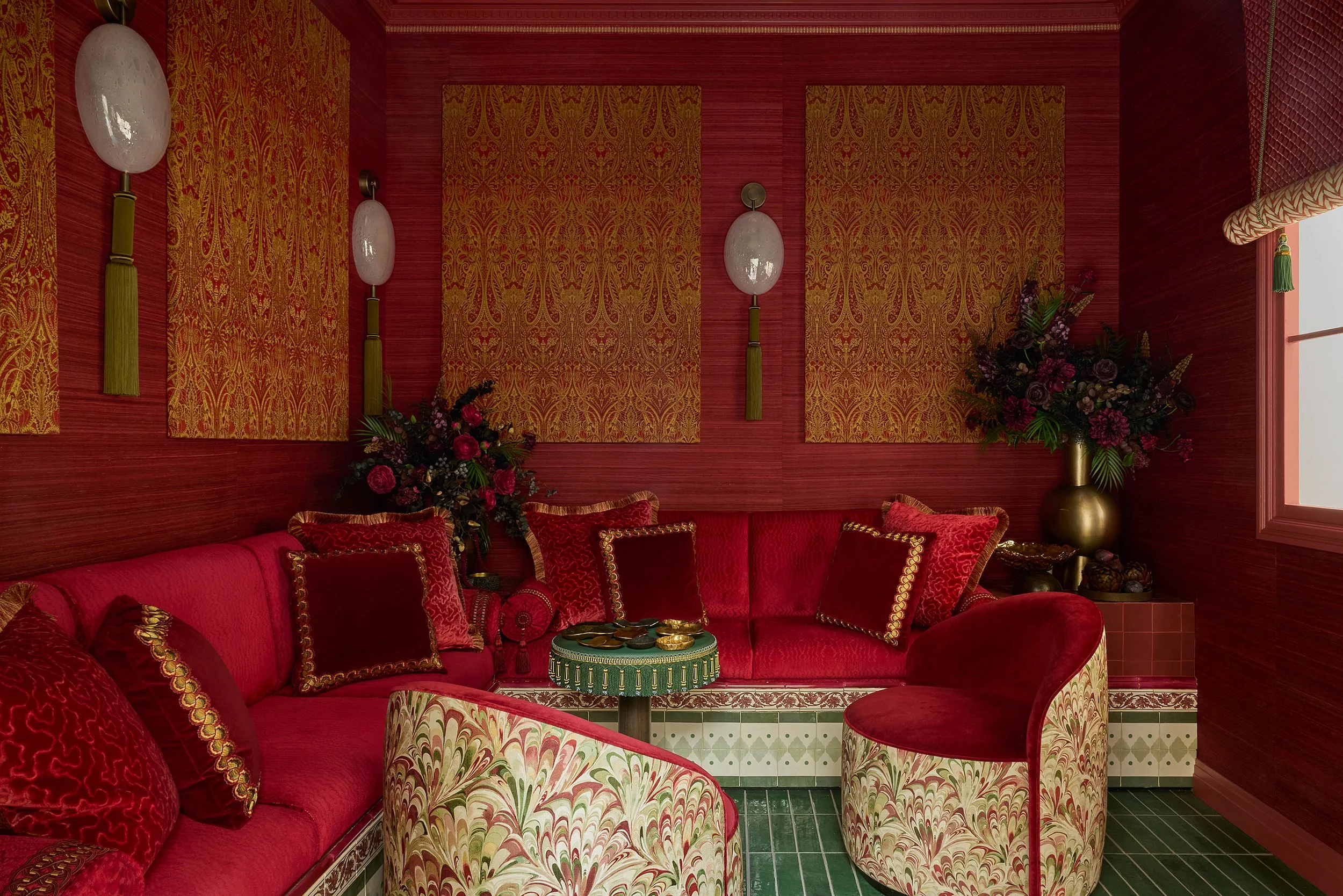
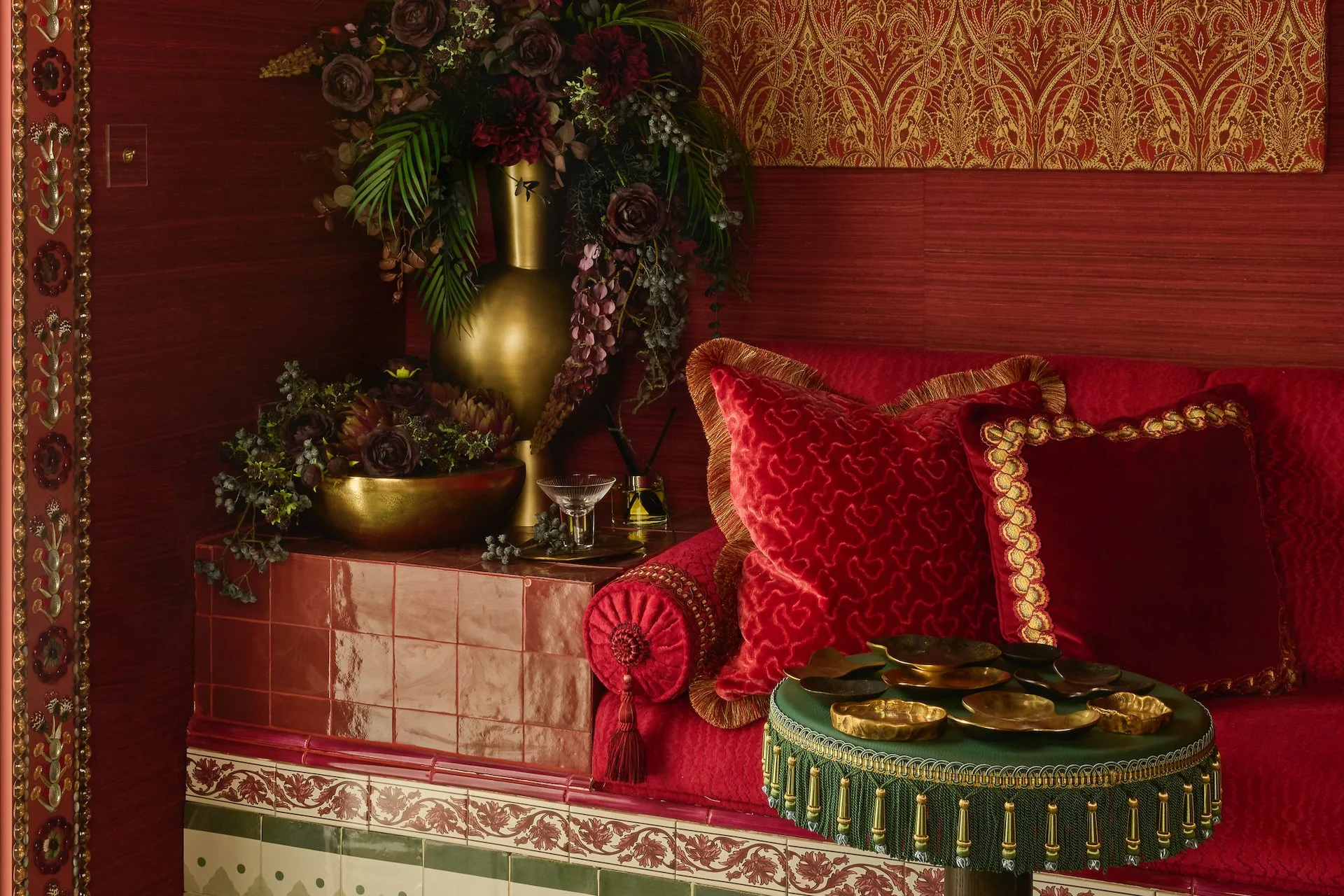
Stepping inside, the experience becomes richer, more indulgent, and deeply immersive. The room unfolds in layers of texture and tone, where gemstone hues and intricate detailing create a sense of escapism that feels both transportive and intimate. Pattern flows across surfaces in a way that feels instinctive rather than imposed, echoing cultural references without ever becoming literal. What I find compelling is the balance between opulence and ease; it invites you to settle, to linger, and to lose yourself in the details, while still holding on to a sense of warmth and joy that feels entirely personal.
Artorius Faber Entrance Garden by The Gardenists
Emerging into the Entrance Garden, there is an immediate shift in rhythm. The space feels composed, measured, and grounded in a quiet understanding of classical order. Planting and stonework work together with precision, creating a cadence that guides movement and frames the architecture beyond. Nothing feels excessive; instead, there is a calm restraint that allows each material to speak clearly. It’s a garden that feels deeply rooted, as though it has always existed, and that sense of permanence is what gives it its authority.
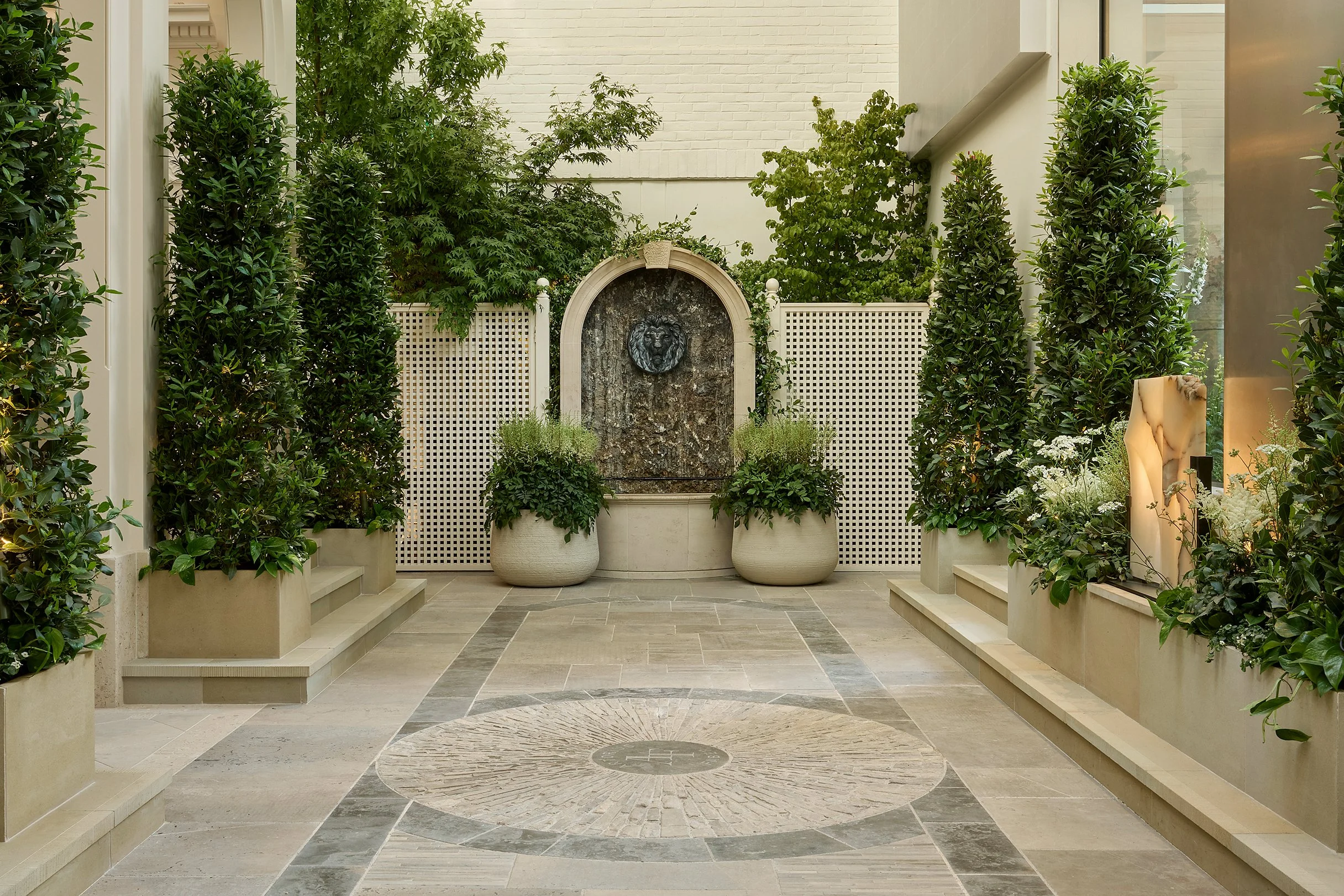
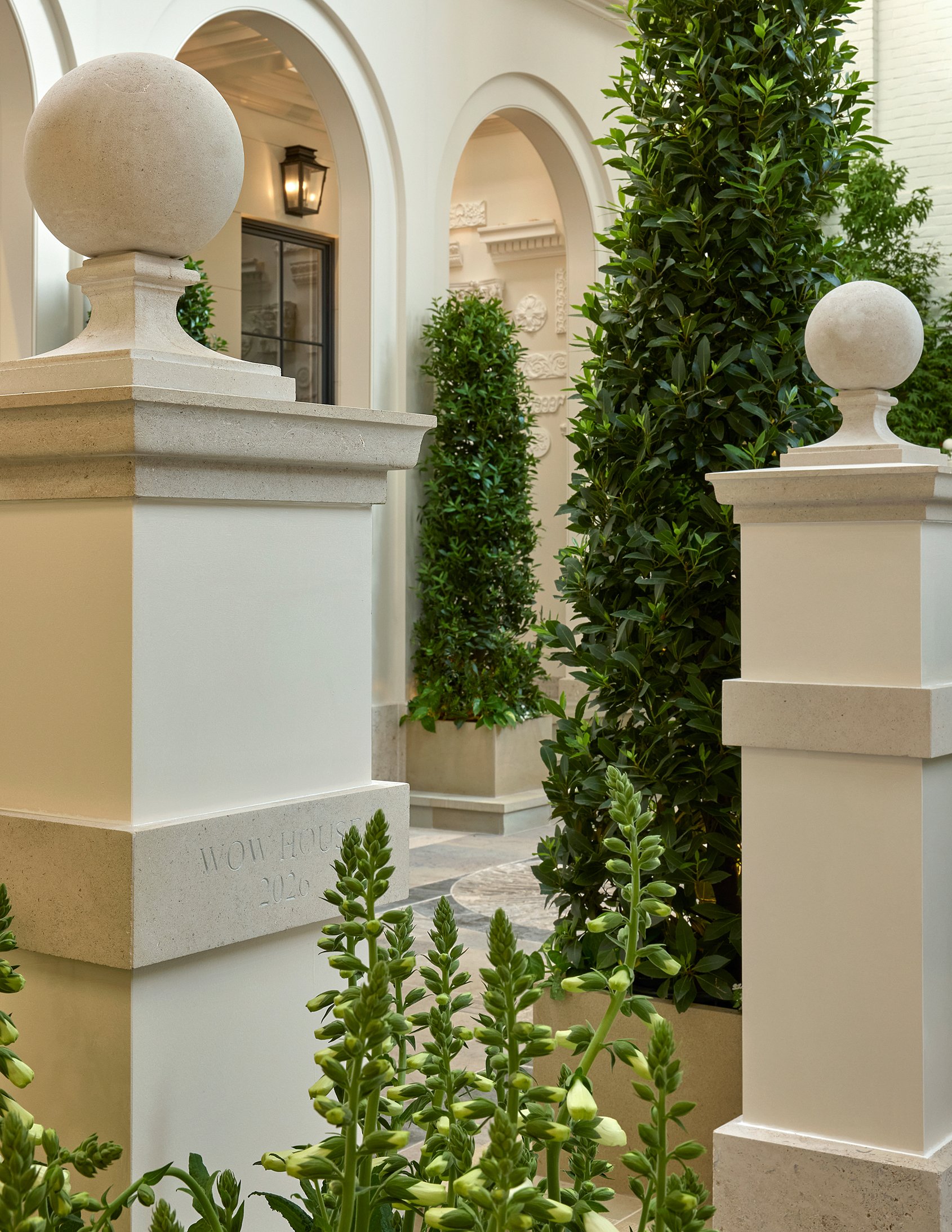
What resonates most is its quiet confidence. There is no need for drama here; the beauty lies in proportion, craft, and subtle detail. The interplay between clipped greenery, aged stone, and sculptural elements creates a layered composition that reveals itself slowly. It encourages you to slow your pace and engage more closely, rewarding attention with moments of clarity and calm. It’s a space that understands that true luxury often sits in restraint, in patience, and in the refinement of seemingly simple gestures.
Entrance Hall by Francis Sultana
The Entrance Hall feels like an immediate extension of the landscape beyond, as though the garden has quietly followed you in. There is a richness to the palette, yet it never overwhelms; instead, it creates a sense of ease that encourages you to pause rather than pass through. The composition feels balanced, almost architectural in its symmetry, but softened by texture, patina, and the careful layering of pieces that carry both history and presence.
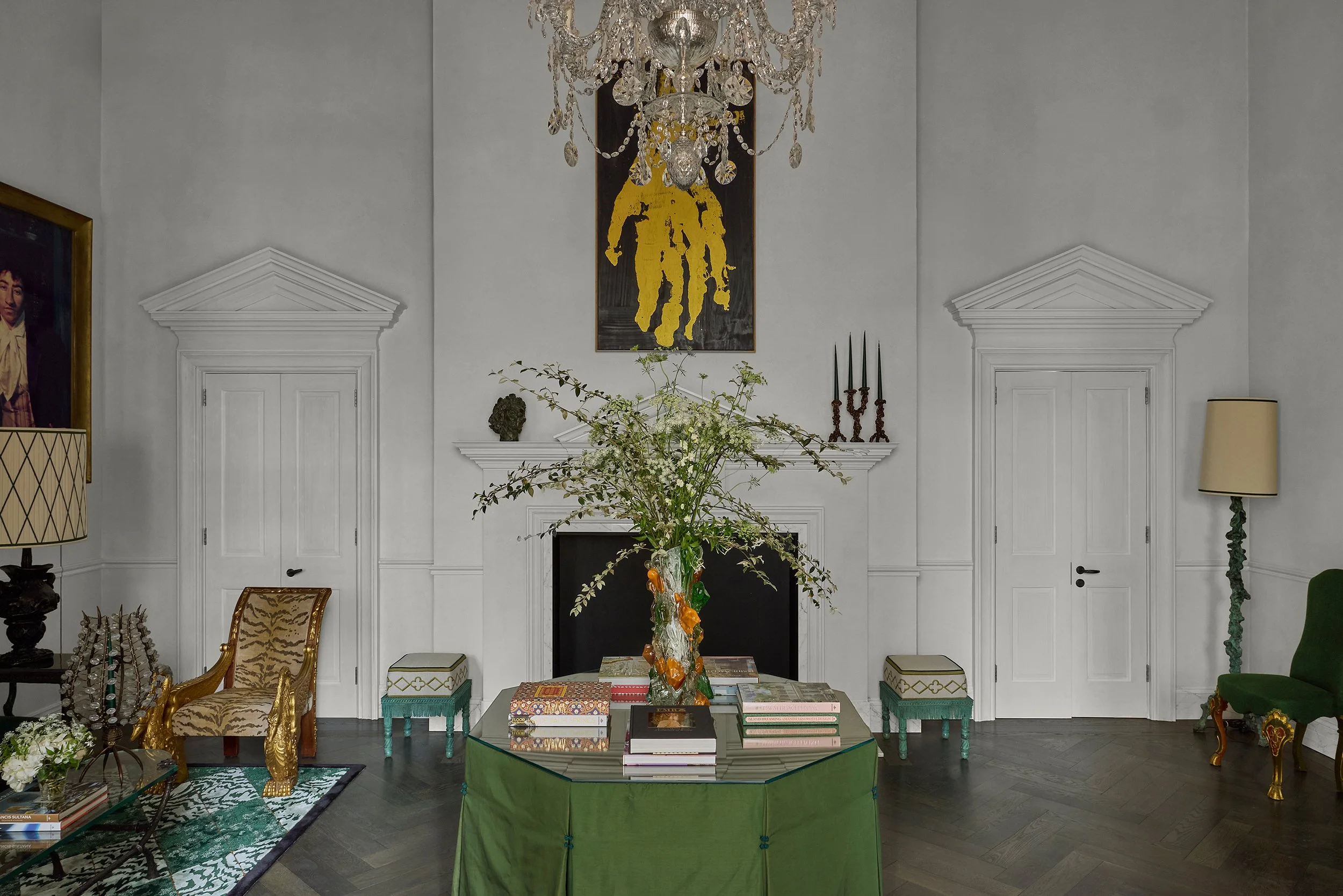
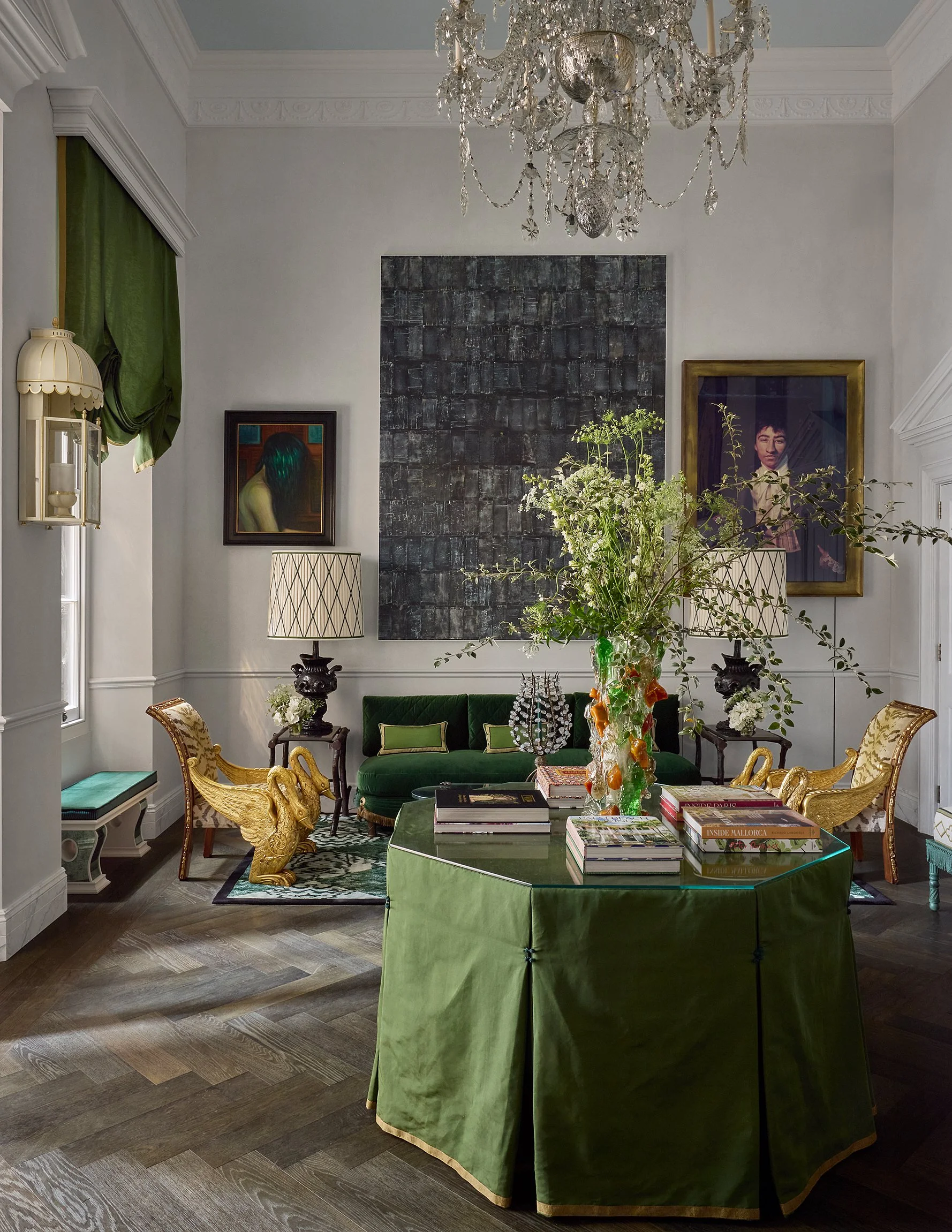
What defines the space for me is its sense of duality. It sits between tradition and modernity, between display and comfort, without feeling conflicted. Each object feels considered, not styled, contributing to a narrative that feels personal and quietly luxurious. It’s less about arrival as a statement and more about arrival as an experience; one that sets a tone of confidence, depth, and understated sophistication for everything that follows.
Living Spaces: Layers of Character
Turnell & Gigon Drawing Room by Albion Nord
The Drawing Room opens with a sense of generosity, both in volume and in light. The octagonal form creates a subtle departure from expectation, immediately shifting your perception of the space. There is a softness within the architecture, shaped not just by structure but by textiles; layers of fabric that gently temper the formality and introduce warmth. It feels balanced, thoughtful, and inherently comfortable.
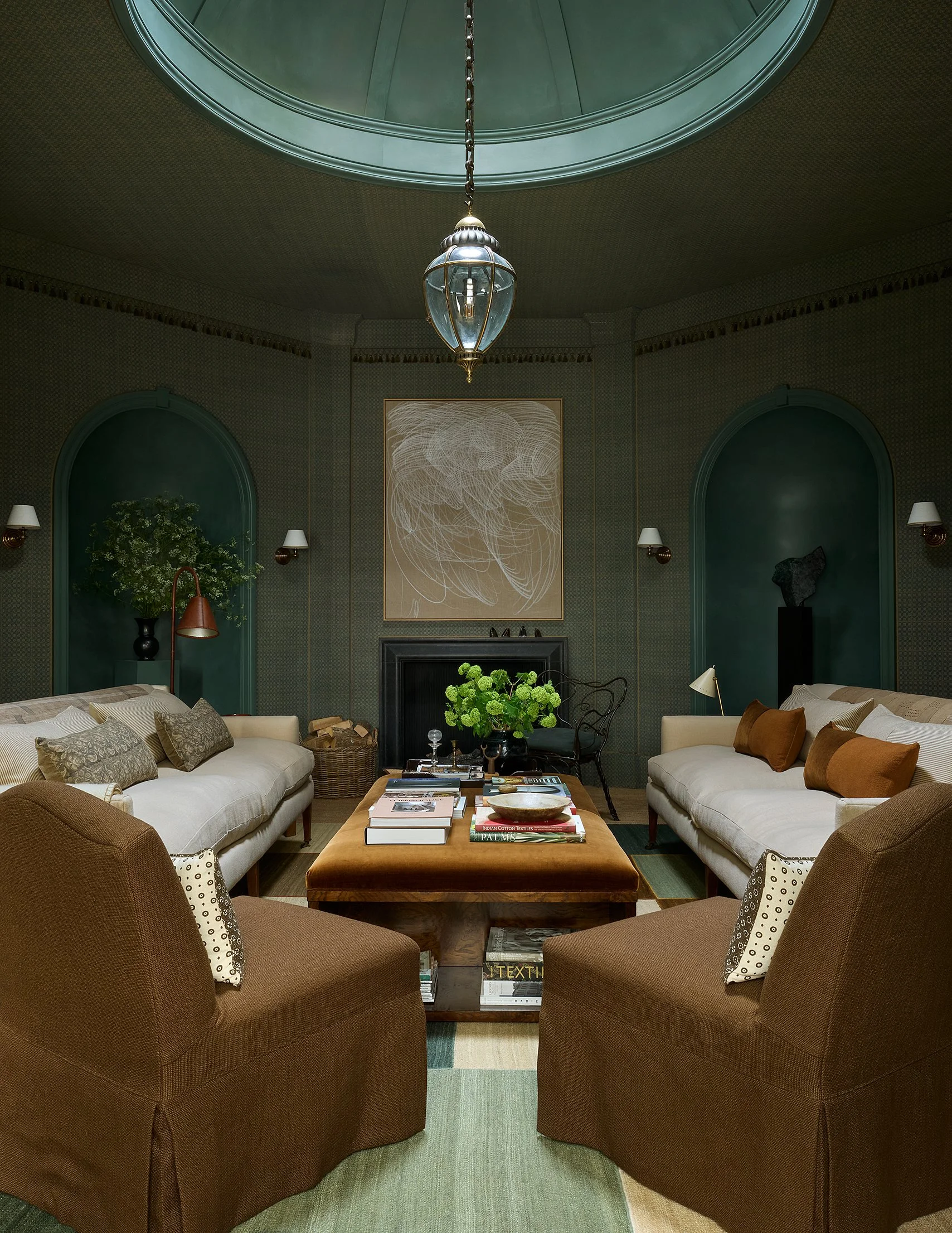
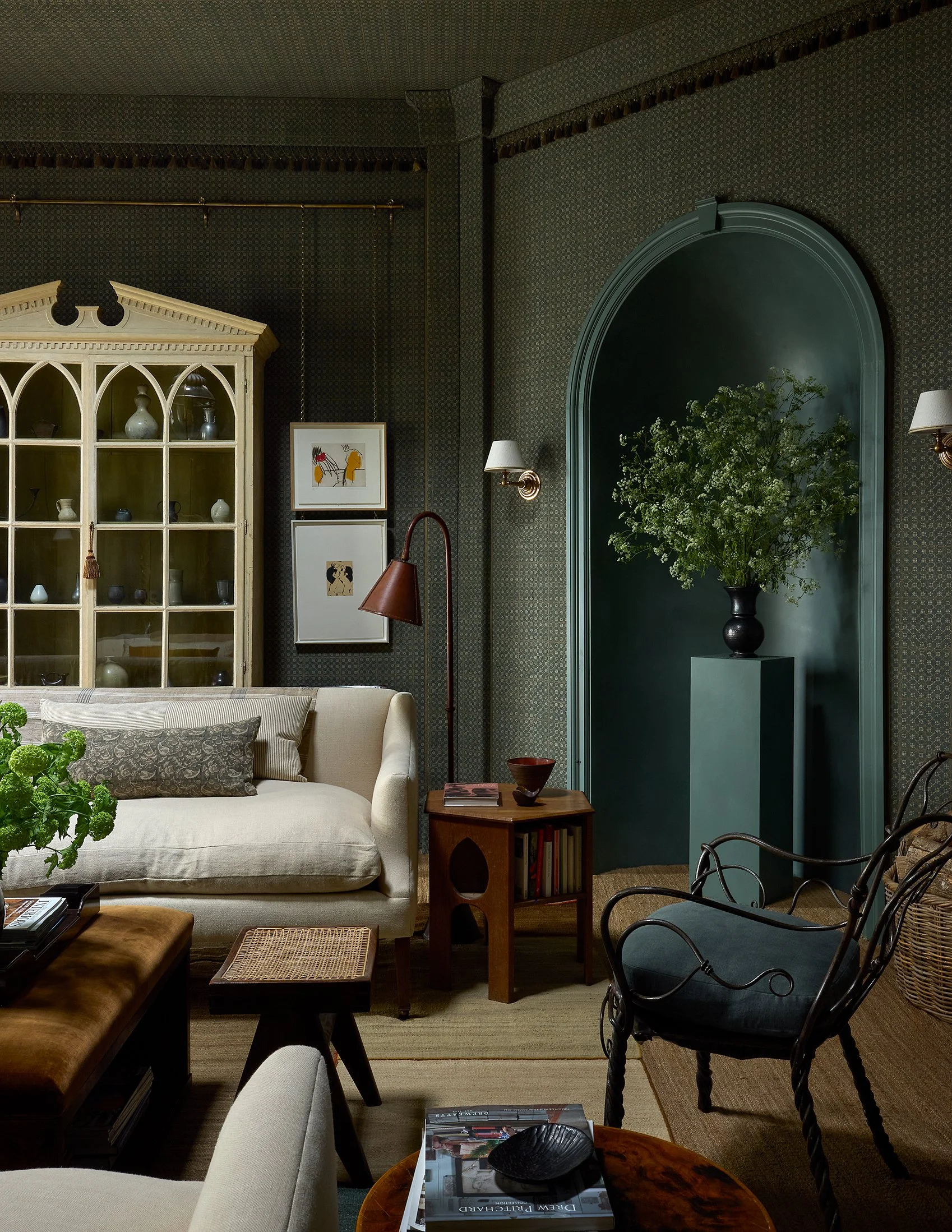
What stays with me is the emphasis on craftsmanship. Every element feels hand-made, from the textiles to the finishes, bringing an authenticity that grounds the room. It’s a space designed for use rather than display, for conversation, for quiet moments, for time spent well. There’s a depth here that comes from restraint and skill, where the true luxury lies in the integrity of materials and the quiet confidence of design that doesn’t try too hard.
Shepel Library by Róisín Lafferty
The Library doesn’t reveal itself immediately; instead, it draws you in gradually, almost imperceptibly. From the outside, its surfaces appear to shift and fragment, reflecting light in ways that obscure clear boundaries. As you move closer, the materiality becomes more apparent: rich, sculptural, and deeply atmospheric. Timber wraps and folds across walls and ceiling with a fluidity that blurs the line between architecture and joinery, creating a space that feels less constructed and more discovered.
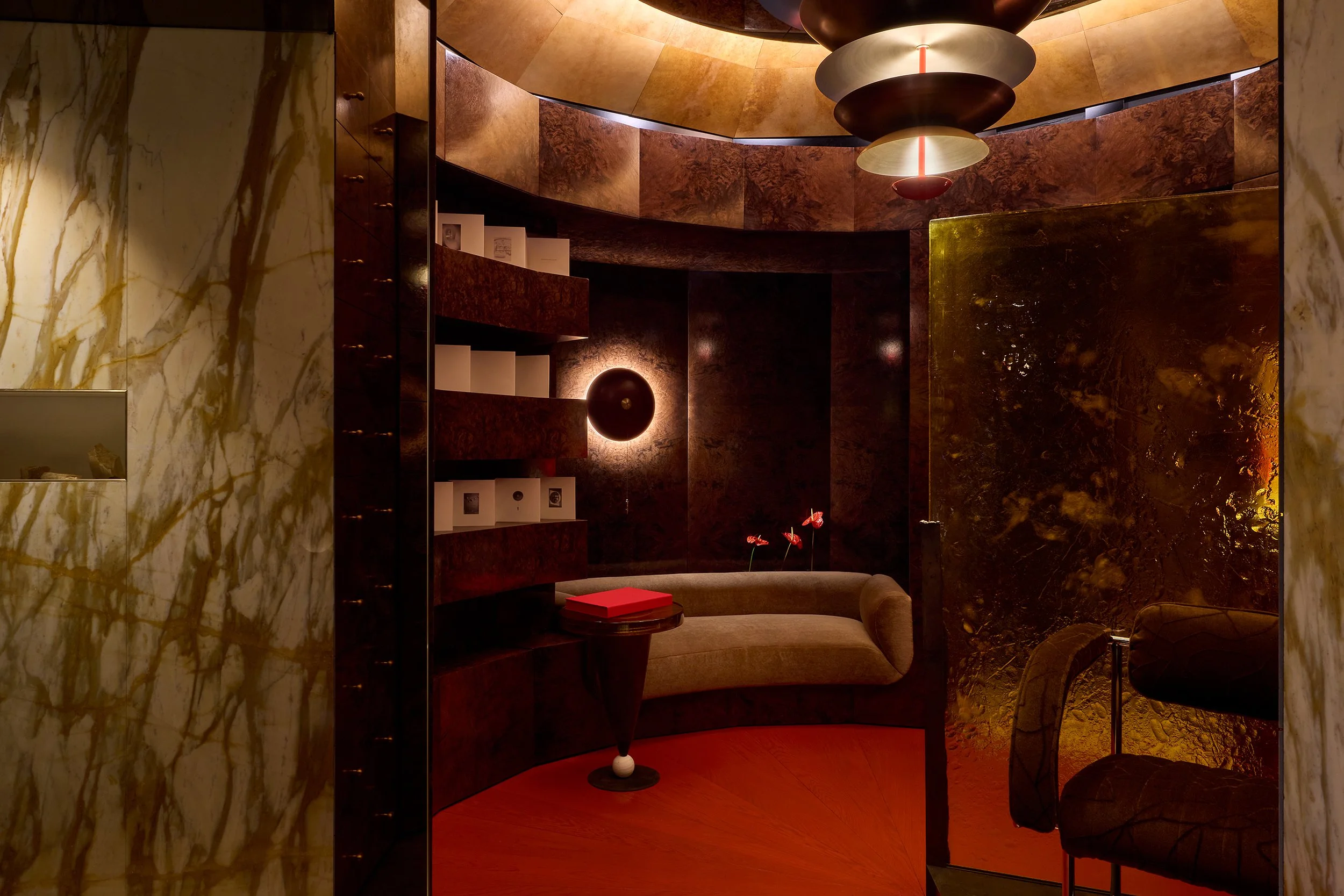
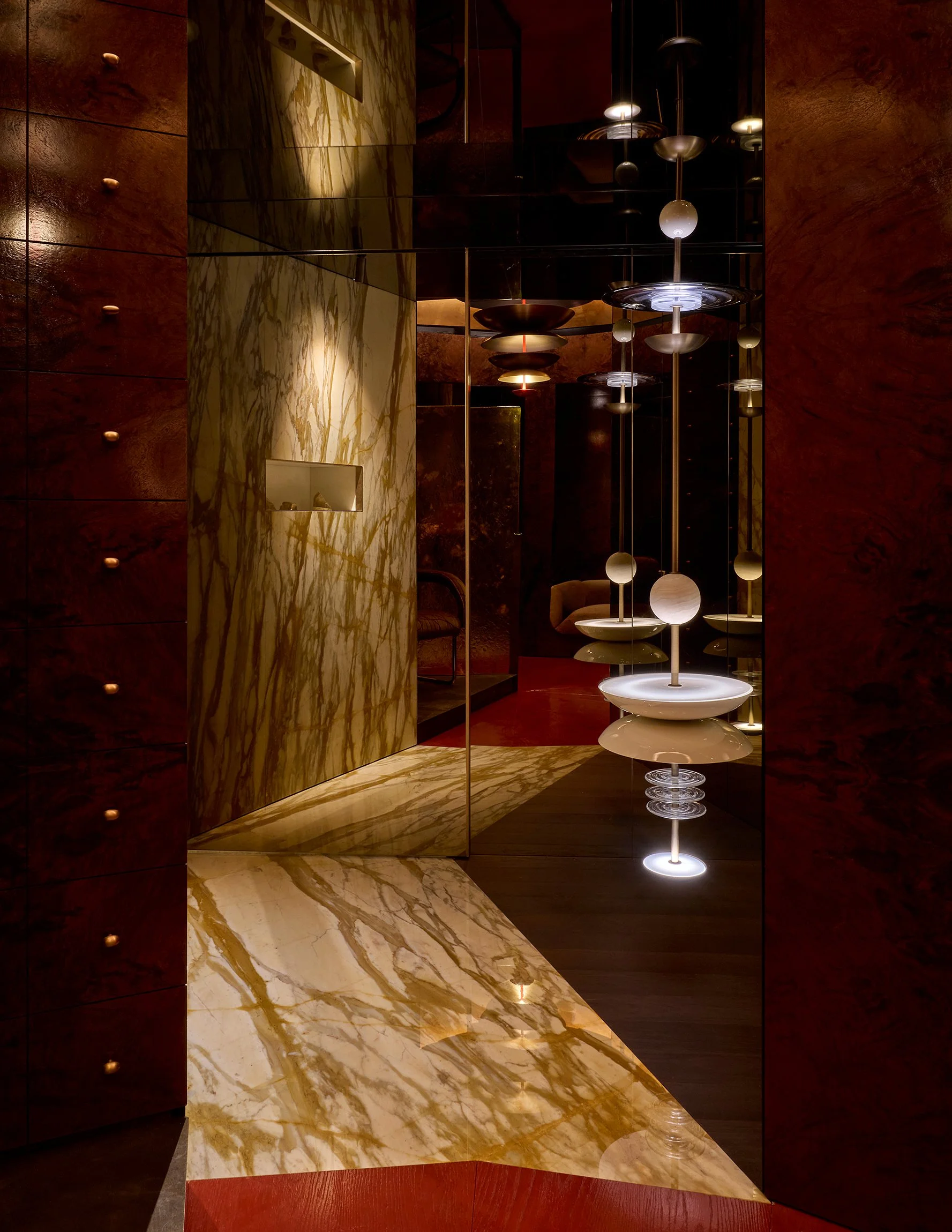
Inside, the experience becomes intensely personal and introspective. Layers of texture, tone, and form create small moments of retreat within the larger space, encouraging you to navigate it slowly. The furniture feels embedded rather than placed, reinforcing the sense that everything belongs to a single, cohesive idea. There’s a quiet emotional quality here; a feeling of pause, of stillness, where design becomes less about aesthetics and more about how a space can hold you, absorb you, and allow you to disconnect from everything beyond it.
Lalique Home Bar by Elicyon for Lalique
The Home Bar is immediately intimate, wrapping you in a softness that feels both luxurious and composed. Curved forms and layered materials create a sense of enclosure, while the presence of crystal introduces a quiet luminosity that animates the space. Light is handled with precision, catching on surfaces and details in a way that feels deliberate rather than decorative. It’s a room that invites you in gently, revealing its richness without ever feeling overt.
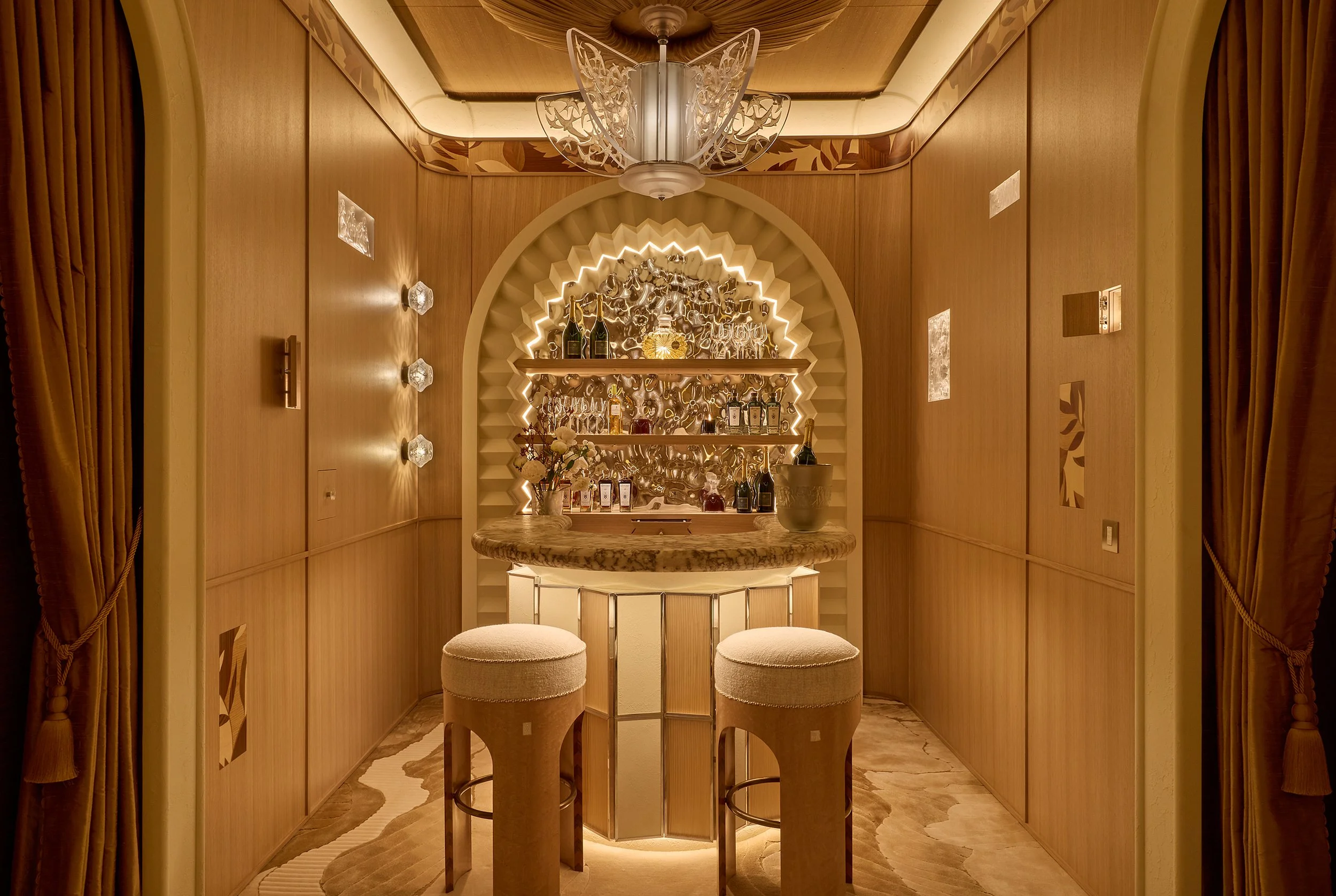
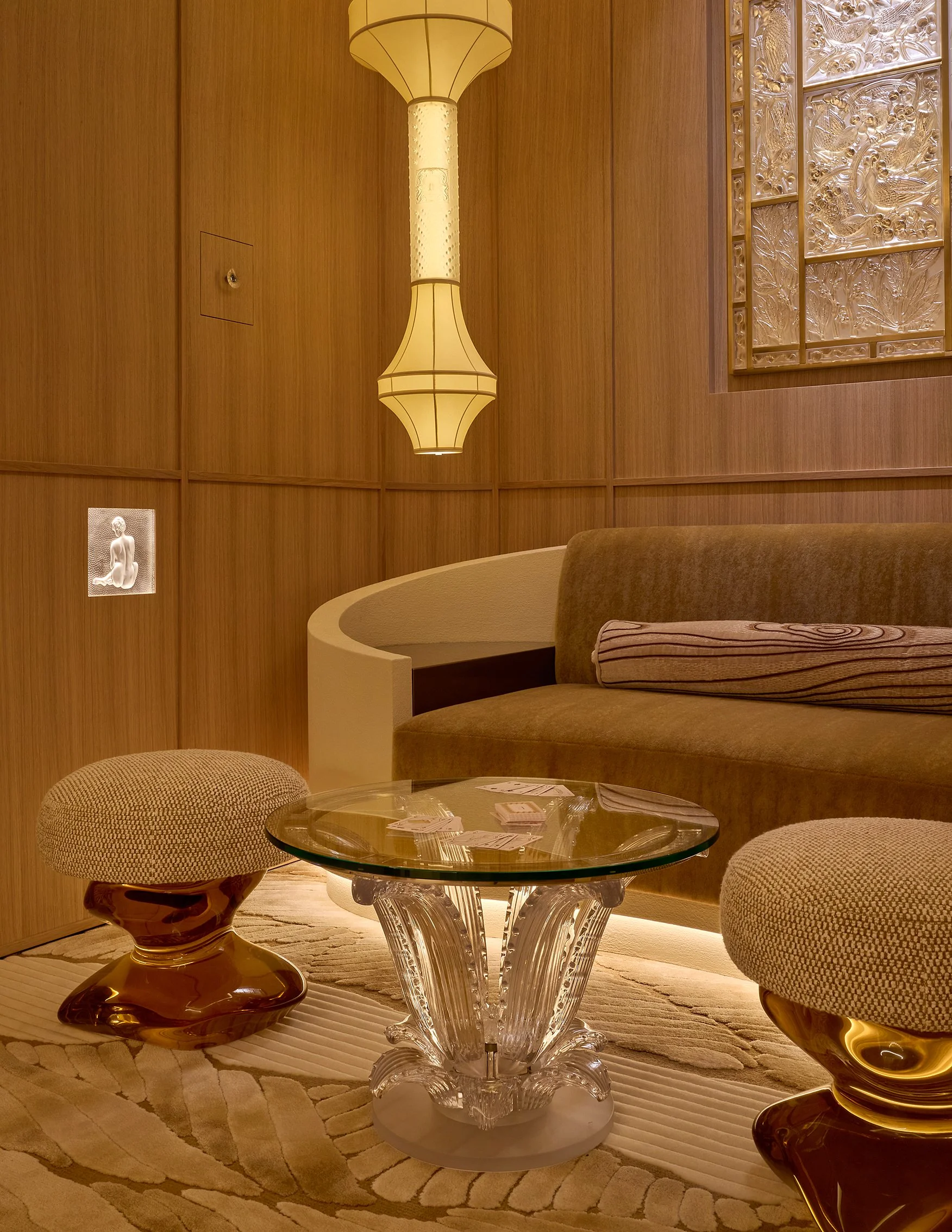
What defines the experience is its sense of discovery. Nothing is fully revealed at once; instead, details unfold through interaction: hidden compartments, layered finishes, moments of reflection. Craftsmanship is embedded into the architecture itself, not applied to it, creating a seamless dialogue between material and function. It feels considered, indulgent, and quietly expressive; a space where ritual and design come together, encouraging you to engage, explore, and stay a little longer than intended.
Benjamin Moore Minhwa Salon by Young Huh
The Salon bursts into view with a confidence that feels joyful rather than overwhelming. Colour and pattern are layered with intent, creating a composition that is both energetic and controlled. Each surface contributes to the overall narrative, but nothing feels chaotic; instead, there is a rhythm to the way tones interact, creating moments of contrast and harmony that draw your eye across the room.
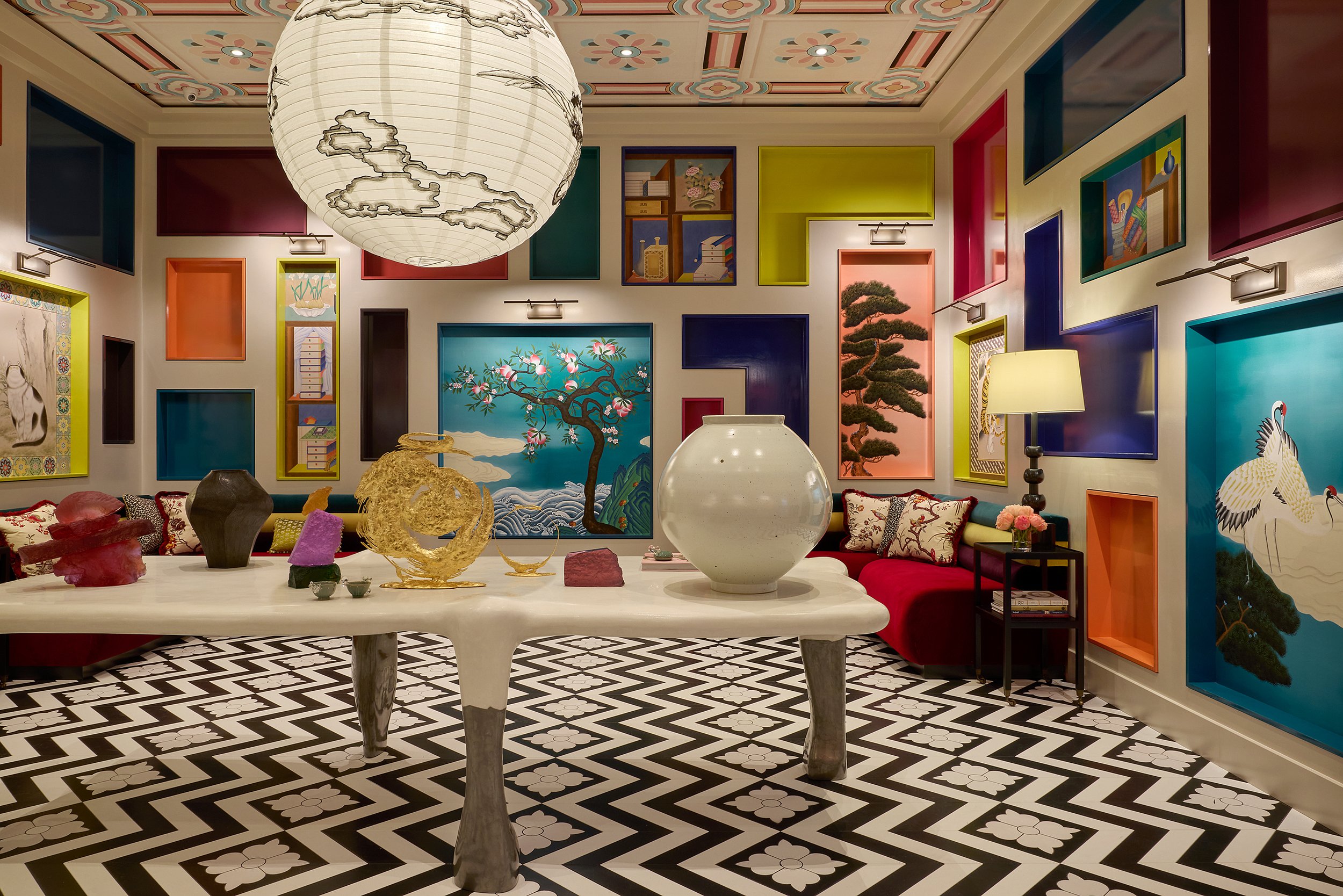
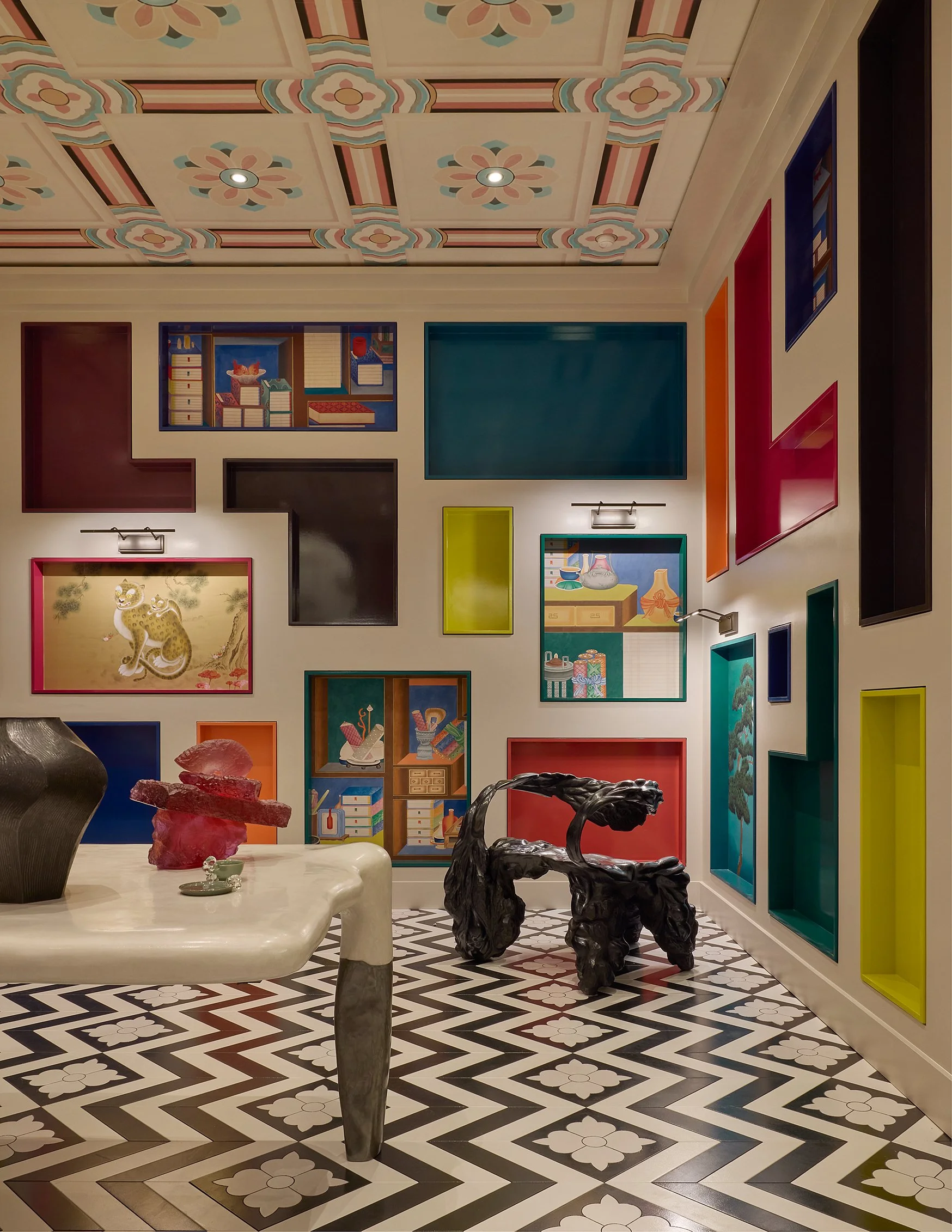
What I find most compelling is its storytelling. The decorative approach feels rooted in cultural reference, yet reinterpreted through a contemporary lens. There is a sense of playfulness here, but also precision; an understanding of balance, proportion, and restraint that keeps the space grounded. It’s a room that celebrates expression and individuality, while still feeling curated and intentional. The result is a space that feels alive, inviting exploration and rewarding curiosity with every detail.
Phillip Jeffries Morning Room by Sara Cosgrove
The Morning Room offers a complete shift in pace. After the intensity of colour and pattern elsewhere, it feels calm, composed, and quietly atmospheric. The palette is soft and restrained, allowing light to move gently across surfaces and create subtle variations in tone and texture. Walls feel almost fluid, capturing reflections and shadows in a way that adds depth without distraction.
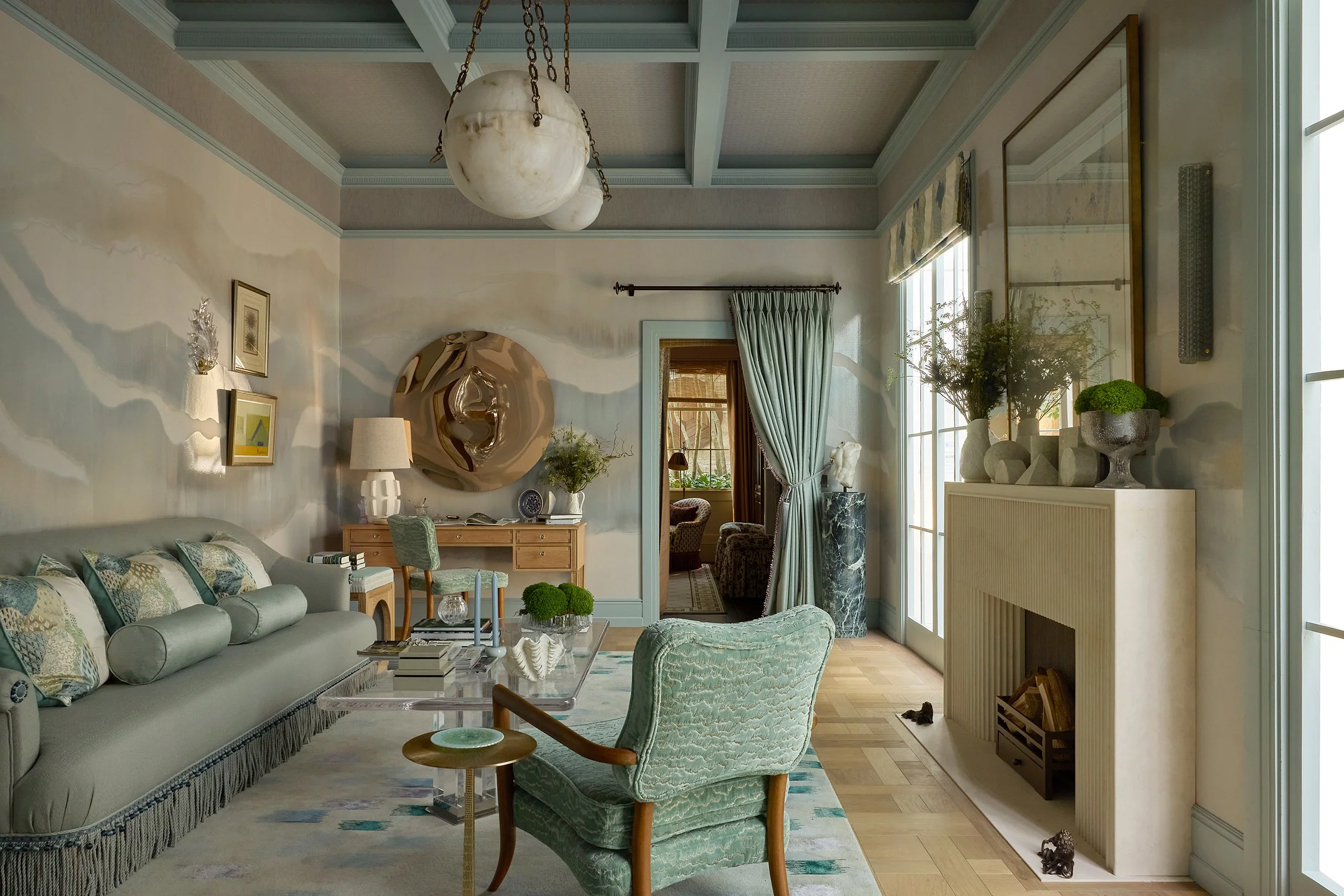
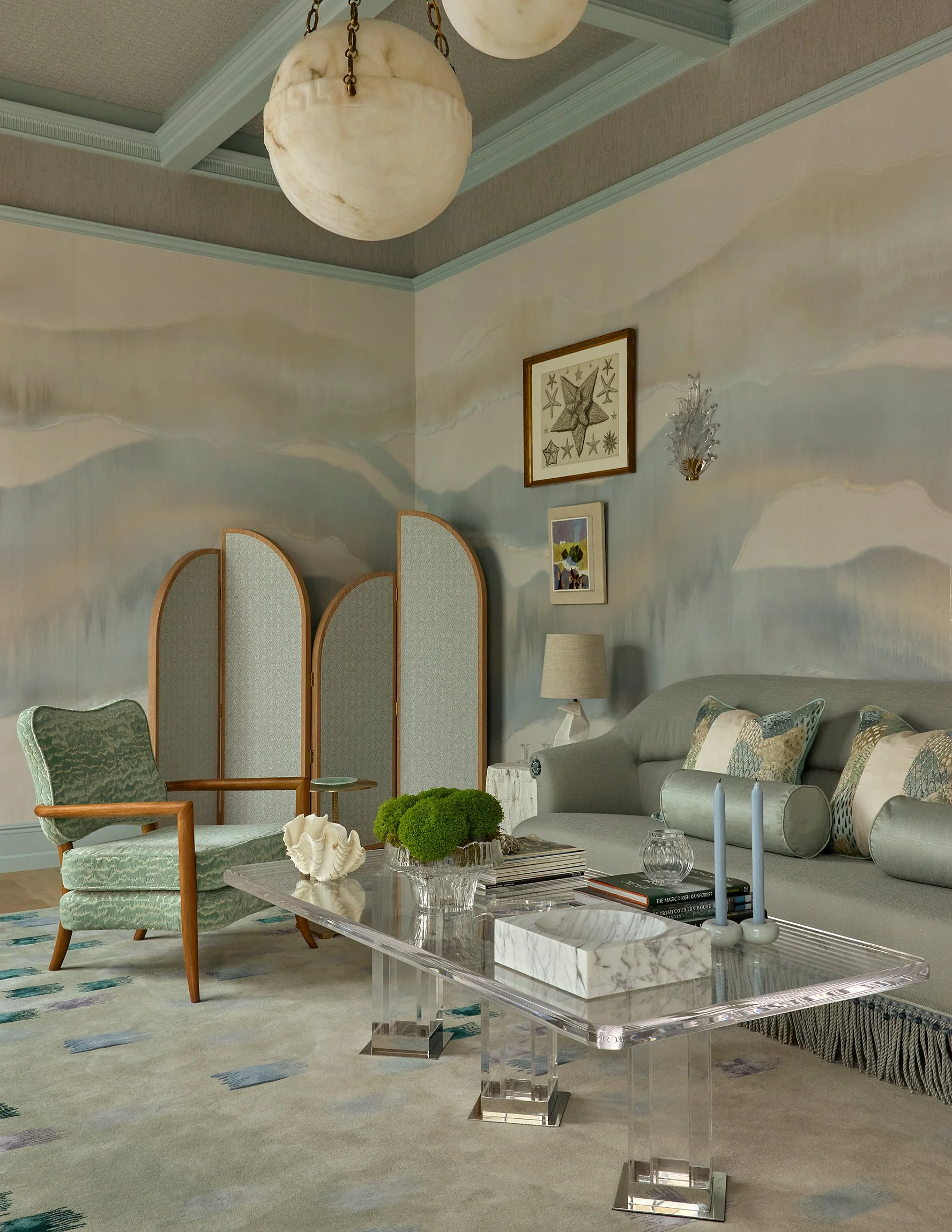
There is a strong sense of intention behind its simplicity. Every element feels considered, contributing to a space that prioritises experience over statement. It encourages slower rhythms; reading, conversation, quiet reflection, and in doing so, redefines what luxury can feel like. Rather than excess, it’s about clarity, material integrity, and precision. The effect is understated but powerful, creating a space that feels enduring, balanced, and deeply restorative.
Private Spaces: Rest, Ritual and Escape
Salvesen Graham The Collection Primary Bedroom by Salvesen Graham
The Primary Bedroom feels grounded in tradition, yet softened by a sense of ease that makes it entirely liveable. The architecture creates a framework of structure and proportion, while the layering of fabric and pattern introduces warmth and personality. There is a generosity to the space, not just in scale, but in the way it welcomes you to settle and unwind.
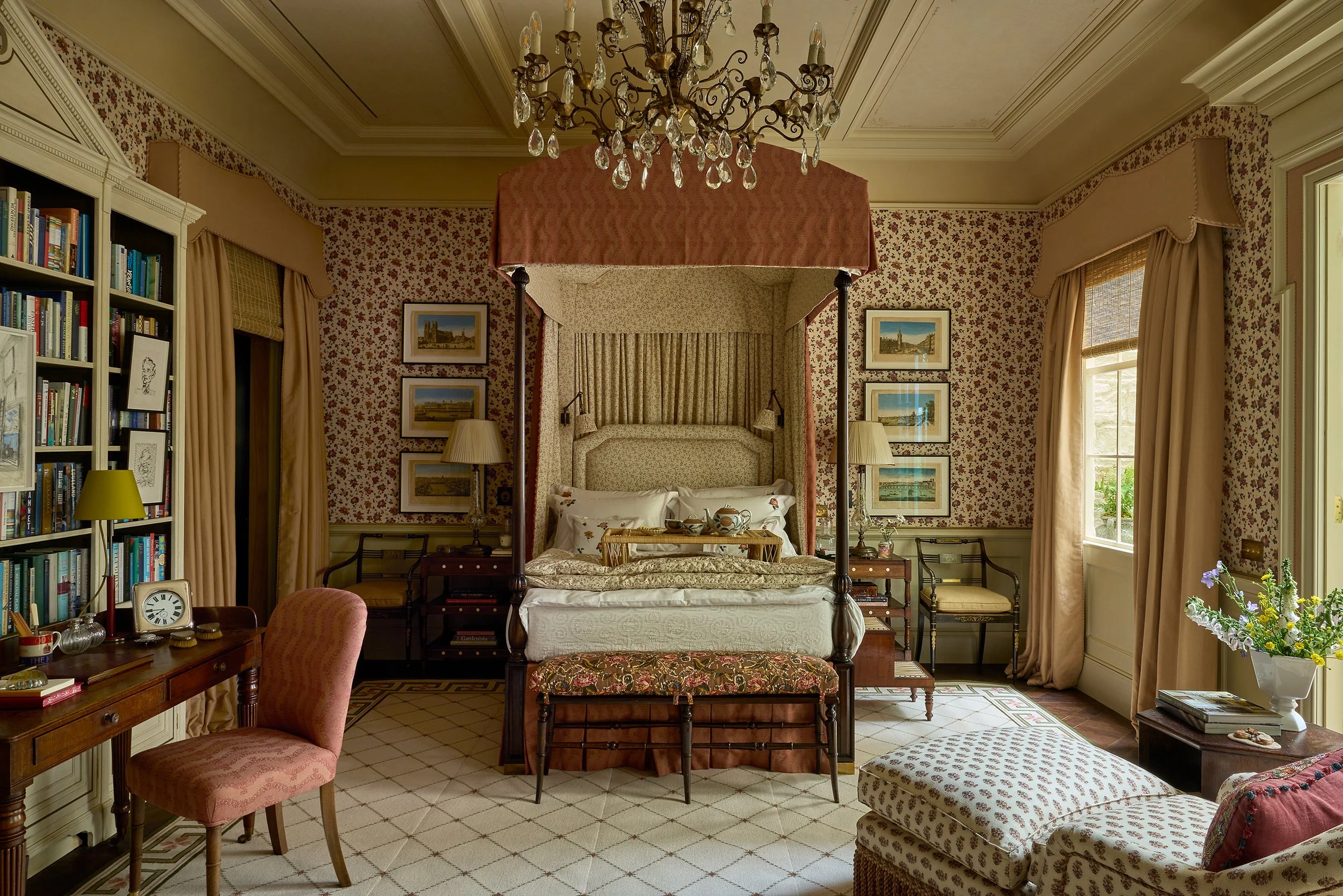
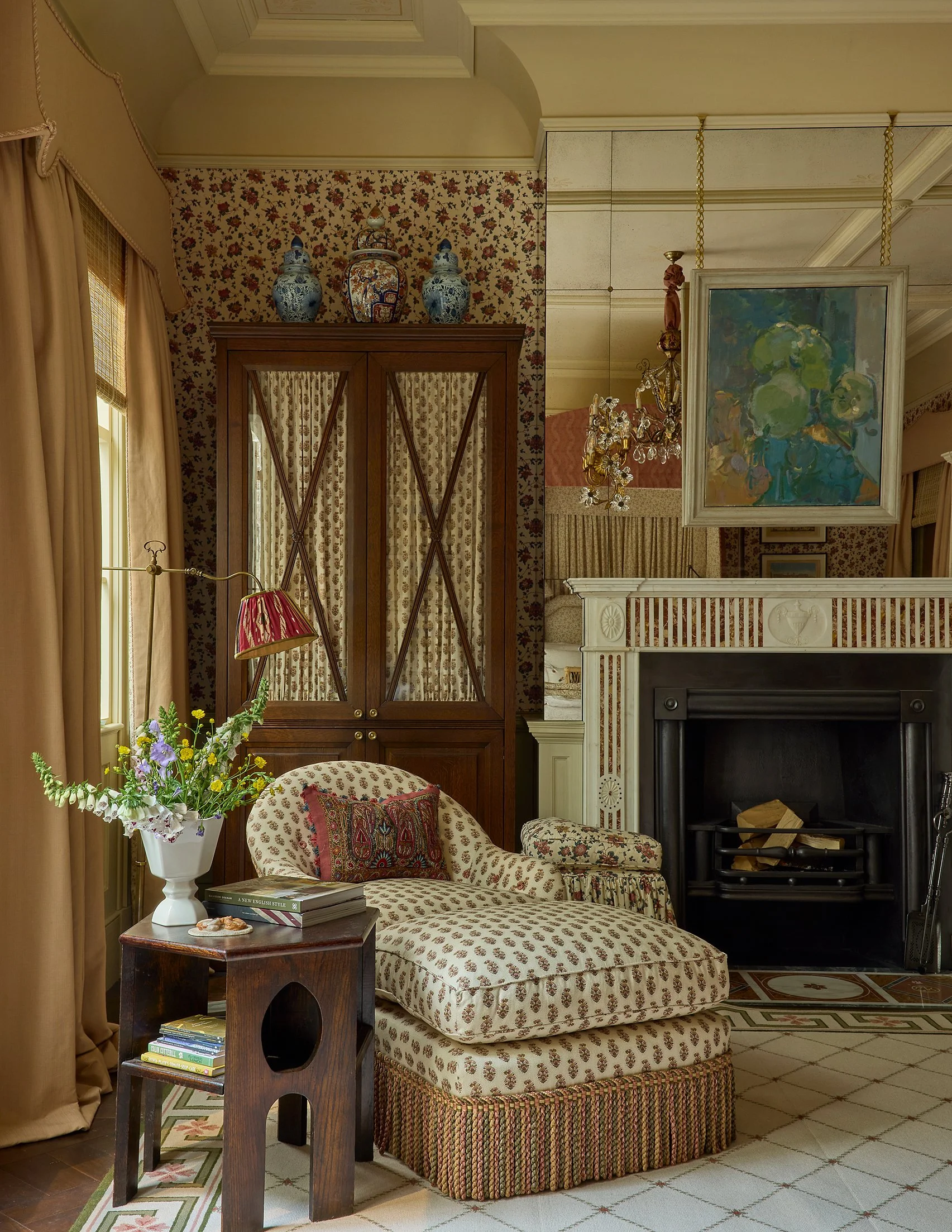
What stands out is the balance between detail and comfort. Pattern is used confidently, but always with a sensitivity that allows the room to breathe. Every layer, from textiles to furniture, feels intentional, contributing to an atmosphere that is both refined and relaxed. It’s a space that embraces tradition without feeling formal, offering a sense of familiarity that feels comforting rather than nostalgic.
Samuel Heath Primary Bathroom by Rigby & Rigby
The Primary Bathroom unfolds as a sensory experience from the moment you enter. Materials are chosen not just for appearance, but for how they feel; underfoot, at hand, within the wider atmosphere of the room. There is a natural rhythm to the composition, where timber, stone, and soft light come together to create a calming, almost meditative environment.
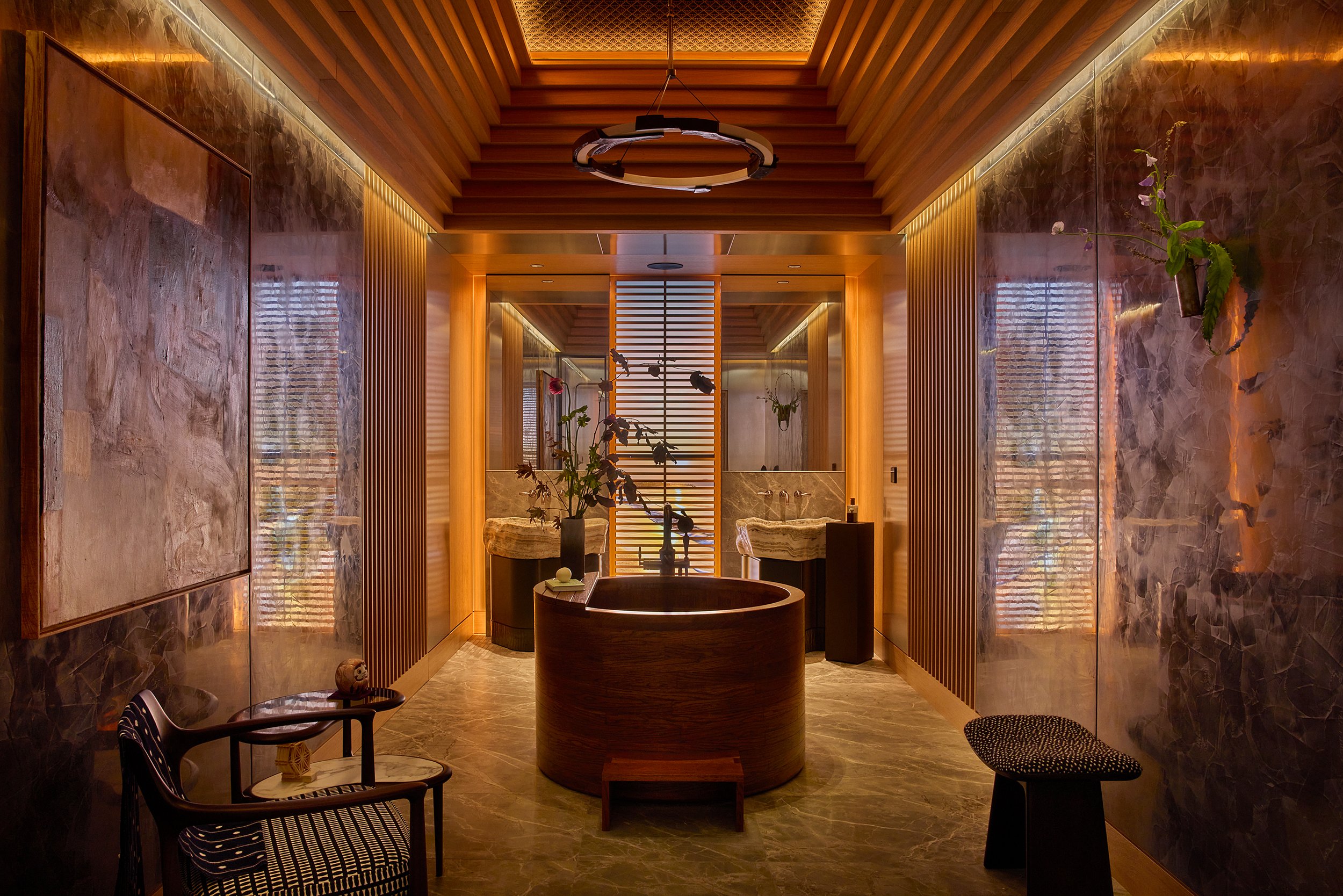
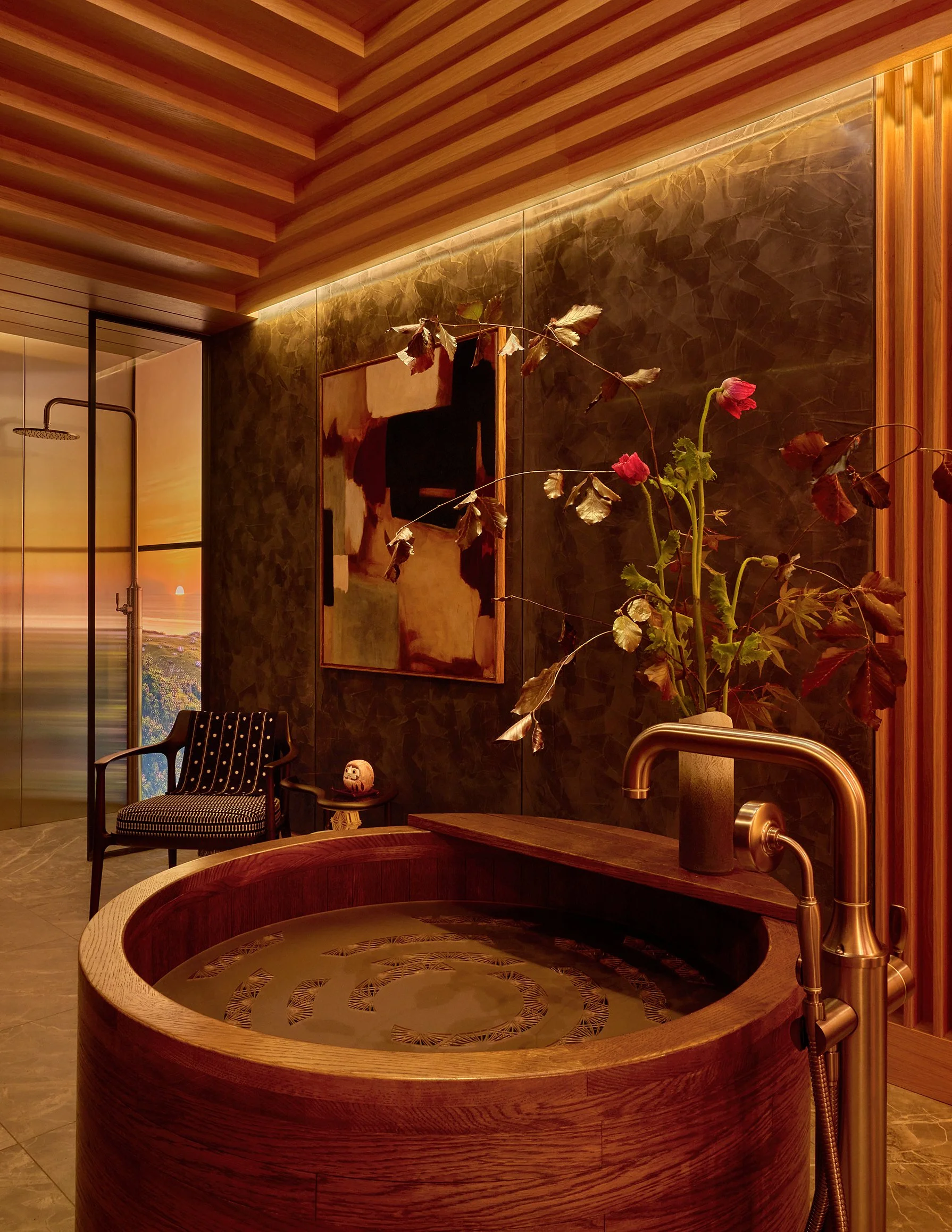
What elevates the space is its ability to engage beyond the visual. Subtle references to ritual and wellness are embedded into the design, encouraging you to slow down and become present. It feels immersive without being overwhelming, guided by a clear and thoughtful narrative. The result is a space that transcends function, offering a moment of retreat that feels both deeply personal and universally calming.
Misa For Casamance Group Bedroom Suite by Henri Fitzwilliam-Lay
The Bedroom Suite feels layered and narrative-driven, shaped by a sense of travel and collected experience. Different references and eras are woven together to create something that feels personal rather than prescribed. There is a richness to the materials and detailing, yet the composition remains balanced, allowing each element space to be appreciated.
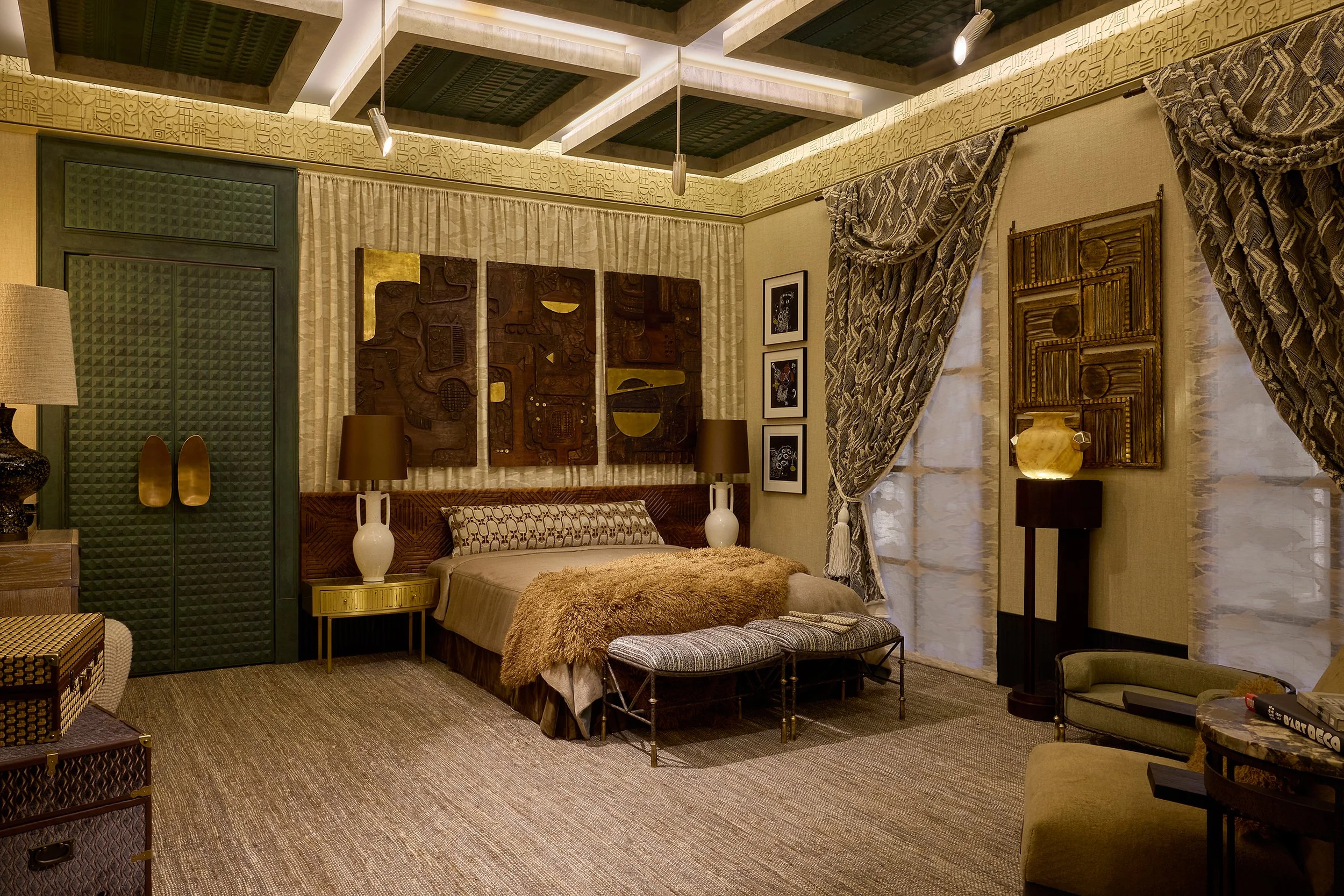
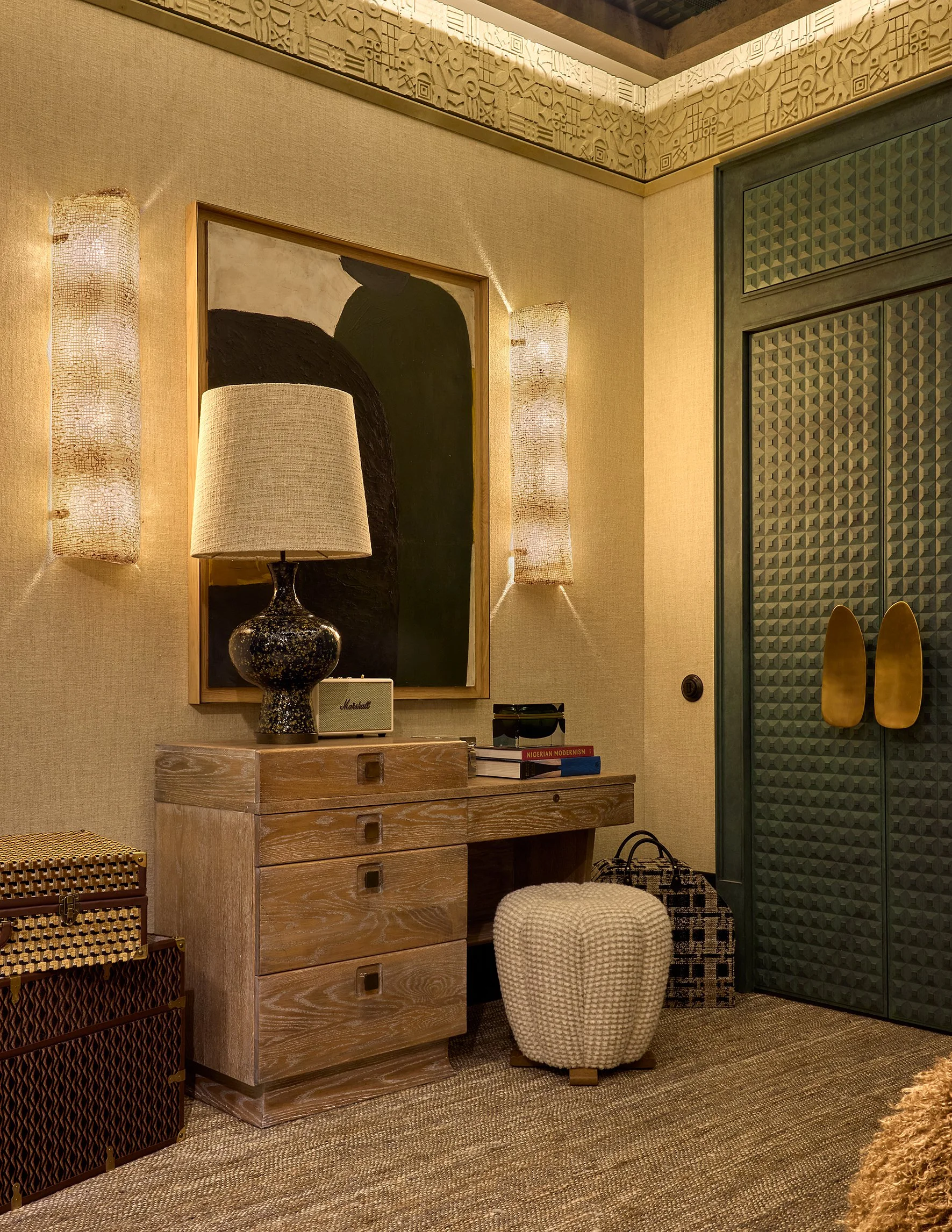
What stands out is its sense of freedom. The design doesn’t feel bound by a single style or constraint; instead, it embraces contrast and variation. This creates a space that feels dynamic and evolving, much like the life of its imagined occupant. It’s a room that encourages imagination, where design becomes a reflection of experience rather than a fixed aesthetic.
Ca’ Pietra Bathroom by De Rosee Sa
The Ca’ Pietra Bathroom captures the warmth and atmosphere of a sunlit landscape, translating it into an interior that feels both immersive and deeply calming. The palette draws from natural tones, creating a softness that is enhanced by the way light interacts with stone and surface. There is an immediacy to the space; a sense of stepping into a different environment entirely.
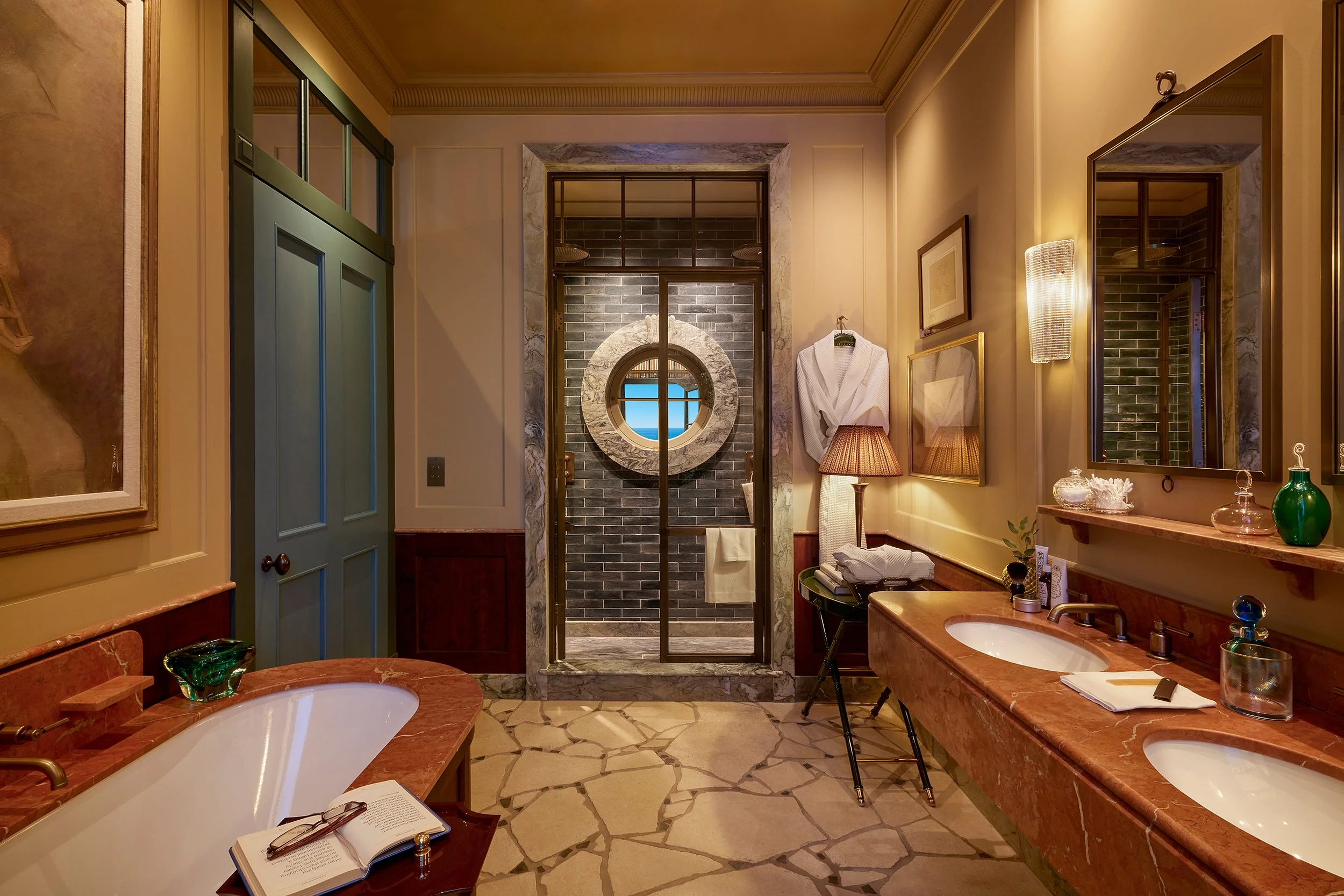
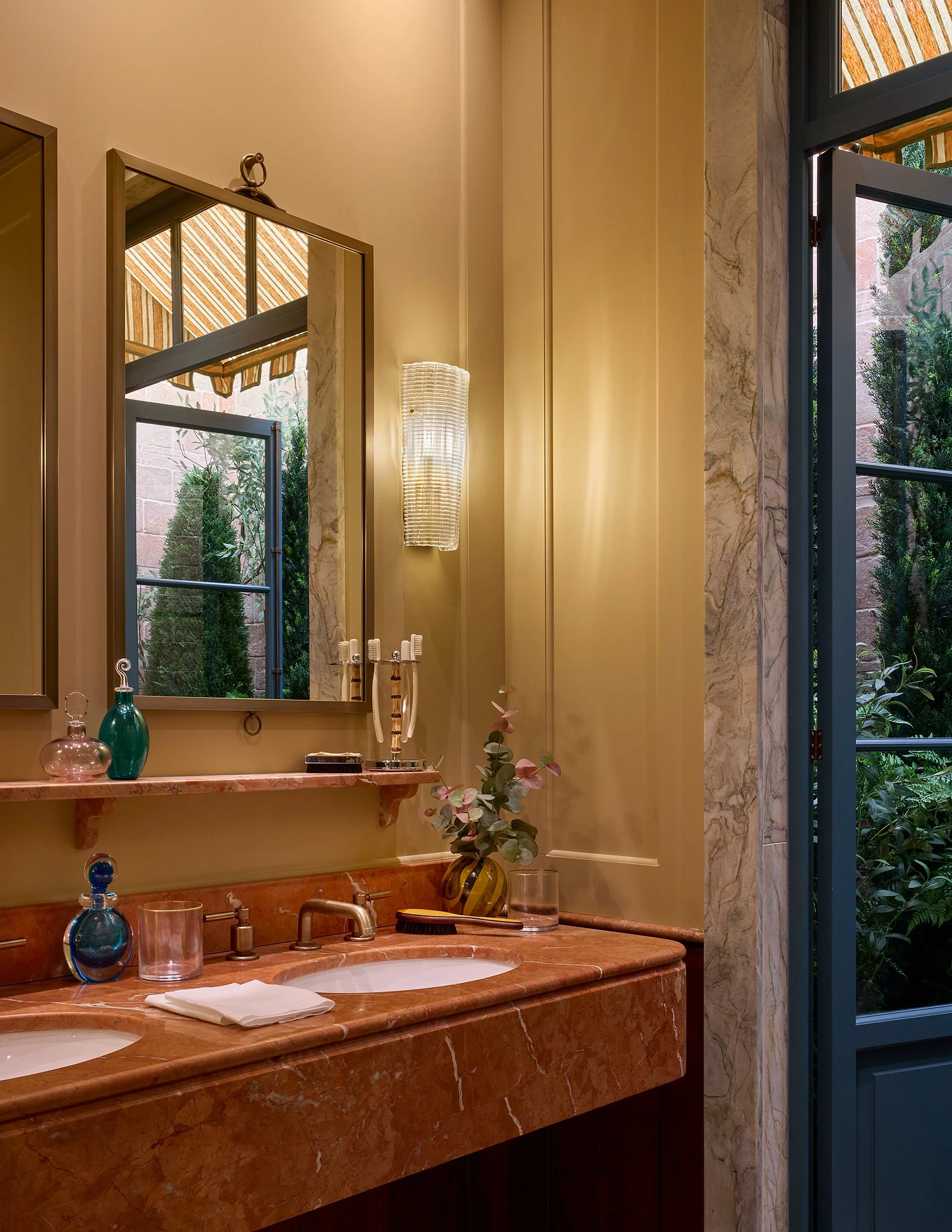
What stands out is the celebration of materiality. Stone is used not just as a backdrop but as a defining feature, shaping the architecture and informing the room's overall character. Craftsmanship is evident in every detail, creating a composition that feels both tactile and considered. The result is a space that feels warm, sensory, and quietly indulgent; one that invites you to pause and fully inhabit the moment.
THG Paris Powder Room by Studio Mark Andrew
The Powder Room is conceived as an escape, a space that transports rather than simply serves a function. From the outset, it feels immersive, with materials and surfaces working together to create a sense of depth and movement. Light plays a key role, interacting with texture and reflection to create moments of surprise that elevate the overall experience.
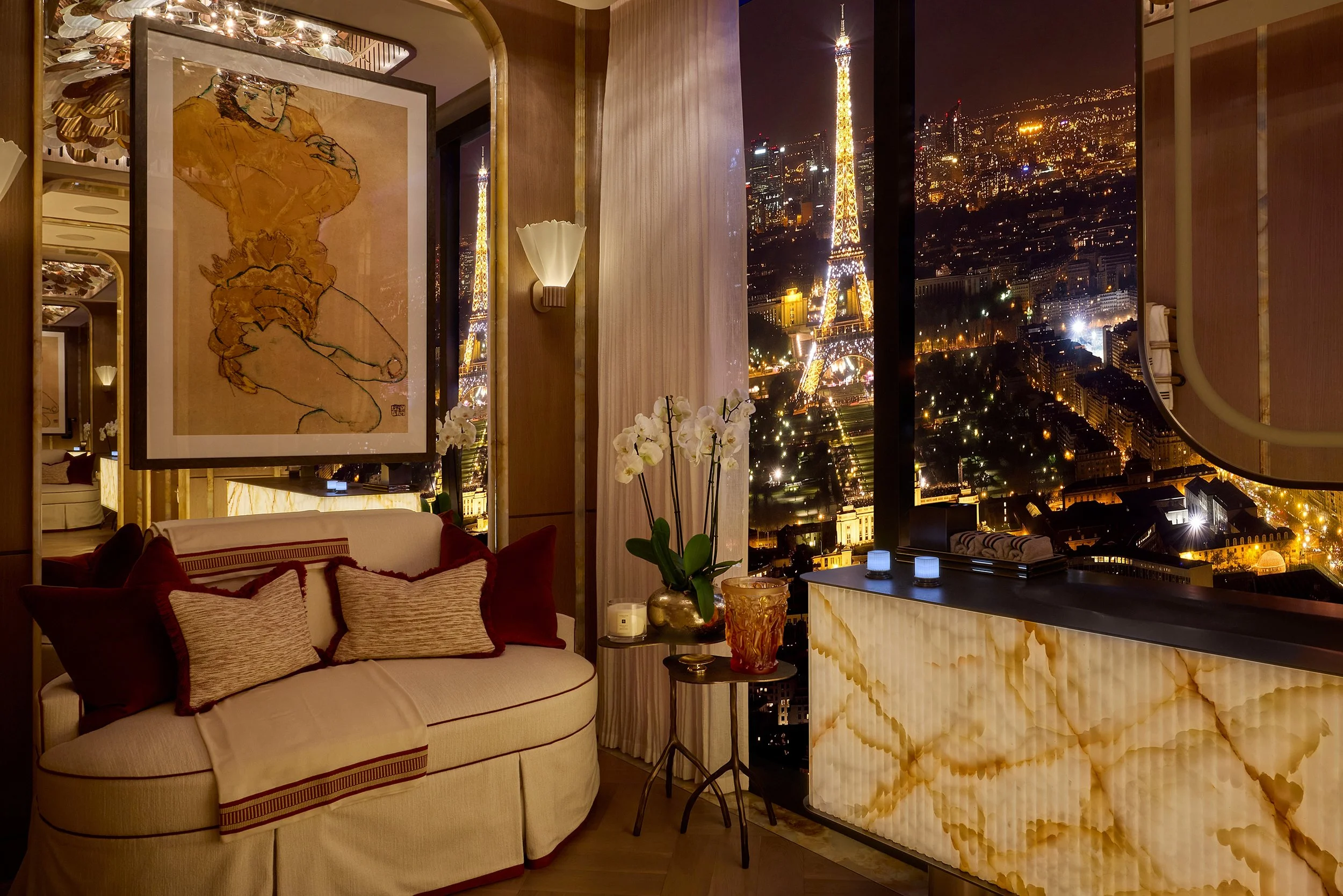
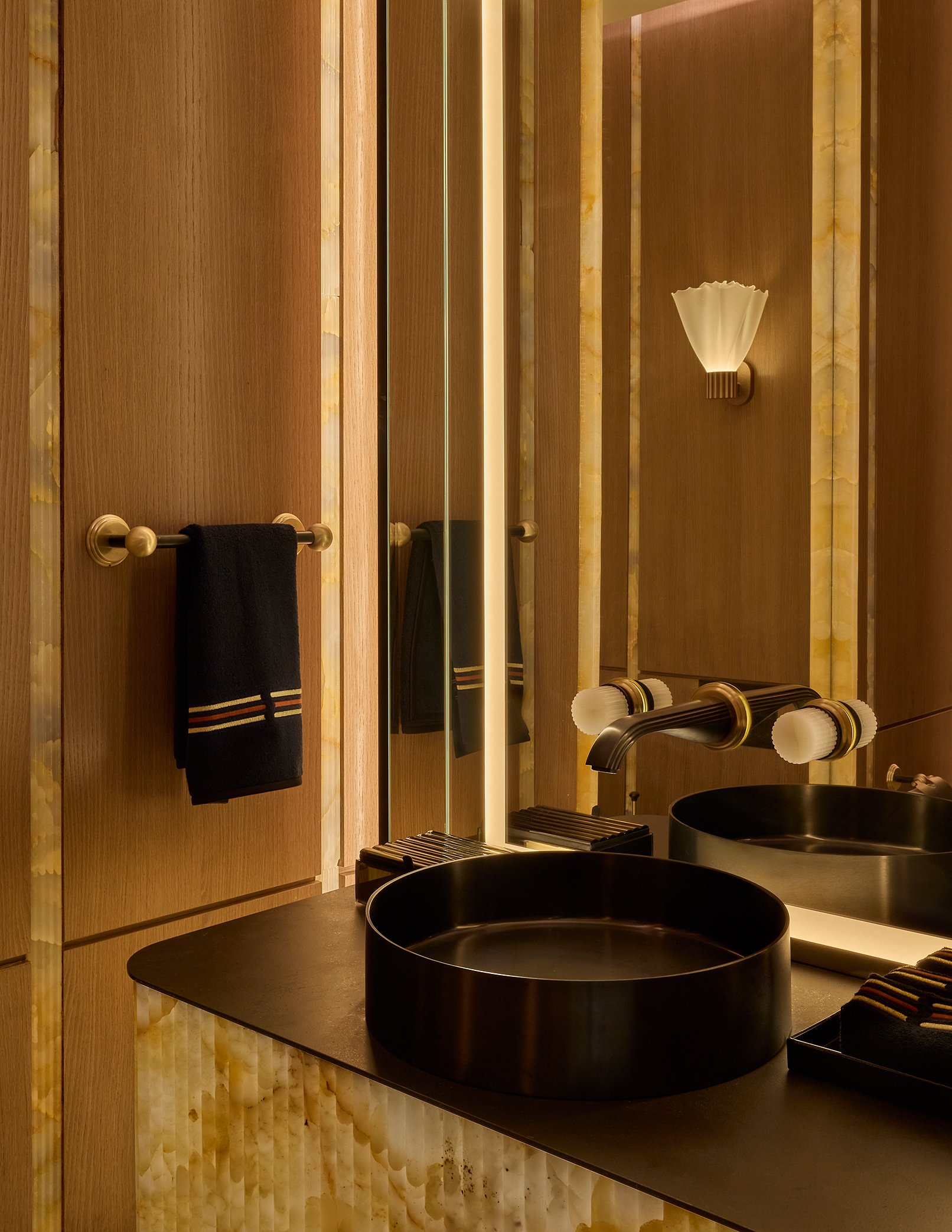
There is a strong narrative at play here, driven by innovation and detail. Every element feels intentional, from the sculptural fittings to the layered finishes, contributing to a sense of discovery that unfolds gradually. It’s a space that feels cinematic in quality, designed to captivate and engage while maintaining a level of refinement that keeps it grounded in craftsmanship and material integrity.
Entertaining & Social Spaces
Black Edition at ROMO Speakeasy Salon by Studio Duggan
The Speakeasy Salon immediately shifts the atmosphere into something more intimate and theatrical. The space feels enclosed, cocooned by rich materials and deep tones that absorb light rather than reflect it. There is a deliberate sense of contrast, where texture and colour create depth and intrigue, drawing you further into the room.
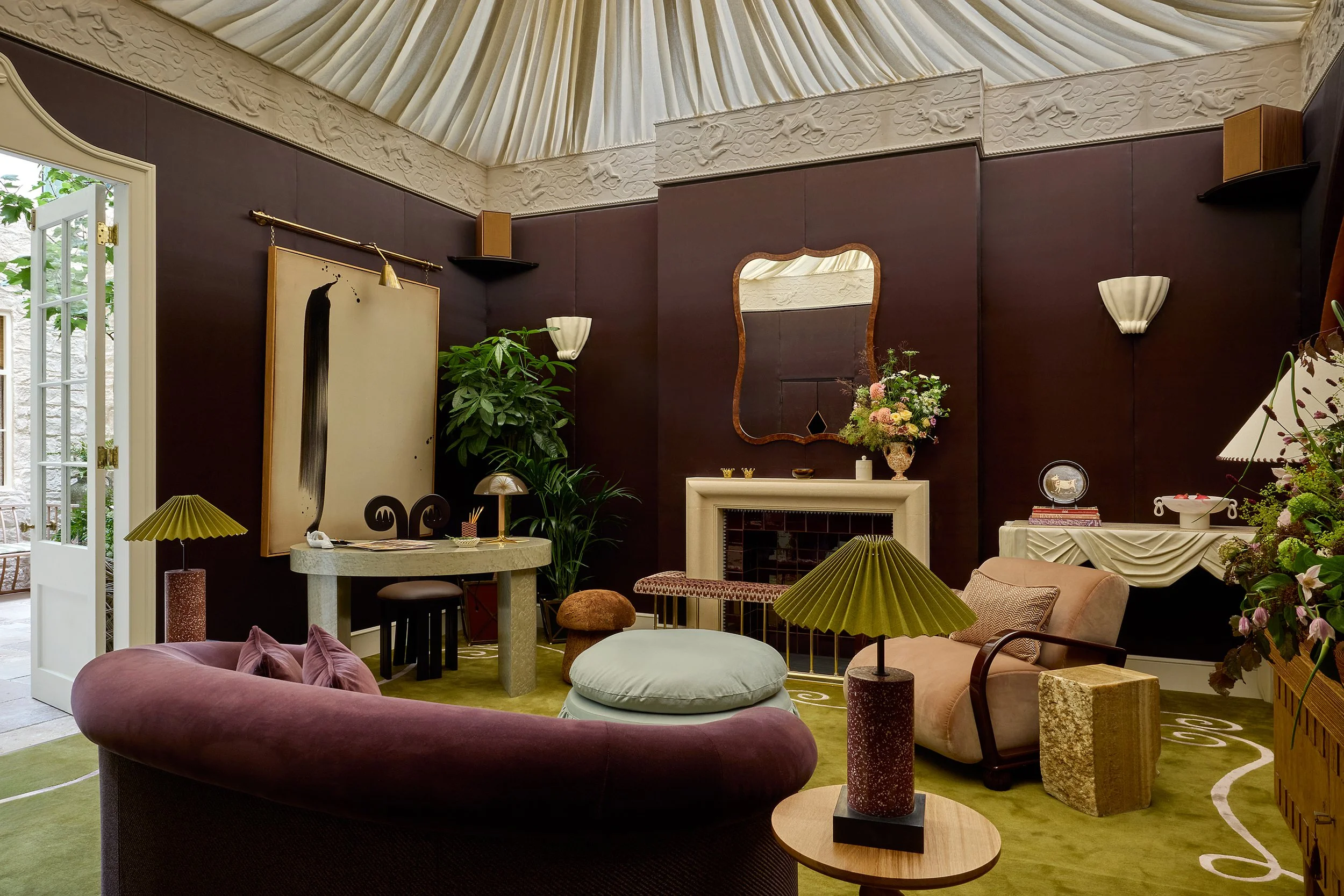
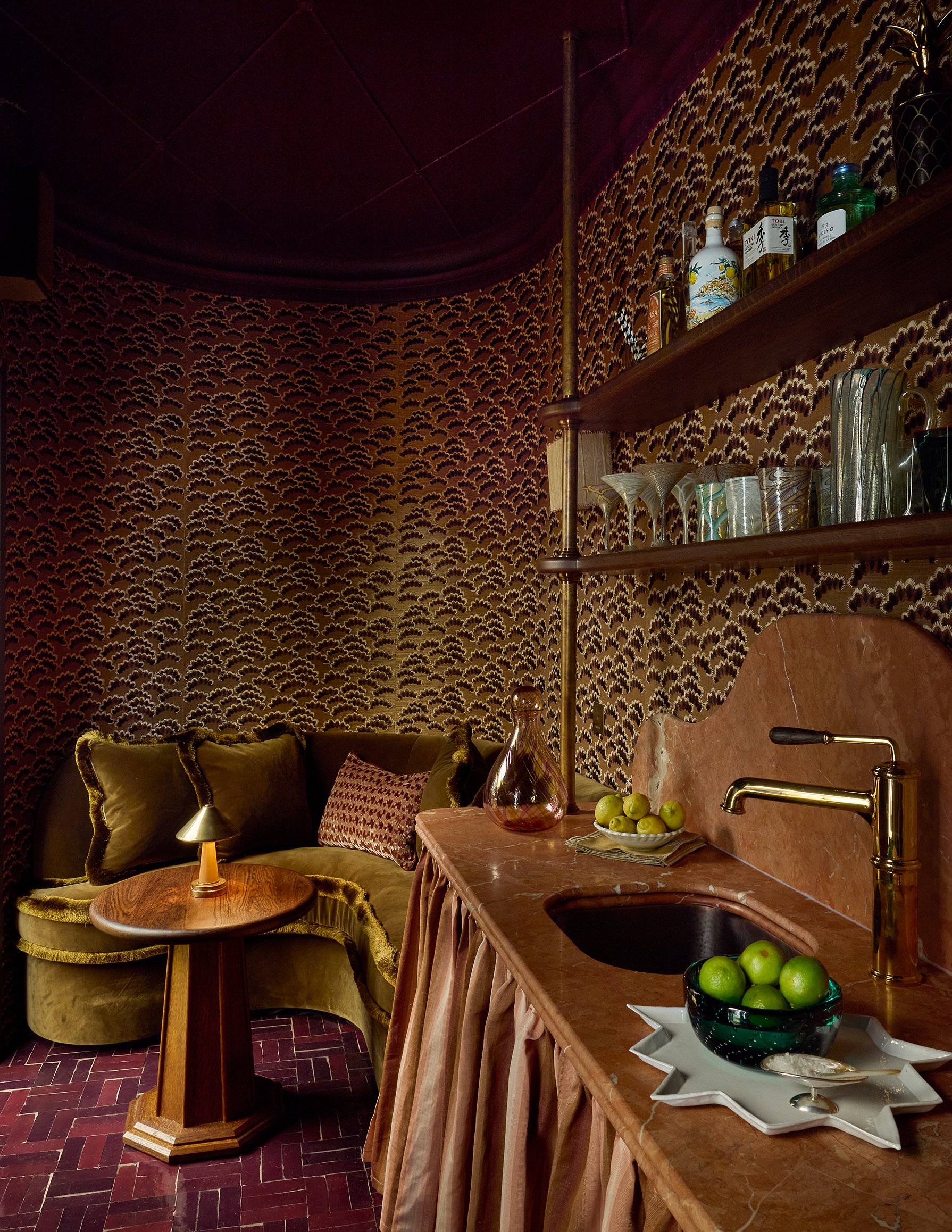
What defines it is its layering. Different eras, influences, and materials are brought together with confidence, creating a space that feels personal and expressive. It’s designed to be used; to entertain, to relax, to live within, and that sense of functionality grounds its more decorative elements. The result is a space that feels both sophisticated and inviting, where every detail contributes to a narrative that unfolds over time.
The Parlour by Martin Kemp Design
The Parlour is defined by its sense of intrigue. From the outset, it withholds as much as it reveals, allowing the space to unfold gradually. Light is treated as a material in its own right, shaping how the room is perceived and experienced. There is a softness to the boundaries, created through layers of fabric and form that blur the distinction between structure and decoration.
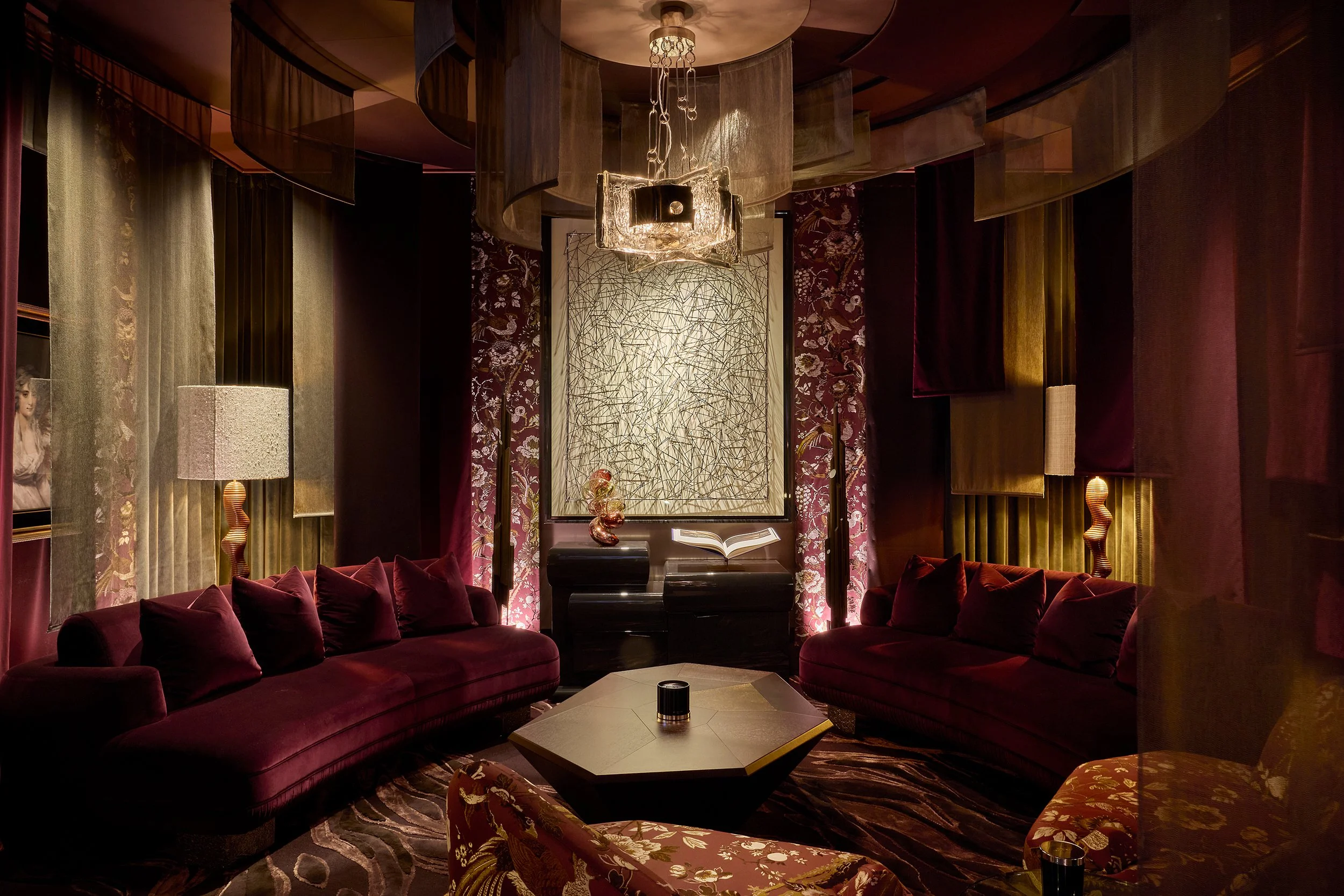
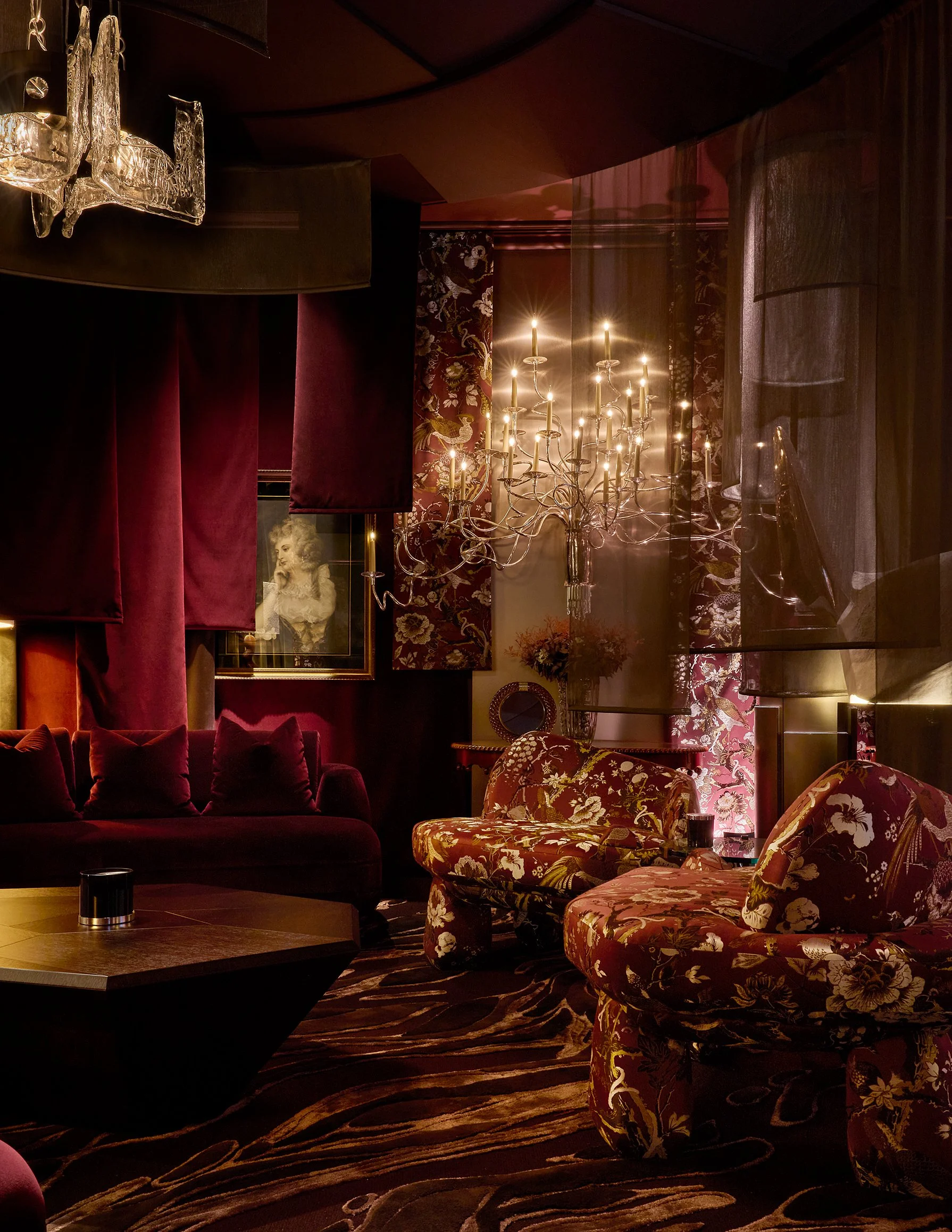
This is a space that invites exploration. Individual pieces act as focal points, each carrying its own presence, yet together they form a cohesive and immersive environment. The circular layout reinforces this sense of continuity, encouraging movement and interaction. It feels intimate and considered, balancing comfort with curiosity in a way that draws you in and holds your attention.
Zardi & Zardi Withdrawing Room by Sean Symington
The Withdrawing Room feels layered with personality, shaped by a sense of collecting and considered curation. Pattern and texture create a richness that is immediately engaging, drawing you into a space that feels both intimate and expressive. There is a softness to the composition that allows different elements to coexist without competing, resulting in a cohesive yet dynamic environment.
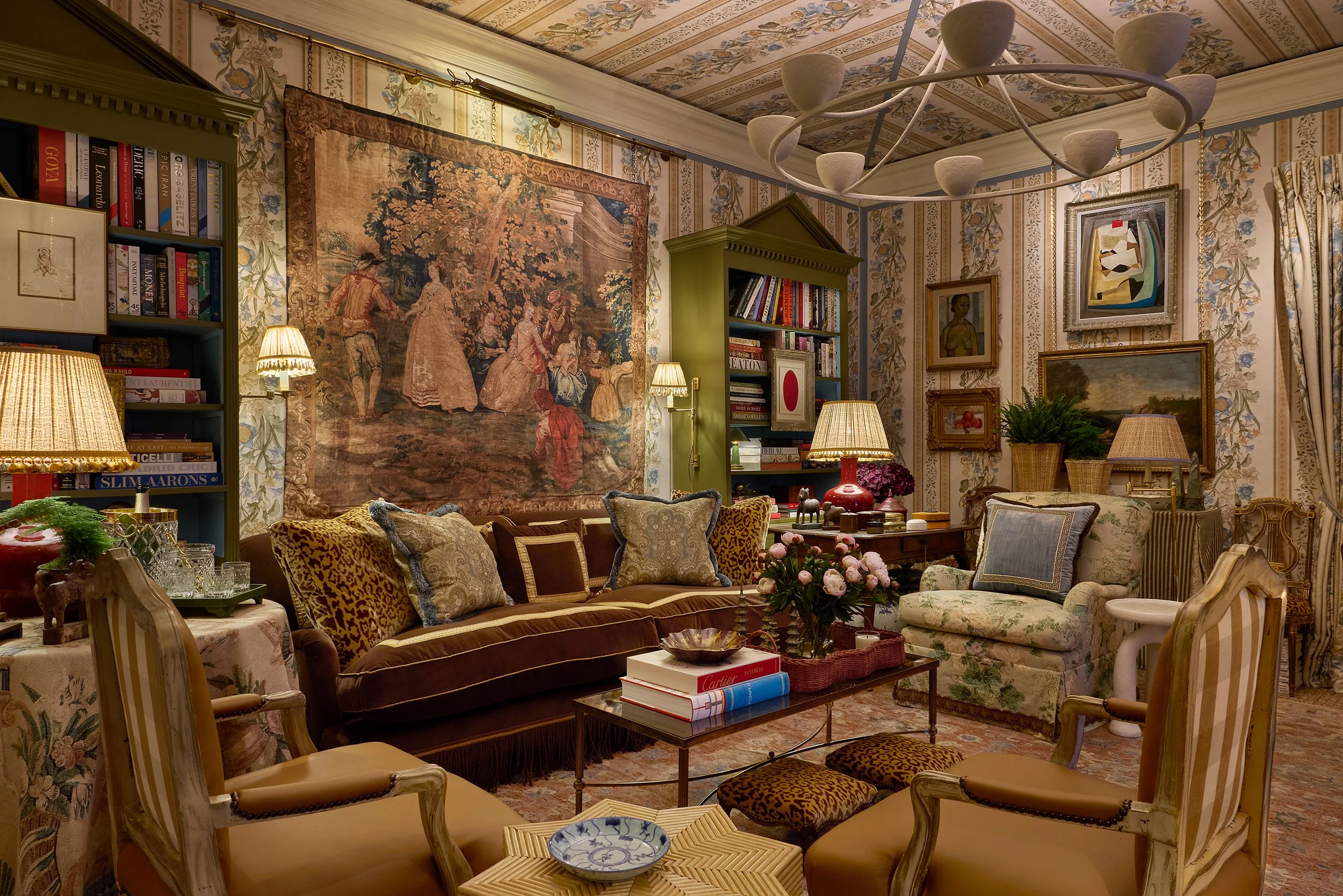
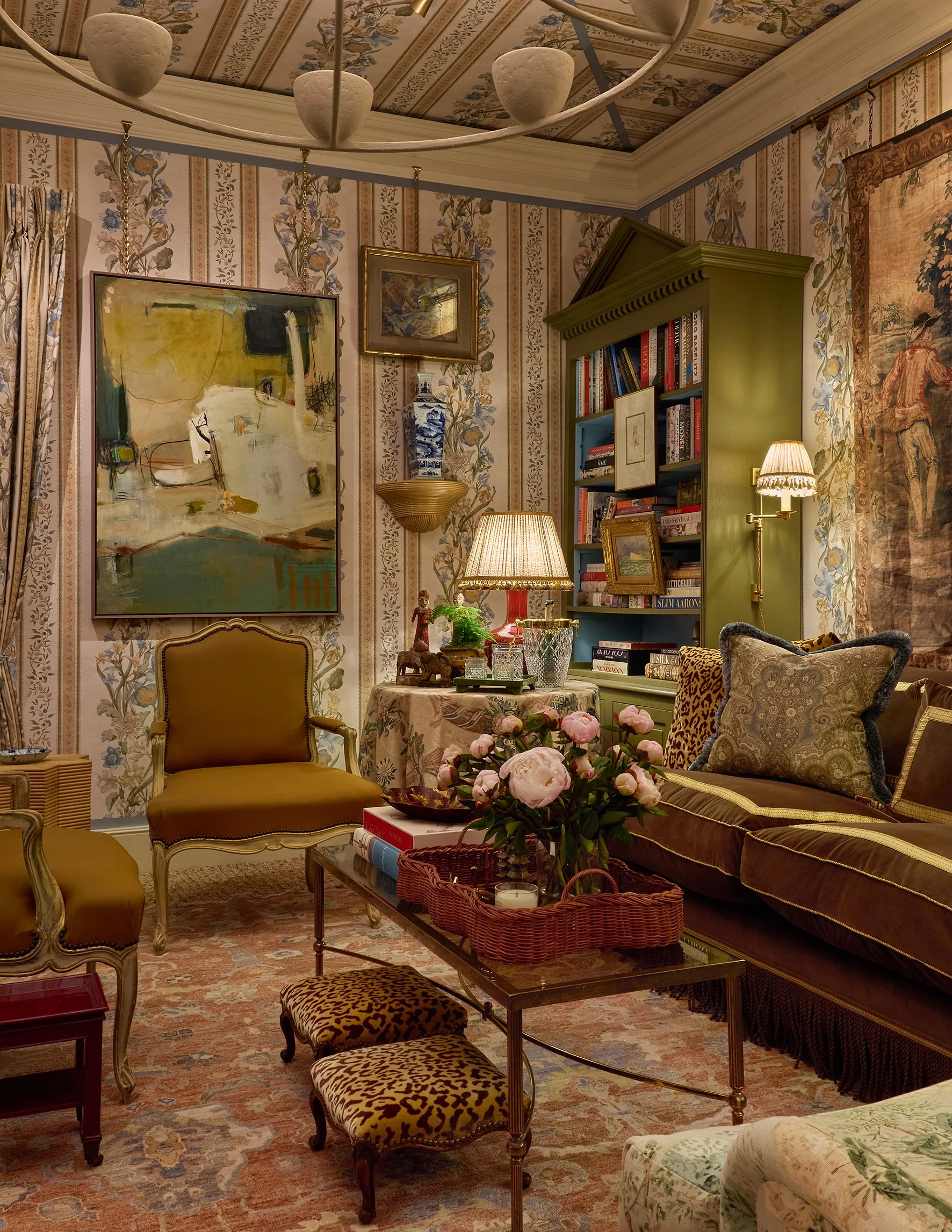
What defines the room is its sense of lived-in elegance. Nothing feels overly precious or untouchable; instead, there is a relaxed confidence in the way objects are arranged and materials are used. It’s a space that celebrates the joy of living with beautiful things, where comfort and character take precedence over perfection. The result is warm, welcoming, and deeply personal.
Schumacher Dining Room by Max Rollitt
The Dining Room feels like stepping into a memory, one grounded in history yet brought into the present with clarity and intent. The richness of the materials immediately sets the tone, with layered textiles and warm, saturated hues creating a sense of depth that feels both enveloping and inviting. The architecture provides a structured framework, but it is the decorative detailing that softens and animates the space, allowing it to feel lived-in rather than staged.
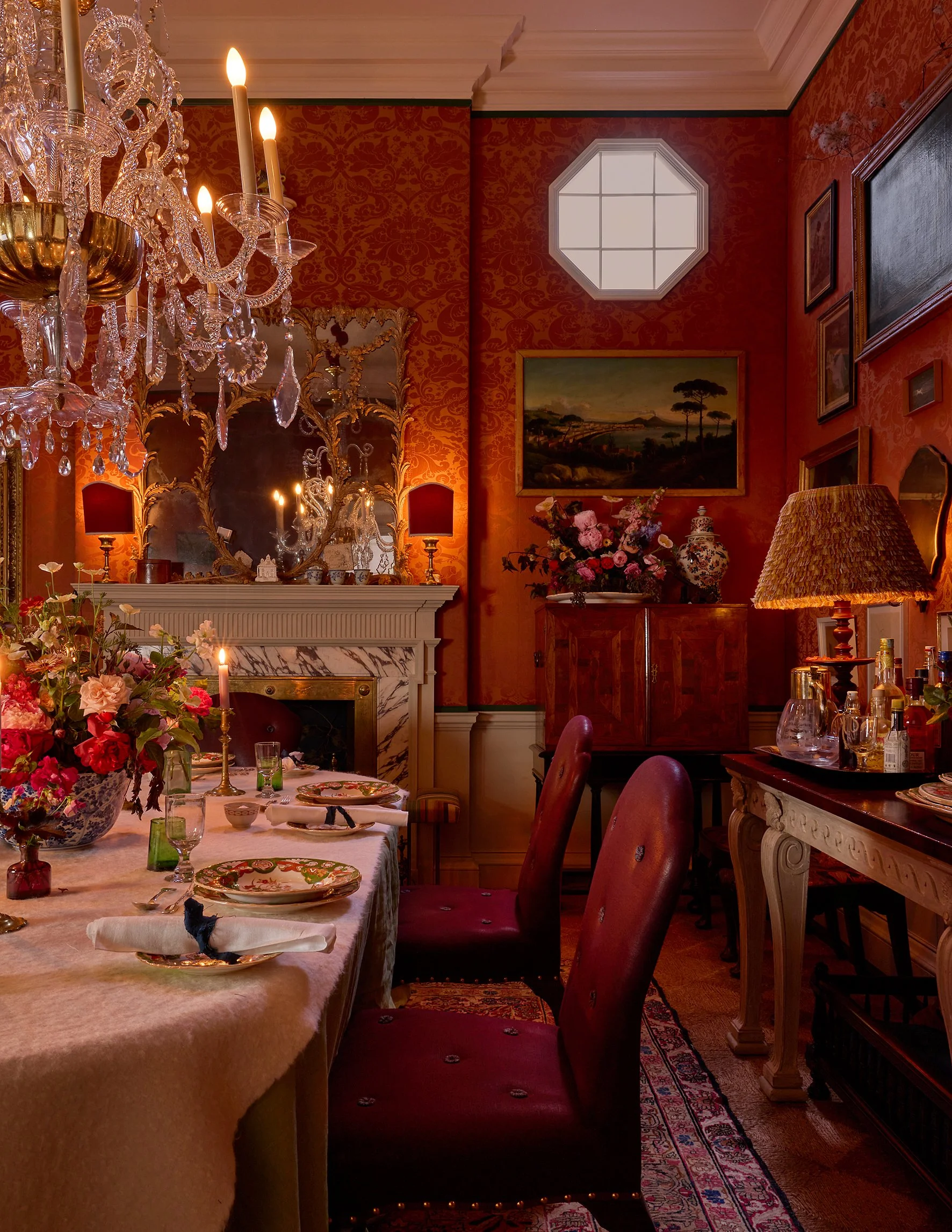
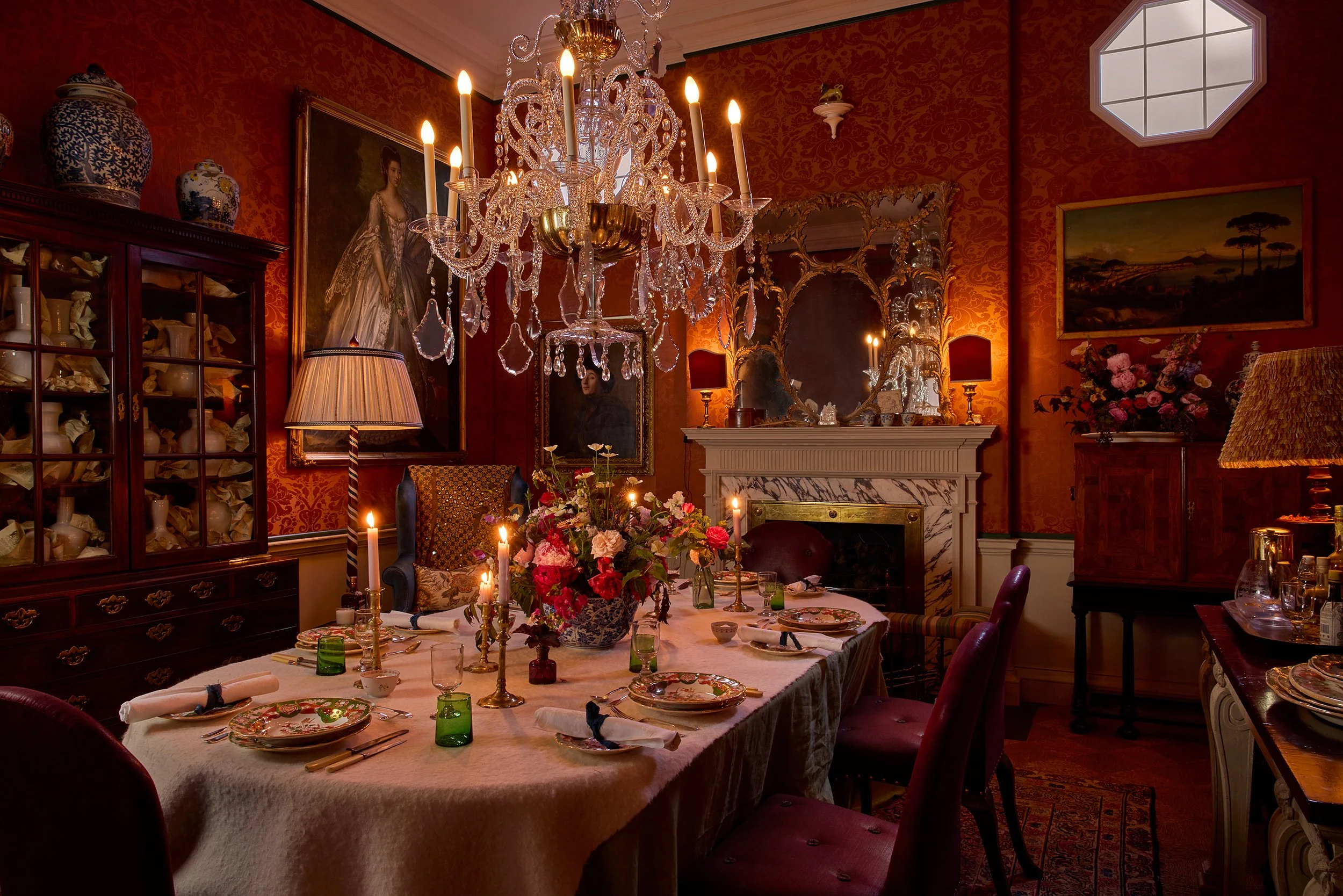
What resonates most is the balance between authenticity and modernity. The room draws heavily from historical reference, yet it avoids pastiche by interpreting these influences through a contemporary lens. Craftsmanship is evident in every element, from the furniture to the finishes, reinforcing a sense of permanence and quality. It’s a space designed not just to impress, but to be enjoyed, where conversation, atmosphere, and material richness come together to elevate the ritual of dining.
Kitchen & Outdoor Living
Kitchen – Samantha Bartlett for Martin Moore
The Kitchen opens up as a moment of light and clarity within the house, shifting the atmosphere into something more grounded and connected to nature. Natural light defines the experience, moving across surfaces and materials to create a sense of openness and ease. The palette is deliberately restrained, allowing subtle variations in texture and tone to become the focus rather than overt decoration.
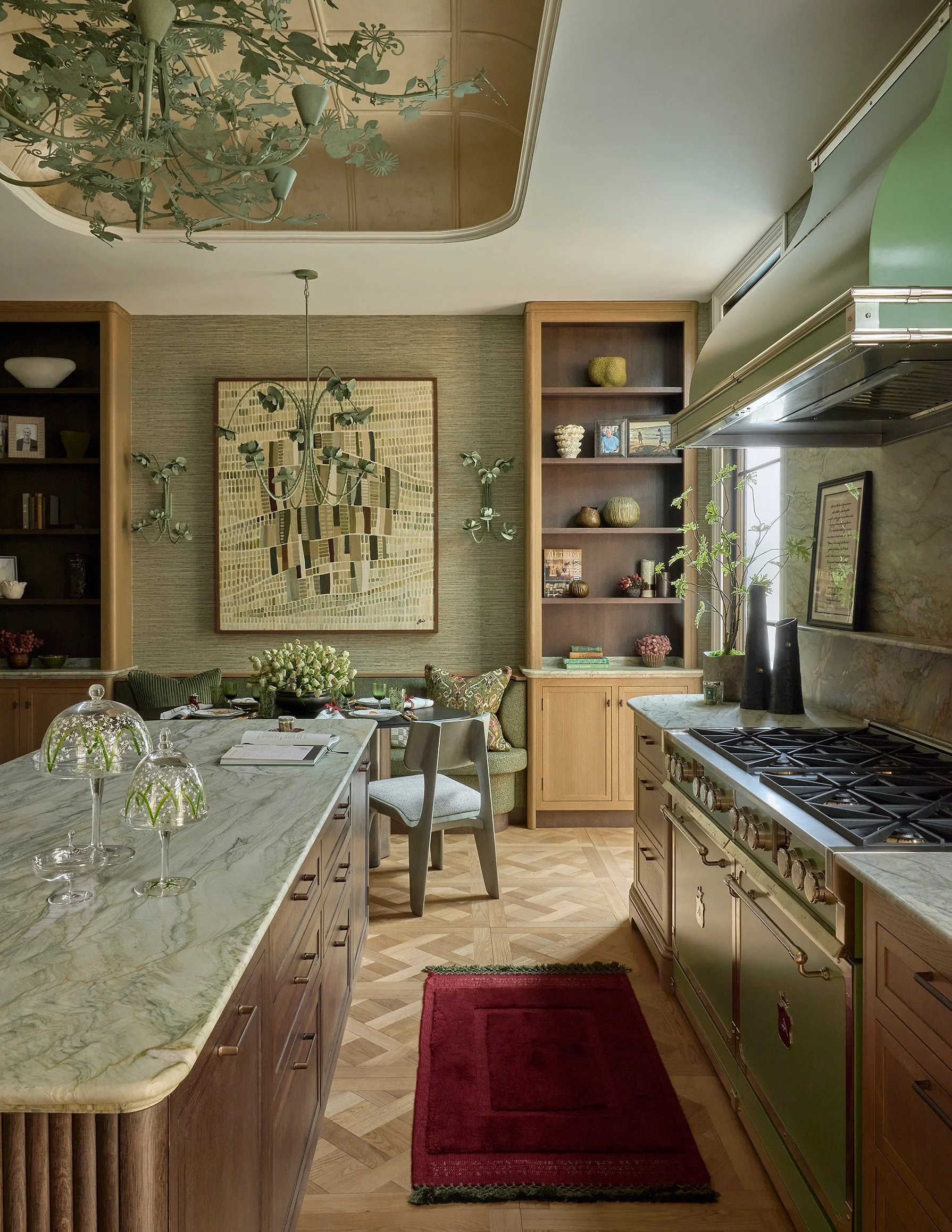
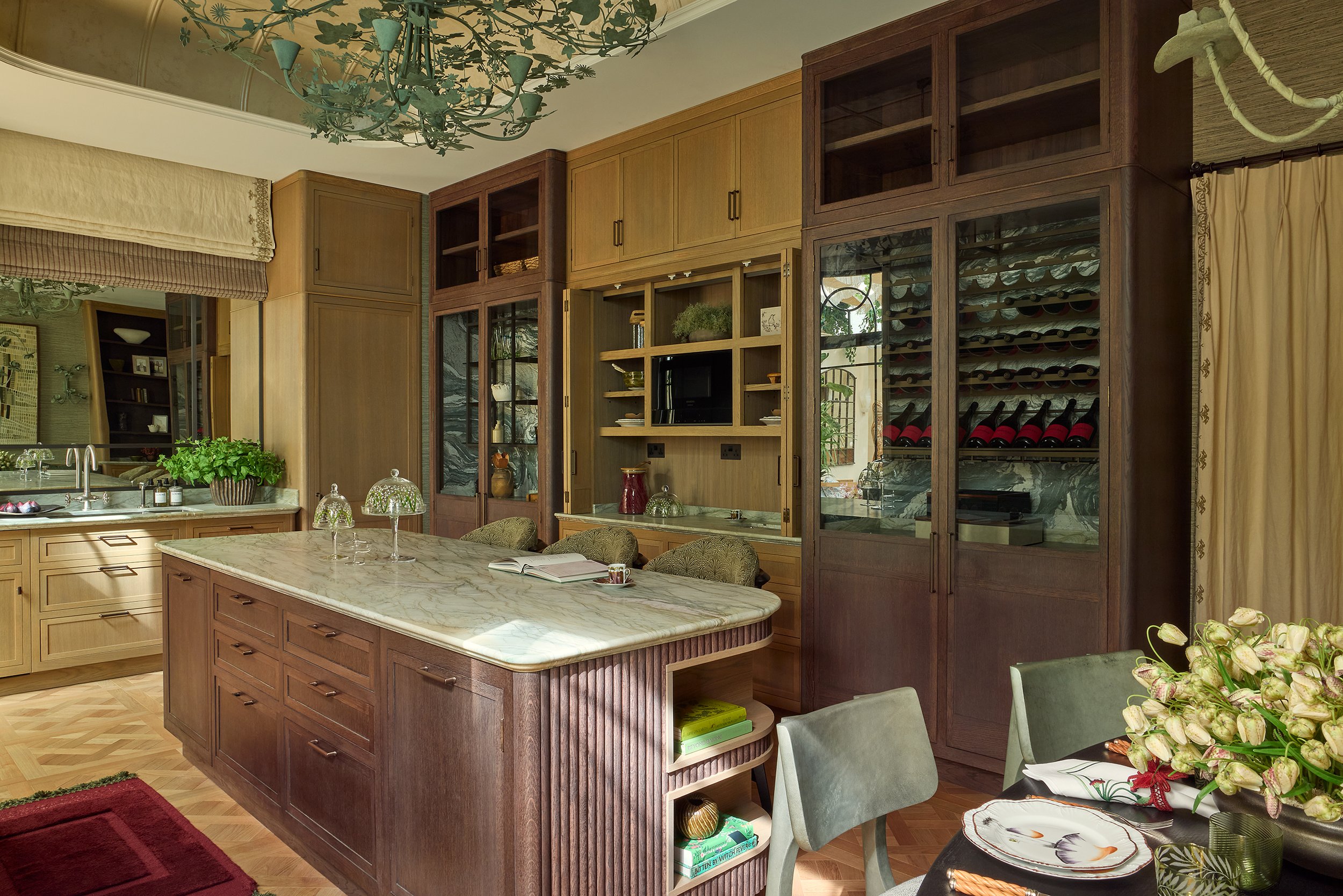
What makes the space particularly compelling is its duality. It is both functional and expressive, designed for everyday use while maintaining a strong architectural presence. Materials have been chosen not only for their appearance but also for how they will age and evolve, embedding a sense of longevity in the design. It feels calm, considered, and quietly confident; a space that elevates daily rituals through precision and thoughtful restraint.
Munder Skiles Courtyard by Richard Miers
The Courtyard sits somewhere between architecture and landscape, creating a space that feels both structured and organic. Surfaces carry a sense of age and permanence, while planting introduces movement and softness. The balance between the two feels effortless, creating an environment that evolves subtly throughout the day.
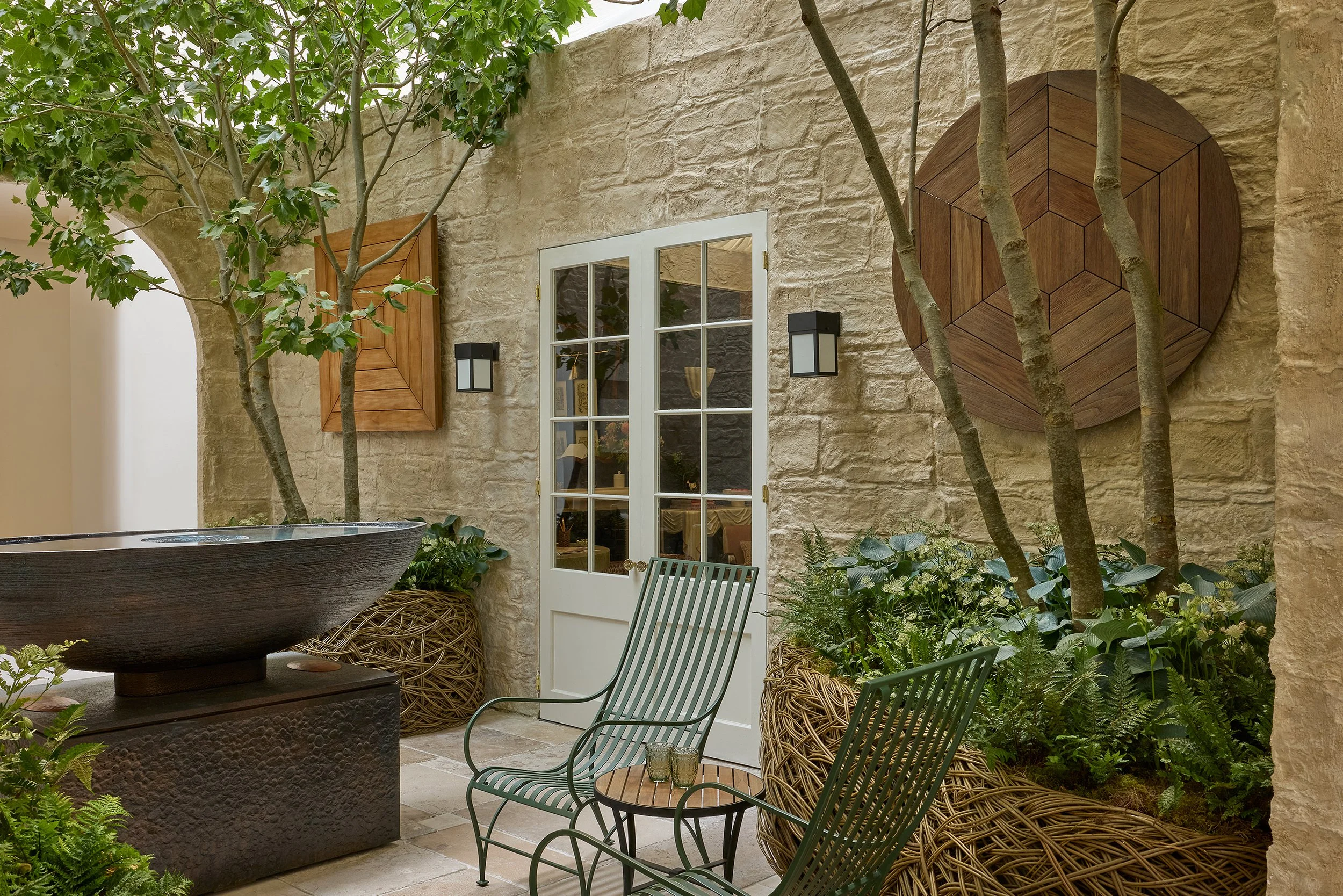
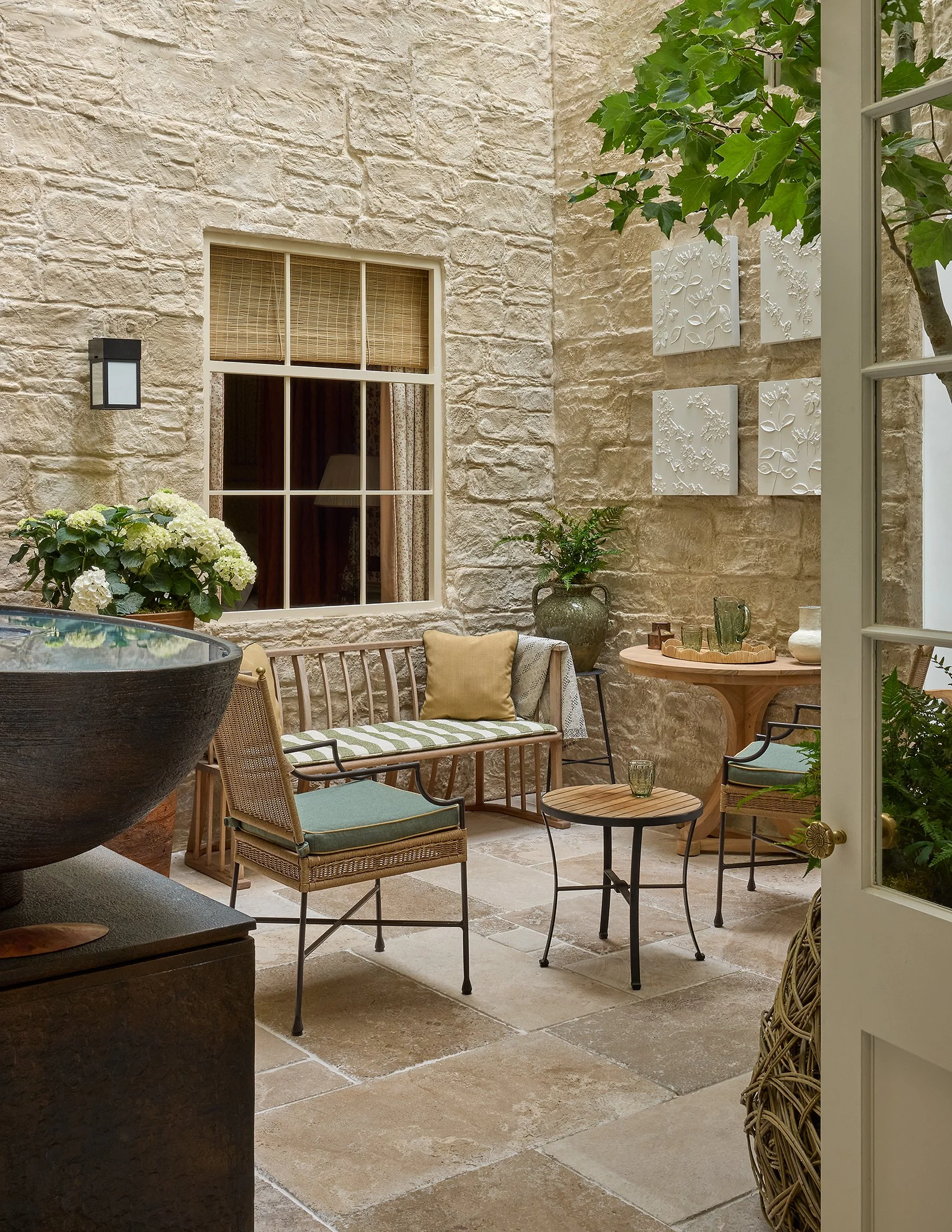
There is a quiet timelessness here that feels particularly resonant. Nothing feels forced or overly designed; instead, the space allows materials and craftsmanship to speak for themselves. It invites you to pause, to notice the smaller details: the texture of stone, the shifting light, the sound of water. It’s a space that feels lived-in and enduring, designed not just for a moment, but for a way of life.
Perennials and Sutherland Garden Terrace by Fettle
The Garden Terrace shifts the narrative into something lighter, more open, and infused with a sense of joy. There is an immediate connection to outdoor living, with colour, texture, and form working together to create a space that feels relaxed yet composed. The design carries a sense of movement, with patterns and materials guiding your eye through the space.
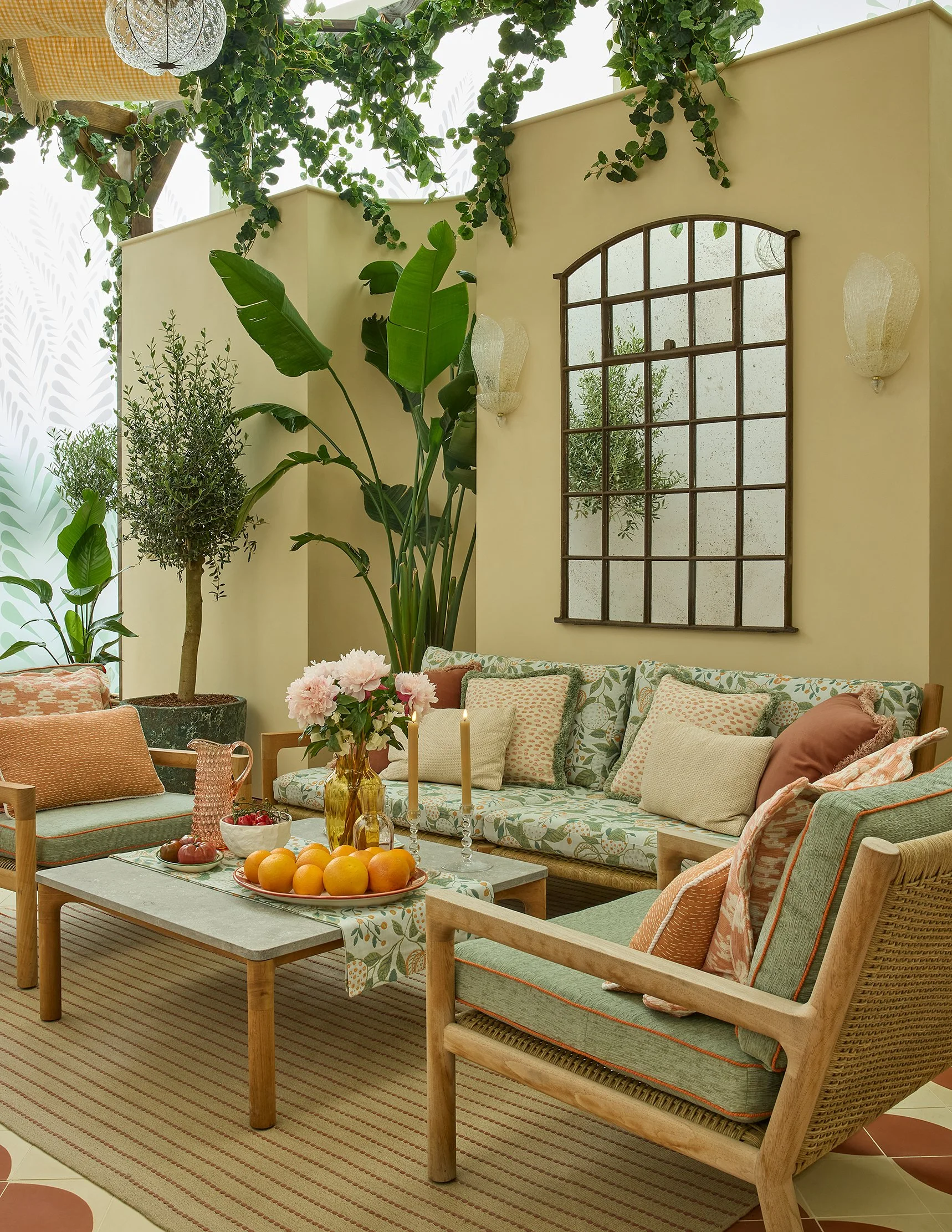
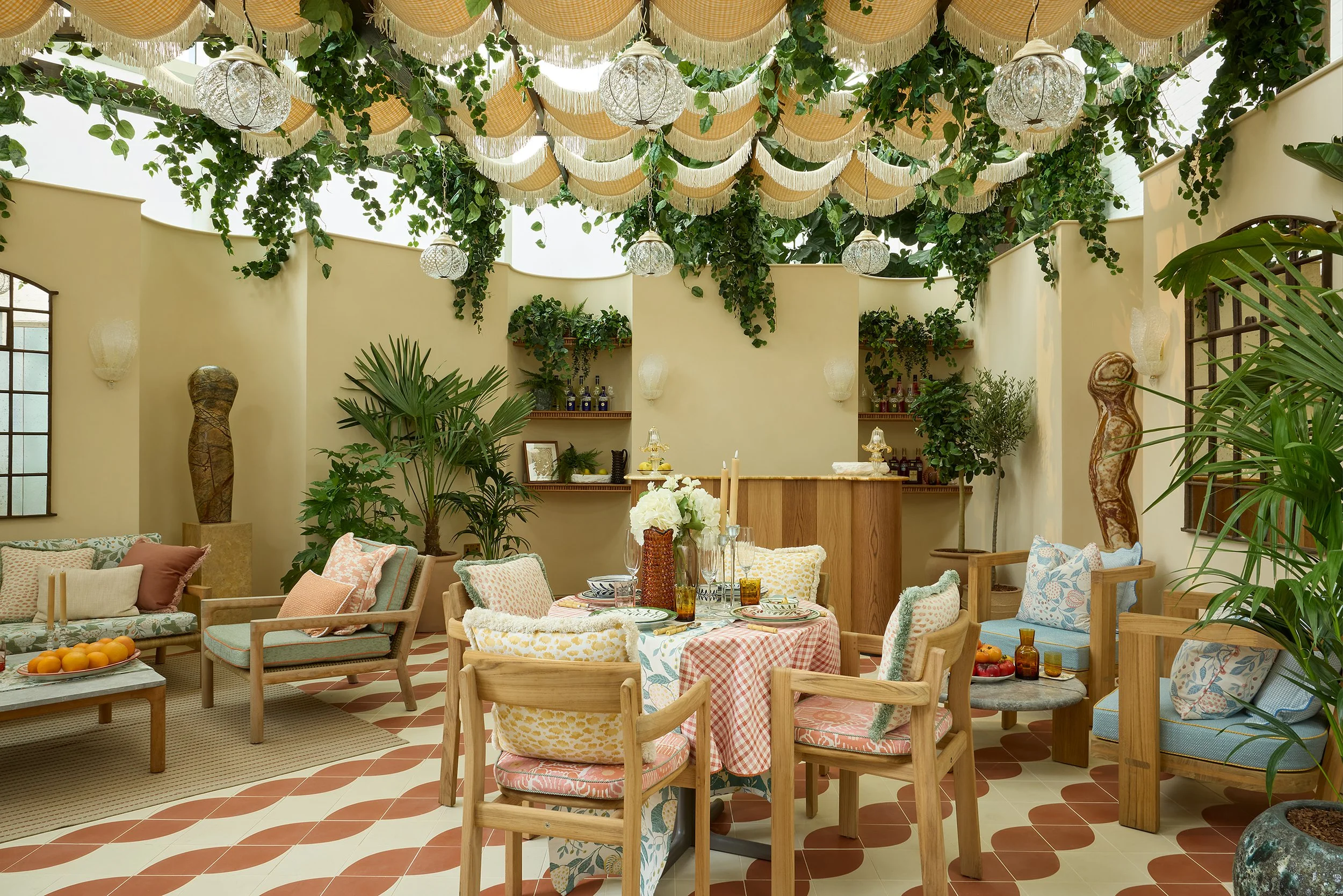
What defines the terrace is its atmosphere. It feels sociable, warm, and inviting; a space designed for gathering, for conversation, and for ease. There is a playfulness in the detailing, balanced by a strong sense of craftsmanship that grounds the overall composition. It captures a lifestyle rather than a moment, translating the essence of outdoor living into something that feels both elevated and effortless.
Technology & Immersion
Nucleus Immersive Room by Russell Sage Studio
The Immersive Room operates on a different level entirely, redefining how interior space can be experienced. At first, it feels calm and cocooning, with soft forms and muted tones creating a sense of comfort. But as you settle into the space, it begins to unfold, revealing layers of sound, light, and movement that subtly yet powerfully transform the atmosphere.
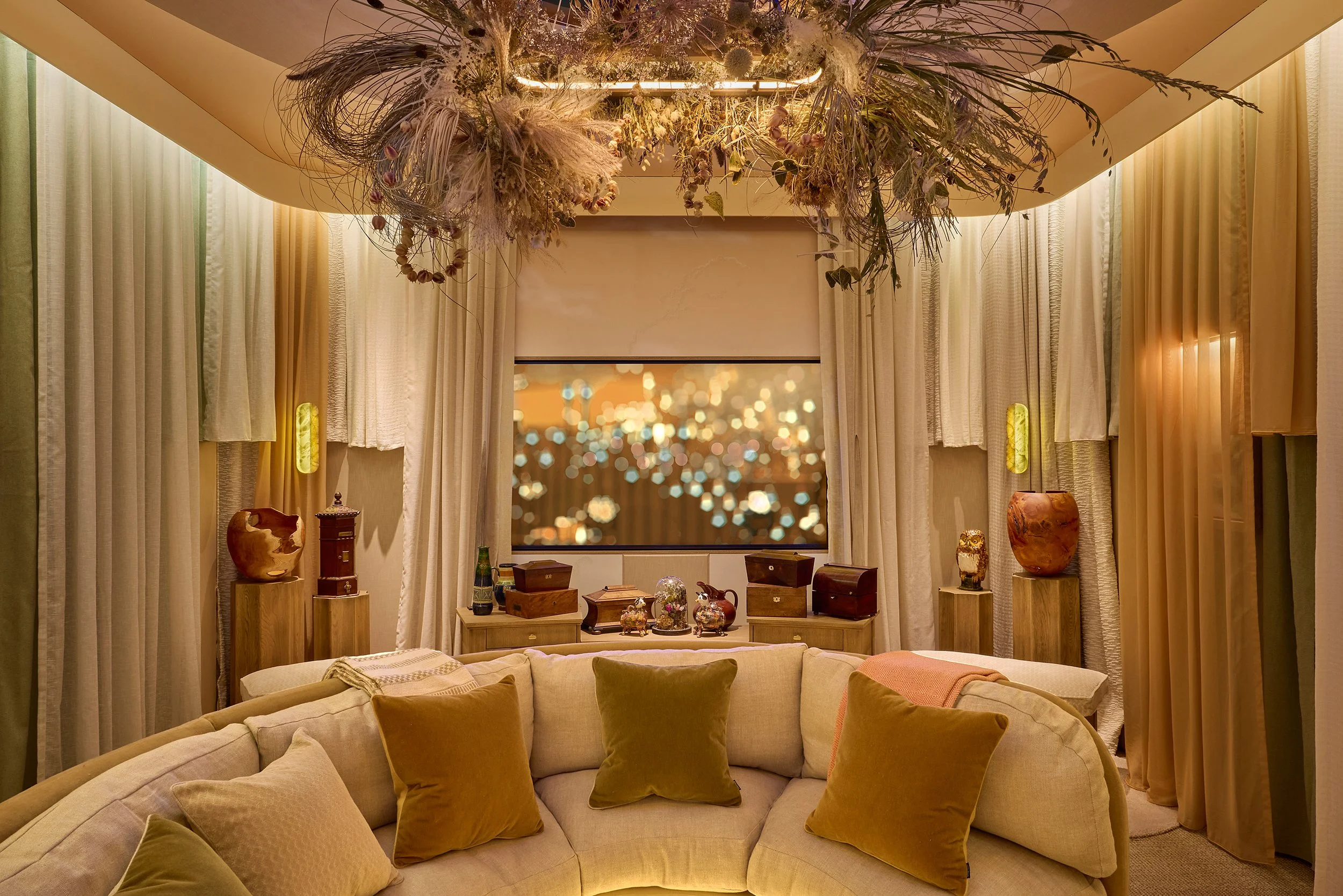
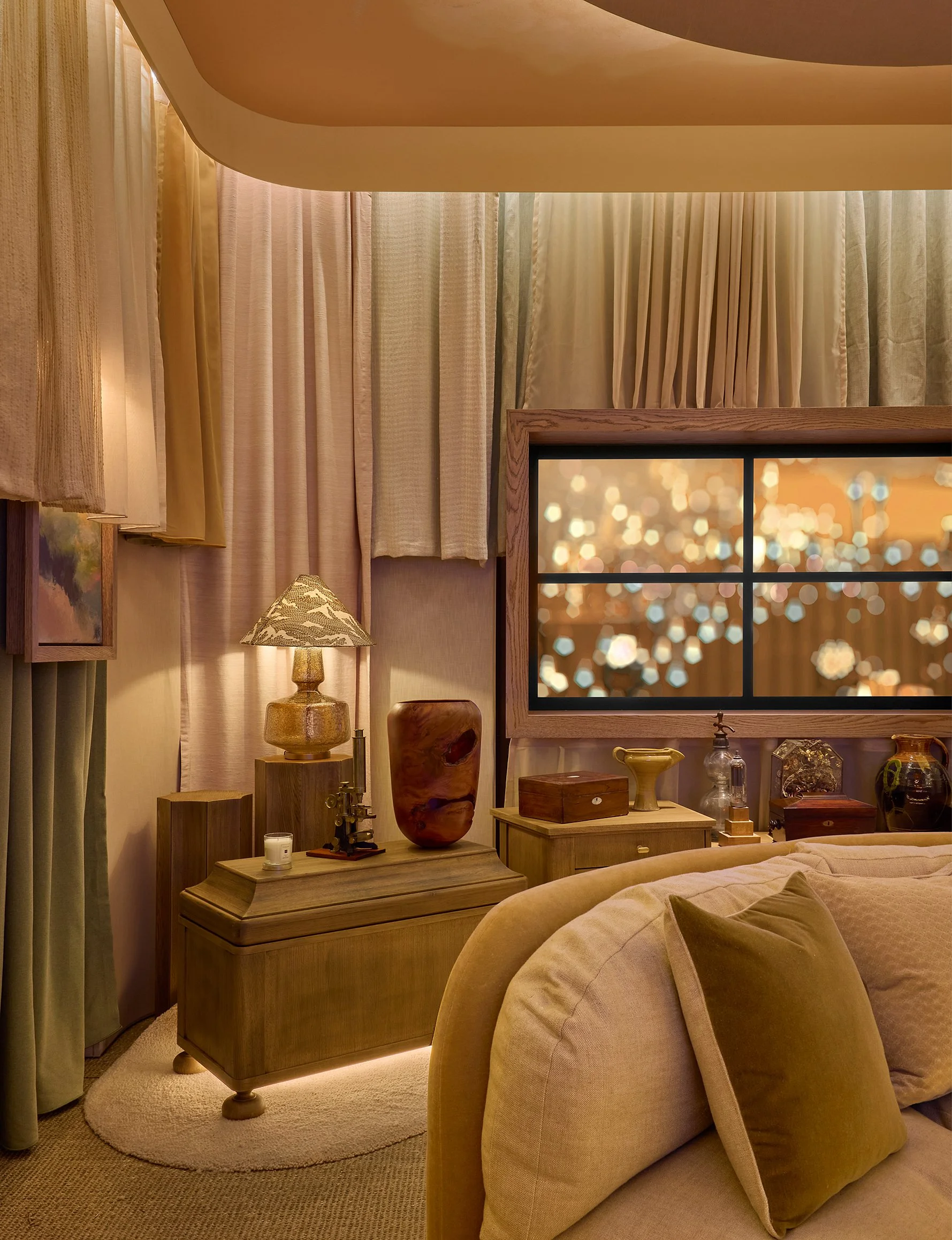
What makes it so compelling is the way technology is integrated. It is not treated as a feature, but as an invisible layer that enhances the experience. Everything feels seamless, working together to shape mood and emotion rather than distract from it. The result is deeply immersive yet surprisingly quiet; a space that encourages reflection, memory, and pause, offering a new perspective on what design can achieve.
As I walked through WOW!house 2026, I was reminded why this showcase remains so important. It is not just about individual rooms, but about the collective narrative, the dialogue between designers, and the exploration of where design is heading.
I say it every year, and once again it holds true: the benchmark has been set incredibly high. (You can explore my previous years’ coverage via the links below)
And with that, I already find myself looking ahead. I very much look forward to discovering what WOW!house 2027 has to offer.
More from WOW!house

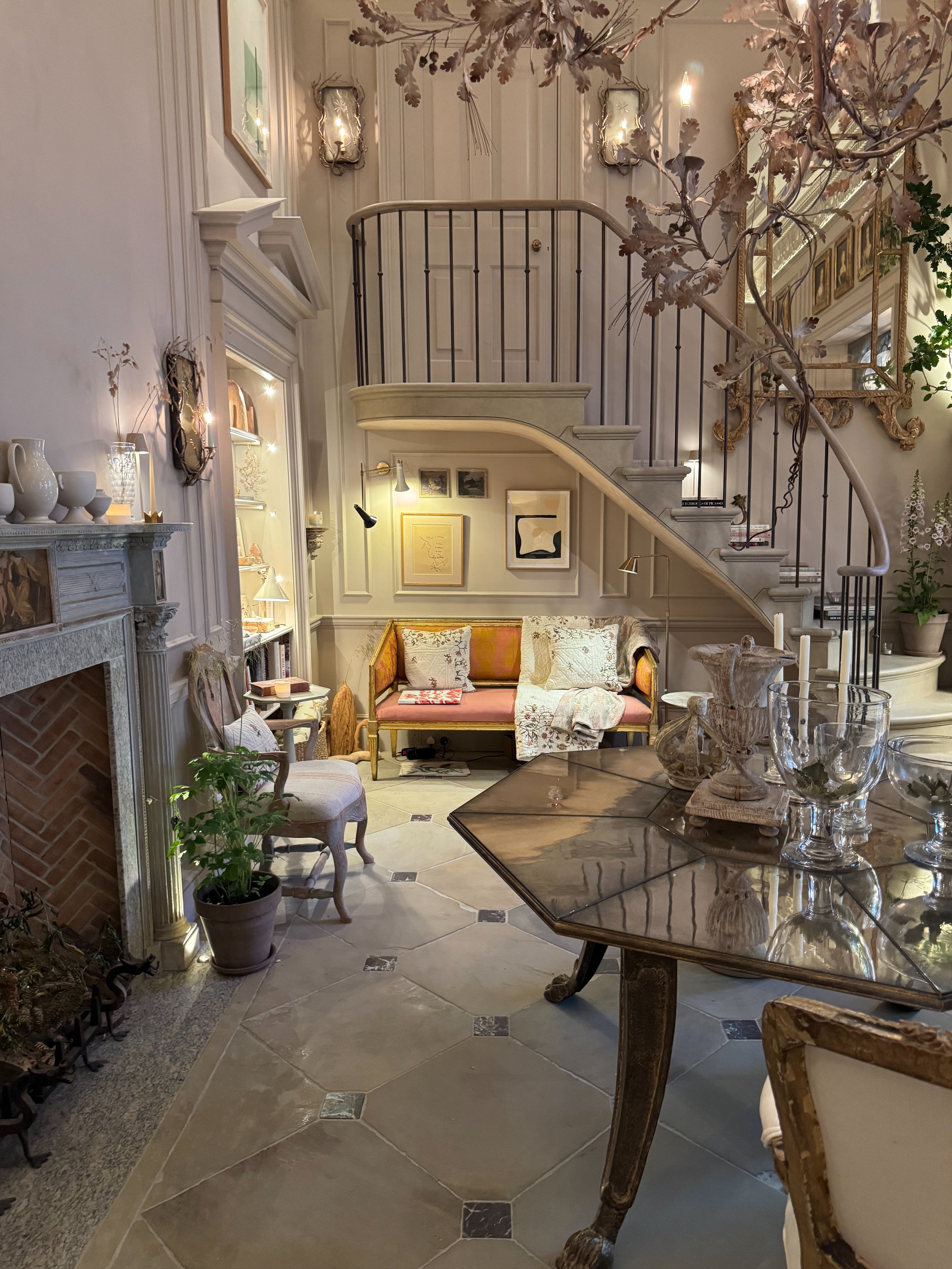

WOW!house 2026 at Chelsea Harbour once again raises the bar, blending craft, innovation and emotion across 22 immersive spaces. A personal, in-depth review of this year’s standout interiors and design moments.