
Angel O’Donnell: Layered Identity at Centre Point
A design-led exploration of colour, material and architectural dialogue, where Angel O’Donnell crafts a richly layered interior that celebrates Centre Point’s brutalist legacy while creating a refined, contemporary residence defined by balance, texture and quiet confidence.
There are certain interiors that speak immediately, not through volume, but through clarity. Spaces that hold your attention without overwhelming it. This residence at Centre Point is one of them.
As a studio, I have long been drawn to work that demonstrates a confident use of colour alongside a disciplined sense of restraint. Angel O’Donnell’s approach here feels instinctive rather than imposed. Their layering of material, form and tone creates an interior language that is both expressive and composed. It is bold, certainly, but never brash. Each moment is considered, allowing the apartment to hold a strong identity without ever feeling forced.
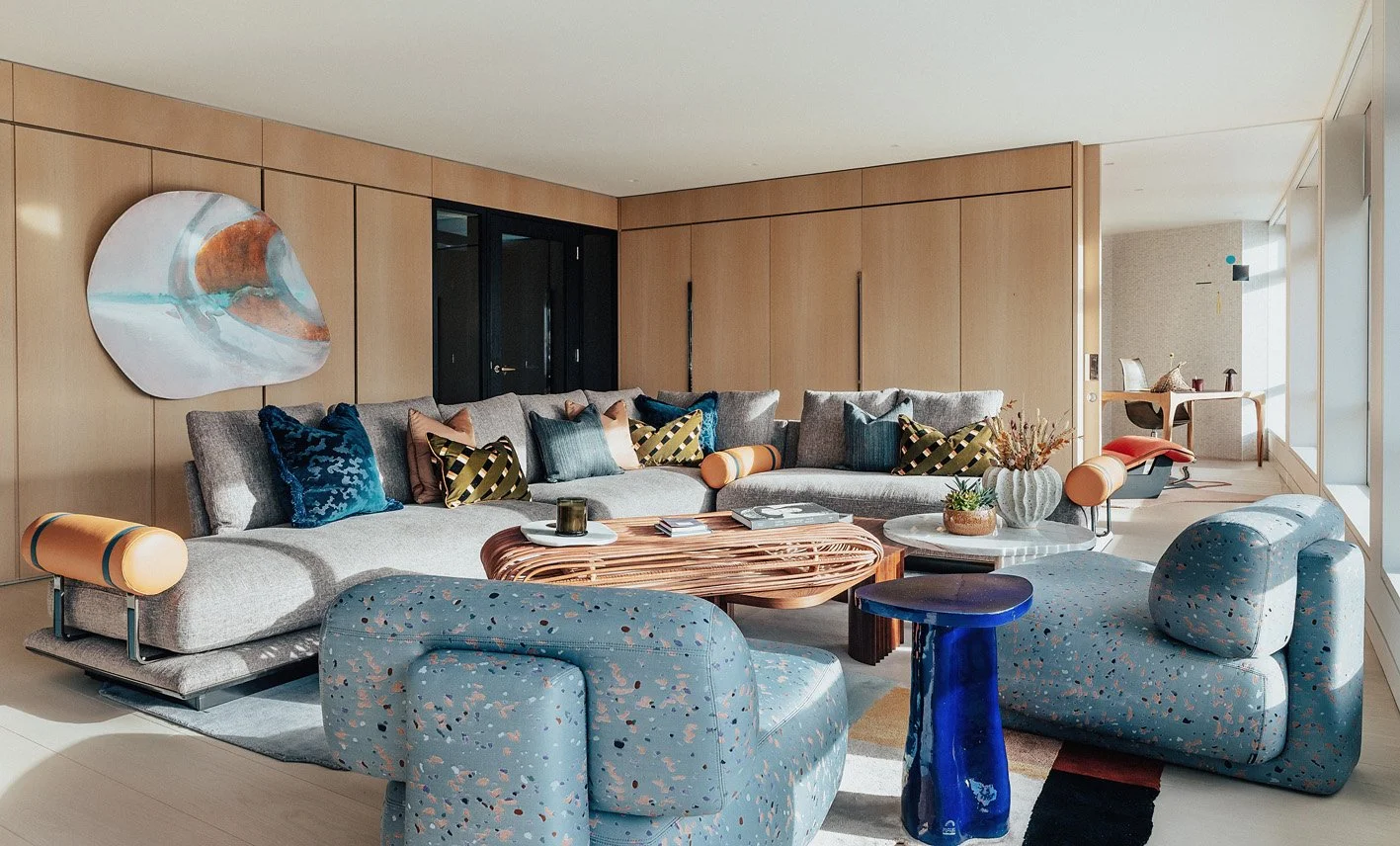
Set high above the shifting energy of the West End, the apartment immediately establishes a dialogue between architecture and interior. Centre Point itself is a landmark of British brutalism, its rhythmic concrete façade and geometric precision forming a powerful point of departure. Rather than compete with this architectural presence, the interiors respond to it with intelligence, drawing from its materiality while softening its edges through tactility and light.
The arrival sequence is telling. Richly toned oak, limestone flooring laid in precise geometric arrangements, and carefully placed artworks begin to establish the rhythm of the home. There is an intentionality here that carries through every space. Nothing feels accidental. Instead, elements are layered with purpose, creating depth without excess.
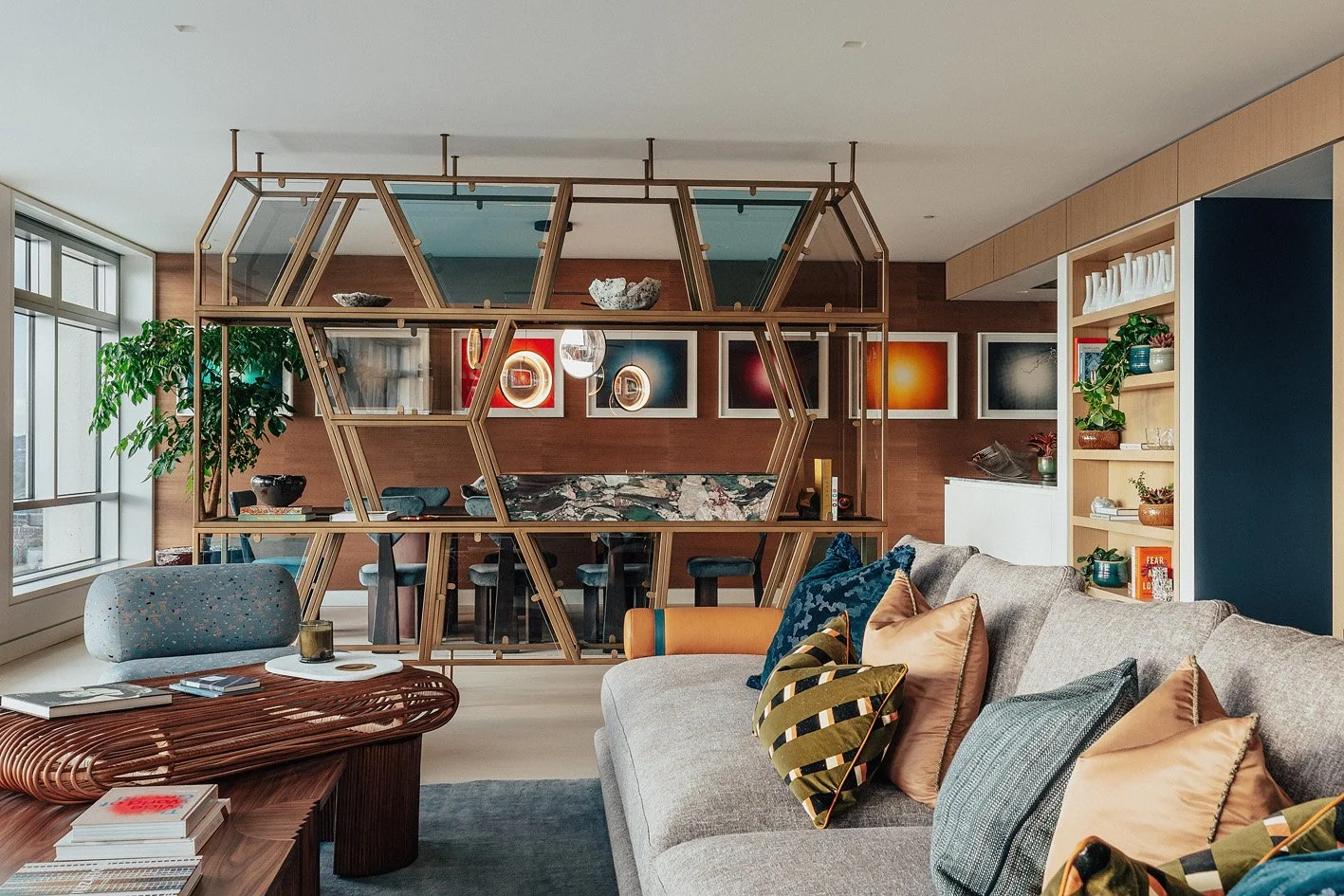
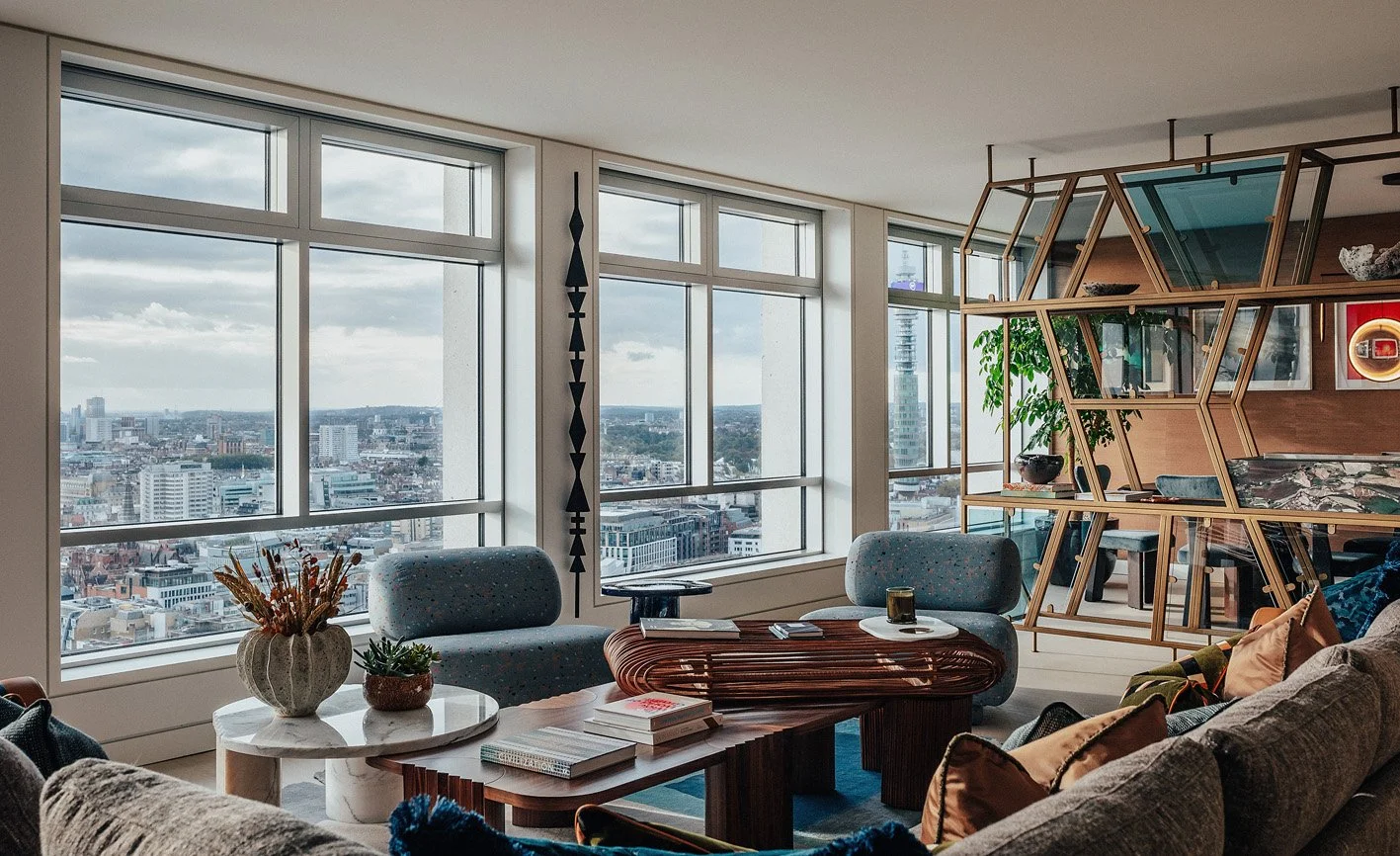
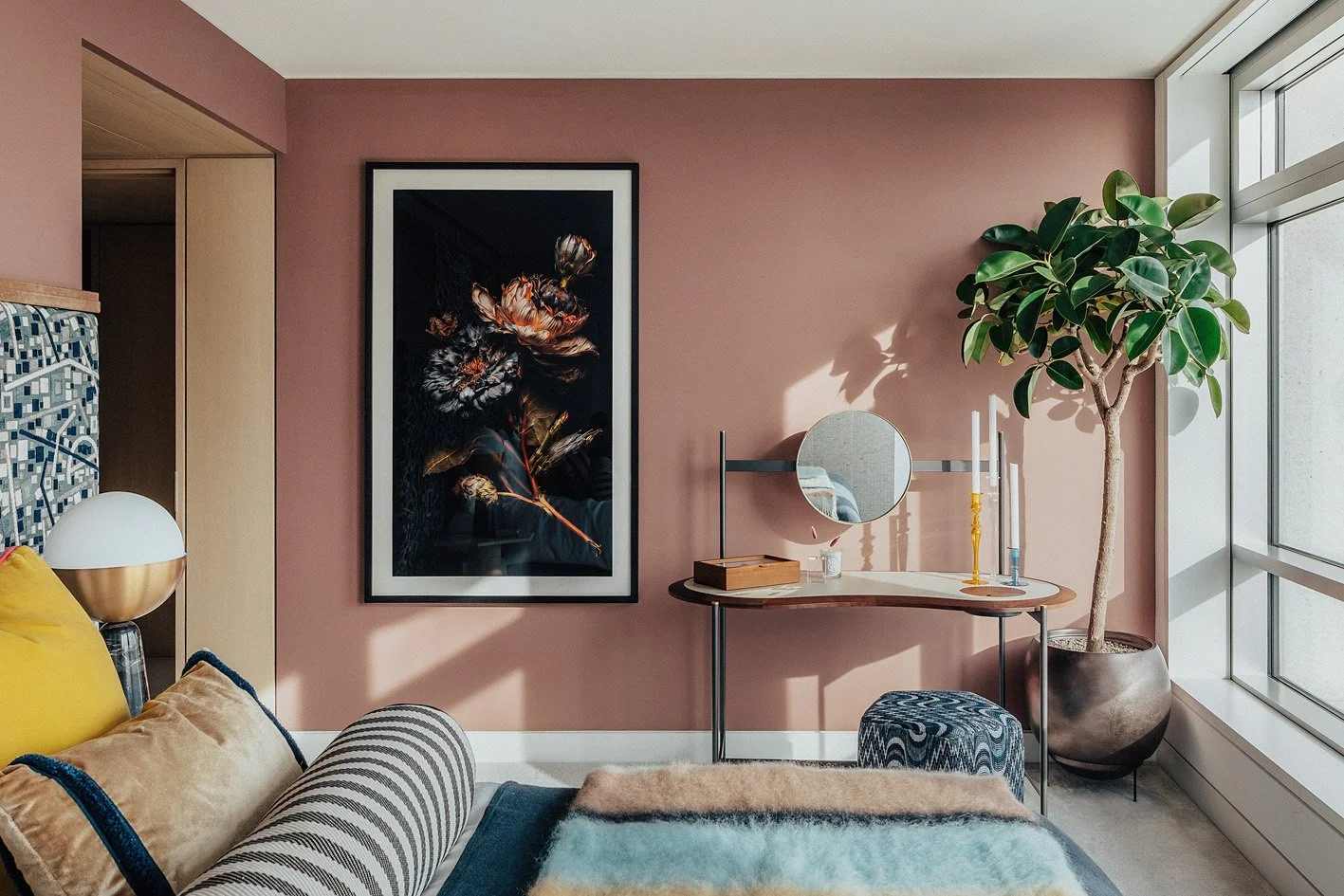
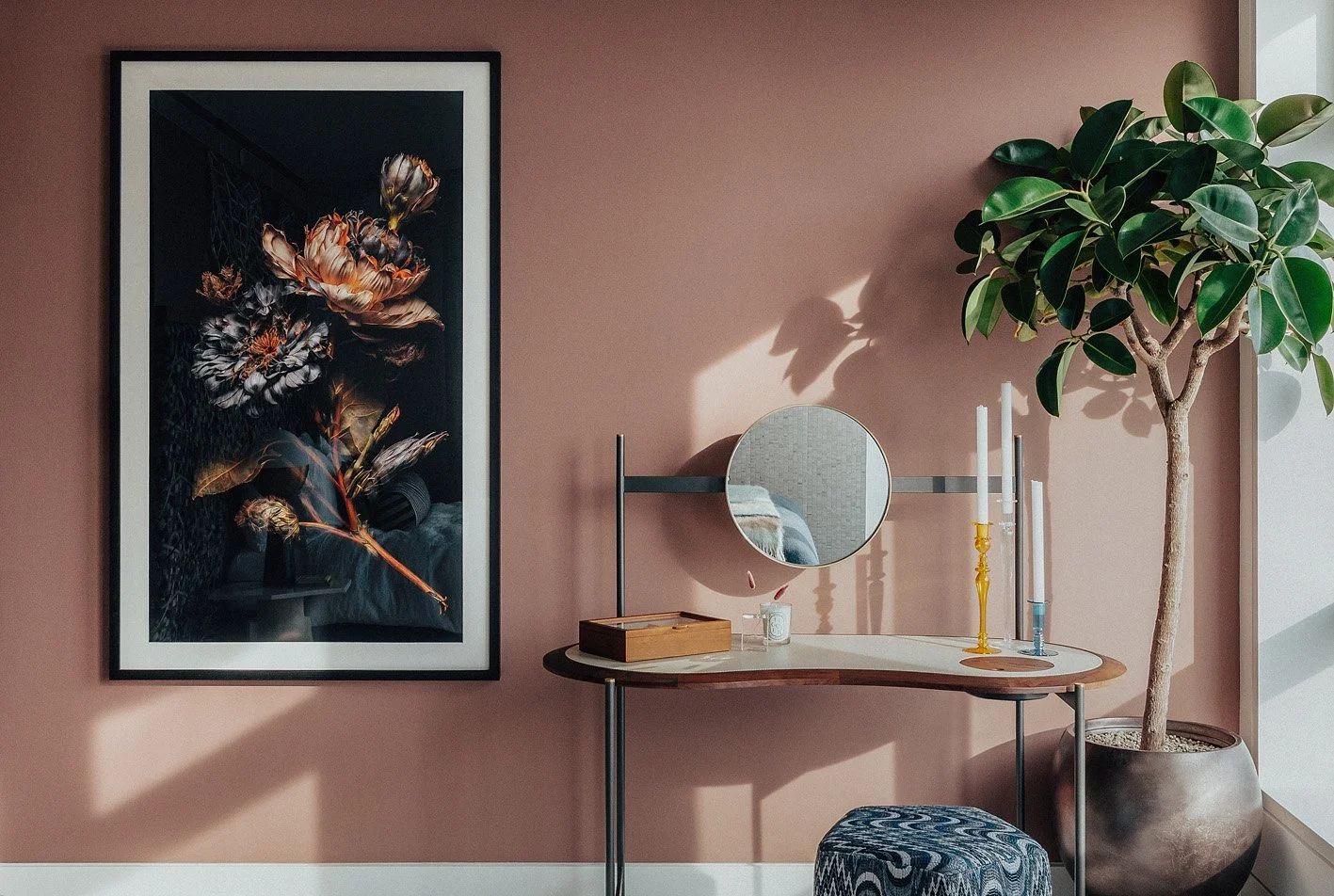
Colour is handled with a particular sensitivity. It is used not simply for impact but to define atmosphere. Deep terracotta, mineral blues, and rich greens appear throughout the apartment, each tone carefully calibrated to sit within the wider composition. This is where the scheme finds its strength. The palette is confident, yet it never dominates. Instead, it acts as a framework, supporting texture, light and material expression.
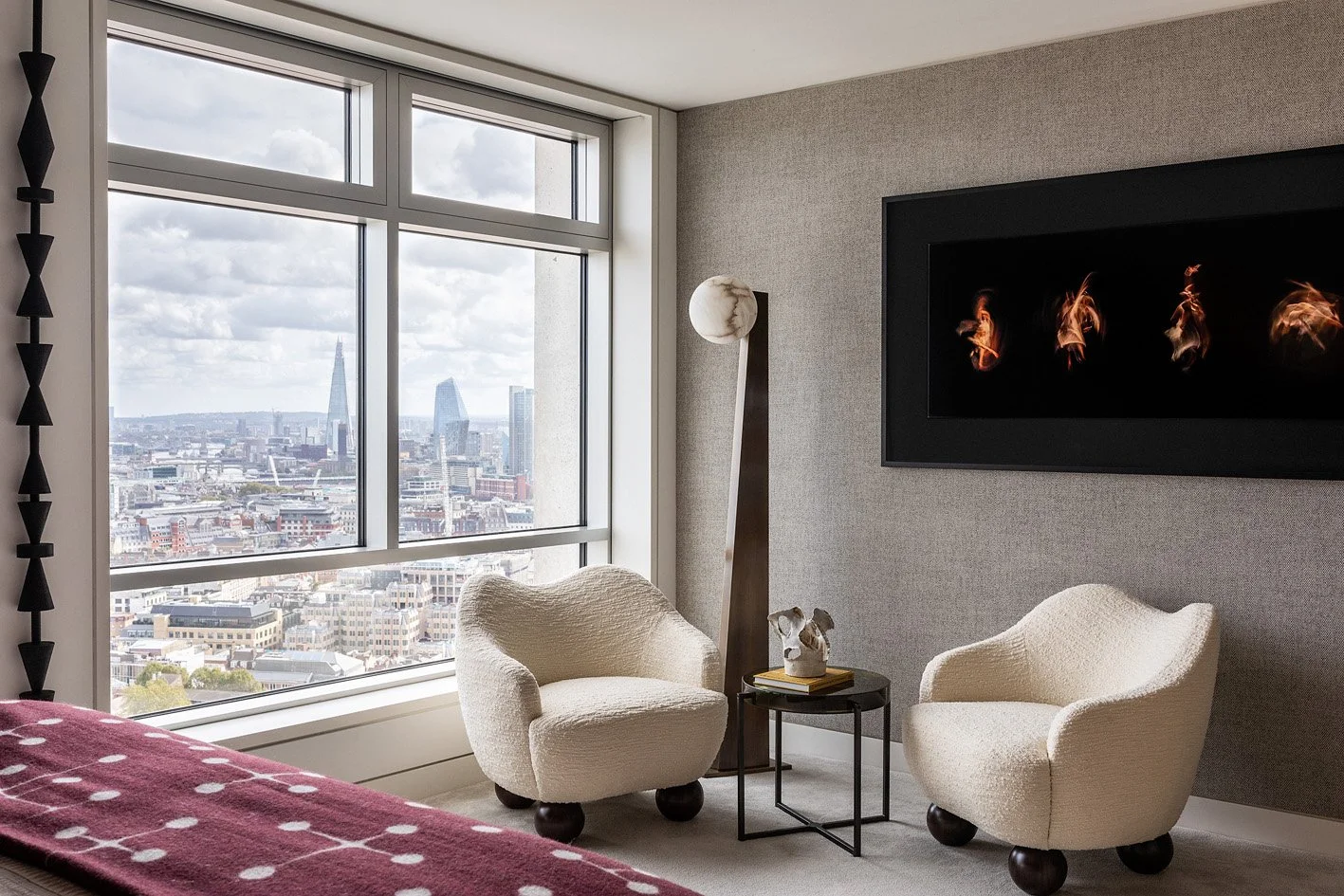
In the principal living space, the architecture opens outward through expansive glazing, allowing London’s skyline to become part of the interior narrative. Here, the layering becomes more dynamic. Reflective surfaces, sculptural furniture and curated artworks interact with shifting daylight, creating a space that is constantly evolving. Glass, metal and textile sit in balance, each material amplifying the next.
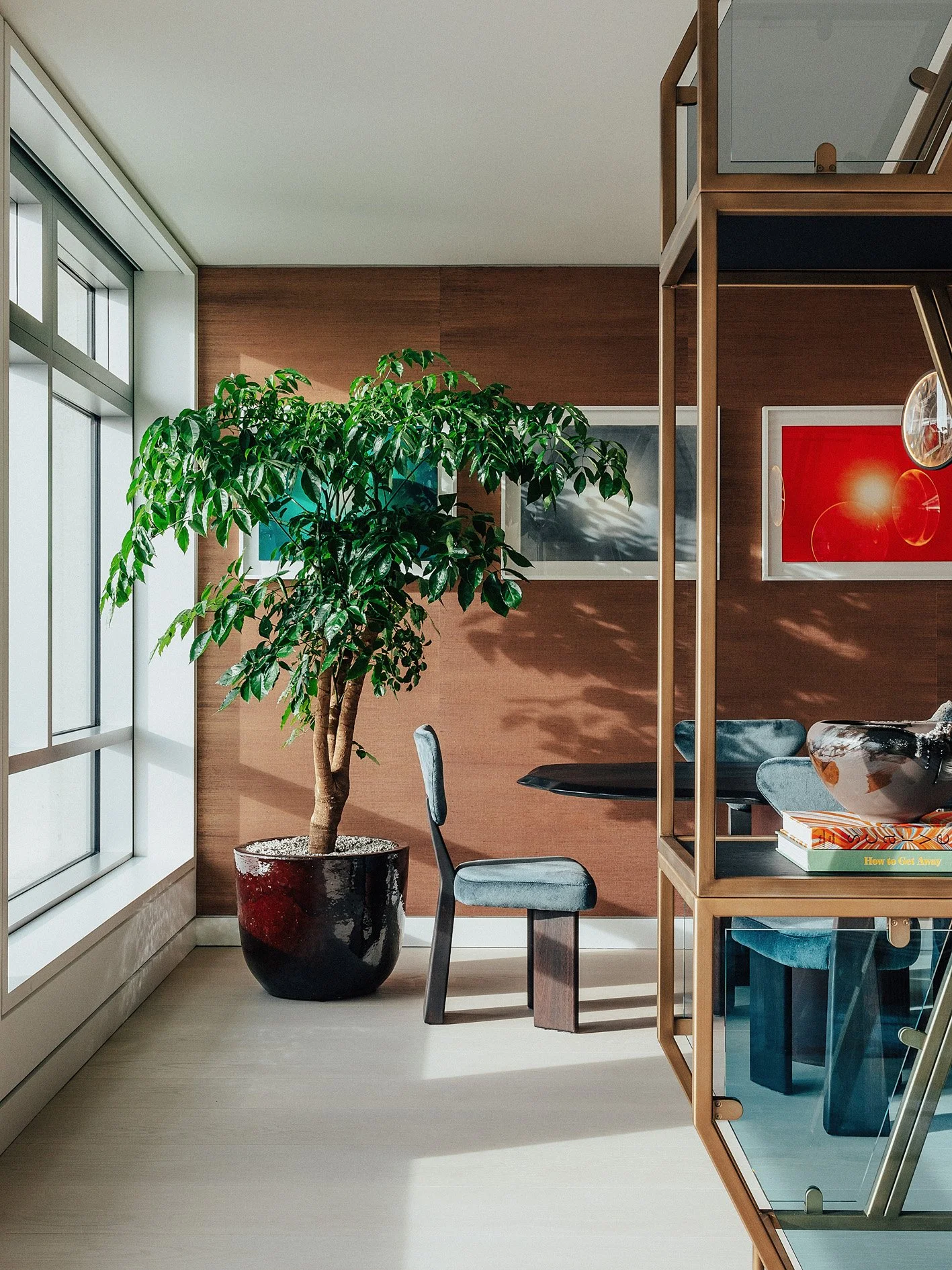
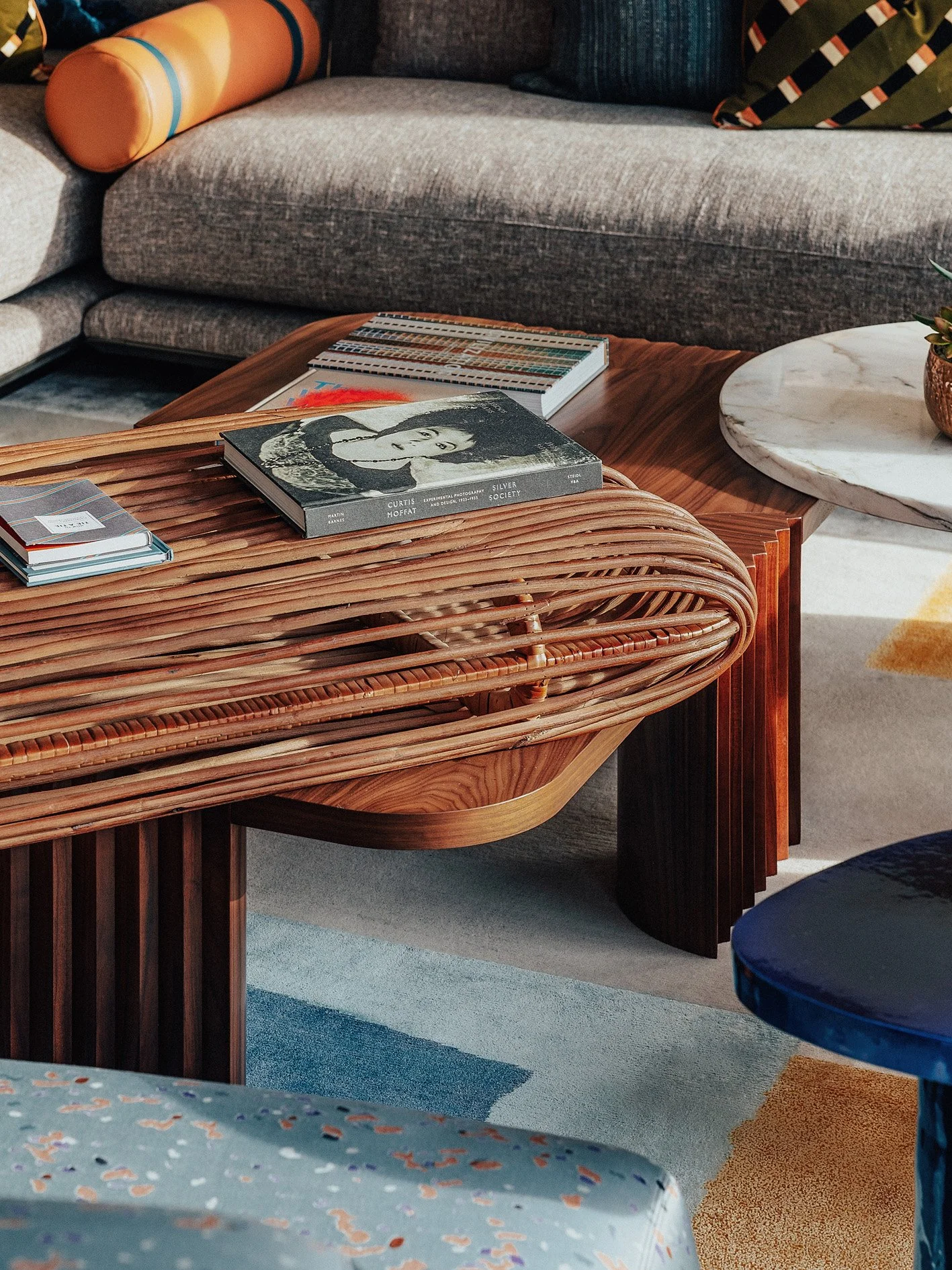
What stands out most is the sense of movement created within stillness. A sculptural room divider introduces both separation and permeability, filtering light while maintaining visual connection. It is a gesture that speaks to the studio’s understanding of spatial fluidity; boundaries are suggested rather than enforced.
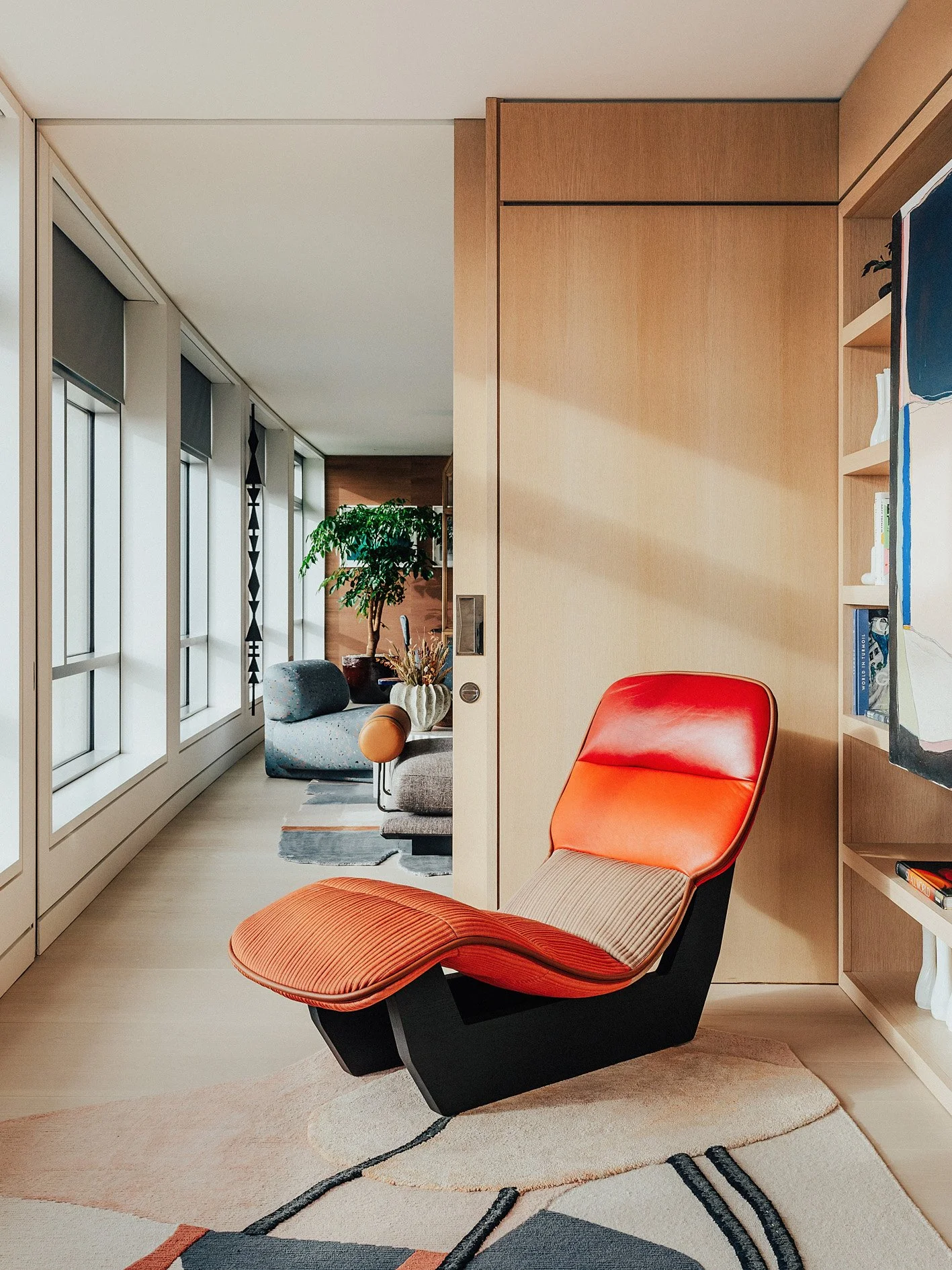
There is also a quiet confidence in the way craftsmanship is celebrated. Bespoke pieces sit comfortably alongside carefully sourced vintage elements, forming a dialogue between past and present. This blend introduces a sense of continuity, reinforcing the idea that the interior is not simply styled but composed over time.
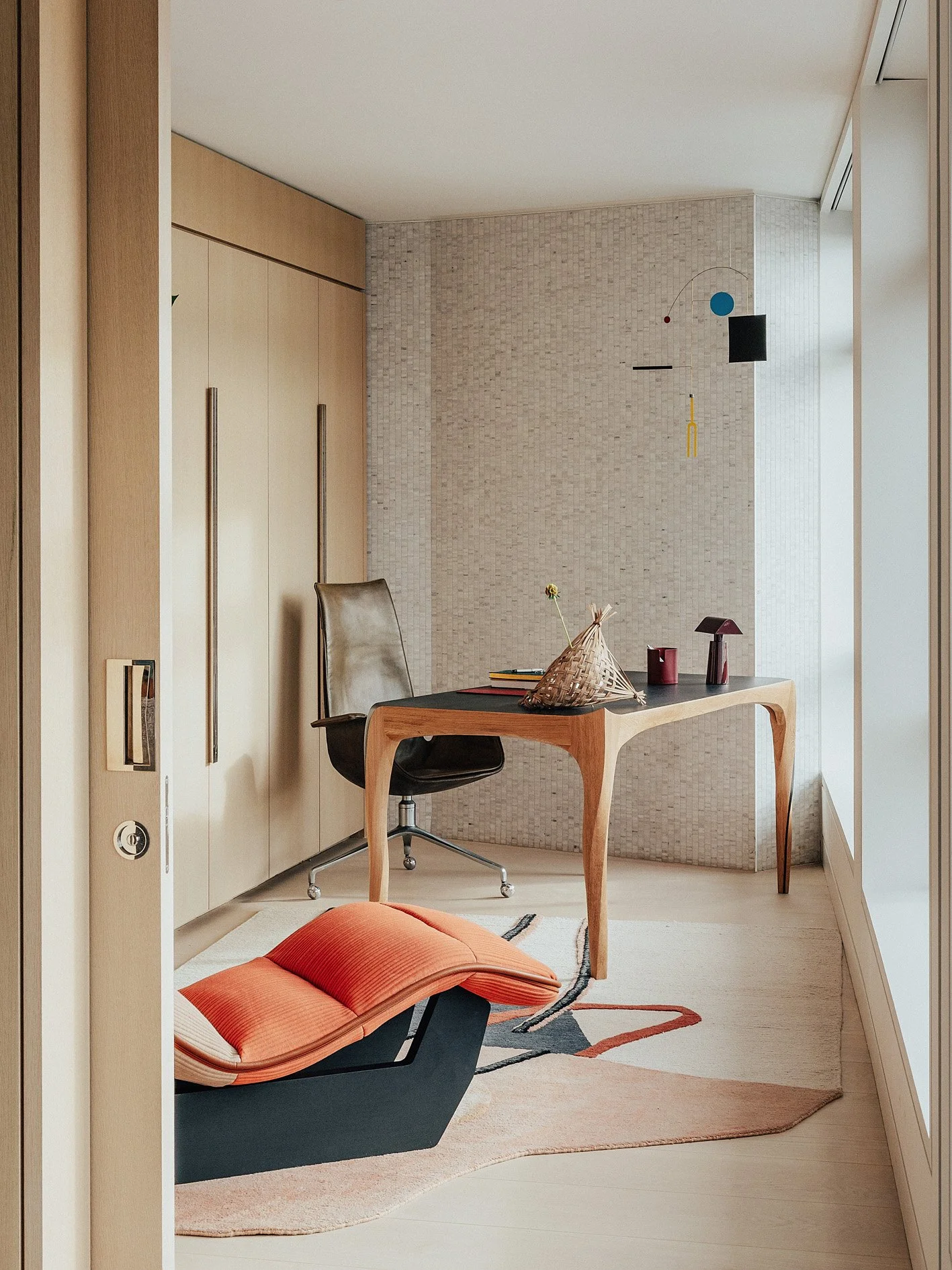
The study continues this narrative, combining pieces that reference the building’s architectural heritage with contemporary design interventions. It is a space that feels both grounded and progressive, demonstrating how thoughtful juxtapositions can add depth without disruption.
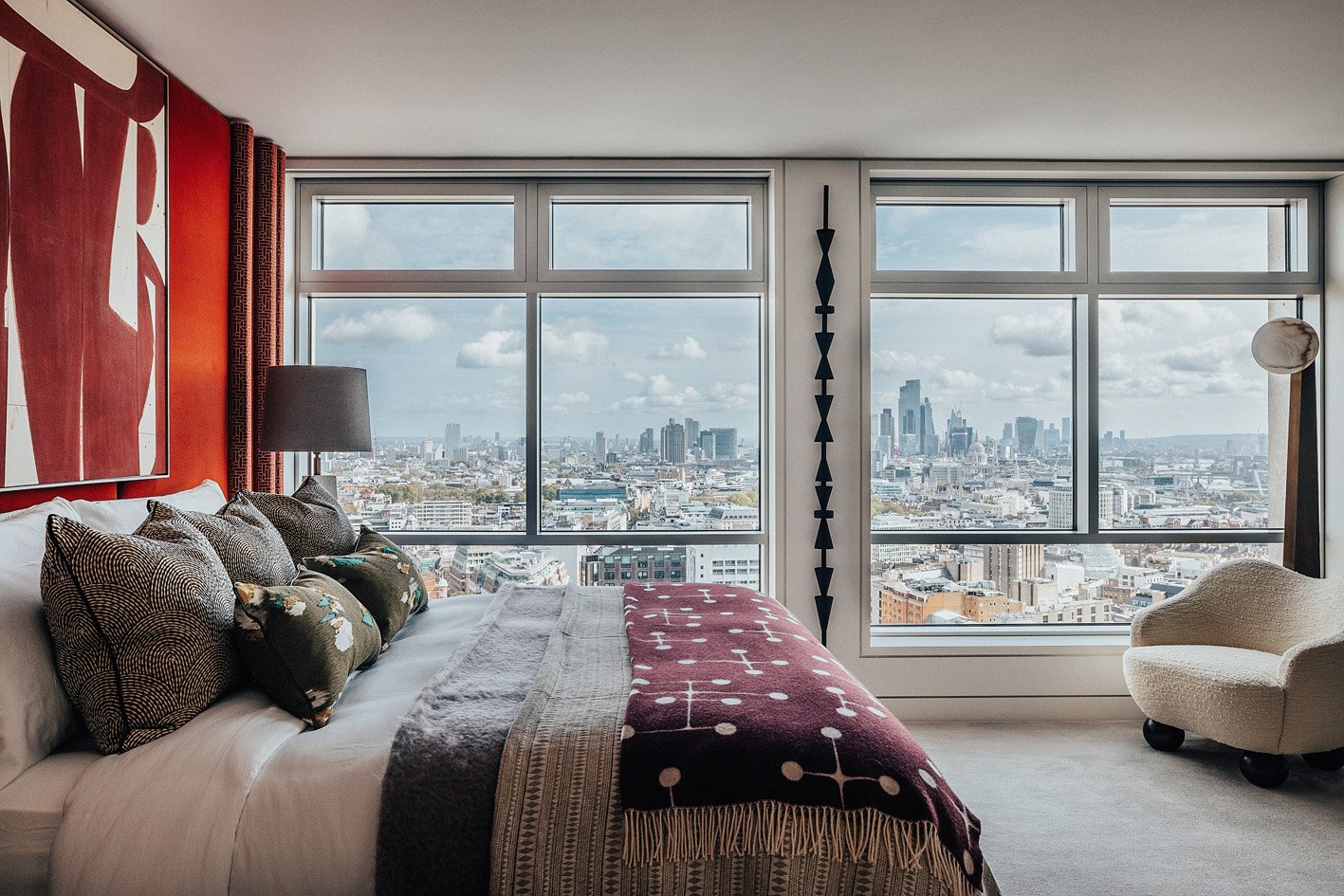
In the bedrooms, the atmosphere shifts once more. Here, the layering becomes softer, more intimate. Colour remains central, but its application is quieter, more enveloping. A velvety terracotta backdrop, textured fabrics and subtle detailing create a sense of retreat. The external cityscape, visible through expansive glazing, becomes a distant presence rather than a focal point.
What is particularly compelling is how the interiors maintain consistency without repetition. Each room carries its own identity, yet all are connected through a shared design language. This is where the project succeeds most clearly. It avoids the predictable in favour of something more nuanced. There is cohesion, but also variation. Structure, but also spontaneity.
From a design perspective, this approach reflects a broader shift within contemporary residential interiors. There is a move away from overly minimal, restrained spaces towards something richer, more layered and more personal. However, what sets this project apart is its control. Layering here is not used to fill space, but to define it. Each addition contributes to a larger narrative.
It is this sense of narrative that ultimately elevates the interior. The apartment is not simply a collection of objects or finishes. It is a sequence of moments, each carefully composed, each contributing to an overall experience. Light, material and colour are orchestrated in a way that feels both deliberate and effortless.
For me, this is where the project resonates most strongly. The ability to create interiors that feel distinctive without being overpowering is not easily achieved. It requires a clear vision and a willingness to edit as much as to add. Angel O’Donnell demonstrate this balance with precision, allowing each element the space it needs to breathe.
In many ways, the residence encapsulates what contemporary luxury interiors are striving towards. Spaces that are expressive yet controlled. Bold yet refined. Designed not only to be seen, but to be experienced.
Above all, there is a considered quality to every room. A sense that each decision has been weighed, each layer introduced with intent. The result is an interior that feels complete, yet not fixed. A space that continues to reveal itself over time.
And in a city defined by constant motion, that sense of quiet confidence is perhaps the most powerful statement of all.
More Stories
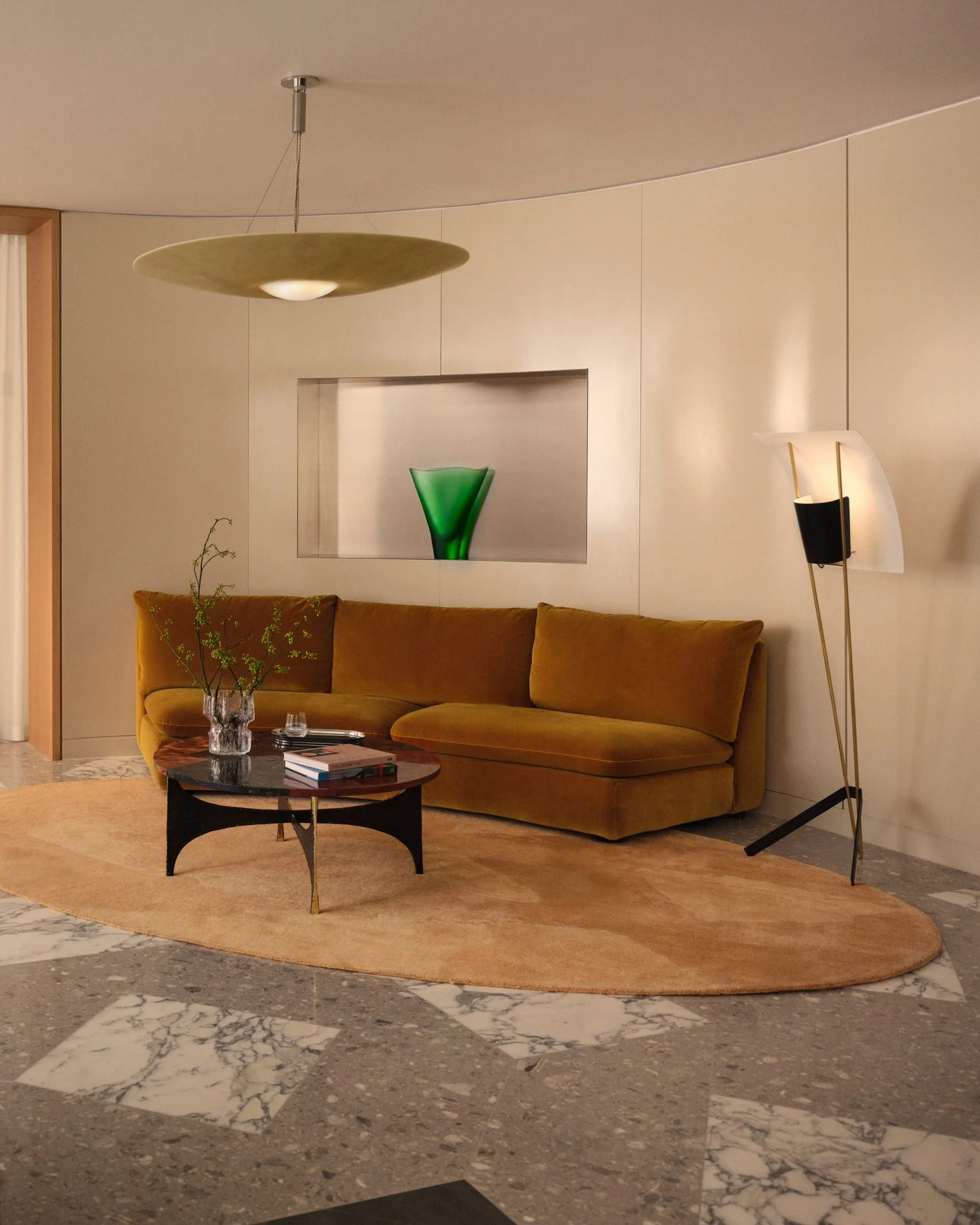
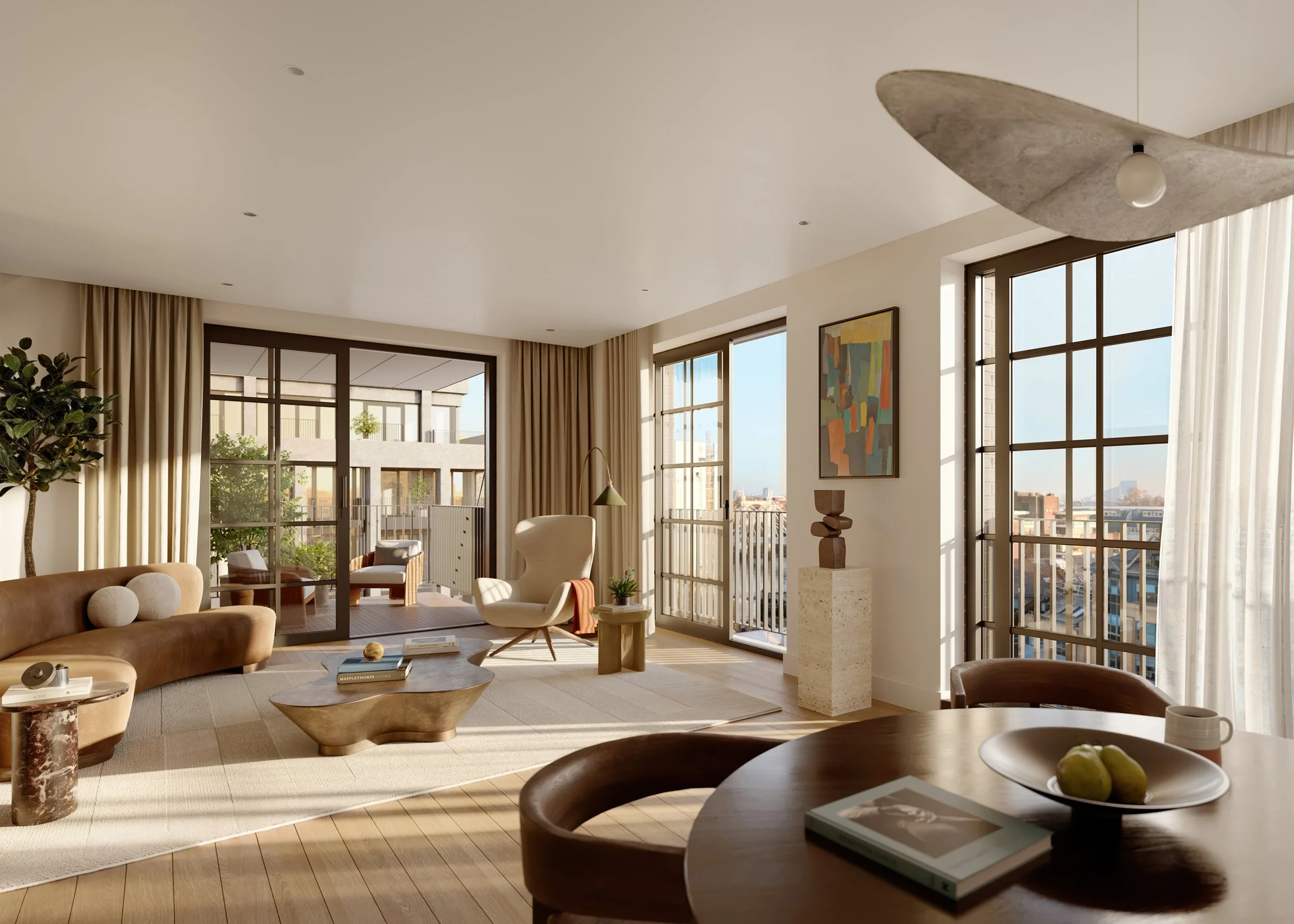
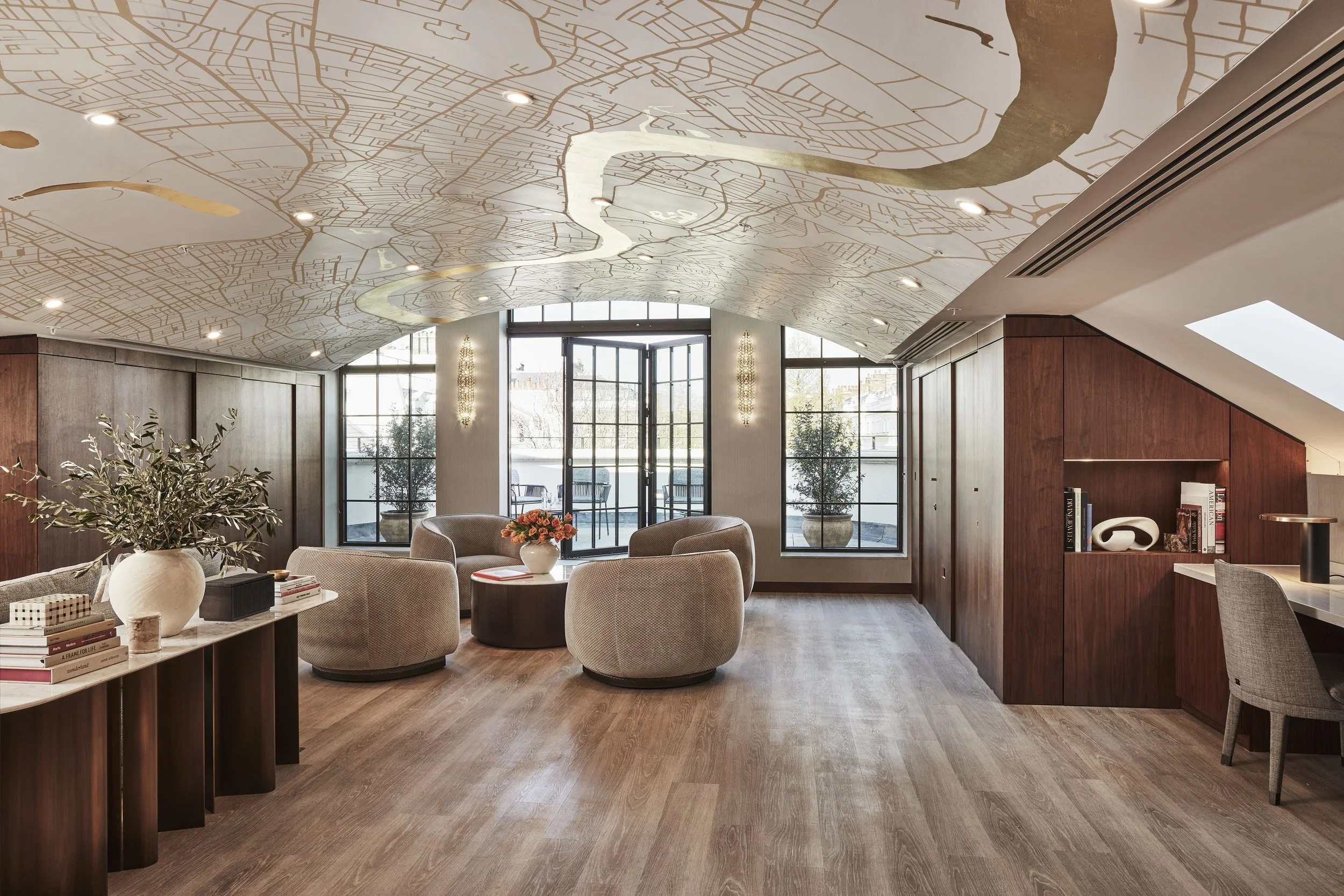
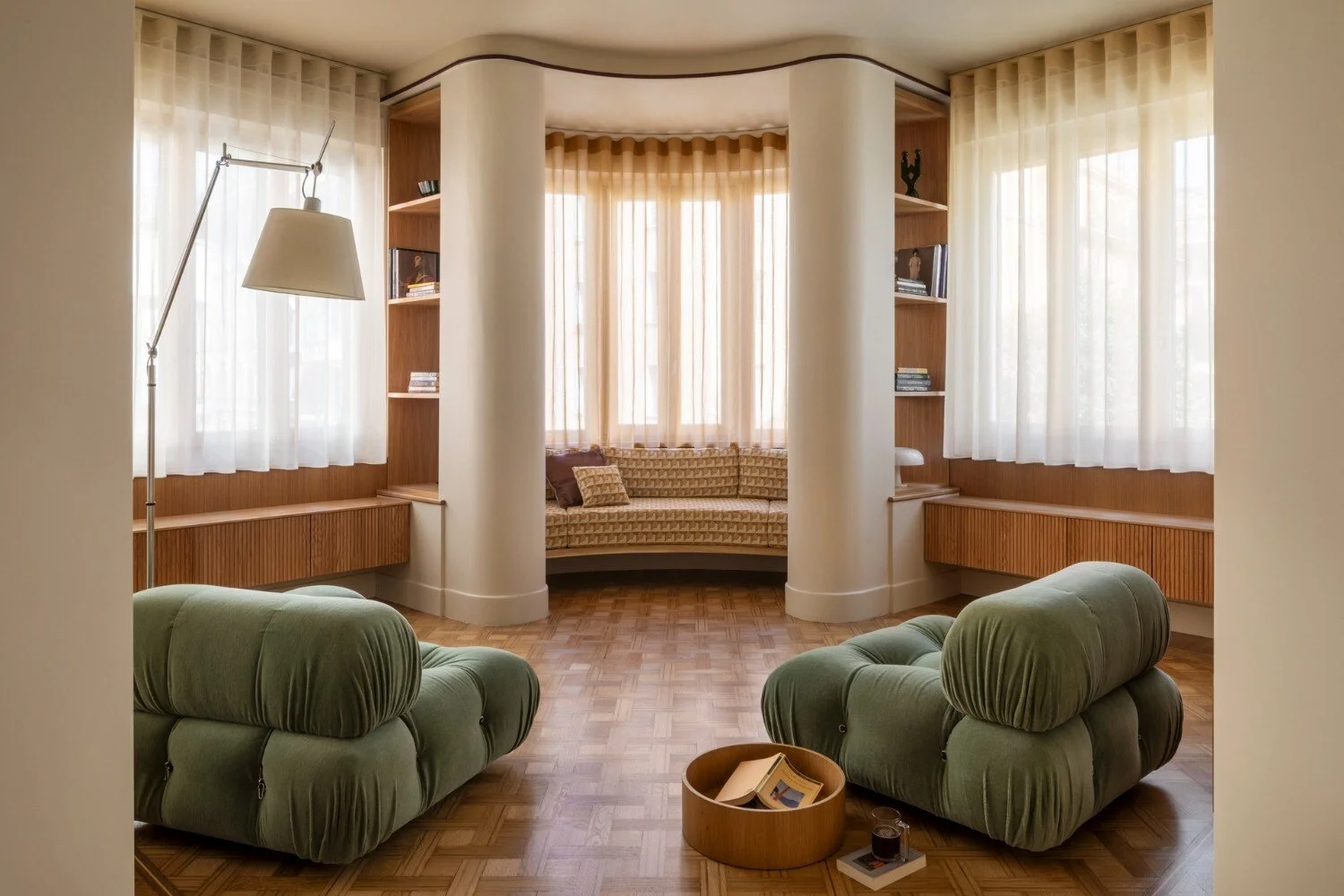
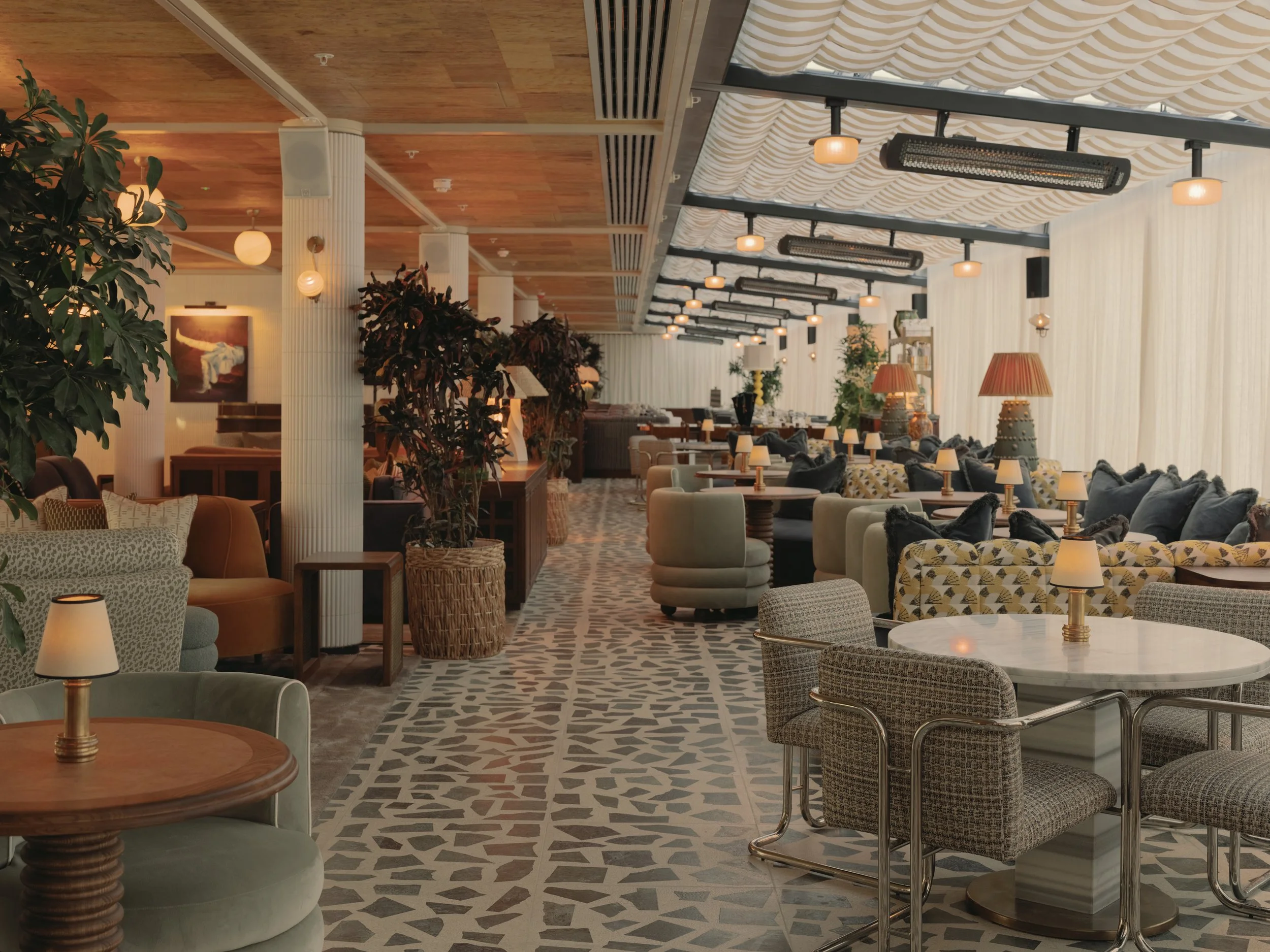
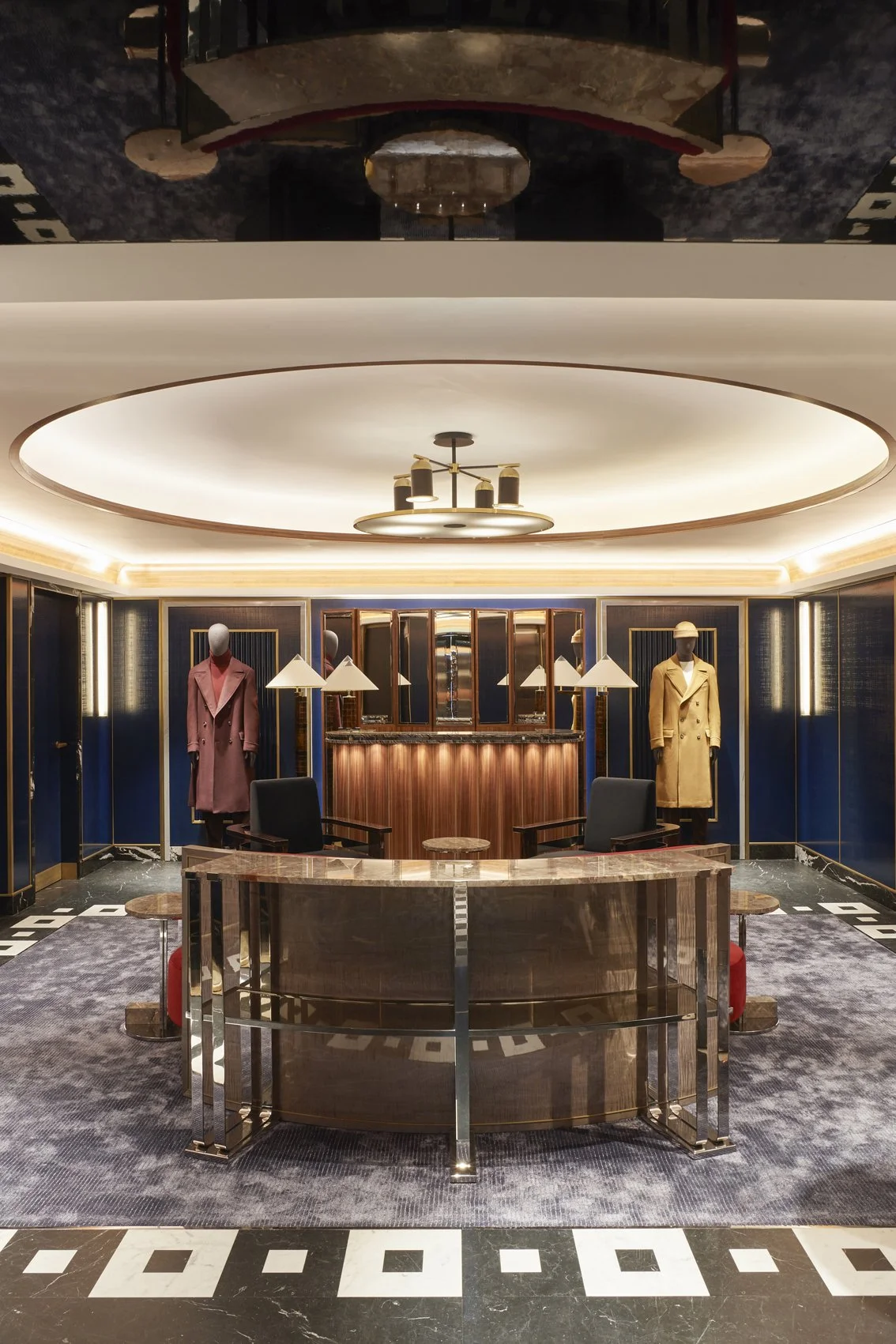

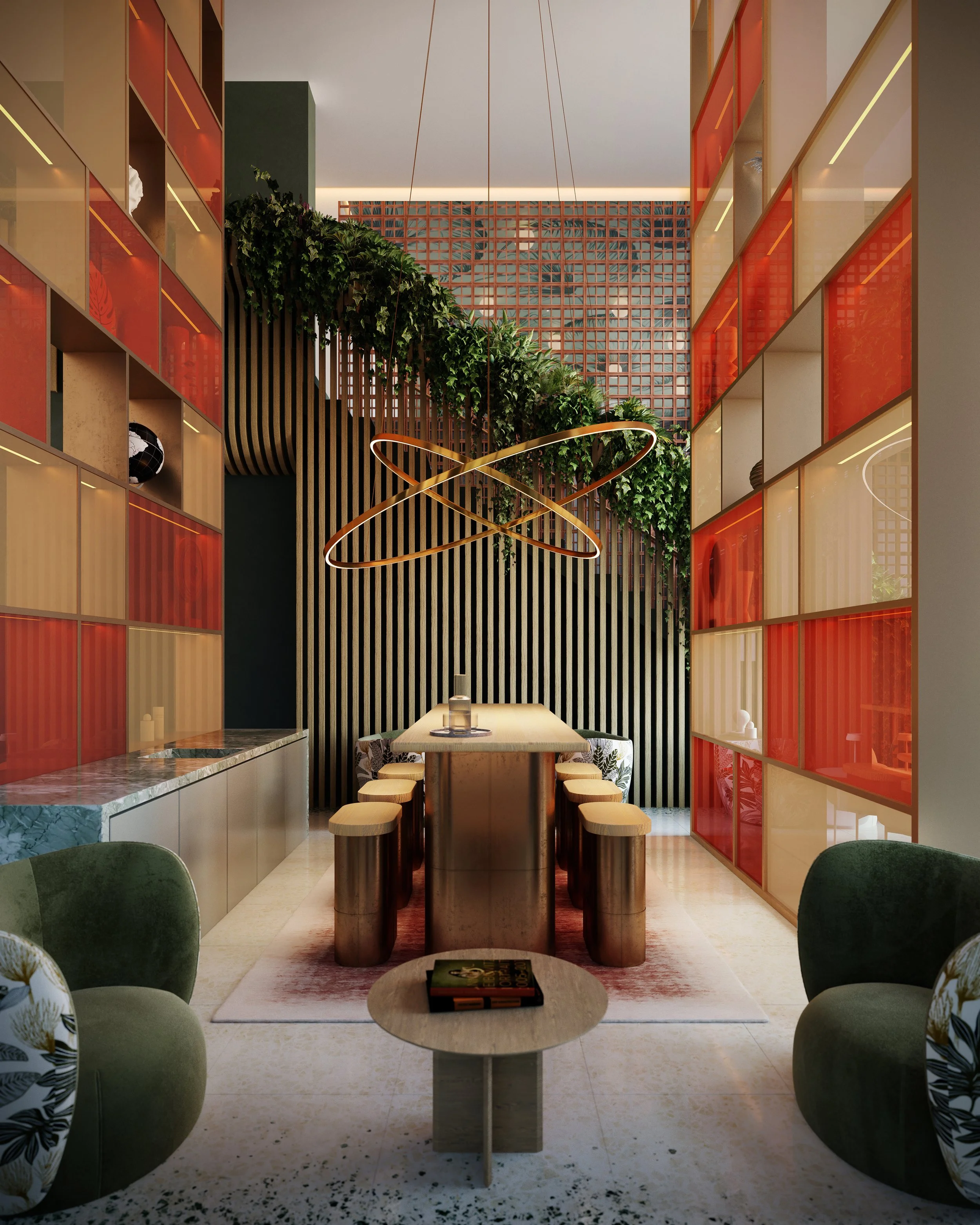


A considered, design-led residence at Centre Point, where bold colour, layered materials and architectural clarity come together to create an interior that is expressive, refined and quietly powerful.