
An Interview With… Giles Miller
Giles Miller’s work exists at the intersection of art, design and architecture, where surface becomes something far more expressive; tactile, sculptural and constantly shifting with light and perspective. Known for his distinctive approach to materiality and form, his studio has developed a language that feels both highly crafted and inherently experimental, transforming simple materials into intricate, immersive compositions.
Since first encountering his work, I’ve been continually drawn to the way each piece balances precision with a sense of movement and depth. Over the years, it has been fascinating to watch the studio evolve, expanding its reach while maintaining a clear and recognisable identity. In this conversation, Giles reflects on his creative process, the evolution of the studio, and the ideas that continue to shape his work today.
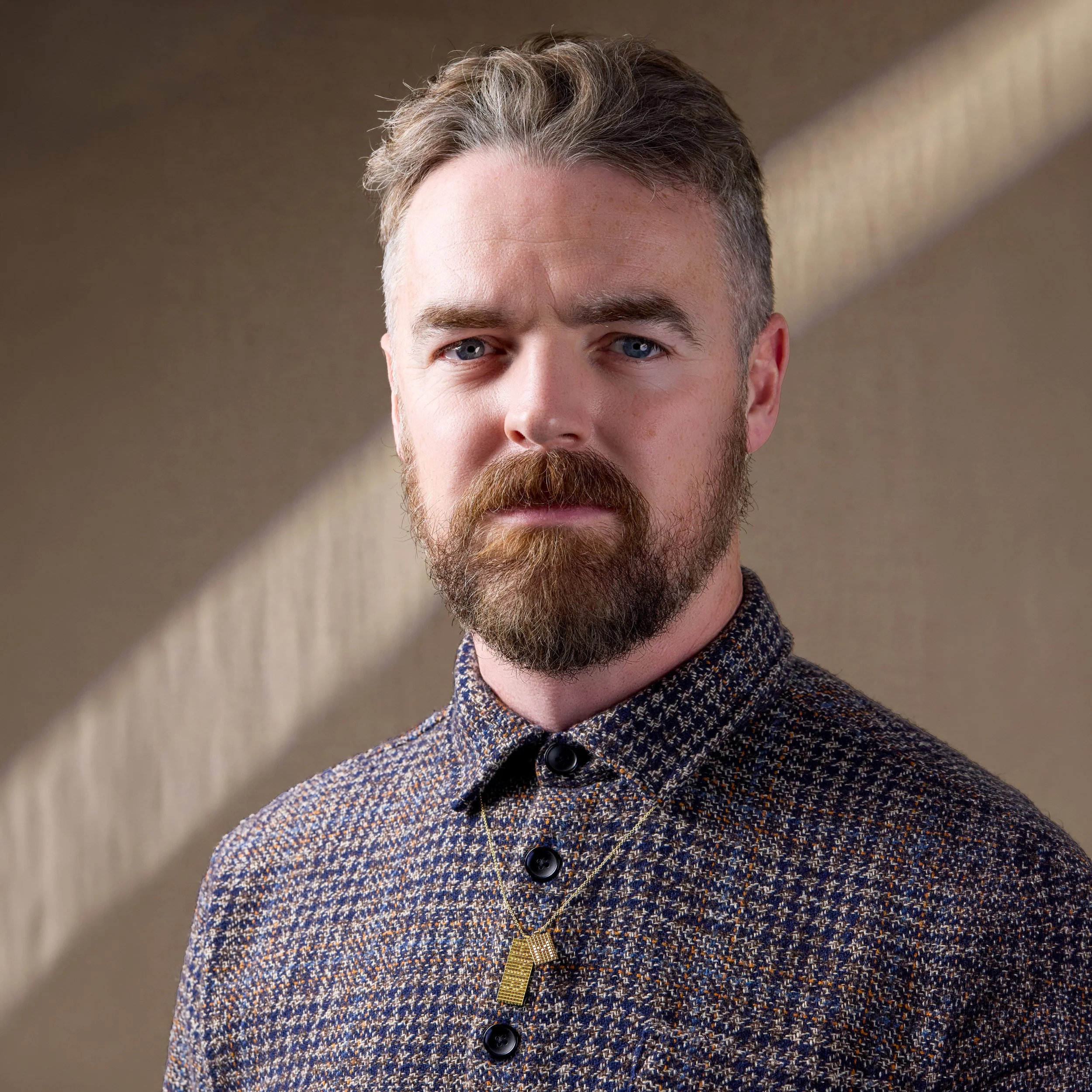
Your early work with corrugated cardboard helped define your approach to material and surface. How did that first fascination evolve into the immersive architectural and sculptural pieces you create today?
It’s lovely to think back to the cardboard work that cemented my initial interest in material composition - the discovery of a new way of 'drawing' with cardboard led to a host of applications and clients, and really became the springboard to our studio's inception. The central concept of using shadow and texture to control tone and pixelate is something we still work with today as a studio. The same creative thread remains constant in our process; what has evolved is the application and context for that artistic approach. My team and I combine many years of experimental artistic work with surface and materials, with the context of a client or project, and allow the same themes to keep iterating in time, reacting to new spaces and requirements.
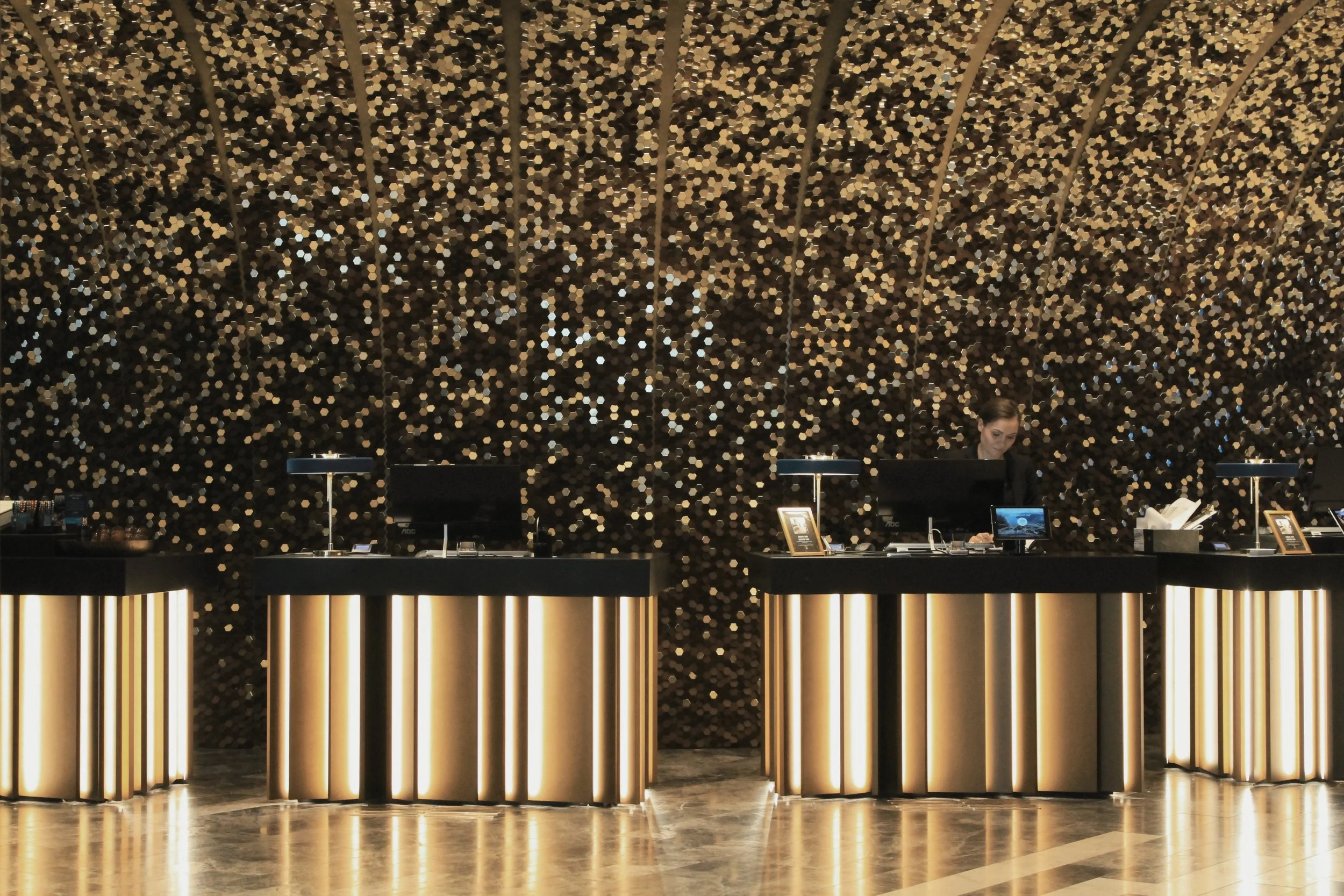
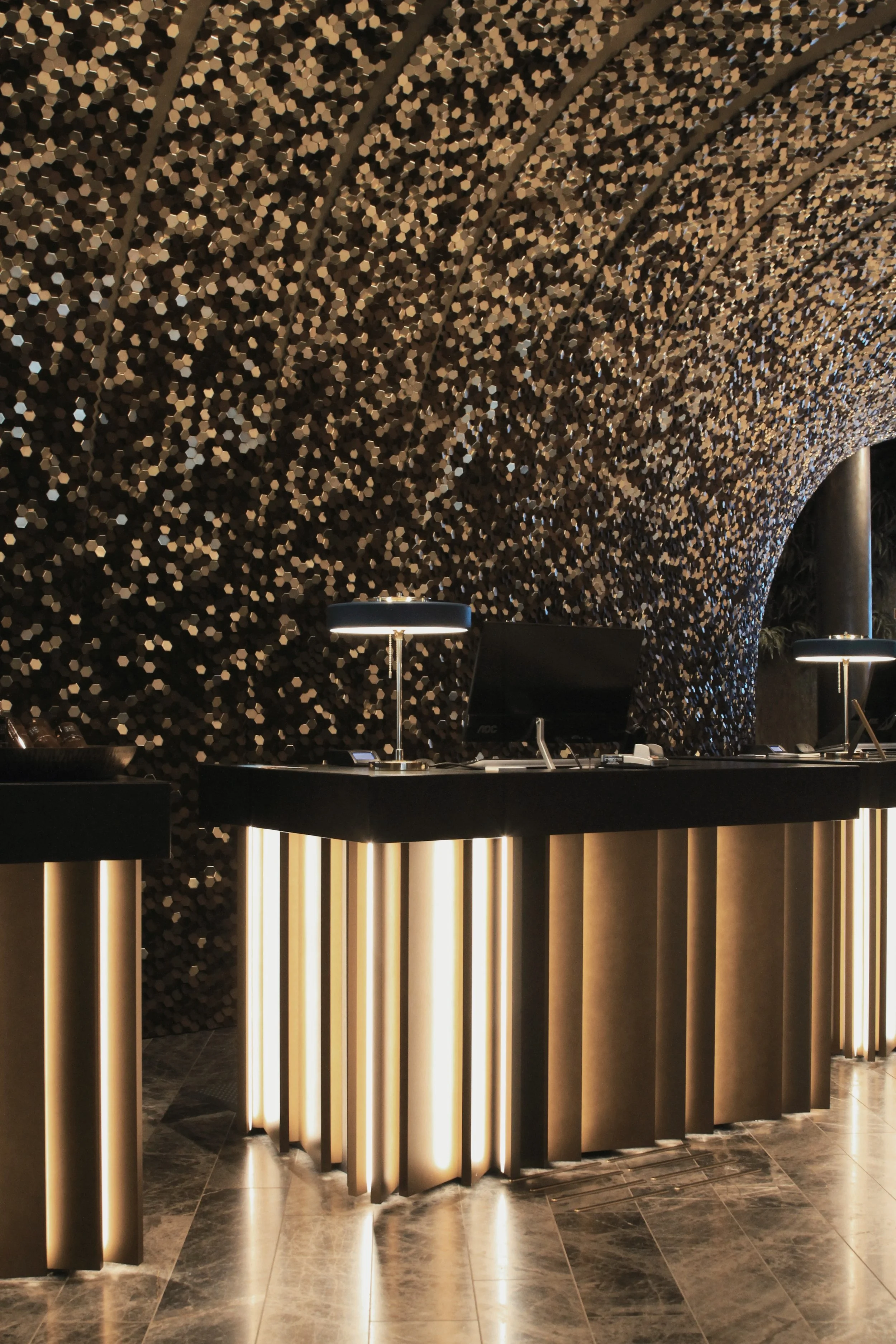
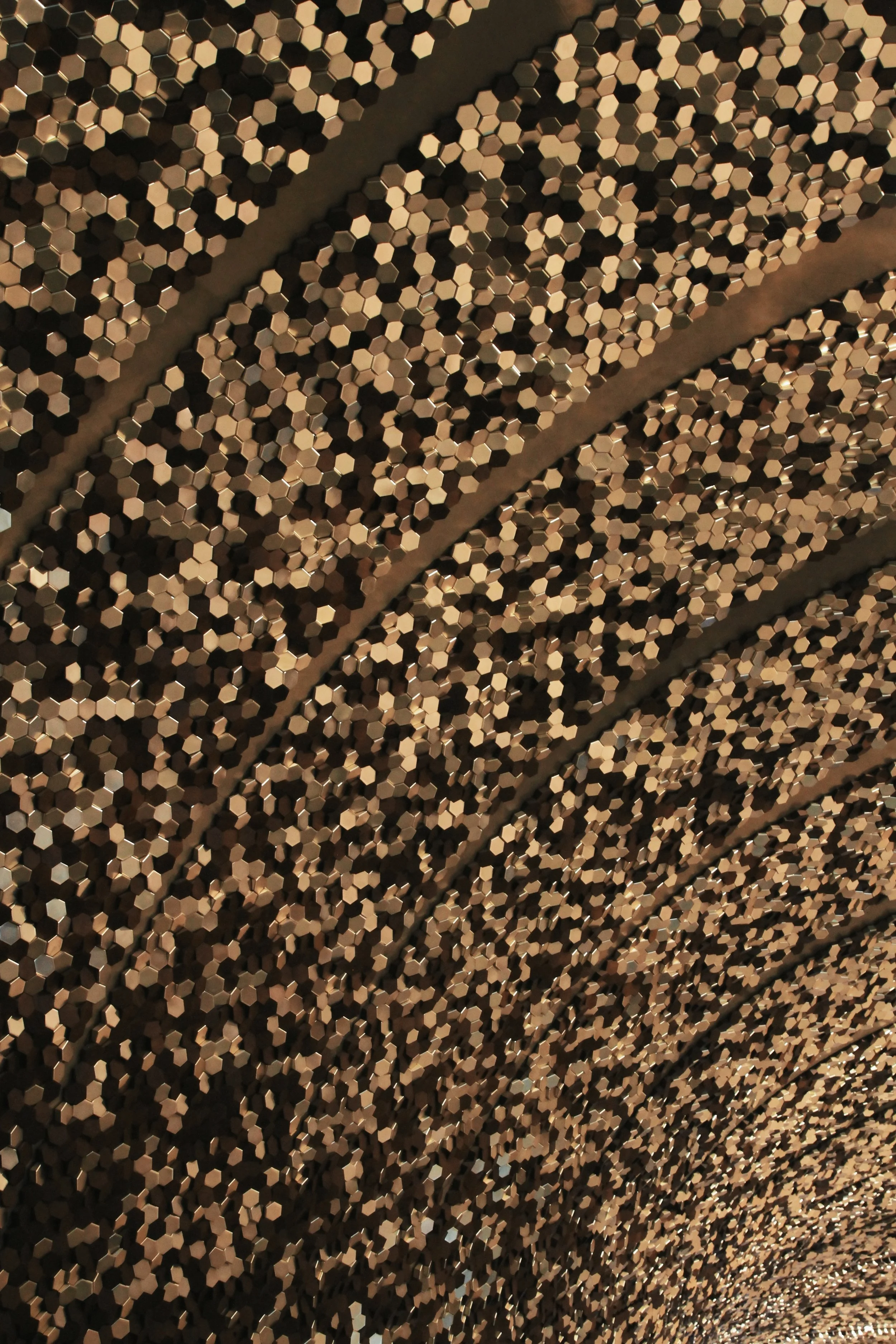
Giles Miller Studio often speaks about ‘sensory artistry’ and the impact of neuroscience on design. Can you explain how sensory psychology specifically informs the way you begin a new project?
We are learning all the time about the enormous impact various characteristics of my work can have on the viewer or user of the spaces in question. Using natural materials, generating organic fractal forms and compositions, shadowplay and the relationship between the artwork and the surrounding light. All these traits and characteristics speak to human neurological conditioning. As we learn more about the extent to which they can have an impact, we are following that learning into new areas of exploration in the world of surface and sculpture. My latest collection, which is in the early stages of development, involves the composition of masses of stick-like components into artworks that seem so natural yet are made by hand in my studio. This new collection is entirely spawned from our research and a phrase that Dr Katie Gaudion used when discussing our work: 'extreme visual tactility'.
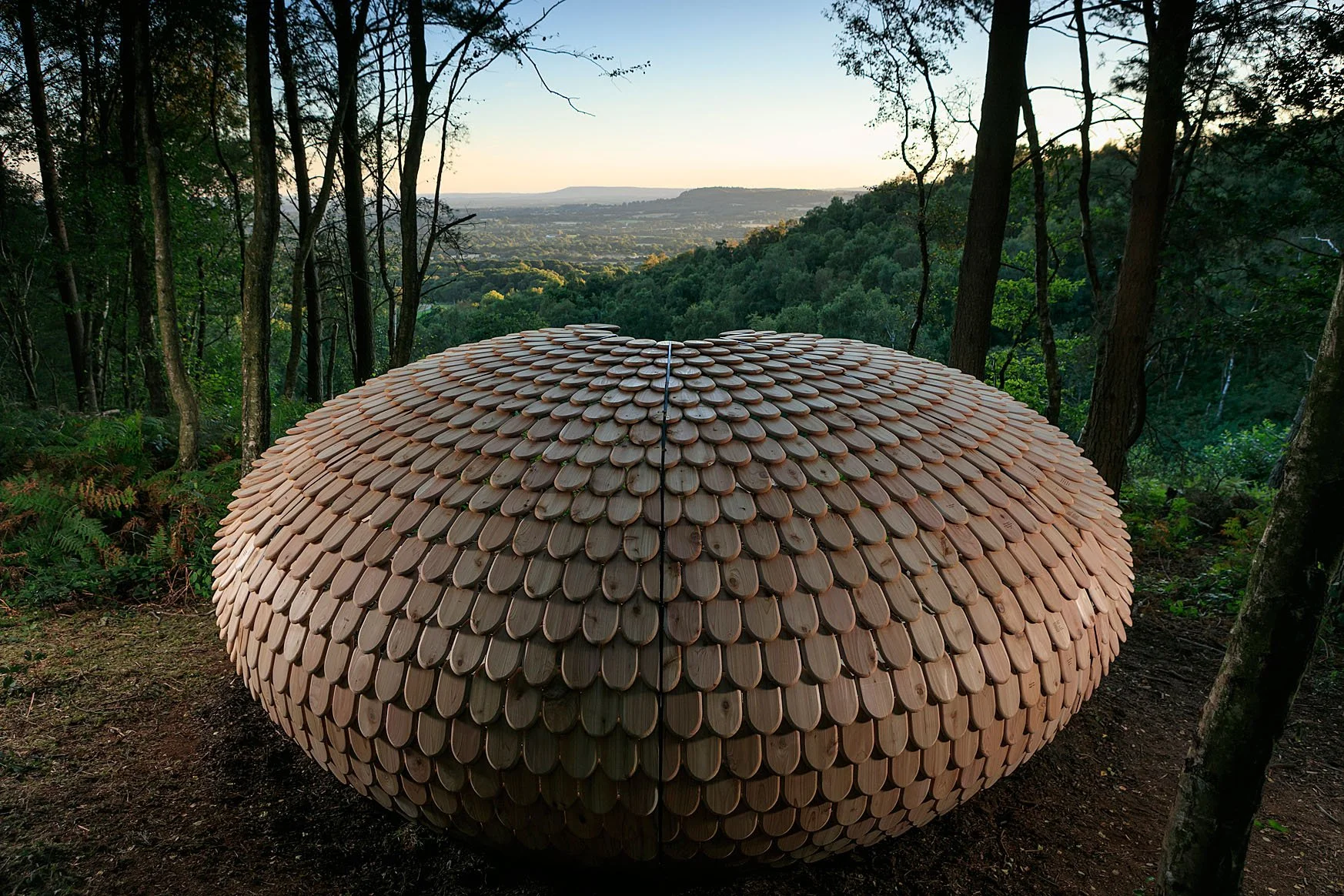
Your projects range from intimate surfaces to large-scale installations like The Veil in London. How do you think your design process changes when working at such different scales?
I love the enormous breadth of scale that we work with in the studio, and I like to think that the process is fairly consistent no matter the scale. To give you some idea, we are currently working on a residential tower which will be adorned with a large-scale external surface artwork that will be visible for miles around, as well as jewellery that is smaller than the size of a conker, and whilst the depth of discipline is very different in both projects, the artistic focus and intent remain the same. We are looking to have the greatest possible positive impact with each piece of work, and whatever the scale, we are always mindful of how best to achieve that.
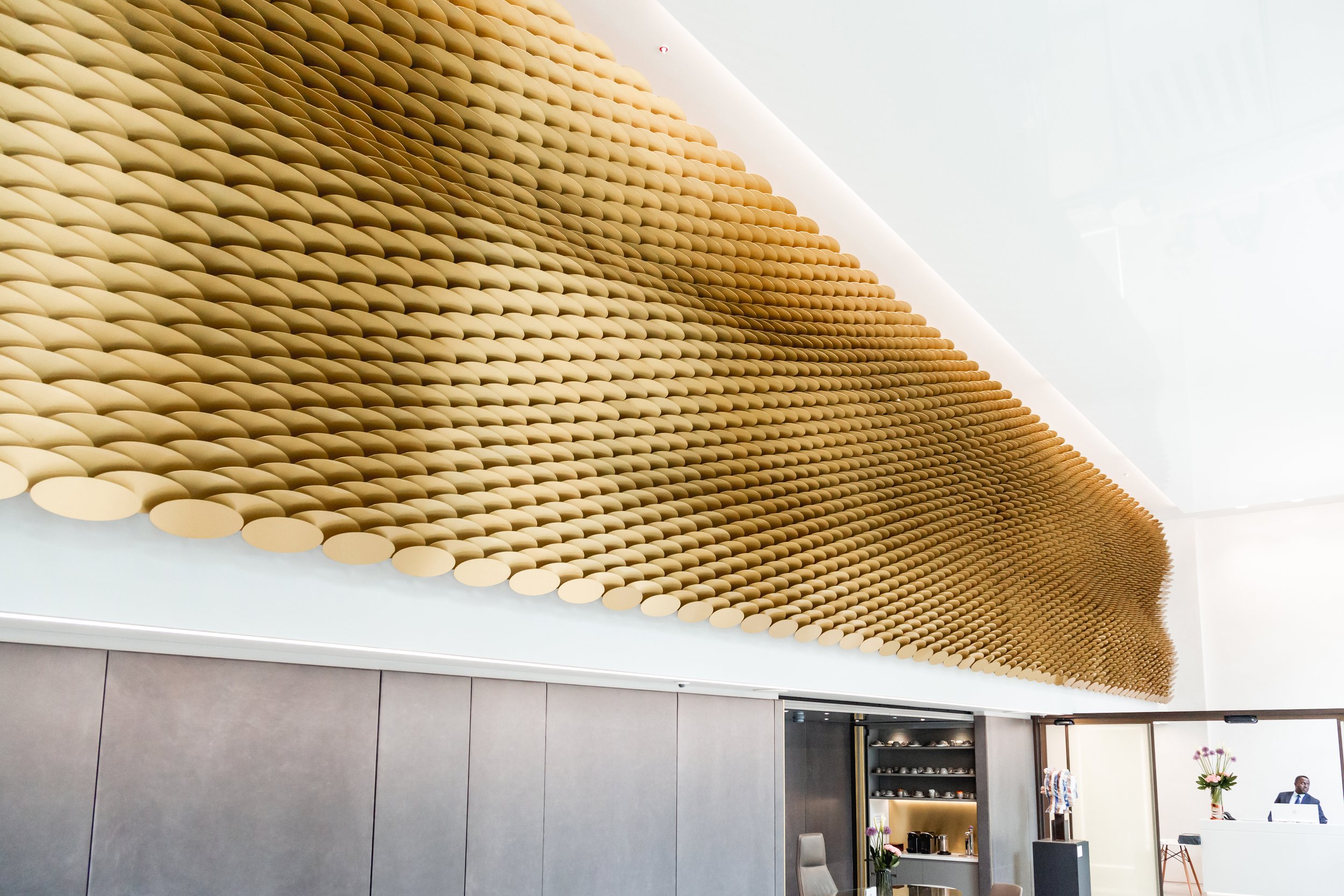
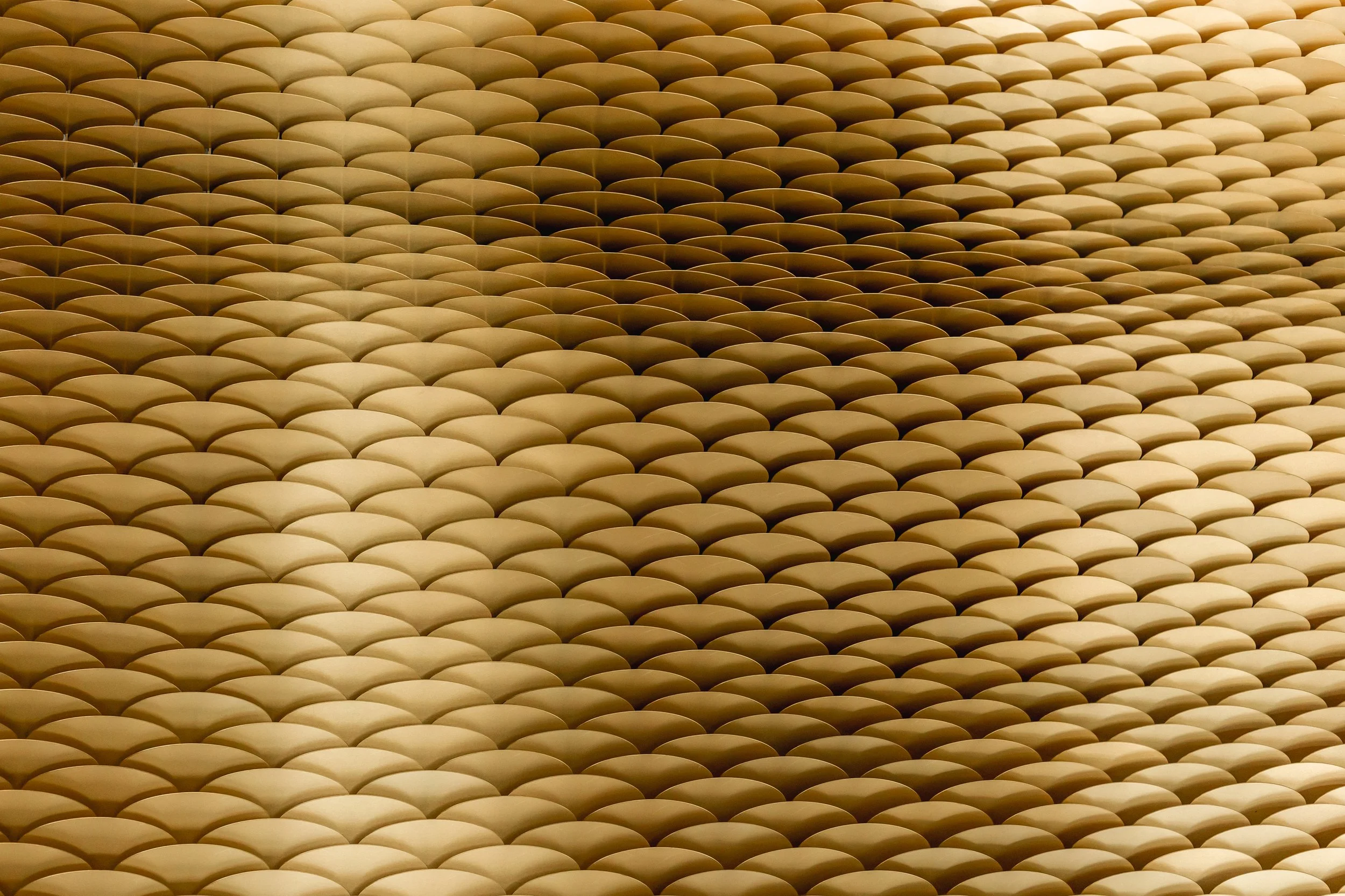
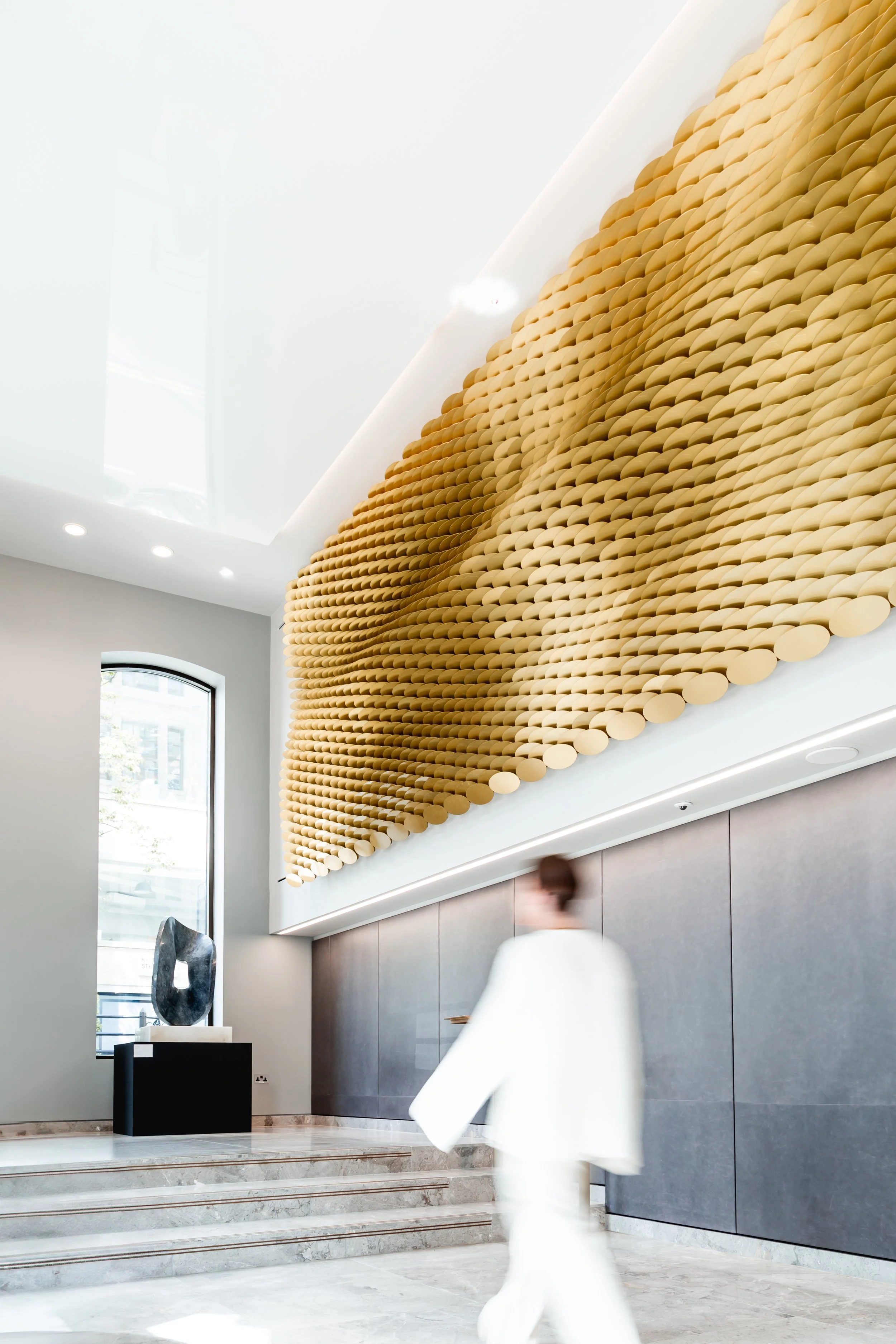
Material experimentation is central to your studio’s work. What are some materials you’re currently most excited about, and why?
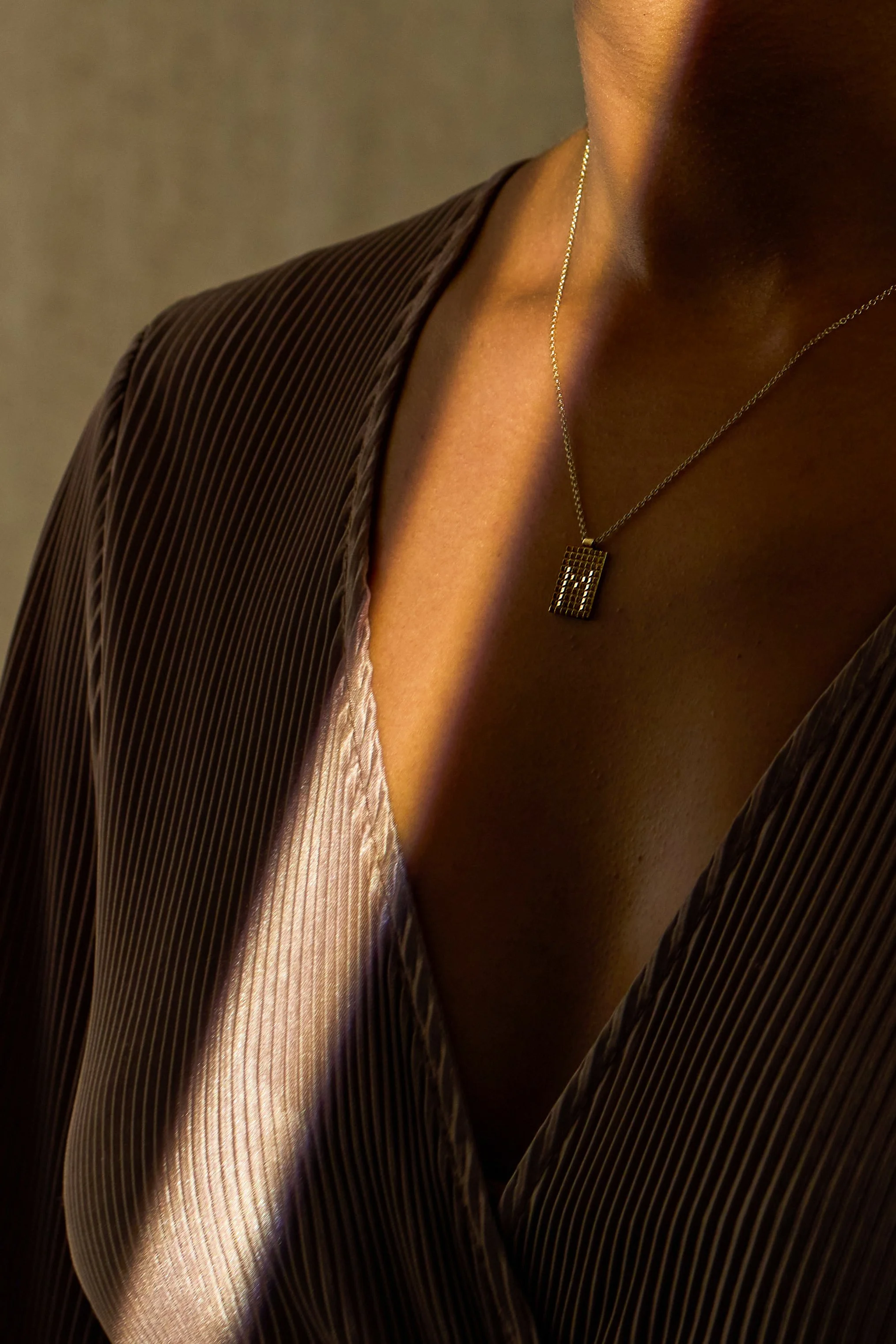
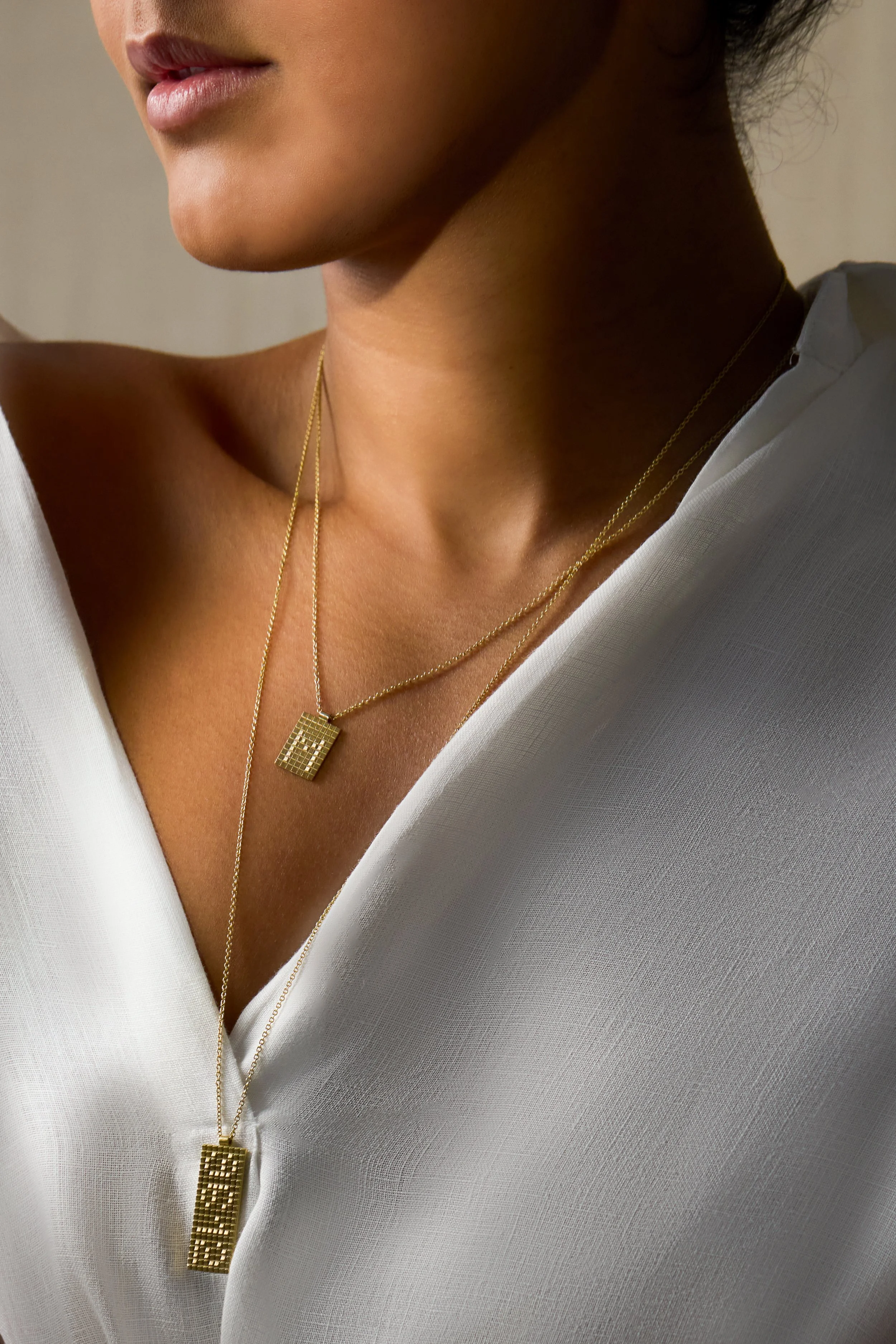
We're always looking for the best ways to create our artworks, but it is often the construction rather than the material itself that we're focused on. The way that materials end up being composed en masse, and the relationship between many components, is where we find the most exciting techniques and visual effects, and so it is often construction that counts. Of course, that said, material innovation is a driver of construction detail, and so we are excited about any new material developments that we discover. Currently, we're creating smaller-scale artworks using mussel-based PLA in our 3D-printing machines. This particular material became of interest as it aligns with our B-corp aspirations and the wider considerations of our practice on the planet, but we have now learned that it has a unique opacity that is beautiful in itself, so we are enjoying experimenting with this unique material in particular right now.
Your first residential architectural project, Woven, integrates sculptural surfaces and nature. How do you balance aesthetic expression with environmental and human experience in architectural design?
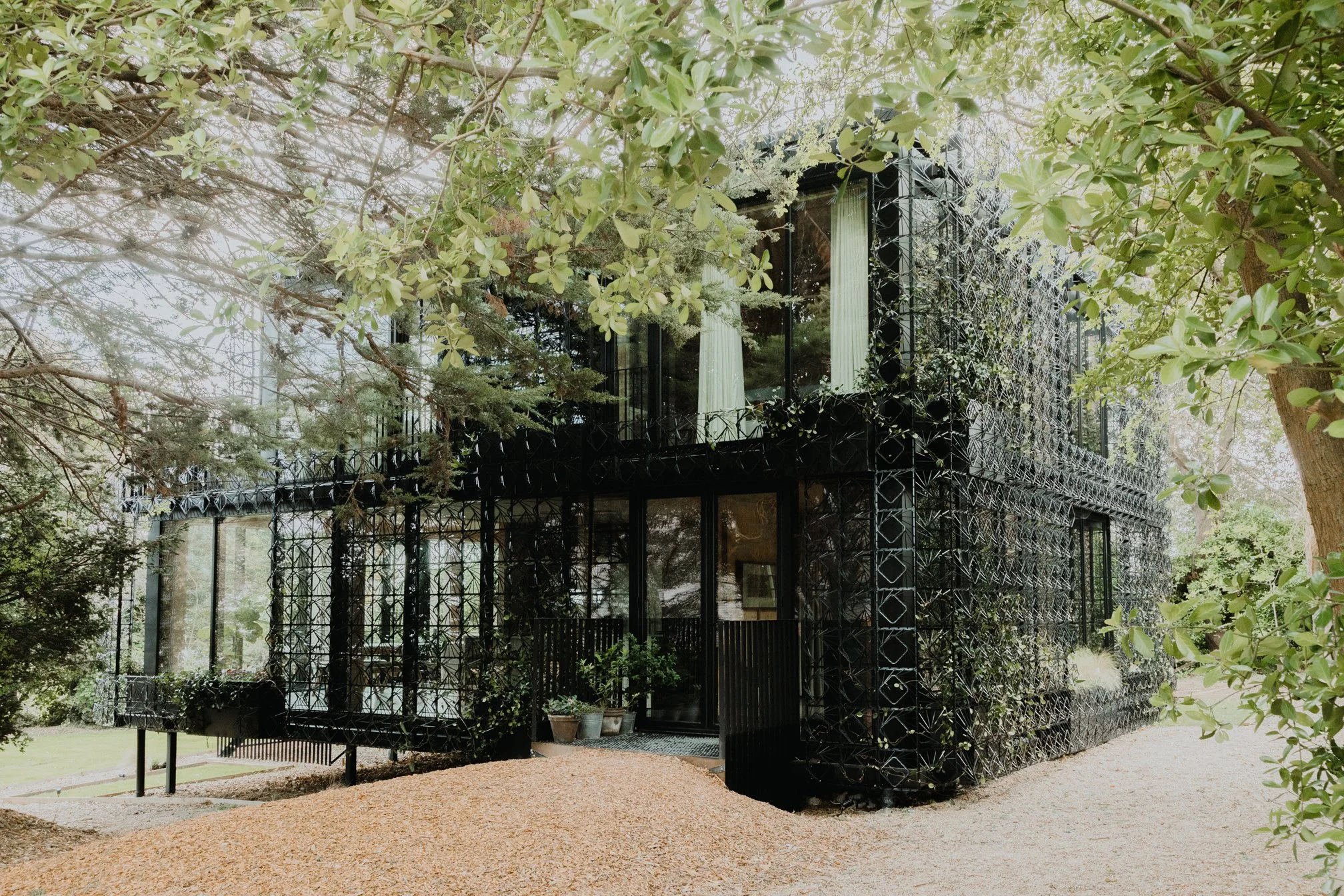
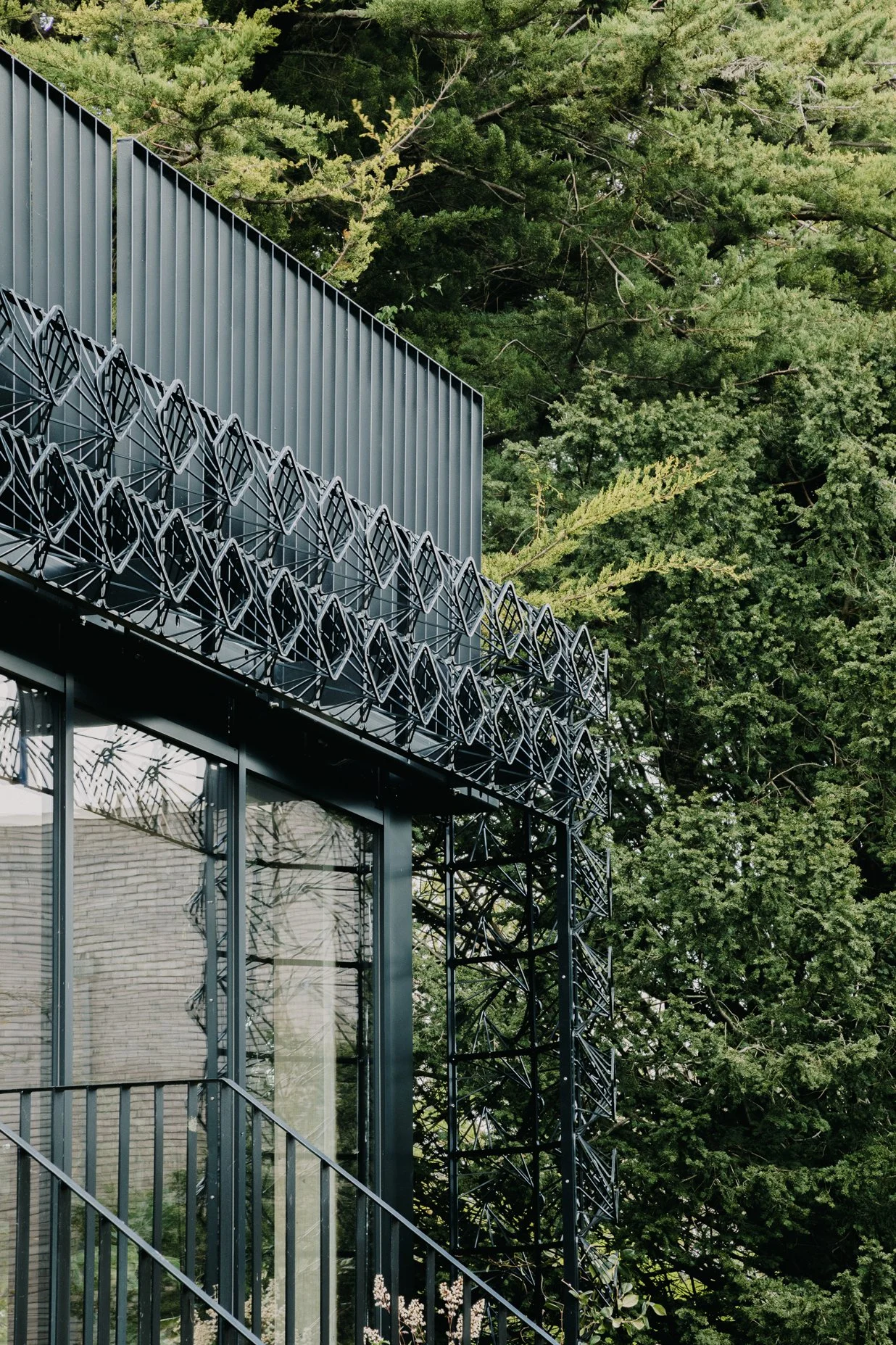
I believe that with the right process, it is always possible to combine a cluster of aspirations within a project without compromise to any of those goals individually. We have created artworks which are ostensibly highly aesthetic and conceptual works of art, that in fact hide a mezzanine space or divide a lobby space in a highly functional way. Woven was a project which did just that - starting with a conceptual approach to the function of a residential building (lets break down the barriers between outside and in in a real and meaningful way!) and then being developed with a deeply artistic and sculptural sensibility in the process, we came to an outcome that felt to me to perfectly balance the duality of its intent.
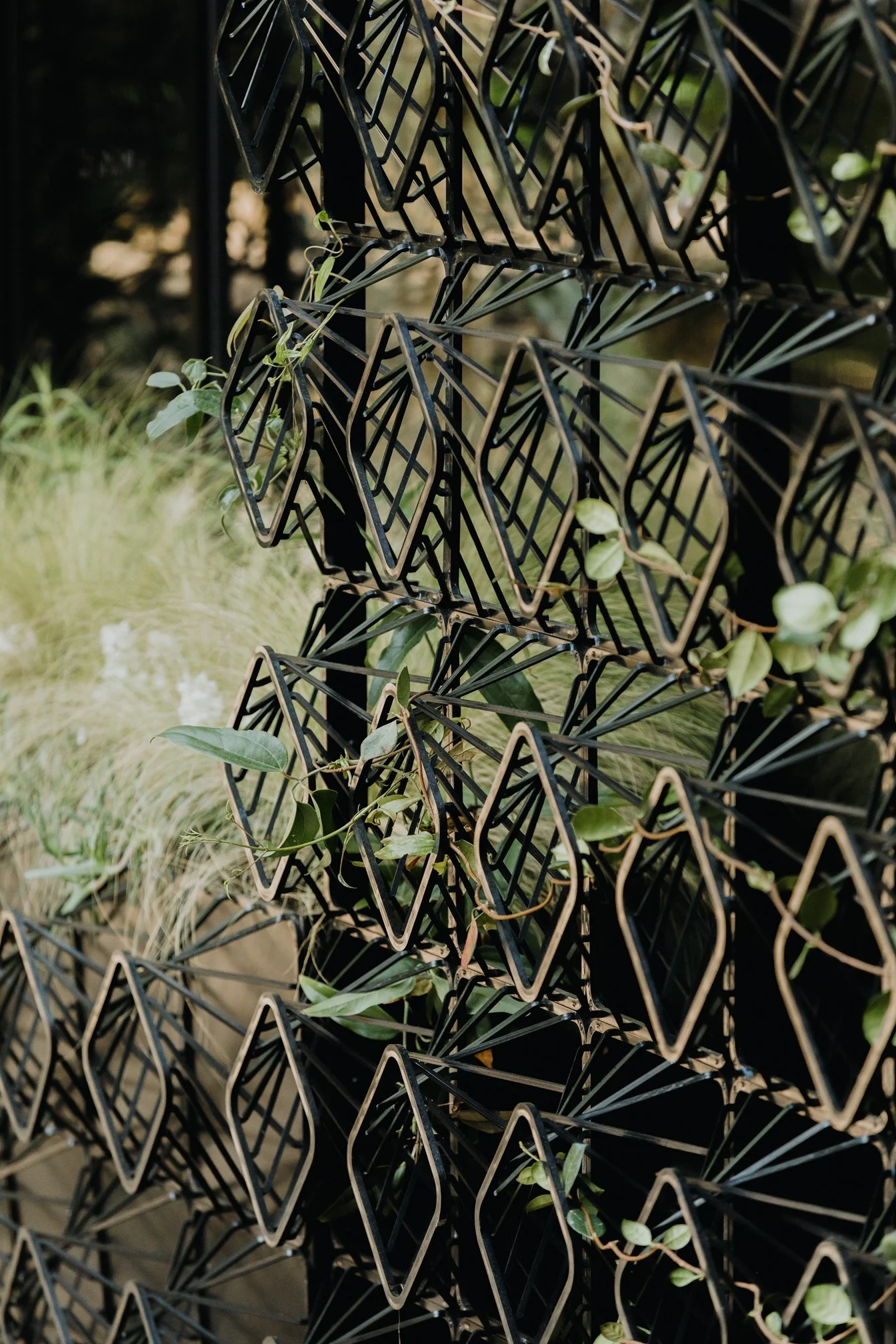
Many of your pieces interact with light and shadow in unique ways. How does the shifting quality of light influence the design decisions you make?
Light plays a significant role in my artworks, in the same way that the acoustics within a theatre or performance space will impact and potentially define the quality of the music being experienced within it. So it is a quality that we are always mindful of, but in a very positive sense. We are excited by the potential shift in tone that the moving sun may have on an external piece, or indeed the impact that a large window may have when it douses our work in light from the side at certain times of day. Our work is reactive to light, and so our process allows for that through the experience we've had in curating light amongst our work. But it’s a beautiful aspect of the work, so the decisions around it are designed to celebrate both the artwork and the light that meets it.
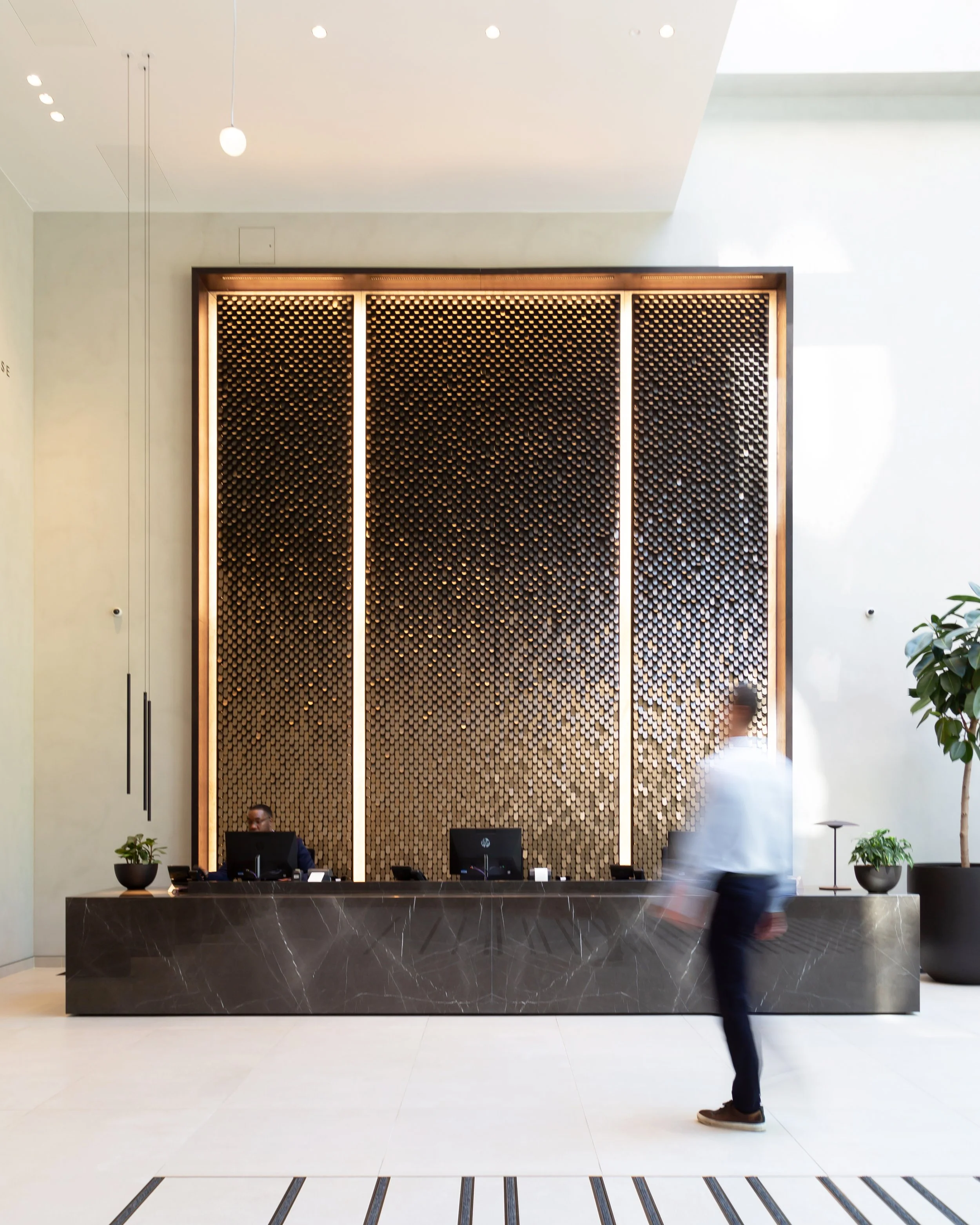
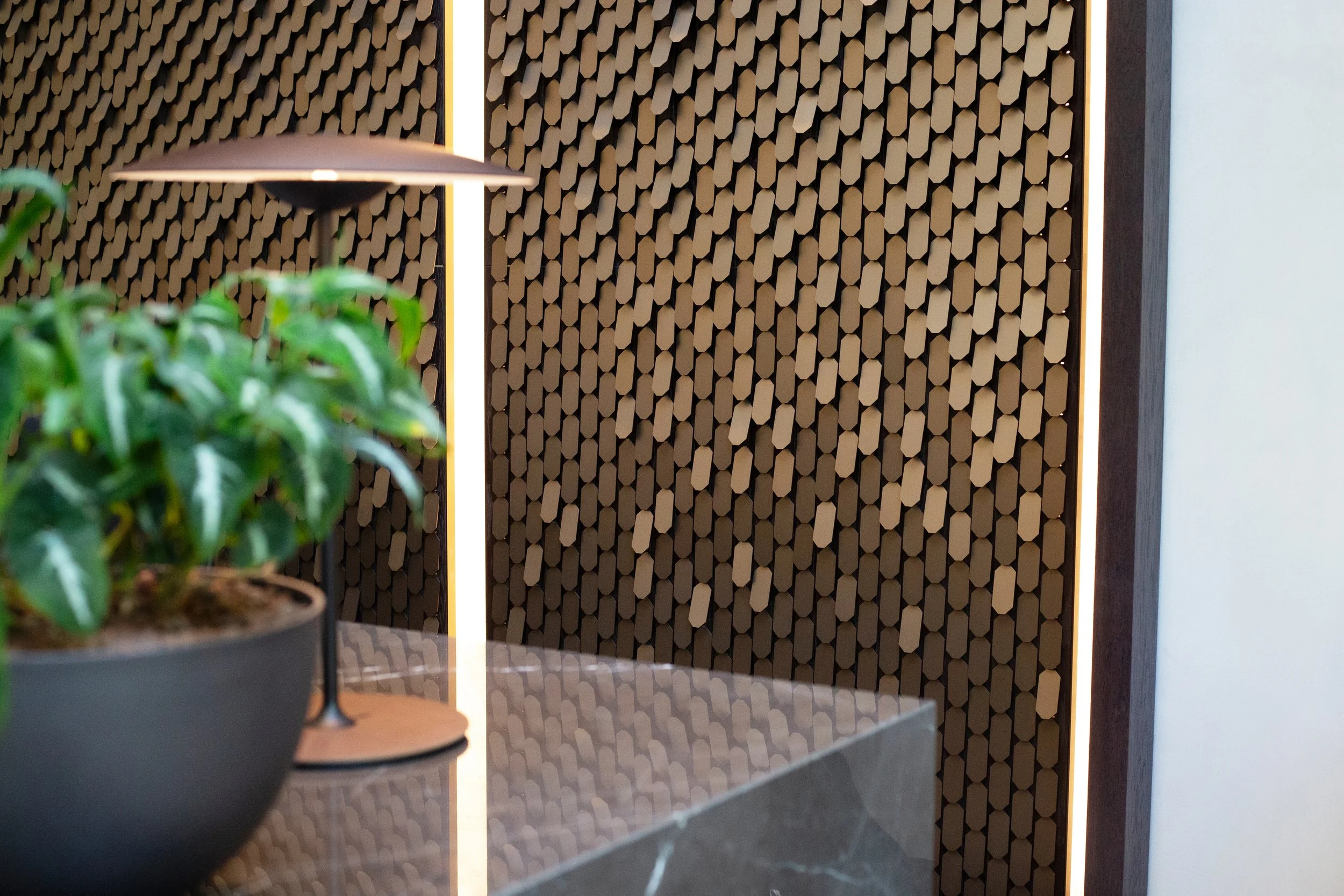
Collaboration seems key to your studio’s output, whether with clients or materials partners. What’s one memorable collaboration that pushed your studio in a new direction?
The earliest and most prevalent collaboration in my mind was the work I did with Stella McCartney in the early stages of my studio. I had been producing works of furniture and lighting, and it was Ben Ruddy, lead store designer in Stella's team, who asked if I could apply the same technique to walls and surfaces. They commissioned me to produce a mural for their store in Paris, and that project showed me that the work was best applied in that format, rather than in furniture. One of many wonderful prompts from discerning clients that have helped shape the studio over the years.
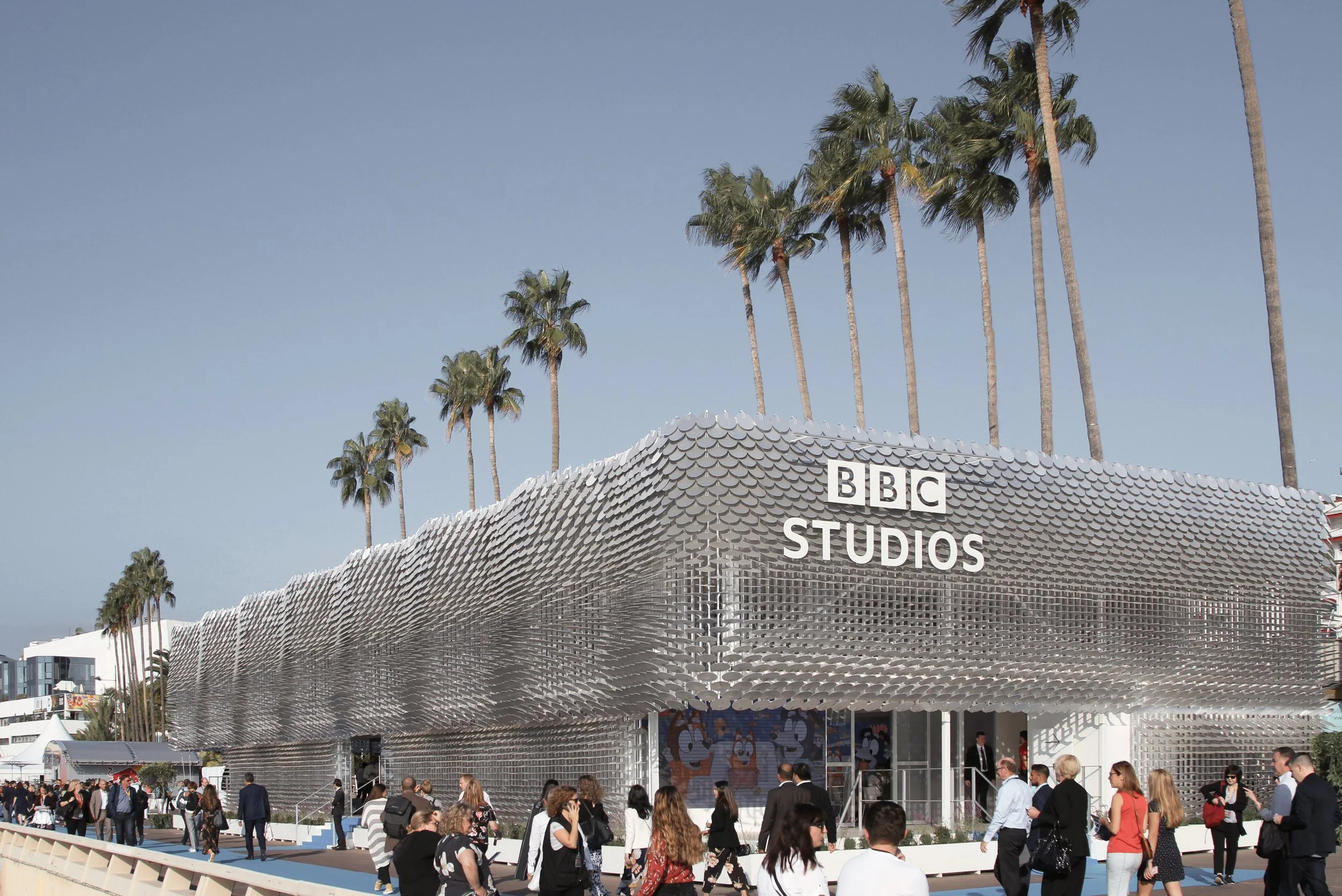
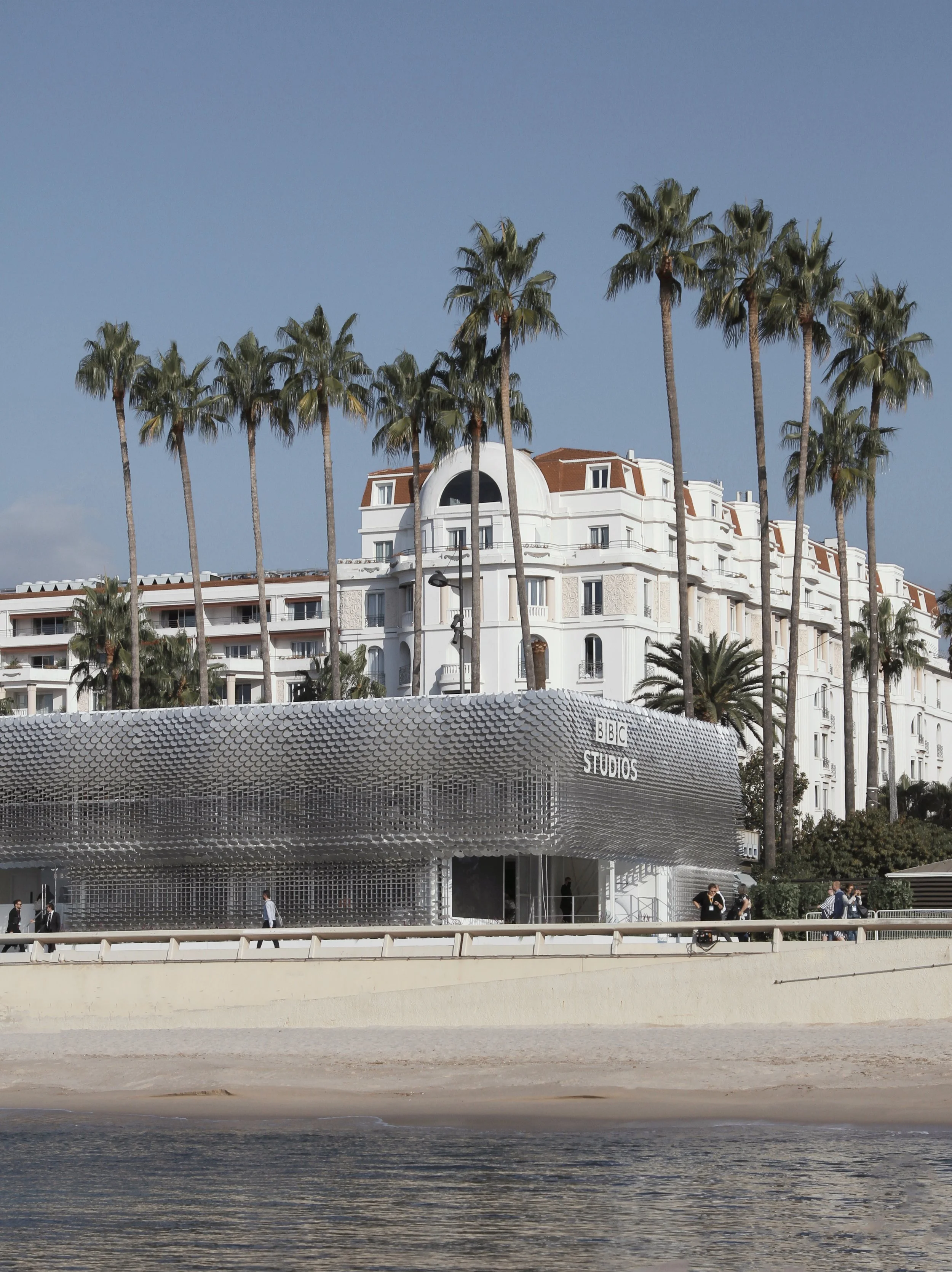
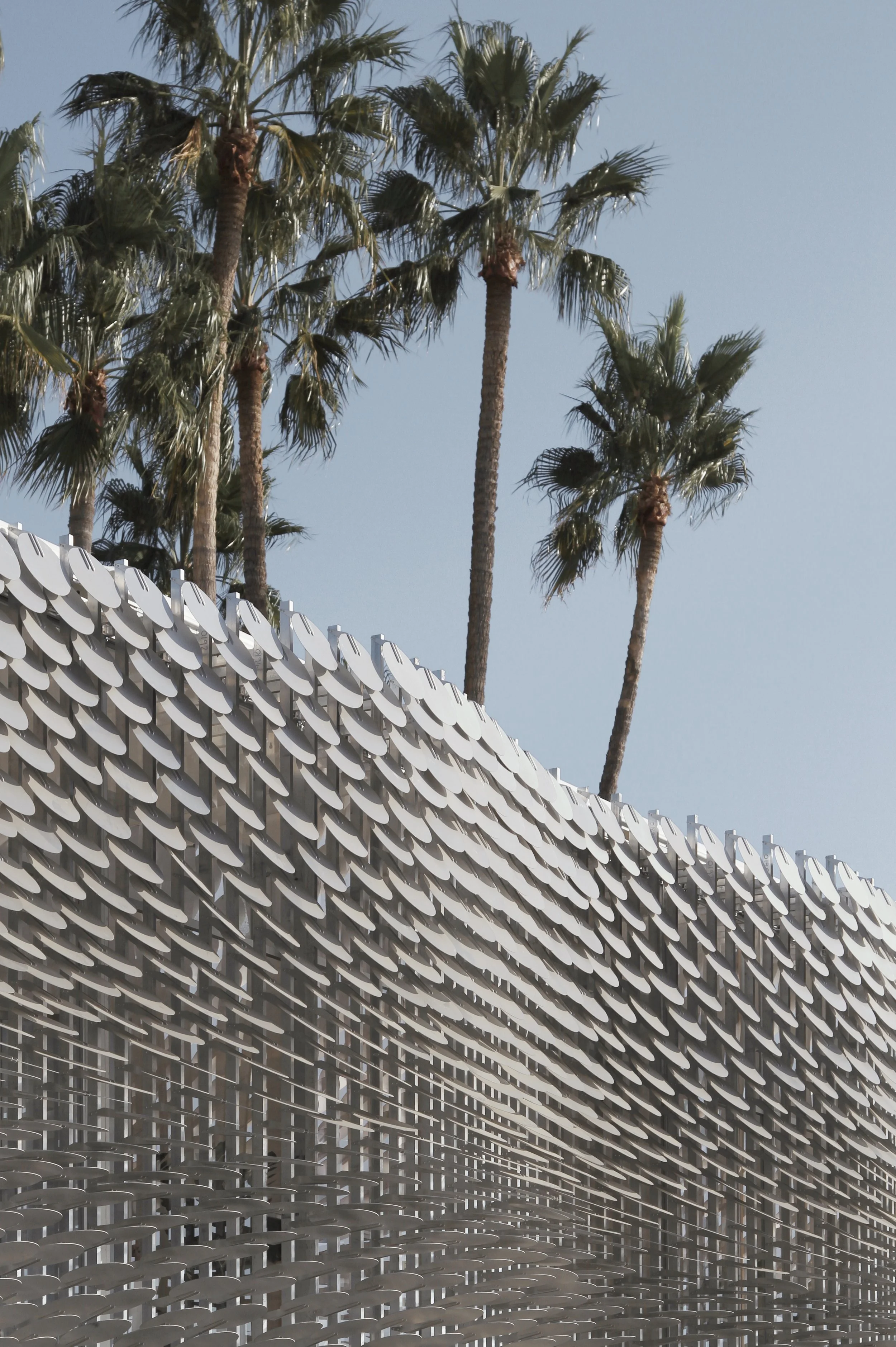
Your work has been commissioned by global names from Hermès to BBC Studios. How do you ensure your creative identity remains intact across such diverse briefs?
Often, our clients come to us because they understand the studio's approach and my particular artistic direction, so we marry their specific projects with the current trajectory of the team’s experimental work. This allows me to always find my own stamp within a project's scheme, but also to accommodate and enrich the client's initial vision.
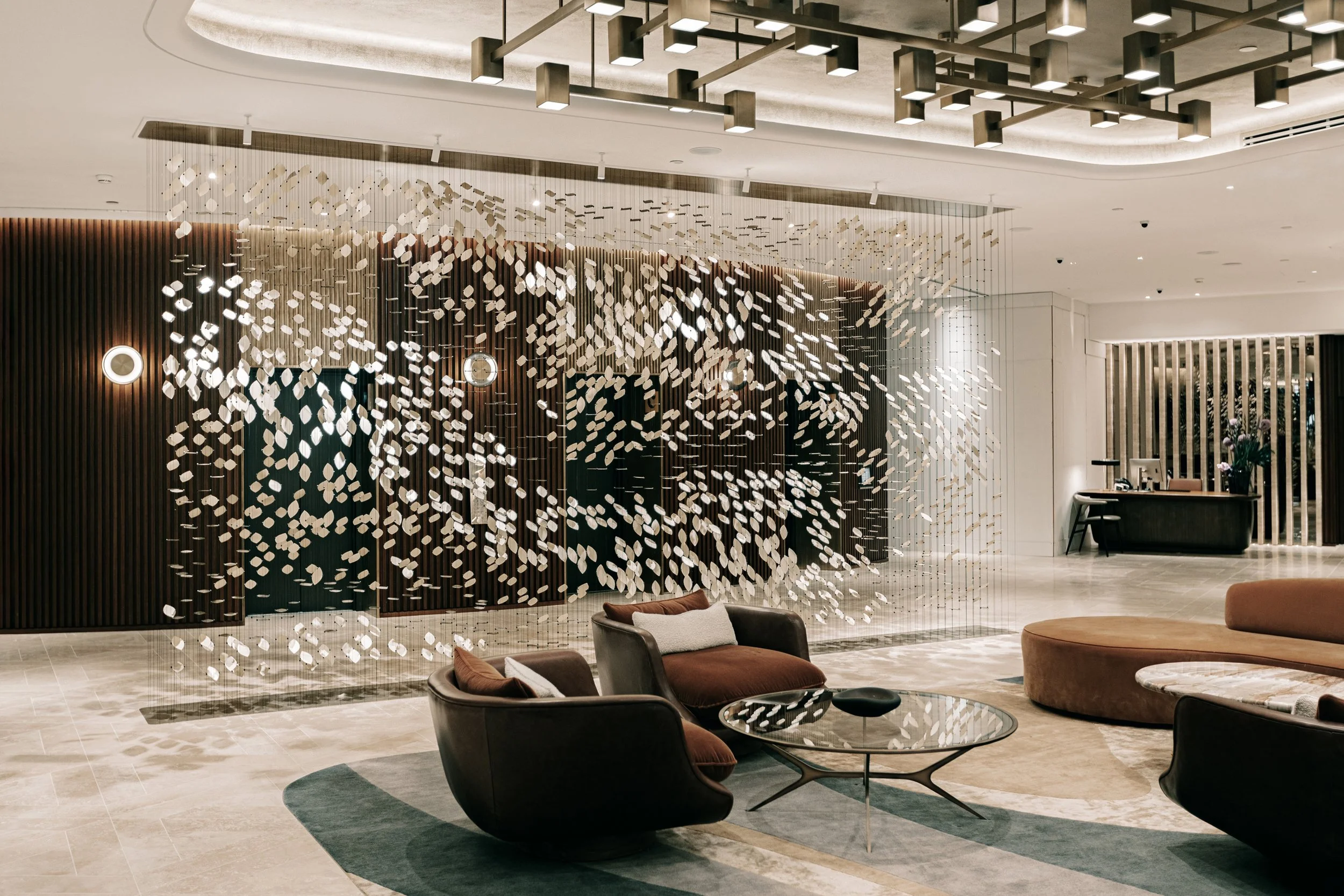
From large public art to bespoke surface finishes, your work blurs boundaries between art, architecture, and design. How do you personally define success in a project?
For me, the success is measured in the response to the project, and that means it must 'lift' the viewer and initiate a meaningful response in them. Whether we're creating a new vase, a mural, a piece of jewellery or a building, the privilege of making a contribution to people’s daily lives in a real way is something we take seriously, and in every project, I hope we can ensure that we inspire anyone interacting with our work. Art has the power to make us feel pleasure, awe, comfort, serenity, and excitement. And that’s something we aspire to in each and every project.
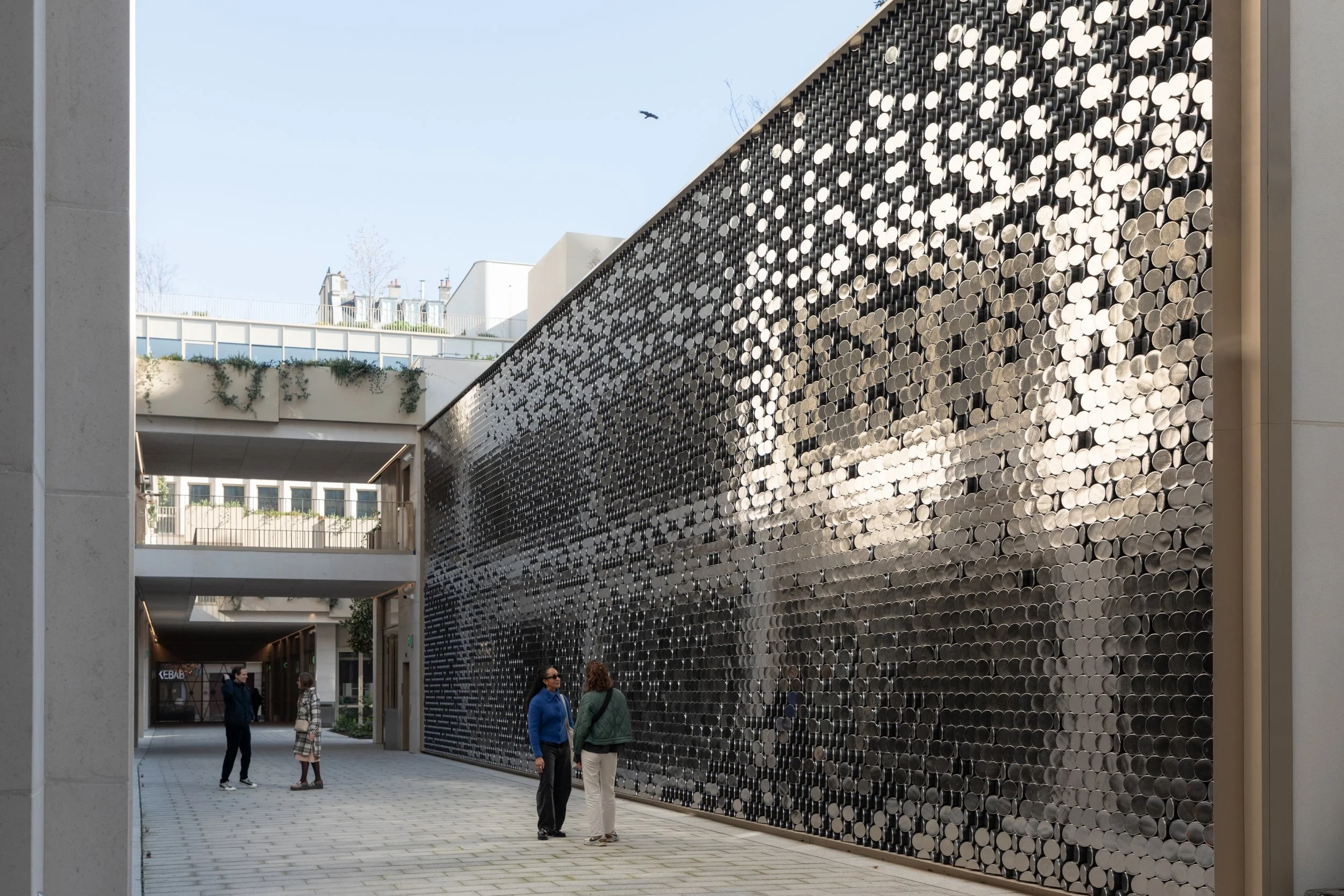
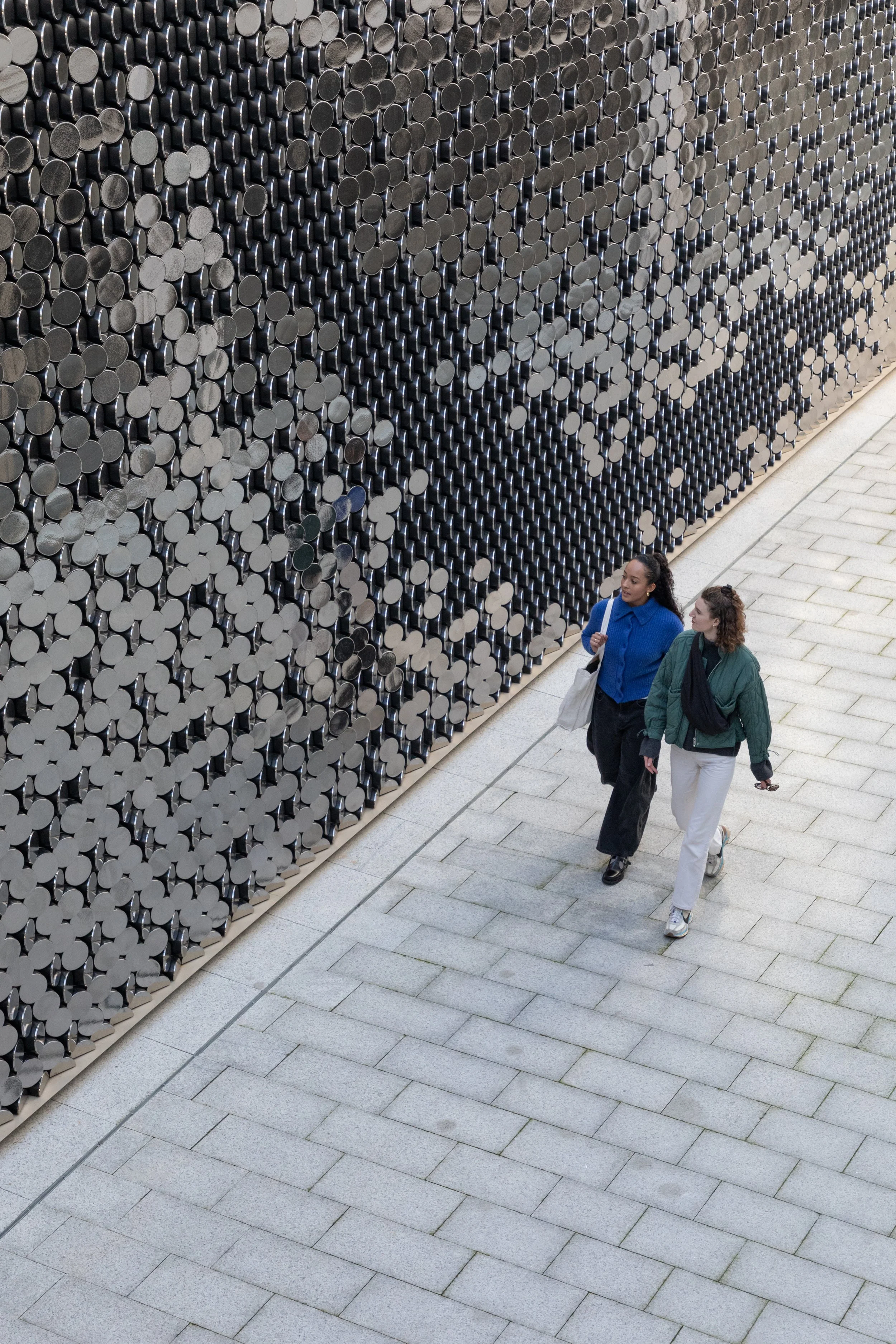
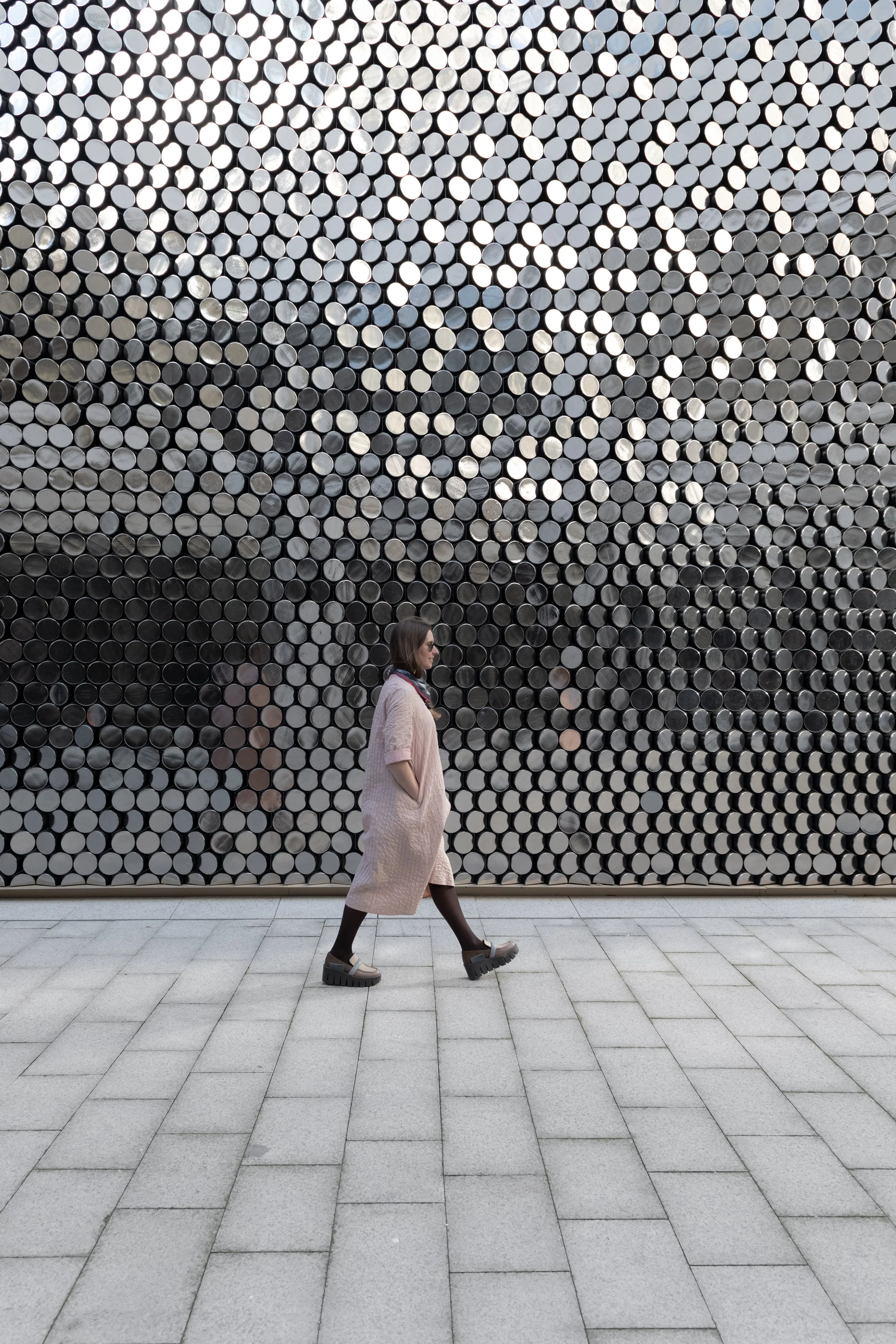
Your studio champions British craftsmanship and in-house production. In an era of digital fabrication and global supply chains, what role do you think handcrafted detail still plays in contemporary design?
We certainly take pride in making things and using our hands, but also in the marriage of the best or most appropriate processes within each project. We have made 40ft murals remotely from London, and they have been fabricated and assembled by local artisans. We still use global suppliers when they are the best option for our work, but we also love to create as many of the projects ourselves as we can. In so many ways, we seem to transcend the definition as an artistic practice, and design studio, and as makers or curators of material, and that’s down to our flexibility and willingness to follow the unexpected path to the right outcome for our clients. I believe that there is a quality to handcrafted work that is irreplicable by machine or digitally. But where scale prevents us, we try to use our love of craft and making to inform a scaled-up process. Hopefully, it is evident in the results.
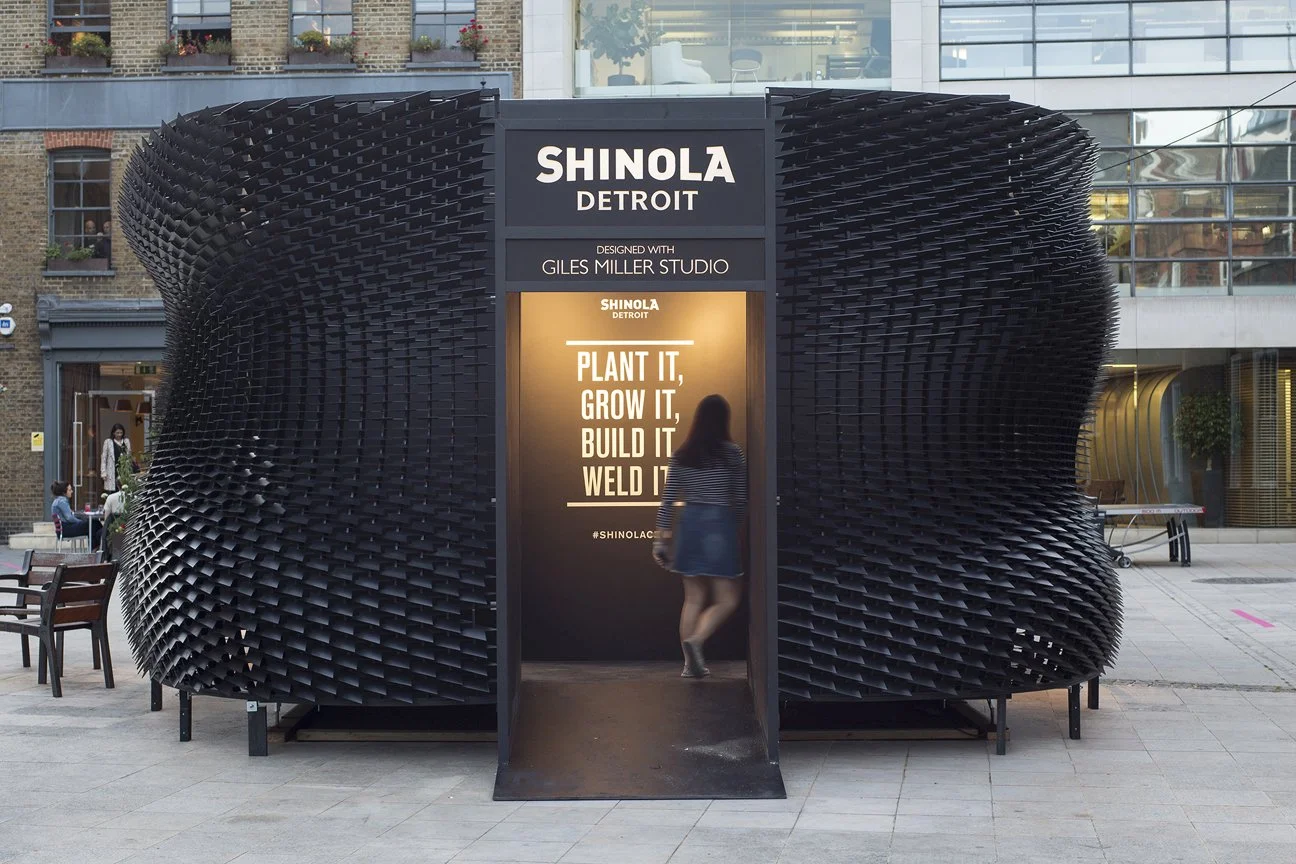
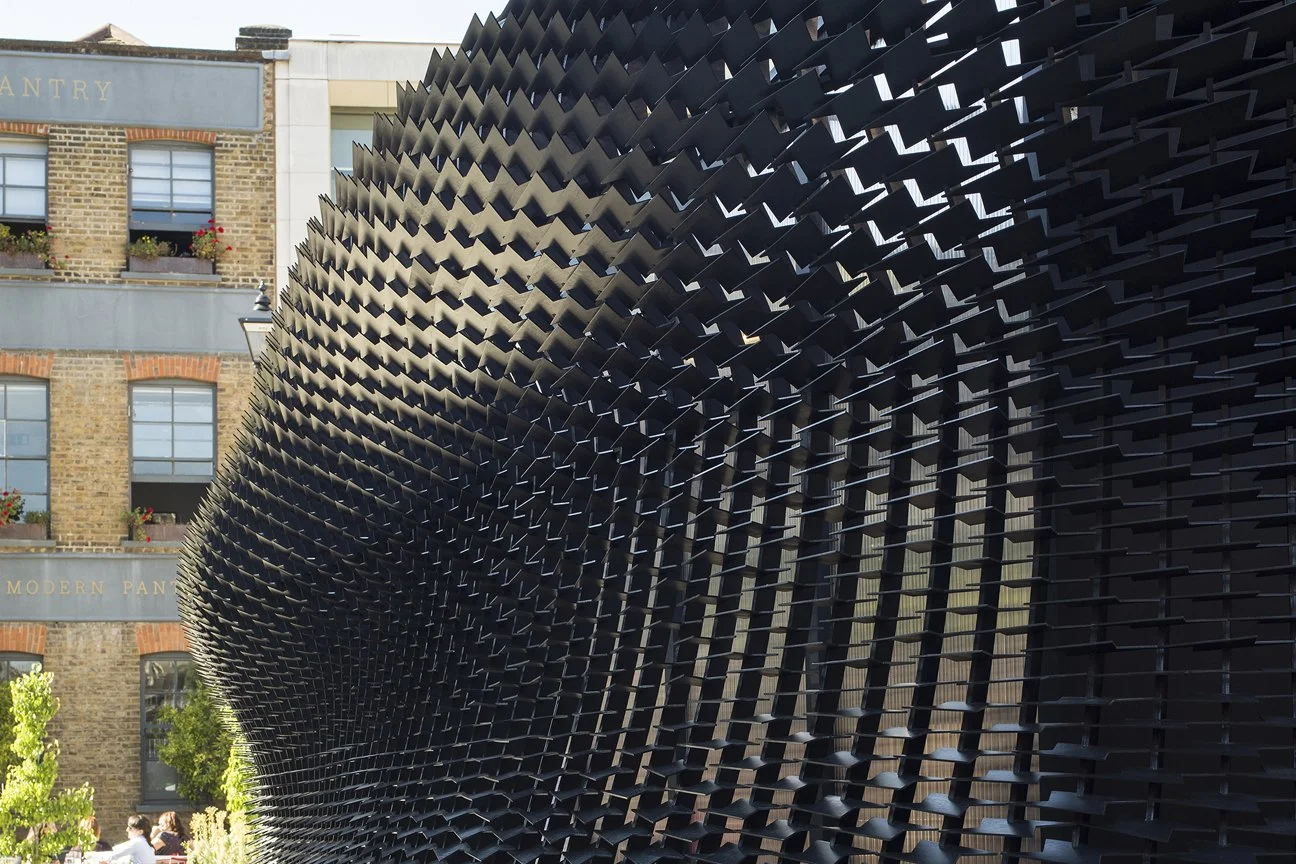
It has been a pleasure speaking with Giles and gaining a deeper insight into the thinking behind his work. Having admired his creations since first discovering them many years ago, it has been incredibly rewarding to see how the studio has grown and developed into the influential practice it is today. My thanks to Giles for his time and for sharing such thoughtful reflections on his work and journey.
More Interviews
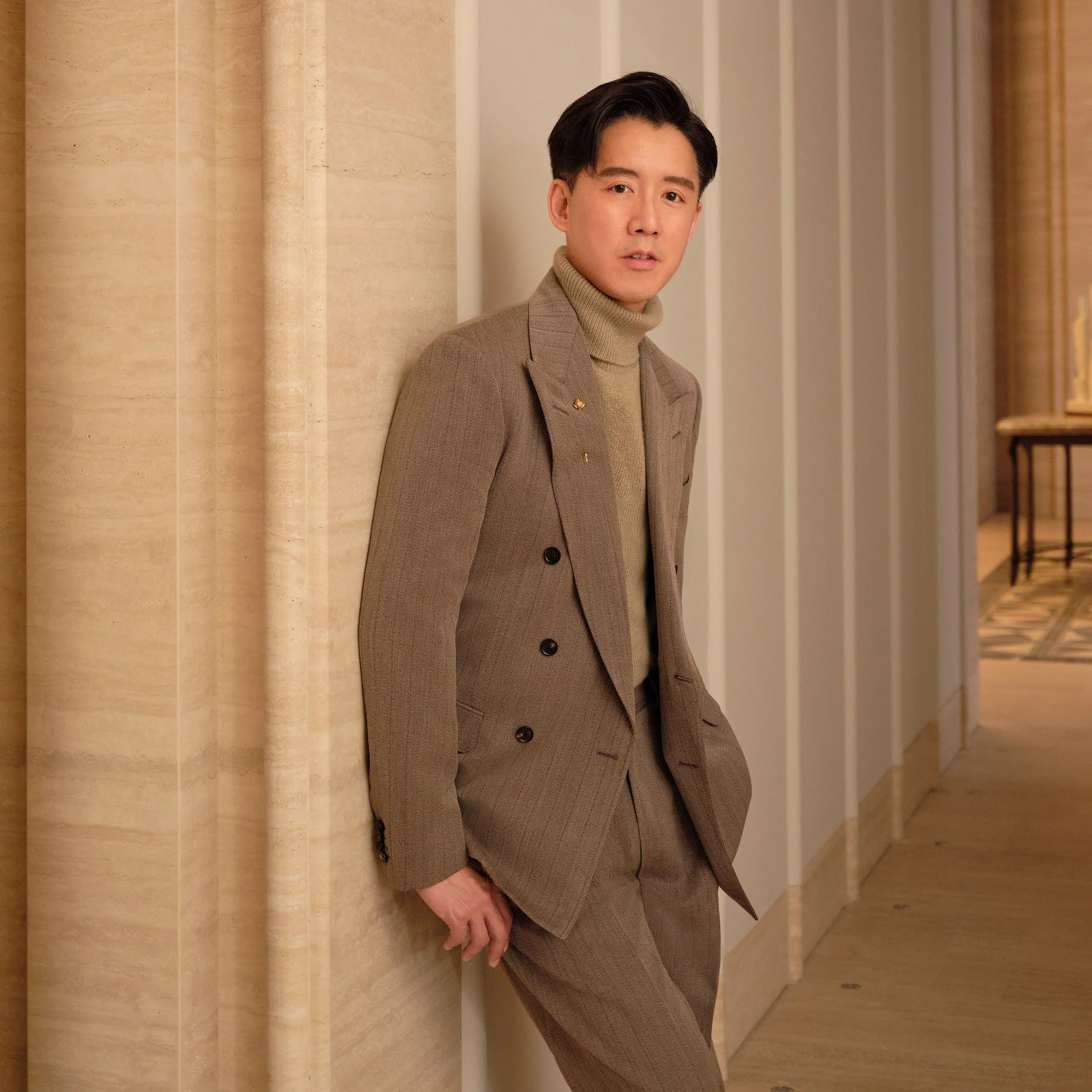

We sit down with Giles Miller to explore his studio’s distinctive approach to design, materiality, and sculptural projects. From immersive installations to tactile surface designs, Giles shares the creative thinking that has made his work internationally influential.