
An Interview With… Roja Dove
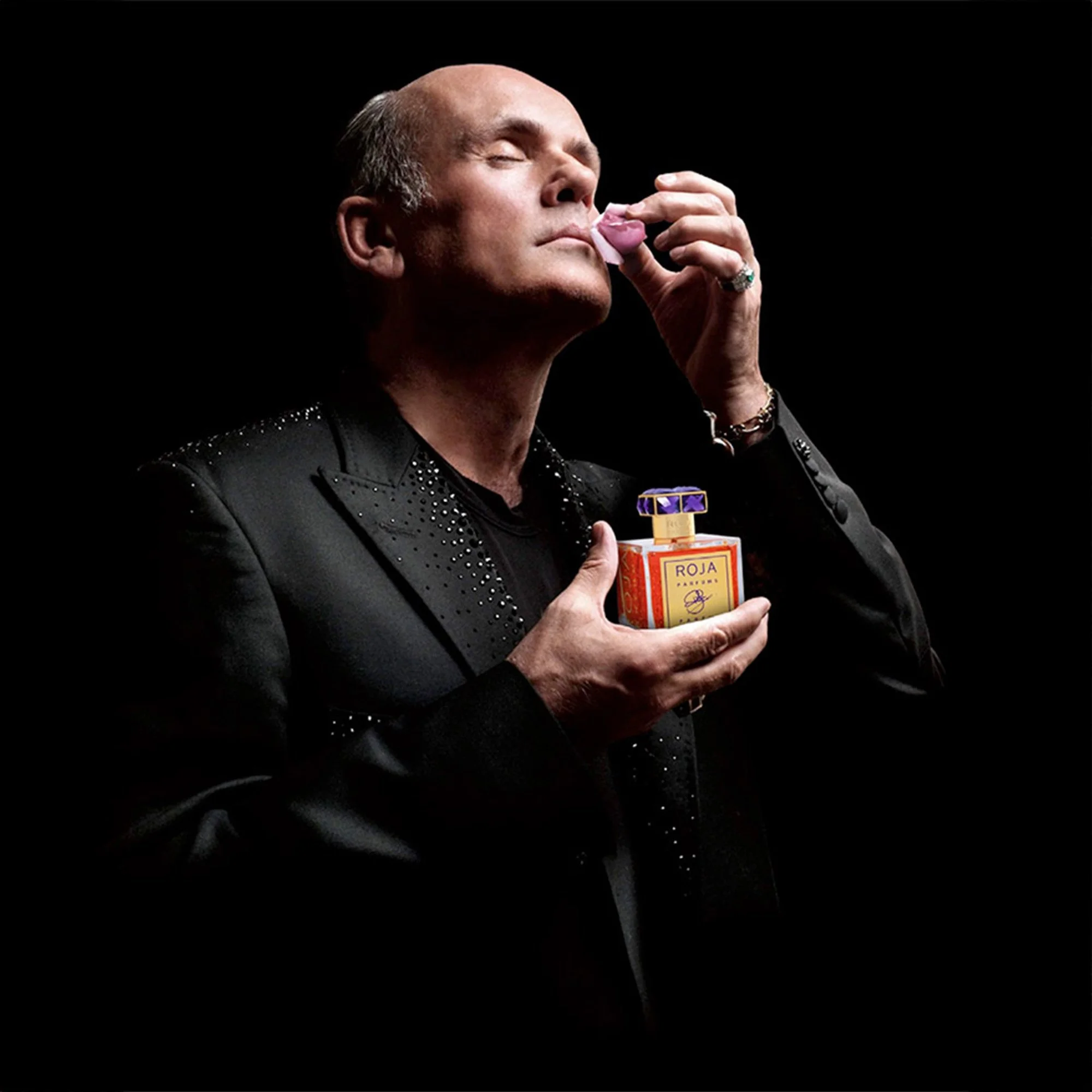
For Roja Dove, one of the most distinctive voices in modern perfumery, fragrance has always been far more than a luxury; it has been a lifelong enchantment. His fascination with scent was sparked in childhood by a single unforgettable moment that revealed how it can transform a person, a feeling, even an entire memory. That early discovery set him on a path that would eventually lead from curiosity to obsession, and from obsession to a career at the very heart of the fragrance world.
What followed was an unconventional journey: a chance opportunity in France, encounters with legendary perfumers, and a deepening understanding of the raw materials and craftsmanship behind scent. Years later, this foundation would evolve into a globally recognised brand known for its uncompromising attention to detail, artisanal luxury, and the belief that perfume is an art form capable of storytelling.
In this interview, Roja reflects on the origins of his passion, the inspirations behind his creations, and how fragrance continues to shape the way we express ourselves.
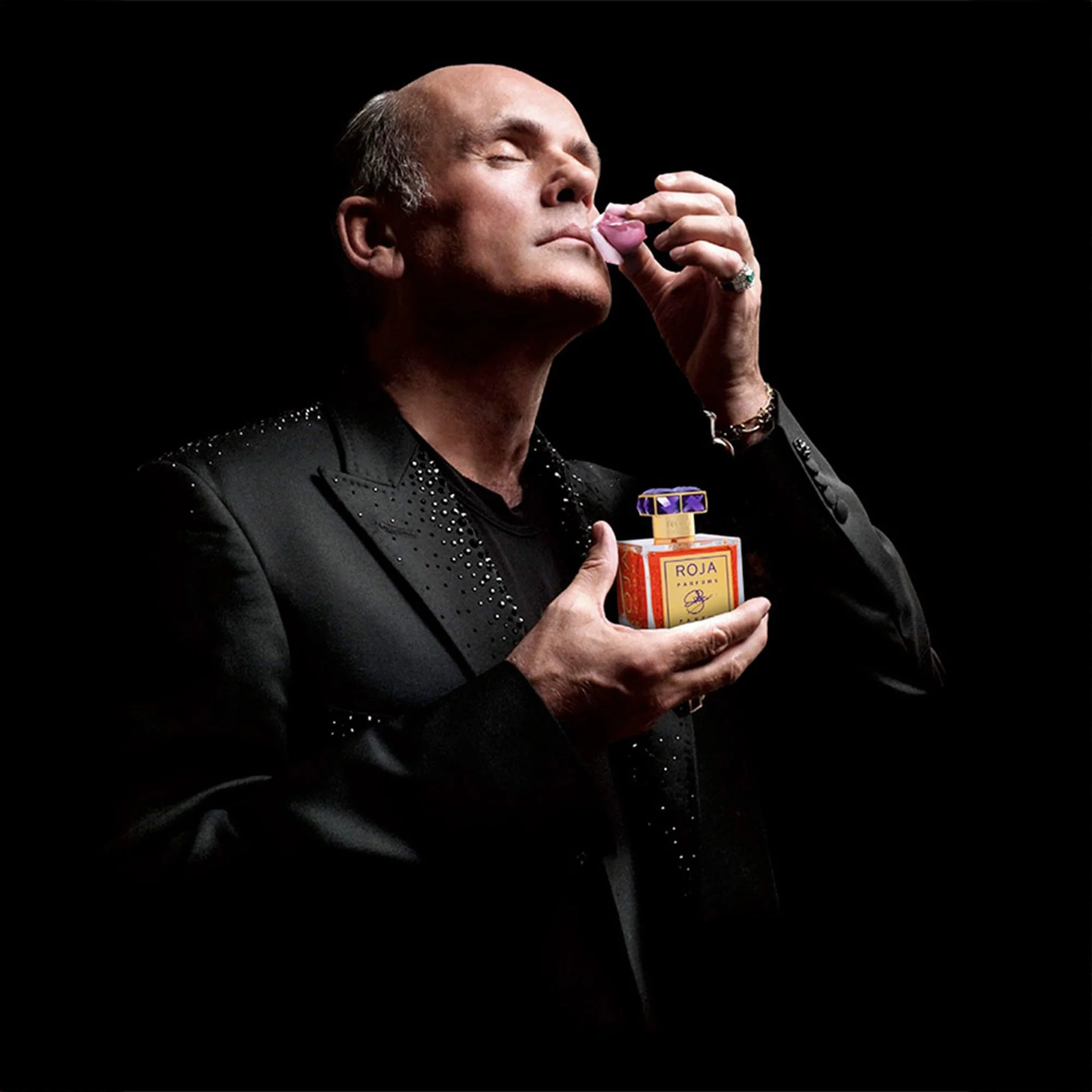
When was it that you first realised that you had a passion for fragrance and perfume?
I fell in love with perfume when I was very small. I was about six or seven years old, and my mother came into my bedroom to tuck me in and give me a kiss goodnight. My mother was going to a cocktail party, and I remember she was wearing a very glamorous evening dress, and as she kissed me goodnight, I remember the smell of her face powder and the smell of her perfume. That was the first time that I made some sort of connection between scent and a moment in time. When she left the room, this image of her, my ordinary mother, had been metamorphosed somehow by the way she was dressed and the glamour of her scent. Very quickly, I became fascinated by perfume and scent, and I think that they suggested a world which was very attractive, a glamorous world, one of fantasy.
What was it about that early experience that drew you into the world of scent?
I think it was that part that drew me to it. This interest almost became an obsession, and I used to spend all of my pocket money as a young teenager on bottles of perfume, something that I am sure most little boys do not. I have always said it, but for me, unstopping a perfume bottle is like releasing a genie. A perfume can take you somewhere, and it was always this idea that it removed us from the everyday, and I have always loved that about scent.
As your fascination grew, did you have any sense of the perfume industry?
Of course, when I was small, I never knew that perfumers existed. Perfume was just something that you went into a shop, and it was there. Like most things, when you are young, even sometimes as adults, we do not stop to think about the process, how this came to be.
How did your first opportunity in the perfume industry come about?
I was offered a job by one of the most highly respected French perfumery houses, owned by three cousins. One day, one of the cousins asked who I was because I had been writing to the brand's subsidiaries around the world. They had to contact one man each time to check whether they could give me the information. You have to bear in mind that this was before email, so he would constantly be getting phone calls from subsidiaries around the world, and he said I would be less of a nuisance to the company than being out of it. I don’t know if it would happen today, but I had the enormous good fortune of being offered a job by this company. I went off to learn about perfumery and was sent to the south of France to start learning about the raw materials. I was introduced to a wonderful Scottish woman named Nancy McConkey, who, in her day, was a very famous perfumer; her perfumes were a huge success. I could not believe that I was suddenly in front of a very famous perfumer and that I was seeing all these raw materials being worked on, and that really was it, I fell under scent’s spell.
What were your early responsibilities, and when did you realise you had real talent for perfumery?
My original work was to develop a perfumery training course. It was during this time that I realised I had an aptitude for perfume. It was more than just liking something; I was good at it. I worked in this business for twenty years, when it was bought by a very large corporation, which motivated me to leave in 2001 to start my own company.
After leaving the company, how did you return to perfumery?
After working in the business for twenty years, I left as the company was purchased by a large corporation. I was approached by a very lovely man whom I had originally met at a function. He asked if I could make a perfume for an auction for the Terrence Higgins Trust, which holds an annual auction at Christie’s.
I had the idea that if I could get one of the crystal houses to blow me and an empty bottle, the bottle could be put up for auction, and I could make the scent for whoever bought it. I had a very specific bottle in mind, designed for the 1925 decorative arts fair, and I knew the Head of Design and Communication at Baccarat, who might have the mould for it. After locating the mould, they very kindly blew me this bottle, which was put up for auction against a Mercedes sports car and a holiday in the Maldives, and my perfume fetched the most money. I was very happy and proud that it was supporting a charity, but it made me realise that people cared about how the smelt, enough that they wanted to have their perfume made. The lucky bit was that the partner of the person who purchased the bottle decided they needed to make one for themselves, so I got my first main client. This was how I came back into perfumery through bespoke.
How did your involvement with Harrods begin?
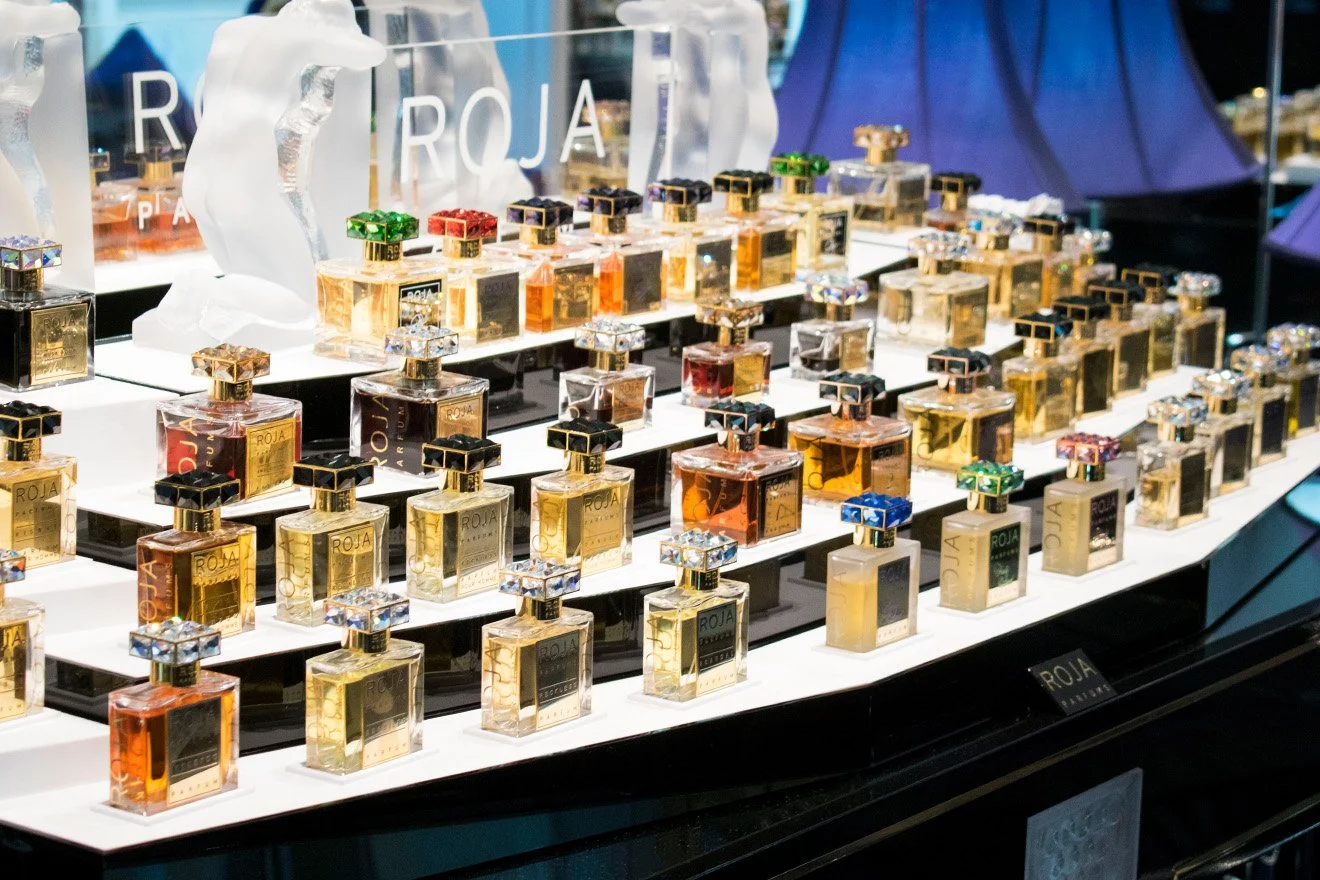
Around the same time, I was invited into Harrods, where they discussed opening a perfumery. The idea that came to me was to draw up a list of brands I loved and thought were great, selecting their best perfume creations. I explained to the houses that I wanted to create a celebration of perfumers and that I was only looking to feature specific products, not the full collections, something that had never been done in the industry before. With the huge power of Harrods, the most important store in the world, financially and for the status of a brand, it was the first time I realised that people were starting to take me seriously. For a large global brand to break its international policy was not a small thing. The impact this new perfumery had on the global market was enormous, so much so that Harrods developed an entire floor dedicated to the concept we created, which you see today. Roja Parfums was the first brand to be given a space on the floor, which we created a consultation room we named ‘Salon de Parfums’, a name that has now been given to the entire floor.
What inspired you to launch your own perfume range?
In 2009, my mother died. This was the main inspiration behind my creating a range of perfumes, which launched in 2011. My mother told me she was sad that my generation would be the one to see the family name die out. As a gay man, I was never going to produce children or grandchildren for her. I decided that, if I launched perfumes and they were successful, I could leave a legacy and that the family name could carry on this way. On the back of every bottle, in the smallest writing, it says, ‘A fragrance by Roja Dove’, and it is there as a legacy. We launched on 2nd July 2011. Having never made a commercial perfume before, I asked the head of merchandise, “How much do I make? What is a lot for Harrods?” She informed me that if I made a certain number of bottles, it would last between 4-6 months. We sold out of every piece of stock in ten days. There was no advertising, and it became the most successful launch in Harrods history. We are still the most successful brand by revenue in that store, which I am very proud of.
What do you think has driven the brand’s continued global success?
Whilst it might sound arrogant, that is not the root of it. The root of it is that it proves that if you make something that people perceive to be good, then David will be Goliath because we outsell every major brand that you would generally think of in that store.
We now sell in over 180 stores across the world, across 42 countries. Our launch was also the most successful in Selfridge’s history. We are the best-selling brand at the world's largest shopping mall in Dubai, and we do this with no advertising. Our customers tell their friends, and that is how our brand continues to work and grow.
Your brand is now globally recognised. What does luxury mean to you personally?
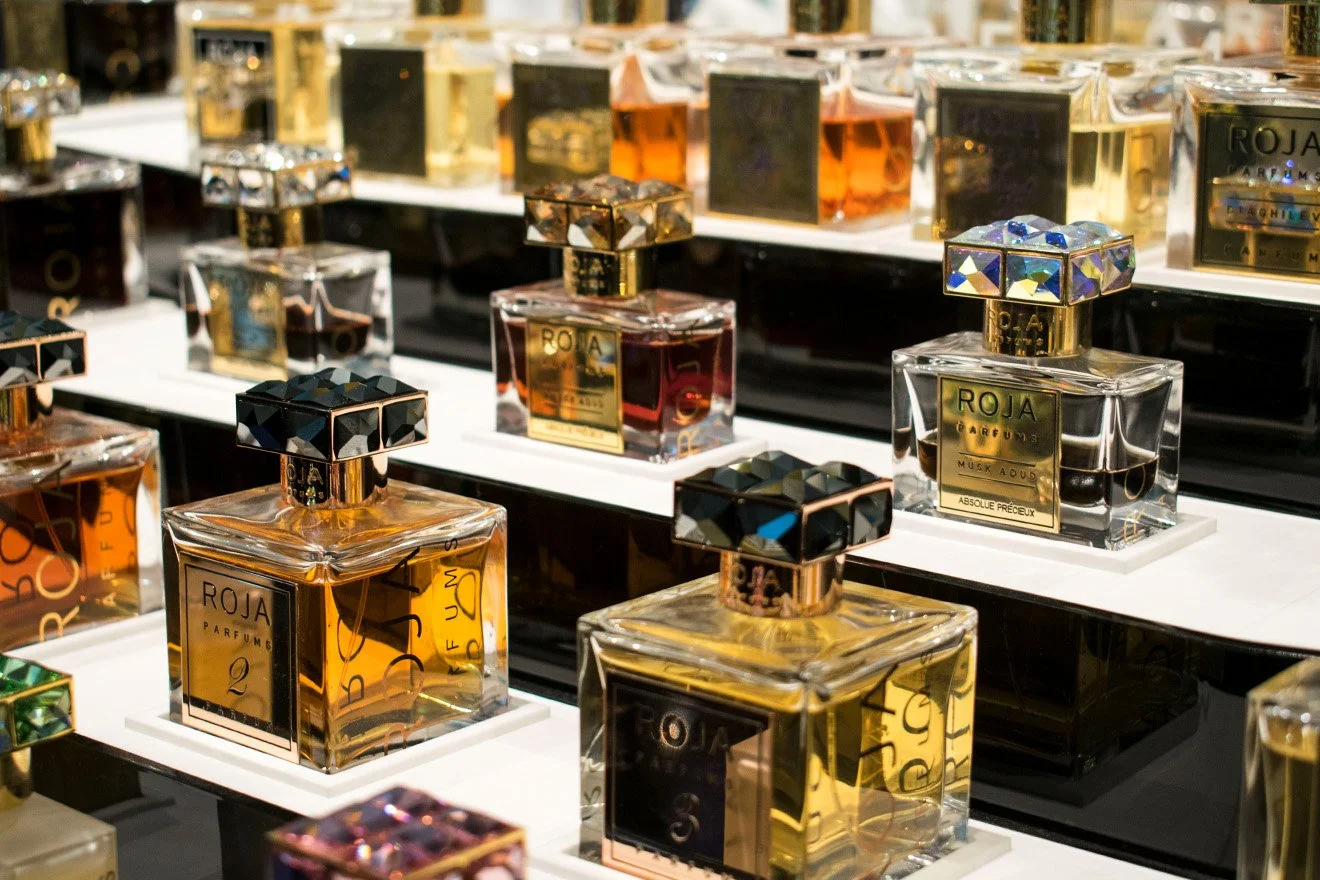
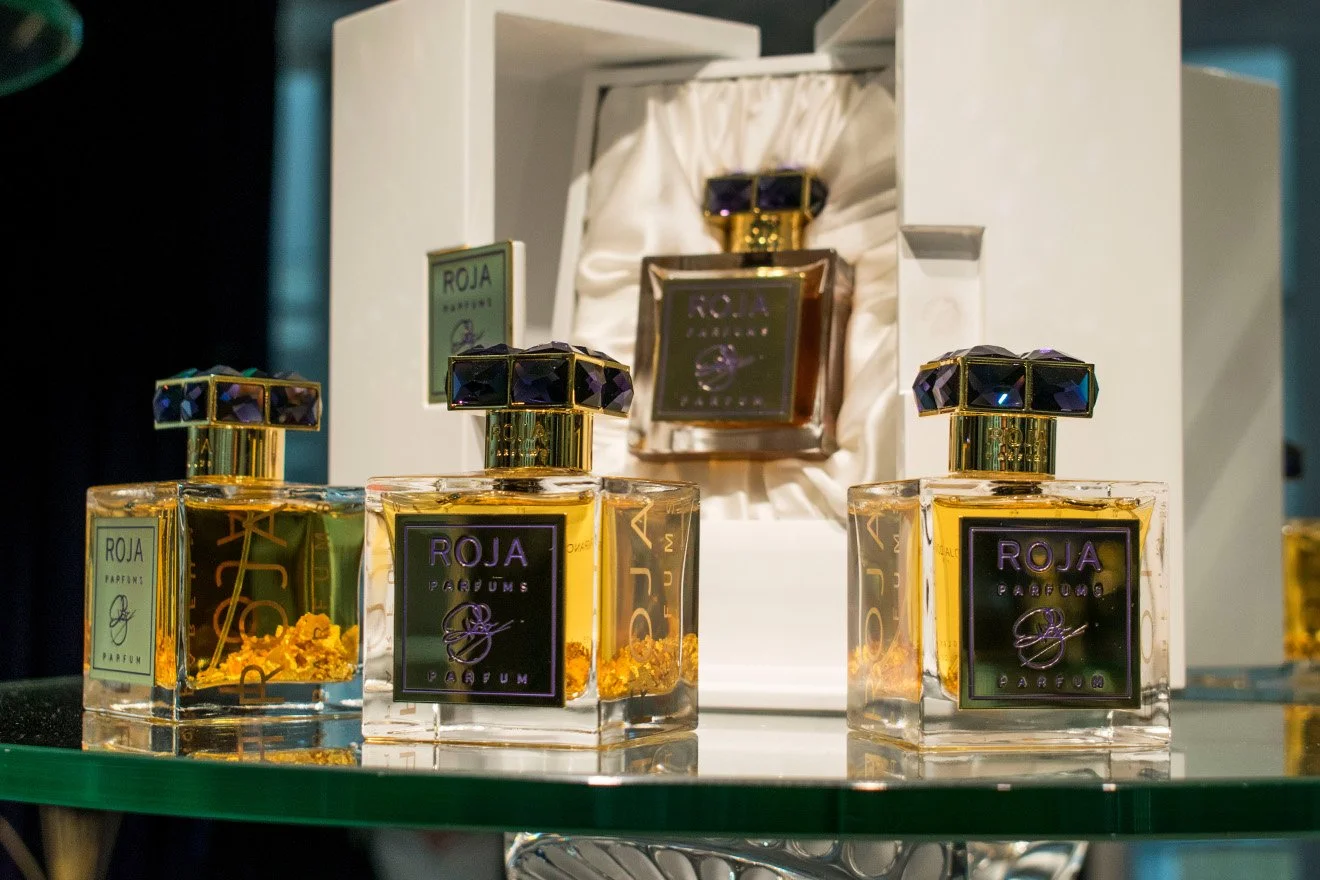
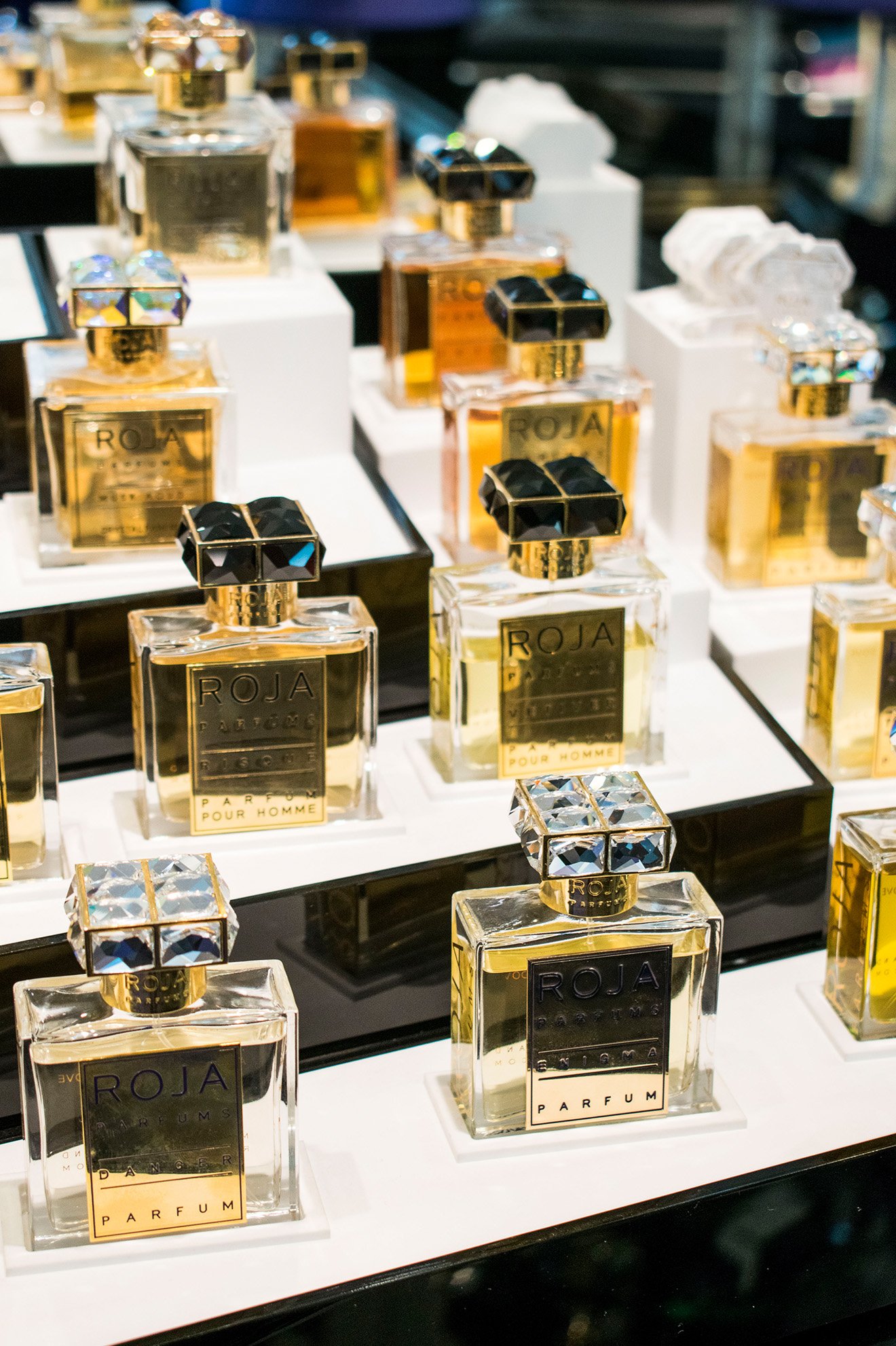
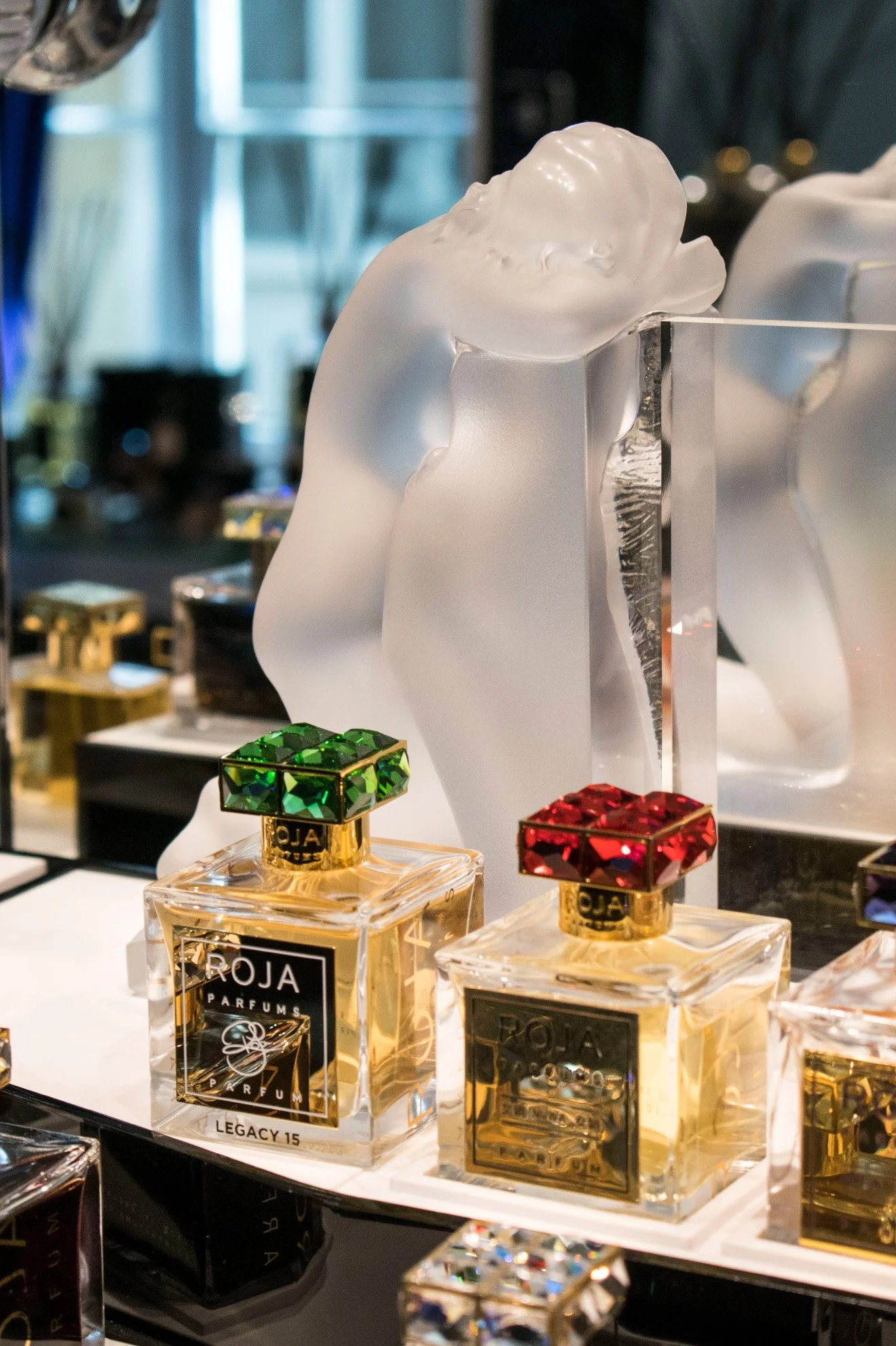
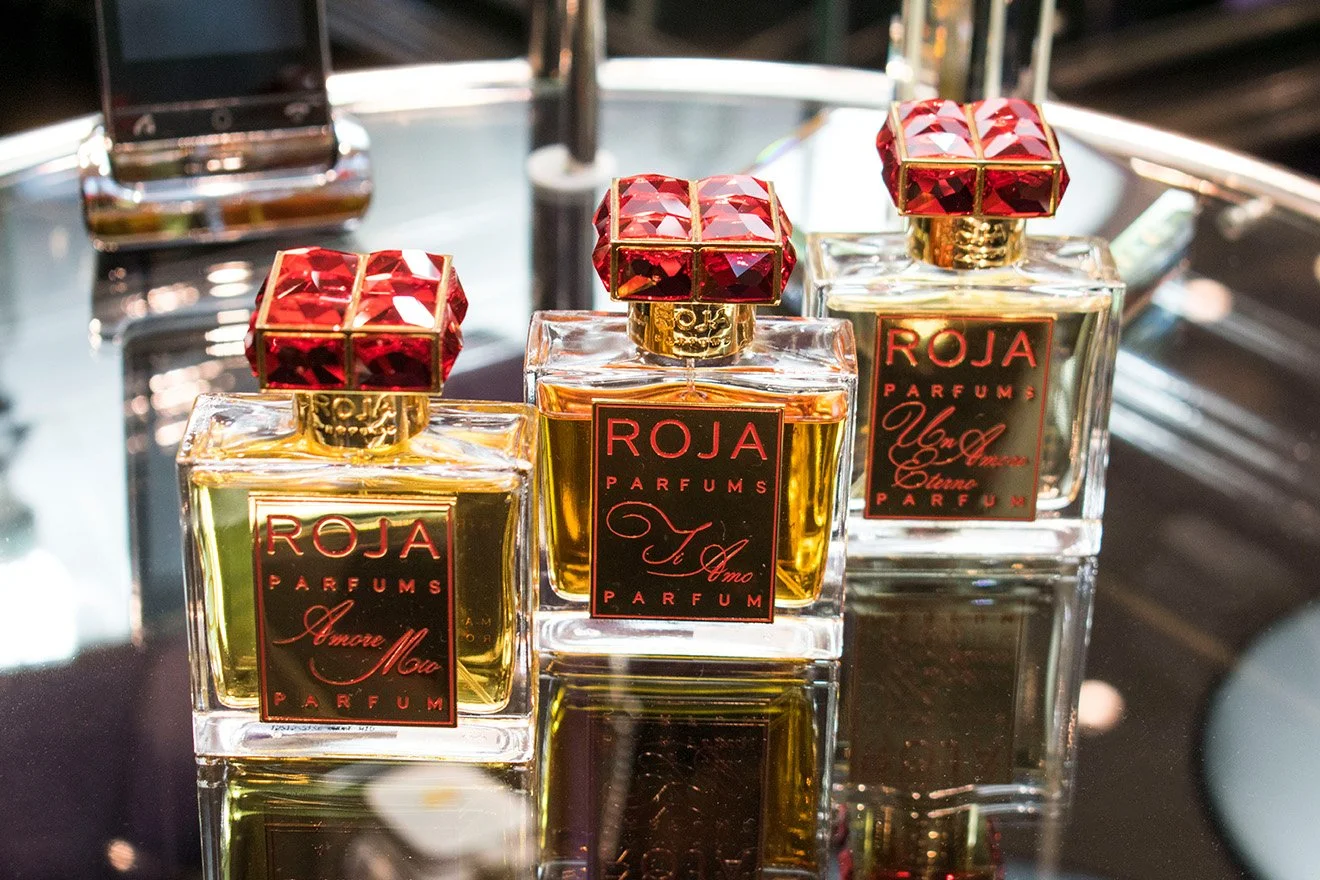
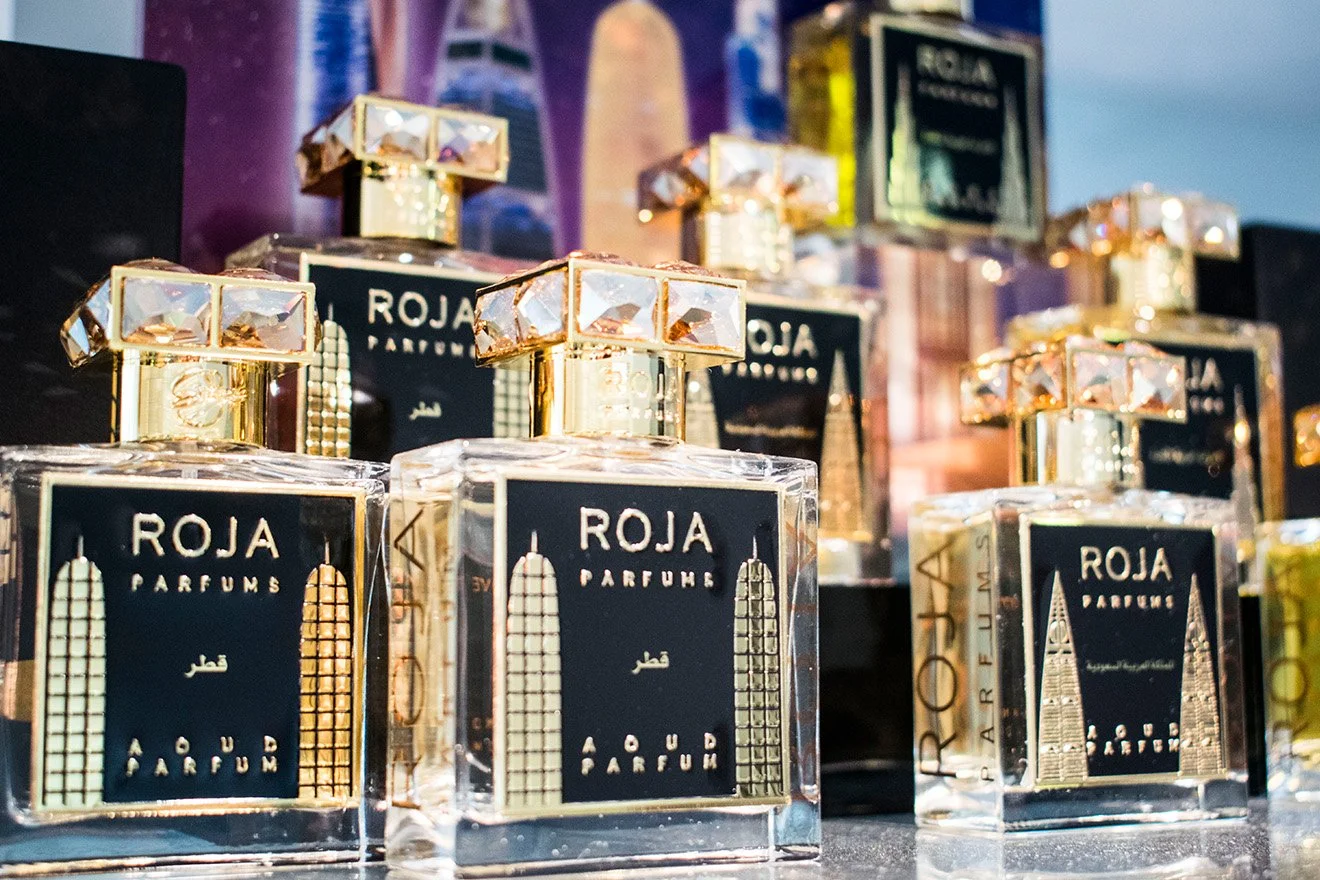
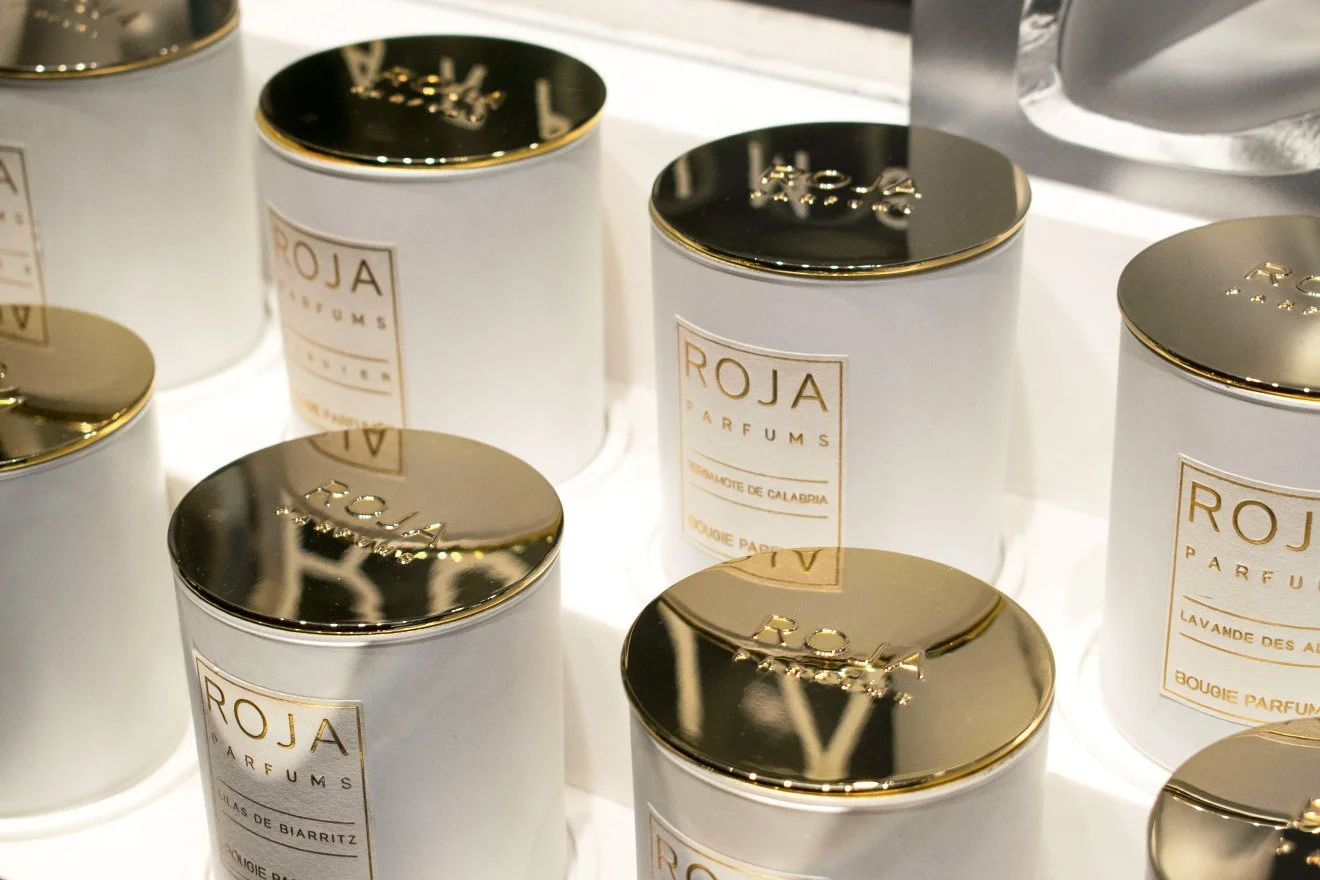
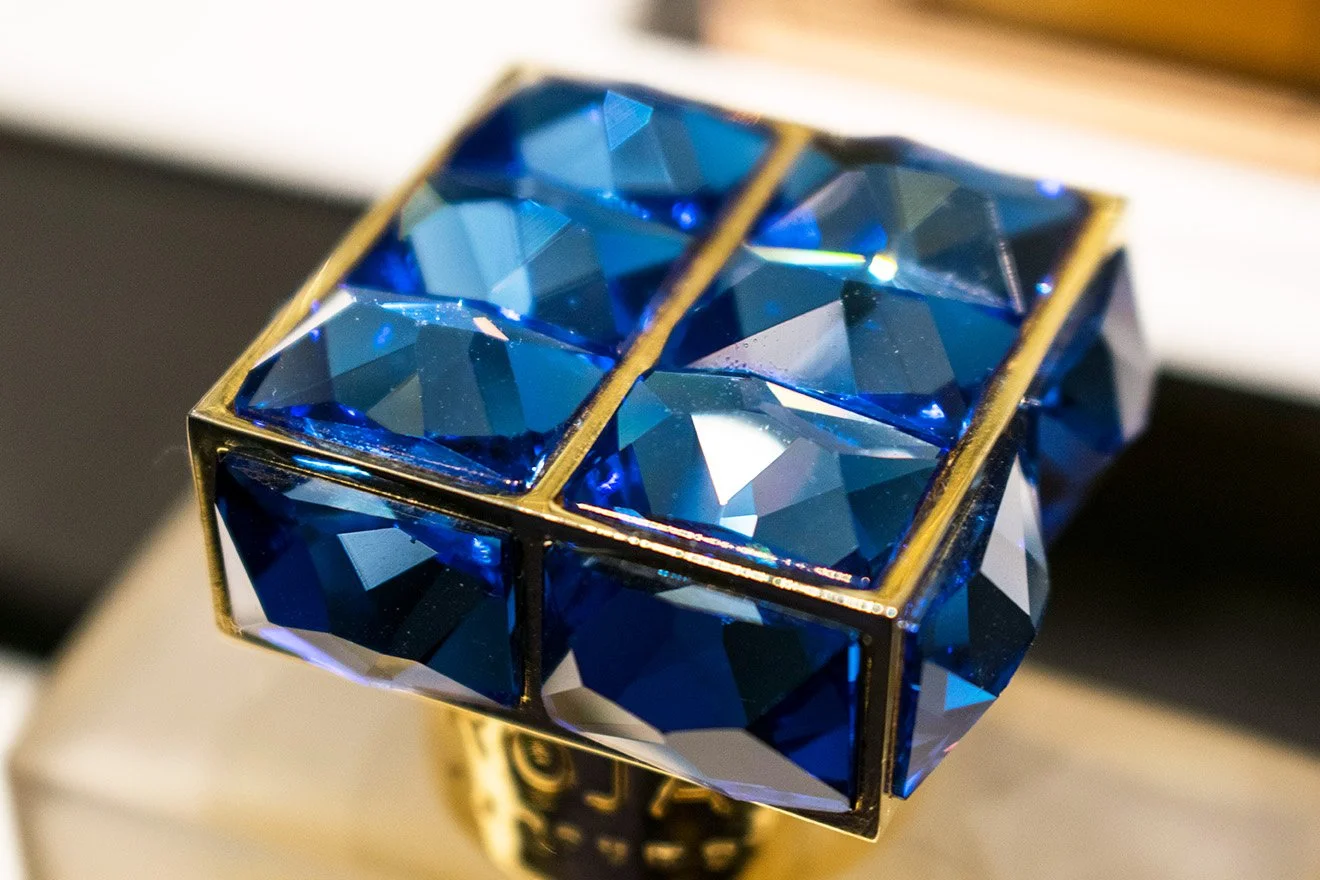
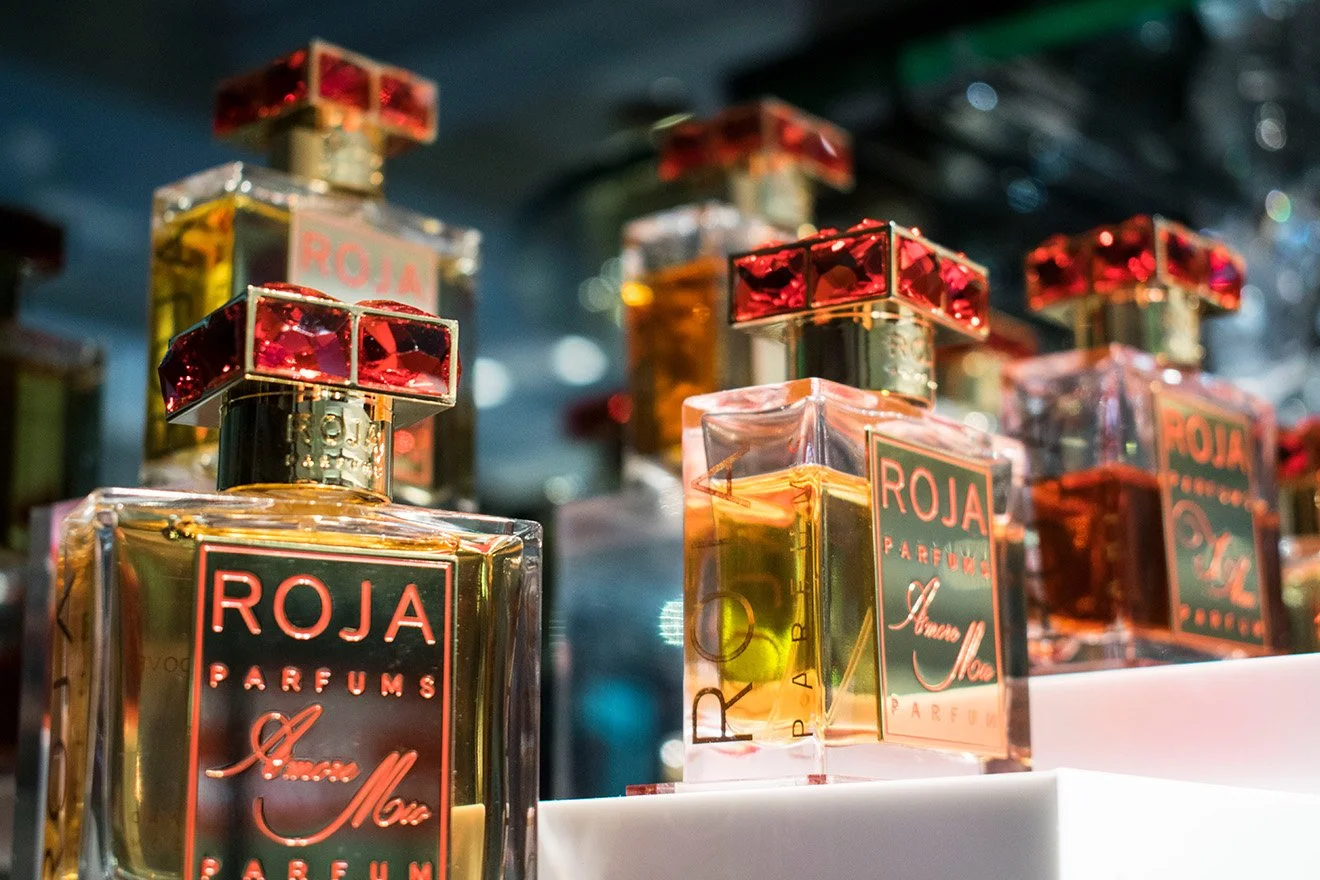
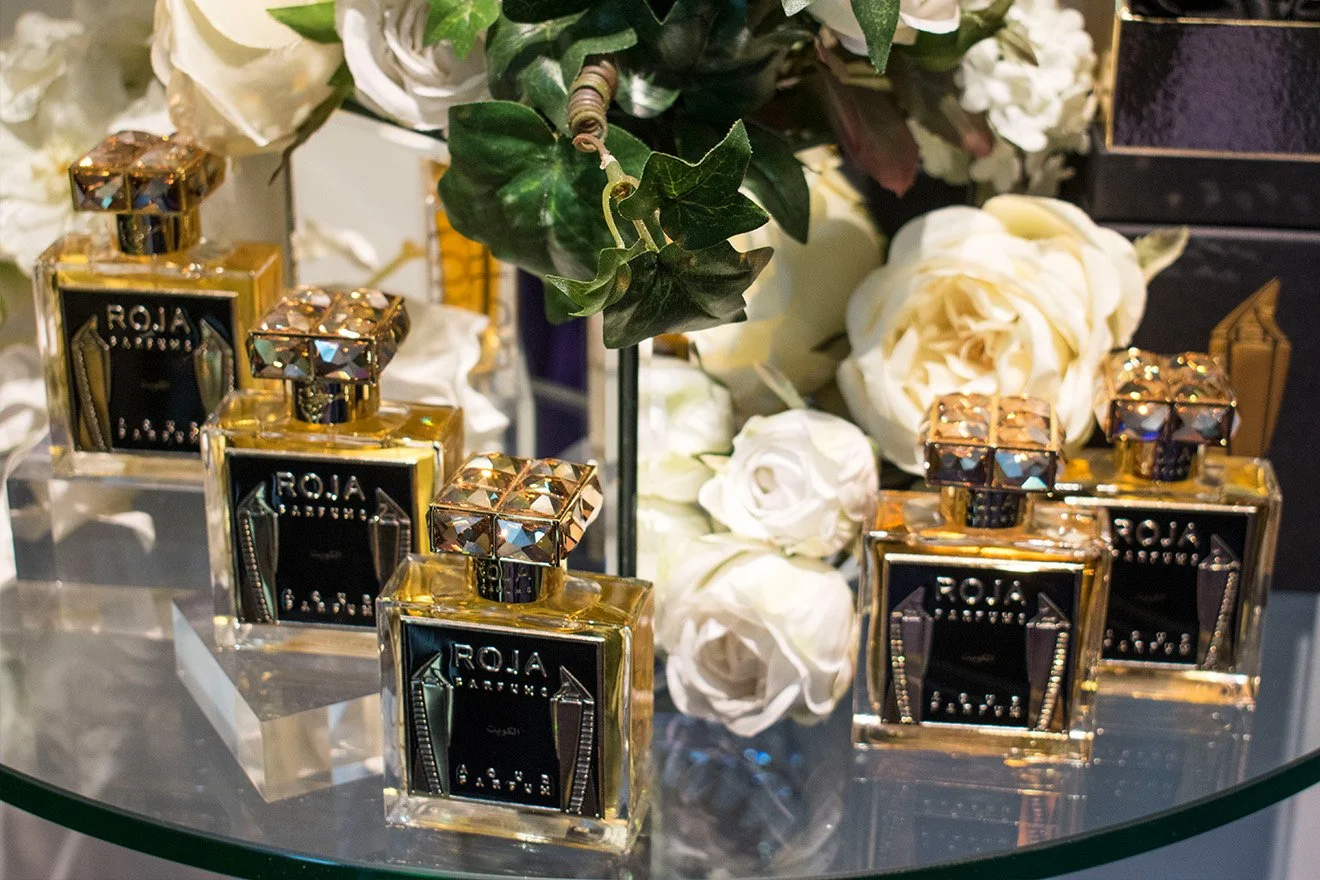
Luxury, to me, is about never compromising on the detail. Many design elements of our perfume bottles have not been compromised to achieve the desired look. The caps and the plaques for our bottles are dipped in gold. We do it so they don't have that brassy finish. The cap design originally comes from my diamond ring. I was told that the design I created would be impossible to produce and that no company would make it because of its difficulty. Not to be deterred, we managed to achieve it, though it takes much longer to create. The cap takes five days to make because each side of the crystals needs to set before the next is added. The time adds more cost, and whilst many companies may choose to remove the side crystals, it would not achieve the look I wanted.
We also line all of our boxes in pure silk crepe de chine. When I was eighteen, I went into a shop called Joshua Tailors in Cambridge. I saw a shirt and fell in love with it. The woman who was serving told me it was silk crepe de chine. At the time, I had no idea what it was, but it sounded gorgeous. When I put my arms into this silk shirt, I was surrounded by luxury and loved the feeling. People may not even realise this detail; however, I know that it is silk and not a piece of rayon that you often see used with brands.
The font that we use for the brand was also designed by me. There was not a font that I liked, which might sound silly as there are a huge number of fonts out there, but we designed our very own down to the finest detail.
You’re known for your bespoke work. Could you share one of your more memorable bespoke projects?
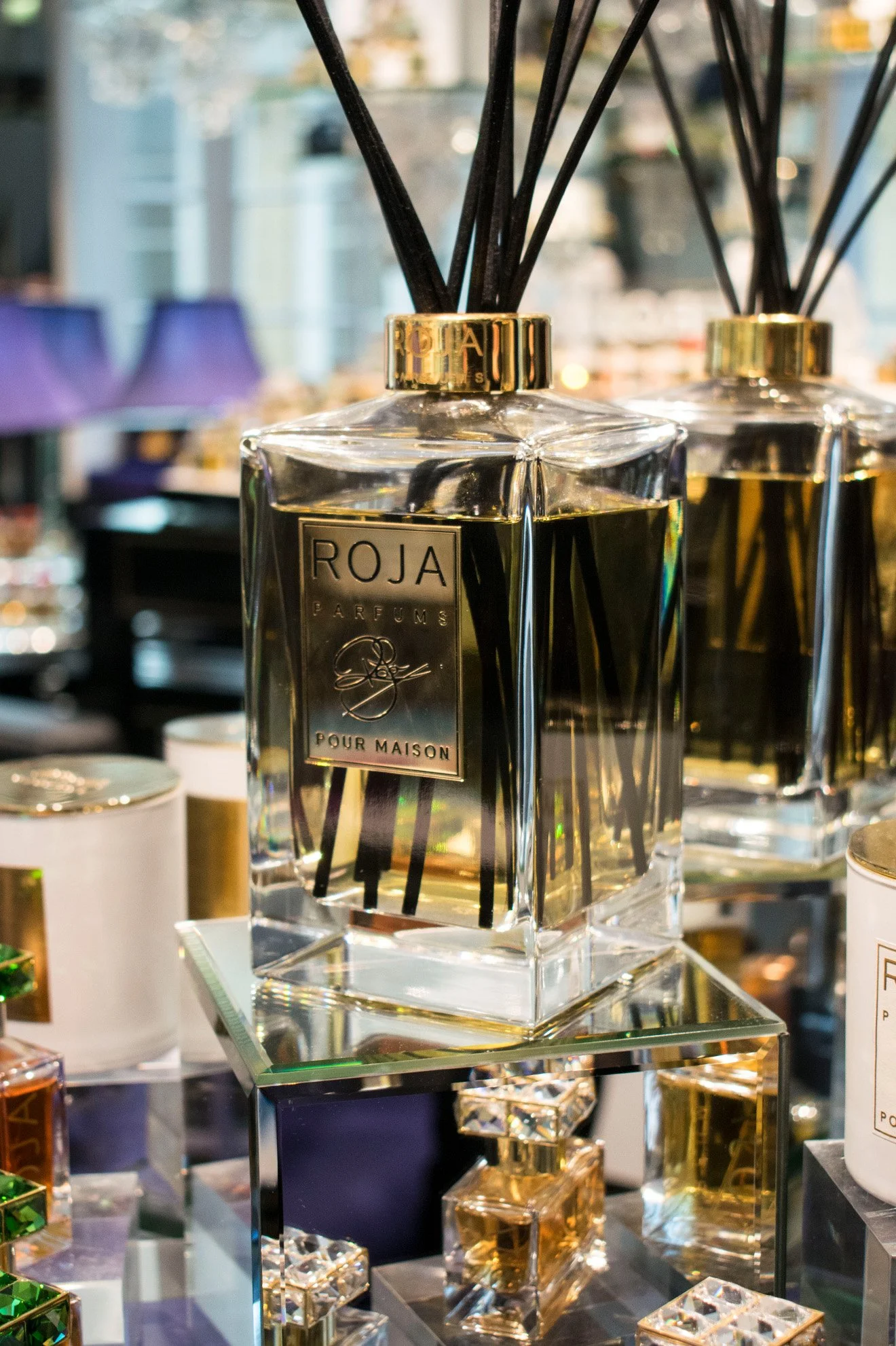
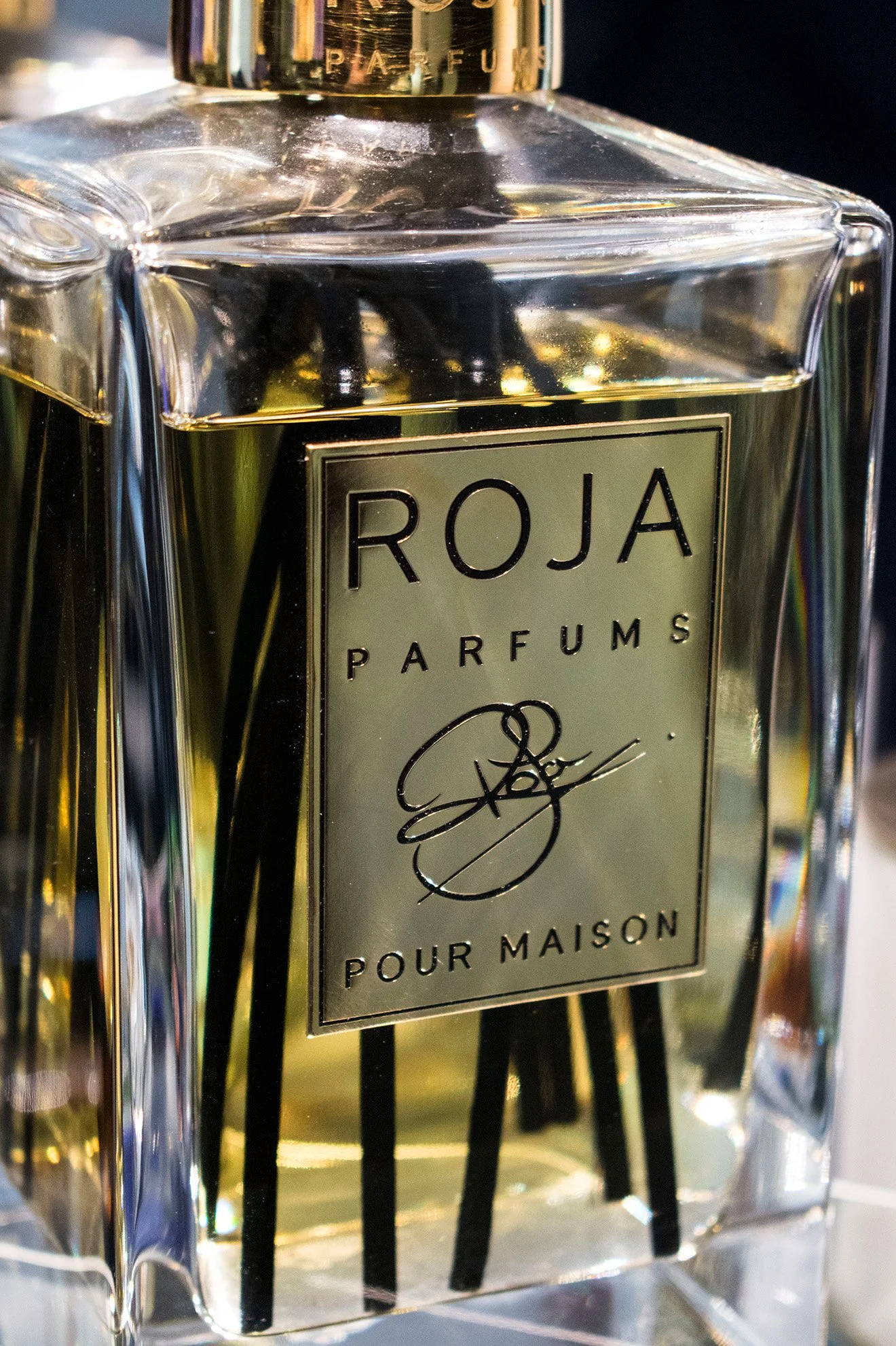
I make a lot of bespoke work, and Rolls-Royce approached me to make a reed diffuser for them. The challenge was to make a reed diffuser beautiful, because, fundamentally, I do not believe they are attractive. I remember seeing that Asprey had a very beautiful set of decanters that had the animal head stoppers, and the bottle is a very simple design, just a block of crystal, and that inspired me to develop my own design, which you can see in our store now, and I love it because you have this very strong, solid block of crystal. You see the colour of the liquid; all these colours come from natural or raw materials, and I like that you can see the richness of the colour.
What role do your boutiques play in expressing your brand's identity?
By having our own stores you can create a setting that works perfectly for the brand. We have lots of Lalique in-store, all the brackets and door handles. Most people who come across it may not know what they are, but those who do will recognise them, and that soft subliminal message says something about the brand.
When you create a bespoke fragrance, you create it with that individual and their tastes in mind. How does this change when creating a fragrance for your brand?
A type of person, a personality trait, or even a person's name can be a source of inspiration. For example, if you take my perfume called ‘Scandal’, what causes a scandal? Sex, money or a combination of both? A scandal has to arise from my hearing or reading something, making a moral judgment, and then telling someone about it. If you make the same moral judgment, you will tell someone else, and more and more people will hear it. There is a lot of volume to a scandal. When I created the scent, I used an ingredient that costs more than gold: tuberose, to relate to the money part. The sexual part comes from the other white flowers used in the perfume that produce indole.
Are we seeing gender differences in scent preferences change?
By association, we tend to think of flowery notes as very feminine and mossy, woody notes as masculine, which really reinforces a Victorian stereotype. I am pleased to say that one of the biggest changes over the past ten years is that more scents do not specify who they are for than those that do. We have about ten fragrances labelled pour homme from a collection of fifty. I find it interesting that women will generally wear whatever they like; they are more liberated than men when it comes to fragrance. In some parts of the world, and parts of this country, people still need to see the words ‘for men’ on something, but that really is changing, and it should be about wearing what you really like; that is something that our brand is about.
Do you find that people gravitate toward the same fragrance families without realising it?
There are four main families of fragrace so whilst you might think that you are wearing fragrances that are very different in style where some are fresher and some deeper but if you were to look at the structure of the perfume and its formula, it is likely that they will still be related to one of the four main families, even though the feeling is that they feel very different.
So when it comes to home fragrance, should it be a continuation of what you are wearing?
Yes, of course. Two things I think should be taken into account, one of course is your taste in scent and whether it ends up fighting with how you naturally smell, sublimating it. The second is how do you want your home to smell. I think most people, when they are buying a candle, buy it because of the smell of the candle, rather than the olfactory effect that it will have on the house. One thing we do is talk about creating a unique scent for your home by blending certain candles. So if you have three candles together, it creates a unique scent overall in the home, but in each room, you want the effect to be a little less sensual.
Many people misunderstand diffusers. How should they actually be used?
With a diffuser, most people believe that the scent travels up the reed through capillary action, but it does not. The reed in the liquid is absorbing the scent. When you turn it, the scent that has been dipped is what you smell. Most people do not turn them because no one has ever told them to. The amount of scent in the room depends on how often you turn them.
And what about candles? How do you recommend using them at home?
Personally, I think that a candle should be snuffed before guests arrive so that the house smells fabulous, but you have put the candle out because the volume of scent that is pumped out by a candle is huge, so when you are sitting with cocktails, you are not aware of how much scent is in the room because you are with it.
More Interviews


An exclusive interview with interior designer André Fu on relaxed luxury, craftsmanship, cross-cultural design and creating timeless, human-centred spaces.