
Bocci at Milan Design Week 2026
Inside an immersive installation where glass, gravity and gesture become a single language of design
Milan Design Week is often described as a city-wide conversation; one that unfolds across palazzos, courtyards, galleries and temporary architectural interventions. Yet every year, a handful of presentations resist that categorisation altogether. They do not simply show design; they construct an experience that reorders perception.
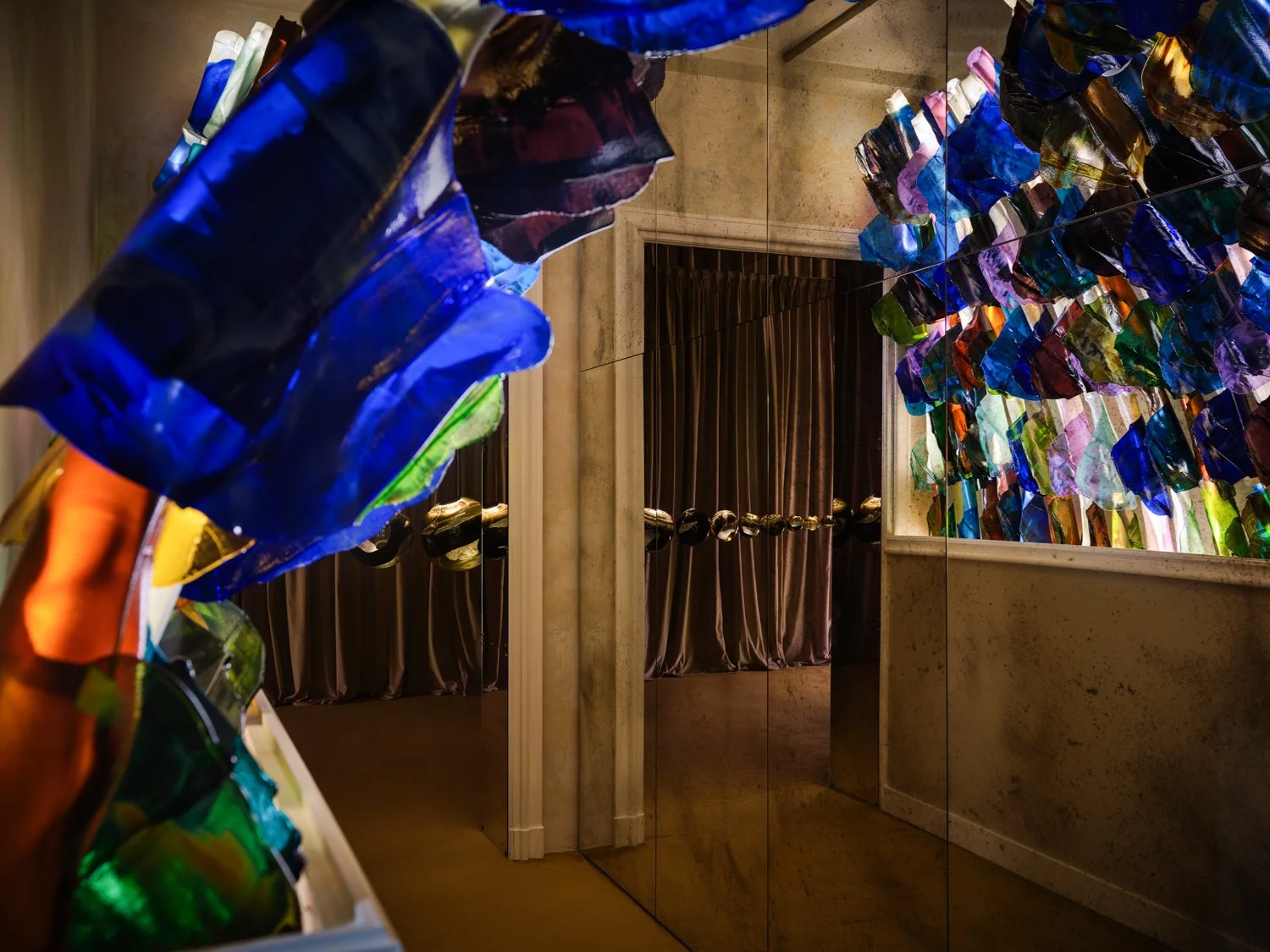
Bocci’s latest installation was one such moment.
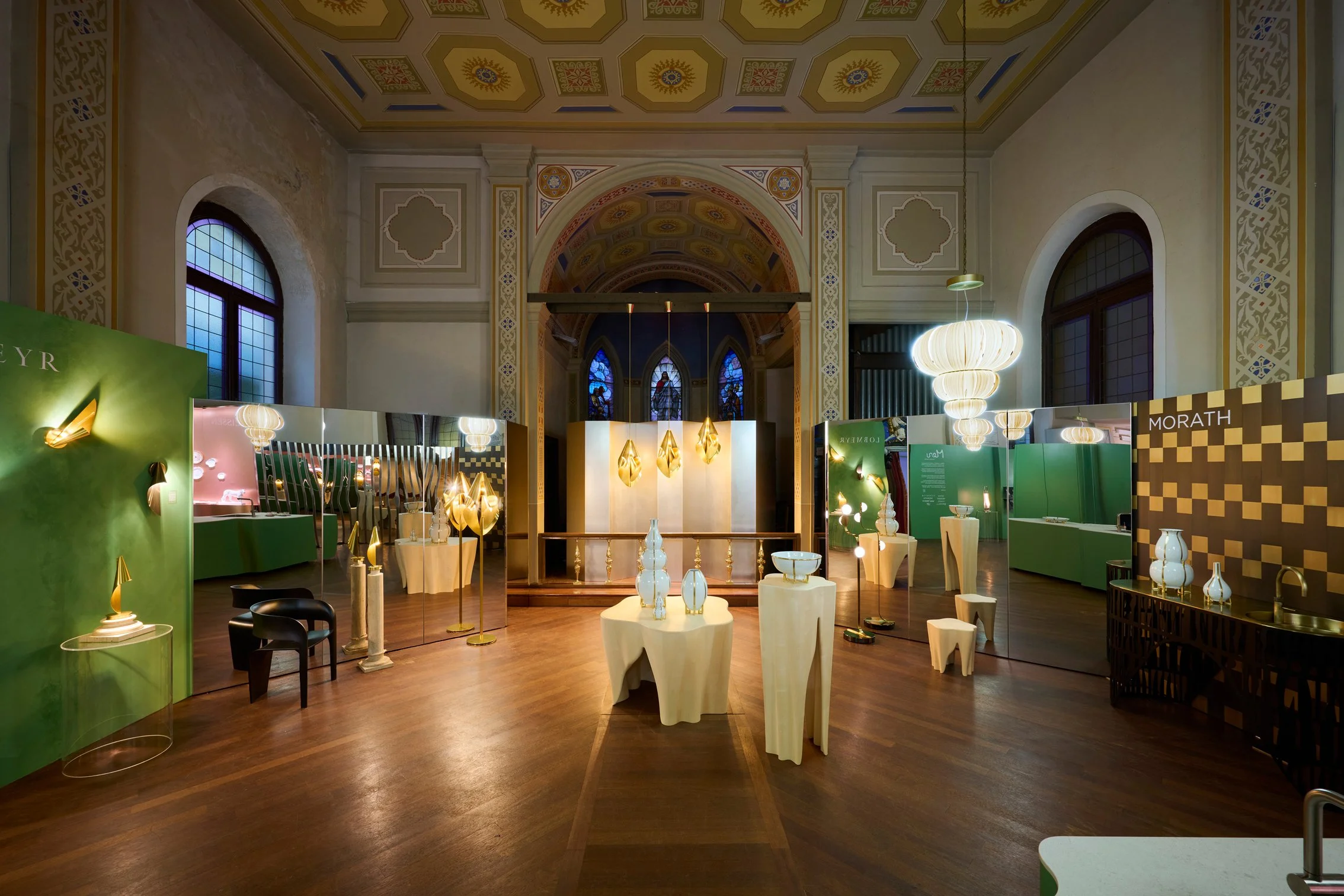
Rather than occupying a space, Bocci transformed it. What might have been understood as a product presentation became an atmospheric field; part laboratory, part landscape, part quiet performance of light and material. It was less an exhibition in the conventional sense and more a suspended environment in which objects, light, and visitors were all bound into a single compositional system.
To enter was to lose the sense of boundary between object and architecture.
A Threshold into Controlled Chaos
The experience began at the threshold, where Milan’s familiar rhythm- honking scooters, overheard fragments of design-week conversations, the heat of bodies moving between venues- gave way to something noticeably slower, more deliberate.
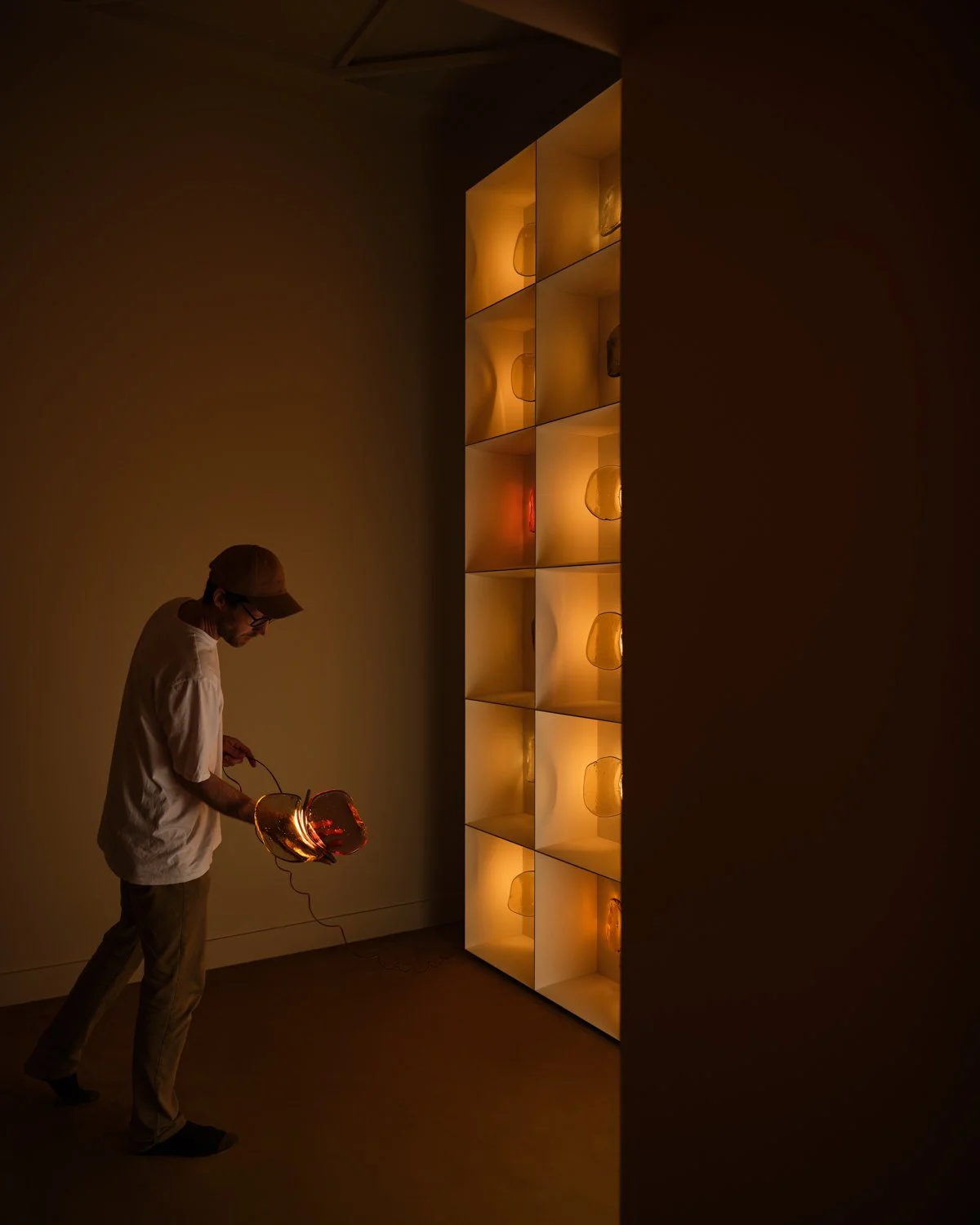
Inside, Bocci had constructed an environment that resisted immediate comprehension. Rather than a linear sequence of rooms or a clearly defined route, the installation unfolded as a spatial field. One moved through it intuitively, guided not by signage or narrative prompts, but by light itself.
This is where Bocci’s language becomes most legible. Known for its exploration of glass, electricity and suspended forms, the studio continues to treat lighting not as applied design, but as spatial infrastructure. In Milan, that philosophy was made explicit.
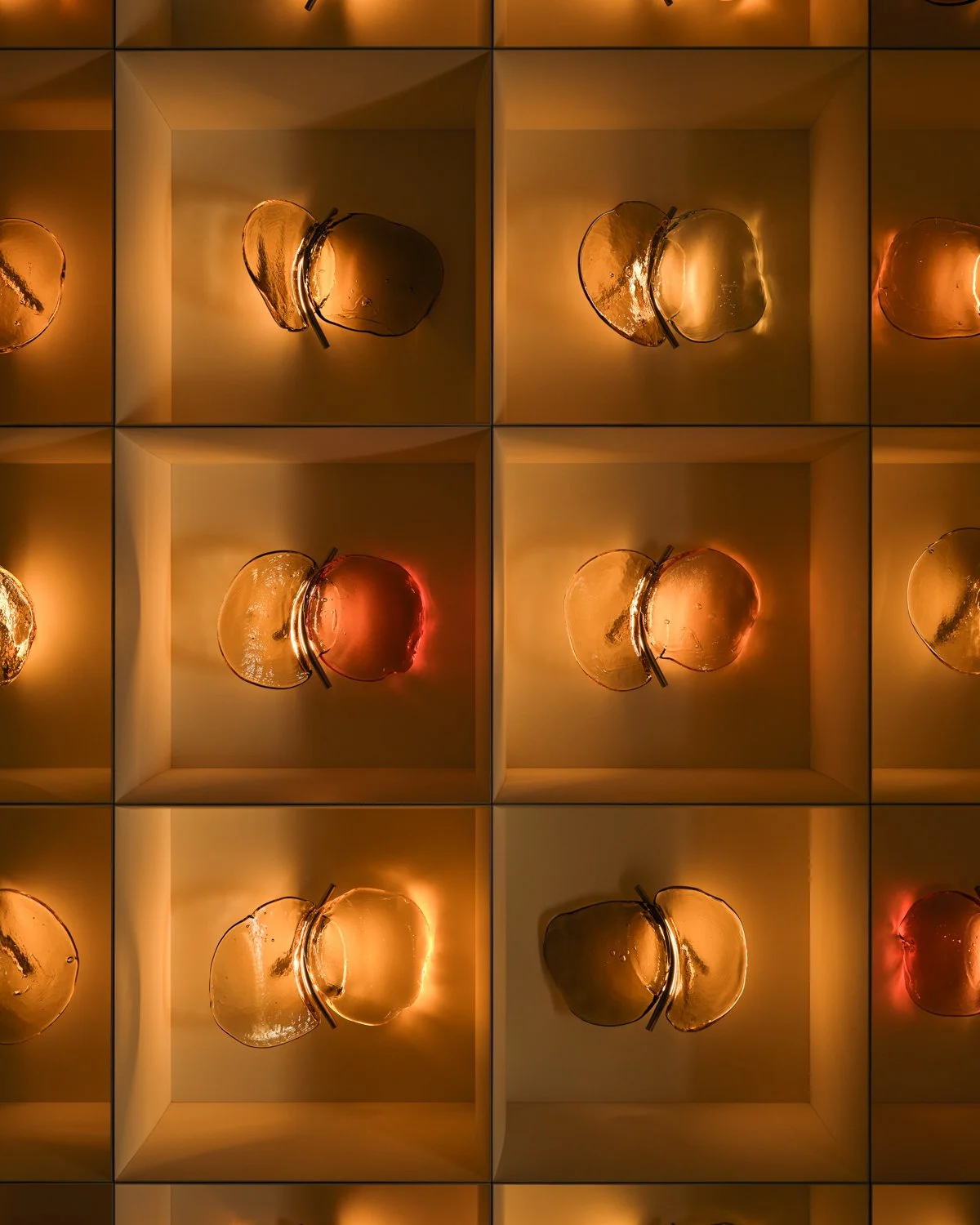
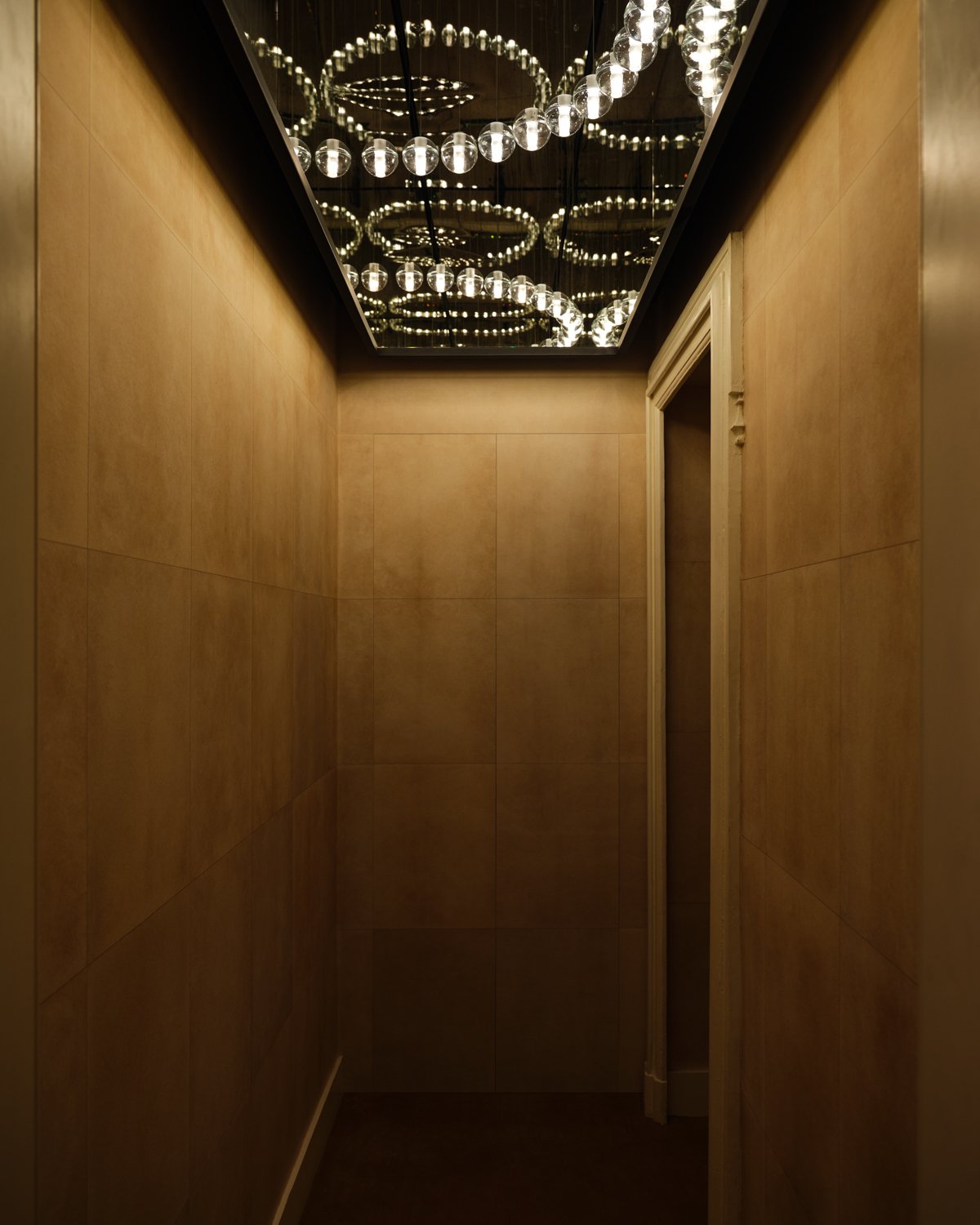
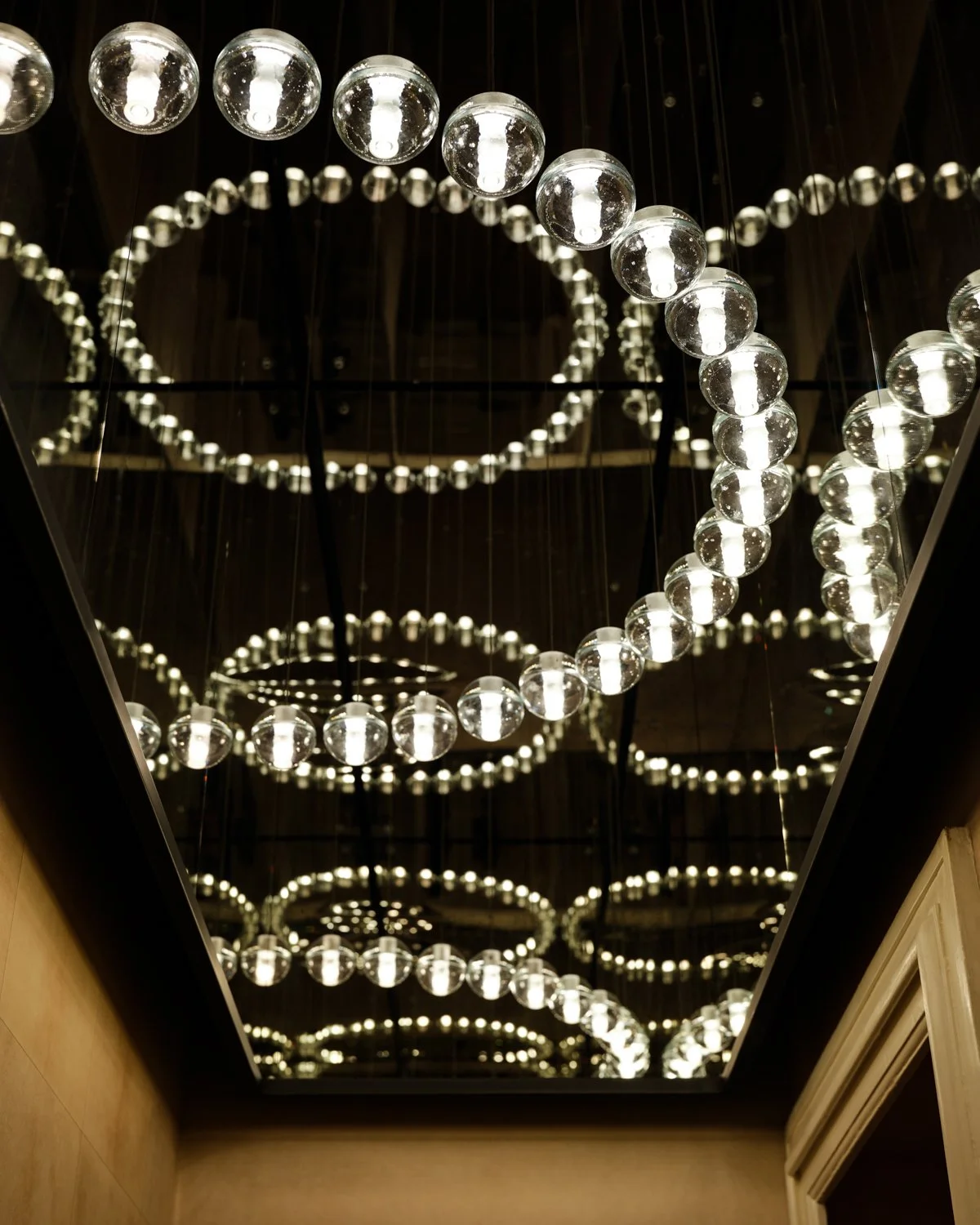
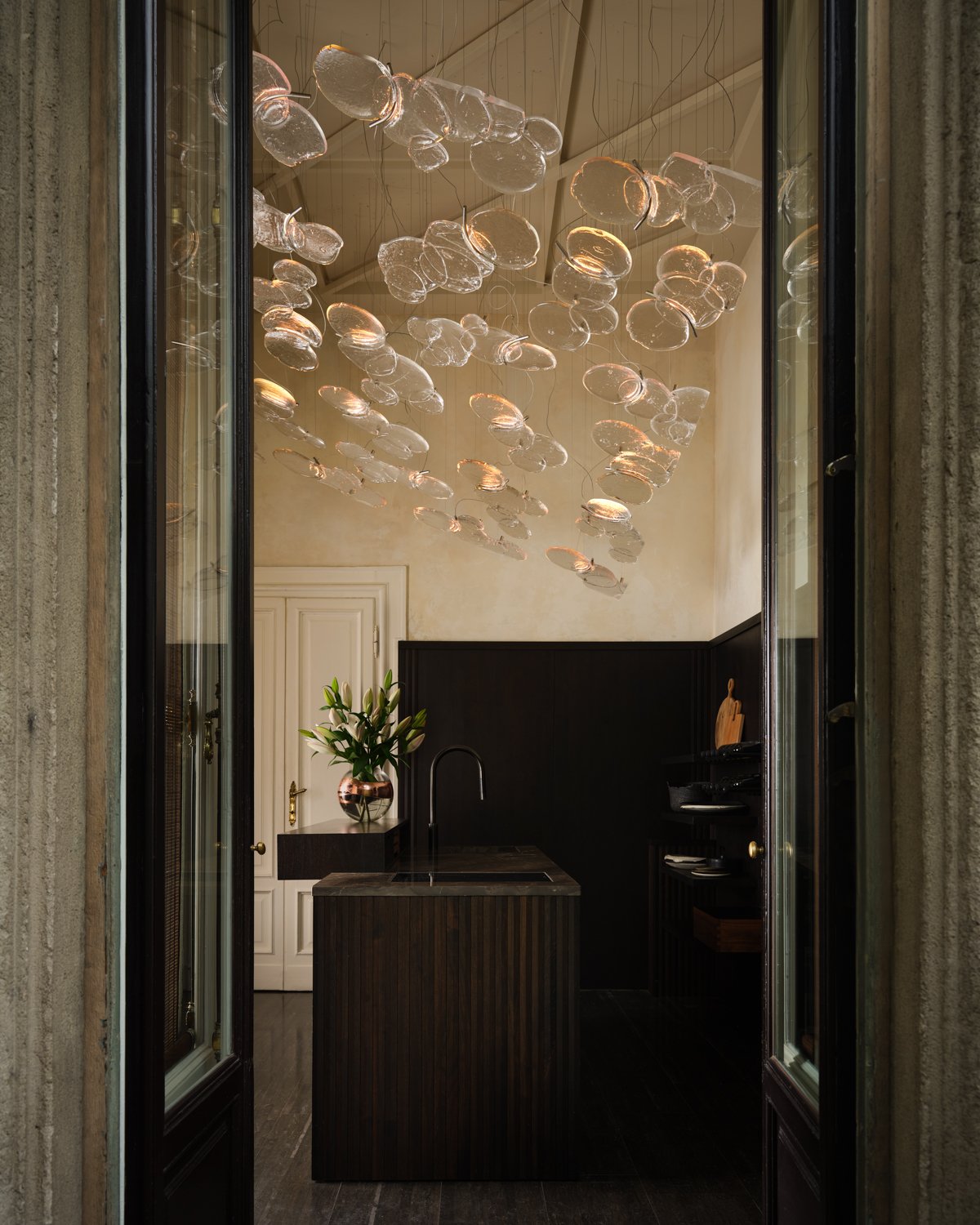
Clusters of glass elements appeared to hover in tensioned arrangements, their forms catching and refracting light in ways that constantly shifted depending on position. Nothing felt static. Even stillness seemed provisional.
There was a sense that the installation was incomplete without the viewer's presence.
Glass as a Medium of Uncertainty
At the heart of the presentation was Bocci’s ongoing investigation into glass; not as a finished, perfected material, but as something unstable, responsive and alive to process.
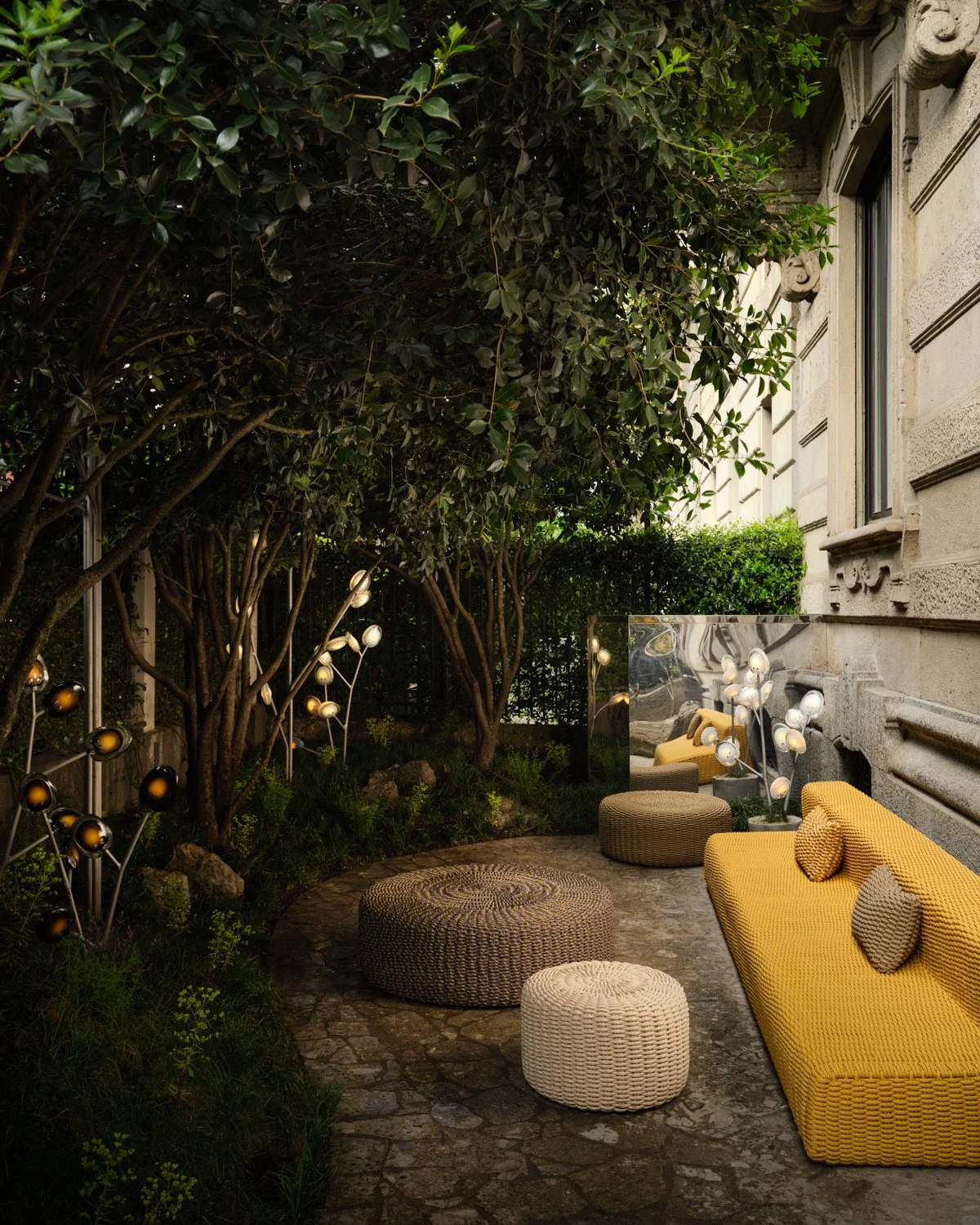
Rather than concealing imperfection, the works celebrated it. Air bubbles, subtle distortions and variations in density became part of the visual language. Each element felt singular, yet connected to a wider system of repetition and variation.
This tension between control and unpredictability is central to Bocci’s practice. The installation did not attempt to resolve it; instead, it made it visible.
Seen together, the glass forms created a kind of suspended constellation. Individually, they were objects. Collectively, they behaved more like an atmosphere; something that could be entered, experienced and exited, but never fully possessed.
Light, in this context, was not directional. It was distributed. It moved through the installation in a way that felt almost meteorological, shifting as visitors passed.
The Architecture of Suspension
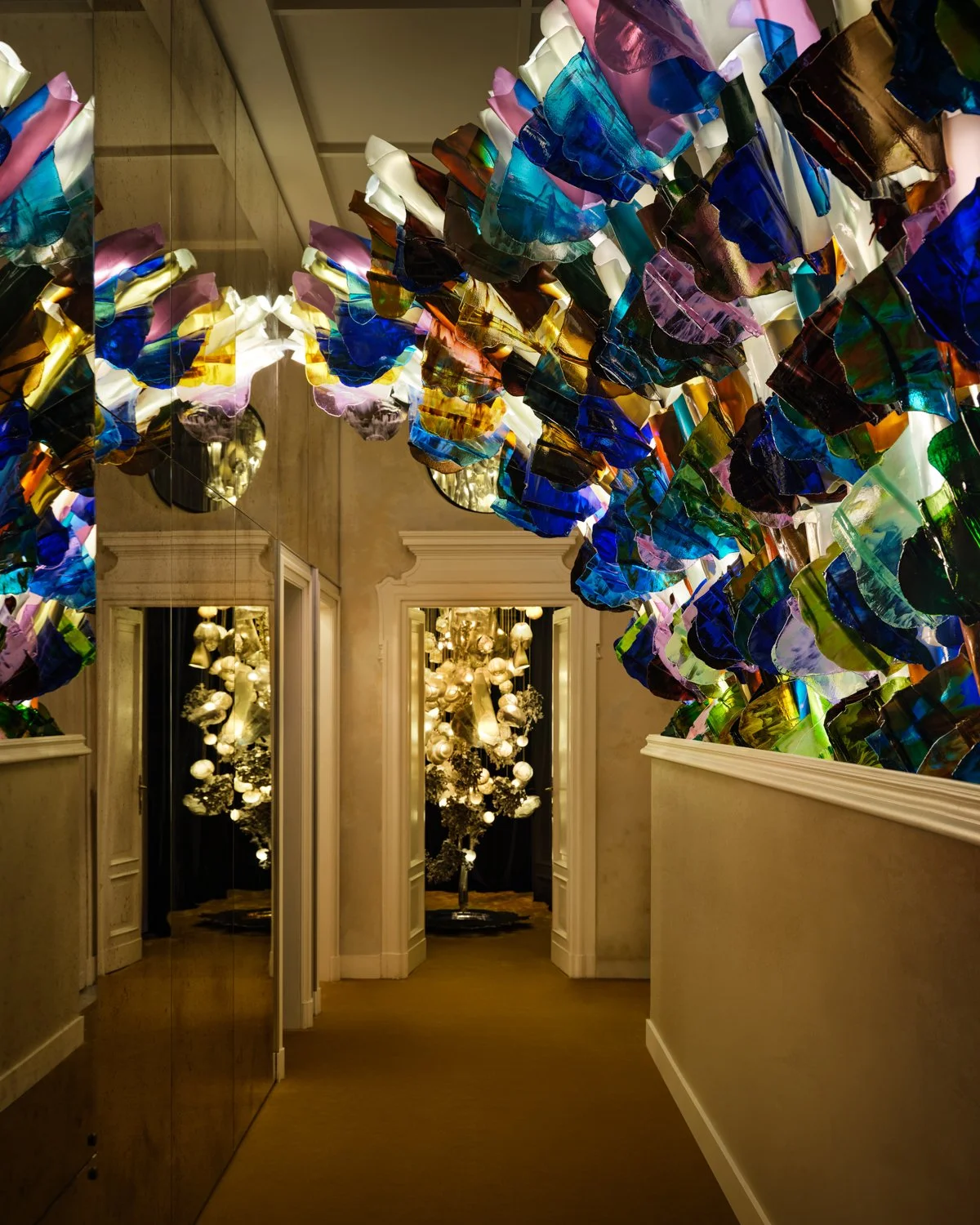
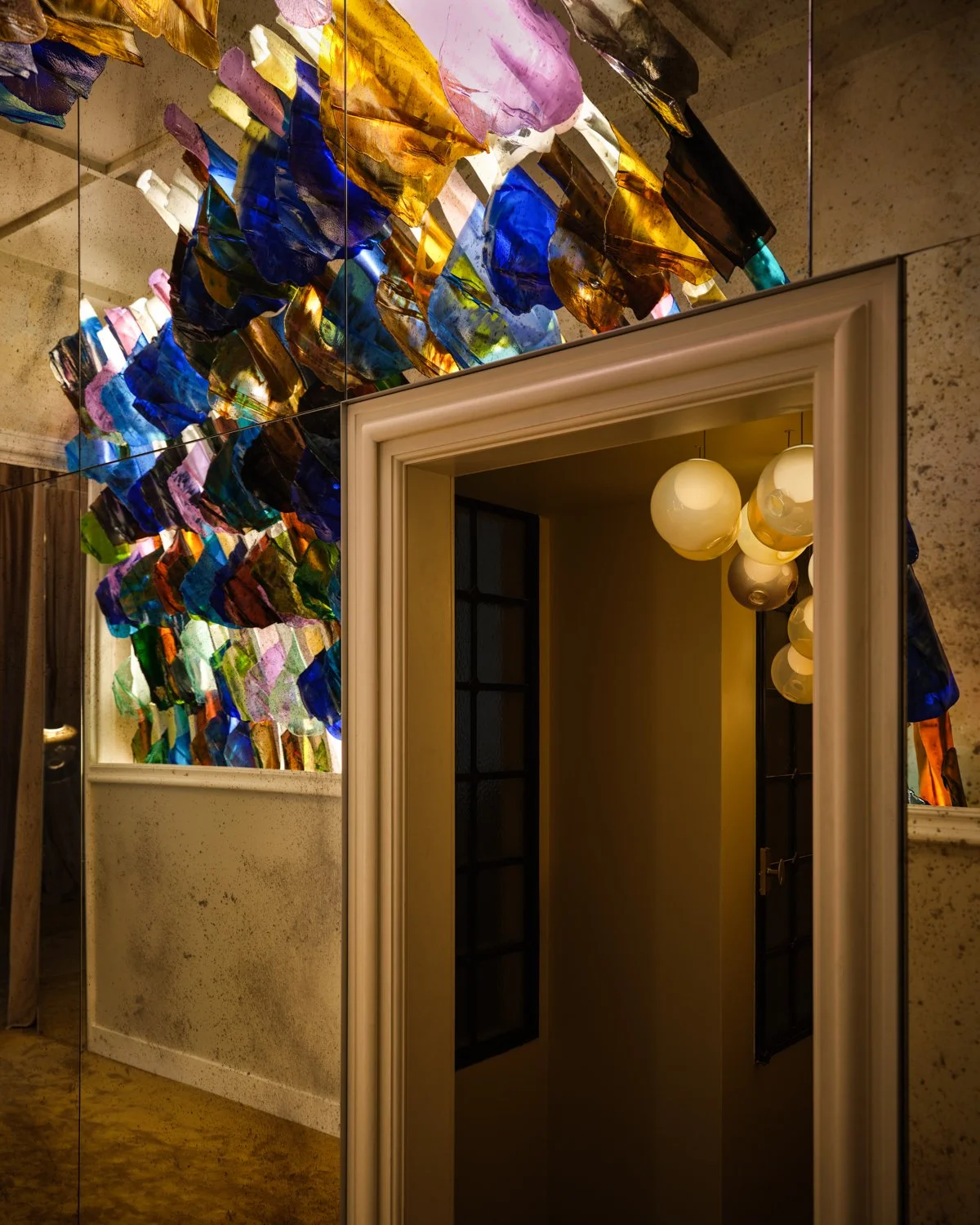
What distinguished Bocci’s Milan presentation from many others was its refusal to separate product from environment. There was no hierarchy between lighting object and architectural context; instead, both were treated as part of the same continuous system.
The installation operated through suspension, both literal and conceptual. Elements were held in space by delicate structural logic, yet suspended in meaning. They existed between categories: sculpture and fixture, object and atmosphere, material and immaterial presence.
This ambiguity is not accidental. It reflects a broader shift in contemporary design thinking, where objects are increasingly understood not as isolated artefacts but as contributors to spatial experience.
Bocci’s work sits firmly within this discourse, yet avoids becoming purely theoretical. There is a tactile immediacy to the installation that grounds its conceptual ambitions. You are constantly reminded that these are physical objects: crafted, weighted, imperfect, and responsive to light in real time.
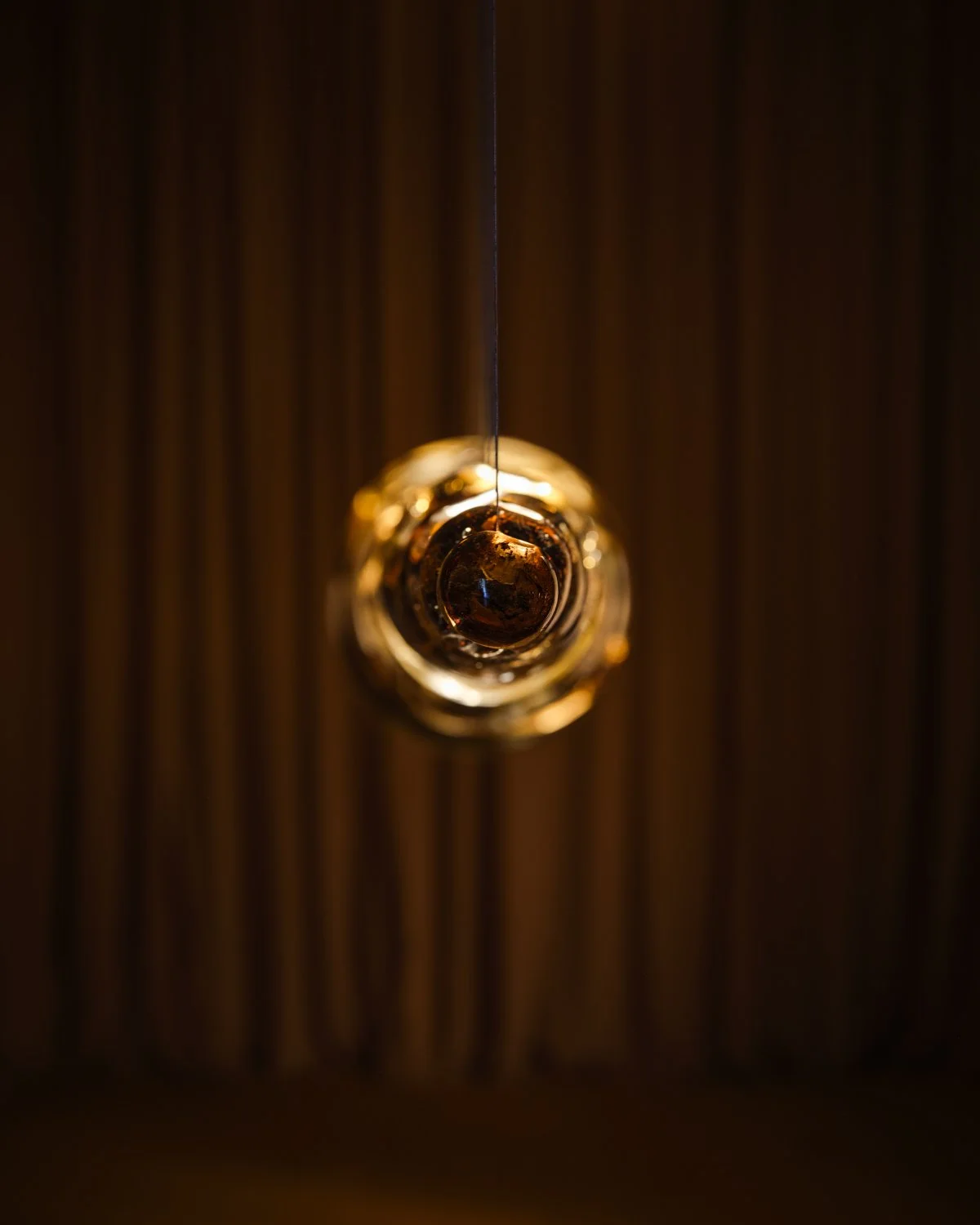
Movement as a Design Material
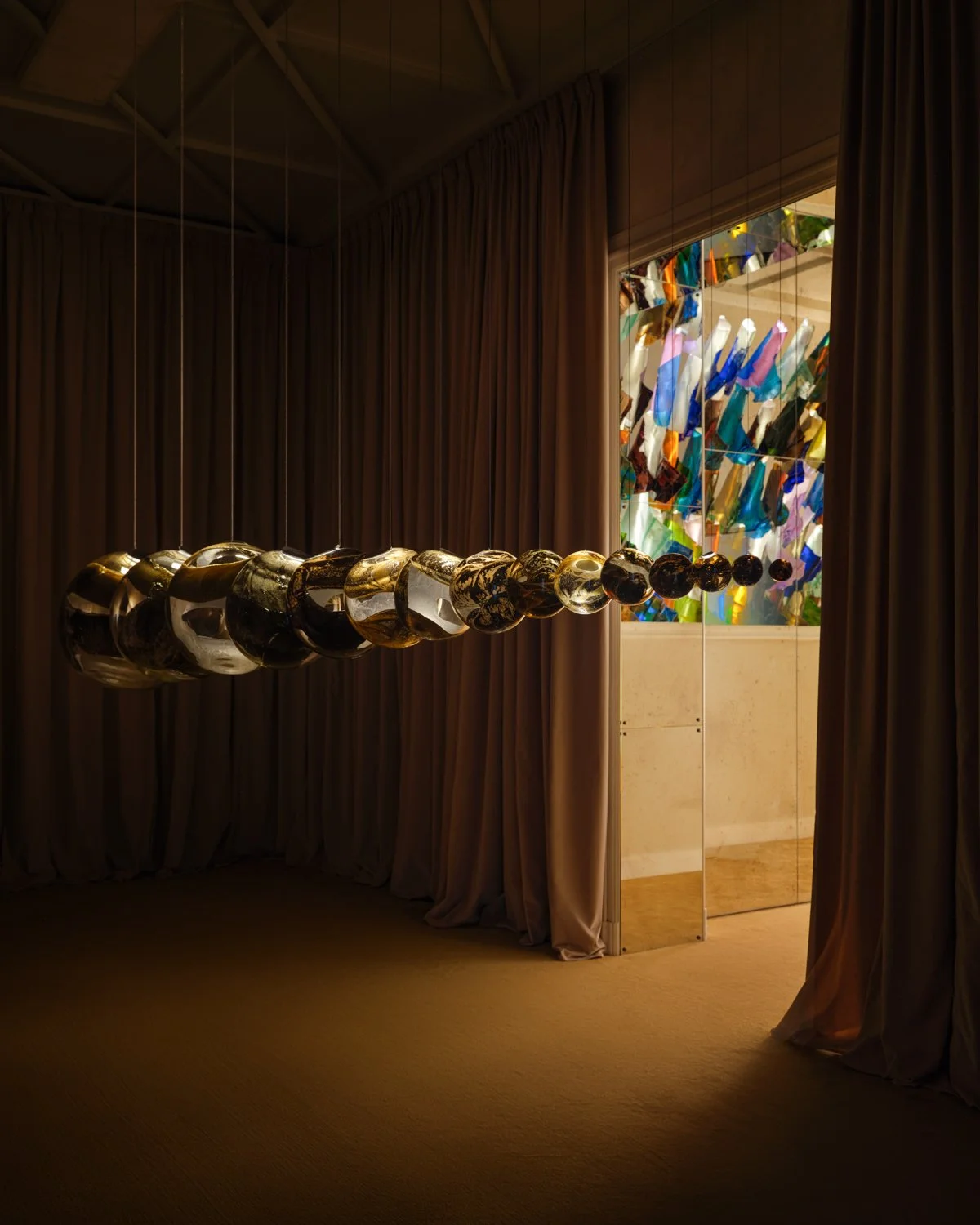
One of the most compelling aspects of the installation was its use of movement as an active design material.
Rather than presenting a fixed composition, Bocci constructed a system that changed depending on where you stood. Light refracted differently as you moved. Shadows overlapped, separated, and re-formed. What appeared dense from one angle dissolved into openness from another.
In this sense, the visitor becomes part of the mechanism. The installation is incomplete without circulation. Movement is not incidental; it is structural.
This approach aligns with a growing strand of design thinking in which experience is prioritised over objecthood. But Bocci’s interpretation avoids spectacle. There is no performative gesture demanding attention. Instead, the work rewards slowness. It asks for duration.
The longer you remain within it, the more it reveals its logic, not through explanation, but through accumulation.

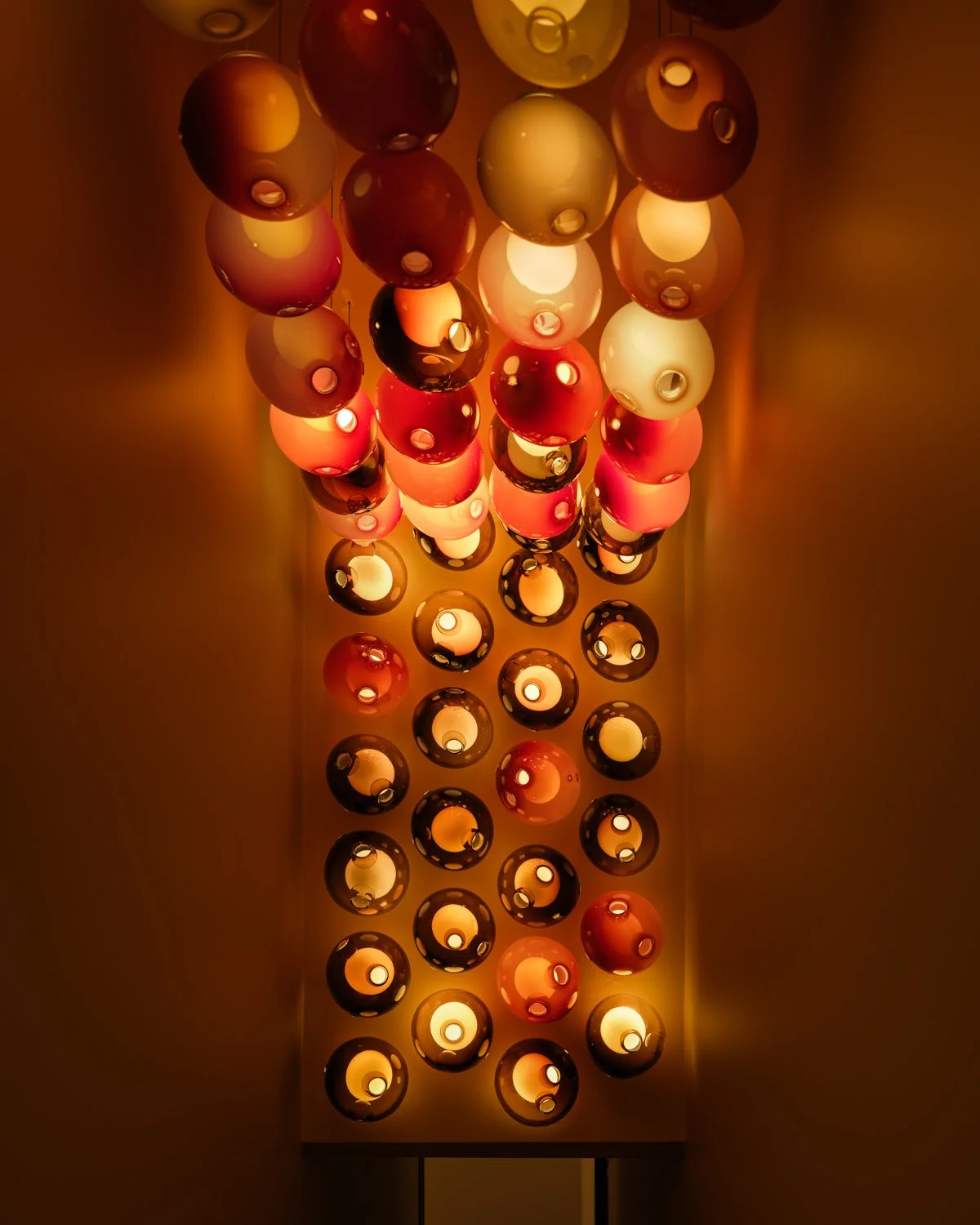
Light as Emotional Architecture
While many lighting installations at Milan Design Week emphasise technical innovation or sculptural form, Bocci’s work operates in a more atmospheric register. It is concerned less with illumination as a function and more with illumination as an emotion.
The quality of light within the installation shifted subtly throughout the space, sometimes soft and diffused, at other moments sharply concentrated. These variations altered not just visibility, but mood.
There were moments of intimacy, where light pooled gently around individual forms, and others where the space opened into something almost celestial; an expanded field of reflection and refraction.
It is here that Bocci’s work becomes most powerful. It understands light not as a tool, but as a medium capable of shaping psychological space.
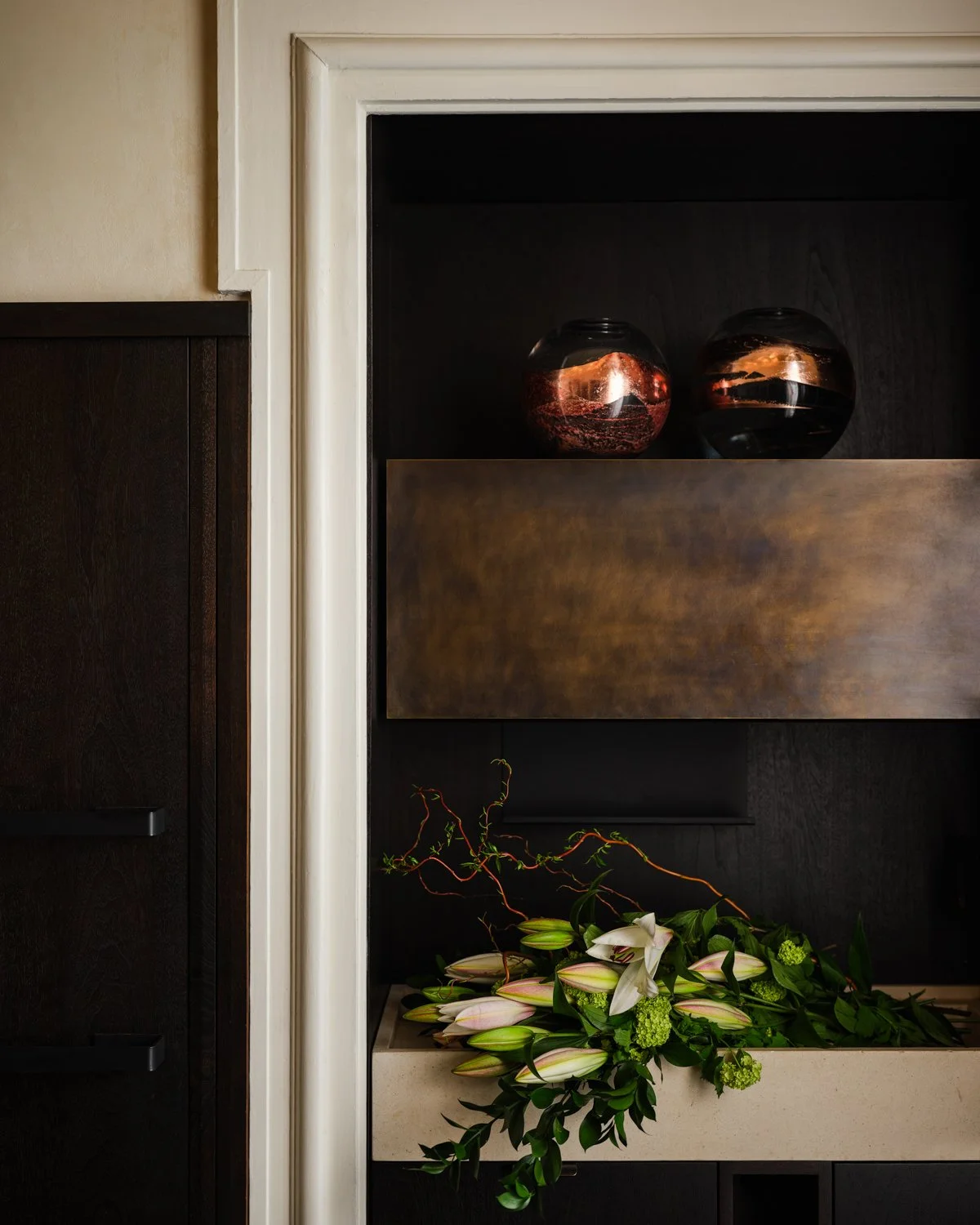
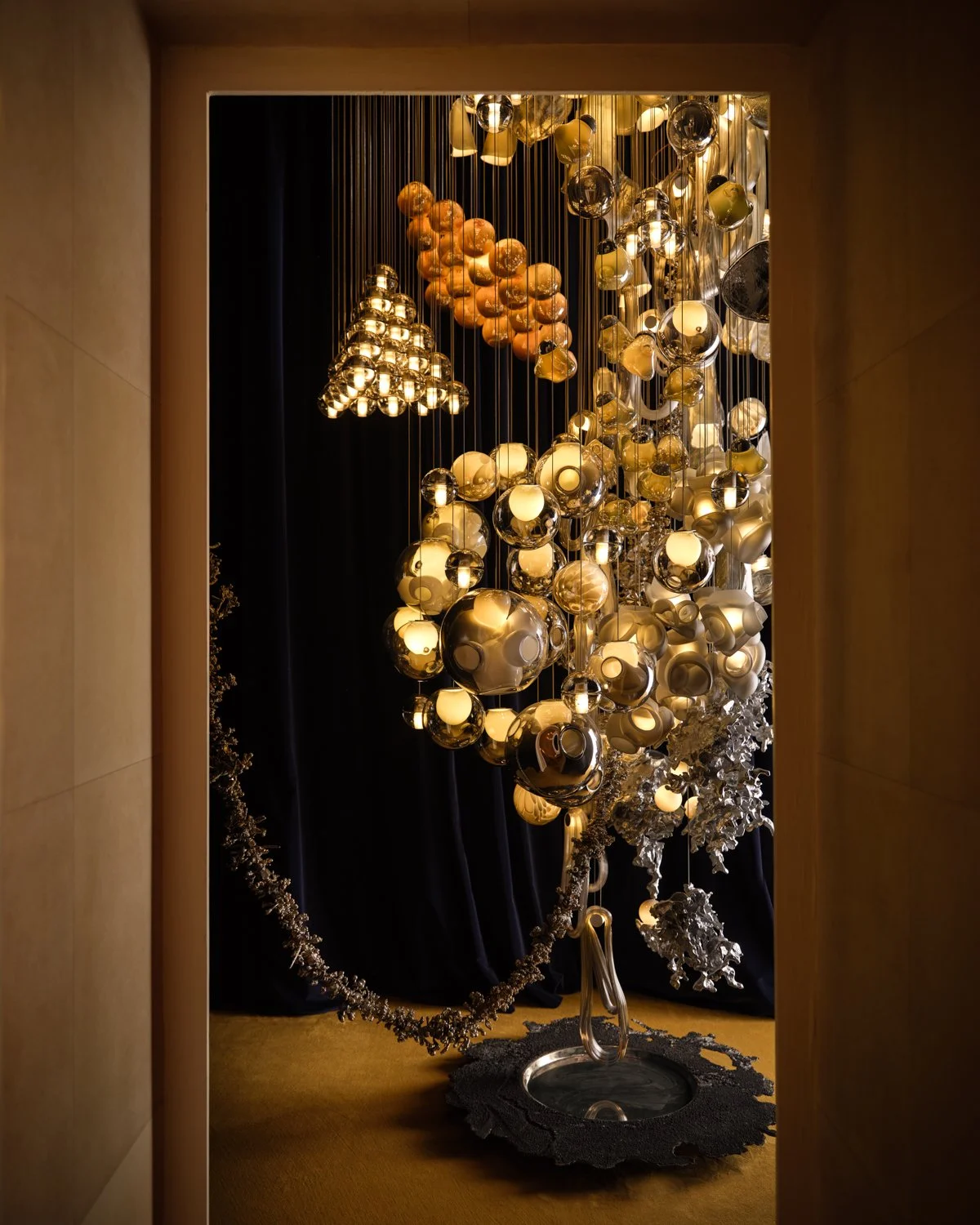
A Quiet Counterpoint to Milan’s Noise
In the broader context of Milan Design Week, where scale, branding, and spectacle often dominate, the Bocci installation offered something quieter and more introspective.
It did not demand attention through volume or theatricality. Instead, it created a condition of attentiveness.
This restraint felt deliberate. It positioned the work as a counterpoint to the accelerated pace of design consumption that defines much of the week. Rather than encouraging rapid viewing and immediate judgment, it invited lingering observation.
In doing so, it reminded visitors that design can operate at different tempos, that not all impact is immediate, and not all clarity is instant.
Conclusion: Designing the Invisible
Ultimately, Bocci’s Milan presentation was not about objects in space, but about space itself as an evolving material.
It demonstrated how light, glass and structure can be orchestrated not to define boundaries, but to dissolve them. What remained was not a single image or defining moment, but a cumulative experience; one that lingered in perception long after exiting the installation.
In a week often defined by visual saturation, Bocci chose reduction over excess, atmosphere over assertion, and ambiguity over resolution.
The result was not simply an installation, but a condition; one in which design becomes something you move through, rather than something you look at.
More Stories



Basic.Space arrives in London, transforming The Old Selfridges Hotel into a layered design experience where art, fashion, and sound converge. A moment of discovery shaped by the city’s enduring creative energy.