
L’Appartamento by Artemest 2026 at Milan Design Week
Step inside Palazzo Donizetti as L’Appartamento by Artemest returns to Milan Design Week 2026, where five international design studios reinterpret the spirit of Italy’s great cultural capitals through immersive contemporary interiors.
There are some places during Milan Design Week that become essential annual pilgrimages. Spaces that rise above product launches and passing trends to offer something deeper: atmosphere, storytelling, craftsmanship and emotion. For me, L’Appartamento by Artemest has become one of those destinations.
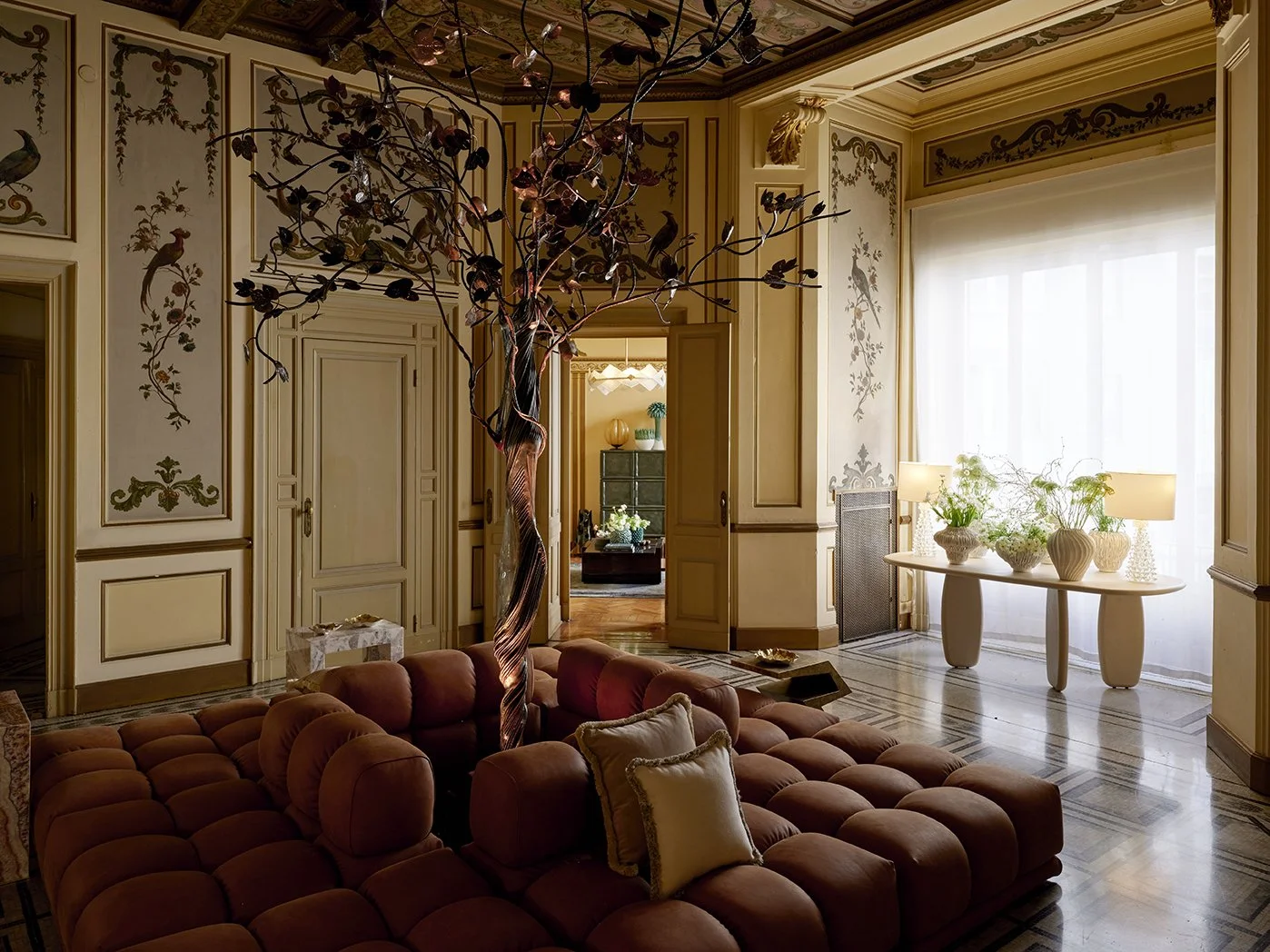
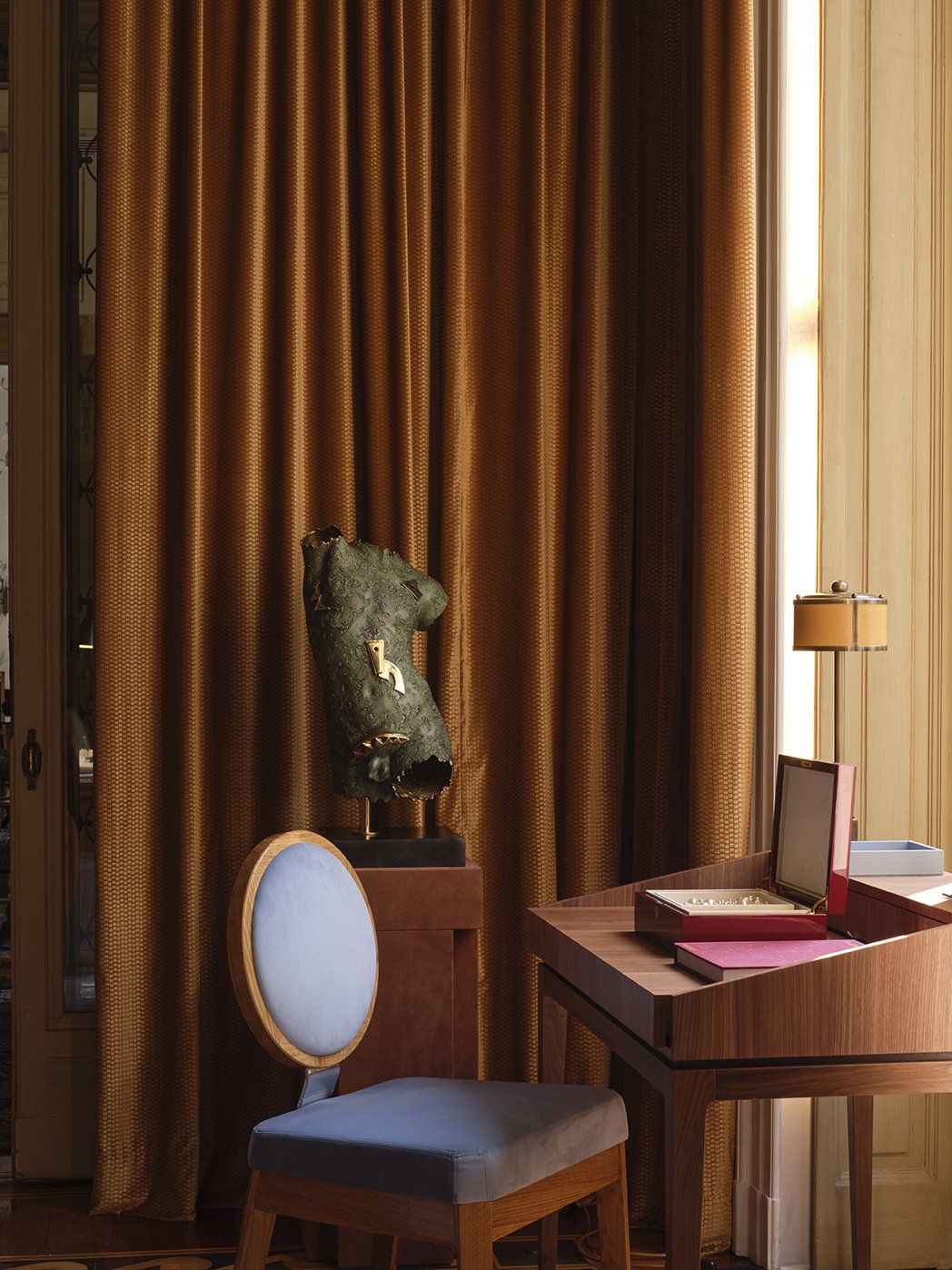
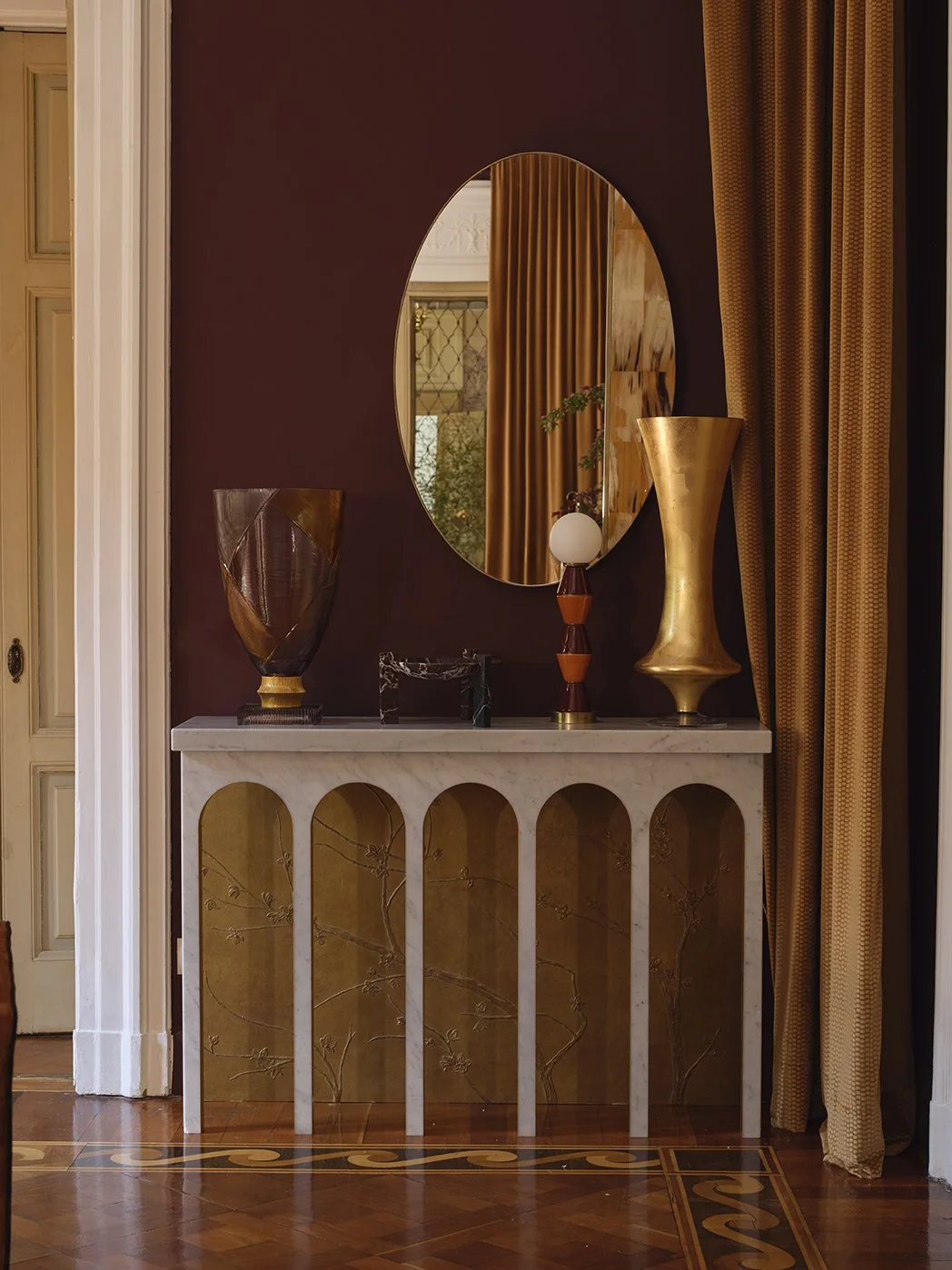
The Vestibule by Sasha Adler
Over the last four years, Artemest has consistently delivered one of the most refined and compelling showcases in the city. The quality of the interiors, the calibre of the designers involved, and the way each edition transforms a historic Milanese residence into a world of contemporary Italian living have been phenomenal. It is a showcase I personally recommend people make time to visit each year. In a week defined by endless appointments and overstimulation, L’Appartamento offers something rarer: a sense of wonder.
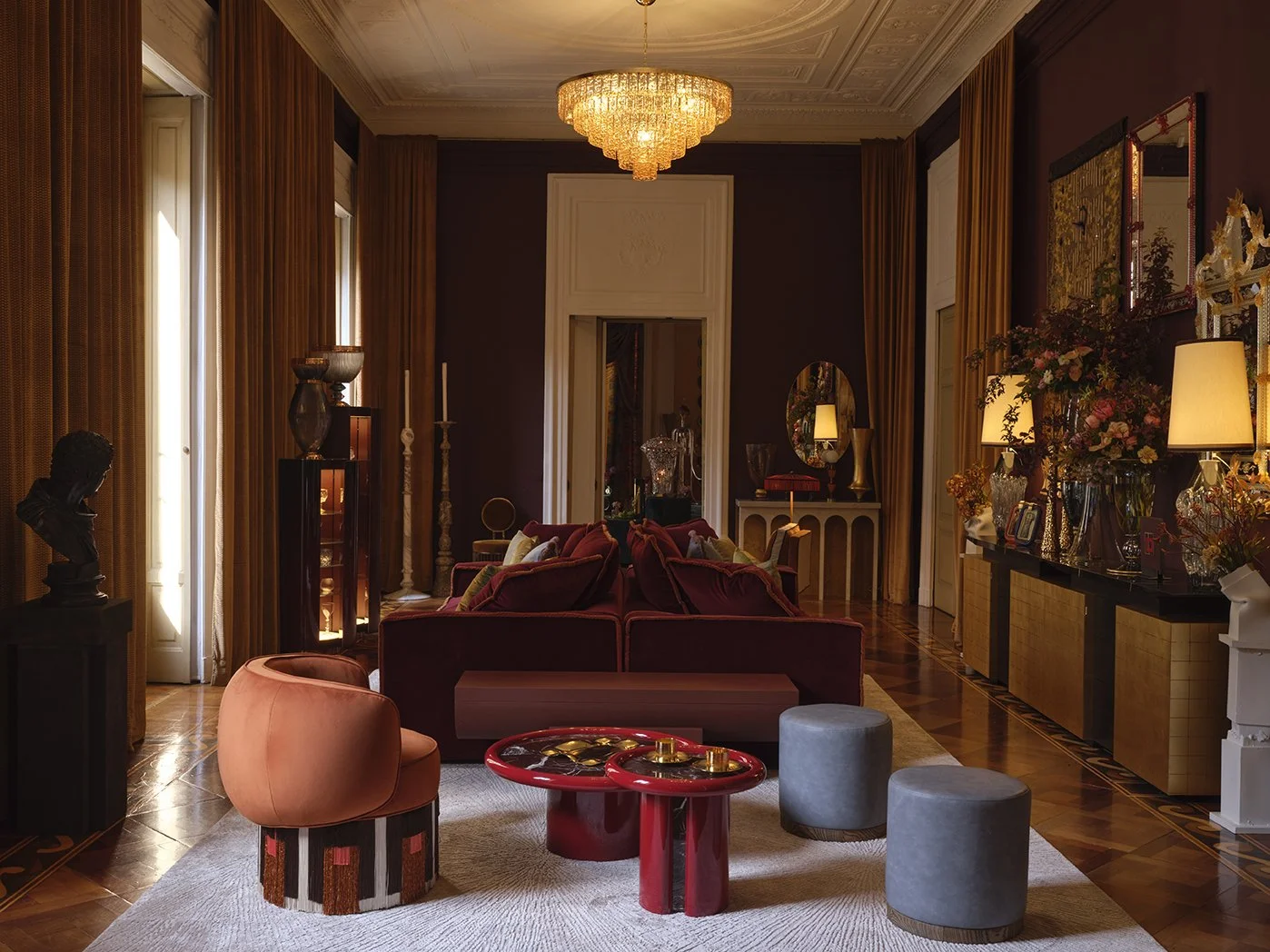
The Grand Salon by March & White Design
For the 2026 edition of Milan Design Week, Artemest returns to the magnificent Palazzo Donizetti, unveiling its fourth chapter under the theme Italian Grandeur. Set within one of Milan’s most ornate 19th-century residences, this year’s exhibition explores the enduring power of Italy’s artistic legacy, architectural language and artisanal mastery.
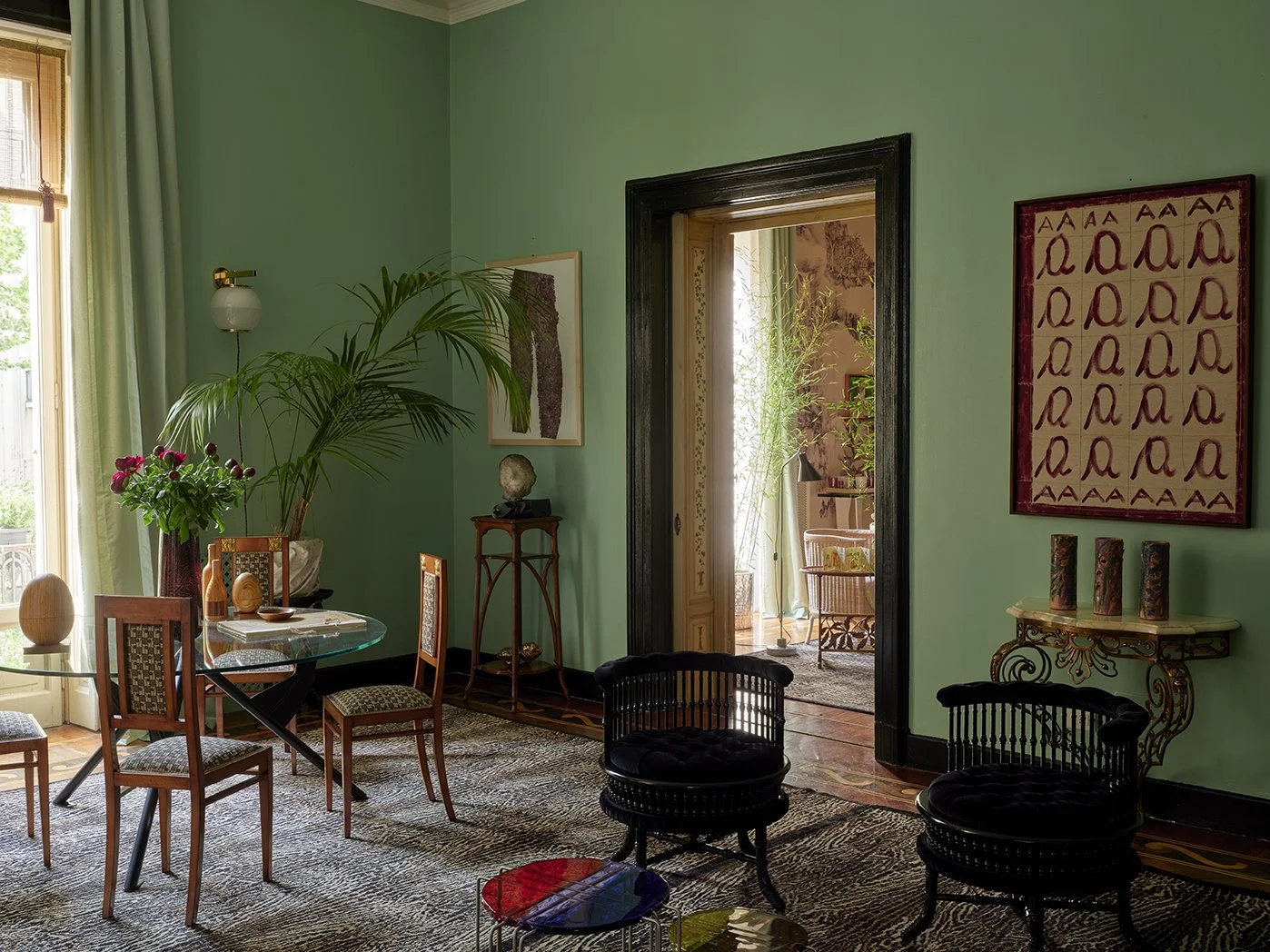
The Entertainment Salons by CH Herrero
A Grand Tour Through Italy
The concept for 2026 draws inspiration from the historic Grand Tour; the journey once taken by Europe’s cultural elite through Italy in search of art, architecture and enlightenment. Artemest cleverly reimagines that idea for a modern audience, inviting visitors to travel through Italy’s great cultural capitals without ever leaving the palazzo.
Five internationally recognised design studios have each been assigned a city as creative muse: Venice, Naples, Rome, Palermo and Florence. Through furniture, lighting, materials and decorative objects handcrafted by Artemest’s network of Italian artisans, each room becomes a contemporary interpretation of place and memory.
The result is not simply a decorated showhouse, but an immersive narrative told through interiors.
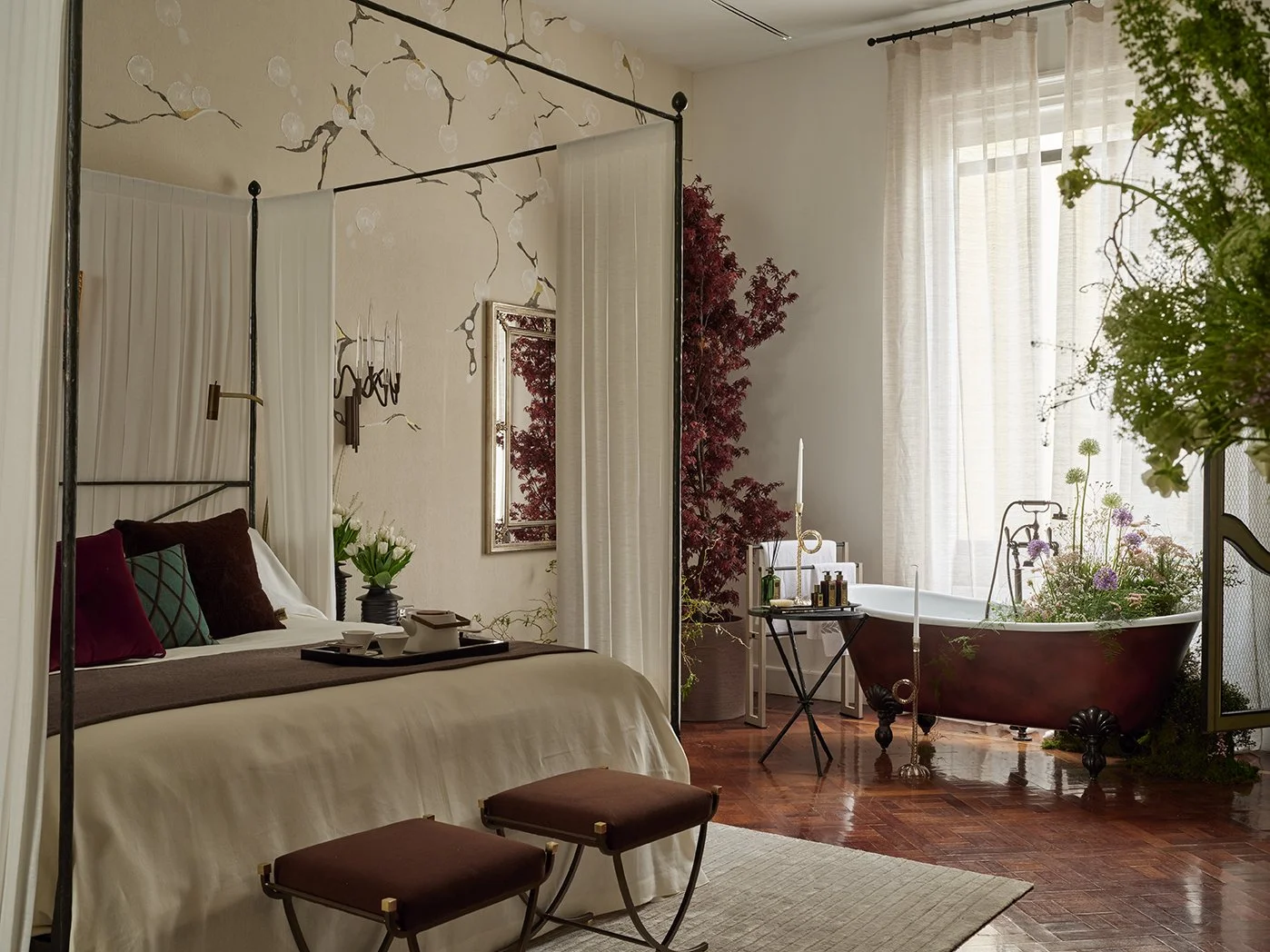
The Alcove by Urjowan- Alsharif Interiors
Palazzo Donizetti: The Perfect Setting
Part of what makes L’Appartamento so powerful is its setting. Palazzo Donizetti is a masterpiece of Milanese grandeur, complete with frescoed ceilings, intricate ornamentation and an extraordinary elliptical staircase that immediately sets a theatrical tone. Rather than competing with the architecture, this year’s designers work in dialogue with it.
The palazzo’s inherent drama becomes a frame for contemporary expression, allowing historic craftsmanship and modern creativity to meet in ways that feel seamless rather than forced.
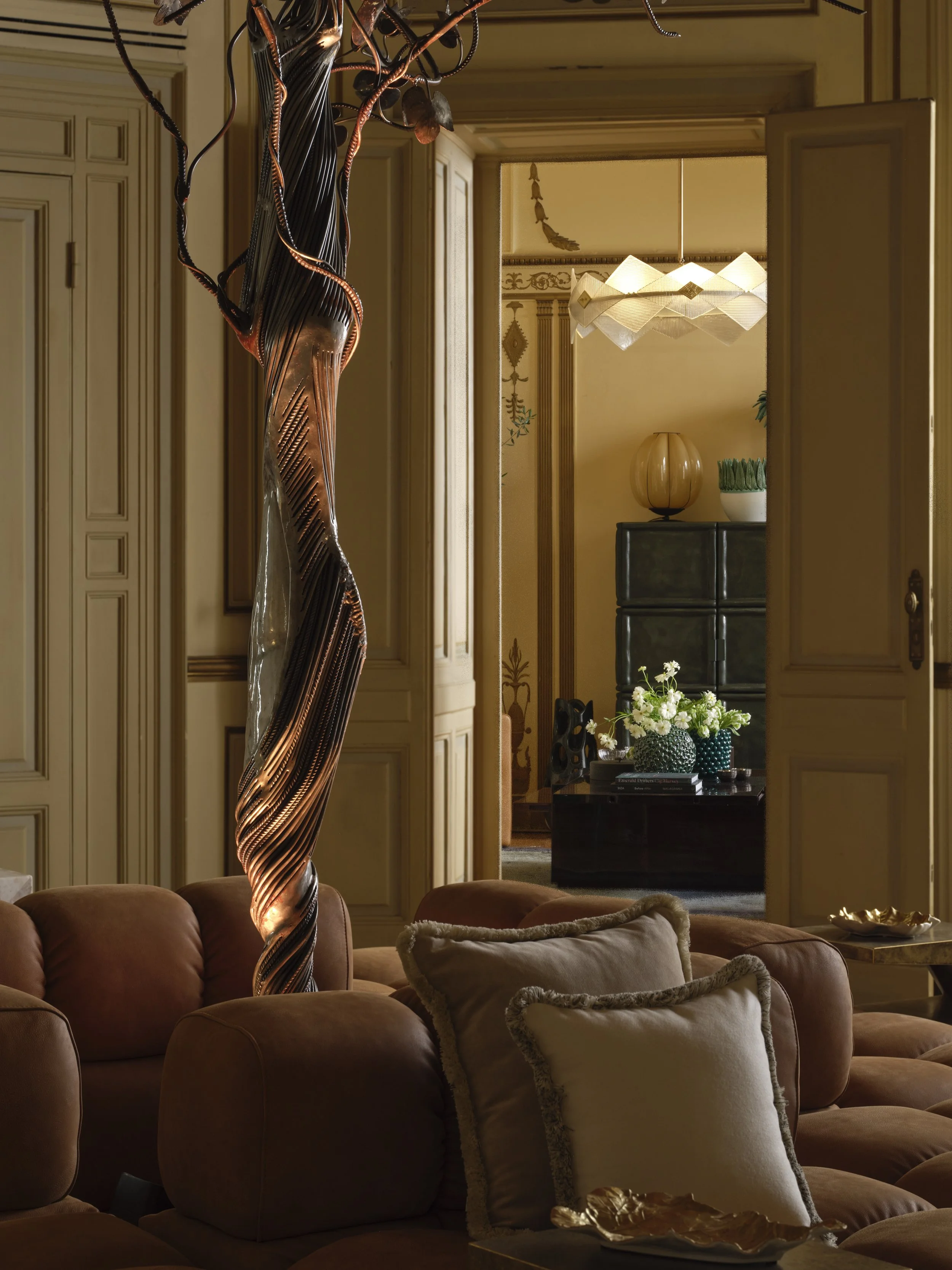
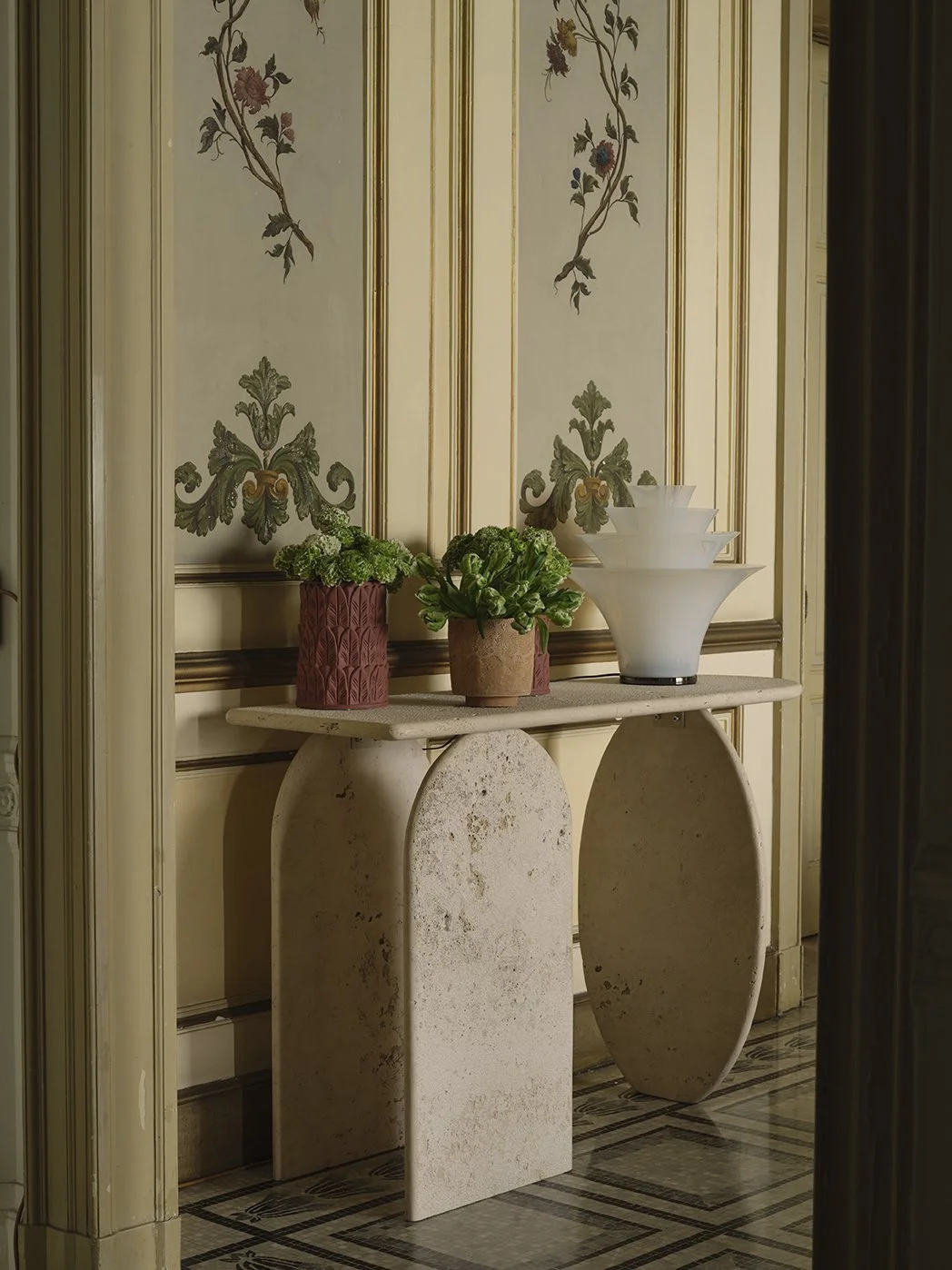
The Vestibule by Sasha Adler
Venice Reimagined by Sasha Adler Design
Visitors arriving on the first floor are welcomed into a vestibule conceived by Sasha Adler Design, who transforms the entrance into a contemporary Venetian courtyard inspired by the Palazzo Ducale.
Here, arrival becomes a ceremony. A monumental sculptural metal tree anchors the room, while preserved murals and artisanal surfaces reference Venice’s long tradition of decorative excellence. Rather than treating the vestibule as a transitional space, Adler makes it a social space, somewhere to gather, pause and converse.
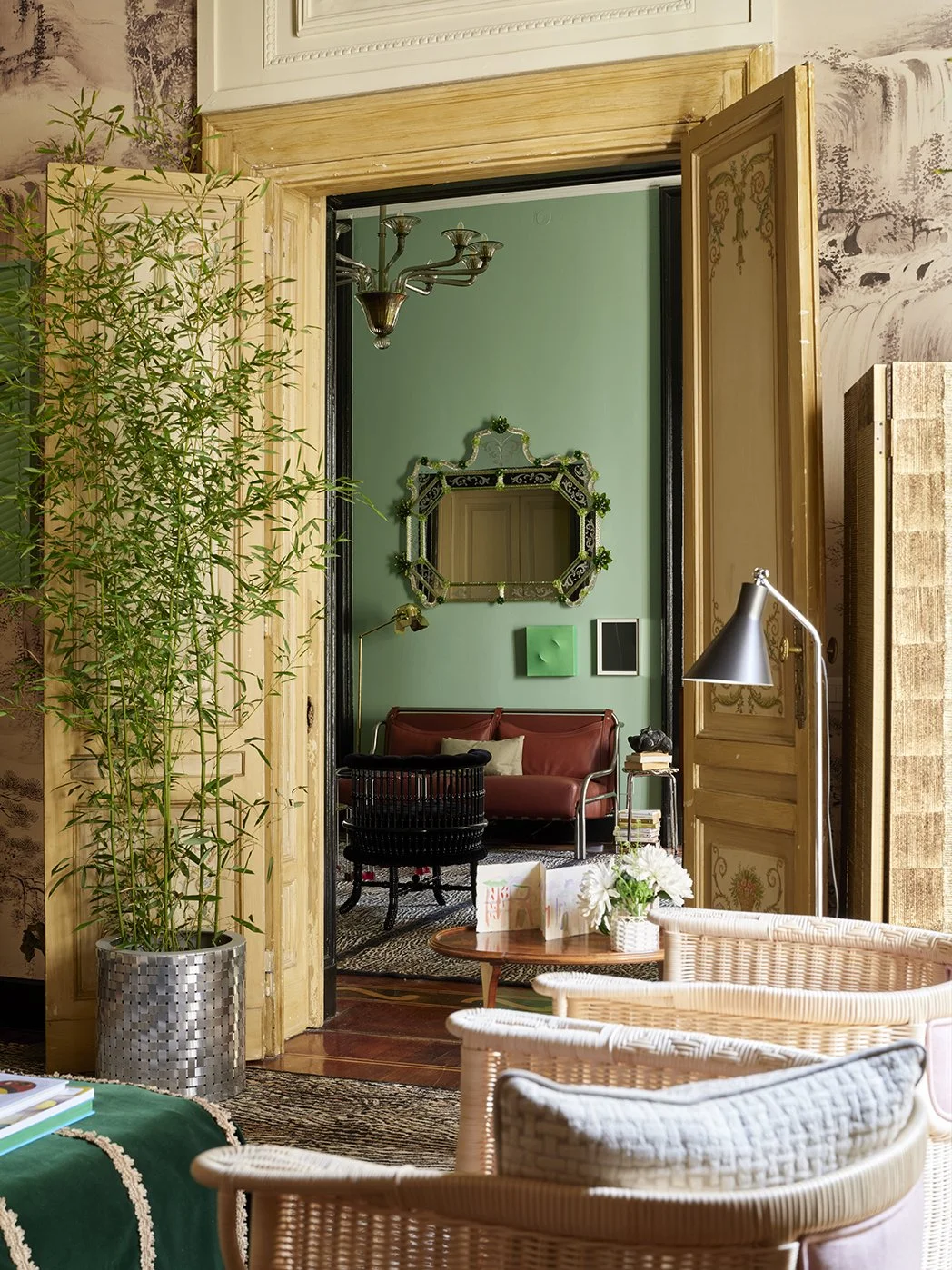
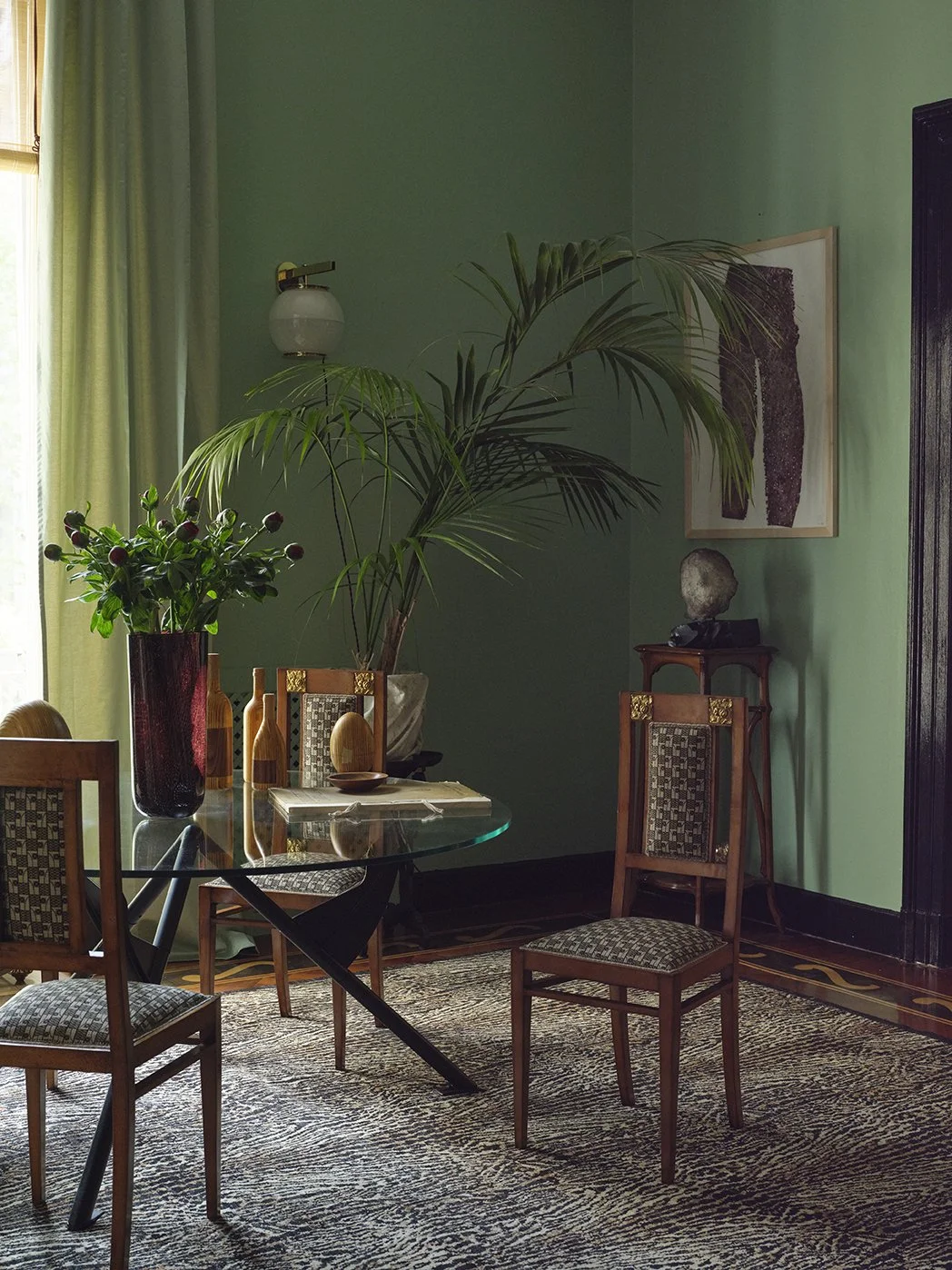
Beyond it, the adjoining reading room offers a more intimate Venetian retreat. Rich green tones, warm saddle leather, antique glass cabinetry and a contemporary Murano chandelier create a space that feels both deeply rooted in tradition and entirely liveable for today. It is a room shaped around quiet rituals: reading, reflection and conversation.
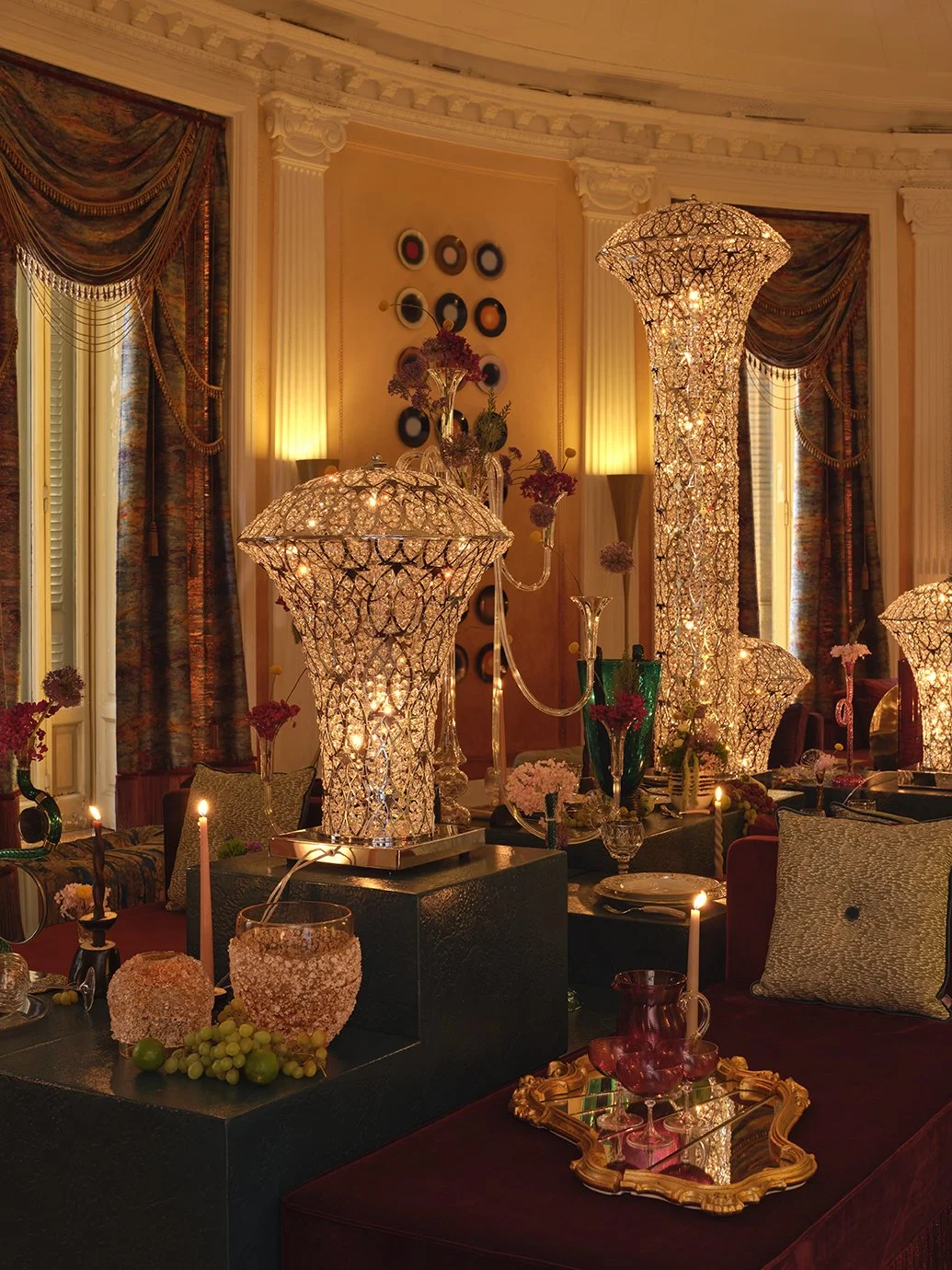
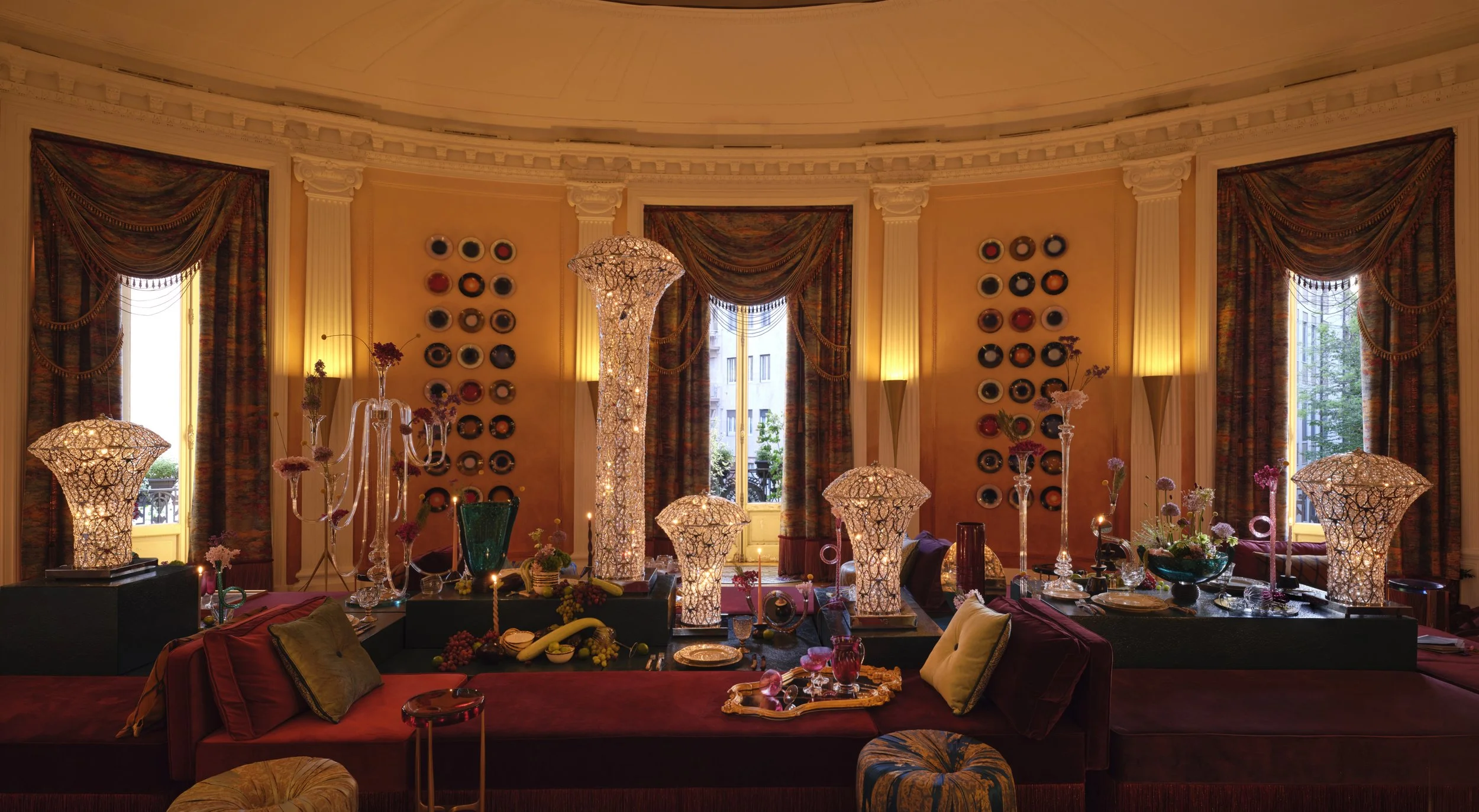
The Dining Room by Rockwell Group
Naples Through the Lens of Rockwell Group
If Venice is contemplative, Naples, interpreted by Rockwell Group, is unapologetically sensual.
Set within the historic oval dining room, Rockwell’s concept embraces the city’s contrasts: sacred and profane, raw and refined, theatrical yet deeply human. The designers draw from the ancient Pompeian triclinium, where dining was performed while reclining rather than seated formally.
The result is a low, lounge-like landscape of sculptural seating, daybeds, pouffes, and nesting tables that encourage lingering rather than rushing. Gold-toned metals, warm marbles, mineral hues and oceanic blues evoke Naples’ volcanic geography and coastal energy.
This is one of the most interesting gestures in the exhibition because it challenges the very notion of the conventional dining room. Rather than formality, it celebrates pleasure, ritual and social connection.
The Grand Salon by March & White Design
Rome in Light and Shadow by MAWD
The grand salon is entrusted to MAWD | March and White Design, who channel the grandeur of Rome through a rich composition of contrast, geometry and atmosphere.
Inspired by classical Roman architecture and centuries-old craft traditions, the room is built around chiaroscuro, the interplay of light and shadow. Deep reds reminiscent of aged masonry and weathered plaster are balanced by timber flooring, bronze detailing and subtle blue notes.
Velvet seating introduces softness, while marble surfaces add permanence and monumentality. Statement chandeliers and sculptural moments punctuate the space, encouraging discovery as visitors move through it.
Rome here is not represented literally, but emotionally, through scale, material confidence and a sense of enduring civilisation translated into contemporary luxury.
The Entertainment Salons by CH Herrero
Palermo’s Cinematic Grandeur by Charlap Hyman & Herrero
The entertainment salons by Charlap Hyman & Herrero are among the most evocative in the exhibition, drawing inspiration from Palermo’s Palazzo Valguarnera-Gangi, immortalised in Luchino Visconti’s Il Gattopardo.
This reference immediately suggests faded aristocracy, cinematic glamour and layered history. The designers respond beautifully, creating interiors that feel opulent yet softened by time. Seating groups overlap naturally, tables sit slightly off-axis, and circulation feels intuitive rather than ceremonial.
This looseness is important. Rather than preserving grandeur in aspic, the rooms suggest a noble interior that has evolved organically through generations of life and use.
Deep-toned upholstery and warm atmospheric lighting heighten the sense of intimacy, making these salons feel seductive rather than museum-like.
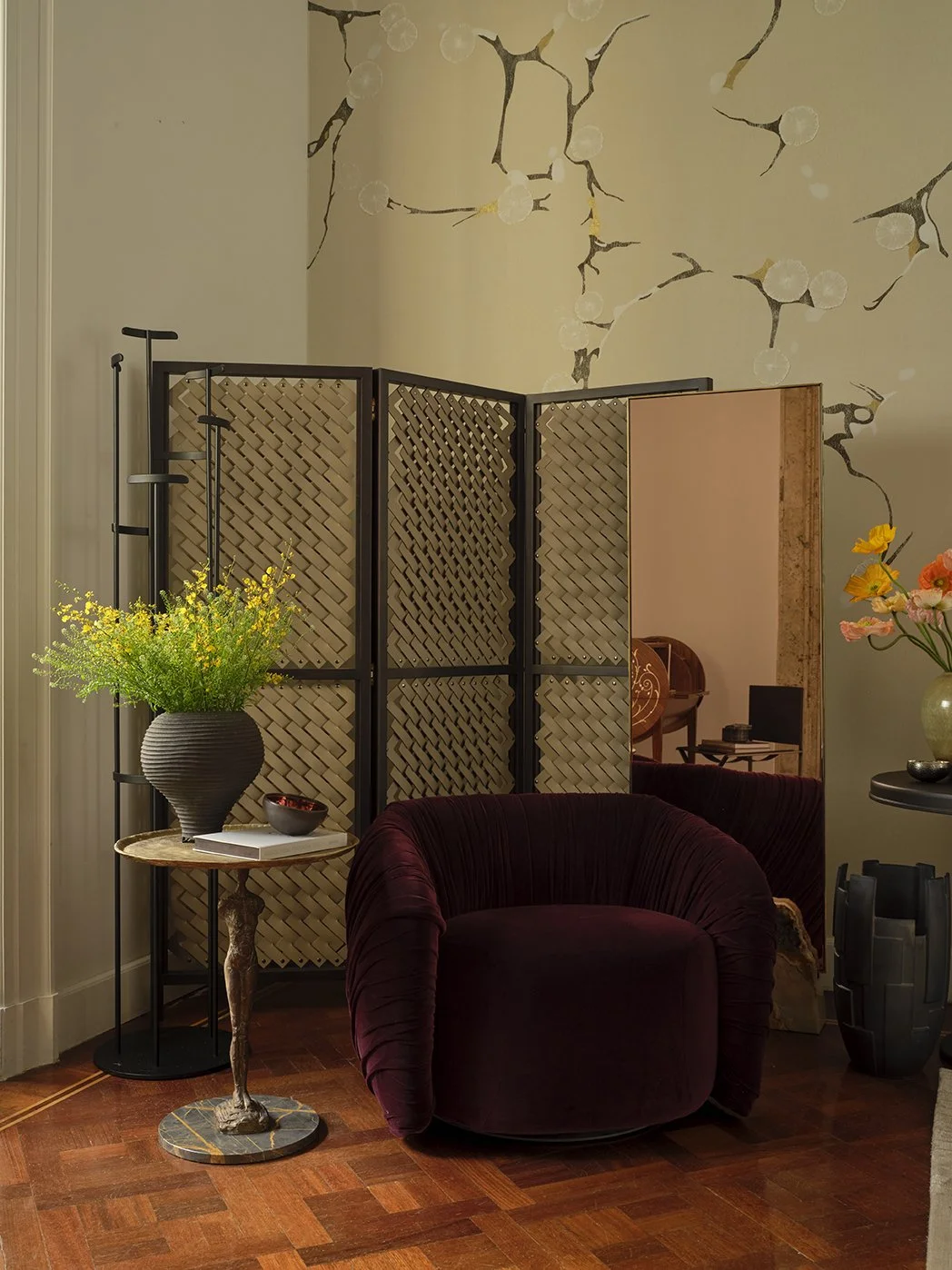
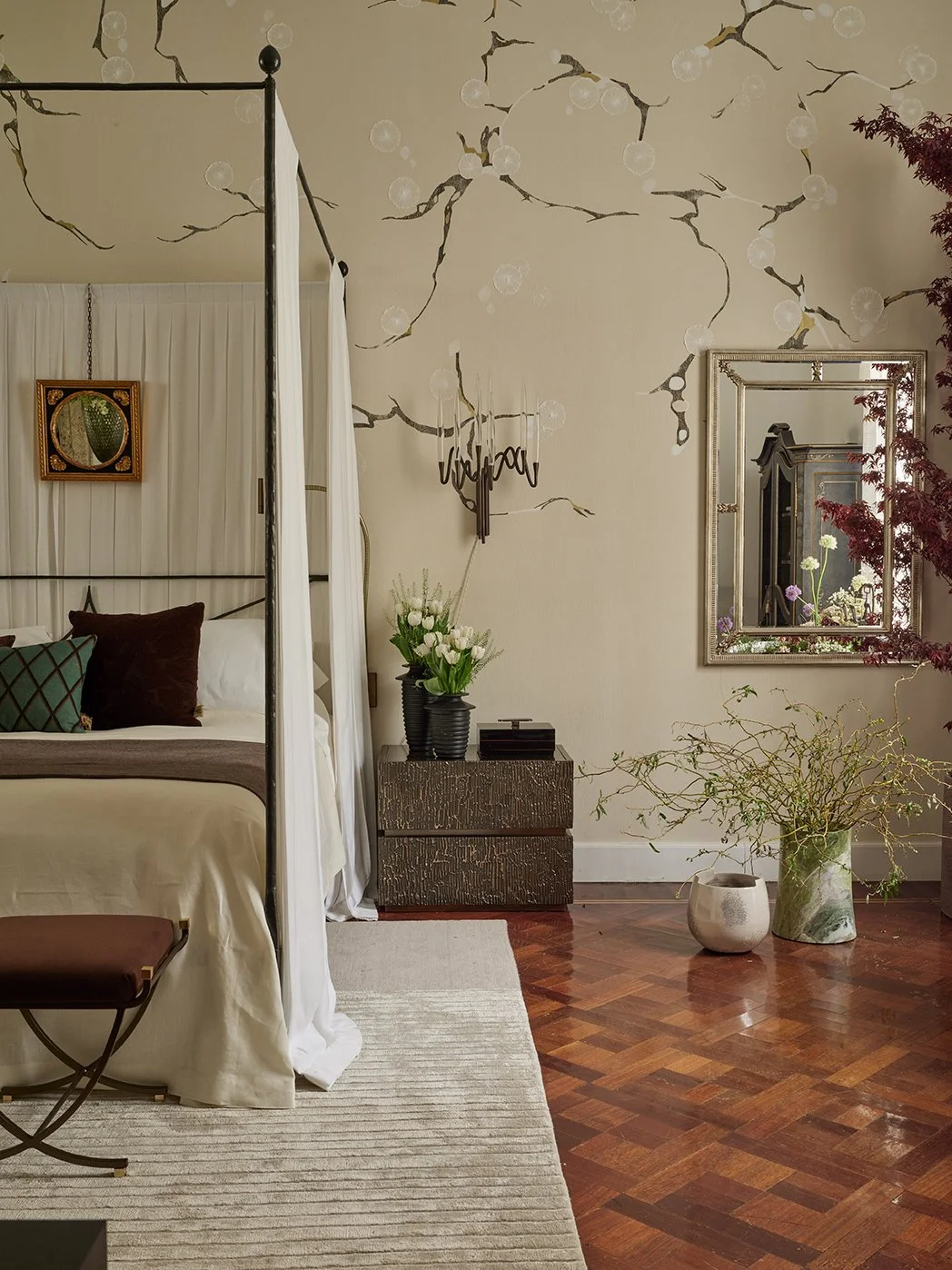
The Alcove by Urjowan- Alsharif Interiors
Florence as Sanctuary by Urjowan Alsharif Interiors
The final interior chapter belongs to Urjowan Alsharif Interiors, who look to Florence and the romantic spirit of the Tuscan countryside.
Designed as an alcove retreat, the room references Renaissance interiors and the quiet elegance of historic villas. At its centre stands a four-poster iron bed wrapped in soft drapery, recalling the curtained sleeping chambers of earlier centuries.
Fine woodwork, leatherwork, ironwork, expressive artworks, and rich textiles celebrate Florence’s legacy of making. Yet there is restraint here too. This is not grandeur through excess, but through refinement, proportion and craft.
It is a deeply personal room, one that invites retreat from the intensity of Milan Design Week outside.
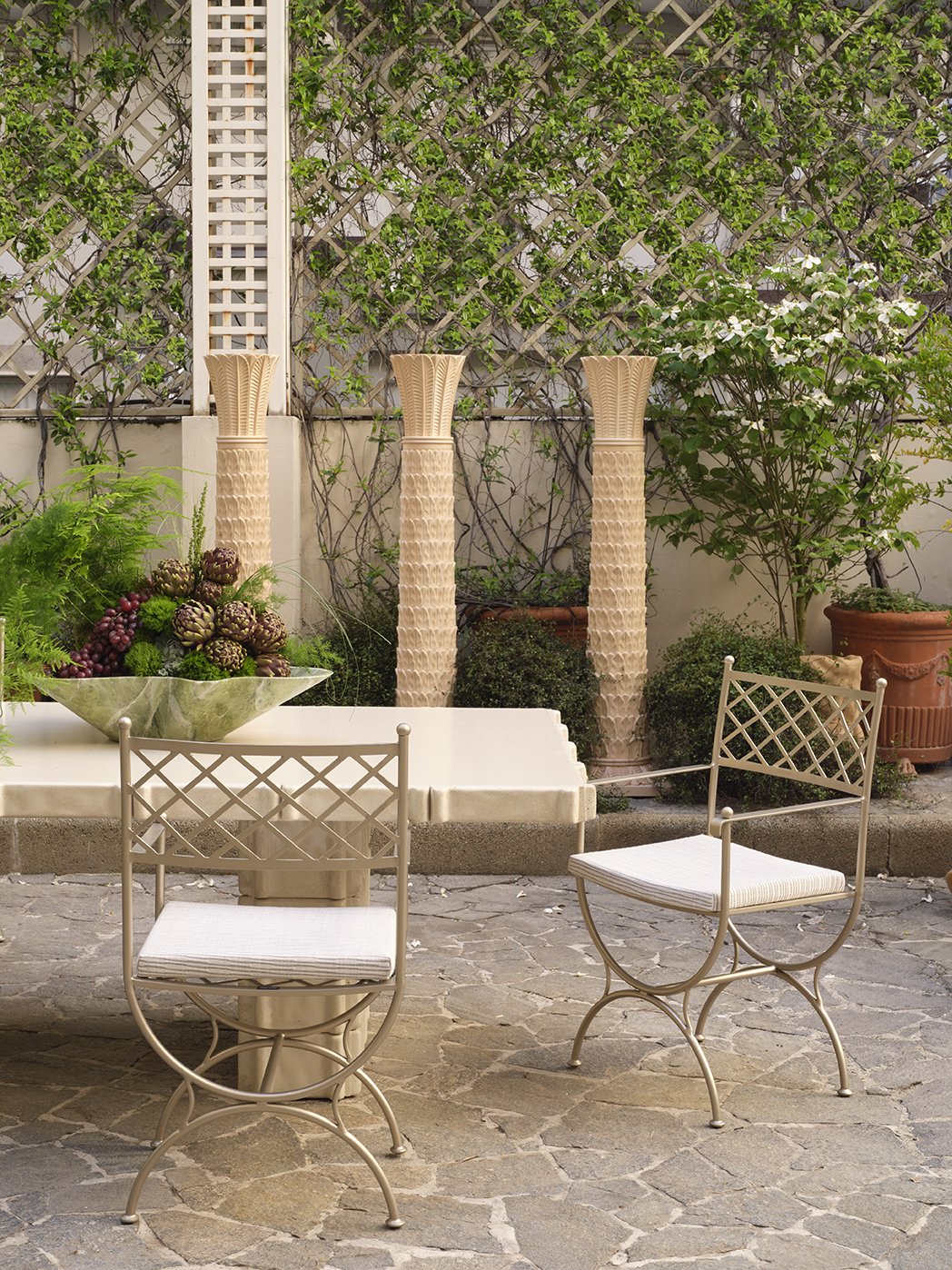
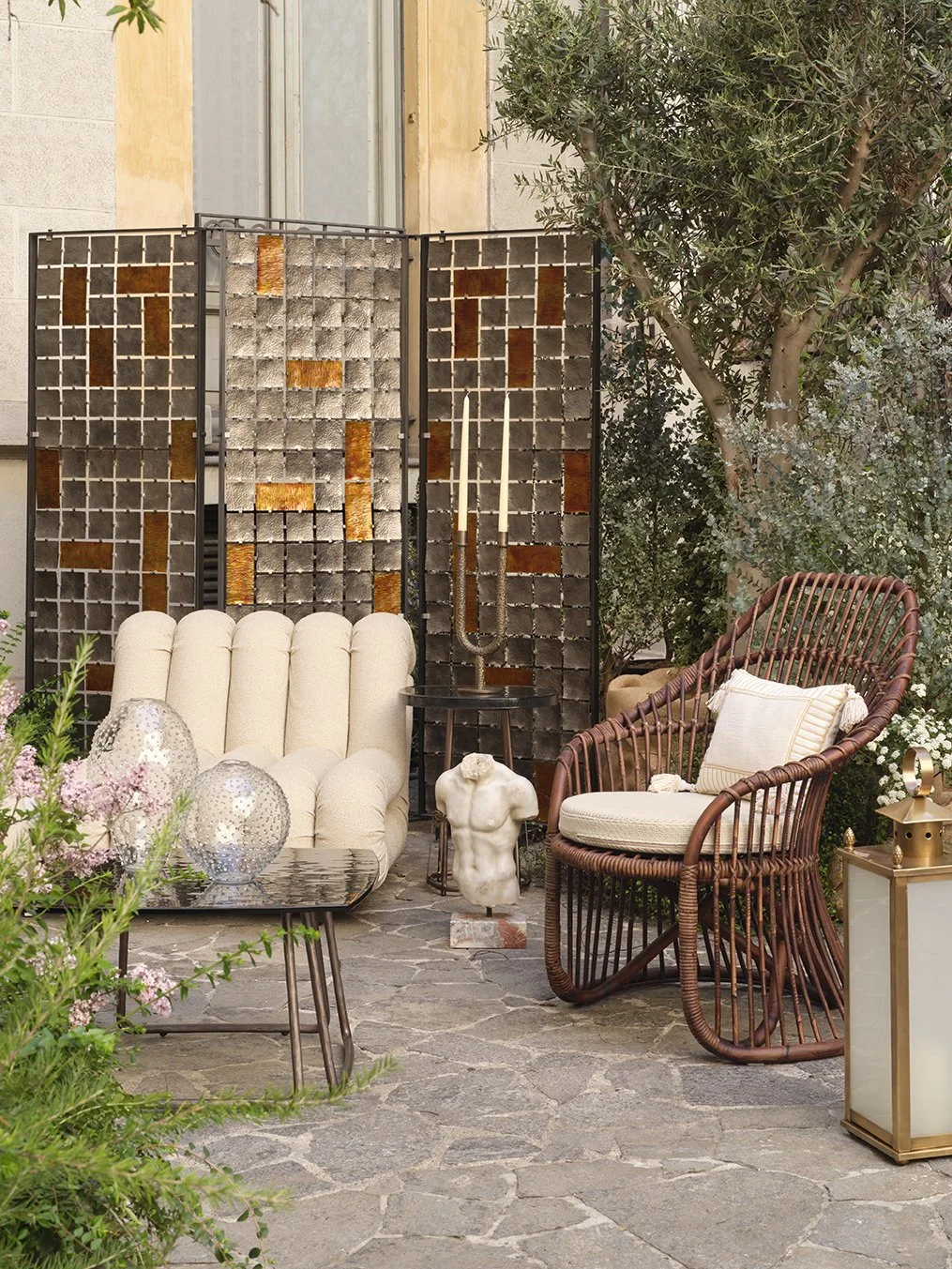
The Garden by Artemest
Extending the Experience Outdoors
For 2026, Artemest also expands the experience into Palazzo Donizetti's garden. Inspired by Pompeii, the outdoor installation uses charred wood, copper, brass, marble and ceramics to evoke transformation, memory and permanence.
Columns establish rhythm, sculptures act as silent presences, while greenery softens the architecture and shifts perception. It becomes a contemplative threshold between past and present; a thoughtful extension of the exhibition rather than an afterthought.
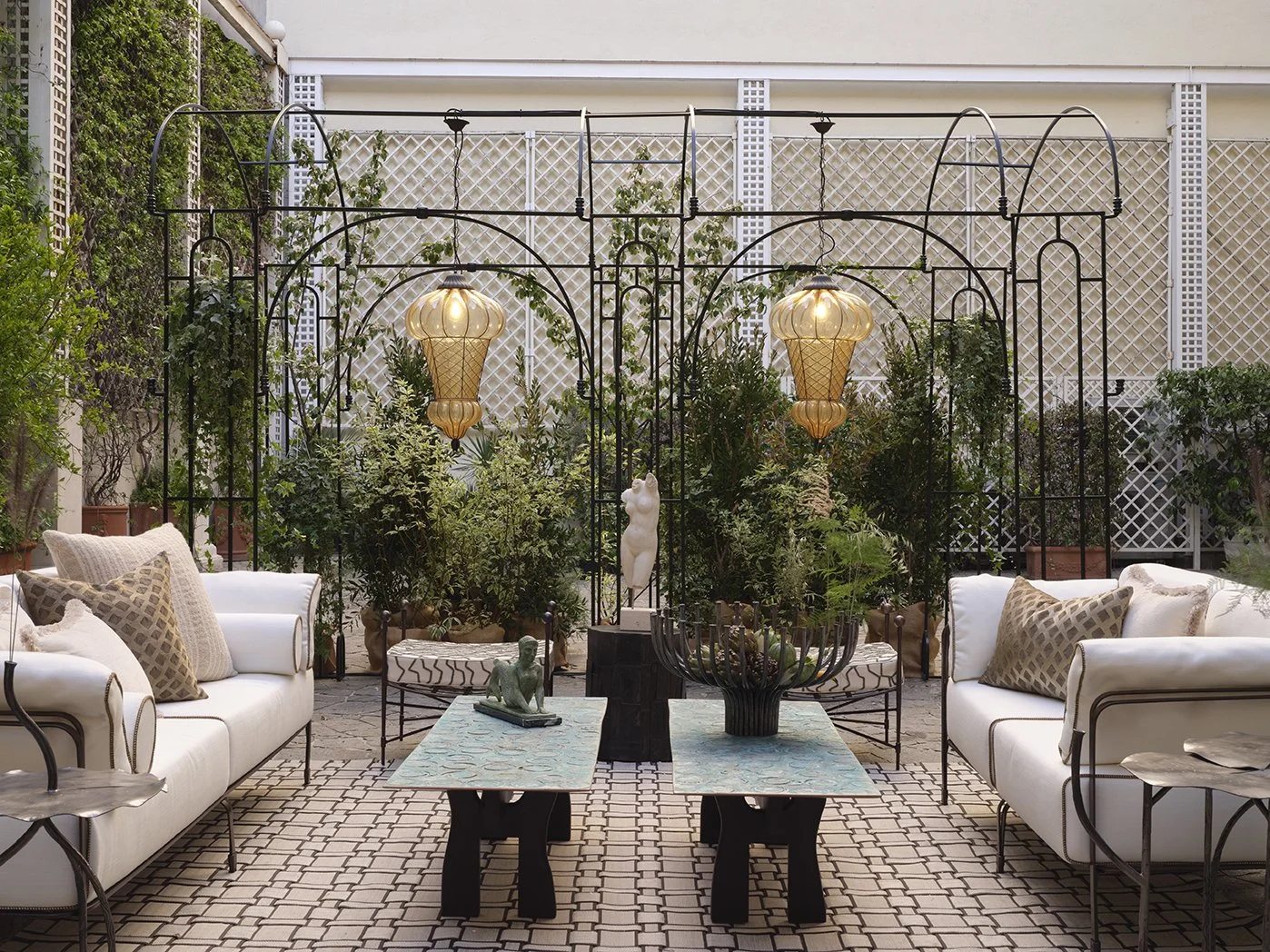
All photography: Manfredi-Gioacchini
Why L’Appartamento Matters
What Artemest has achieved over the past four years is rare. Many design week installations are visually striking but quickly forgotten. L’Appartamento endures because it is rooted in ideas: heritage, craftsmanship, cultural storytelling and the emotional power of interiors.
This year’s edition feels especially confident. Rather than simply presenting beautiful rooms, it offers a broader reflection on what Italian design represents globally; not a style, but a standard of artistry and material excellence.
For readers who enjoyed my previous feature, A Tour of L’Appartamento by Artemest at the 2025 edition of Milan Design Week, the 2026 edition is another reminder of why this showcase remains one of the city’s standout experiences.
In a week filled with noise, Artemest continues to create rooms worth remembering.
More Stories





Basic.Space arrives in London, transforming The Old Selfridges Hotel into a layered design experience where art, fashion, and sound converge. A moment of discovery shaped by the city’s enduring creative energy.