
The Smallest Detail: Why deVOL’s Heritage Light Switches Are Redefining Everyday Design
There is something quietly transformative about the smallest details in a space. It is often the elements we scarcely notice at first glance that, over time, come to define how a room truly feels. The weight of a handle, the texture of a surface, the subtle click of something well-made. These are the moments that move a space beyond decoration and into something far more considered, far more human.
And yet, for all the attention we give to furniture, lighting and architecture, there are still parts of our interiors that remain curiously overlooked. Light switches, perhaps more than anything, fall into this category. They are everywhere, touched countless times throughout the day, yet rarely celebrated. Instead, they are reduced to necessity, plain, plastic and functional, something to install and forget. More often than not, they quietly interrupt even the most beautifully curated interior.
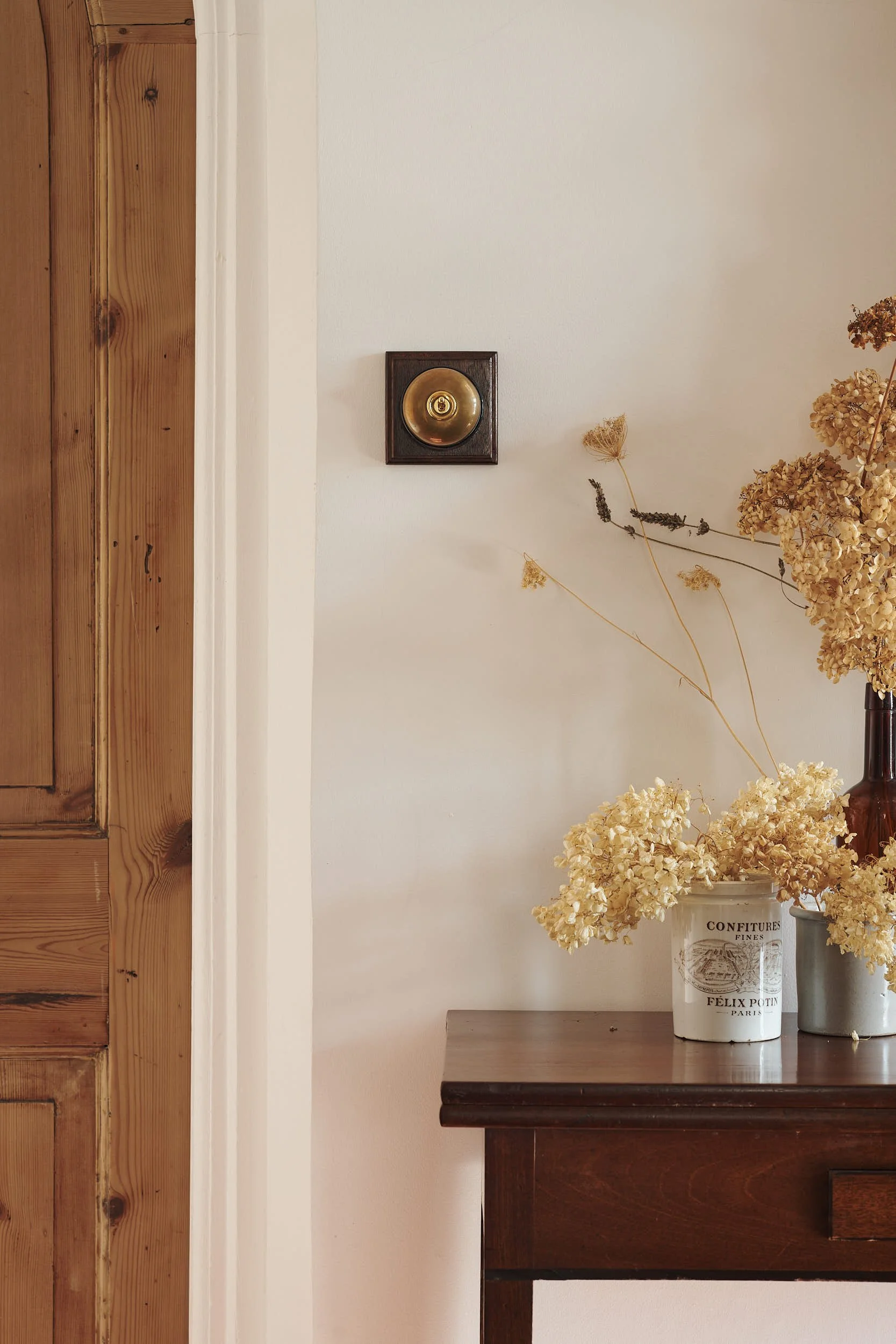
It is something I have always found slightly at odds with how we approach design. Because if we truly believe that great interiors are about cohesion, atmosphere and the layering of detail, then surely these everyday objects deserve the same level of thought and intention.
This is precisely where deVOL’s Heritage Light Switches are most relevant.
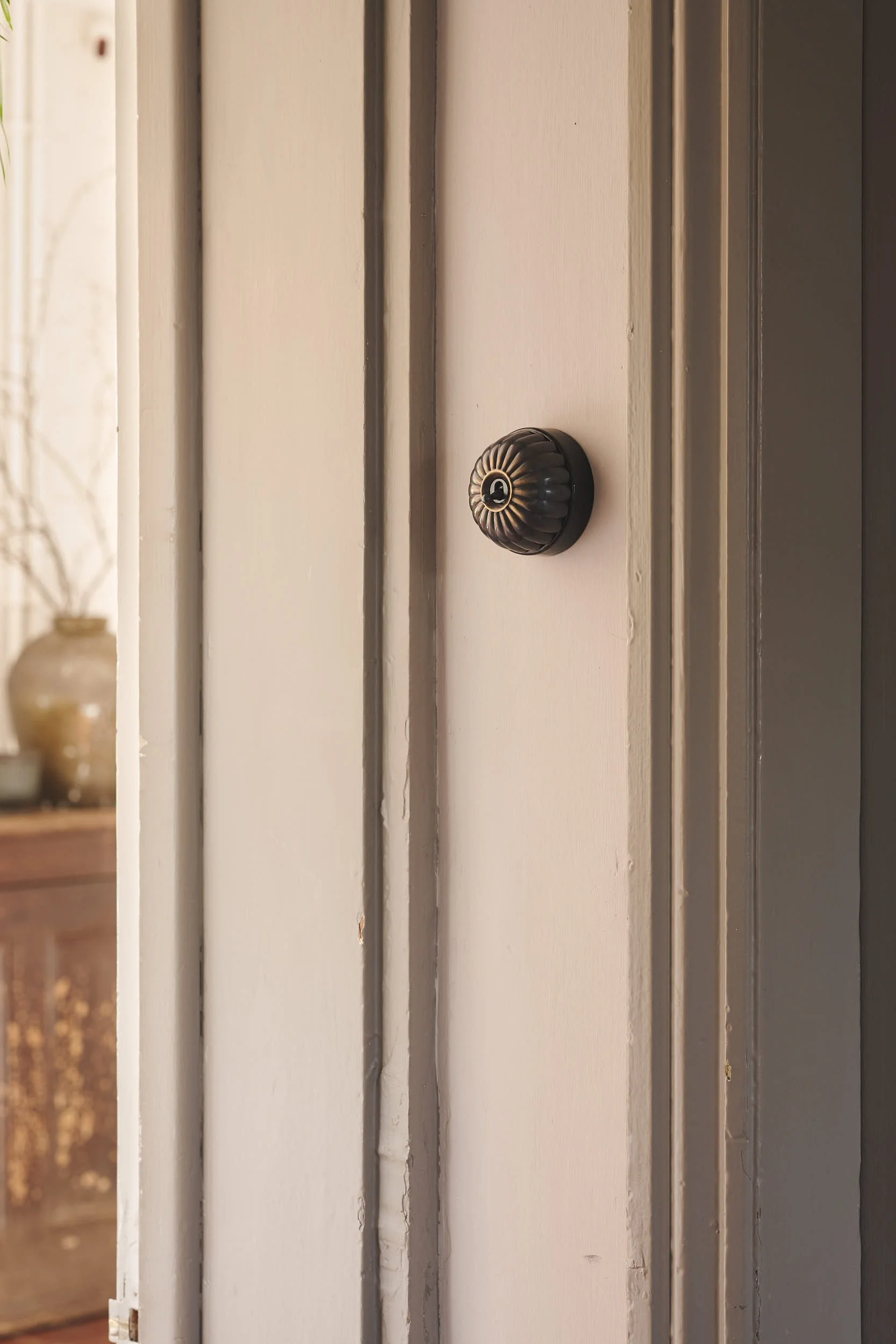
At first glance, they feel deceptively simple. The Jelly and the Dolly, as they are charmingly named, carry a language that feels instinctive and familiar. Their softly rounded forms and tactile surfaces immediately suggest something enduring, something that belongs not just within a home, but within a much longer design history. And in many ways, that is exactly the case.
These switches trace their origins to the Edwardian era, when electricity was first introduced into our homes, bringing a new way of living and interacting with space. What is fascinating about this period is how innovation was balanced with craftsmanship. Even as technology evolved, there remained a deep respect for materiality and form, resulting in objects that felt both progressive and grounded.
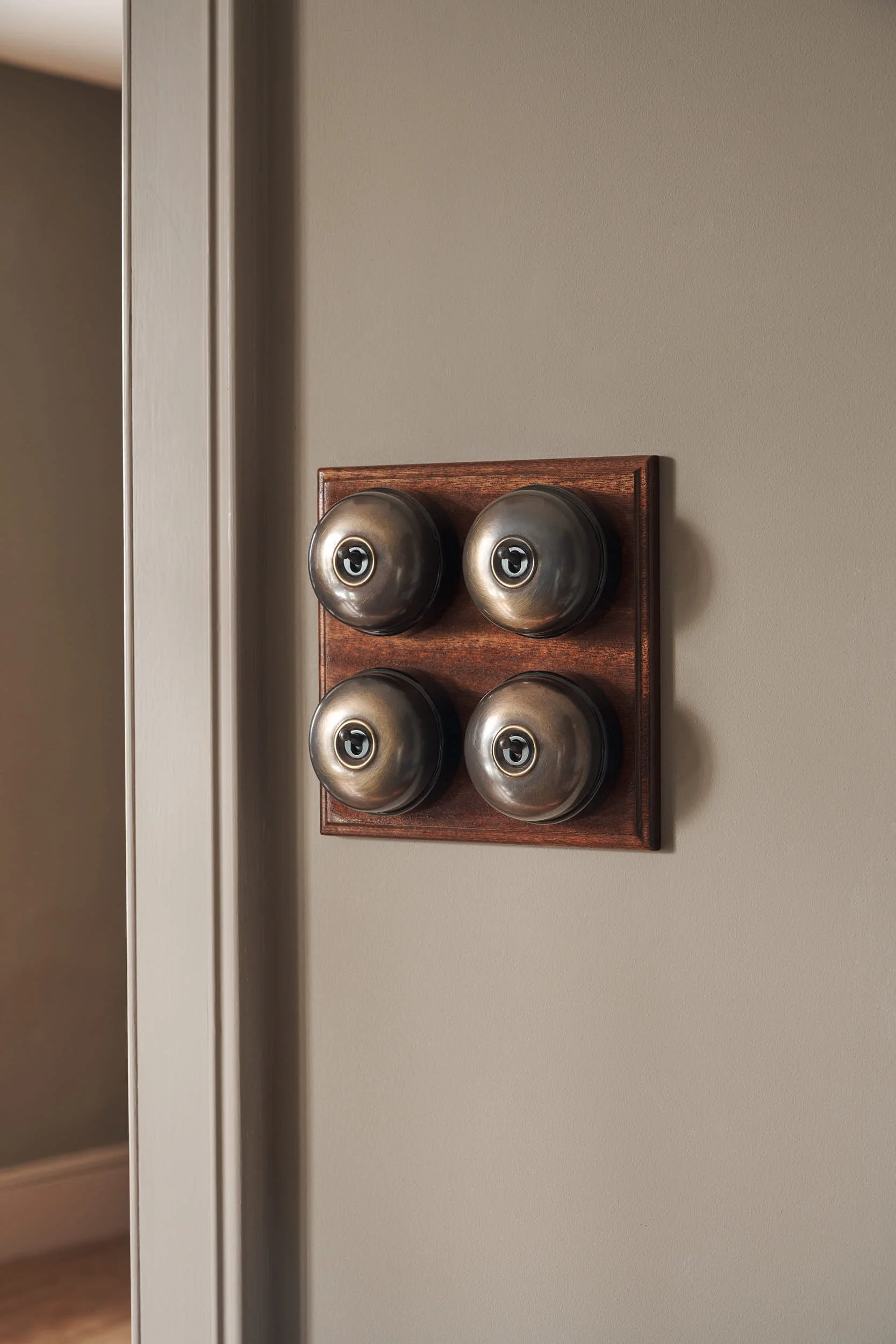
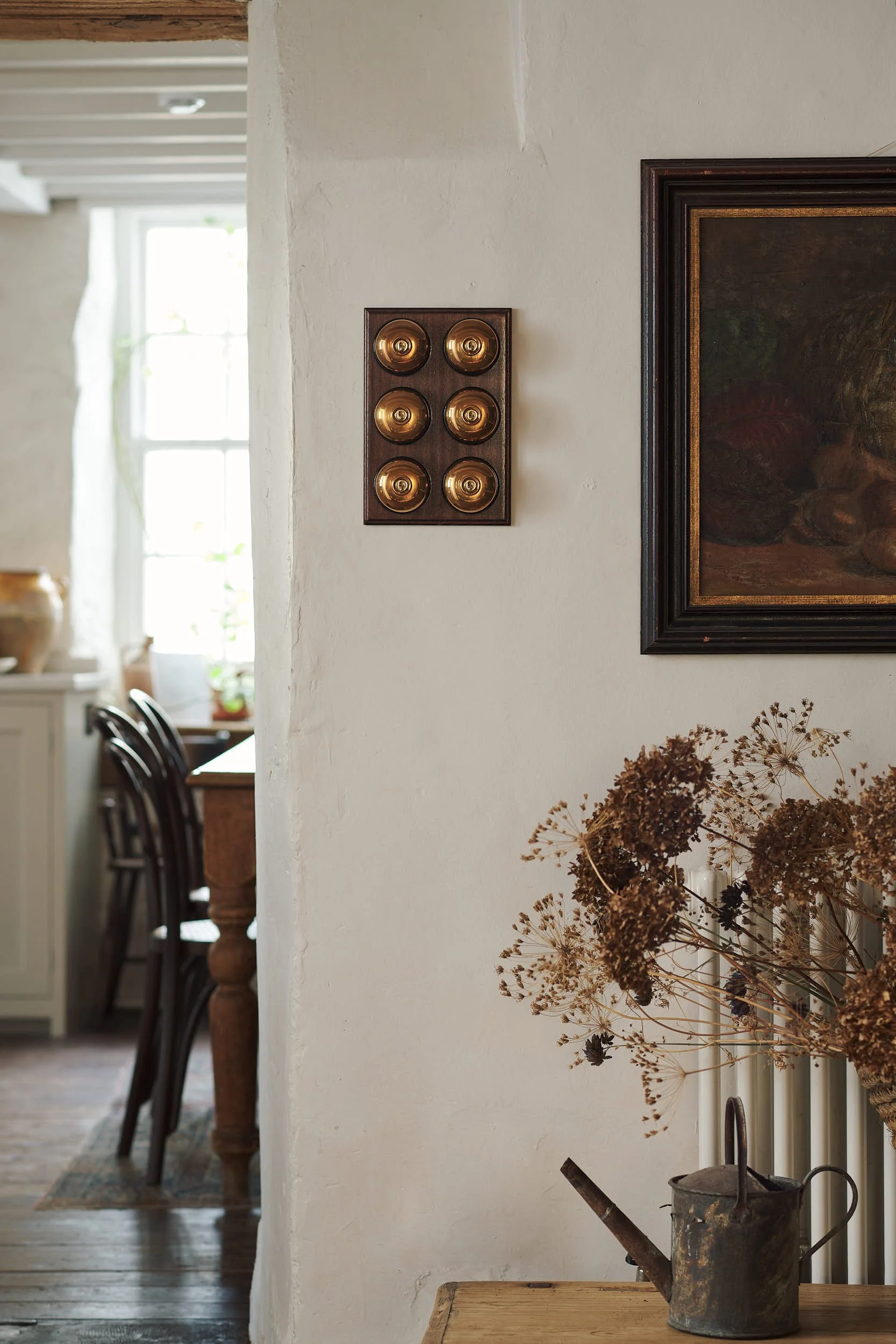
It is this balance that deVOL has captured so effortlessly.
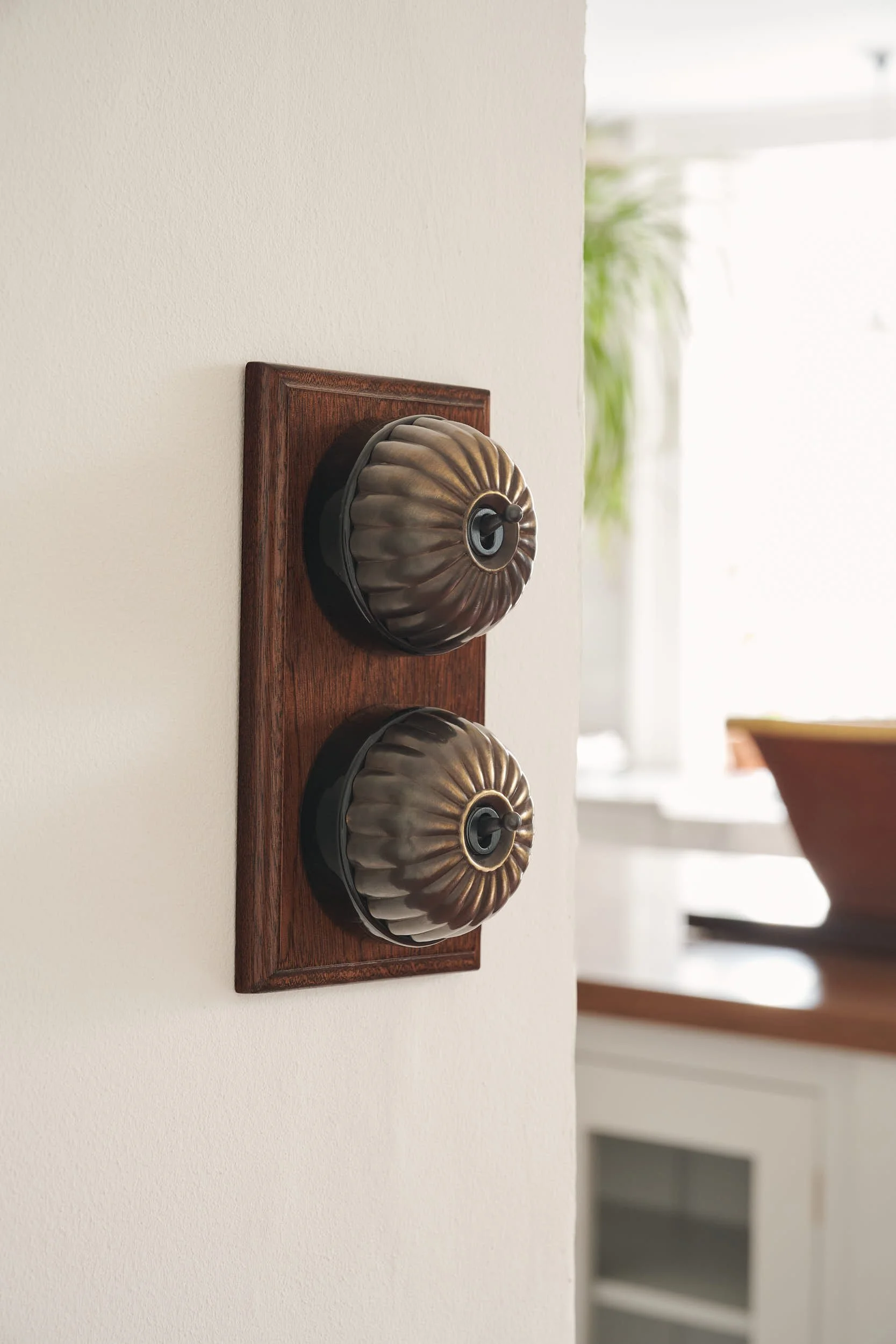
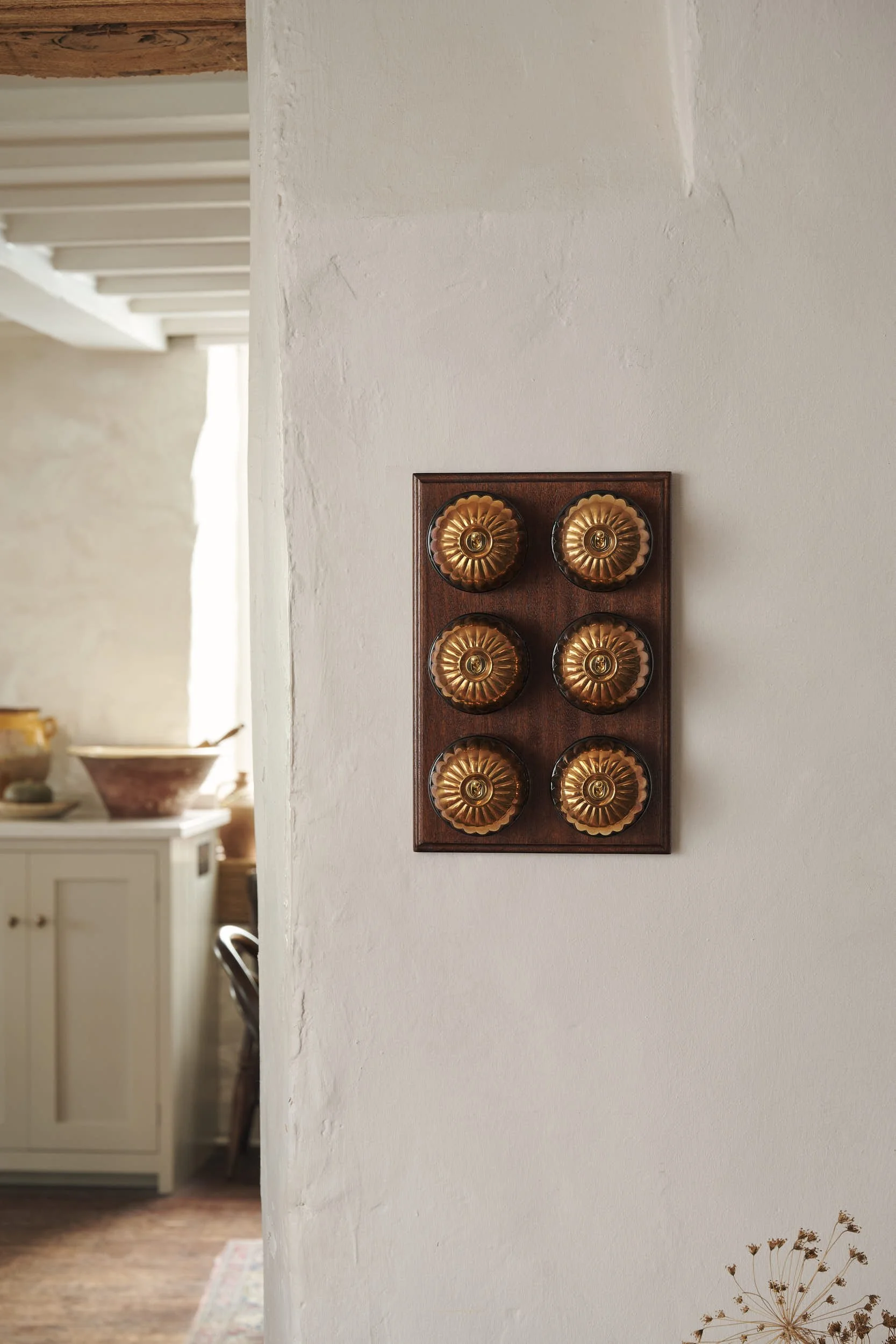
The Dolly switch, with its rounded, bell-like form, speaks in a language of simplicity. It rises gently from the wall, understated yet confident, inviting interaction without ever demanding attention. The Jelly, by contrast, draws on the fluted forms of antique moulds often found in markets and fairs, bringing a quiet sense of nostalgia into the present. Neither feels overly decorative or contrived. Instead, they sit comfortably between past and present, reinterpreting heritage rather than replicating it.
What makes these pieces particularly compelling is the way they integrate into contemporary interiors. They do not feel like additions or accessories but rather as though they have always been there, quietly enhancing the overall composition of a room. This is, in part, down to their materiality.
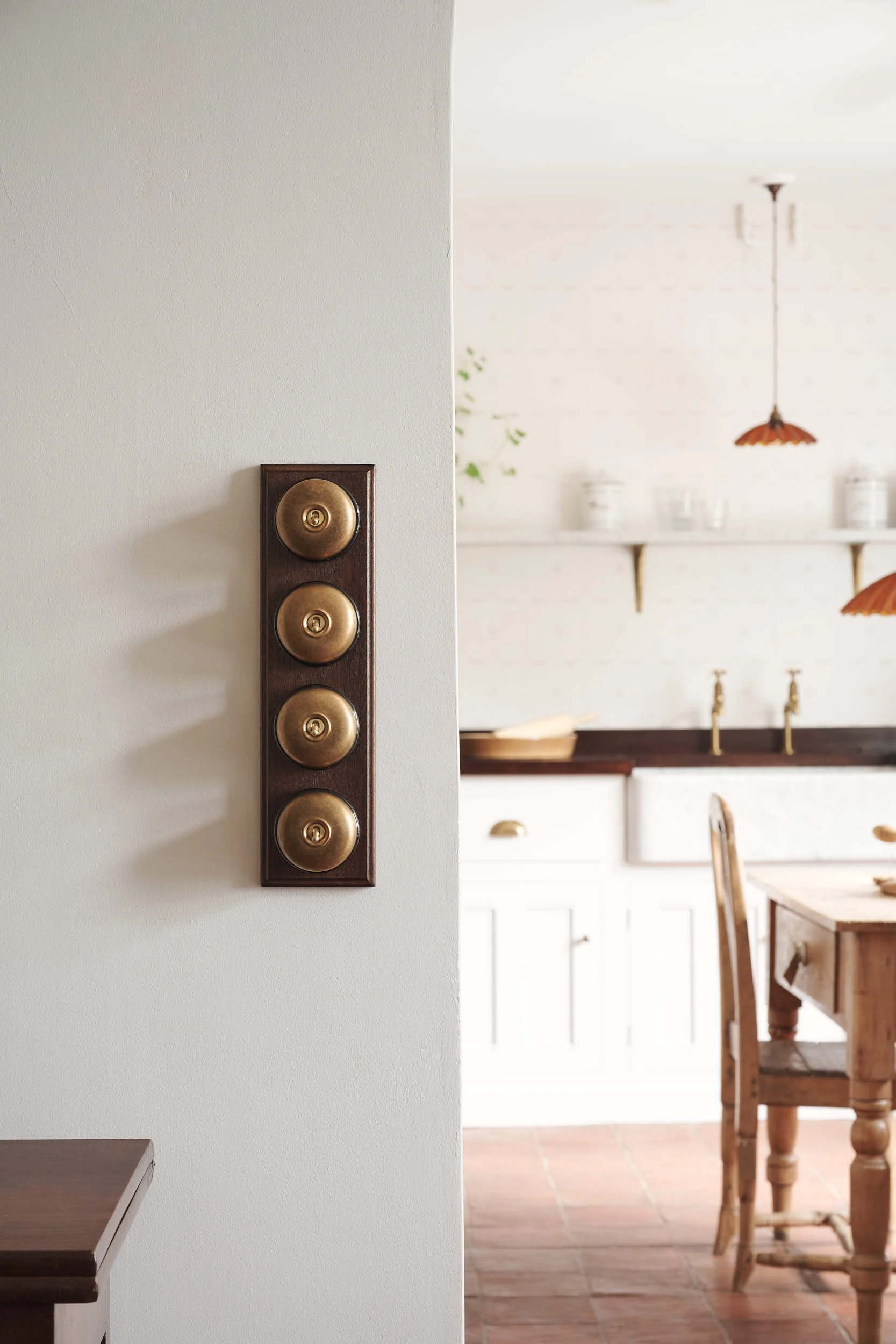
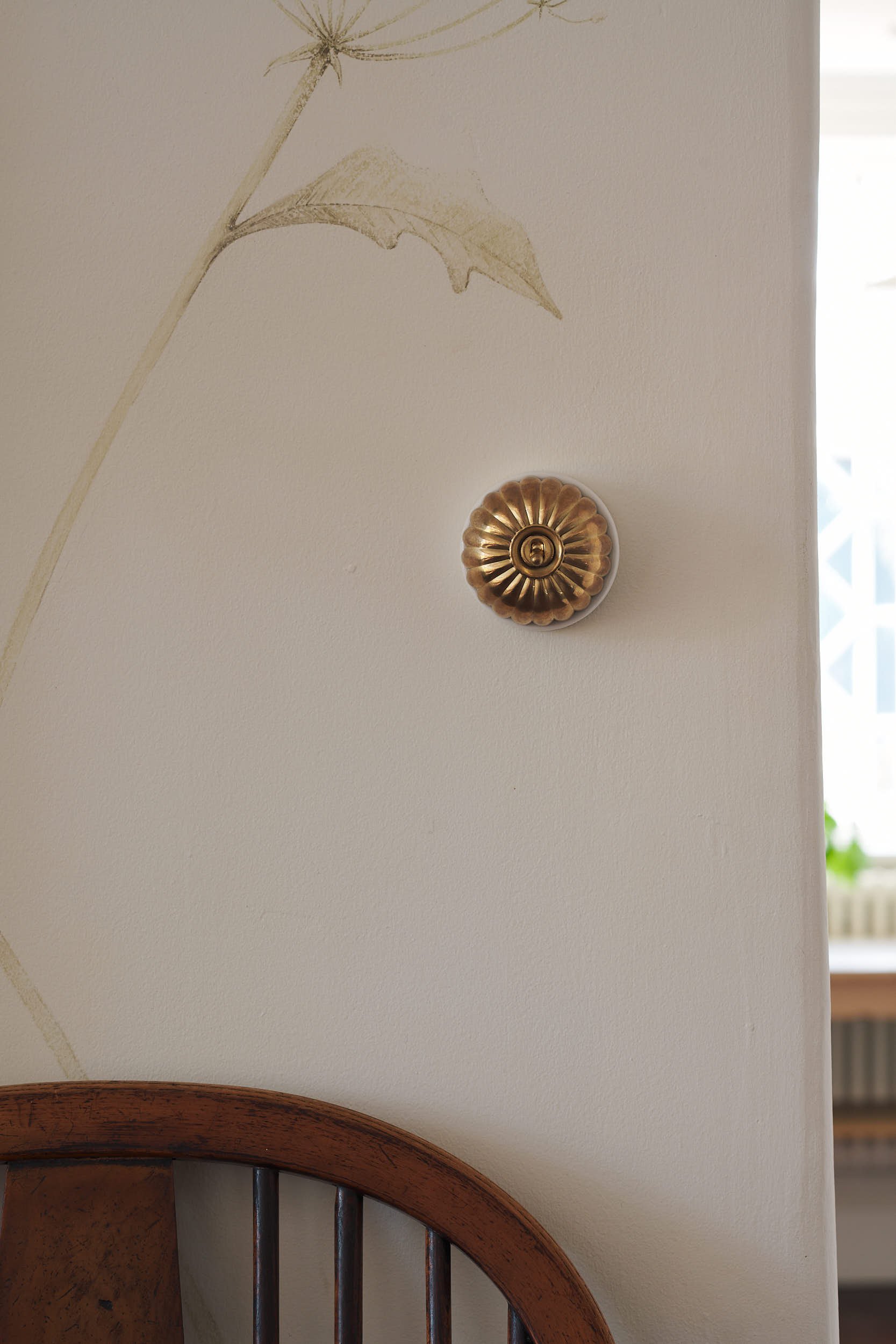
Crafted from pressed brass and paired with glazed ceramic bases, these switches immediately depart from the anonymity of modern plastic fittings. The finishes, available in Heirloom, Aged or Oxidised brass, bring depth and nuance, allowing the pieces to soften and evolve over time. There is a quiet honesty in these materials, a sense that they have been chosen not only for their aesthetic but for their longevity.
And that is where their beauty truly lies.
Good design should never feel static. It should evolve alongside the spaces we inhabit, taking on subtle changes, quietly reflecting the life around it. These switches do exactly that, embedding themselves into the daily rituals of living in a way that feels both natural and enduring.
There is also something deeply satisfying about their tactility. In a world that increasingly leans towards the intangible, where interfaces are smooth and invisible, the physical act of interaction becomes all the more meaningful. The gentle resistance of a switch, the reassuring click, the sense of weight beneath your fingertips, these are small but significant experiences that reconnect us with the objects we use most often.
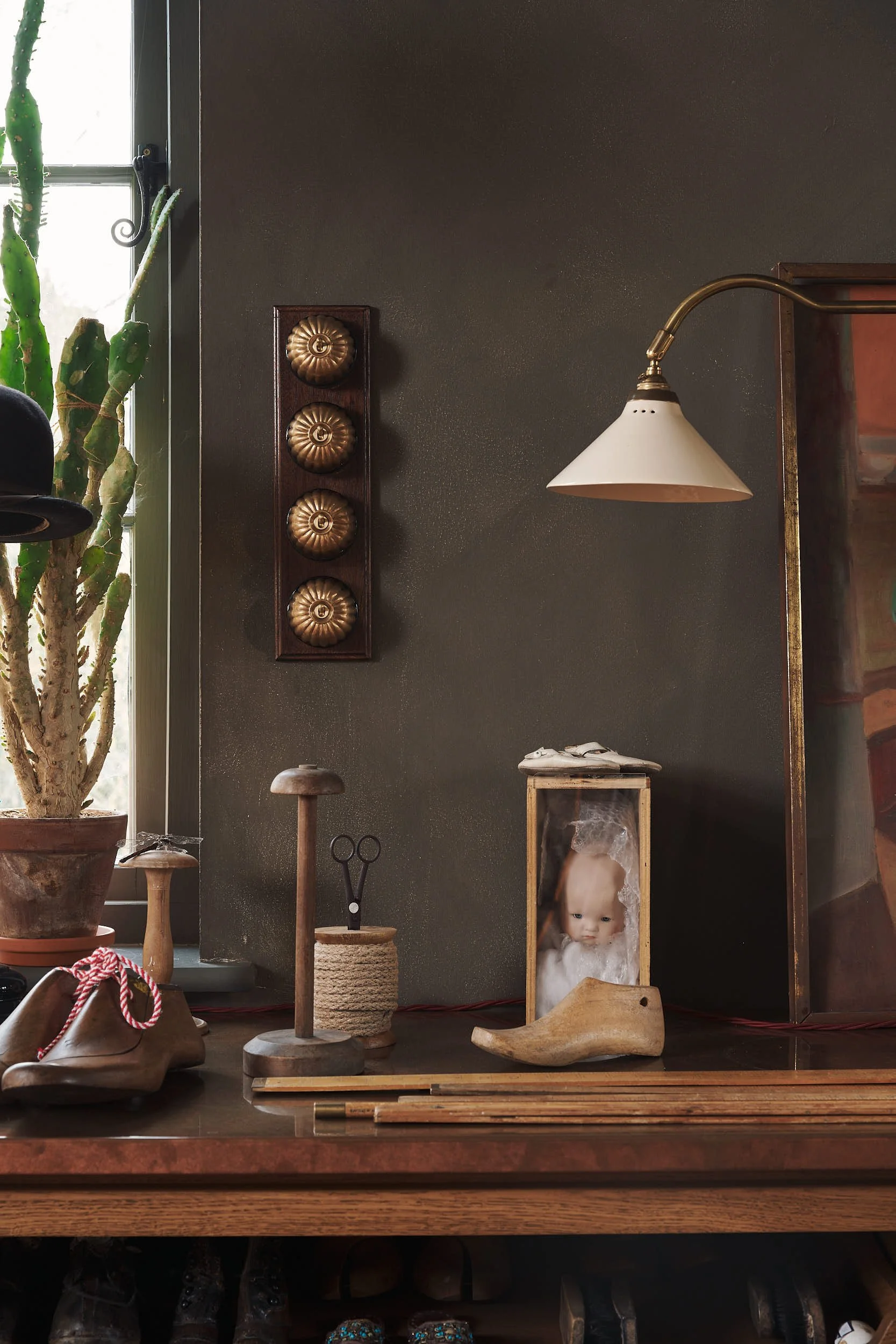
What deVOL has achieved here is not simply a redesign of a functional object, but a subtle reframing of how we perceive it. It challenges the assumption that utility must come at the expense of beauty, suggesting instead that even the most everyday elements can meaningfully contribute to a space's atmosphere.
The option to pair these switches with pattresses in mahogany or primed maple introduces an additional layer of flexibility. The mahogany brings richness and a sense of heritage that leans into the Edwardian origins of the design, while the paintable maple allows for a more contemporary and seamless integration. Alternatively, the switches can be mounted directly onto the wall for a quieter, more understated finish.
It is this adaptability that makes them particularly relevant within today’s interiors, where design is no longer defined by rigid styles but by a more nuanced layering of elements. Spaces have become more personal, more expressive, and more reflective of individual taste, blending old and new in ways that feel intuitive rather than prescribed.
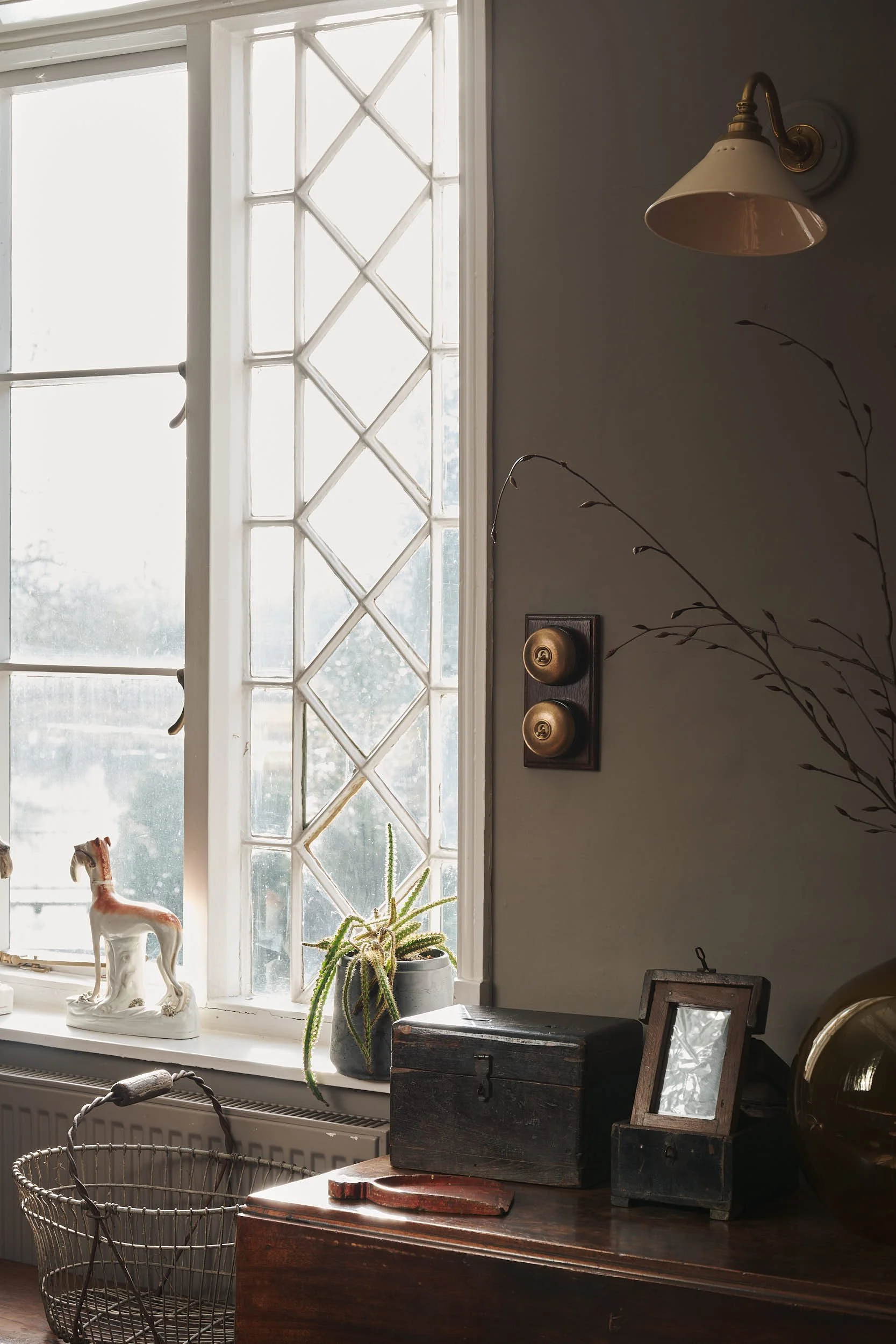
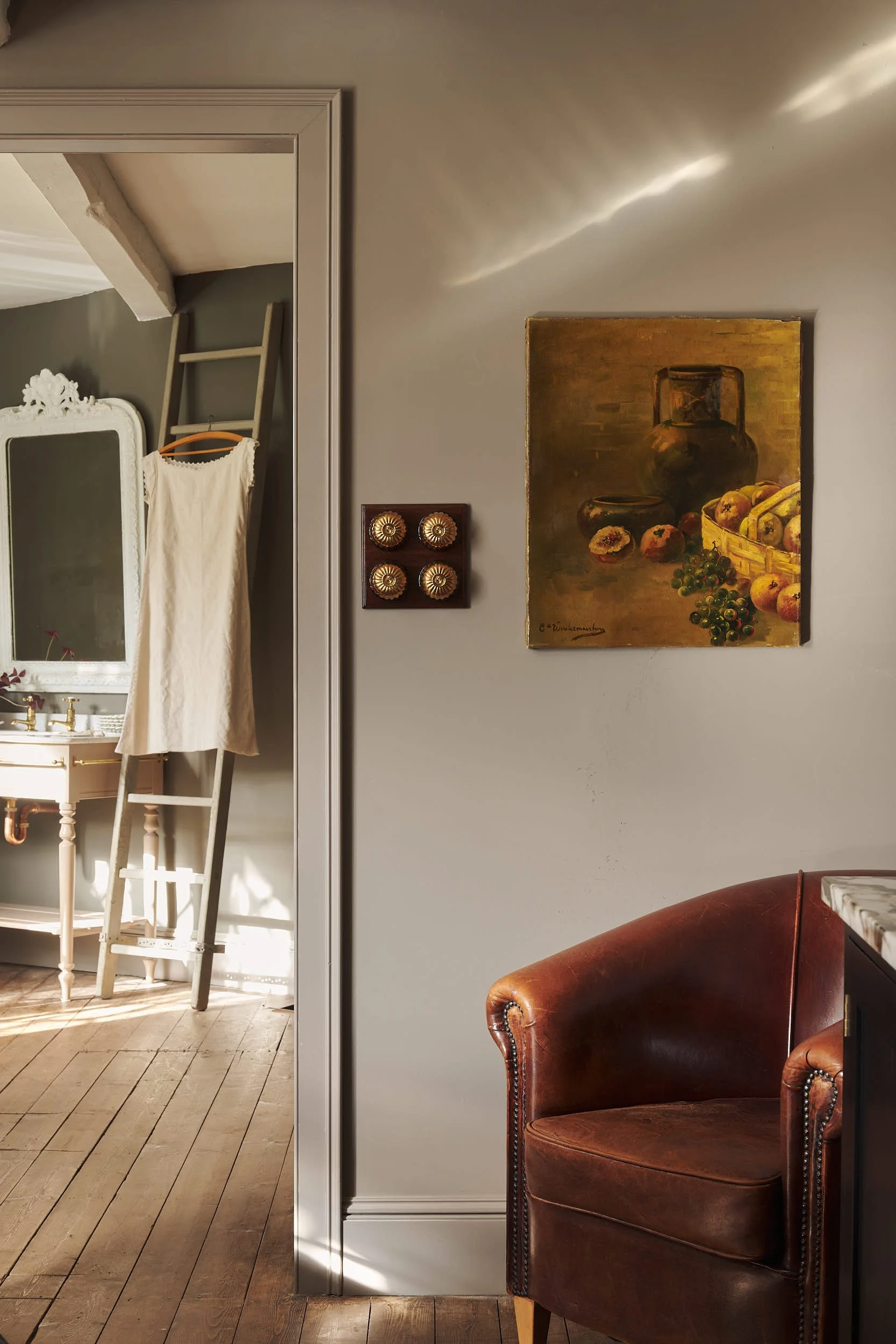
Within this context, these switches begin to feel surprisingly significant.
They remind us that design does not live solely in statement pieces or architectural gestures. It exists in the margins, in the objects we engage with daily, in the details that often go unnoticed but collectively shape our experience of a space. White plastic switches, long accepted as a default, suddenly feel out of place in comparison, disrupting the visual and tactile harmony of otherwise thoughtful interiors.
deVOL’s Heritage collection offers a considered alternative, one that feels intentional rather than incidental.
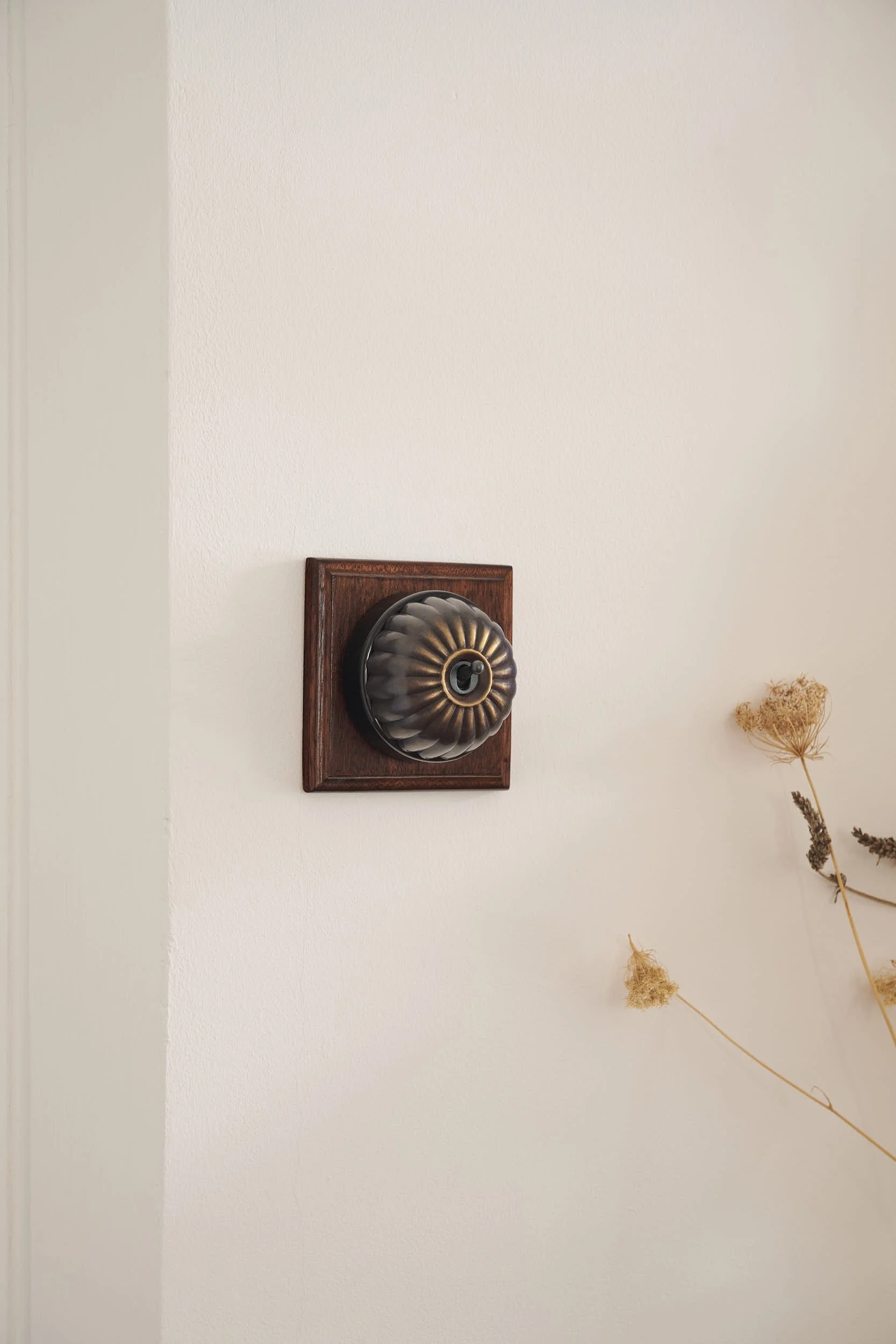
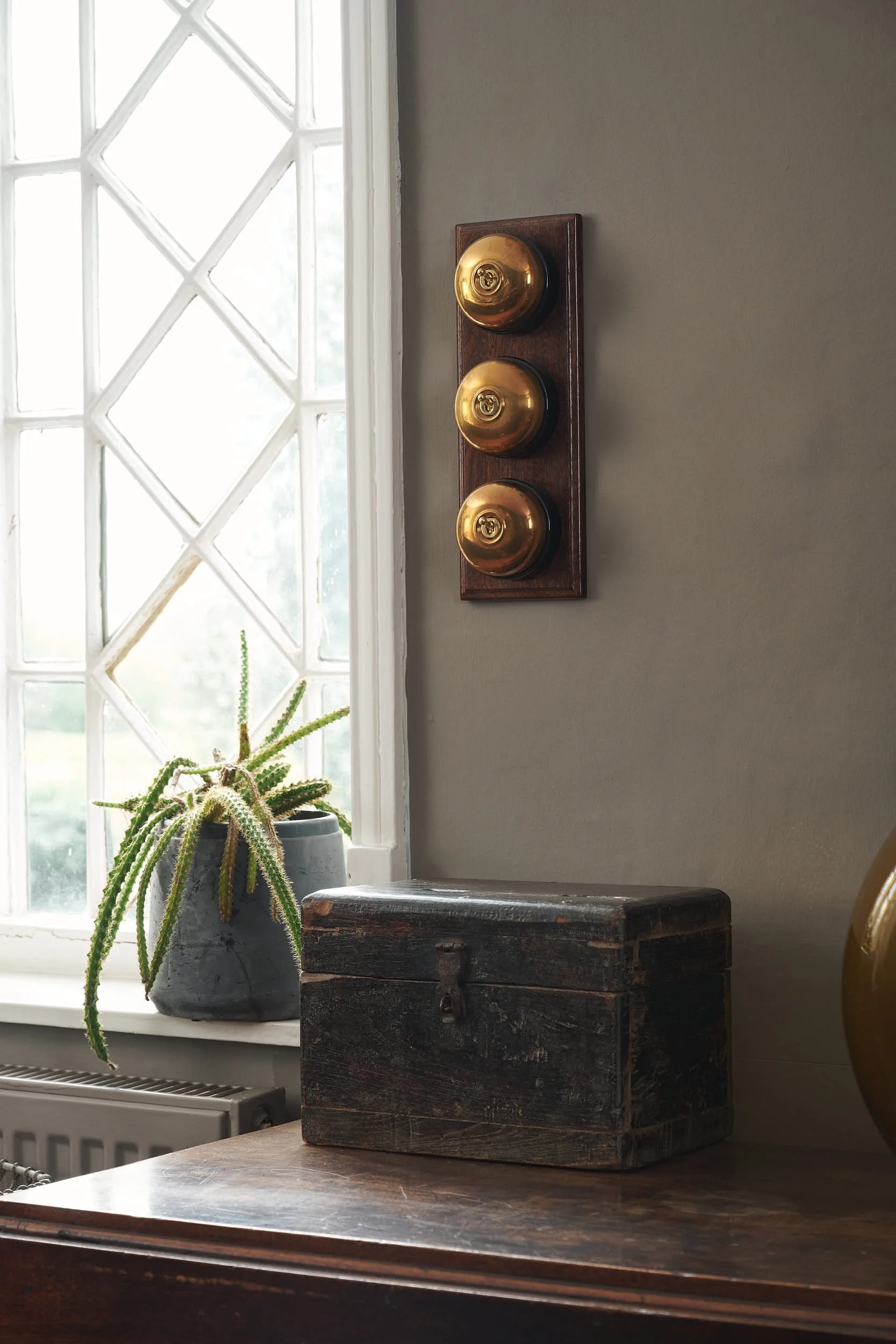
It is, in many ways, a quiet shift, but an important one. A reminder that beauty can exist everywhere, even in the most functional of objects, and that by elevating these details, we elevate the spaces we live in.
Because ultimately, great design is rarely about grand gestures. It is about care, about consistency, and about the understanding that every element, no matter how small, has a role to play in the overall narrative.
And sometimes, that narrative begins with something as simple as a switch on a wall.
More Stories








Basic.Space arrives in London, transforming The Old Selfridges Hotel into a layered design experience where art, fashion, and sound converge. A moment of discovery shaped by the city’s enduring creative energy.