
Basic.Space Arrives in London
A three-day immersion into design, art, fashion and sound, where London’s subversive creative energy reshapes the experience of contemporary retail.
There are moments in London when a building feels as though it has been waiting. Not for renovation, nor reinvention, but for reactivation, a return to purpose. The Old Selfridges Hotel, long dormant yet quietly commanding its place on Orchard Street, is one such space. This June, it becomes something else entirely. Not just a venue, but a stage for convergence as Basic.Space makes its international debut.
For those familiar with the platform, Basic.Space exists in that increasingly rare intersection between curation and commerce. It resists the scroll-heavy fatigue of digital retail by reinstating discovery as something tactile. Physical. Intentional. It moves seamlessly between IRL and URL, but this London chapter feels distinctly grounded in place.


And London, of course, is no passive host.
It is a city defined as much by its subcultures as its institutions, where the most meaningful ideas often unfold just beneath the visible surface. That spirit underpins the thinking behind this inaugural event. Spread across three days, with a private preview on the 12th of June, followed by public access on the 13th and 14th, Basic.Space London draws on four central pillars: design, art, fashion and sound.
But to reduce it to a framework would miss the point. What unfolds inside The Old Selfridges Hotel is less an exhibition and more a layered narrative.
You enter not with the expectation of browsing, but of encountering.
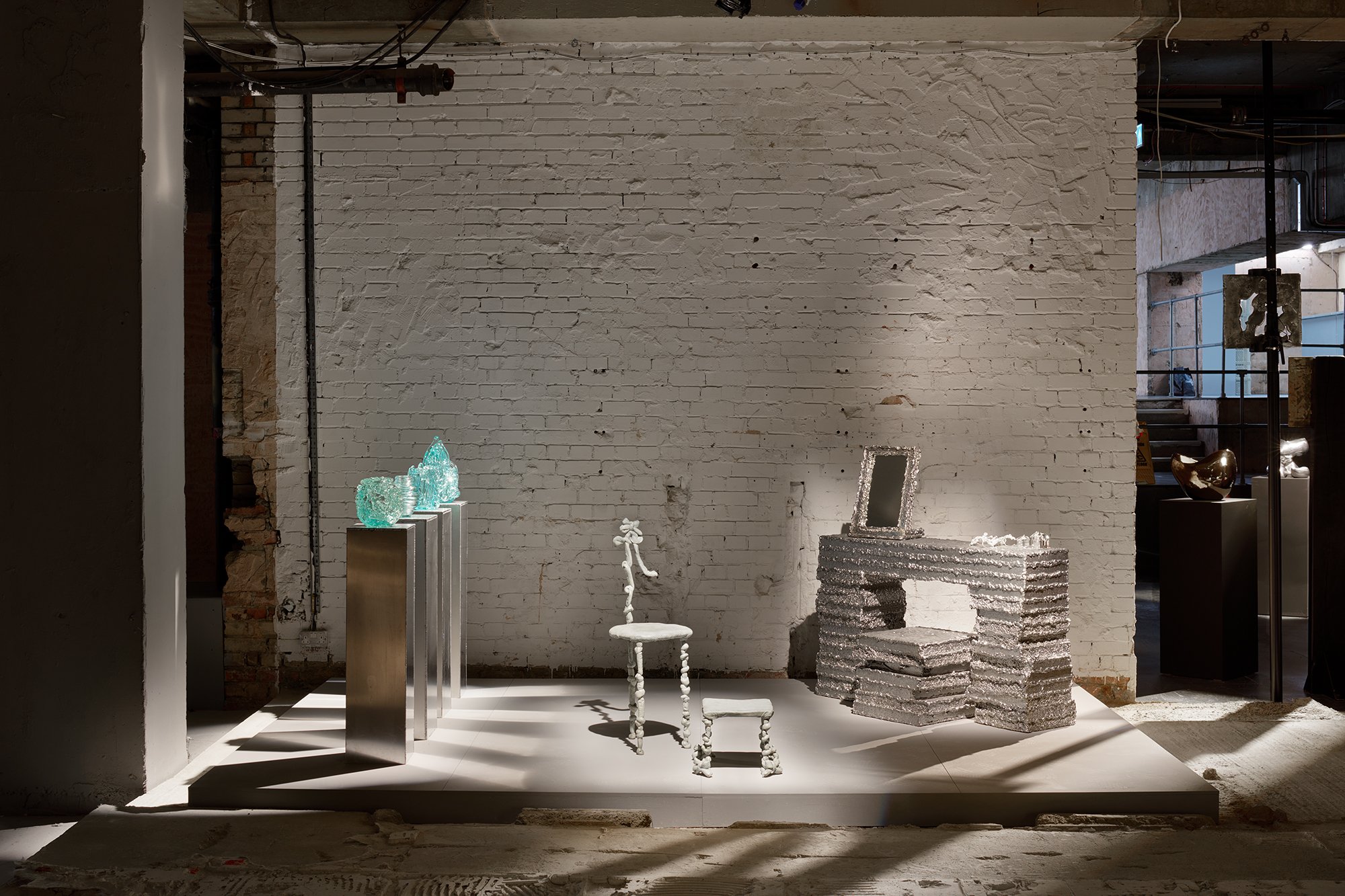

The building itself does much of the work. Its raw, industrial character, largely untouched, feels aligned with the proposition. This is not about polished retail environments or predictable installations. Instead, it evokes the kind of spatial tension that London does so well. Historic yet immediate. Structured yet fluid.
The programme, curated in partnership with creative director Juliana Salazar, brings together a considered mix of voices, some established, others emerging, all contributing to a wider dialogue.
Names like Samuel Ross, whose practice consistently interrogates the boundaries of design and social commentary, sit alongside the refined material explorations of Marcin Rusak. Nearby, Completedworks offers its signature balance of sculptural form and wearable function, while Jobe Burns brings an almost archetypal sensibility through craft.


There is also a strong sense of geography collapsing inwards.
Berlin, Paris, Seoul, Melbourne, Los Angeles and London all coexist within the same footprint. Illya Goldman Gubin’s work speaks across disciplines, while Nara Lee navigates art and design through a distinctly global lens. Telepathic Instruments, founded by Kevin Parker, introduces a sonic dimension, a reminder that sound, too, is spatial, experiential and deeply design-led.
Yet, despite the international reach, London remains the anchor.
Through PLATFORM:, Basic.Space’s dedicated art initiative, the city is given a more explicit voice. Galleries such as Nicoletti and Albion Jeune contribute to a curated exhibition that reflects the current creative pulse of the capital.

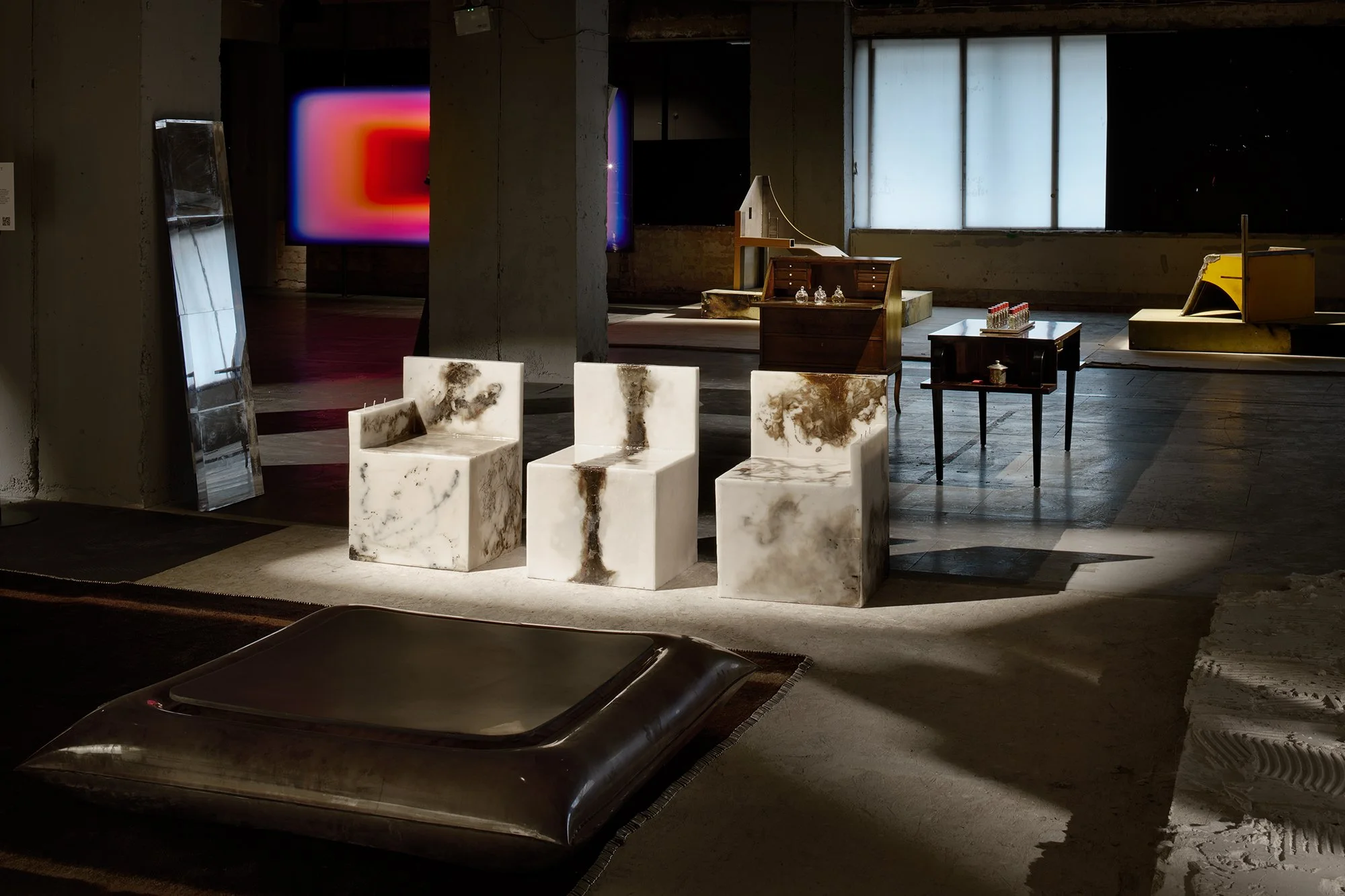
It is here that the event begins to feel less like a showcase and more like a cross-section.
A momentary snapshot of where contemporary culture sits. Not fixed, not definitive, but indicative.
Perhaps what feels most compelling is the absence of hierarchy. Furniture, objects, artworks, garments and sonic experiments exist side by side, resisting categorisation. A Rick Owens piece presented by Carpenters Workshop Gallery carries the same conceptual weight as a jewellery object by Completedworks or a spatial intervention by a young gallerist.
This flattening is deliberate. It reflects a shift in how we engage with design more broadly. Less about discipline, more about dialogue.

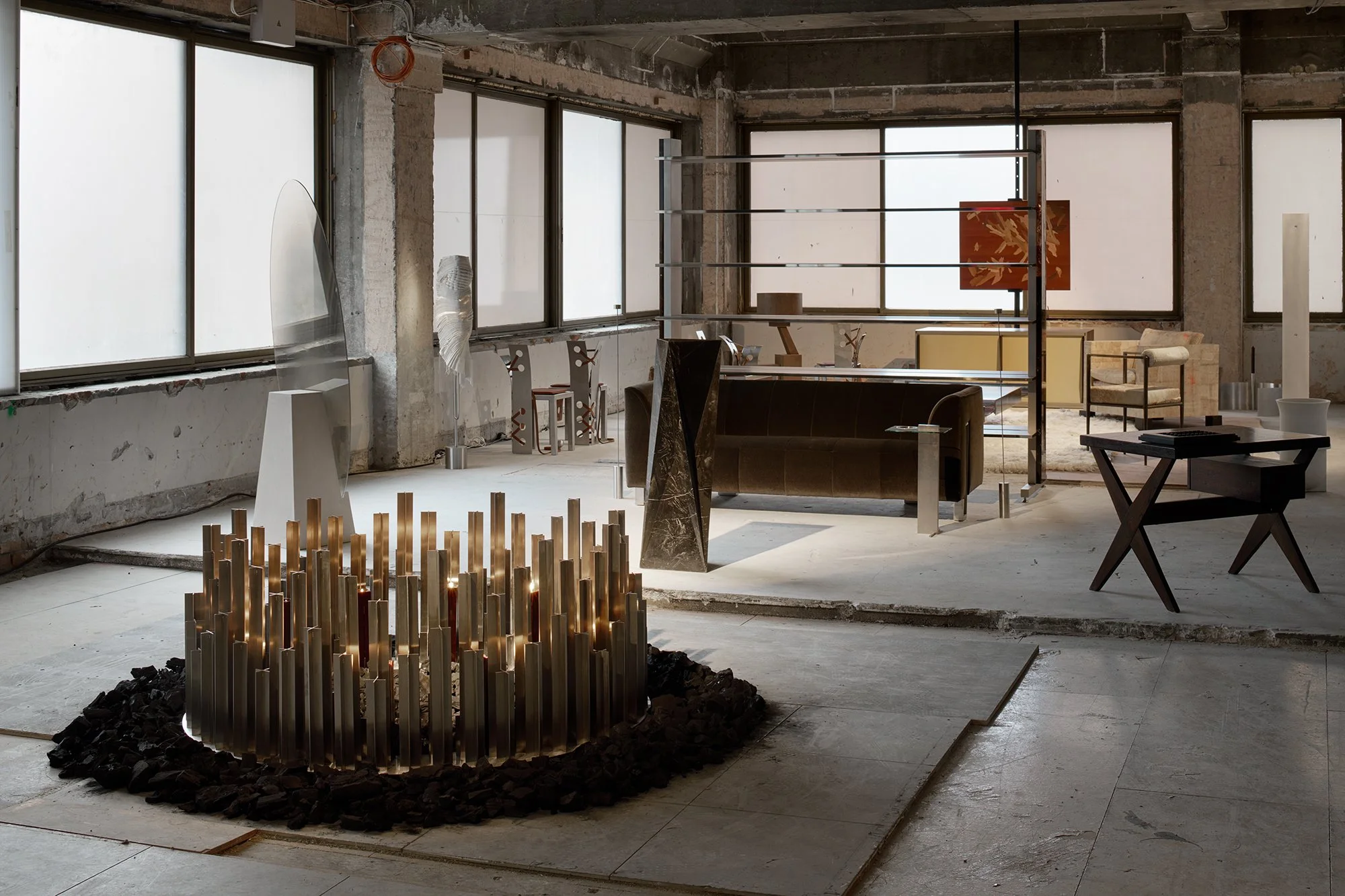
Basic.Space, at its core, has always been about discovery. Its founder, Jesse Lee, speaks of London as a breeding ground for the very kind of cross-pollination the platform champions, and the sentiment feels accurate.
There is a rhythm to the city that supports this kind of exchange. A willingness to absorb influences, reinterpret them and project something new.
Walking through the event, you begin to notice how these connections form. Not in obvious ways, but through material, tone, or intent. A shared sensibility emerges, even when the outputs are entirely different.


And perhaps that is the real success of this moment.
Not that it brings together a roster of notable names, but that it creates the conditions for something unscripted to happen. Conversations that extend beyond the room. Collaborations that have yet to be imagined.
In a retail landscape that often prioritises immediacy and volume, Basic.Space offers a pause. An invitation to engage more slowly, more deliberately.
To look, rather than scroll.
To experience, rather than consume.
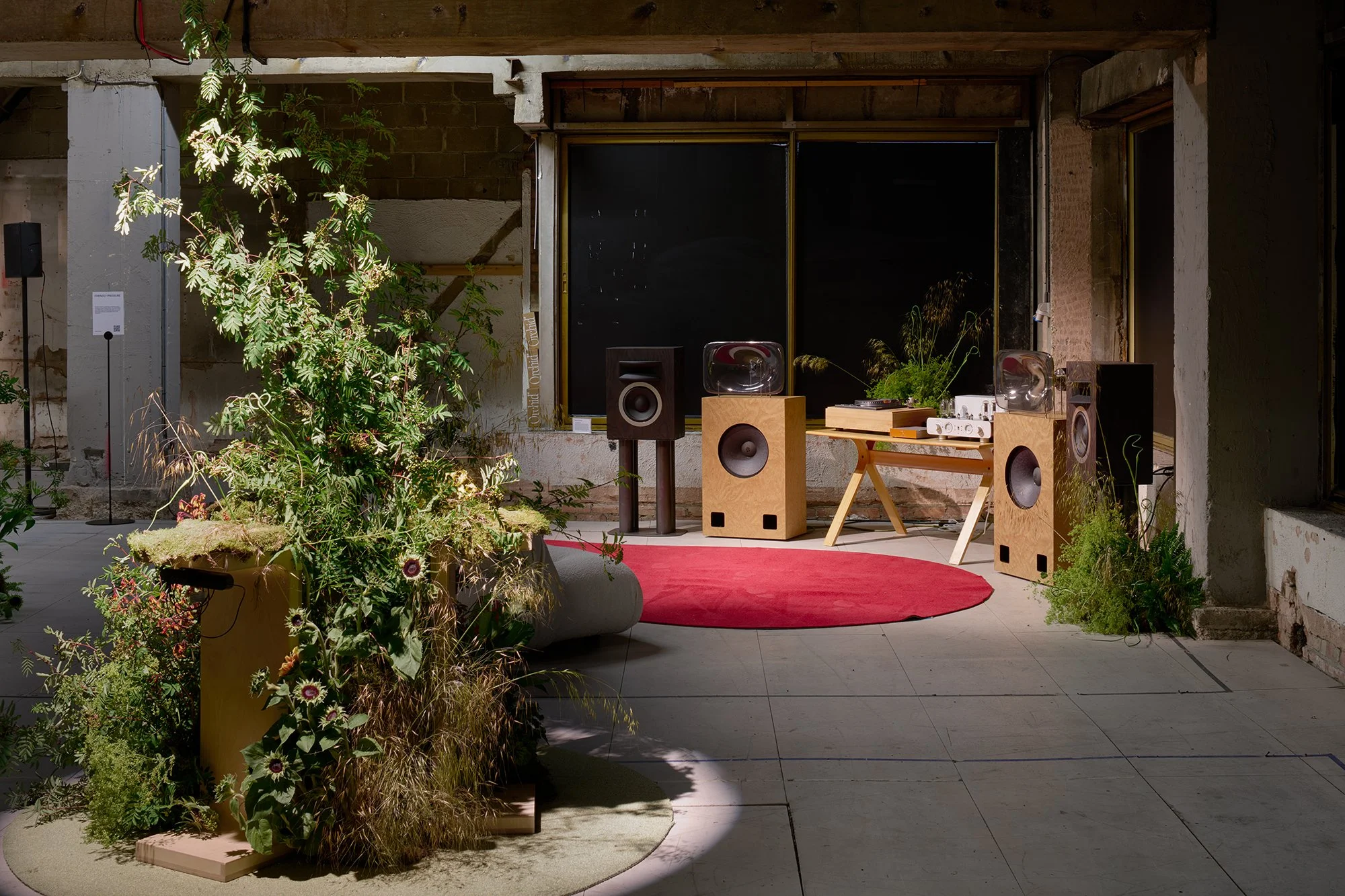

All photography: James Harris, courtesy of Basic.Space
As London continues to position itself at the forefront of global design conversation, events like this feel increasingly important. They remind us that cultural energy does not exist in isolation. It needs spaces, both physical and conceptual, in which to gather.
For one weekend in June, The Old Selfridges Hotel becomes precisely that.
A place where disciplines dissolve, boundaries blur, and discovery returns to something closer to instinct.
More Stories

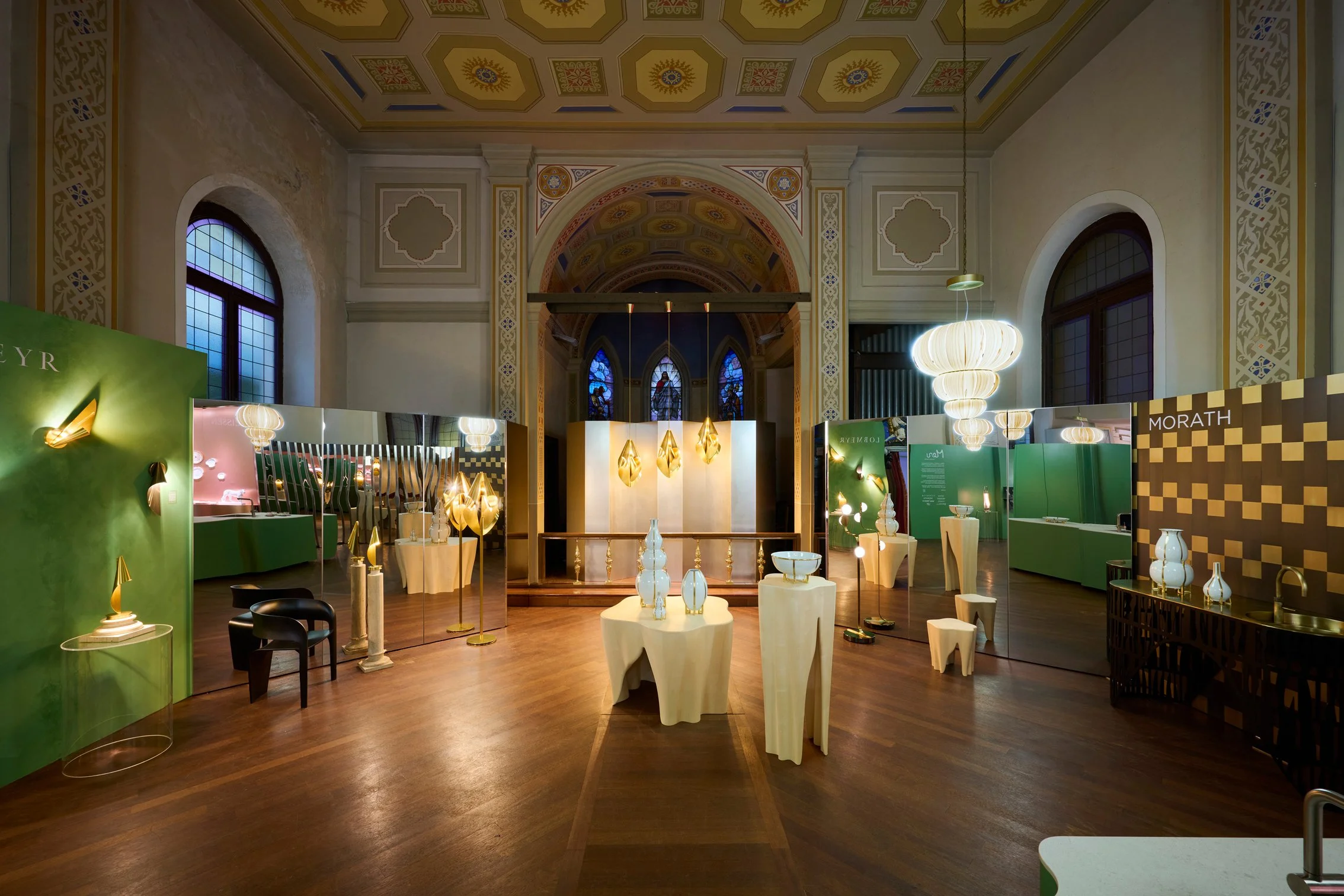
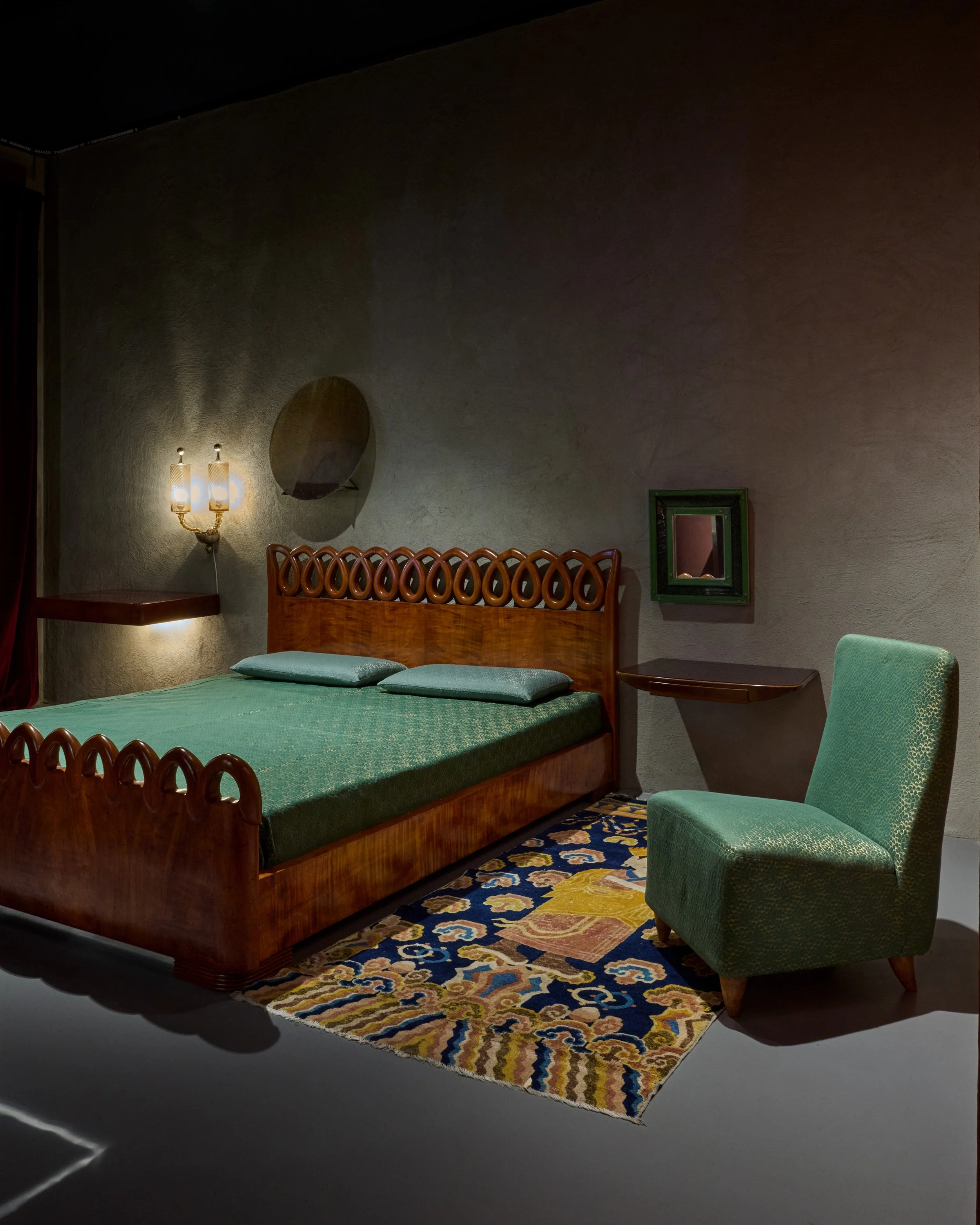
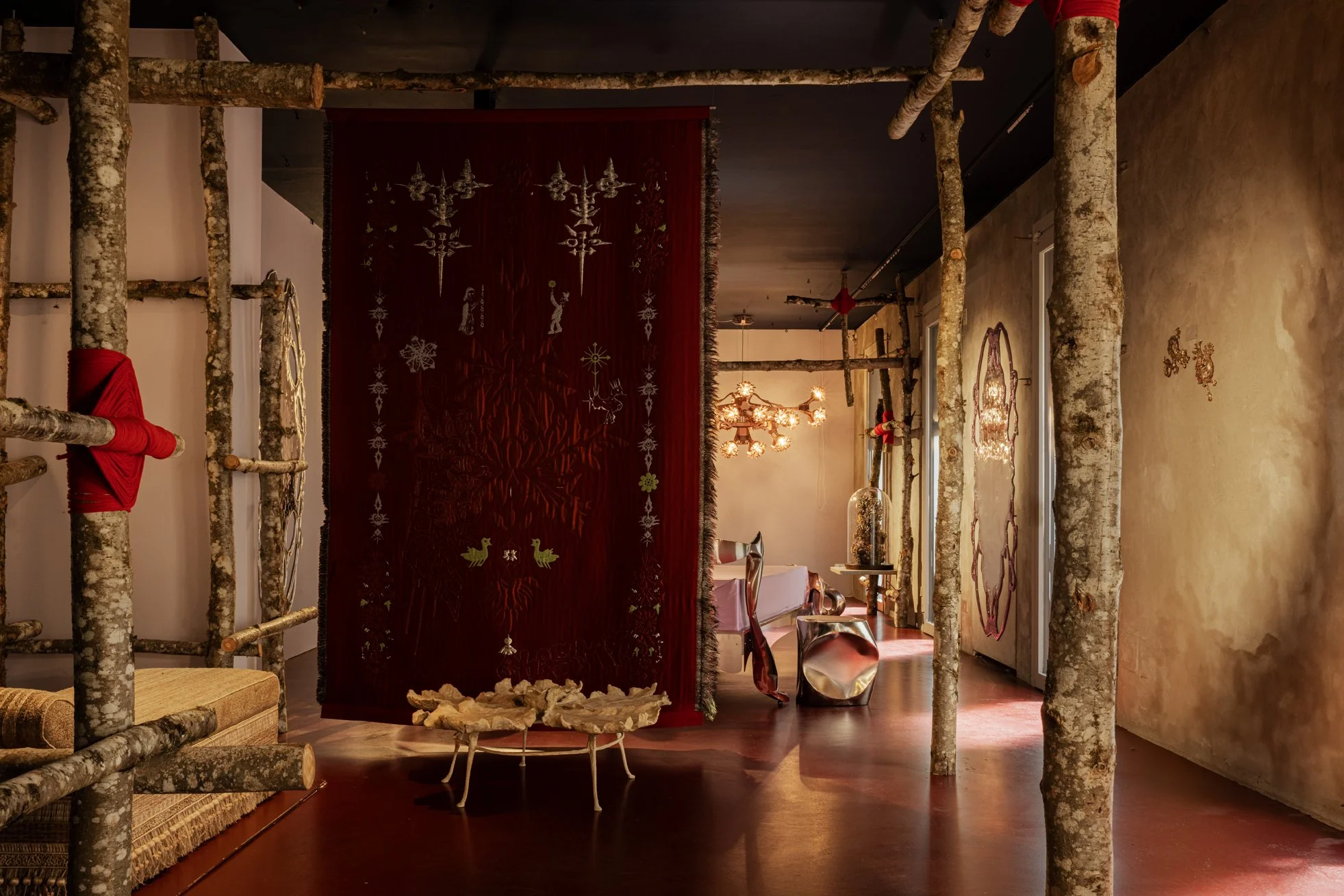
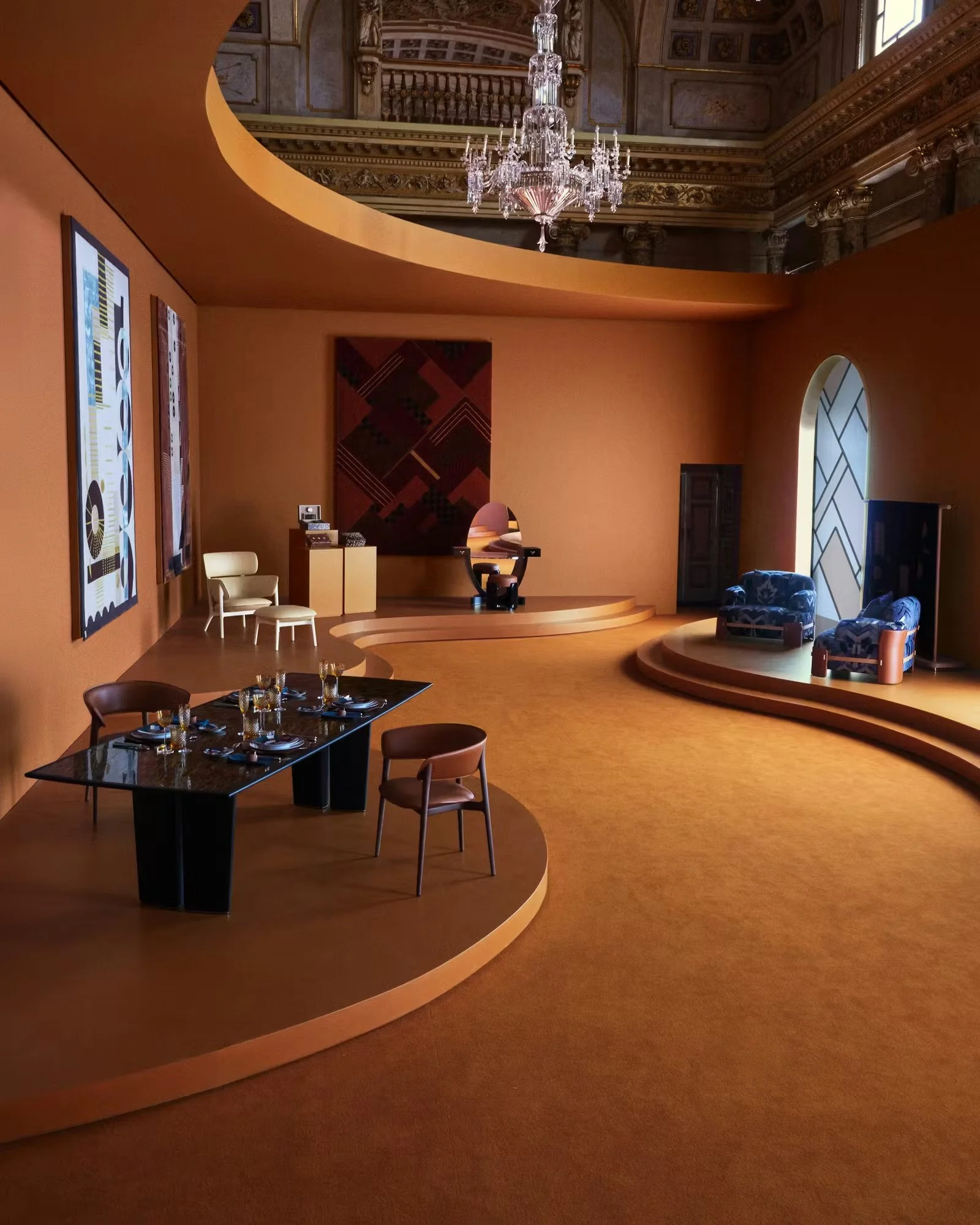
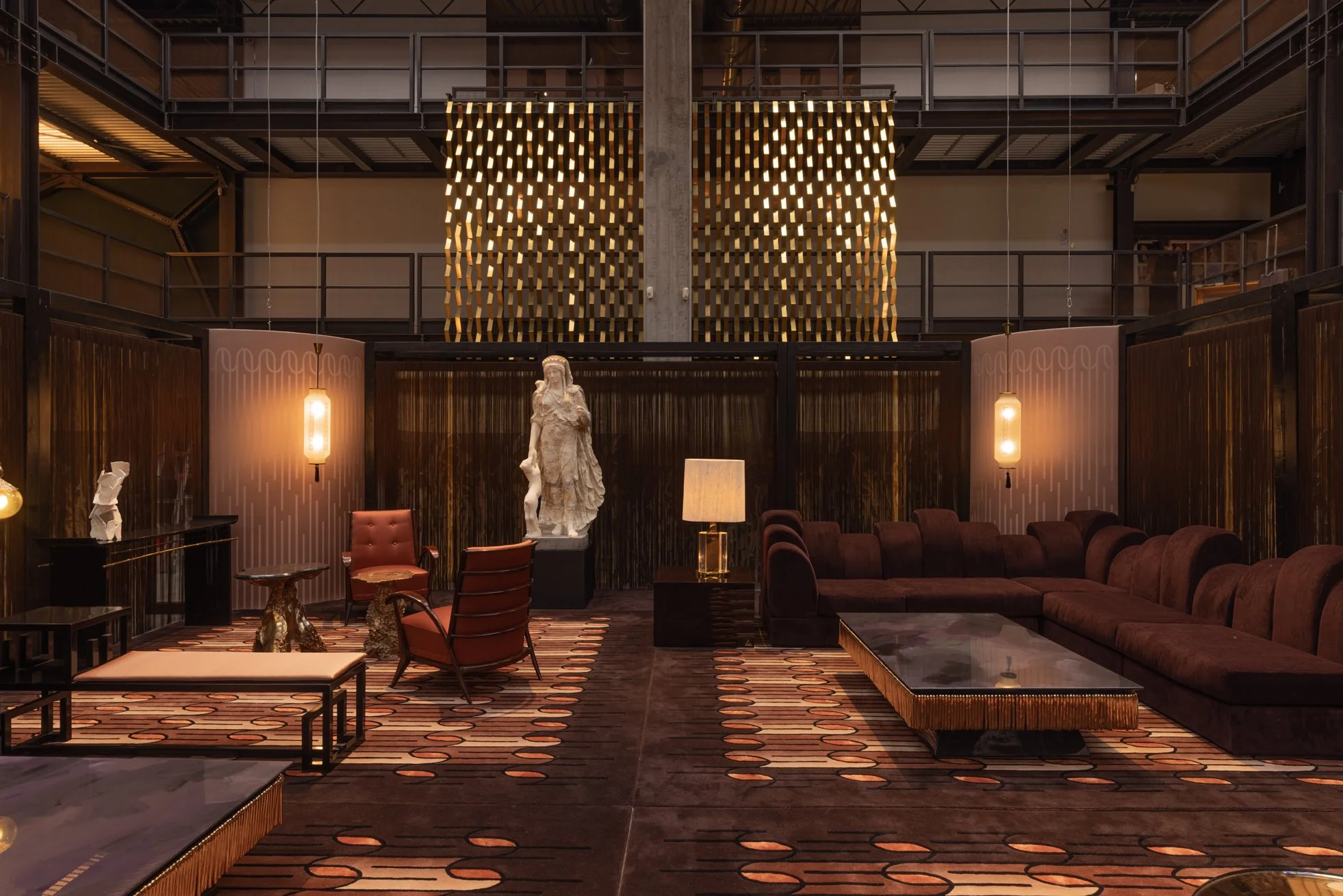
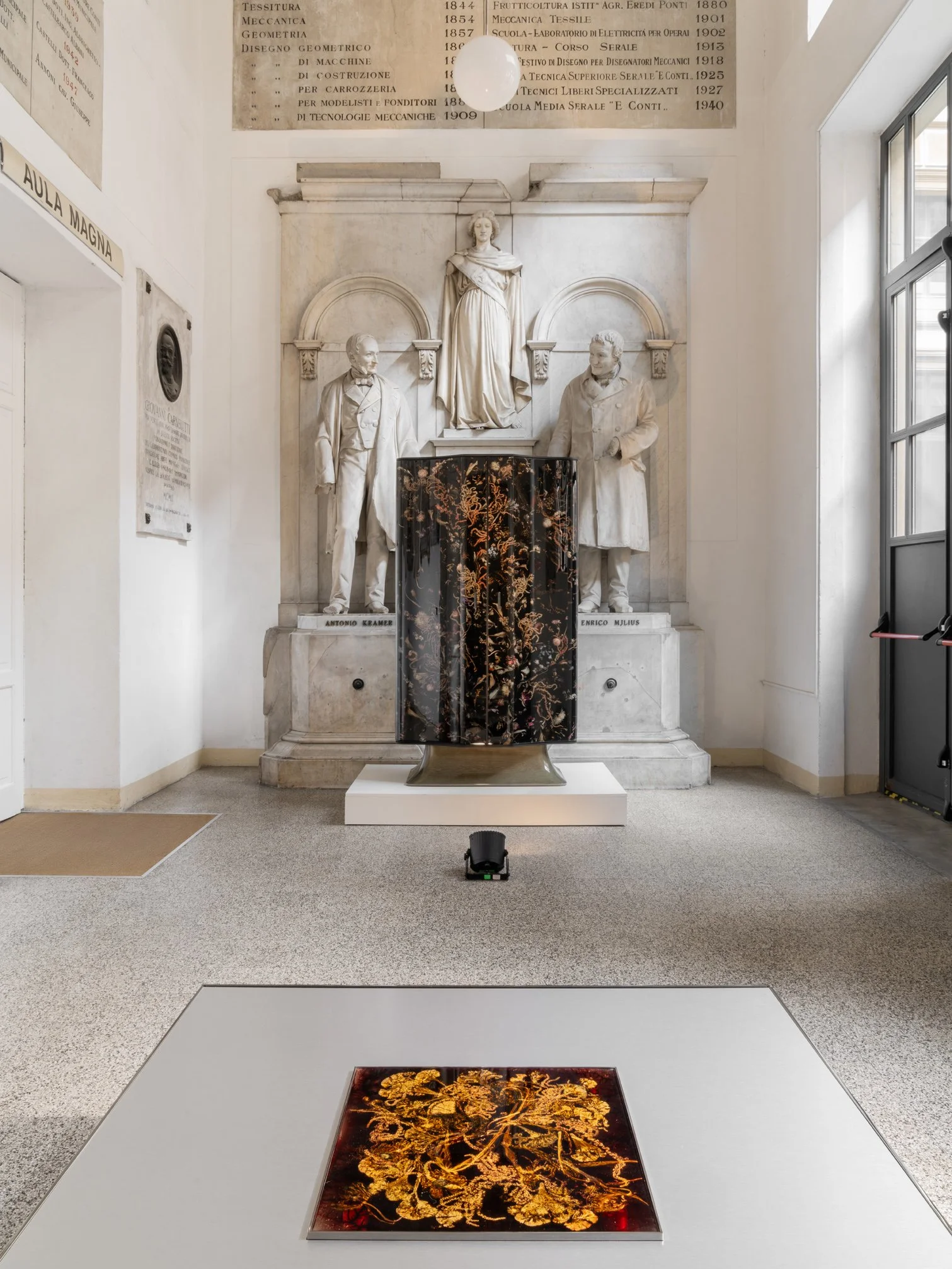
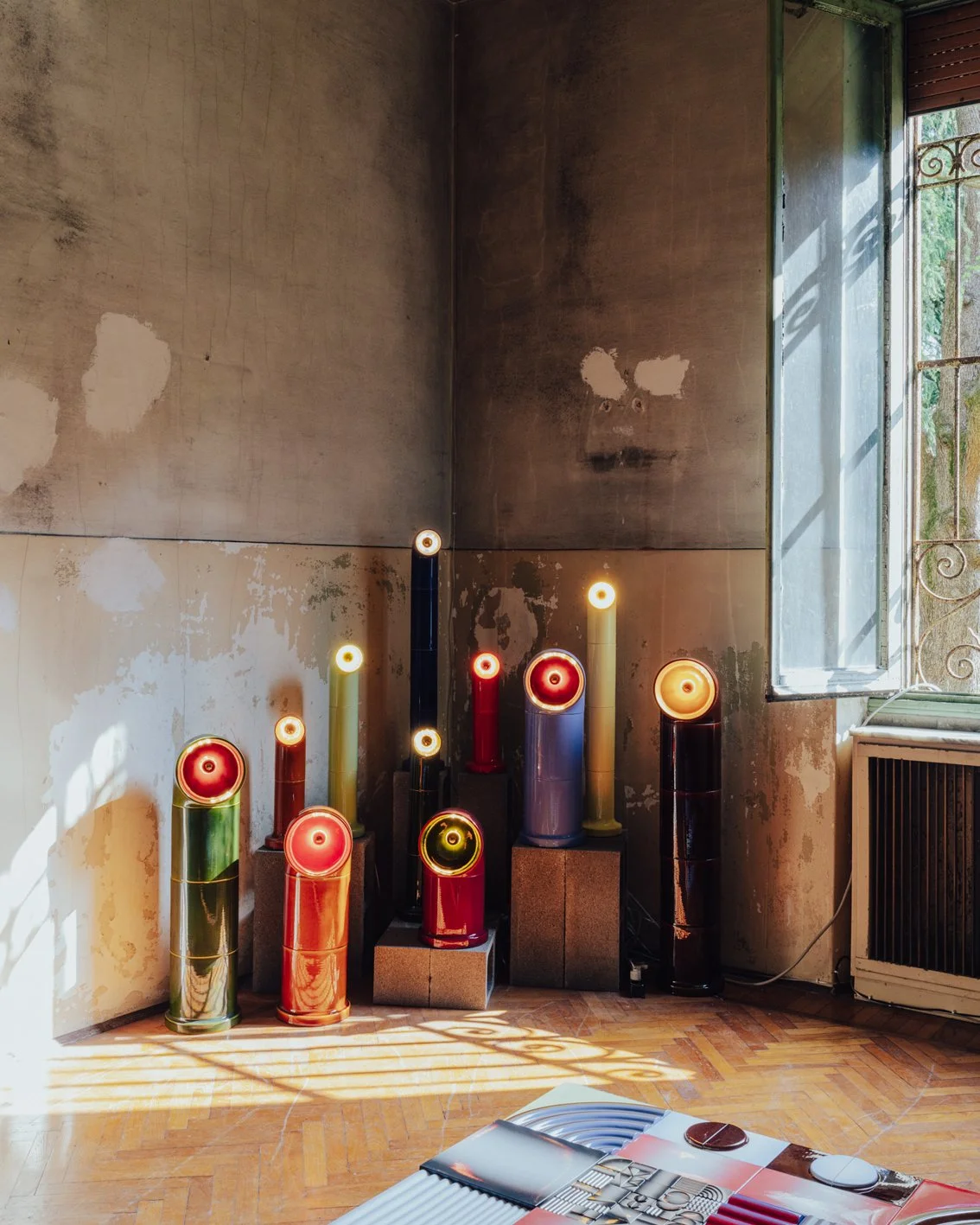

Basic.Space arrives in London, transforming The Old Selfridges Hotel into a layered design experience where art, fashion, and sound converge. A moment of discovery shaped by the city’s enduring creative energy.