
Tom Dixon at Milan Design Week 2026: Inside the Mua Mua Hotel
During Milan Design Week 2026, Tom Dixon did not simply present a new collection. He staged a lived experience.
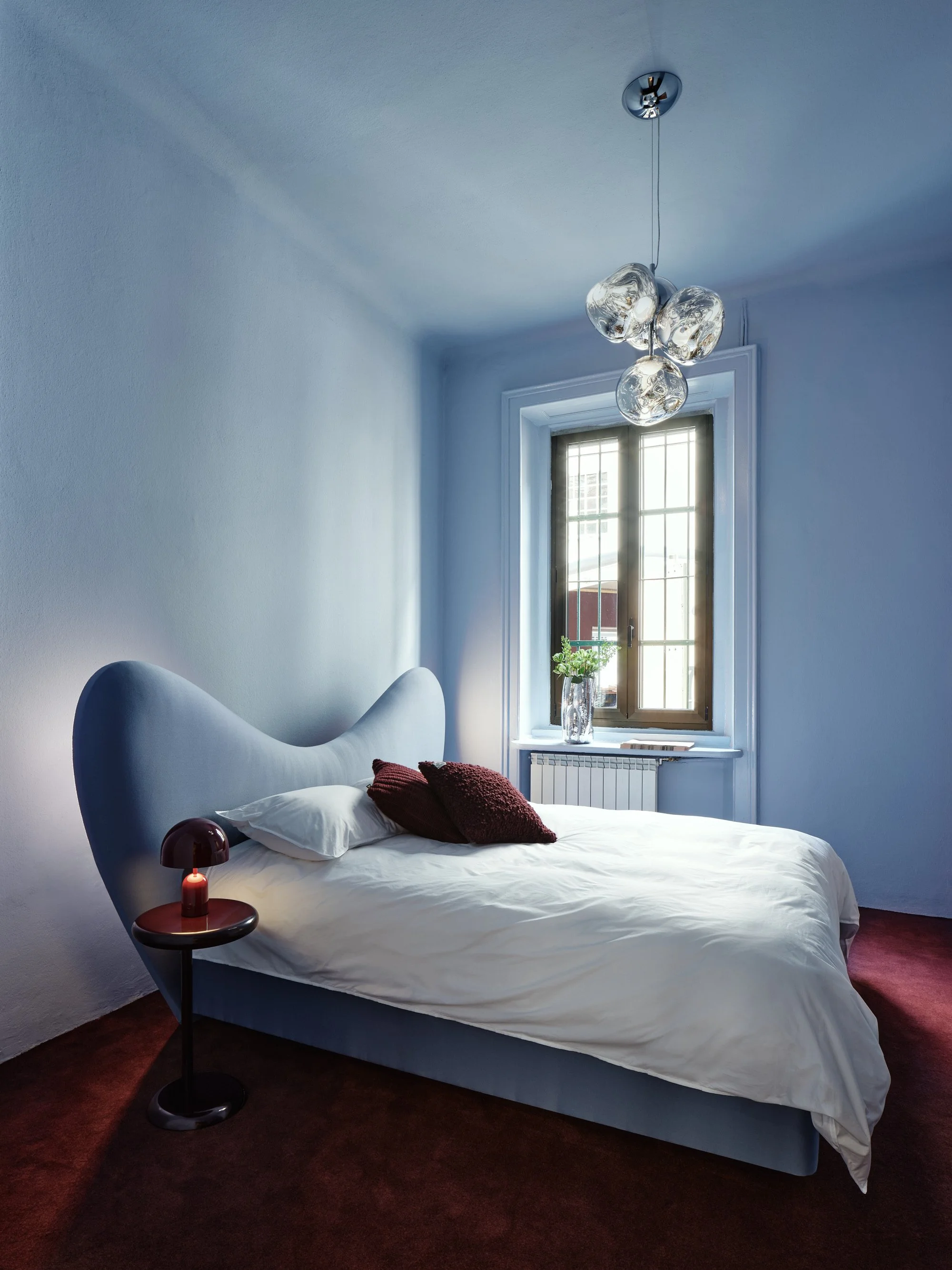
Rather than occupying a gallery or temporary pavilion, Dixon unveiled his AW26 collections inside the Mua Mua Hotel, a newly conceived twelve-room micro-hotel set within Milan’s historic Mulino Estate. The result was not an exhibition but a working, breathing interior; one designed to be inhabited, lingered within, and returned to.
This shift feels telling. For Dixon, Milan has long been a place to test alternatives to the conventional fair format. Museums, tunnels, cinemas, and monasteries have served as a backdrop in previous years. The hotel, however, feels like a culmination. It is the most domestic, the most human, and perhaps the most revealing stage yet for understanding how his work is meant to live.
A Hotel as a Design Argument
Located at Via Aosta 2, the Mua Mua Hotel occupies part of the Mulino Estate, originally designed in 1929 by Chiodi and Gio Ponti. Its architectural weight is palpable. Rather than overwrite this history, Design Research Studio, Tom Dixon’s interior architecture arm, responded with restraint, allowing the new interventions to sit within the existing fabric.
Each of the twelve rooms was conceived as a complete environment. Lighting, furniture, accessories, textiles and objects were not separated into categories but woven into daily rituals: sleeping, resting, working, eating, and meeting. This was a deliberate move away from the rhetoric of “newness” and towards something quieter—a sense of permanence.
The hotel is scheduled to open fully to the public after Milan Design Week, reinforcing Dixon’s broader ambition for longevity rather than spectacle. What debuted here was not a temporary installation but the foundation of a place designed to endure.
AW26: Material, Form, and Familiarity Reworked
Tom Dixon’s AW26 collection unfolded room by room. Lighting, furniture and accessories were introduced as part of lived-in scenes rather than isolated icons.
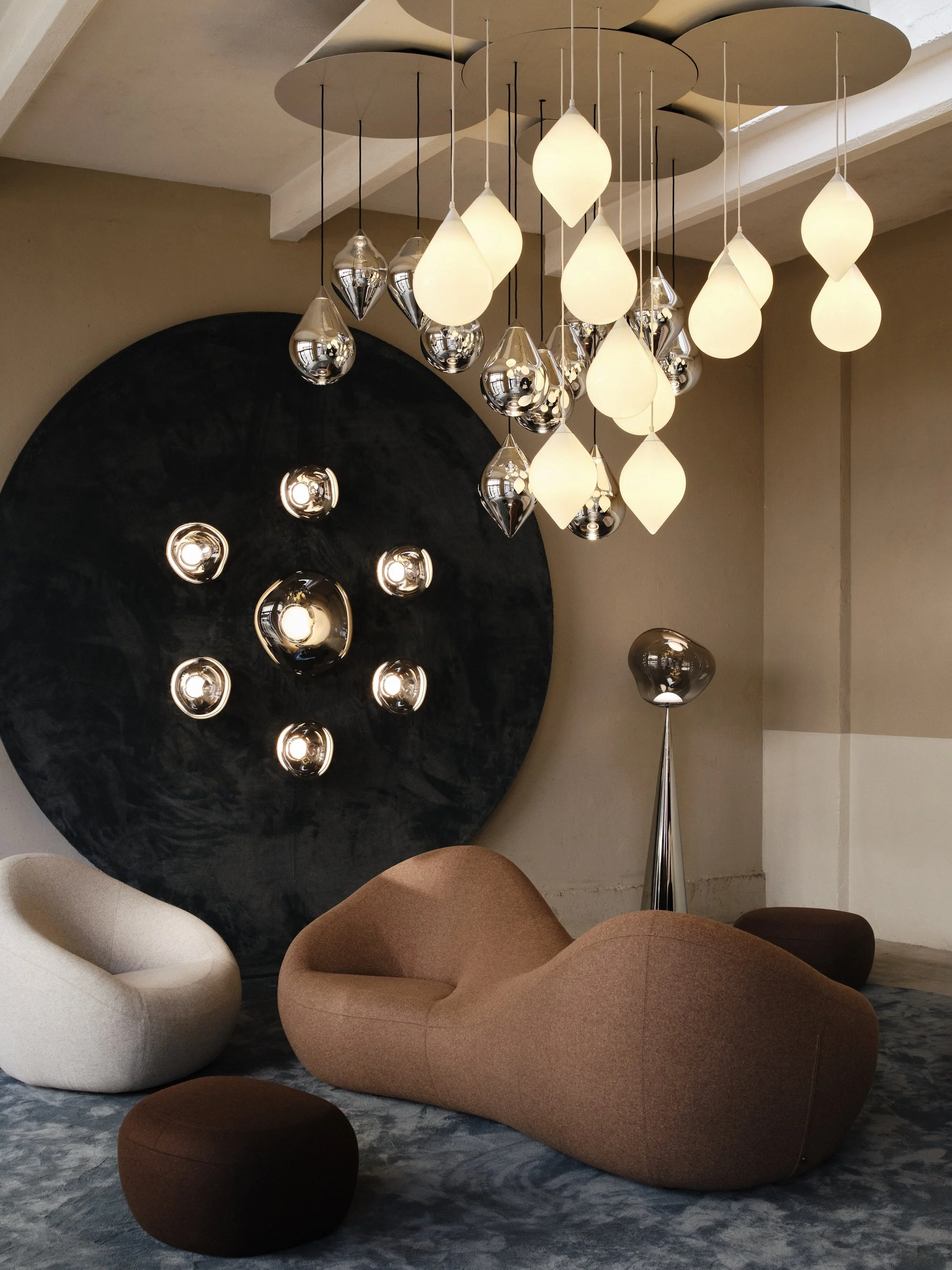
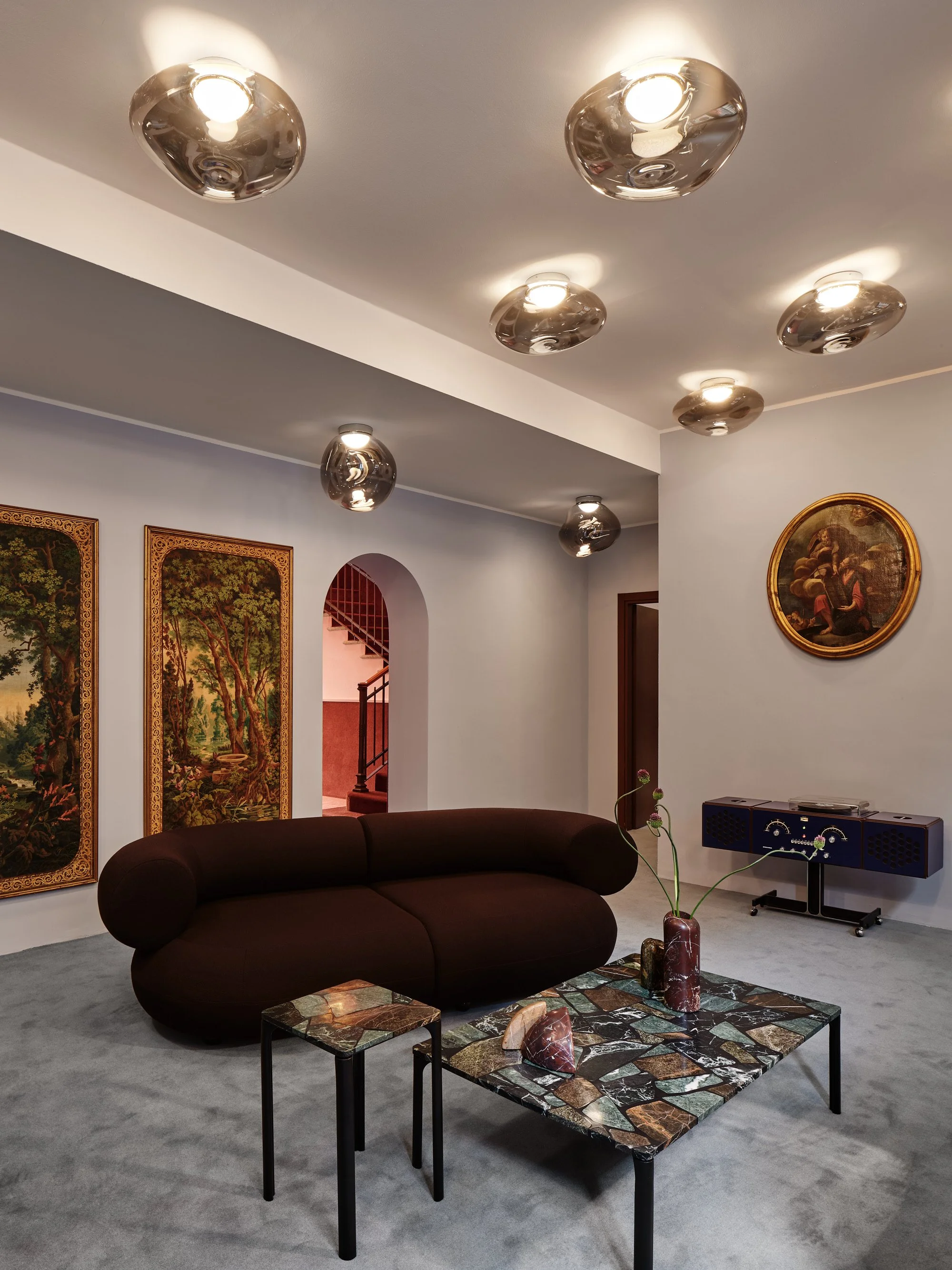
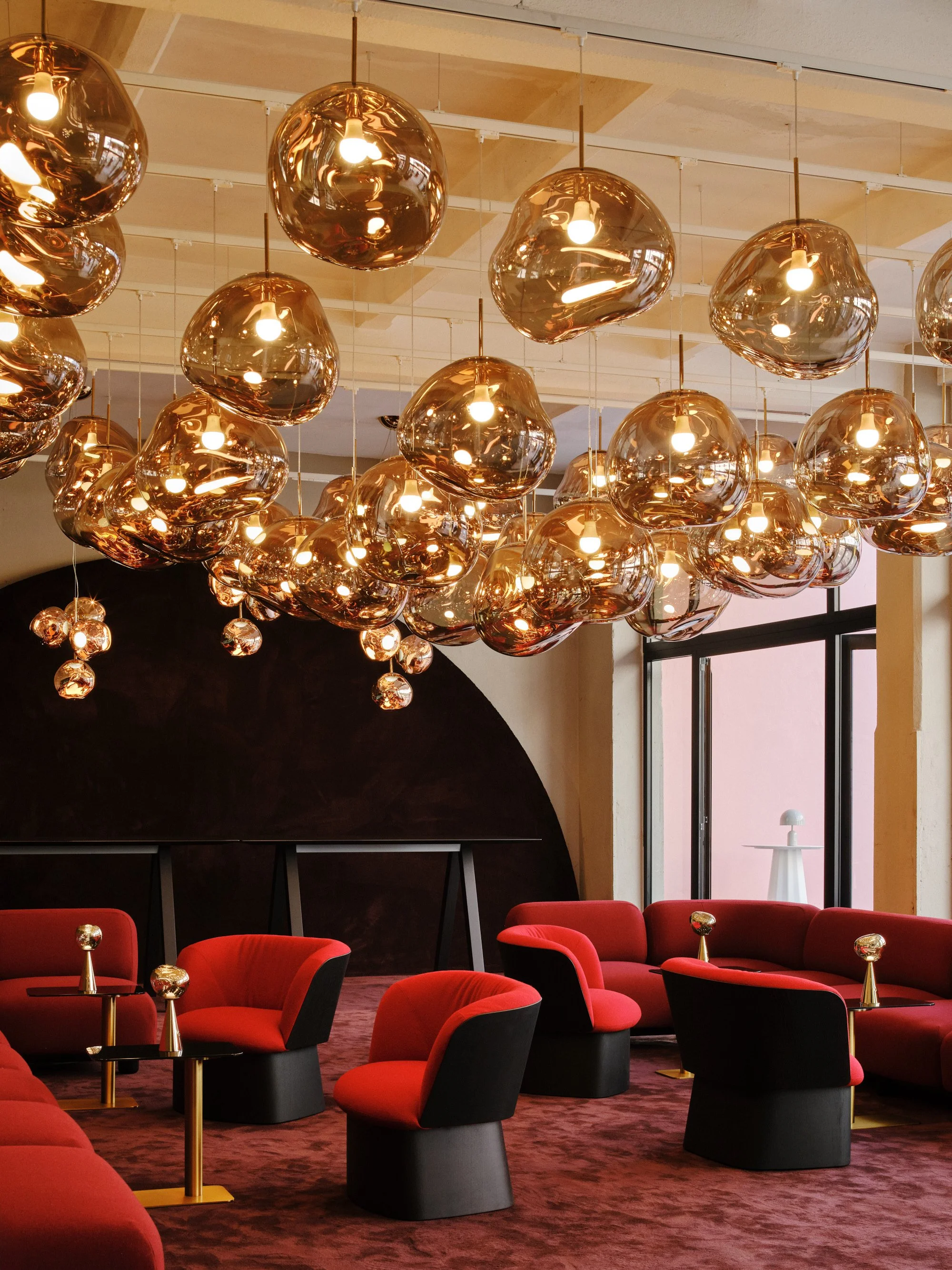
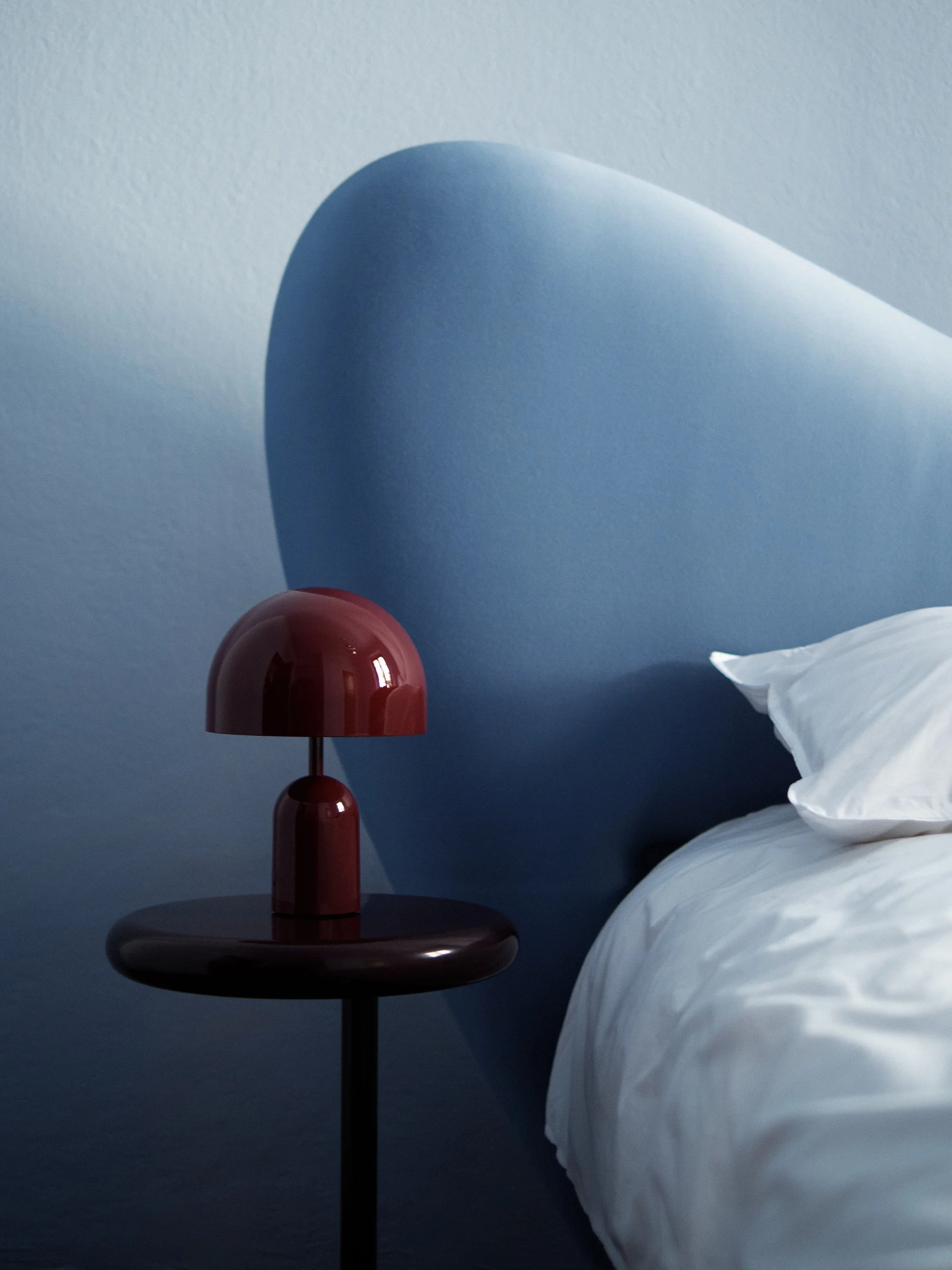
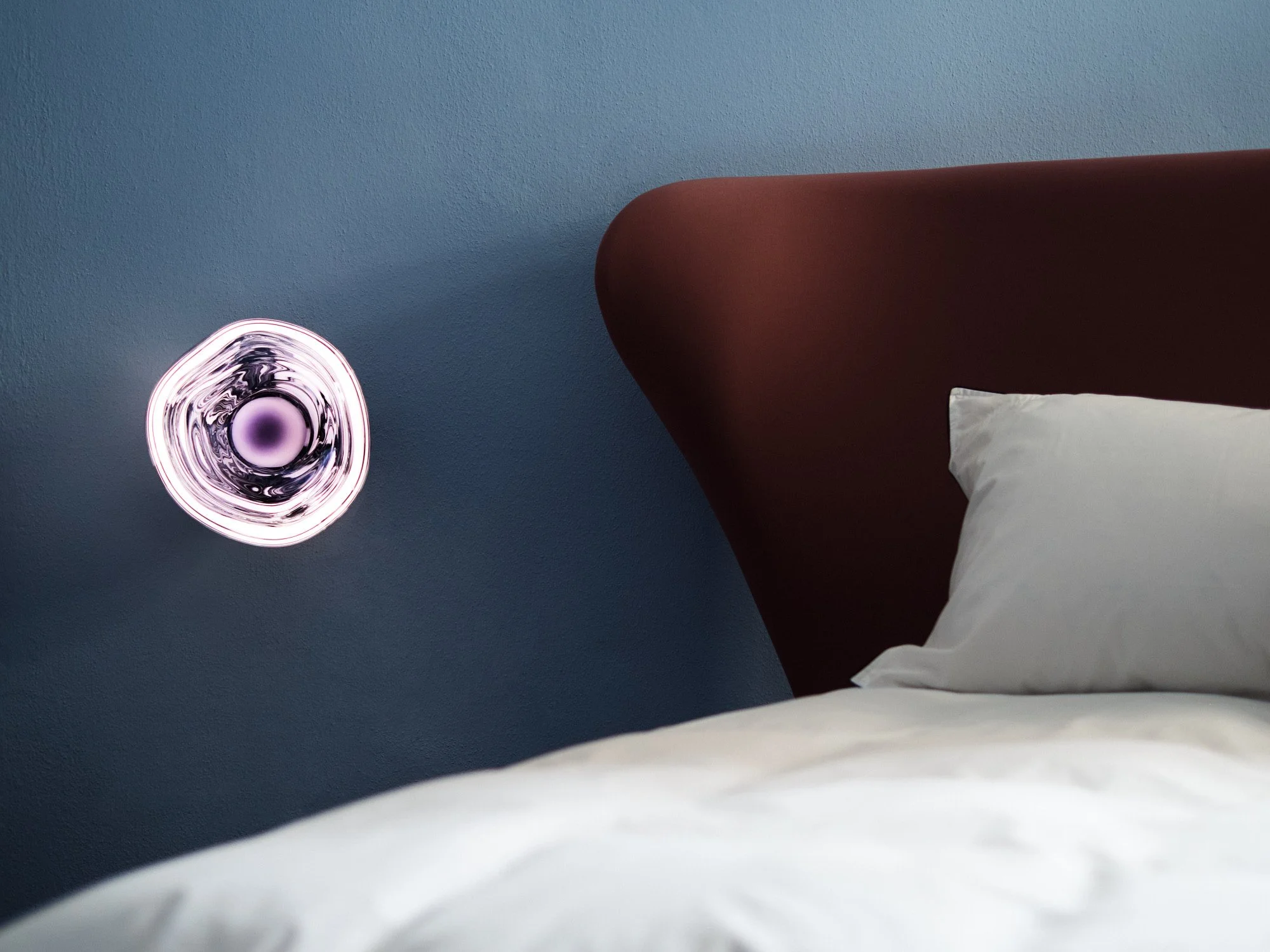
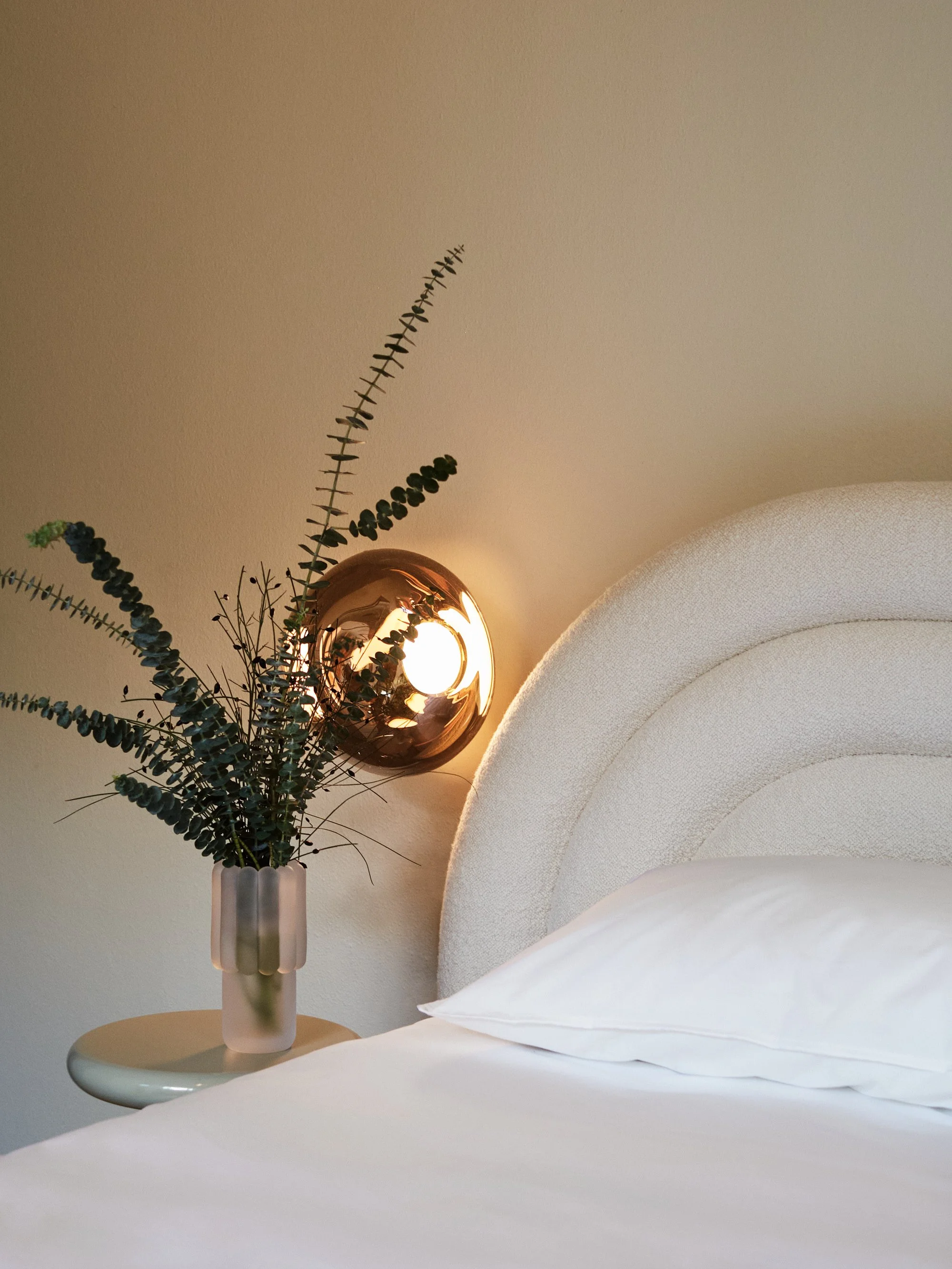
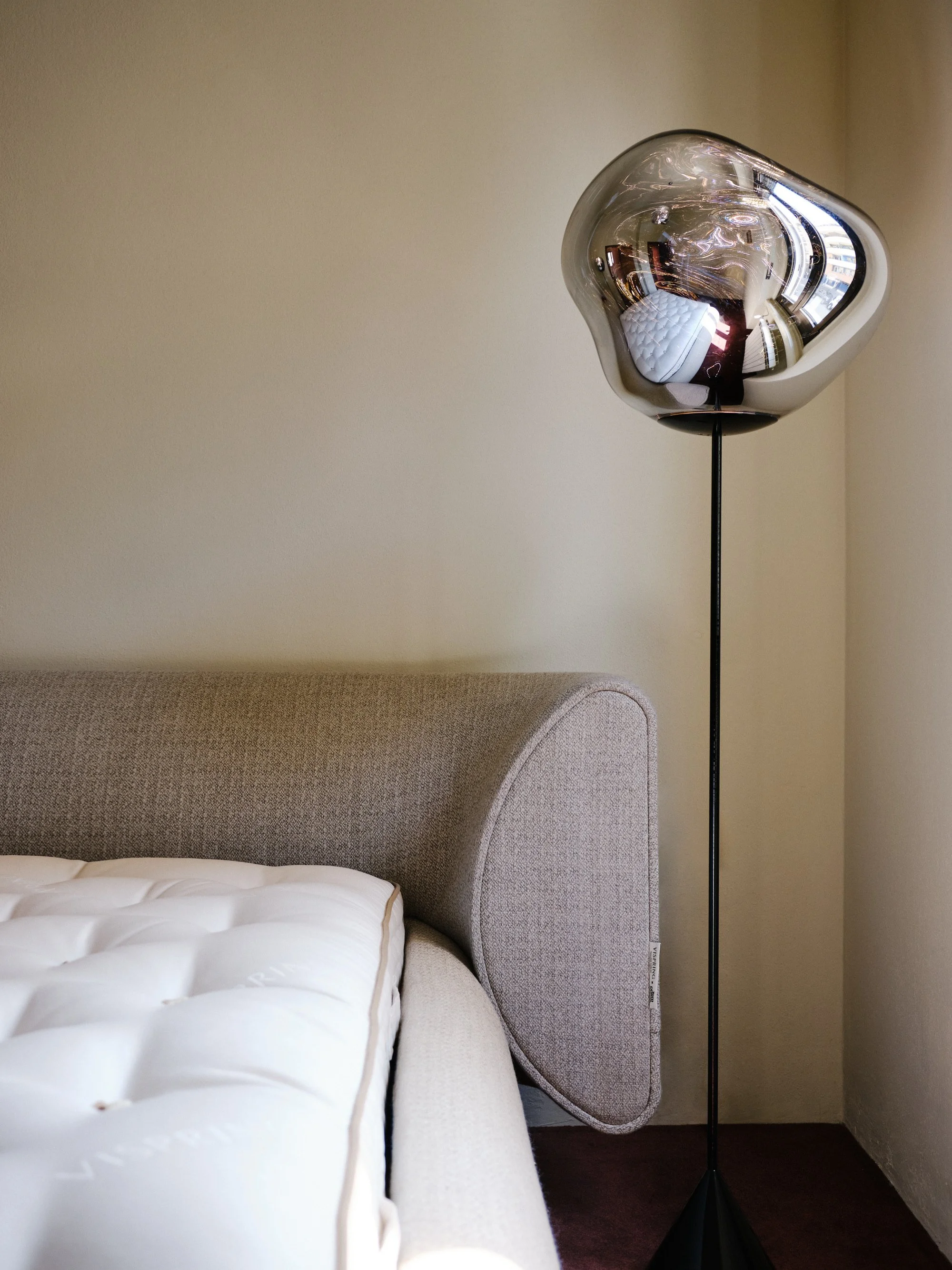
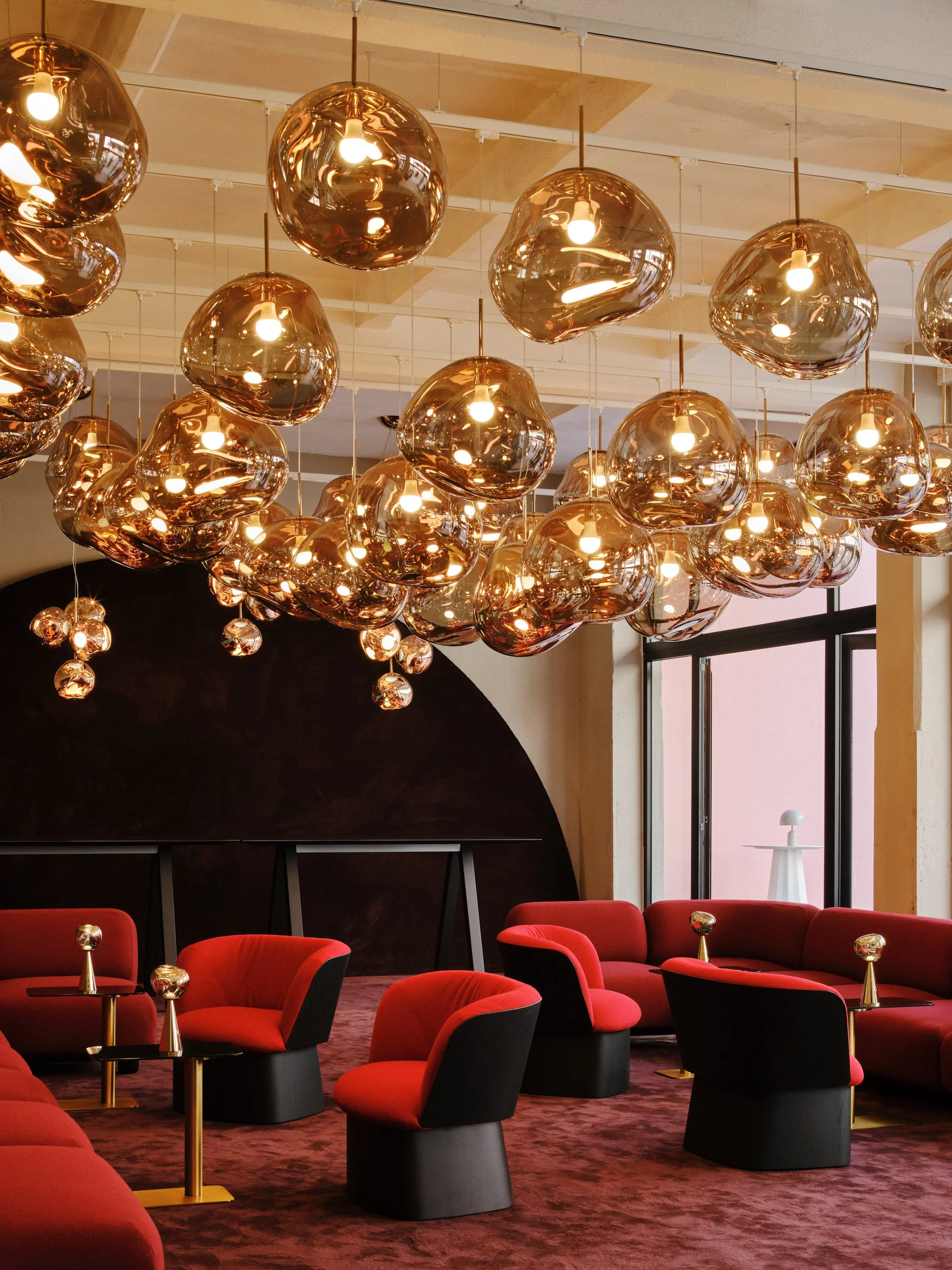
New pieces explored familiar Dixon themes: weight, reflection, tactility, yet softened by context. The FLARE lighting series introduced borosilicate glass in a form that felt lighter and more architectural. Existing families such as Melt were revisited with a nickel finish that shifted their presence, cool and industrial rather than molten and theatrical.
Furniture and objects played with mass and balance. Tables, marble forms, and cast-iron accessories anchored spaces, allowing lighting and softer materials to hover above. There was an emphasis on how pieces behave in use rather than on how they perform visually at first glance.
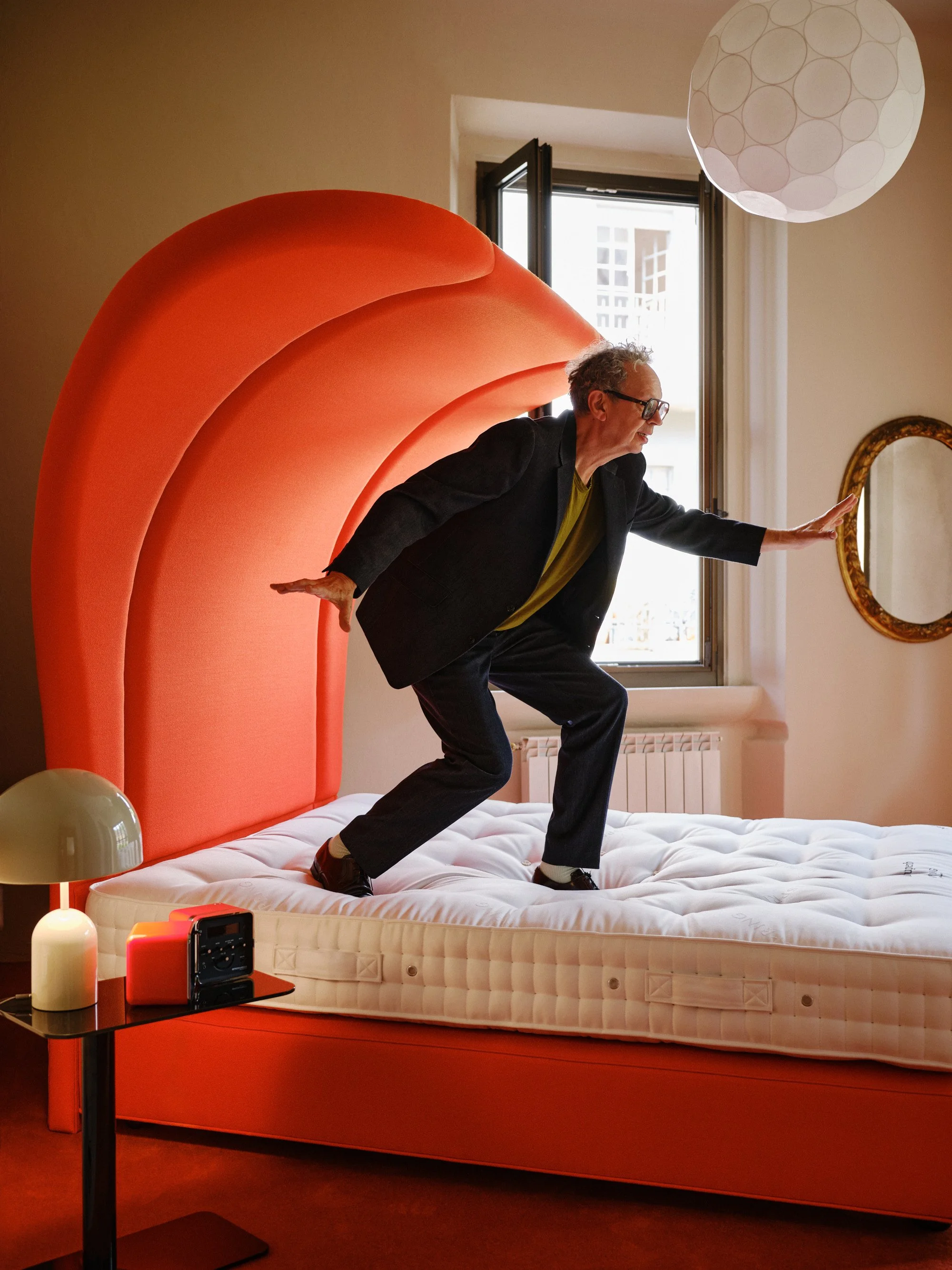
In bedrooms, the bed naturally became the anchor. Here, Dixon’s collaboration with Vispring came into sharp focus.
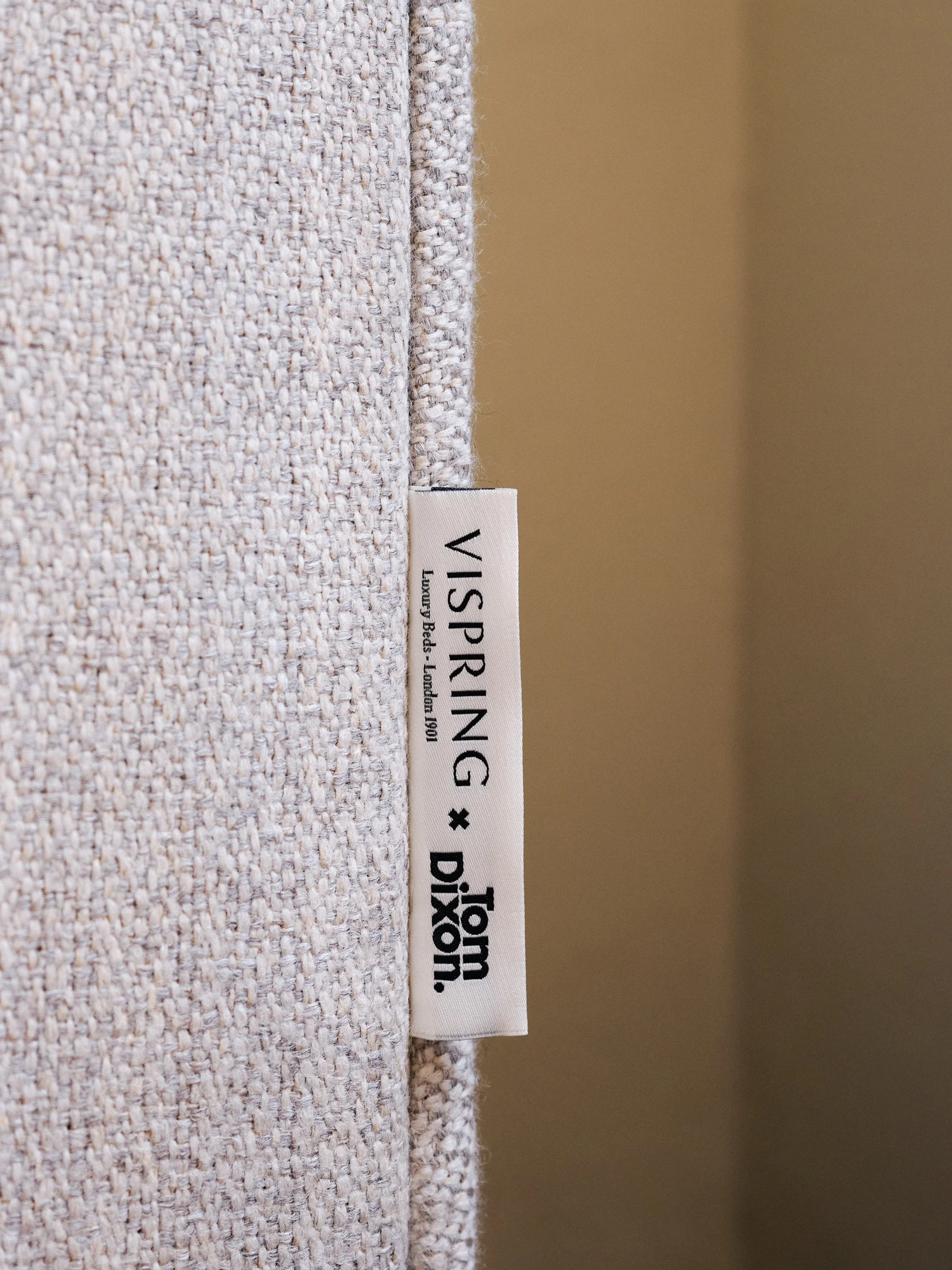
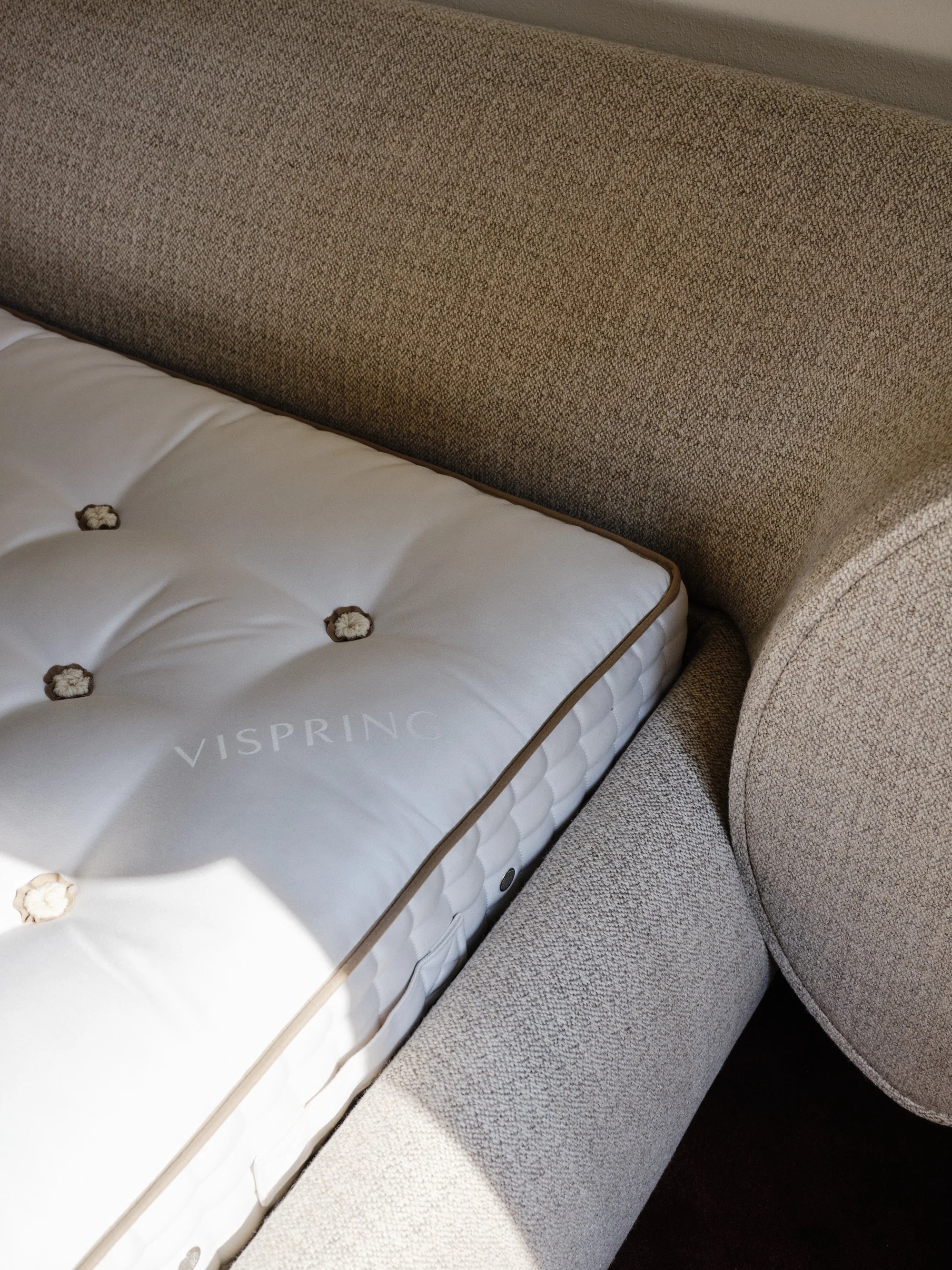
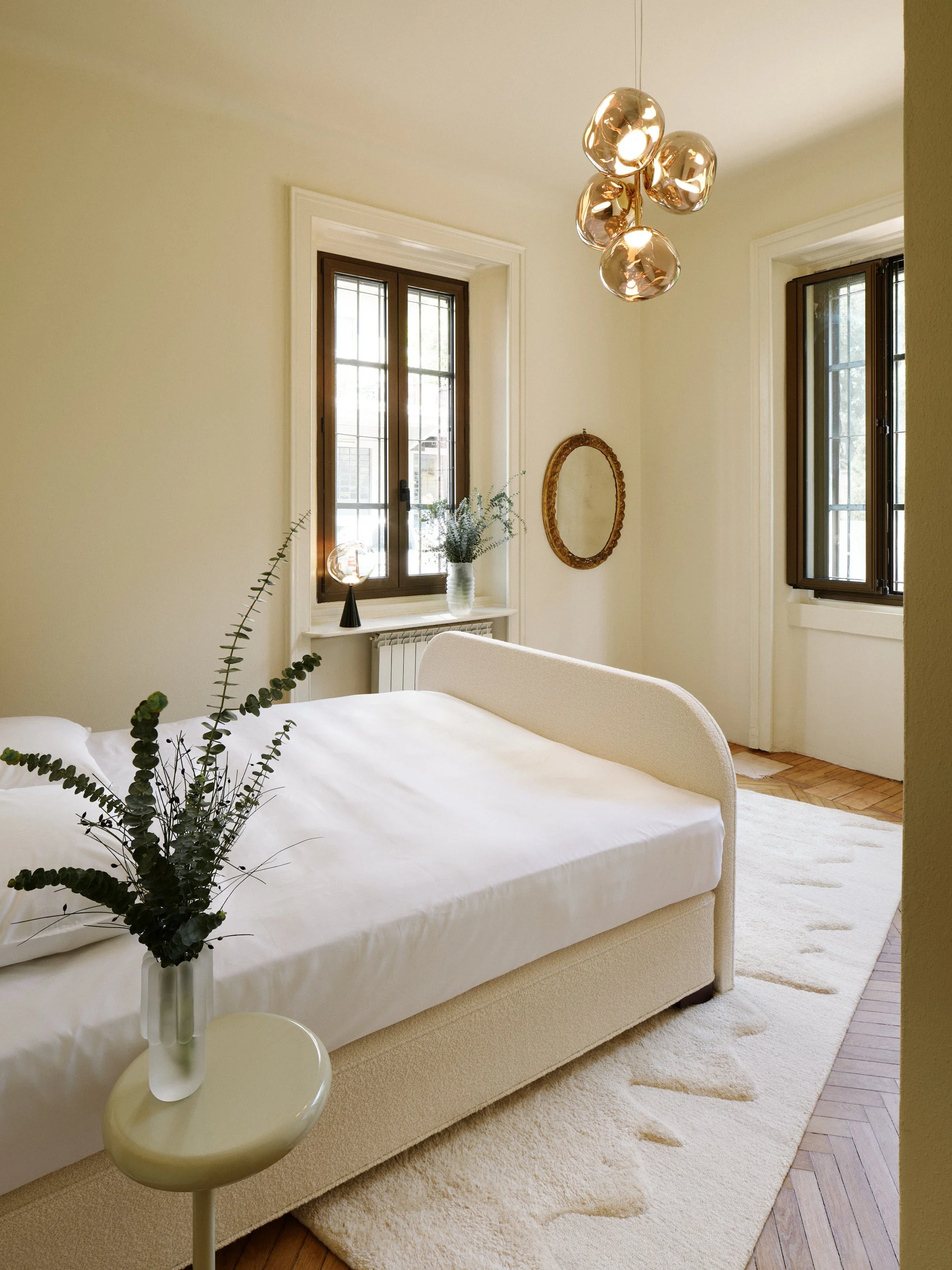
Tom Dixon and Vispring: Designing for Somnolence
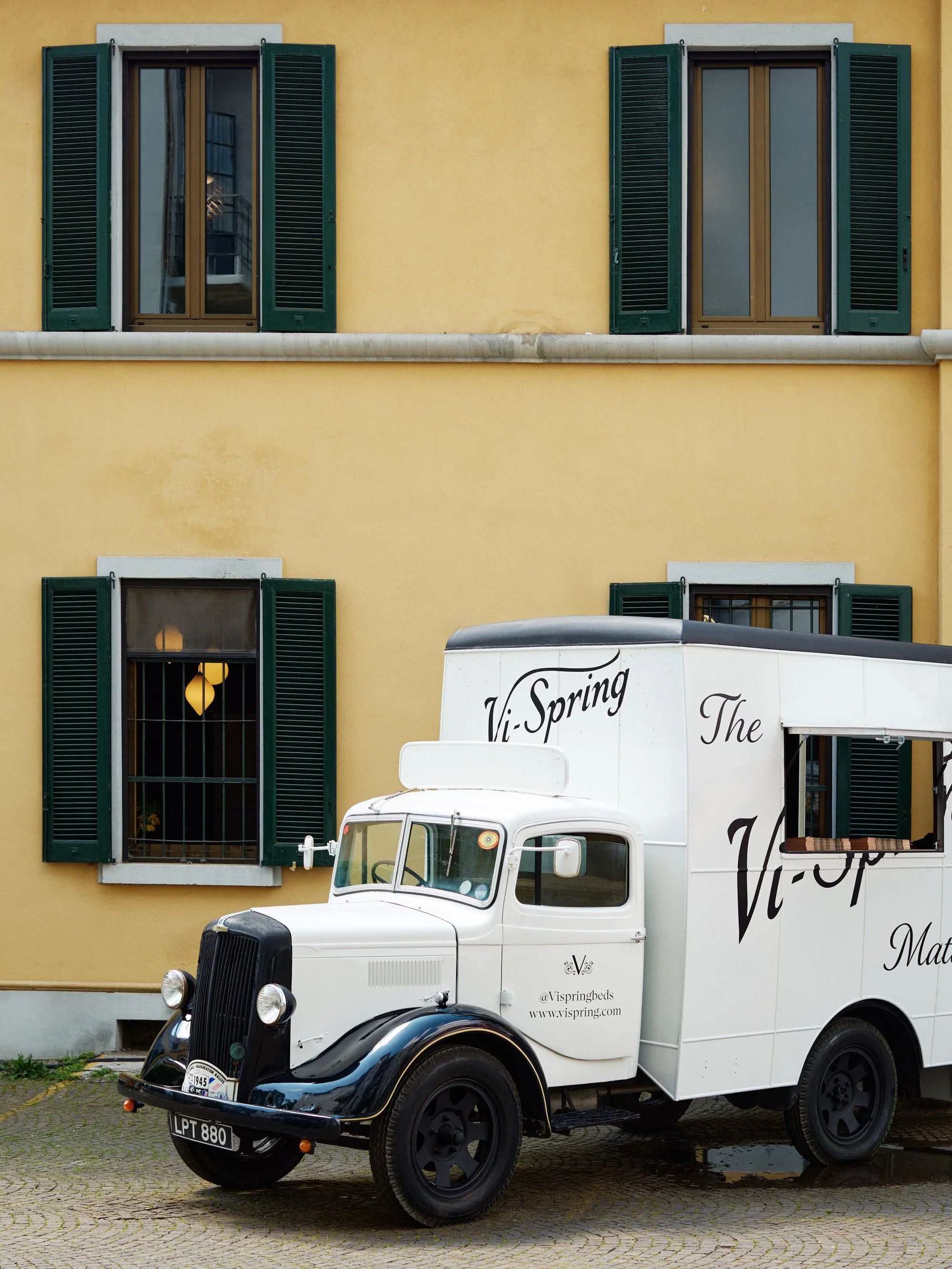
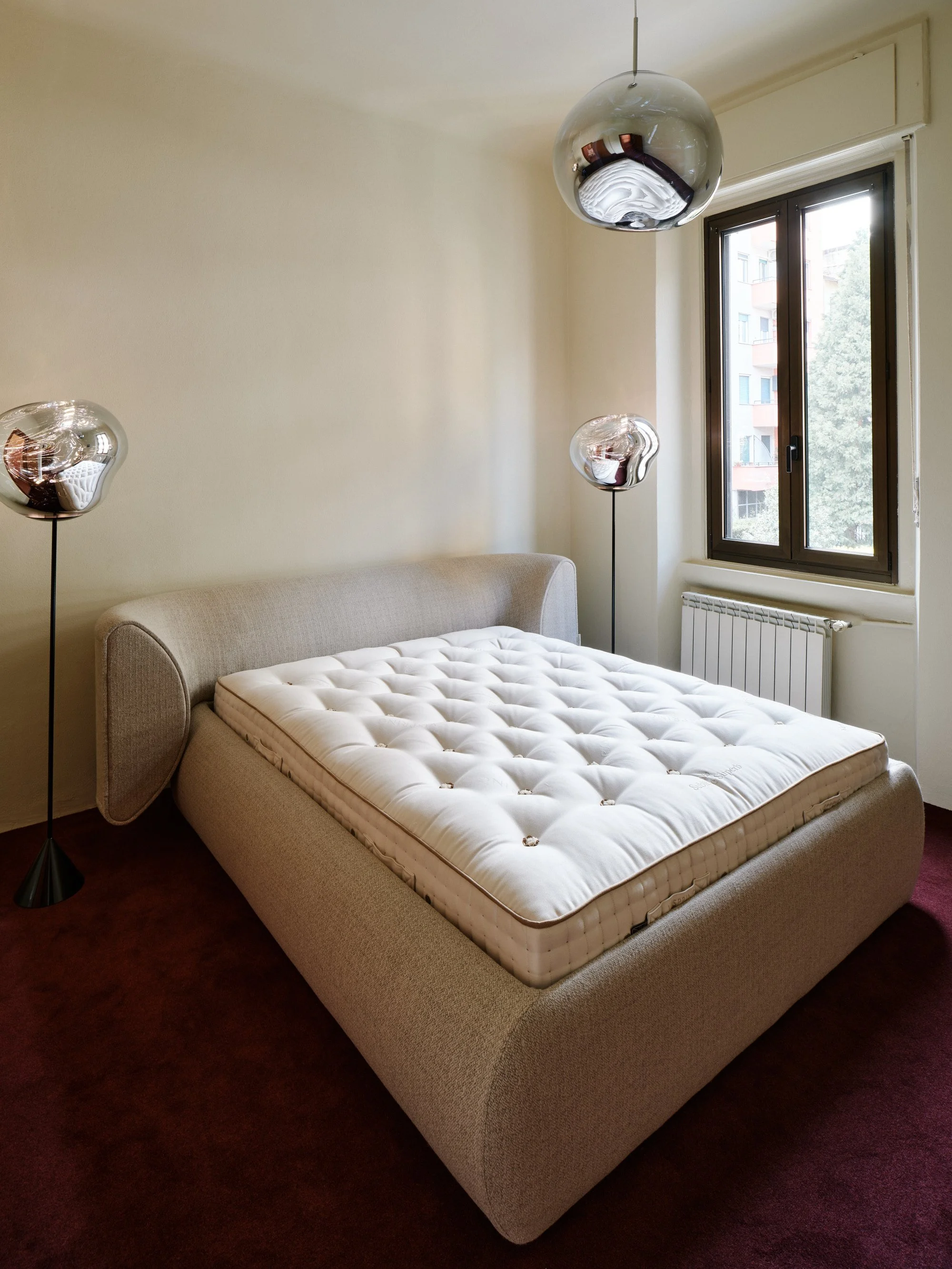
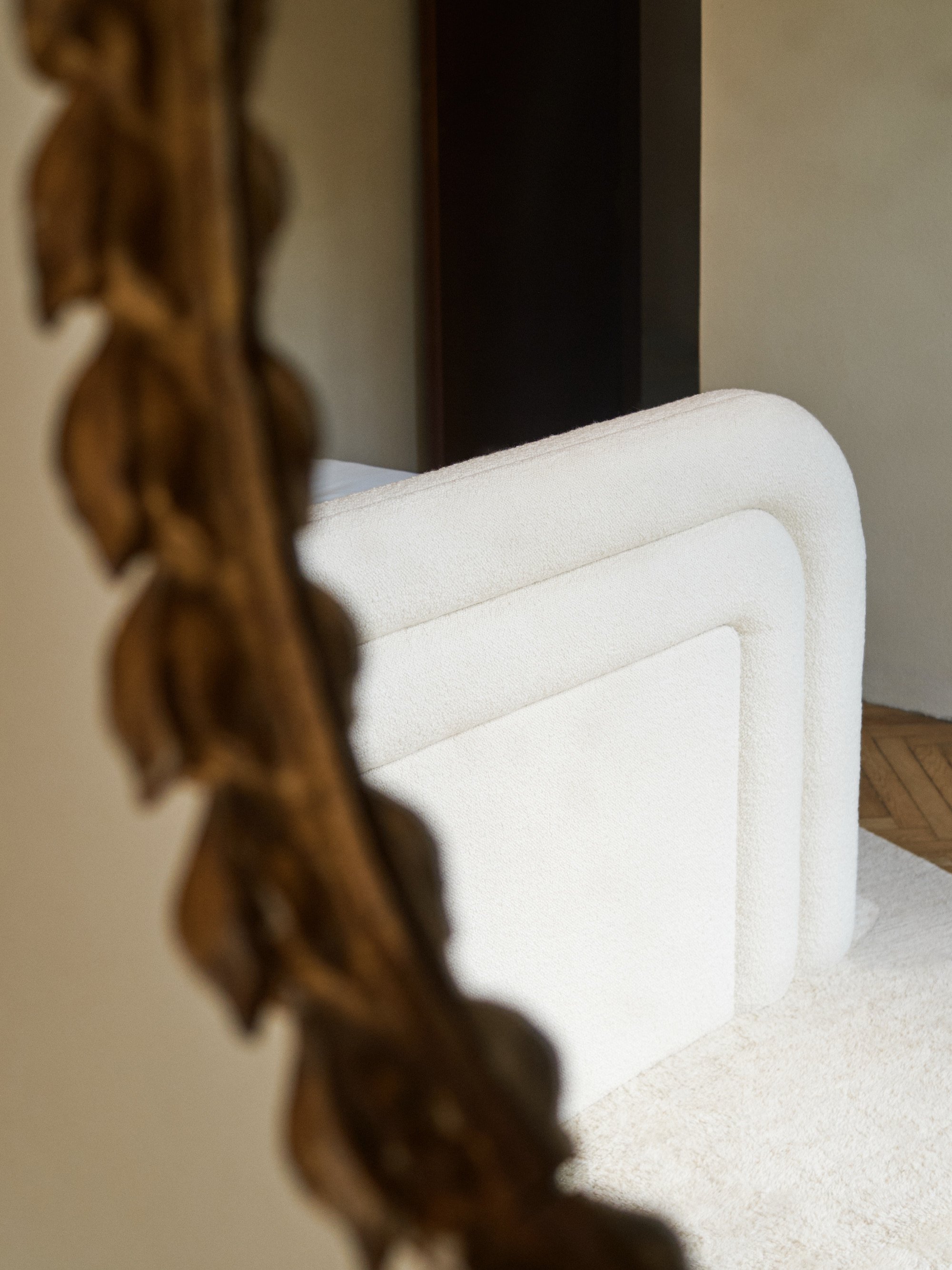
Developed by Design Research Studio, the collaboration with British luxury bedmaker Vispring introduced four new headboards and a bed design, inspired by Dixon’s FAT, GROOVE and WINGBACK series. These were not applied gestures. The designs engage with proportion, upholstery, and architectural framing in ways that mirror the language of Dixon’s furniture.
What felt particularly resonant was the positioning of the bed as a central architectural object. Rather than receding into the background, each sleeping space acknowledged rest as a design priority rather than an afterthought.
The collaboration speaks to a shared British sensibility; craft, engineering, and longevity, filtered through a contemporary lens. It also reinforces the idea that design does not end at visual impact but extends into comfort, intimacy, and the hours spent unseen.
From Exhibition to Ecosystem
What made the Mua Mua Hotel compelling was not any single object, but the way everything was allowed to coexist. Lighting aged differently depending on the time of day. Objects invite touch, beds encourage pause rather than movement.
In a week often defined by visual overload, the Mua Mua Hotel offered something slower and more reflective. It framed Tom Dixon’s work not as a product, but as an atmosphere. Not as a collection, but as a lived narrative.
This approach, design as a setting rather than a statement, feels increasingly relevant. It suggests a future where launches are less about novelty and more about meaning. Where design is measured not by attention, but by how well it supports life.
For Milan Design Week 2026, Tom Dixon did not just ask us to look. He asked us to stay.
More Stories
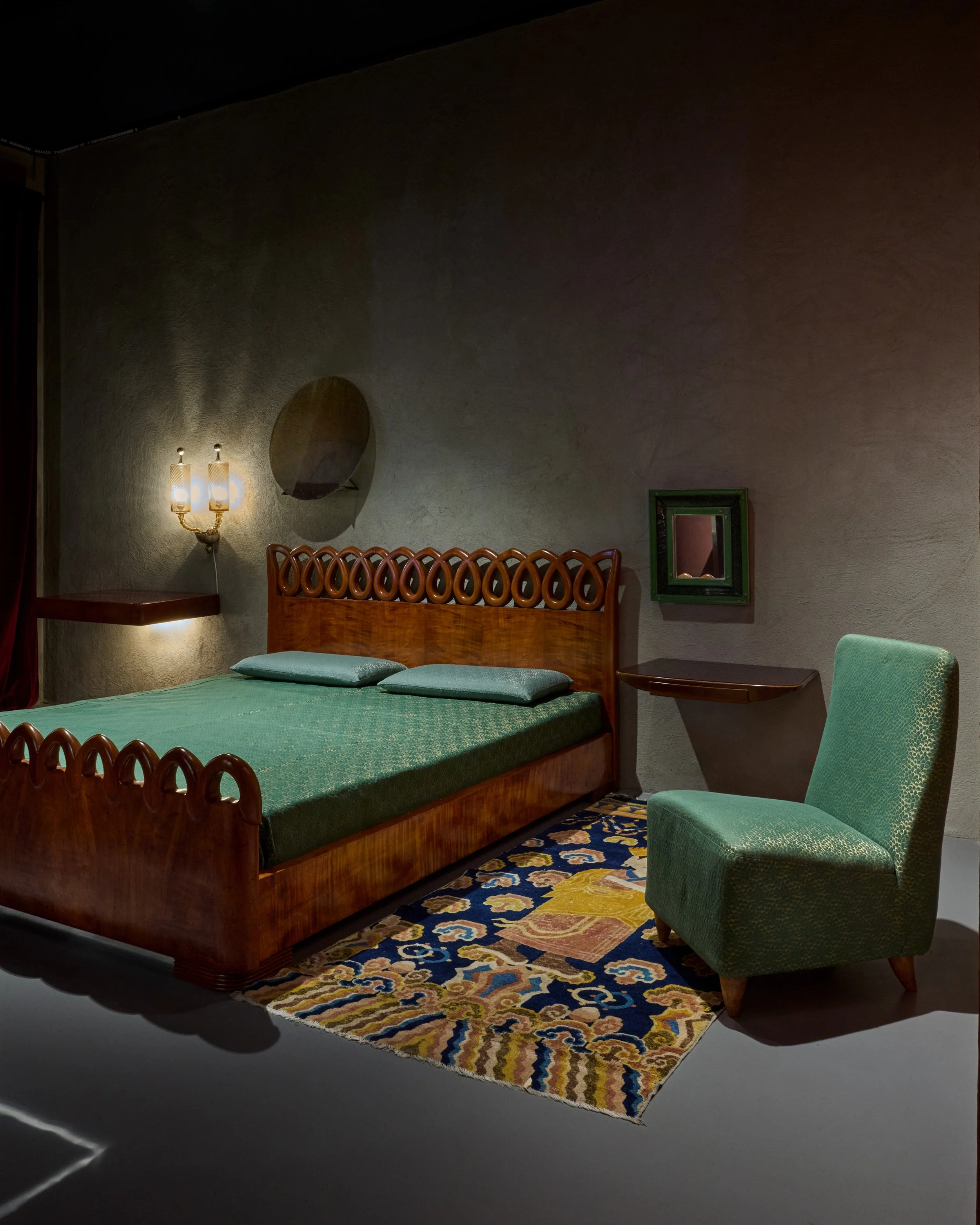

During Milan Design Week 2026, MENU transformed Chiesa Anglicana Tutti i Santi into a unified architectural narrative. Curated by Bodo Sperlein, the exhibition brought material, light, and collaboration into quiet alignment.