
Alcova Milano, 2026
A Design‑Led Review of Alcova 2026 at Milan Design Week, From Abandoned Architecture to Emerging Talent.
Milan Design Week has never been short on spectacle. What it has often lacked, however, is restraint, texture, and a sense of genuine risk. Against this backdrop, Alcova continues to stand apart. Not because it is louder, but because it listens- to architecture, to history, and to the quieter, more experimental voices shaping contemporary design.
Now in its eleventh edition, Alcova Milano 2026 has just closed, leaving behind the familiar post‑design‑week aftermath: tired feet, overfilled camera rolls, and the lingering impression that some of the most meaningful encounters did not happen in showrooms, but inside places where design was forced to negotiate with time itself.
Running from April 20–26, Alcova unfolded across two extraordinary and radically different locations: newly opened sections of the Baggio Military Hospital and the previously inaccessible Villa Pestarini, designed by Franco Albini. Together, they formed not simply a backdrop, but an architectural framework that actively shaped how work was seen, felt, and remembered.
What Alcova Is, and Why It Still Matters
Founded in 2018 by Valentina Ciuffi and Joseph Grima, Alcova was conceived as a counter‑model to the conventional design fair. Rather than relying on neutral booths and controlled environments, it places contemporary design within spaces heavy with memory; locations that resist easy consumption.
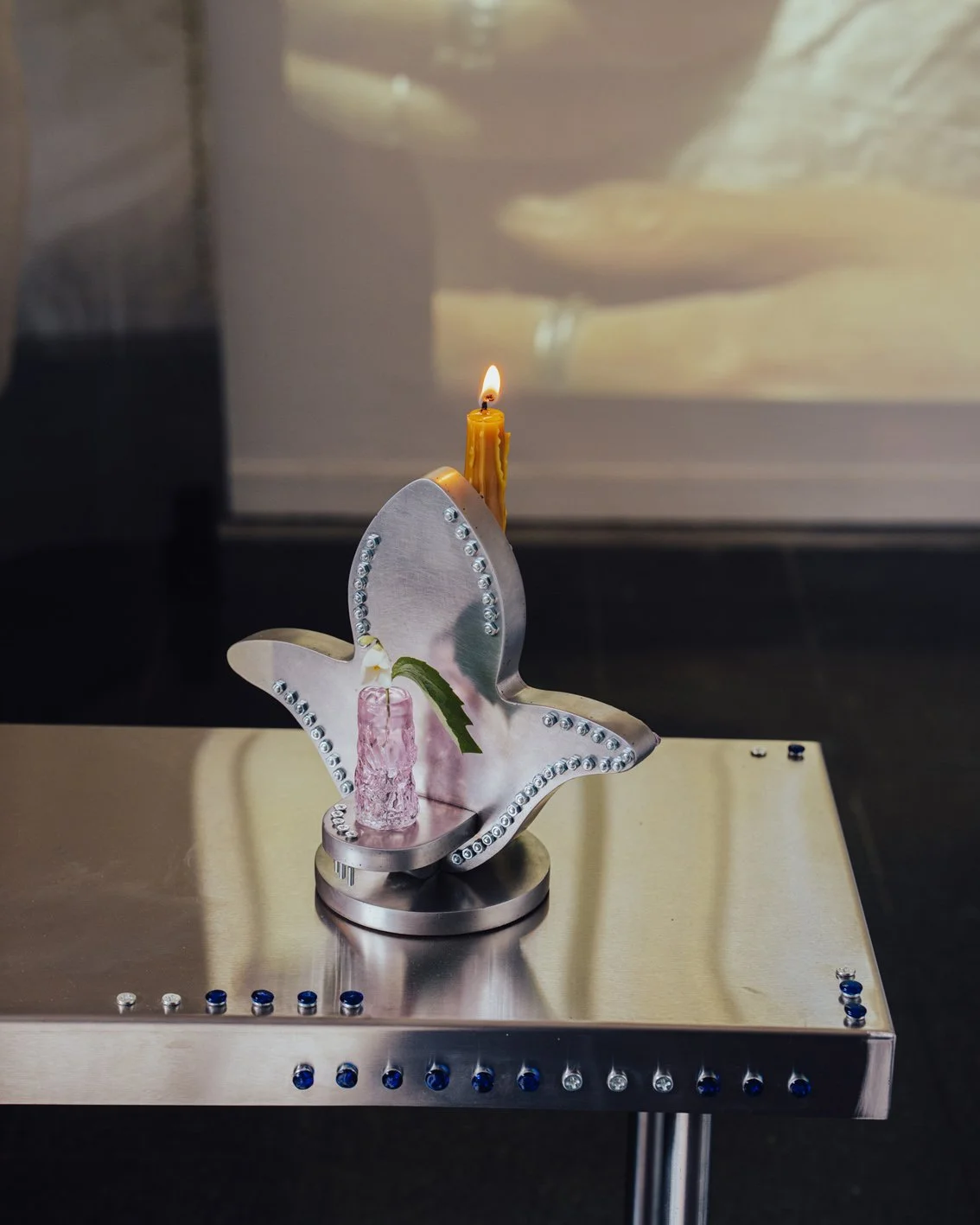
Alcova is not a trade fair. It is a curated platform, one that brings together emerging designers, independent studios, established brands, research institutions, and design schools, all within sites that possess architectural, social, and emotional depth.
Now in 2026, Alcova has become one of Milan Design Week’s most vital reference points precisely because it refuses neutrality. It prioritises experimentation over polish, inquiry over product, and spatial experience over immediacy. Design here is not required to be finished. It is allowed to be speculative, fragile, even unresolved.
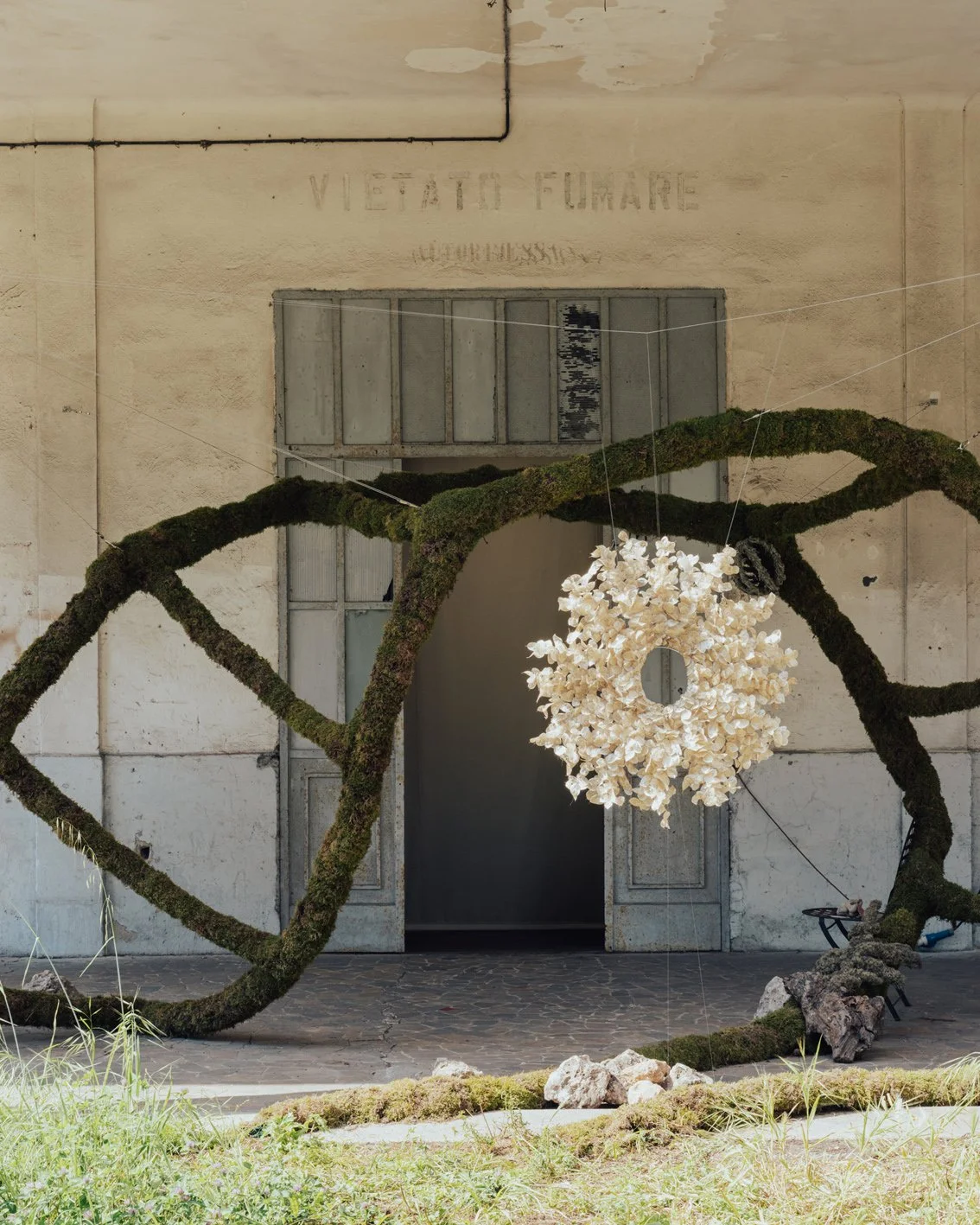
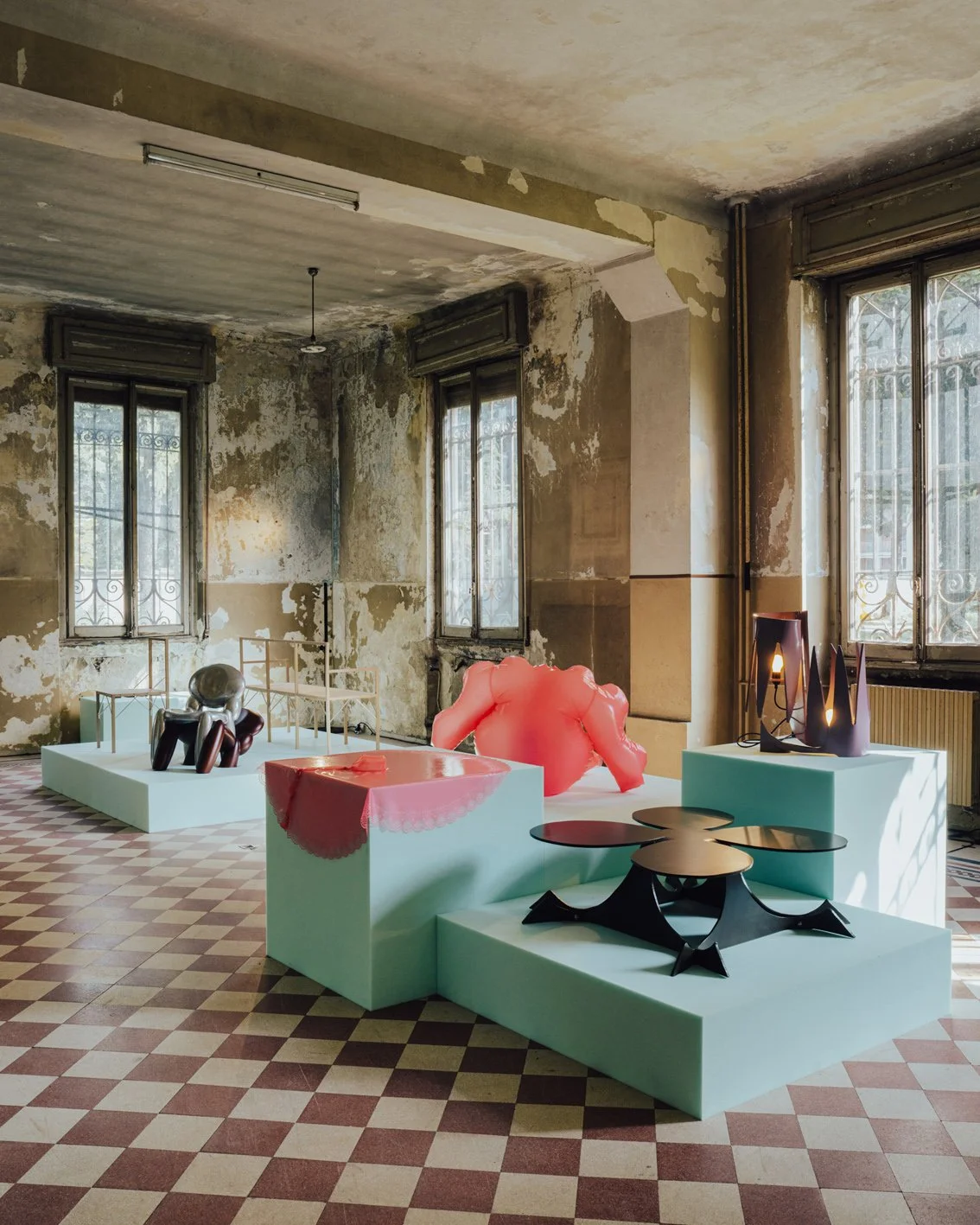
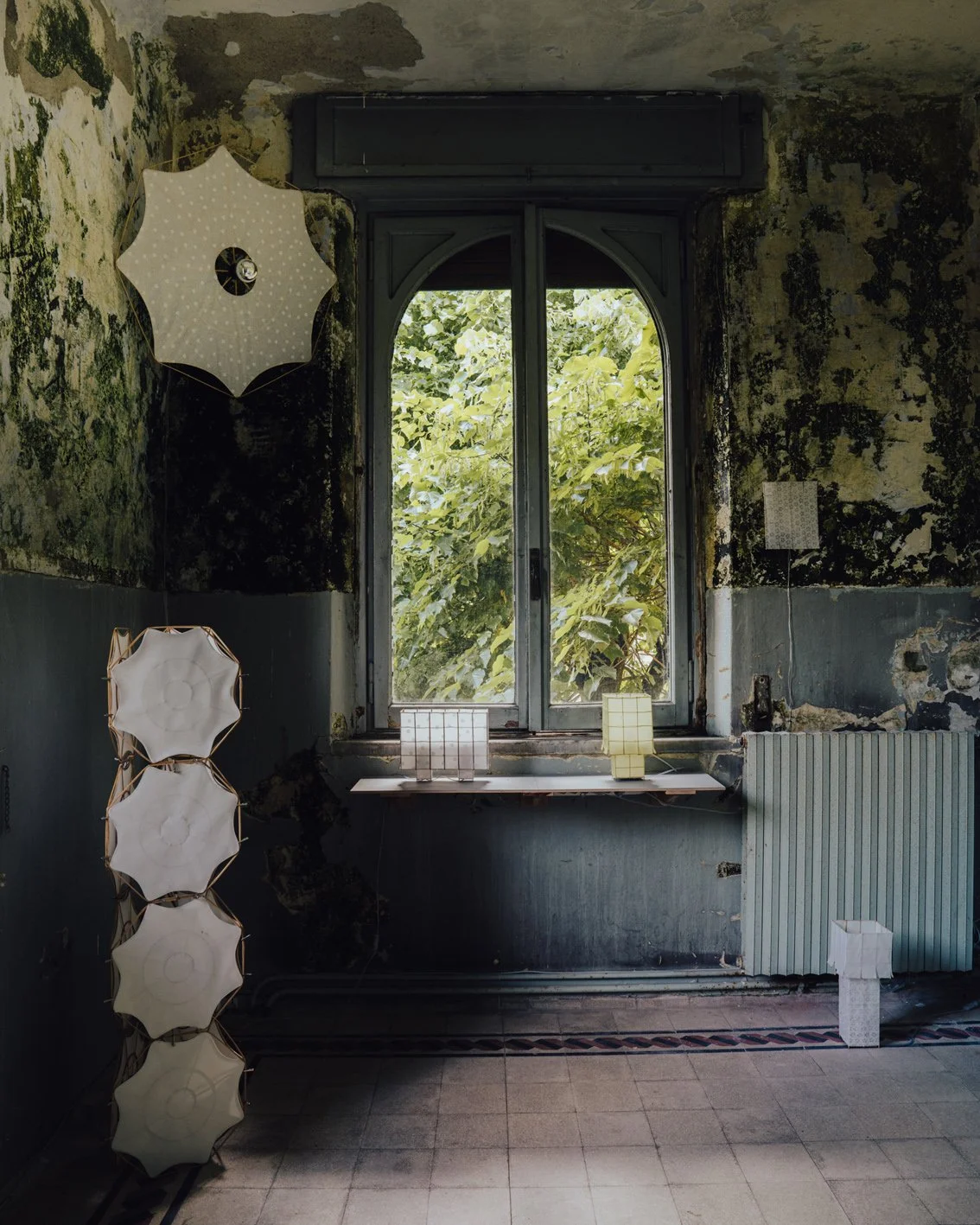
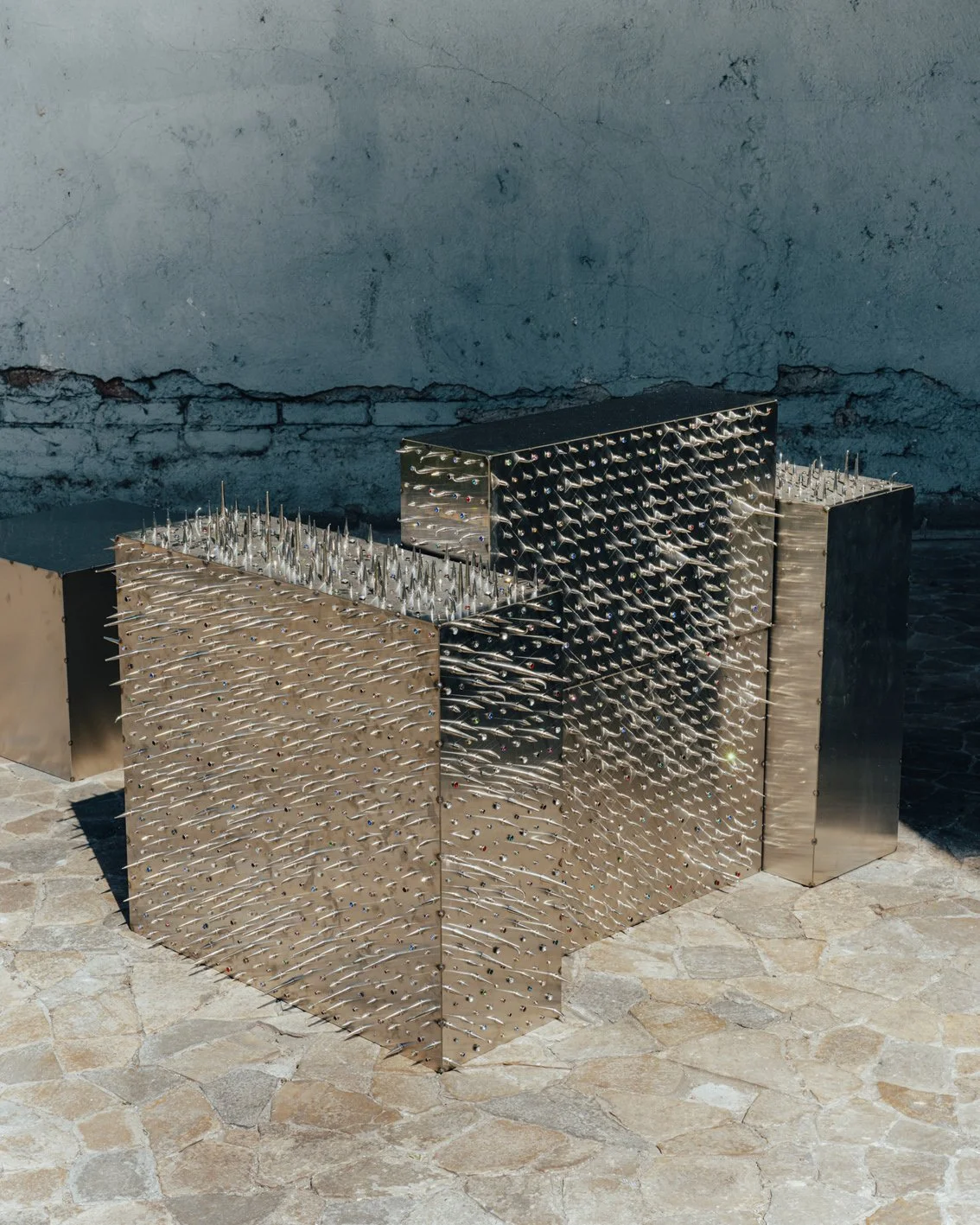
The Spaces: Architecture as Active Participant
Baggio Military Hospital
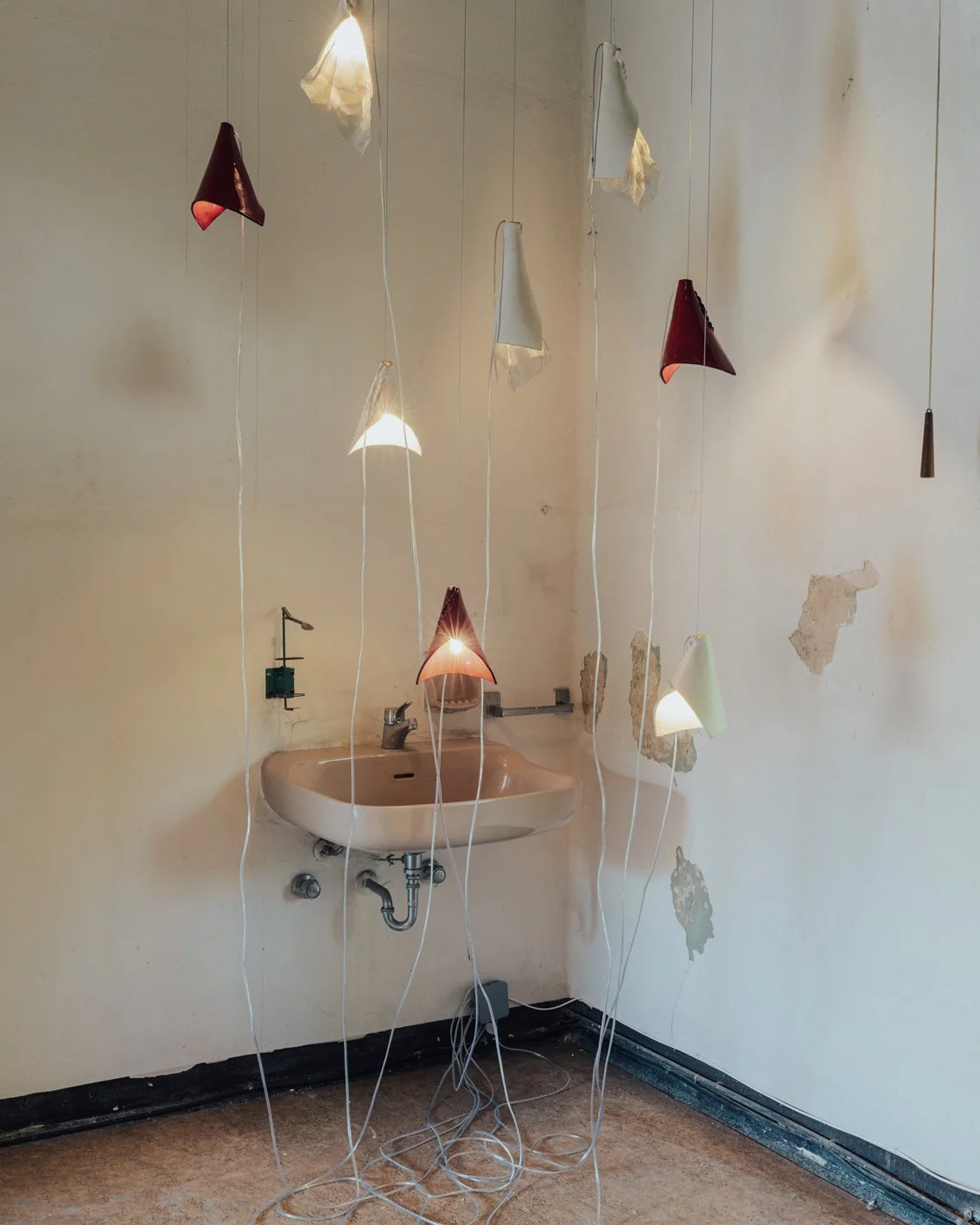
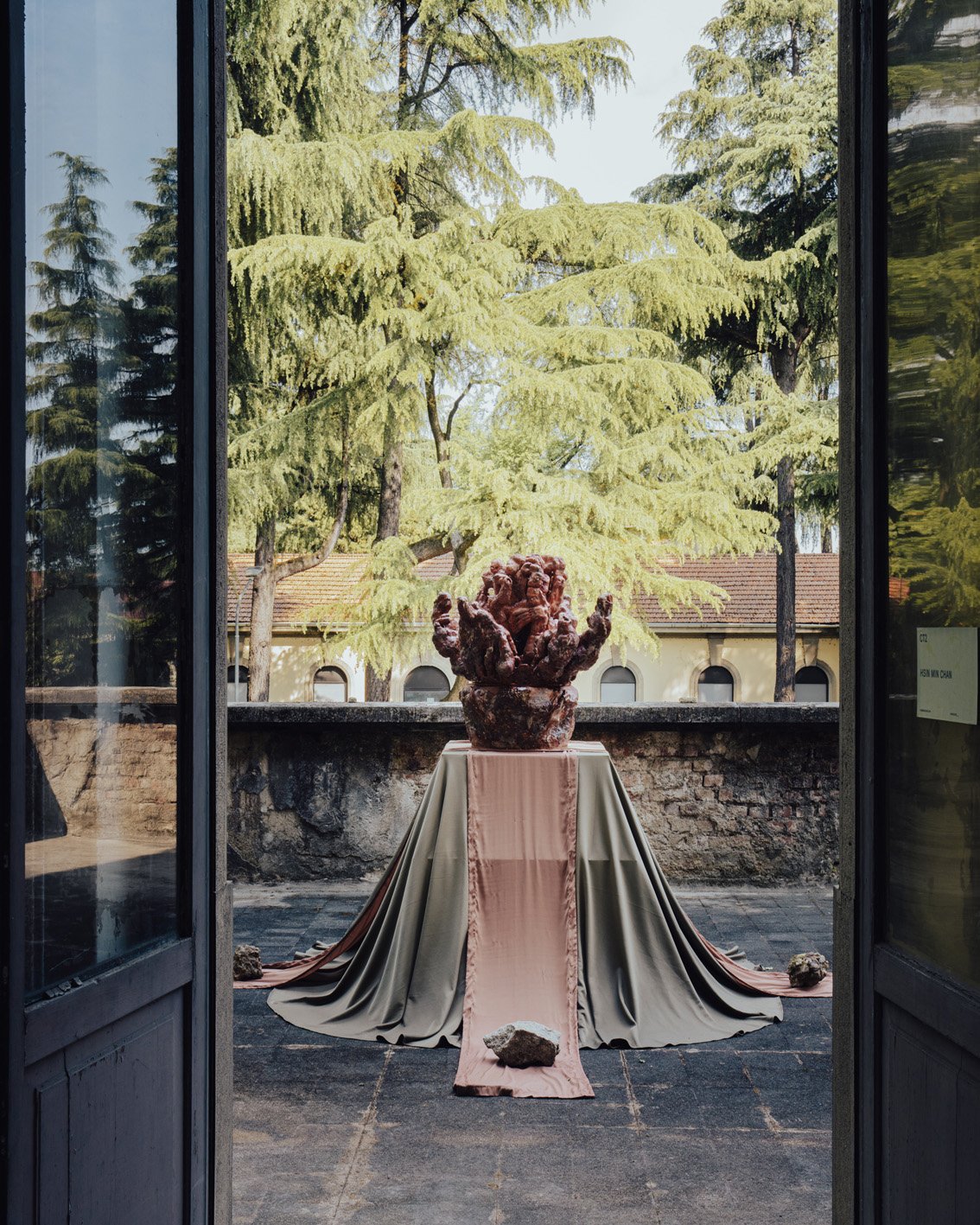
The return to the Baggio Military Hospital marked a renewed and deepened engagement with one of Alcova’s most powerful sites. Familiar to visitors of the 2021 and 2022 editions, the complex was reopened this year with an expanded footprint, unveiling previously inaccessible spaces including a church, rectory, archive, hangars, kitchens, courtyards, and service buildings.
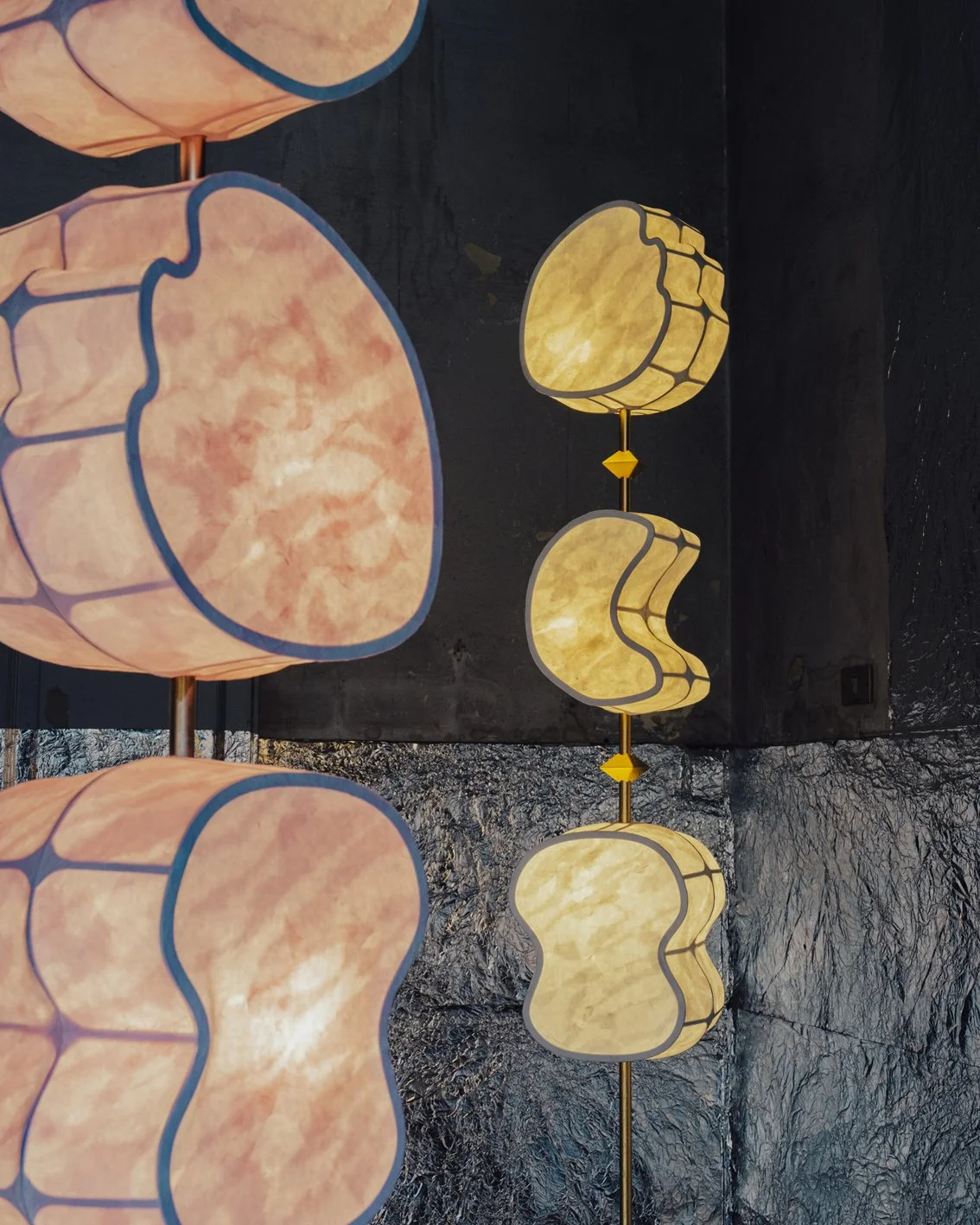
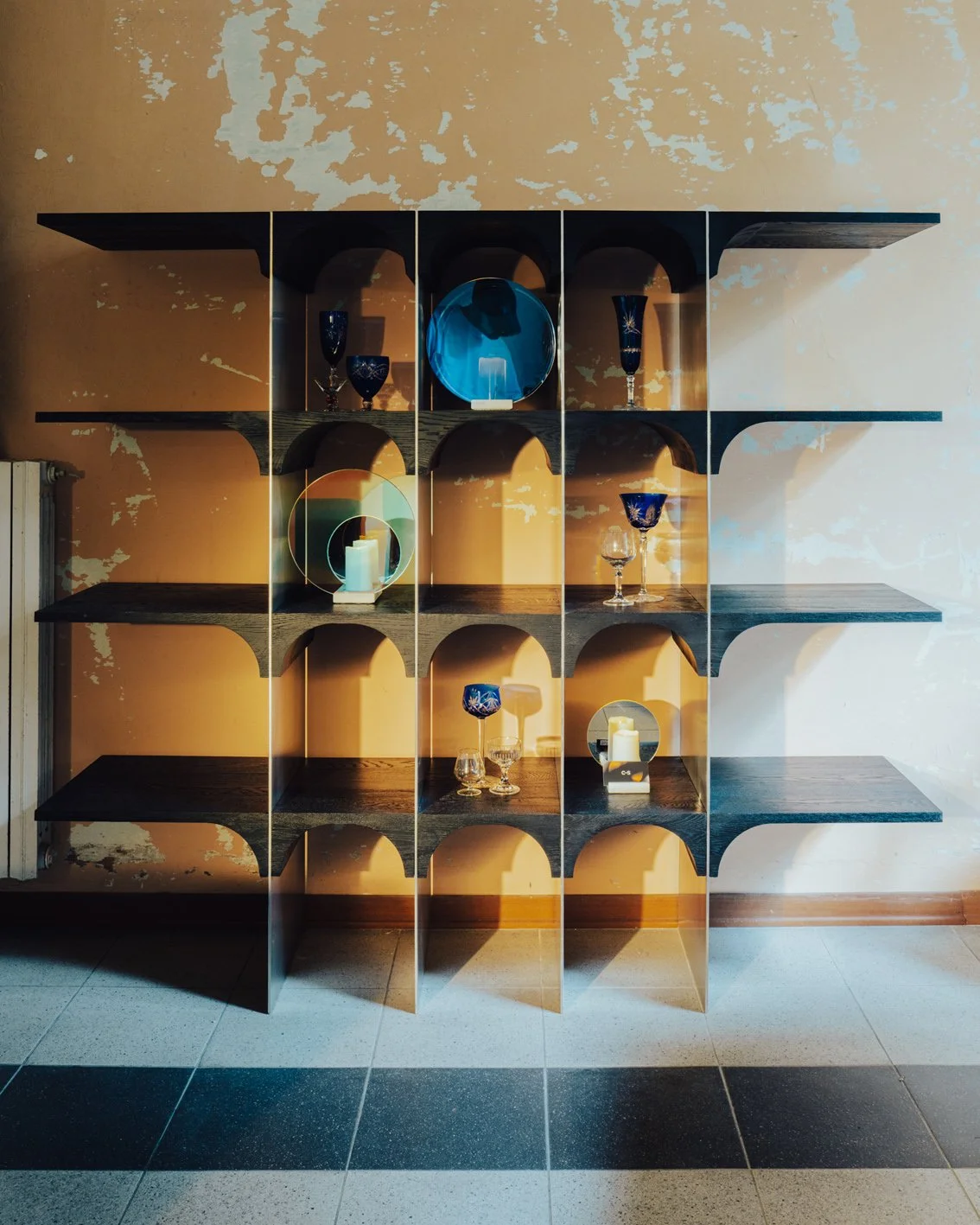
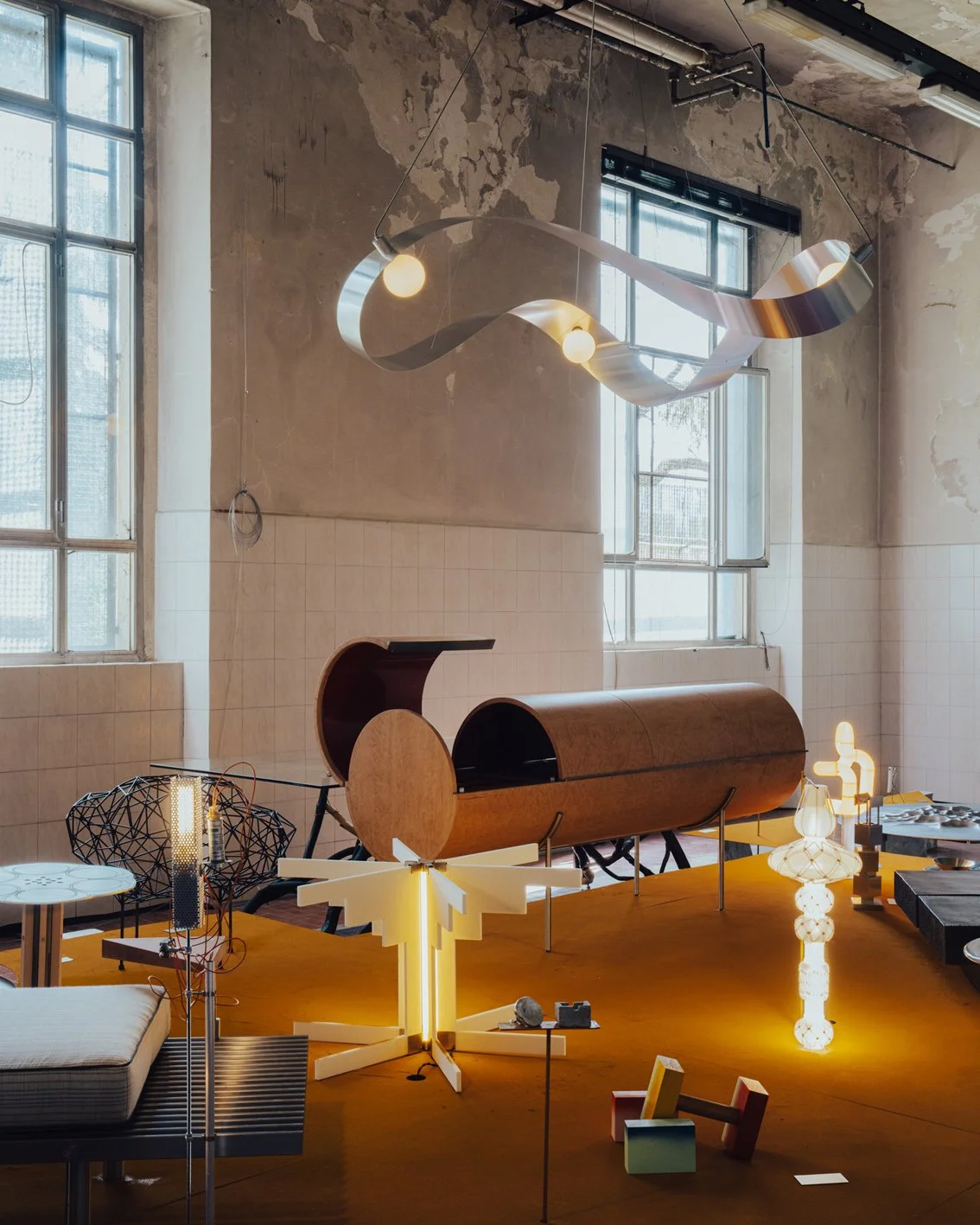
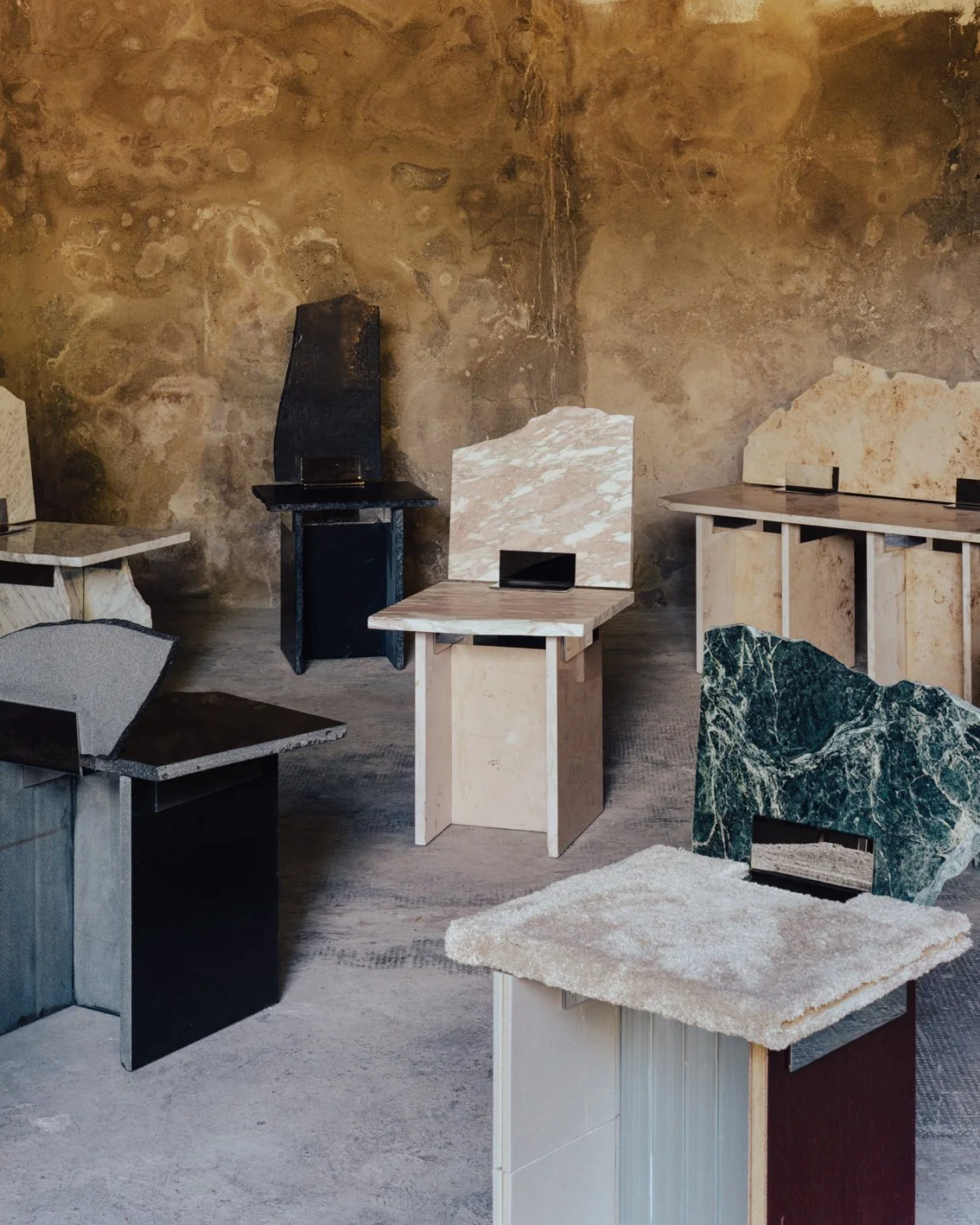
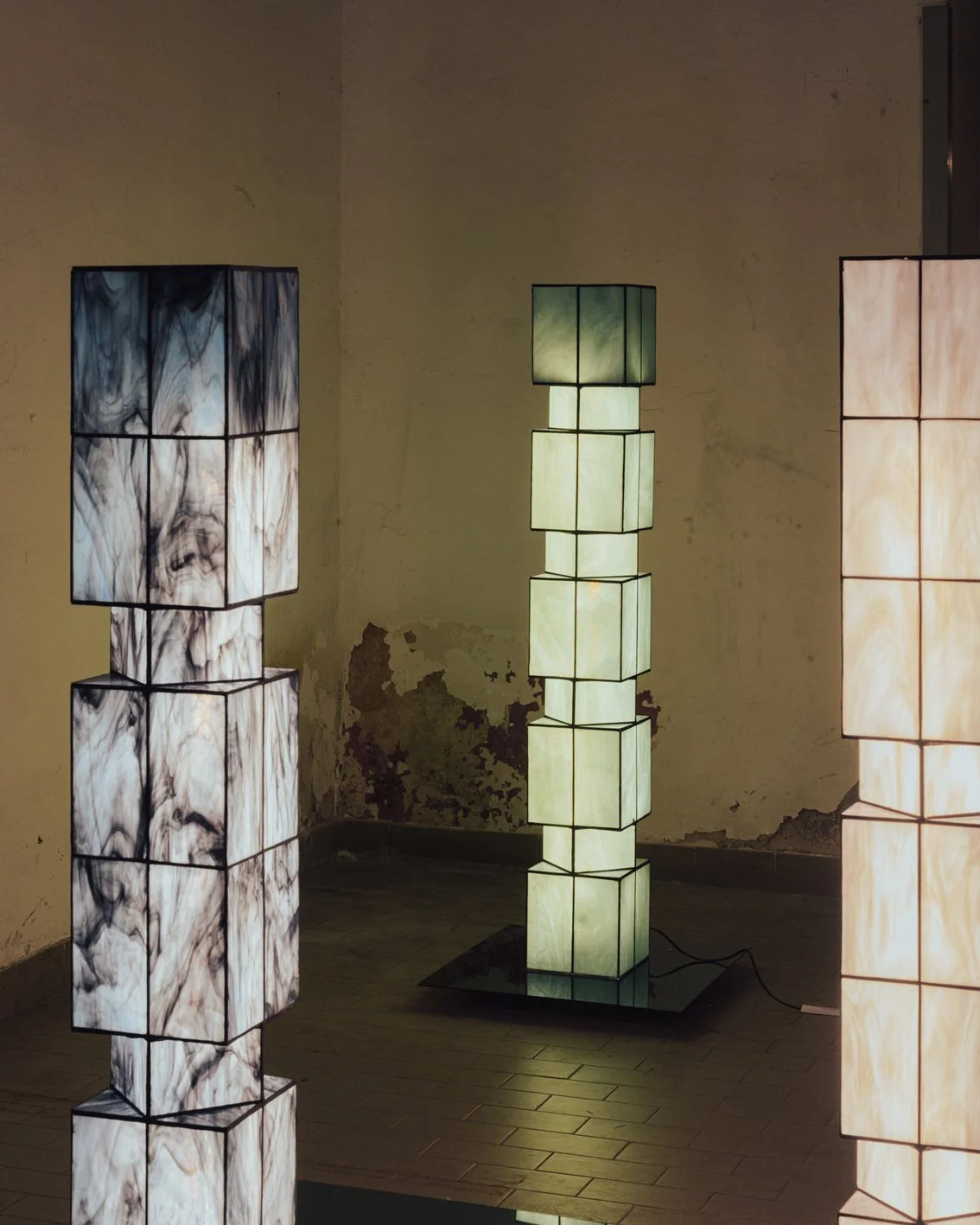
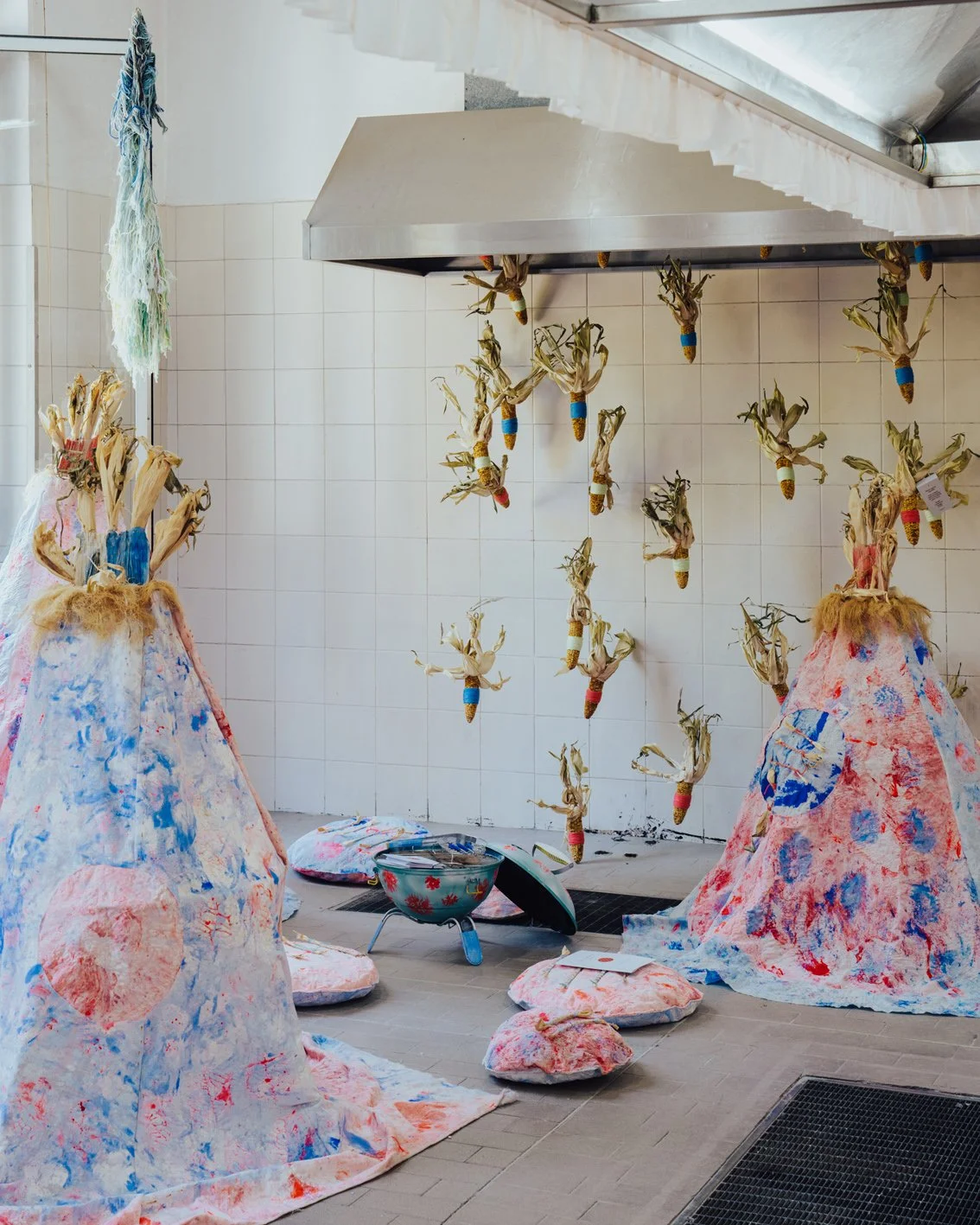
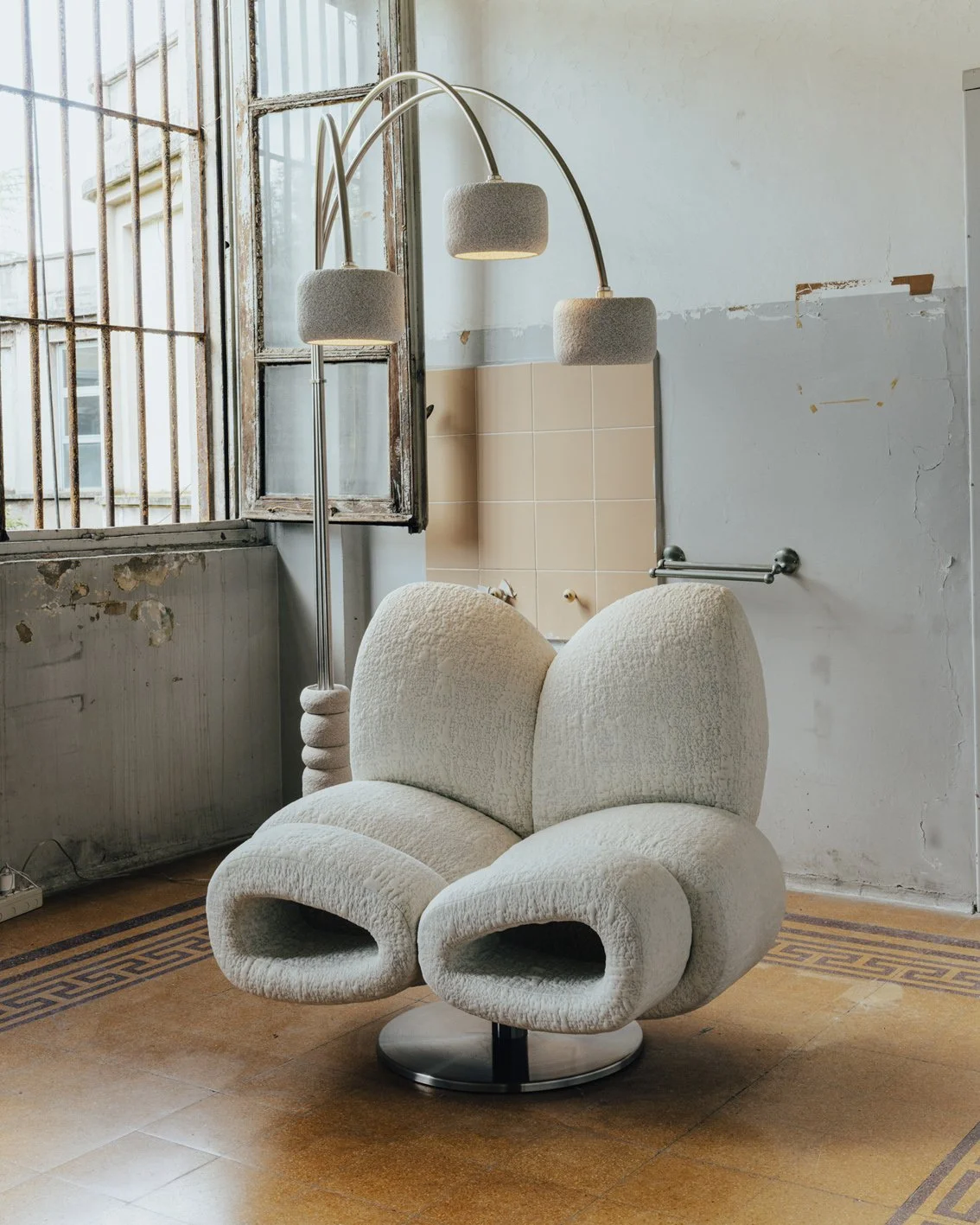
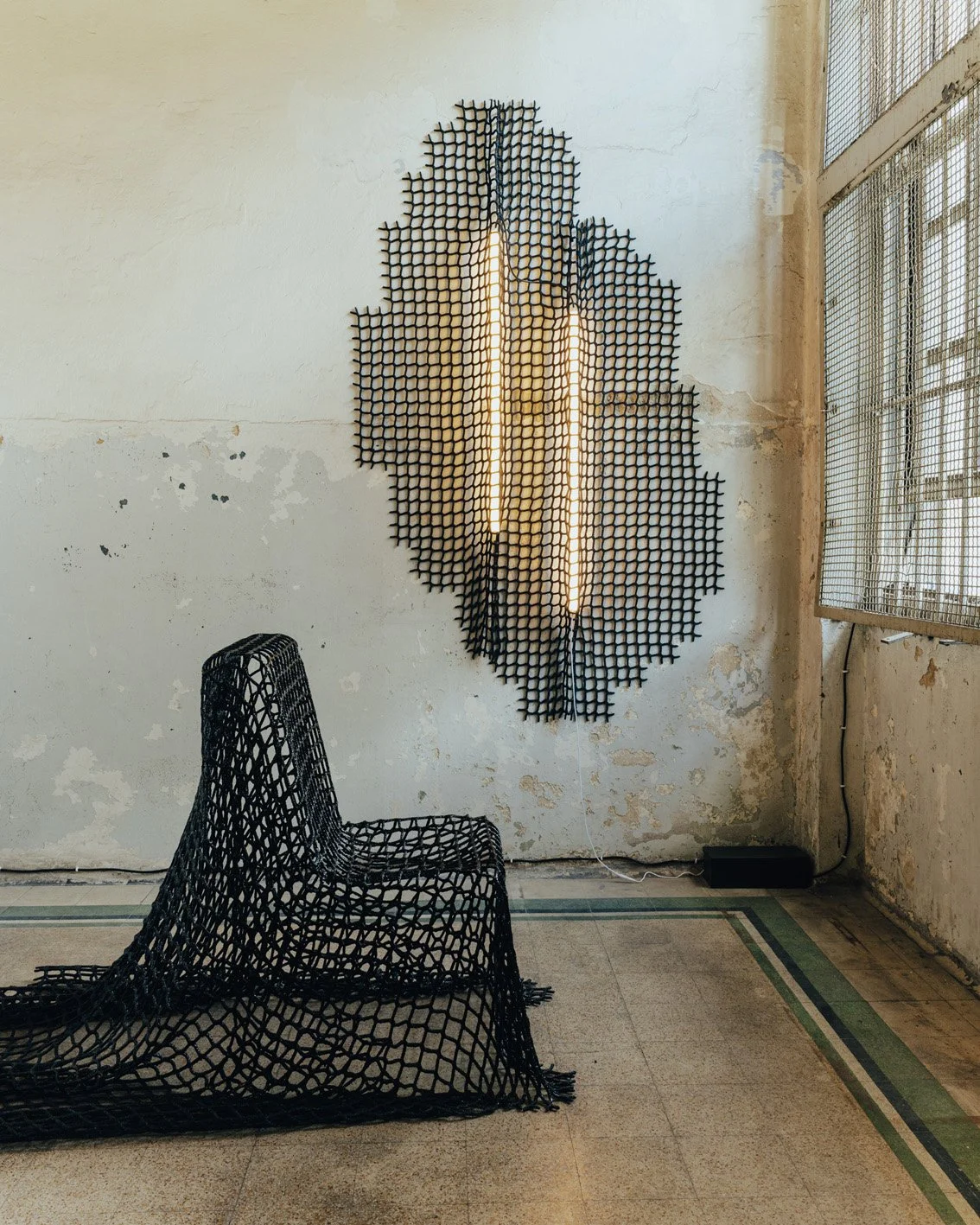
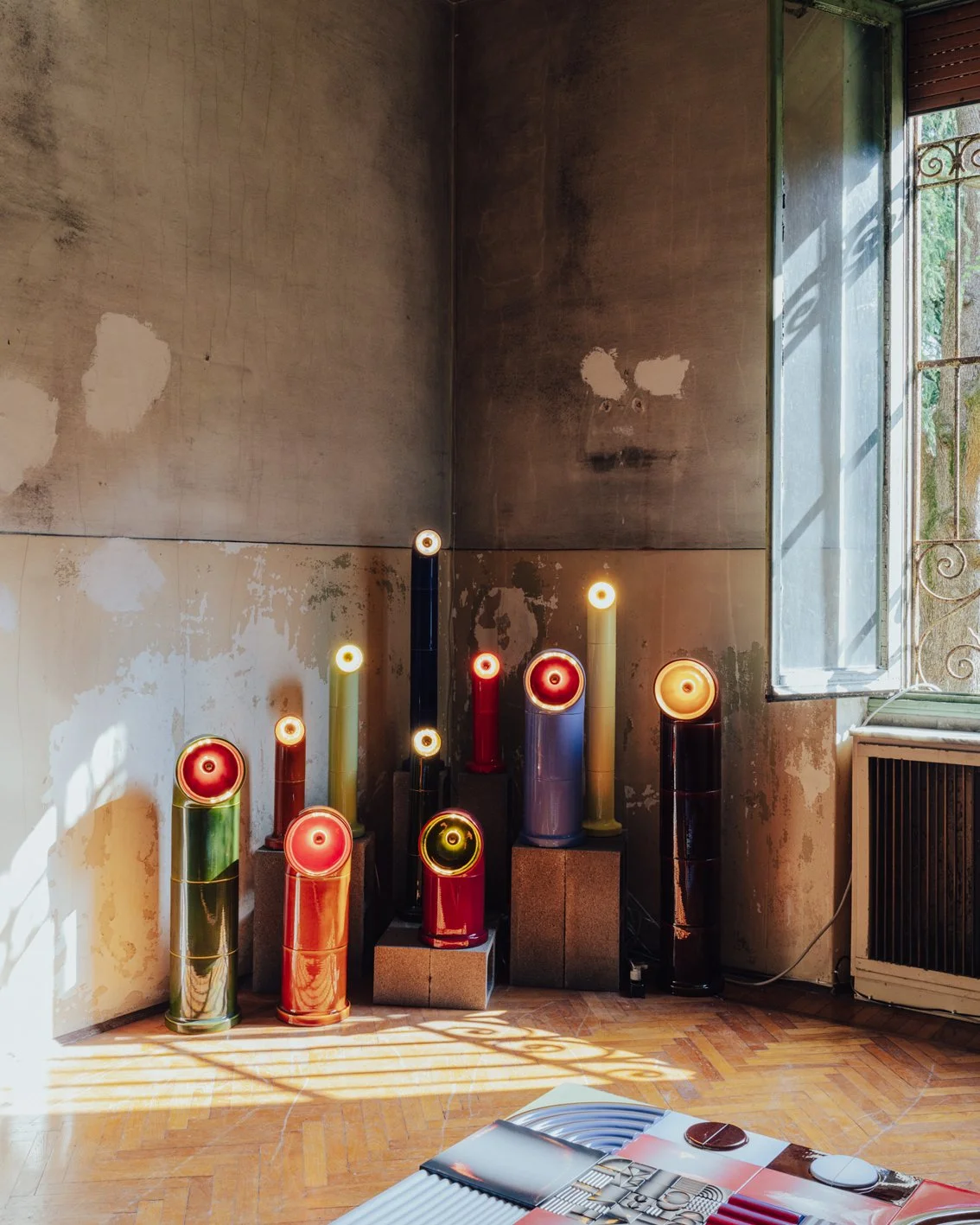
The result felt less like an exhibition and more like a temporary city. Long corridors opened into overgrown courtyards. Industrial hangars sat alongside intimate, decaying rooms where paint peeled and light filtered unpredictably. Nature and architecture continue to blur here, forming an ecosystem where design does not dominate but negotiates.
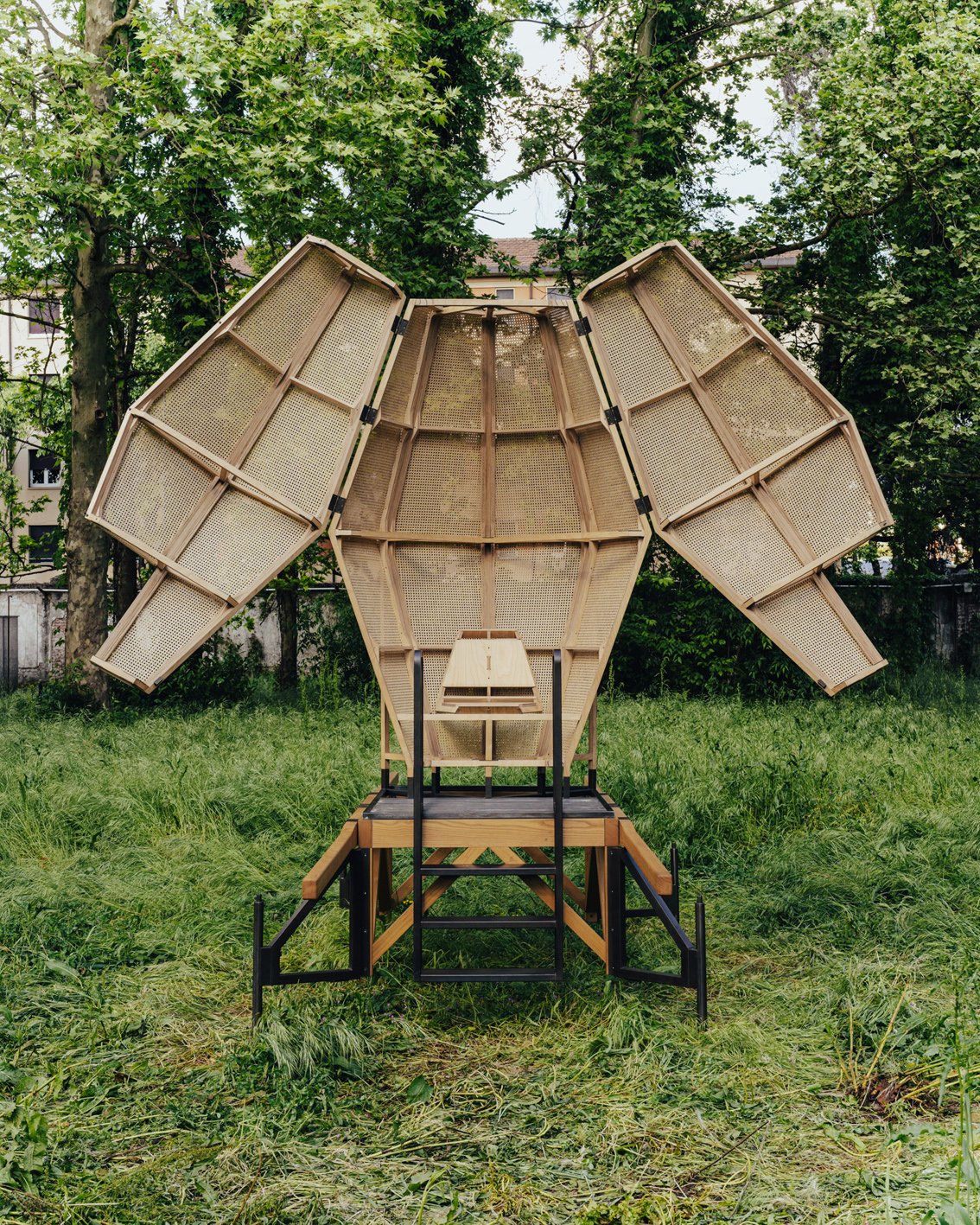
Large‑scale, site‑specific installations occupied the hangars and the newly opened church, while smaller studios filled ancillary spaces with quieter, process‑driven work. Movement through the site felt deliberate and unforced, encouraging visitors to wander, pause, and occasionally get lost.
Villa Pestarini
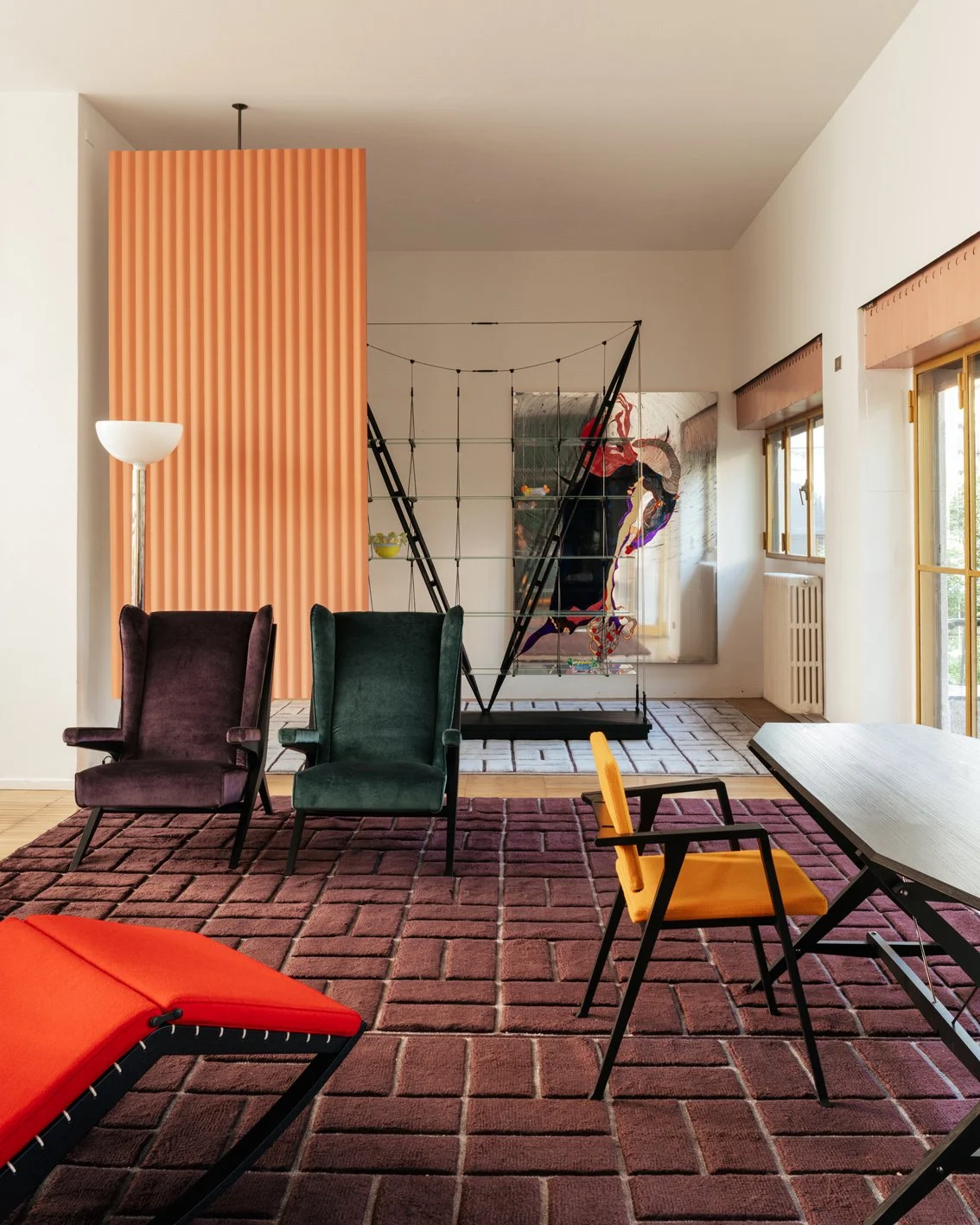
Just a few kilometres away, Villa Pestarini offered a completely different register. Designed by Franco Albini between 1938 and 1939, the villa is the only private residence he realised in Milan and one of the clearest expressions of Italian rationalism.
Opening the house to the public for the first time was a significant curatorial gesture. Albini’s architecture is precise, controlled, and deeply intentional. Its geometry, material palette, and relationship to light do not easily tolerate intrusion.
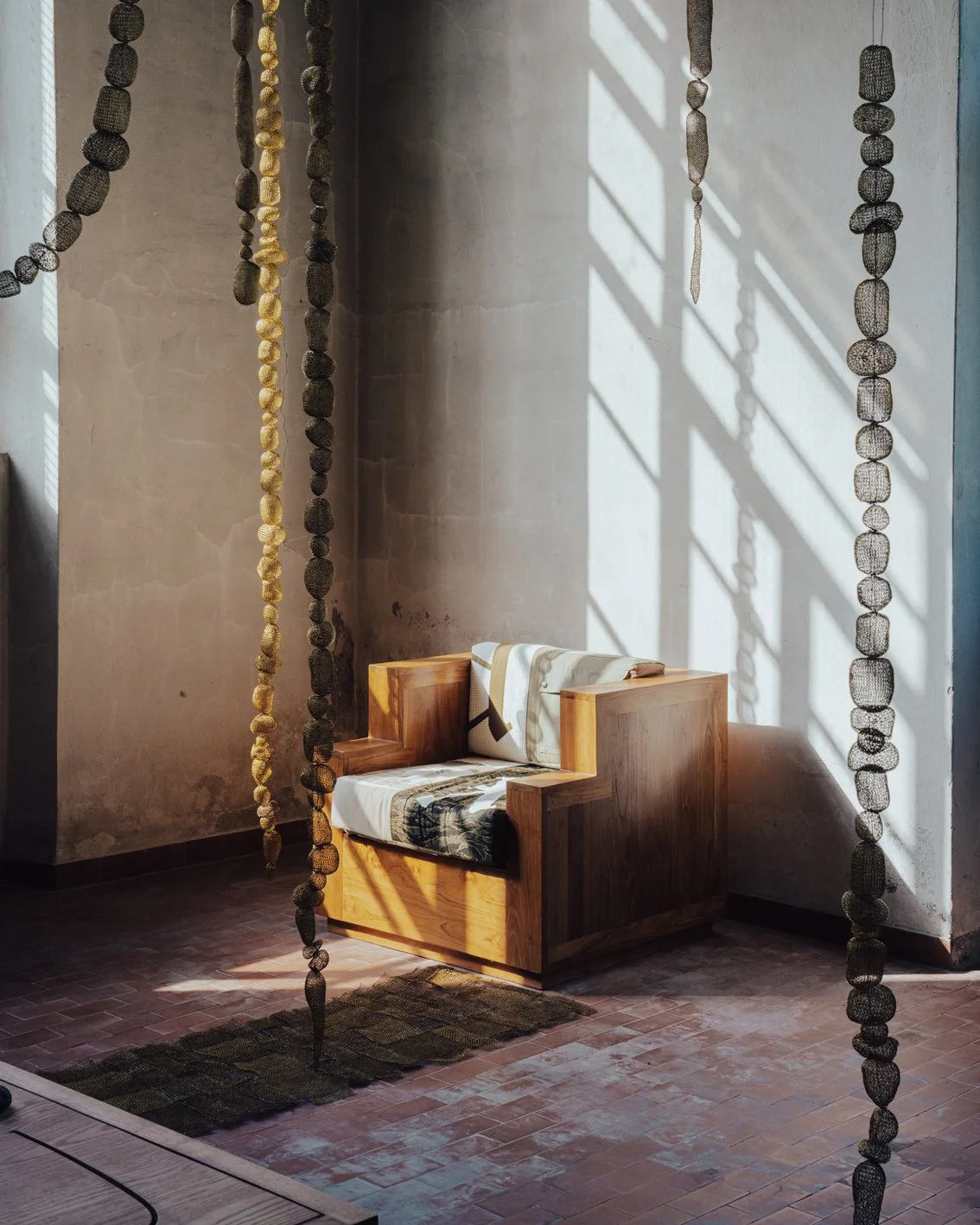
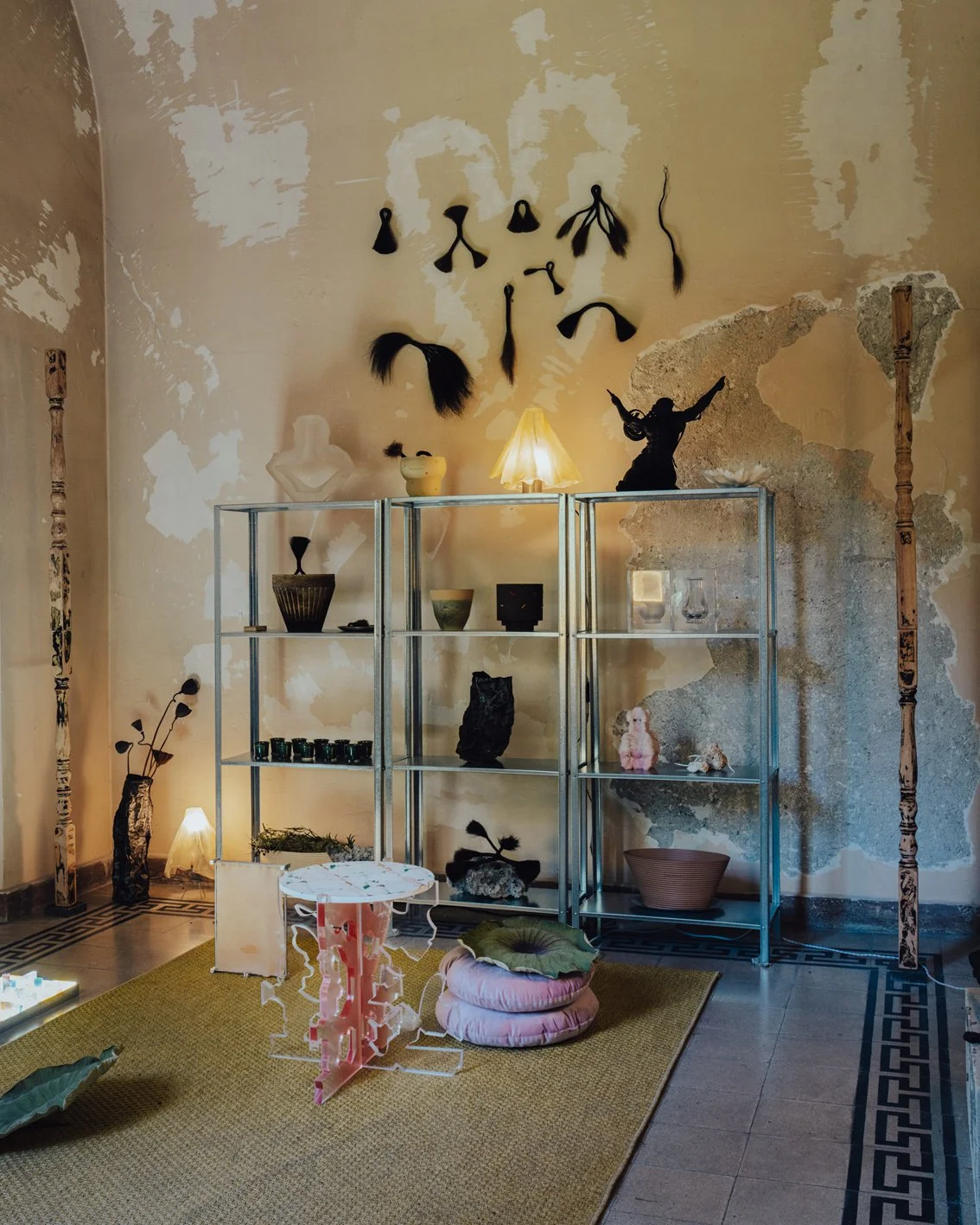
Designers were therefore invited not to overwrite the space, but to enter into conversation with it. Interventions across the ground floor, upper levels, basement, and garden remained measured and respectful, allowing the villa’s character to remain dominant. The atmosphere was quiet, almost domestic, offering a stark counterpoint to the scale and rawness of Baggio.
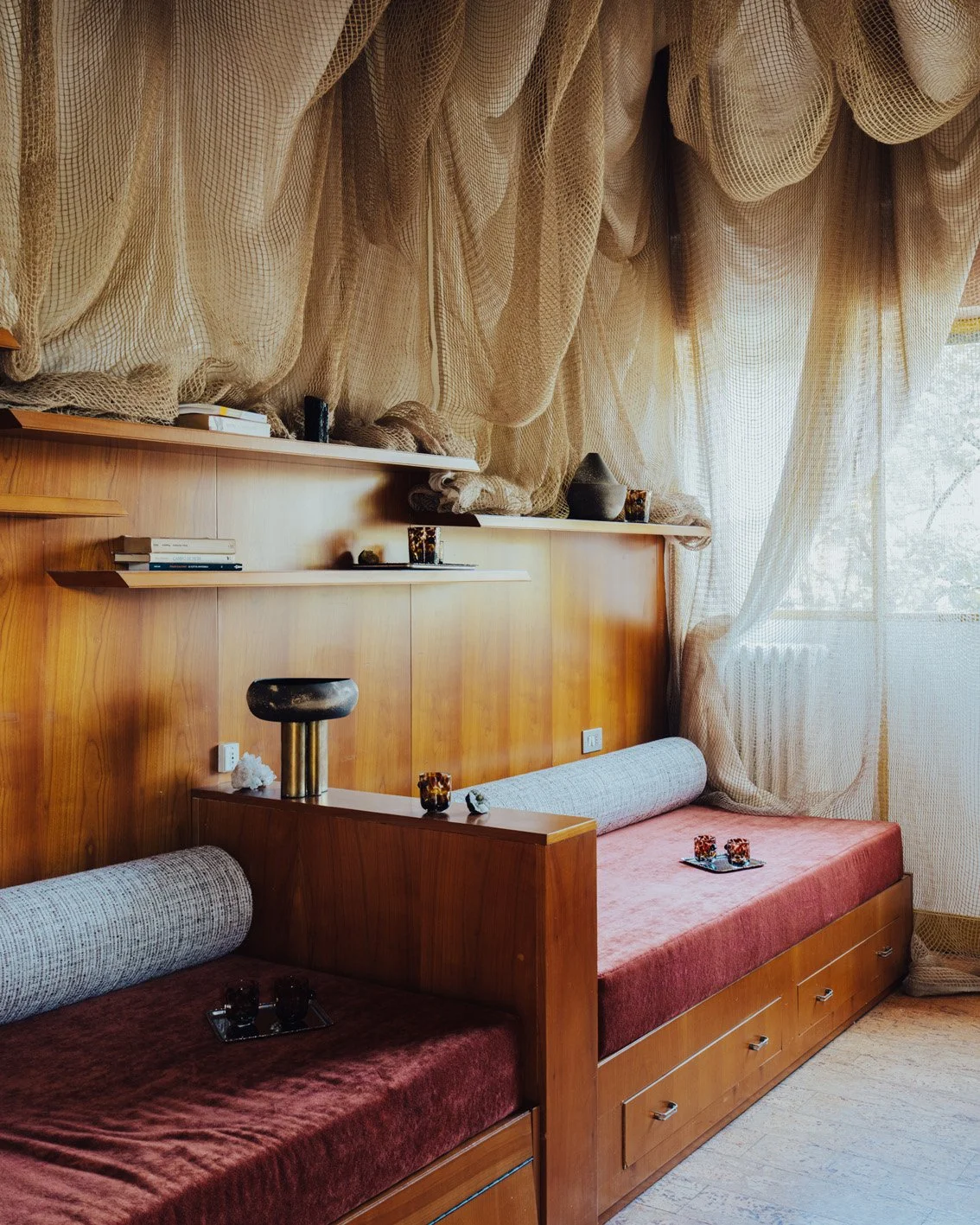
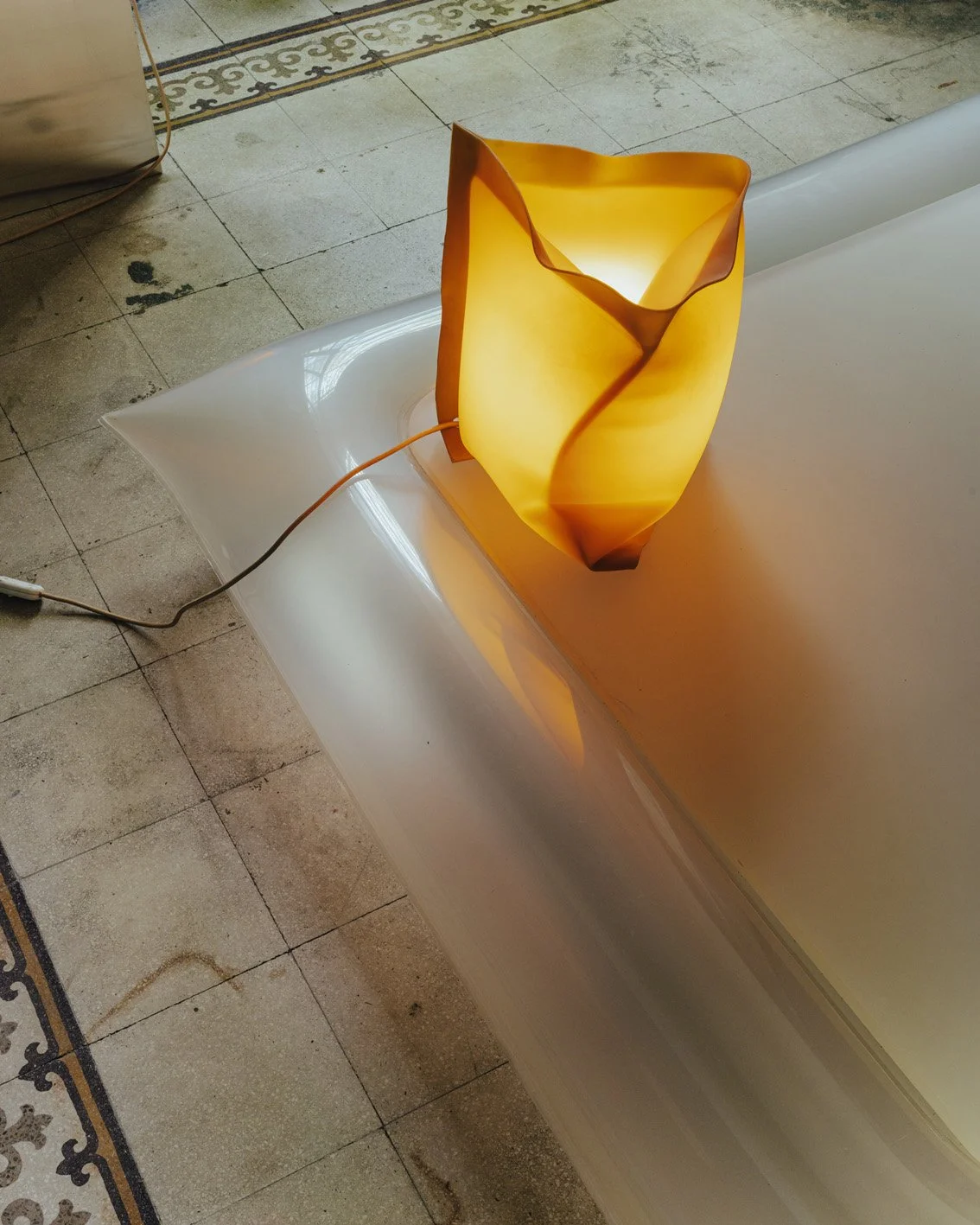
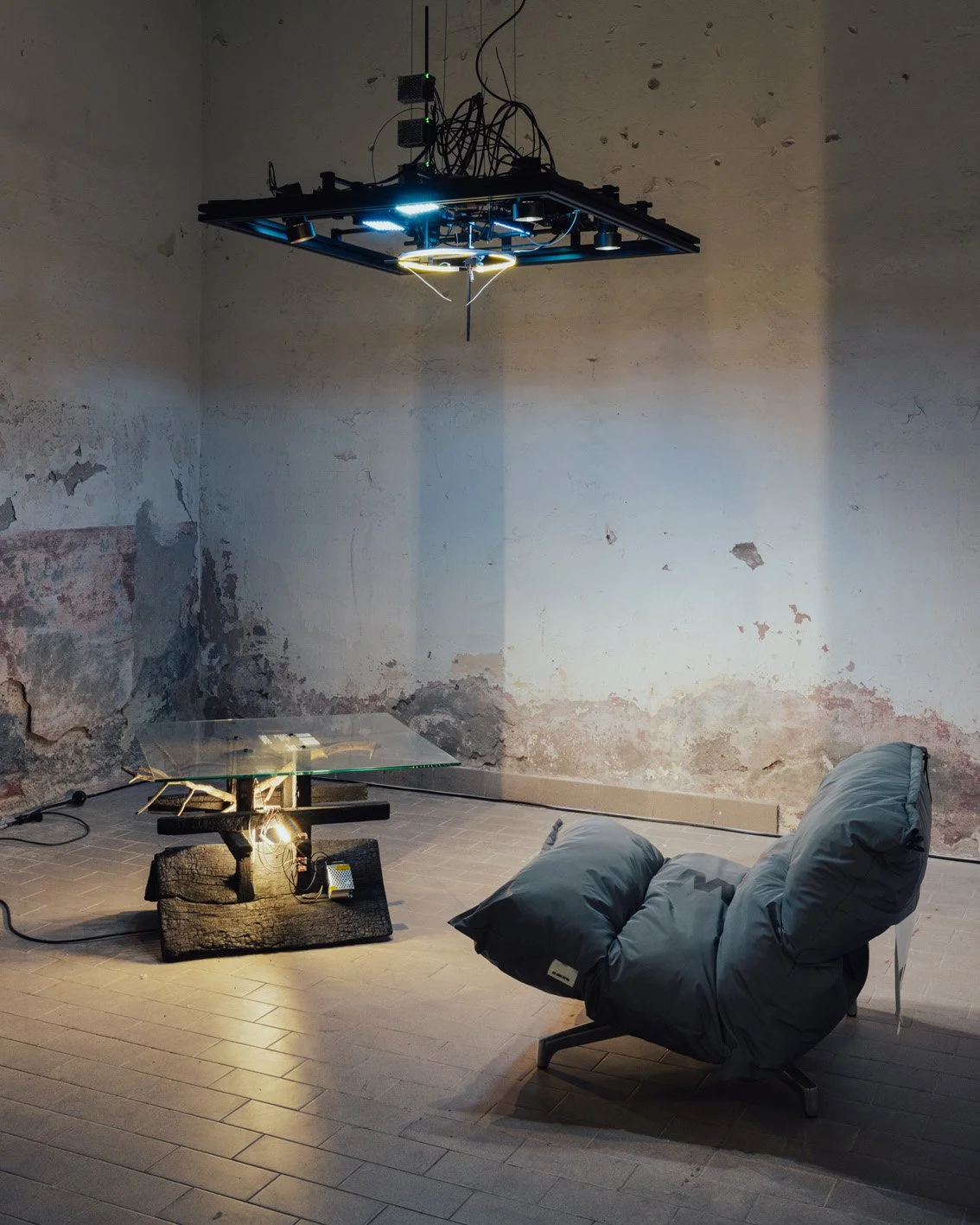
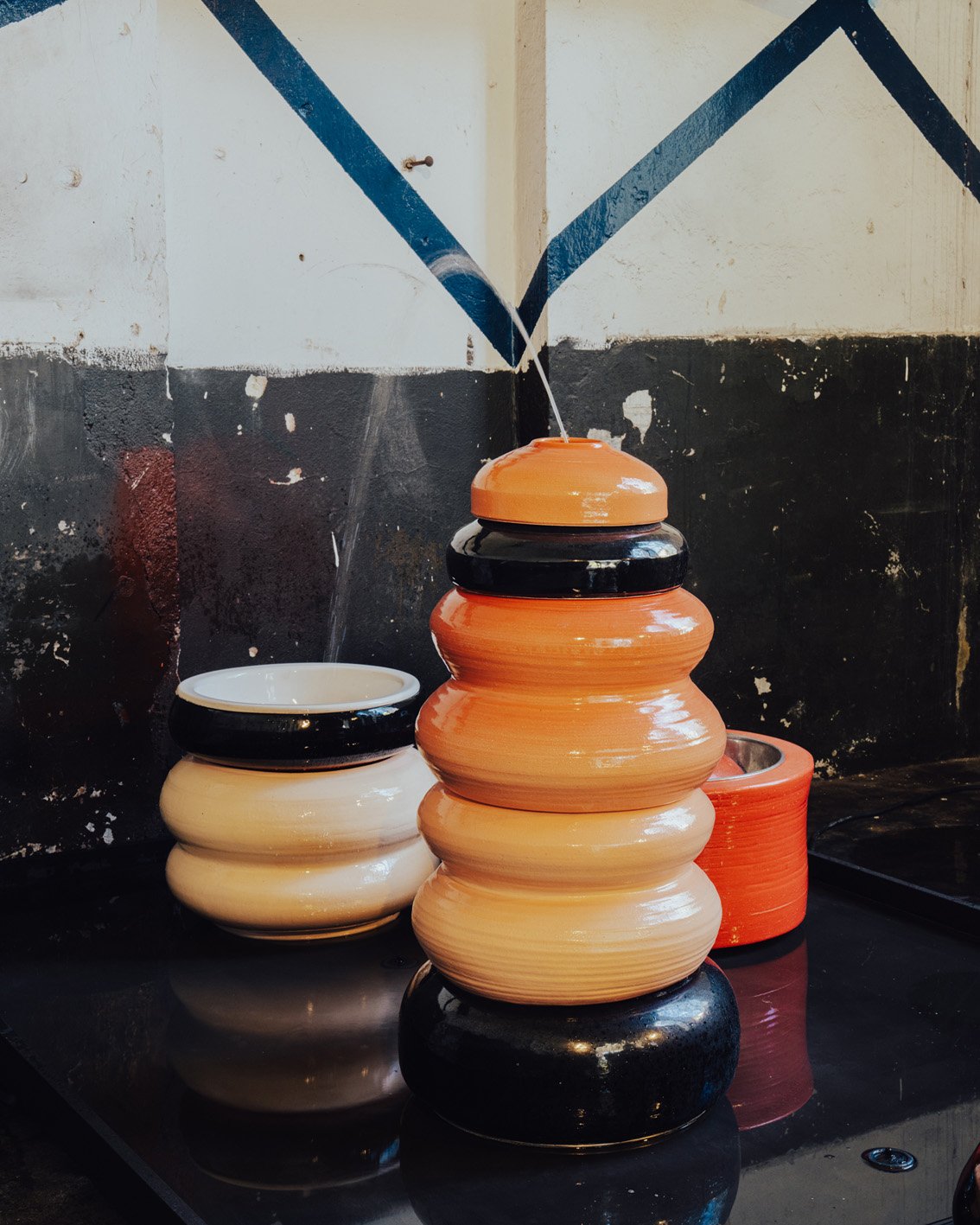
Highlights from Alcova 2026: When Work and Space Align
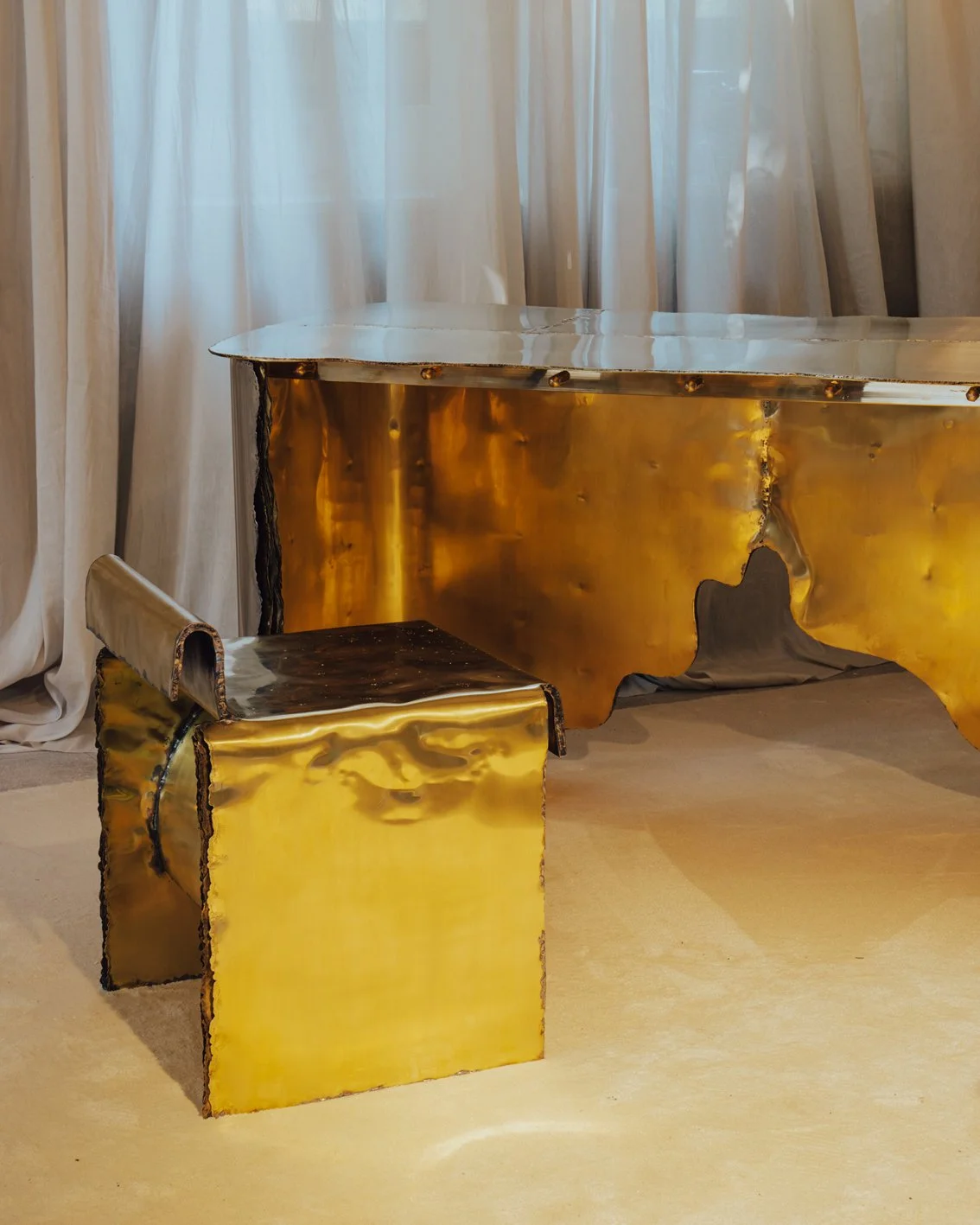
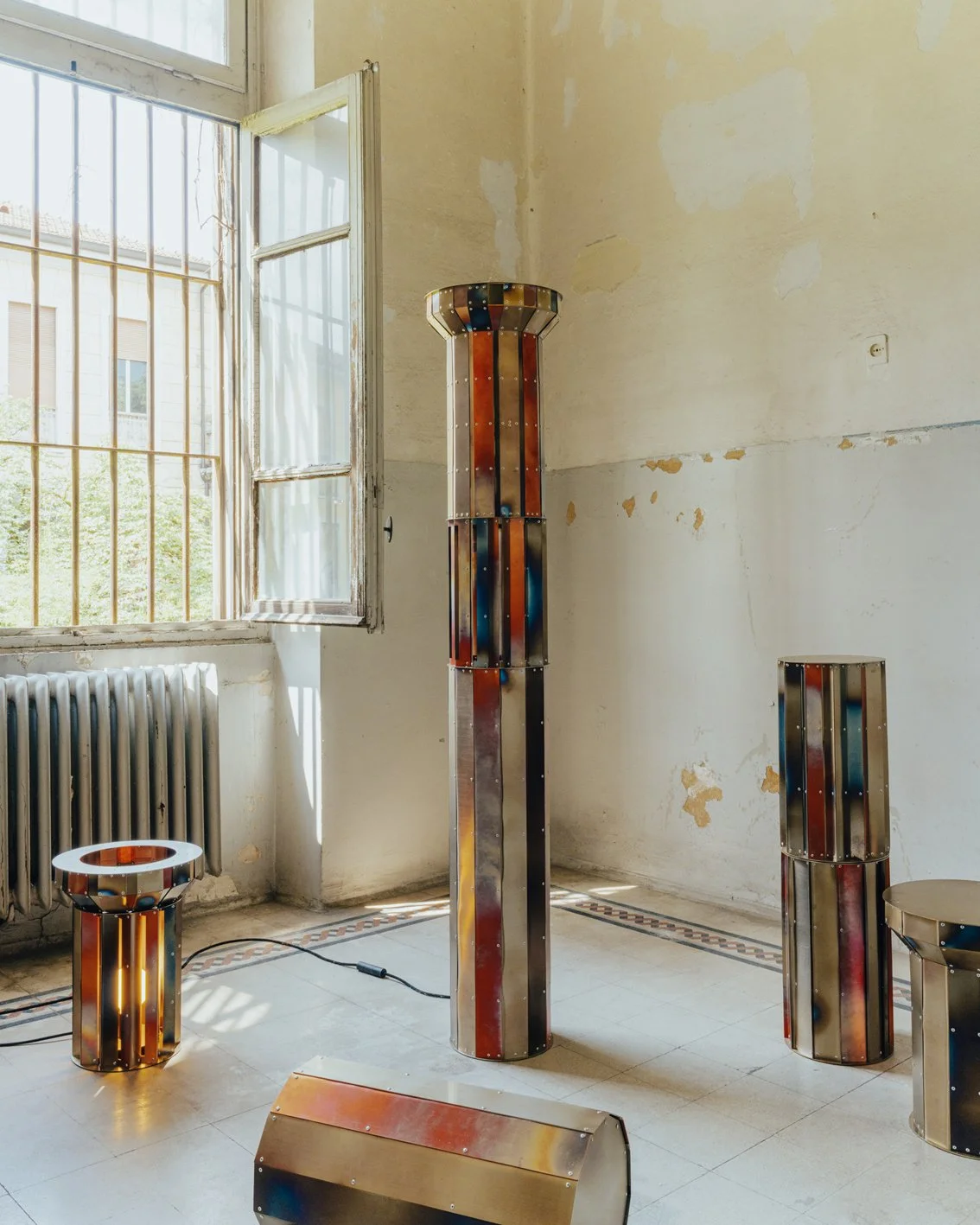
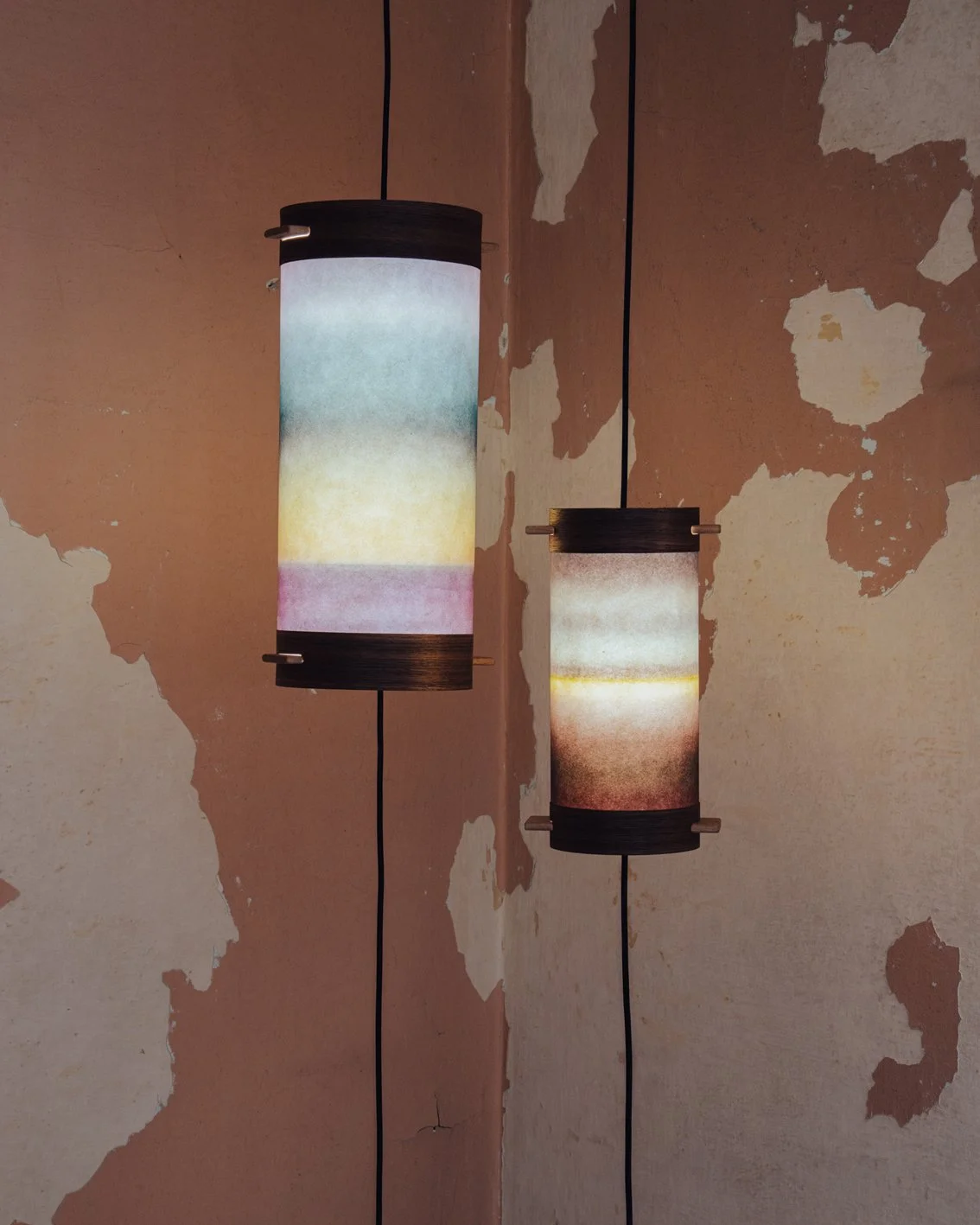
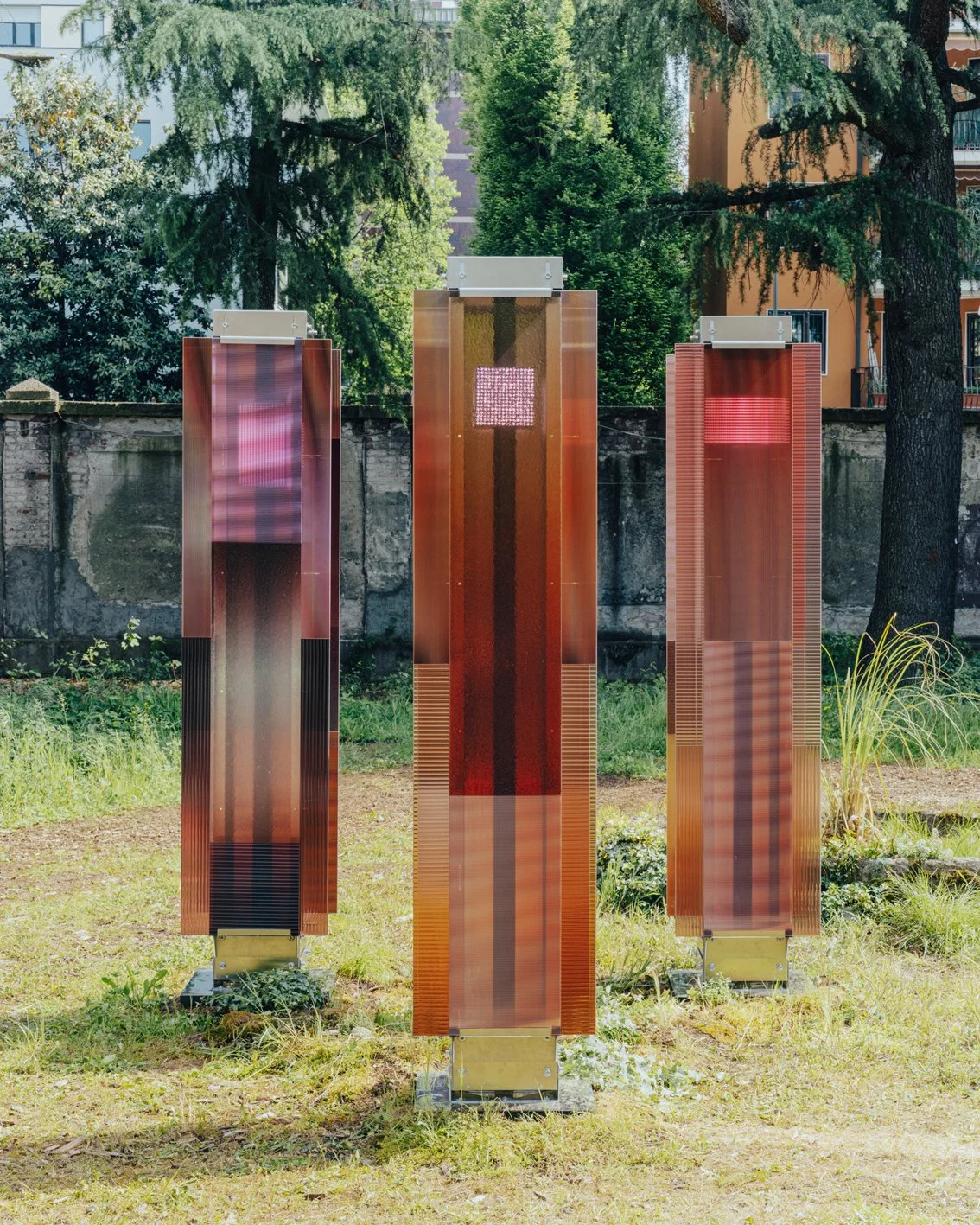
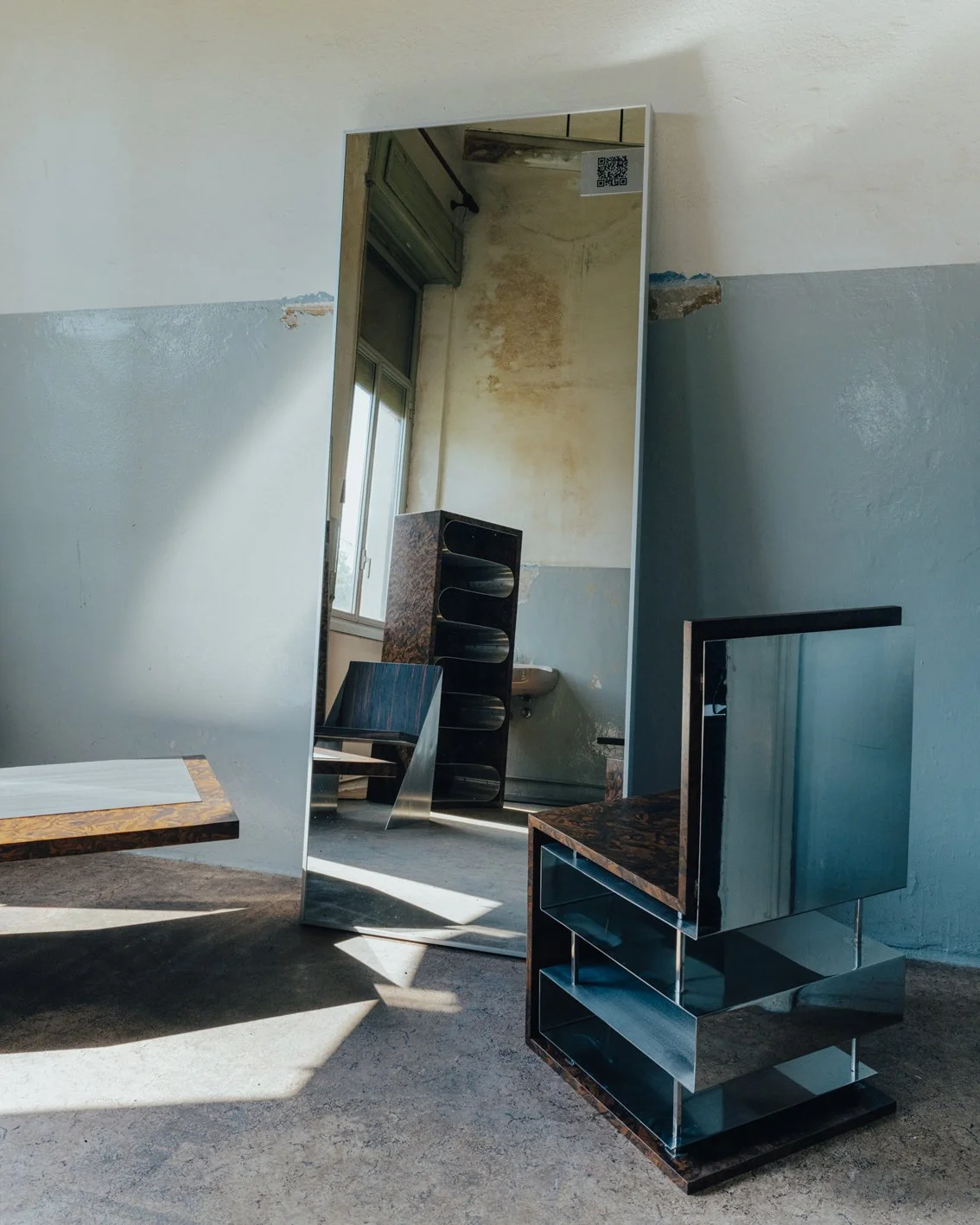
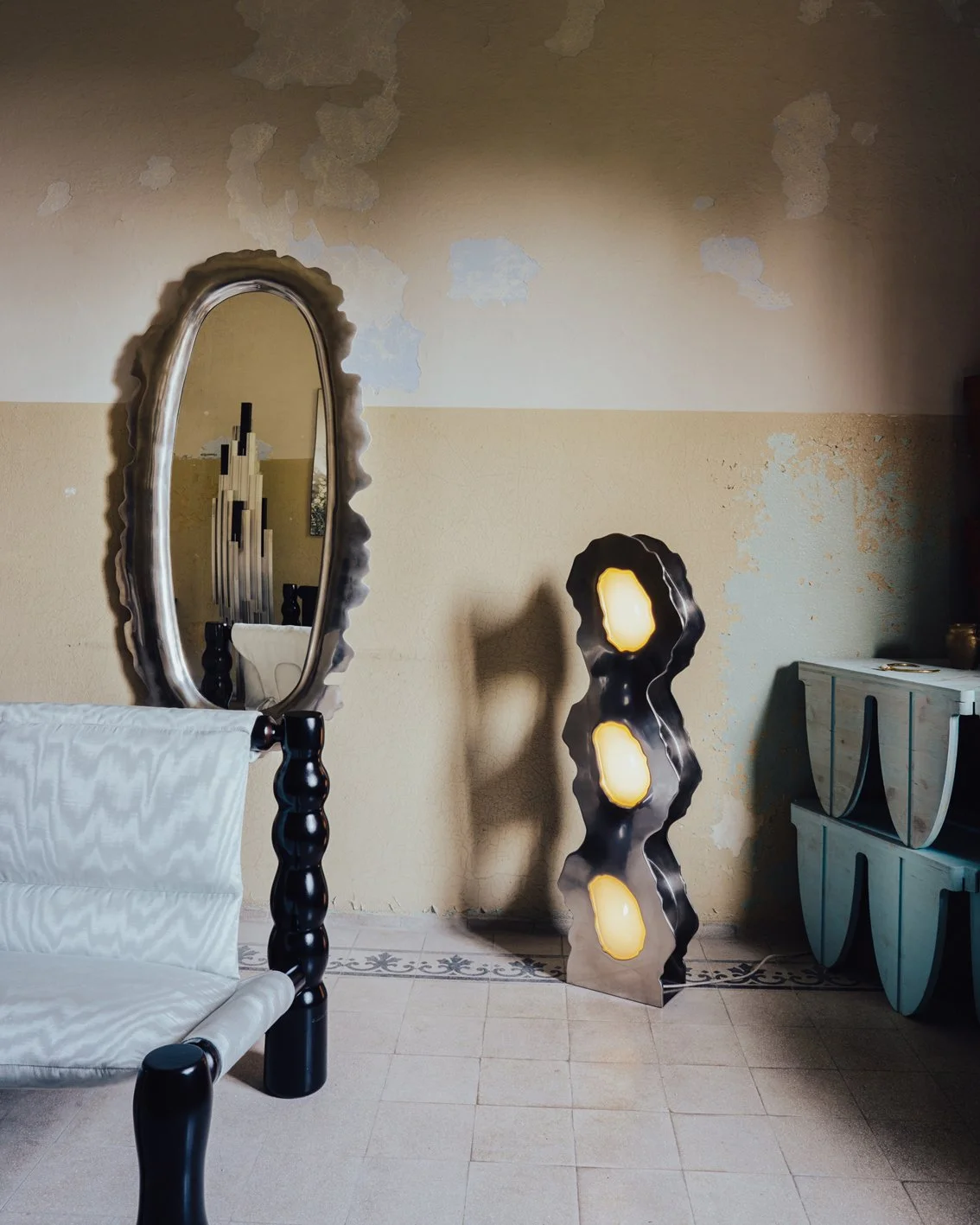
What distinguished Alcova 2026 was the clarity with which many designers responded to their surroundings. Rather than competing with architecture, the strongest projects worked with space, allowing scale, material, and silence to shape interpretation.
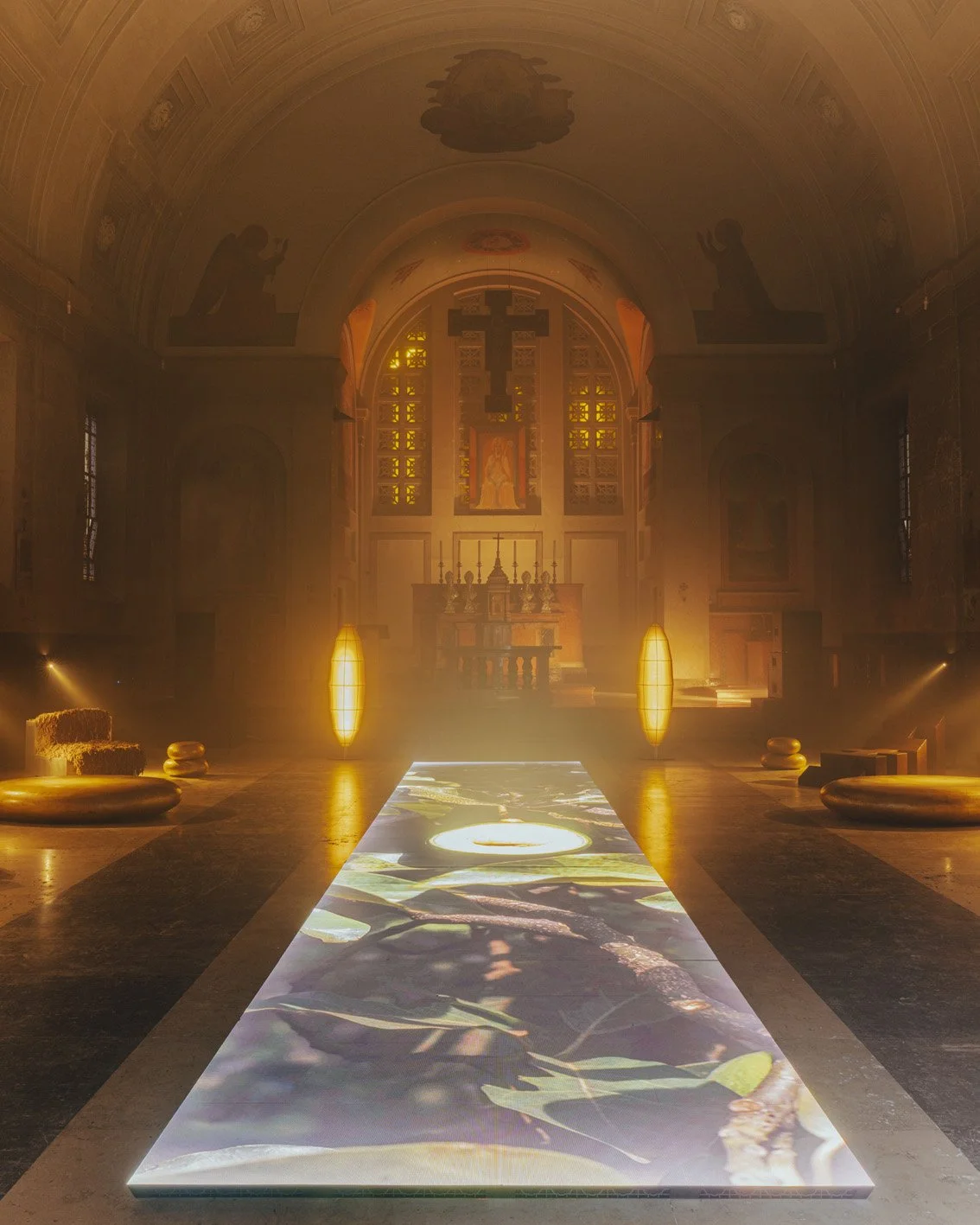
Within the newly opened church at Baggio, Devices for Connection by Leo Lague, created in collaboration with VERSA, transformed the space into a contemplative environment. Sound, light, and technology were layered carefully, reinforcing the spiritual gravity of the architecture rather than overwhelming it. It was an installation that demanded time and rewarded stillness.
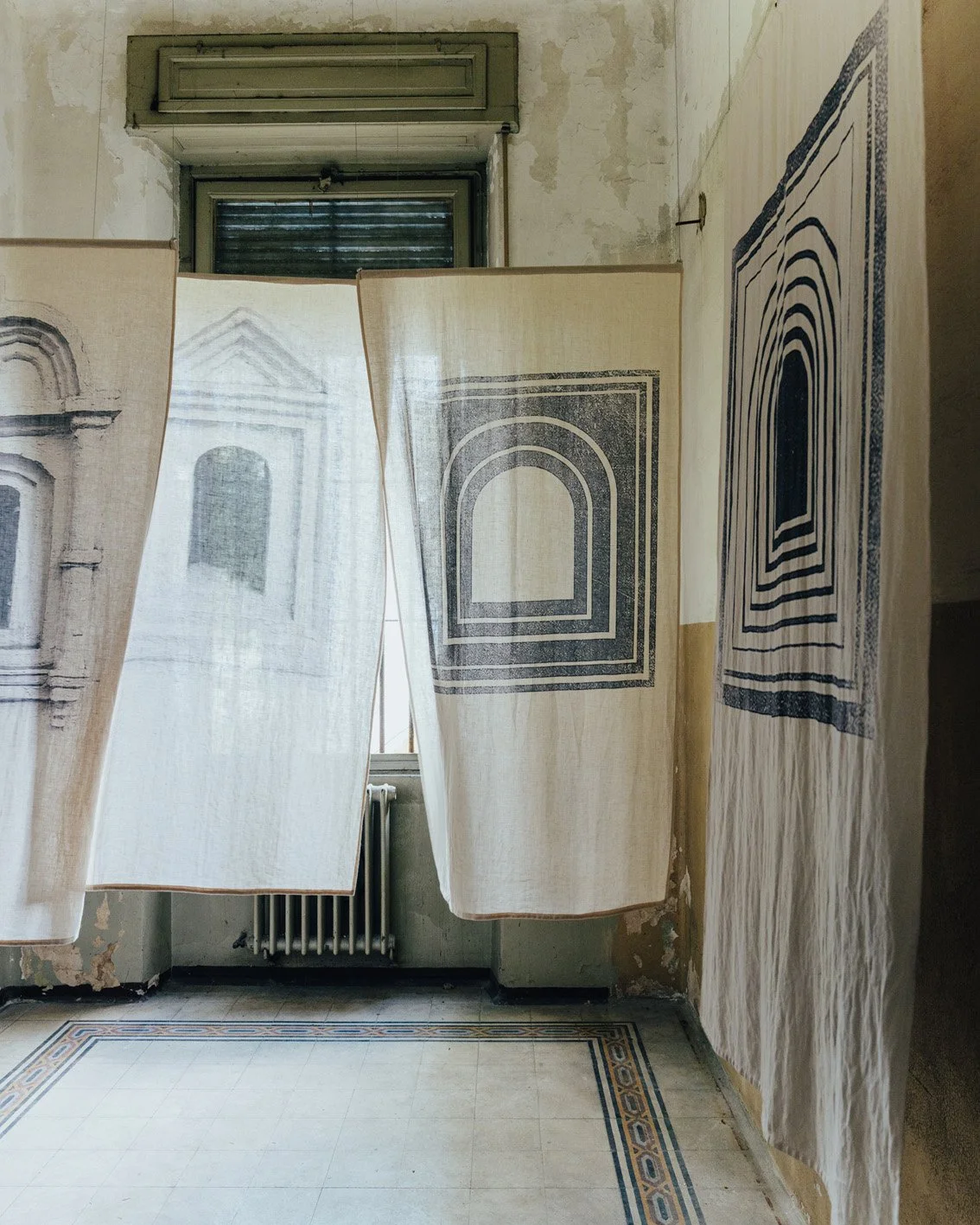
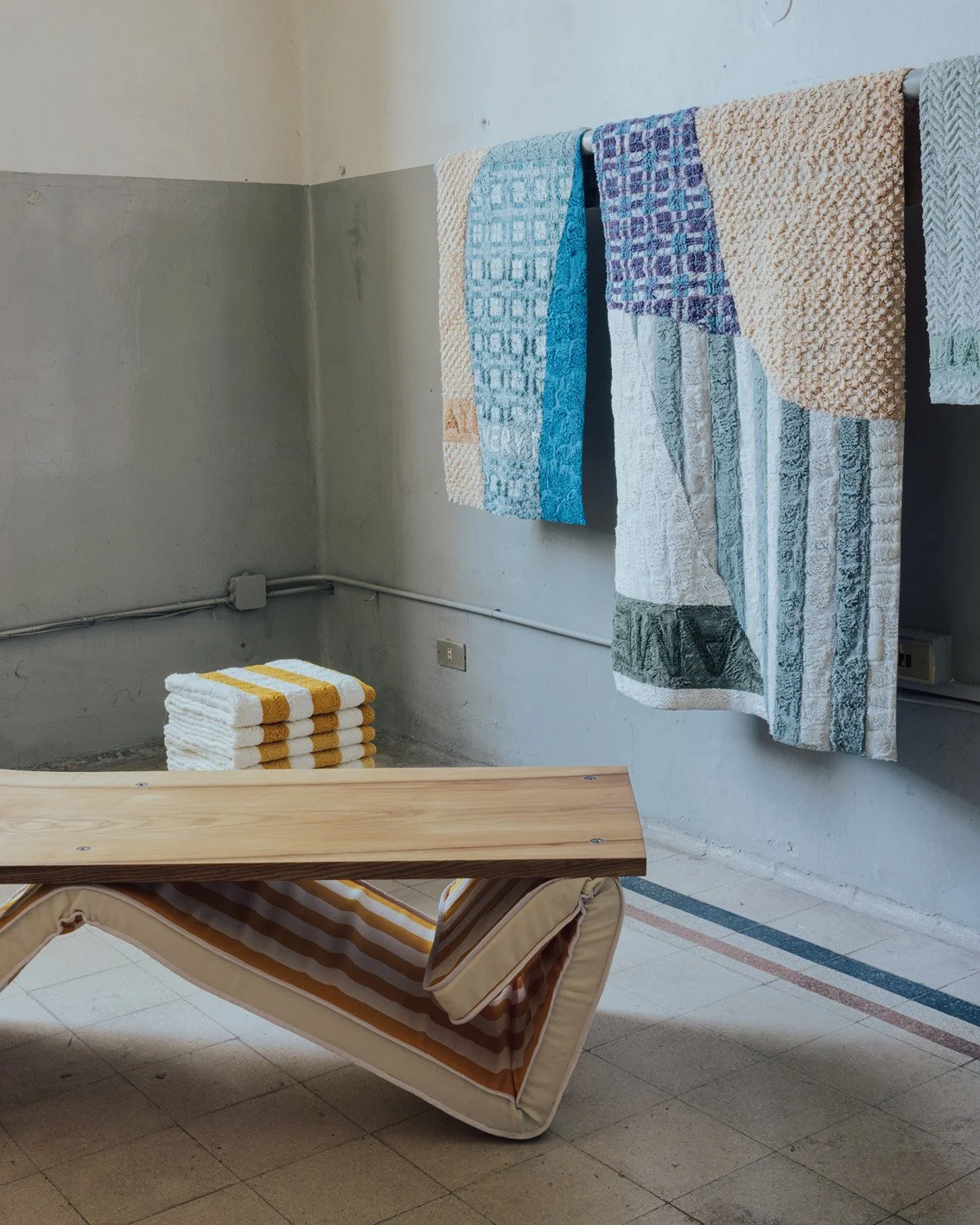
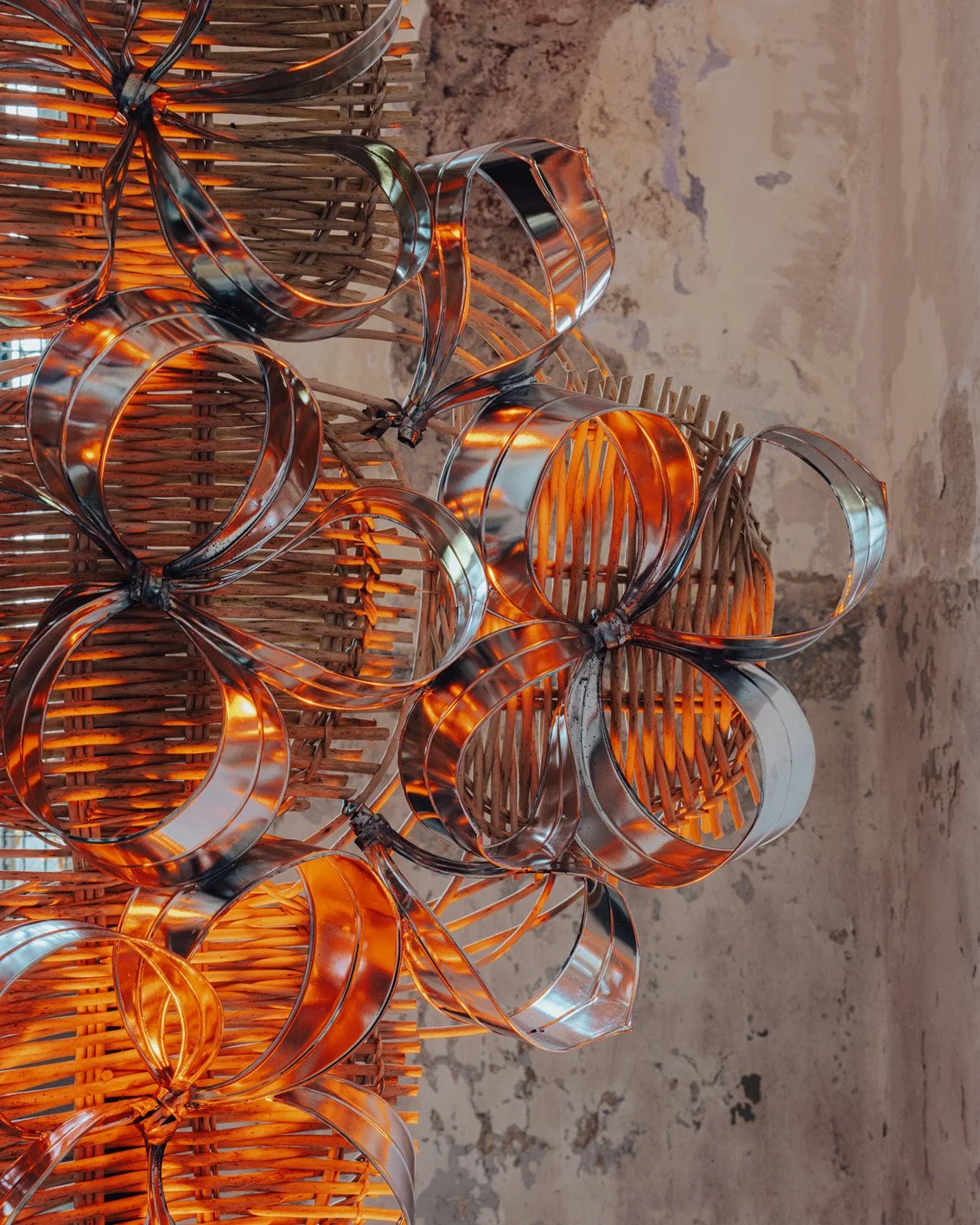
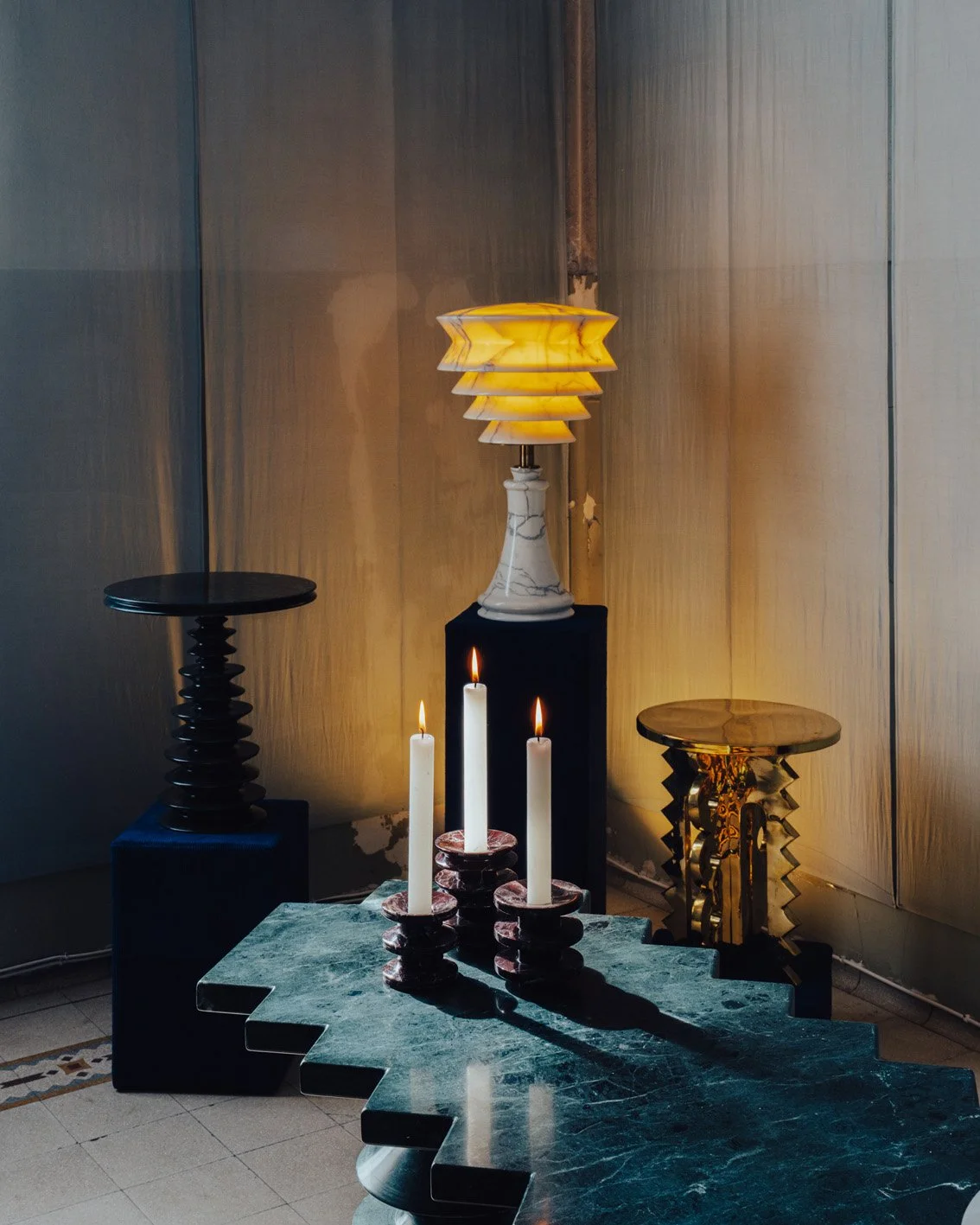
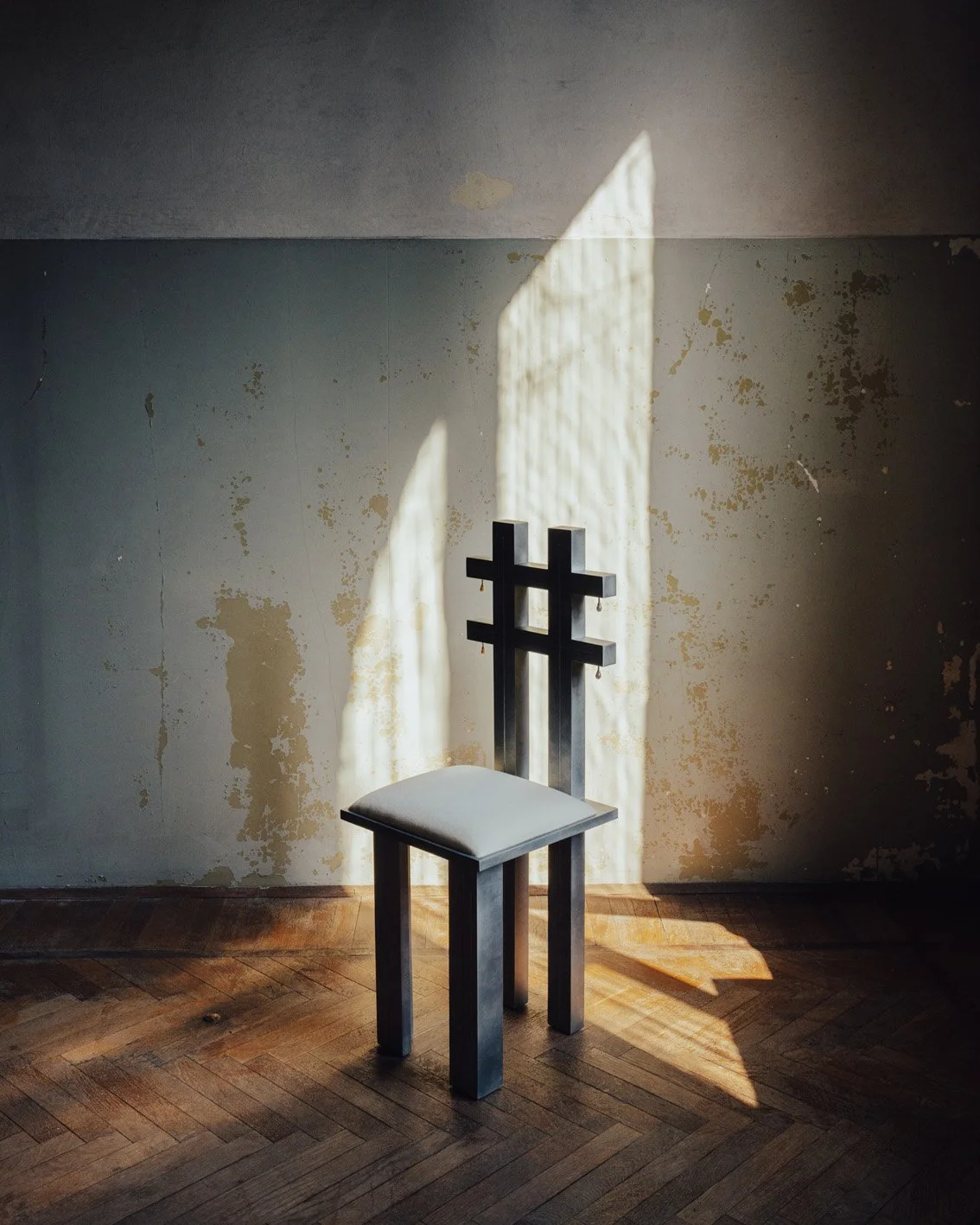
Nearby, Objects of Common Interest for Dooor presented Threshold, a restrained yet intellectually precise exploration of boundaries and passage. Using Dooor’s partition systems, the installation created subtle zones that suggested division without enclosure. Against the raw industrial backdrop of the hangar, its minimal language felt profoundly architectural.
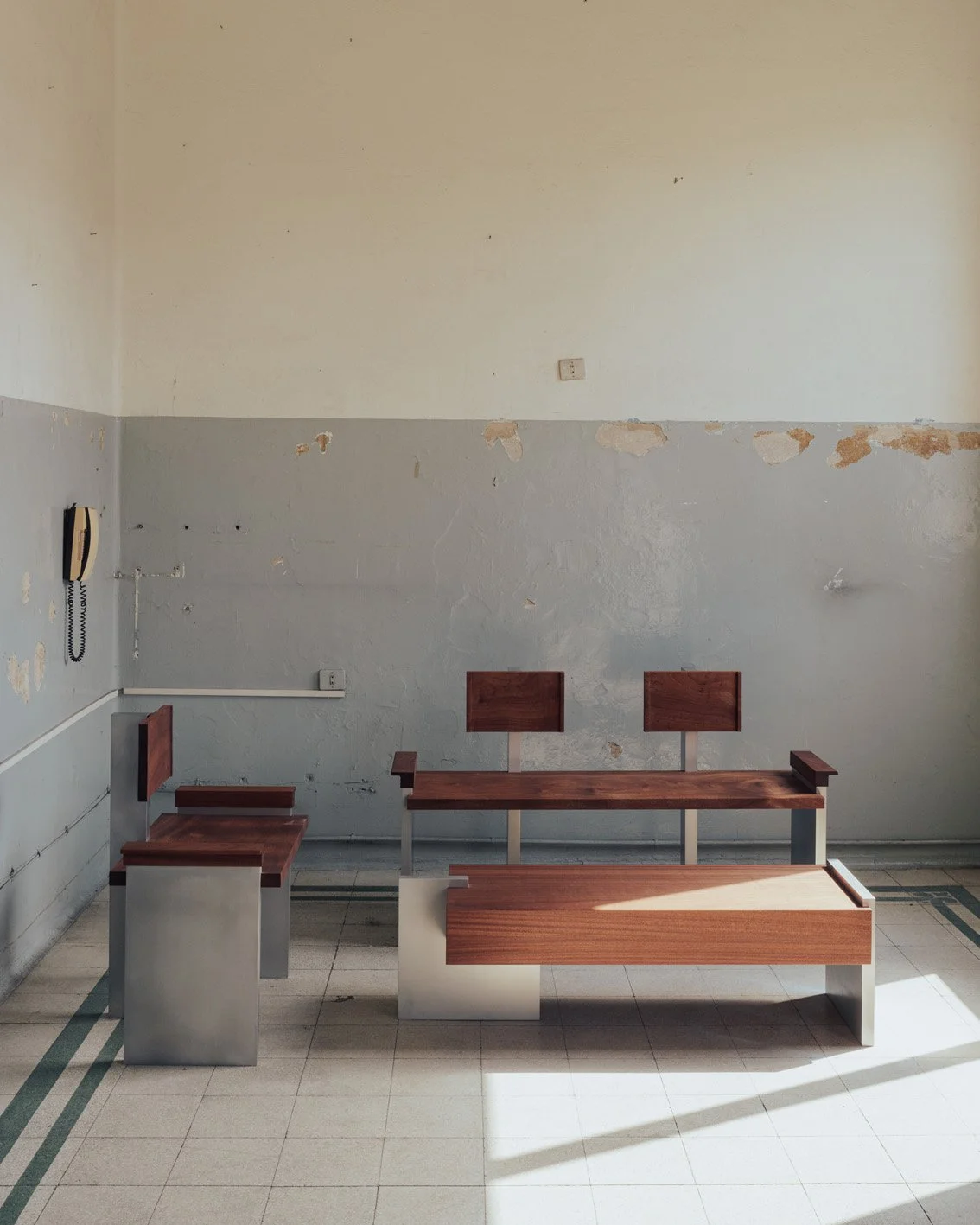
In the same hangar, Seat in Touch by Supaform, developed with Esthetic Joys Embassy, examined public infrastructure through the lens of shared experience. Drawing inspiration from transport hubs and municipal spaces, the project translated everyday utility into a modular seating system that encouraged coexistence. Integrated with Mutina’s Bloc terracotta elements by Ronan and Erwan Bouroullec, it balanced warmth with rigour.
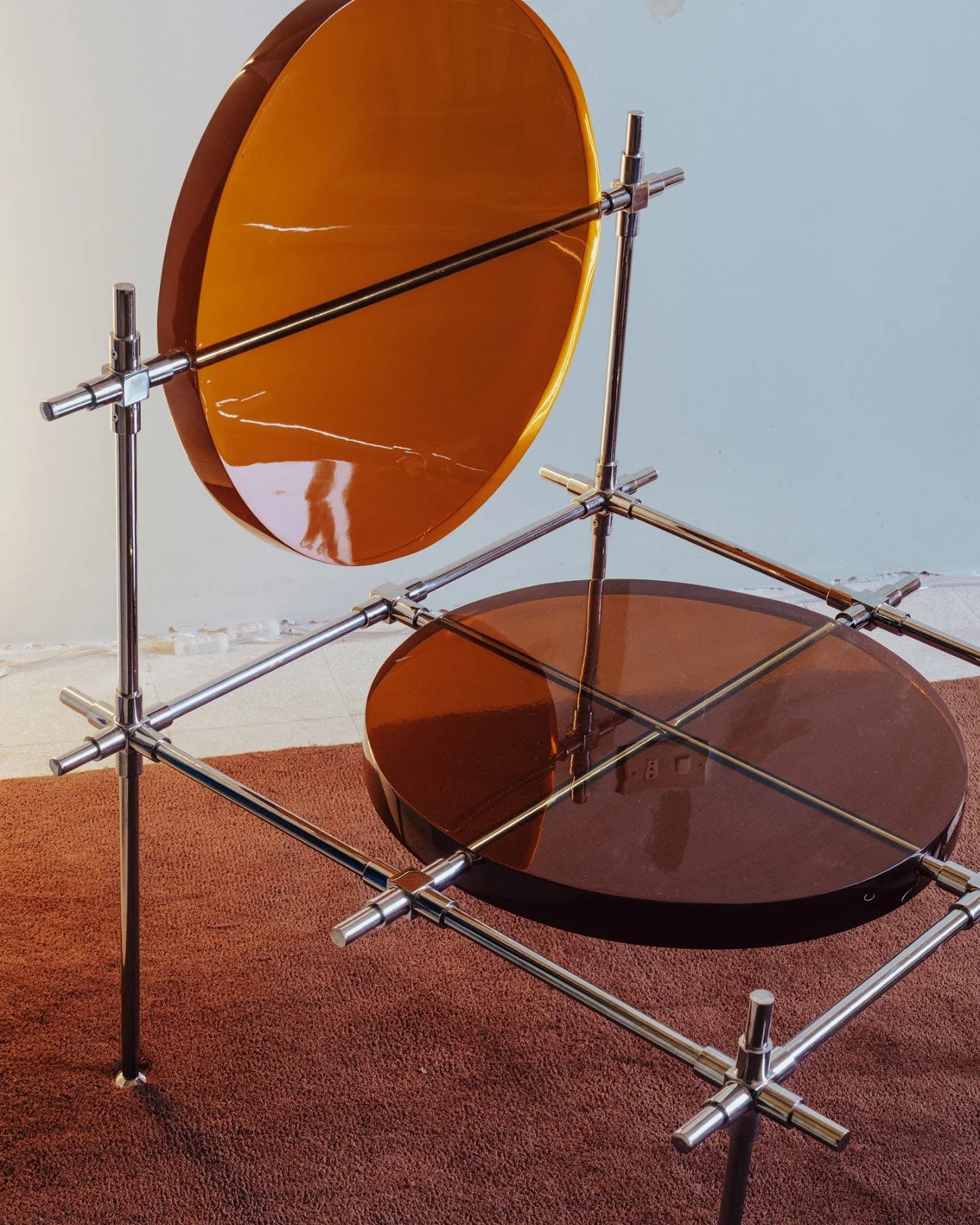
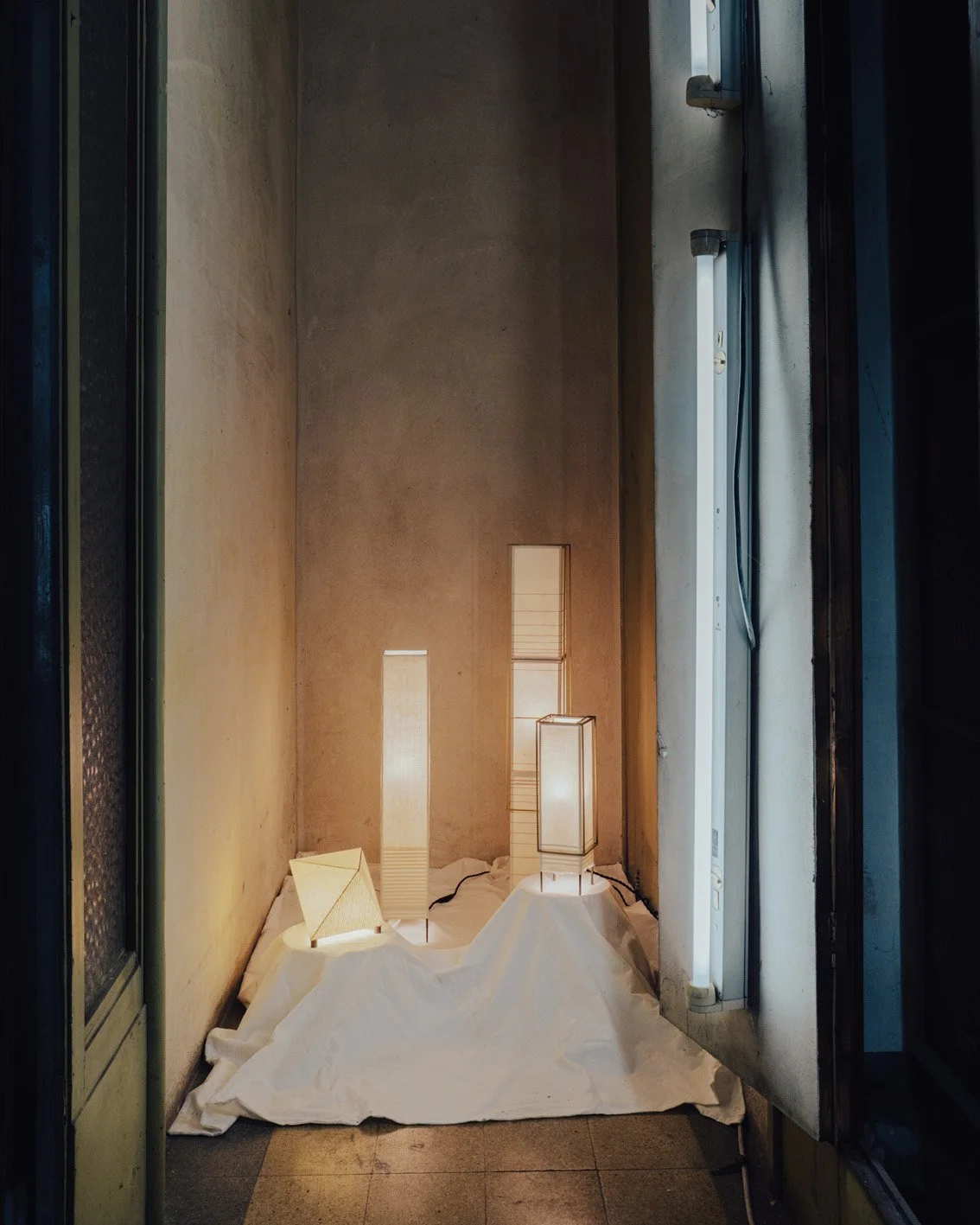
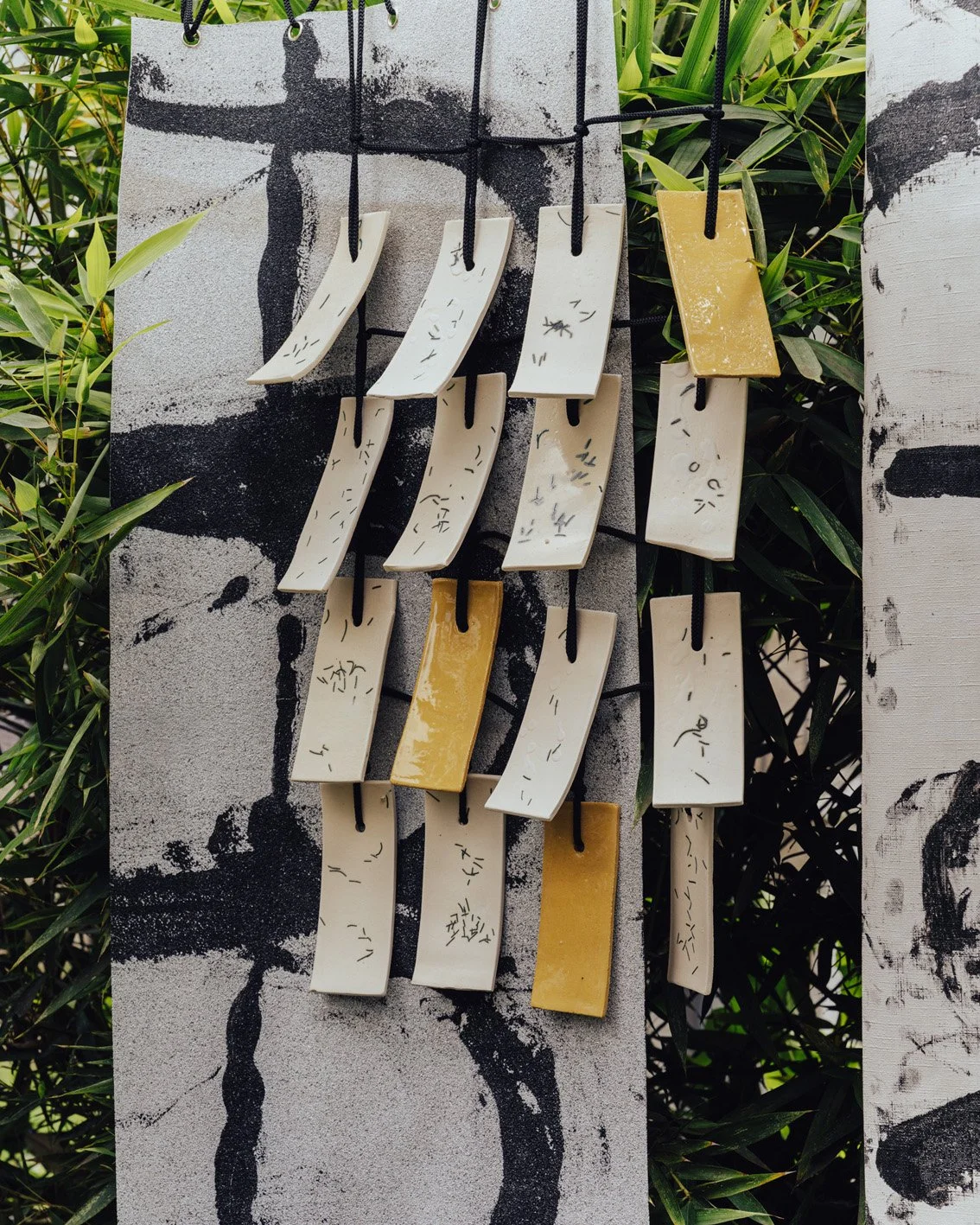
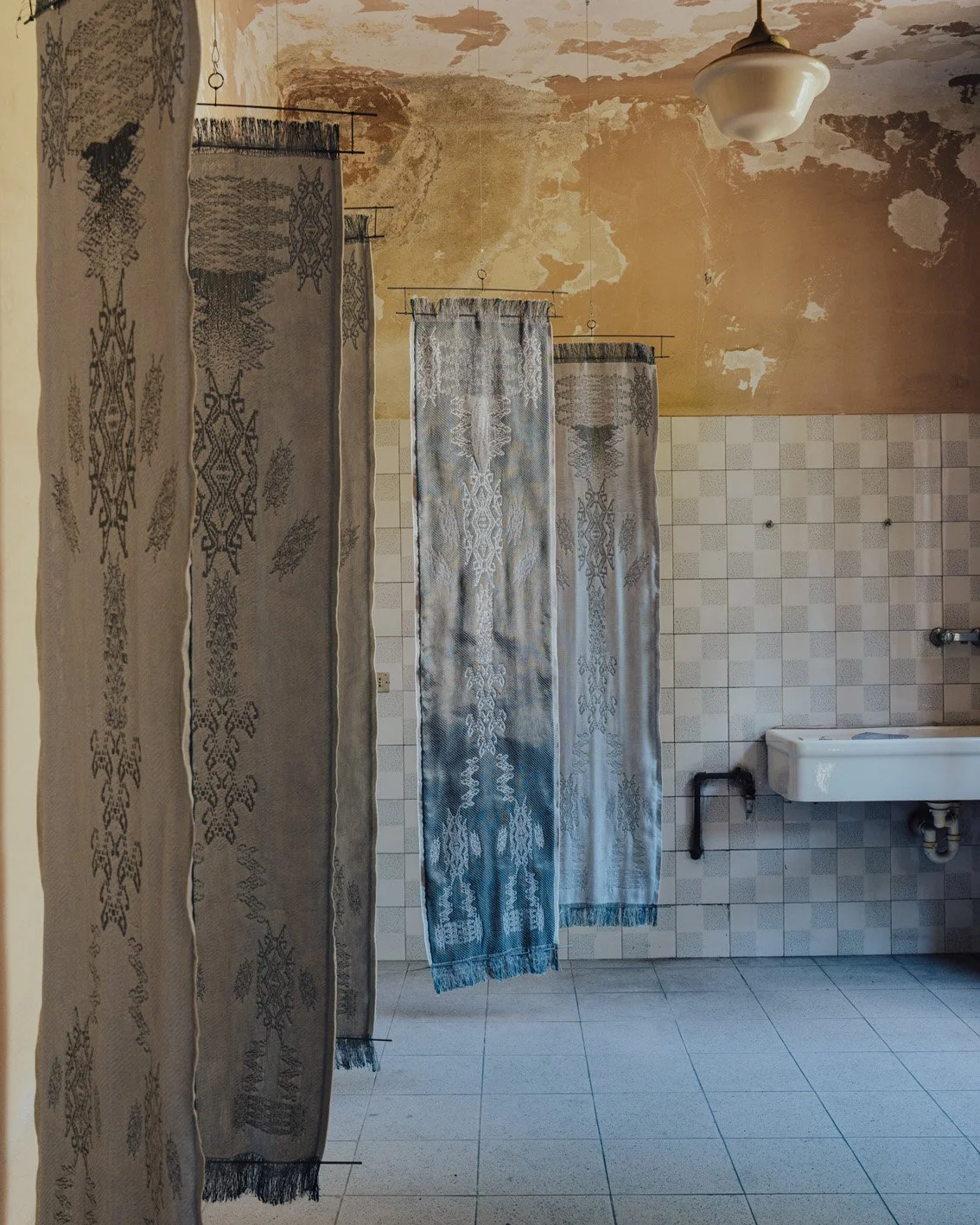
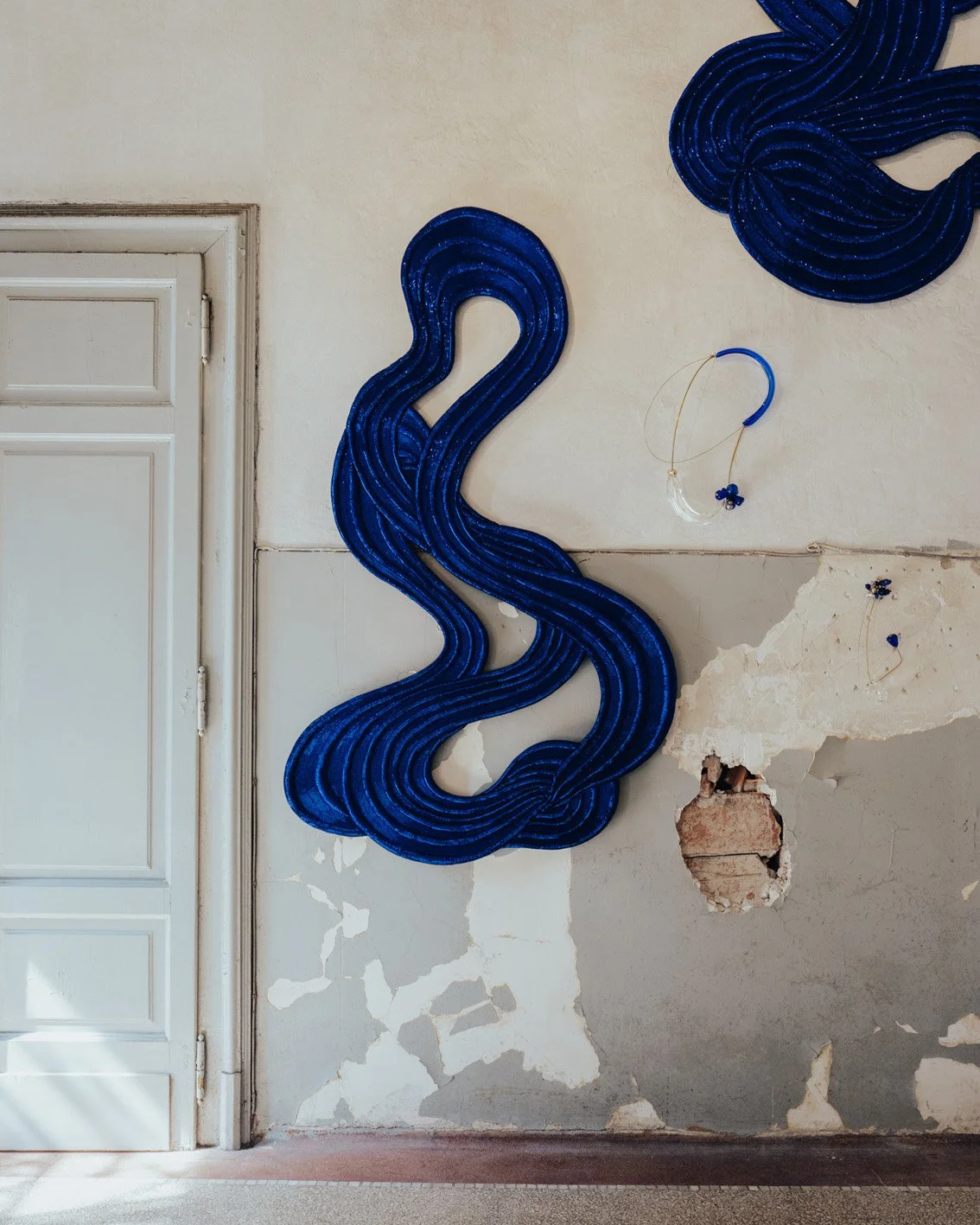
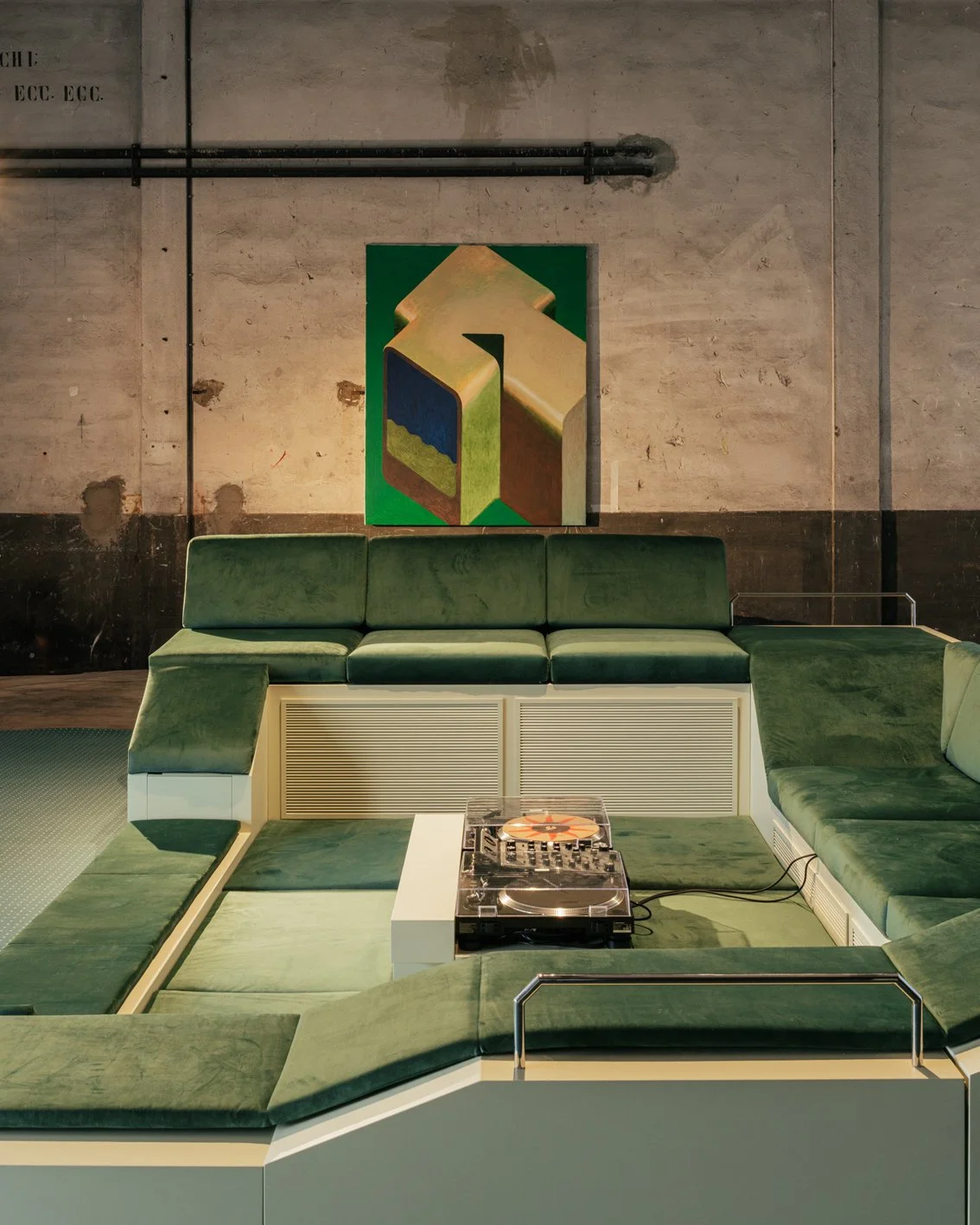
As evening approached, another hangar shifted into a different rhythm entirely. VOCLA / Design by Night, created with HENGE and designed by Ugo Cacciatori, blurred distinctions between installation, architecture, and social environment. By day, it functioned as a spatial experiment; by night, it became a dense, atmospheric setting for conversation, music, and exchange, underscoring Alcova’s belief that design culture is as much about gathering as it is about objects.
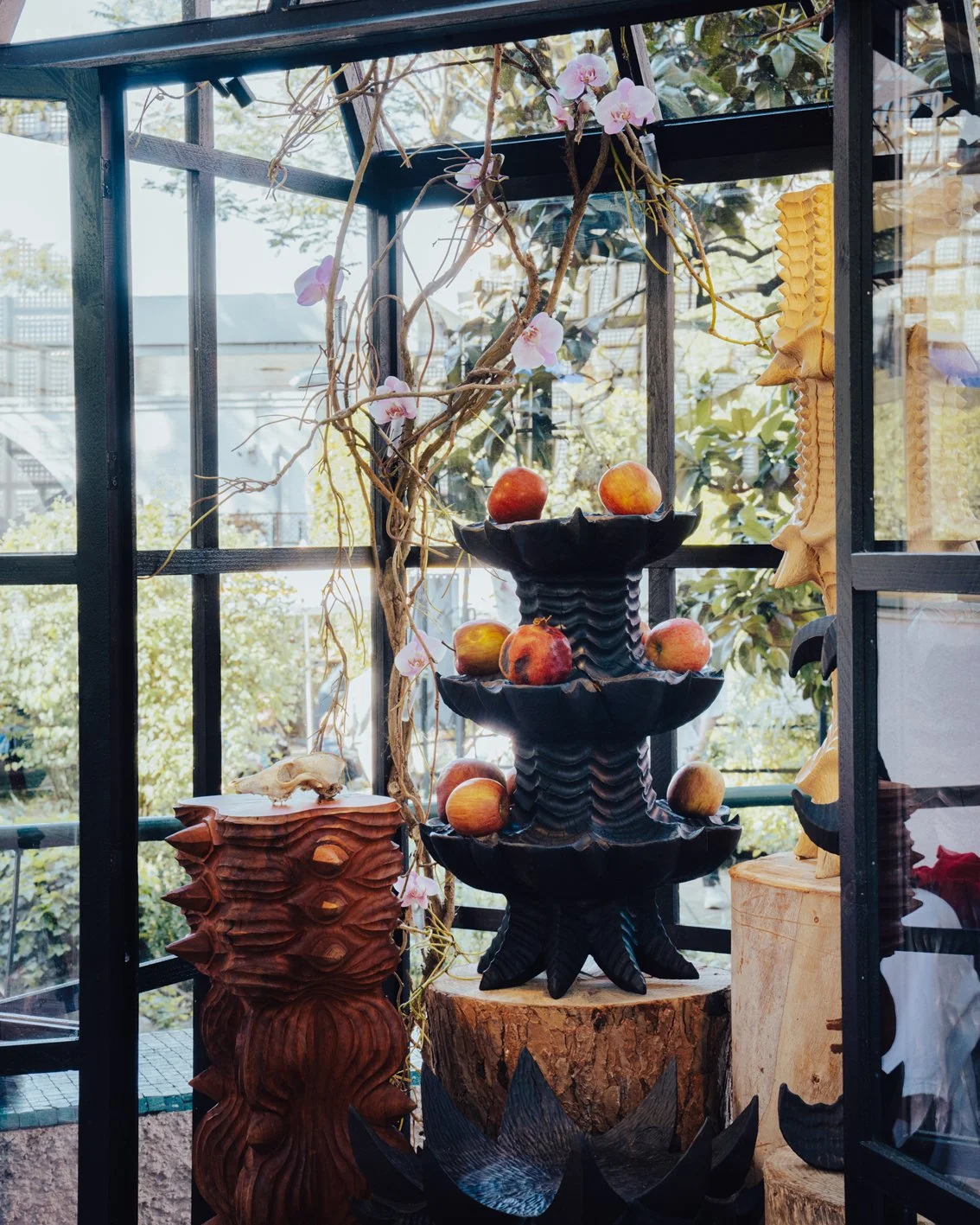
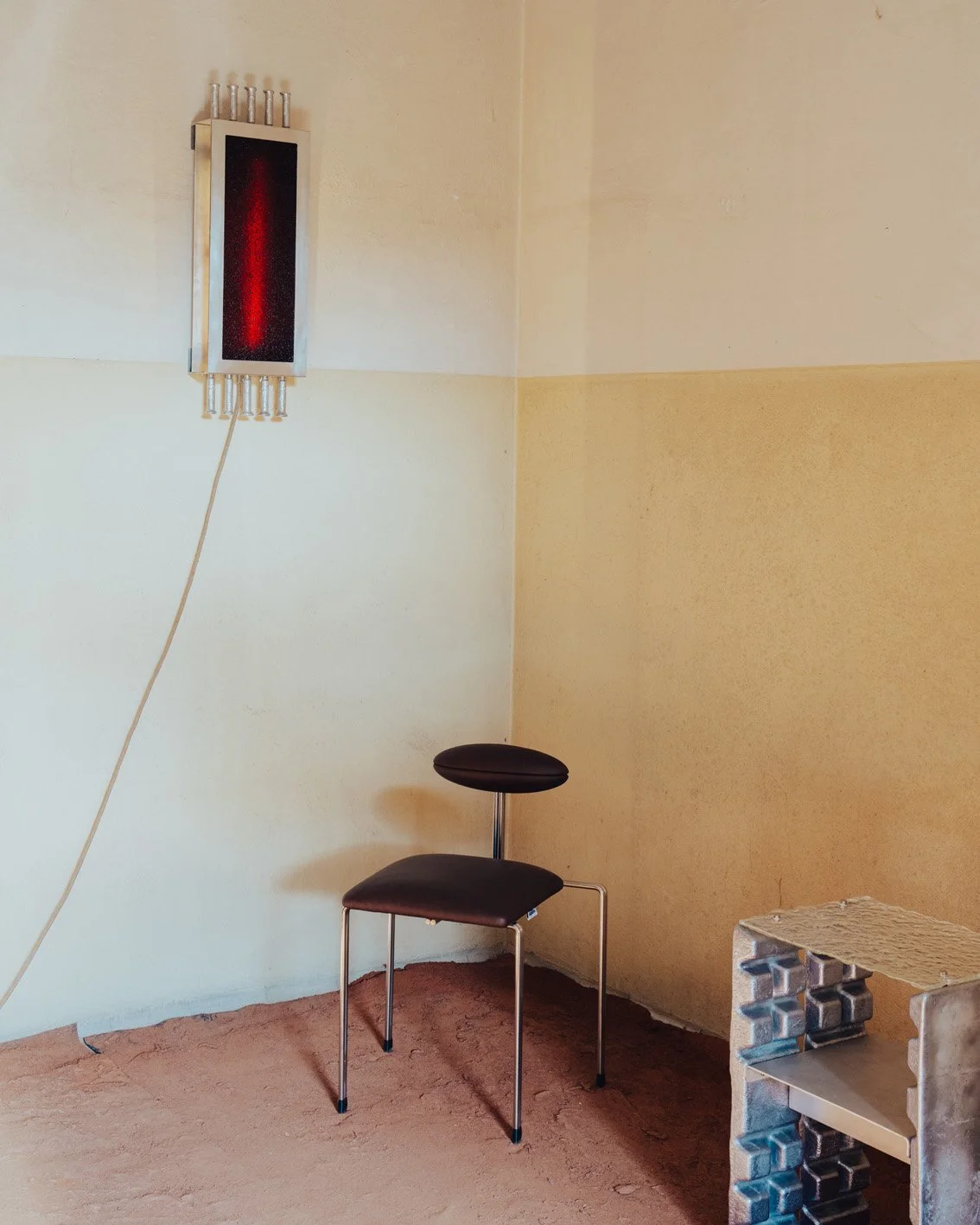
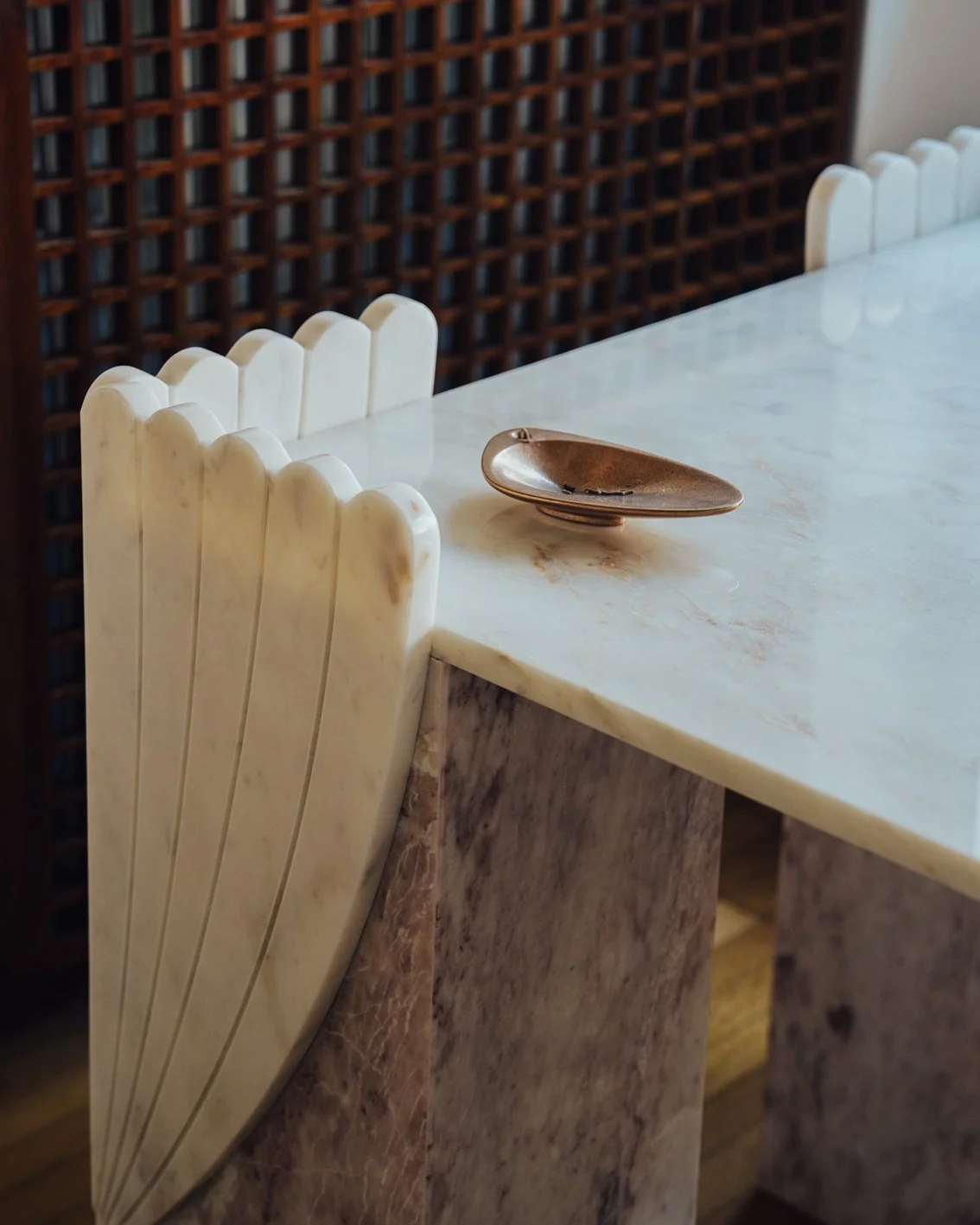
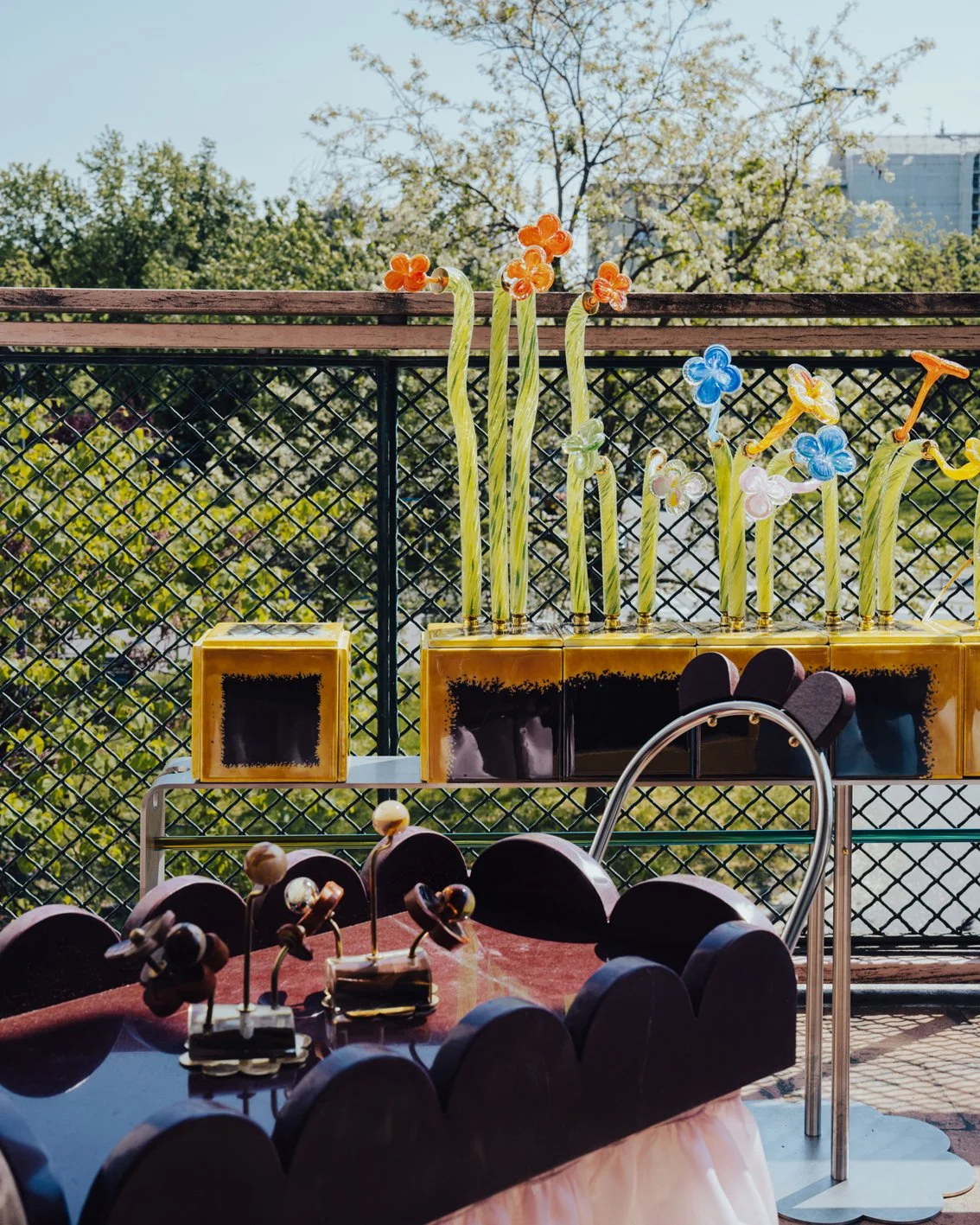
At Villa Pestarini, highlights were quieter but no less considered. Installations by studios including Around the Studio, Elisa Uberti, Manon Viratelle, OOG Objects, and Worn Studio unfolded gently throughout the house, never overpowering Albini’s architecture.
Two projects stood out for their direct engagement with Albini’s legacy. Haworth and Cassina, under the direction of Patricia Urquiola, presented an installation bringing Albini’s reissued designs into dialogue with contemporary pieces from Alcova Shop. Elsewhere, Boccamonte debuted a furniture collection celebrating Luisa Castiglioni, one of Albini’s protégés, reinforcing the villa’s role as both archive and living framework.
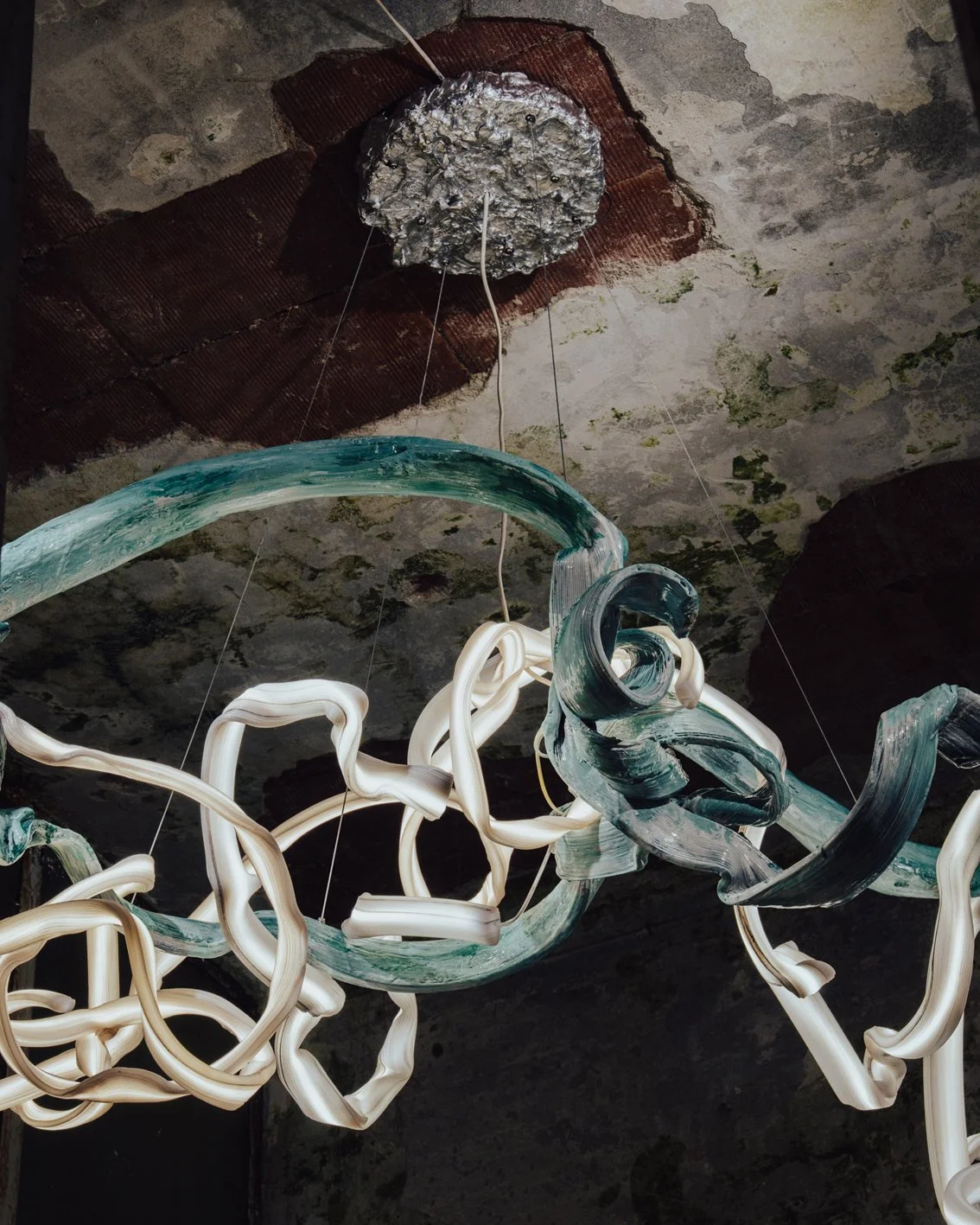
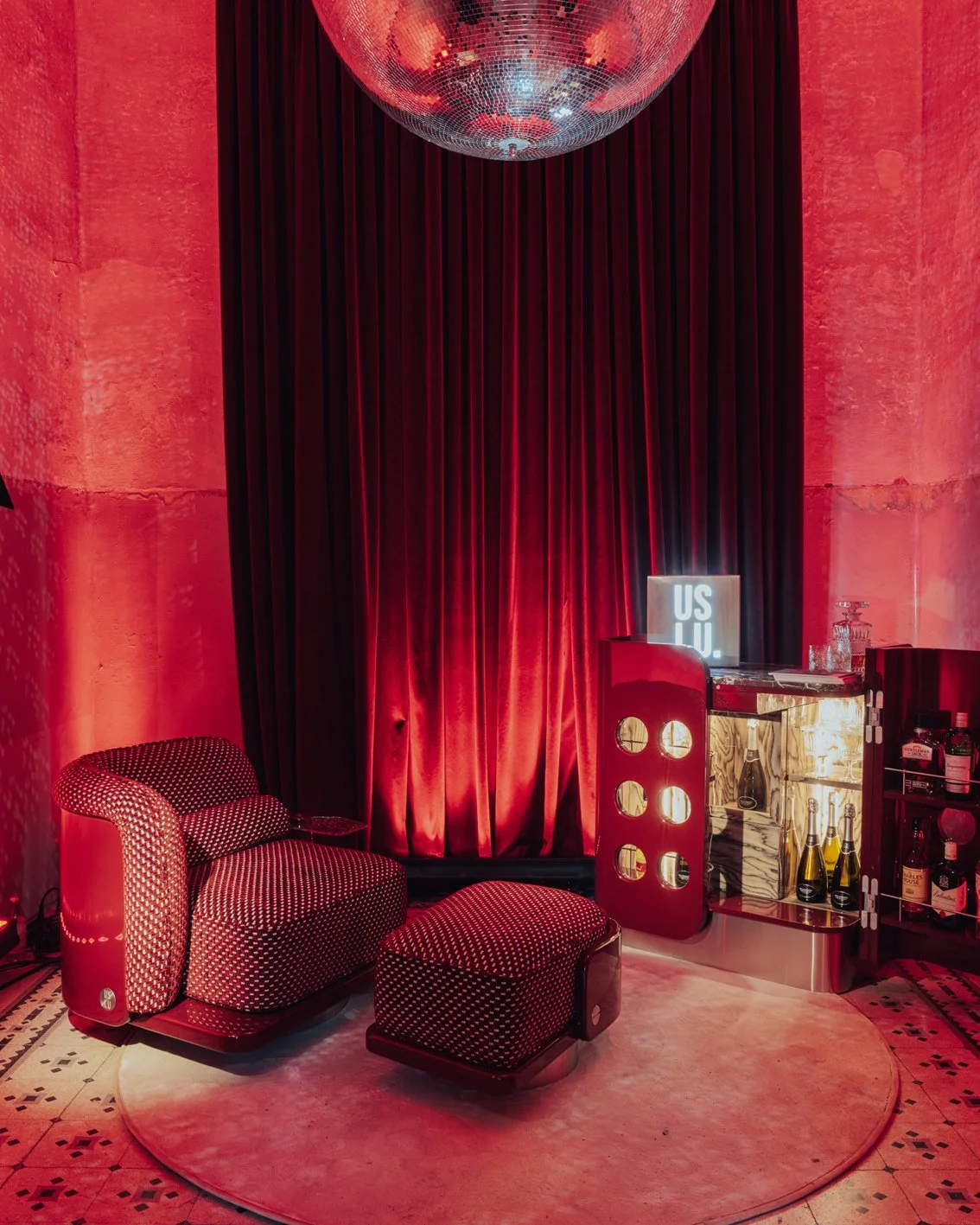
A Platform for Emerging Voices
One of Alcova’s most enduring contributions is its commitment to emerging designers. Milan Design Week can be prohibitively expensive and overwhelmingly commercial. Alcova offers an alternative form of visibility, one rooted in credibility rather than scale.
In 2026, the exhibitor list spanned independent studios, international collectives, and major design schools. What united them was not a shared aesthetic but a shared seriousness. Material research, craft, sustainability, and speculative inquiry took precedence over surface appeal.
Without platforms like Alcova, many of these designers would struggle to find meaningful exposure. Here, they are not marginal. They are central.
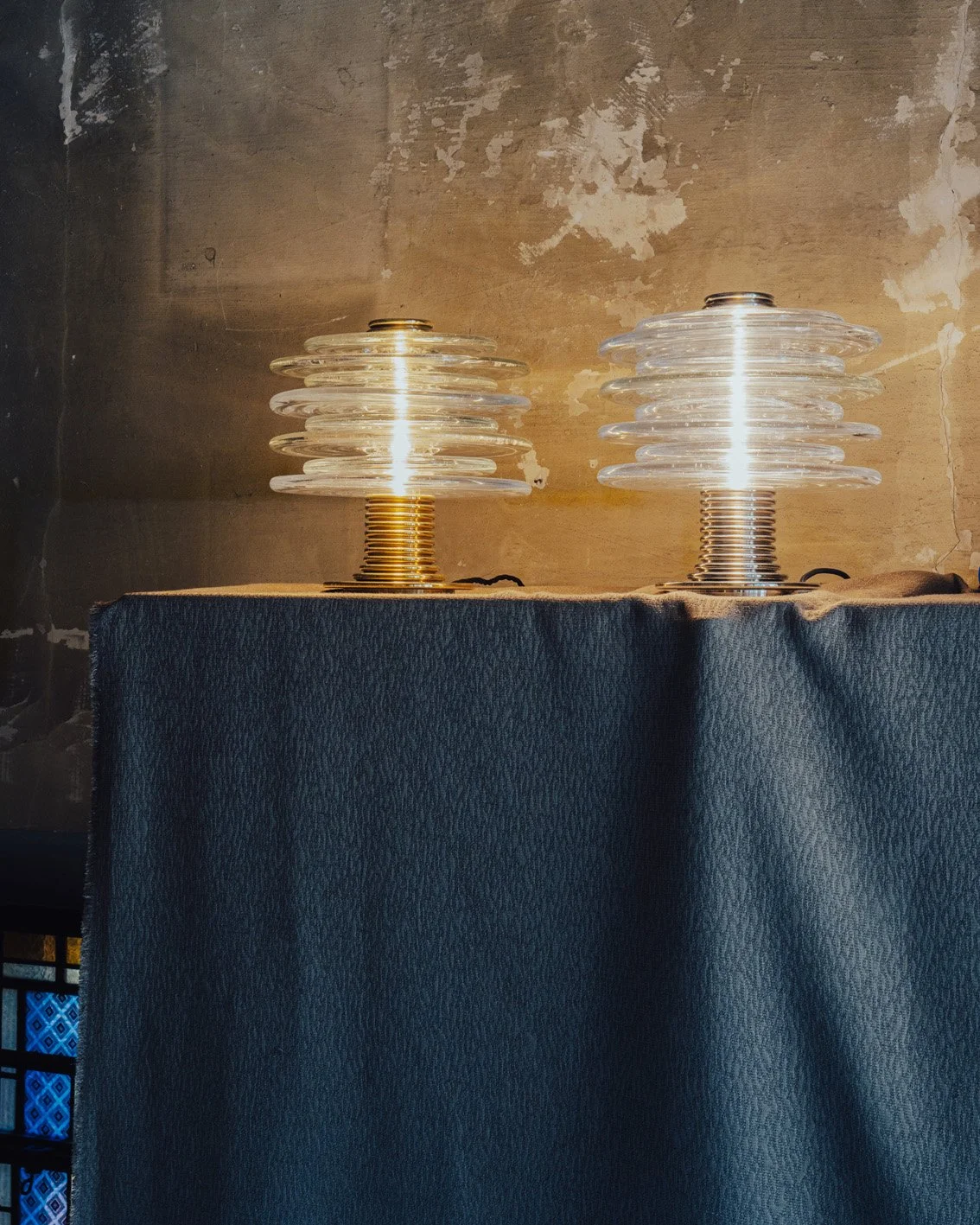
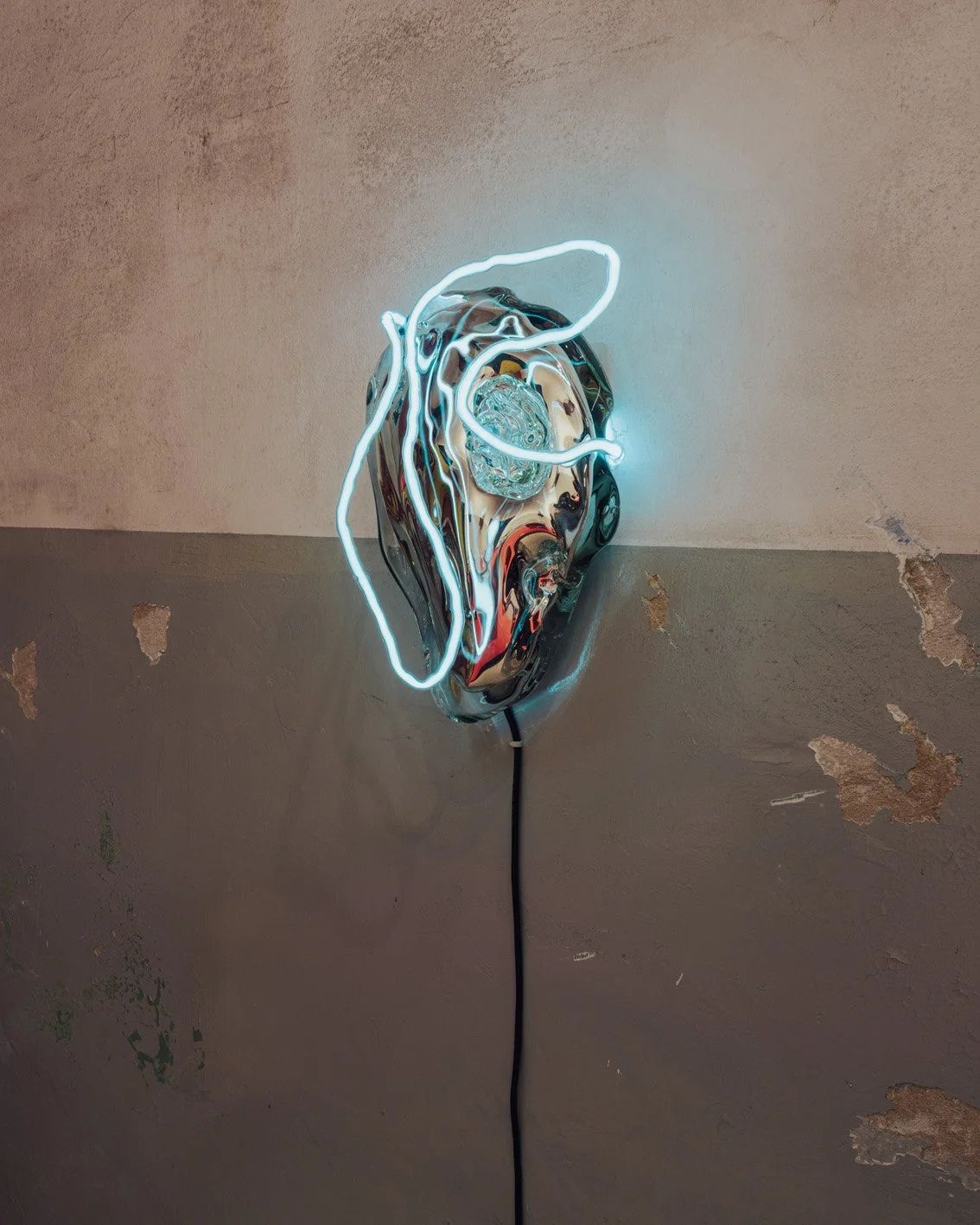
Beyond Milan: Miami and the Newly Announced Mexico
While Milan remains Alcova’s spiritual home, the platform has proven it can expand without diluting its identity. Following its Miami edition, which translated Alcova’s ethos into a very different cultural and architectural context, the announcement of Alcova Mexico marks a significant next step.
Mexico’s layered urban environments, strong craft traditions, and rich architectural history suggest a fertile ground for Alcova’s approach. If Milan 2026 demonstrated anything, it is that Alcova functions best when it remains deeply attentive to place.
Why Alcova Still Feels Necessary
After eleven editions, Alcova could rely on reputation alone. Instead, Alcova 2026 felt more spatially confident, more measured, and more emotionally grounded than ever.
It reminded us that design does not need perfection to be meaningful. It needs context. It needs friction. And it needs platforms willing to prioritise exploration over immediacy.
Walking through the corridors of Baggio or the restrained interiors of Villa Pestarini, it became clear once again that Alcova is not simply an exhibition. It is a statement; one that insists design culture is richer, more relevant, and more honest when it engages directly with the world it inhabits.
More Stories
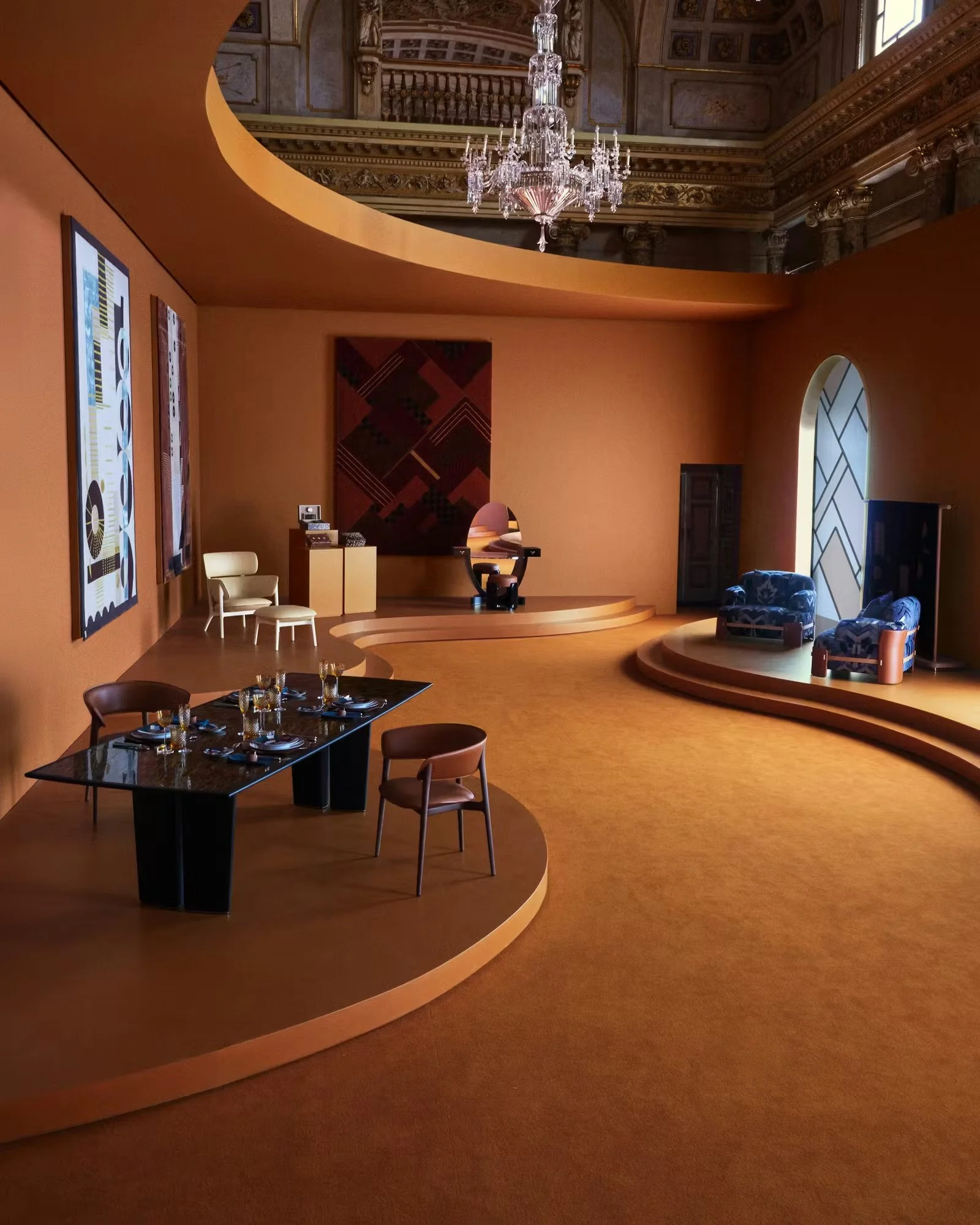
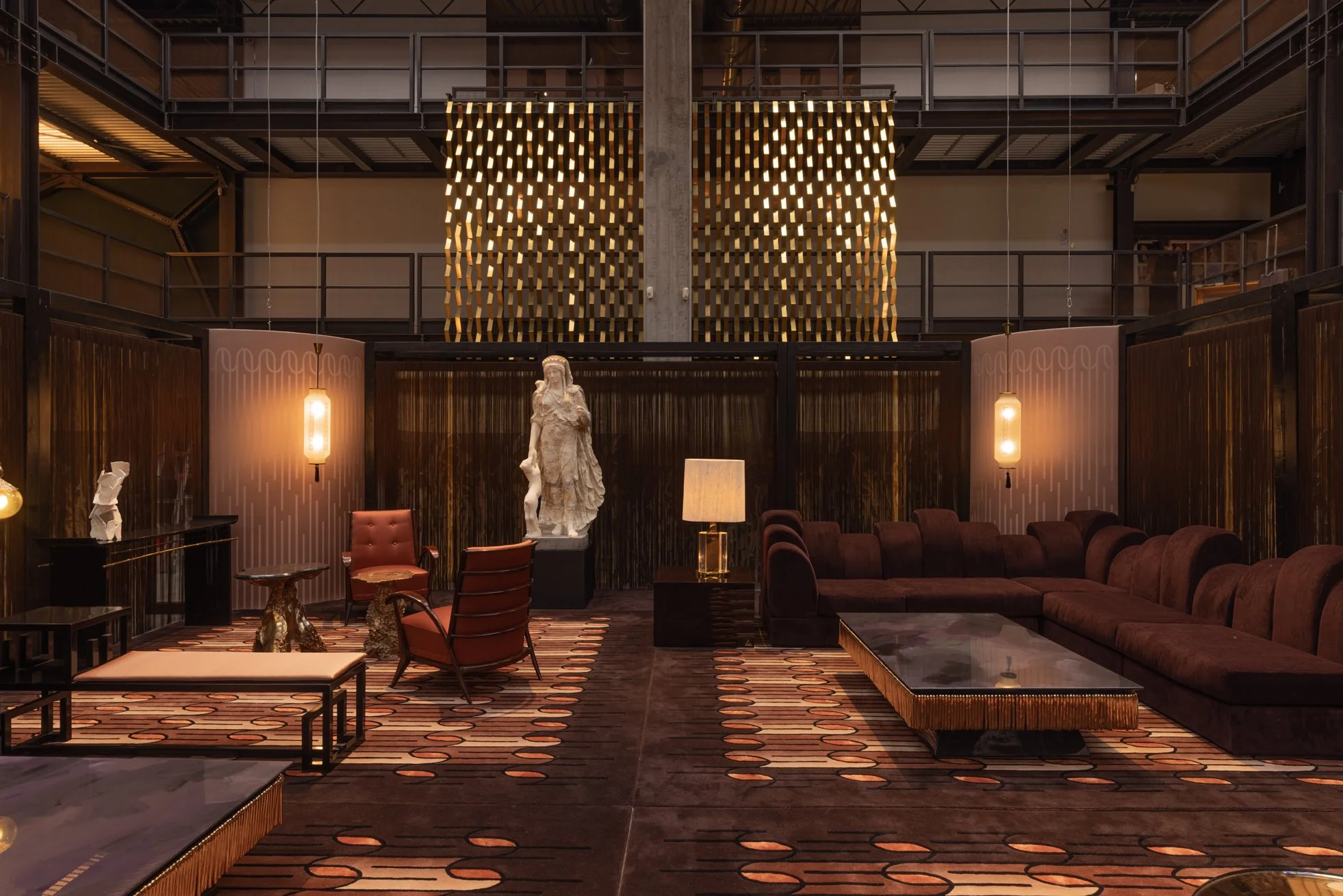
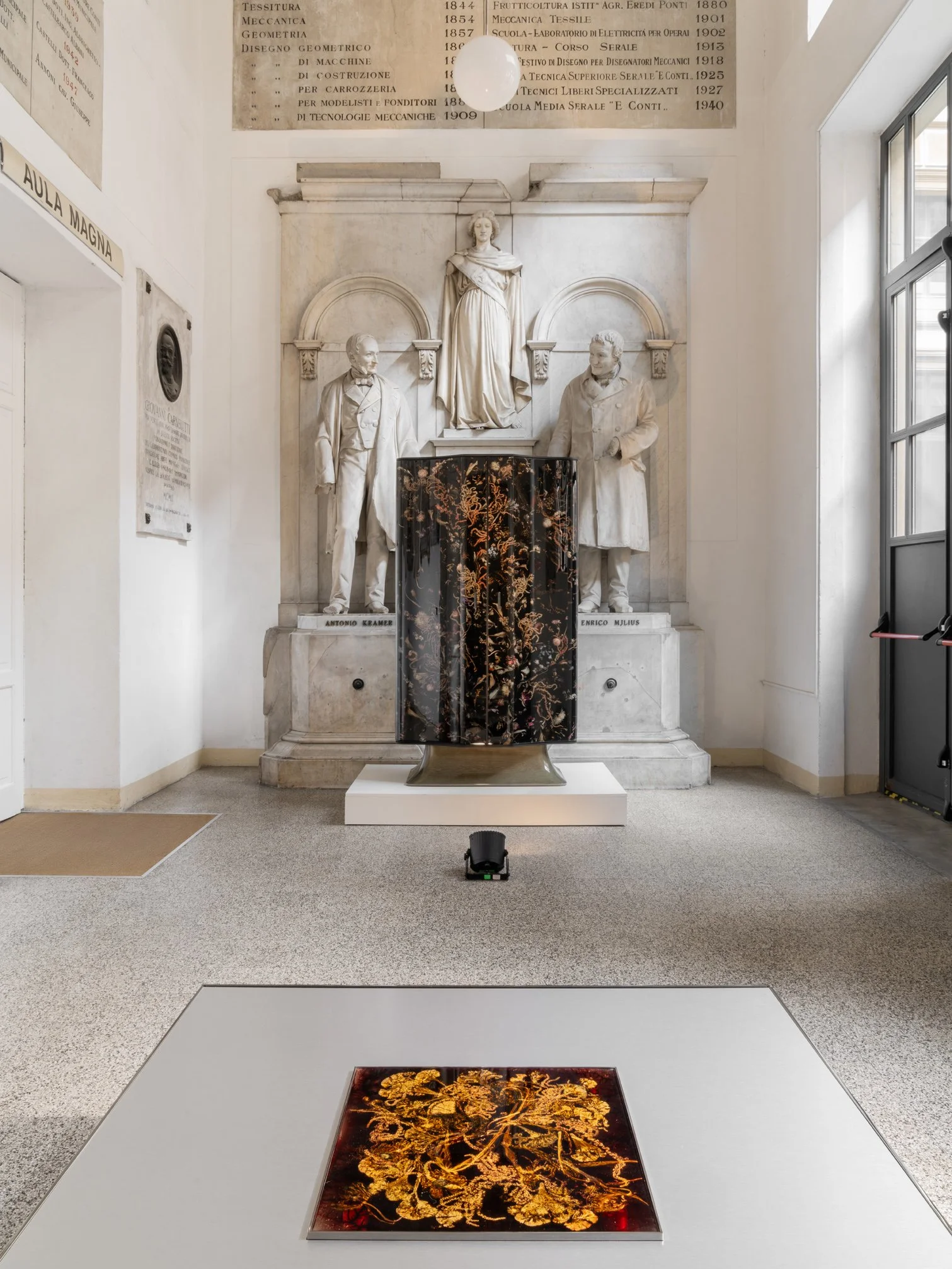
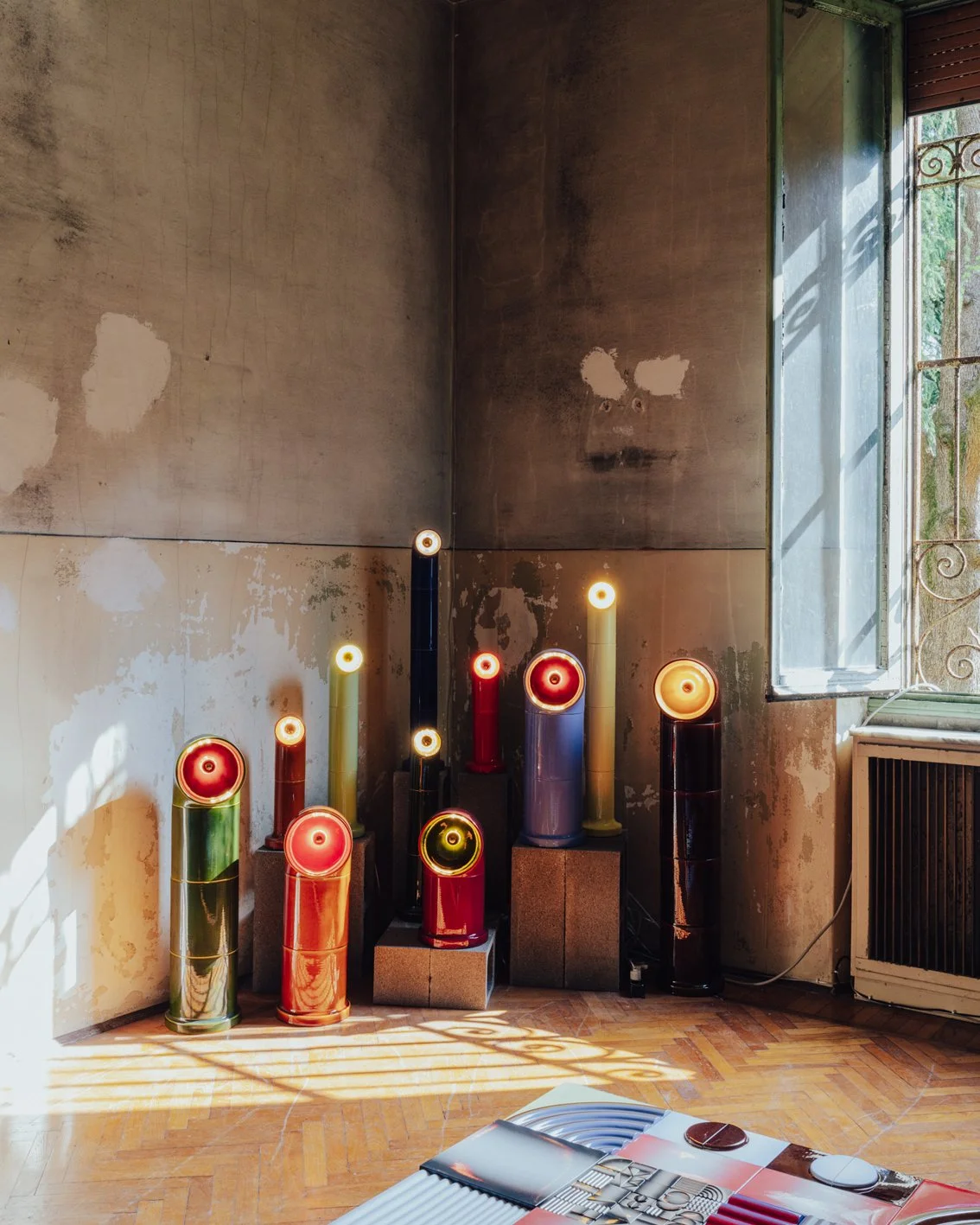

During Milan Design Week 2026, MENU transformed Chiesa Anglicana Tutti i Santi into a unified architectural narrative. Curated by Bodo Sperlein, the exhibition brought material, light, and collaboration into quiet alignment.