
Nilufar Casa Magica, Milan 2026
If Nilufar Grand Hotel was about movement, encounter, and the choreography of hospitality, Casa Magica offered its counterpoint. Slower, quieter, and more introspective, the exhibition unfolded as a meditation on domestic space not as a functional container, but as something charged with belief, protection, and meaning.
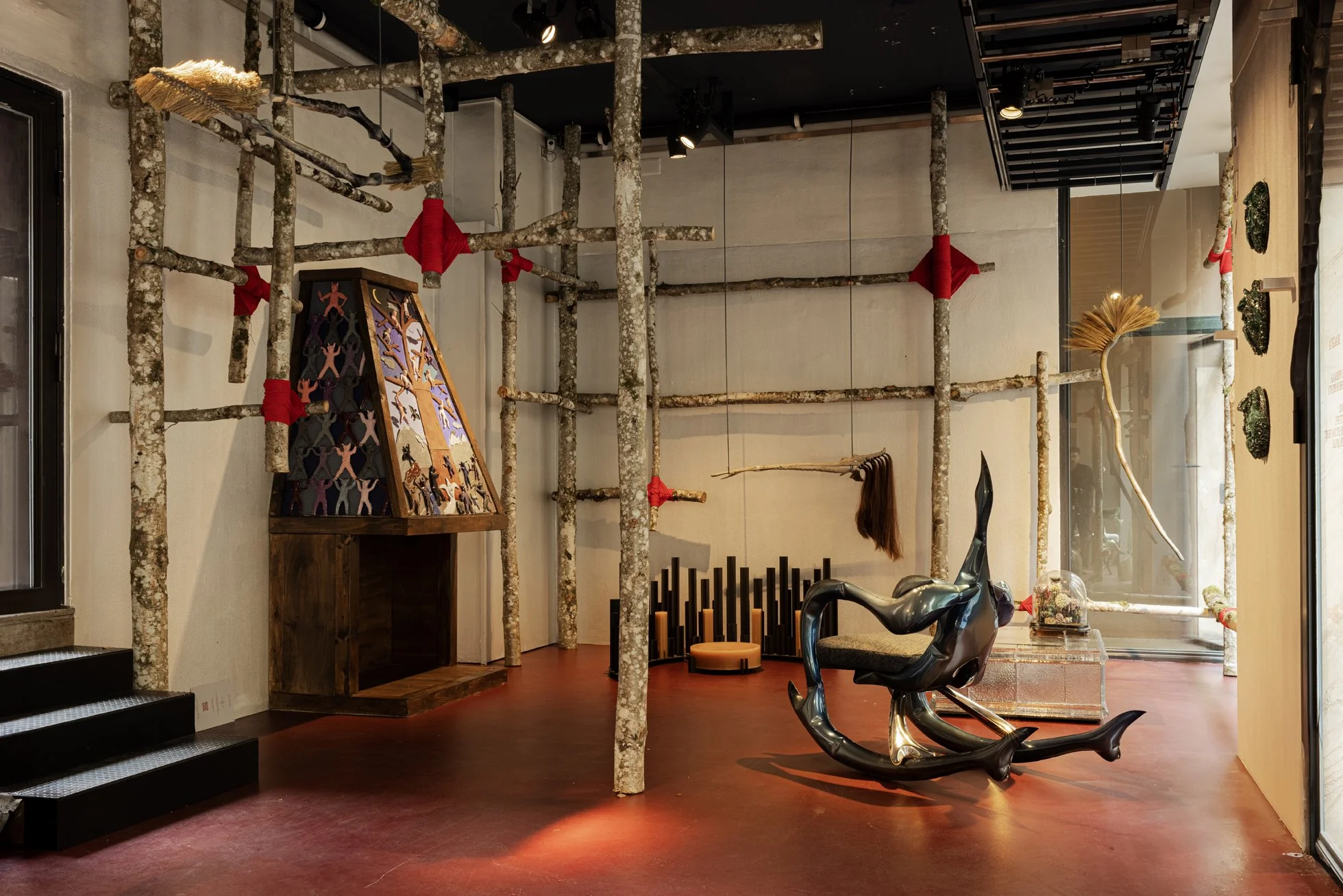
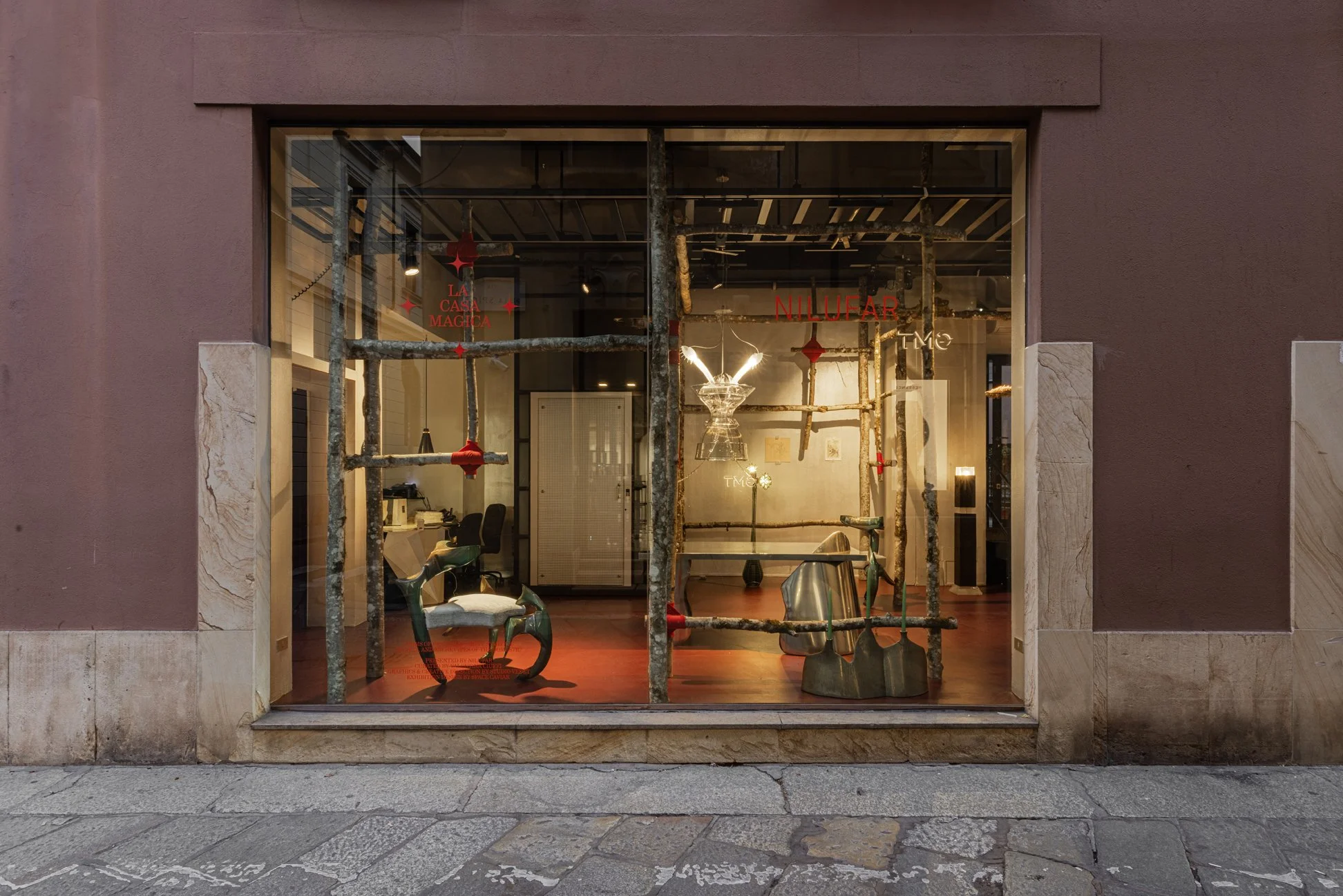
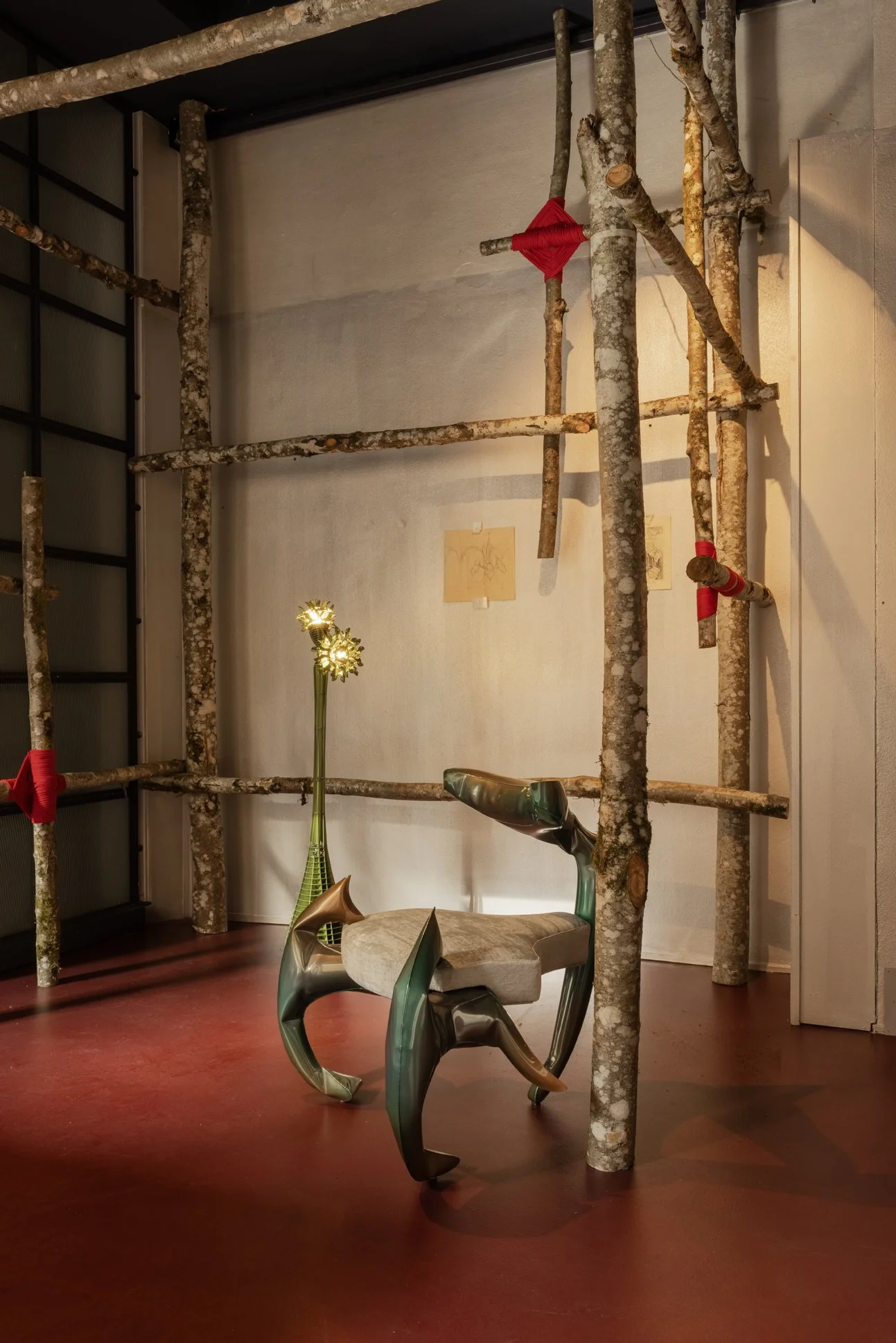
Presented at Nilufar’s gallery during Milan Design Week 2026, Casa Magica felt less like an exhibition and more like a state of mind. Curated by Valentina Ciuffi, the project departed deliberately from conventions of domestic display, resisting neutrality in favour of symbolism. It proposed the house as a place where material culture intersects with ritual, narrative, and the need to believe.
In many ways, Casa Magica revealed another side of Nilufar’s personality. Where the Depot excels at scale and orchestration, the gallery space invited intimacy and attentiveness. Objects were not showcased for admiration alone, but positioned as active presences, charged with intention and emotional gravity.
The Home as a Symbolic Structure
Casa Magica was rooted in a simple but powerful idea: that the house, before being about comfort or typology, has always functioned as a symbolic structure. A place of protection. A threshold between the visible and the invisible. A site where rituals, both inherited and invented, help anchor us within an unstable world.
Rather than approaching domesticity as an exercise in furnishing, the exhibition reframed it as a ritual machine, one that absorbs fears, desires, and memories. This perspective felt particularly resonant in the current cultural moment, where instability and precarity have reintroduced the need for meaning beyond function.
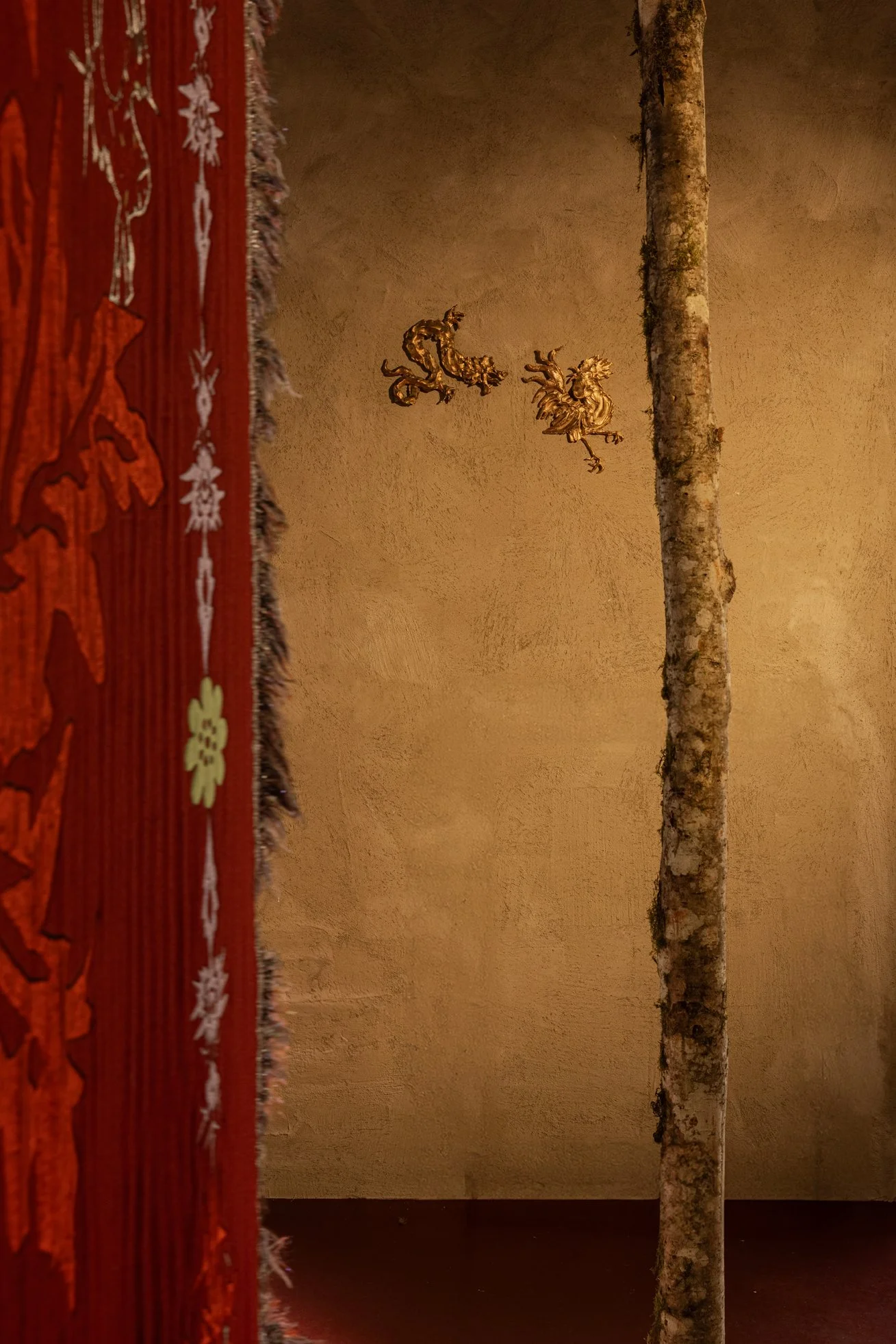
The exhibition rejected nostalgia and folklore as surface references. Instead, it explored how contemporary design could reactivate ancient gestures through form, material, and narrative. Objects here were not decorations. They operated as talismans.
A Curated Constellation of Belief
Bringing together designers and artists from diverse geographic and cultural contexts, Casa Magica unfolded as a constellation of practices that engaged with belief systems, domestic archetypes, and symbolic efficacy.
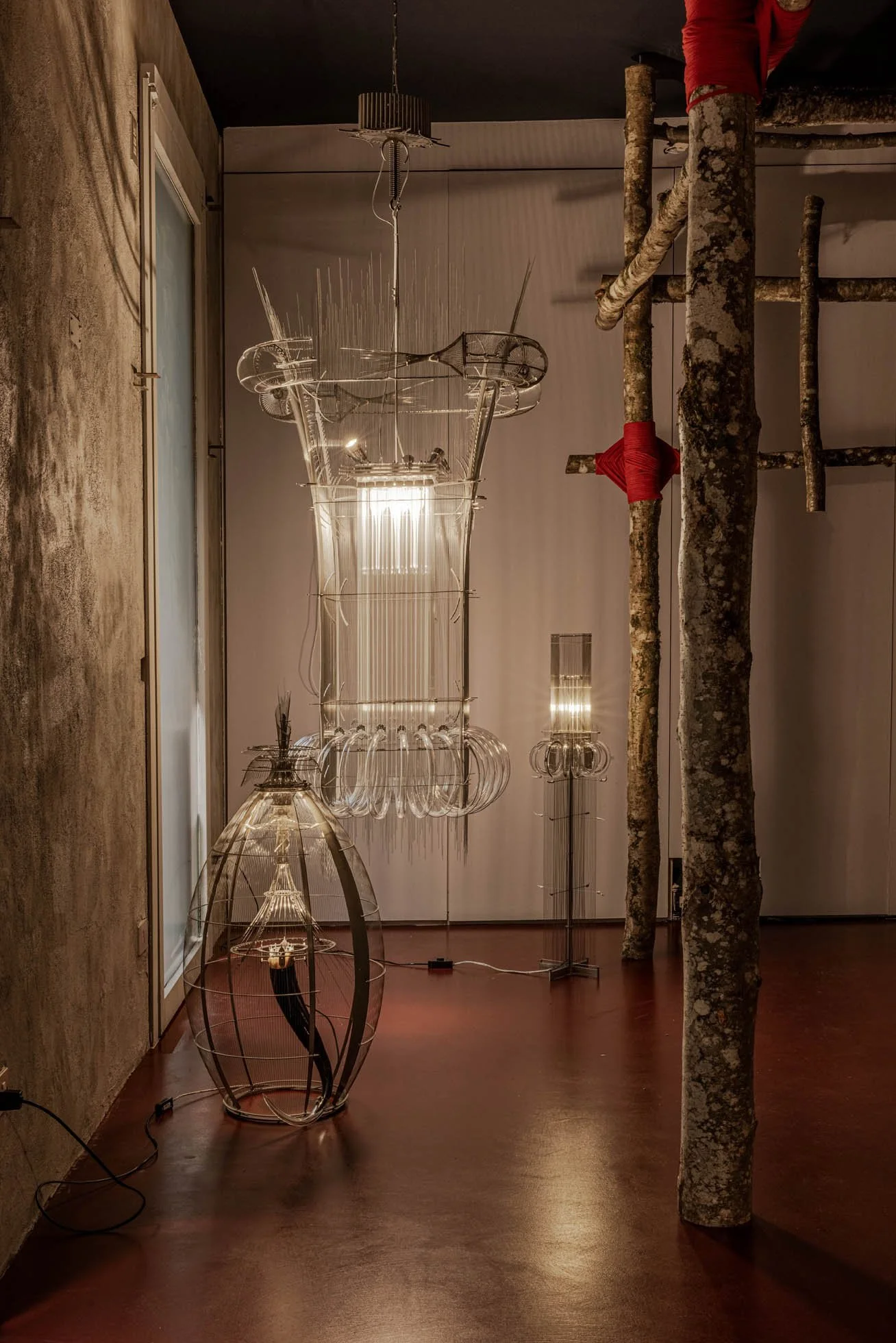
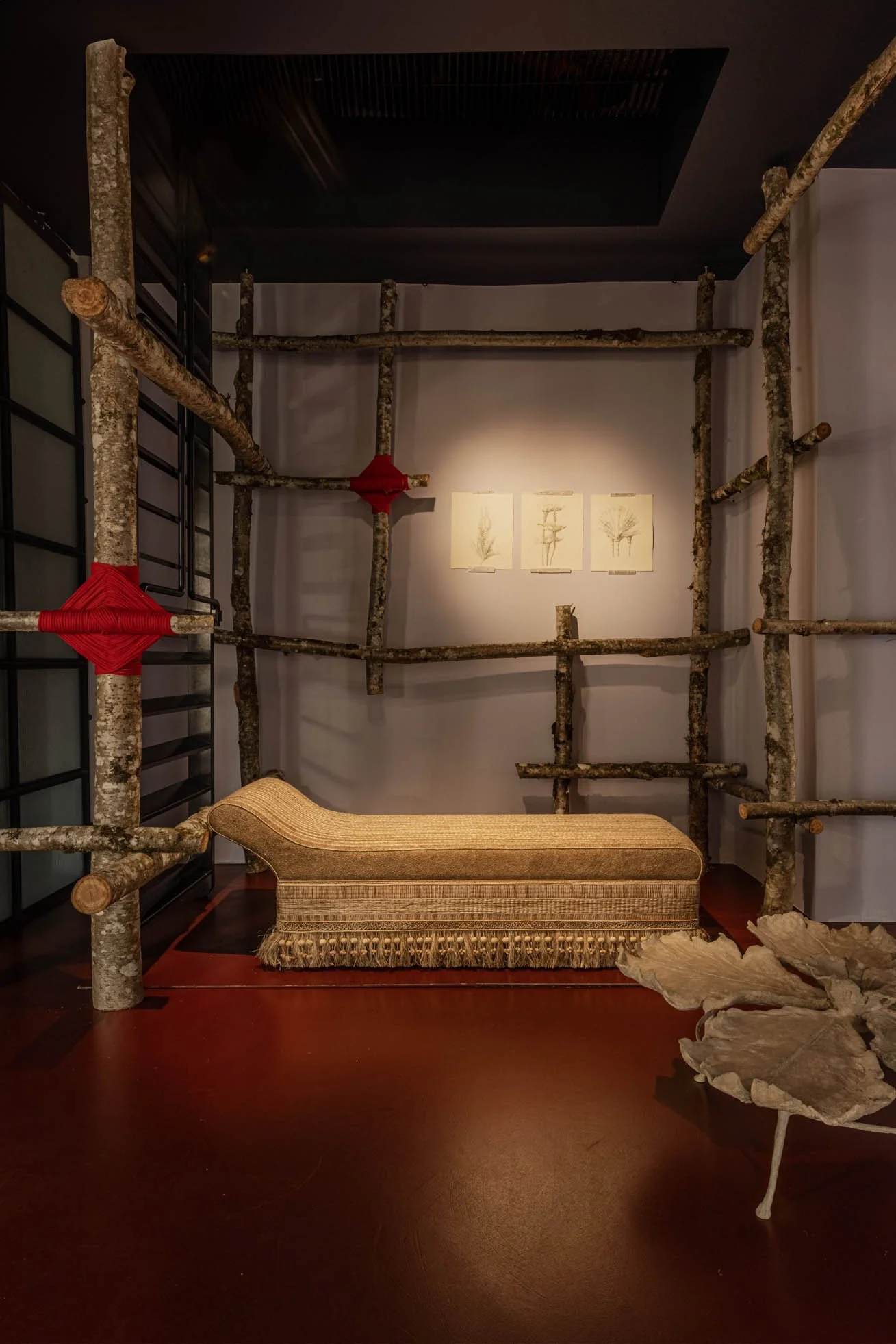
Works by Anita Morvillo, David Aliperti, Sonia Gorecka, Clara Schweers, Anna Zoe Hamm, Filippo Carandini, Kym Ellery, Christian Pellizzari, and others populated the space with a sense of quiet agency. These were pieces that asked to be sensed rather than explained.
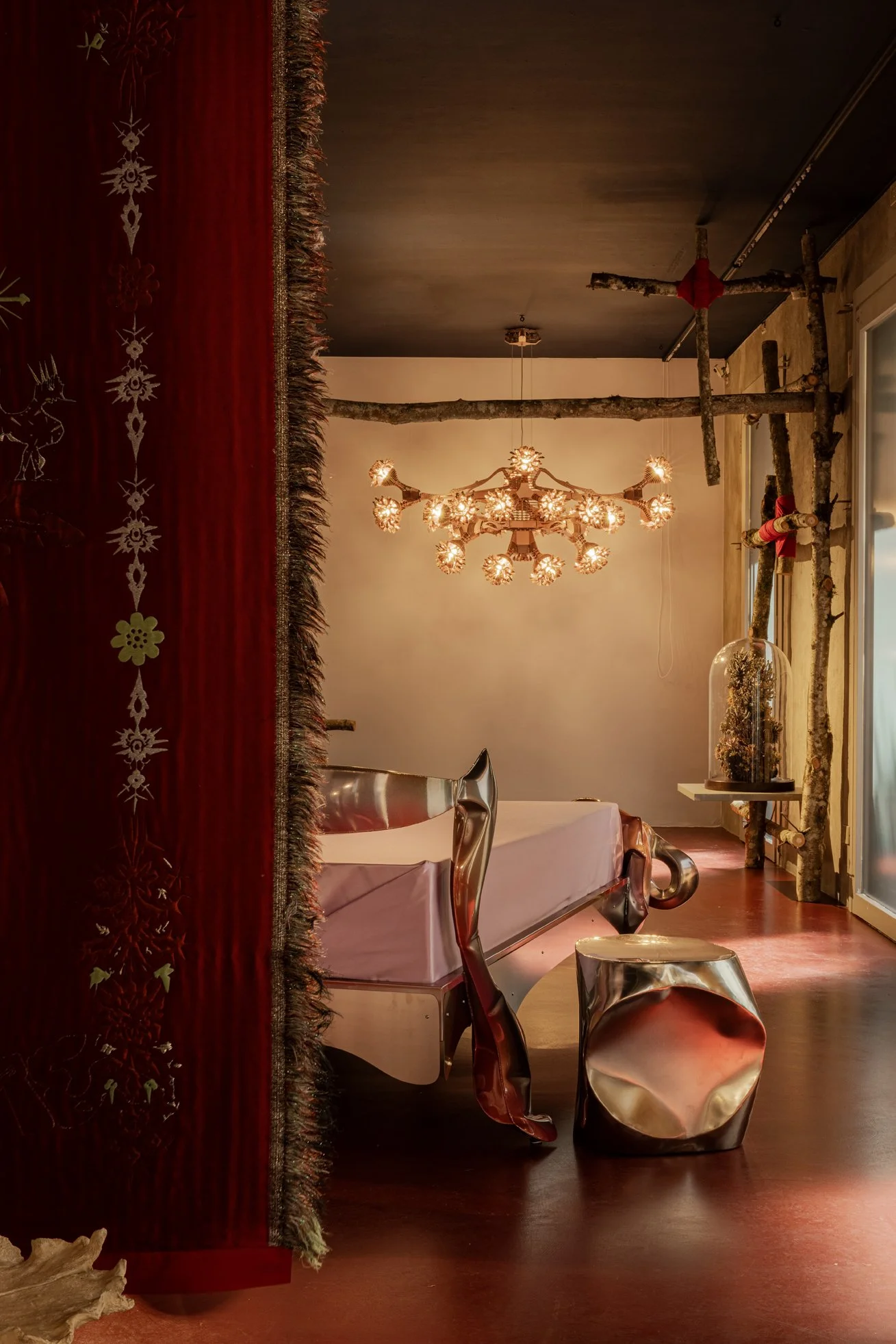
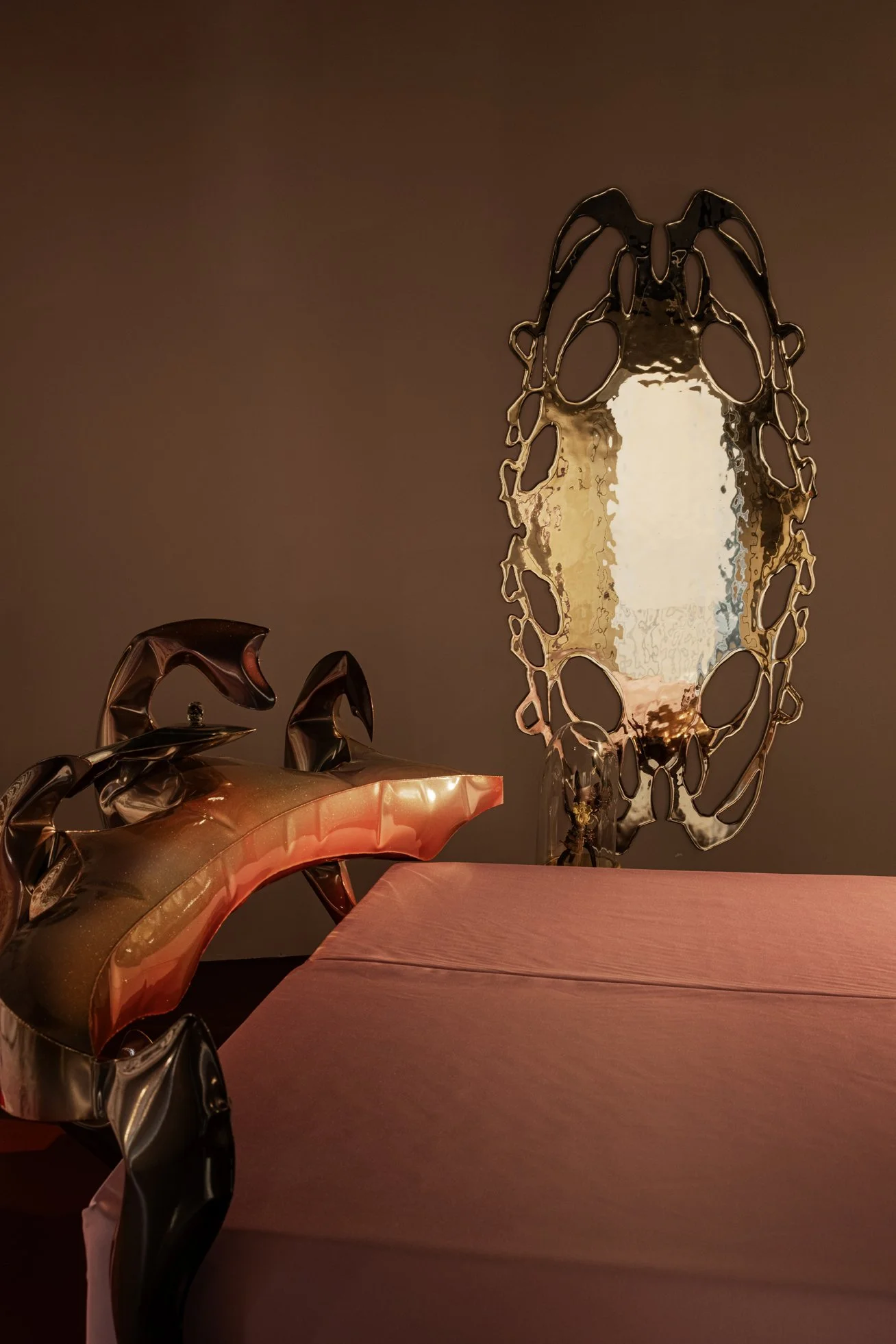
Brooms became protective instruments. Mirrors shifted from reflective surfaces into portals of self‑recognition. Textiles acted as thresholds between memory and the present. Light transformed into something bodily and mythic, rather than purely functional.
The exhibition suggested that belief is not a mental abstraction, but a material relationship. One believes through objects, through repeated gestures, through the everyday choreography of inhabiting space.
Ritual Without Nostalgia
What made Casa Magica particularly compelling was its refusal to romanticise belief. There was no sentimental return to superstition, no folkloric pastiche. Instead, belief was presented as a structural necessity, something that re‑emerges when knowledge alone becomes insufficient to navigate uncertainty.
Design functioned here as a contemporary vehicle for re‑enchantment. Pieces engaged with ritual not as spectacle, but as practice. Salt scattered into corners. Thresholds guarded. Light left burning. Beds protected. Corners activated.
These gestures were not presented literally, but embedded in form, texture, and placement. Casa Magica operated on an emotional frequency rather than an explanatory one.
Space as Narrative Device
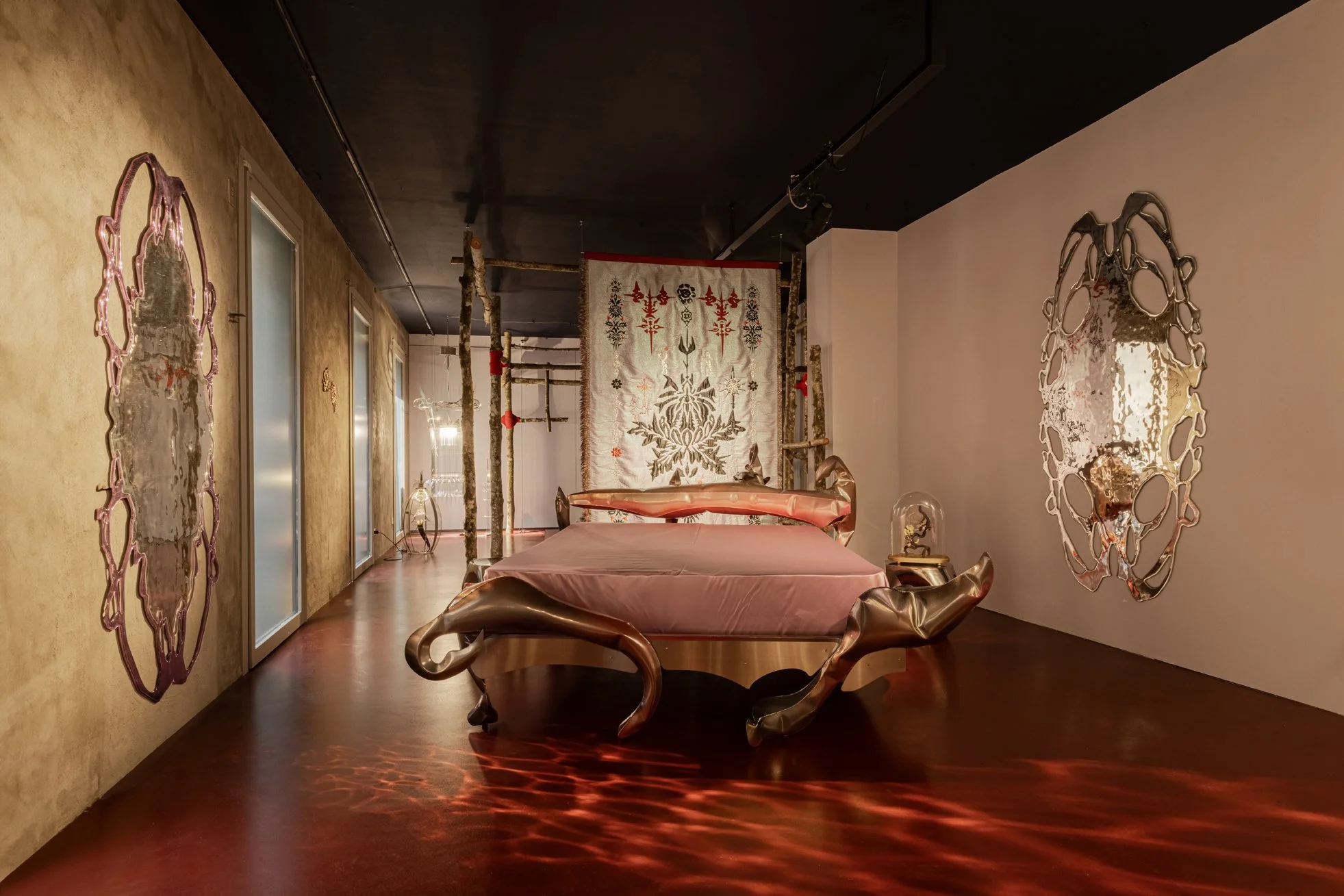
The exhibition design guided visitors through a series of micro‑environments, each calibrated to encourage slowing down. Movement through the gallery felt deliberate, as if time itself had softened. Corners mattered. Surfaces carried weight. Nothing felt incidental.
Unlike the expansiveness of Nilufar Depot, Casa Magica thrived on proximity. Objects were encountered at a domestic scale. The house became a laboratory for symbolic action, reinforcing the idea that meaning is formed not through grand gestures, but through accumulation.
This attention to spatial rhythm reflected Nilufar’s broader curatorial maturity. The gallery trusted the work, allowing silence and stillness to become part of the experience.
A Personal Thread Within Nilufar’s Universe
Casa Magica also felt deeply personal. The exhibition carried traces of lived experience, of gestures observed over time, of rituals inherited or encountered. It acknowledged that belief is not always rational, but often necessary.
Within Nilufar’s wider Milan Design Week presence, Casa Magica acted as an inward‑facing chapter. If Grand Hotel explored how design performs in social space, Casa Magica asked what design does when no one is watching.
Together, the two exhibitions revealed the breadth of Nilufar’s vision, from theatrical orchestration to quiet introspection, united by a shared commitment to design as a cultural and emotional practice.
Why Casa Magica Mattered
Casa Magica reminded us that design does not exist solely to solve problems or produce outcomes. It can also hold meaning, offer reassurance, and help structure experience when larger frameworks begin to fracture.
In a week often dominated by speed and saturation, the exhibition stood out by asking visitors to linger, feel, and consider belief not as something archaic but as something profoundly contemporary.
Nilufar once again demonstrated its ability to move between worlds, between object and story, past and present, rationality and intuition, without contradiction. Casa Magica did not shout for attention. It waited for it.
And in doing so, it lingered long after leaving the gallery.
More Stories




Basic.Space arrives in London, transforming The Old Selfridges Hotel into a layered design experience where art, fashion, and sound converge. A moment of discovery shaped by the city’s enduring creative energy.