
Nilufar Grand Hotel, Milan Design Week 2026
Nilufar has always known how to put on a show. Not in the sense of spectacle for spectacle’s sake, but through a deeply considered orchestration of objects, spaces, and atmosphere that feels instinctive rather than forced. Year after year at Milan Design Week, the gallery’s presentations have demonstrated an uncanny ability to balance confidence with curiosity, reminding visitors that design can be theatrical without ever losing its intellectual or emotional grounding.
Personally, Nilufar has long been one to watch. Its exhibitions have consistently impressed, not because they shout the loudest, but because they reveal a clear and unwavering creative personality. There is a sense that each presentation builds upon the last, expanding a carefully cultivated universe rather than chasing novelty. In doing so, Nilufar has set a benchmark for how galleries can communicate vision, context, and conviction within the increasingly crowded landscape of Milan Design Week.
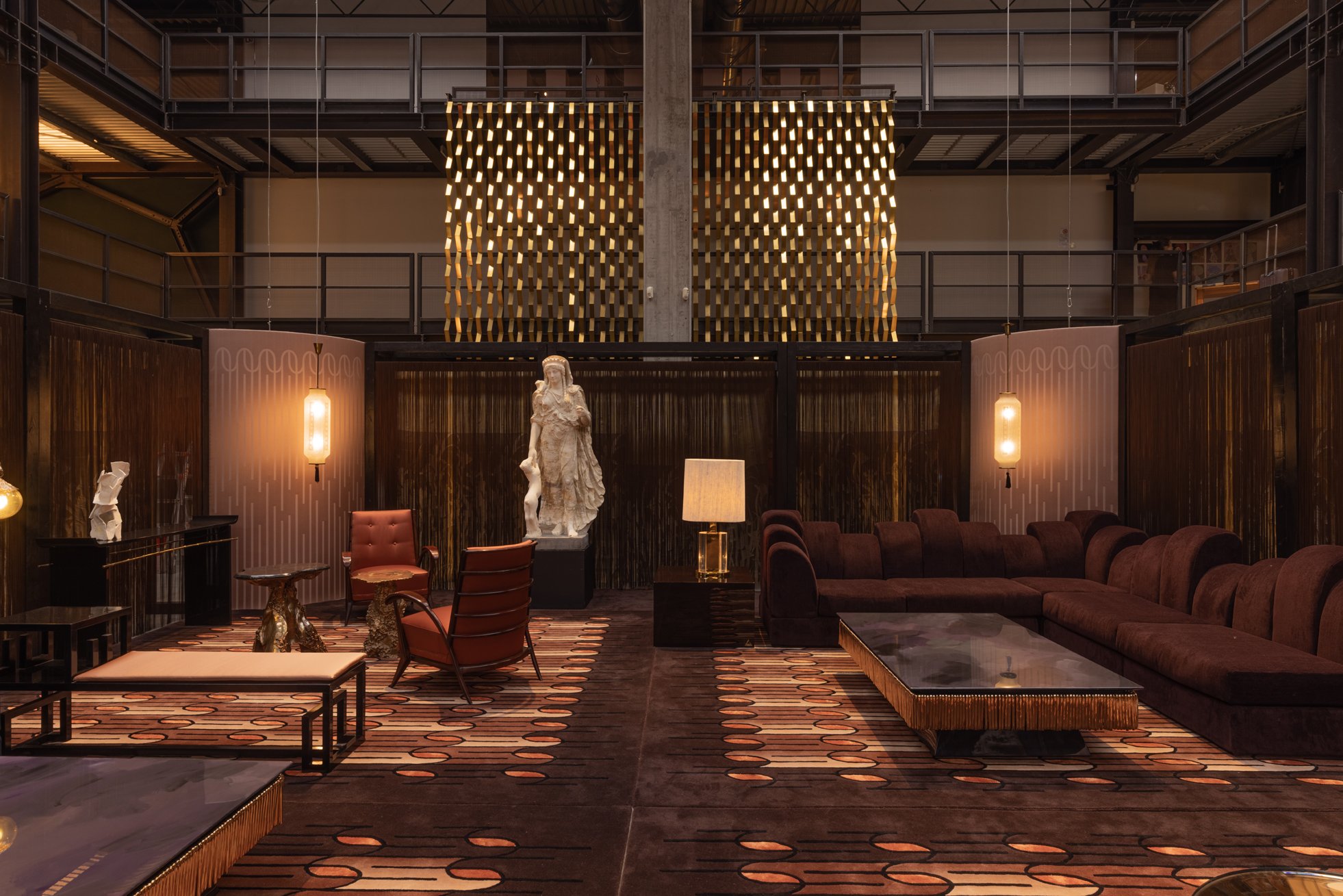
For Milan Design Week 2026, Nilufar once again delivered with Nilufar Grand Hotel, an immersive and meticulously choreographed presentation staged within Nilufar Depot on Viale Lancetti. Rather than offering a conventional exhibition format, the gallery imagined a fictional hotel where collectable design replaced guests, and each room unfolded as part of a broader narrative about hospitality, intimacy, and the lived presence of objects.
Entering the Hotel: Where the Narrative Began
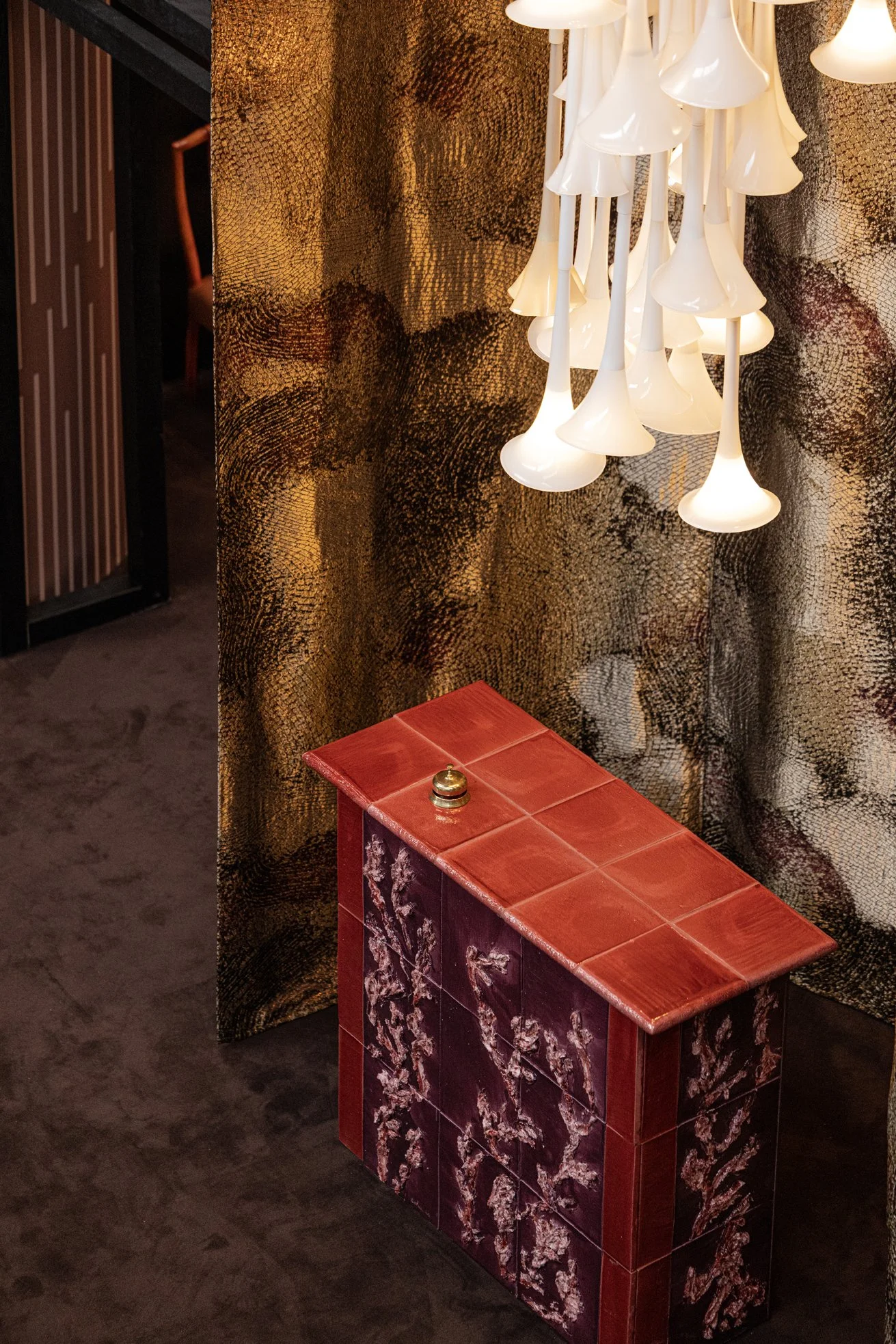
From the moment visitors arrived, Nilufar Grand Hotel established its premise with clarity and confidence. The entrance to the Depot was reimagined as a hotel arrival and check‑in, a threshold that subtly shifted perception. This was not simply an exhibition to be browsed, but an environment to be entered. The familiar industrial scale of the Depot softened into something more atmospheric, signalling that what followed would be lived rather than merely observed.
Nilufar’s founder, Nina Yashar, has always approached exhibitions as narrative devices, and here that instinct was fully realised. Hospitality became both metaphor and method. Each space interpreted a different facet of what it means to dwell, to welcome, or to retreat, using collectable design as its primary language.
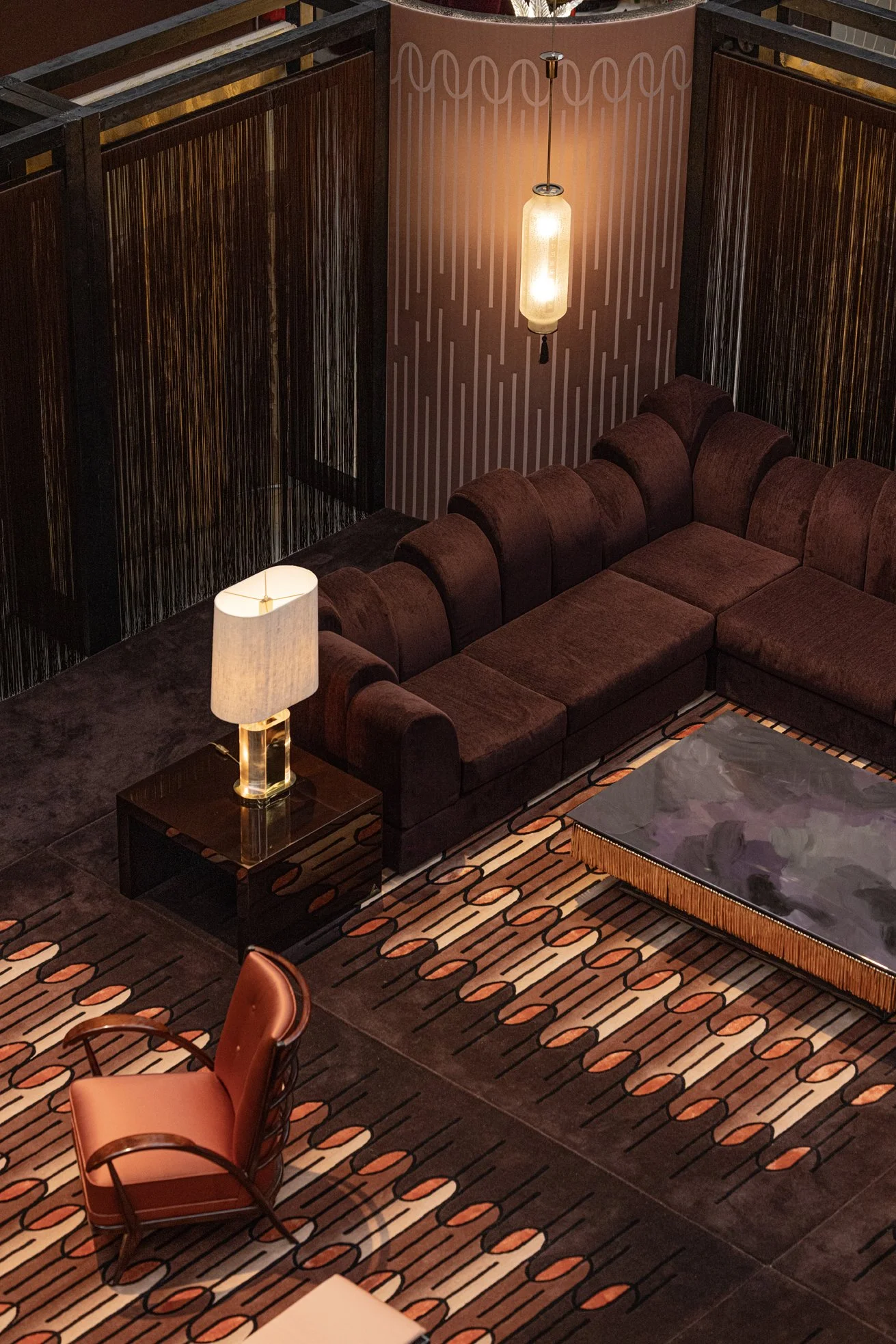
The Hall and the Social Spaces
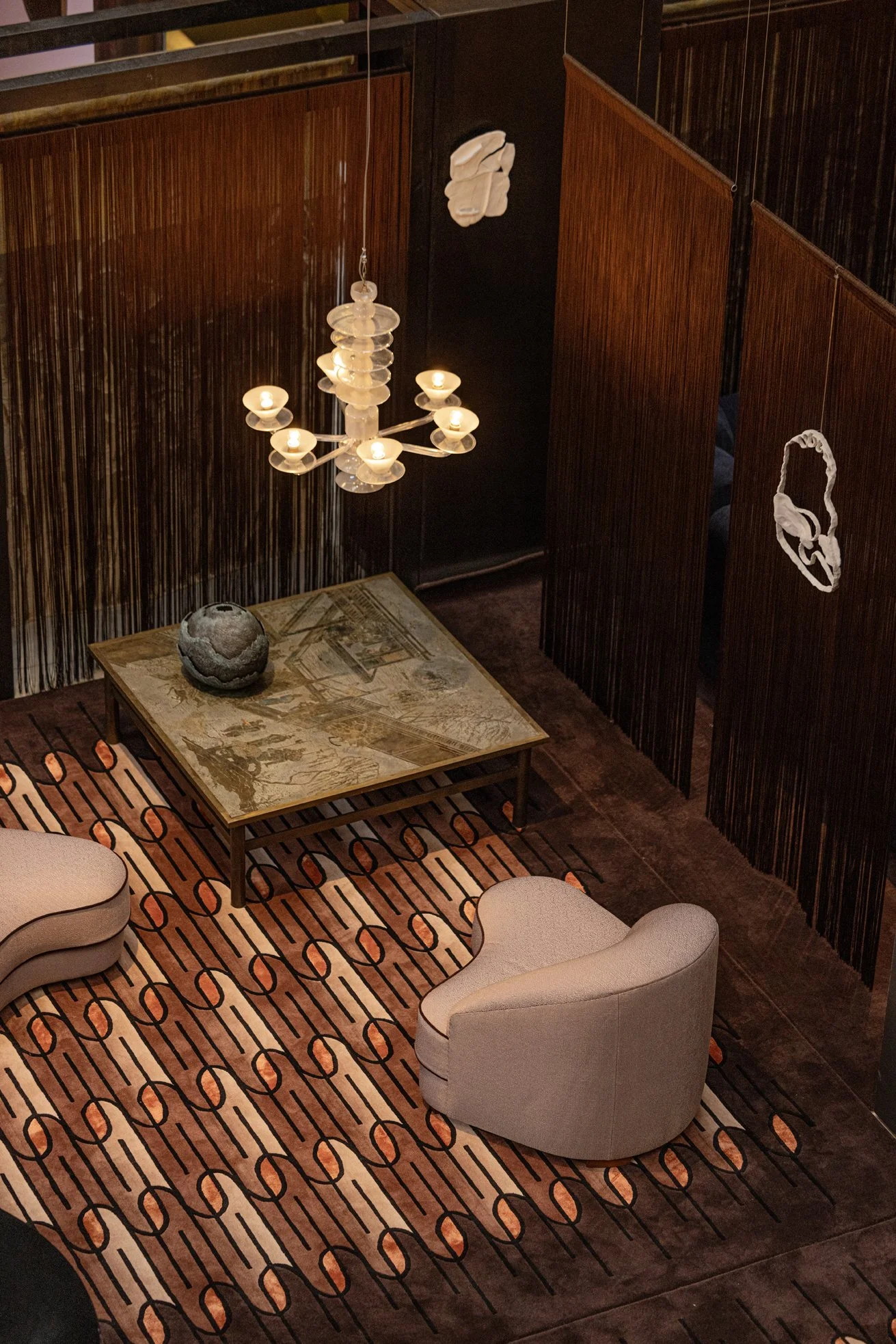
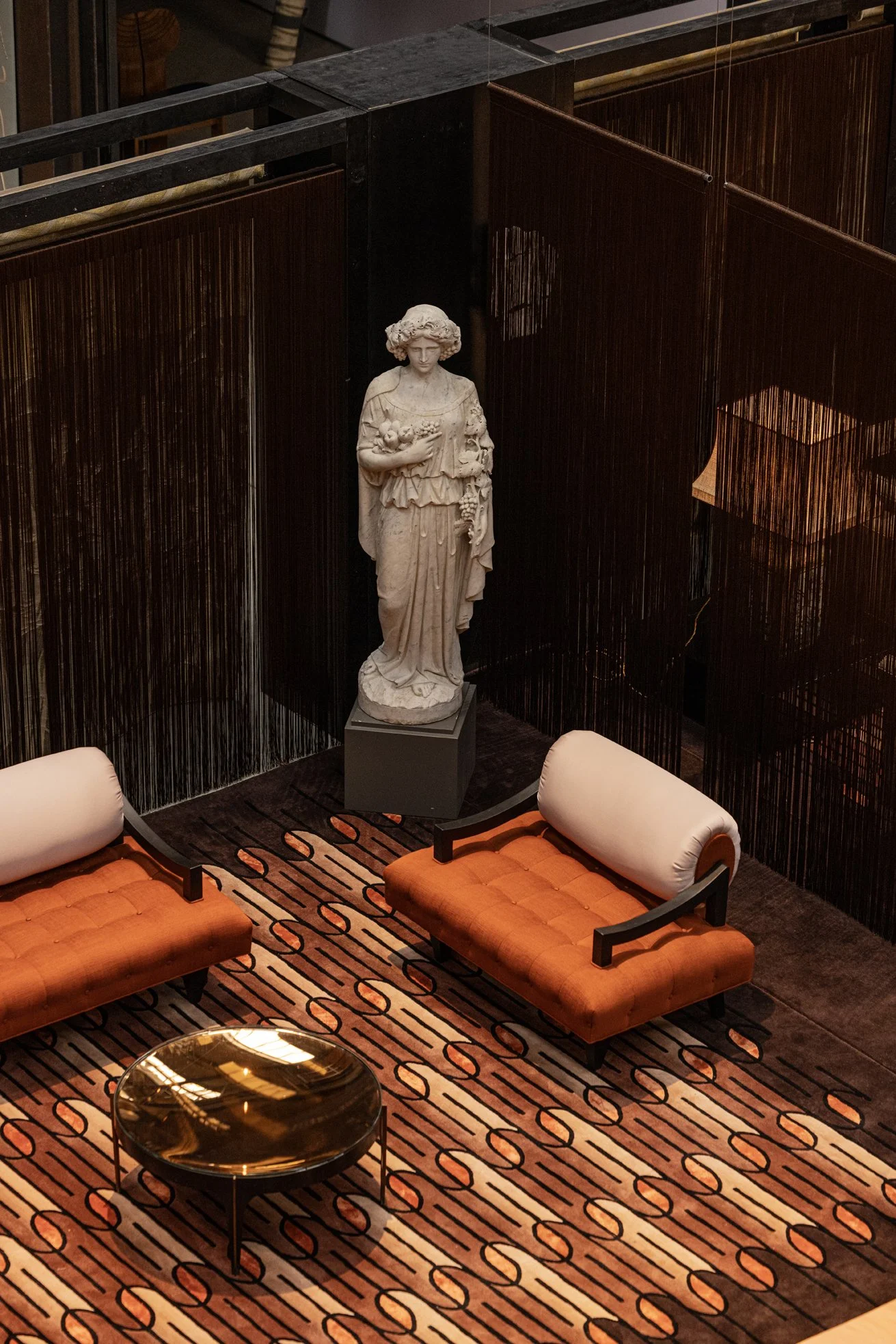
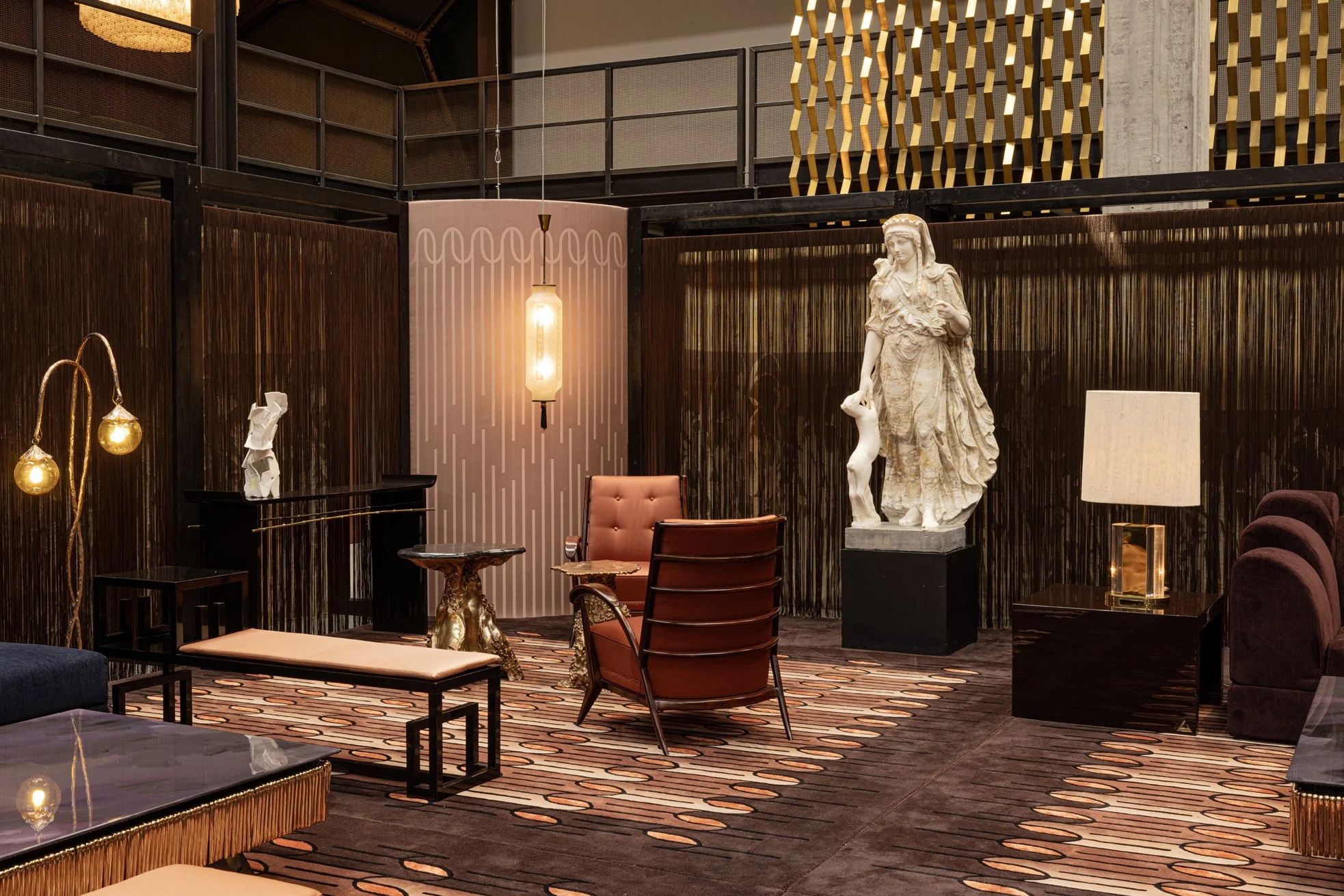
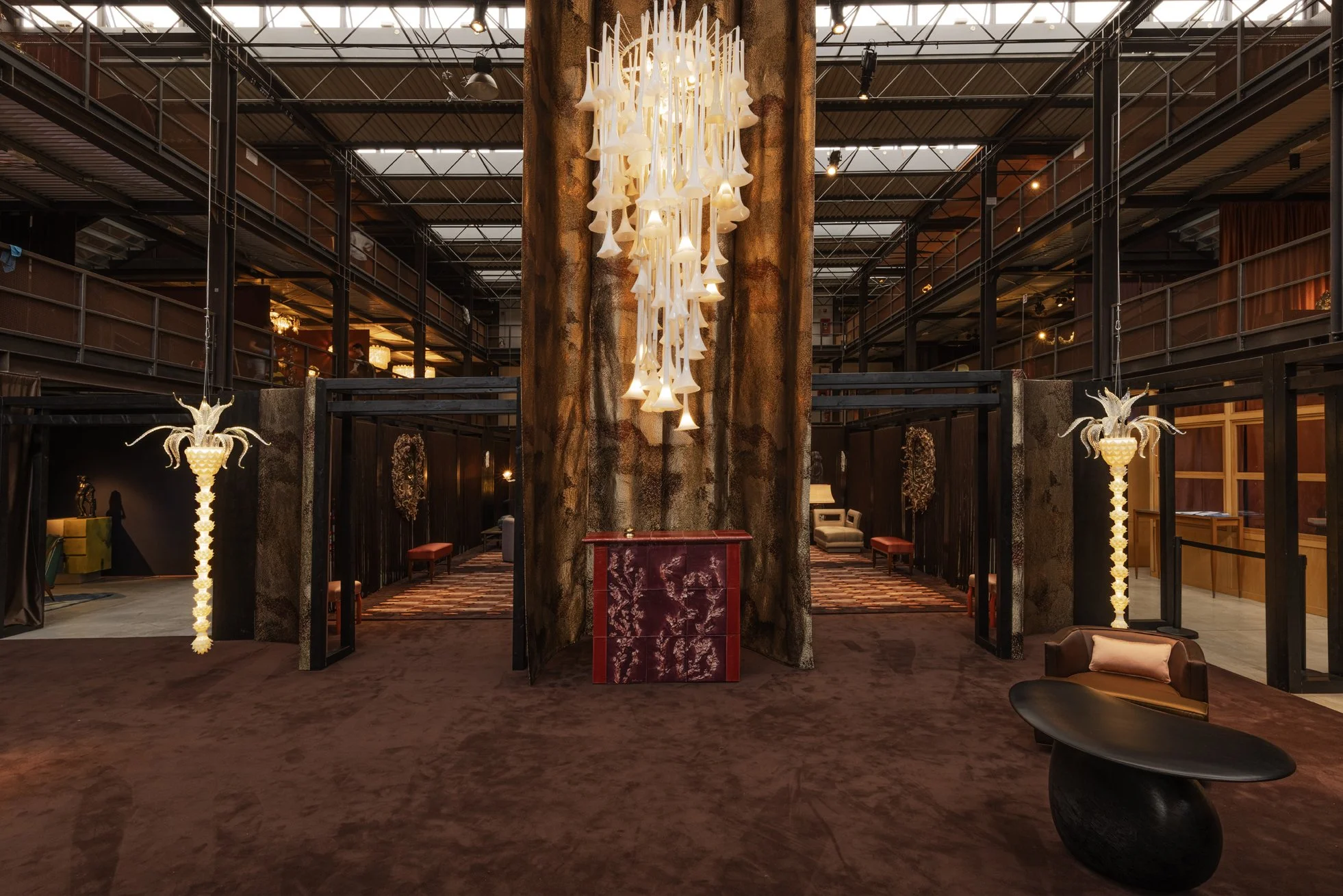
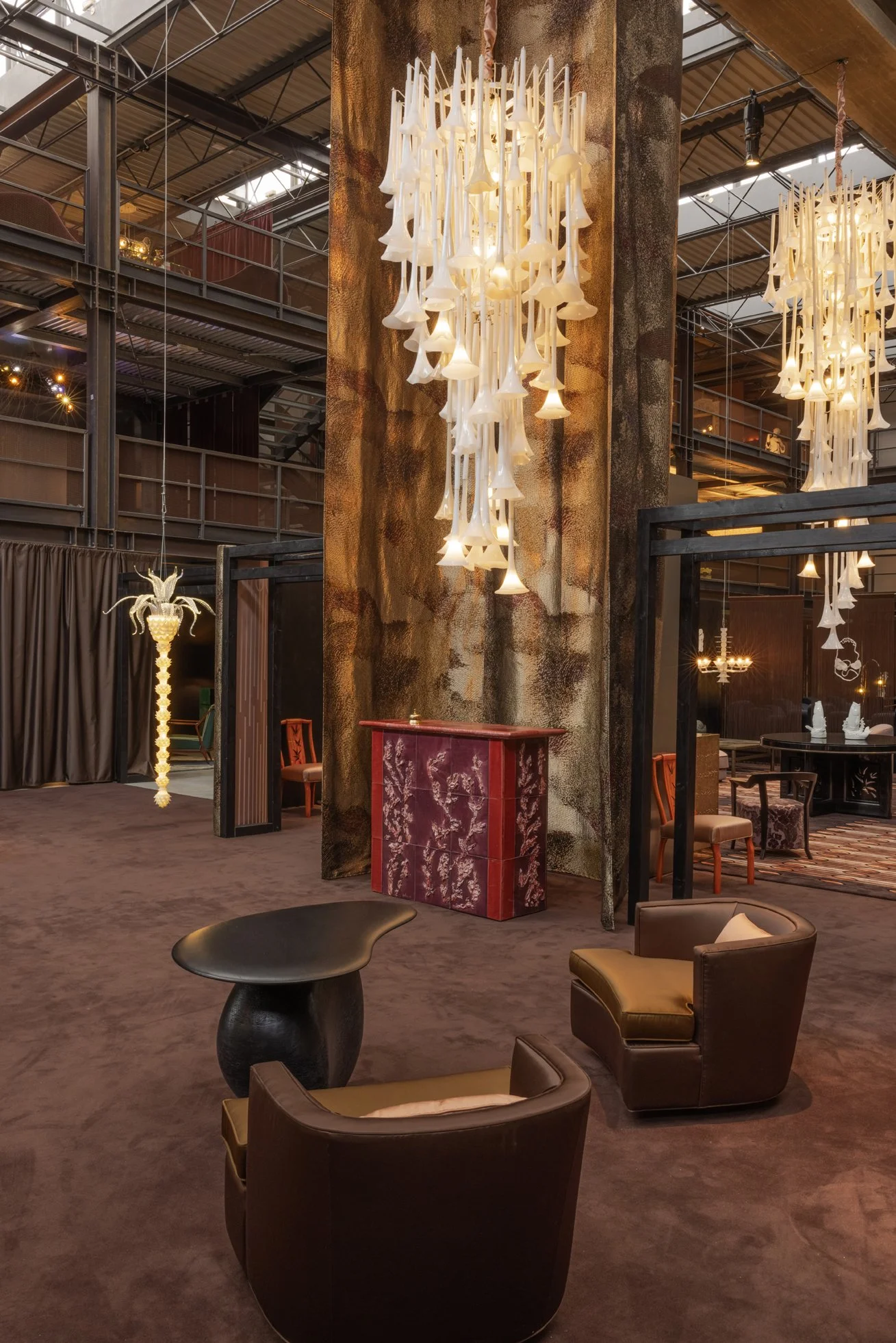
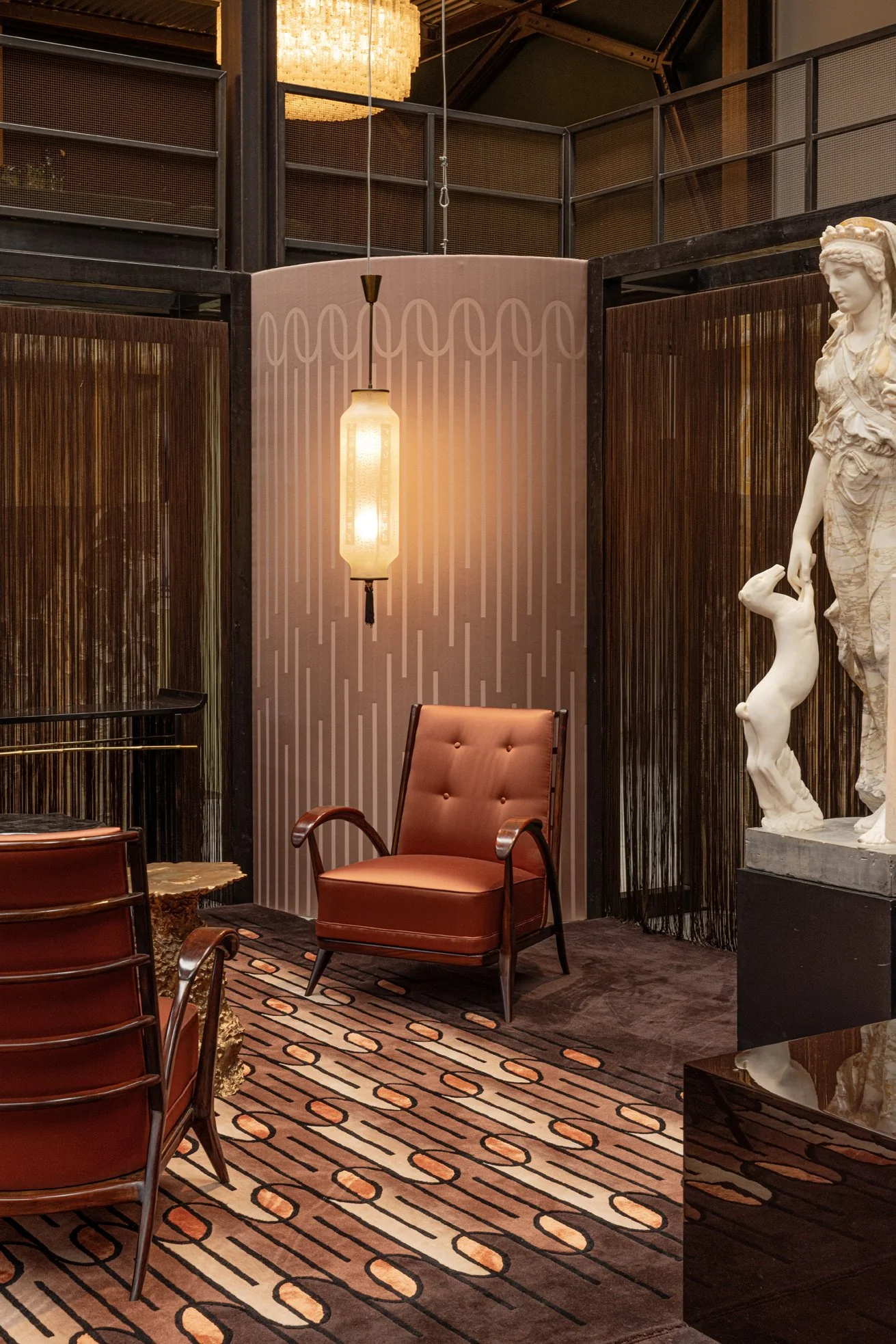
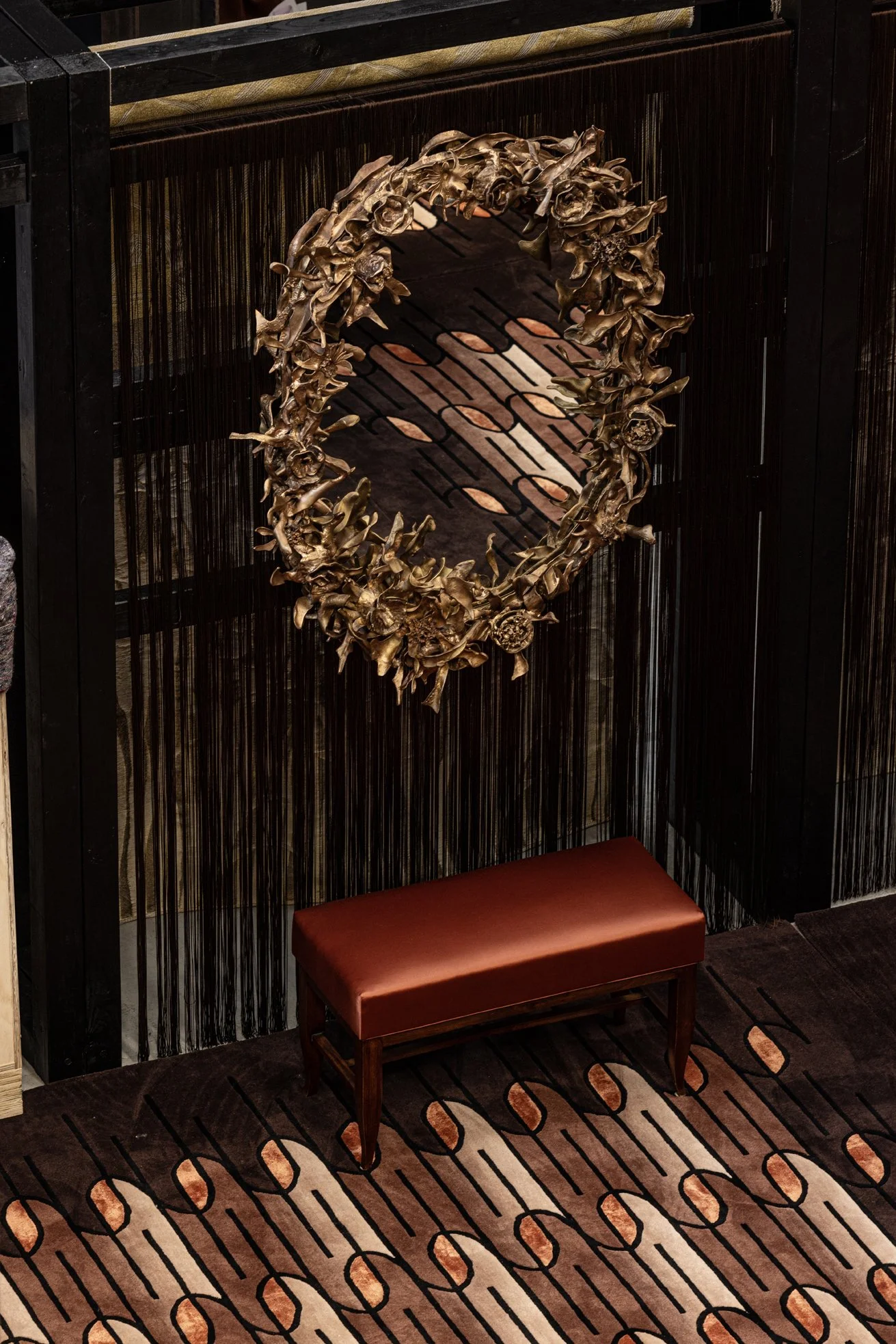
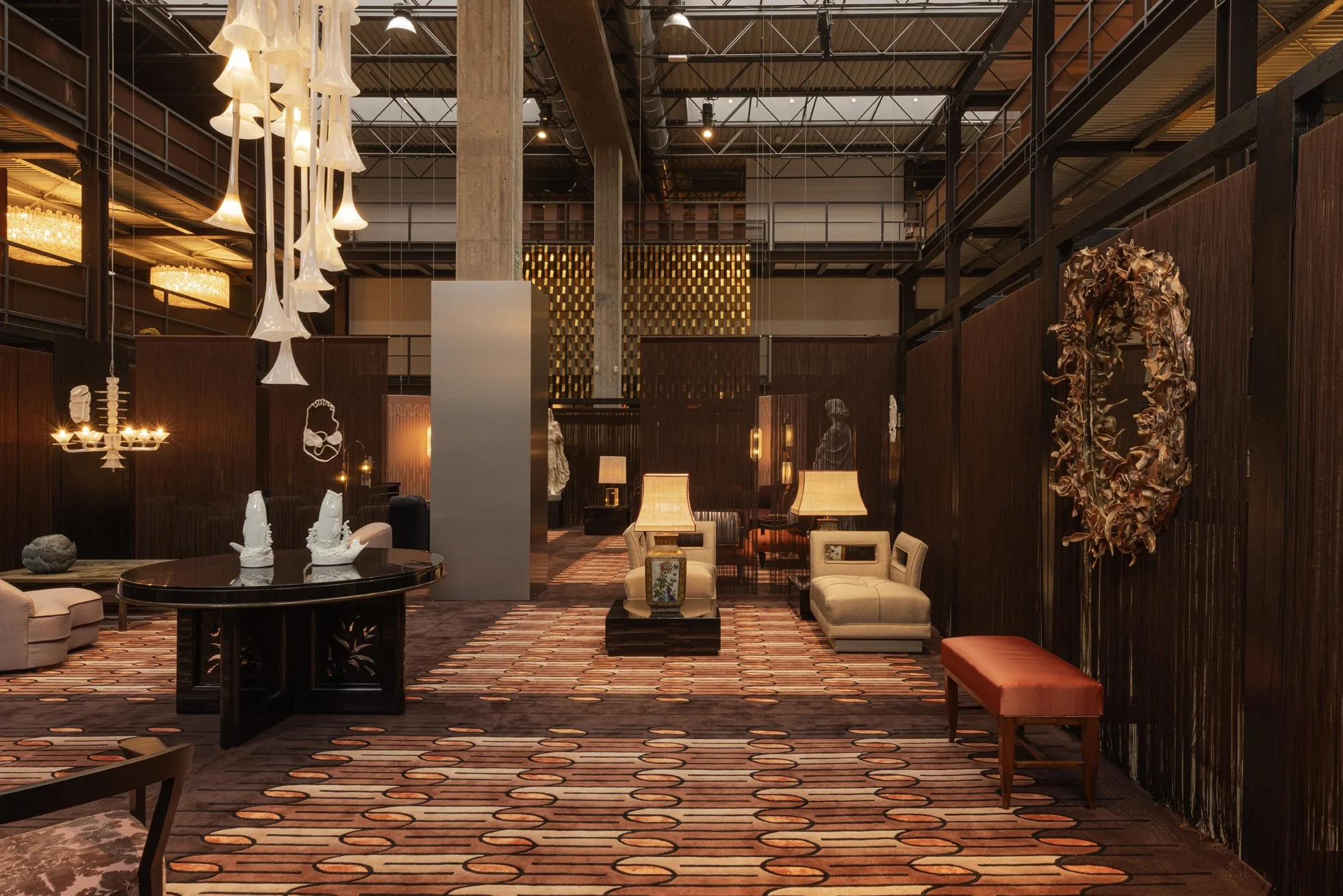
The central atrium acted as the hotel’s hall, no longer a passage but a social environment. Furniture, lighting, and textiles were arranged to encourage gathering and exchange, reinforcing the idea that design gains meaning through interaction. Here, contemporary pieces sat effortlessly alongside vintage works and designs from Nilufar Edition, establishing a dialogue across eras that has become the gallery’s unmistakable signature.
Rather than overwhelming, the space felt generous and considered. Objects were allowed to breathe. Light was used as punctuation rather than spectacle, guiding movement and anchoring moments of pause within the larger composition.
Signature Rooms: Design as Personal Expression
Moving deeper into the Depot, the exhibition transitioned into a series of signature bedrooms, each conceived as a self‑contained aesthetic world. Designers, including david/nicolas, Filippo Carandini, and Allegra Hicks, approached the idea of the hotel room not as a generic typology, but as an opportunity for personal interpretation.
Each room unfolded as a micro‑narrative, layering material research, craft, colour, and surface into environments that felt emotionally specific. The focus was not on excess, but on atmosphere. These spaces demonstrated how even the most familiar formats can be transformed when approached with sensitivity and intention.
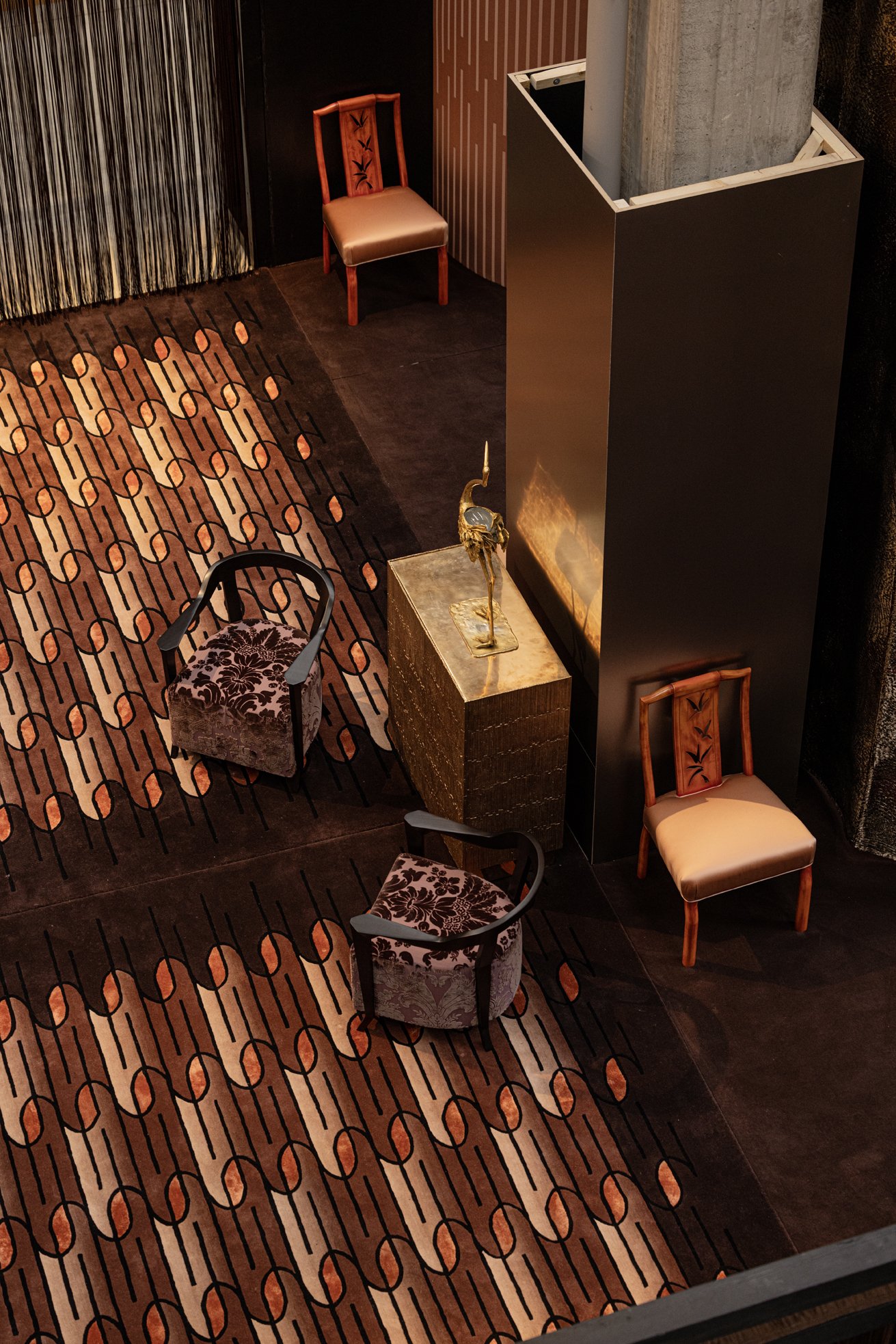
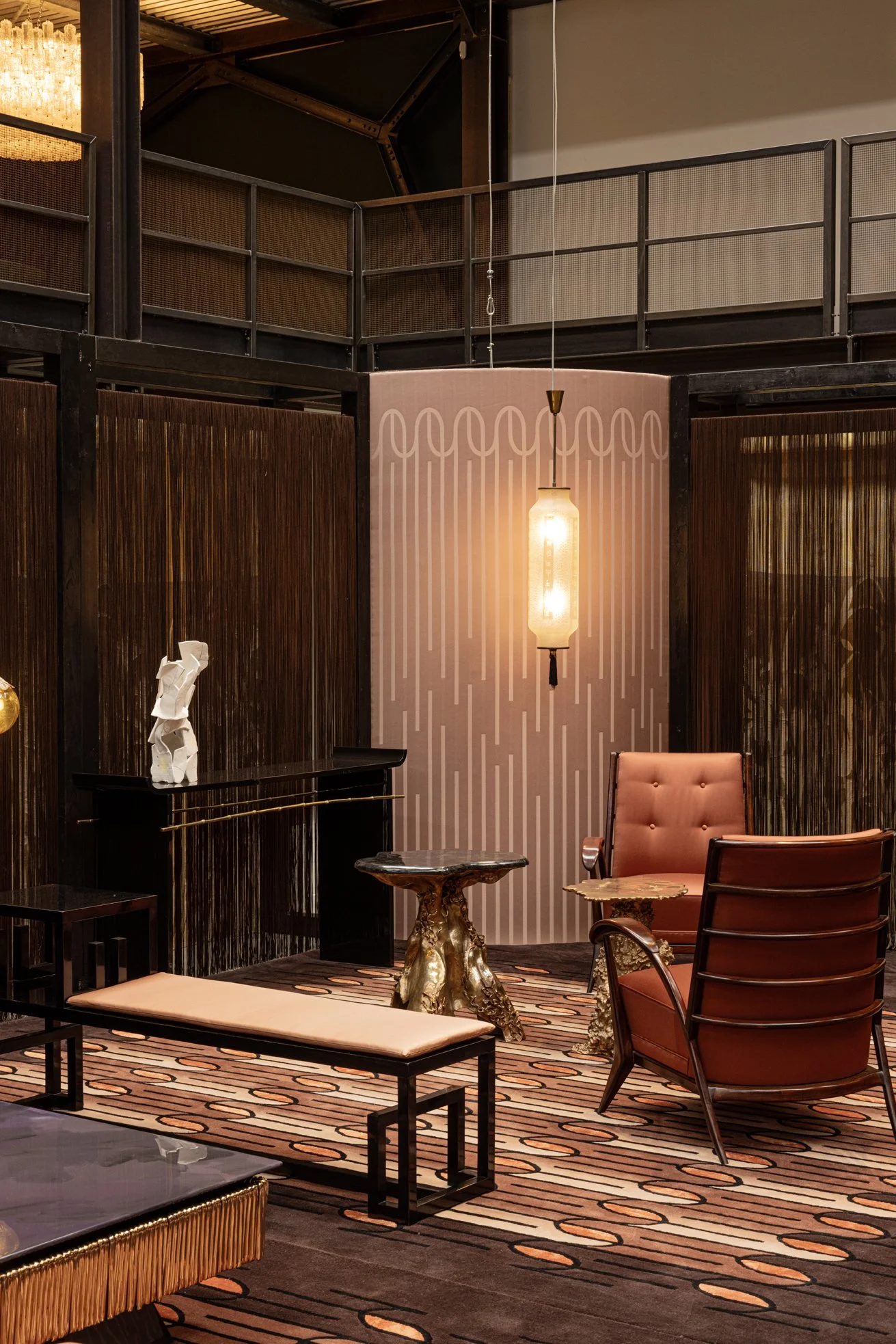
Dining, Discretion, and the Art of Pause
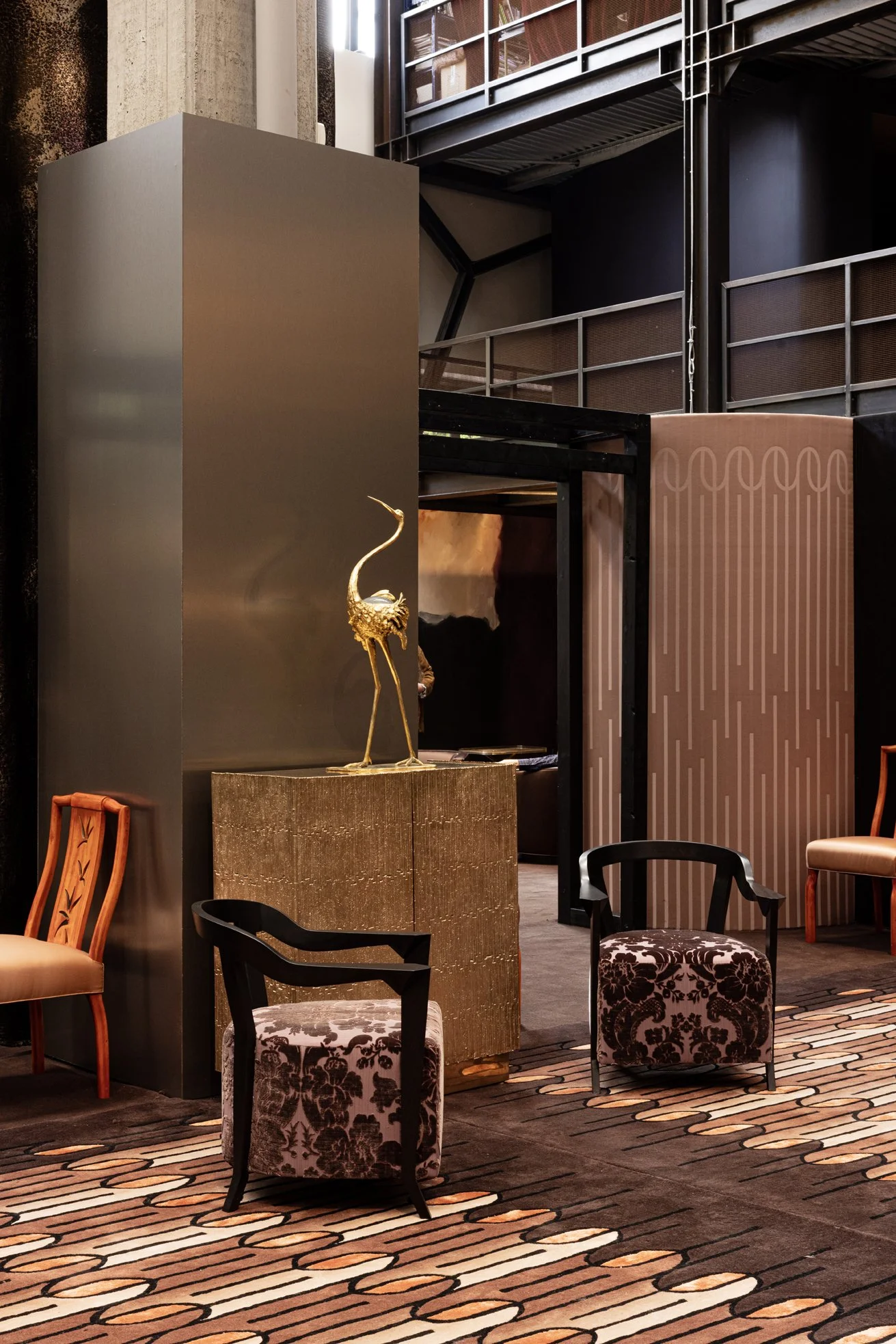
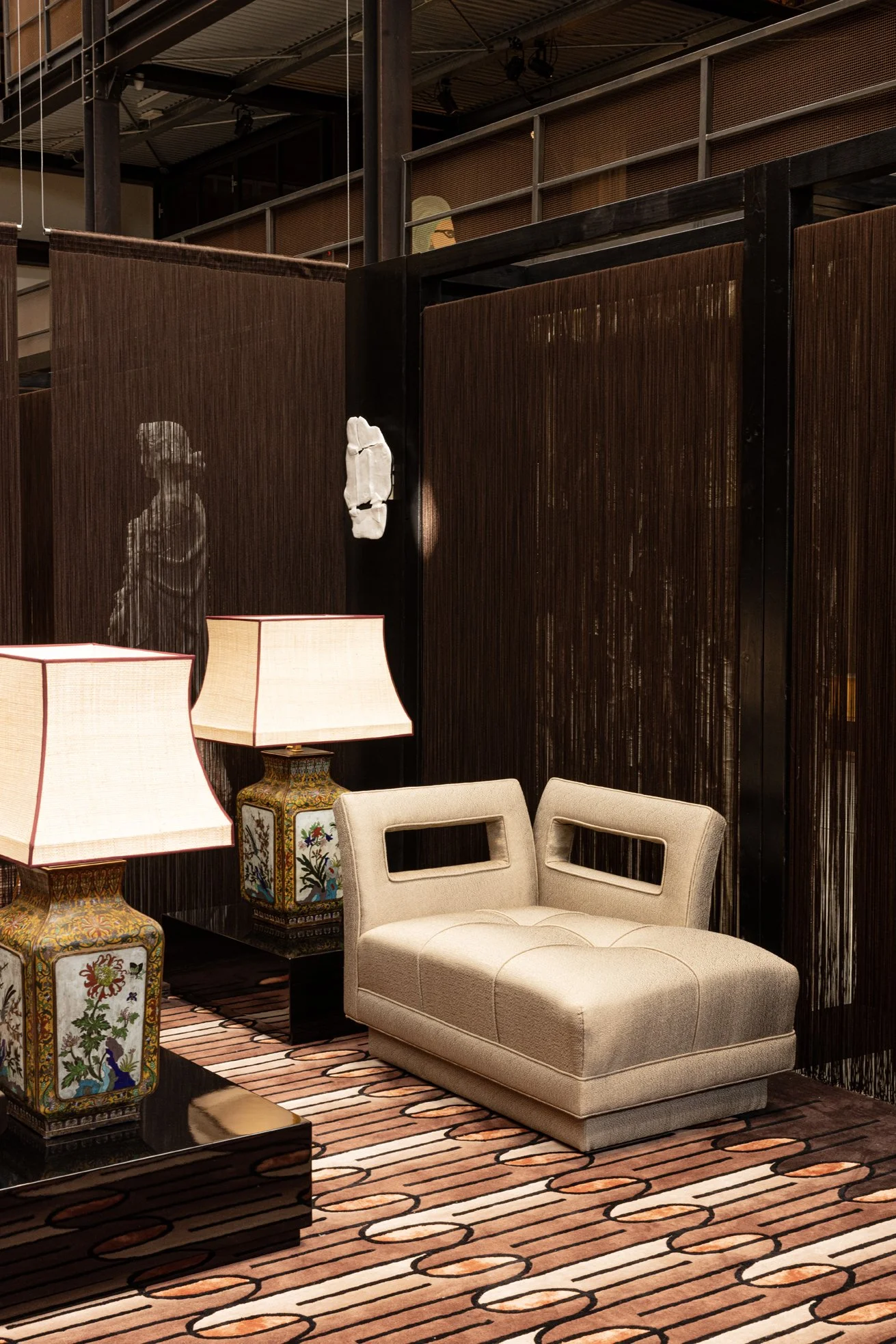
The more private realms of the hotel continued the story with confidence. A refined dining room anchored by Gal Gaon’s Raw Pebble dining table balanced sculptural presence with material warmth, while a secluded fumoir introduced a quietly cinematic mood. Here, seating by emerging Turkish designer Derin Beren Yalcin, presented for the first time at the Depot, created an environment where intimacy and social ritual coexisted.
These were spaces that felt deliberately slowed down. In the midst of an often relentless design week, Nilufar Grand Hotel offered moments where visitors could linger, allowing texture, colour, and atmosphere to register fully.
Upper Floors: Exhibition Within the Exhibition
Ascending through the Depot, the upper floors shifted into a more reflective register. Rooms were organised like curated lounges and galleries within the hotel, blurring the boundaries between exhibition, archive, and domestic setting.
Design objects were presented with almost museological care, yet never felt frozen. New works by designers such as Maximilian Marchesani, VON PELT Atelier, and Andrea Mancuso engaged in conversation with rare vintage pieces by figures including Franco Albini and Gio Ponti, reinforcing Nilufar’s ongoing dialogue between past and present.
A dedicated meditation room, inspired by Japanese ryokan, encouraged a perceptible slowing of pace. Tatami‑covered floors, filtered light, and a selection of rare vintage furniture created a space for contemplation, underscoring how design can shape not only behaviour, but state of mind.
Art, Performance, and the Human Presence
Adding another layer to the narrative, paintings by Rebecca Moses were integrated throughout the exhibition. Her works explored identity, ritual, and private moments, echoing the exhibition’s broader themes of hospitality and intimacy. Live painting performances introduced a fleeting, temporal quality to the experience, reinforcing the idea that Nilufar Grand Hotel was not static, but alive.
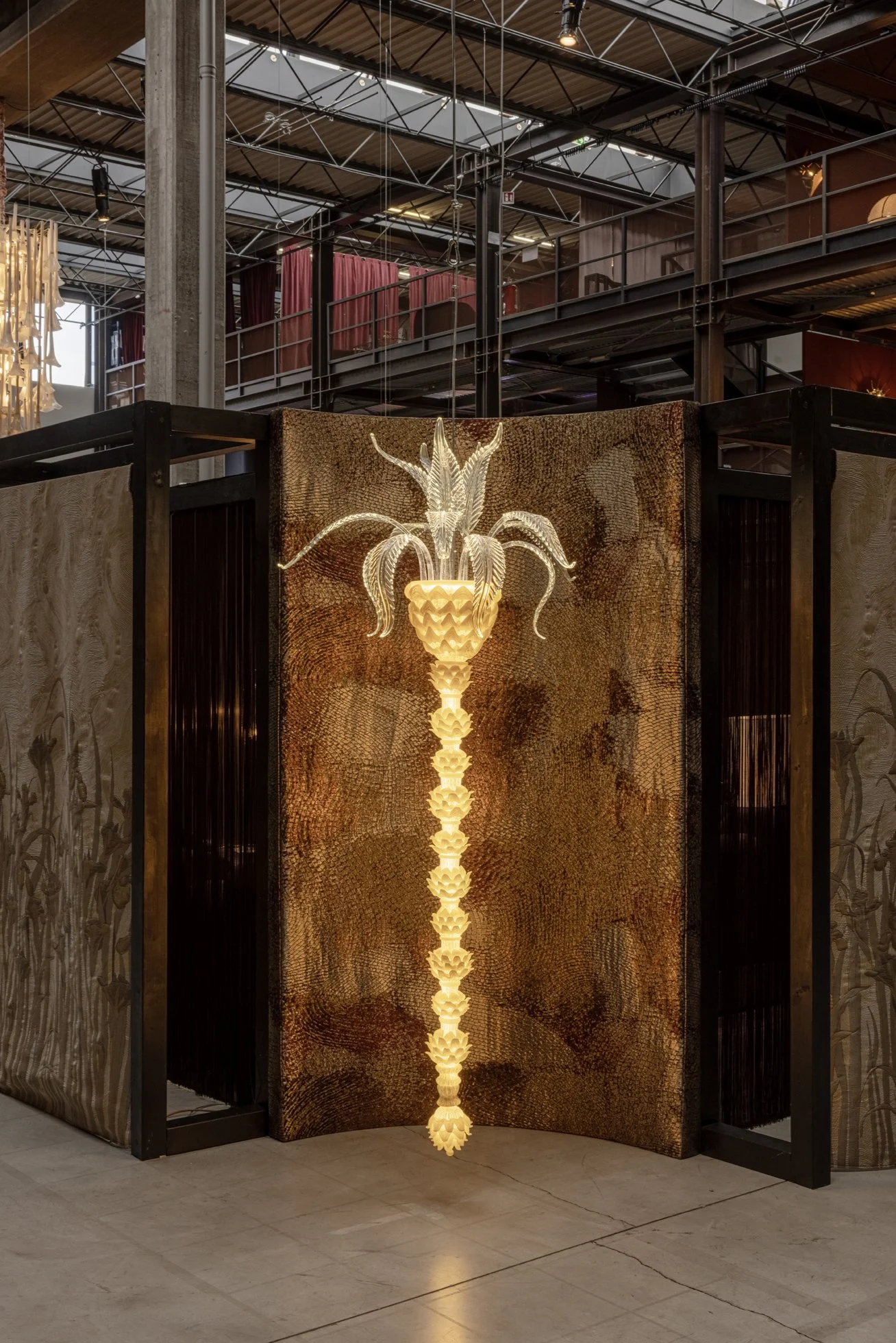
The Penthouse and the Courtyard Finale
The journey culminated in the Penthouse Suite, an authorial ensemble that embodied Nilufar’s eclectic confidence. Unique pieces, including new interpretations by Bethan Laura Wood and collaborations with Venetian glass masters, transformed the space into a layered, highly expressive environment that felt both theatrical and deeply personal.
Outside, the Depot’s courtyard offered a final moment of release. Andrea Mancuso’s Punteggiato collection created a relaxed, almost holiday‑like pause from the city, closing the narrative with lightness and ease.
Nilufar’s World Beyond the Depot
Nilufar Grand Hotel formed part of a broader constellation of presentations during Milan Design Week 2026. Alongside it, Nilufar Casa Magica at the gallery’s historic space offered a complementary exploration of Nilufar’s curatorial universe, further emphasising the gallery’s range and creative ambition. Together, these showcases reinforced Nilufar’s ability to move fluidly between spectacle and intimacy, innovation and memory.
Why Nilufar Continues to Lead
More than an exhibition, Nilufar Grand Hotel felt like a manifesto. It reaffirmed Nilufar’s position as a gallery that does not chase trends, but quietly defines them. By approaching hospitality as a narrative structure rather than a theme, Nilufar demonstrated once again how collectable design can inhabit lived spaces and generate emotional resonance.
In a Milan Design Week increasingly saturated with noise, Nilufar Grand Hotel stood out for its clarity, depth, and confidence. It reminded us why Nilufar remains not just one to watch, but one to measure against.
More Stories





Basic.Space arrives in London, transforming The Old Selfridges Hotel into a layered design experience where art, fashion, and sound converge. A moment of discovery shaped by the city’s enduring creative energy.